
SHARE ON:
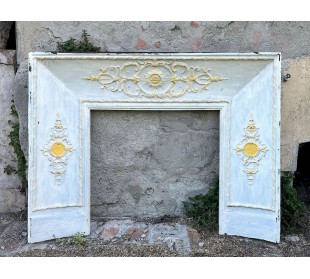
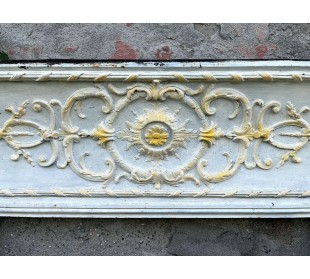
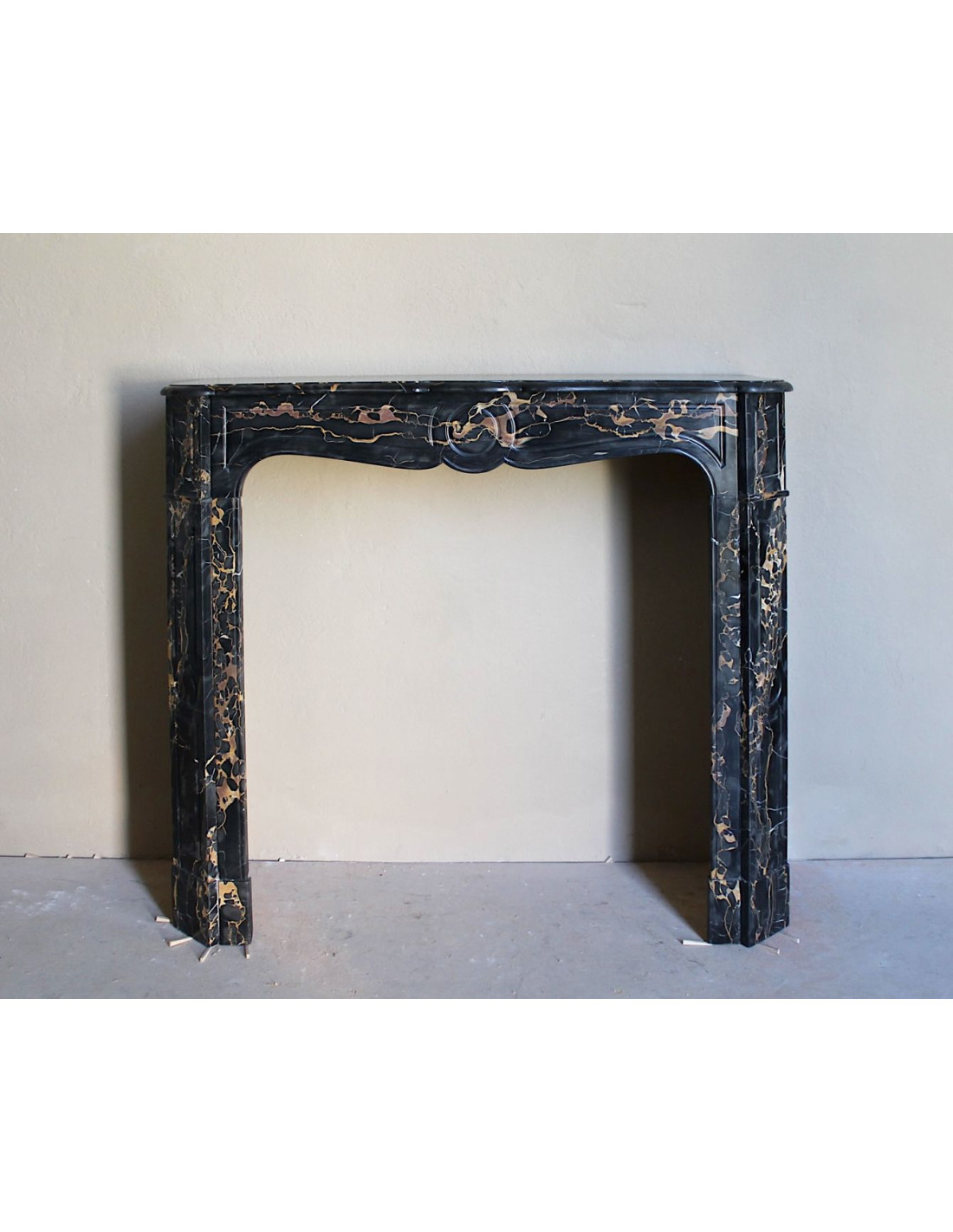
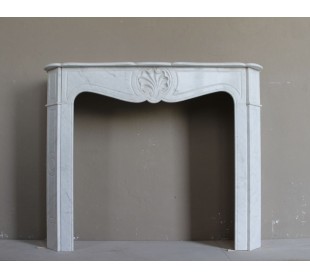
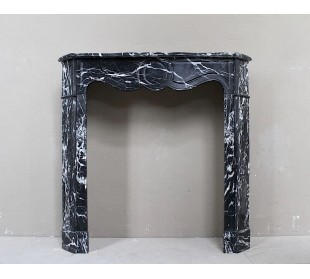
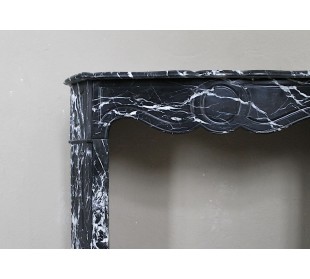
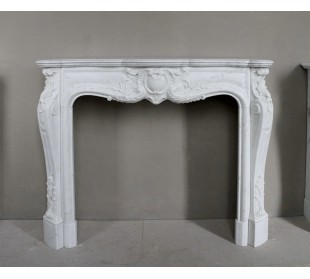
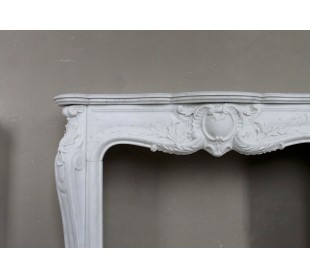
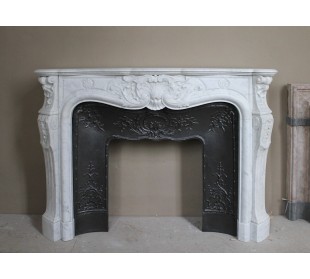
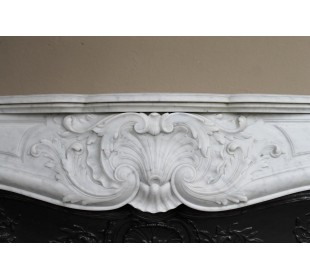
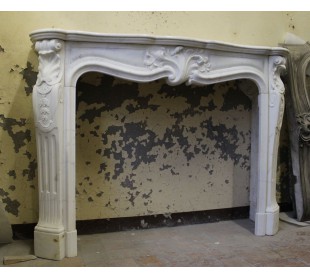
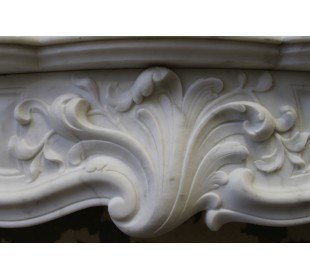
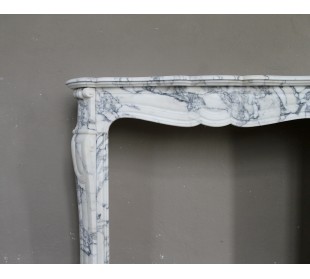
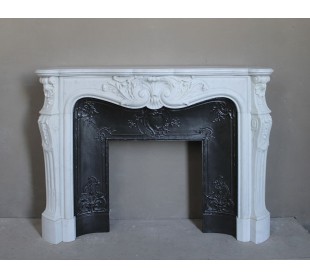
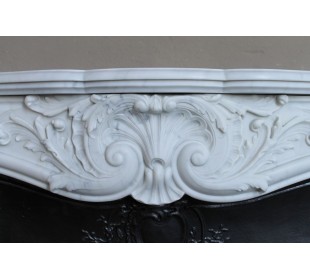
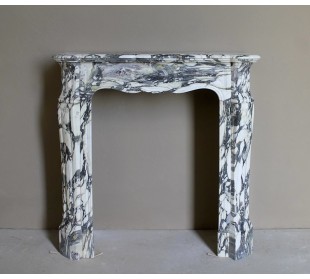
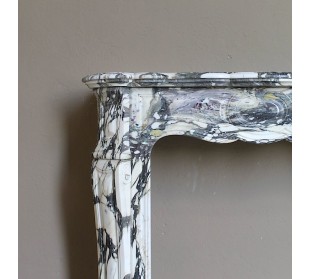
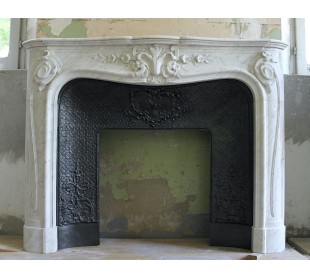
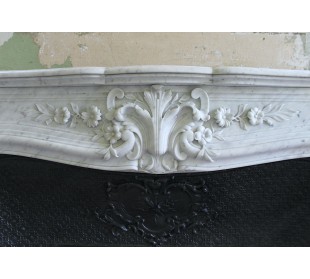
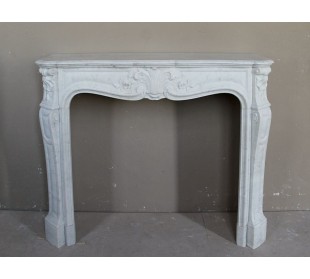
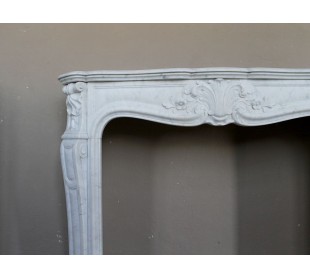
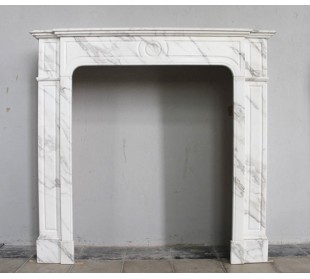
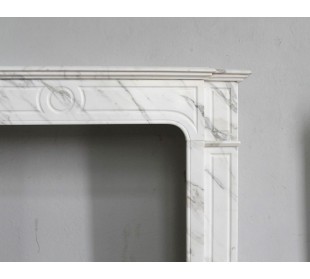
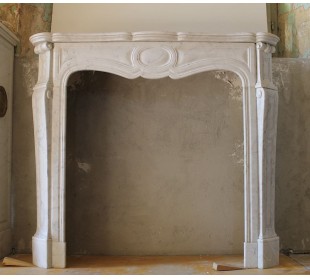
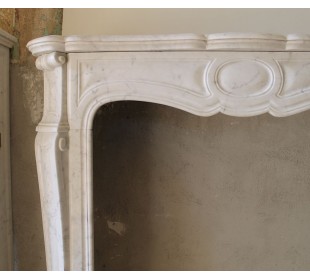
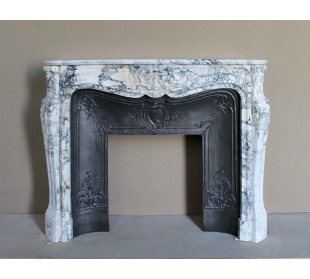
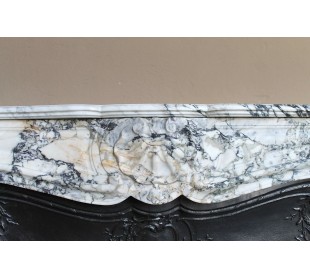
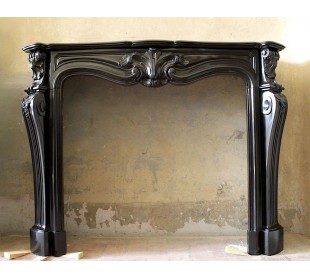
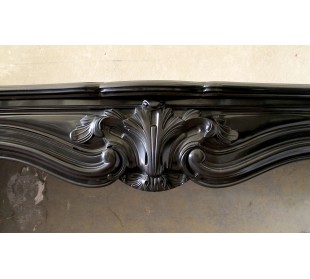
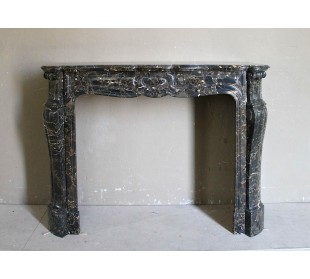
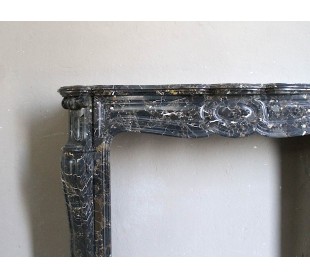
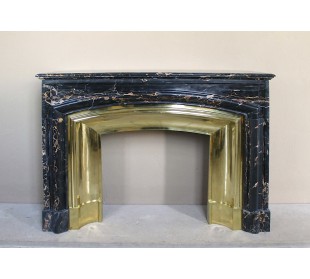
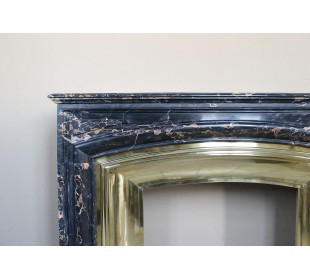
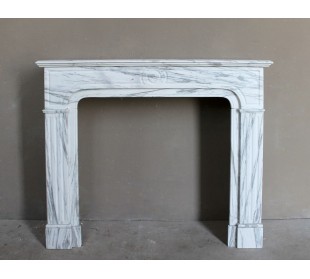
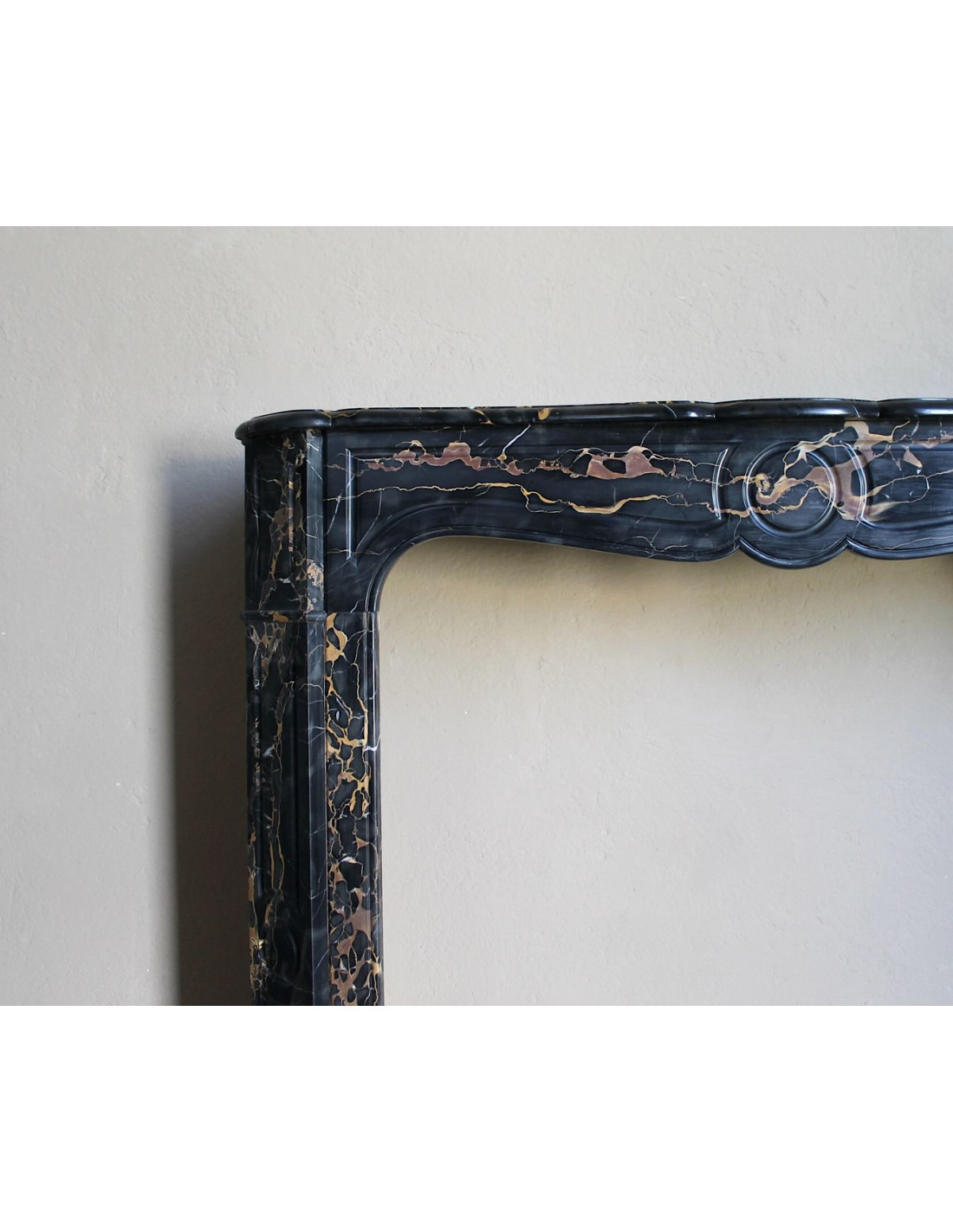
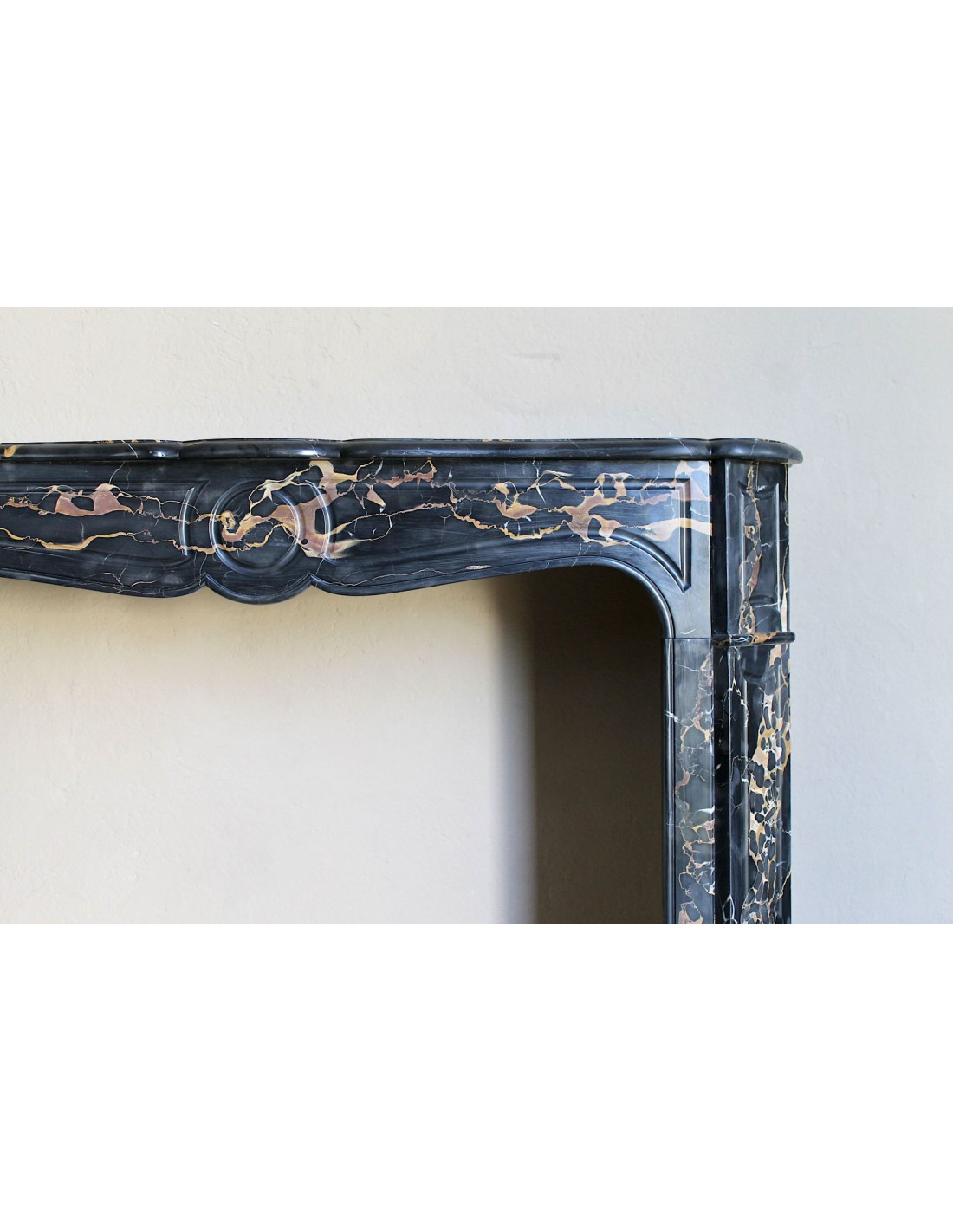
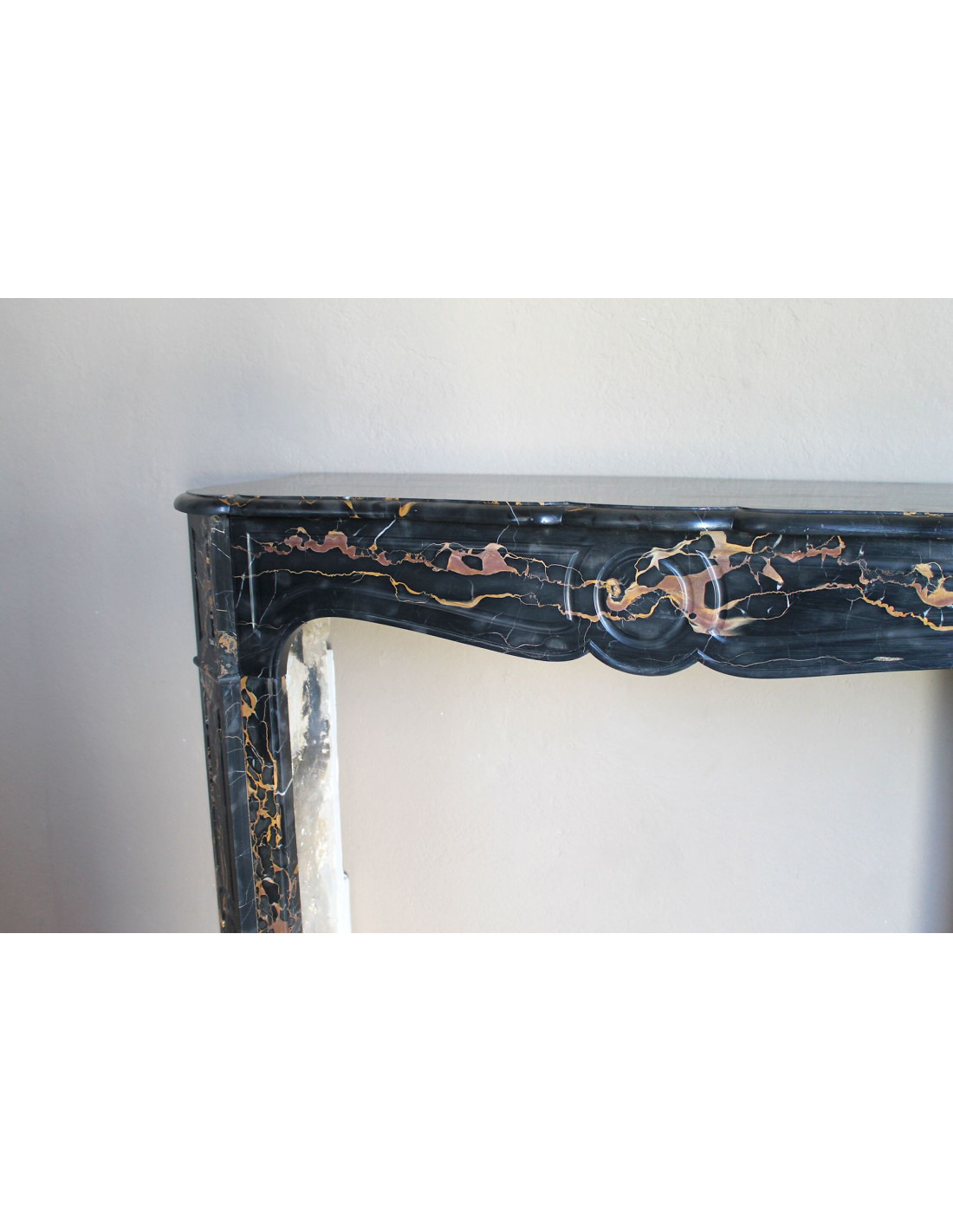
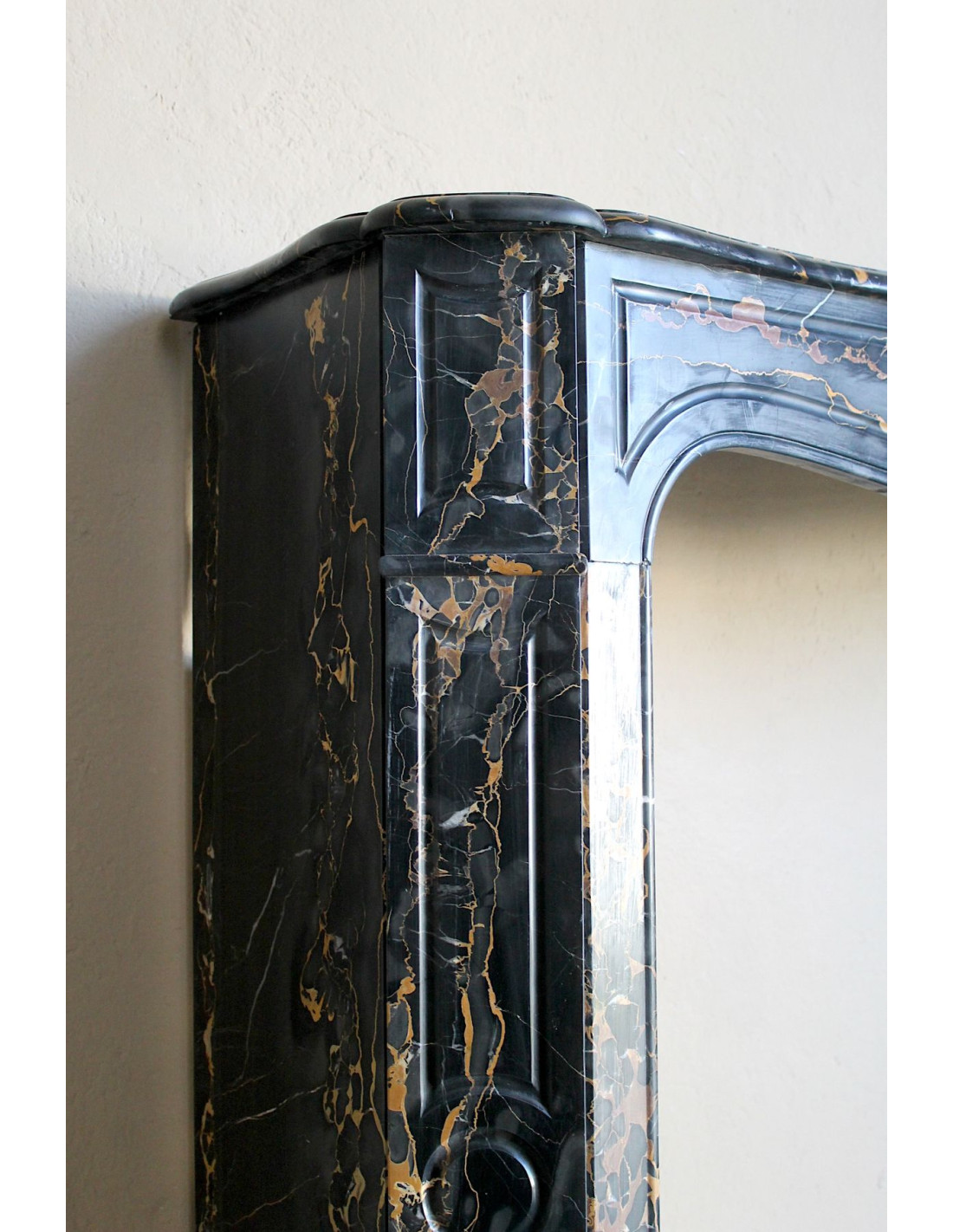
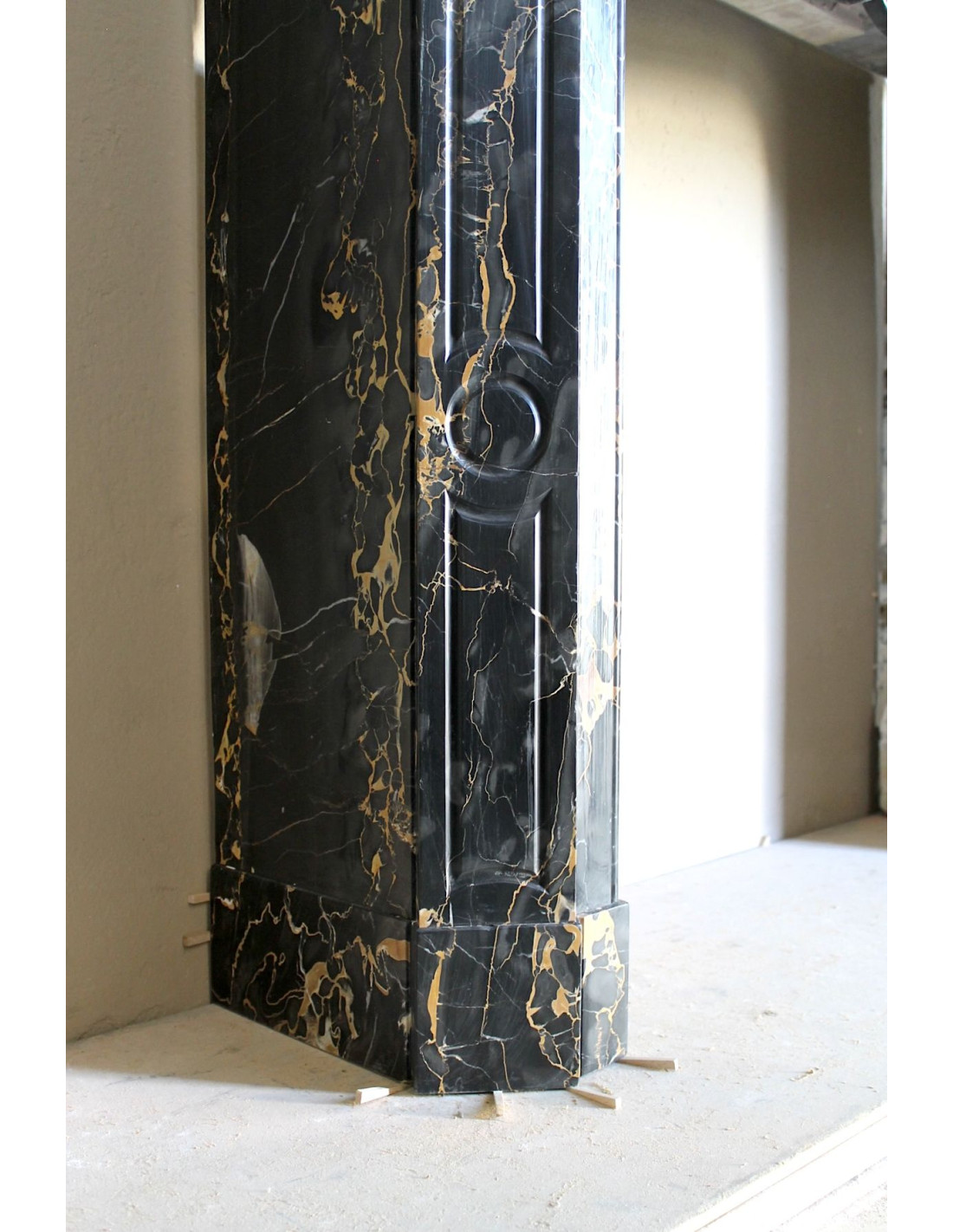
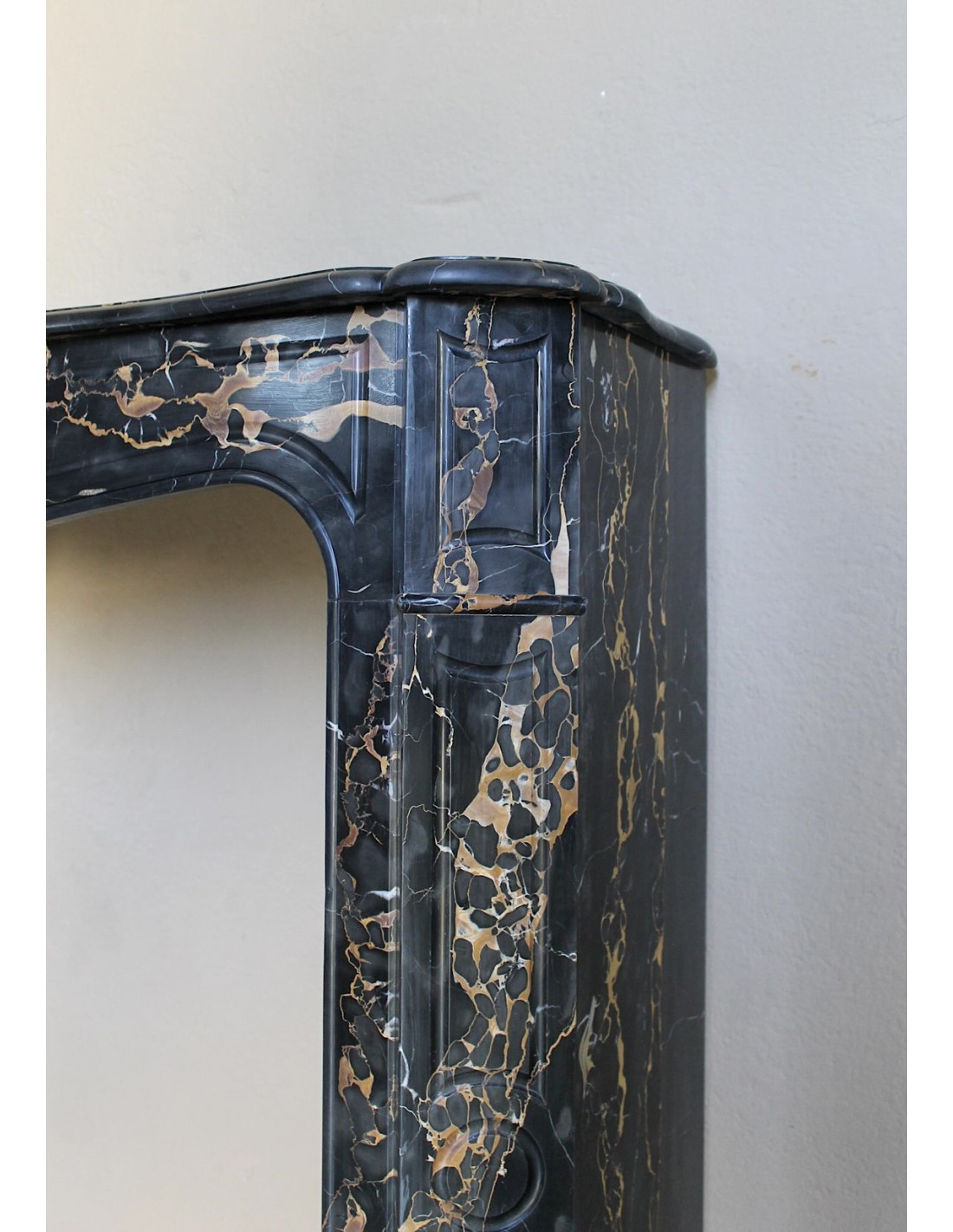
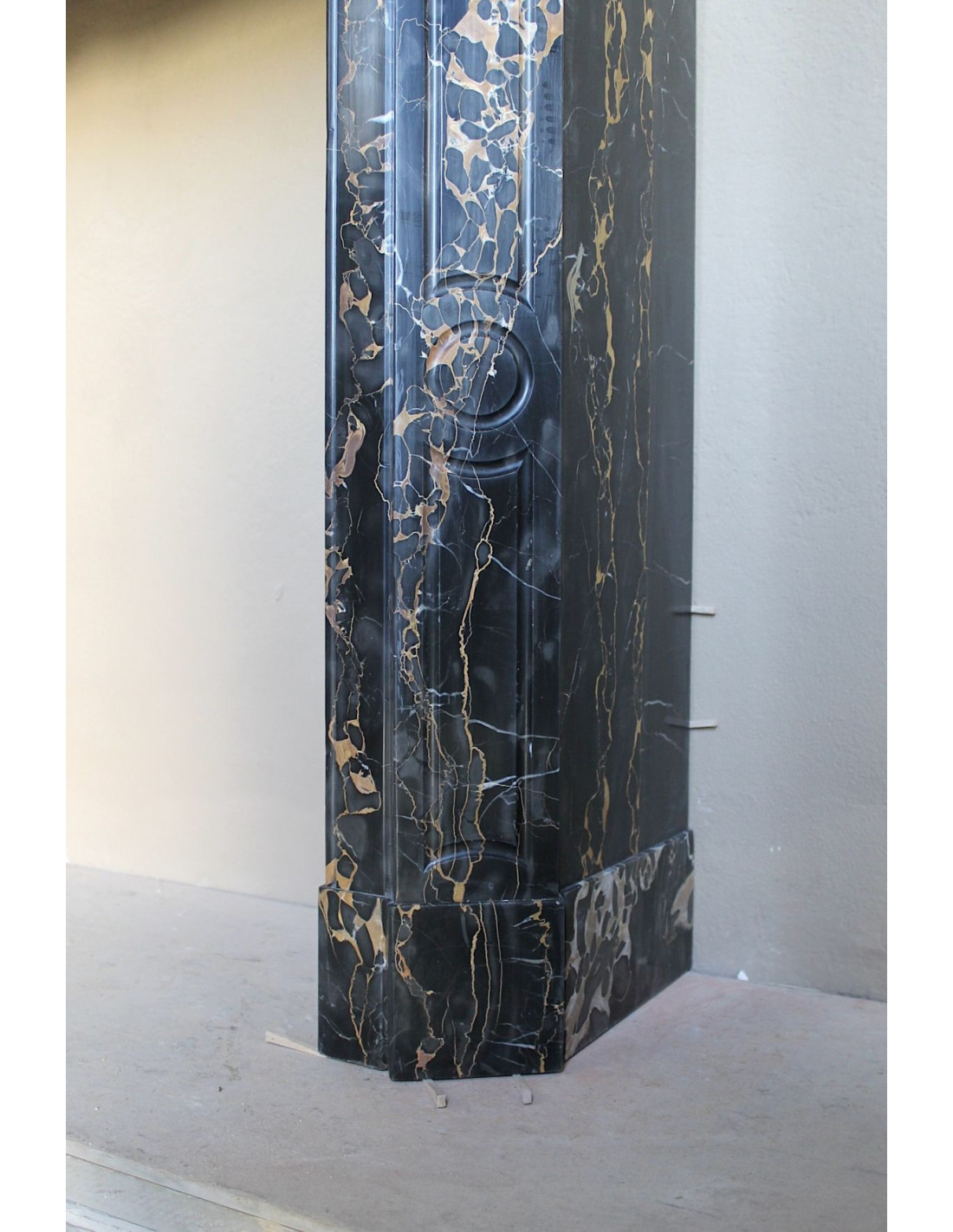
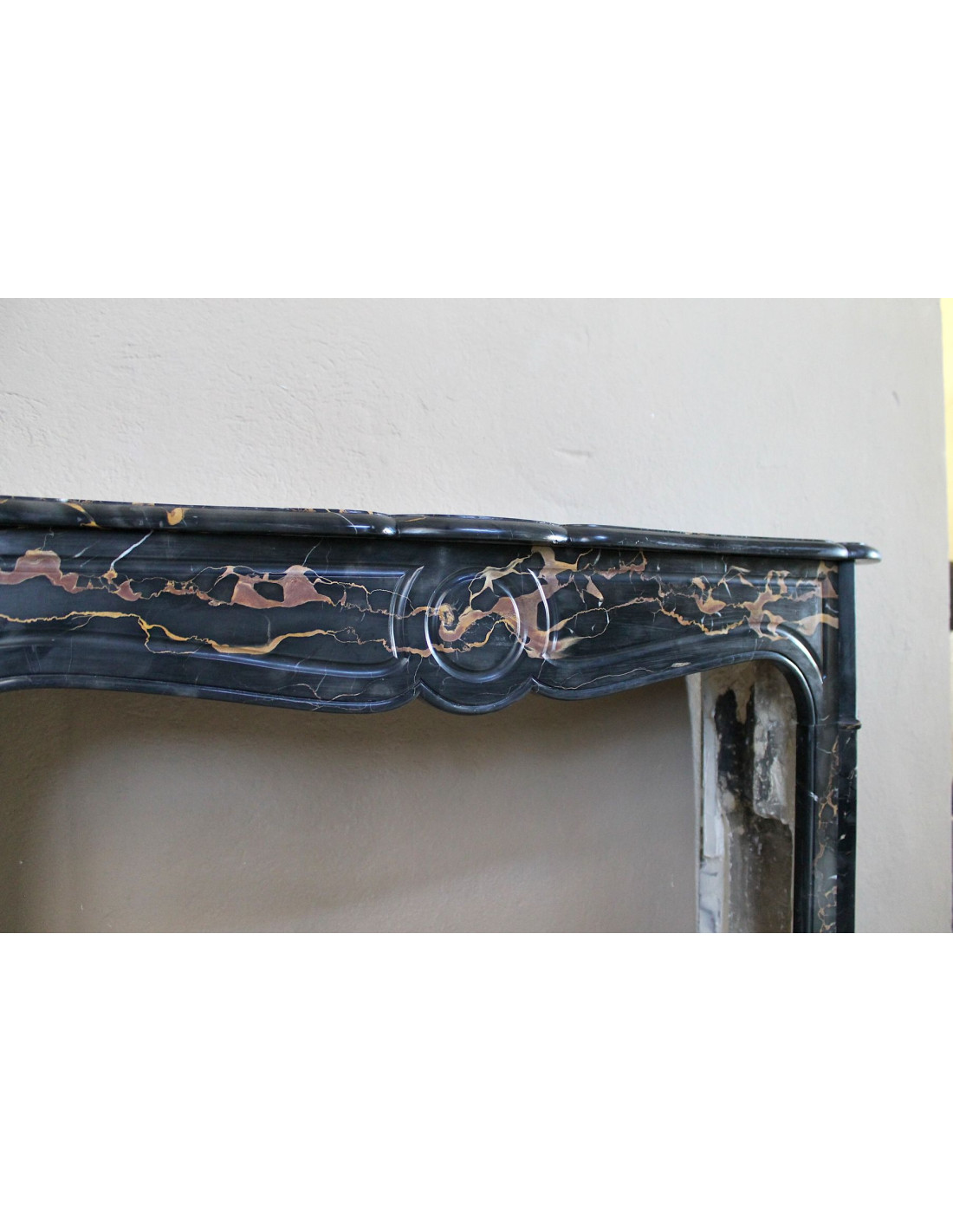
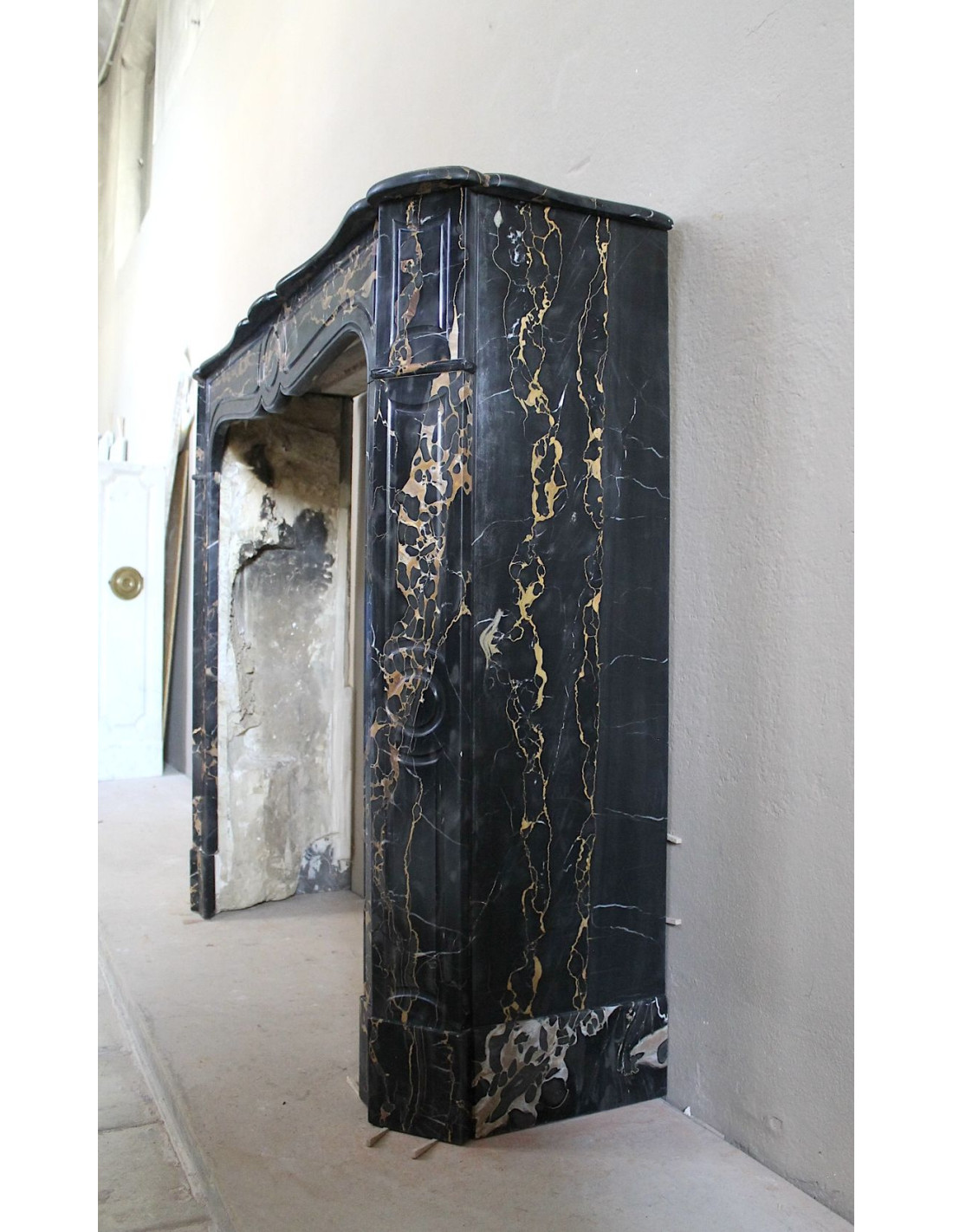
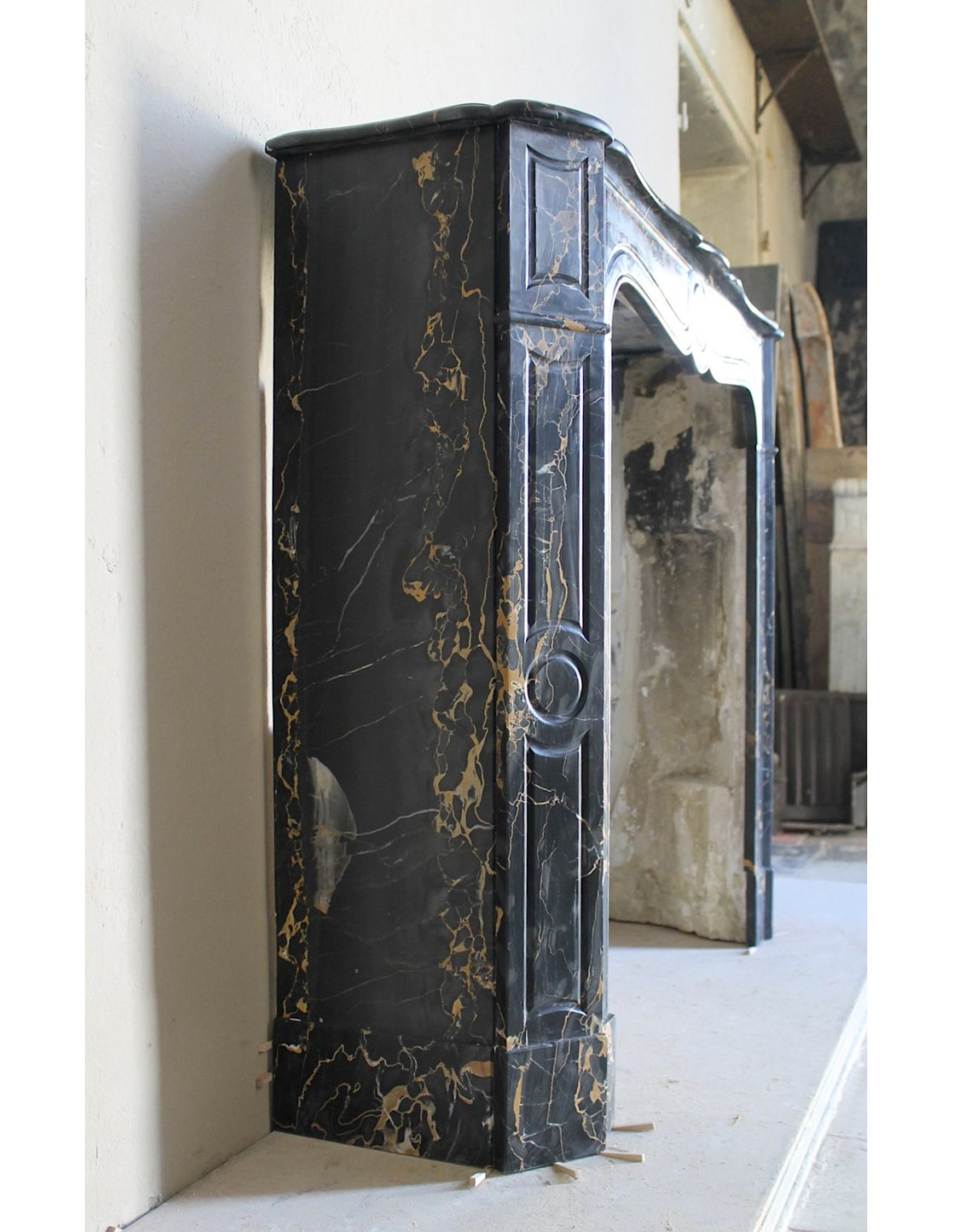
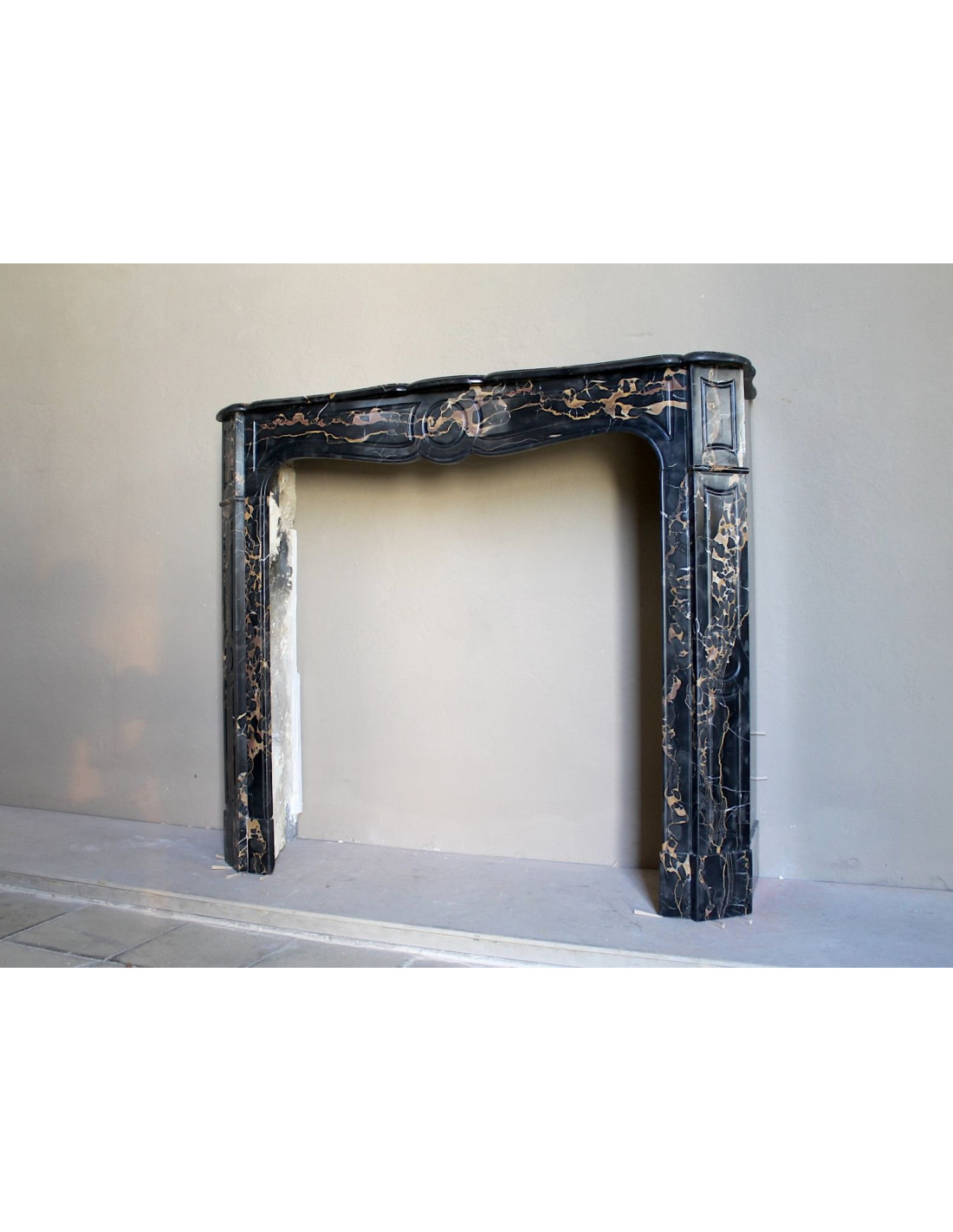
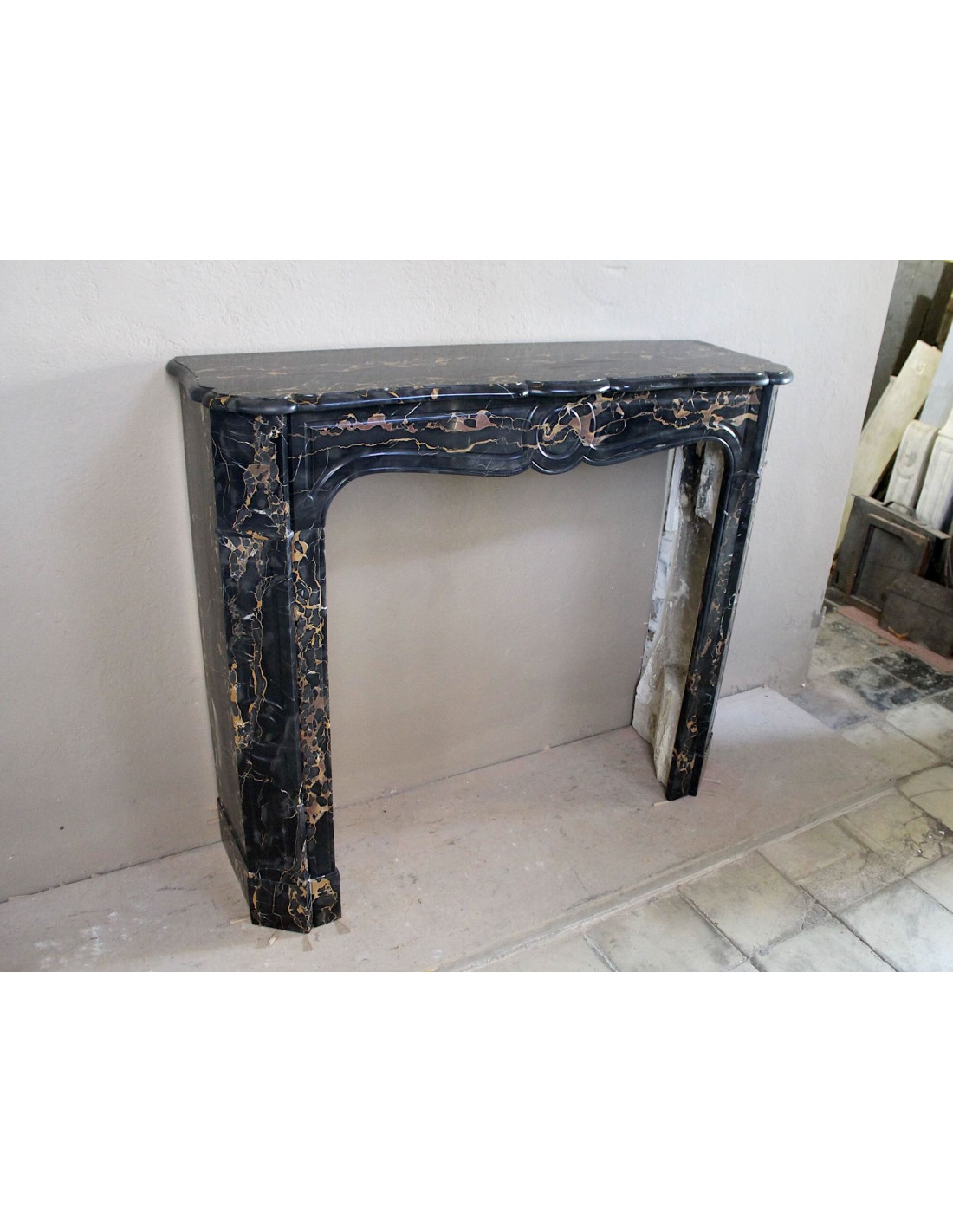
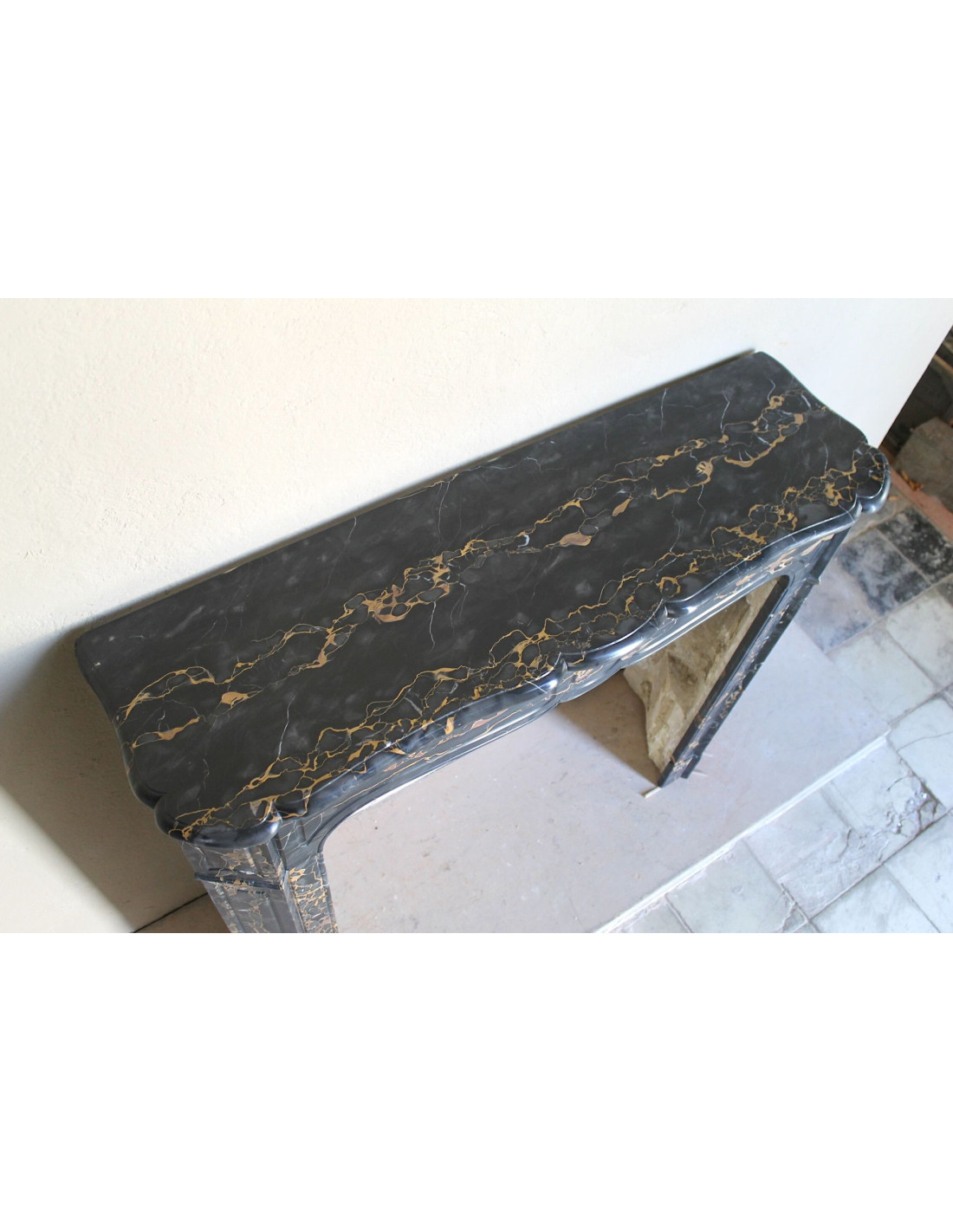
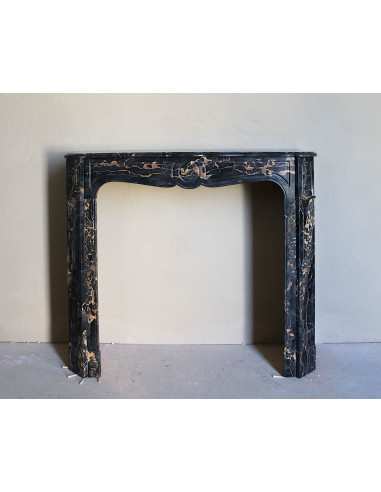
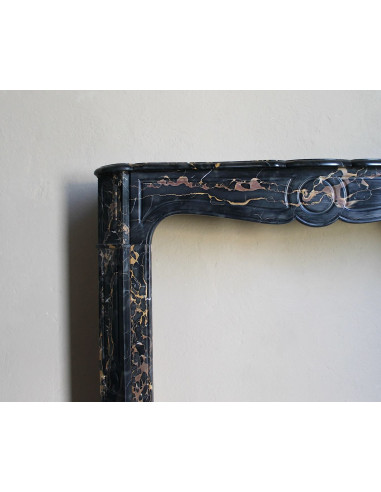
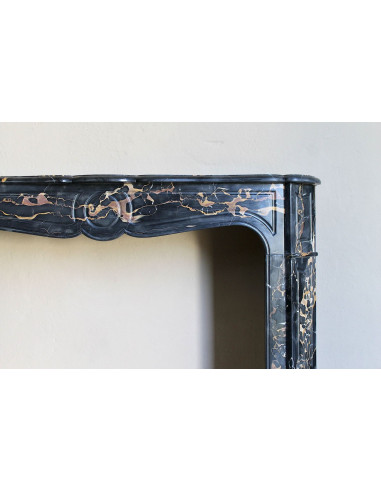
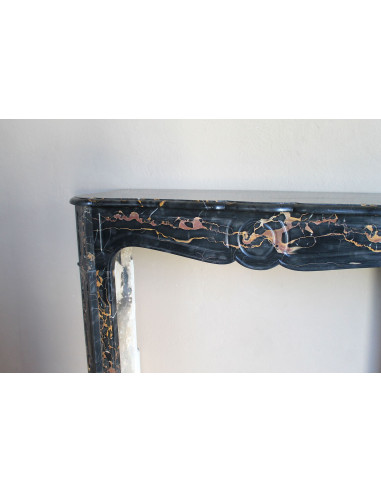
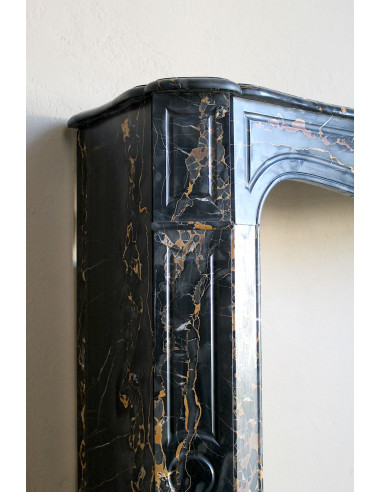
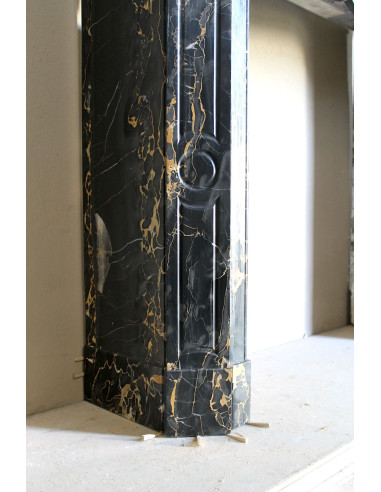
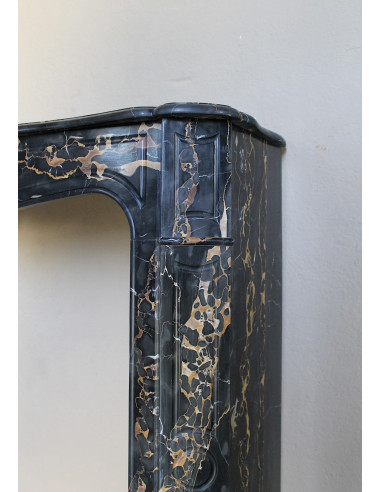
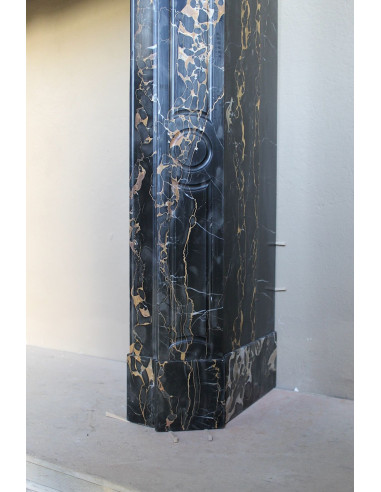
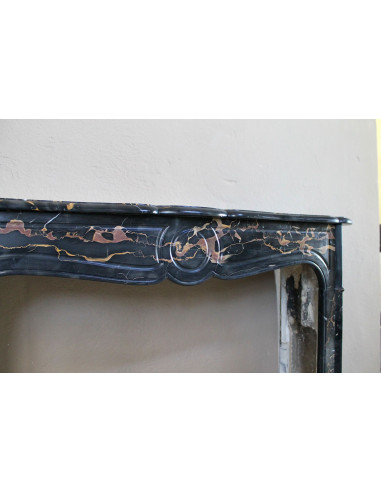
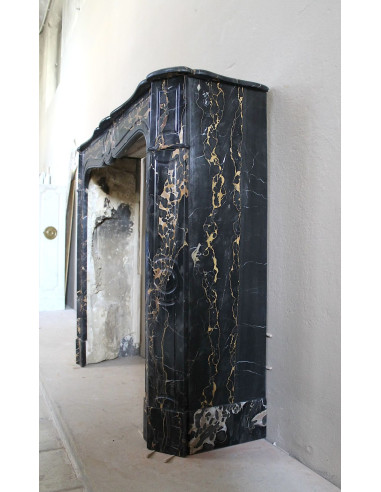
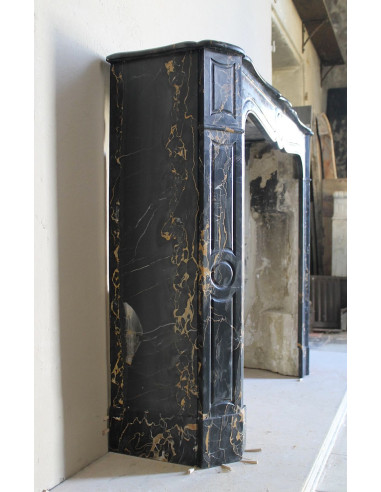
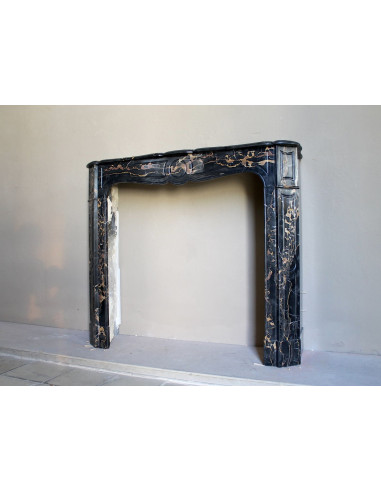
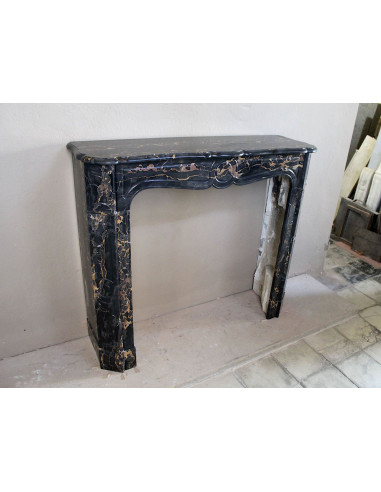
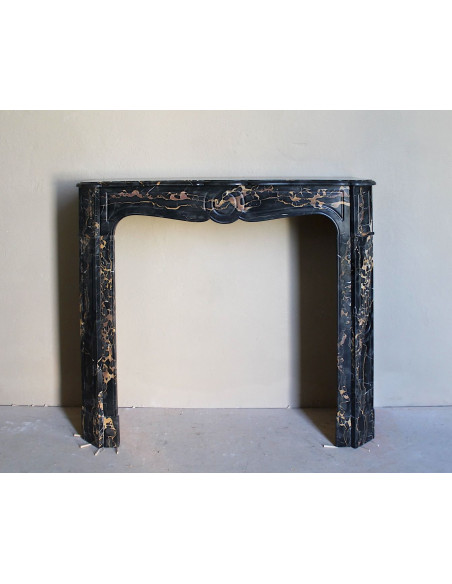
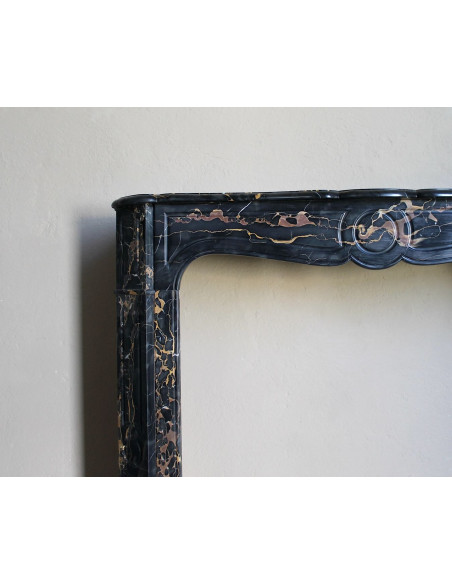
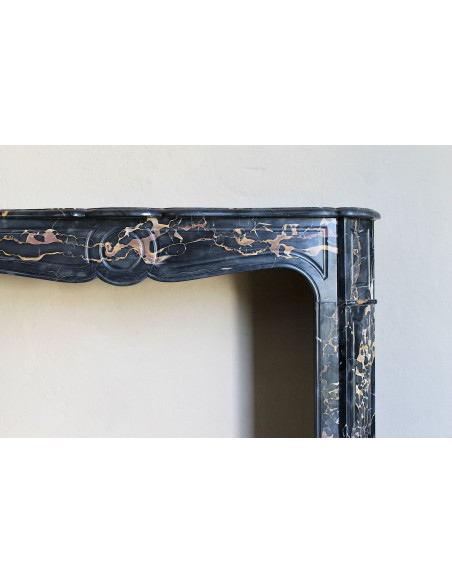
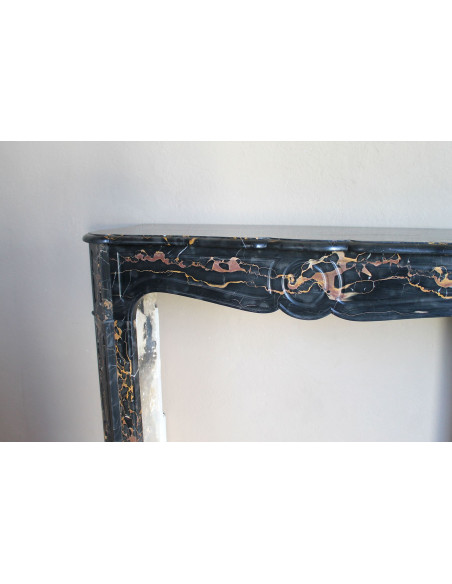
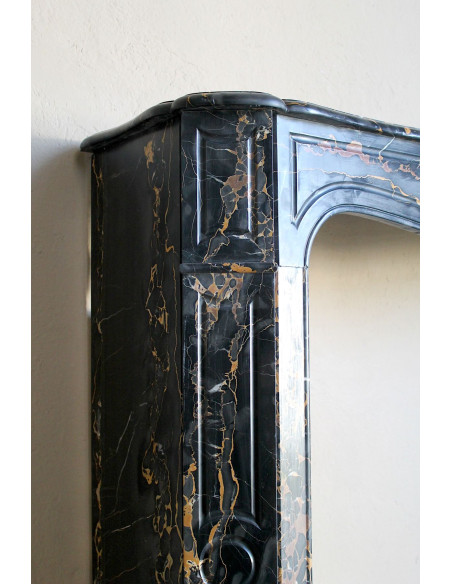
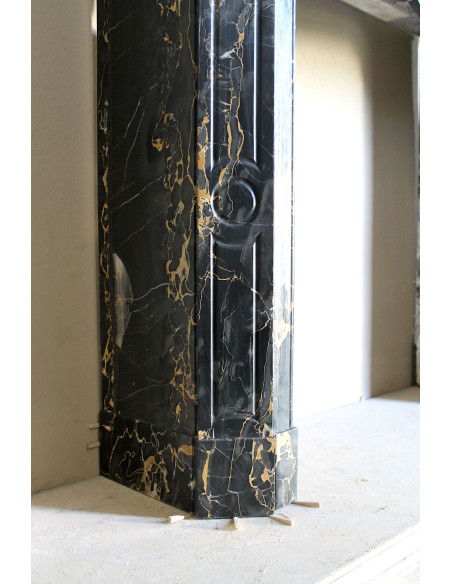
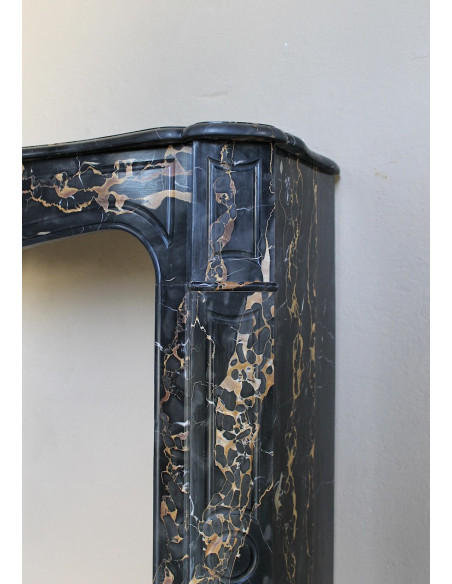
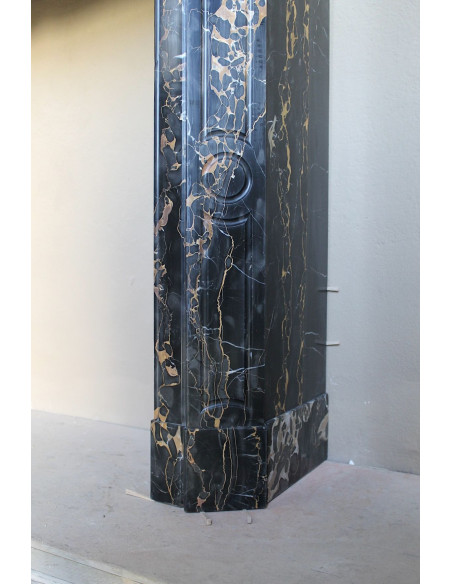
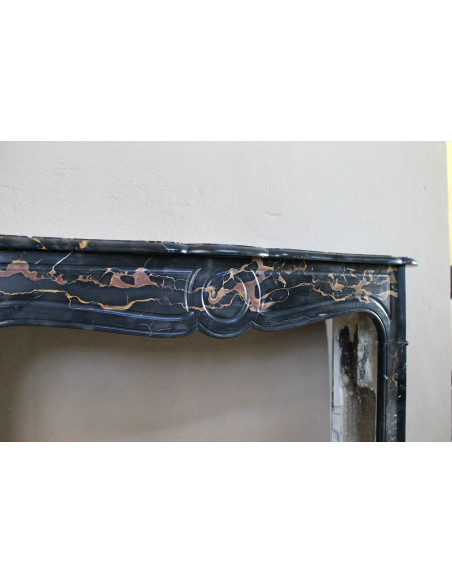
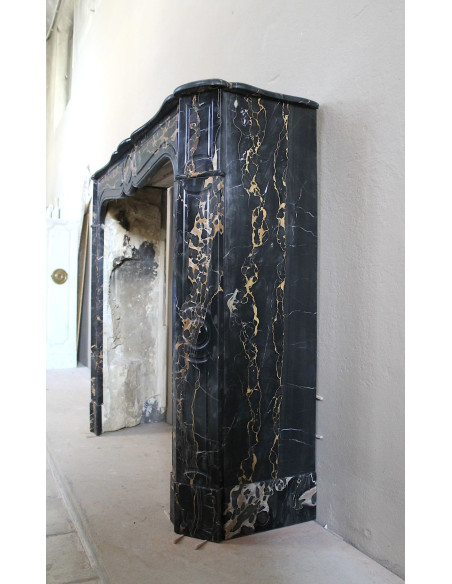
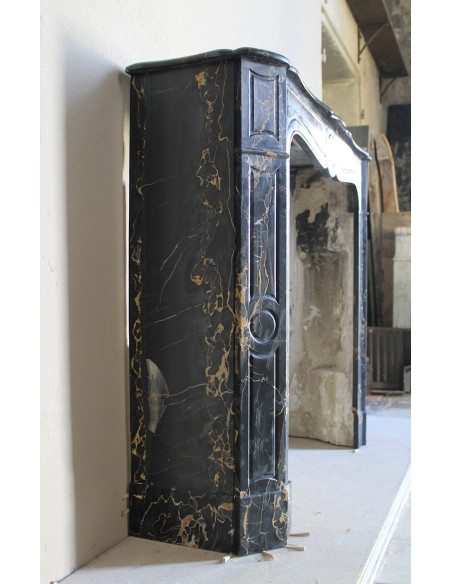
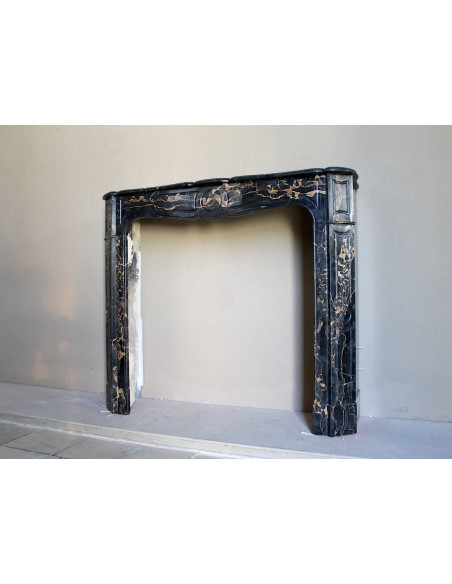
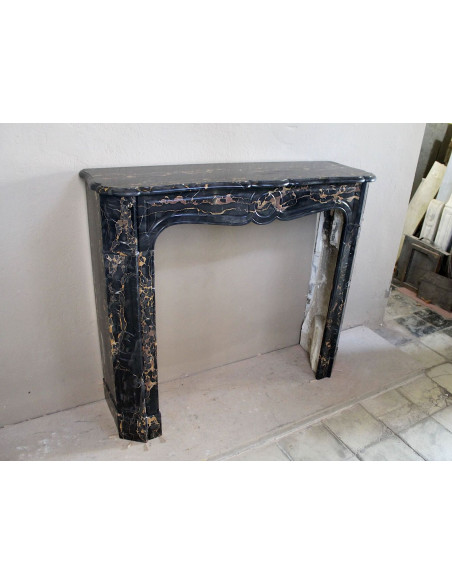
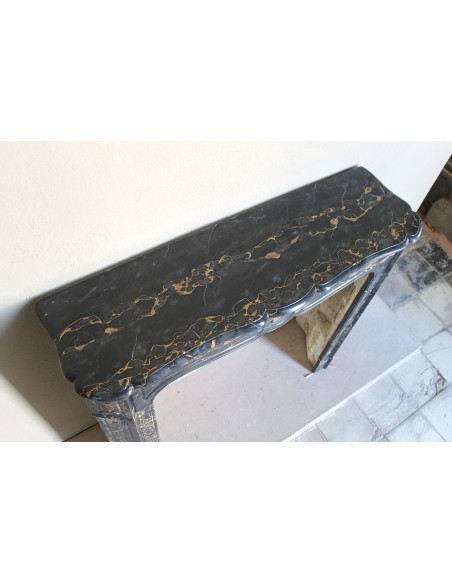
GRACEFUL LOUIS XV “POMPADOUR PLAT” ANTIQUE FIREPLACE MANTEL IN EXCEPTIONAL PORTORO MARBLE, PRESERVED IN OUTSTANDING CONDITION WITH A BEAUTIFUL ORIGINAL PATINA. DATING FROM THE BELLE ÉPOQUE (LATE 19TH/EARLY 20TH CENTURY), IT COMES FROM PLACE JULES JOFFRIN IN PARIS.
When I first saw this antique marble fireplace mantel, instead of immediately admiring its graceful, clean lines — as I normally do whenever I discover one of our fireplaces — I found myself thinking: “Just look at this fireplace. It is almost as if time had stopped for it. No one has ever disturbed it, and it has remained exactly as it was when its first owner chose it and had it installed.”
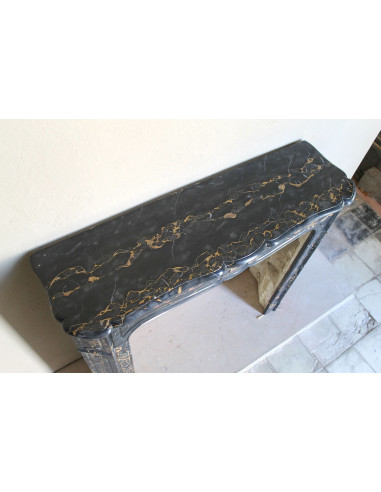
Its marble is not only captivating at first sight, but is also among the rarest and most highly prized decorative marbles. Portoro marble, with its deep black background crossed by dramatic golden veining, was historically quarried in very limited quantities in the area around Palmaria Island, just off La Spezia on the Ligurian coast. Today, historic-quality Portoro has become exceptionally scarce. The small quantities still extracted are often referred to as “Portorino,” whose appearance and quality are far removed from the magnificent old-quarried Portoro used for our antique fireplace mantel.
And as I was thinking about how remarkably well this fireplace had survived, another thought immediately came to mind: this mantel was stol... ahem... discovered in one of the most wonderfully preserved corners of Paris.
So, for once, I feel like telling you about the setting before the object itself. Perhaps you will enjoy it too.
This fireplace was born and spent its life in a tiny Parisian neighborhood — one I have known and loved for half a century — that could almost be described as a protected reserve of the old Parisian spirit.
At its heart is a little square, Place Jules Joffrin, little more than an opening along Rue Ordener at the foot of Montmartre, in one of the historic districts of Paris.
But this is not just another Parisian square. To me, it is a little world of its own: wonderfully resistant to change, a place where you can still sense the determination of these last Parisian “Mohicans” to remain themselves, preserving their habits, their eccentricities, and an almost 19th-century way of life.
On the square stands the church of Notre-Dame de Clignancourt, accompanied by a beautifully tended little garden — one of those delicate touches of color and affection that Paris does so well.
Charles Baudelaire is said to have stopped here during his walks through this part of Paris, and some time ago I even came across a notice from the local Jules Joffrin neighborhood committee proposing that the garden be restored and named after the poet.
And there is more. In this little corner of Parisian history stands a small, round children’s carousel. It is old and seems to have been there forever — at least, it has been there for as long as I can remember. It too belongs to this miniature landscape, another tradition that the people of the neighborhood evidently have no intention of giving up.
Immediately beside the square is a Métro station, which perhaps helps explain why this little enclave, despite lying within one of Europe's busiest capitals, sees remarkably little traffic apart from pedestrians.
Cars flow instead along Rue Ordener, the broad, tree-lined avenue running alongside it, without actually cutting through the square — merely brushing past it with all the noise and fumes you might imagine, almost as though modernity itself had decided, out of respect, to spare this tiny urban Eden.
In short — LUCKY THEM — most of the people living around the square can rely on the Métro rather than their cars.
NOT LEAST BECAUSE THESE OLD PARISIAN BUILDINGS HAVE NO GARAGES. WHAT THEY HAVE INSTEAD ARE... CELLARS: LARGE CELLARS FILLED WITH BOTTLES AND BICYCLES, OLD ODDS AND ENDS AND FURNITURE NO LONGER USED, AND MEMORIES — SOME HAPPY, SOME MELANCHOLY — OF TIMES GONE BY.
I WAS ABOUT TO END THIS DESCRIPTION, but there is one last detail about this wonderful little square that I simply have to tell you about: the image of a hand offering wonderfully fresh shellfish, something old-school Parisians adore — so much so that people will tell you that the seafood here is among the freshest and finest anywhere.
Every morning — and sometimes again toward evening, although I could not tell you exactly when or why — a small food market appears in the square, and I absolutely love walking through it. For a moment, it feels like stepping back in time and forgetting the almost comically bleak experience of shopping beneath the harsh lights of a modern supermarket.
This is a picture-postcard market, yet it is not staged for tourists: it genuinely serves the people who live in the neighborhood. There are little wooden stalls piled with fruit and vegetables, the inevitable poulet rôti, a thousand varieties of French cheese (which I personally would not exchange for a good piece of Parmigiano, but they certainly look the part...), and, reigning over everything else, the seafood.
Here, if you ask, expert hands will shuck, prepare, clean and season it for you, right there in front of you.
AND THAT, LADIES AND GENTLEMEN, IS WHERE YOUR ANTIQUE FIREPLACE ONCE LIVED.