
SHARE ON:
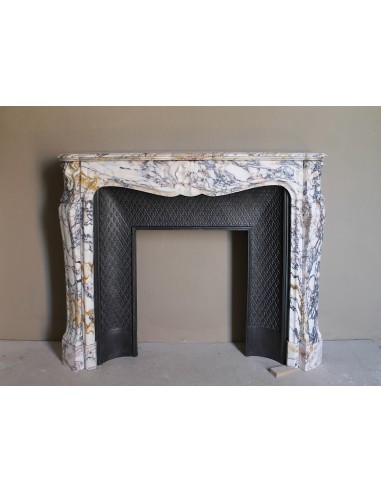
Some antique fireplace mantels are rare because of their design.
Others because of their provenance.
This remarkable example is rare for an altogether different reason.
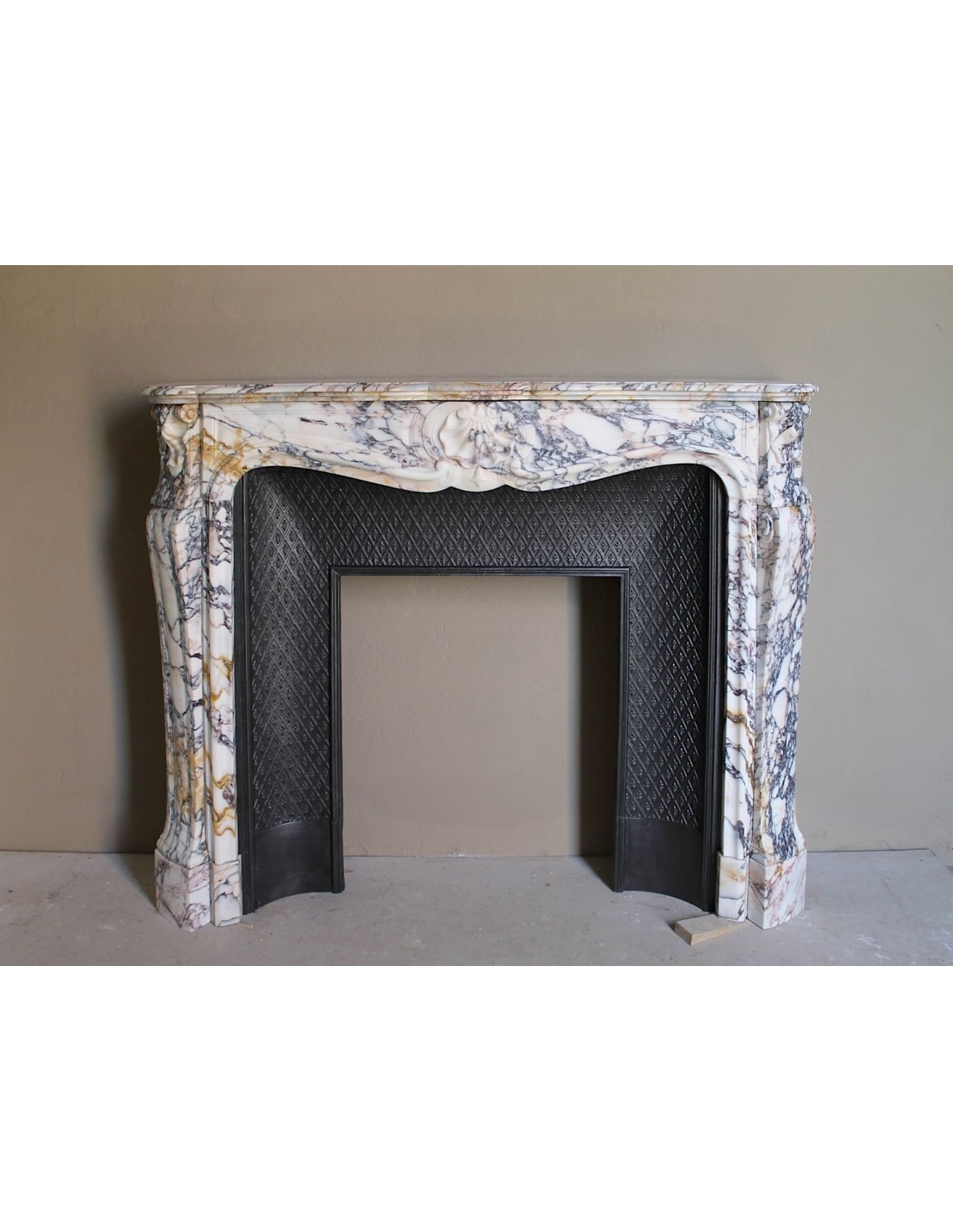
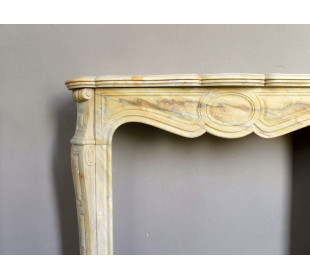
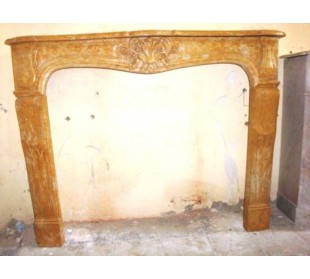
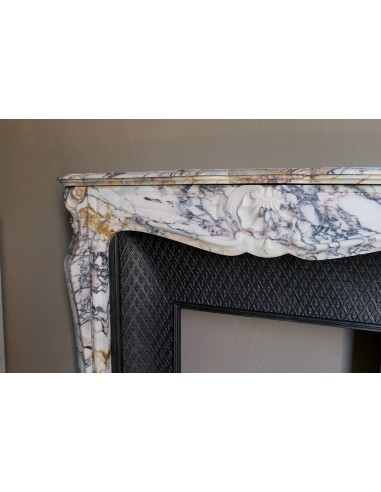
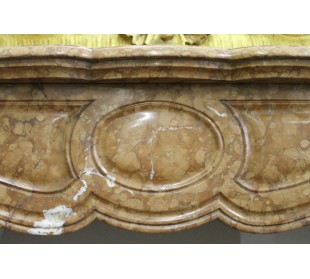
Finding an antique fireplace carved from Golden Calacatta Marble is uncommon.
Finding one carved from Viola Calacatta Marble is equally exceptional.
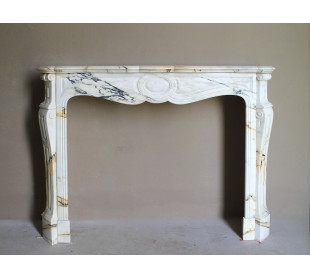
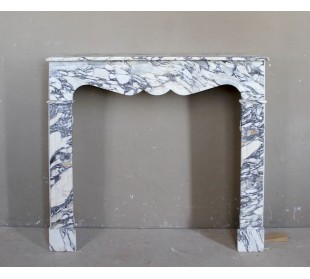
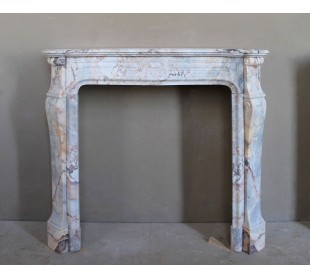
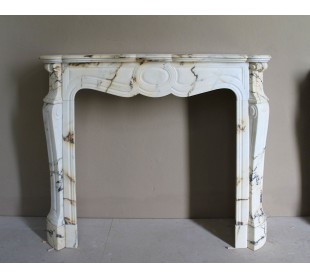
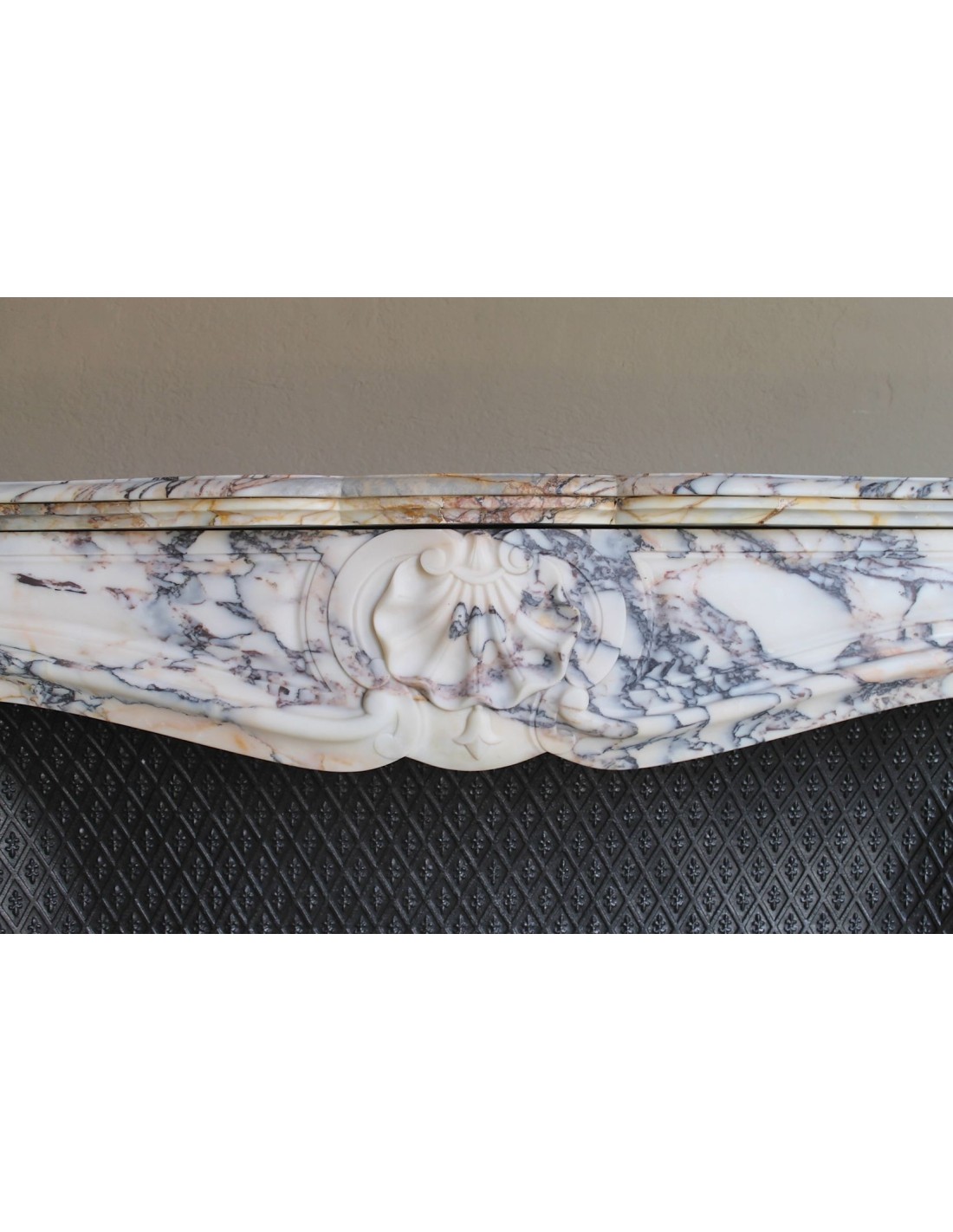
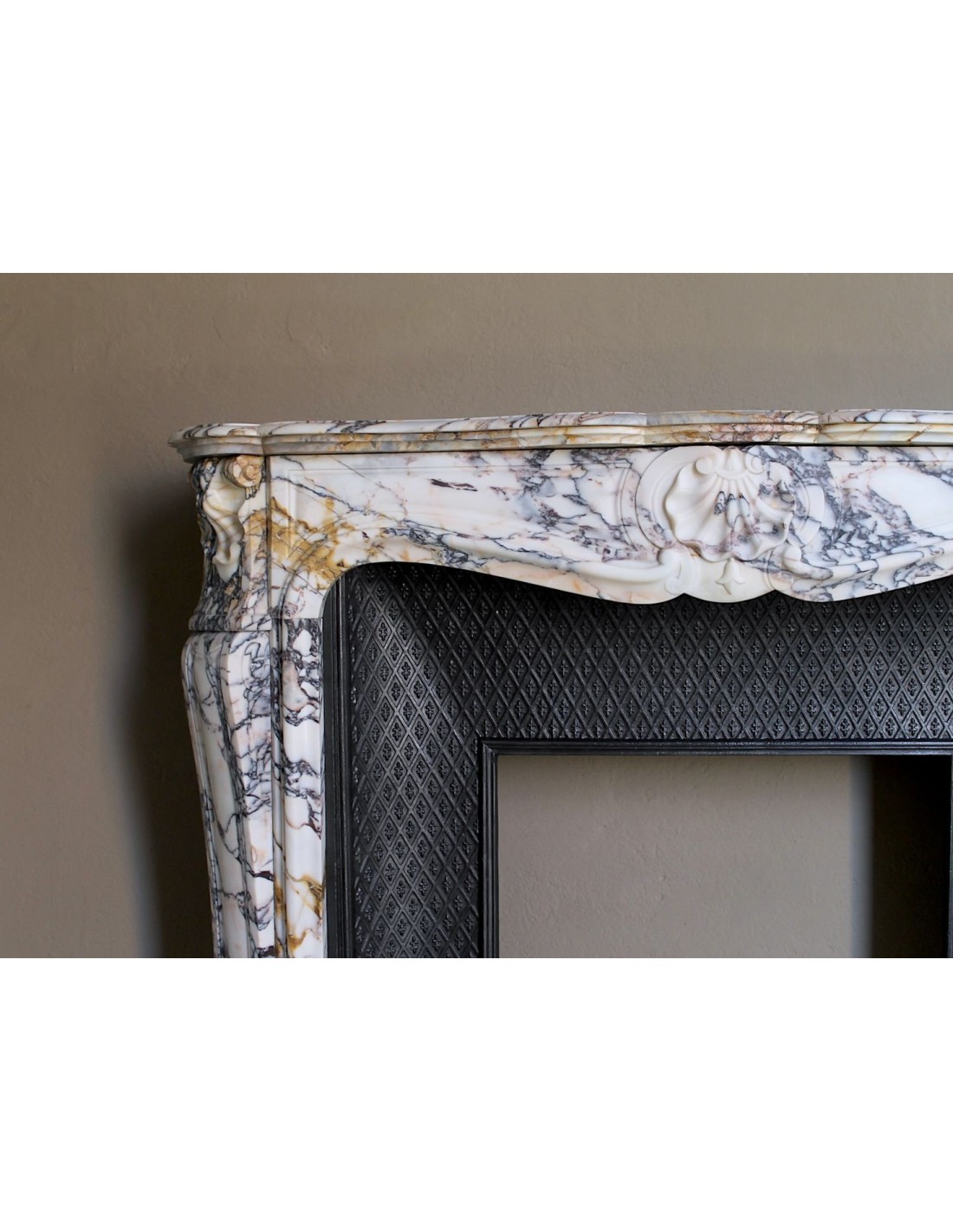
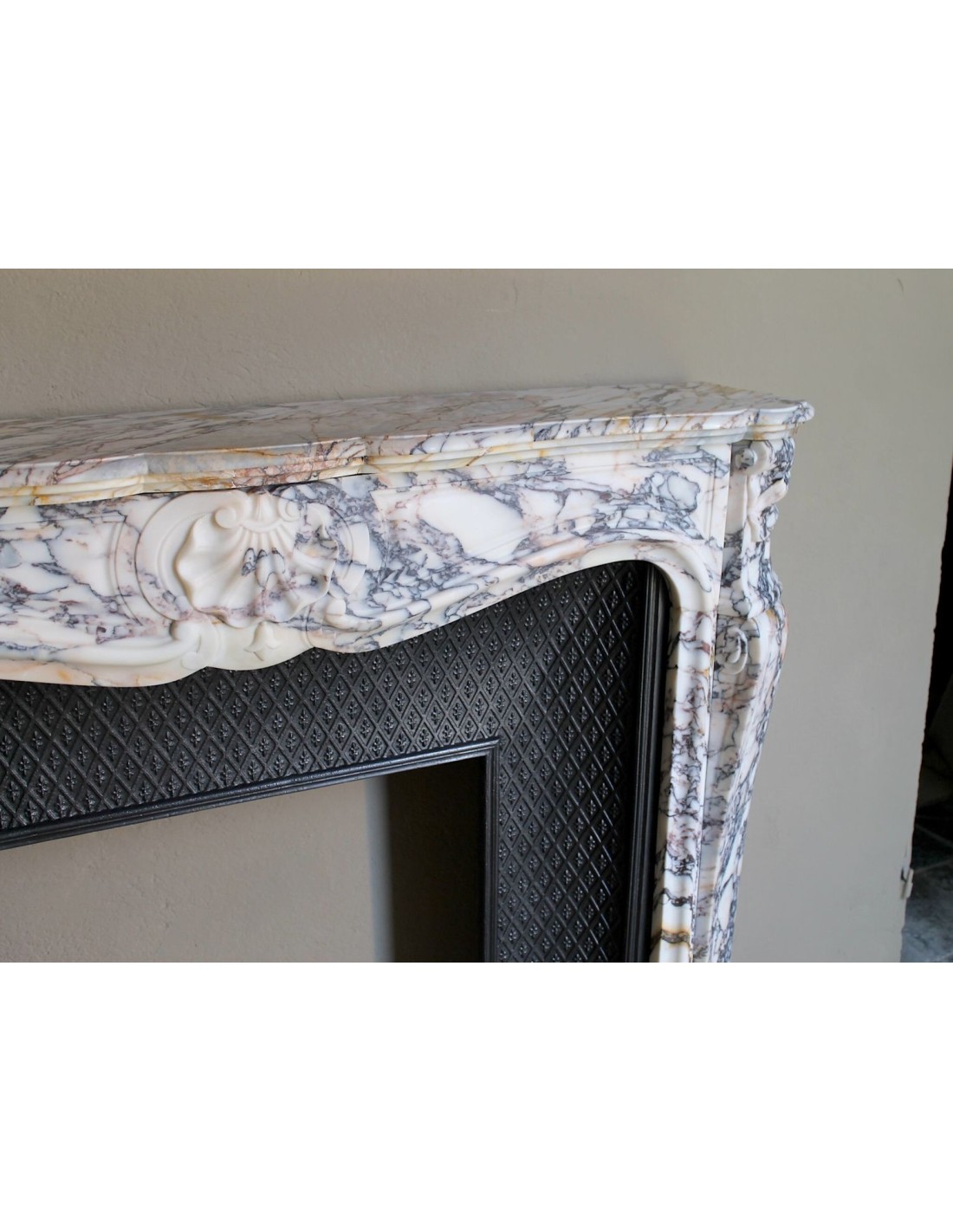
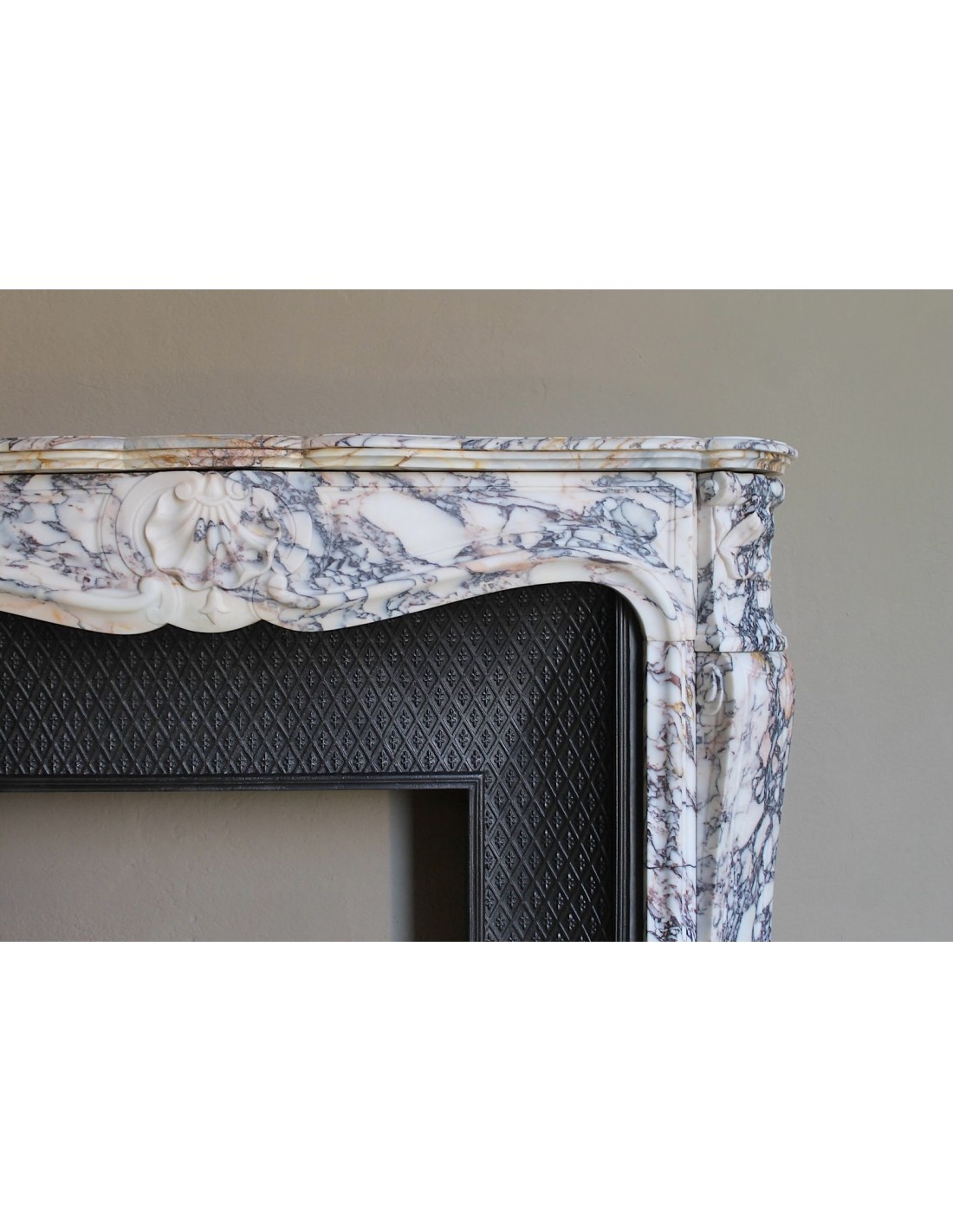
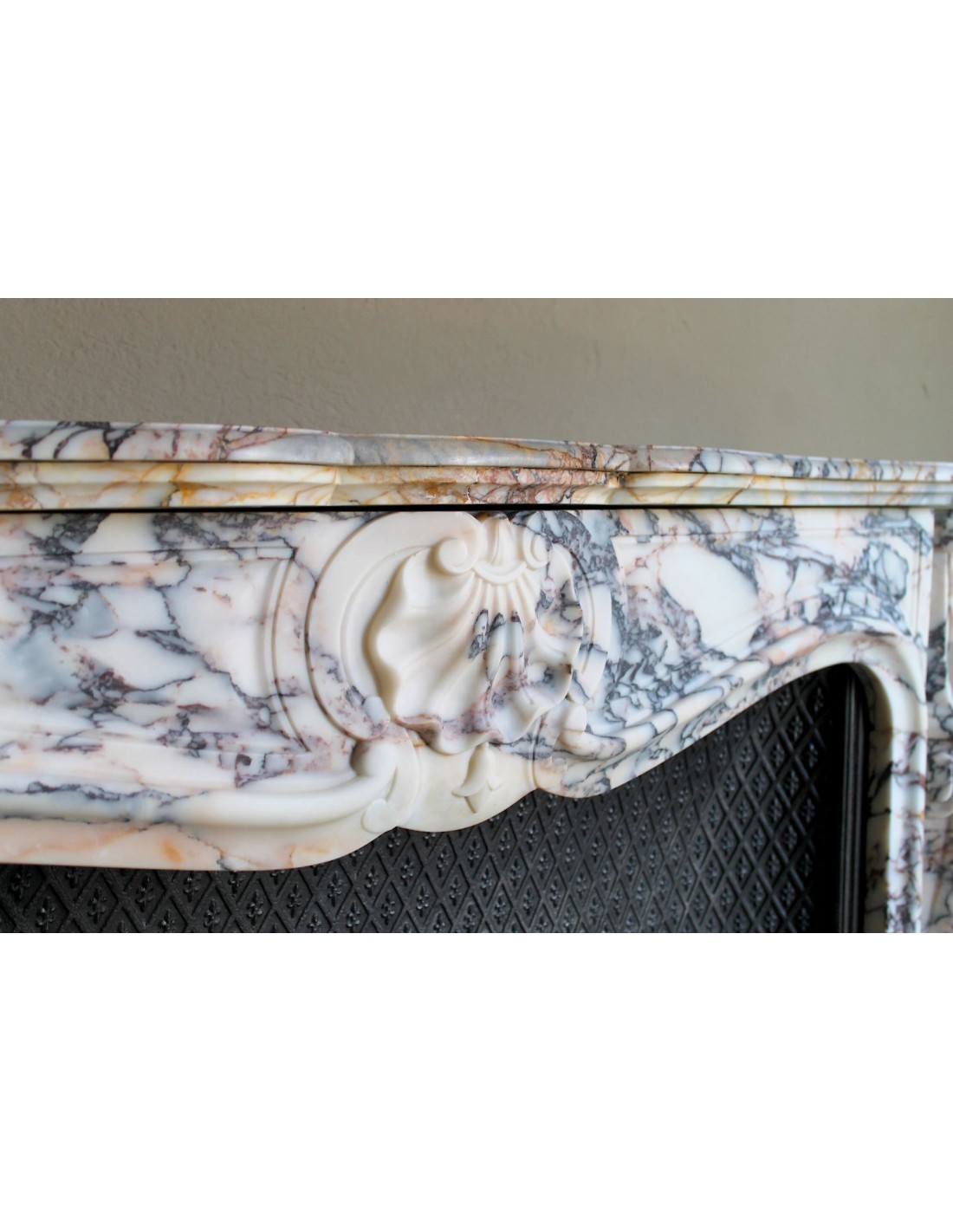
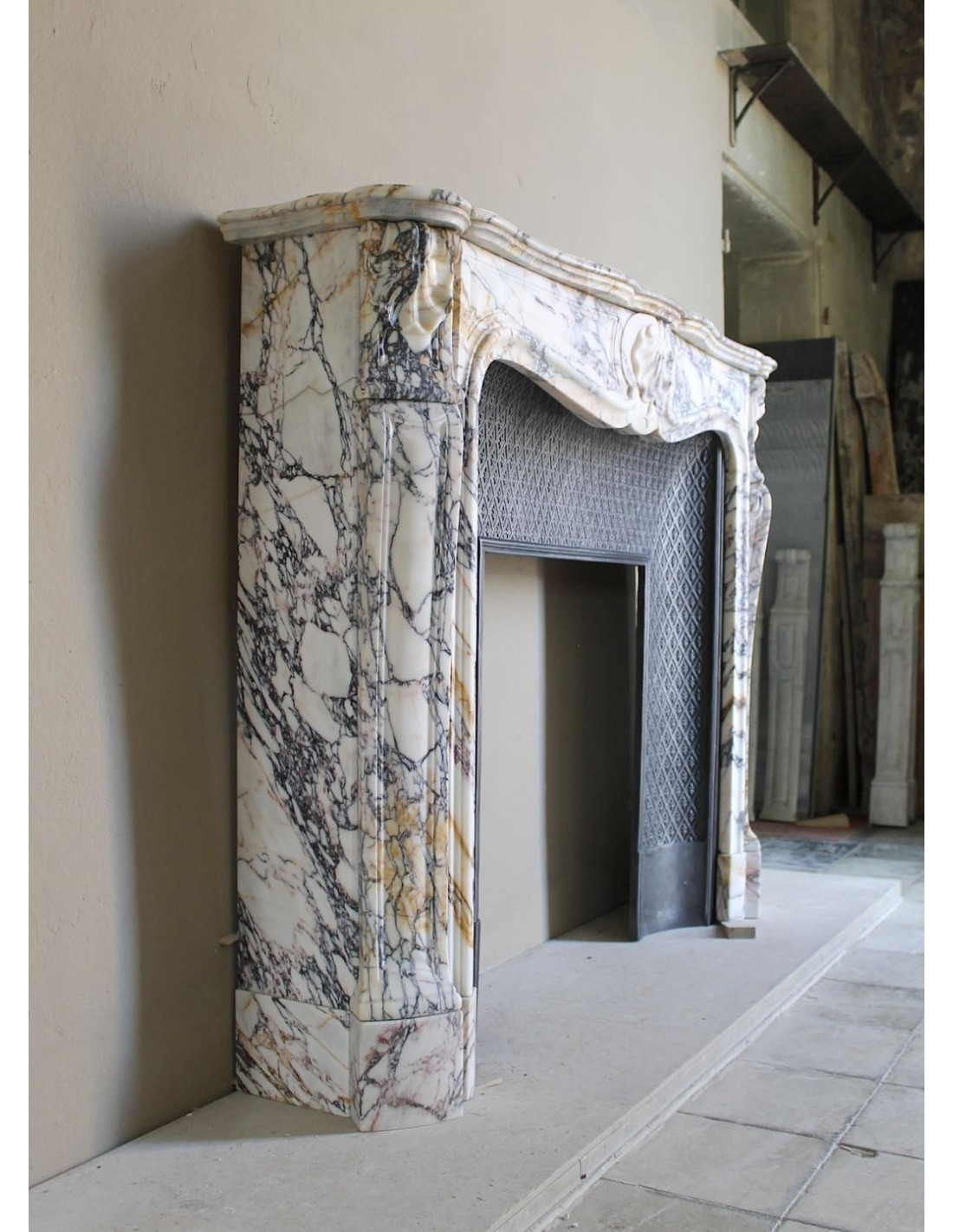
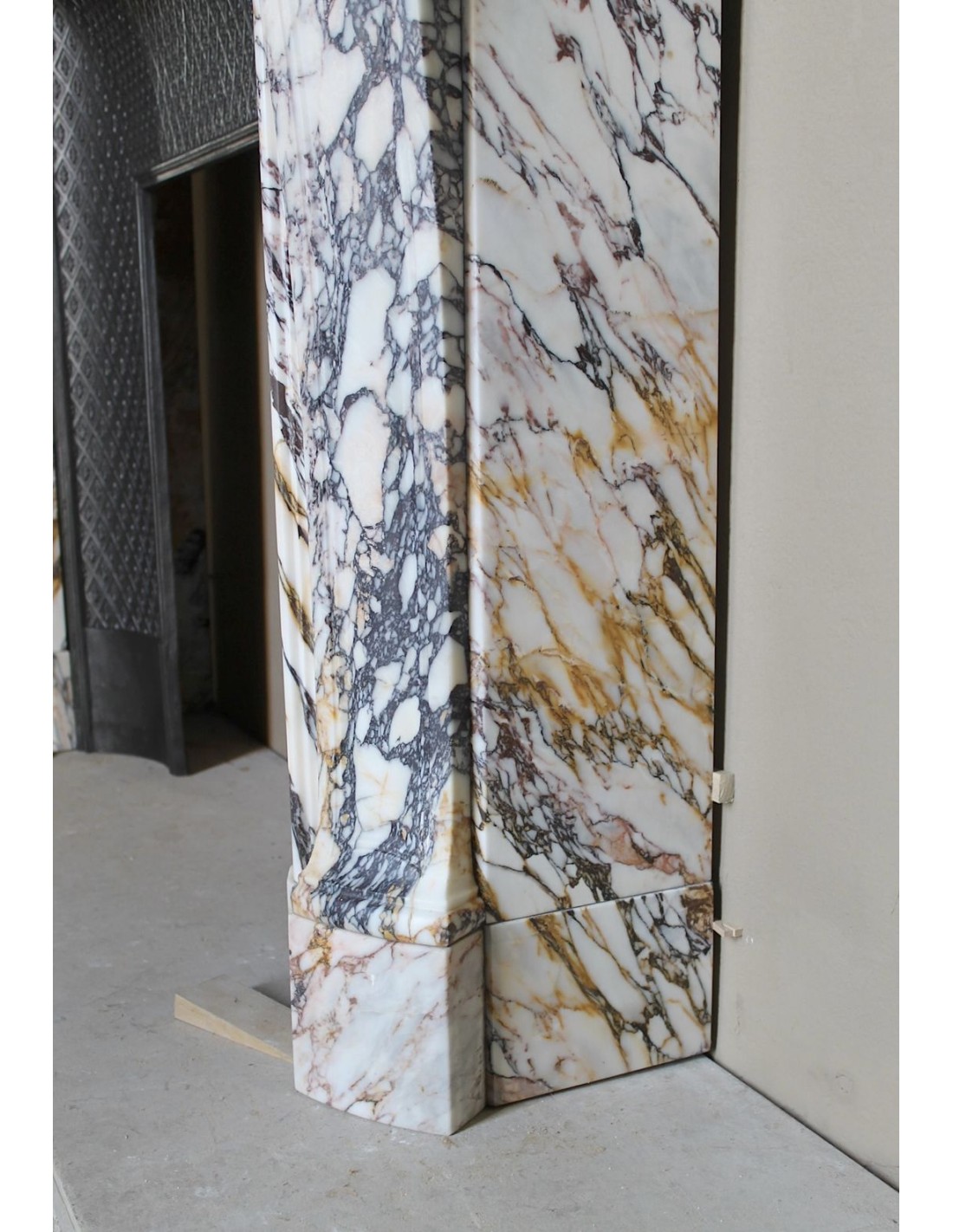
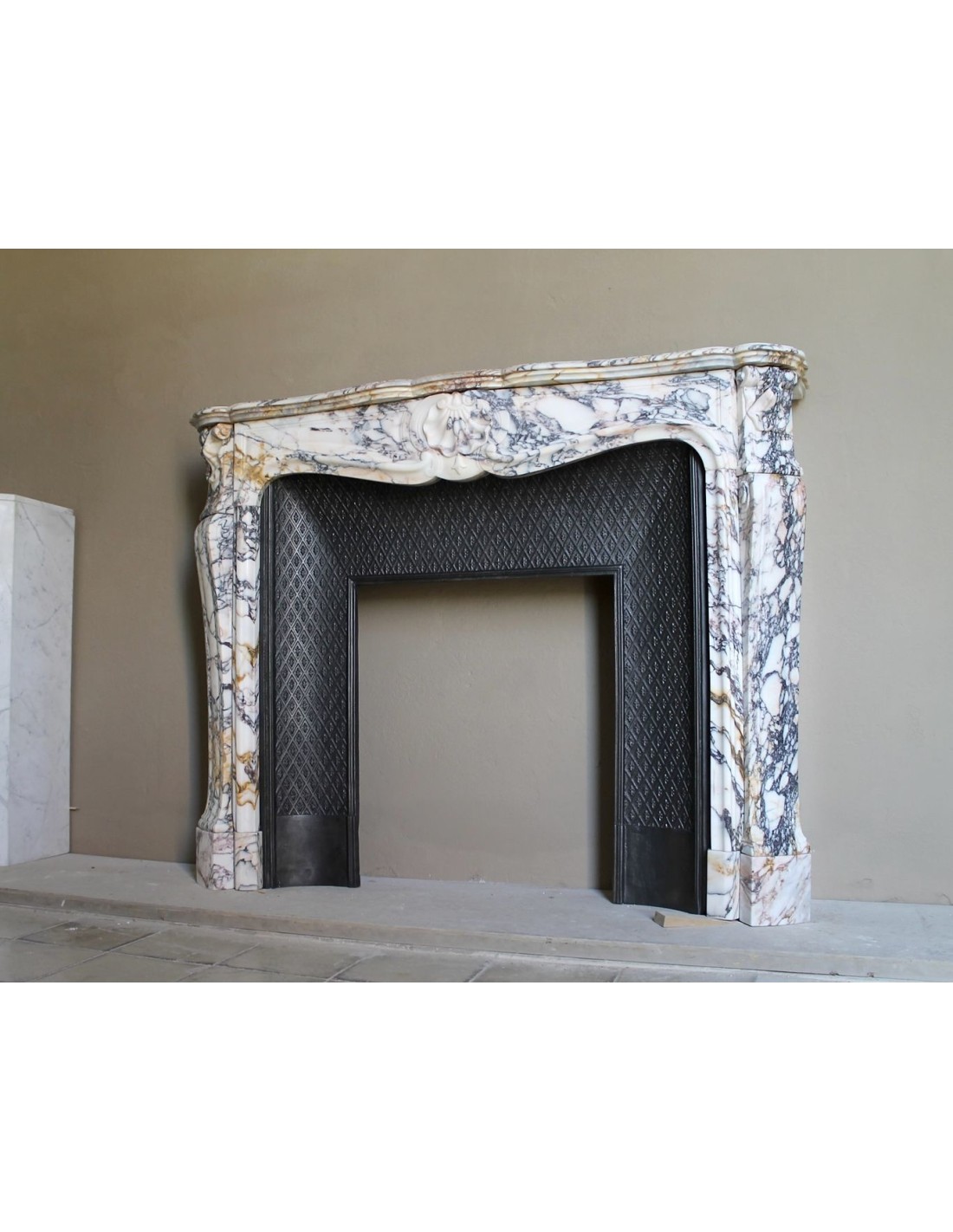
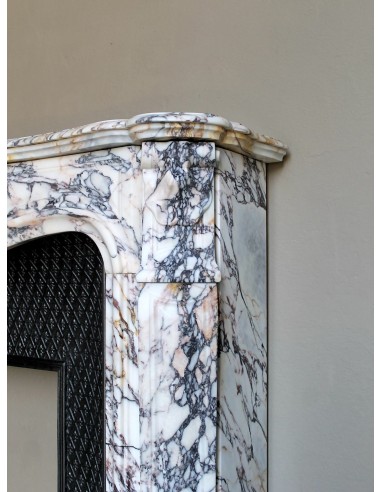
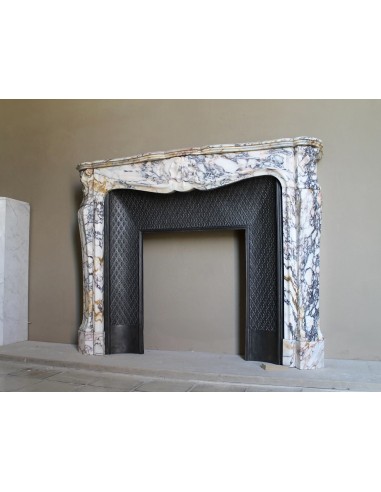
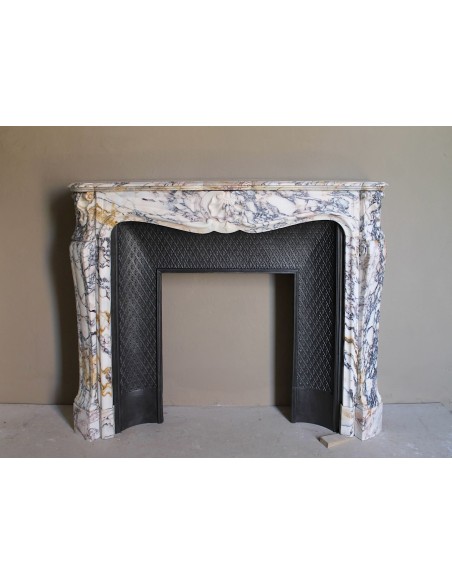
Finding a marble fireplace carved from a natural combination of both varieties is extraordinarily rare.
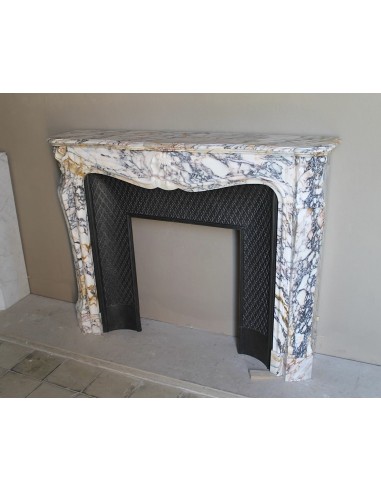
That is precisely what makes this mantelpiece so special.
The Italian term "Mischio" describes the fascinating natural phenomenon whereby different varieties of Calacatta marble occur side by side within the same quarry.
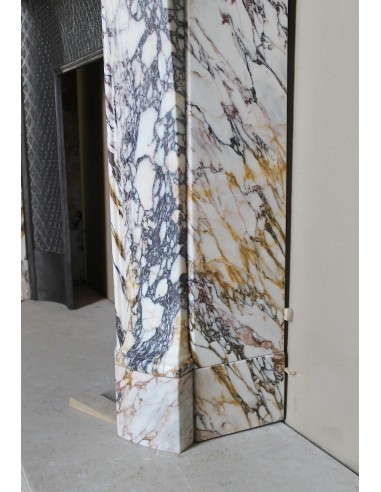
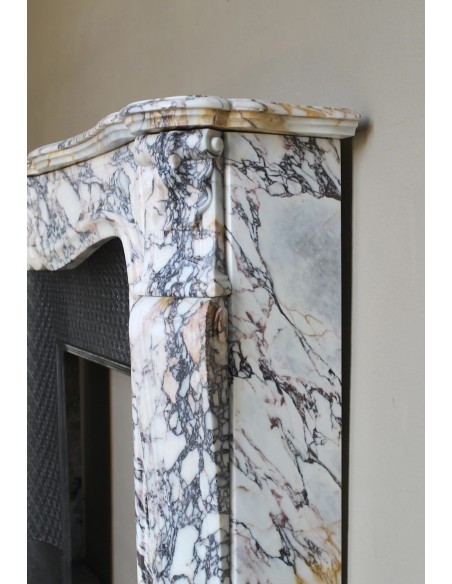
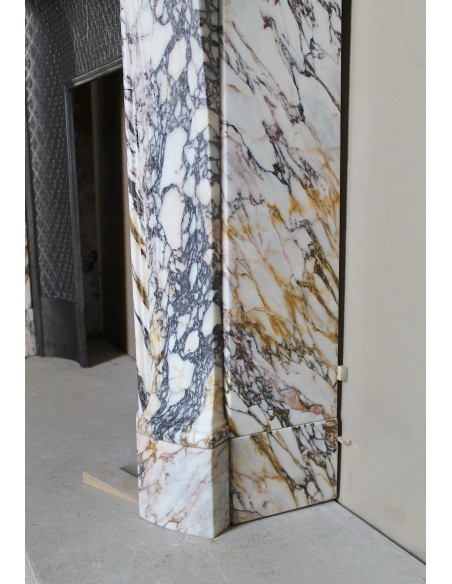
They share the same exceptionally pure calcium-carbonate base, yet subtle differences in the surrounding minerals give rise to dramatically different colours.
The warm golden tones are created by the presence of iron and sulphur oxides.
The magnificent violet veining results from complex geological processes involving ancient organic matter over millions of years.
Nature, quite literally, became the artist.
The result is a marble unlike any other.
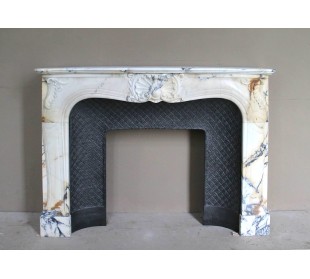
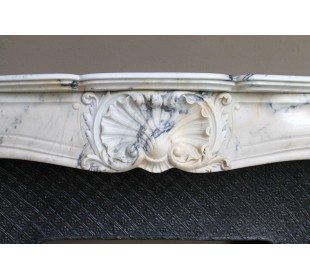
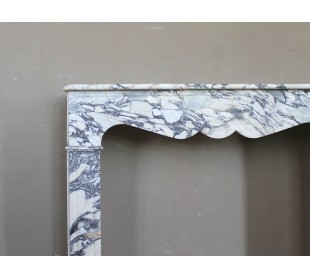
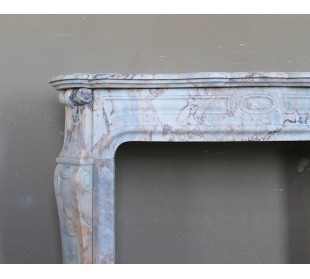
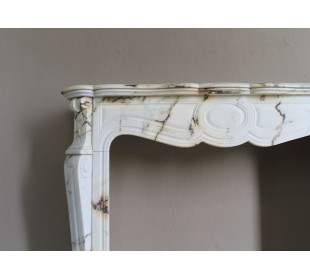
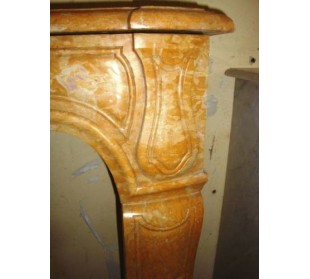
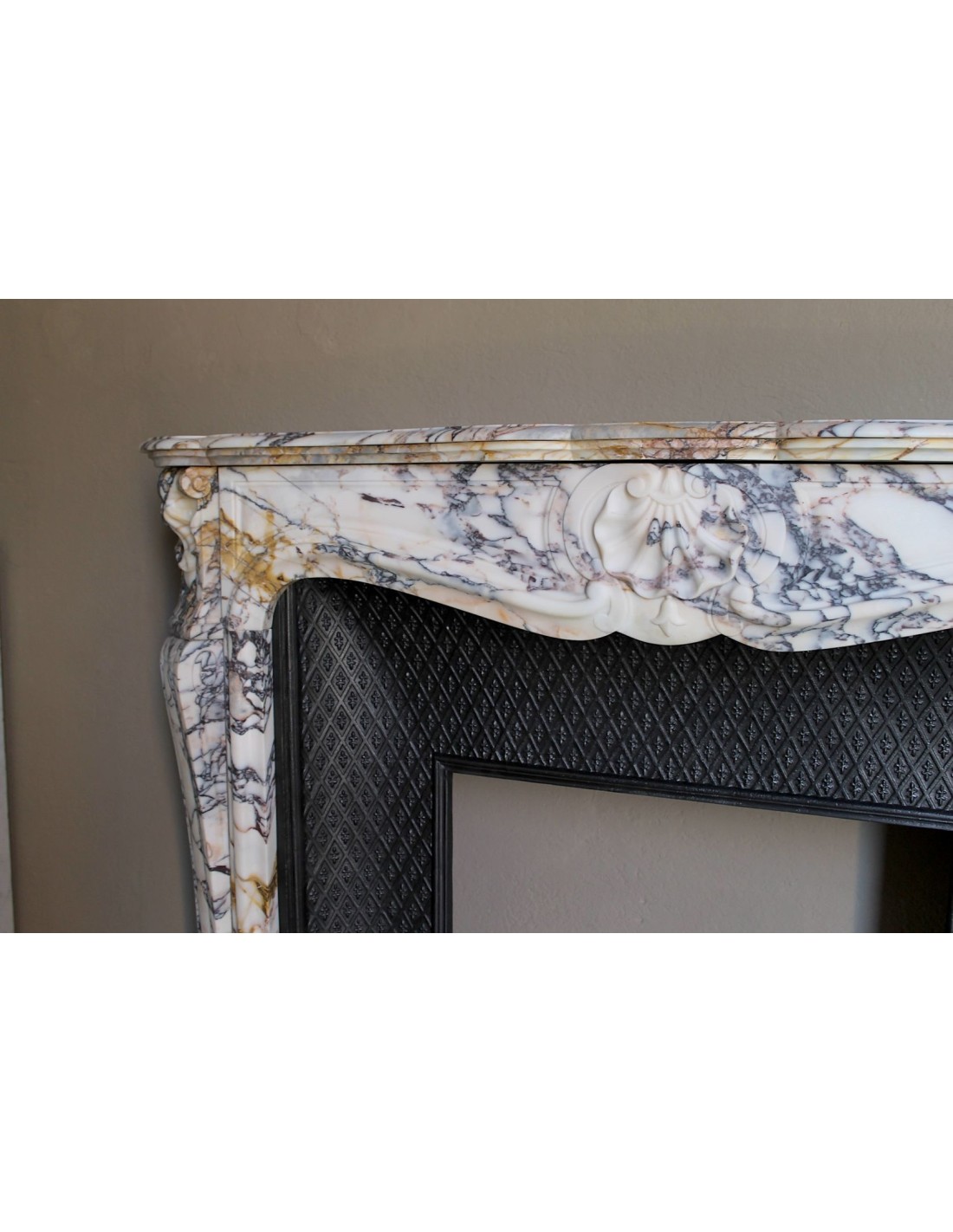
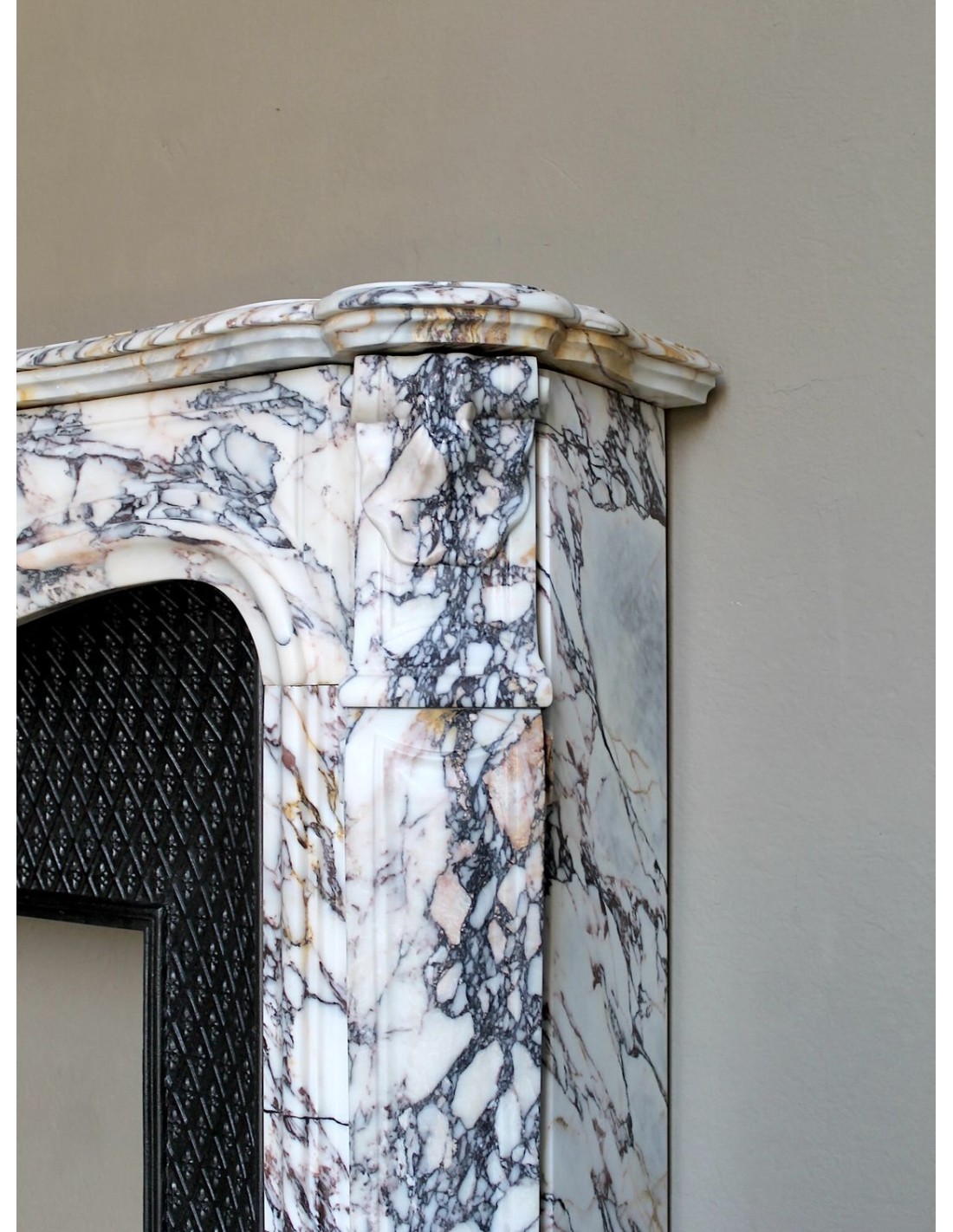
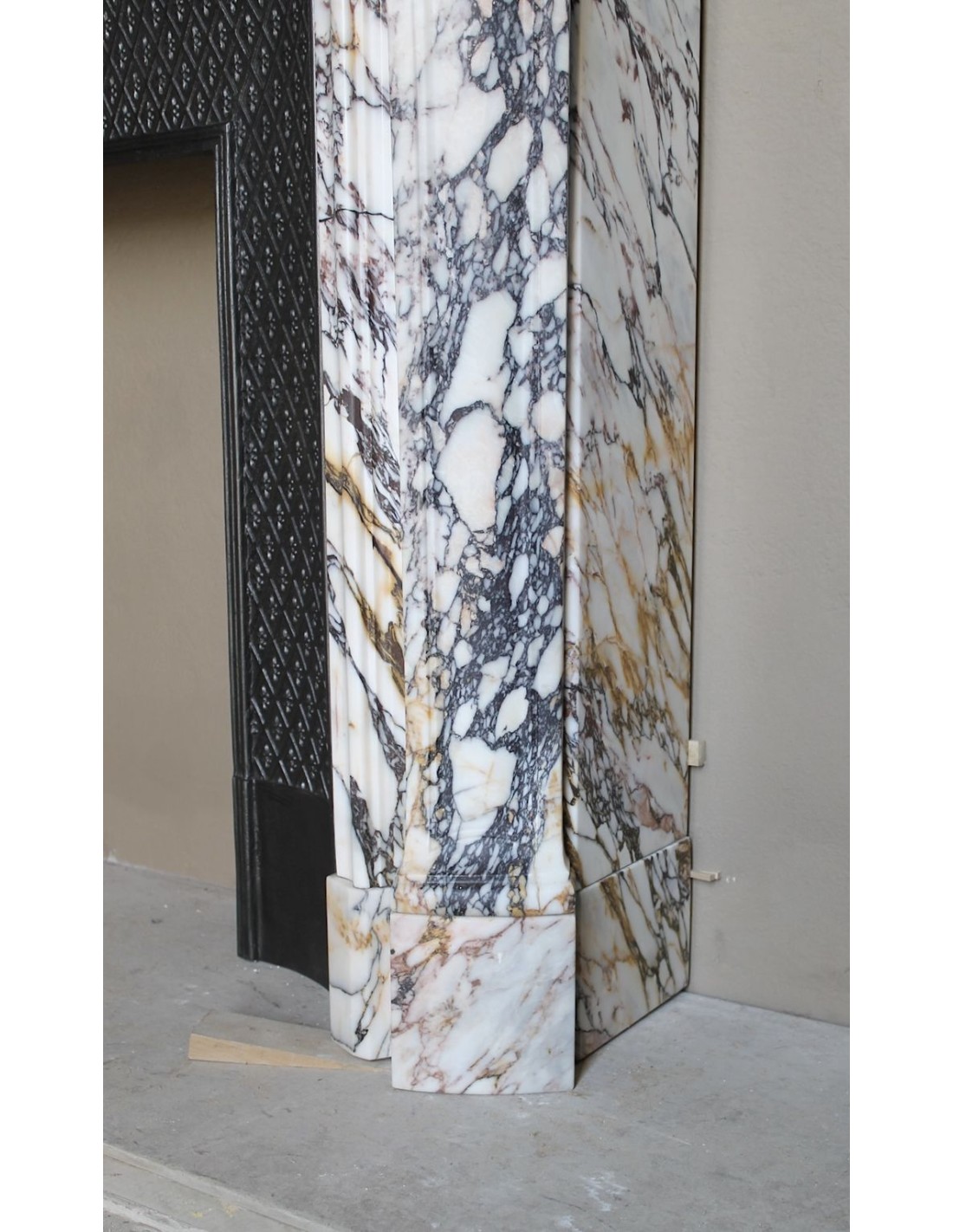
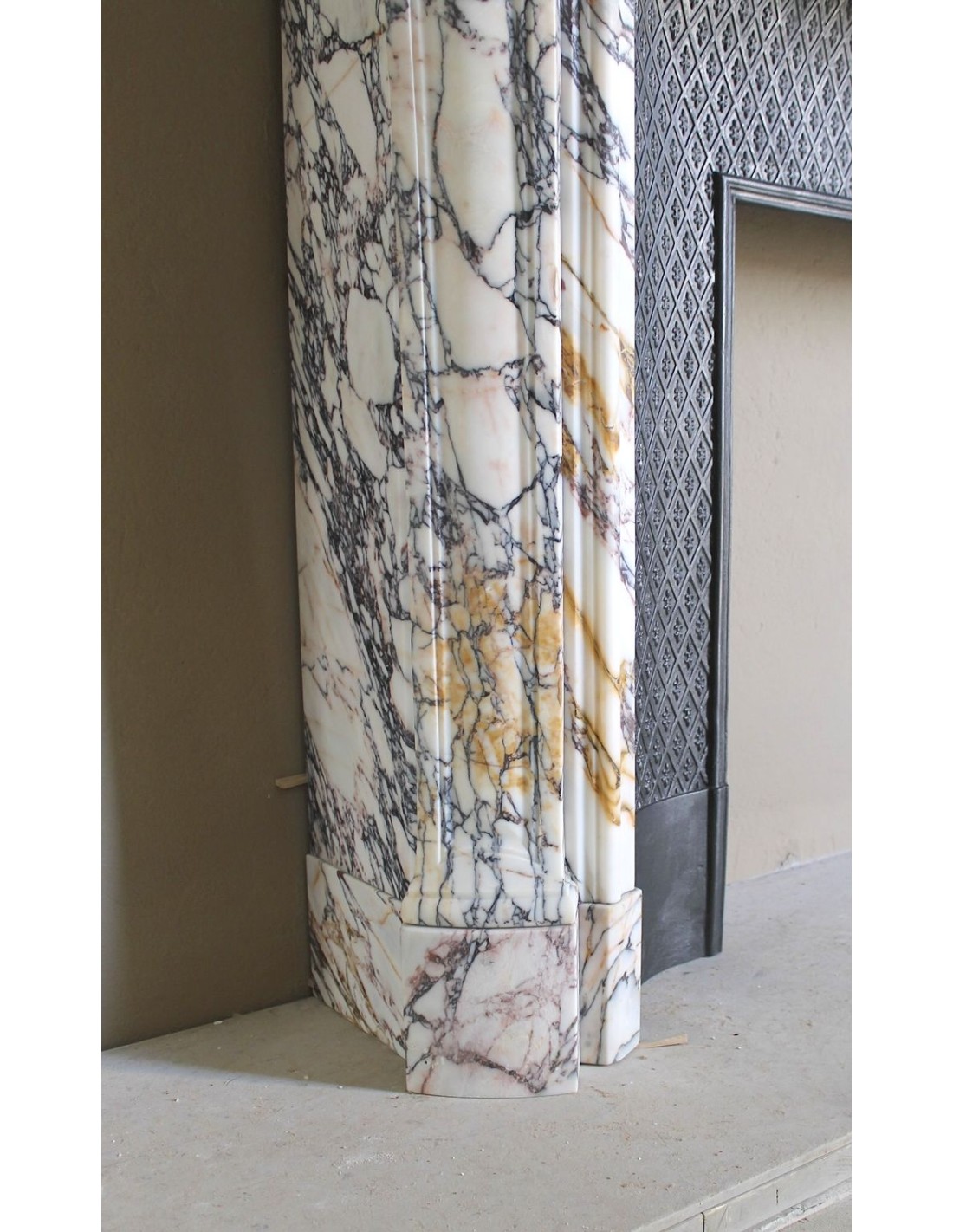
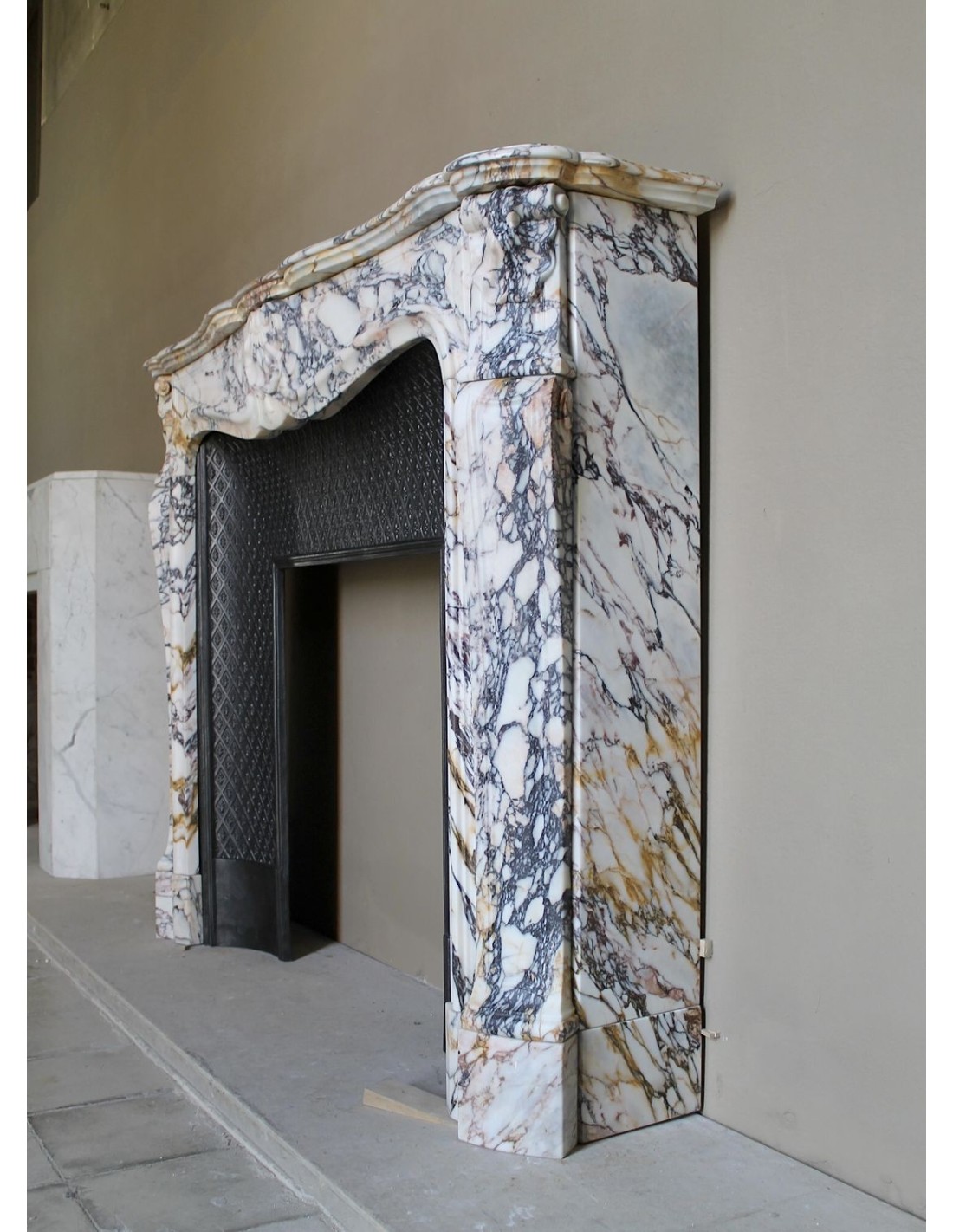
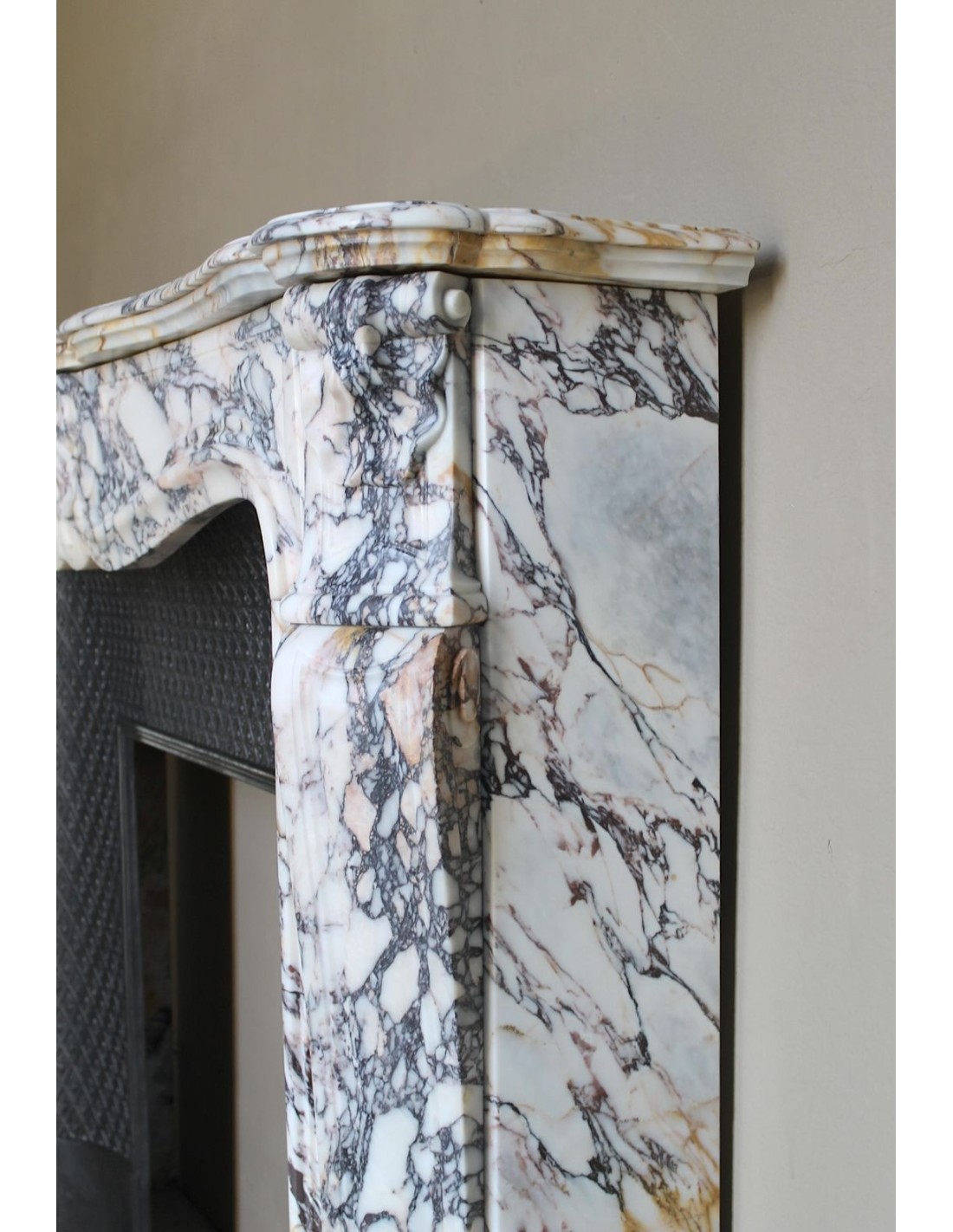
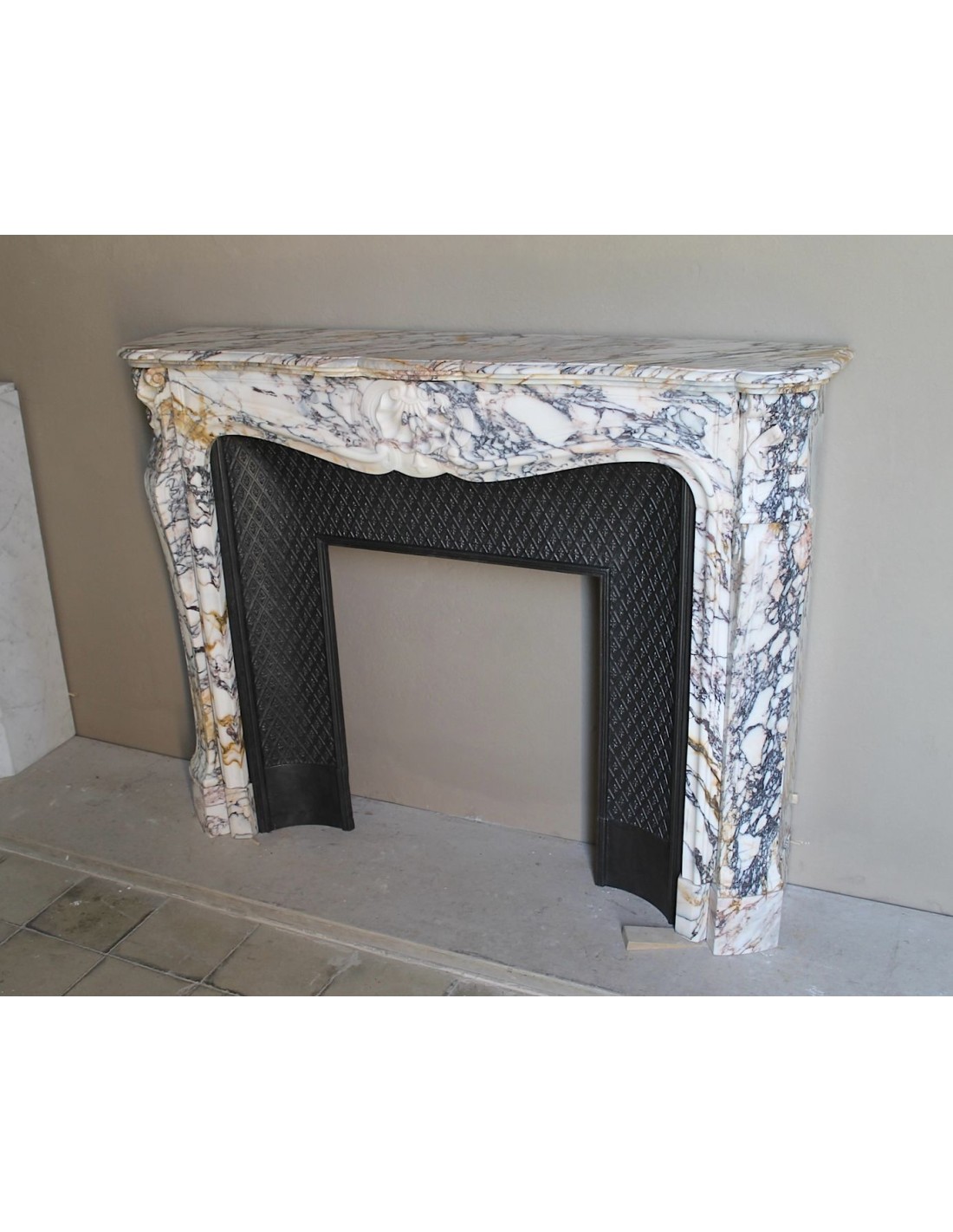
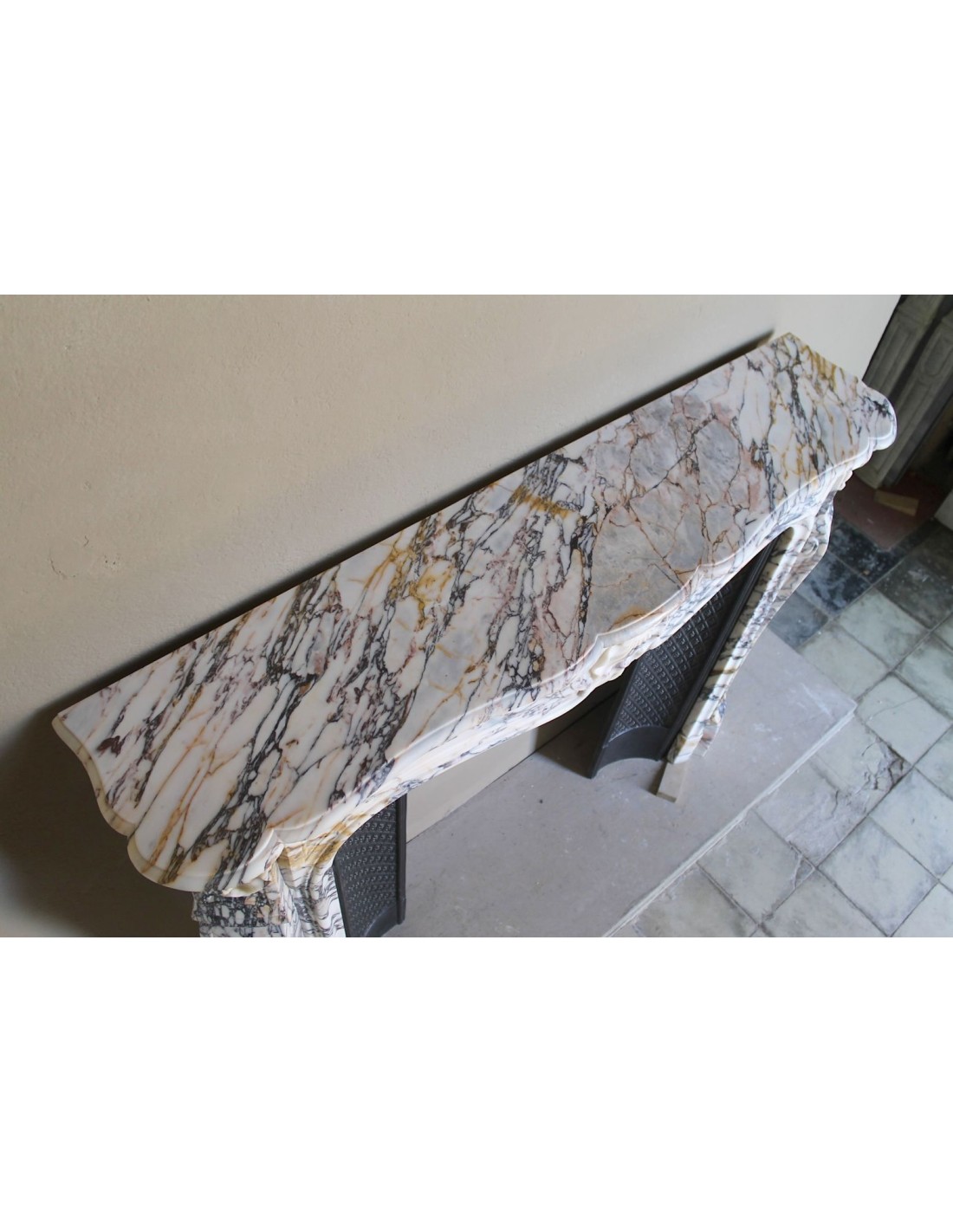
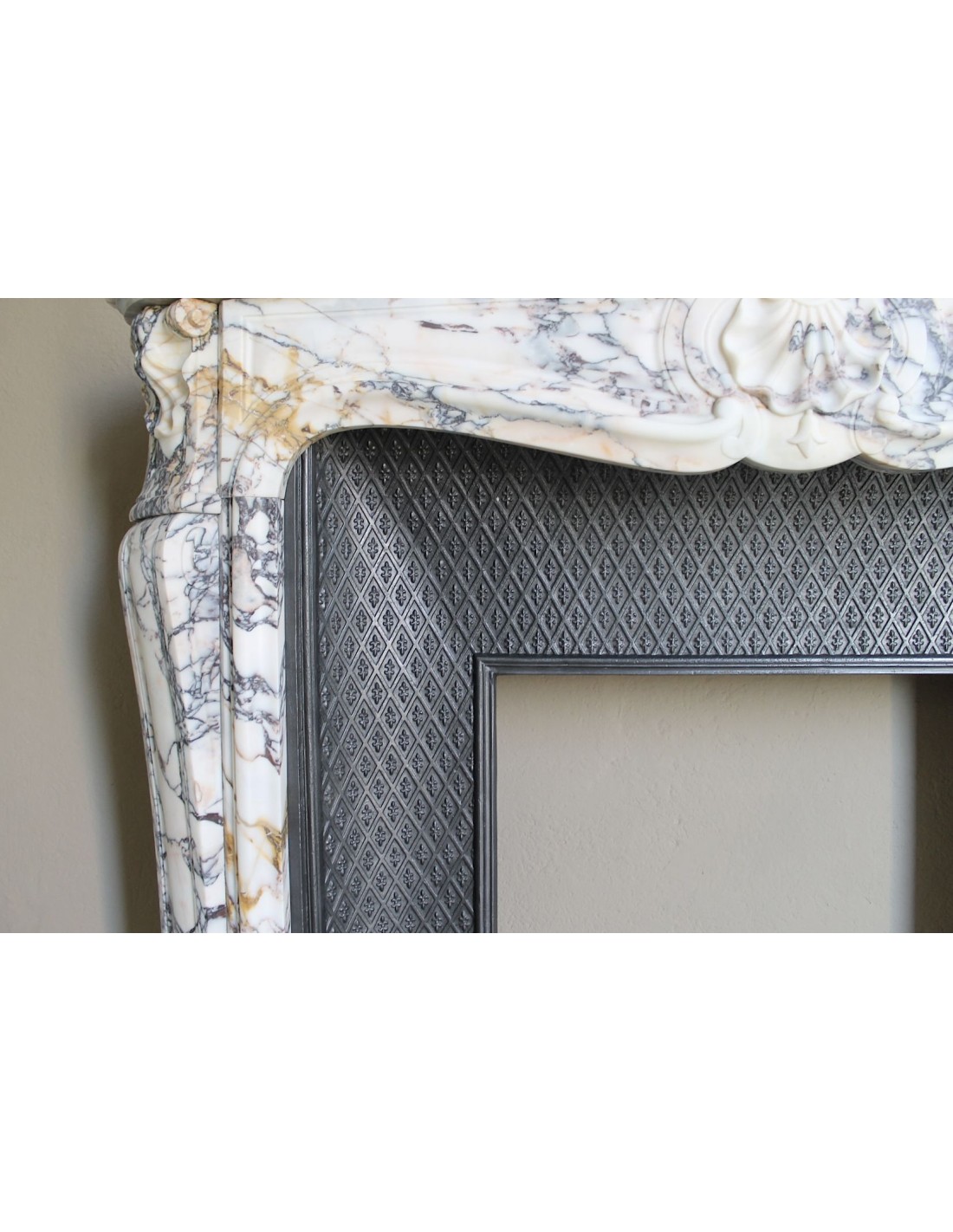
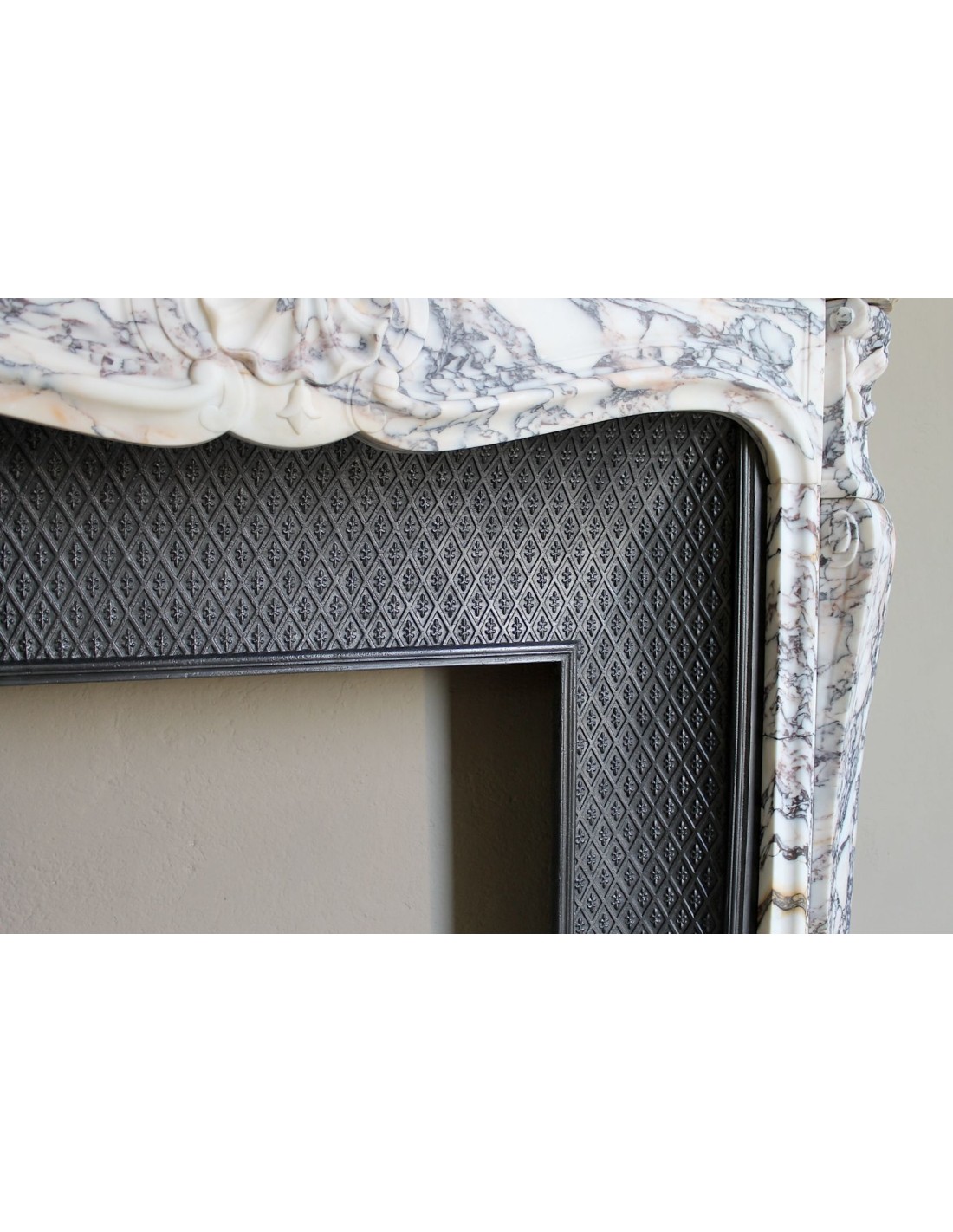
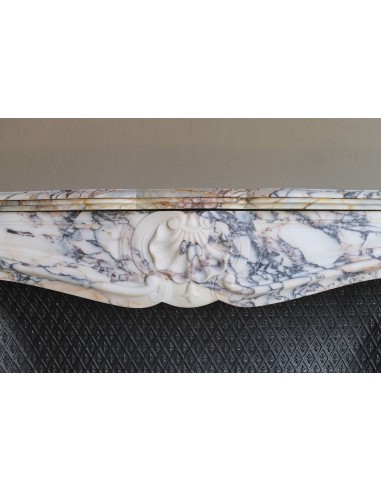
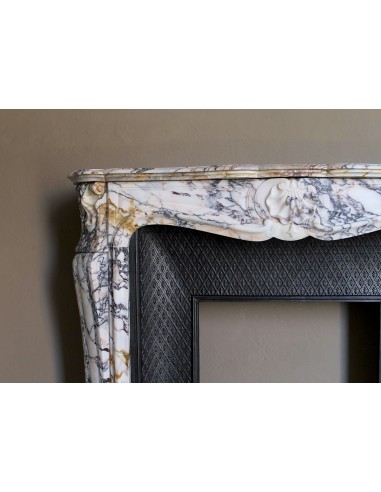
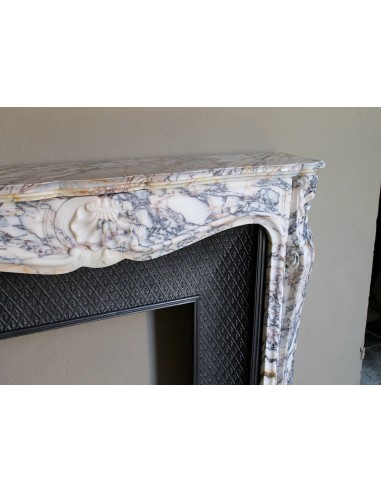
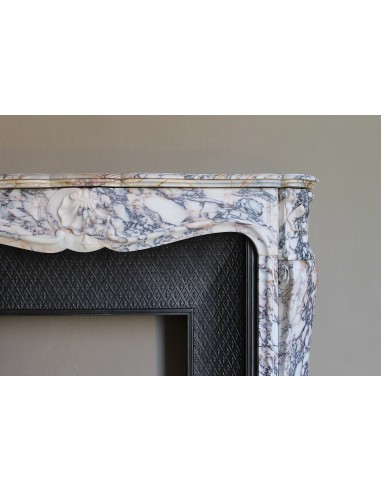
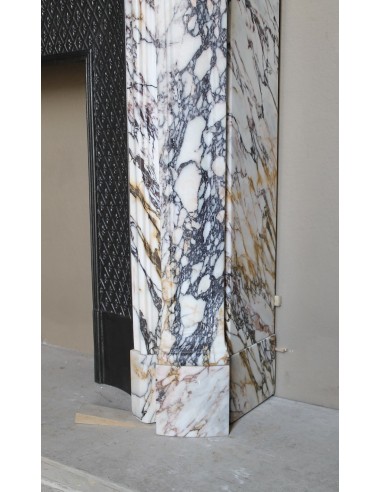
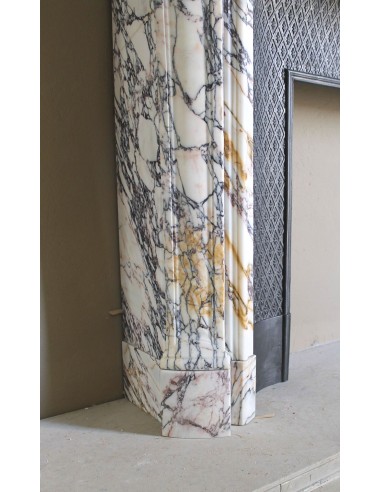
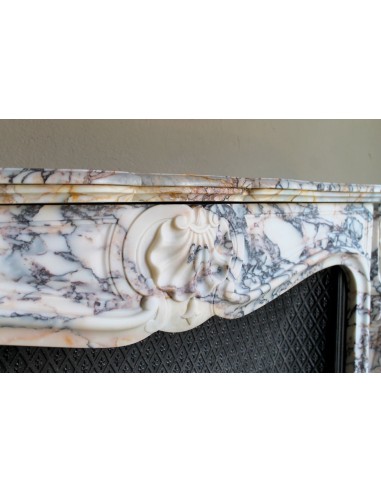
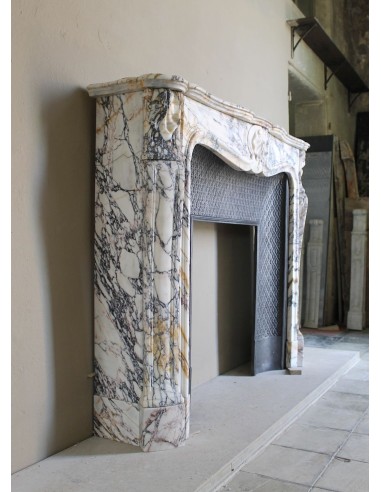
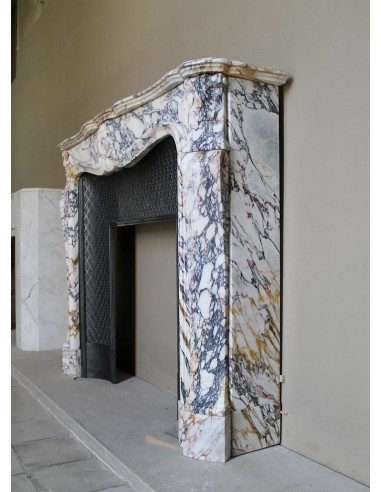
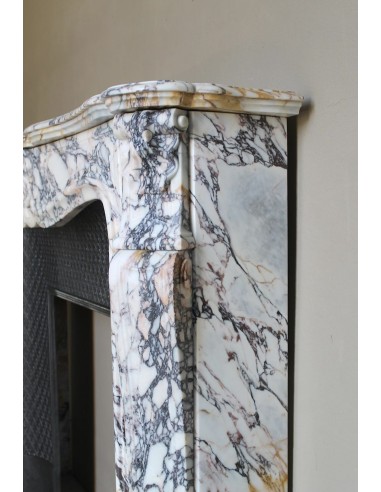
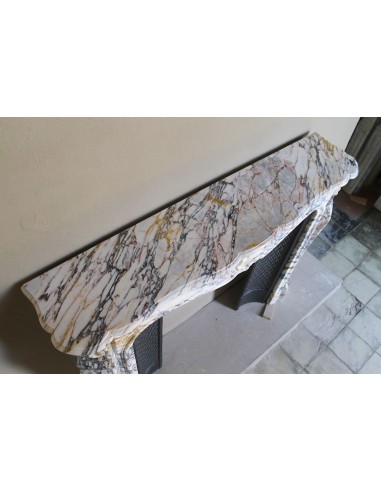
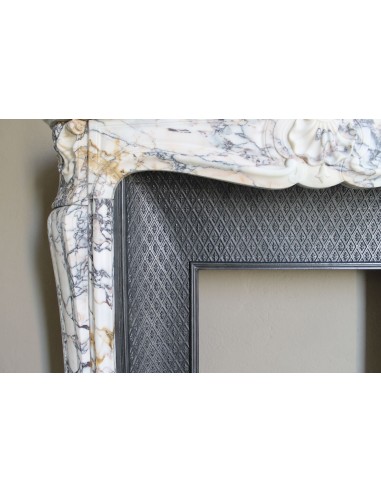
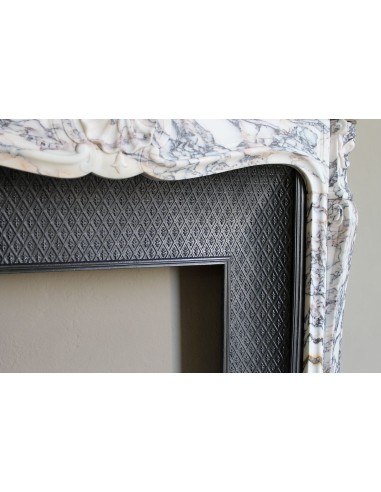
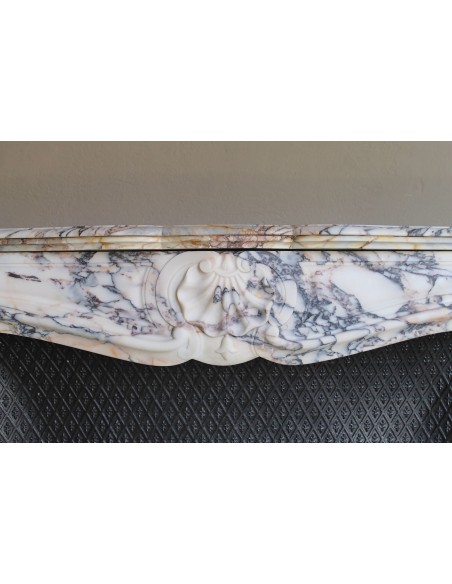
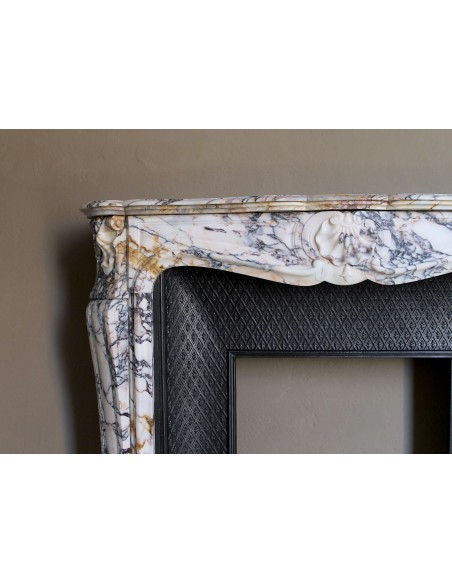
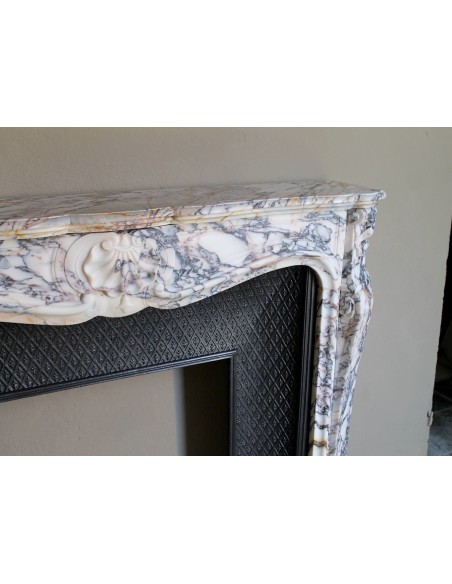
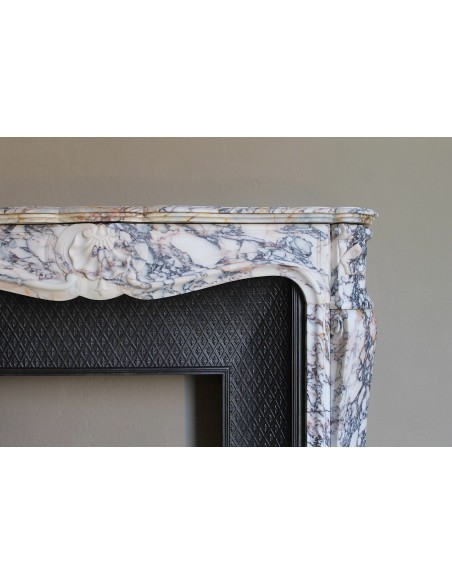
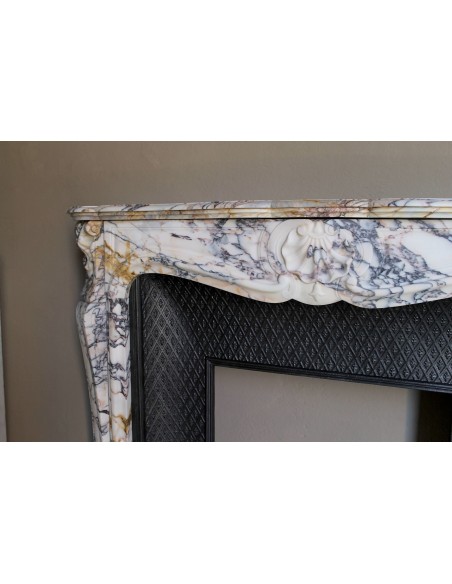
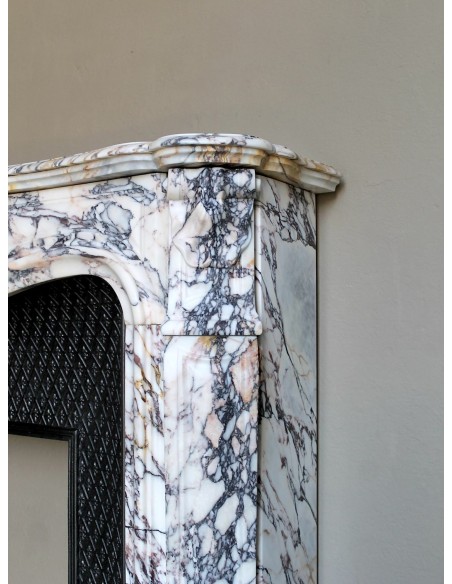
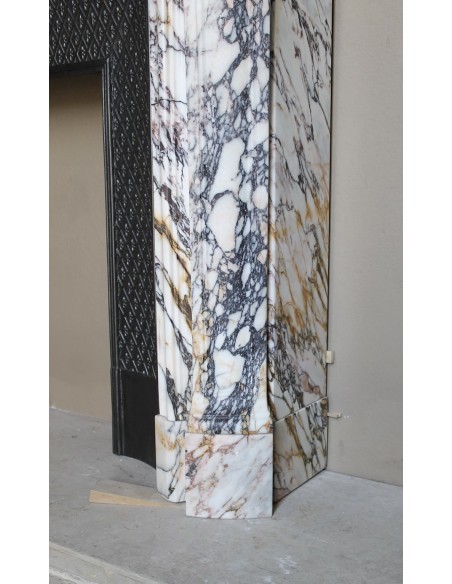
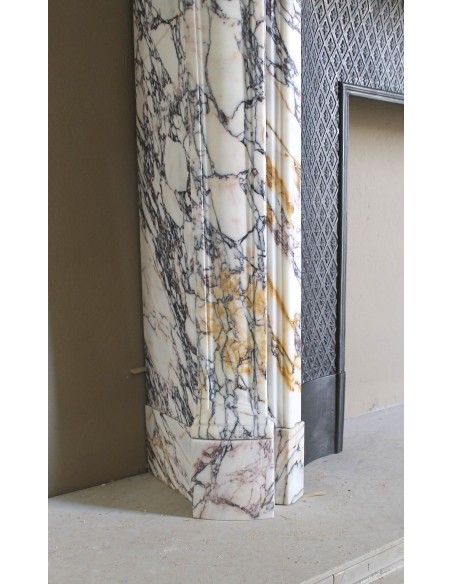
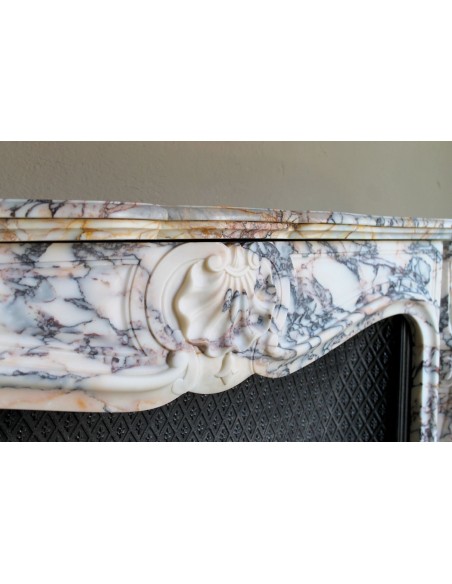
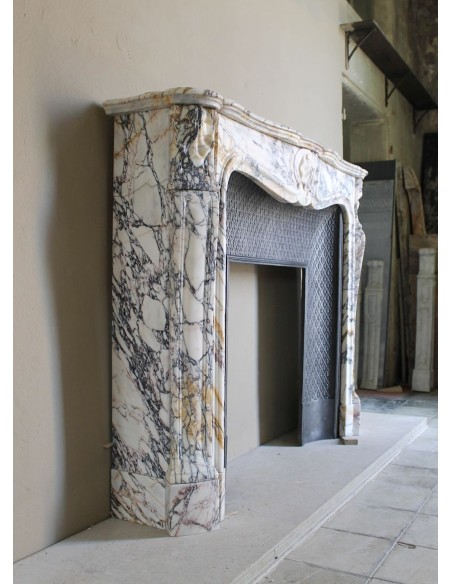
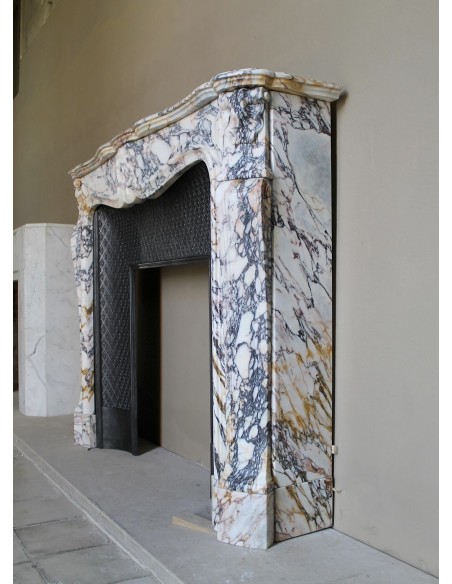
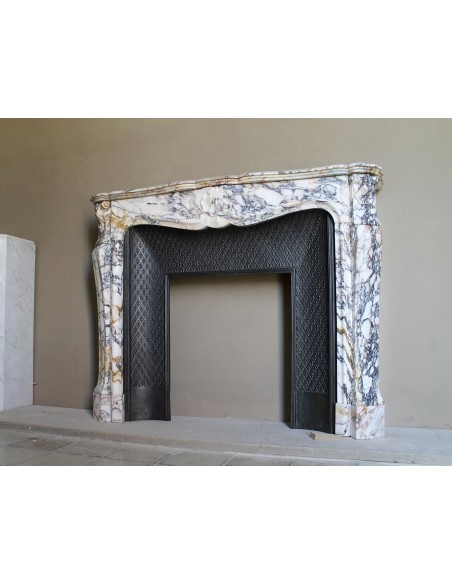
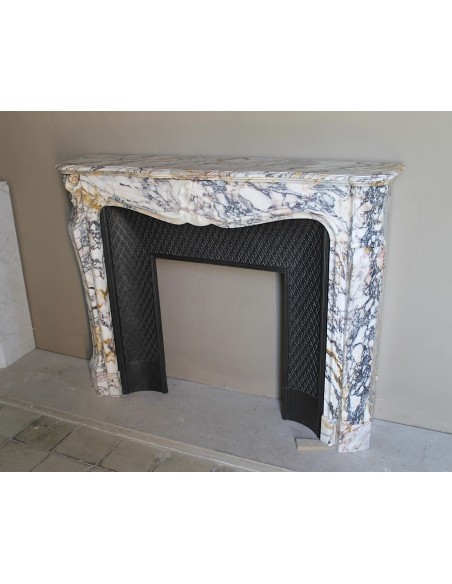
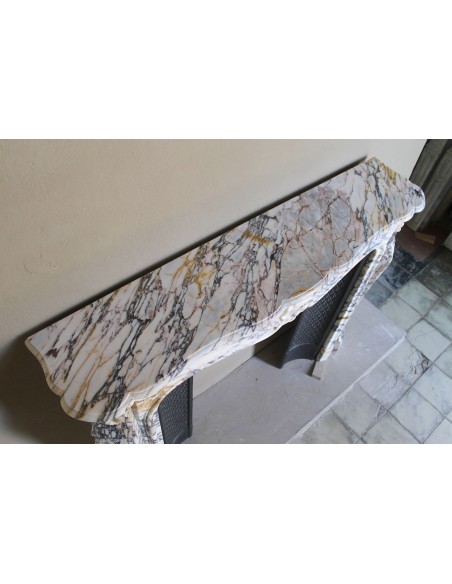
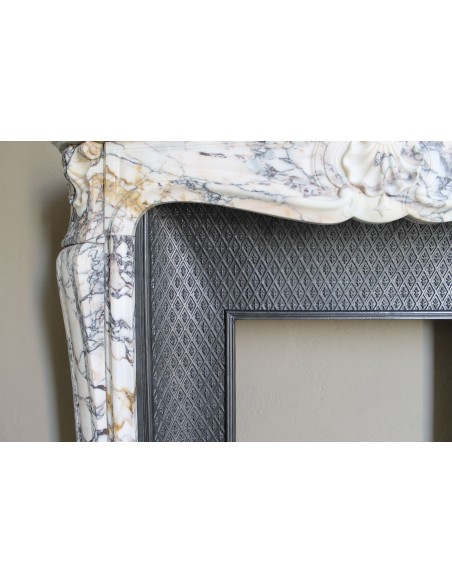
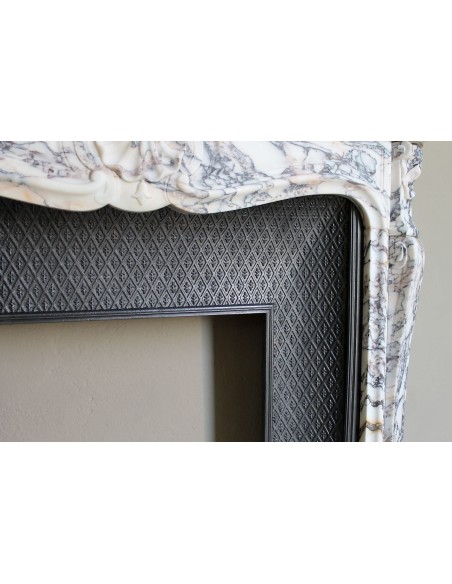
Creamy white, luminous gold and rich violet come together in perfect balance, producing a surface that seems almost alive.
Geology aside, there is something far more important to say.
The first time you see this antique fireplace mantel, it has an almost hypnotic effect.
Your eyes are naturally drawn to the extraordinary movement of the marble, and they keep returning to it.
It is one of those rare objects that remains fixed in your memory long after you have left the room.
Few marbles possess such presence.
We recovered this exceptional fireplace mantel from an elegant residence on Boulevard des Capucines, one of Paris's most celebrated avenues.
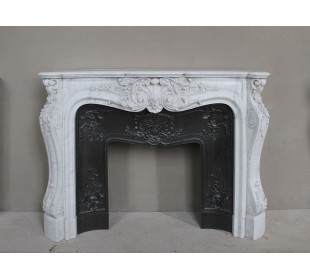
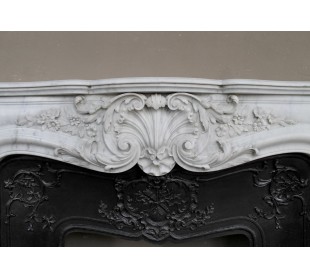
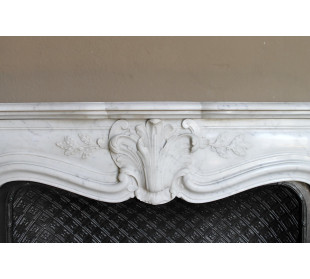
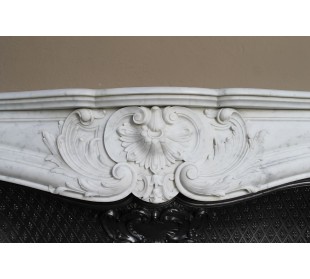
It dates from the second half of the nineteenth century (Napoleon III period) and was almost certainly carved by the master sculptors of the Italian Lunigiana, whose workshops around Carrara and Pietrasanta supplied many of the finest marble fireplaces commissioned by Parisian maisons during the Belle Époque.
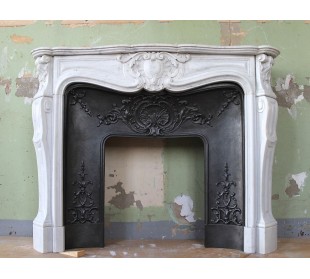
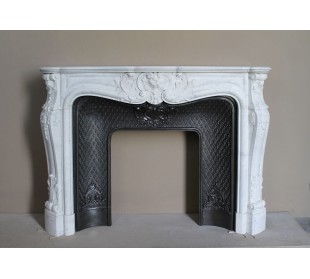
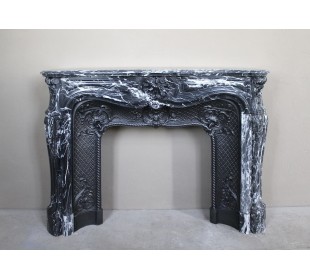
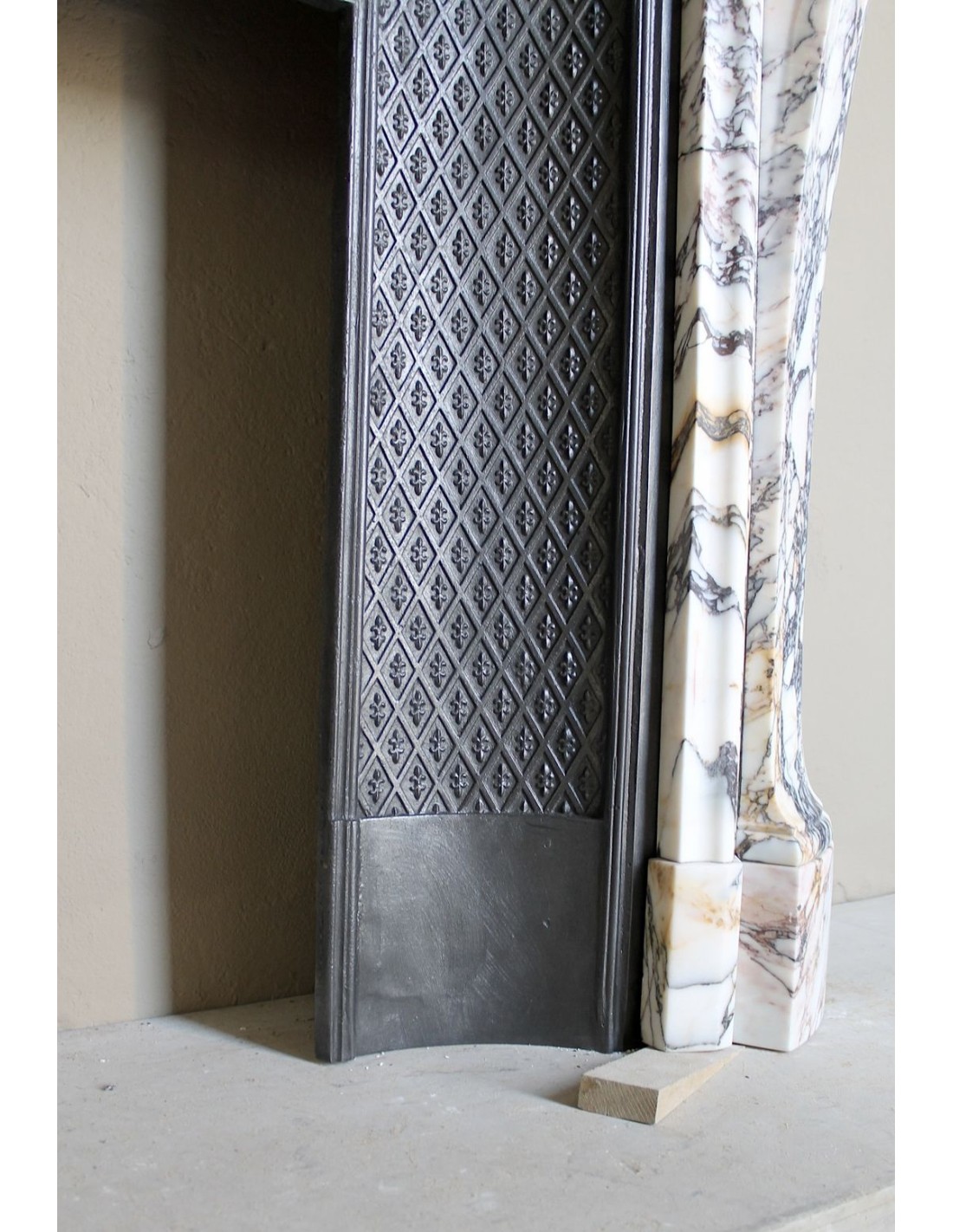
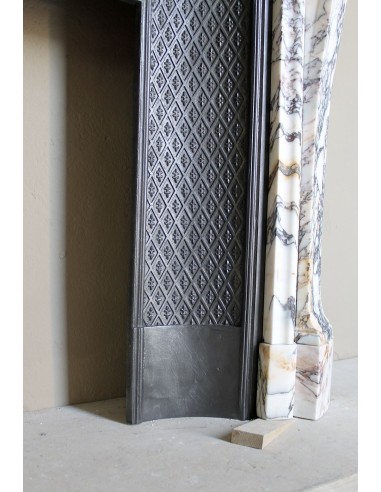
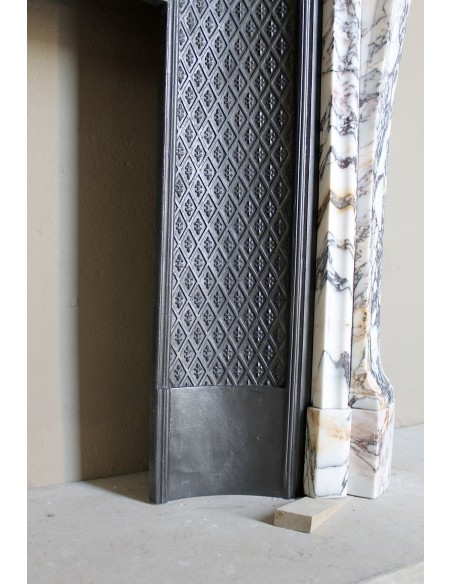
The fireplace is accompanied by its original decorative cast-iron insert, itself a finely executed work of nineteenth-century artistic casting that complements the elegance of the marble perfectly.
It is exceptionally rare to encounter a French antique fireplace in which the architecture, the quality of the sculpture, the provenance and—above all—the marble itself come together in such remarkable harmony.