
SHARE ON:
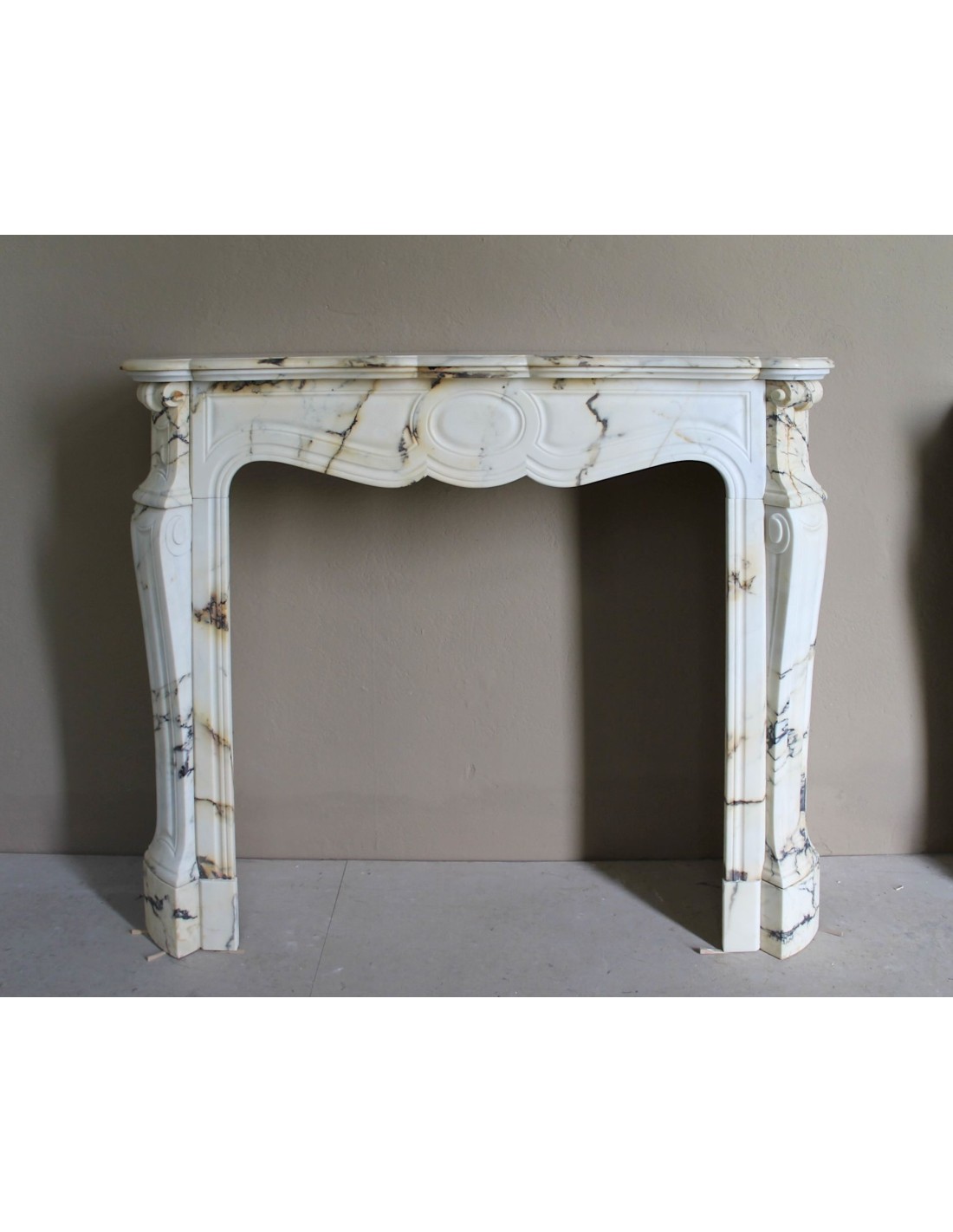
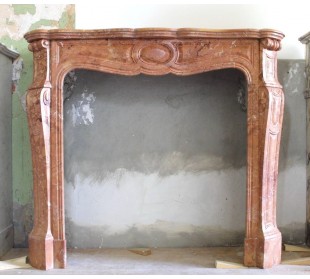
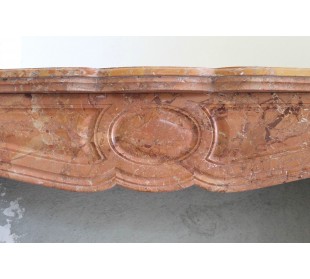
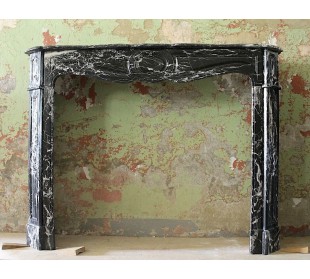
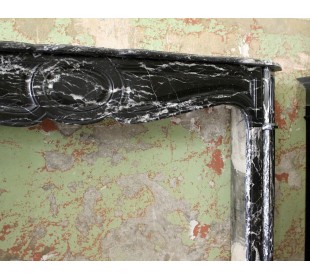
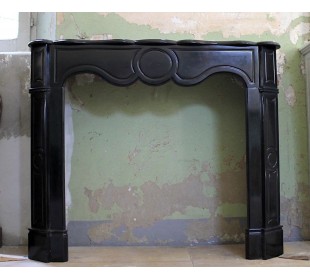
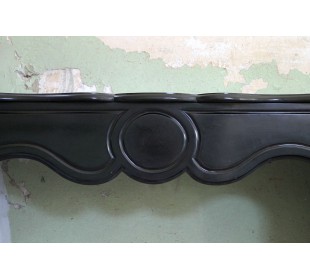
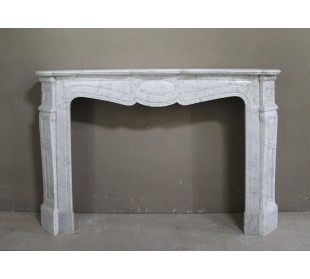
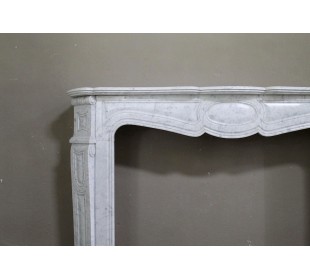
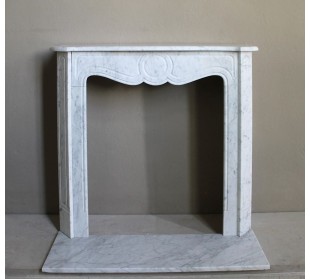
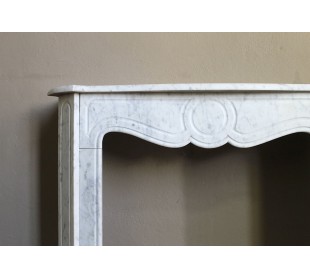
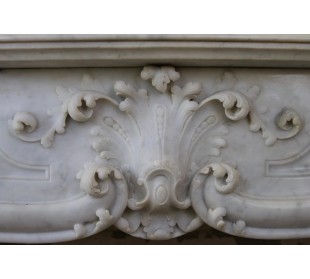
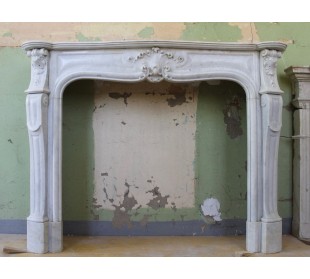
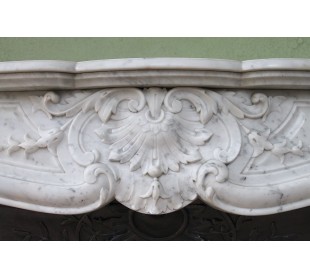
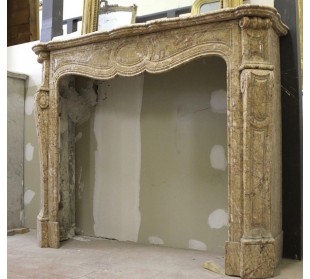
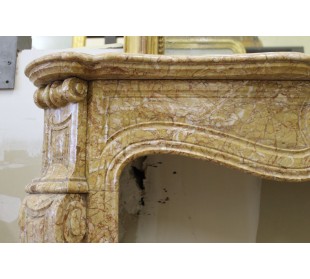
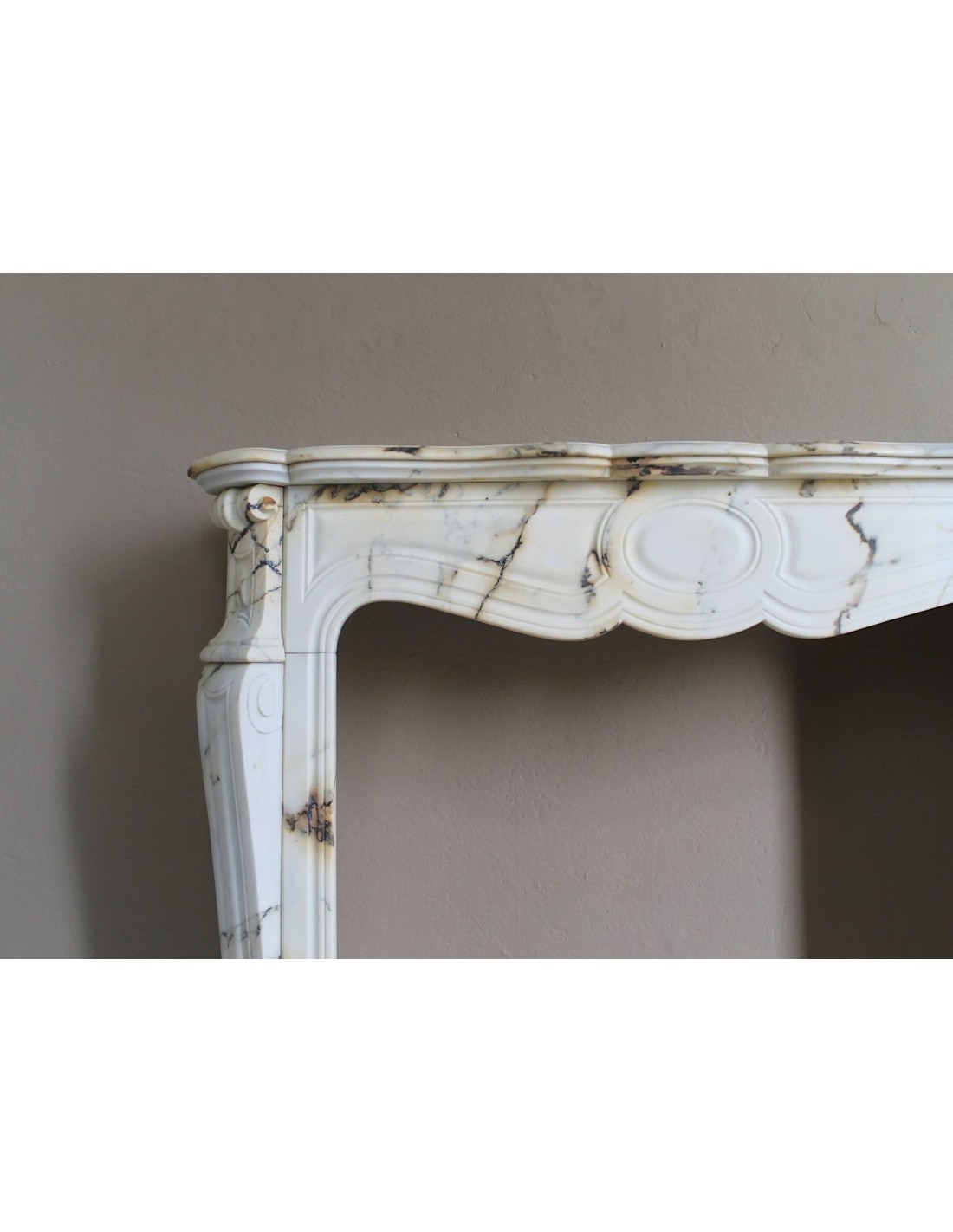
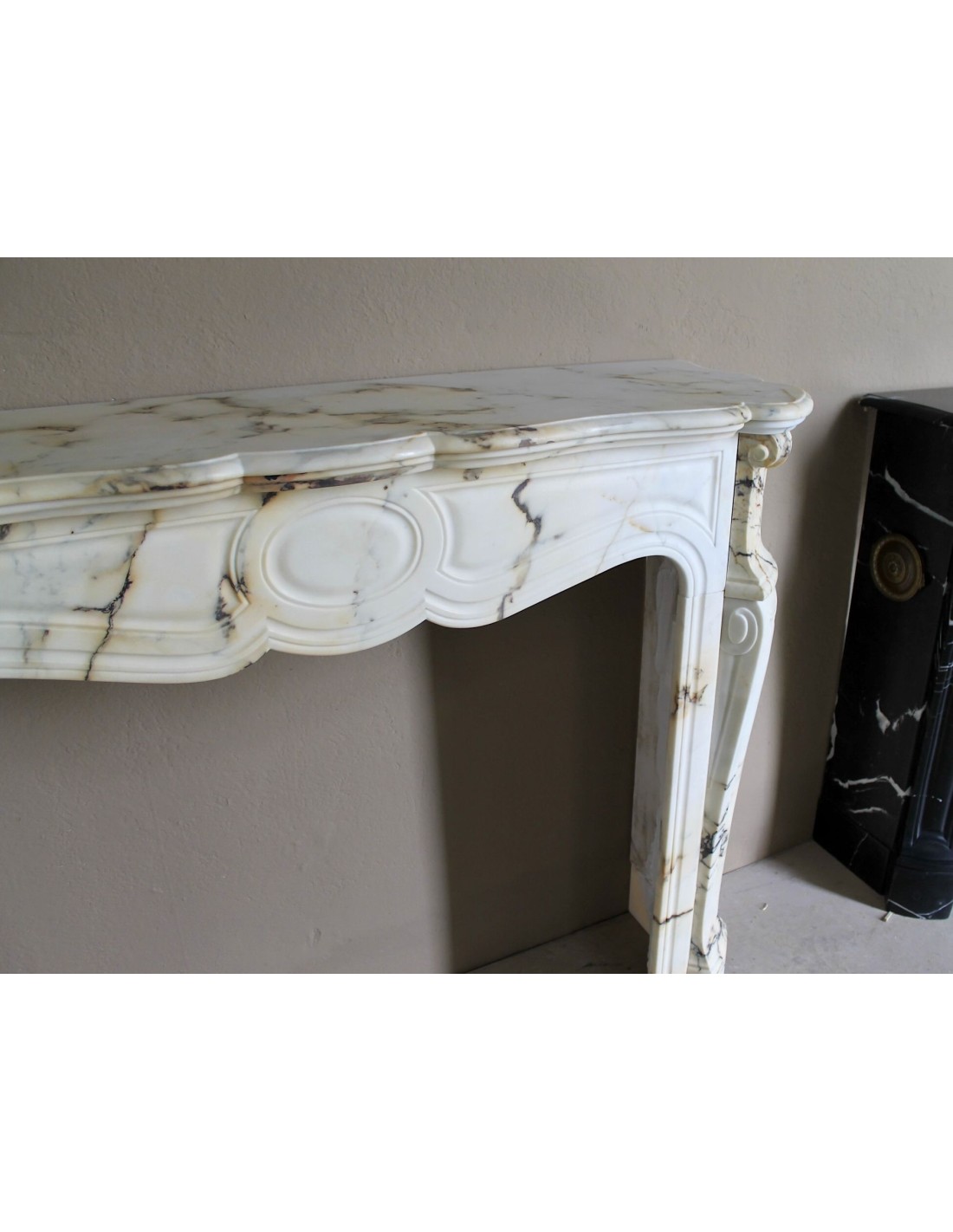
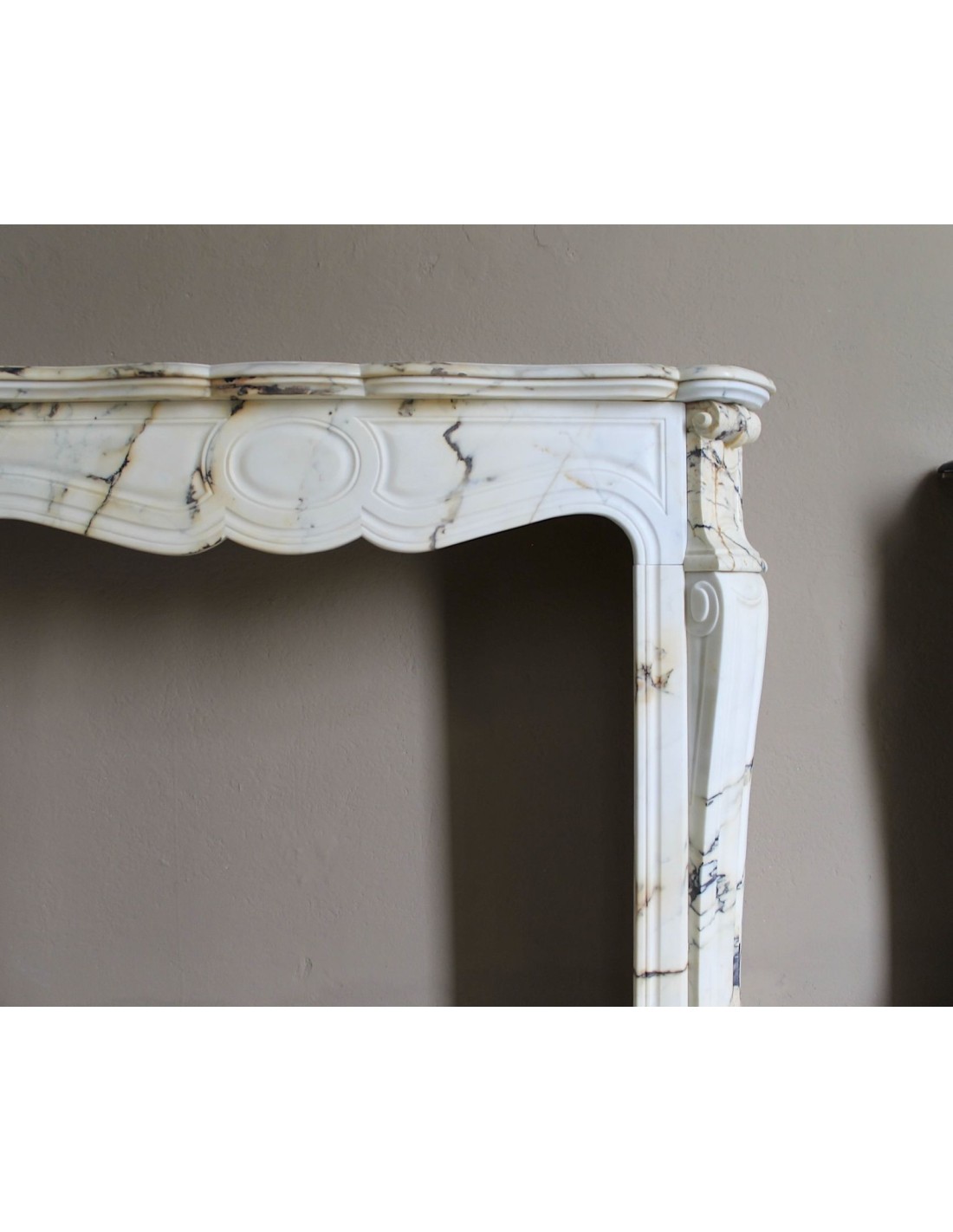
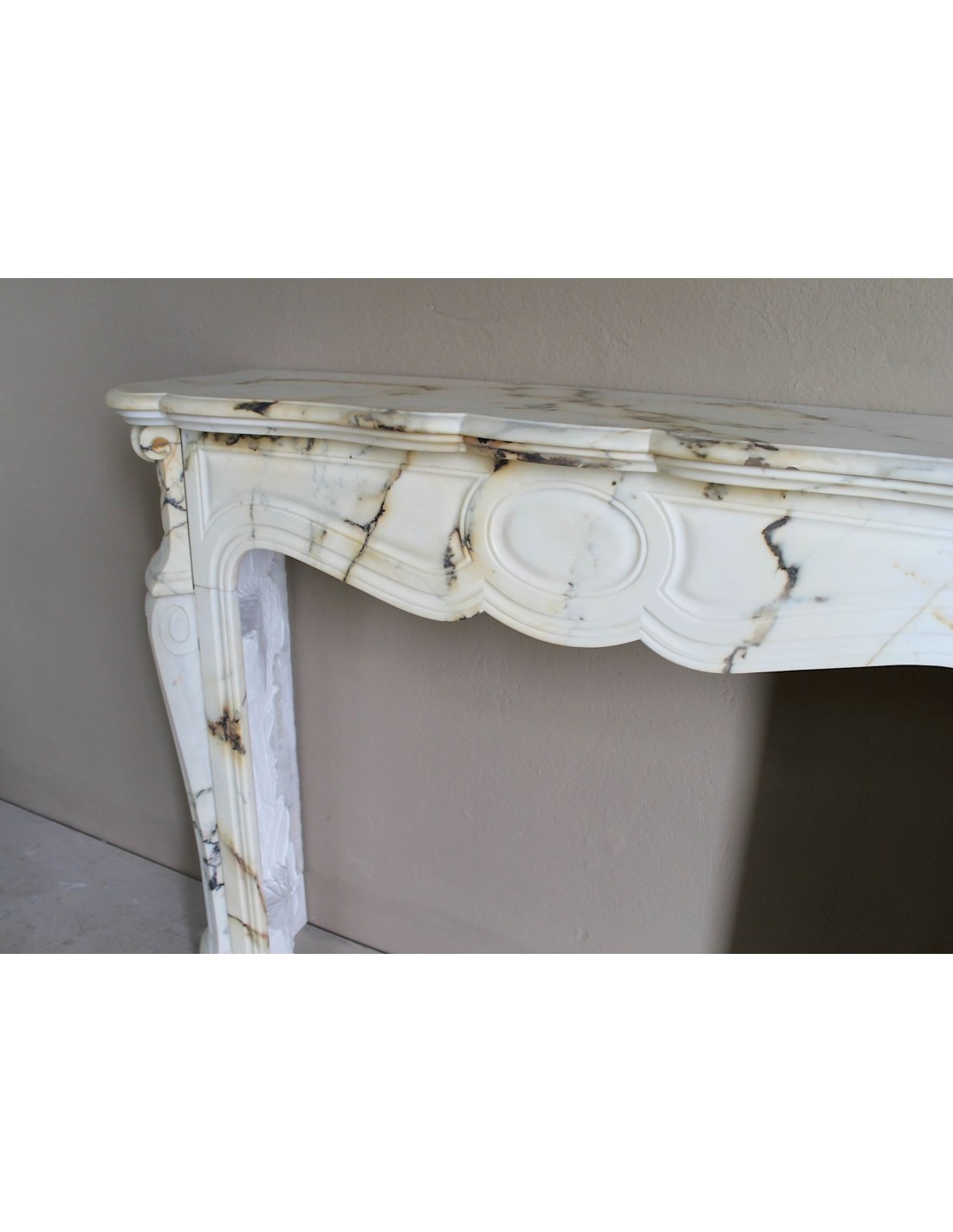
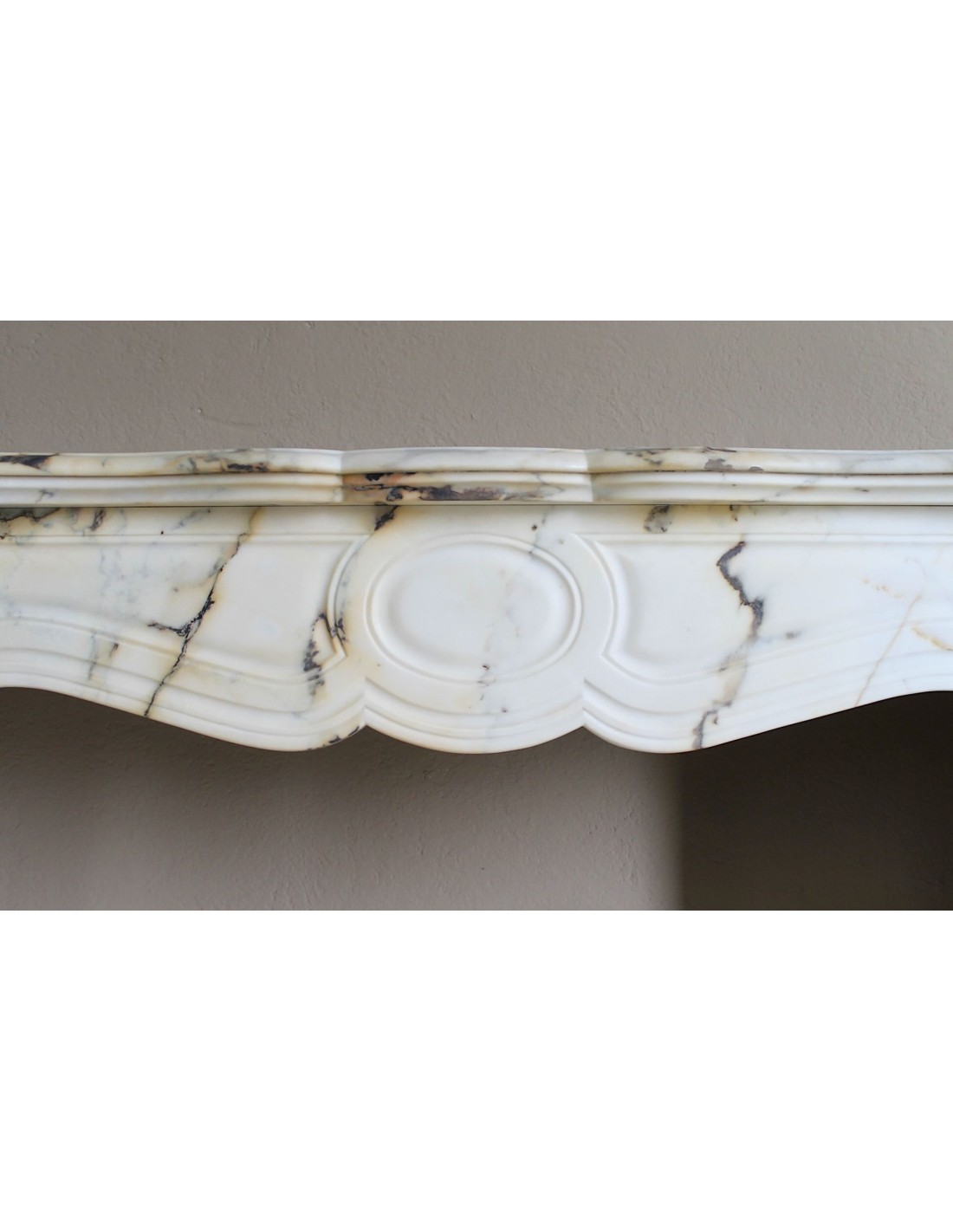
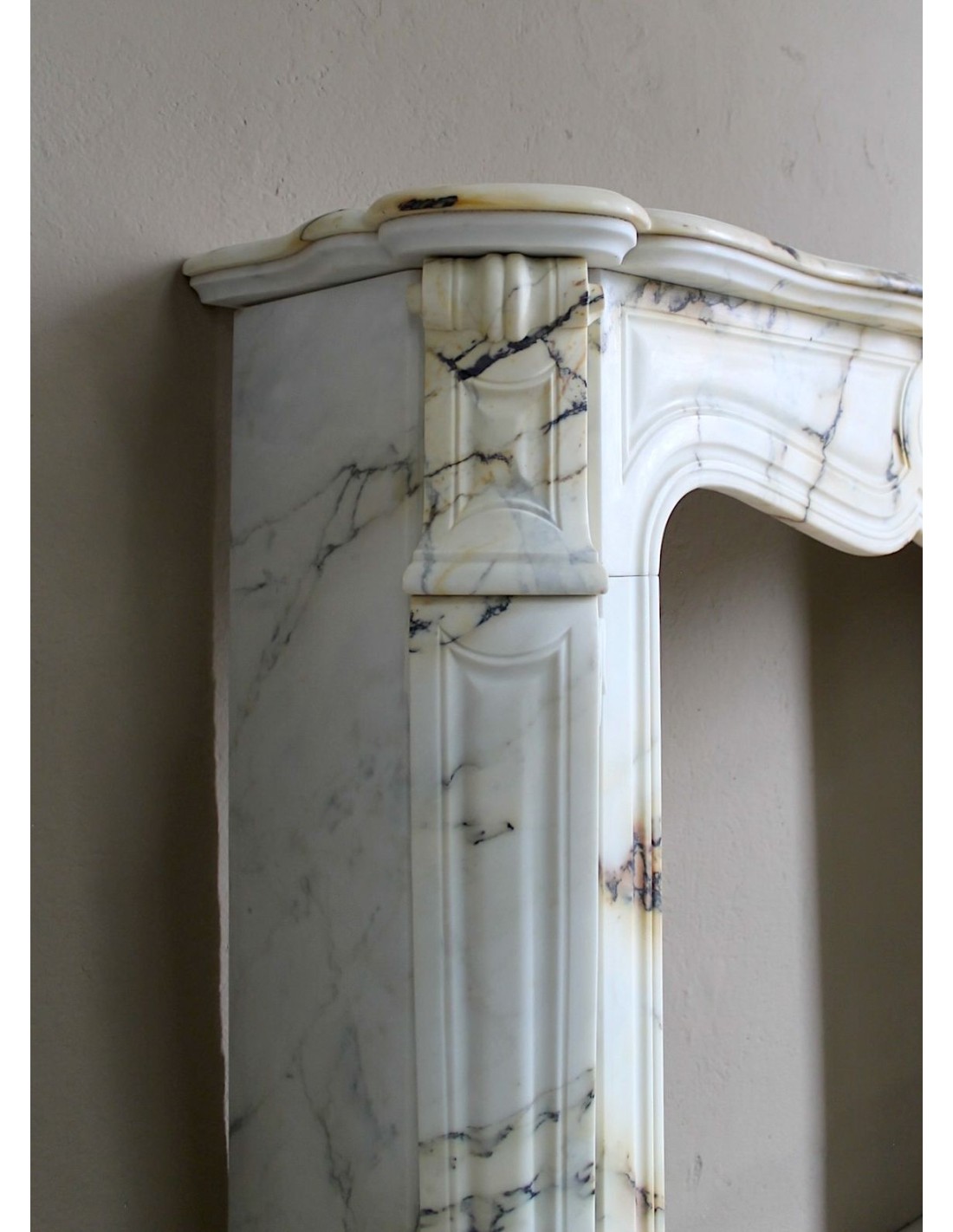
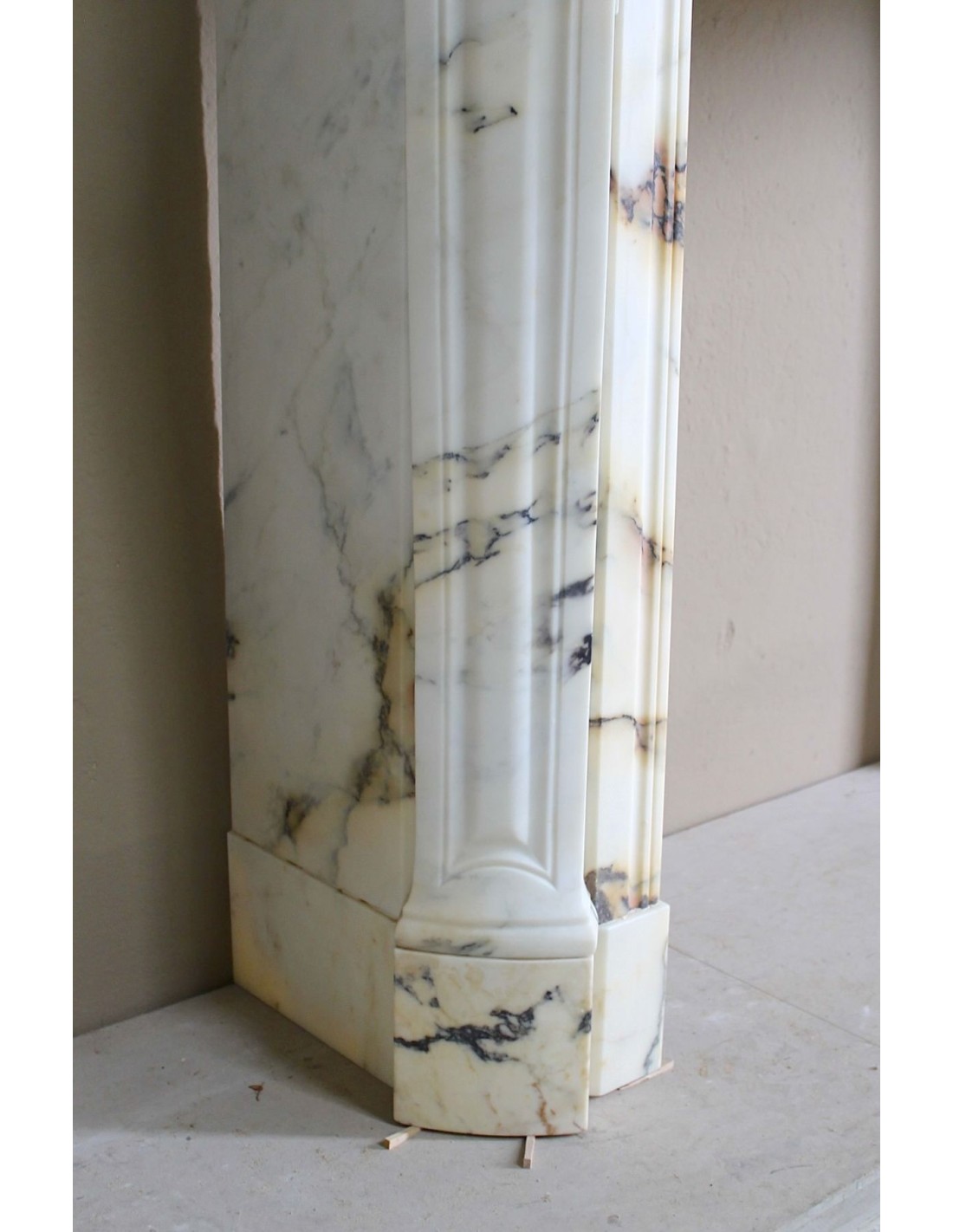
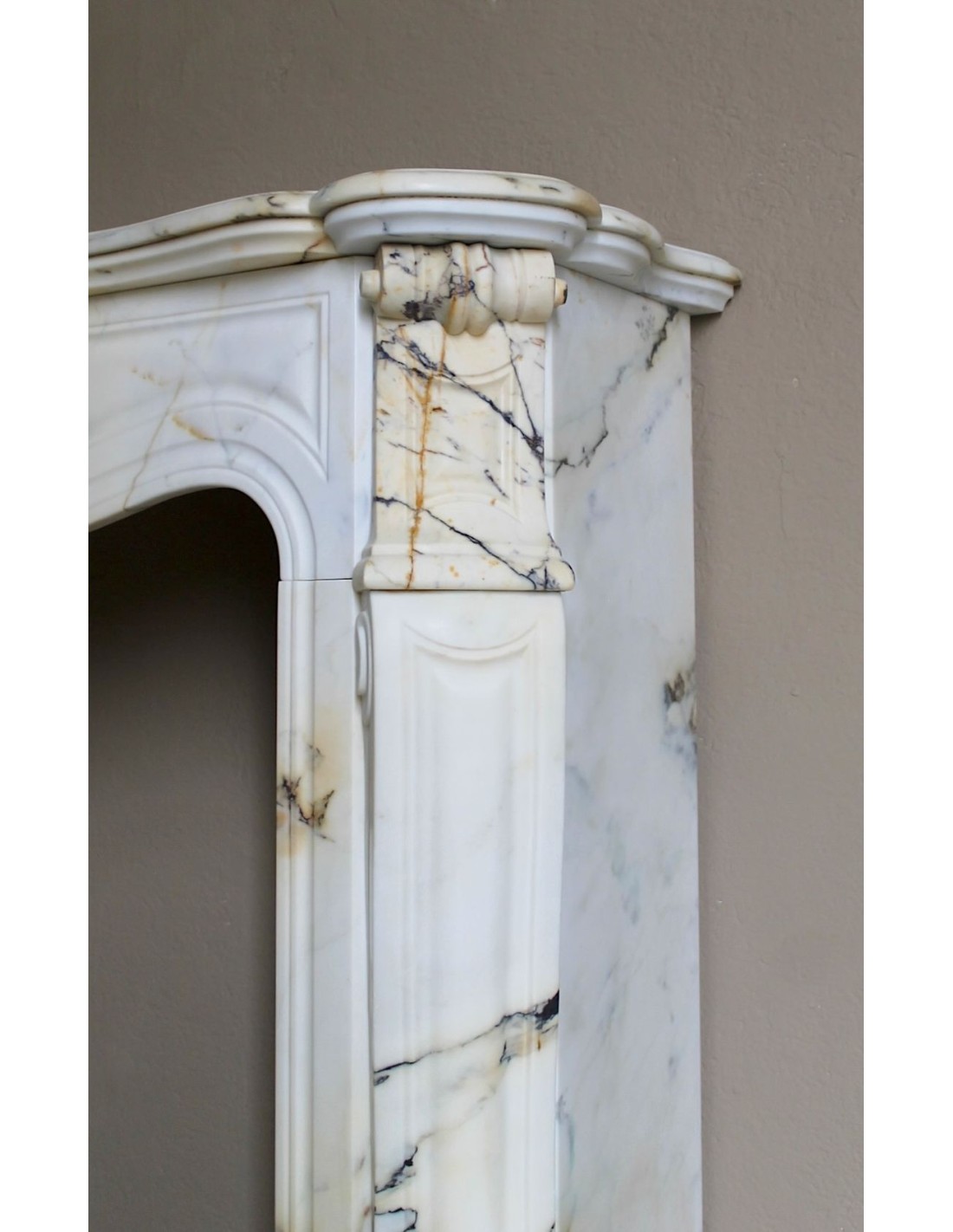
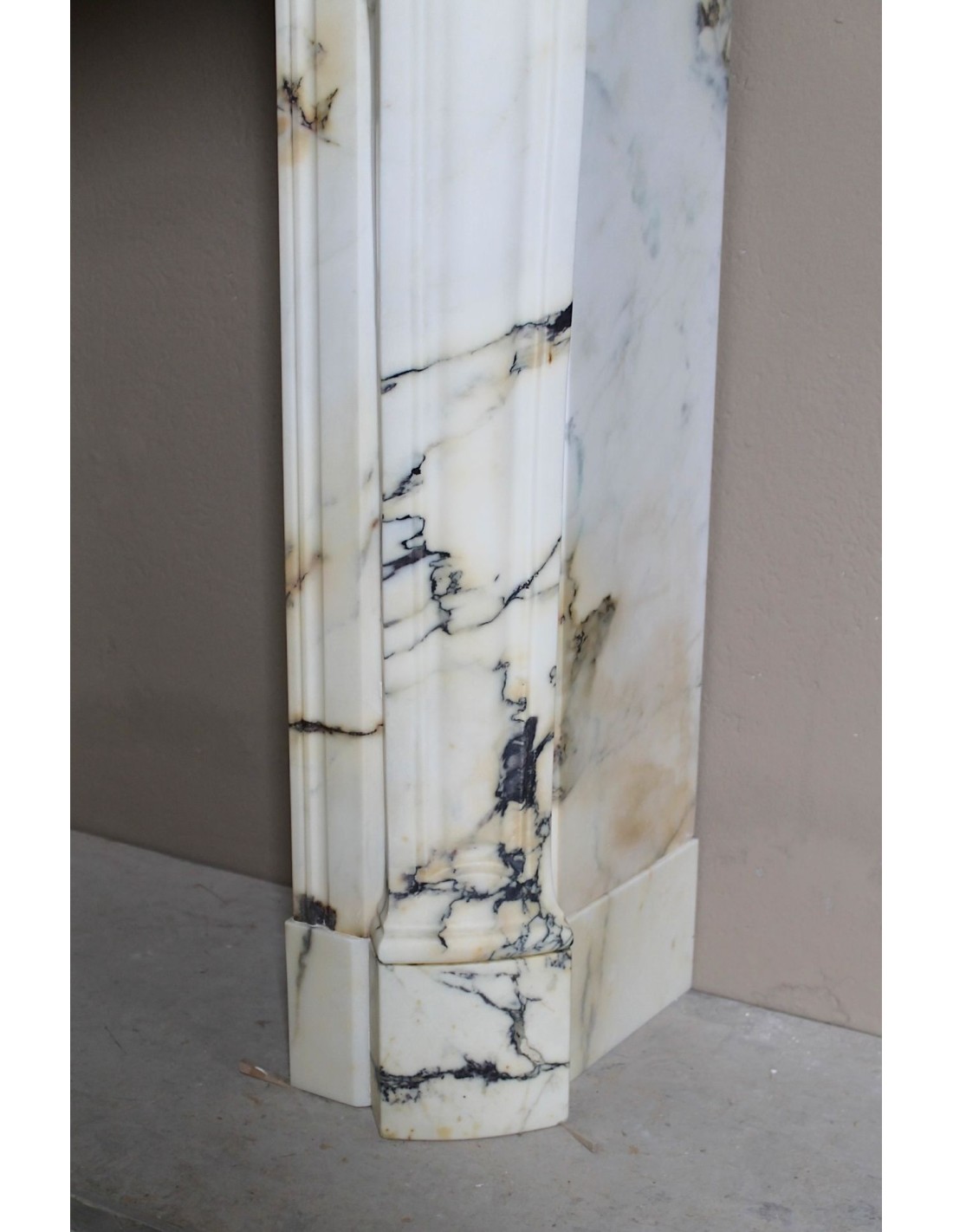
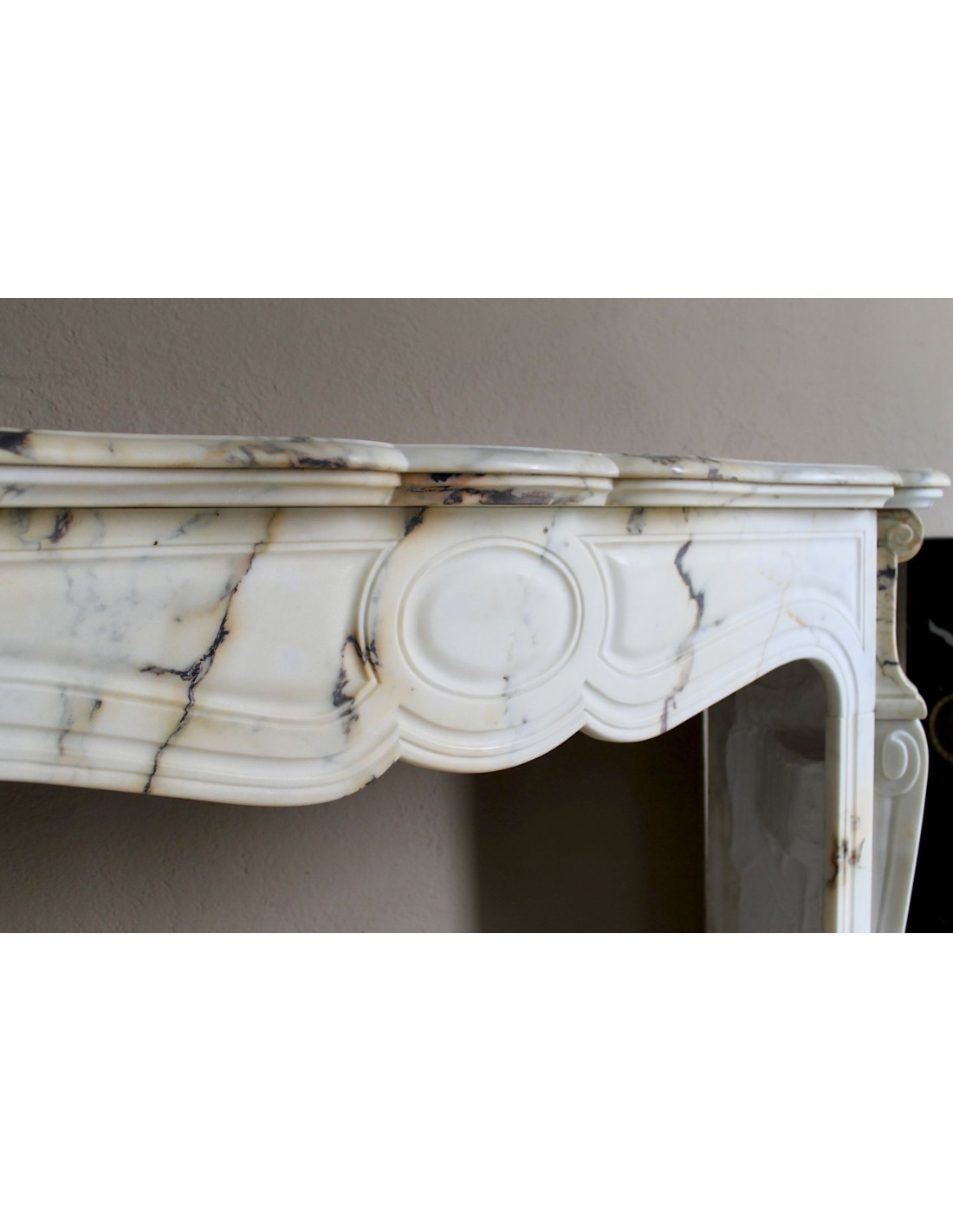
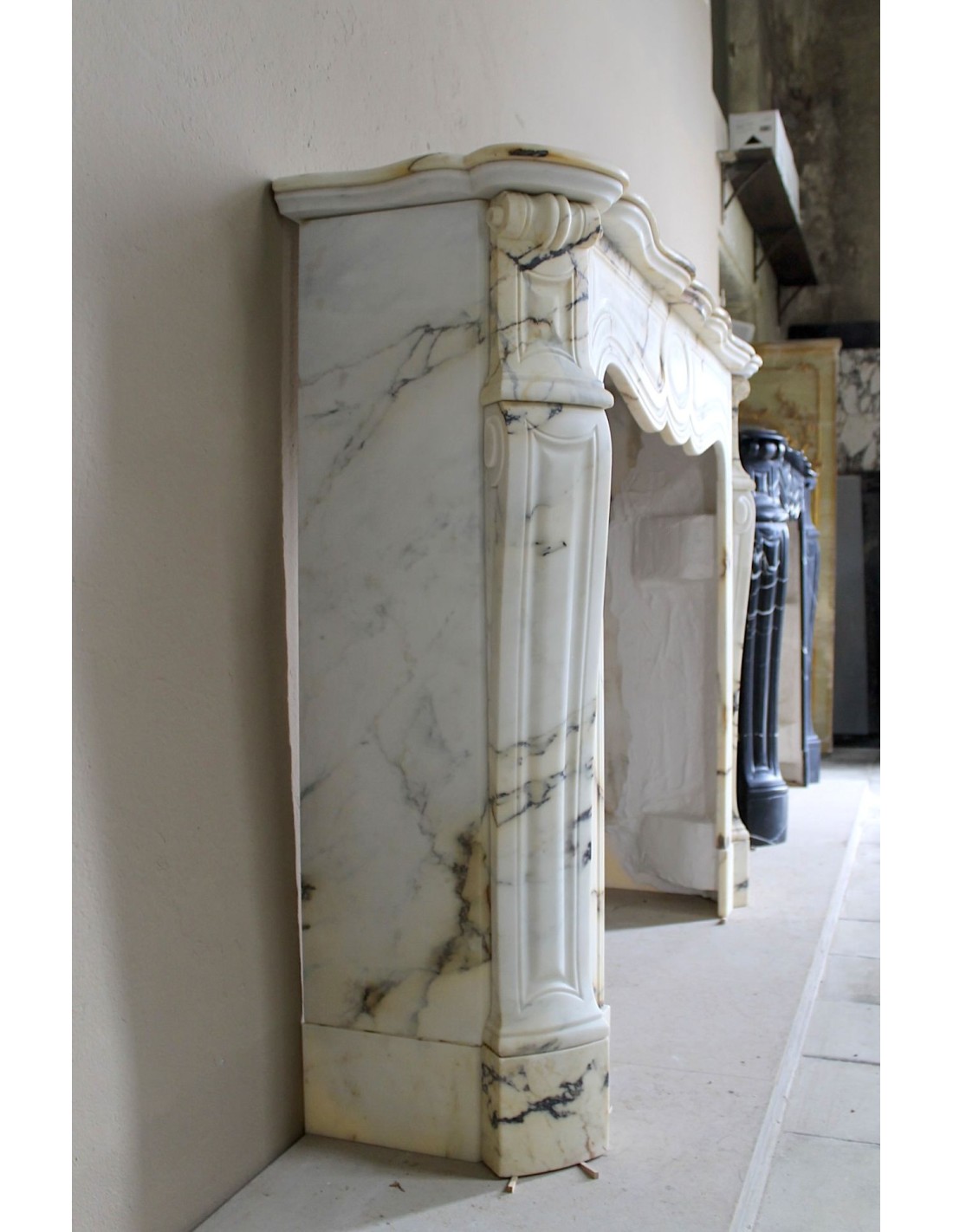
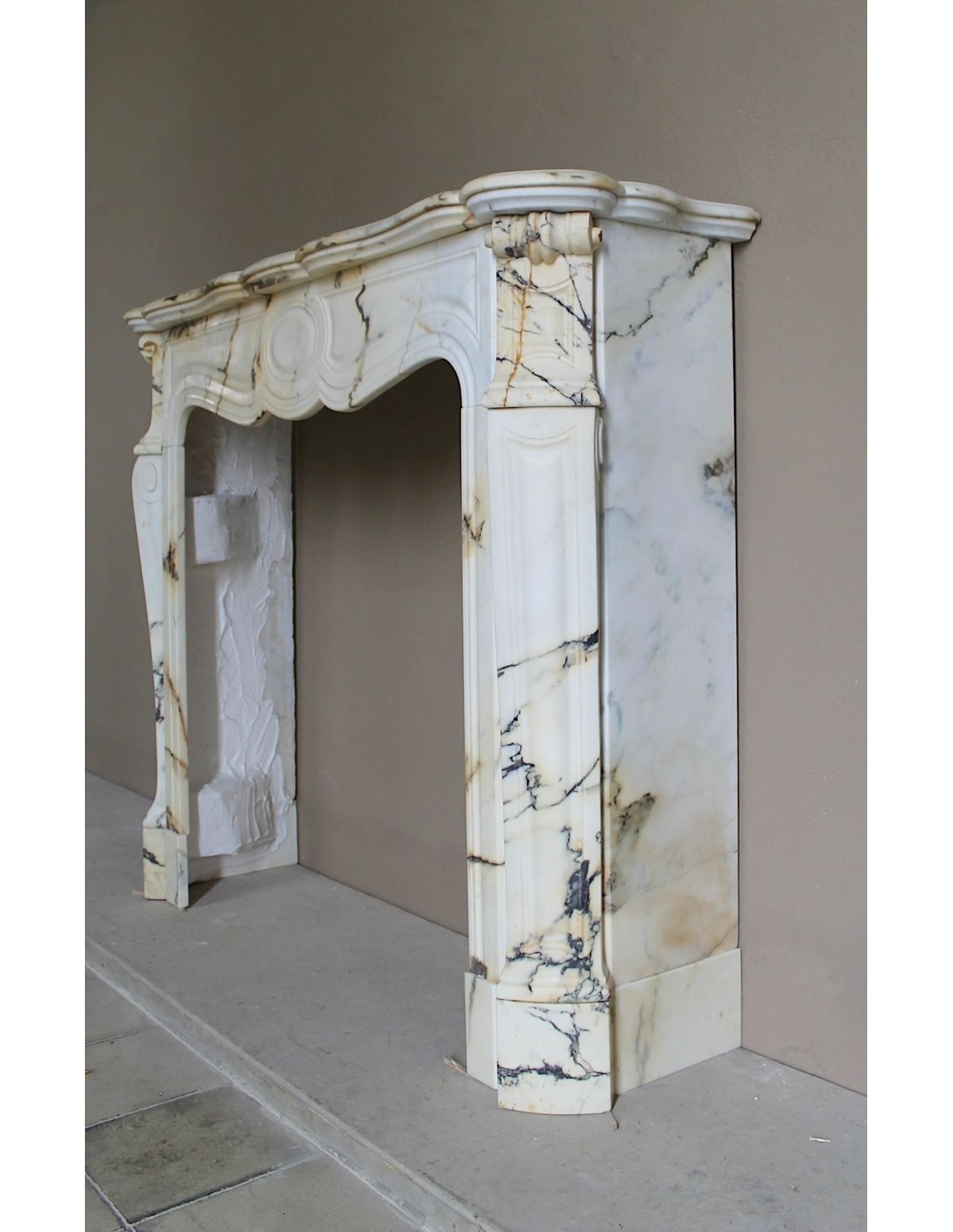
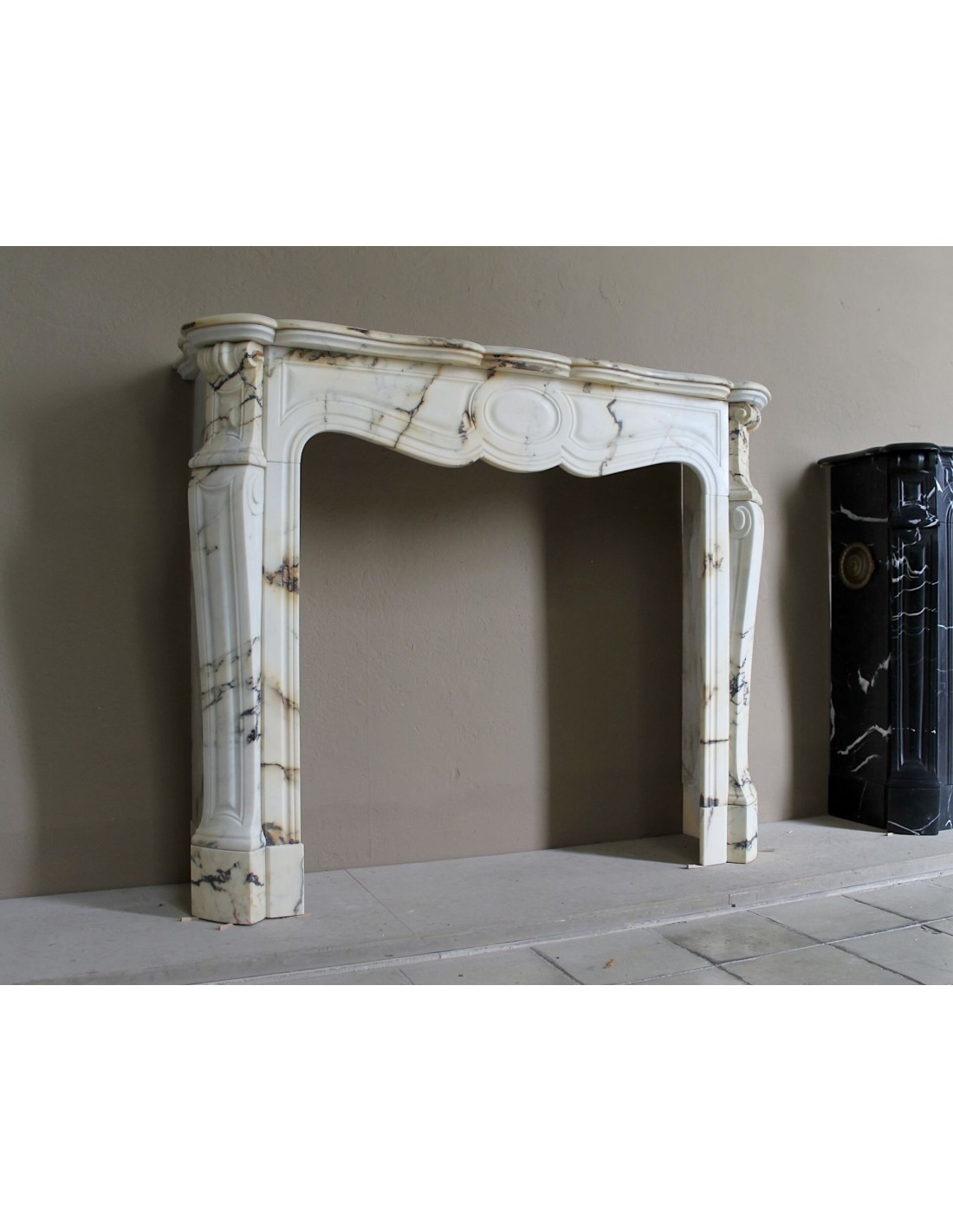
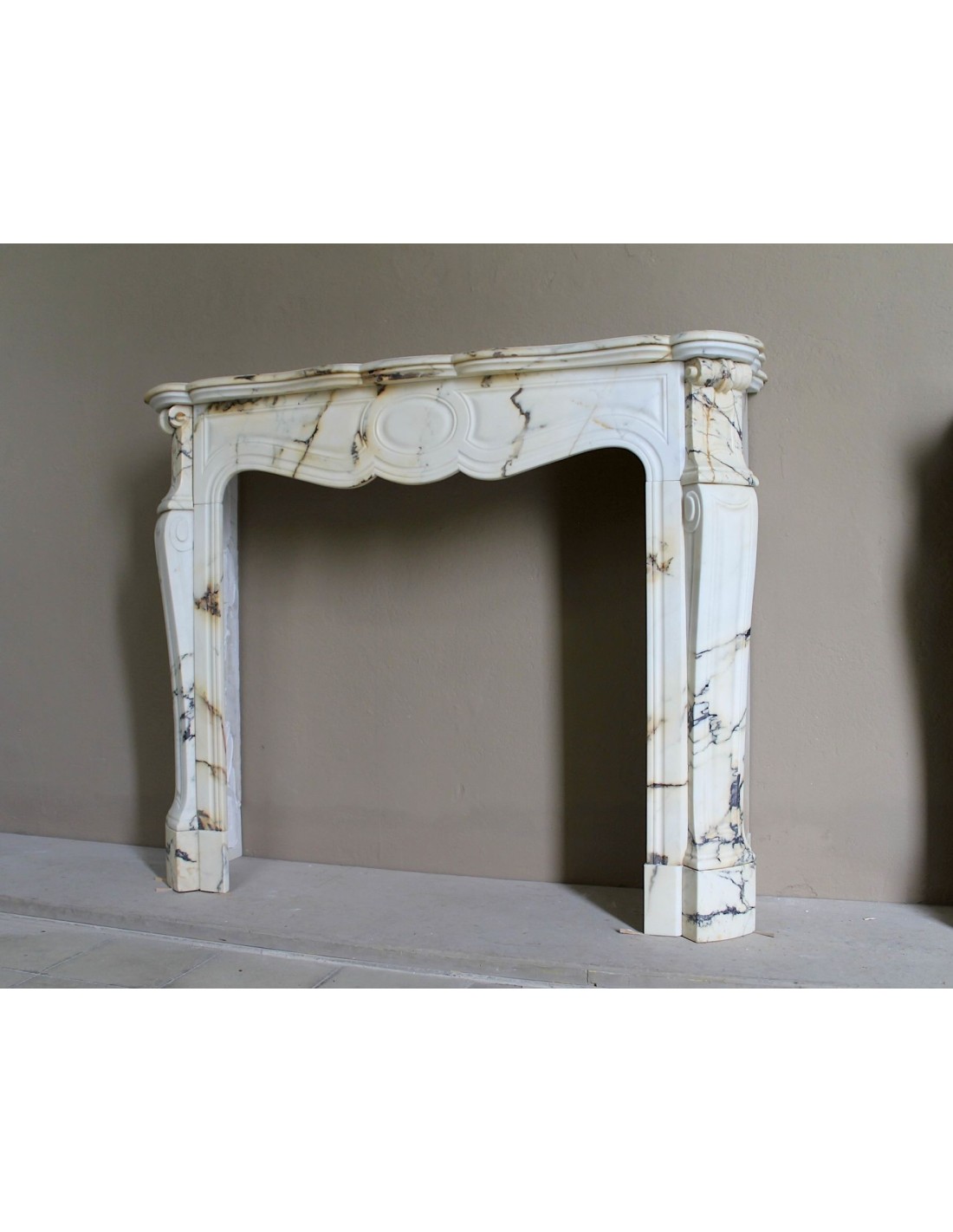
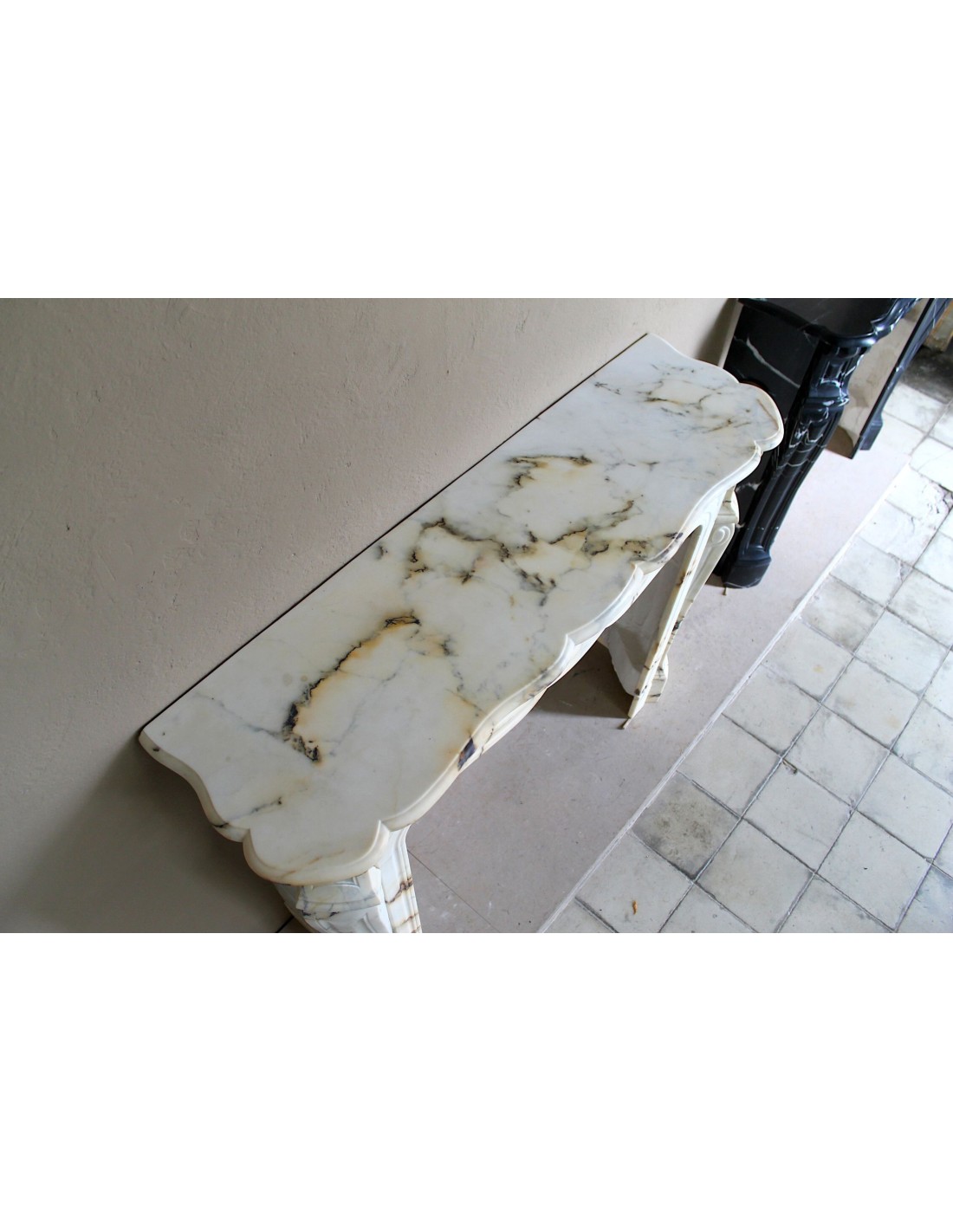
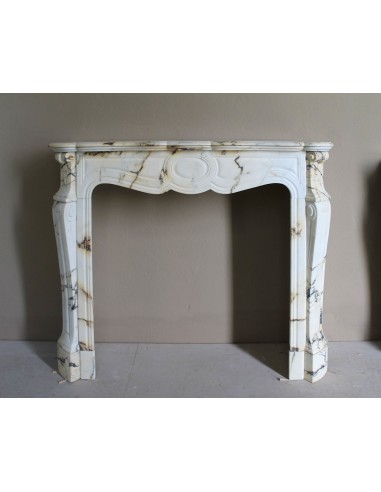
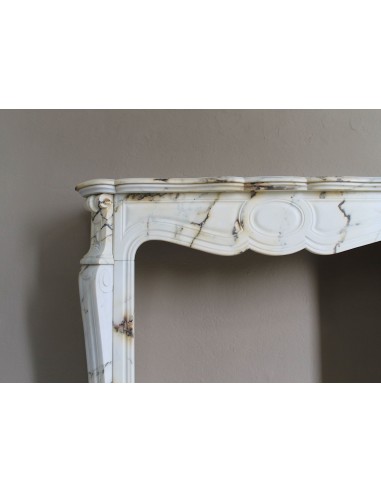
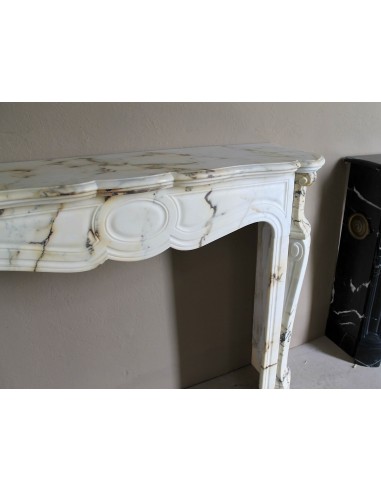
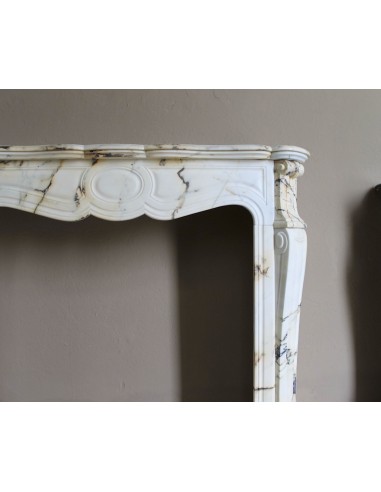
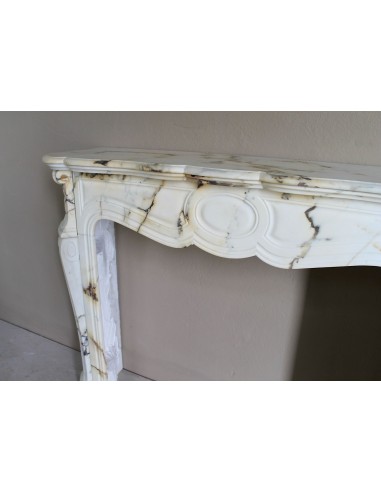
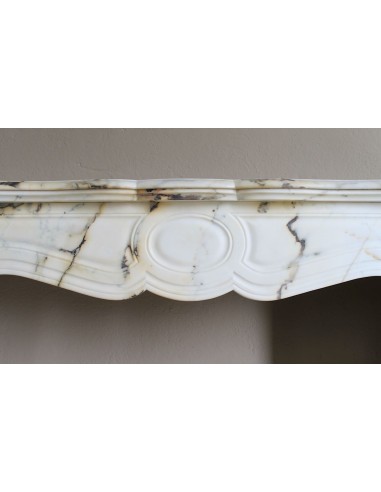
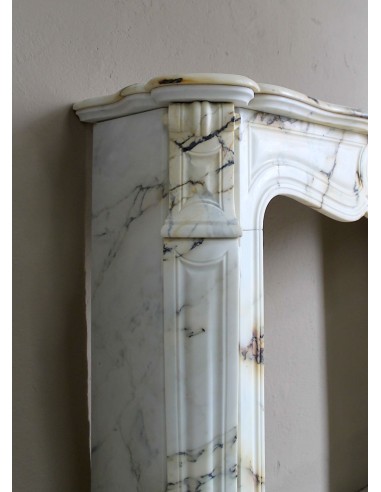
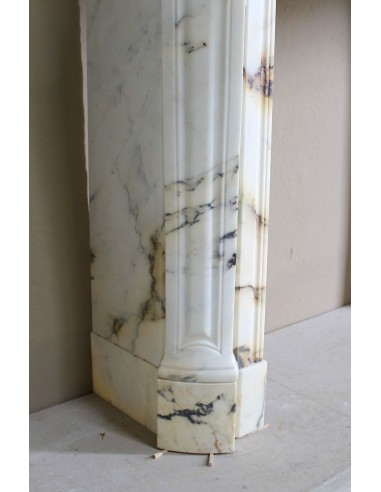
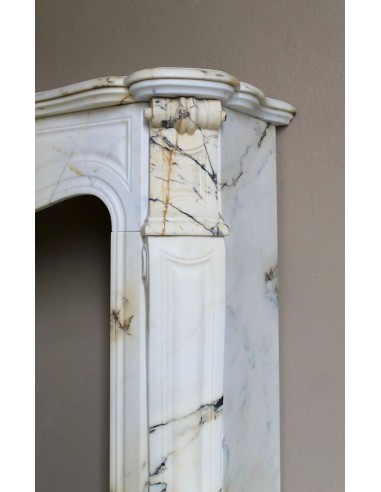
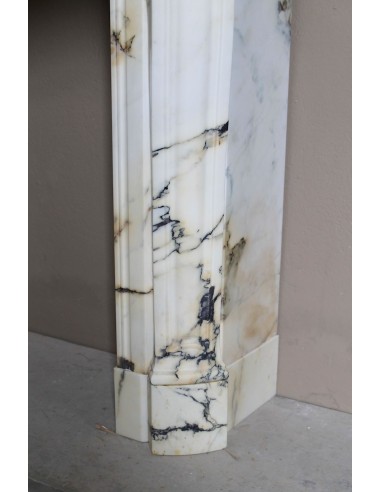
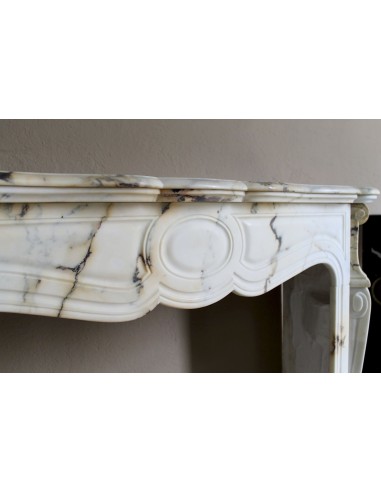
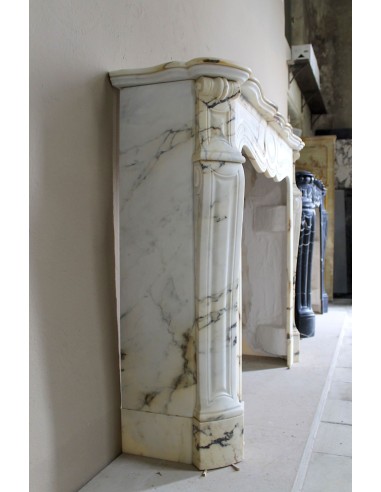
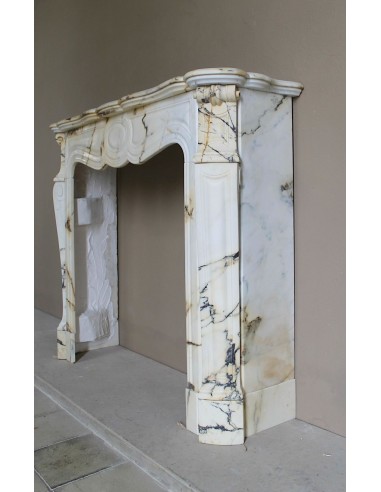
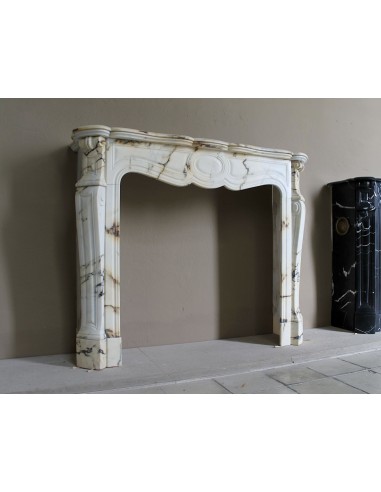
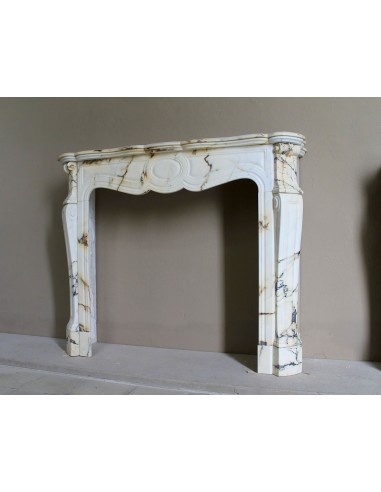
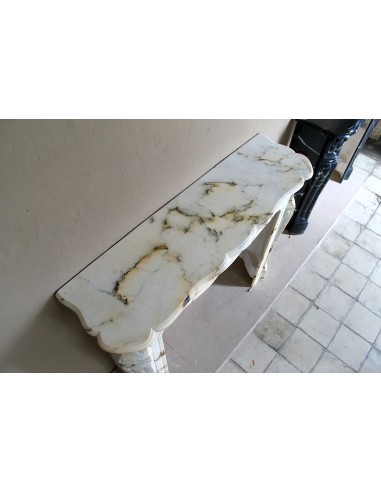
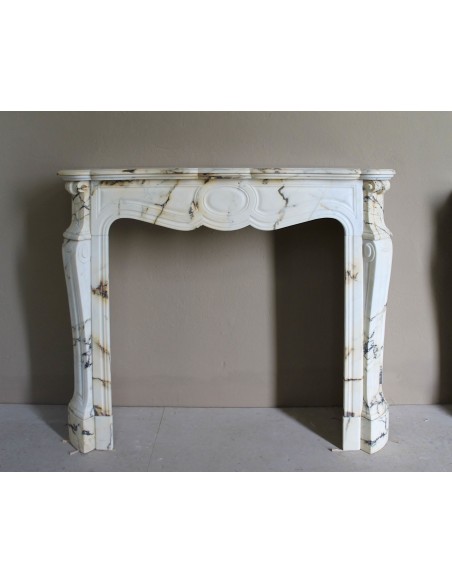
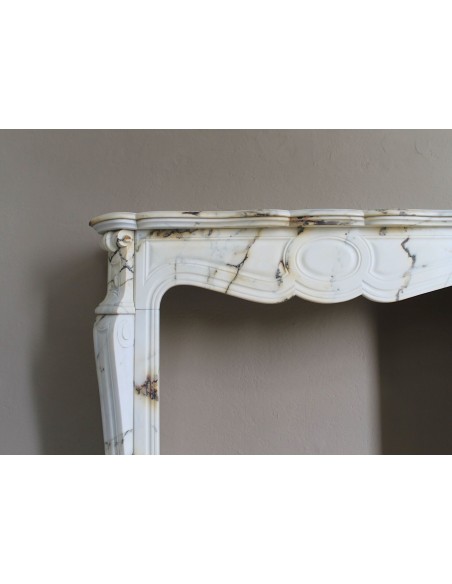
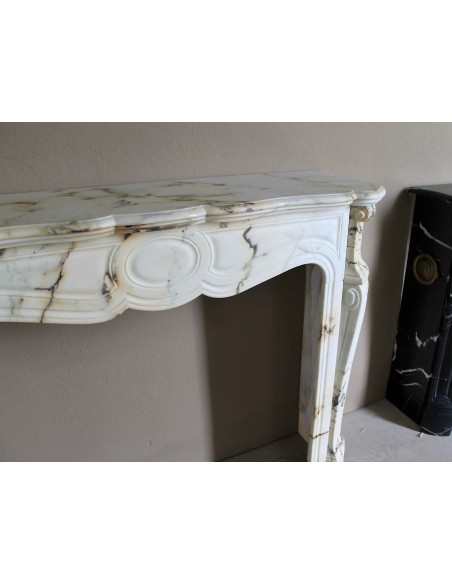
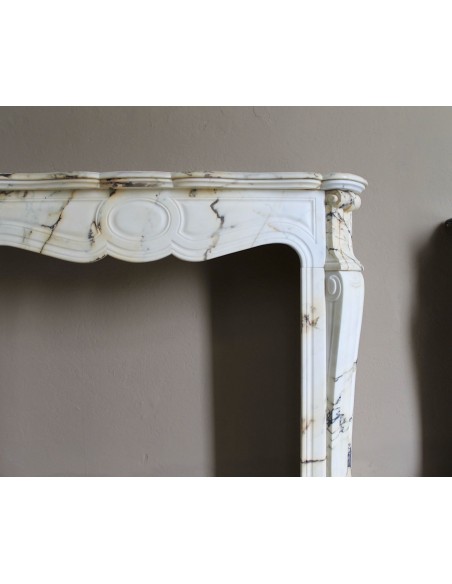
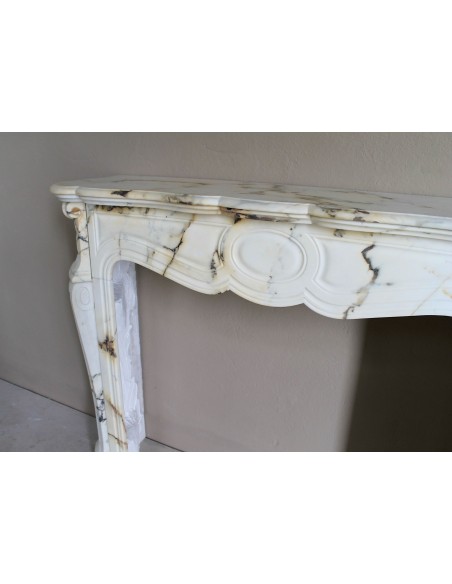
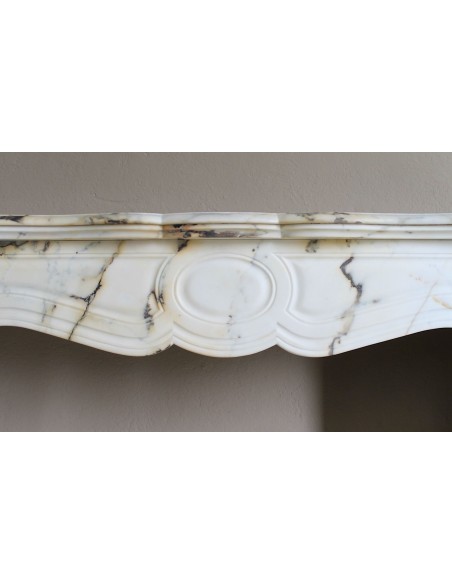
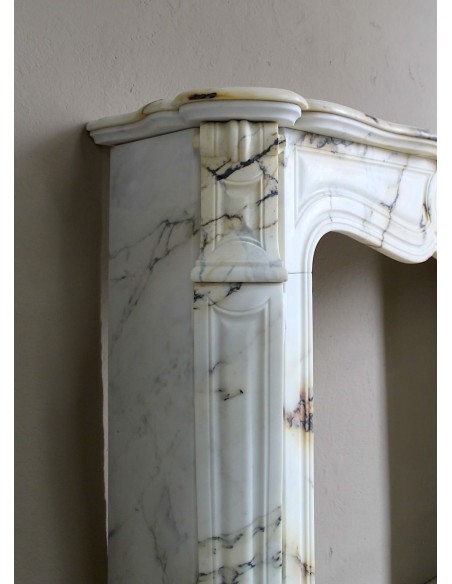
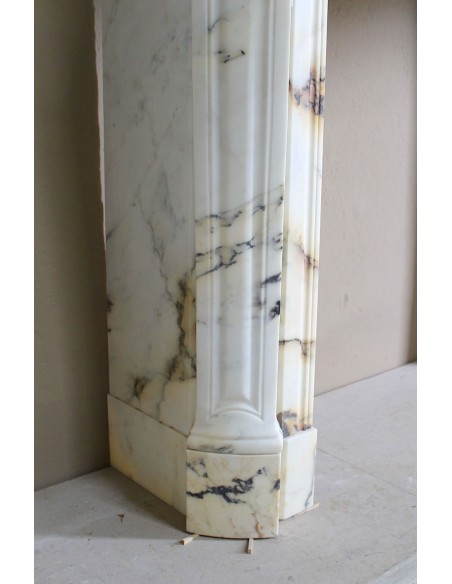
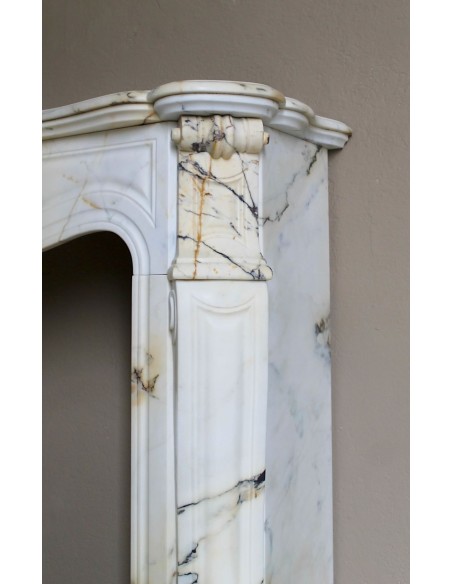
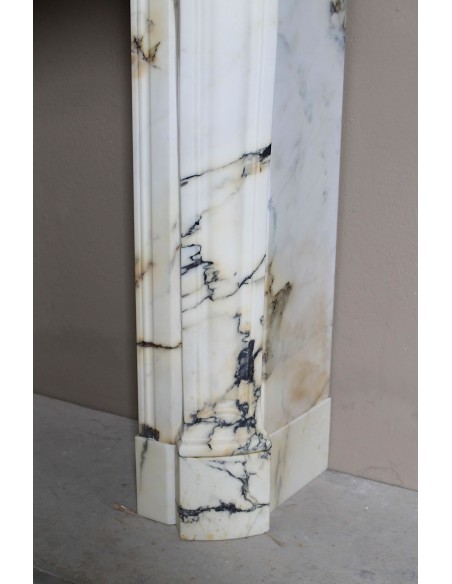
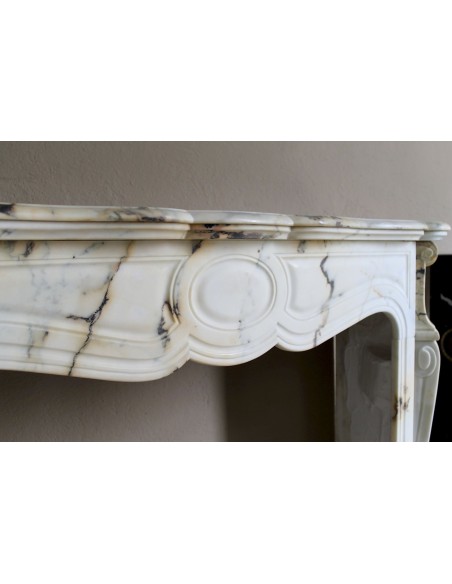
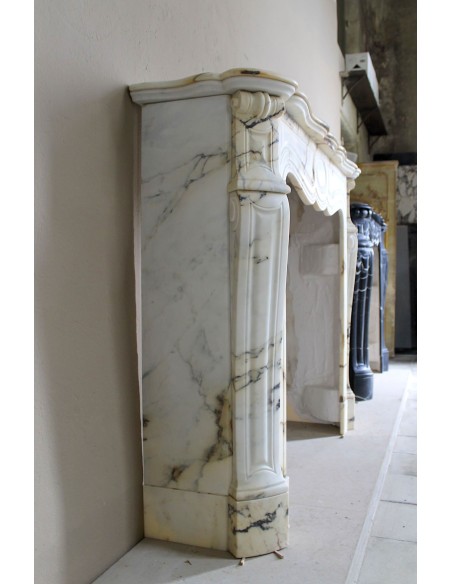
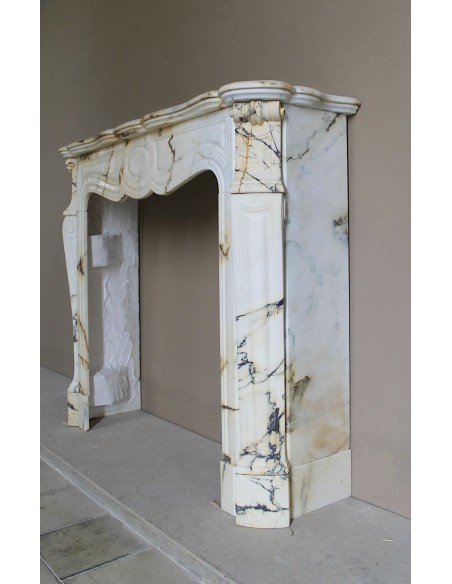
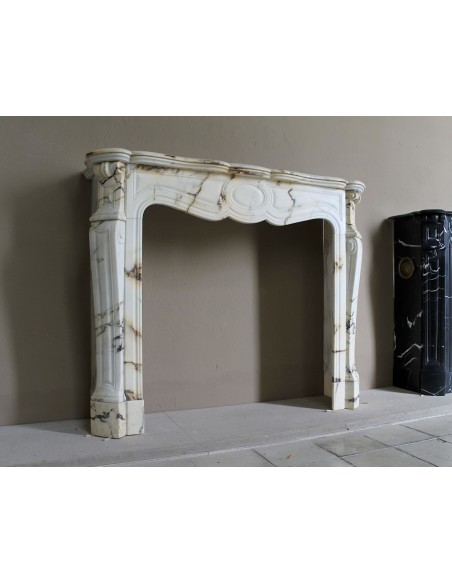
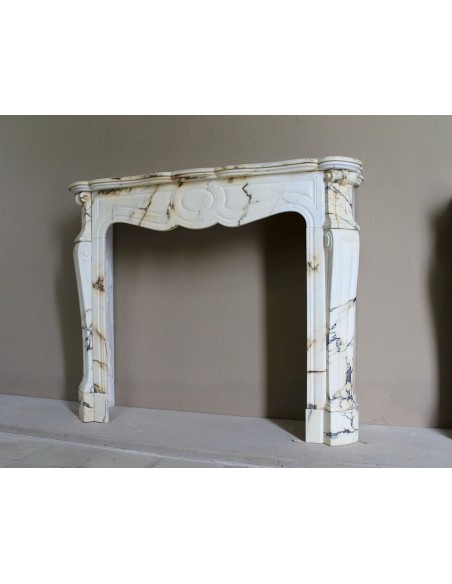
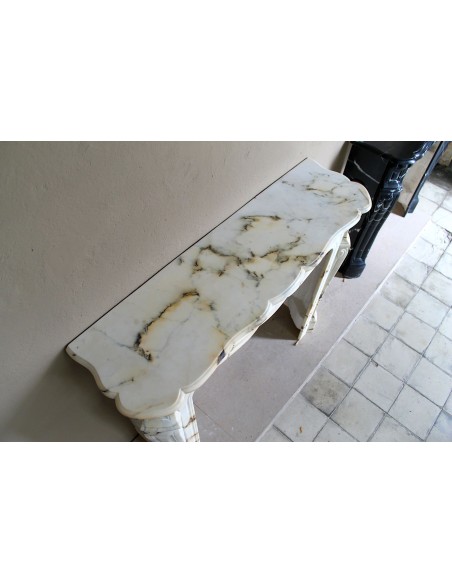
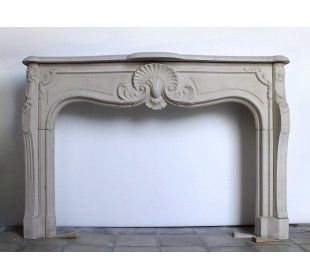
Clean lines, classic curves—and above all—a "fabric" of rare elegance: a fine marble usually reserved for grander fireplaces or important sculptures.
So how did such a refined and valuable material end up paired with such a simple, almost "basic" mantelpiece design?
Here’s what I imagine happened…
Let’s go back to mid-19th century Paris.
Camille and Patricia, a respectable bourgeois couple, are renovating a charming apartment in Rue de Versigny, at the foot of Montmartre. The flat is for their son and his fiancée—newlyweds-to-be, and soon-to-be parents.
One spring morning, the couple, arm in arm under a Monet-blue sky, walks down to the Usine des Marbres in the Clignancourt district—still standing today! That was where Parisian dealers assembled fireplace mantels using marble blocks sculpted in Italy. It’s there, they’re sure, that they’ll find the perfect fireplace for the future baby’s bedroom.
Patricia knows exactly what she wants: a mantel with soft, elegant lines.
Camille, meanwhile, hopes to keep costs down—this renovation is expensive enough as it is.
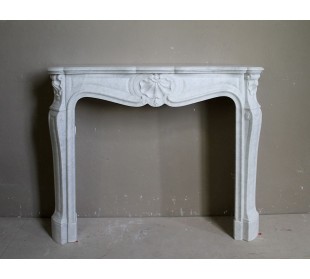
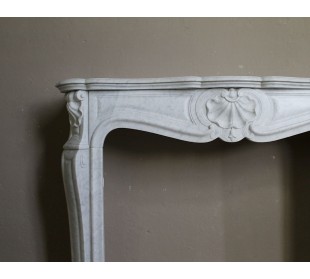
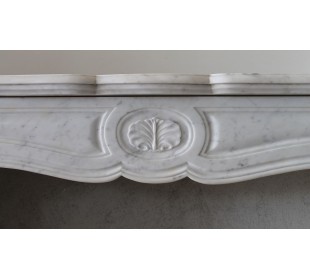
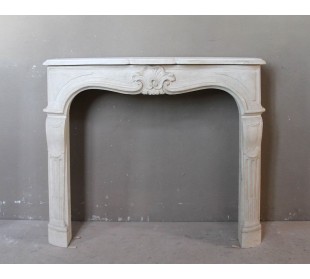
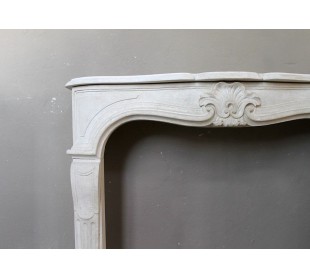
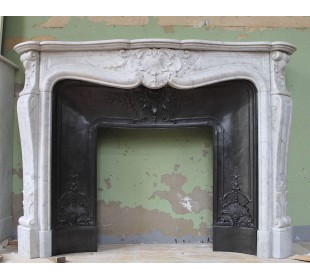
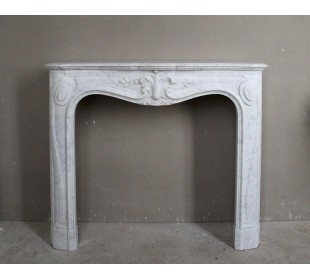
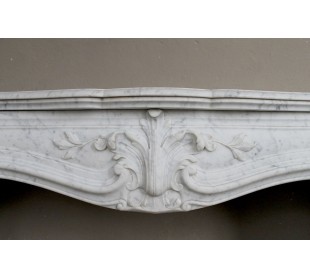
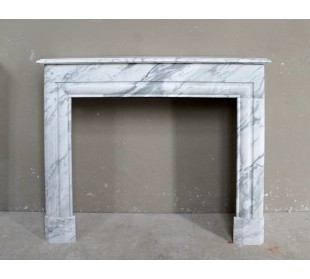
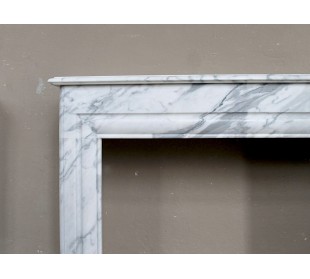
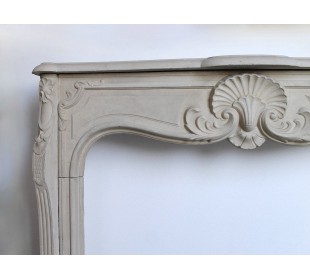
They quickly spot a charming Pompadour Pied Galbé model, in classic Carrara marble—graceful, stylish, and with that unmistakable French touch: it even carries the name of the world’s most famous mistress, Madame de Pompadour.
“How much is it?”, asks Camille.
“100 francs, Monsieur.”
All seems perfect... until Patricia, eyes narrowing, leans in:
“I like the design, but… it’s too cold. Too gray. Don’t you have something a little warmer in tone? Something creamier, perhaps?”
The salesman, who clearly knows his way around difficult customers—and women in particular (a requirement in the fireplace business!)—rubs his hands and smiles.
“Of course, Madame. We have the same model in Statuario Carrara, a warmer, whiter marble. It’s more refined, more exclusive. Slightly more expensive—200 francs—but I think you'll be pleased.”
With a flourish, he pulls back a curtain to reveal the version in Statuario. Patricia’s eyes light up.
“Yes, that’s the tone I was dreaming of… although… maybe with just a touch of veining, some movement in the marble? That would be even better, don’t you think?”
(If she’d been a mind-reader, she might have slapped the vendor on the spot and dragged Camille to a cheaper shop. But alas...)
The vendor, controlling his glee, keeps his tone calm:
“Madame, I believe we have something truly unique. A rare Pompadour mantel carved from Paonazzetto marble, once favored by the Roman emperors themselves. Its soft lilac veining is known for its iridescent, almost ethereal beauty.
Would you like to see it?”
Patricia gives a single nod. He leads them to the warehouse.
What happens next needs no words.
The sparkle in Patricia’s eyes says it all.
Camille, on the other hand—despite the pleasant spring air—starts sweating.
“And… how much for this one?” he stammers.
Before the vendor can respond, Patricia shoots him a glance that says “Don't even think about haggling.”
The vendor smiles devilishly:
“Nothing outrageous, Monsieur… just 300 francs.”
Camille swallows hard. That’s triple what he planned to spend. But resistance is futile. He bows his head, signs the order, and gives in—utterly defeated by the twin forces of love and marble.
And that, dear reader, is how this charming, understated fireplace mantel in rare Paonazzetto marble came into existence.
Sourced from an apartment on Rue de Versigny, at the edge of Montmartre, it dates to the Napoleon III era, and is in excellent condition. A small jewel in a precious casing—thanks to the taste (and iron will) of one formidable woman named Patricia.