

SHARE ON:
Note: This fireplace will be viewable, once the final maquillage is completed, at our premises starting on 12/18/2025.
As often happens when I have to comment on a particularly important fireplace, I can’t help feeling a certain embarrassment…
You may be wondering: “Why, Maurizio? Is this fireplace really that important?”
(Please ask me — otherwise I can’t continue my commentary!)
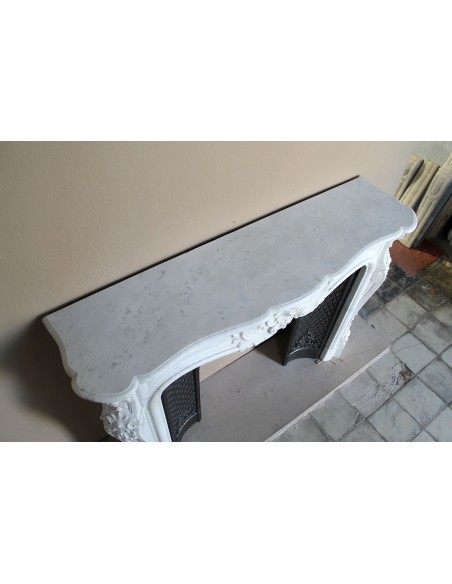
To be honest, in this case the insert is even more important than the marble mantel itself. And that is the source of my hesitation:
Should I comment on the mantel first, or should I begin with its noble insert?
I don’t think I’ve ever done this before, but… since there is always a first time, THIS TIME I WILL COMMENT ON THE INSERT BEFORE ITS WONDERFUL MARBLE MANTEL.
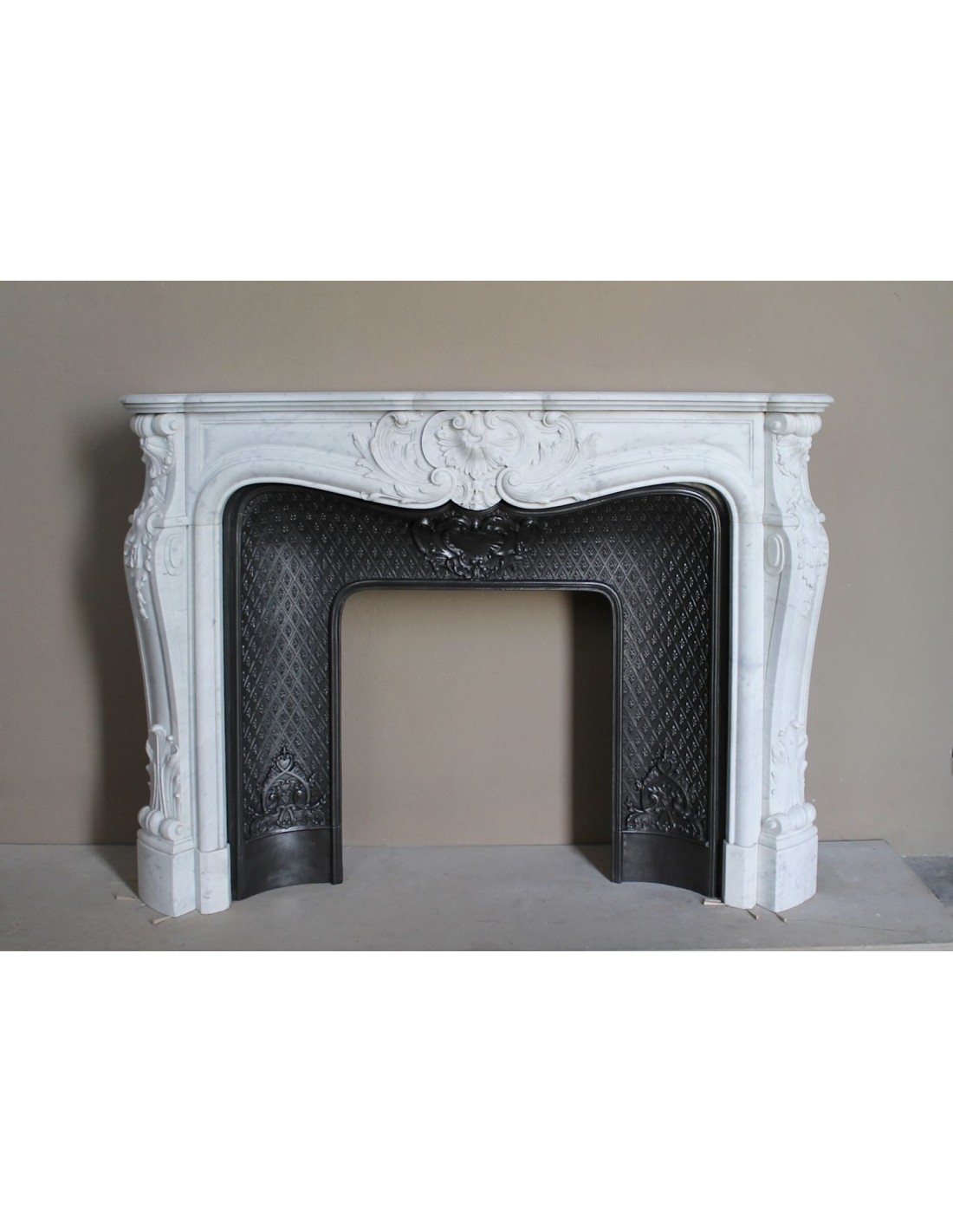
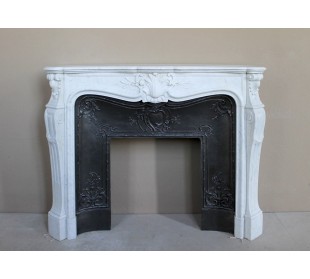
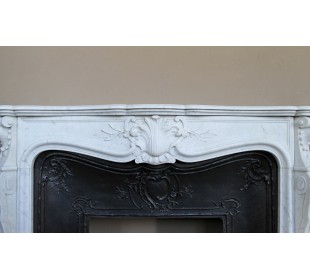
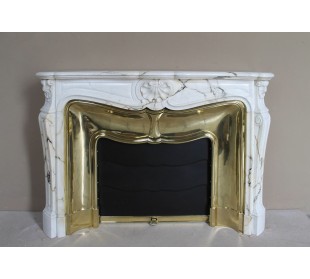
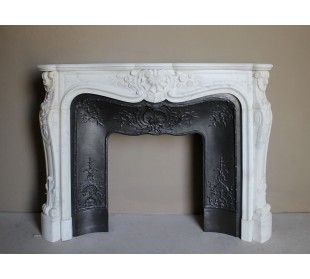
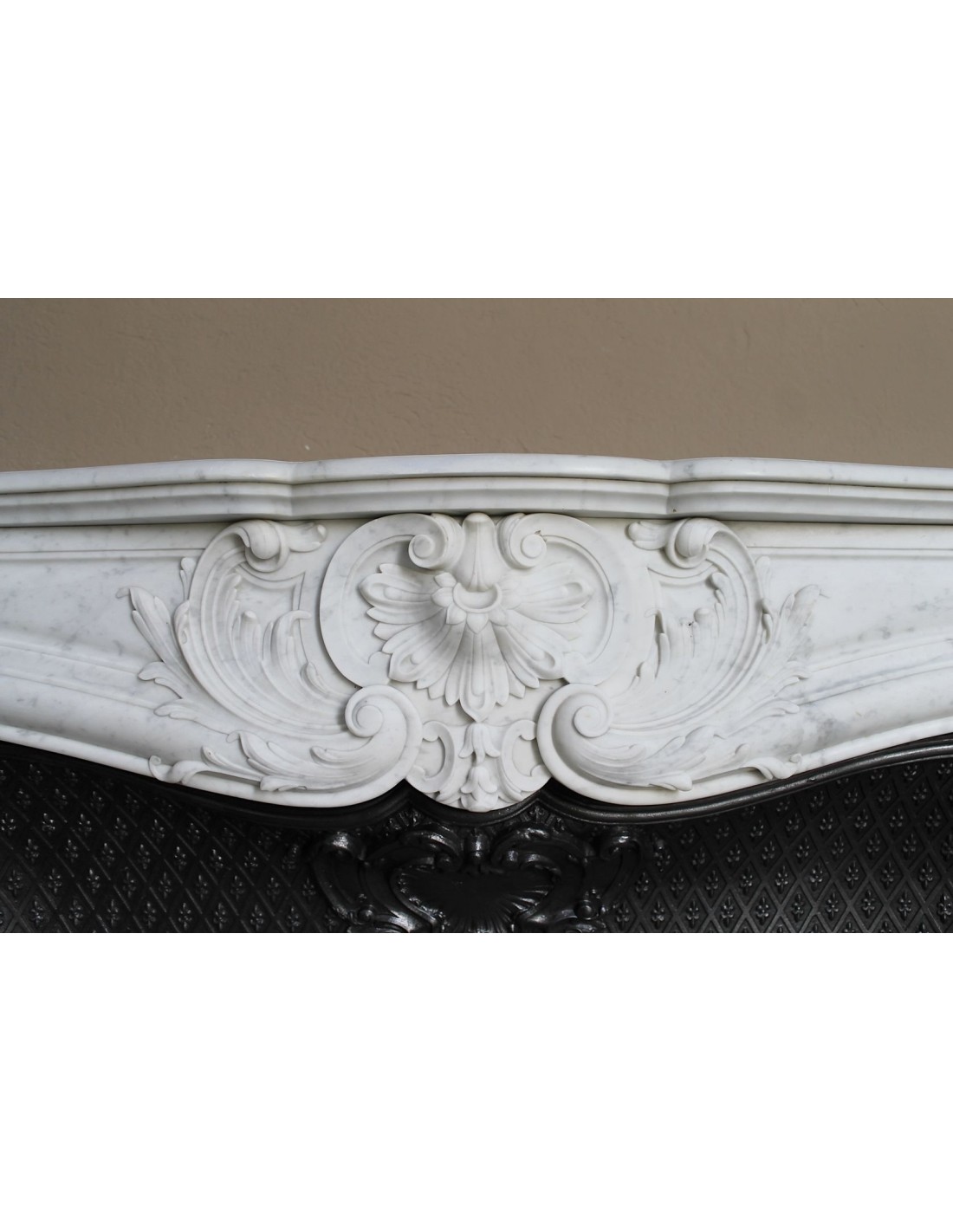
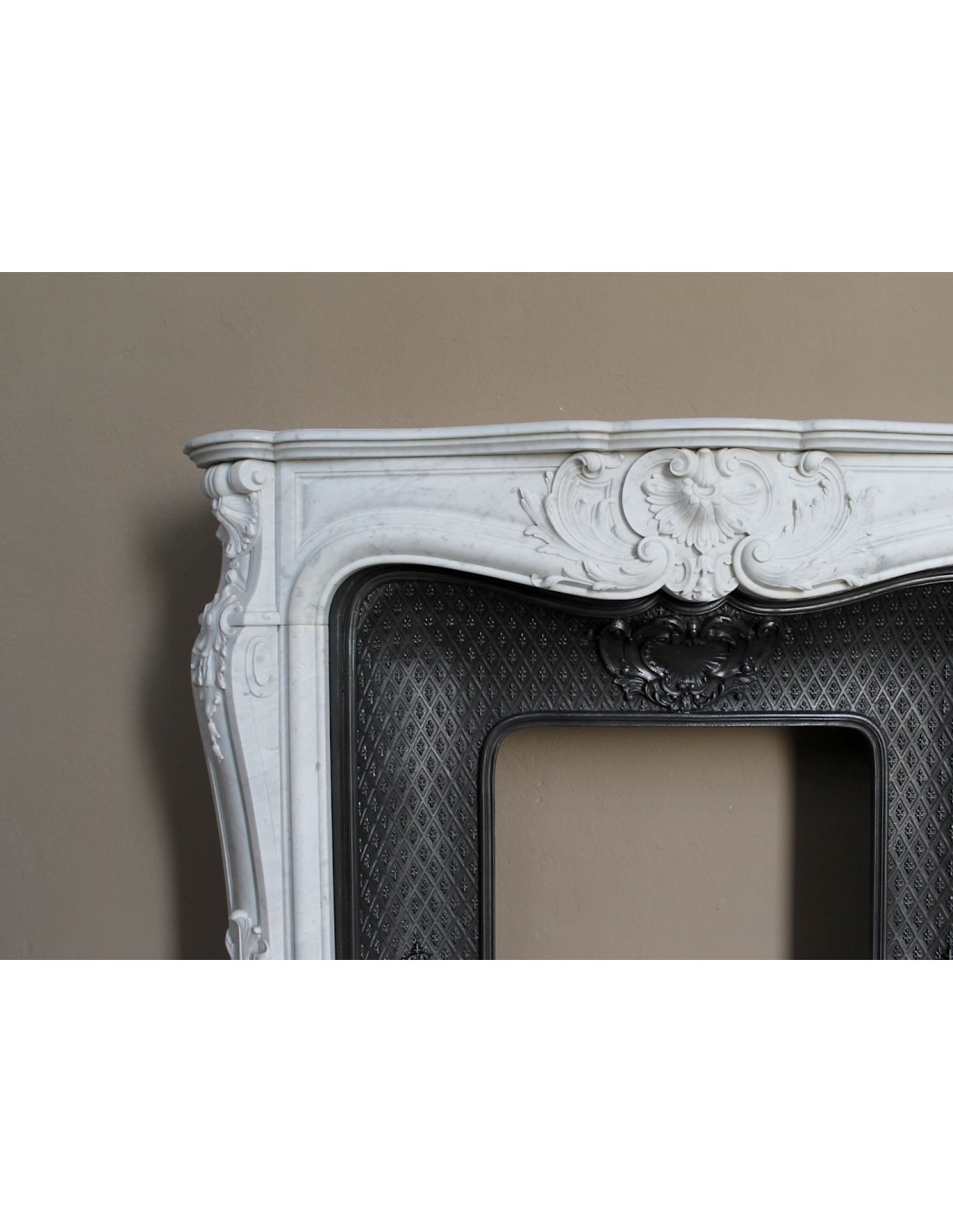
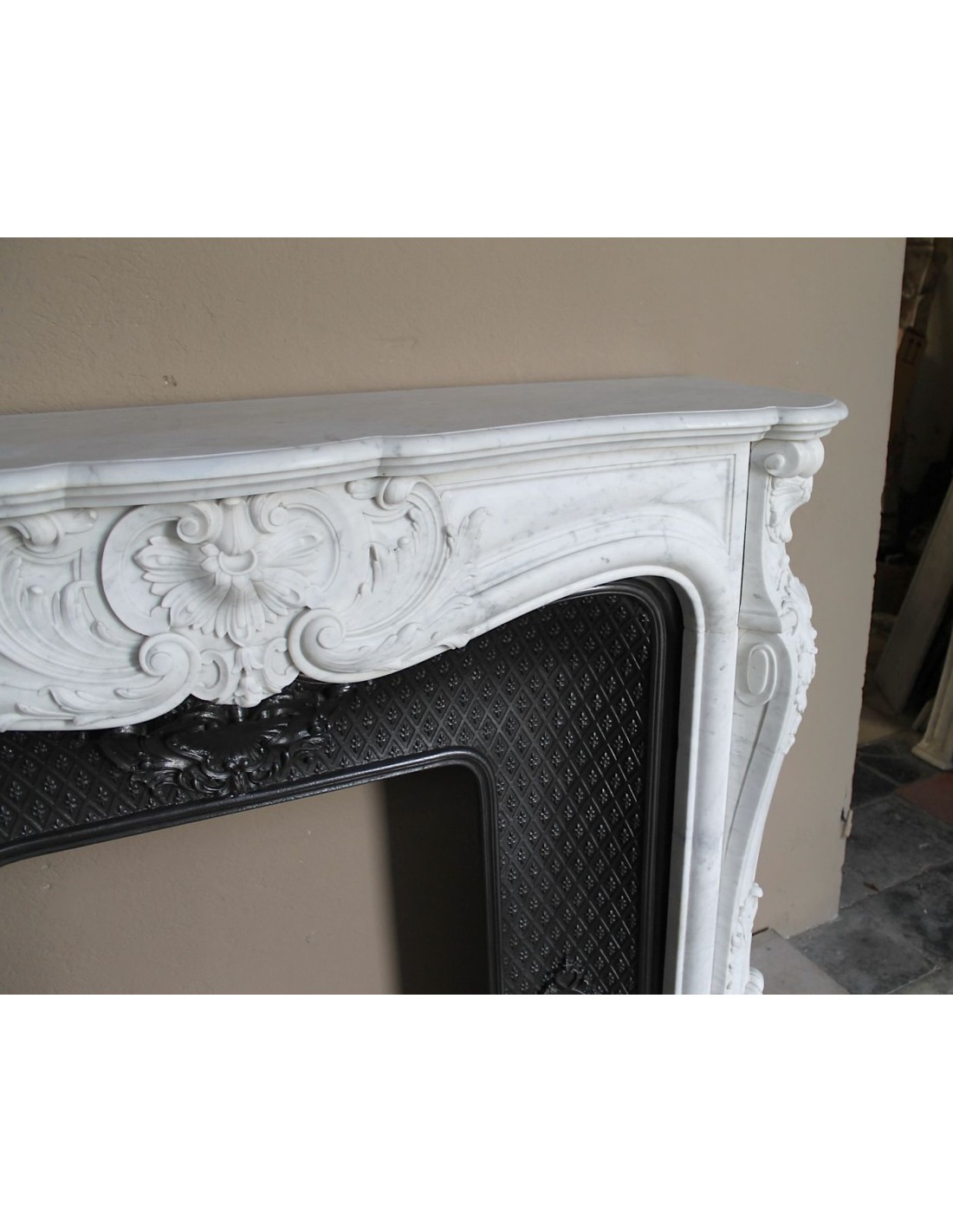
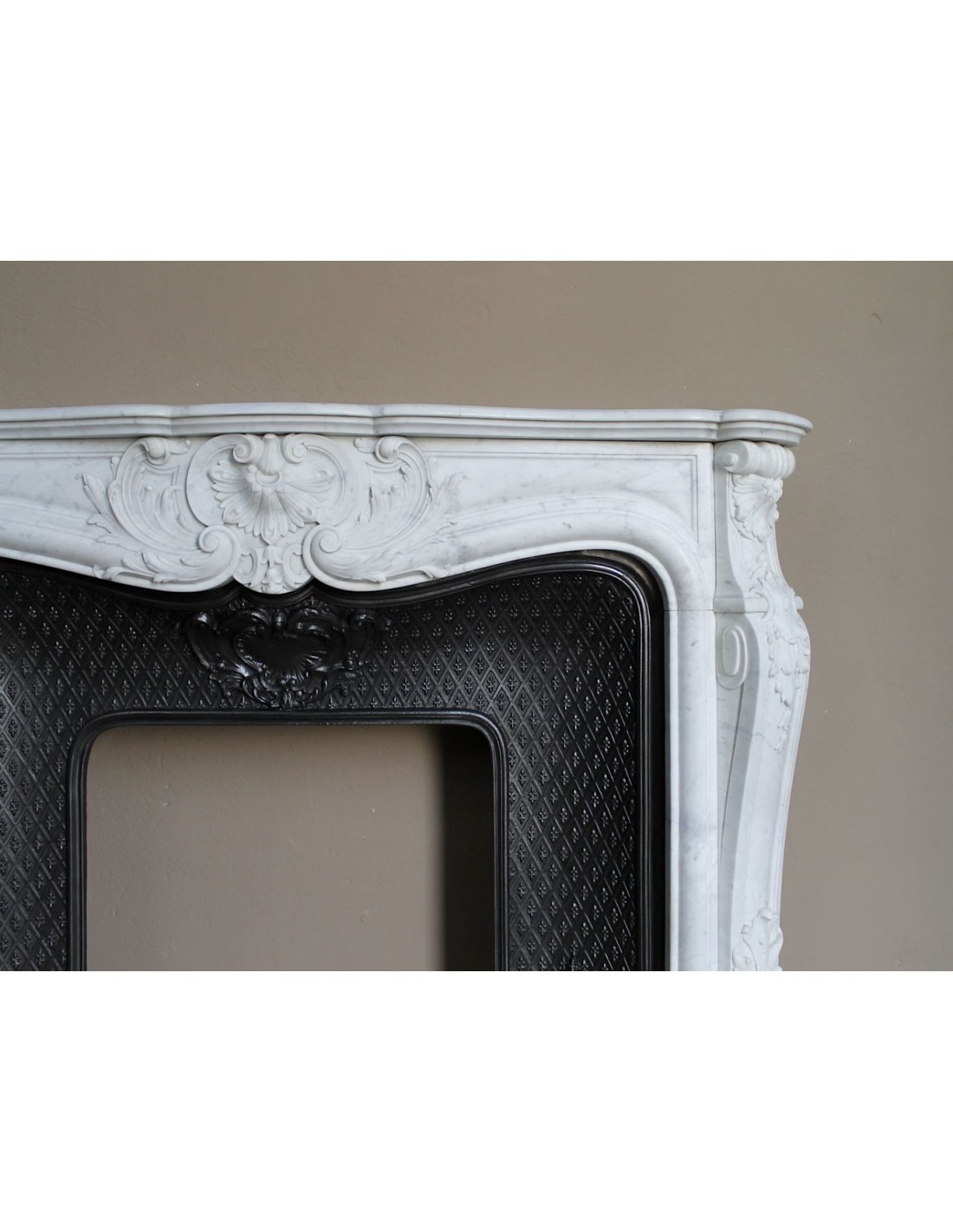
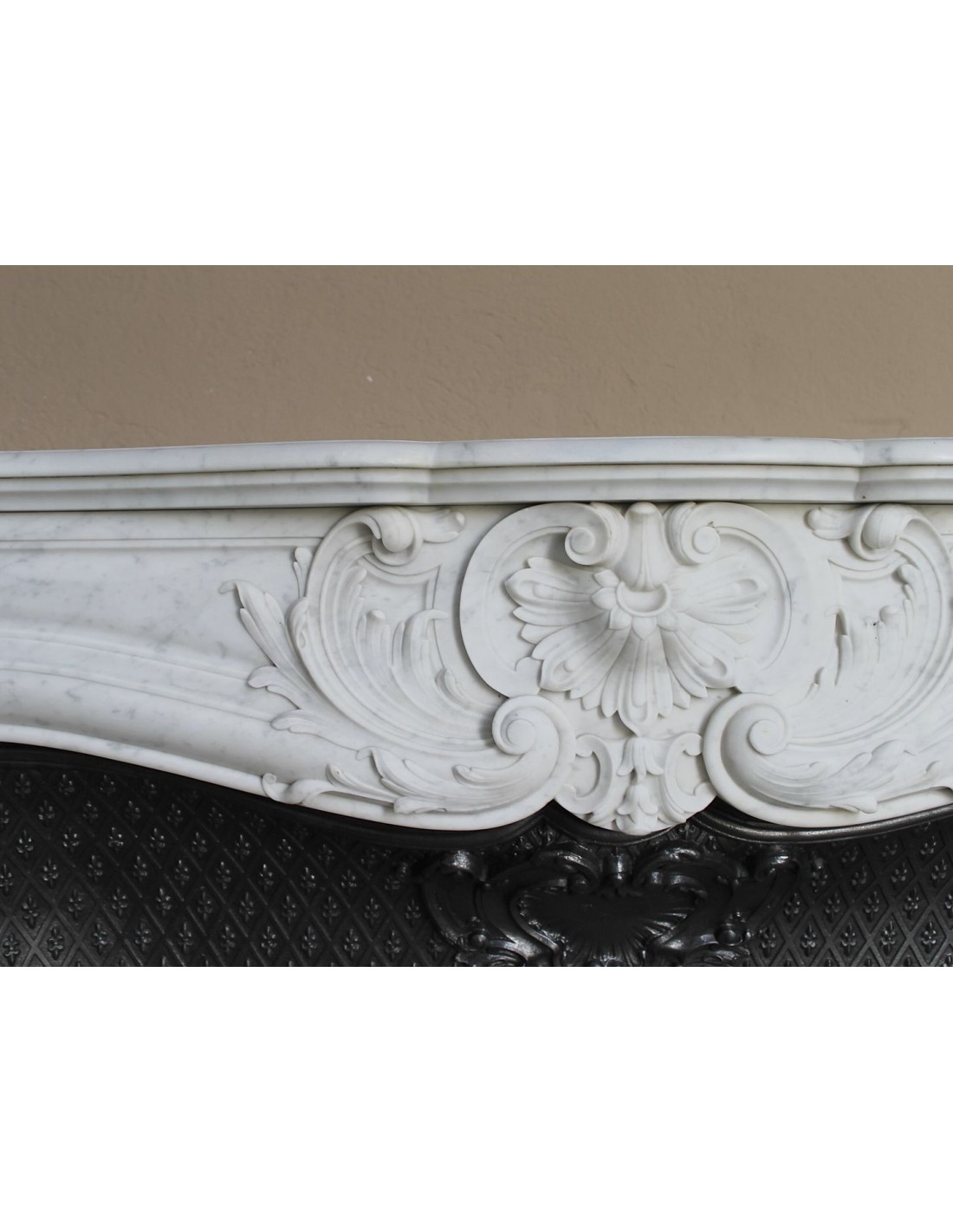
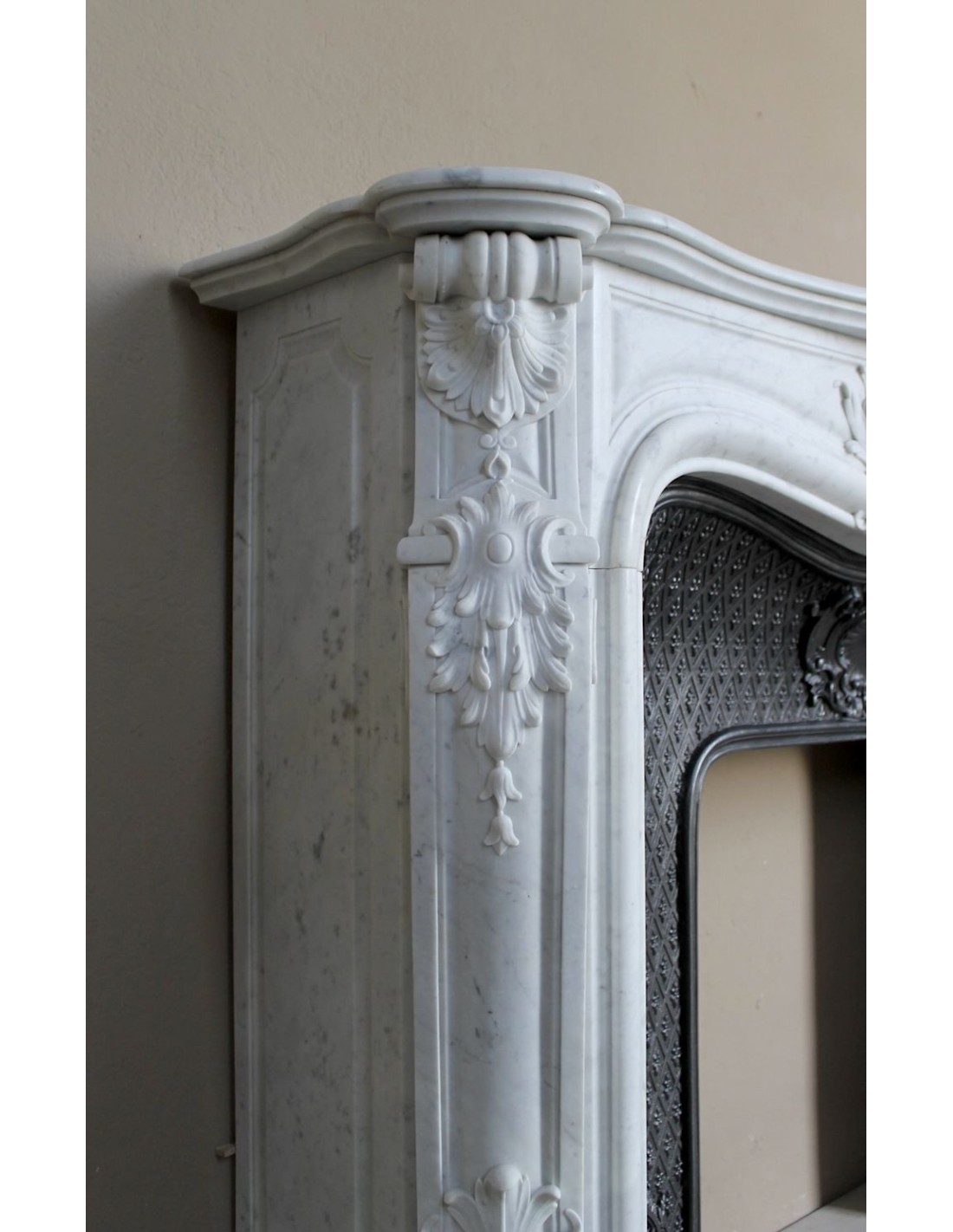
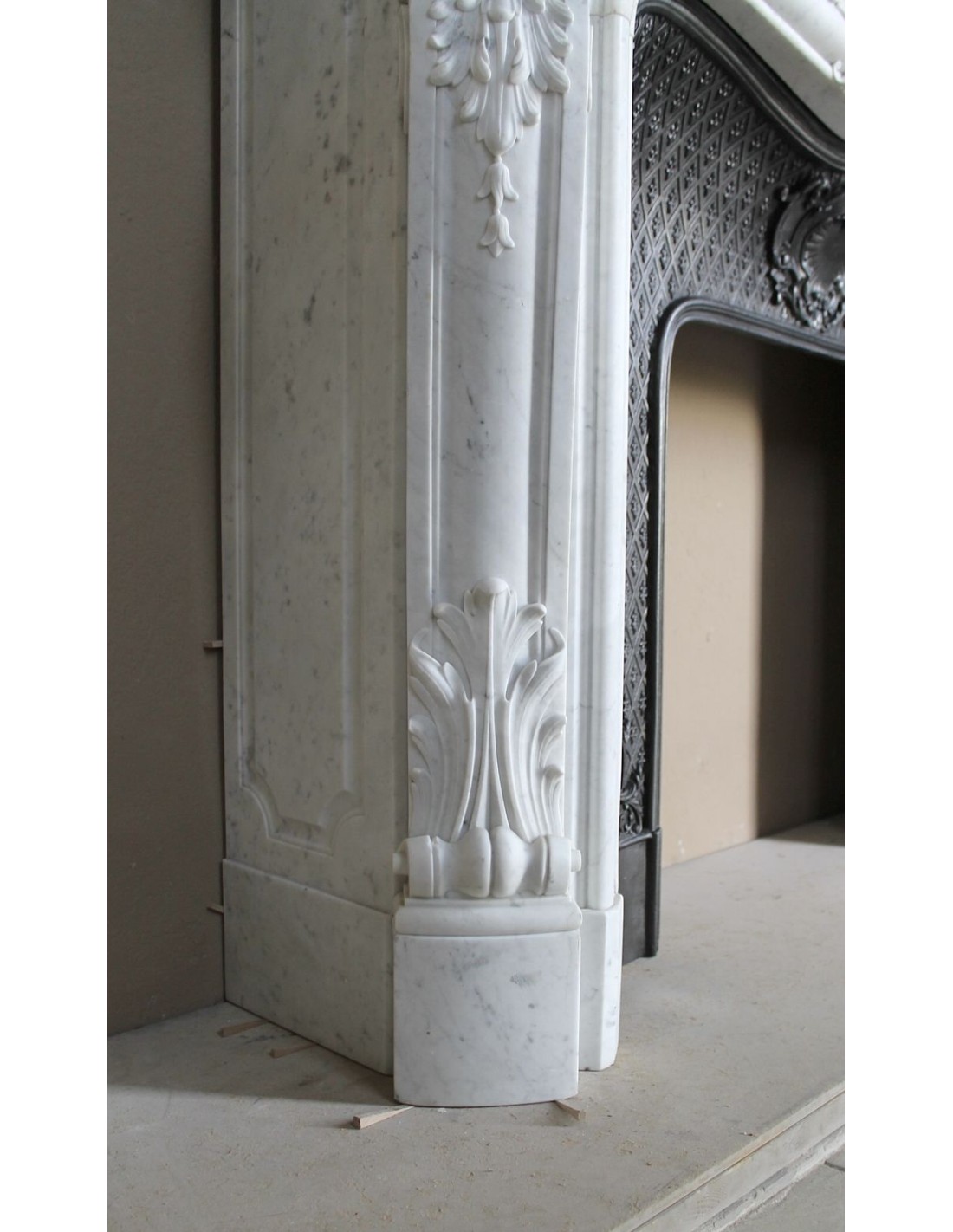
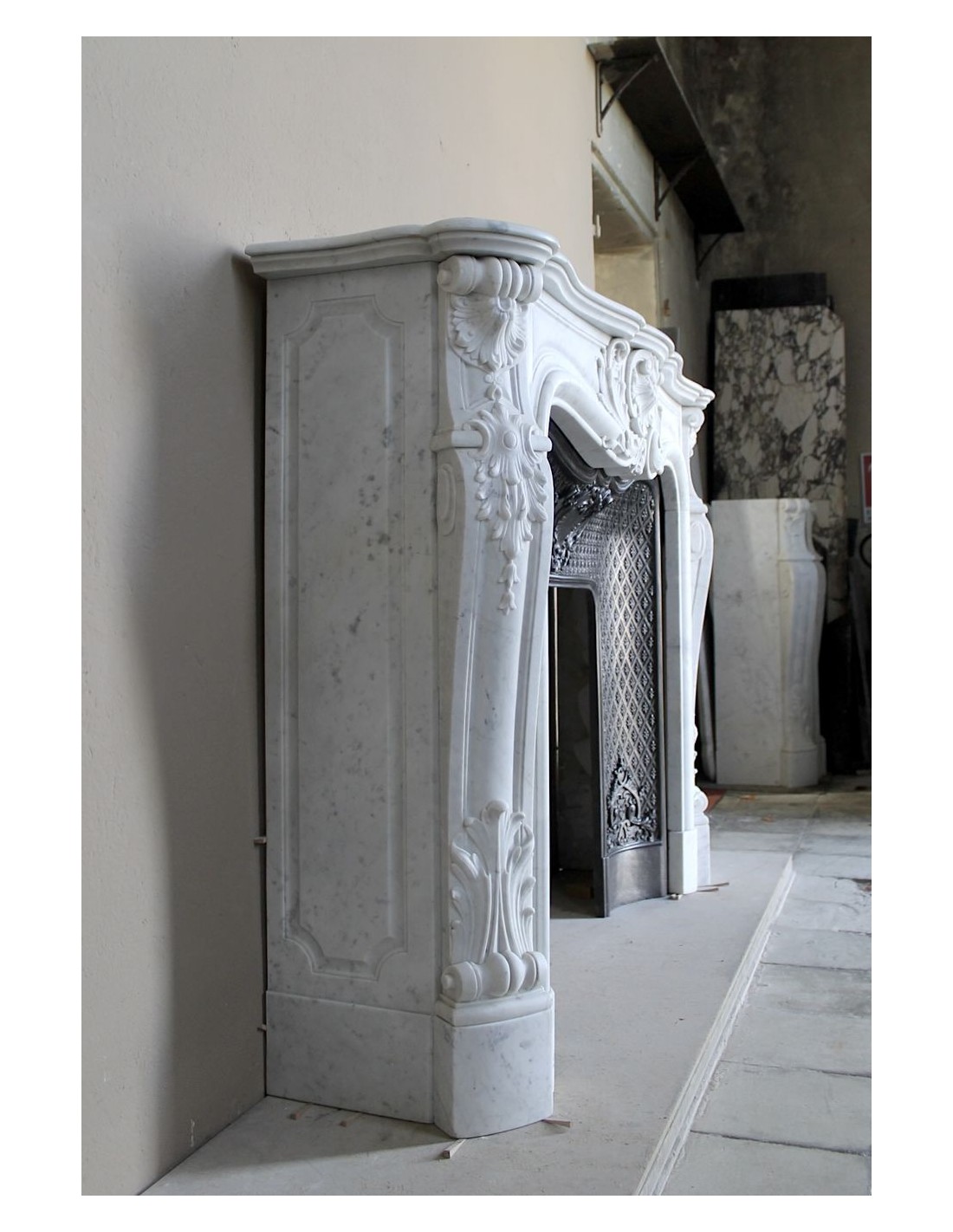
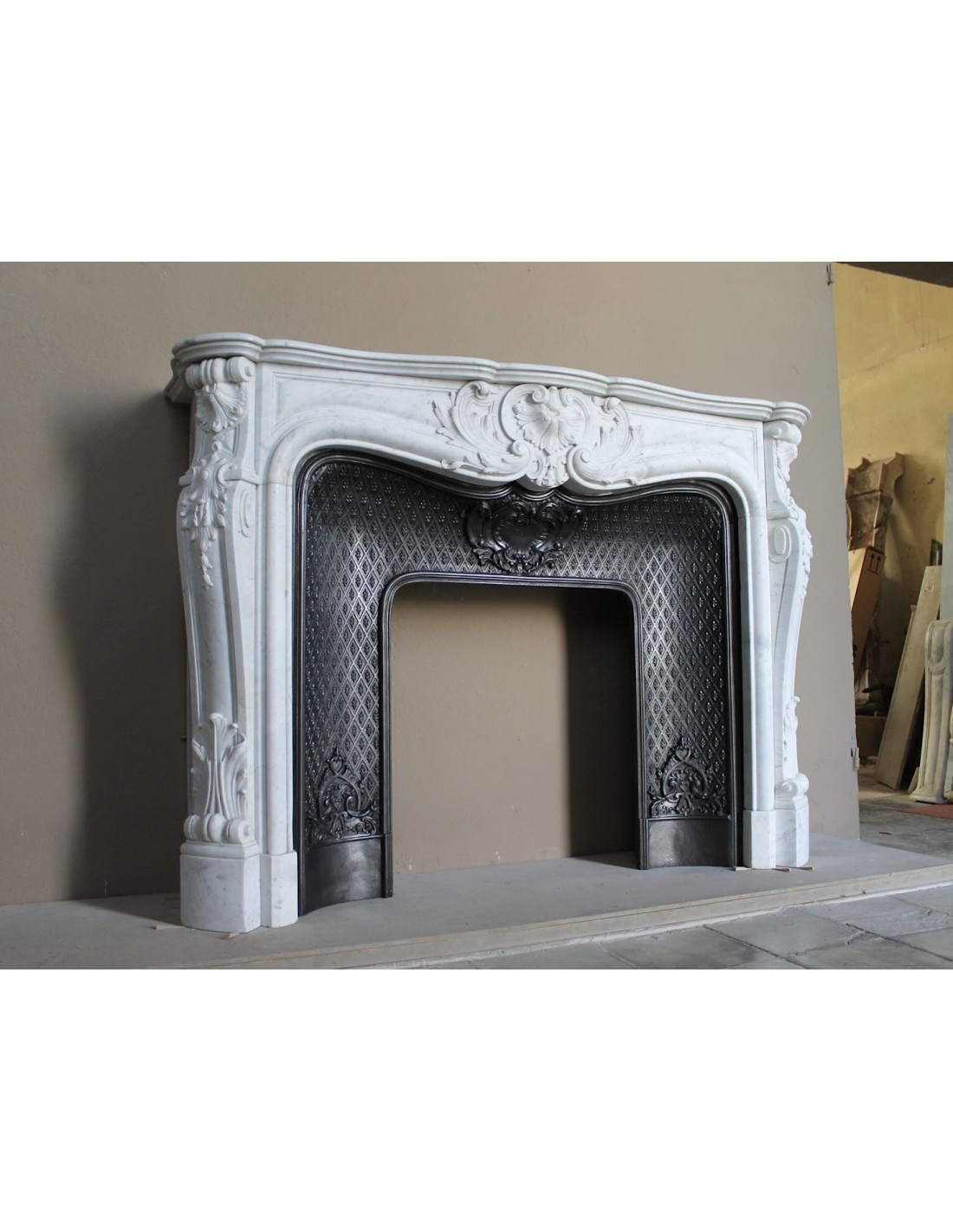
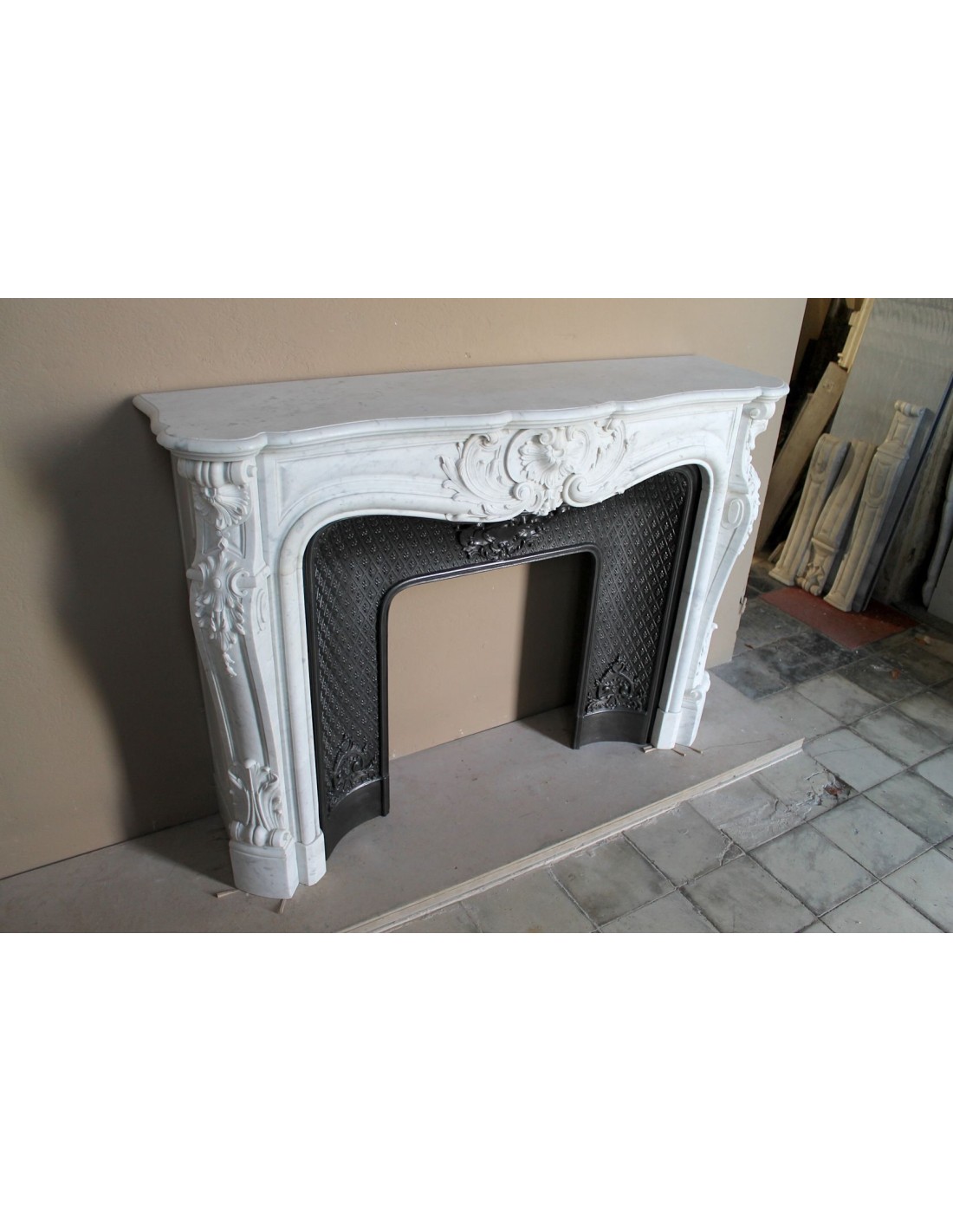
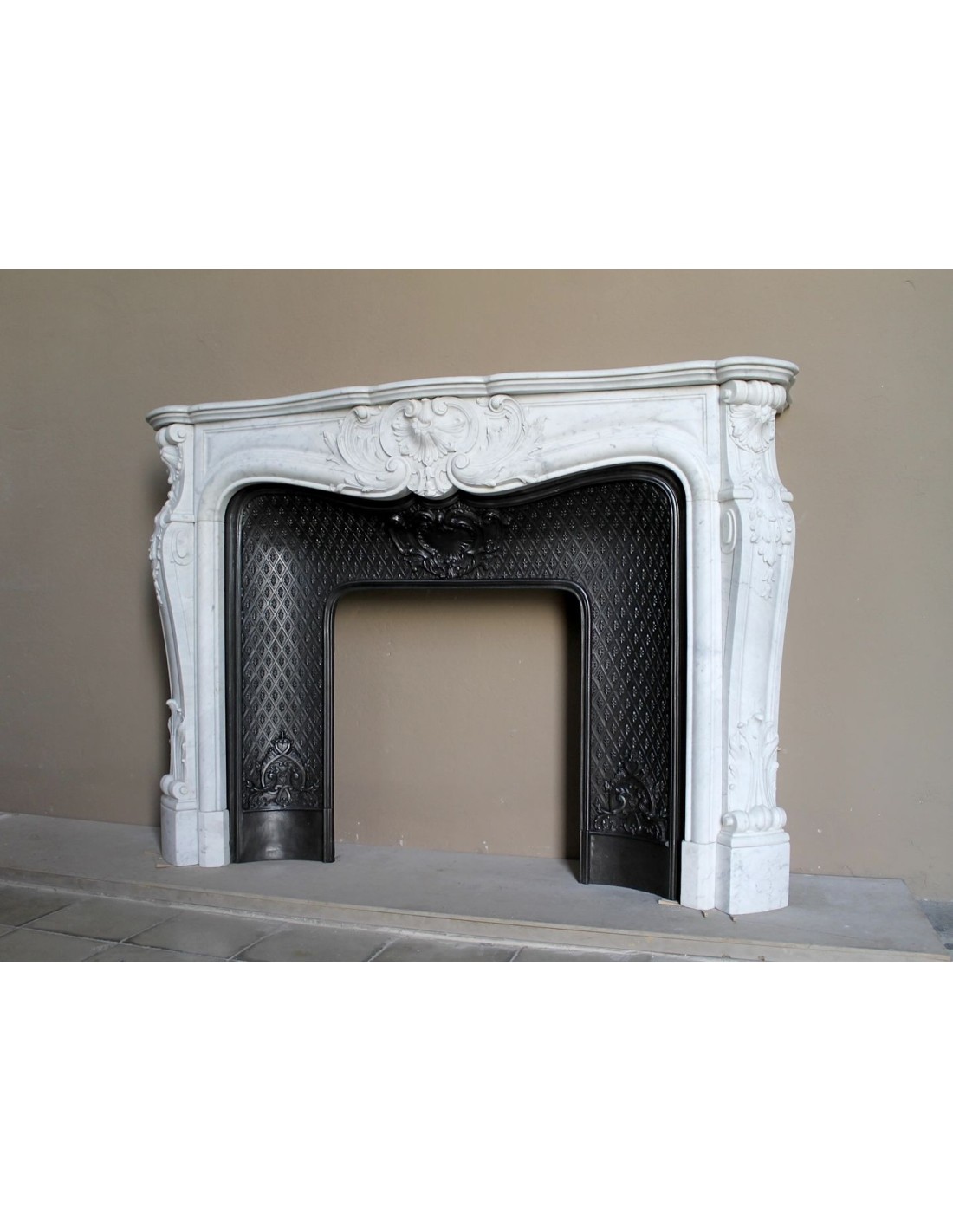
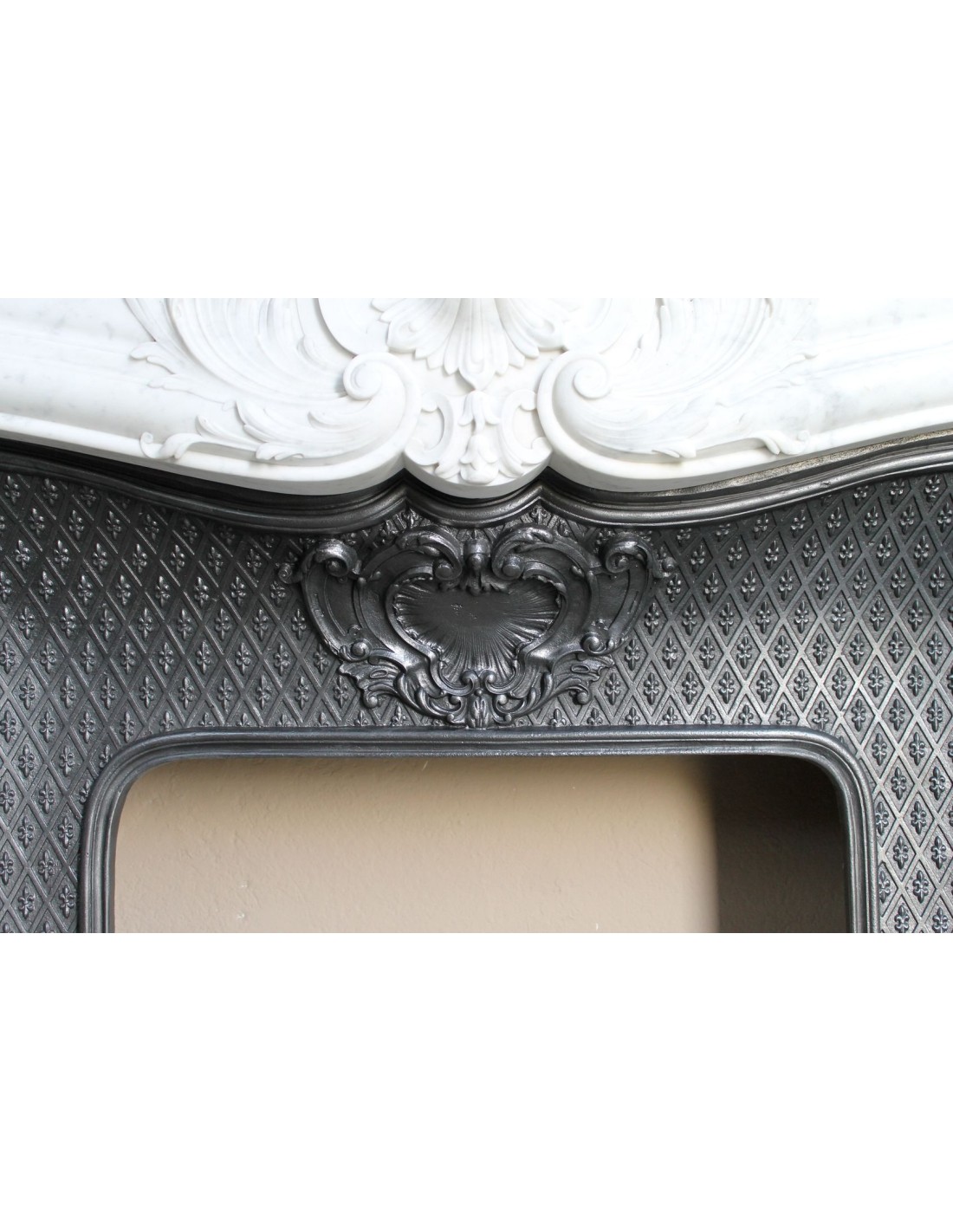
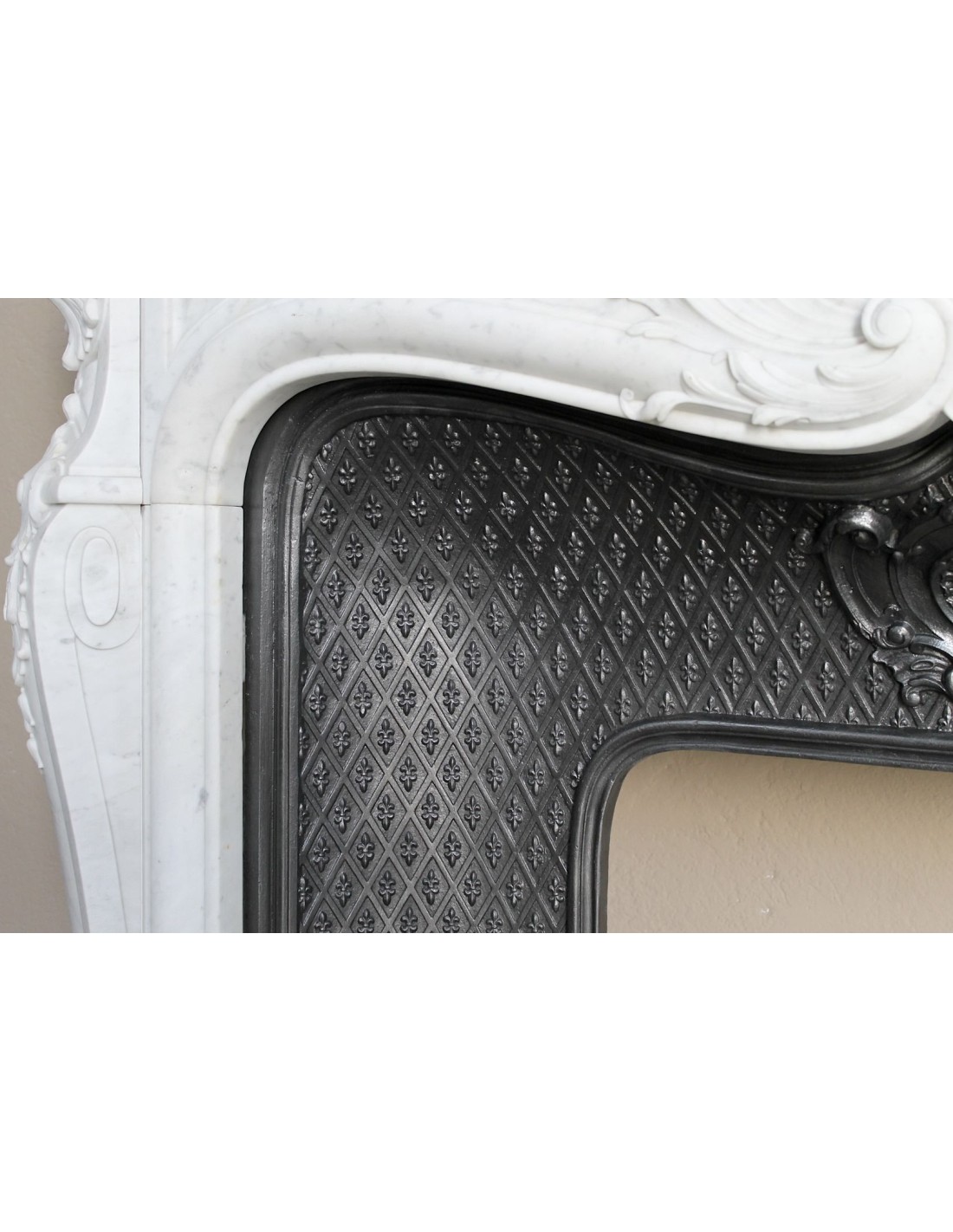
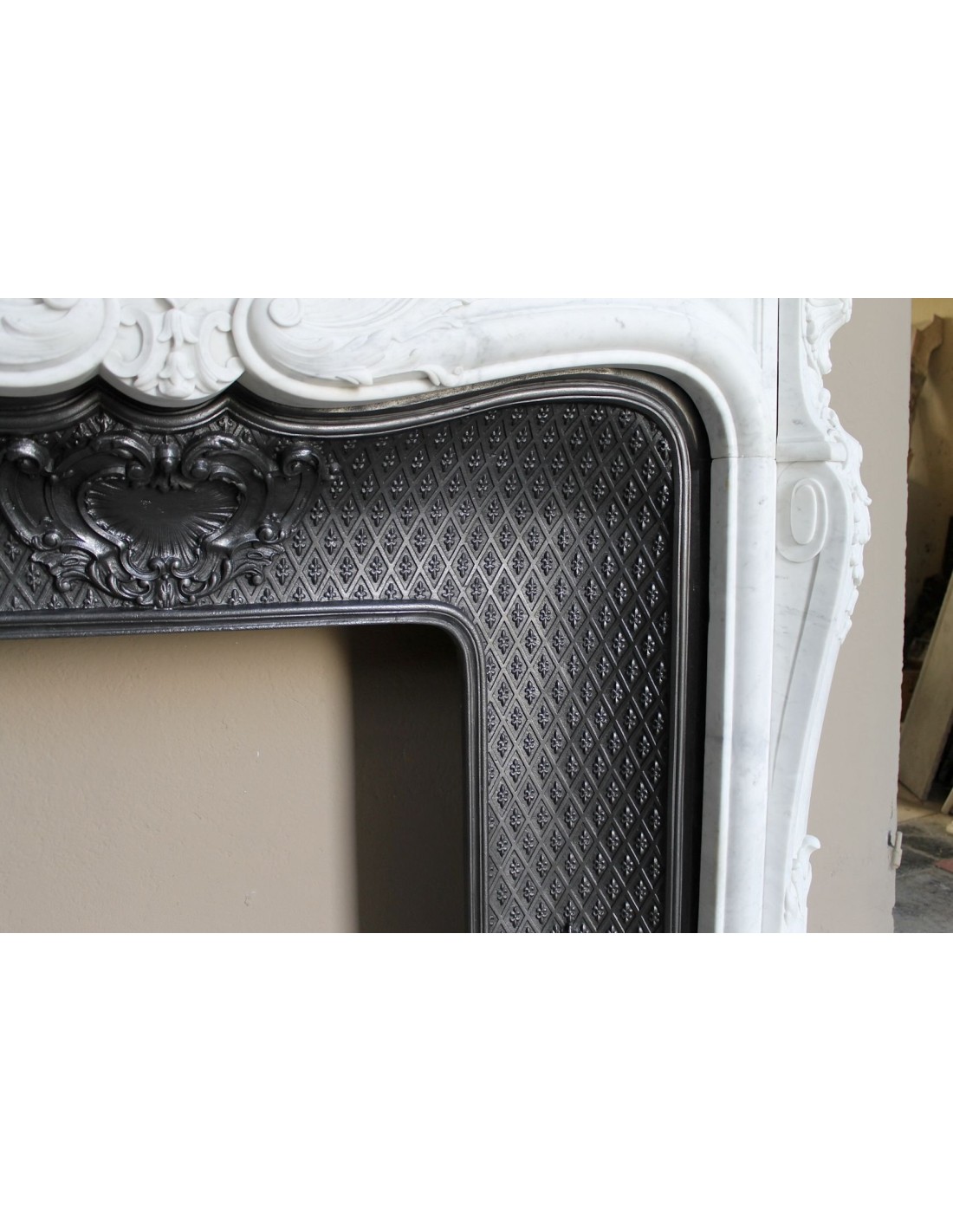
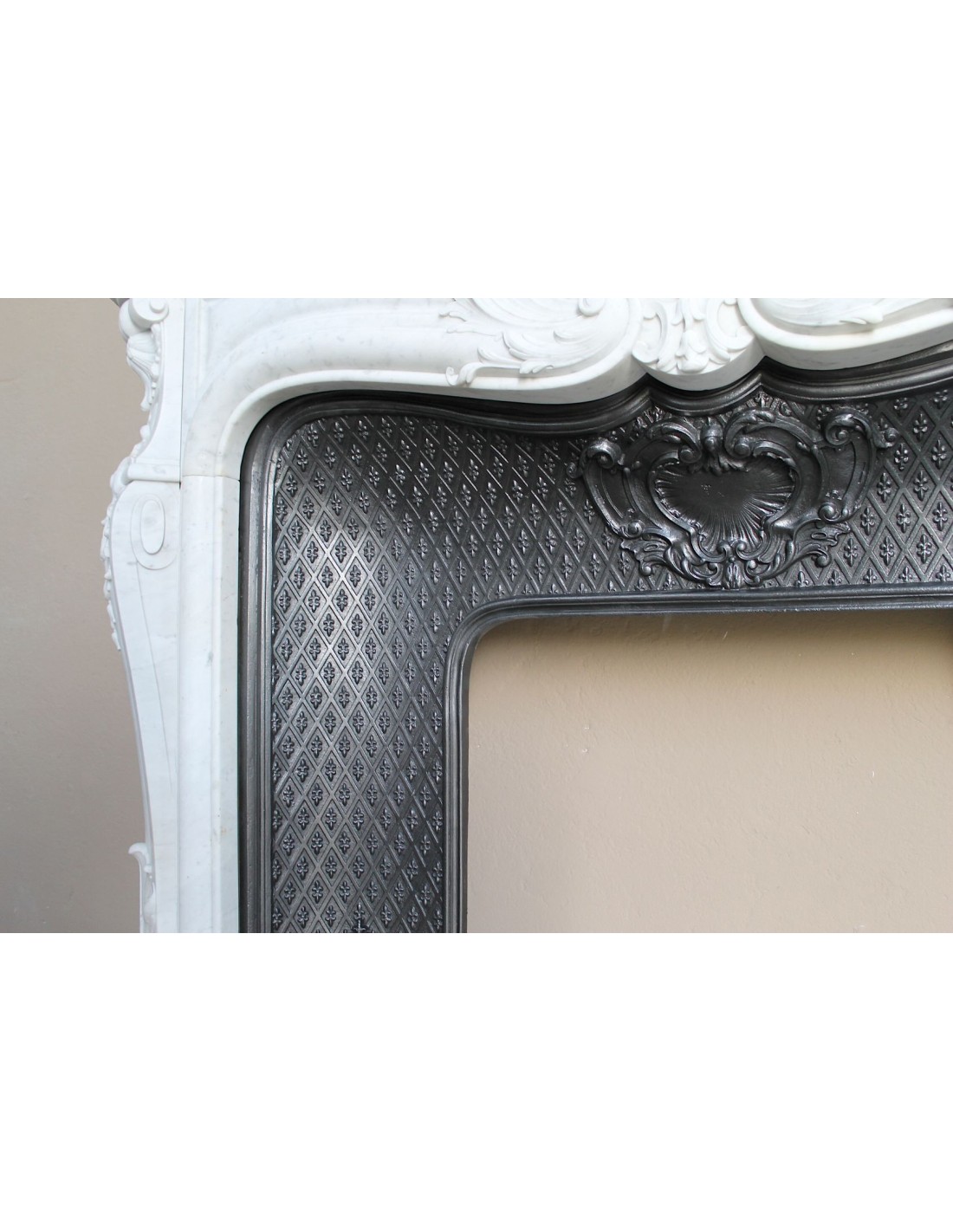
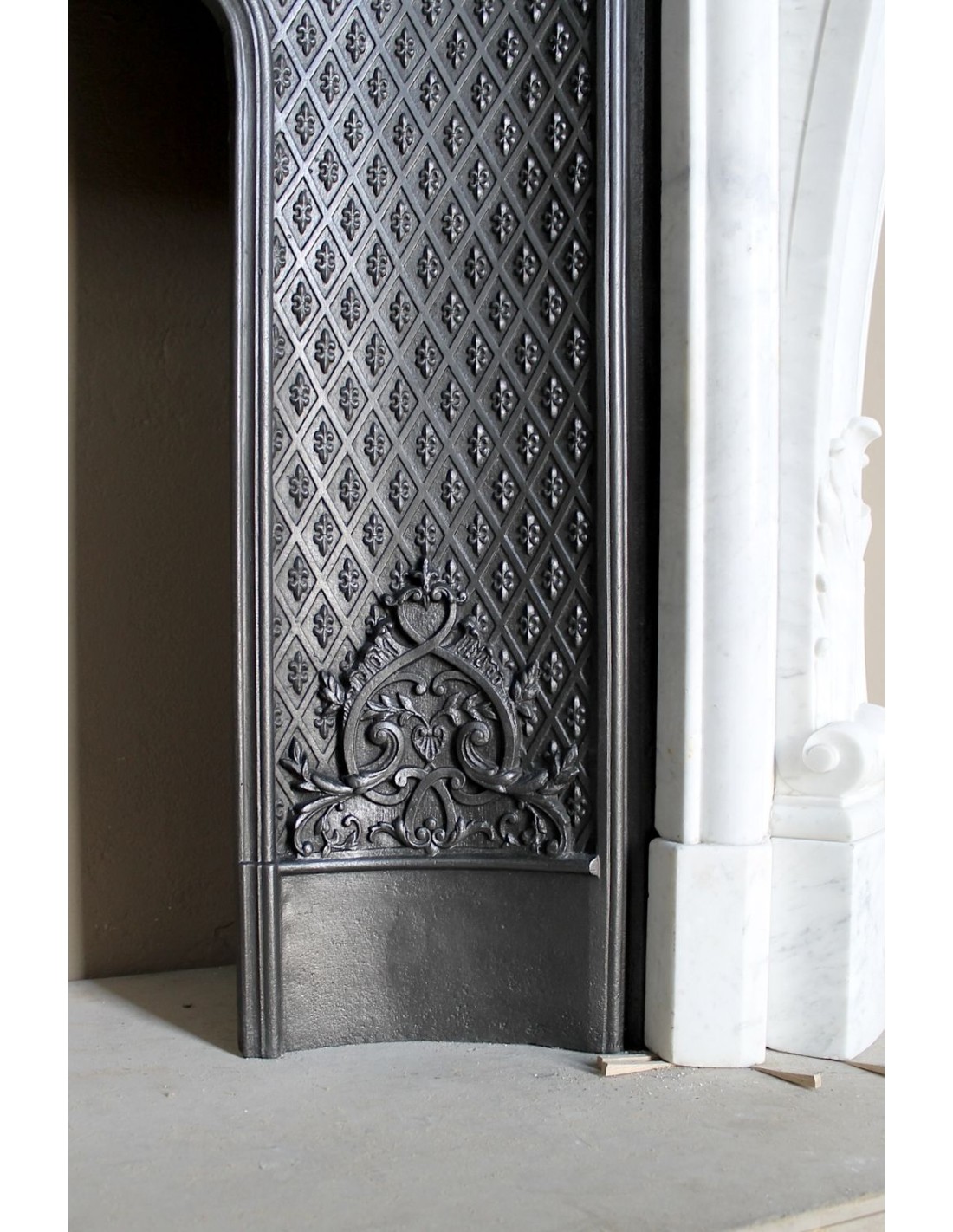
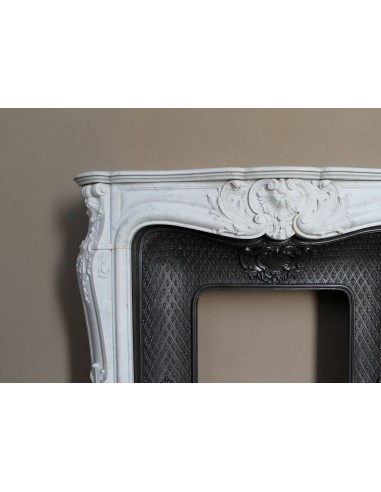
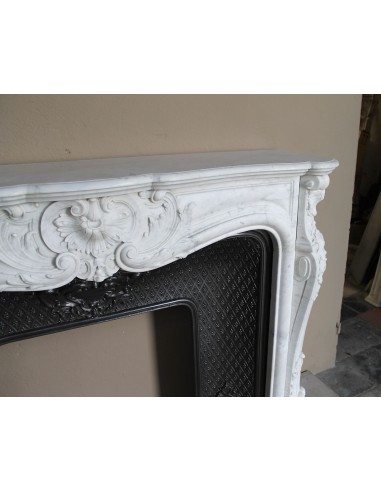
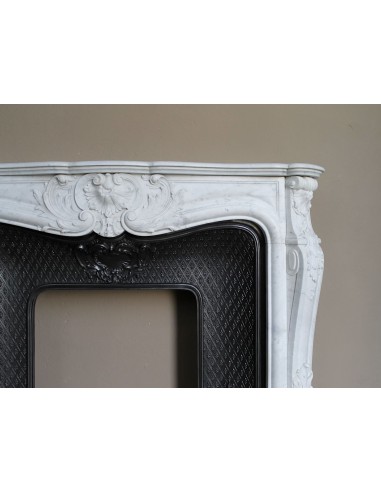
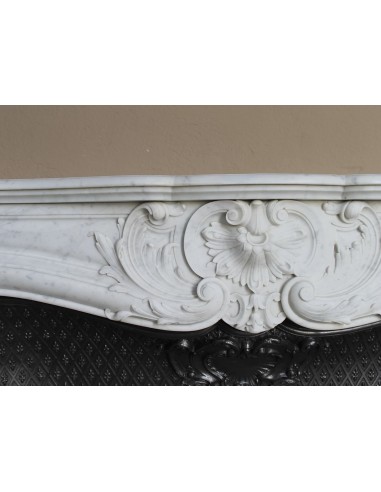
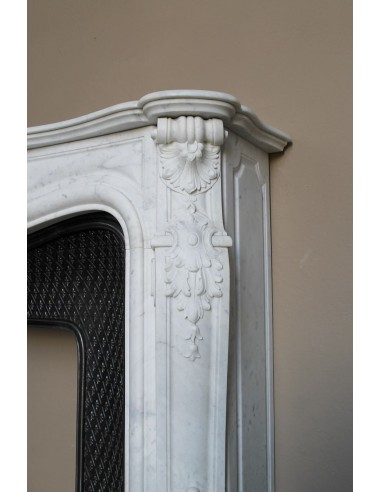
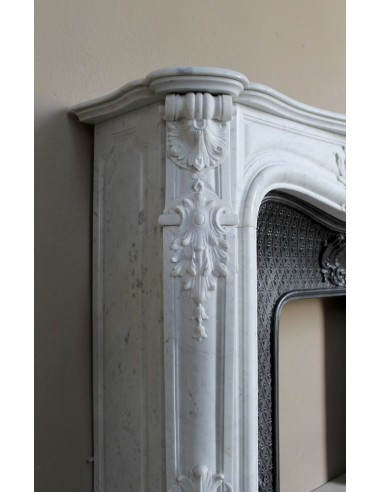
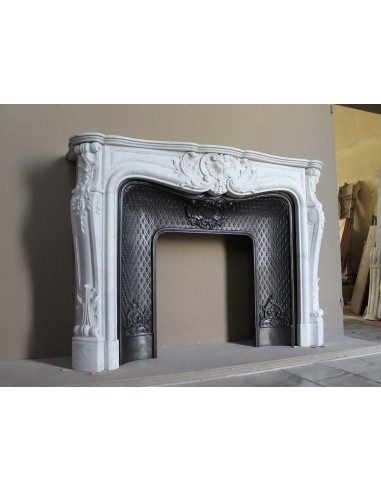
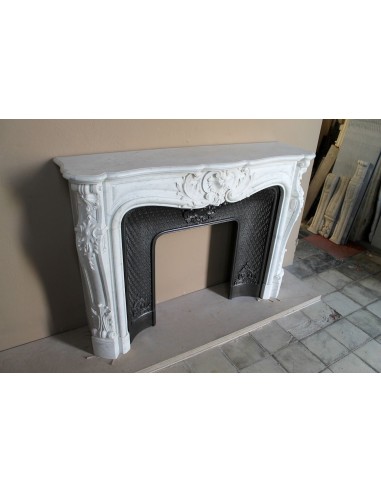
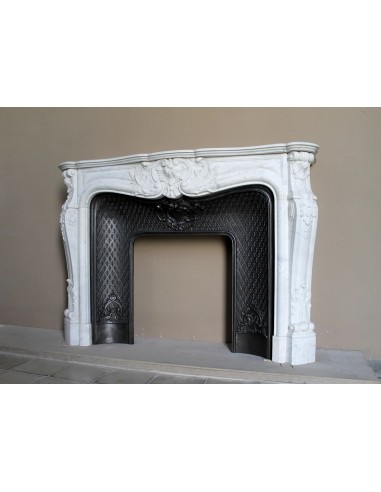
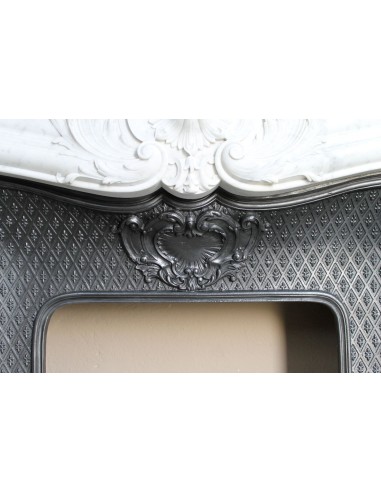
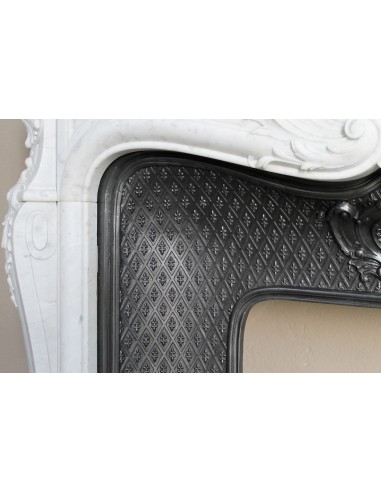
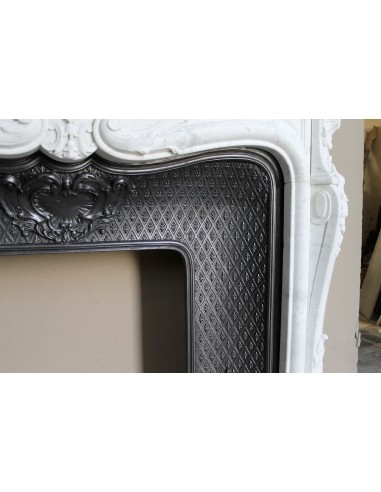
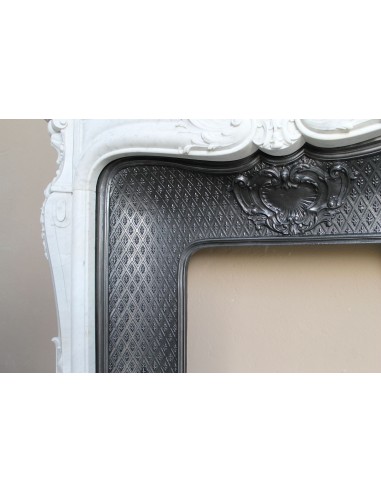
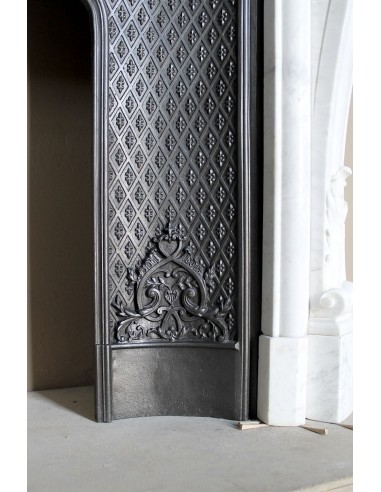
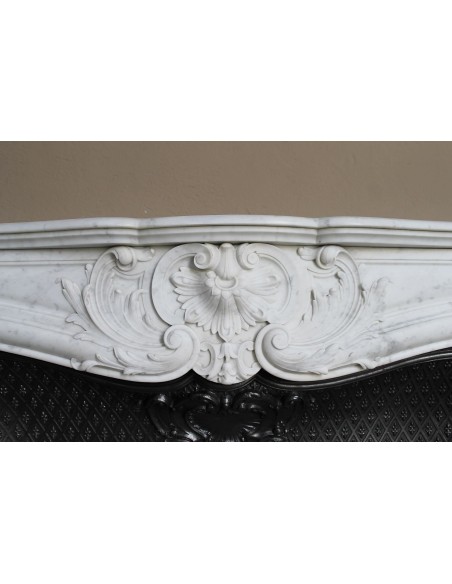
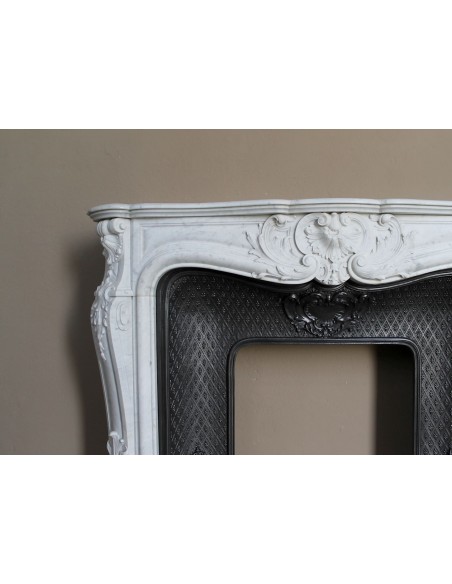
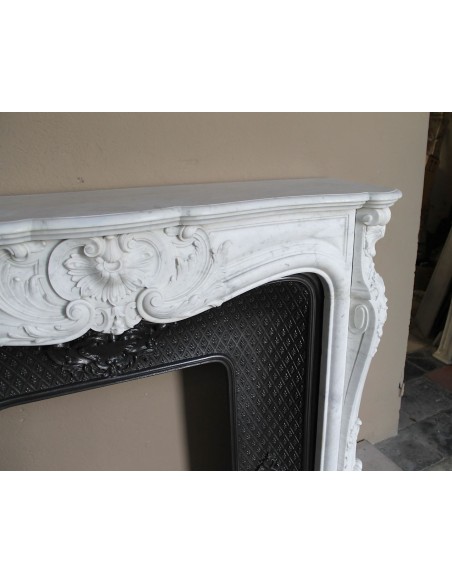
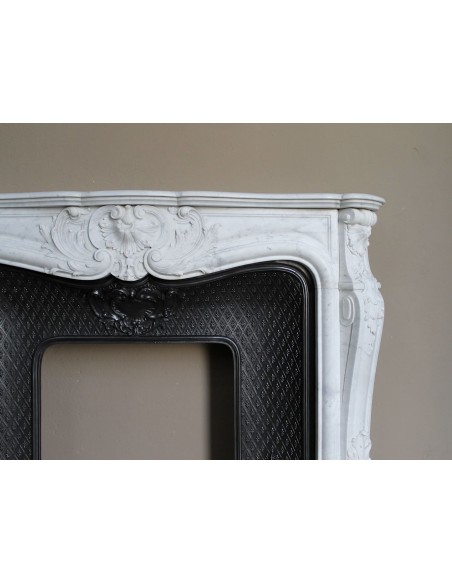
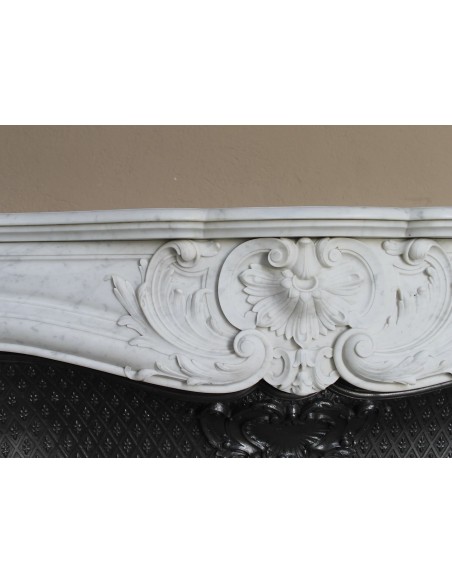
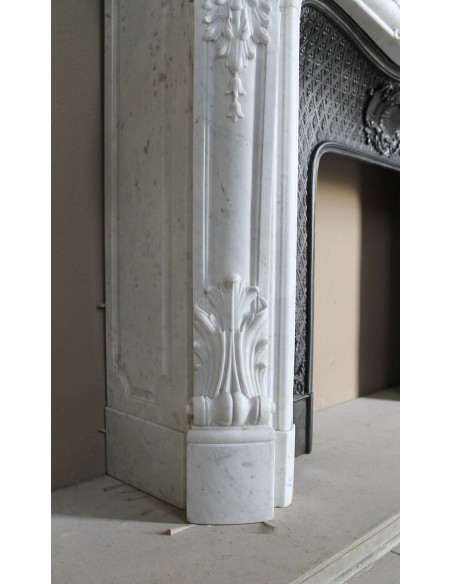
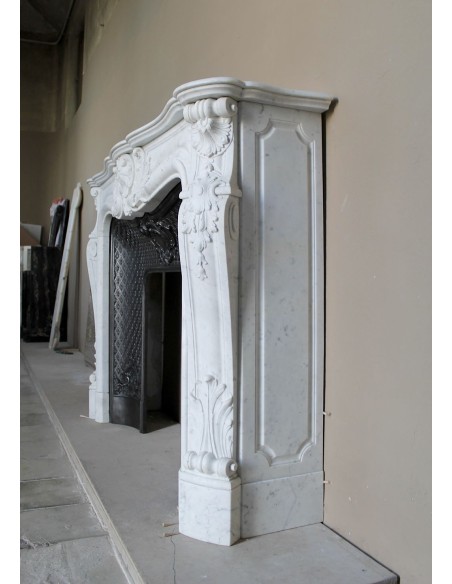
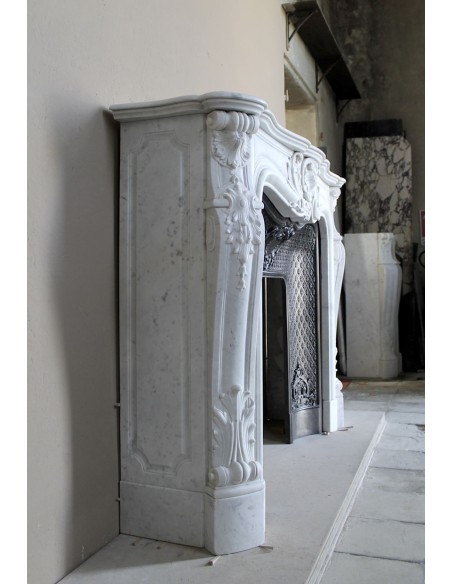
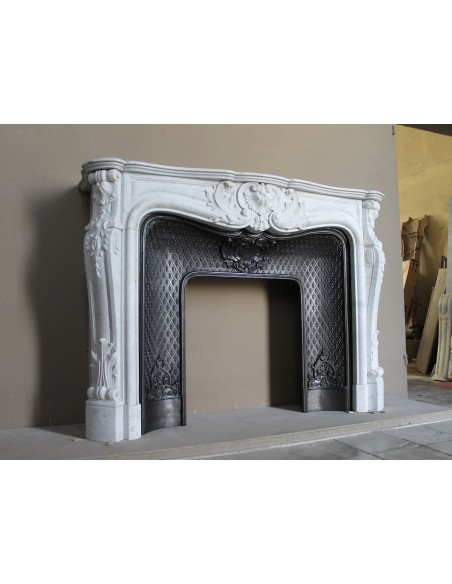
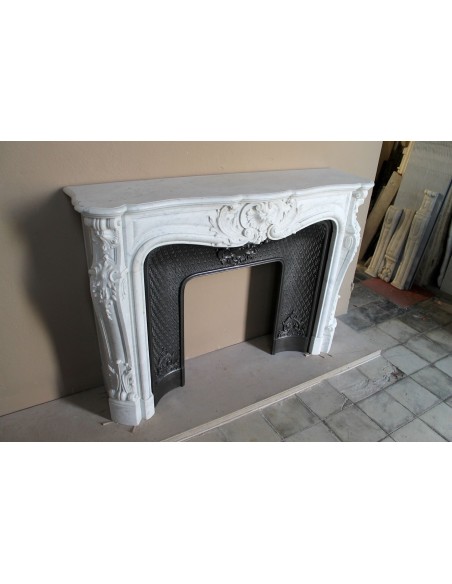
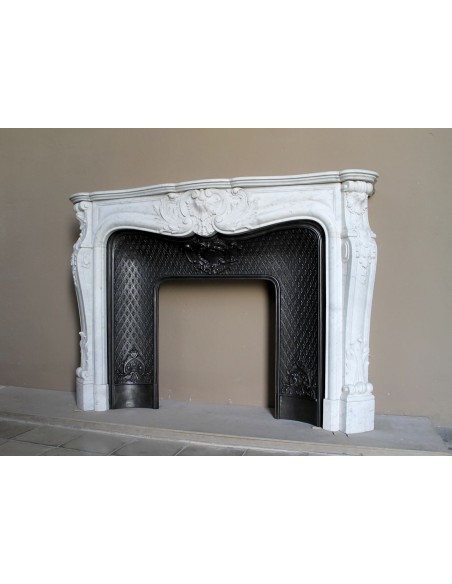
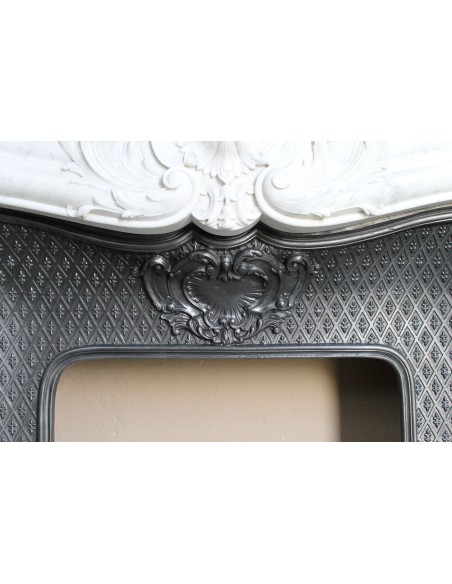
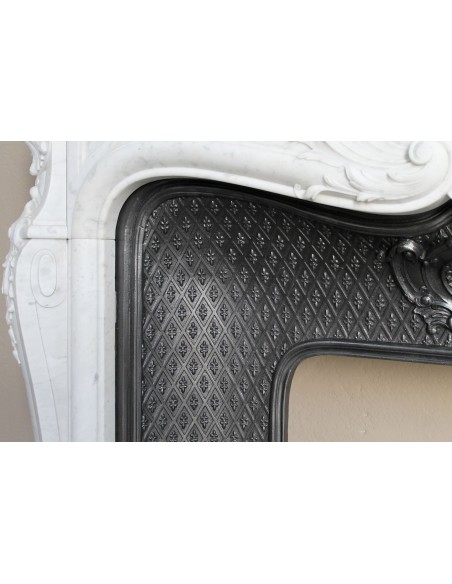
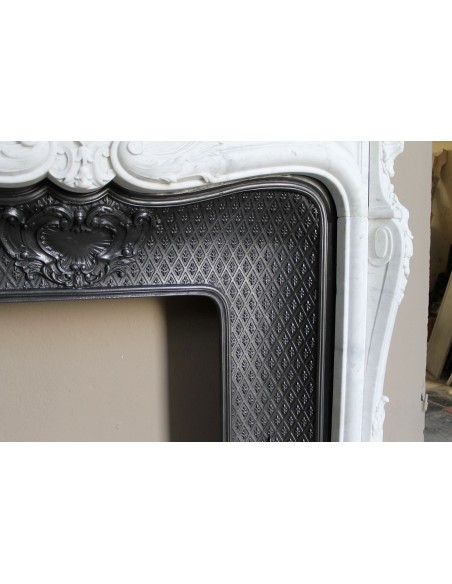
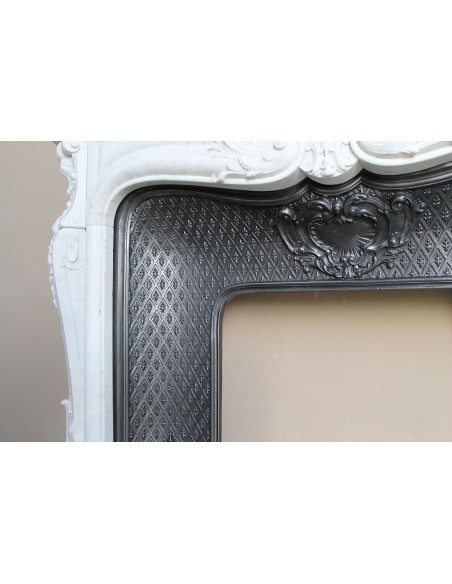
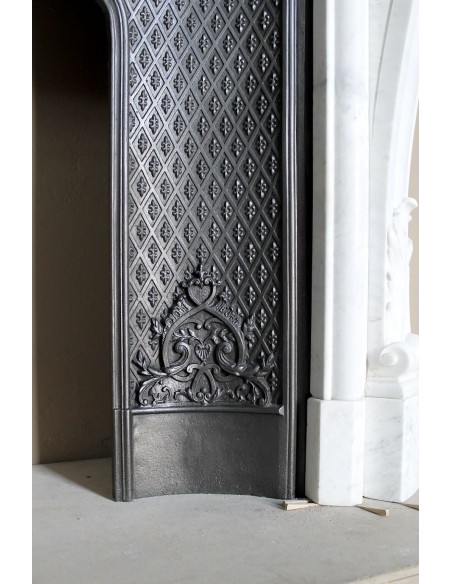
Our insert — an element that in old Italian terminology was called a stringibocca — is a 19th-century artistic cast-iron piece (circa 1860–1880), in perfect condition. Its main feature is its tapisserie-style decoration (NOTE FOR THE GENTLEMEN: “tapisserie” means a design created from a single motif repeated endlessly). The motif resembles what many mistake for a Medici fleur-de-lis.
But no — what appears to be a fleur-de-lis is actually the emblem of the Dukes of Burgundy, representing a wooden cross with two transverse arms.
And now you might wonder: What were such unusual crosses used for?
Brace yourselves — especially the ladies, traditionally the most curious and also the most easily impressed: this is not a cross, but a “fur stretcher,” a tool used to dry the pelts of fur-bearing animals such as mink, chinchilla, sable, and so on.
This was one of the activities that made the Dukes of Burgundy enormously wealthy. Once the animal had been skinned, the pelt was stretched by attaching the front legs to the shorter crossbar and the hind legs to the longer one.
Many women may recoil at the thought of such cruelty inflicted on these charming creatures but, truth be told, the main consumers who drove these “fur massacres” were human females…
Anyway — enough horrors. Let’s return to our fireplace and its insert.
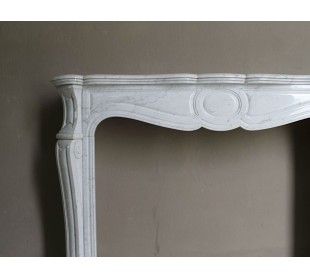
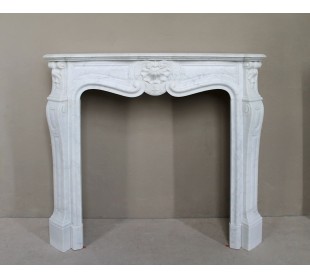
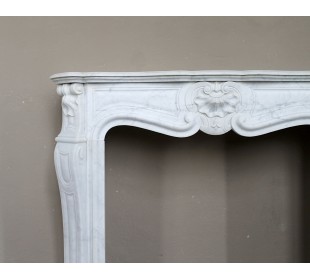
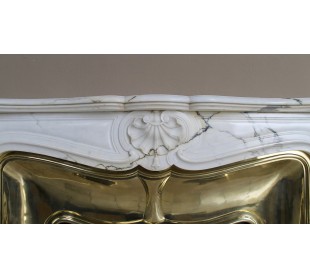
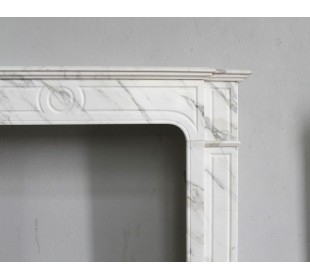
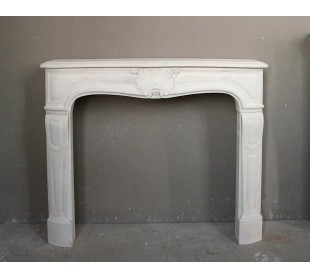
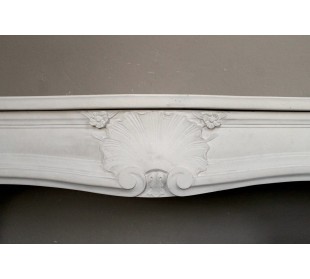
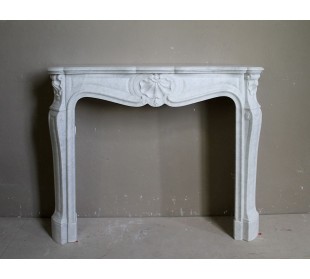
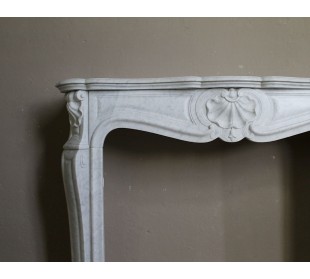
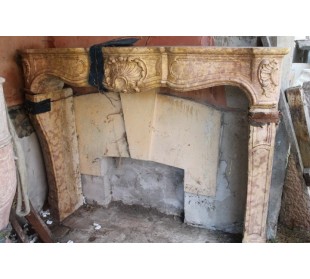
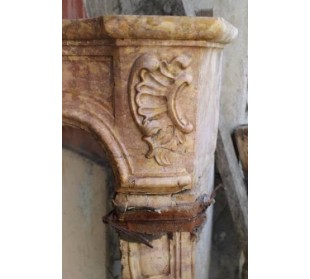
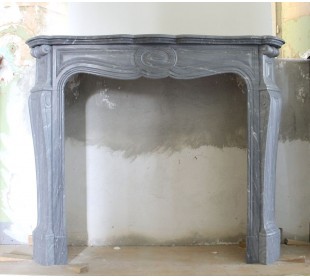
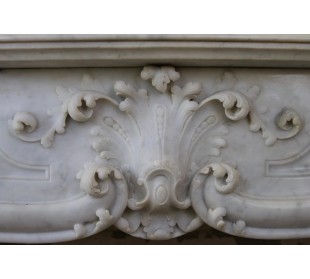
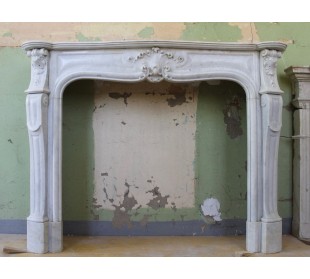
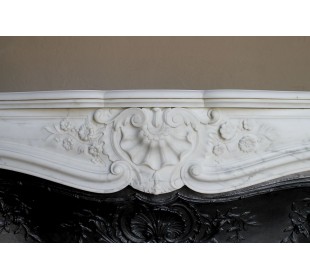
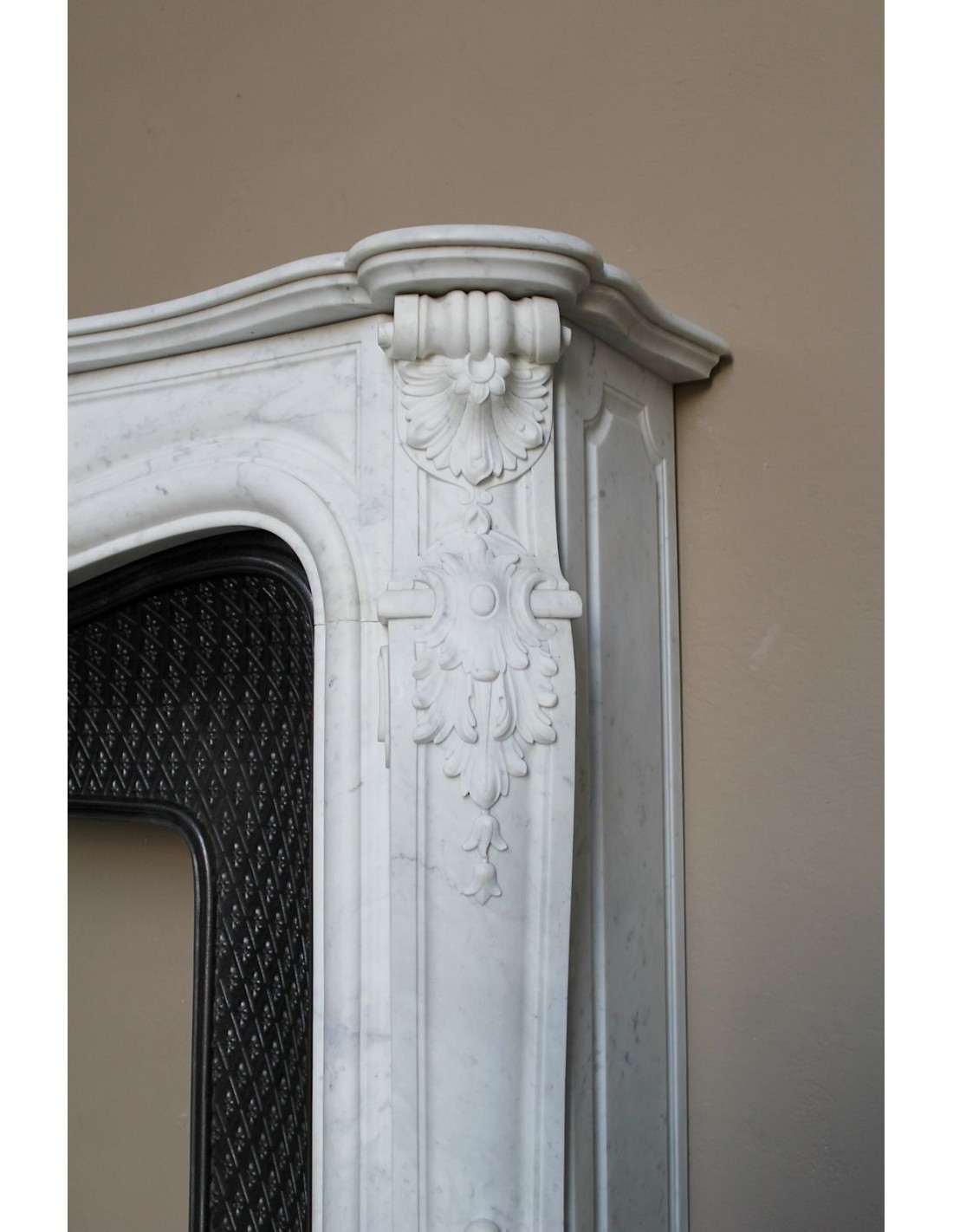
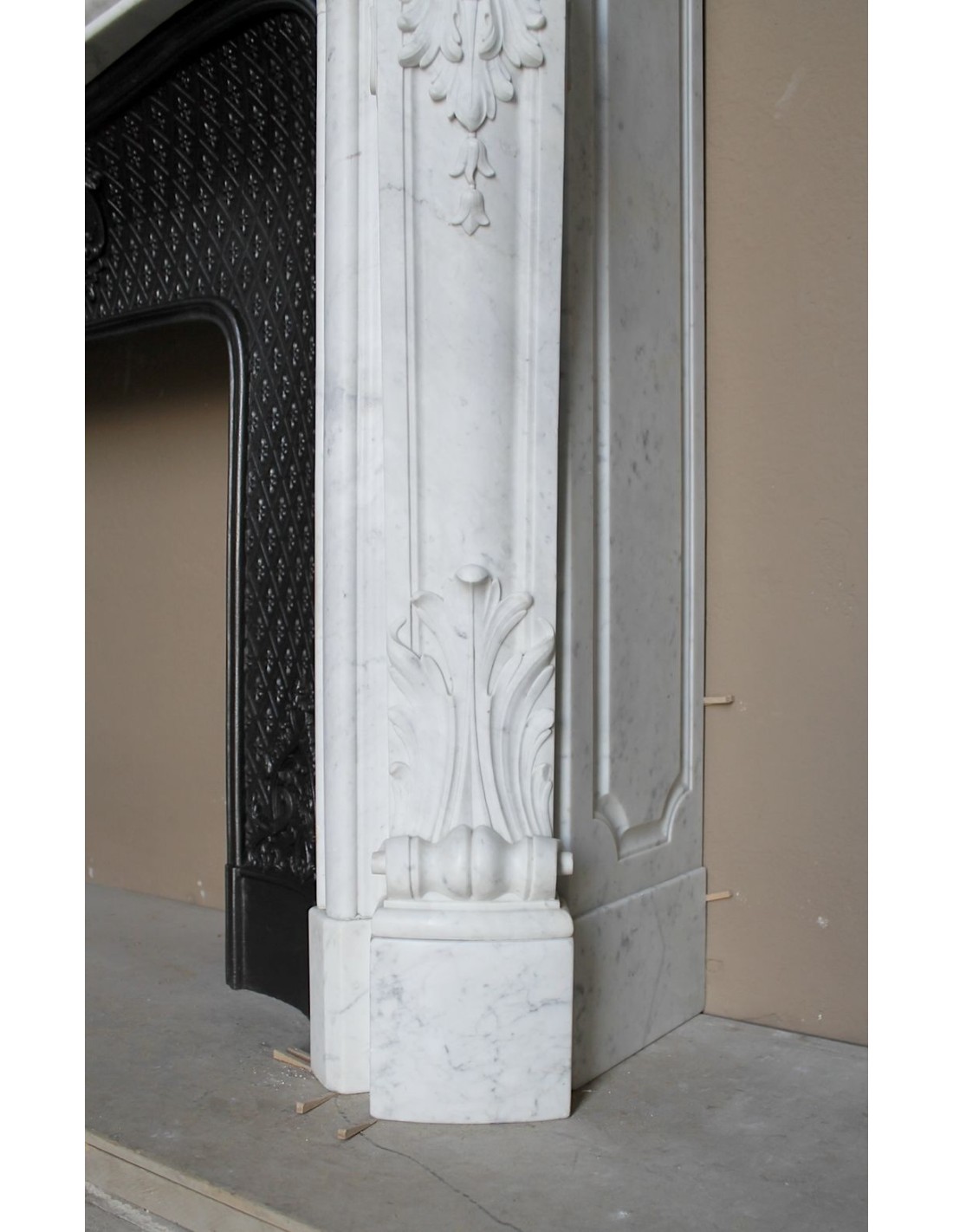
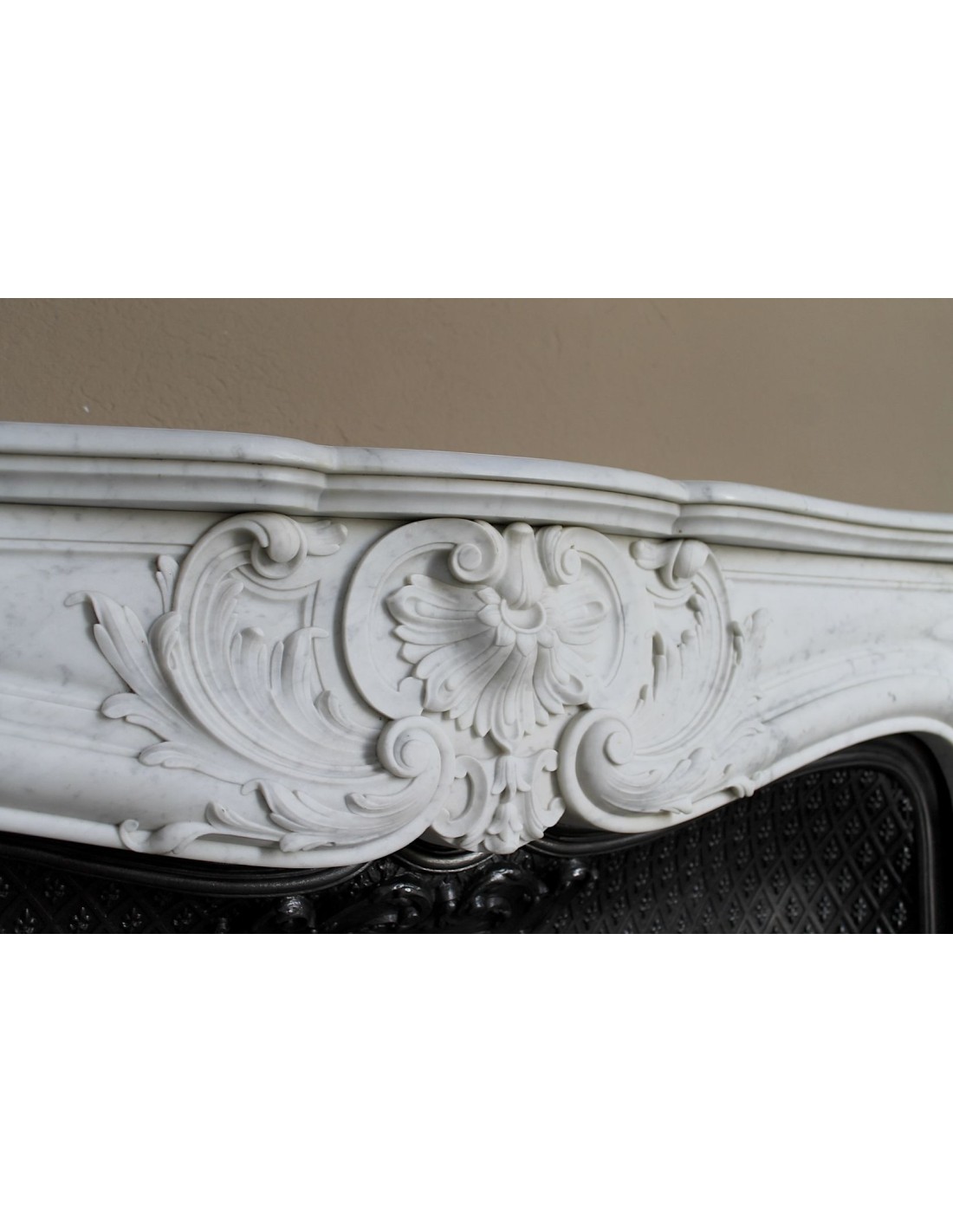
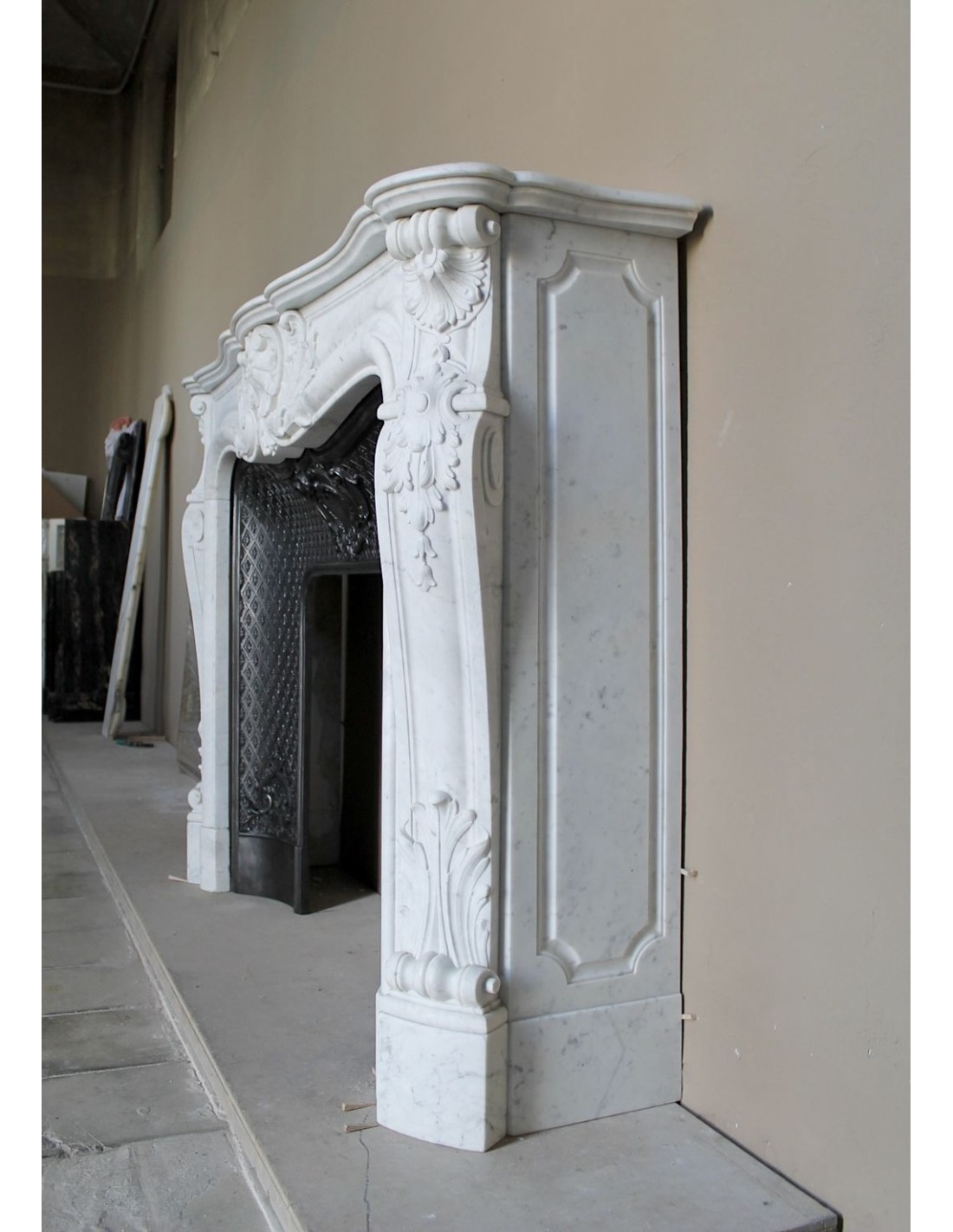
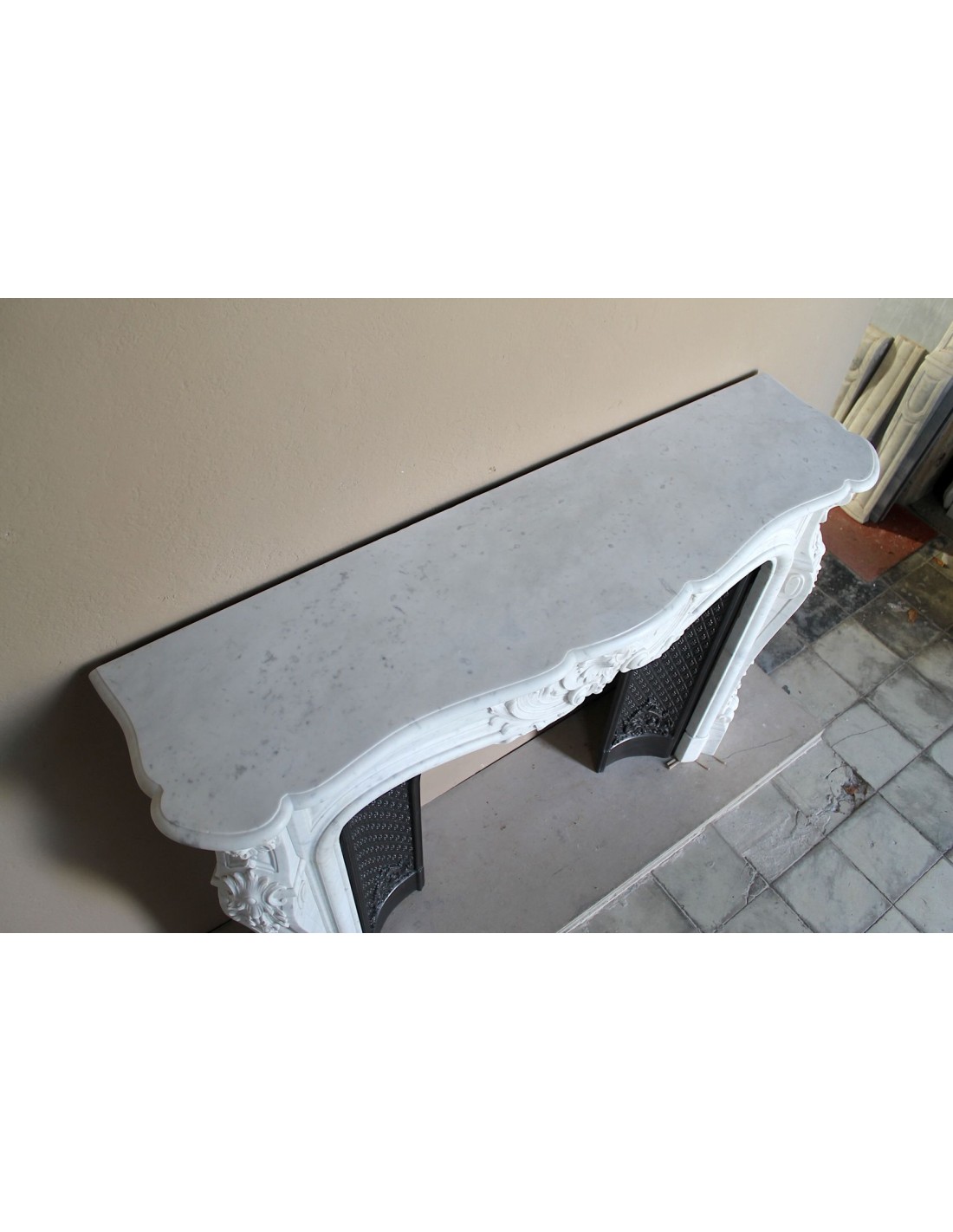
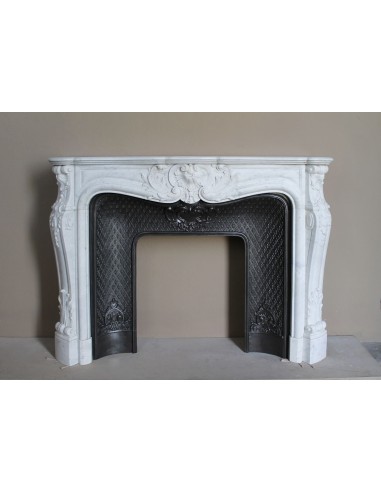
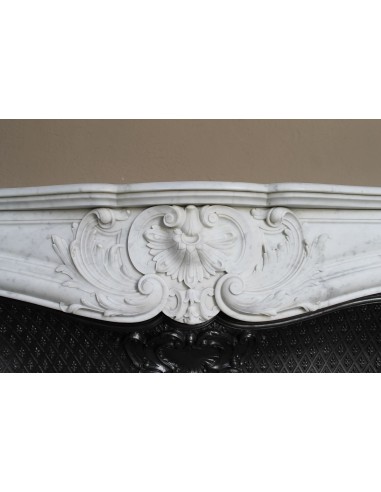
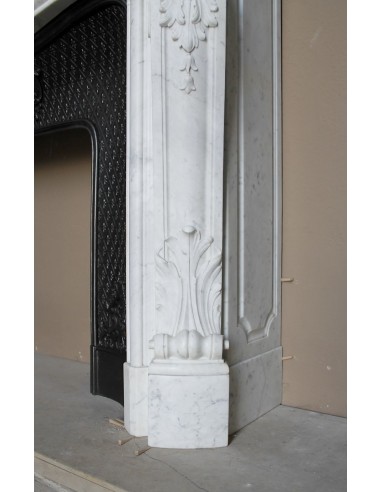
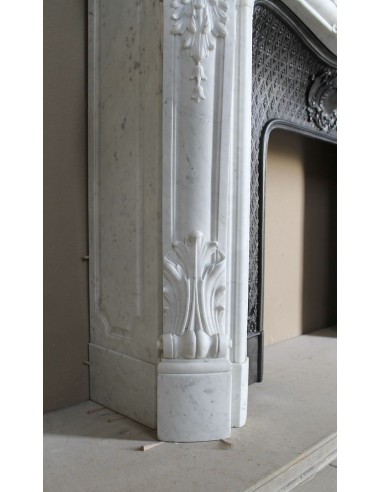
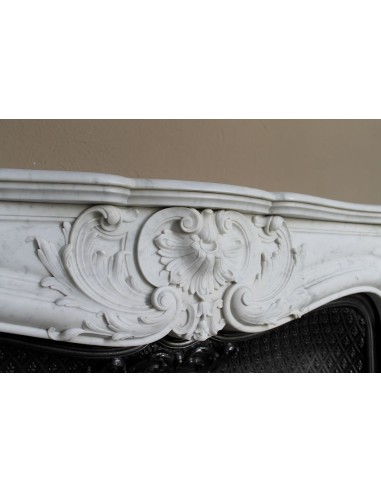
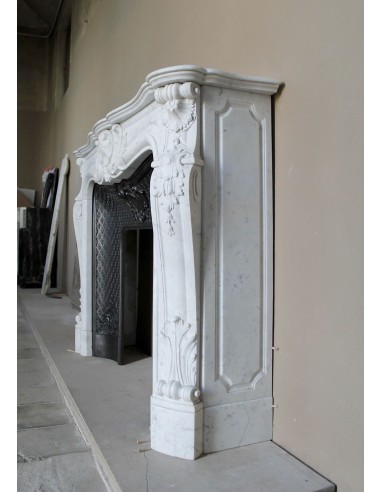
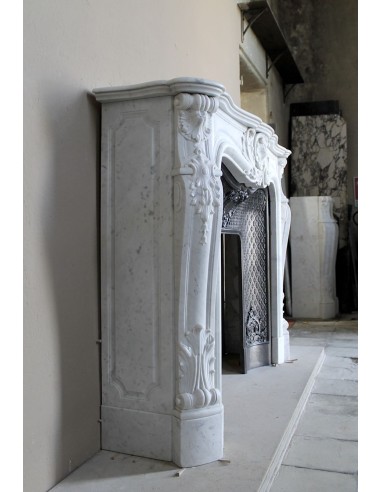
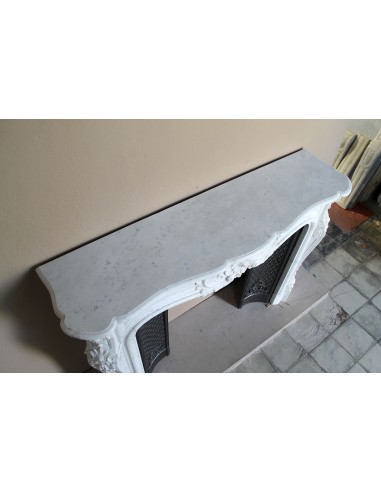
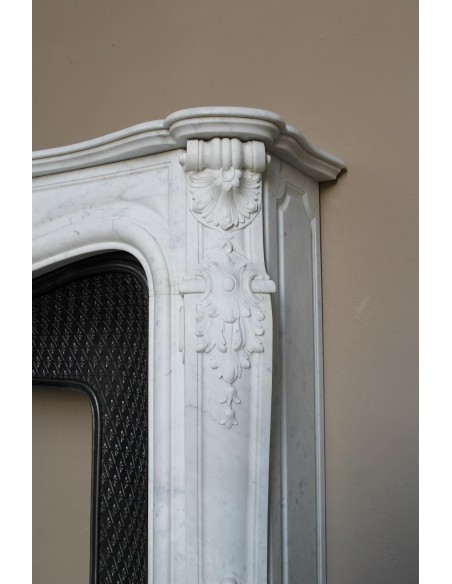
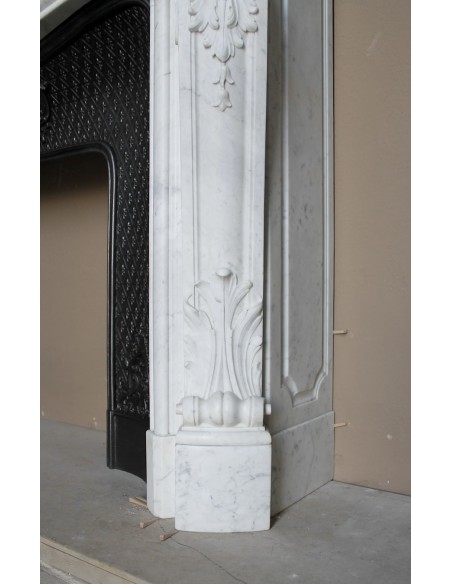
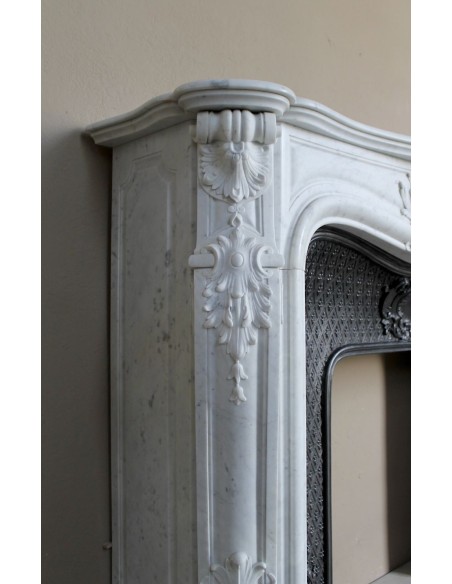
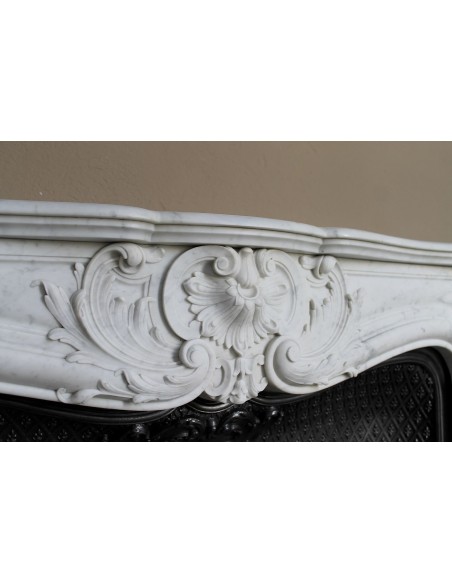
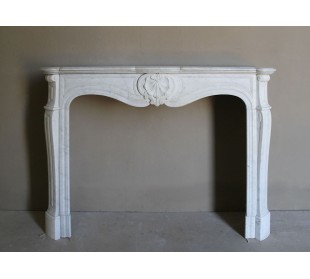
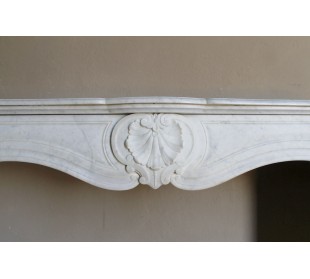
This piece dates from the early second half of the 19th century. The marble is a fine quality of pure White Carrara (today also called Bianco Gioia). Its condition is impeccable, and the finesse of the carving clearly reveals a workshop from the Lunigiana region — the historic “Land of Luni,” corresponding roughly to the Pietrasanta–Carrara–Sarzana area, famous for its sculptural tradition.
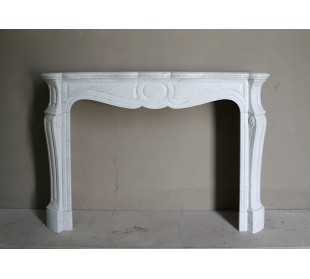
P.S.: I forgot to mention something rather important: its name (“Mustaches”) comes from the pair of marble “mustaches” extending from the two campanulas in the lower central part of the mantel.