

ON HOLD

SHARE ON:
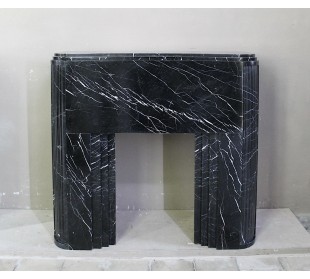
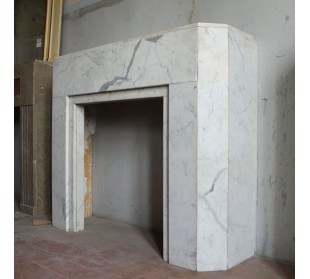
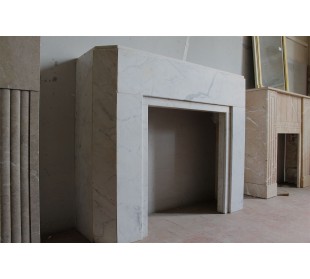
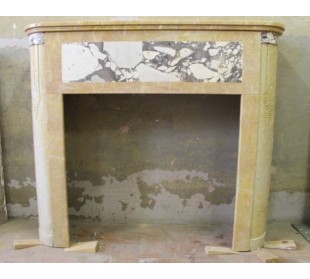
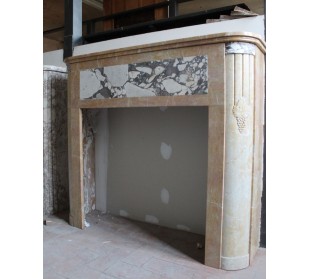
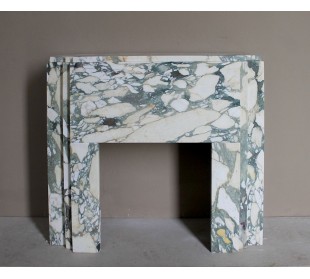
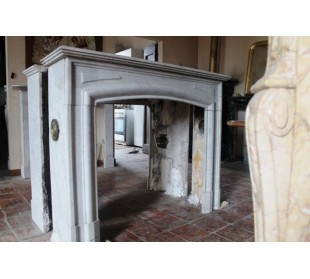
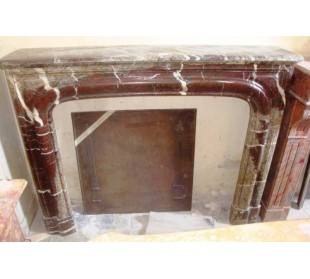
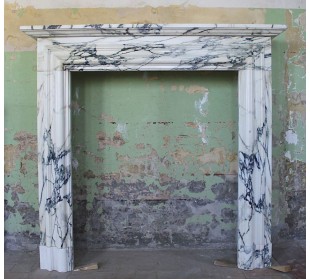
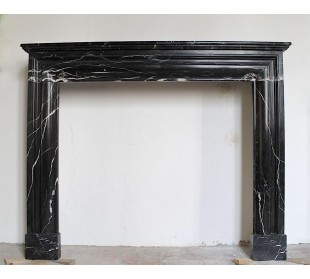
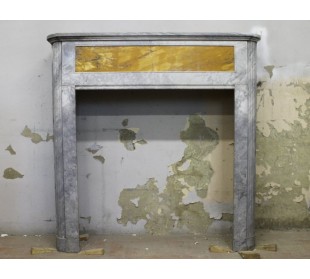
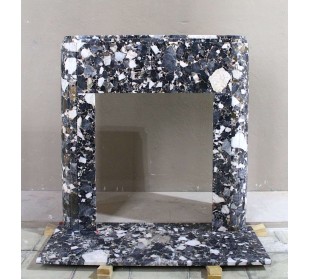
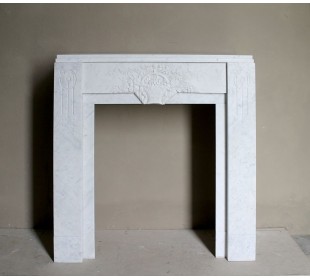
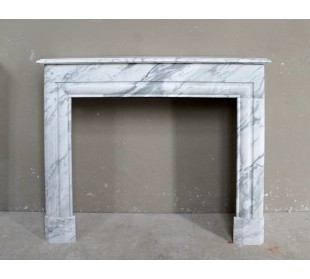
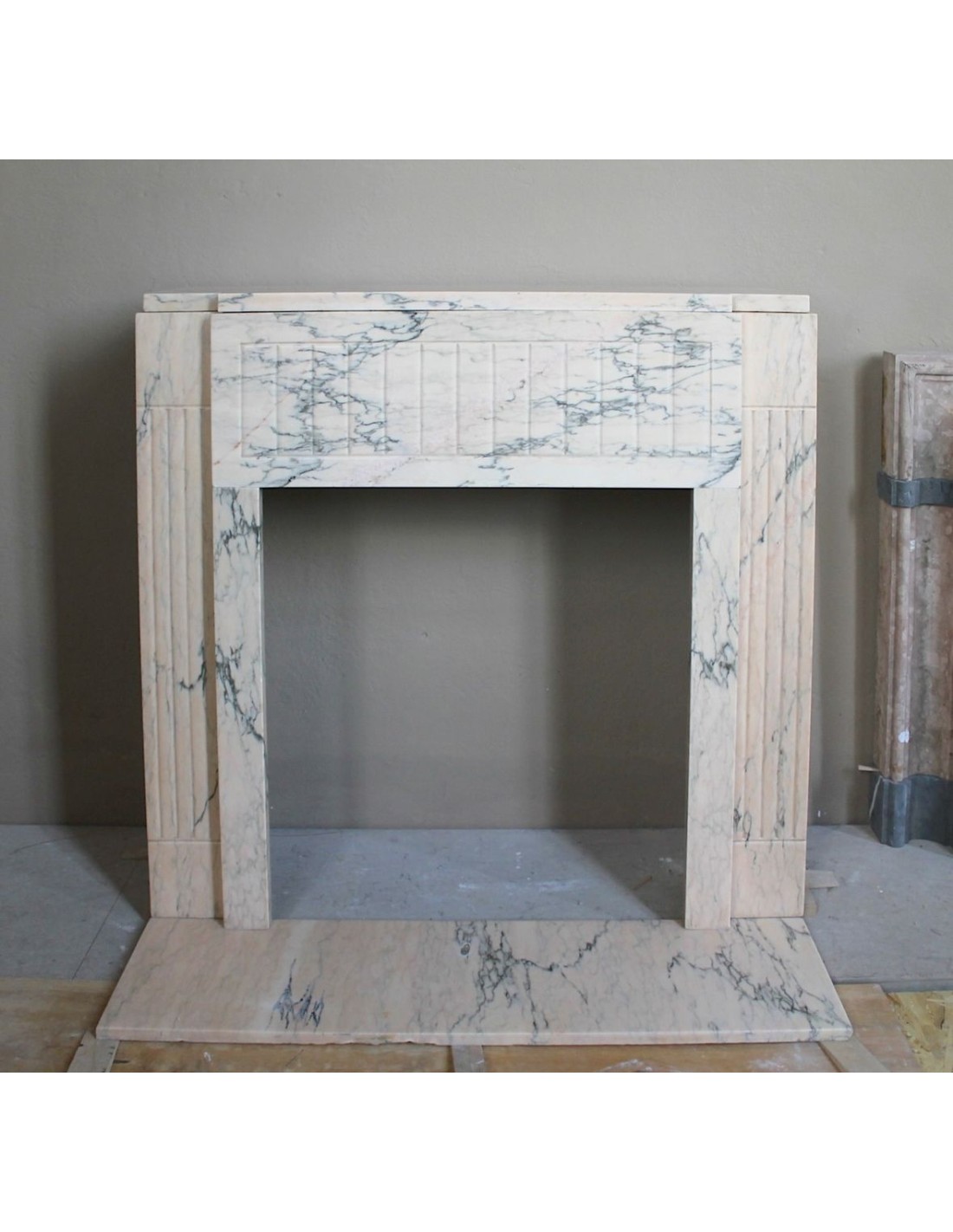
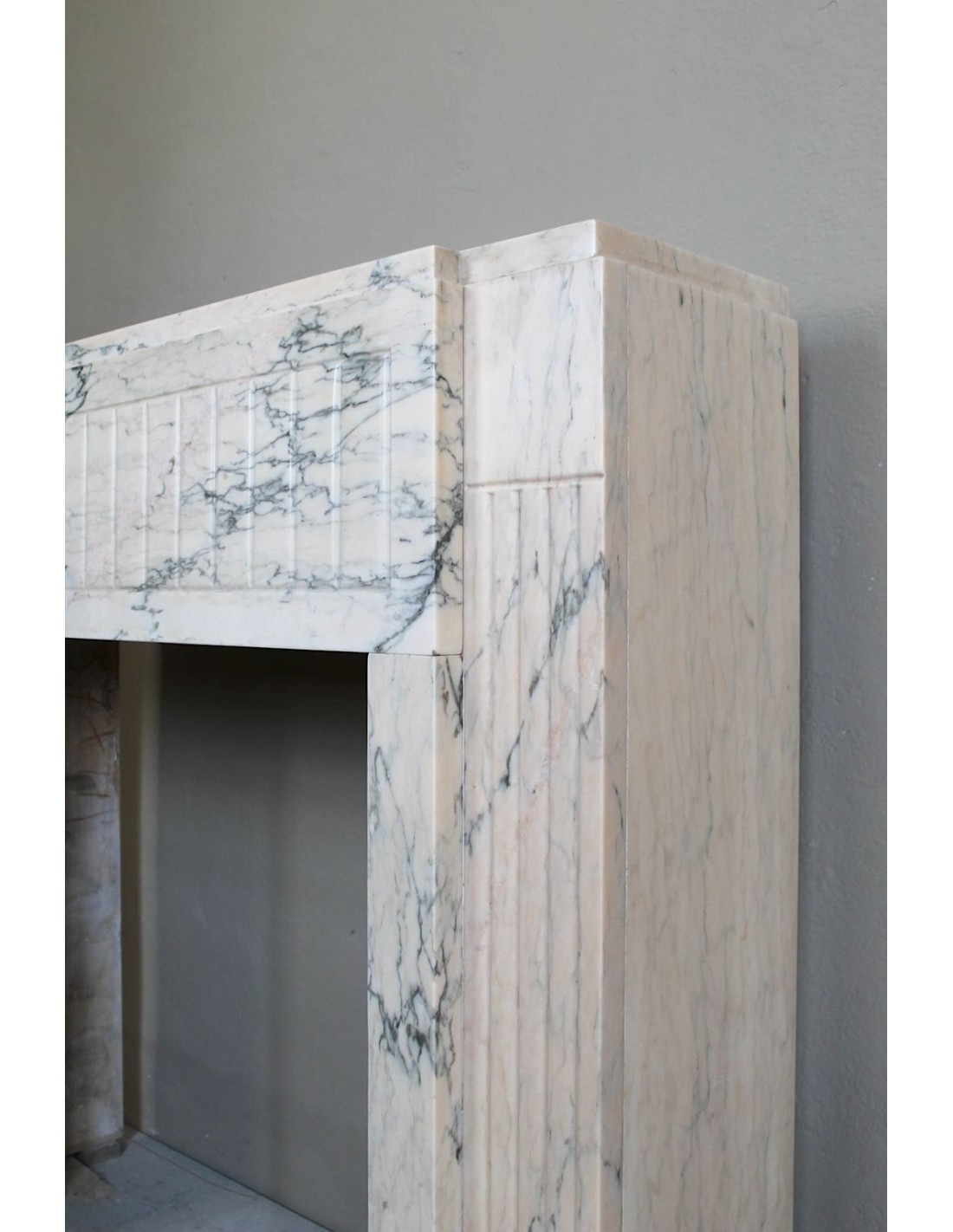
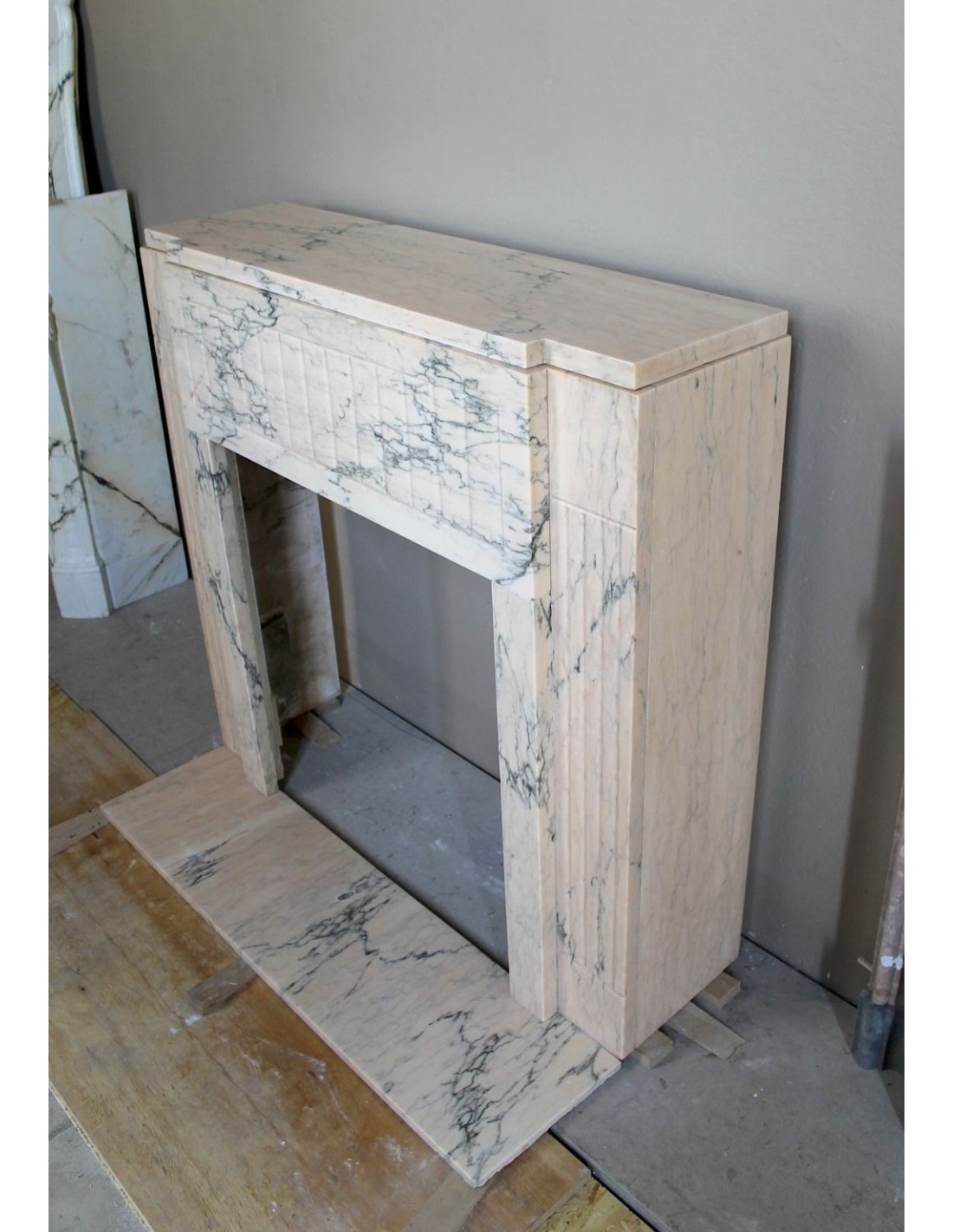
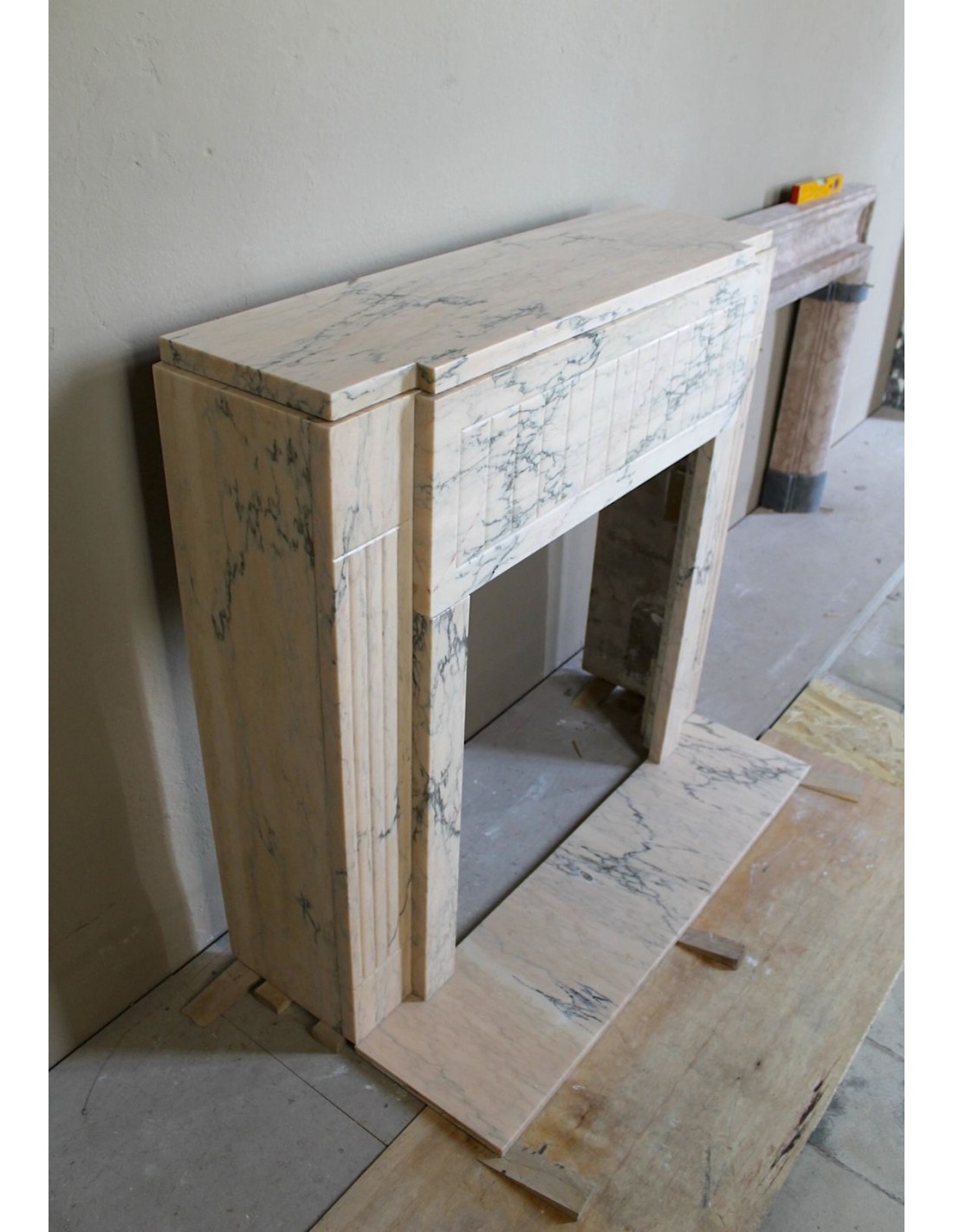
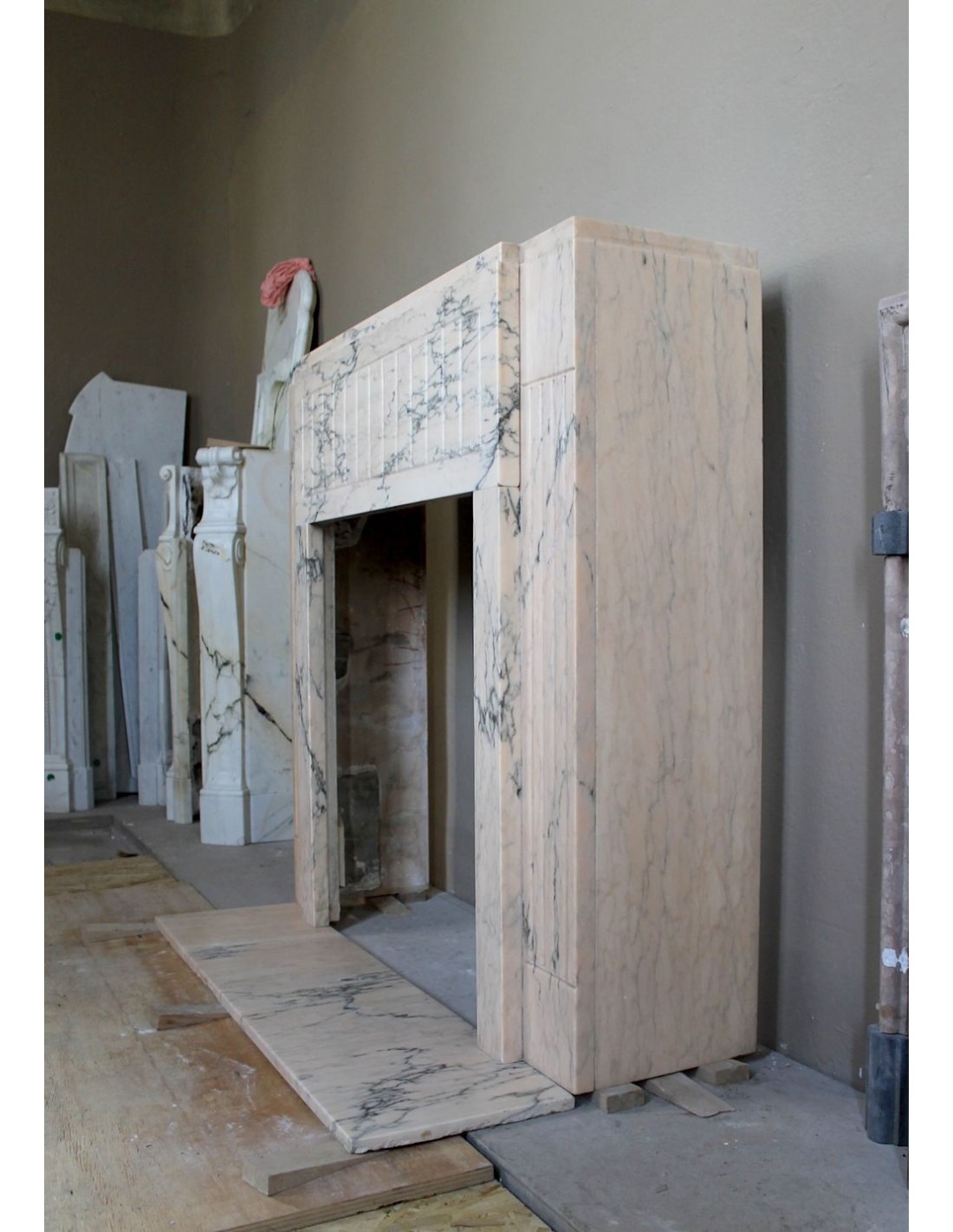
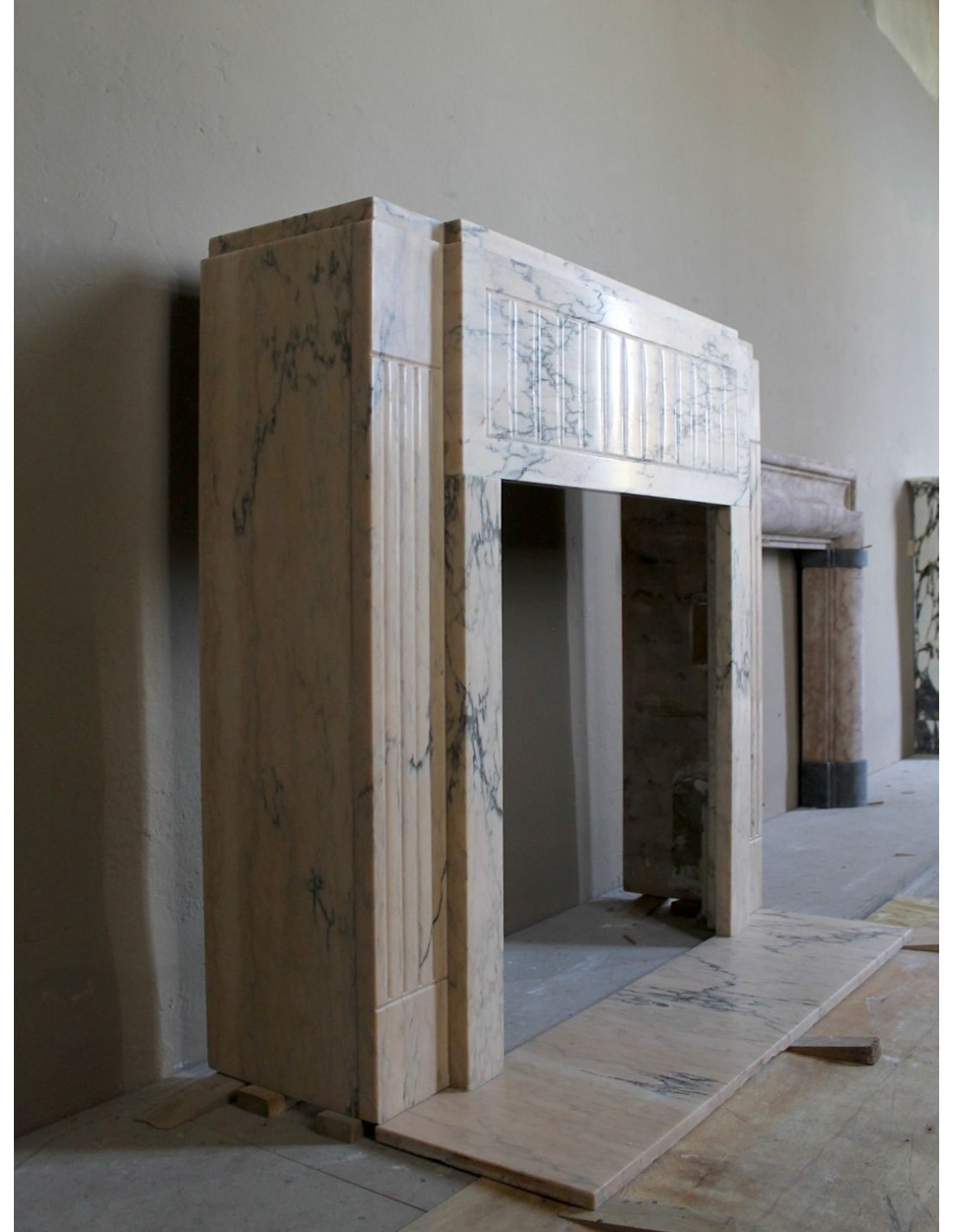
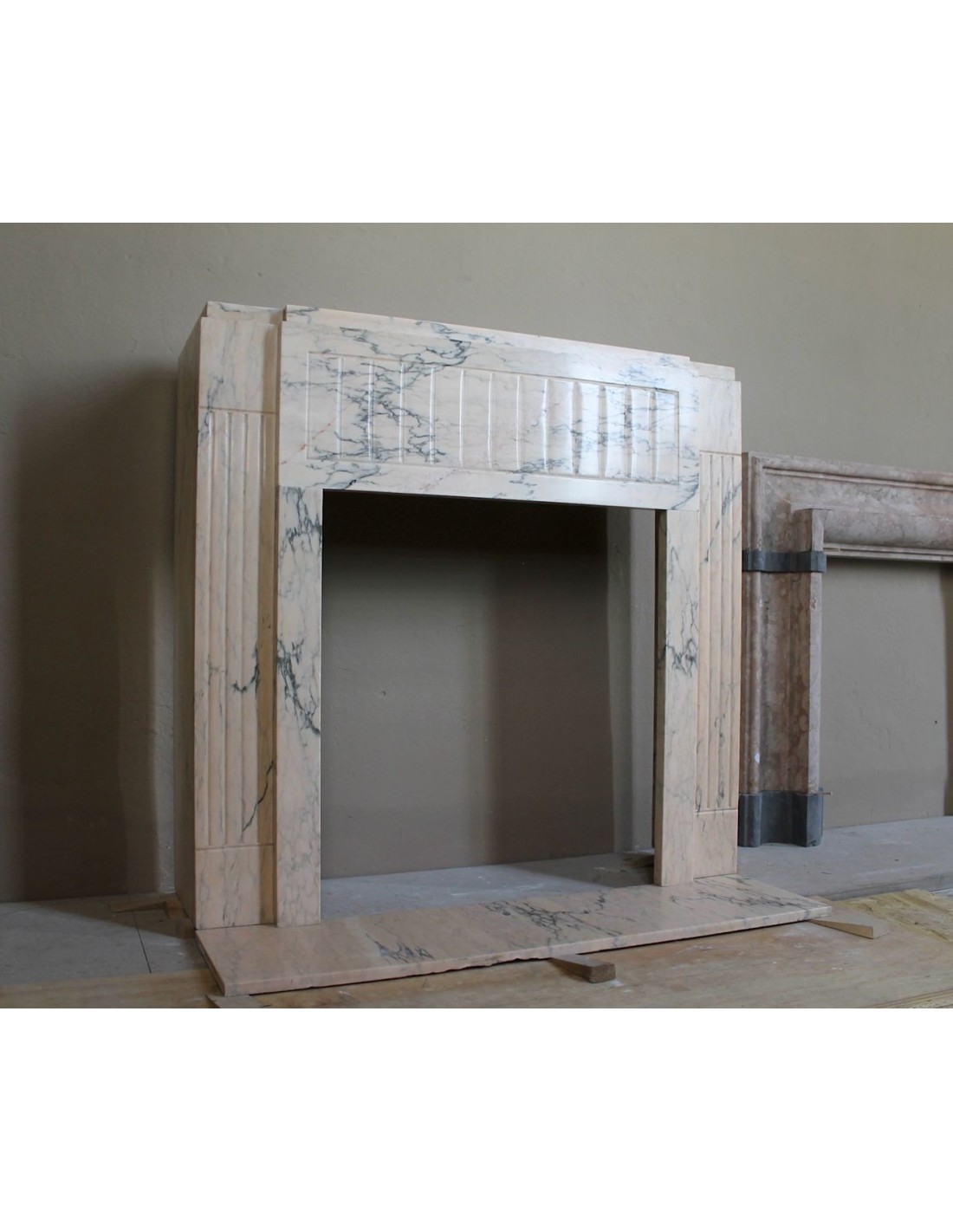
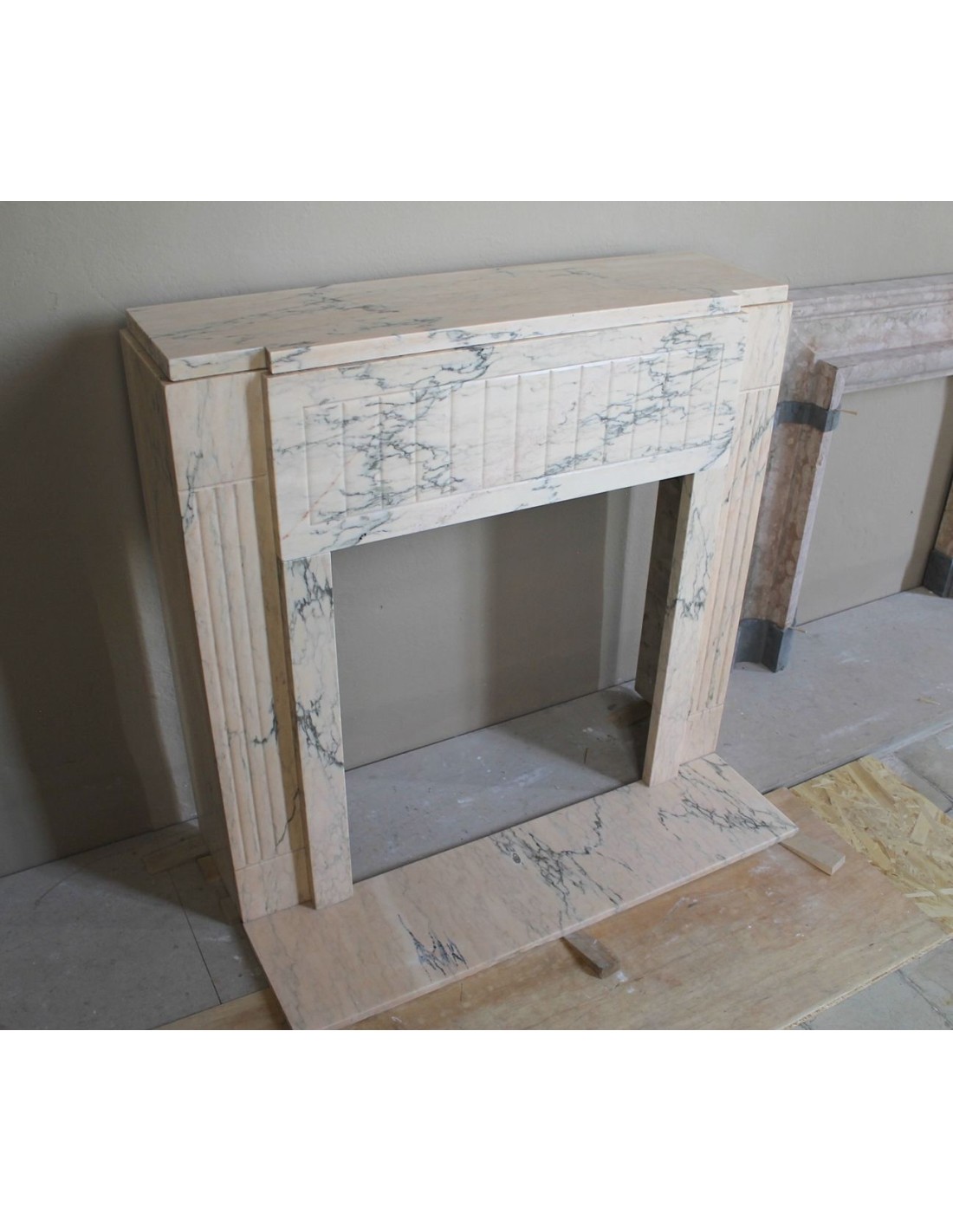
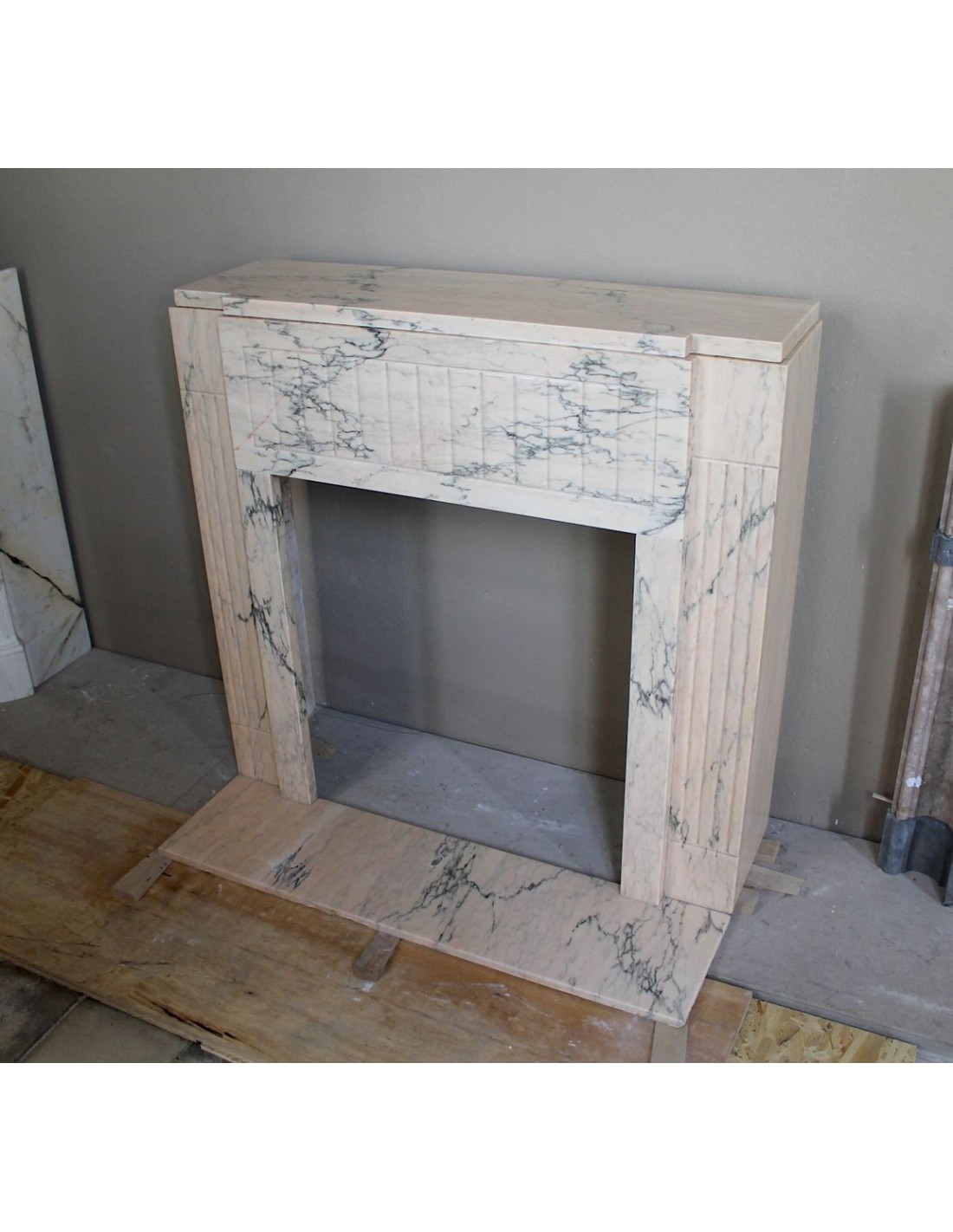
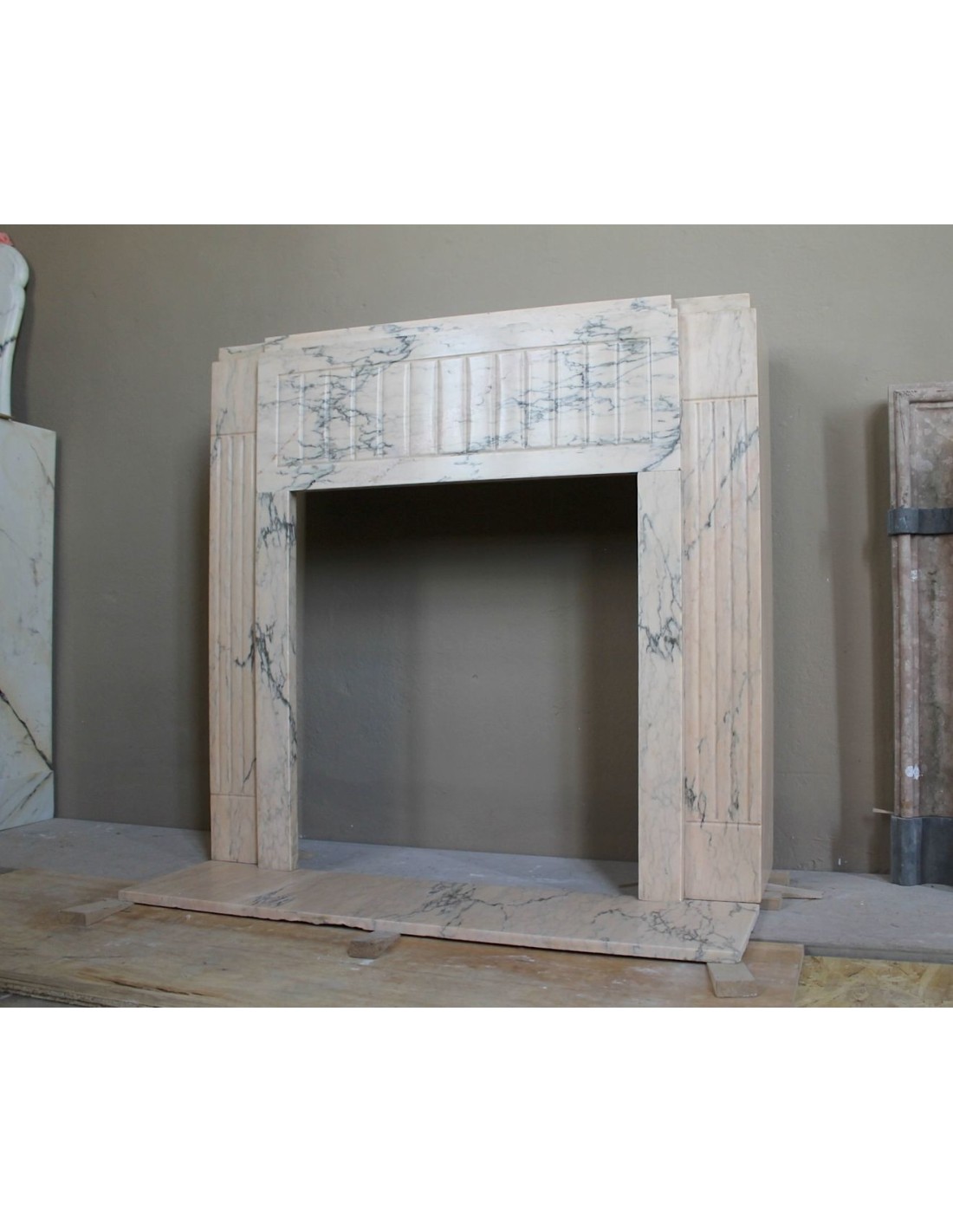
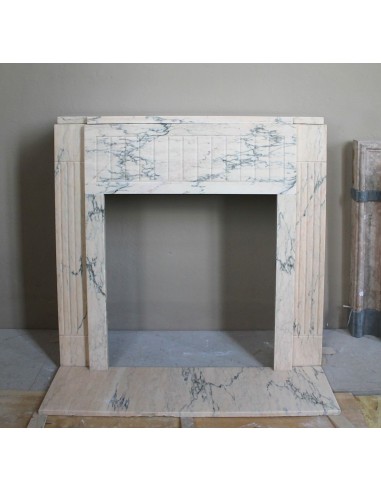
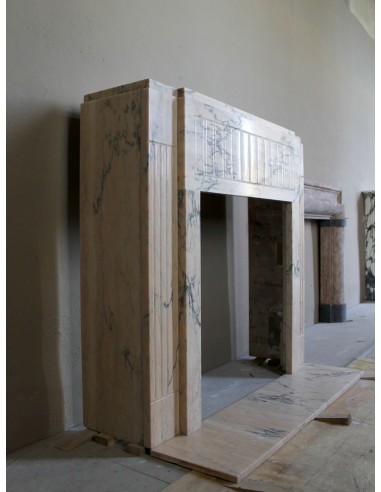
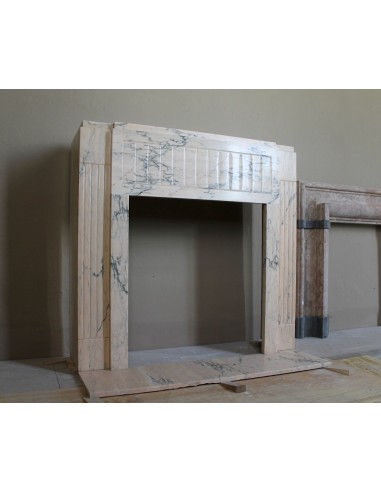
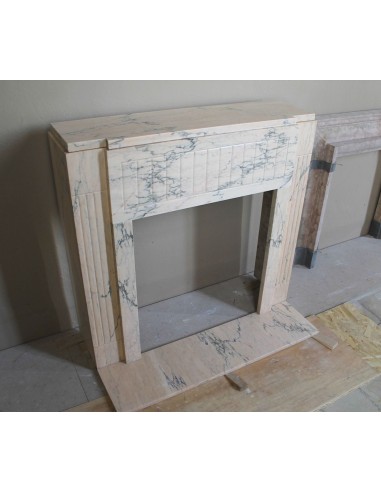
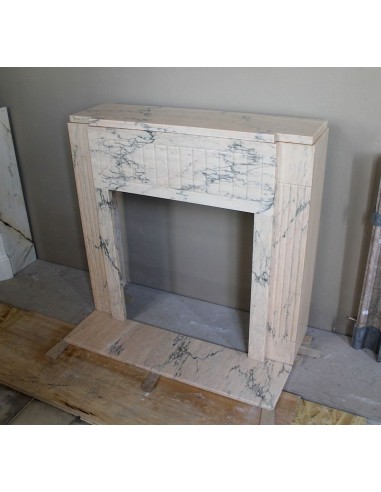
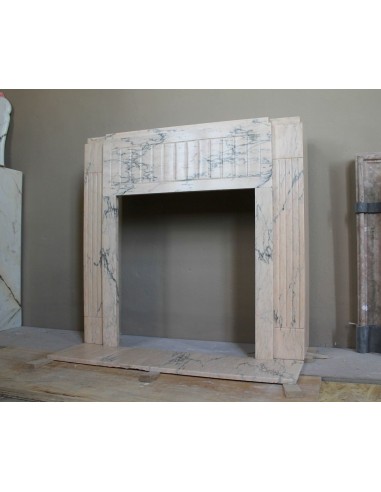
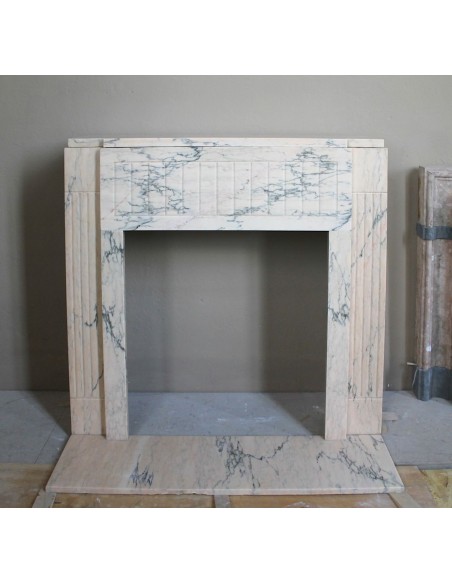
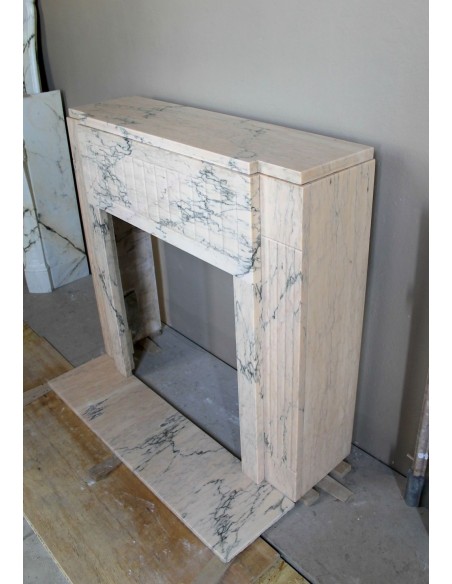
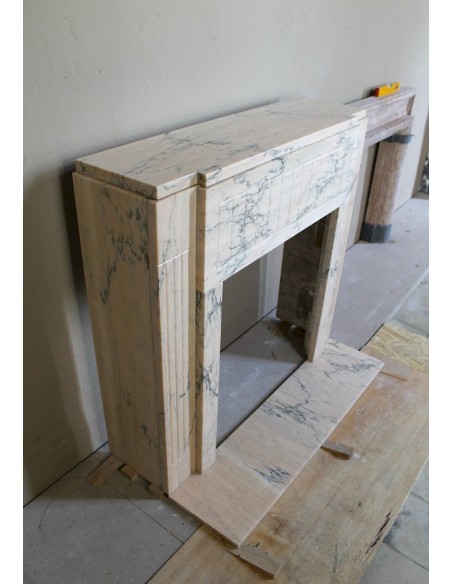
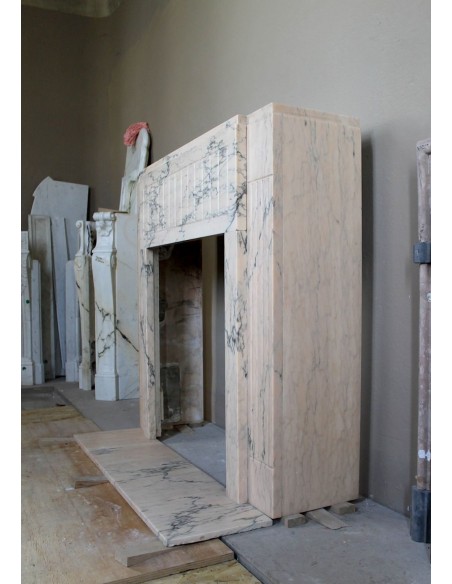
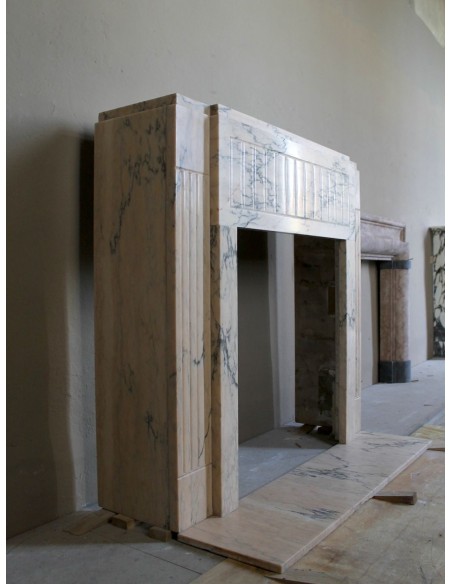
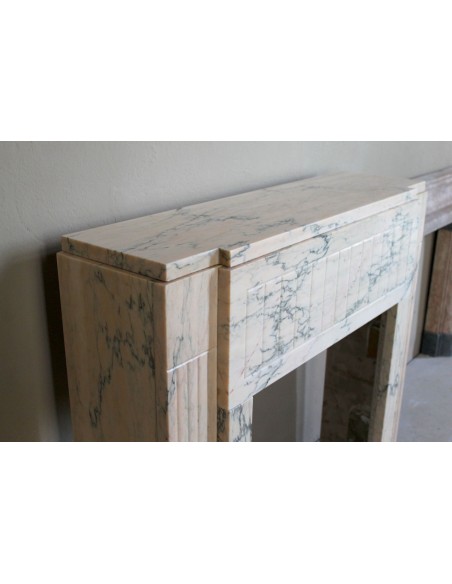
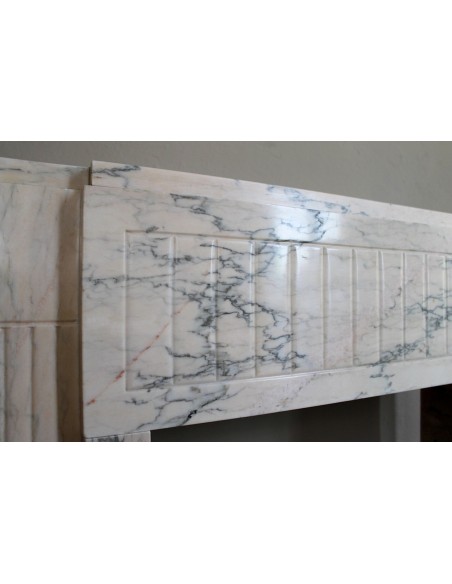
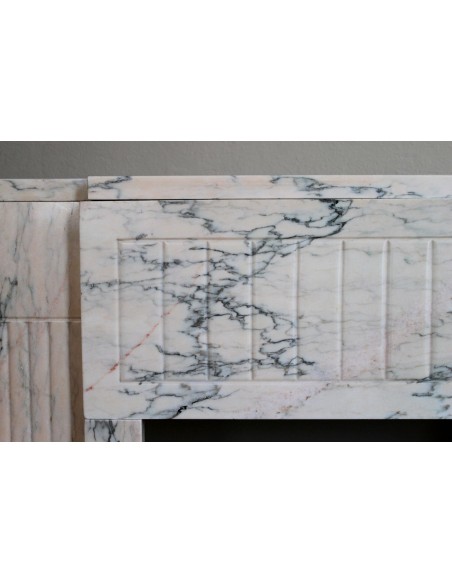
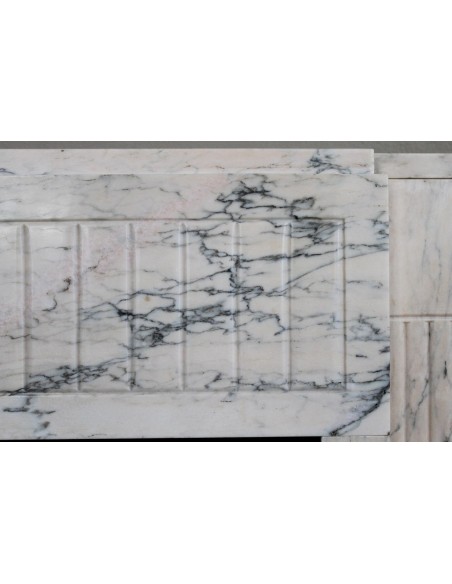
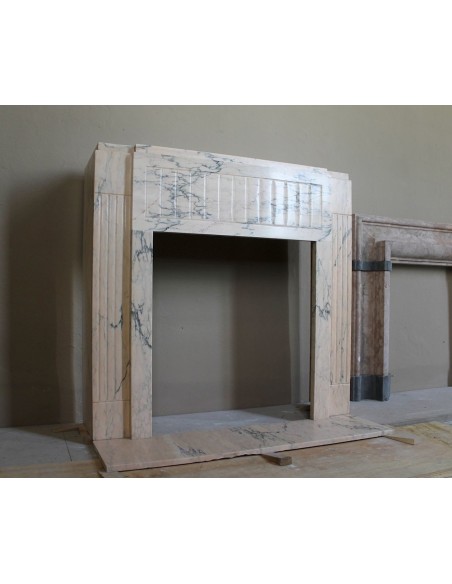
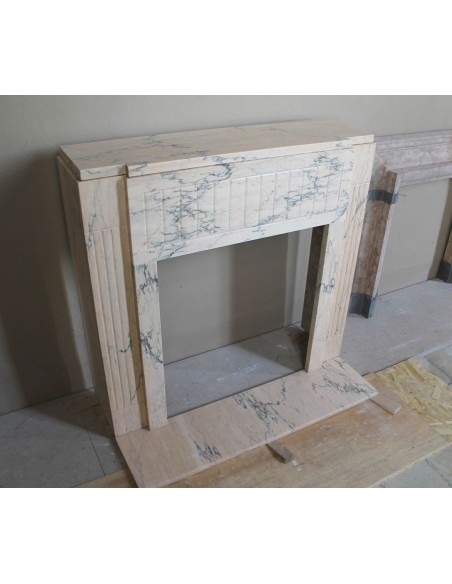
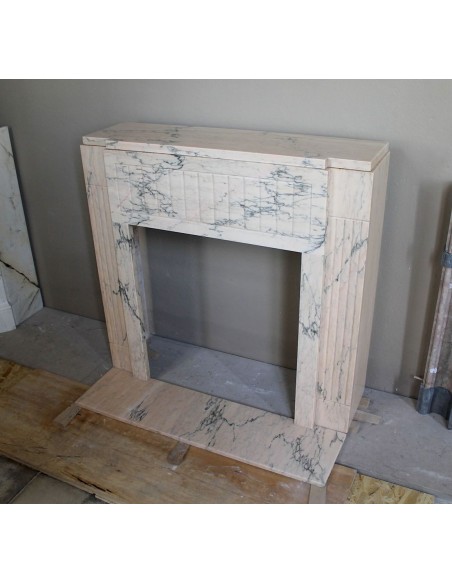
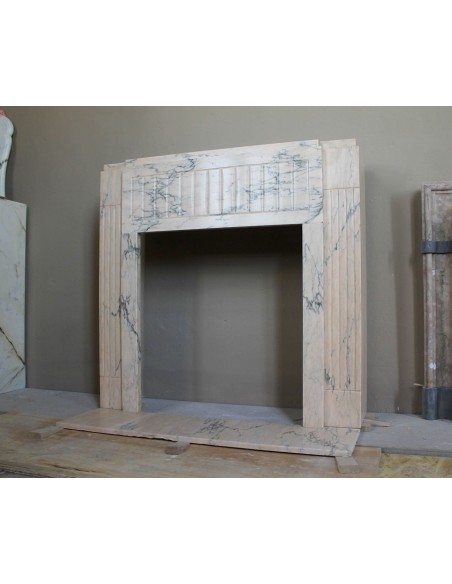
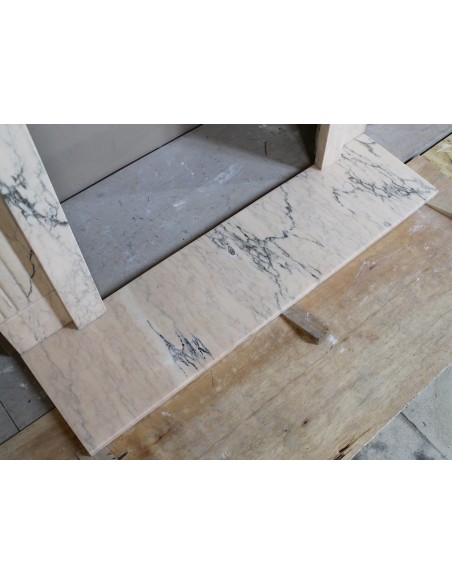
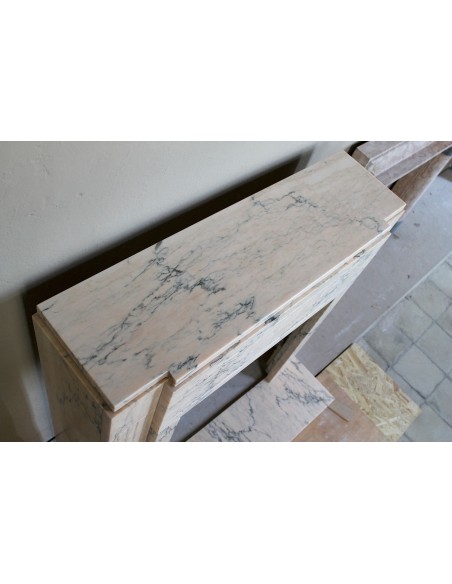
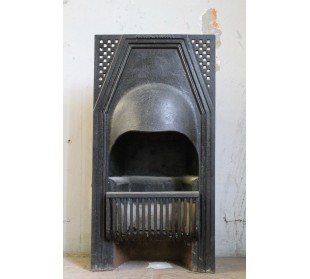
This Art Deco fireplace mantel will be available for viewing at our showroom starting November 18th, 2025.
Truth be told, an Art Deco fireplace mantel is all of the above—antique, modern, and futuristic at the same time.
It’s antique, in the noblest sense of the term. Produced almost exclusively between 1920 and 1940, during the height of the Art Déco period, it rightfully earns the label of period fireplace.
It’s also modern—just look at the geometric purity of its lines, designed with a clean, essential aesthetic. And let’s not forget: this style was officially crowned at the 1925 Paris Exhibition of Decorative and Modern Industrial Arts—hence the name Art Déco.
Fun fact: in France, where this style was born, collectors and antique dealers rarely call it Art Deco. Instead, they prefer the more refined term “Style 1925”.
But in my opinion, the Art Deco mantelpiece is first and foremost futurist—even boldly so. Think about it: it appeared right in the middle of the sinuous, romantic dominance of Art Nouveau. And yet it dared to introduce sharp lines, strict symmetry, and solid, geometric presence. Unsurprisingly, many early Futurist designers, architects, and artists—particularly in Italy—adopted the Stile 1925, which in Italy also went by the name Modernismo.
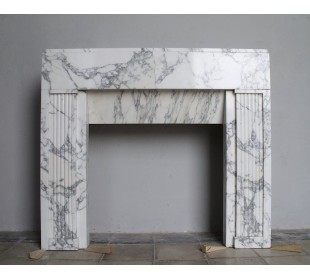
After that little historical preface, let’s get to the specific fireplace we’re showcasing today. Like most original Art Deco mantels, it is French in origin, and its design and construction rest on two main pillars:
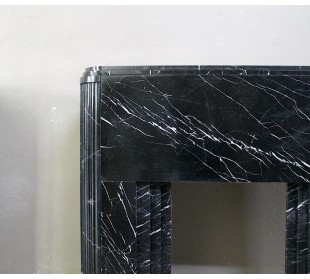
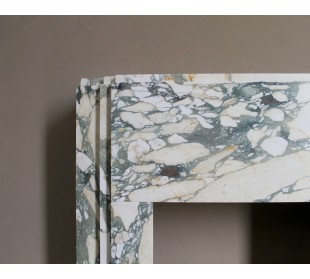
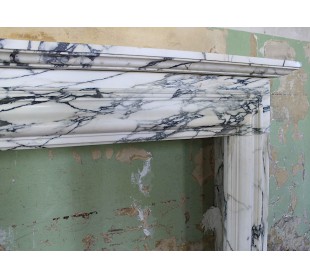
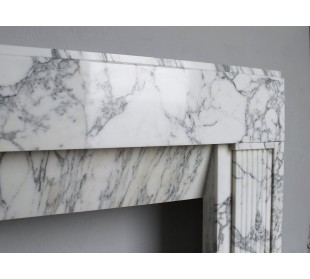
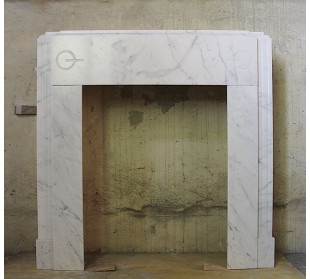
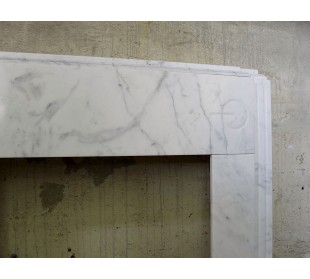
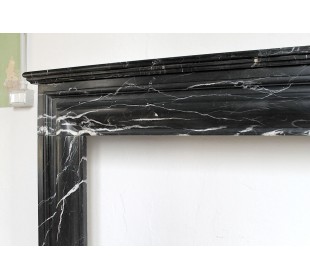
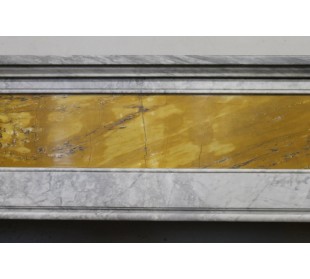
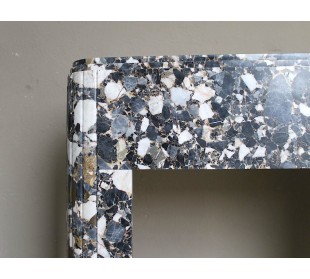
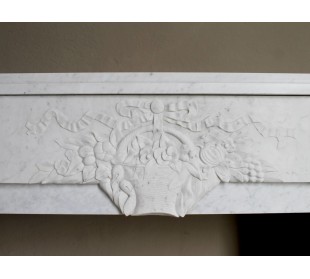
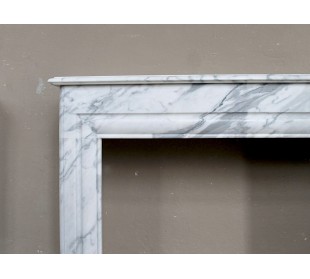
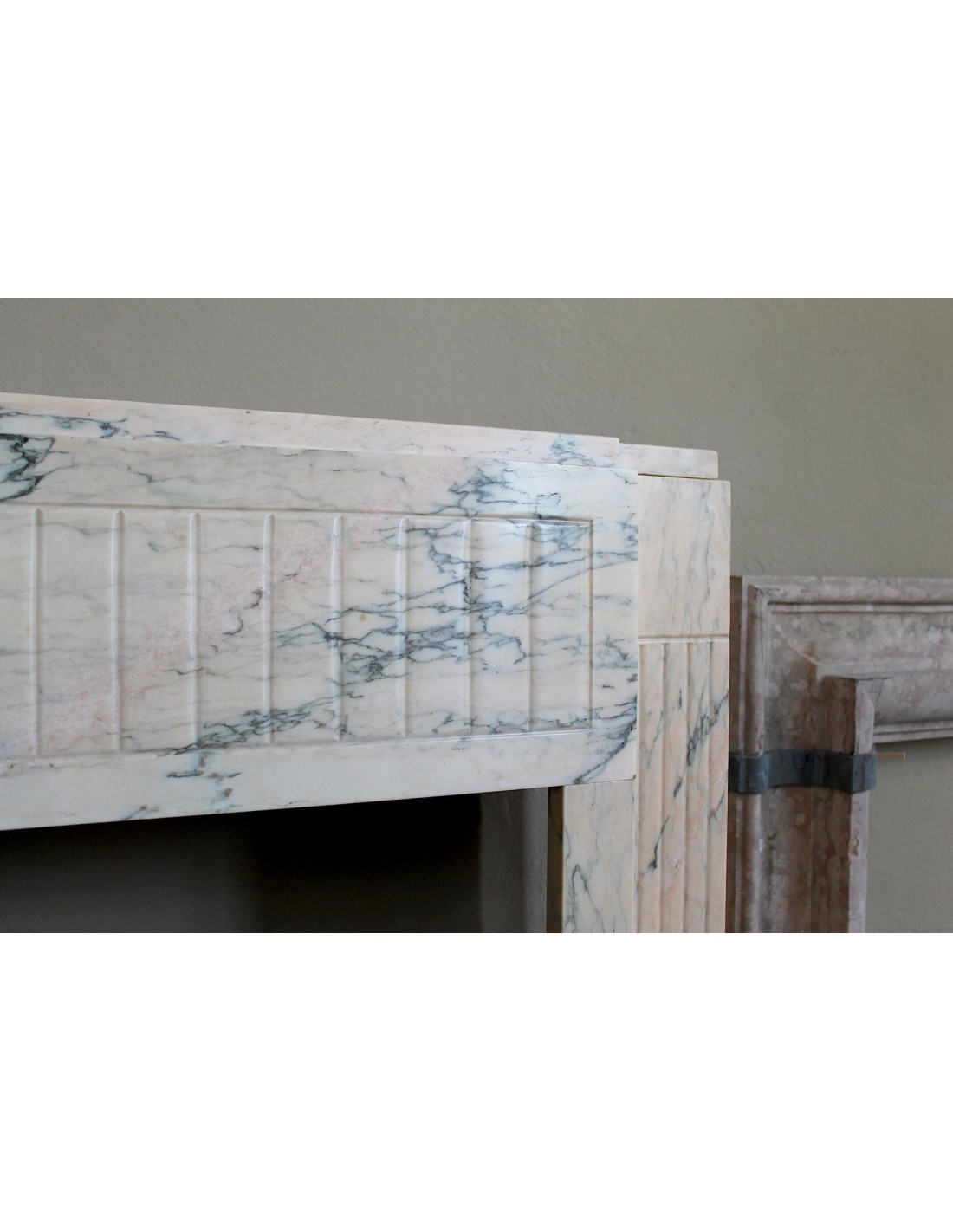
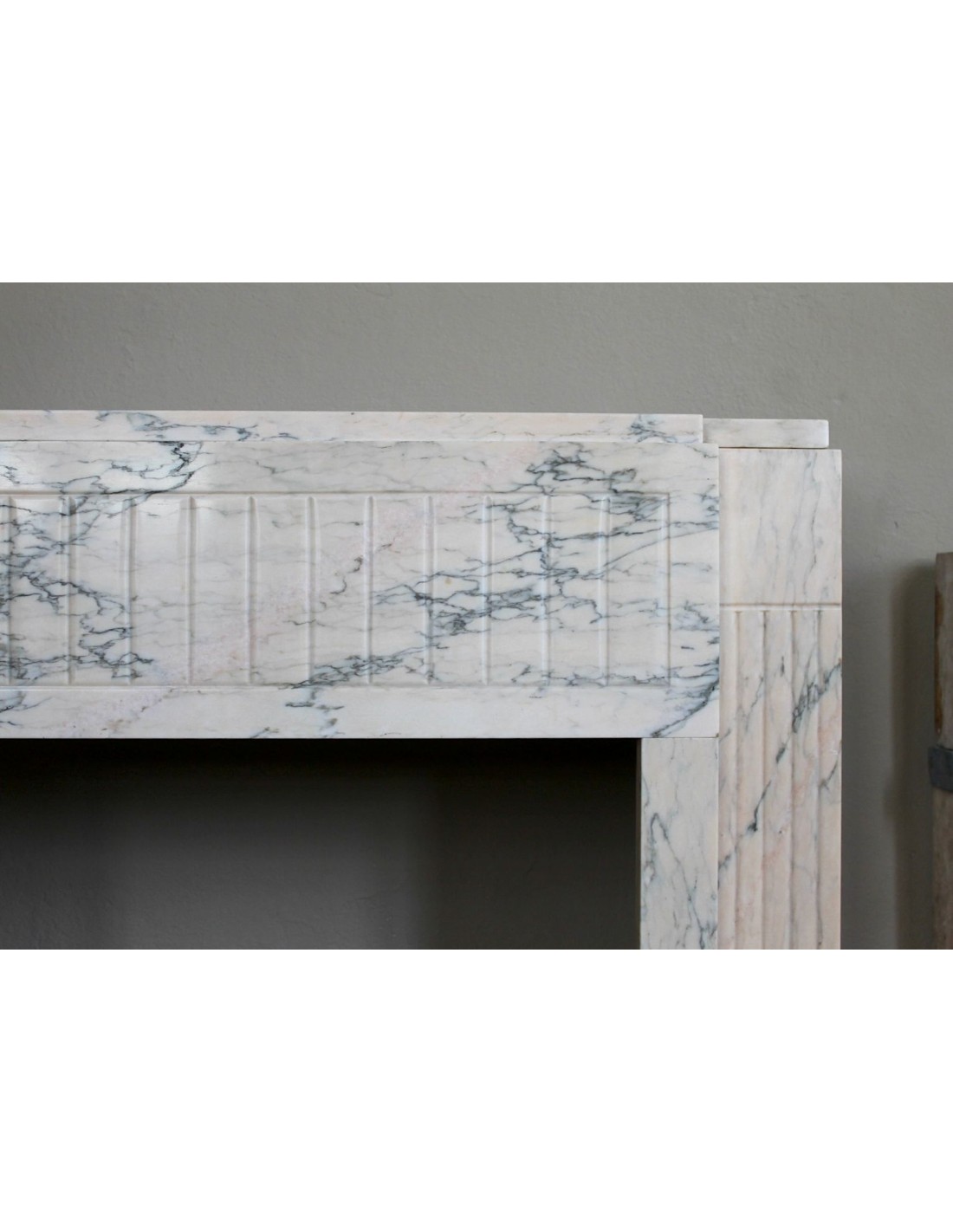
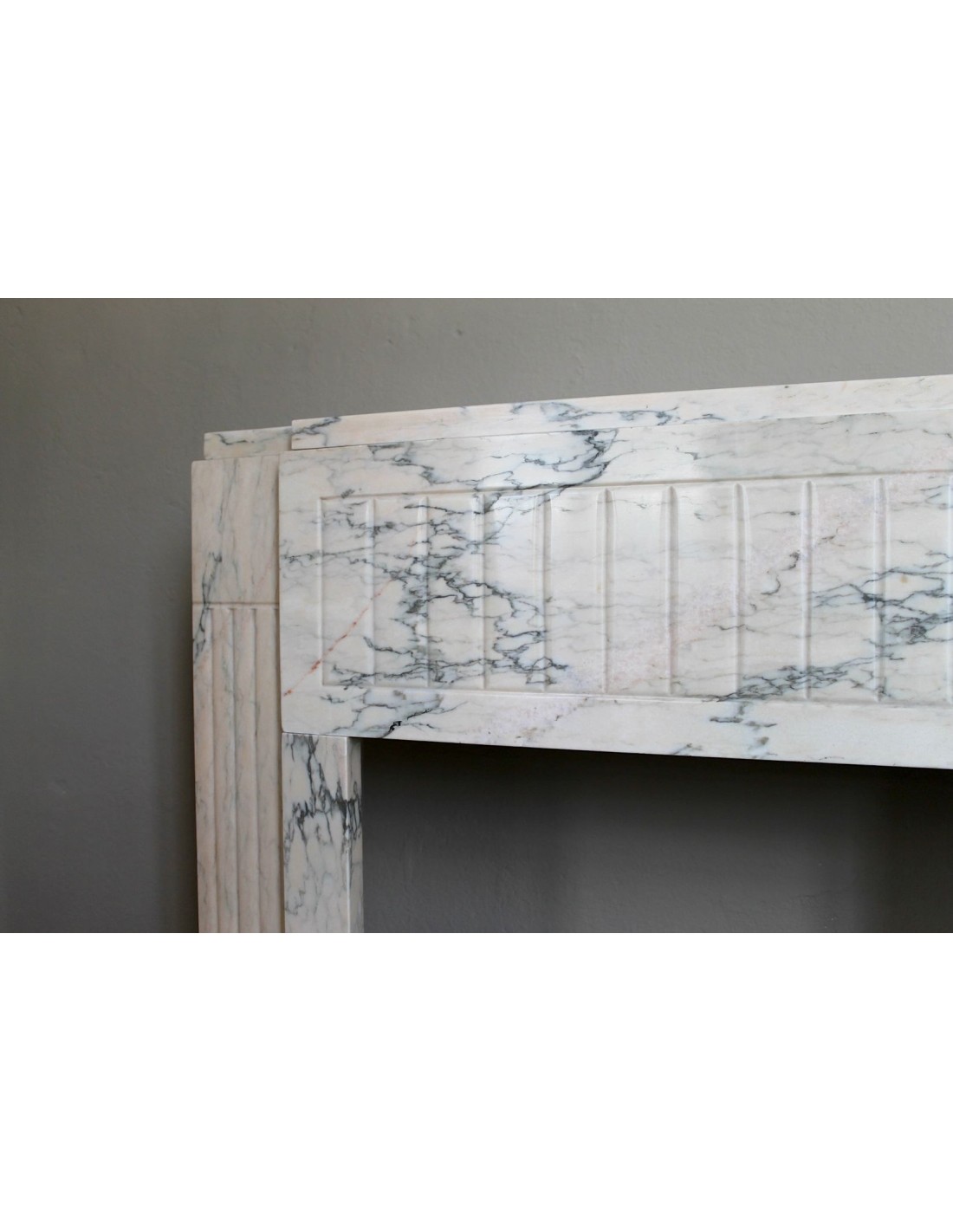
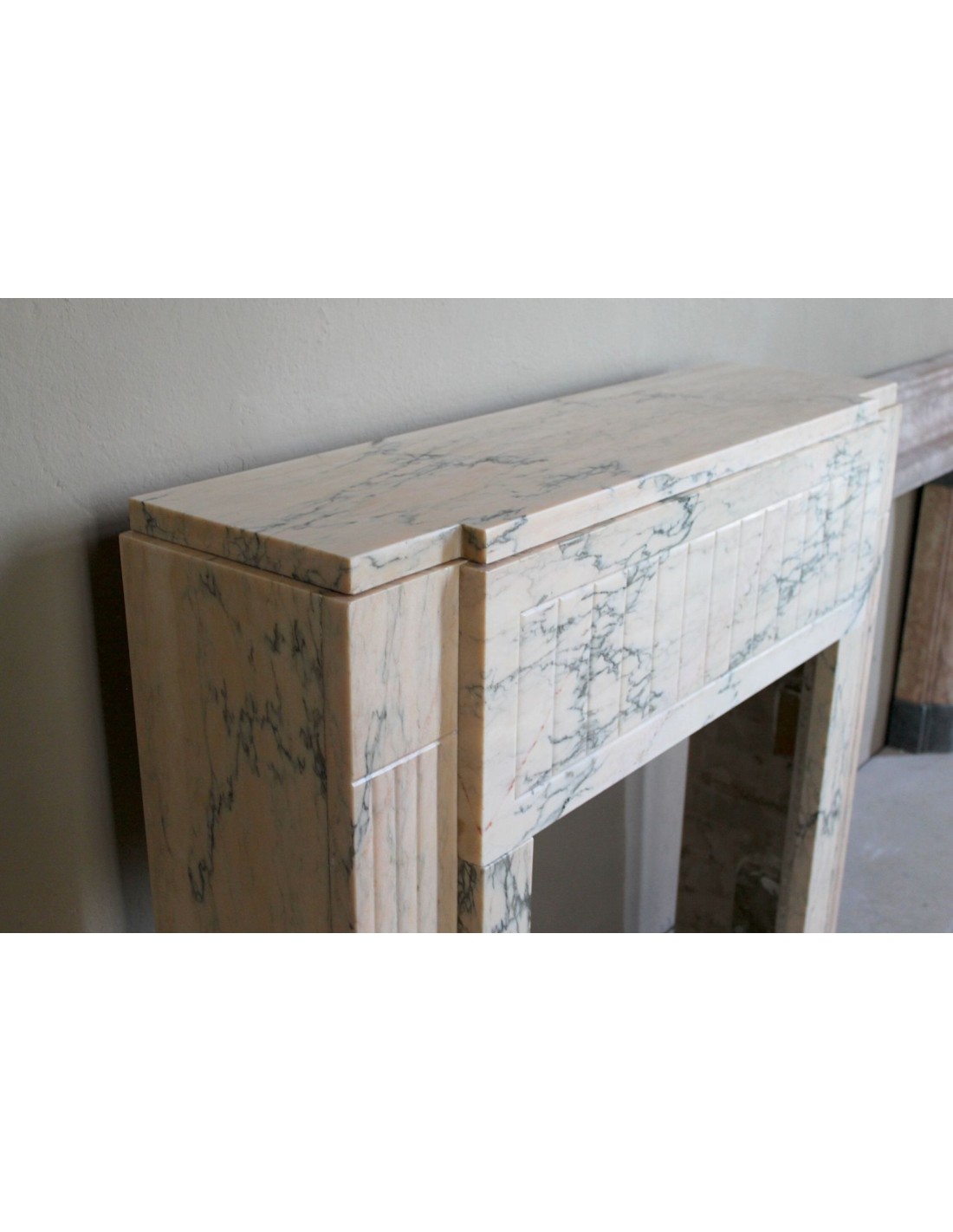
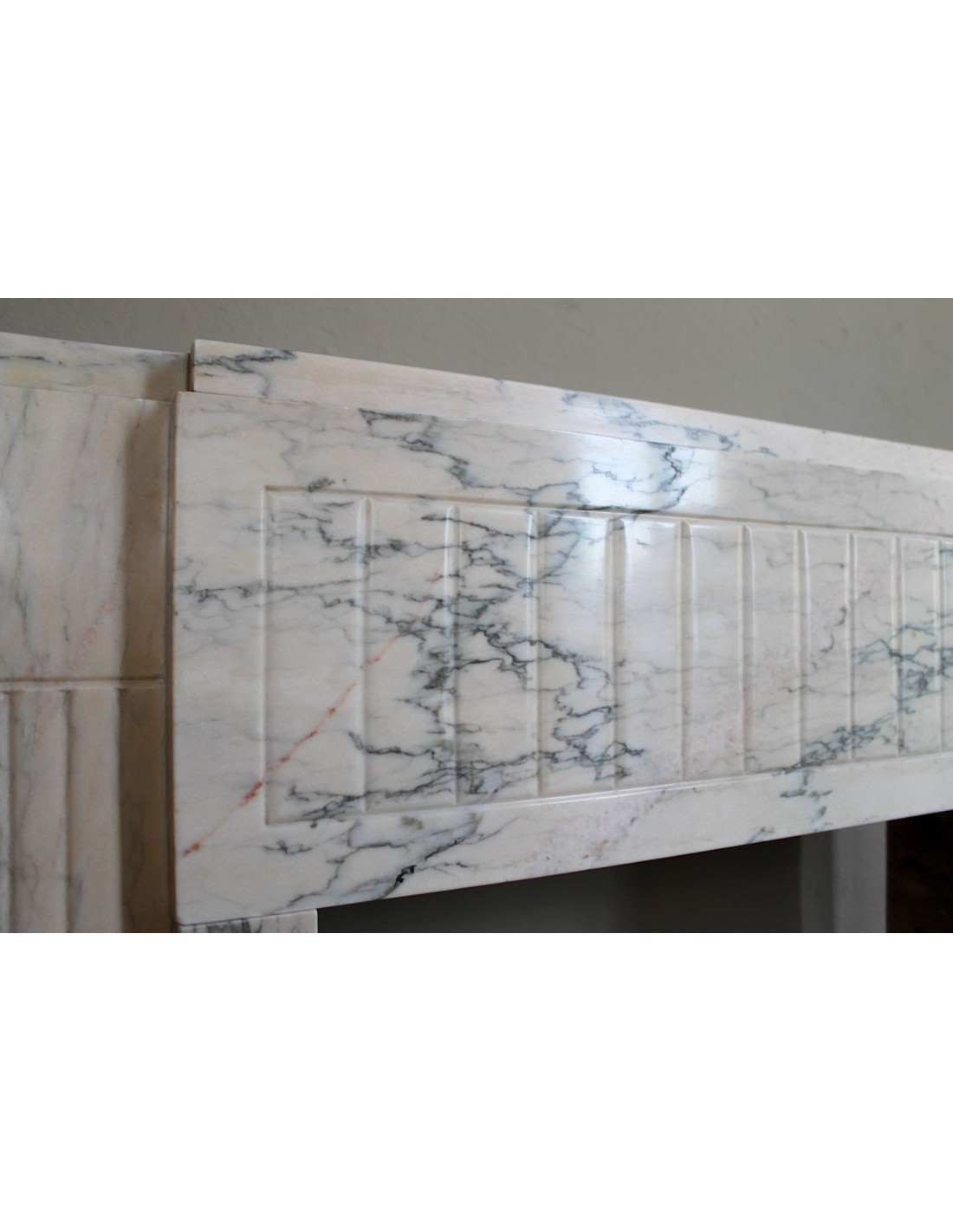
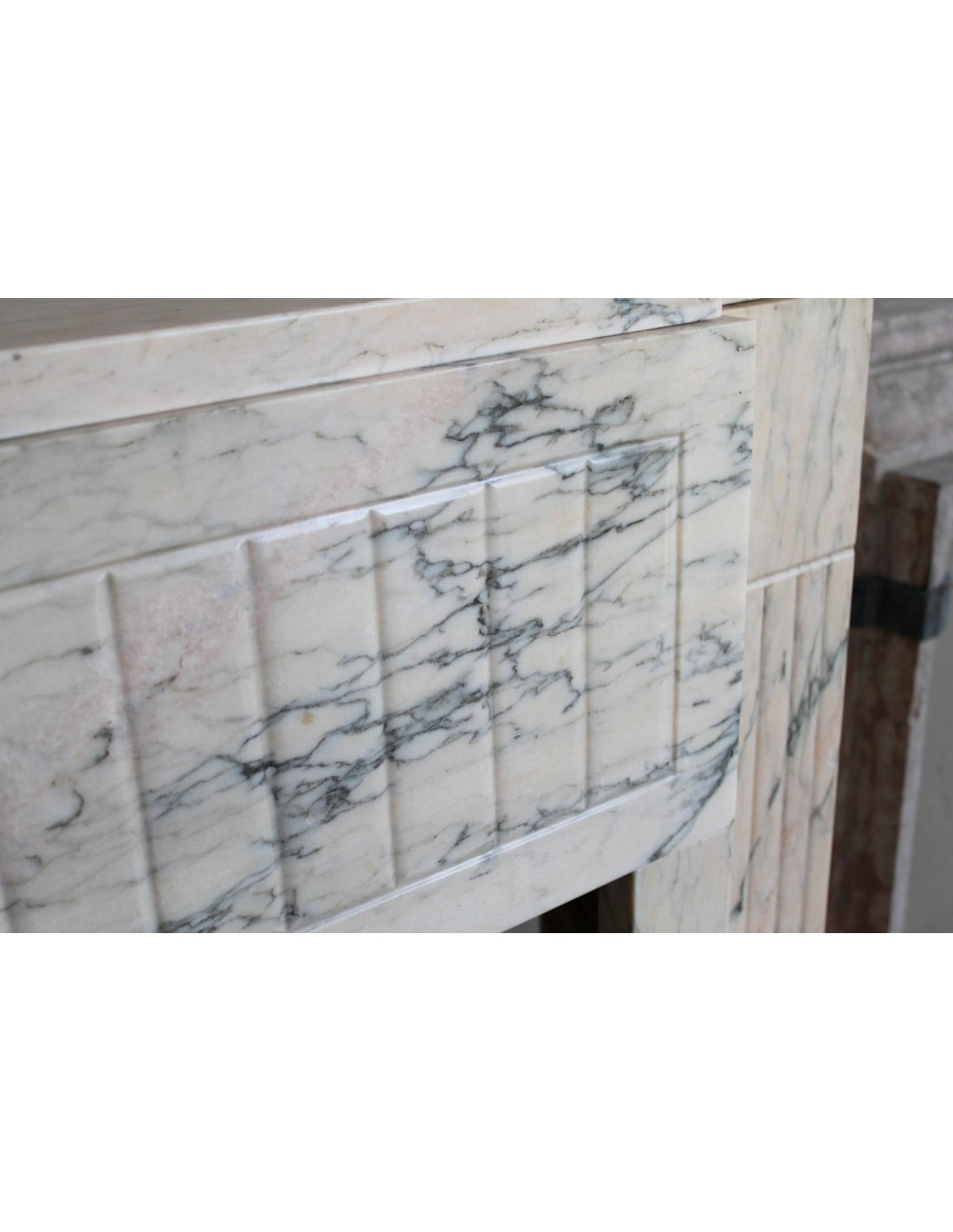
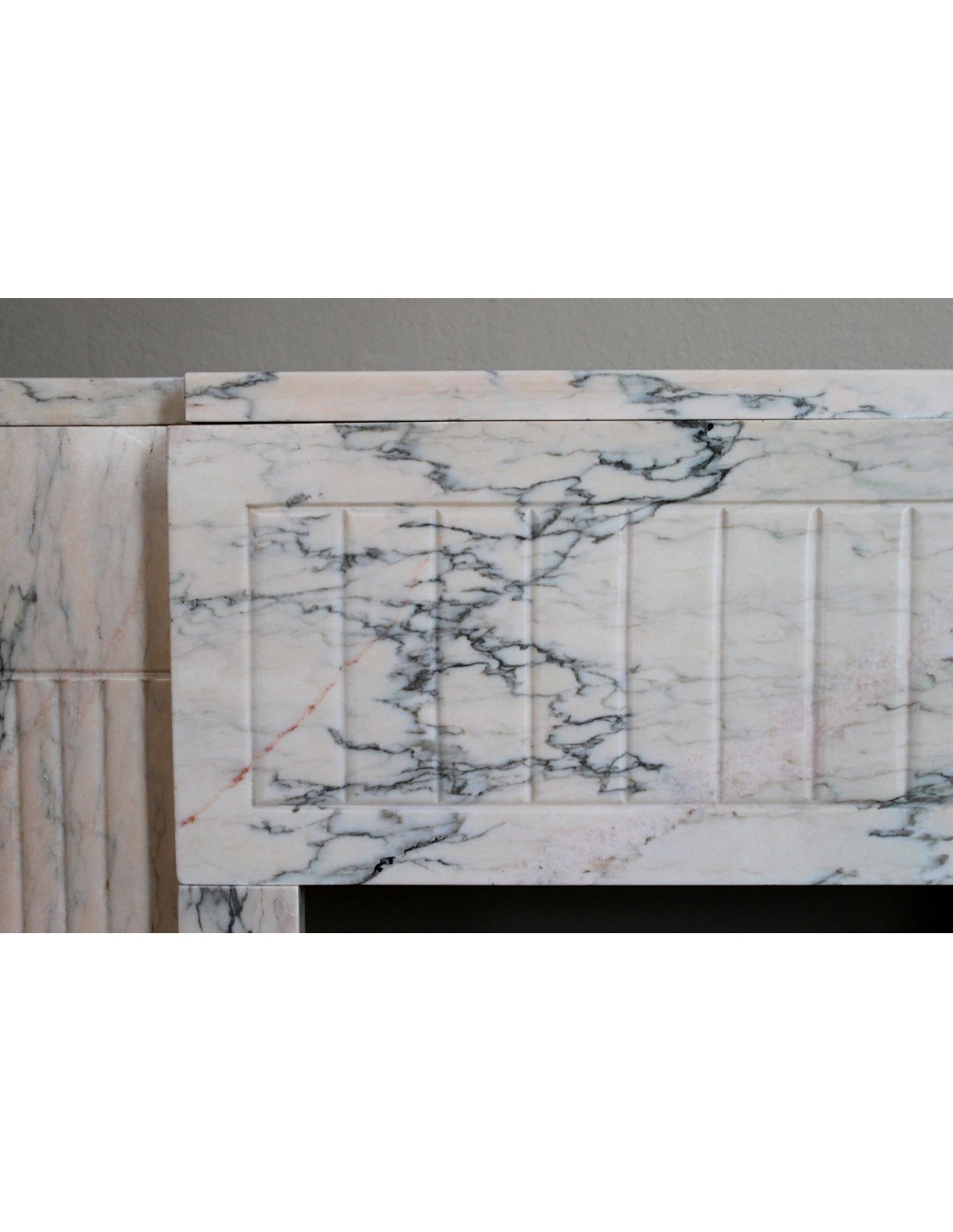
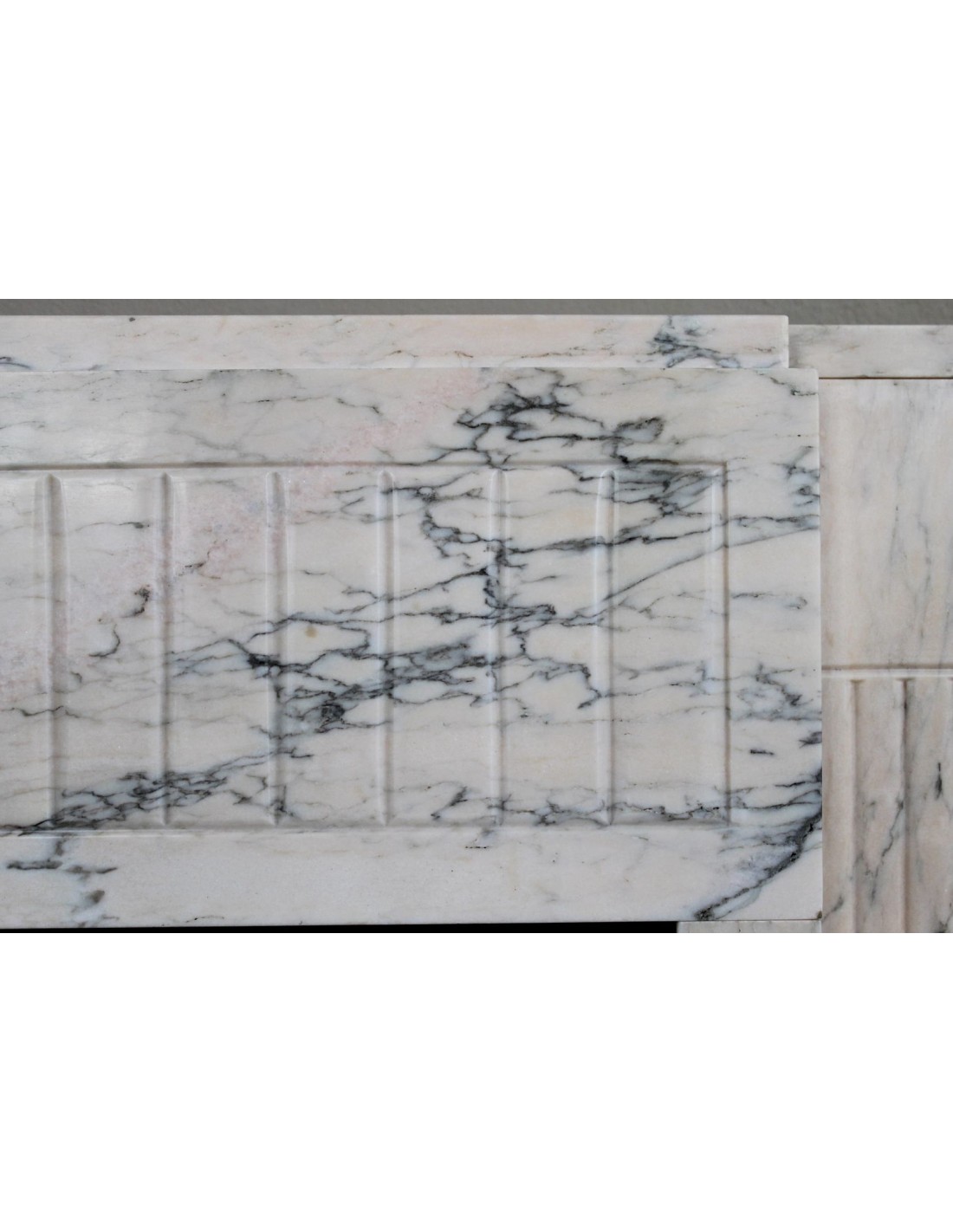
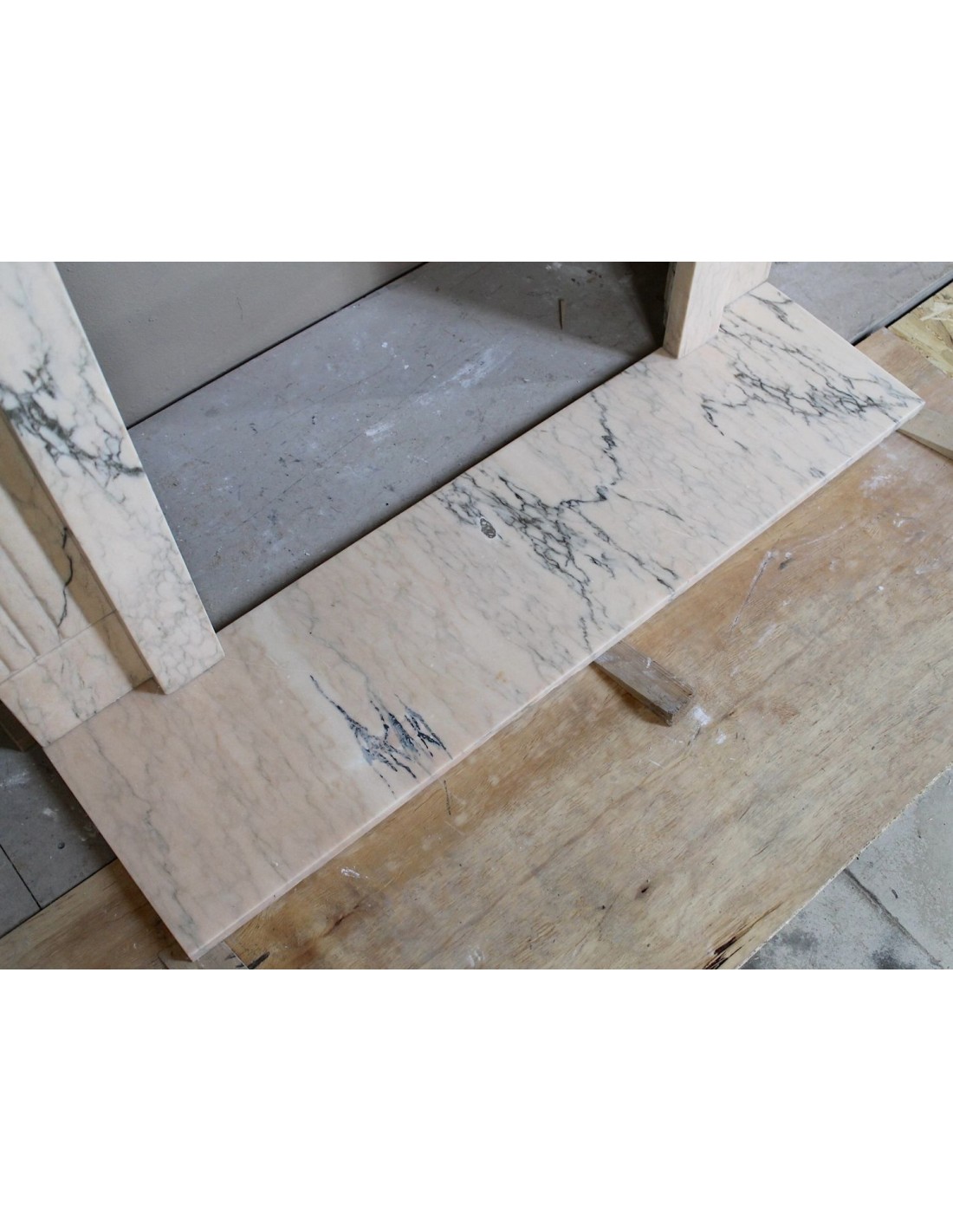
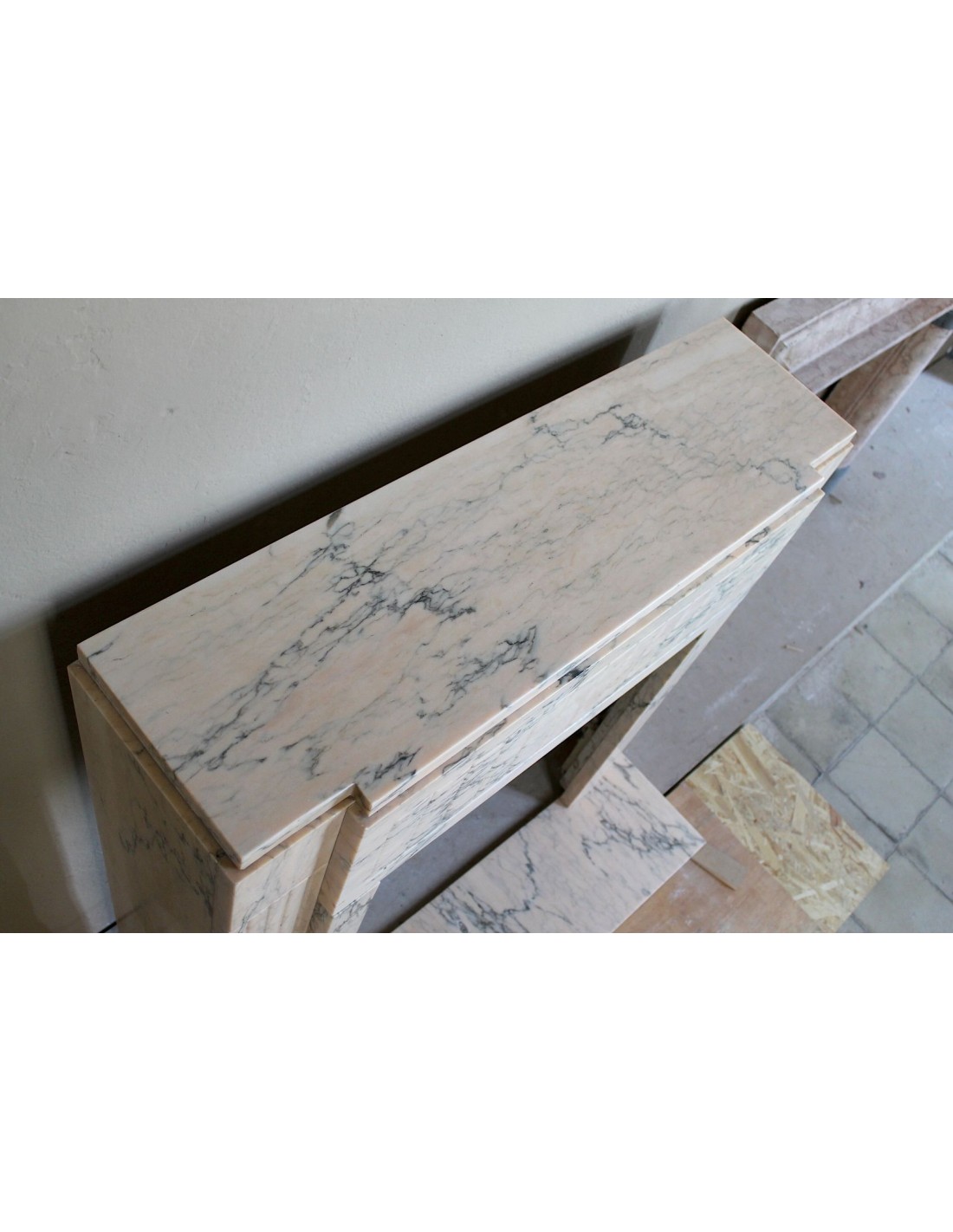
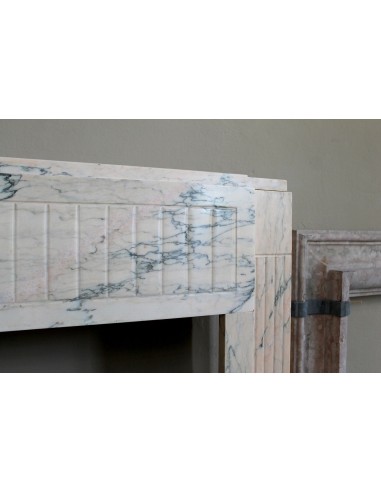
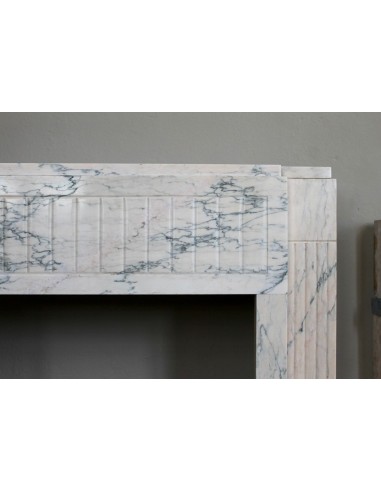
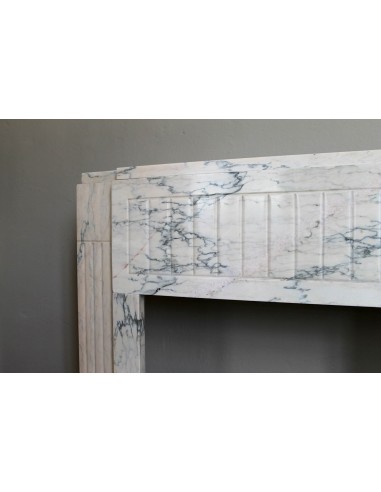
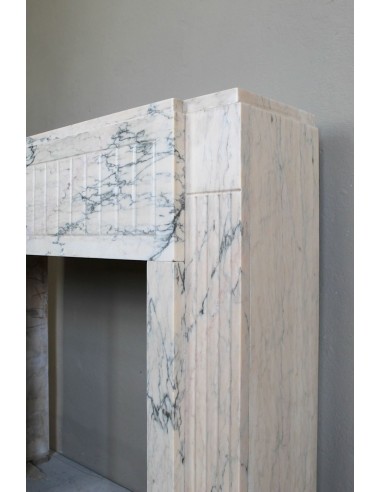
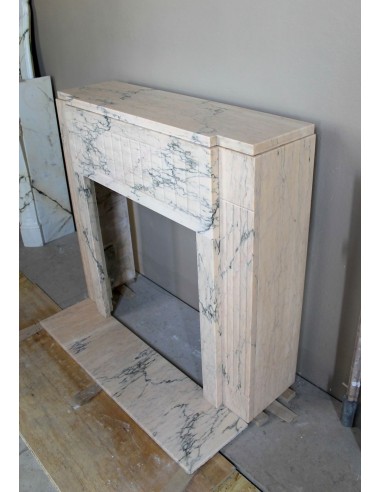
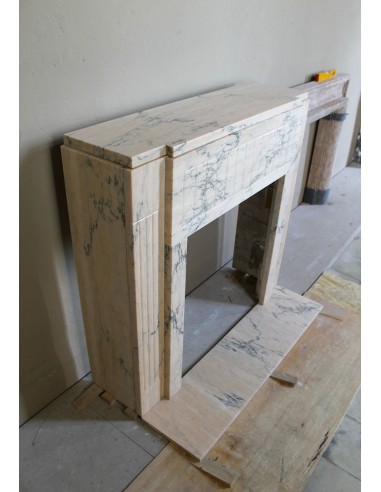
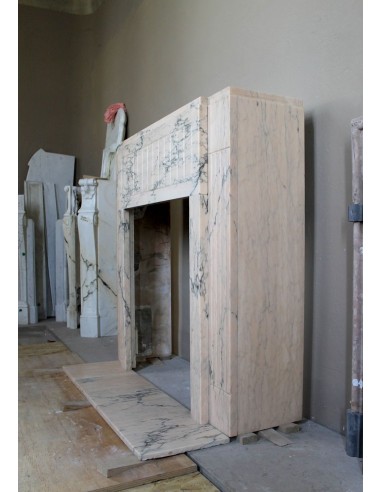
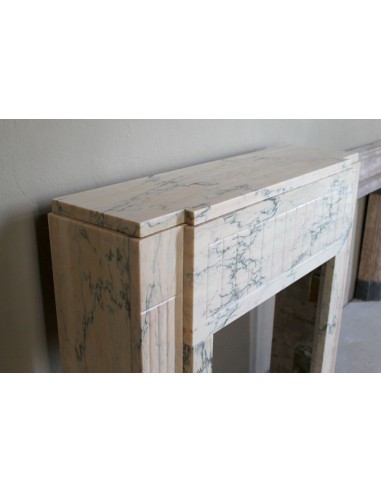
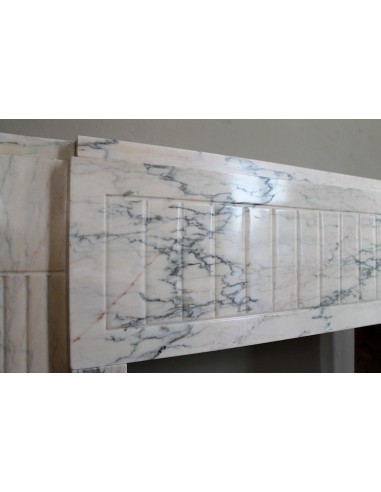
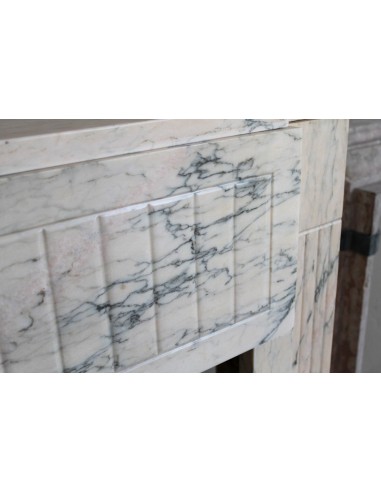
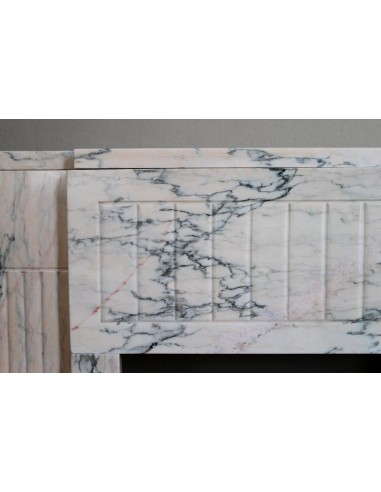
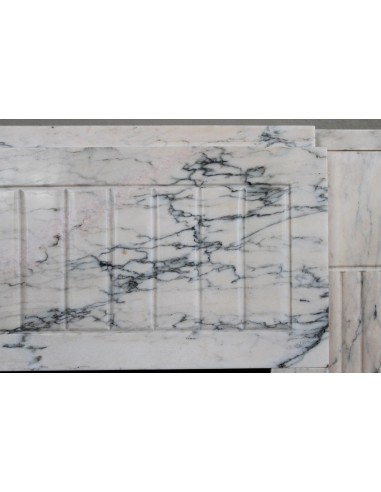
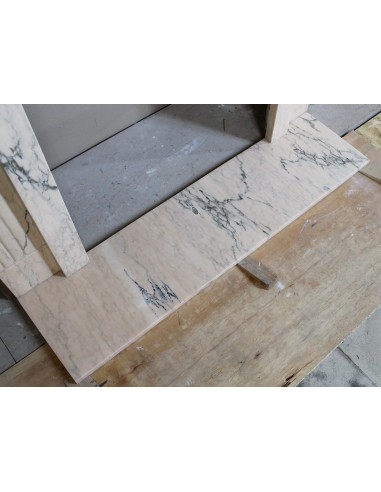
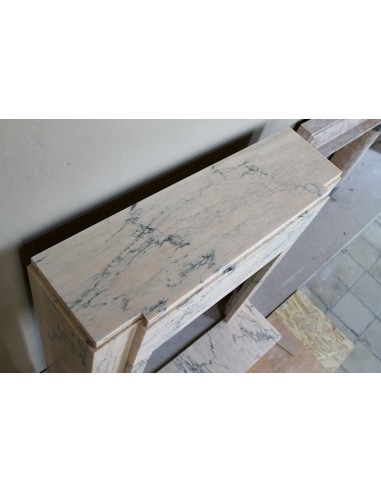
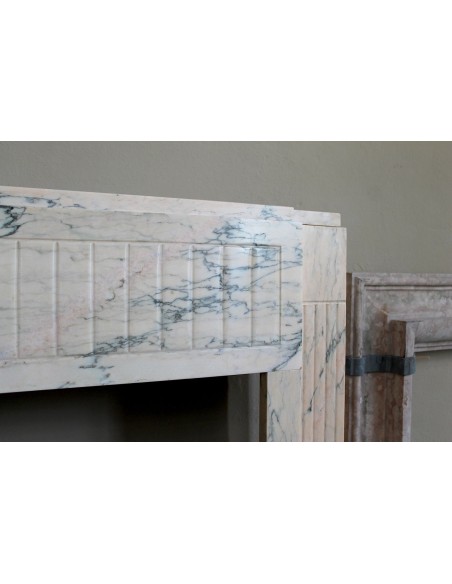
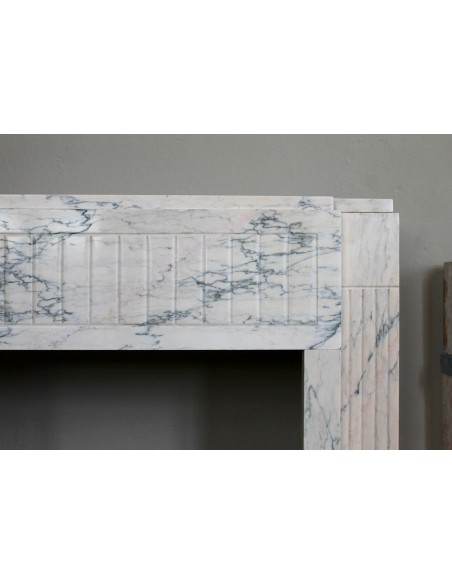
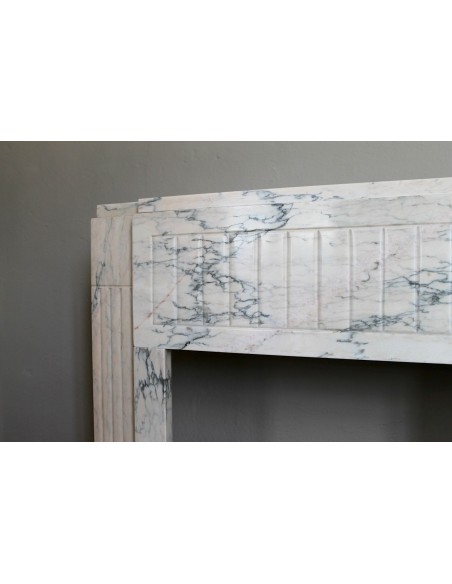
The design is minimalist yet refined, with flat marble panels and zero protruding ornamentation. Decoration is expressed only through precise incised lines, often forming striking geometrical patterns.
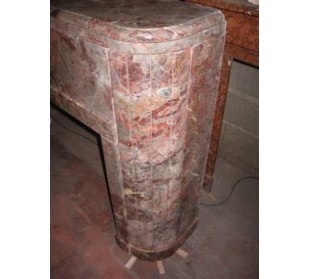
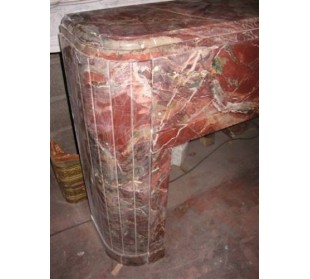
The legs feature elegant "Pompeian flutes"—vertical carvings that some, during the Fascist era, saw as resembling “fasci littori” (you’ll excuse the historical detour).
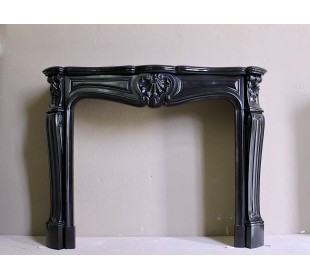
Let’s be honest—Art Deco fireplaces are a celebration of colorful stone. Whether it’s the burnt-orange hue of a Burgundy limestone (A), the golden tones of a rare Breche Dorée (B), the deep black-and-gold luxury of Portoro marble (E), or the Caribbean green of Cipollino (C), each one is a visual marvel.
Even the classic white Carrara variants weren’t “basic”: you’d find them in Statuario, Arabescato (D), or Calacatta grades—some of the most precious and visually complex varieties of marble available.
Let’s cover two often overlooked but essential topics.
Most people are shocked to discover that authentic Art Deco mantels are surprisingly affordable—often less expensive than modern mass-produced fireplaces.
Of course, it’s not a hard rule, but generally speaking, vintage Deco fireplaces fall in the range of €1,500 to €3,000. Try finding an industrial replica with the same material quality at that price!
This is where it gets tricky. Despite the relatively large number of Art Deco pieces on the salvage market, very few Italian dealers actively present them in showrooms—even those who specialize in antique fireplaces.
And that’s a shame.
Because this style blends perfectly with modern, minimalist interiors—and even more so with homes designed entirely around the Art Deco aesthetic.
So, if you’re searching for a fireplace mantel in this style, don’t give up. Here’s what I recommend:
Ask your local antique dealer (even if they don’t have Art Deco pieces) to source one for you. Give them a little time—they’ll likely come up with something interesting.
Or better yet, try a quick online search using the correct keywords—“Art Deco fireplace”. I’ve tried it myself with surprising success.