

SHARE ON:
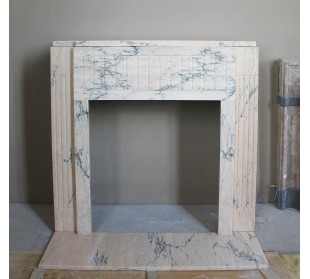
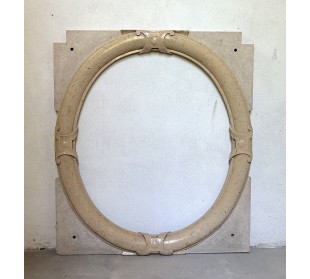
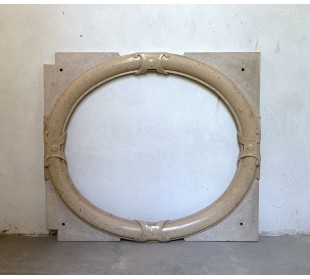
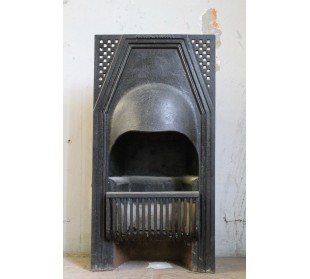
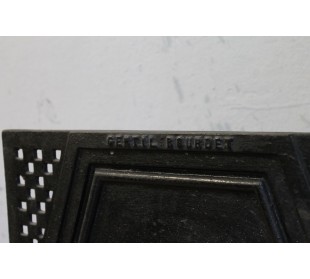
Notice: This fireplace mantel will be available for viewing at our premises starting from October 18, 2025.
Overlooking the Mediterranean Sea, between Marseille and Montpellier (right in that paradise known as the Côte d’Azur), there’s a small village of about three thousand inhabitants called Lunel. It’s always been such a pleasant place to live that even the Roman soldiers, during their conquest of Gaul, chose it as one of their military settlements—one of those camps that historians refer to as a Castrum.
But if you ask me, that "castrum" (oh come on... lucky them!) was just a perfect excuse for a prolonged vacation—several months, at least—judging by the monuments and works built there by the Romans using what we Italians often call "Lunel marble."
To be precise, the French prefer to refer to it more elegantly as "Lunel Fleuri."
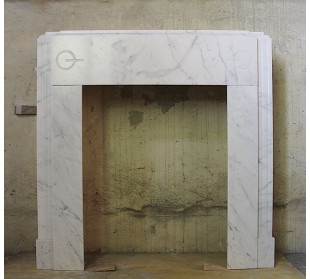
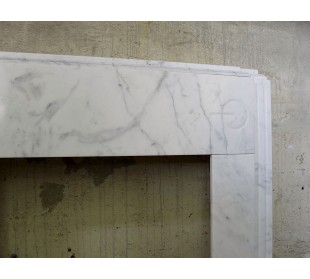
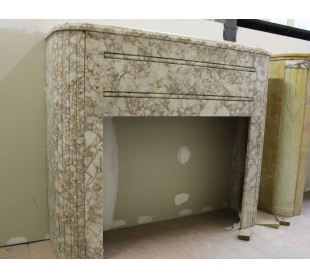
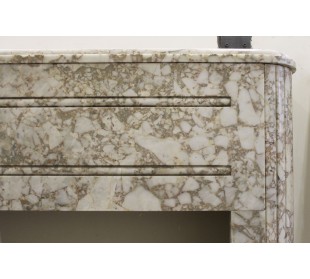
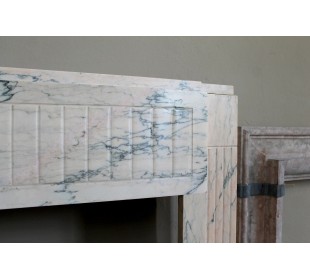
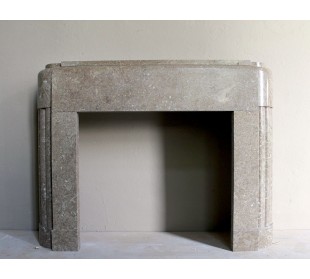
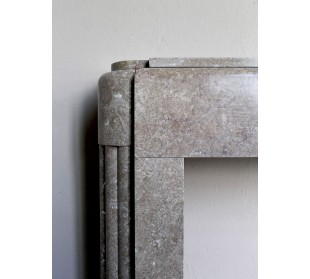
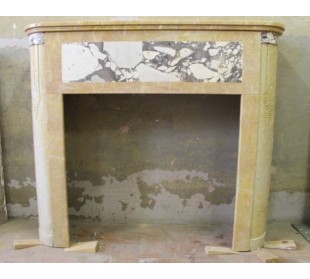
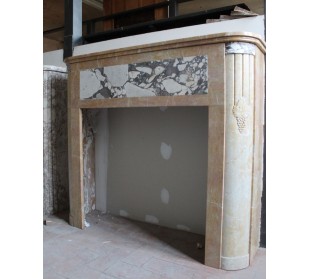
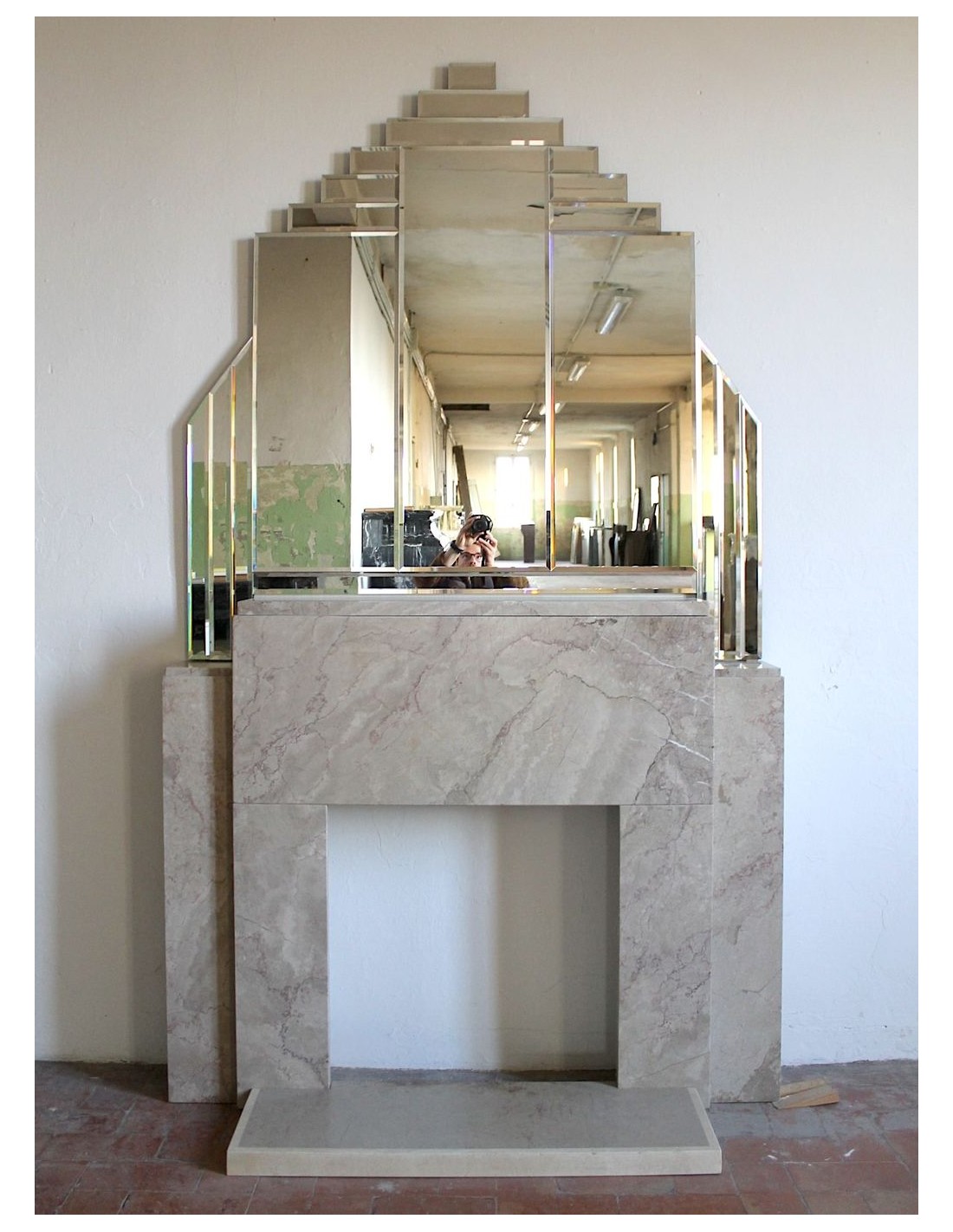
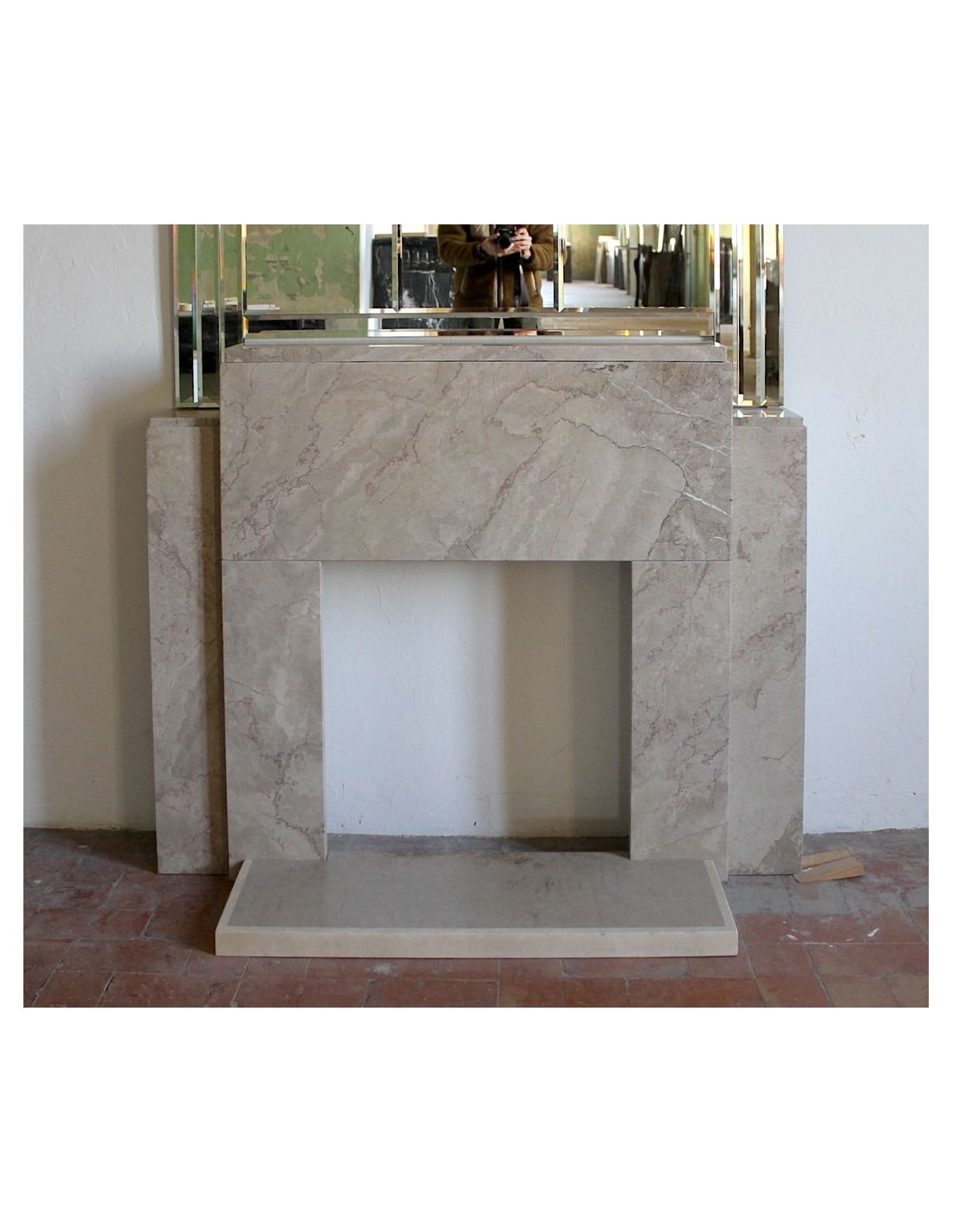
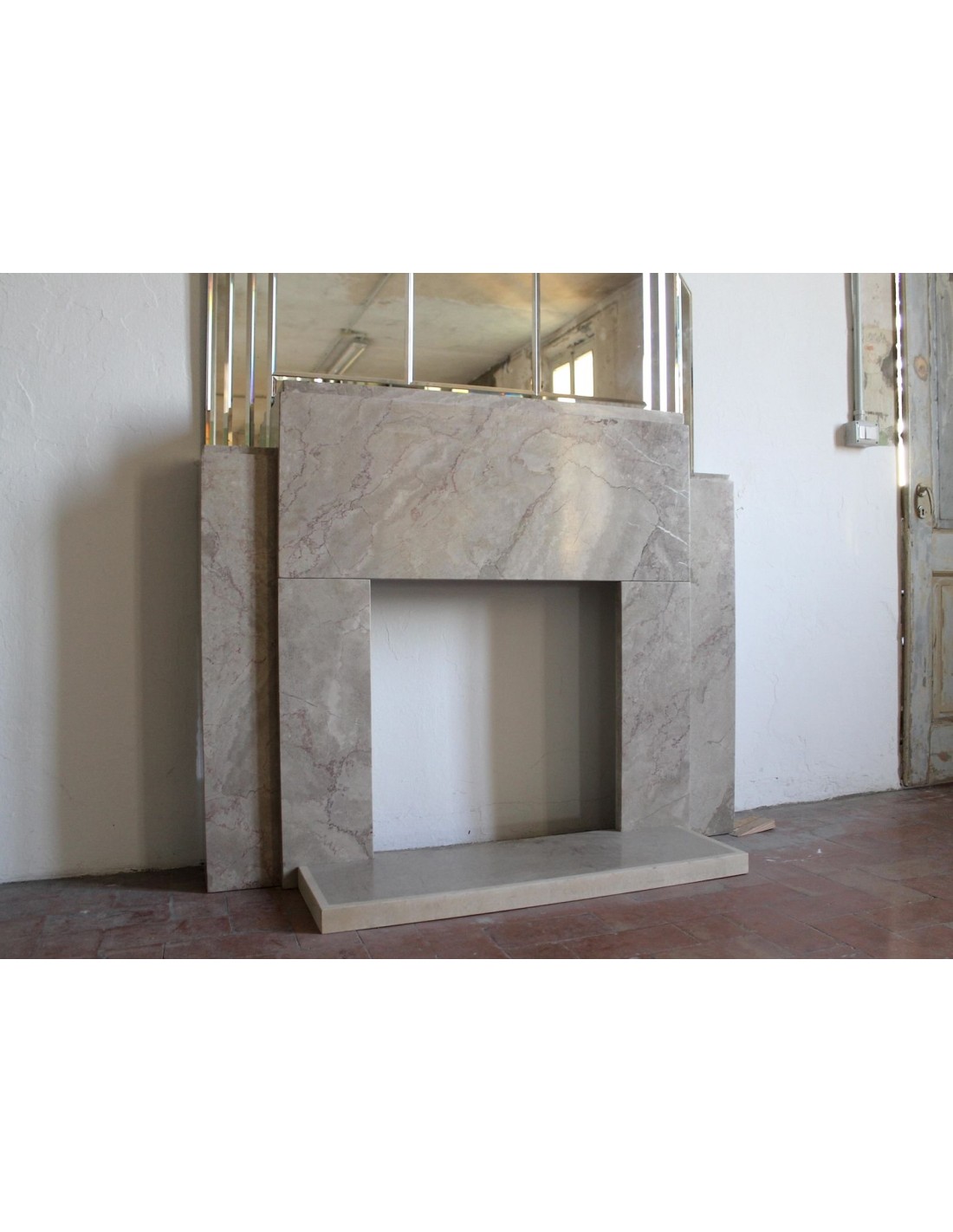
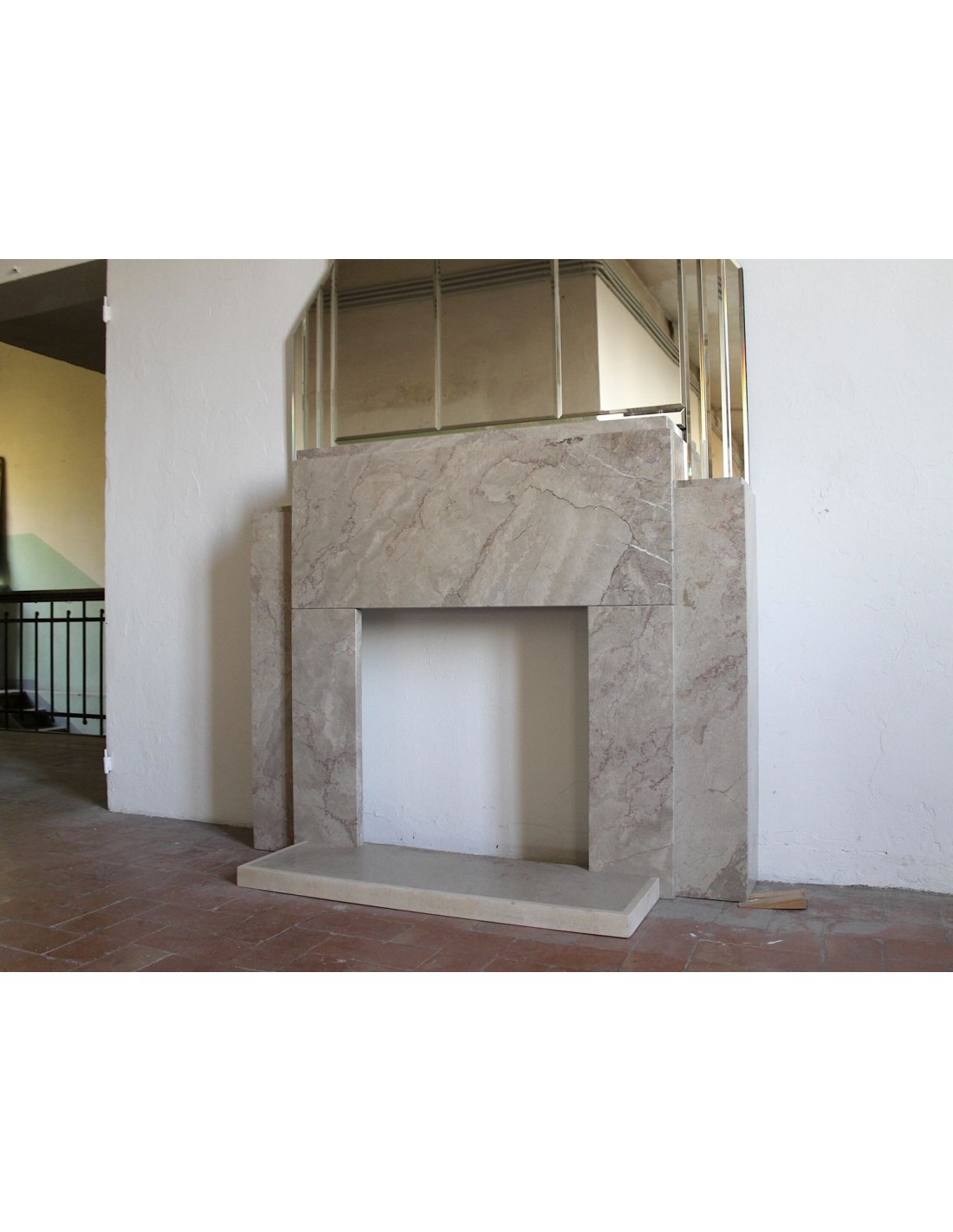
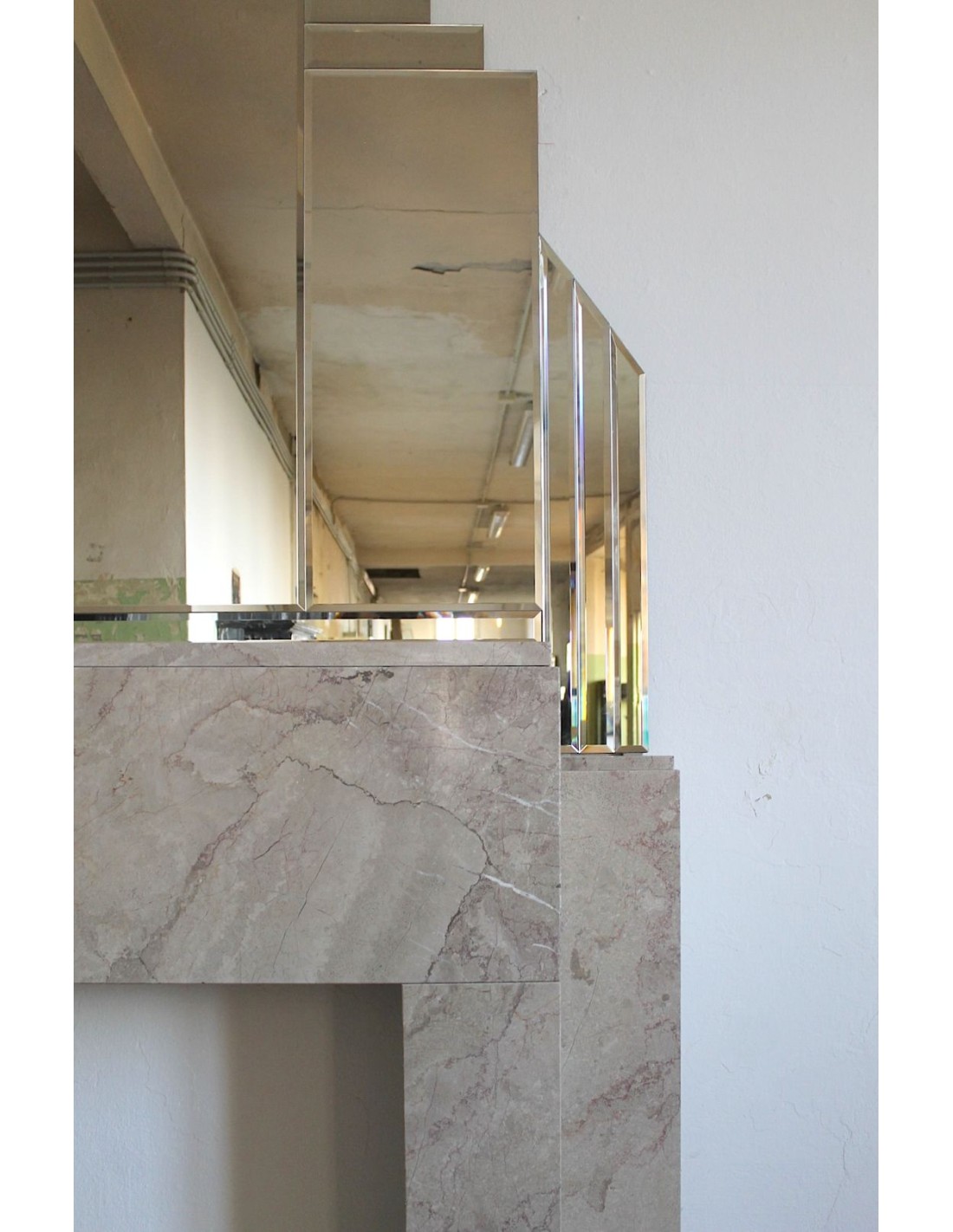
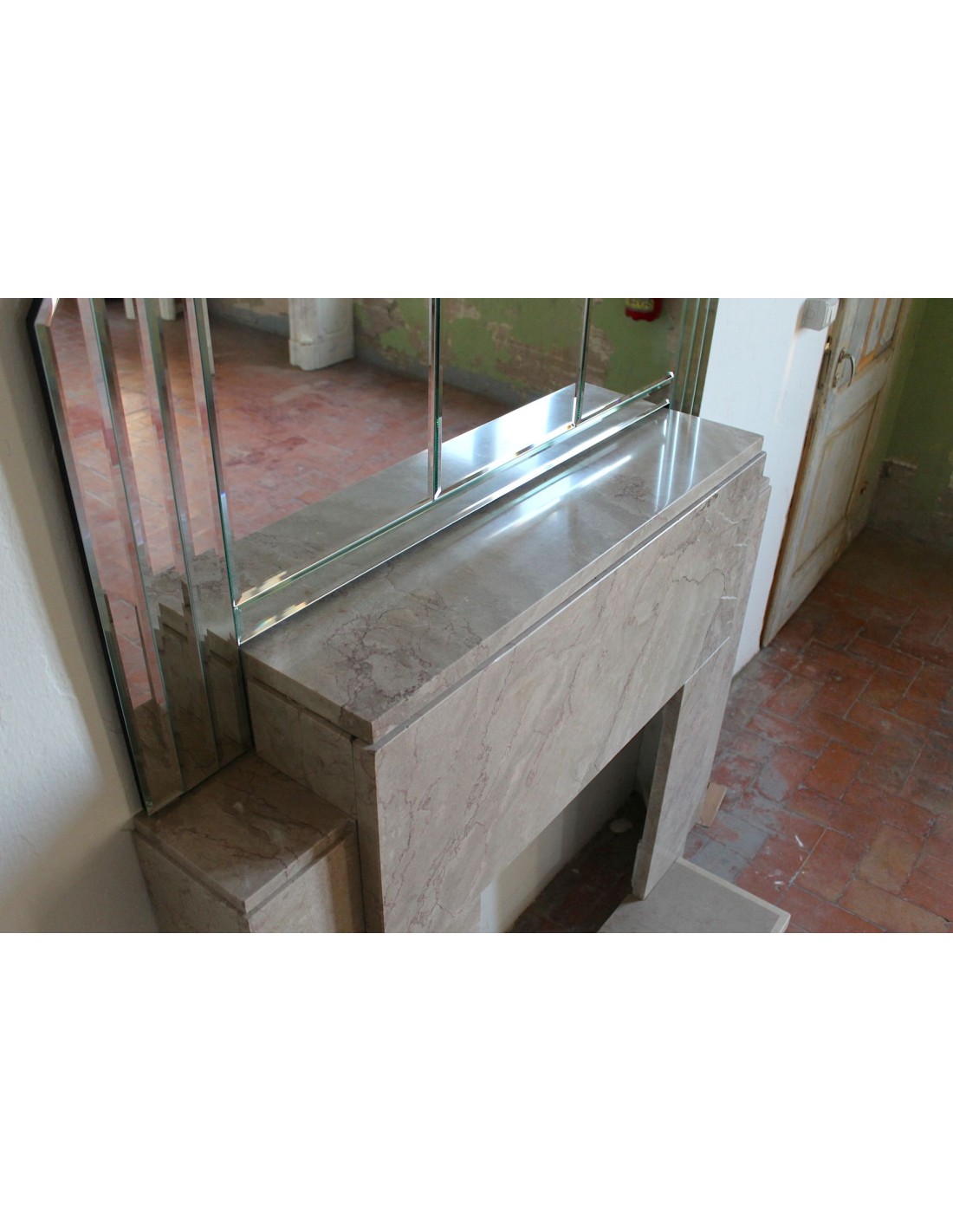
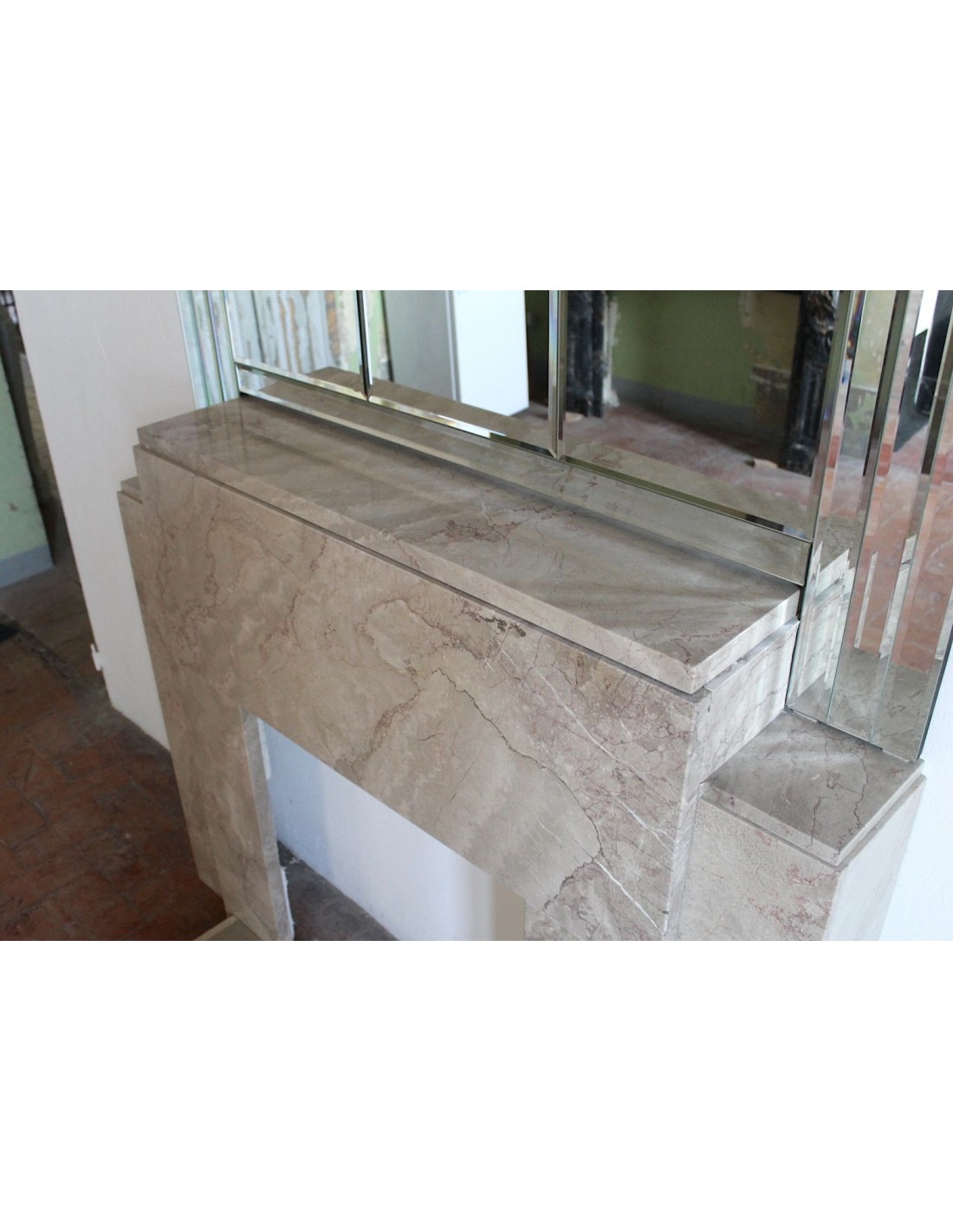
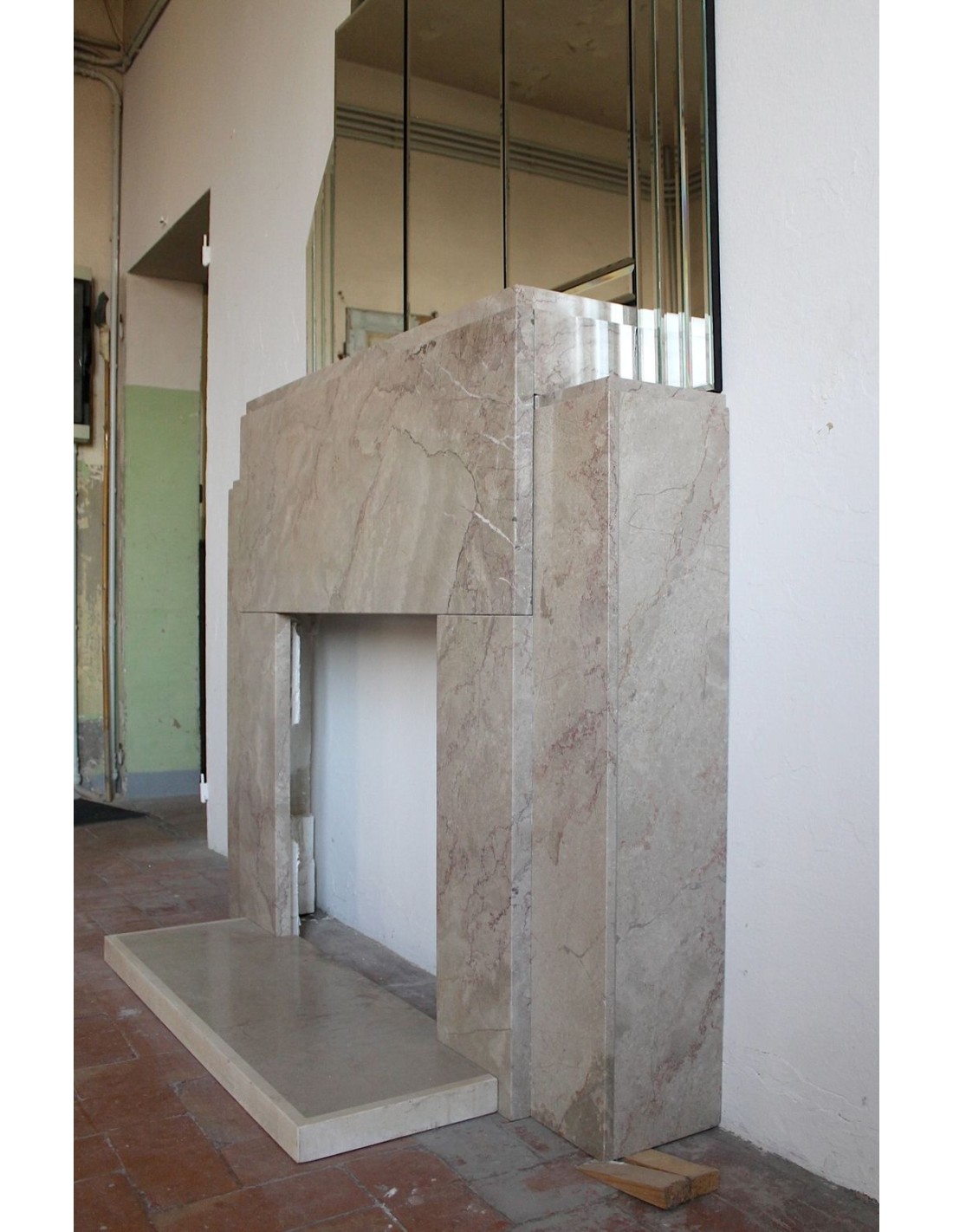
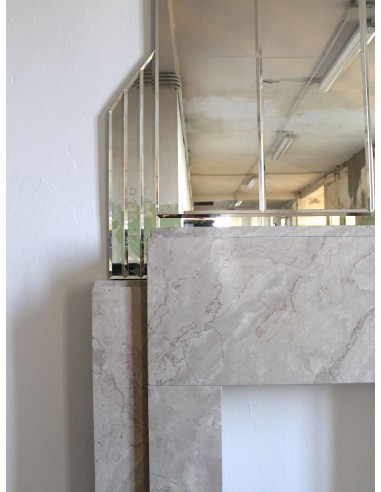
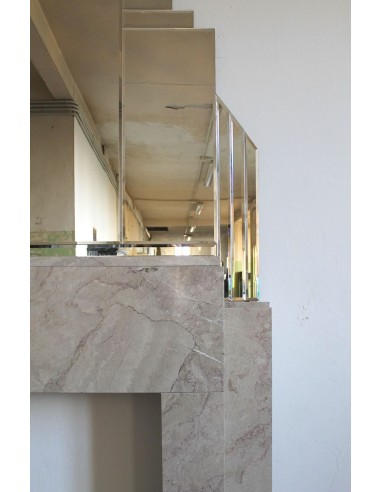
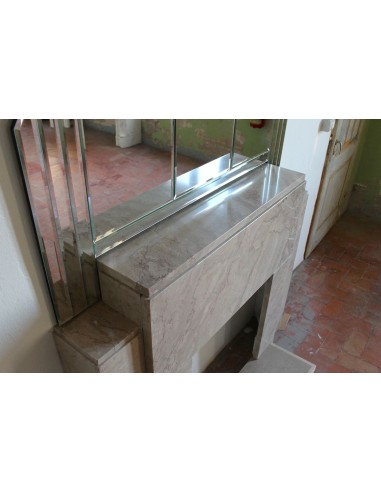
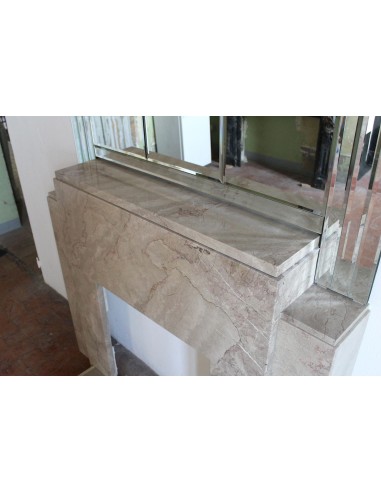
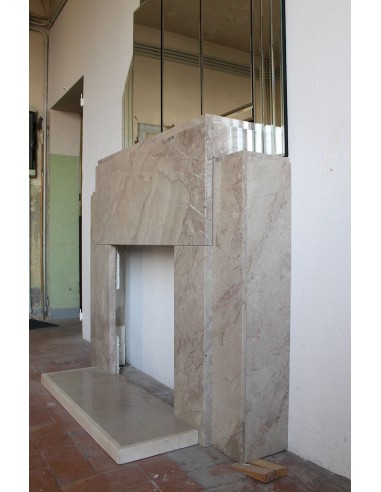
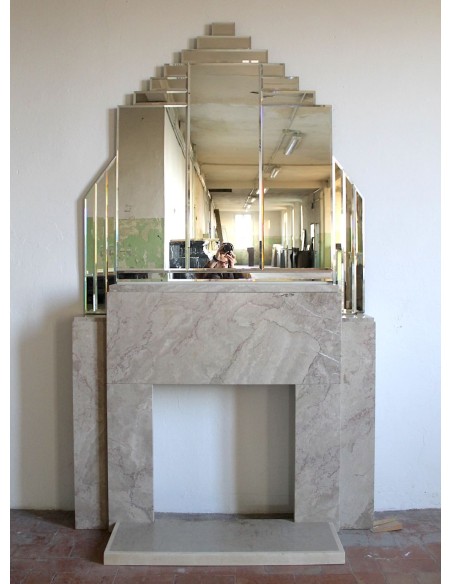
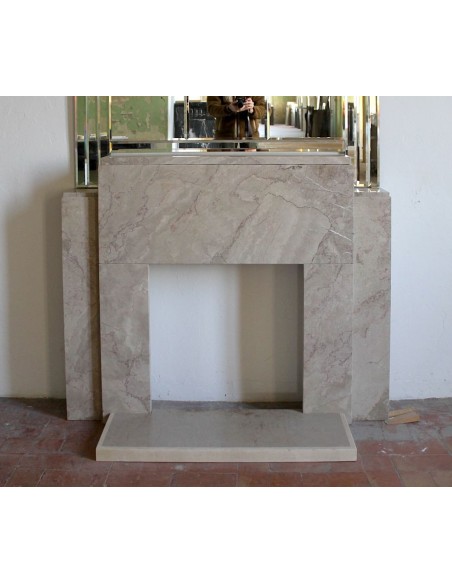
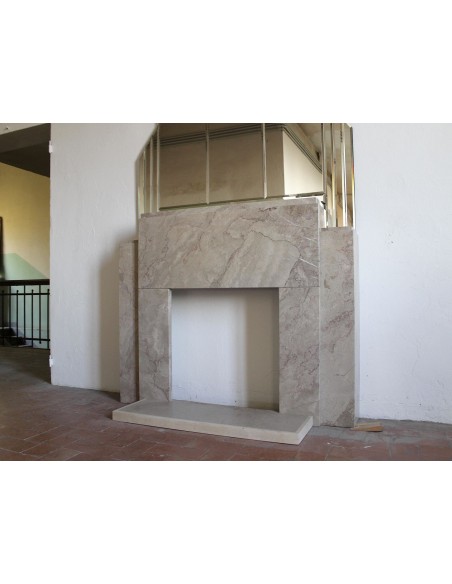
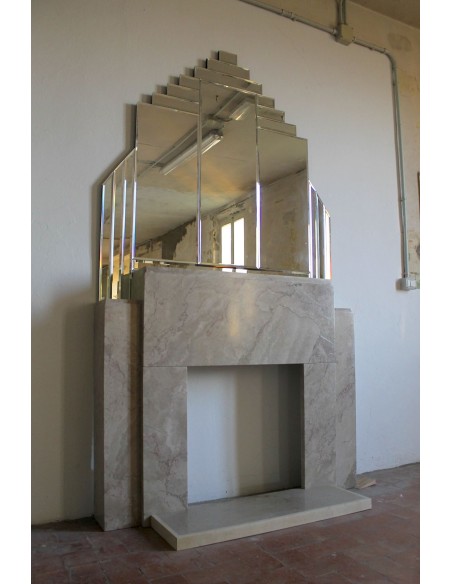
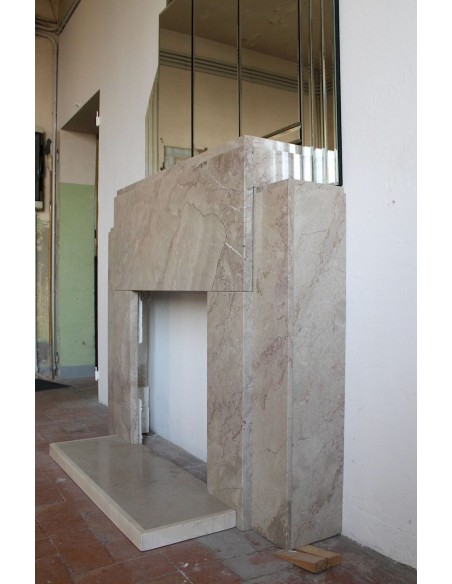
With its exceptional density, durability, and natural polish, Lunel Fleuri offers a wide range of beige tones, with veining that spans warm browns and soft variegated hues.
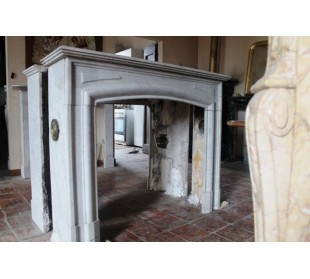
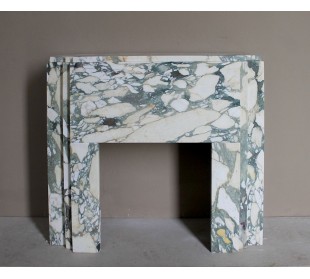
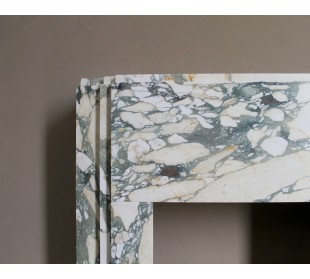
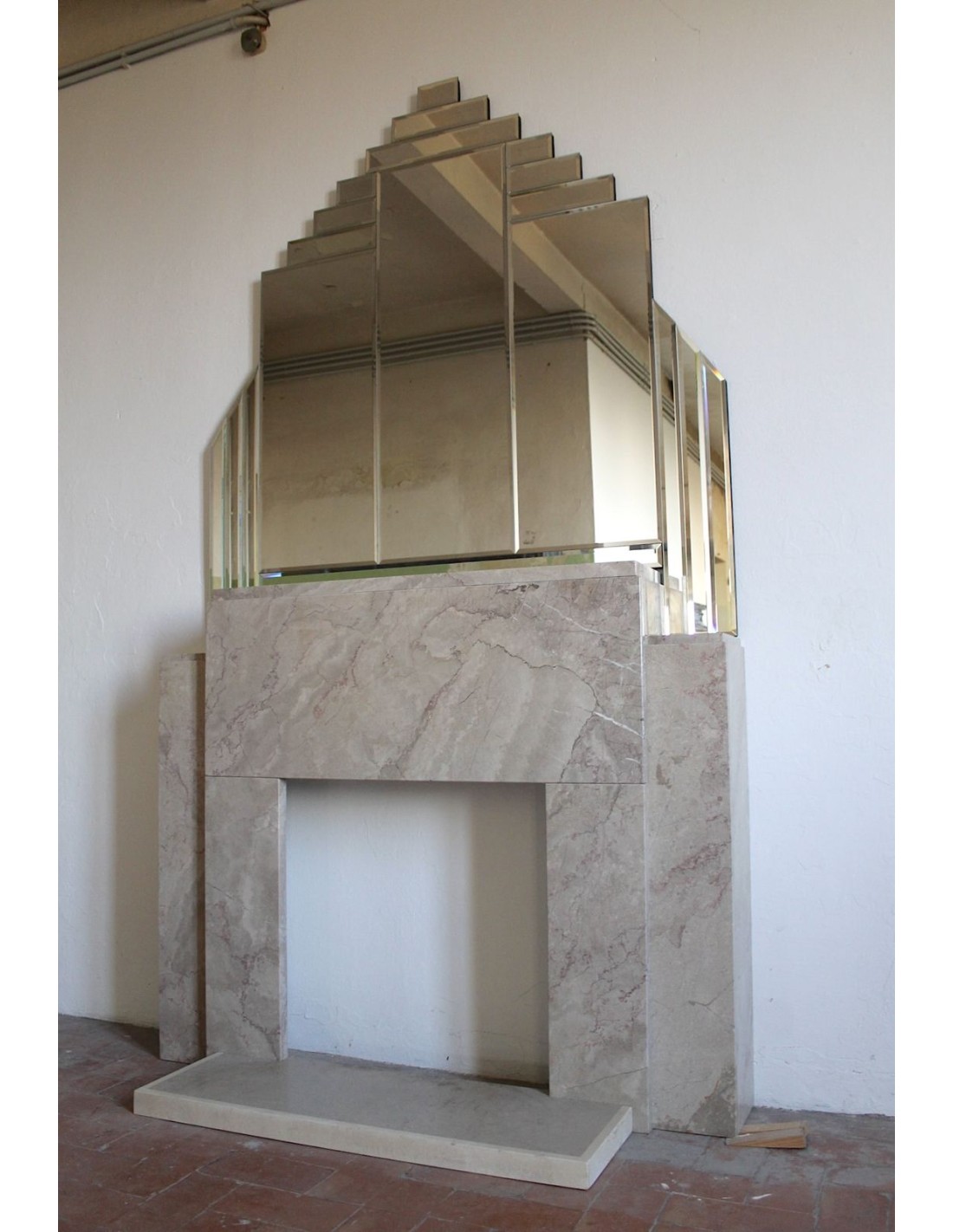
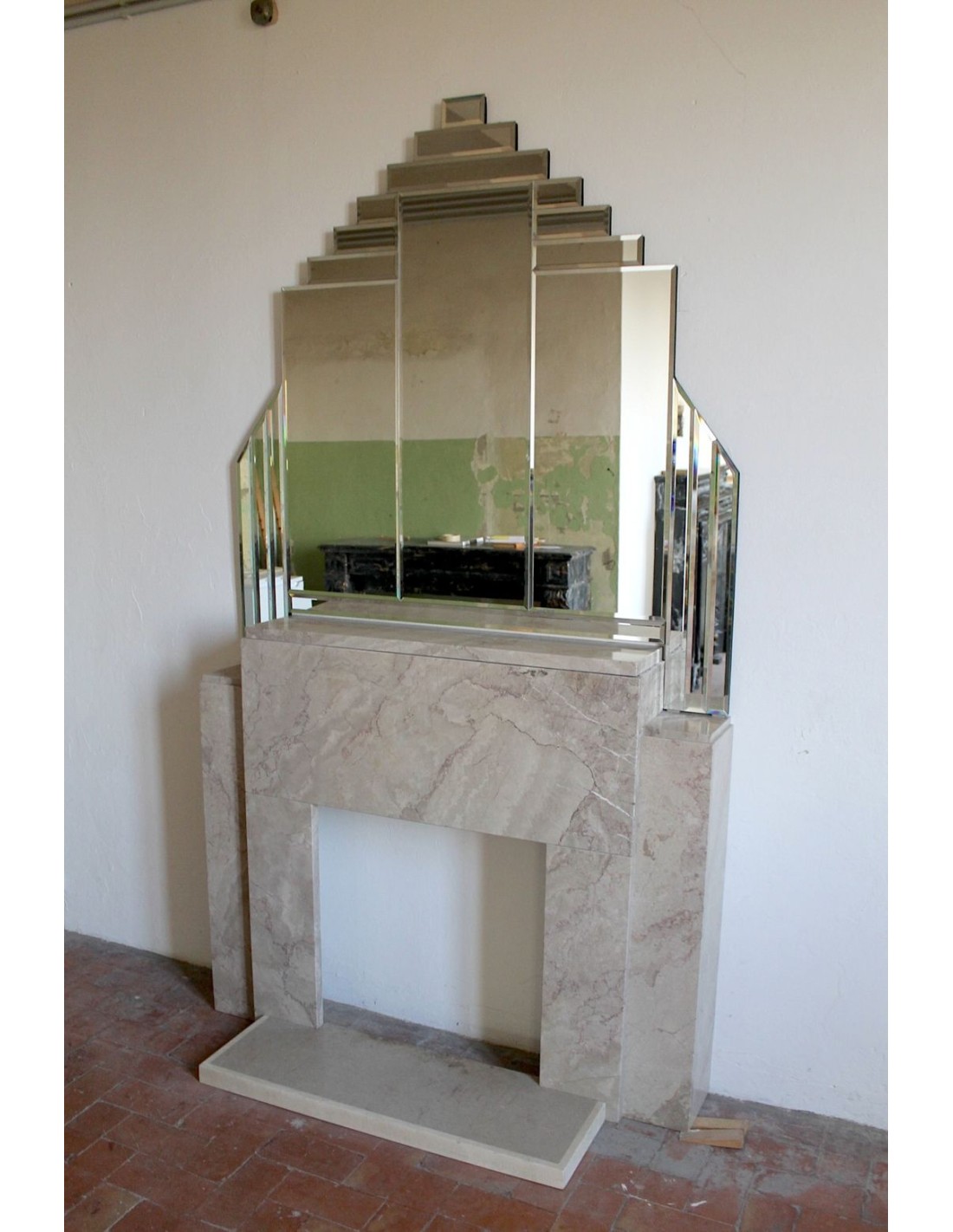
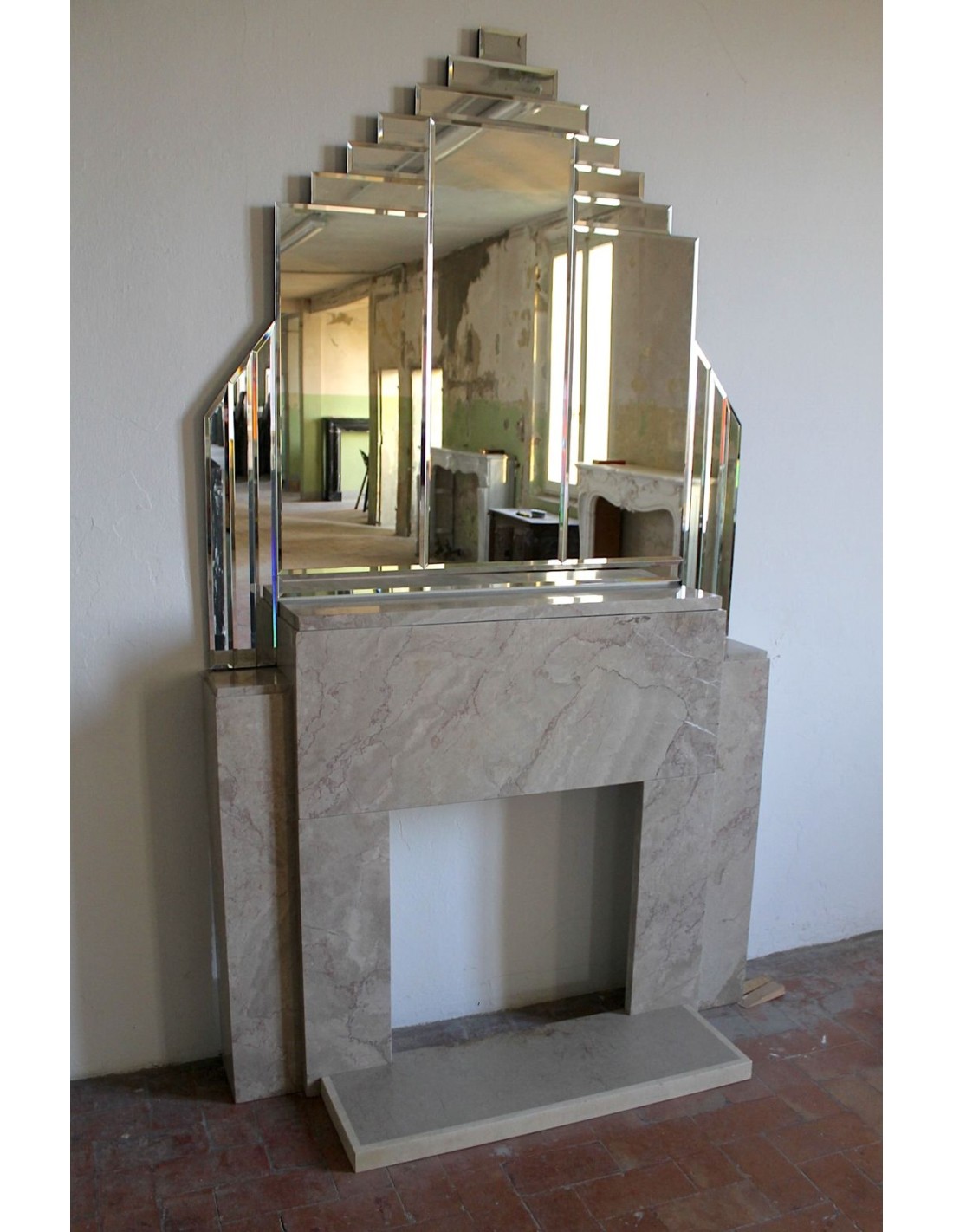
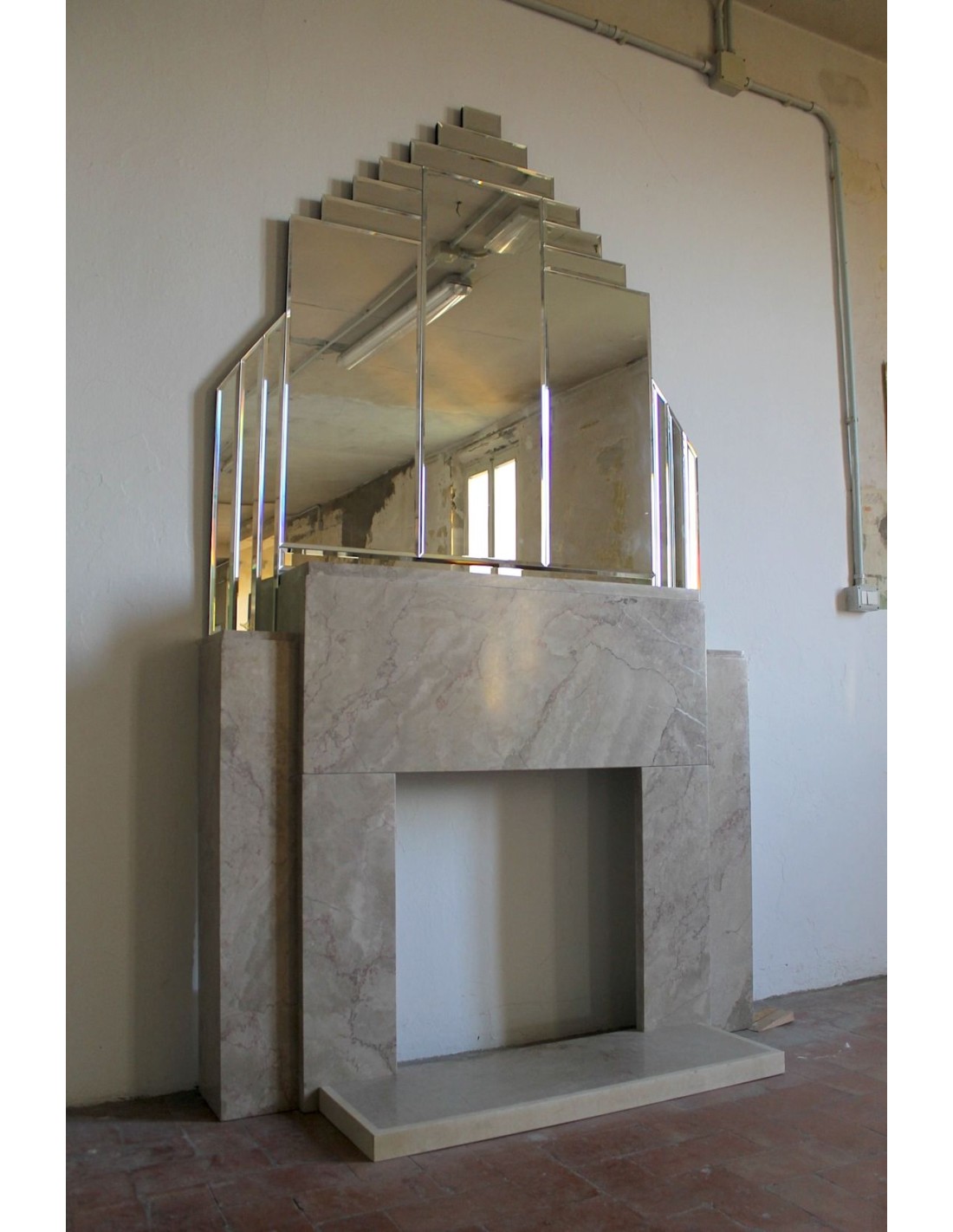
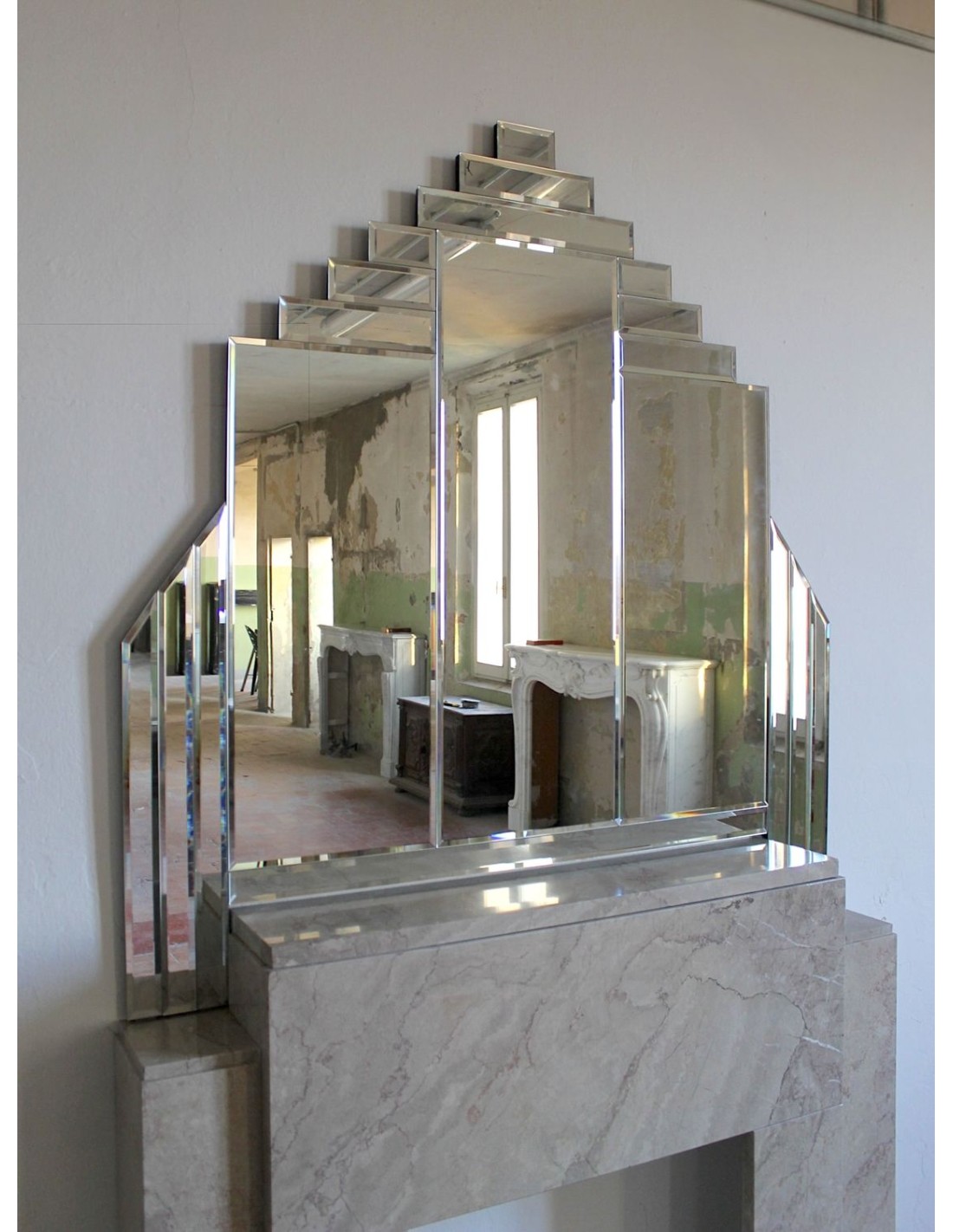
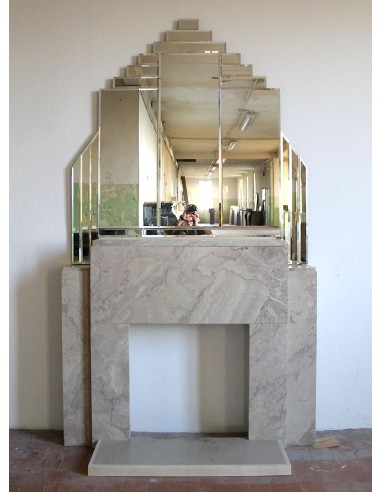
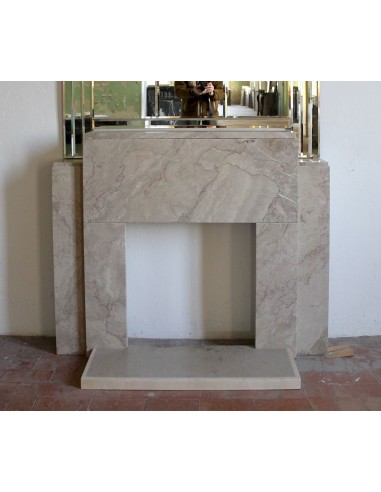
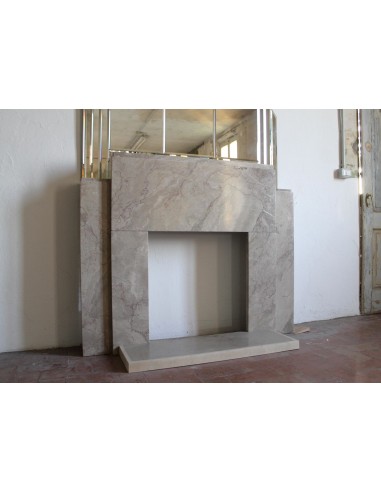
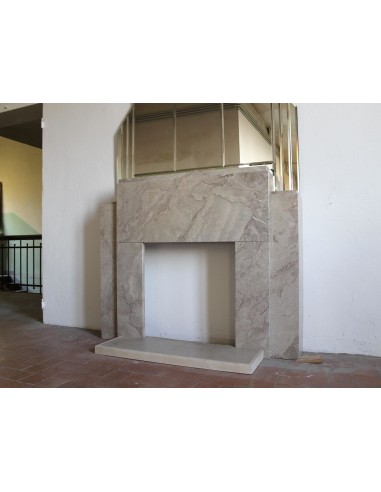
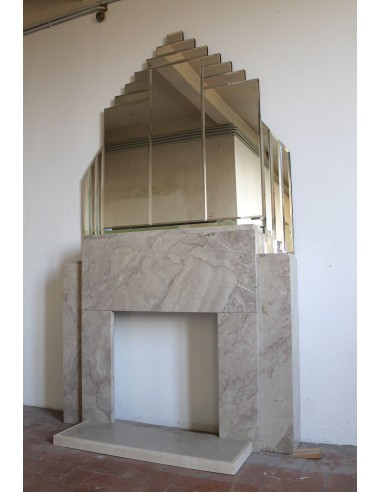
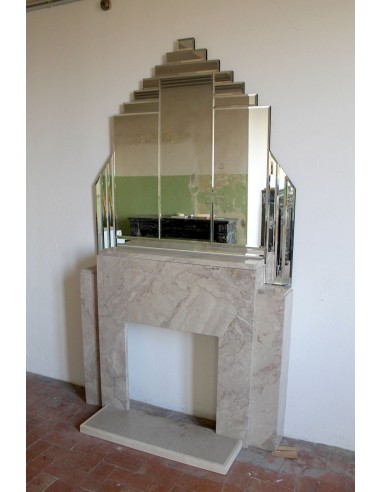
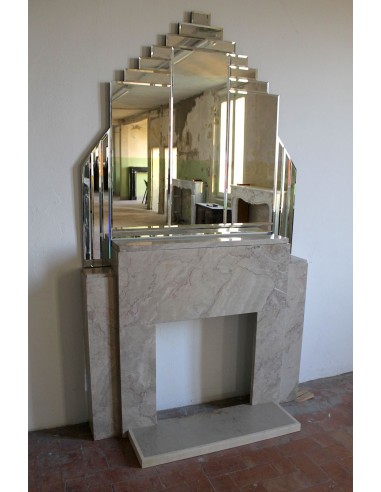
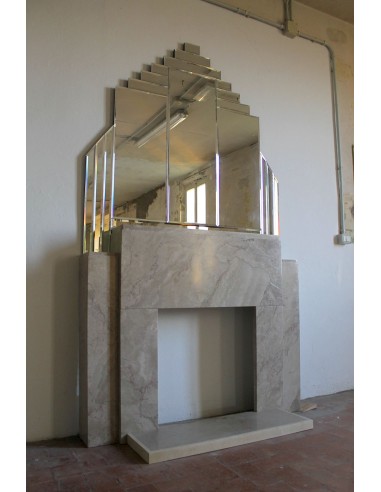
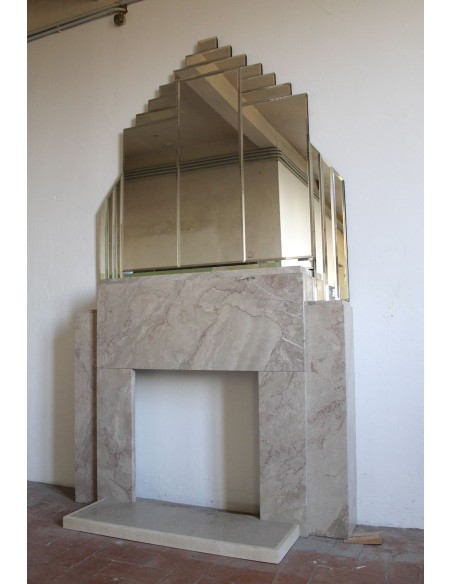
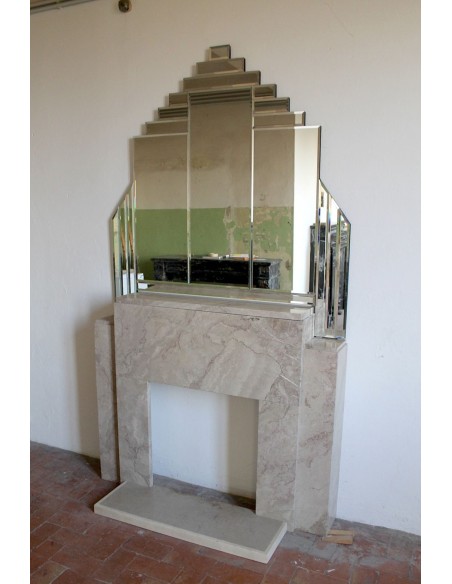
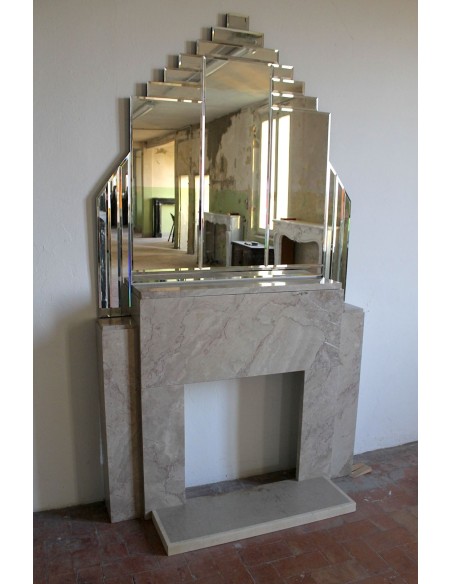
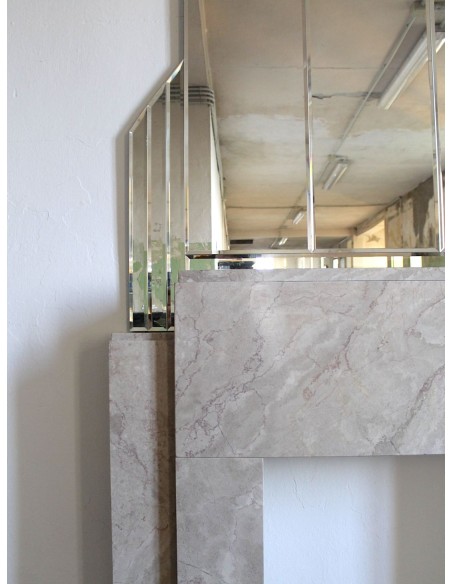
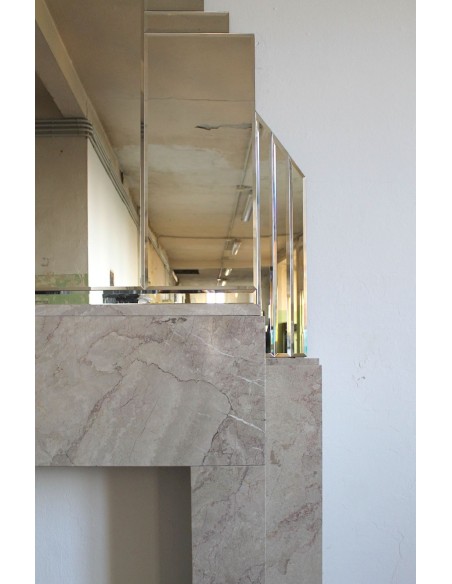
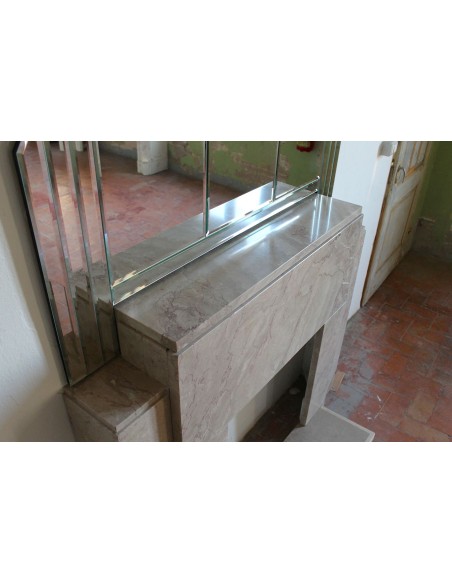
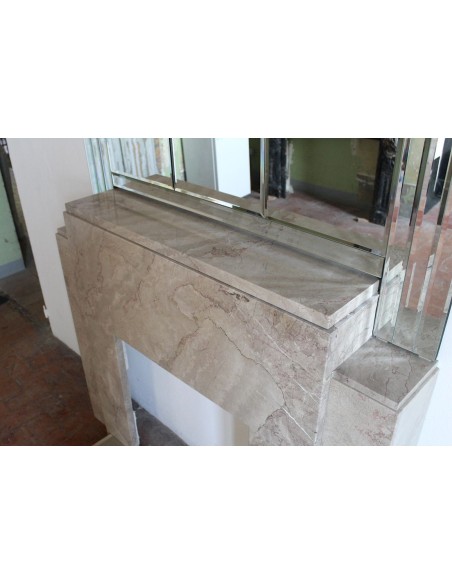
As for the style of this fireplace, it is deeply rooted in Art Deco, strictly faithful to the aesthetic codes of the period—and also, which is no small feat in the Deco world, highly original in its design.
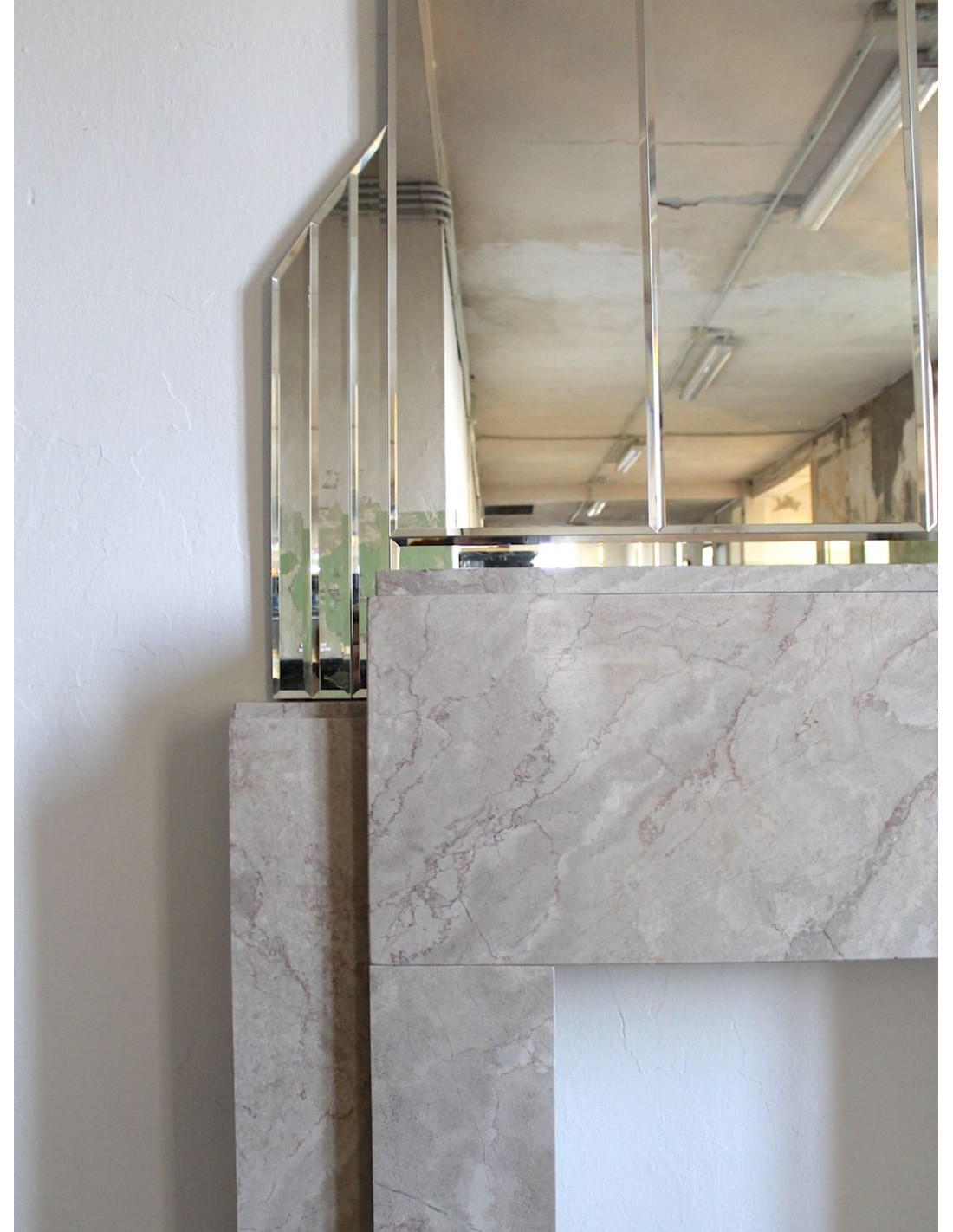
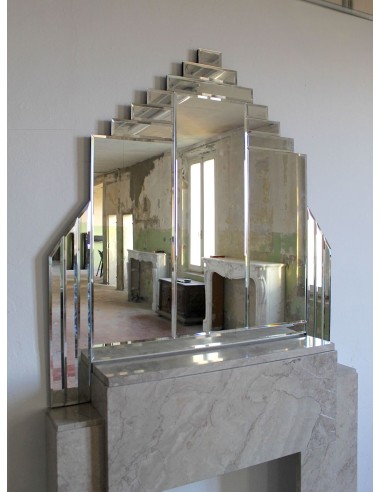
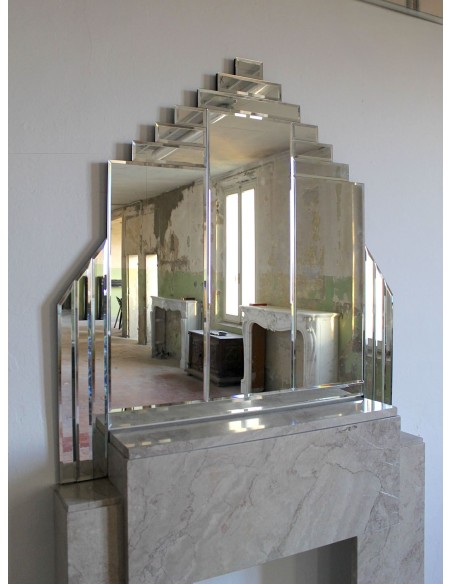
I may have gone on a bit too long about this marble (hopefully I haven’t bored you), so let’s now talk about its stunning bevelled glass elements.
First, let’s uncover a little mystery: where were these incredible glass panels made? Murano or France?
Here’s what a trusted glass artisan told us:
“No, the French didn’t have the capacity to create bevelled crystals like those from Murano. That level of clarity and craftsmanship in cut glass was a unique skill set of Murano’s master glassmakers, who were world-renowned for their techniques and materials. France never quite matched it, not then and not since.”
And here’s an extra tip for true connoisseurs:
According to the same artisan, the polishing of these glass pieces was done entirely by hand, using cork grinding wheels. That’s the only way to achieve such brilliance and luminosity.
One last personal note:
I don’t believe there exists anywhere in the world a caminiera (fireplace mirror ensemble) quite as unique, precious, and visually striking as this one.
Excellent overall condition. Period: 1930s.