
SHARE ON:
Some antique fireplaces impress through their grandeur.
Others captivate through perfect proportions.
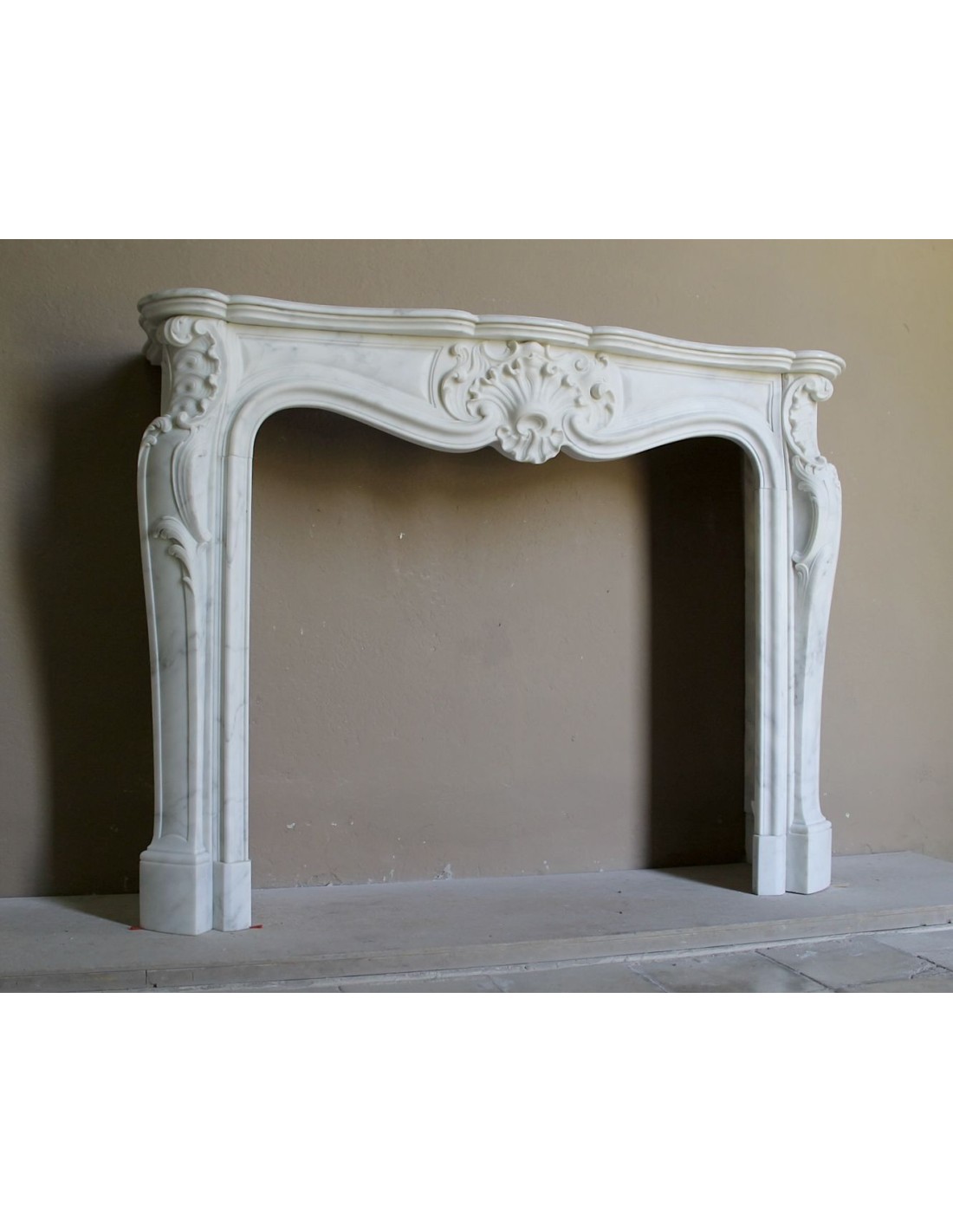
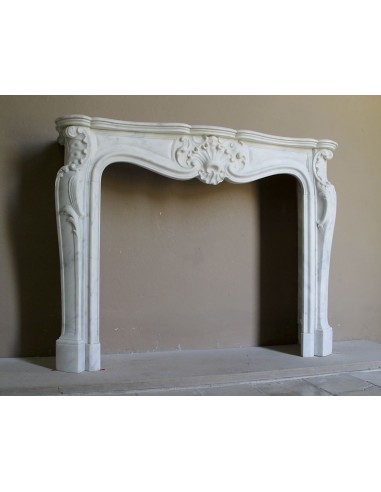
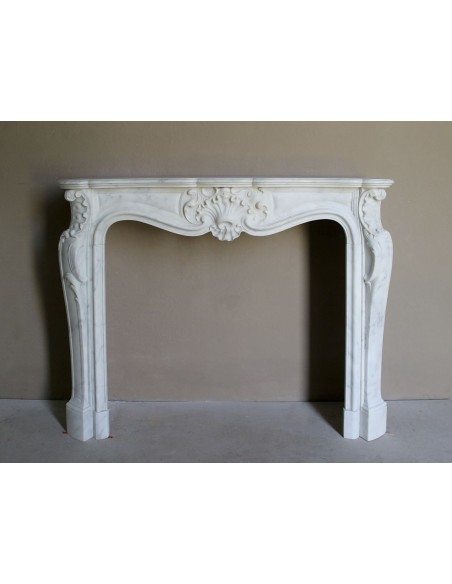
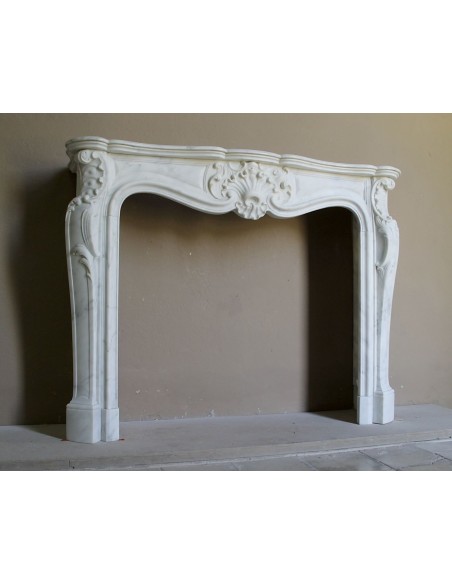
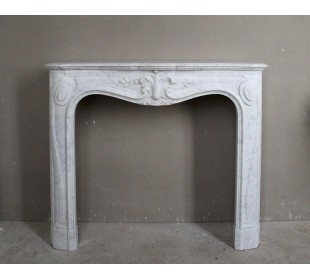
This Louis XV fireplace mantel achieves something altogether different: it makes you smile.
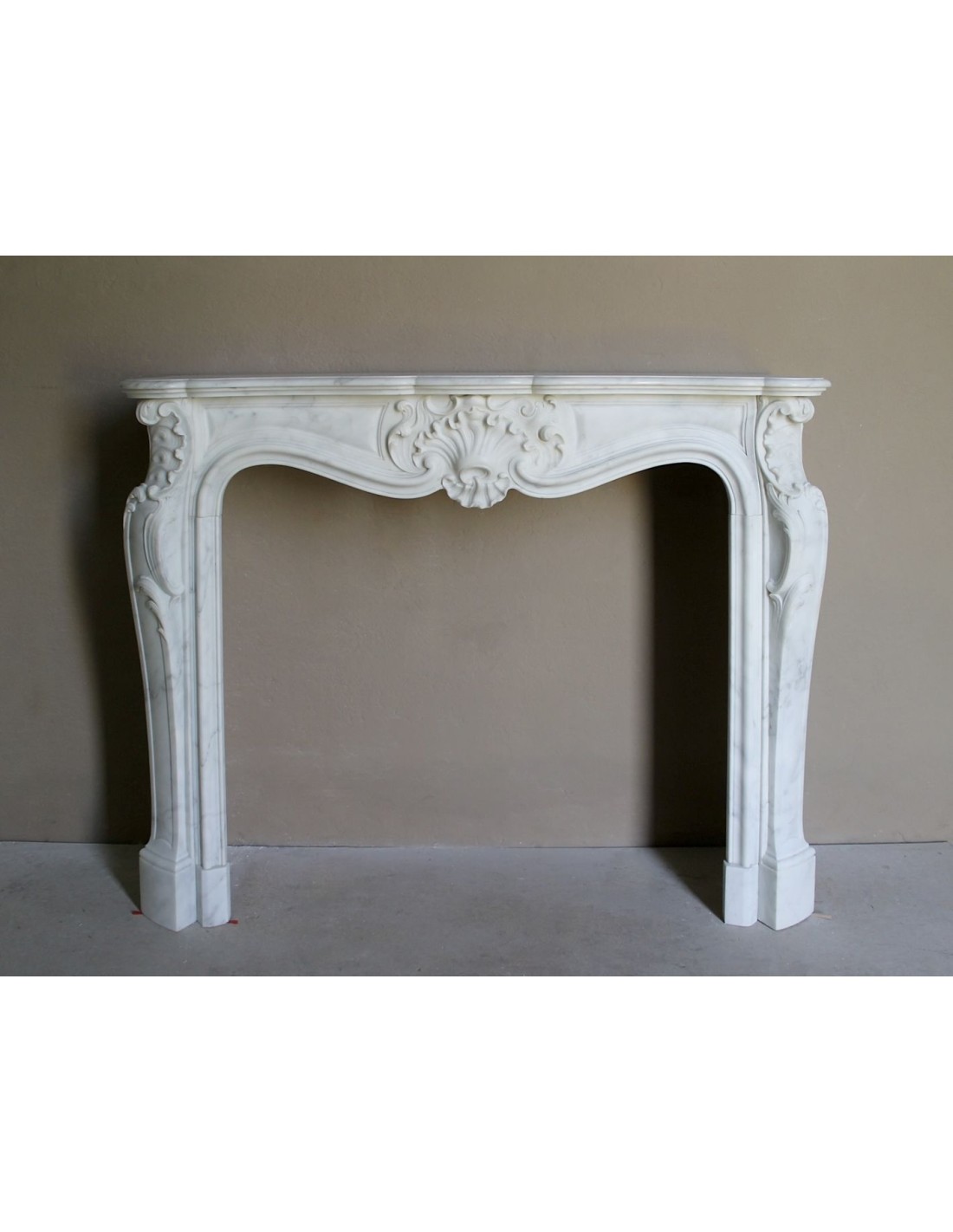
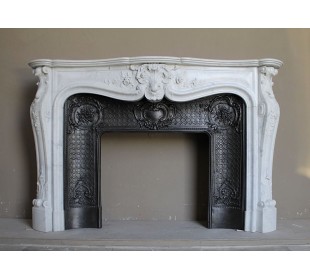
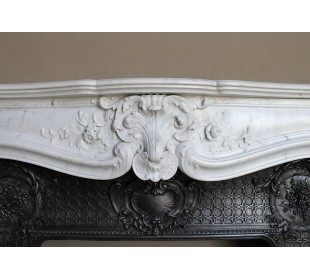
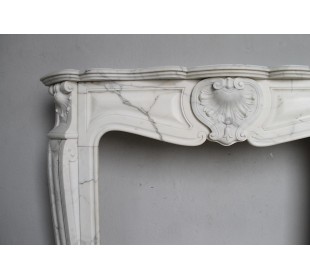
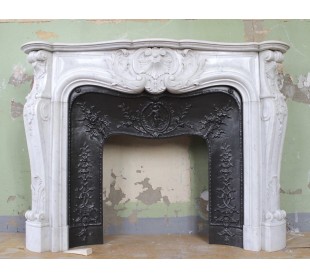
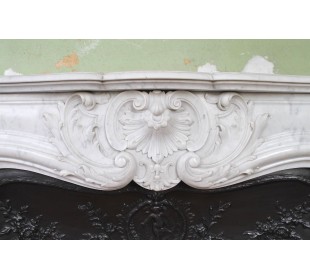
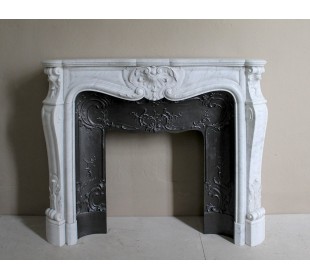
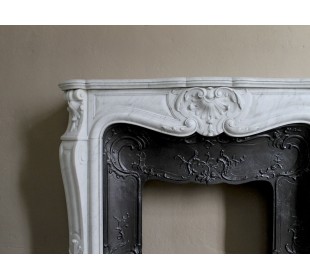
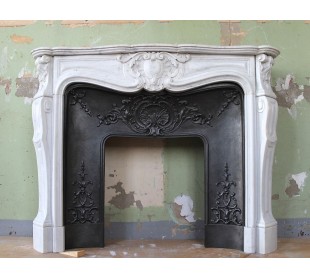
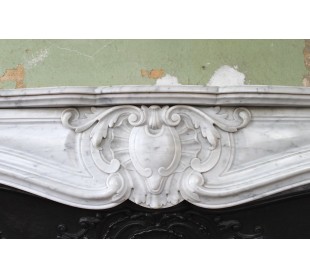
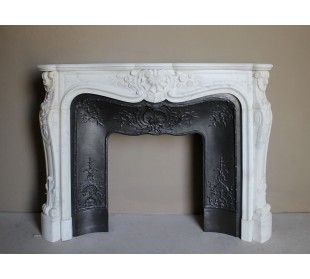
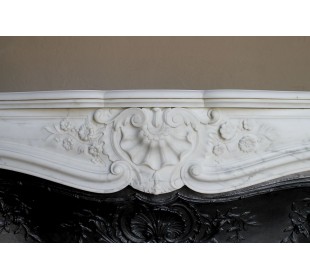
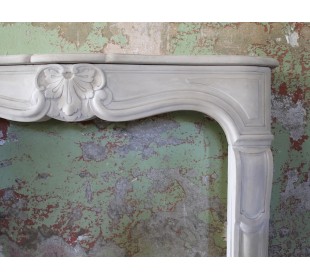
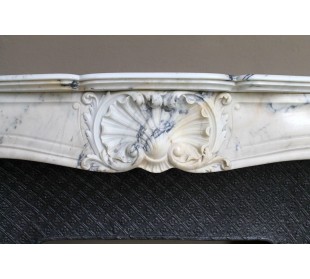
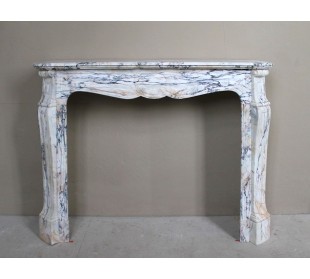
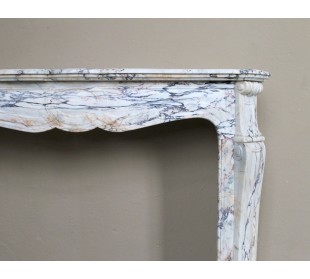
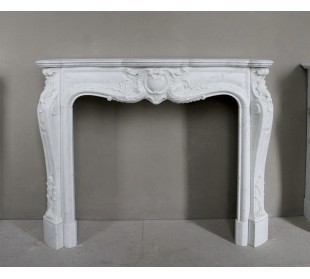
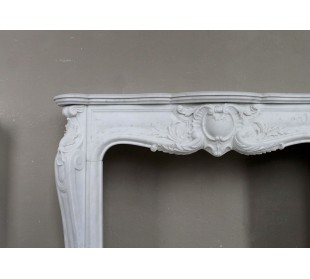
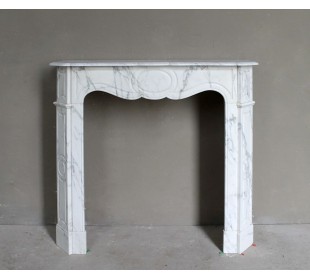
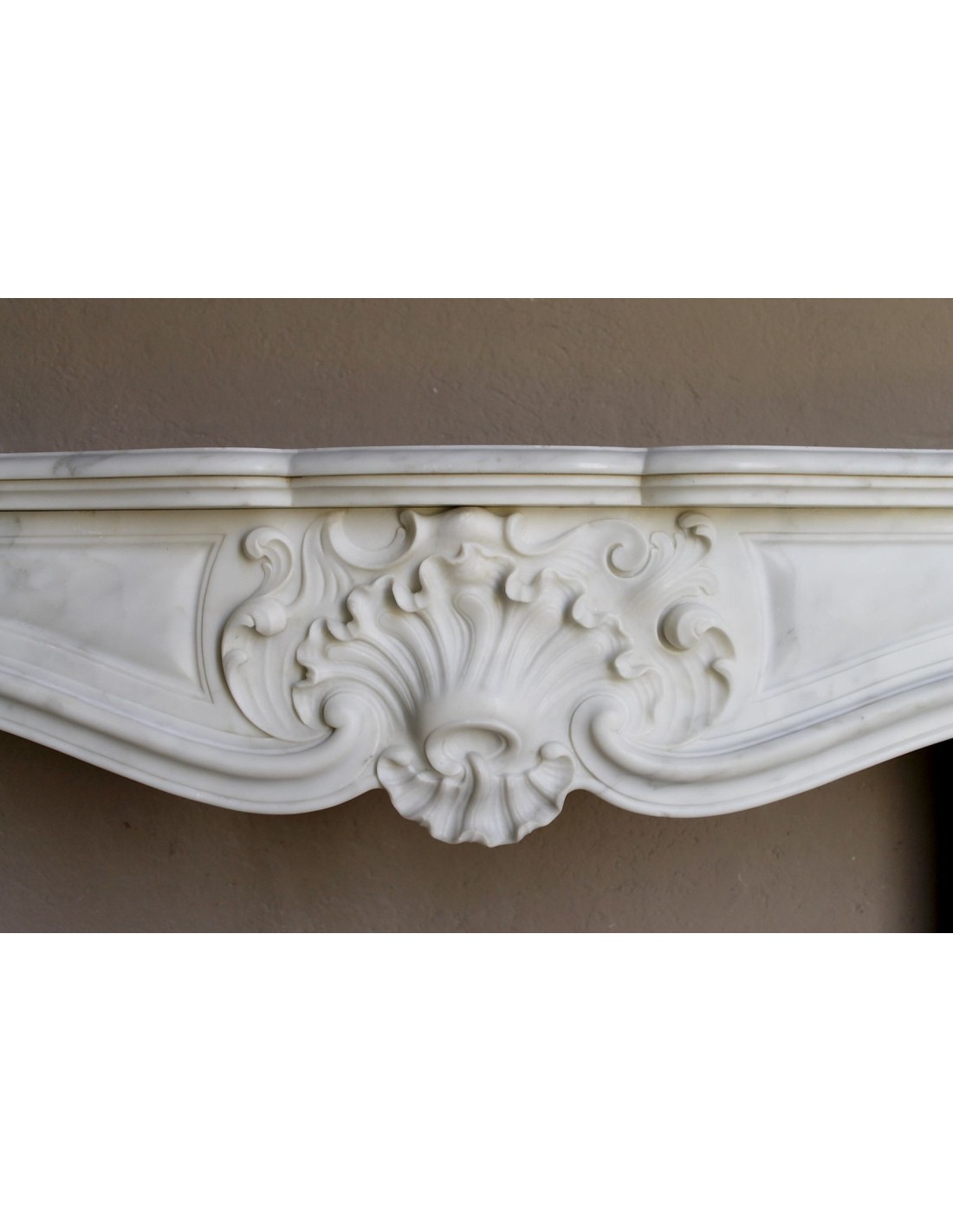
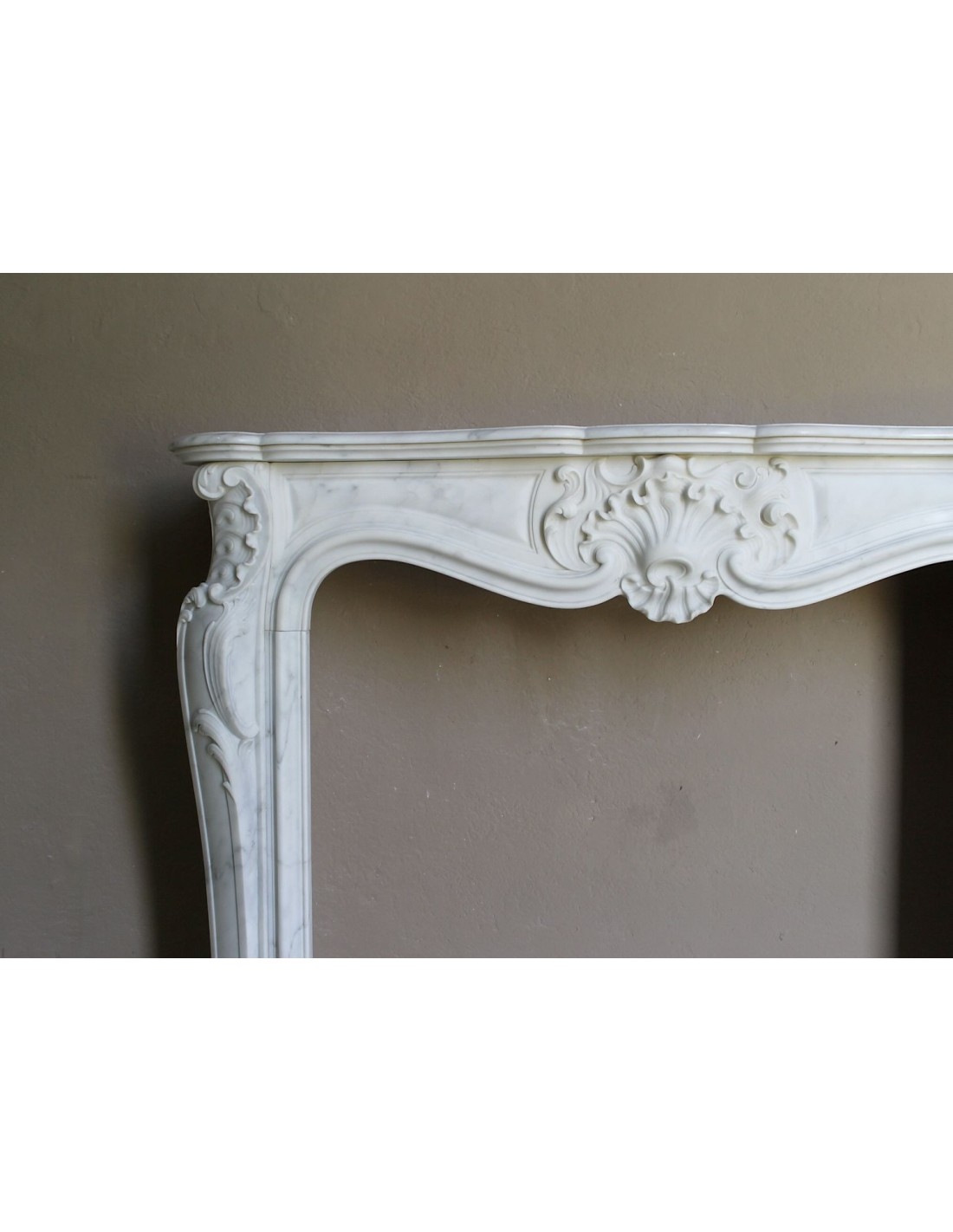
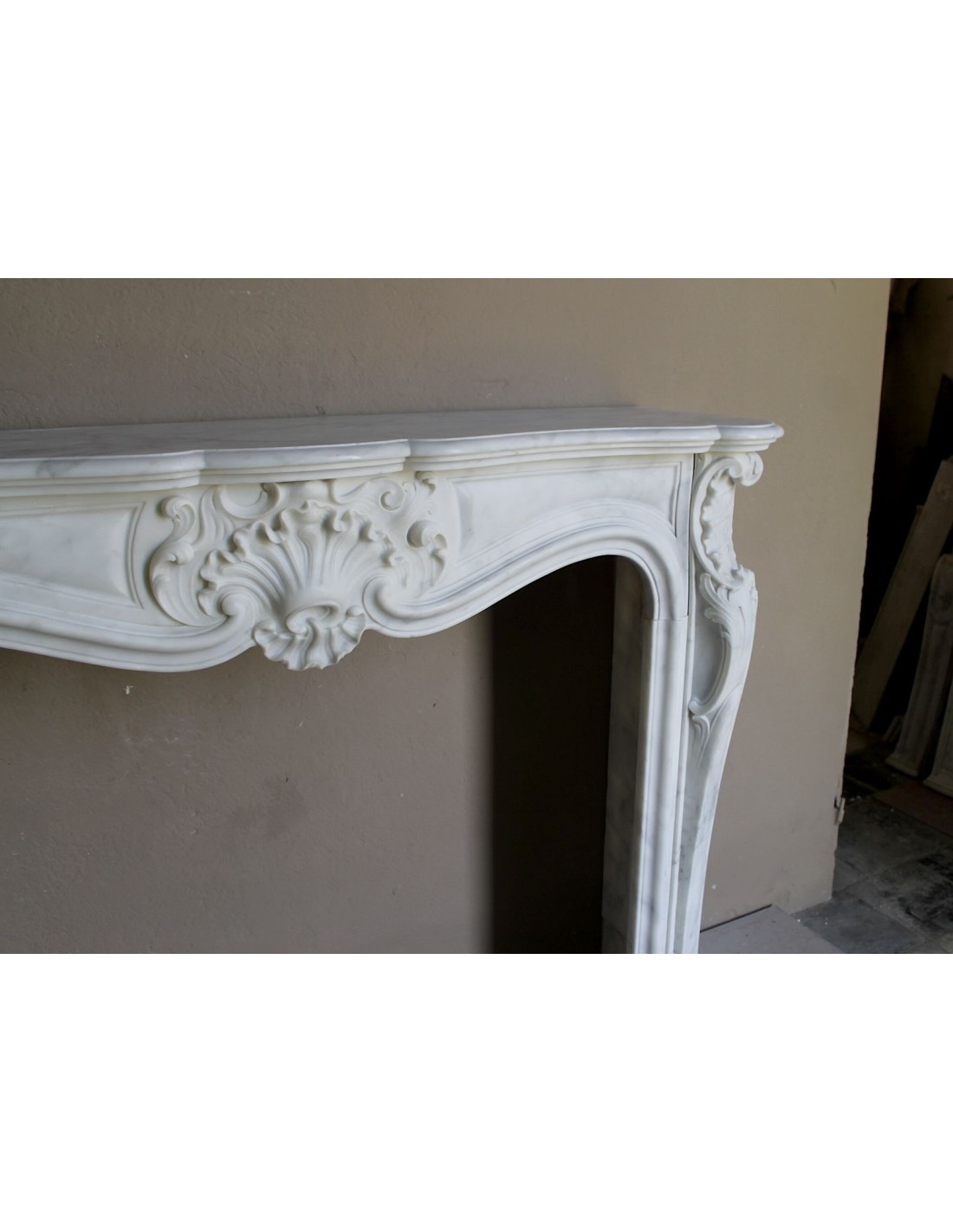
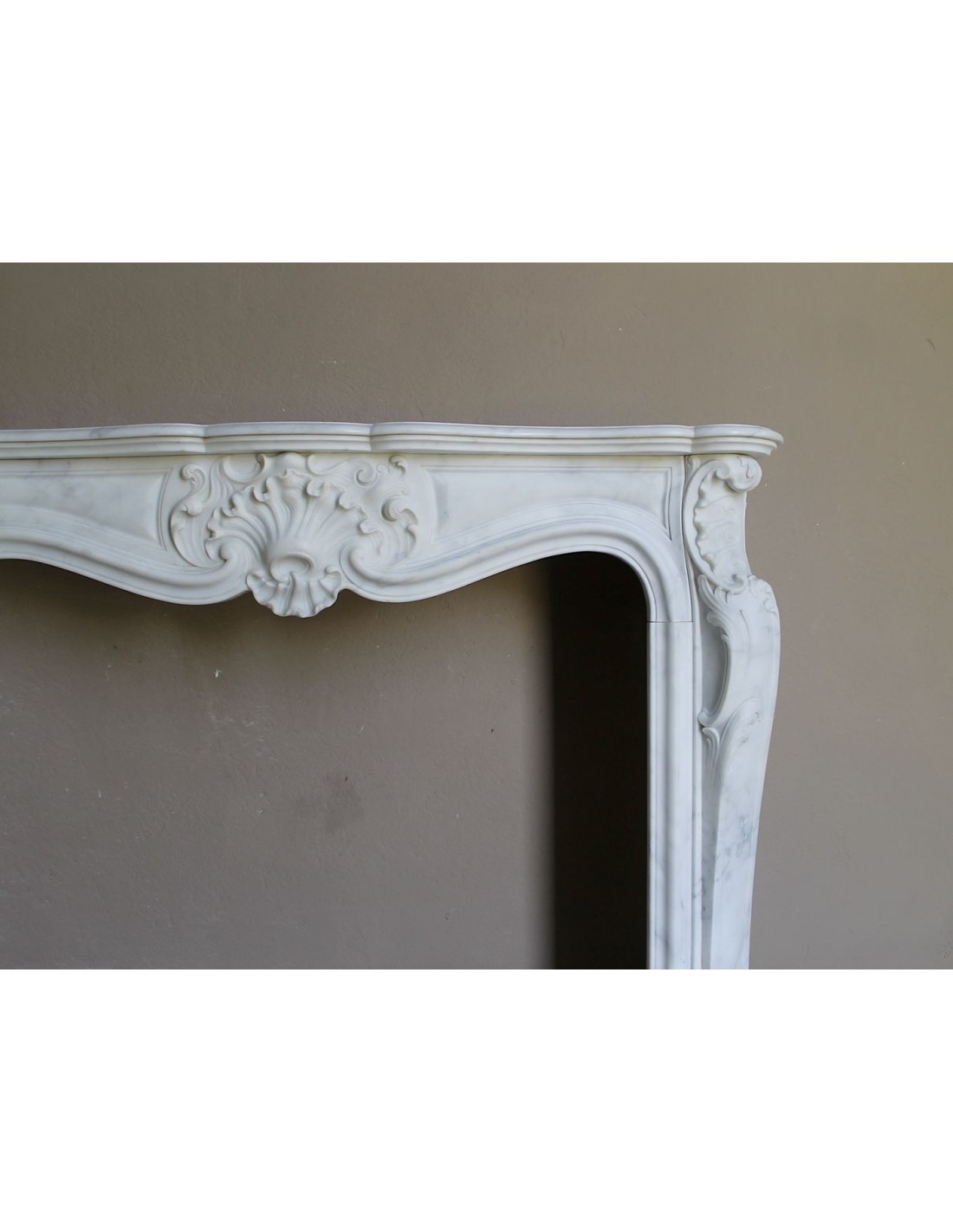
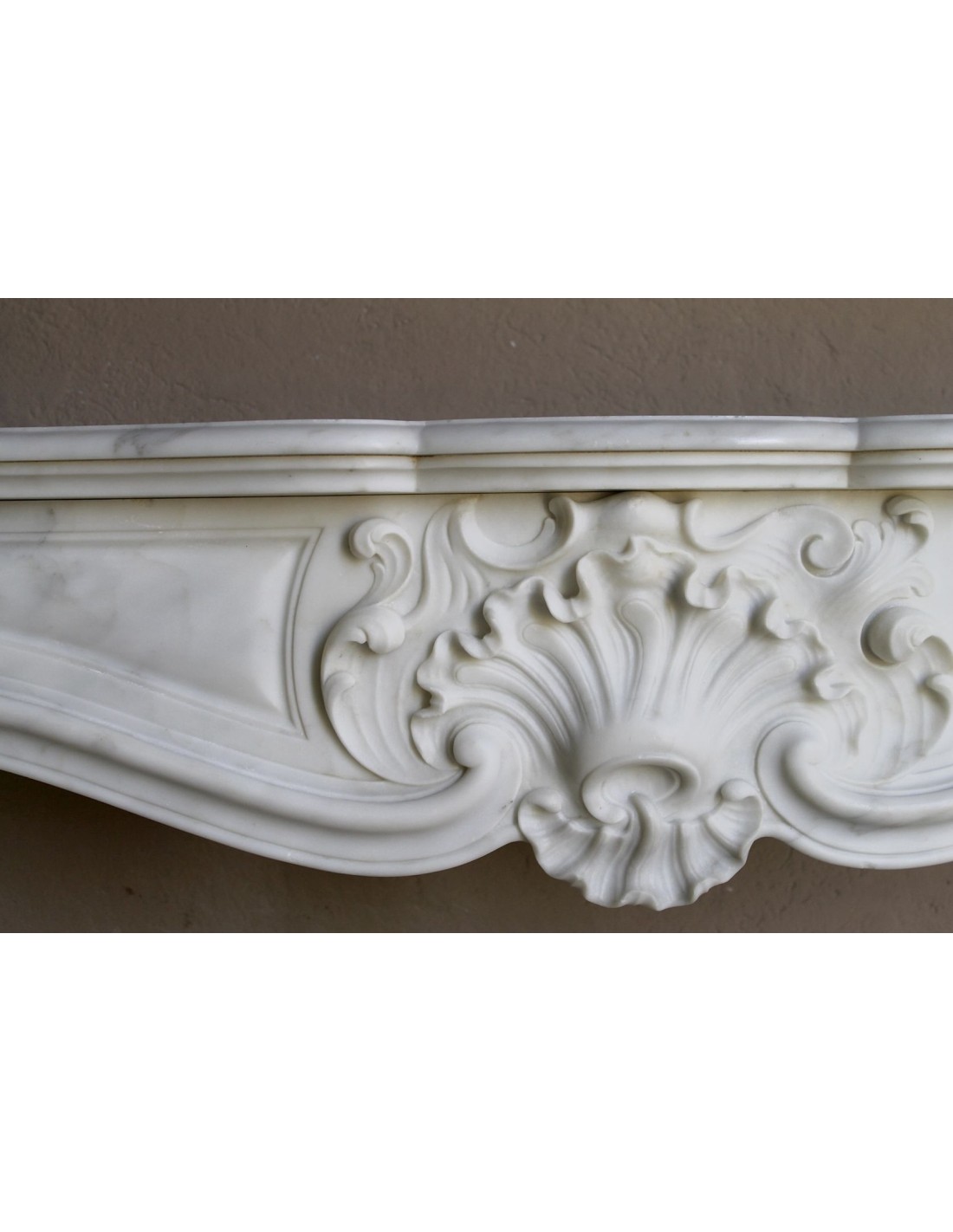
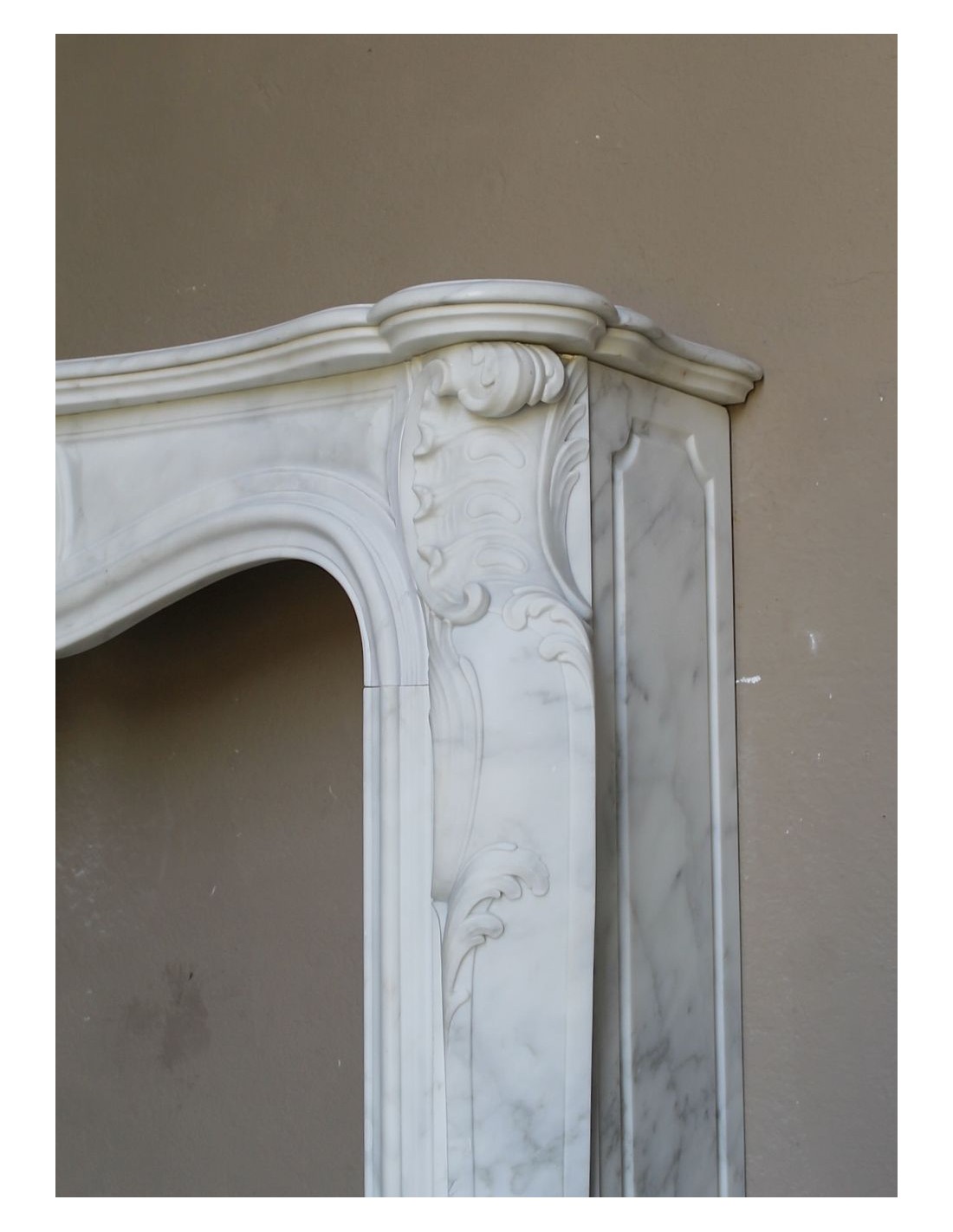
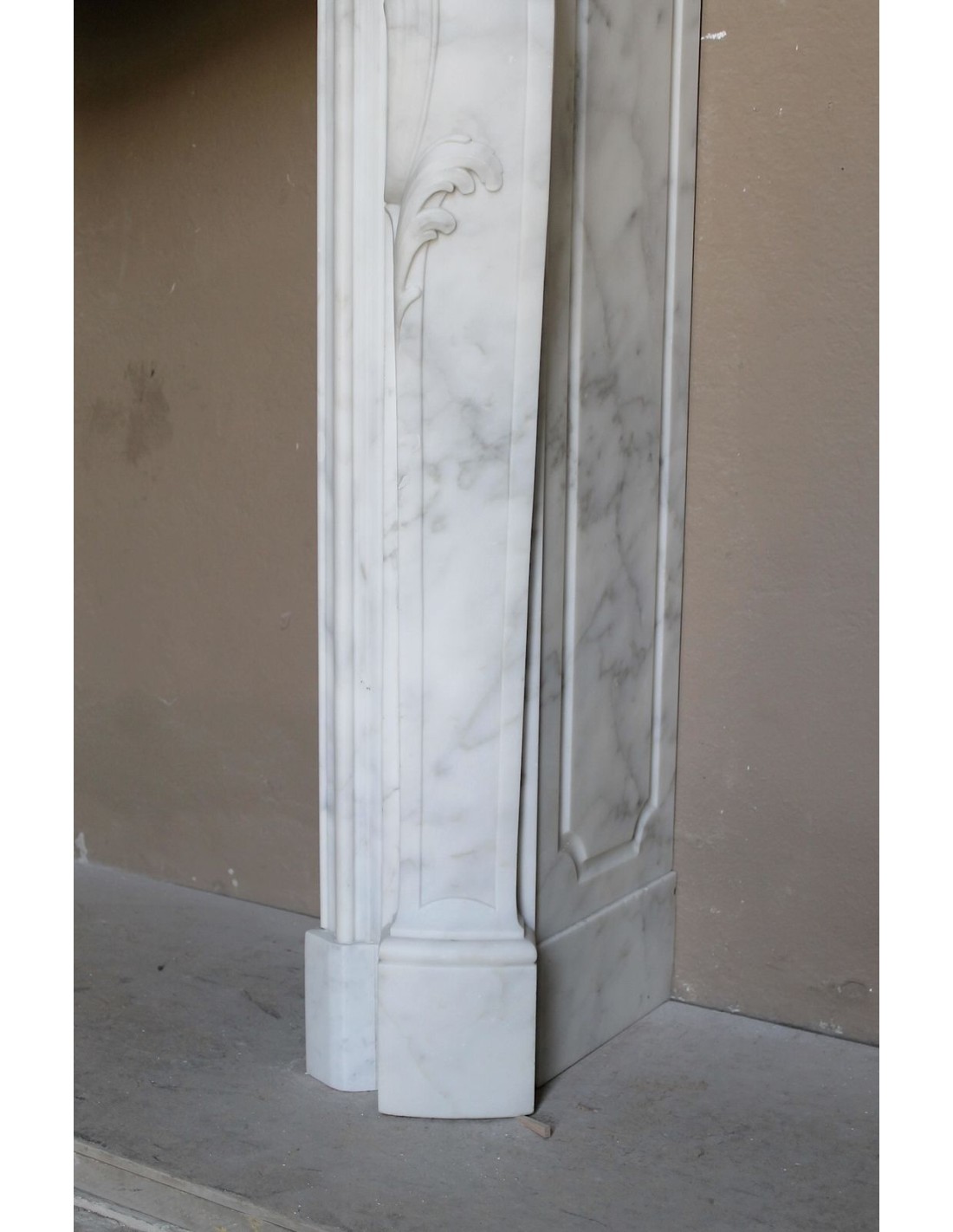
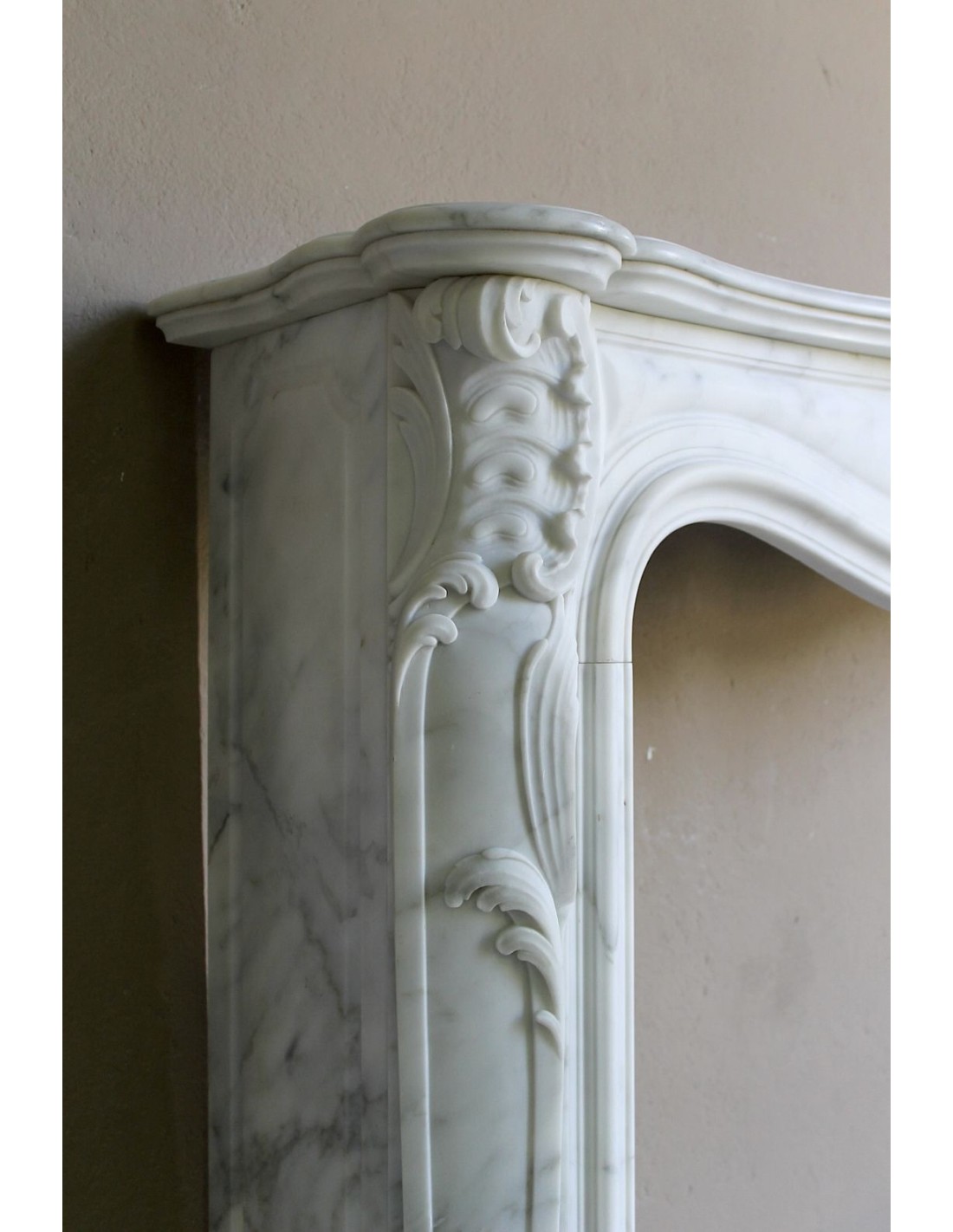
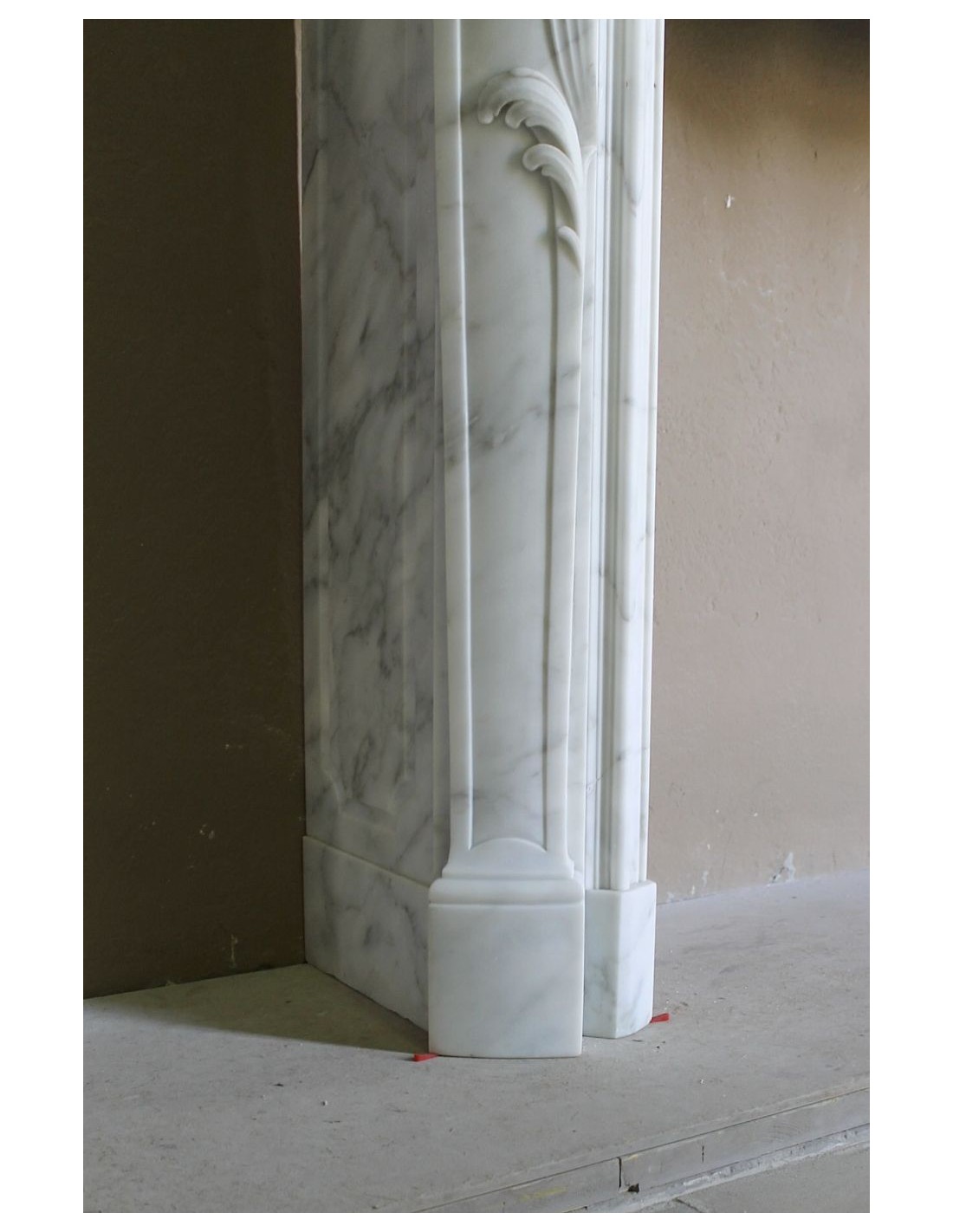
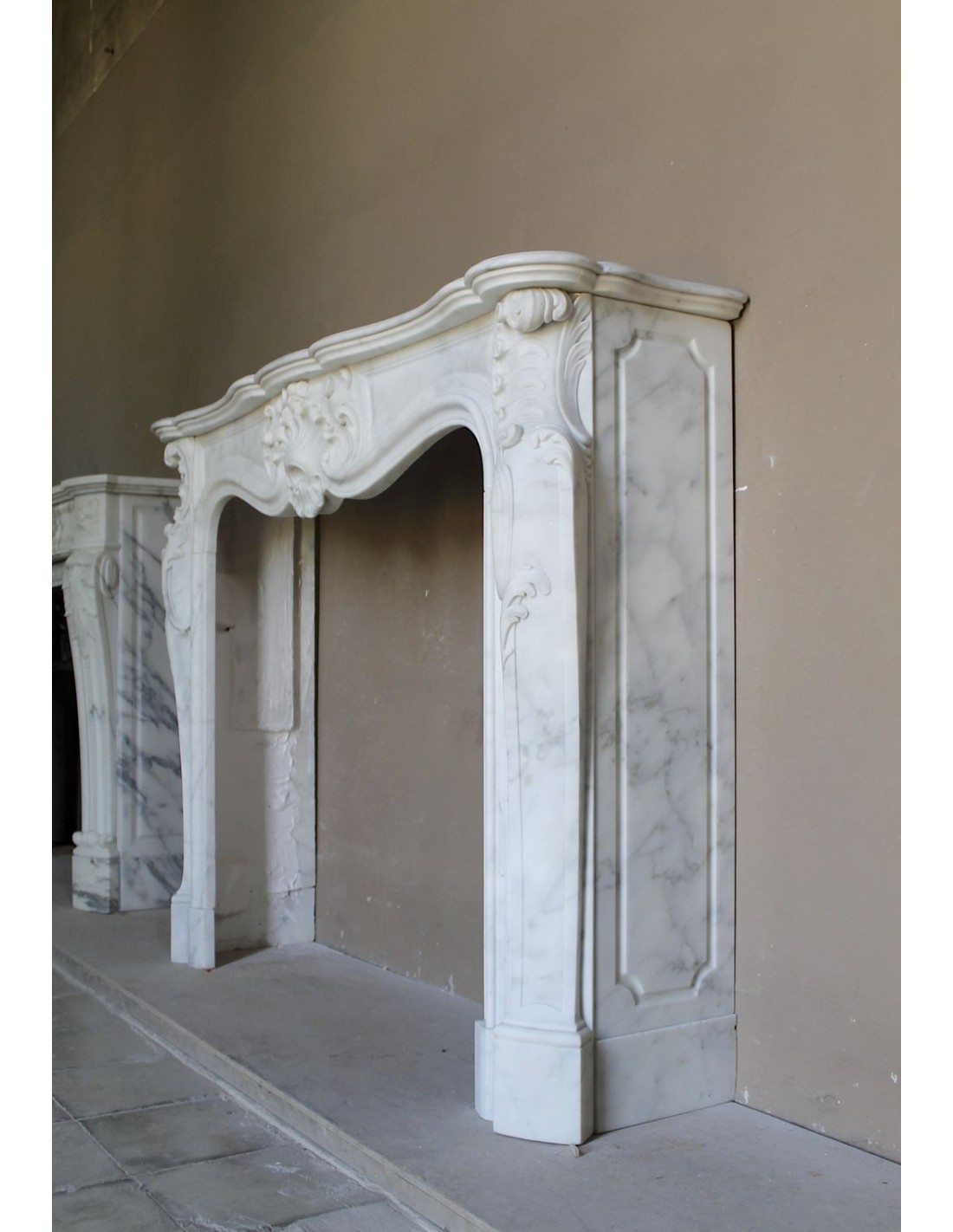
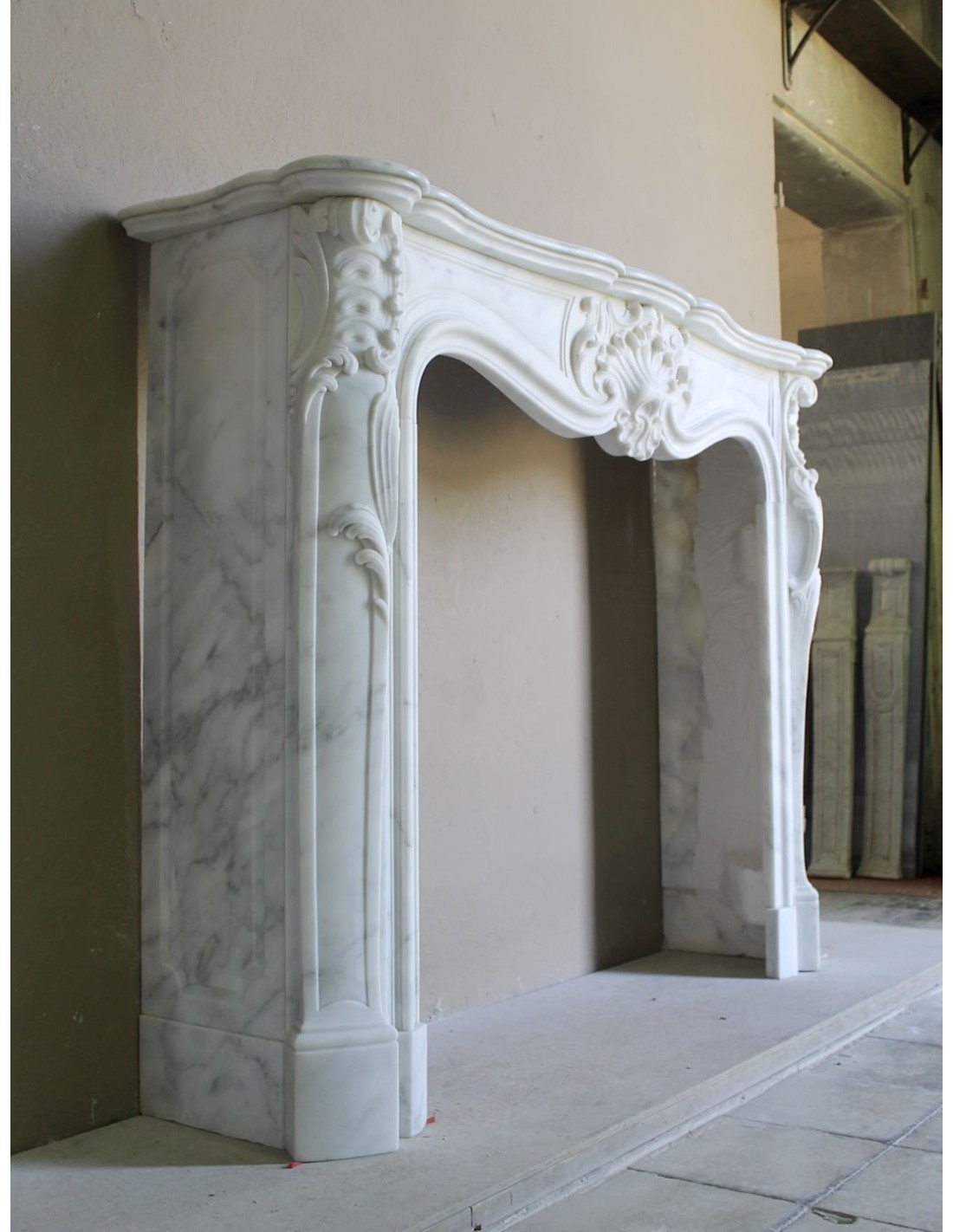
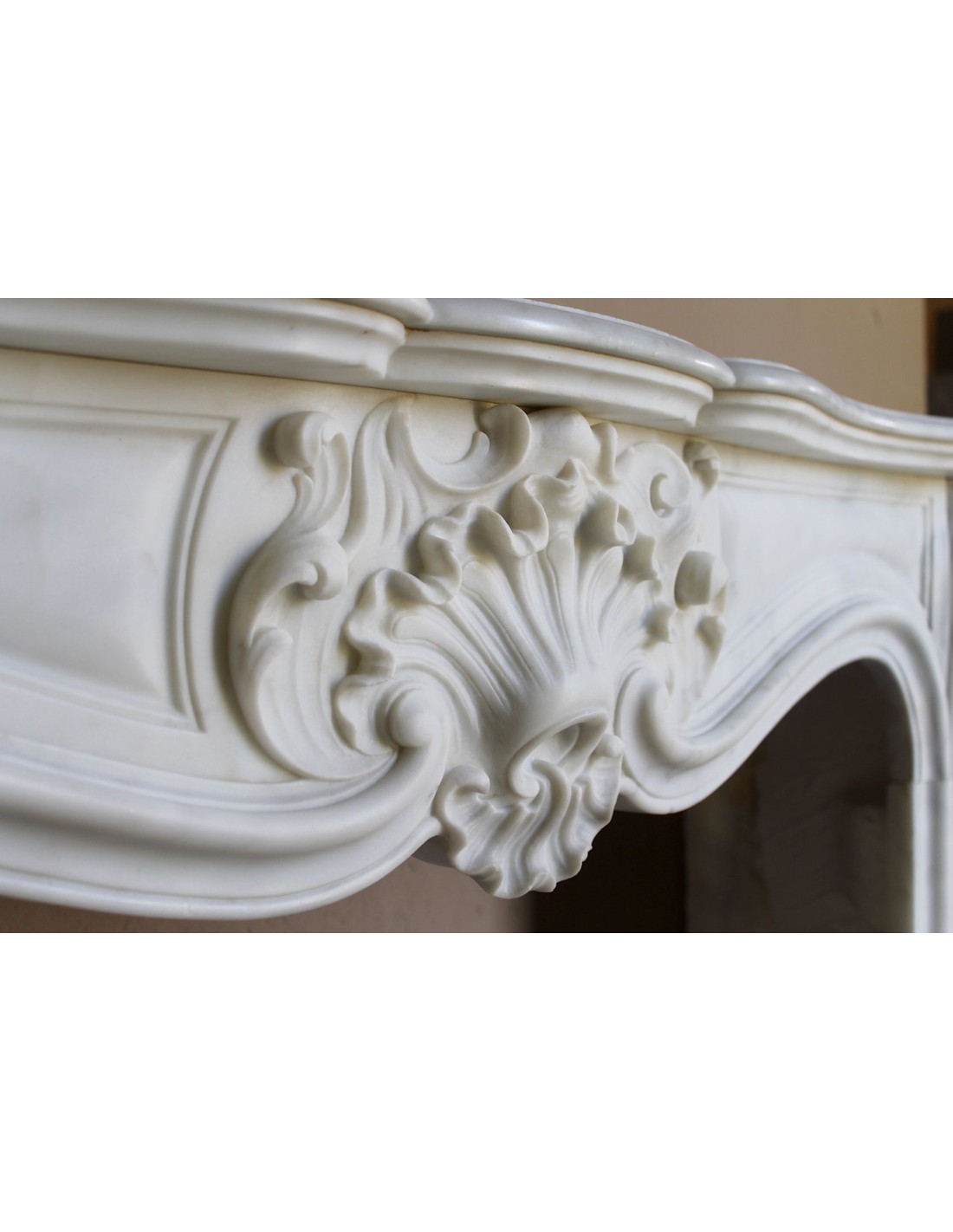
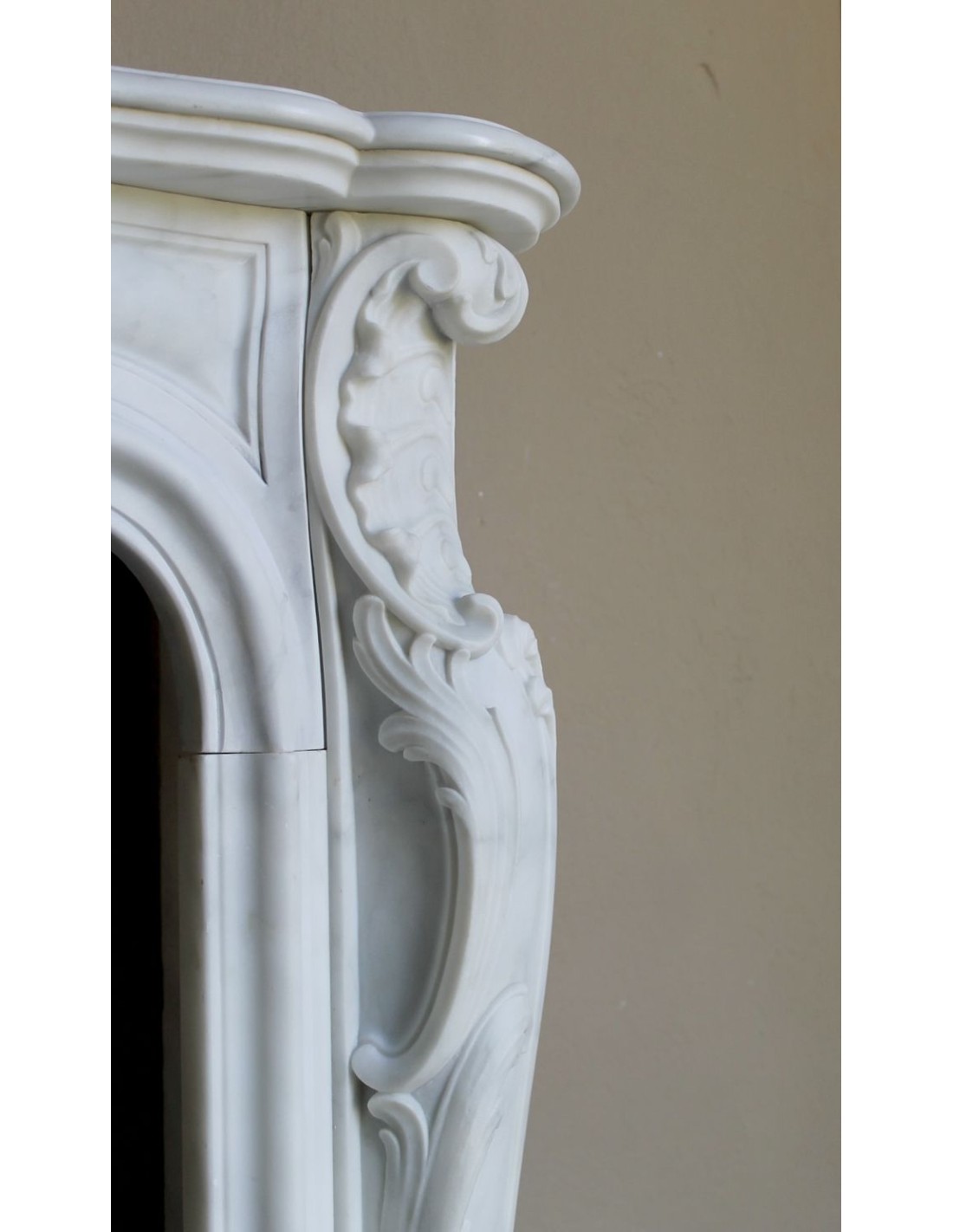
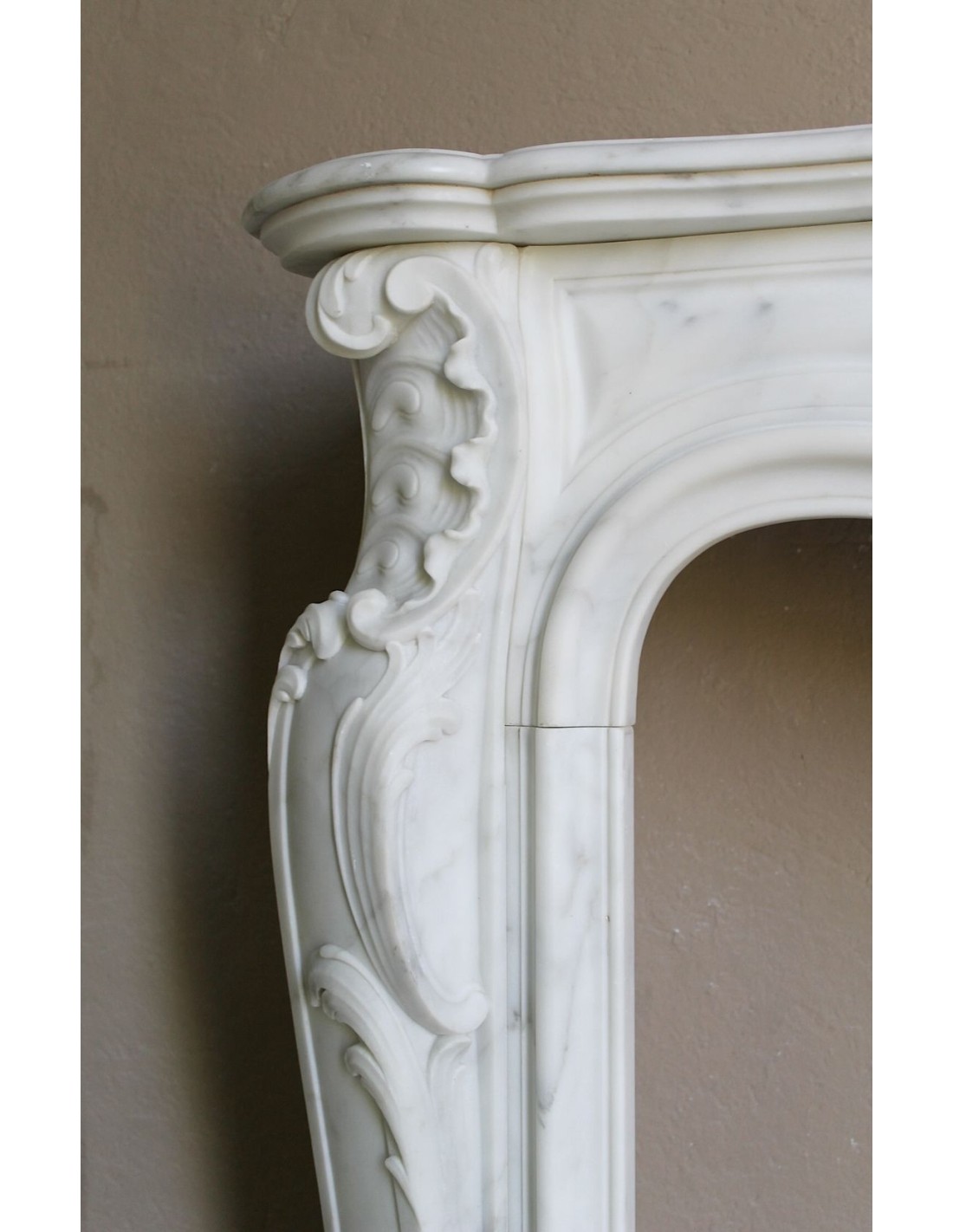
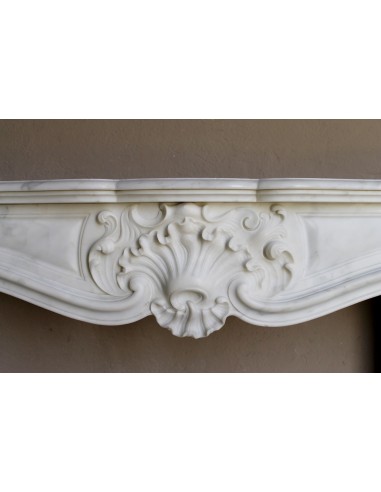
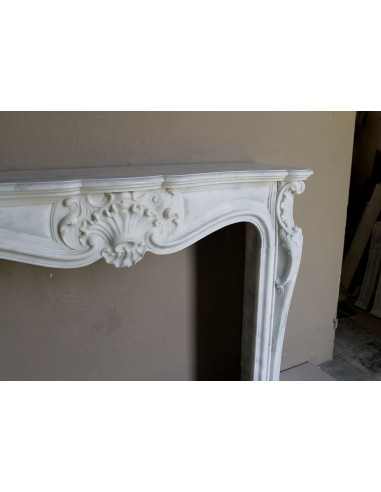
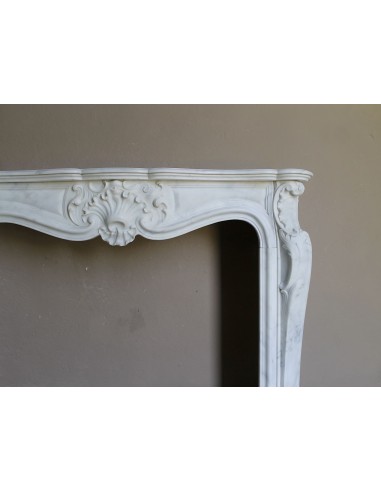
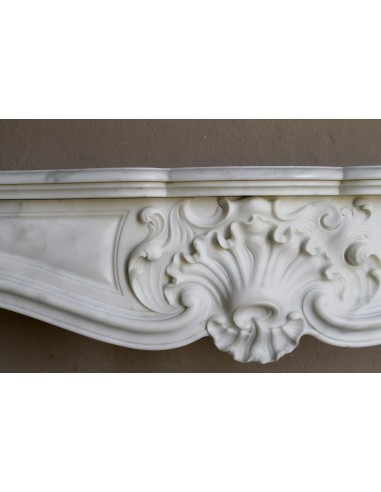
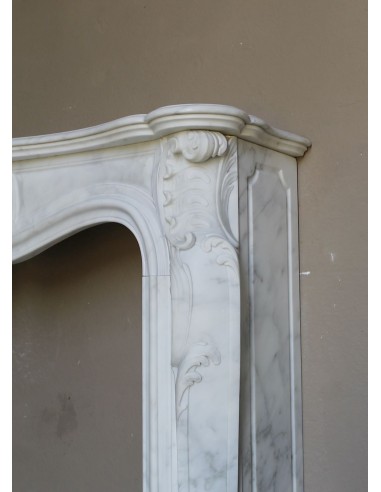
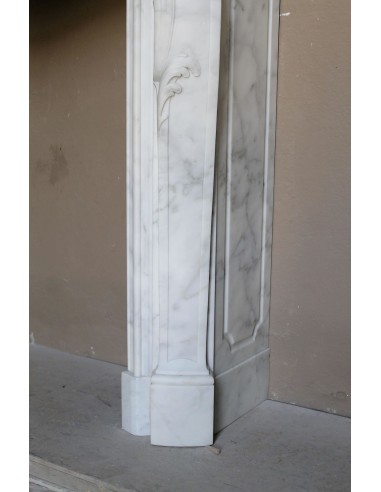
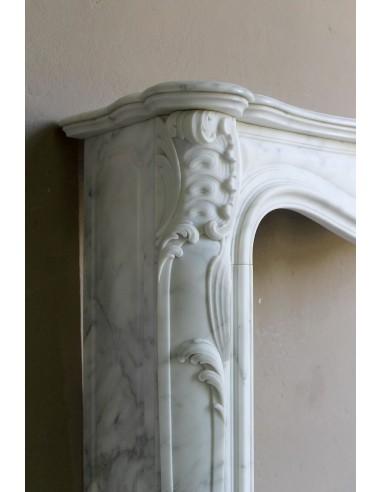
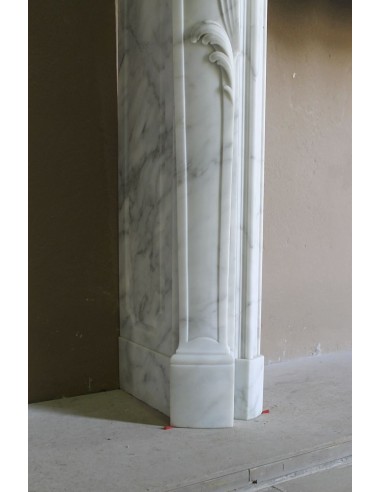
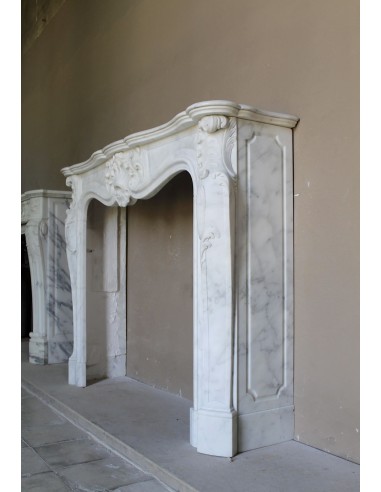
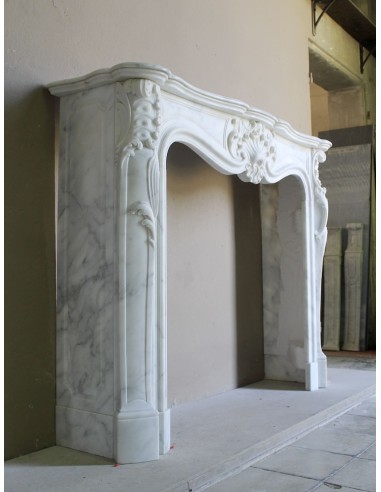
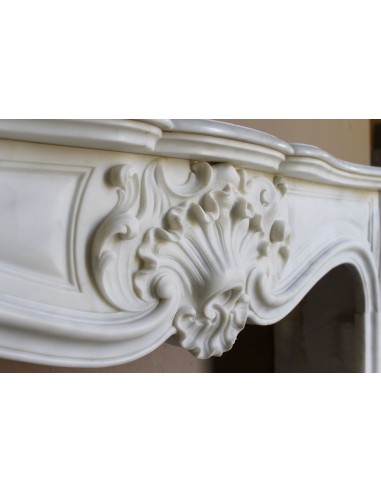
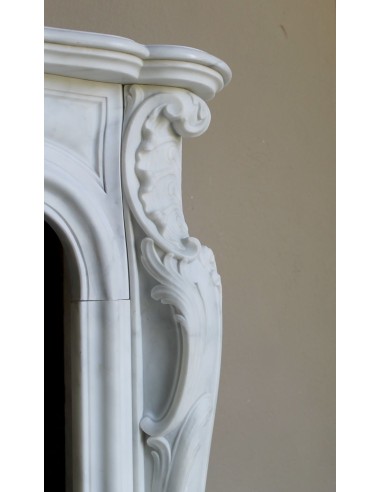
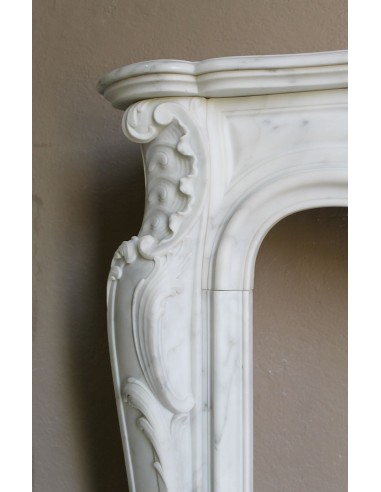
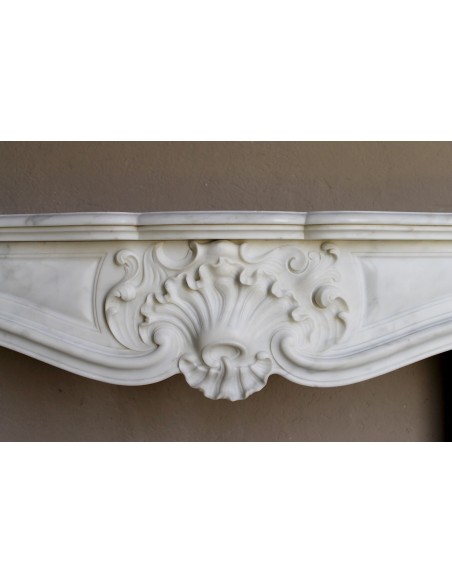
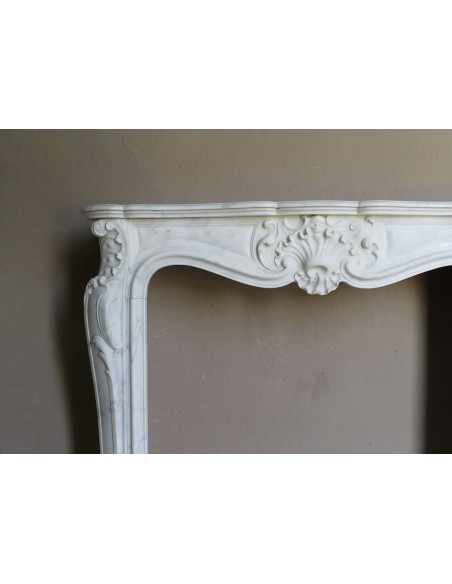
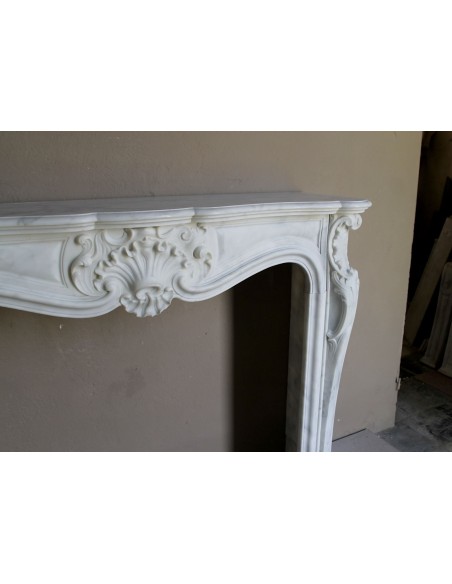
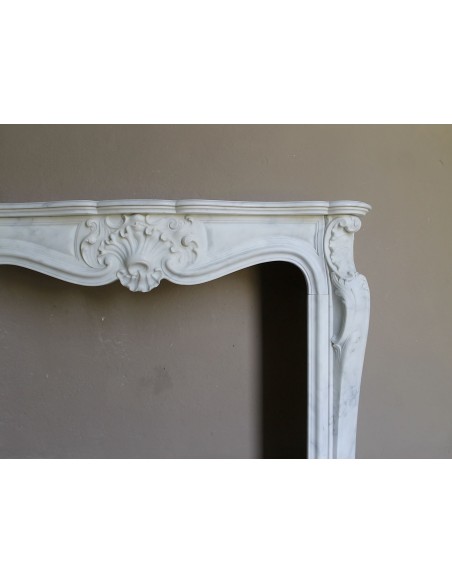
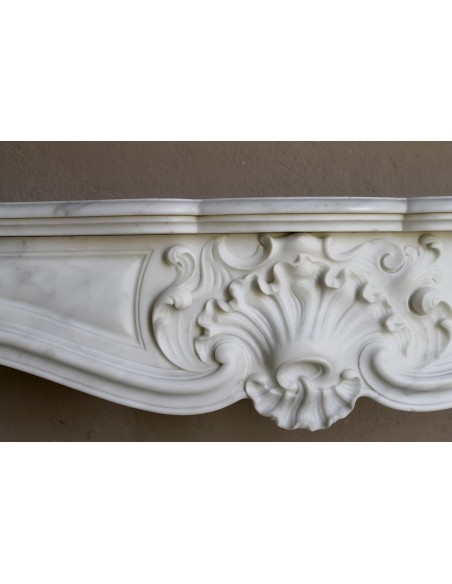
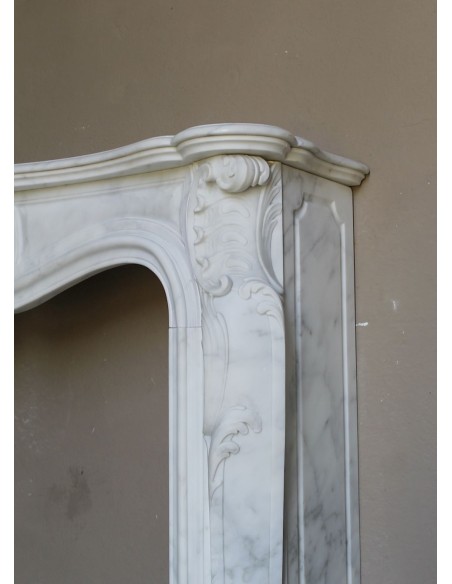
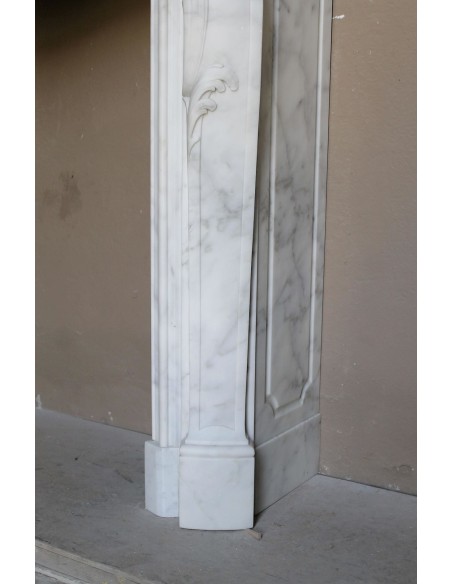
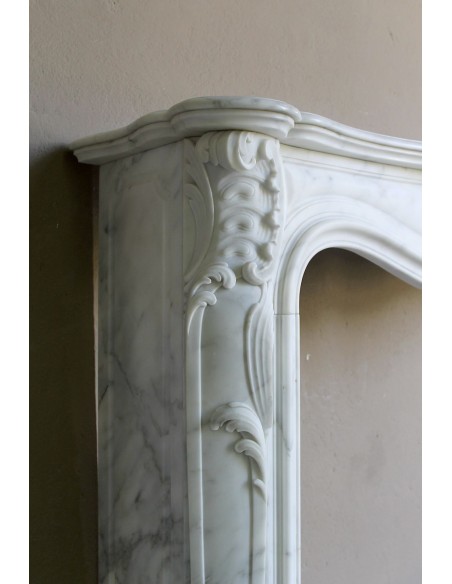
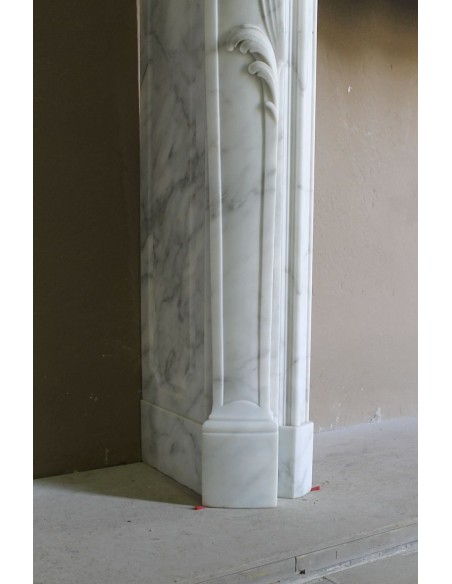
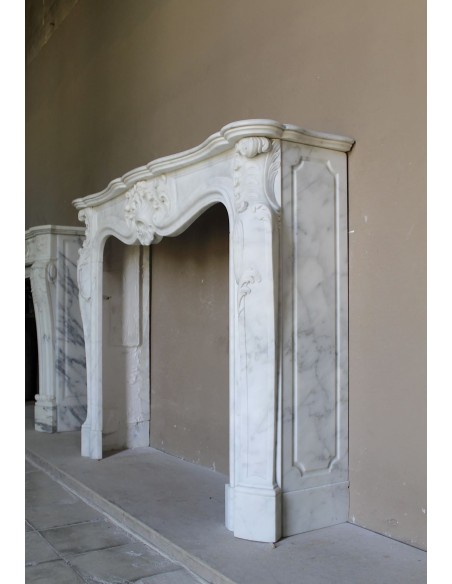
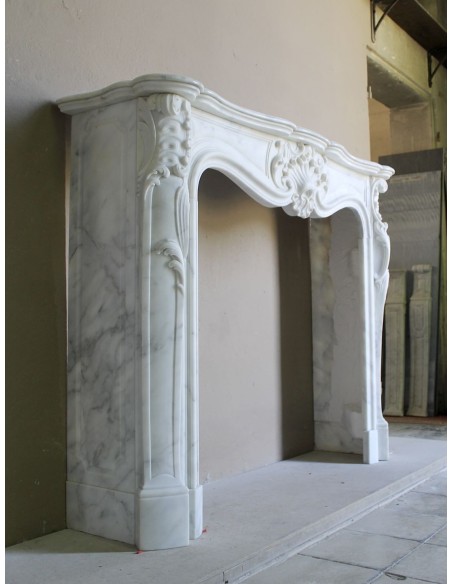
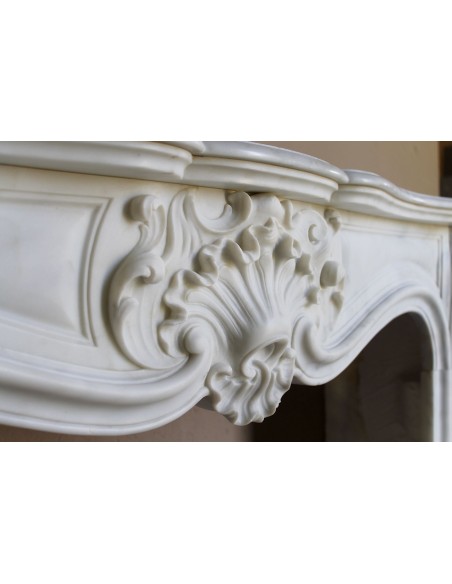
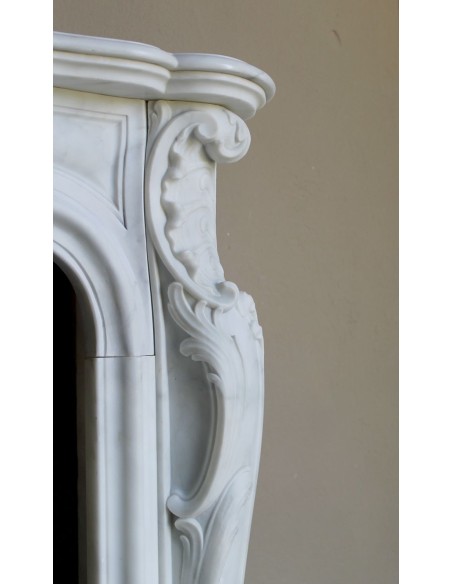
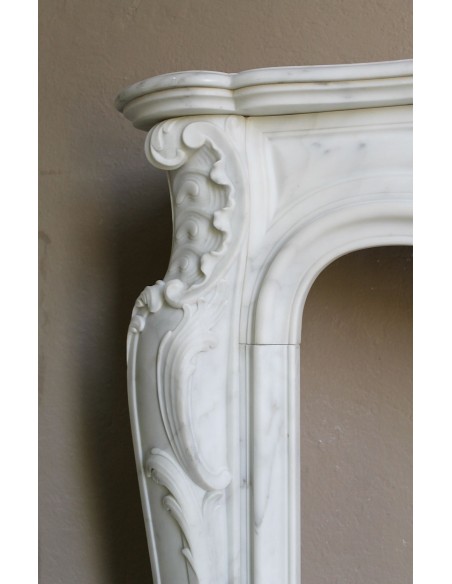
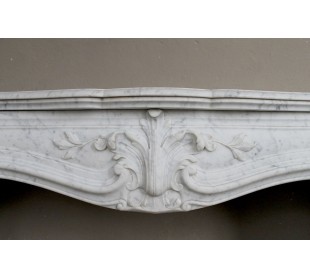
Its name is "Boucle de Mer"—"Sea Curls"—and the reason becomes immediately apparent. The architect who conceived this delightful mantelpiece introduced graceful curling forms throughout the composition, placing them at precisely the right moments to create movement, lightness and an almost playful elegance.
It is a fireplace that seems alive.
The scrolls flow across the design like small waves breaking gently along a shoreline, giving the entire composition a remarkable sense of rhythm. Photographs hint at this quality, but only seeing the fireplace in person truly reveals the extraordinary vitality of its design.
It is difficult not to like it.
When this model first appeared during the nineteenth century, however, its originality was almost too daring. The designer had intentionally pushed beyond the established Louis XV vocabulary, creating something more fluid, more animated and more imaginative than collectors of the day were accustomed to seeing.
As often happens with innovative designs, it was initially produced only in very limited numbers.
Today, that rarity has become one of its greatest strengths.
Examples of the Boucle de Mer model are exceptionally difficult to find, making this antique marble fireplace a highly desirable piece among collectors.
The marble itself is equally appealing.
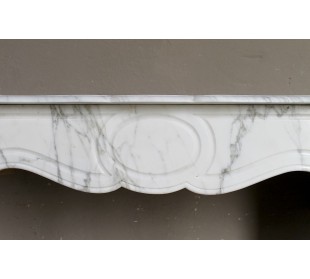
It belongs to the distinguished family of Statuary White marbles, displaying a warm, luminous whiteness that gives the entire fireplace a remarkable softness. It is one of those stones that almost invites you to reach out and touch it—a marble whose beauty feels both refined and welcoming.
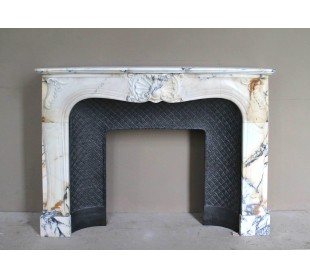
This elegant Louis XV fireplace mantel dates from the second half of the nineteenth century (Napoleon III period).
Like many of the finest French fireplace mantels of the era, it was designed for a Parisian Maison and sculpted by the master craftsmen of the Italian Lunigiana, whose workshops around Carrara, Pietrasanta and Sarzana supplied Europe's finest marble carving throughout the nineteenth century.
The fireplace was later discovered in the Paris region, where it had remained for well over a century before joining the ARTIS collection.