


SHARE ON:
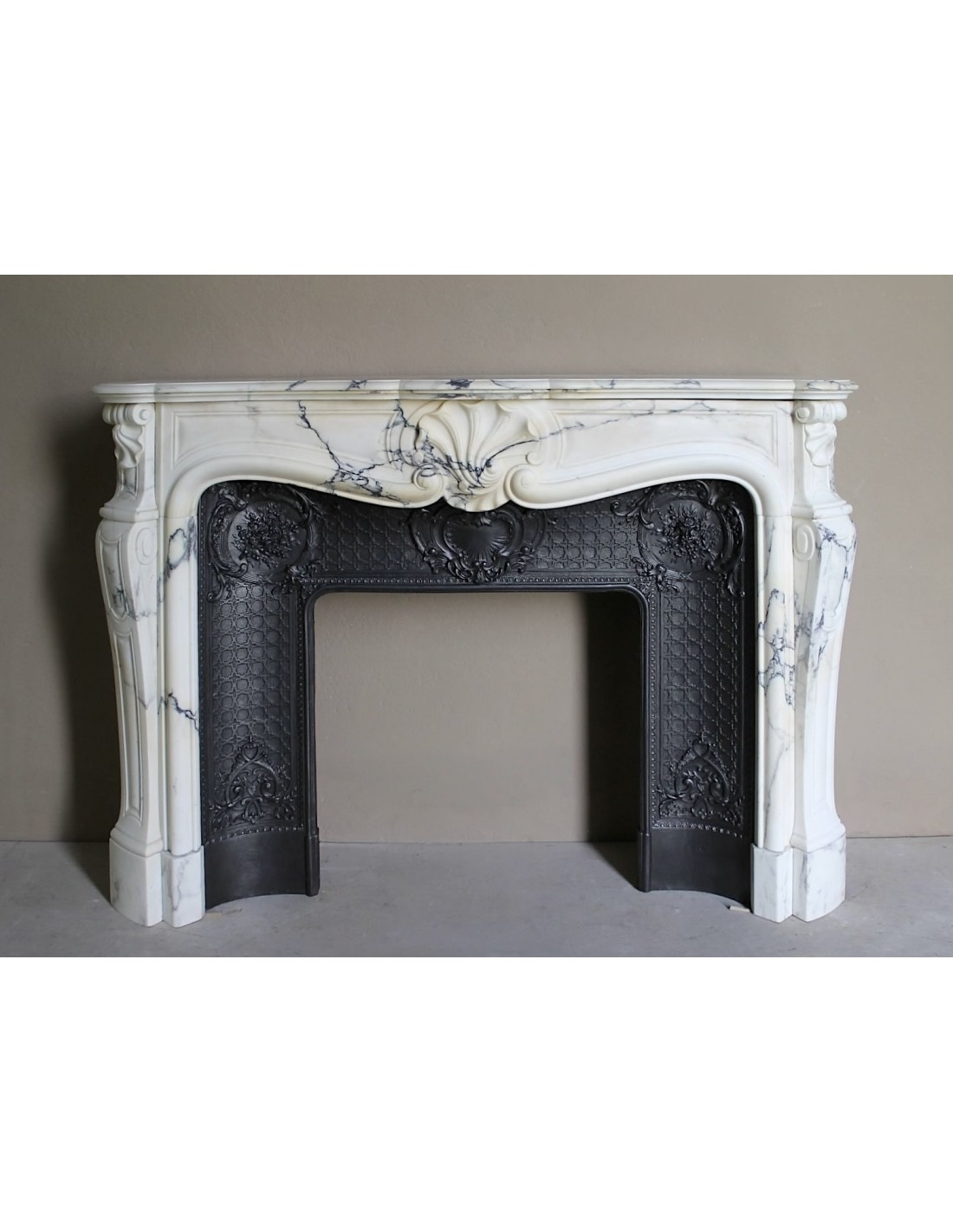
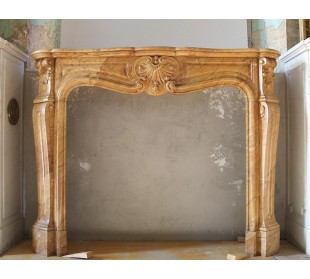
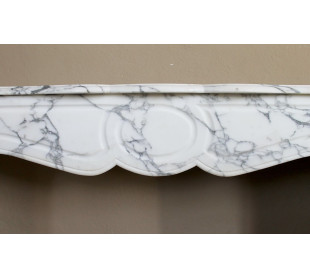
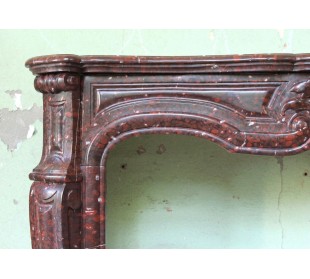
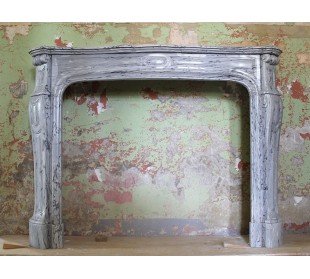
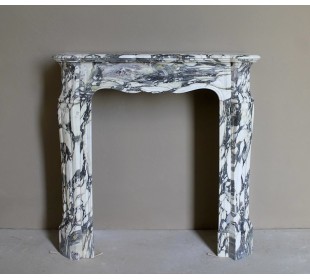
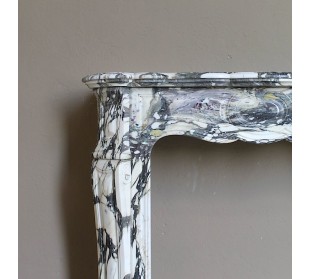
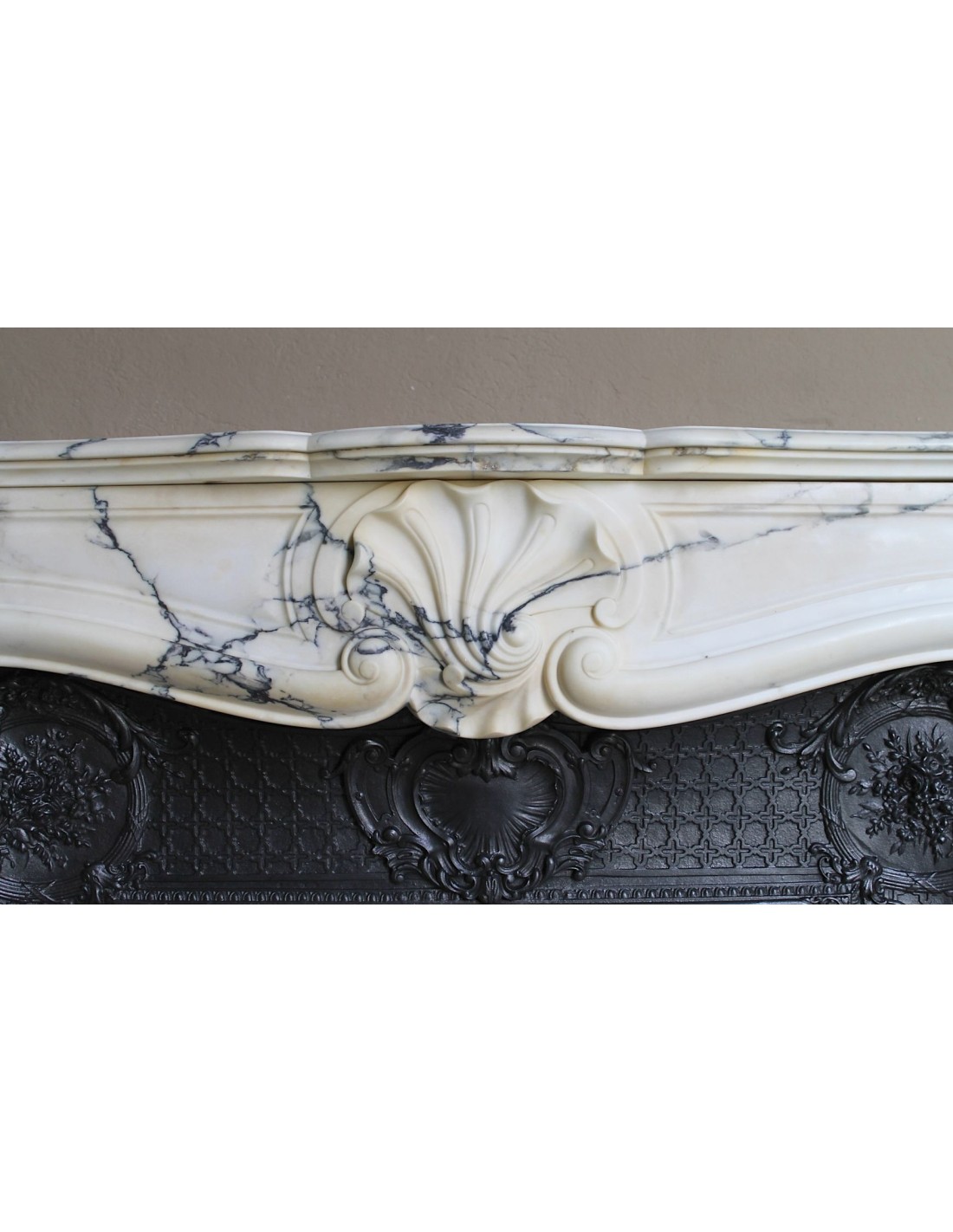
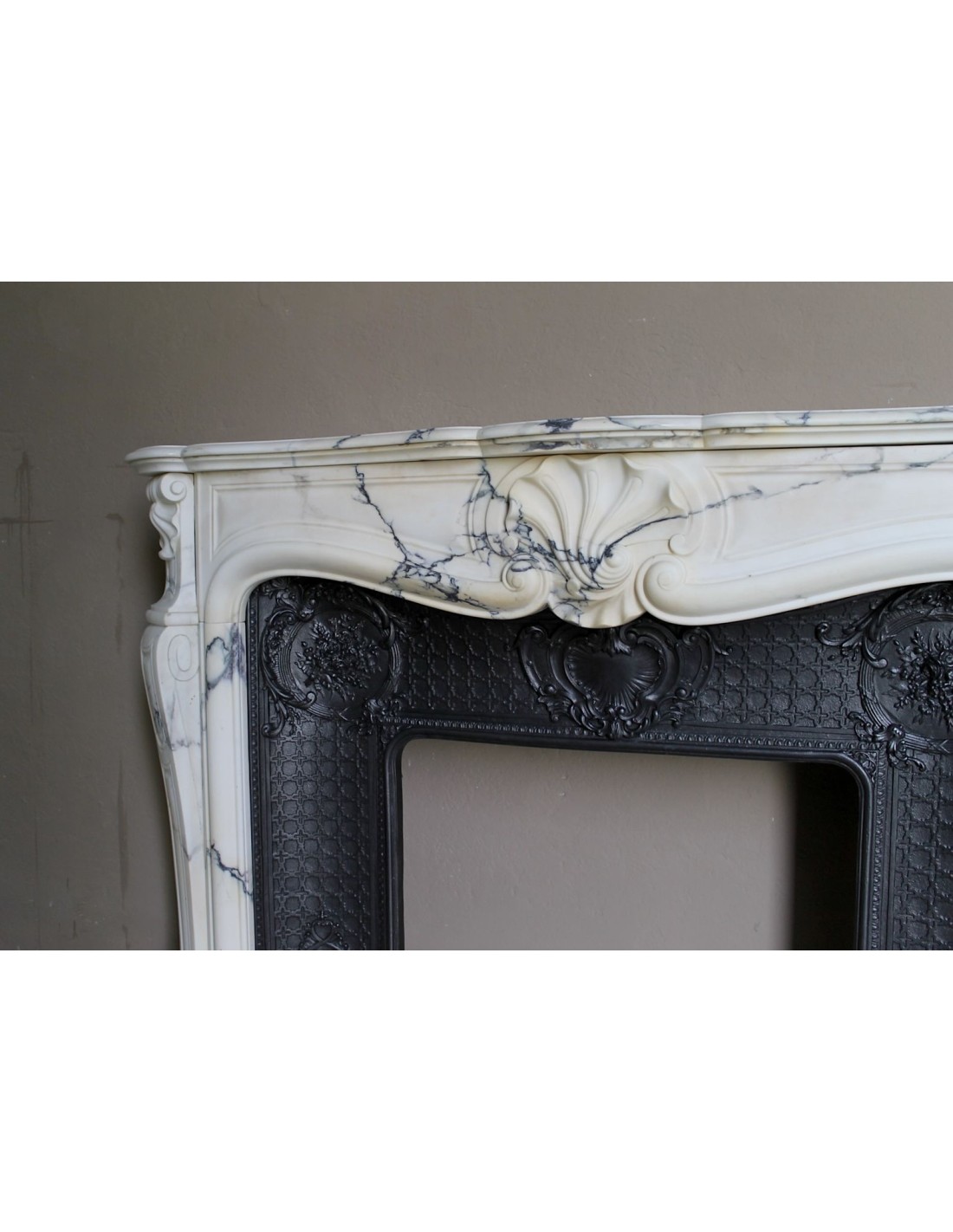
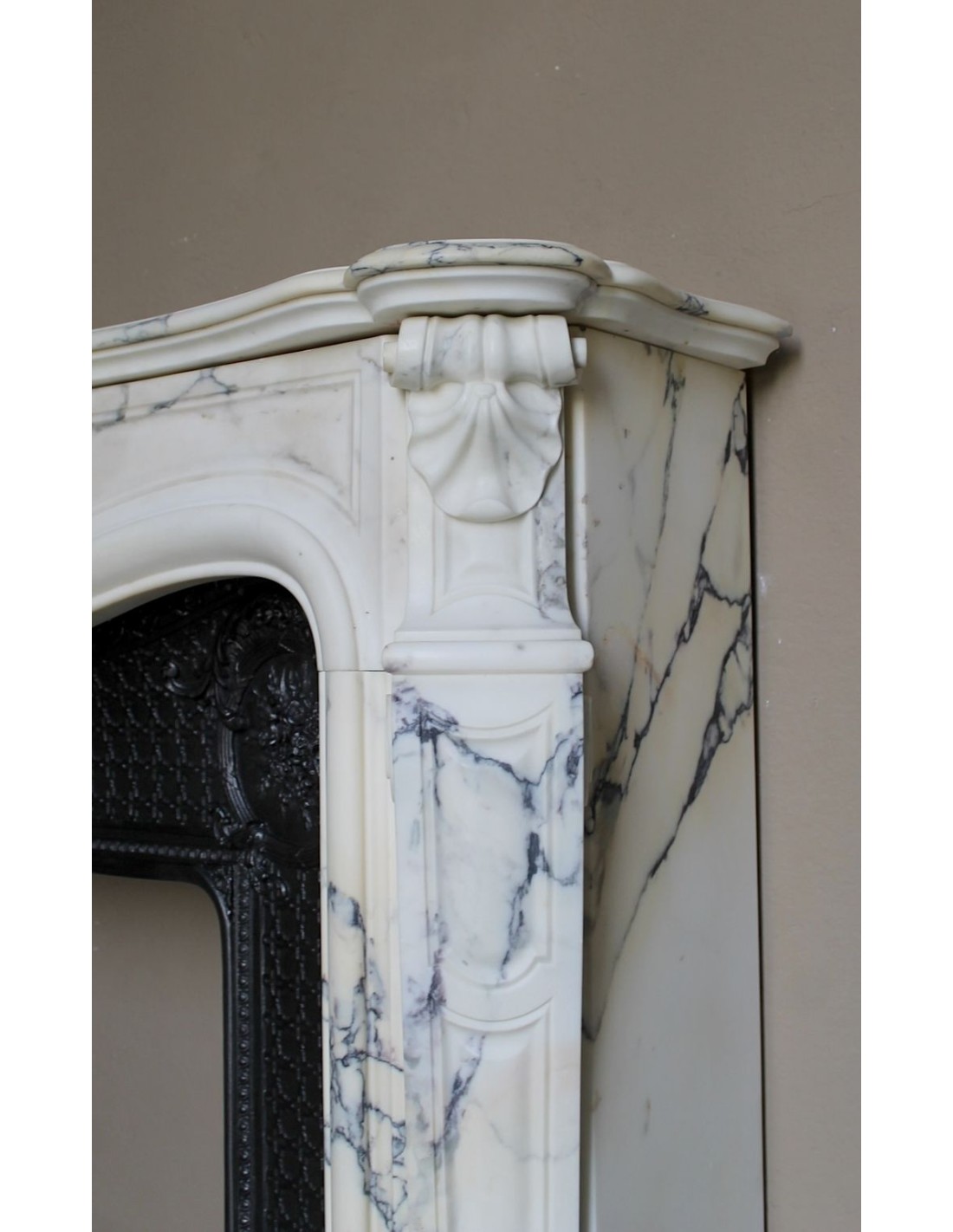
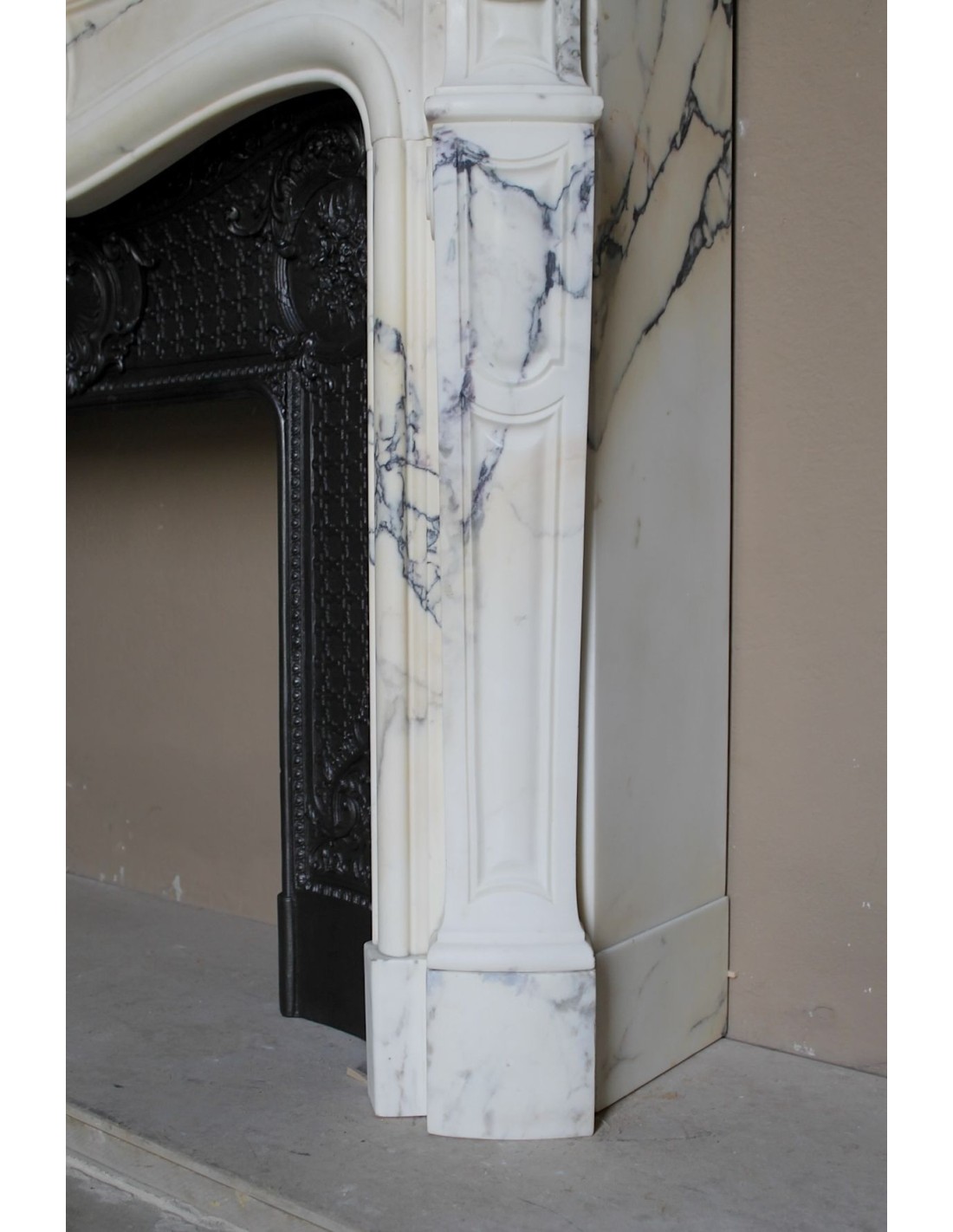
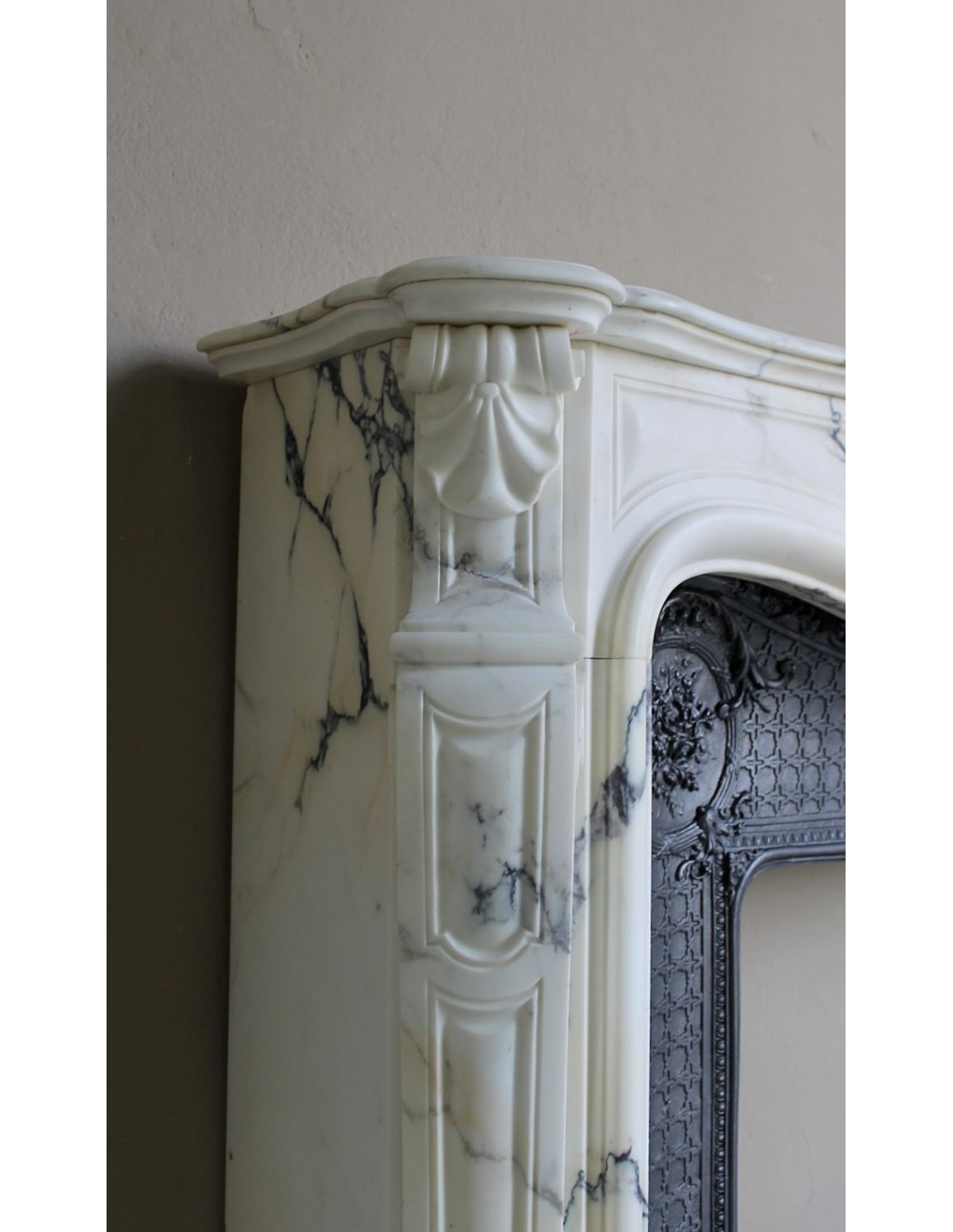
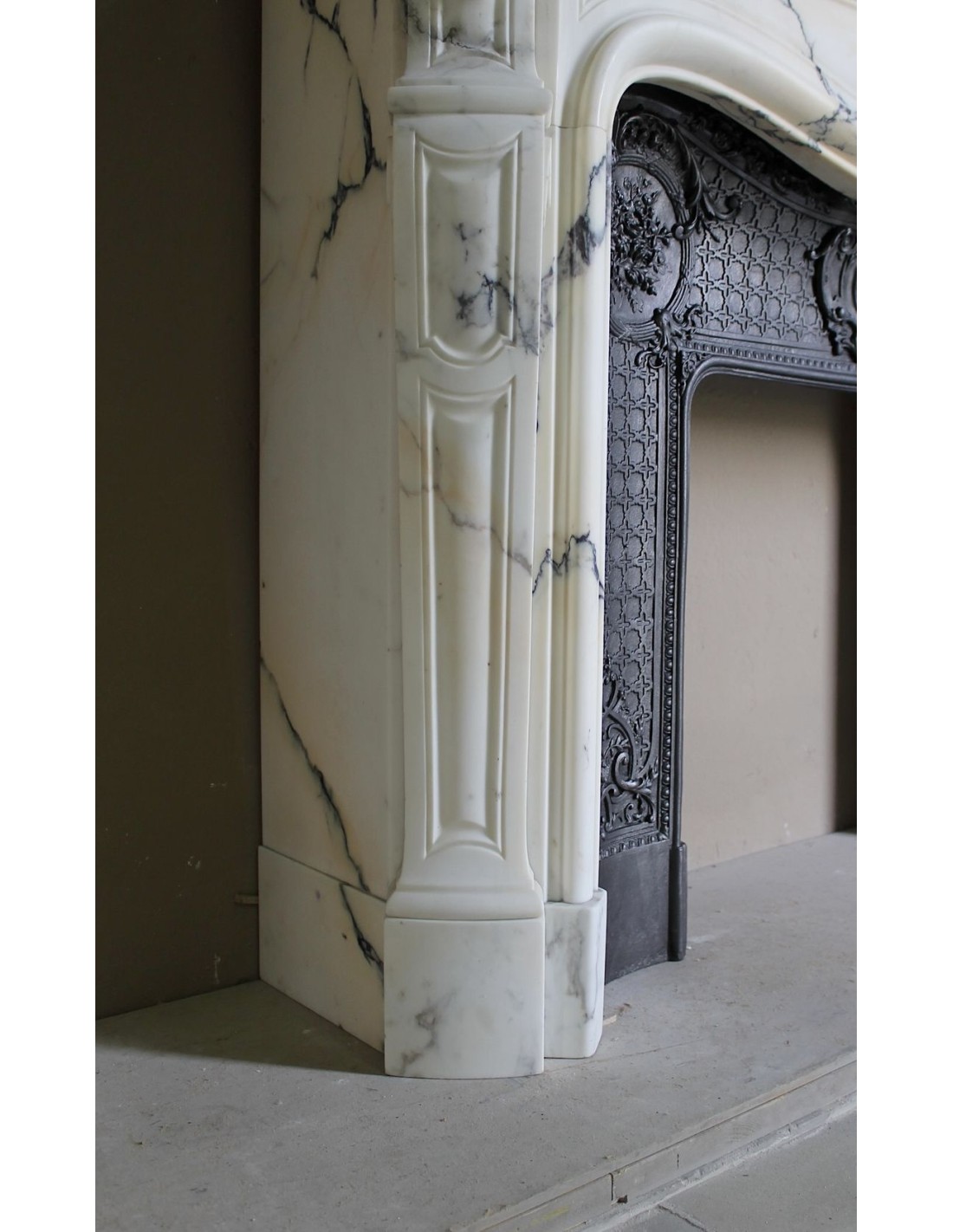
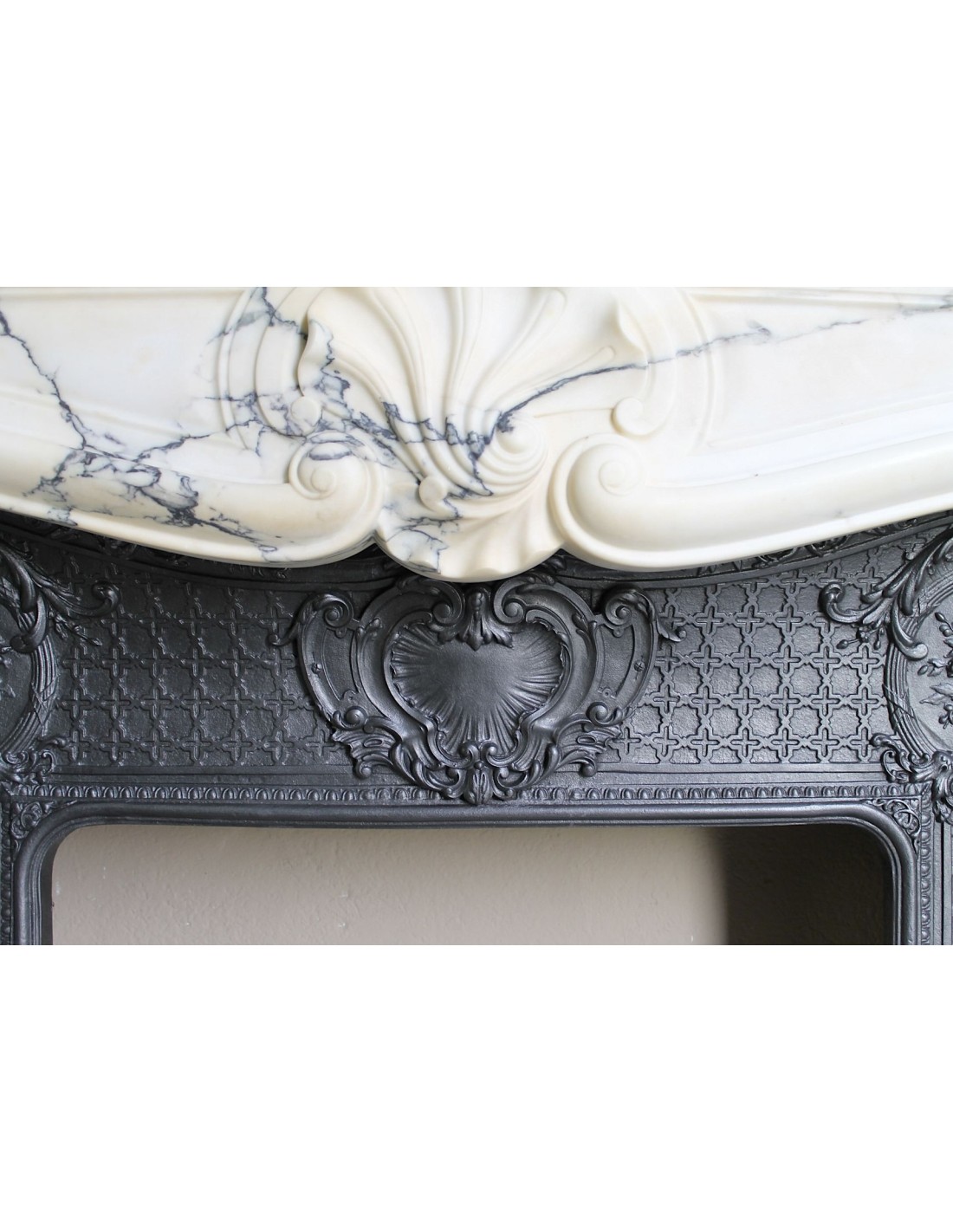
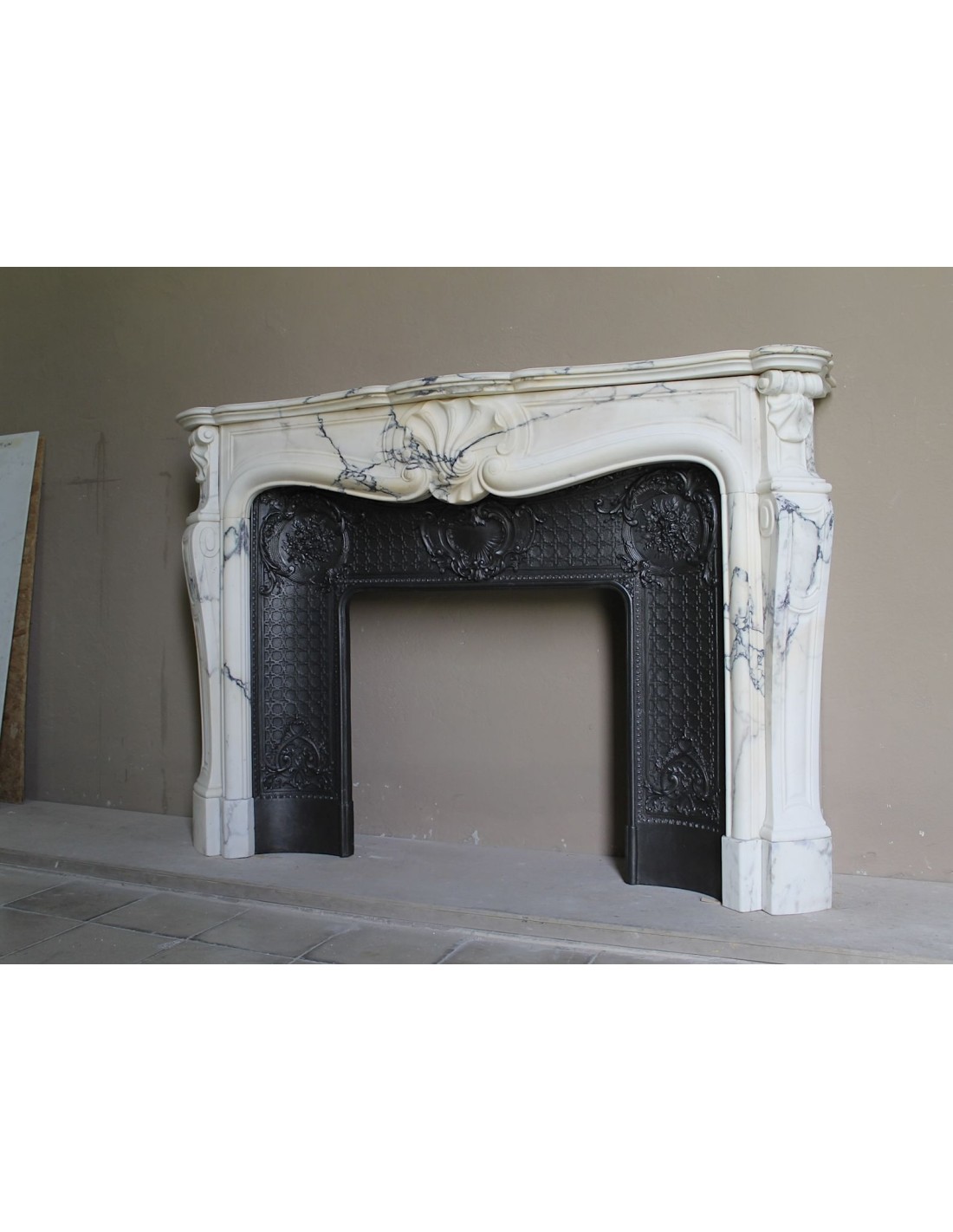
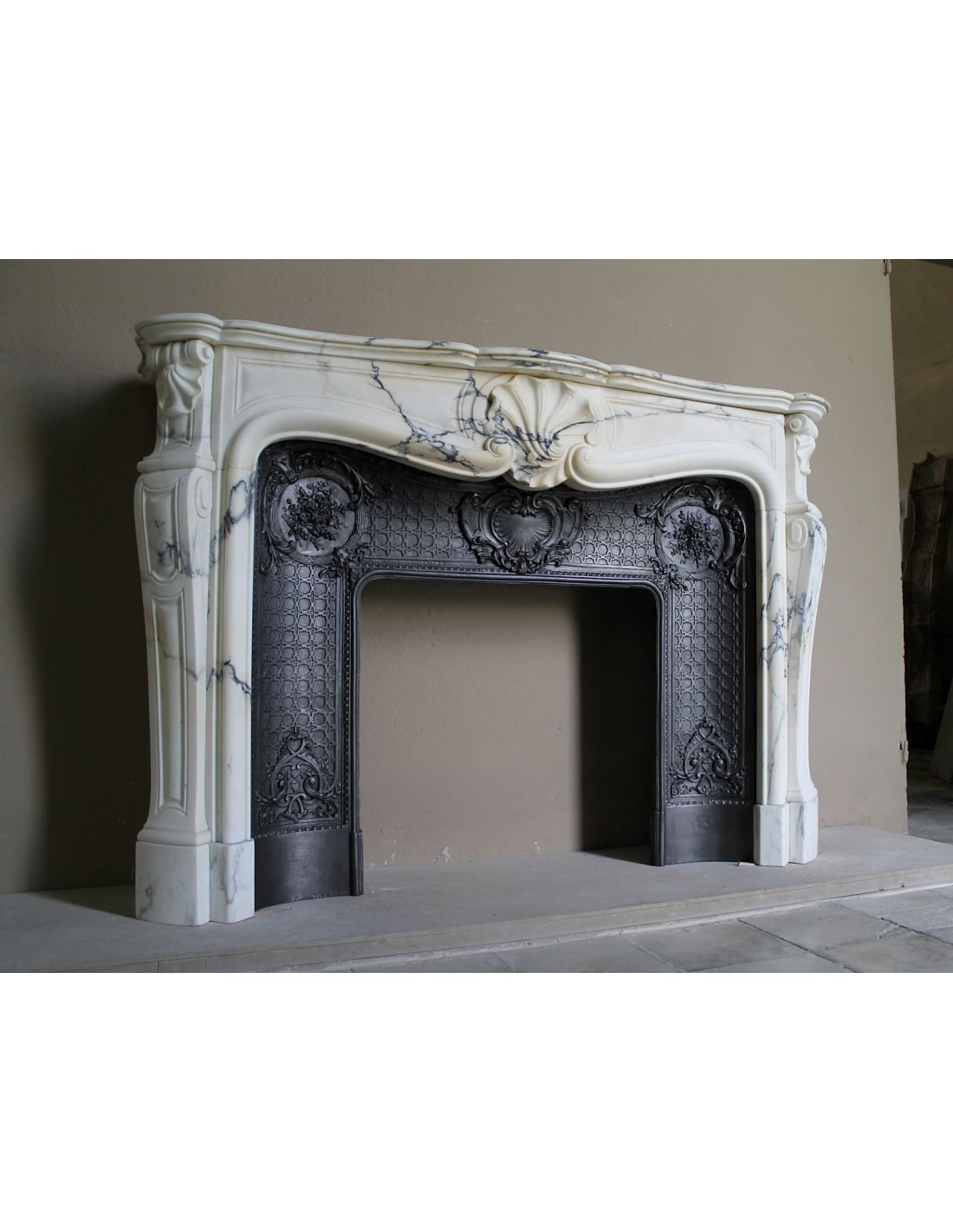
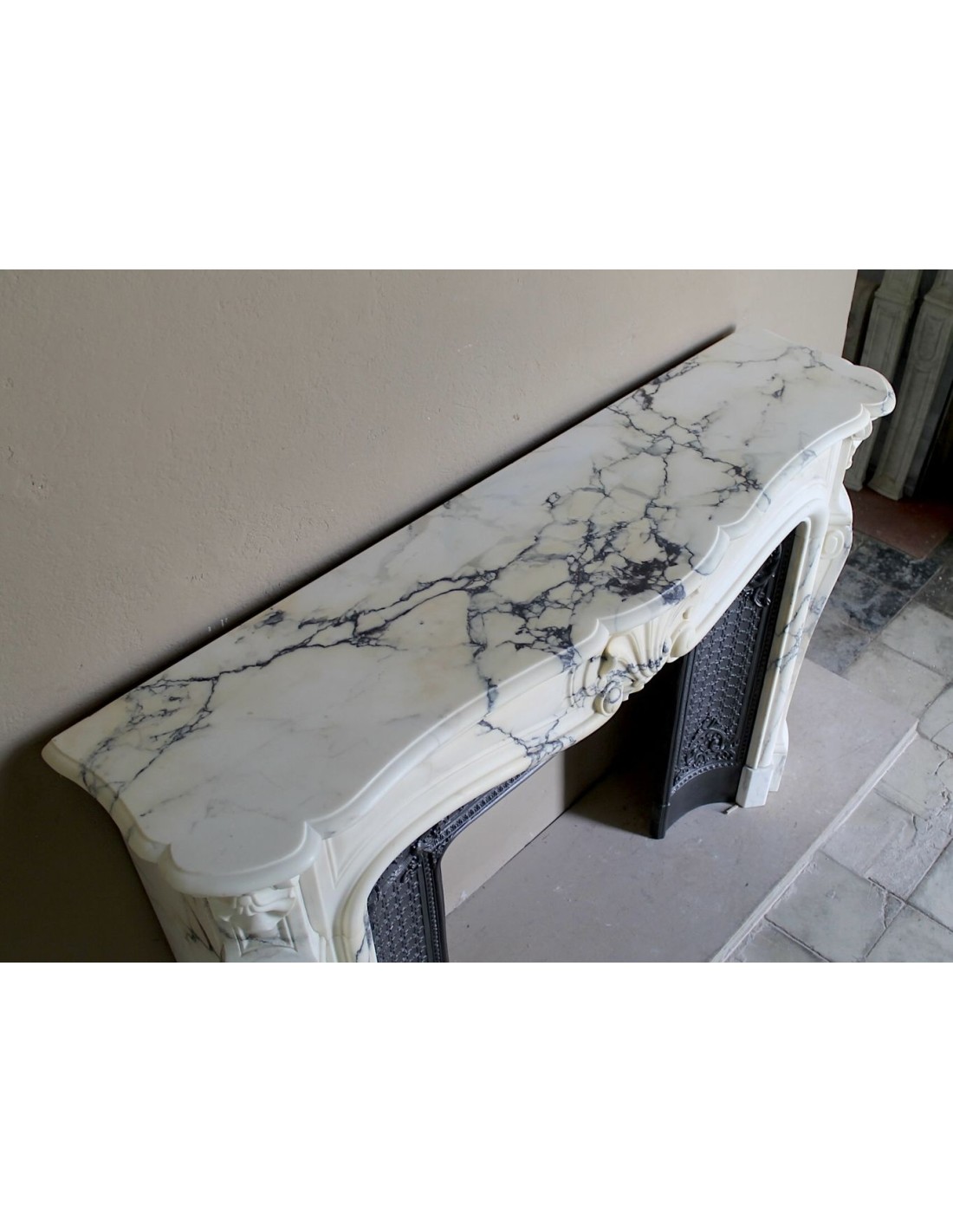
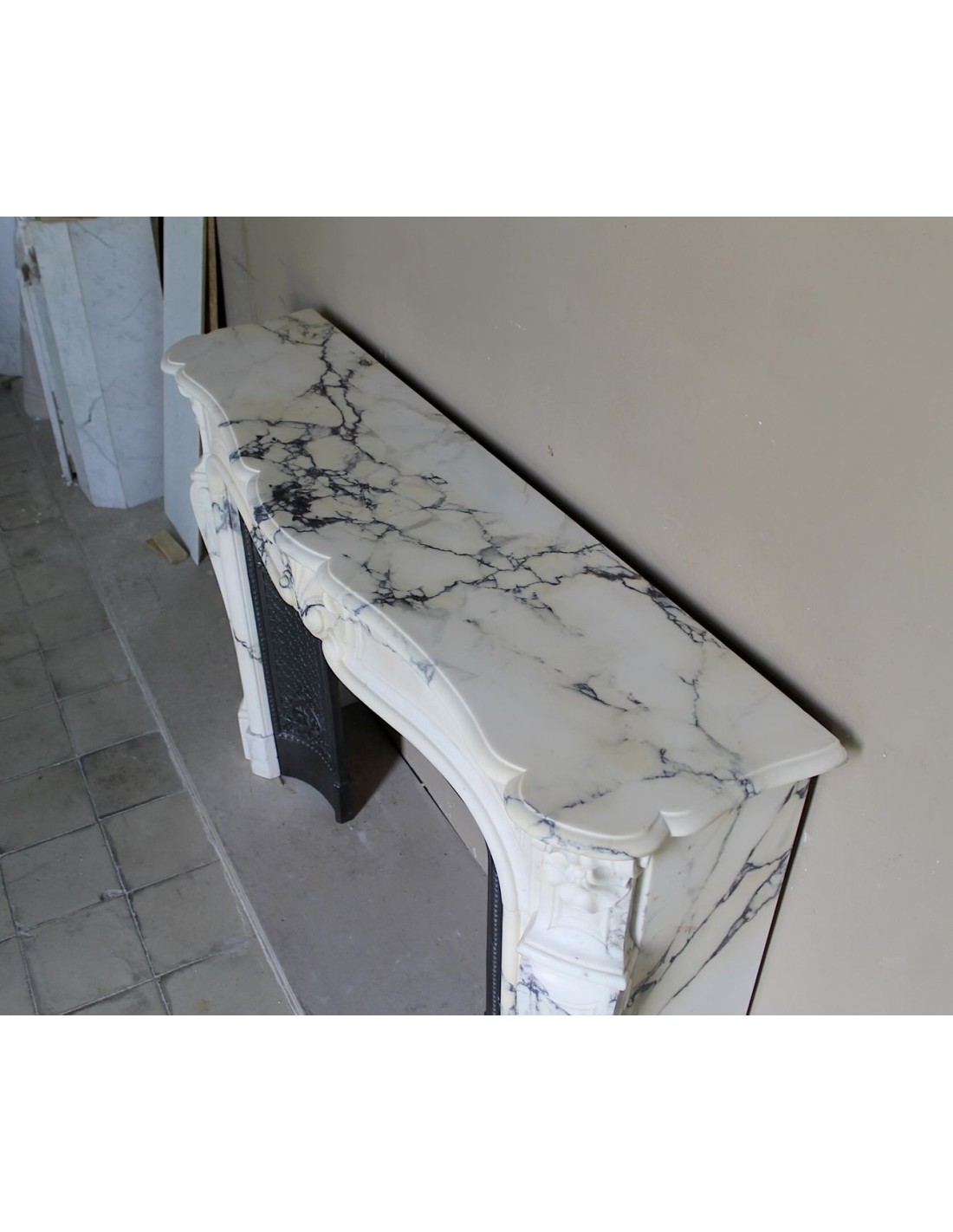
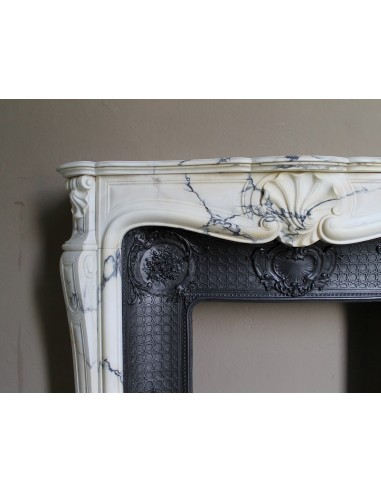
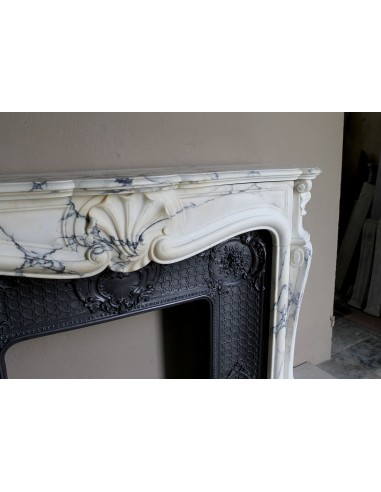
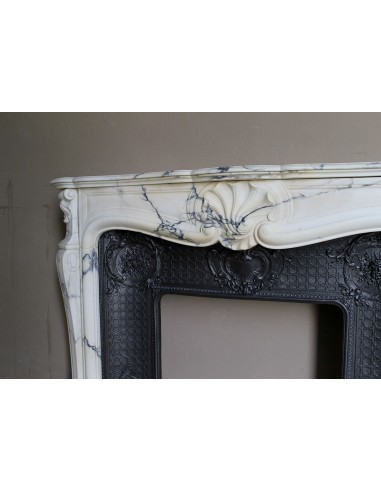
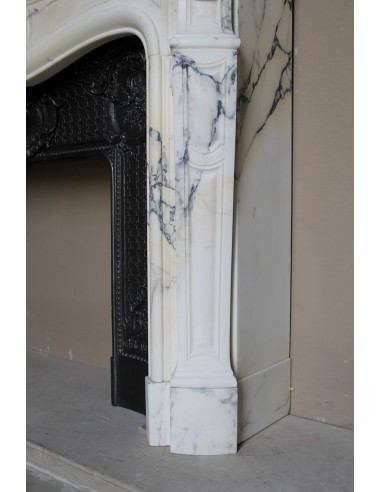
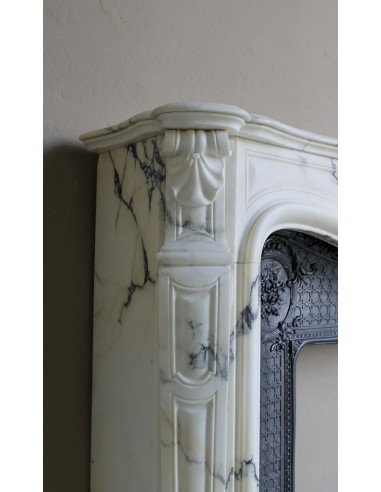
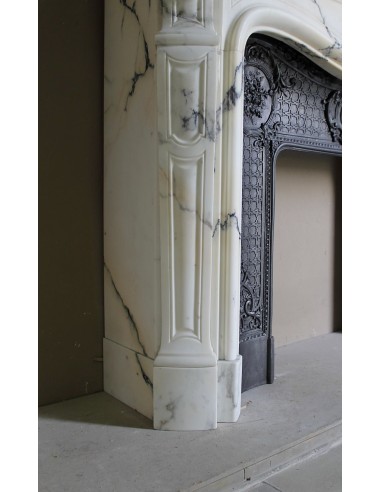
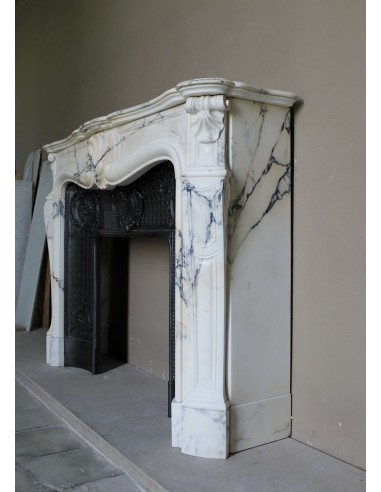
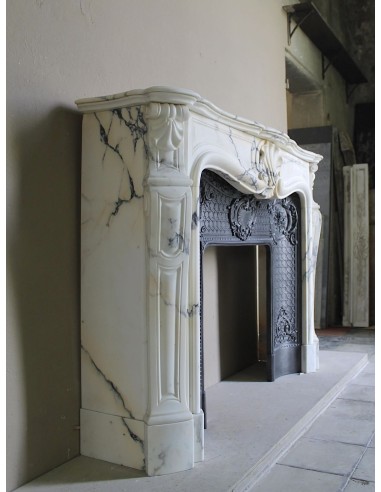
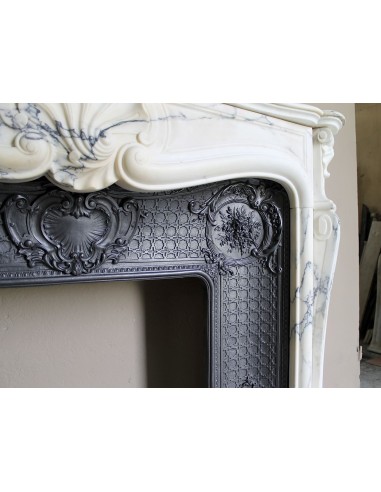
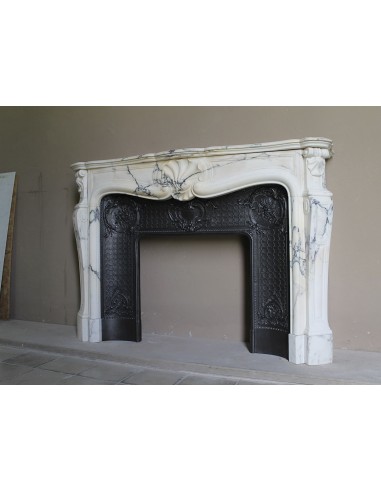
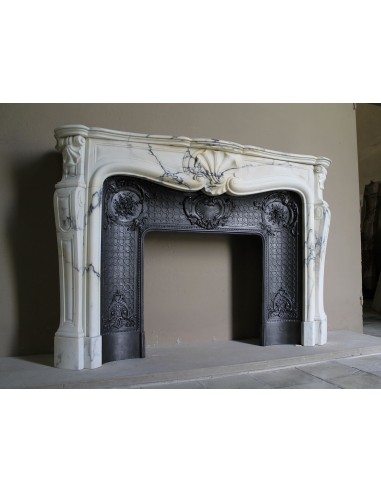
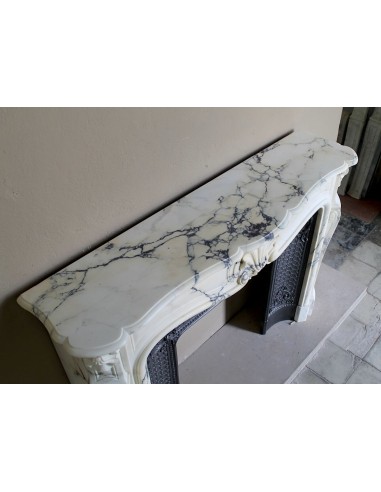
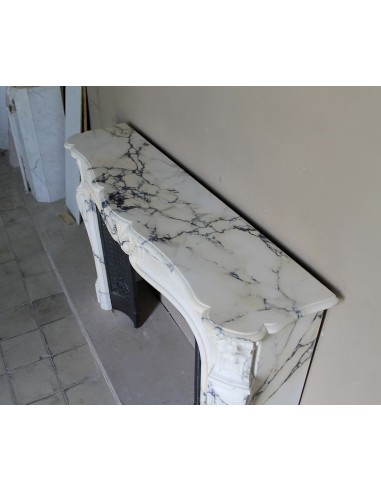
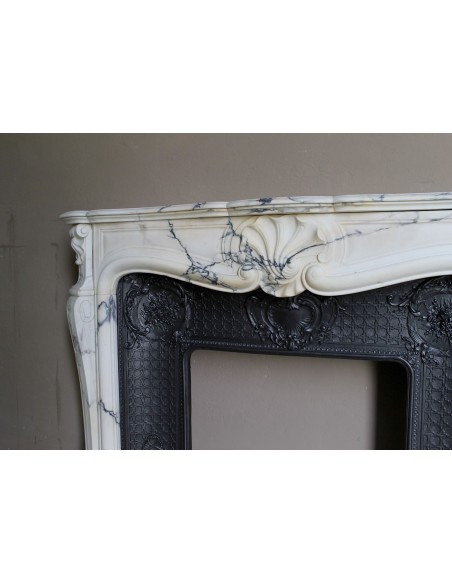
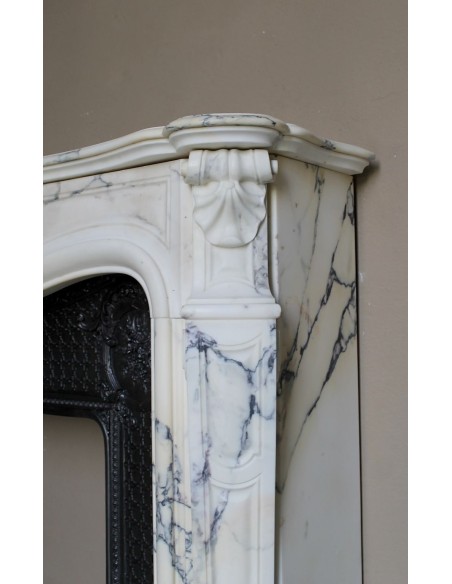
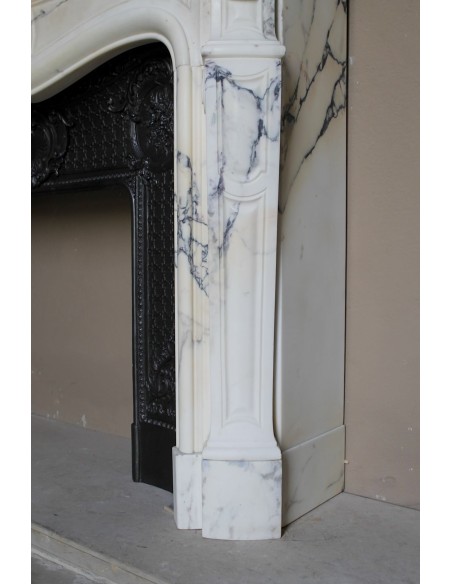
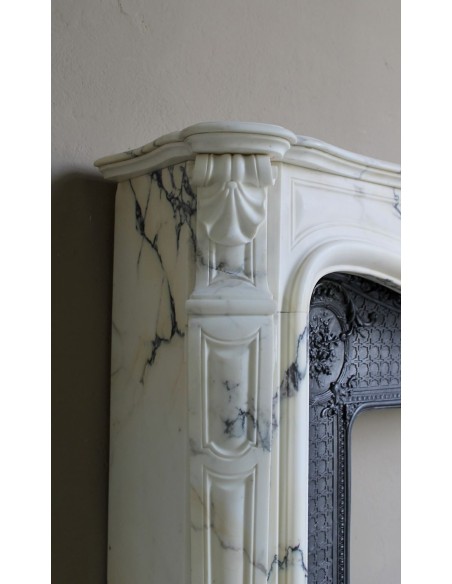
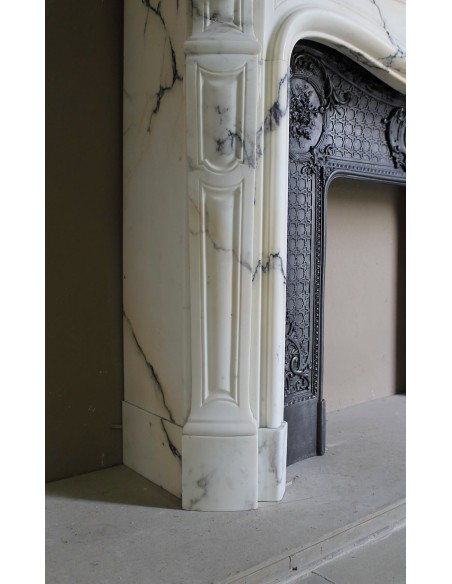
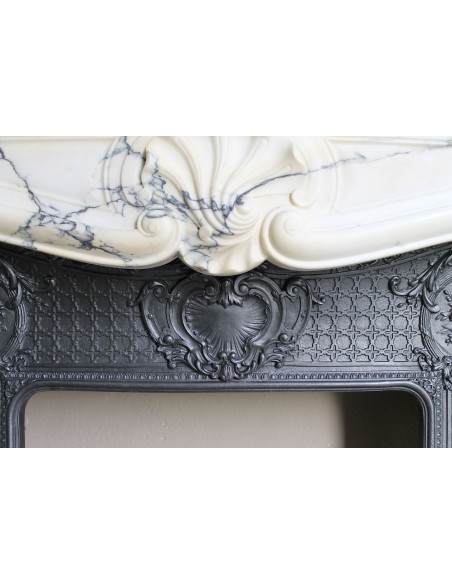
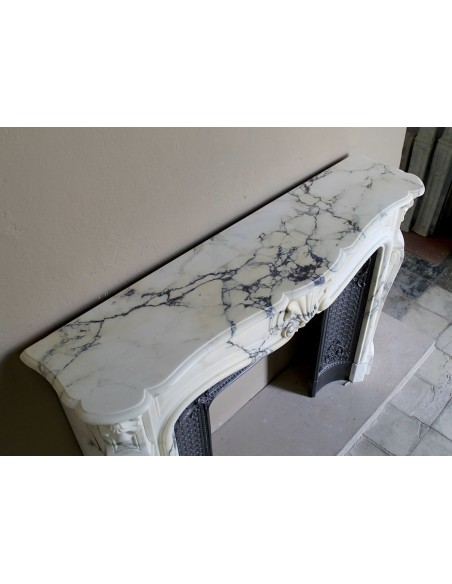
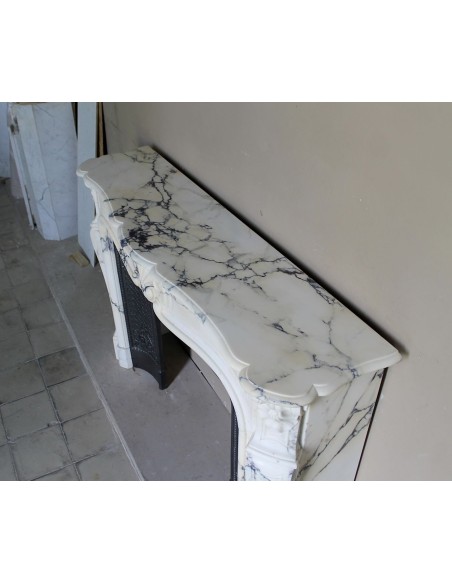
The colour of this remarkable marble is, without exaggeration, one of the two great treasures of this antique fireplace mantel.
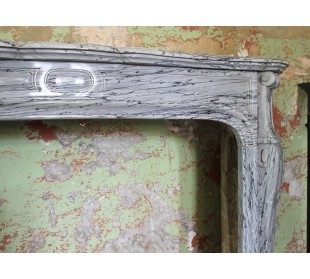
Imagine a kind of Milky Way, composed of luminous white crystals, delicate hairline veins and soft backgrounds warmed by golden sunlight. It is a marble that captivates at first glance and continues to reveal new subtleties the longer one observes it.
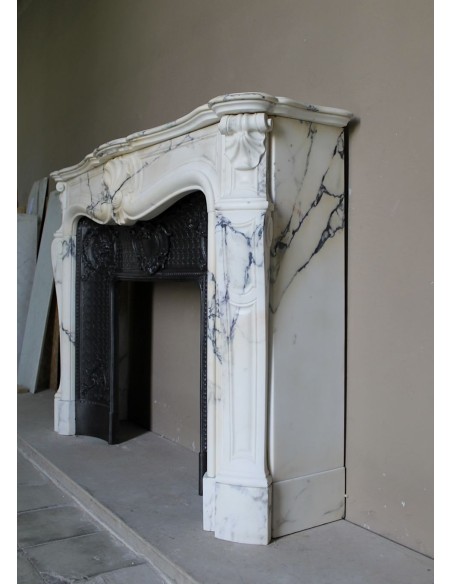
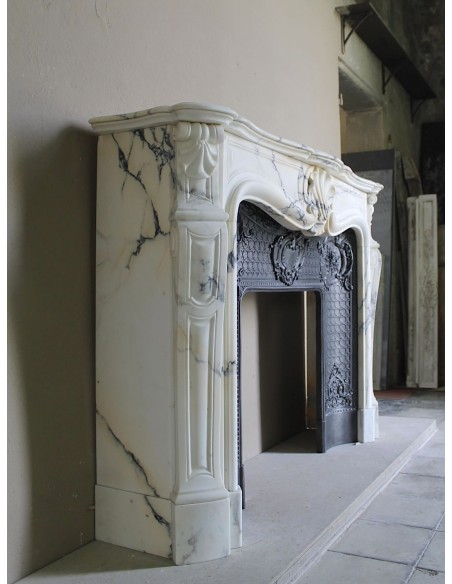
The second treasure lies in the design itself.
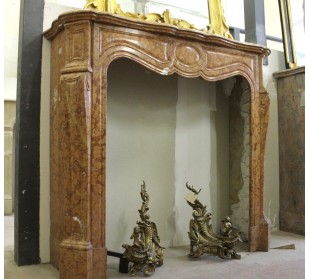
Its proportions, its refinement, its originality... every line seems perfectly judged.
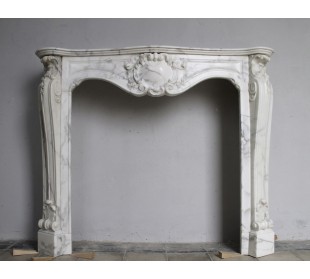
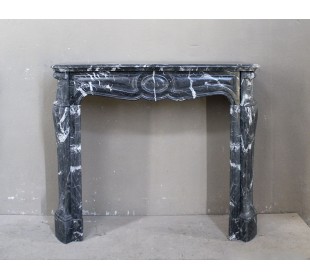
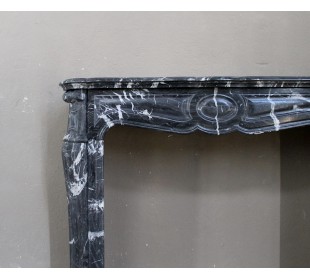
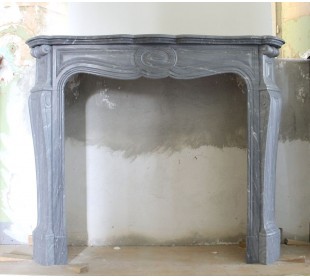
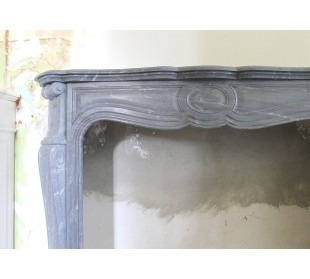
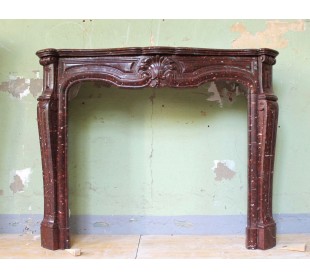
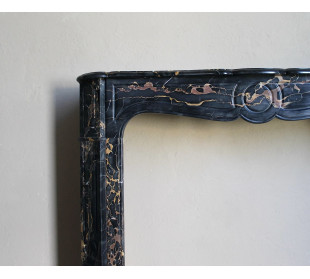
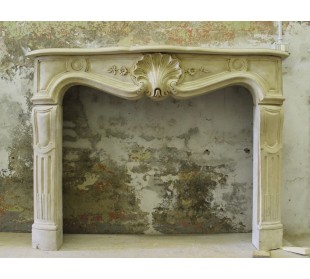
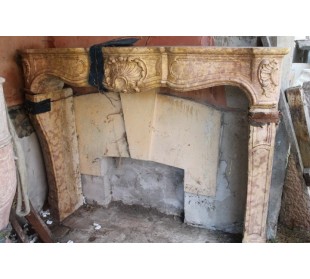
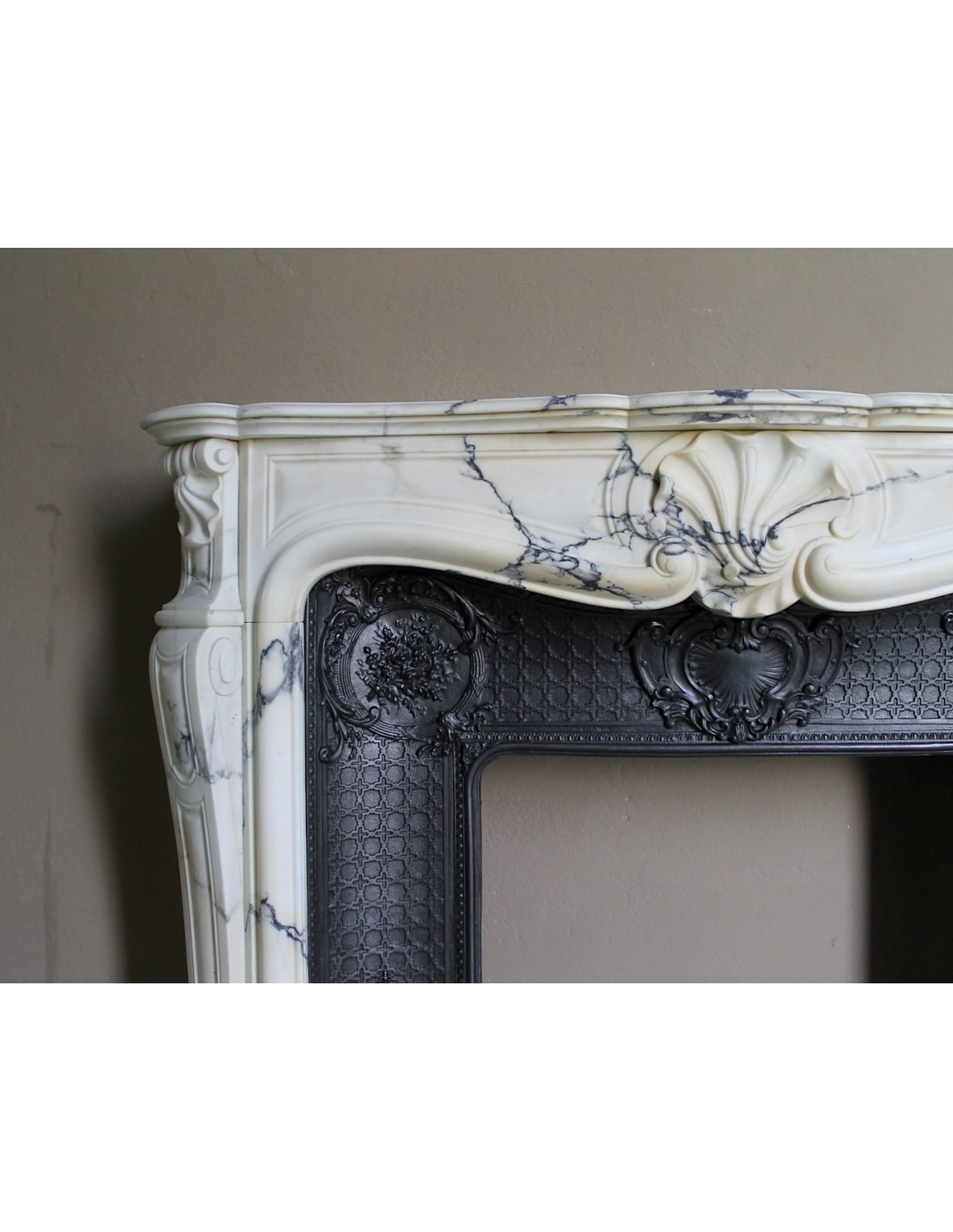
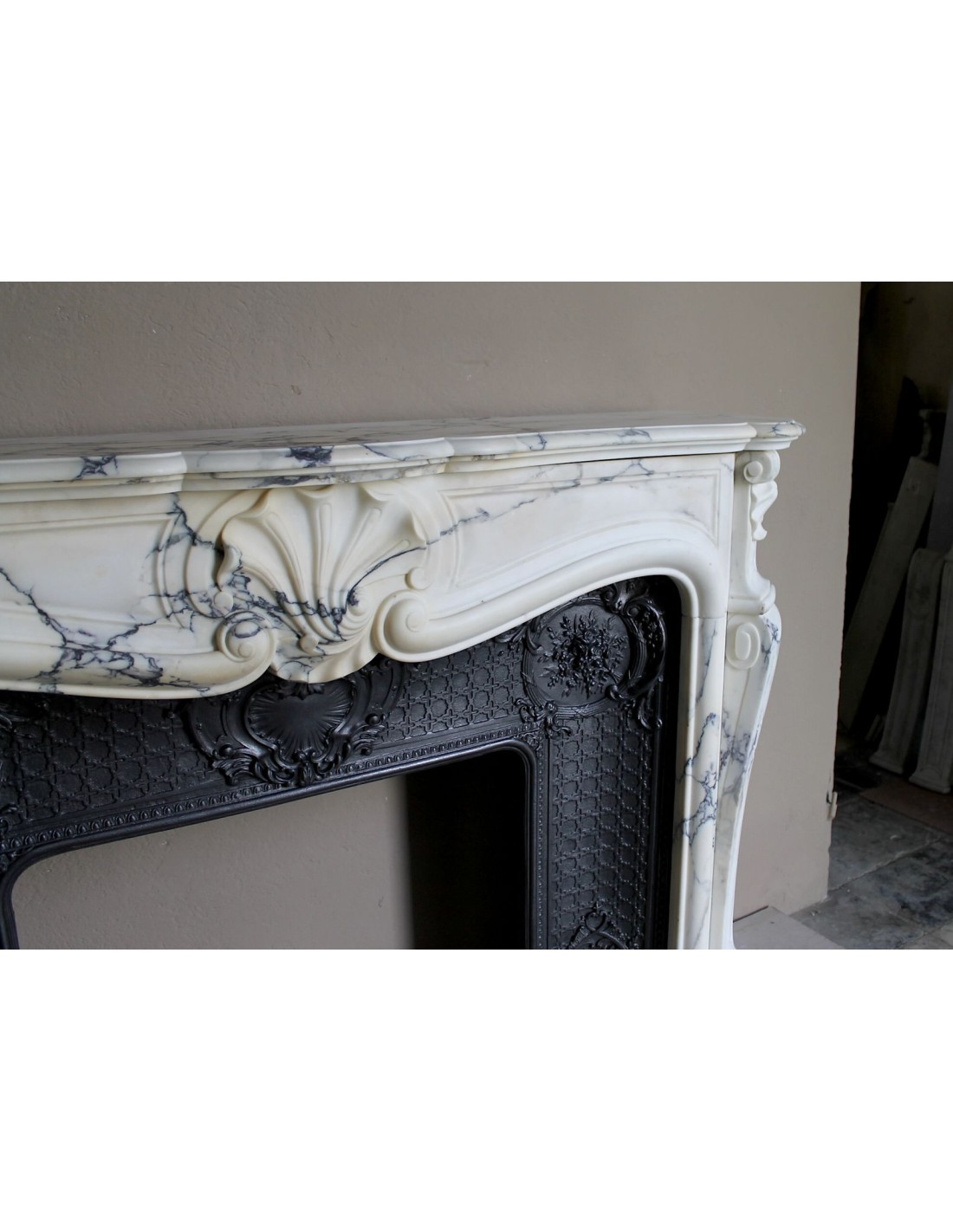
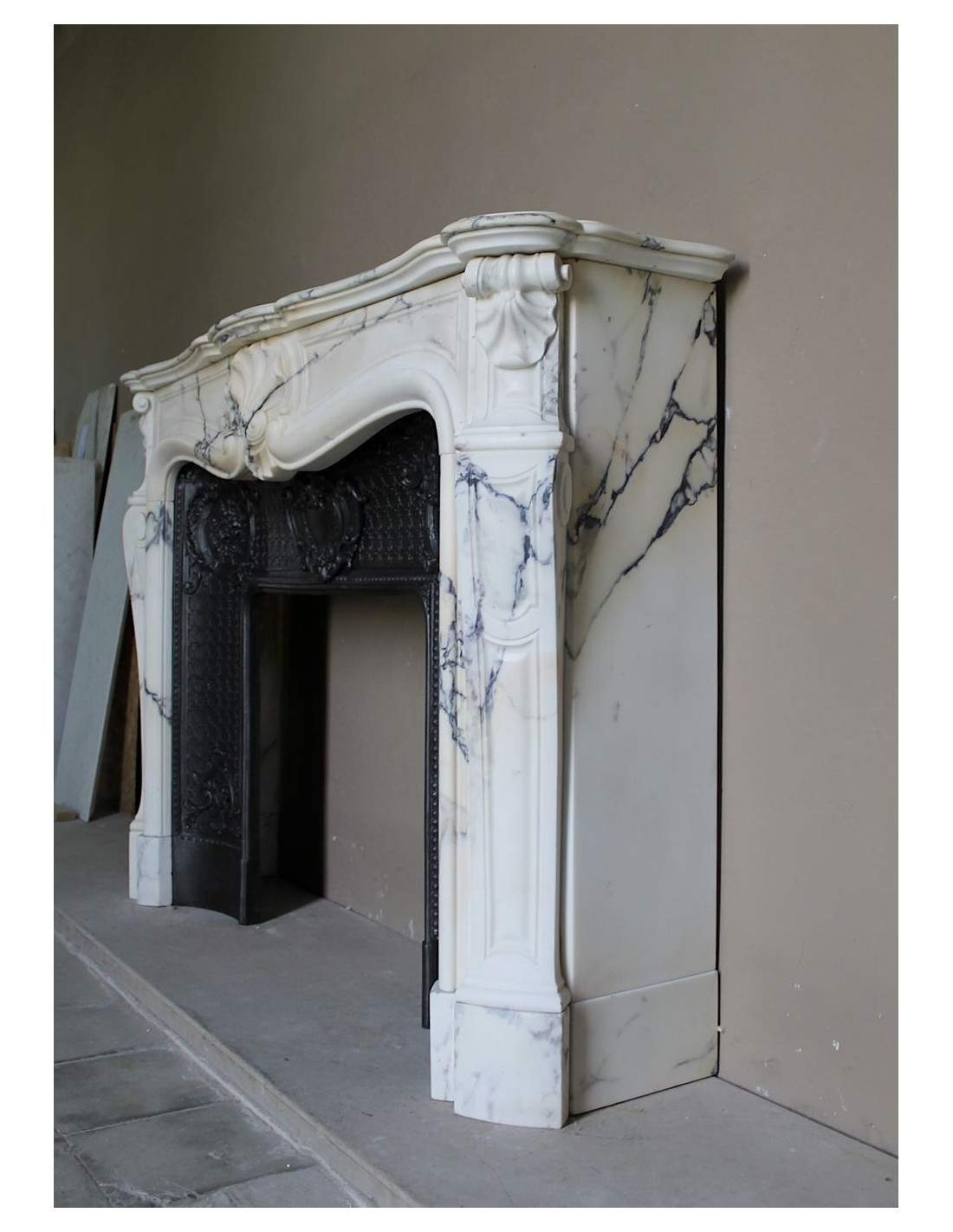
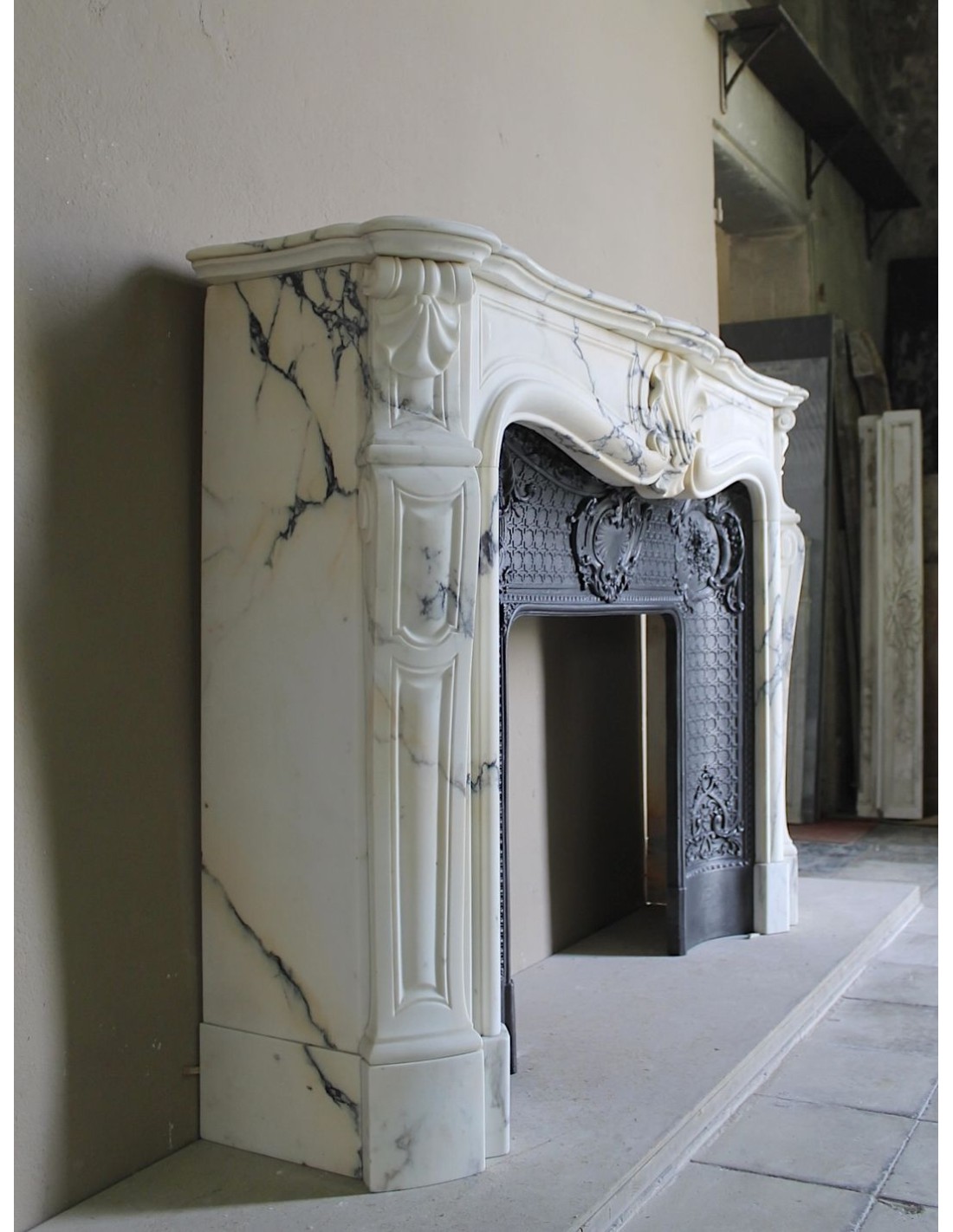
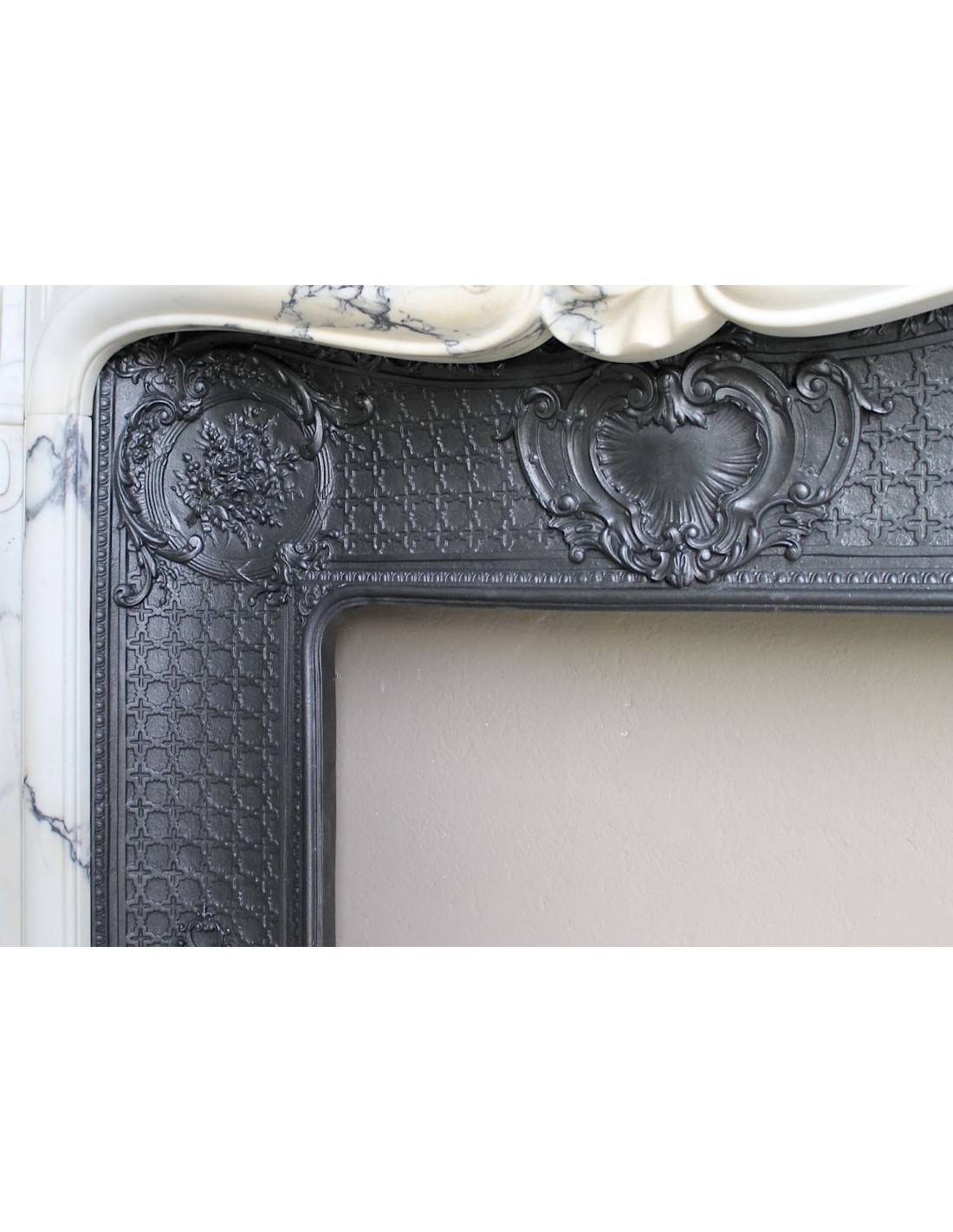
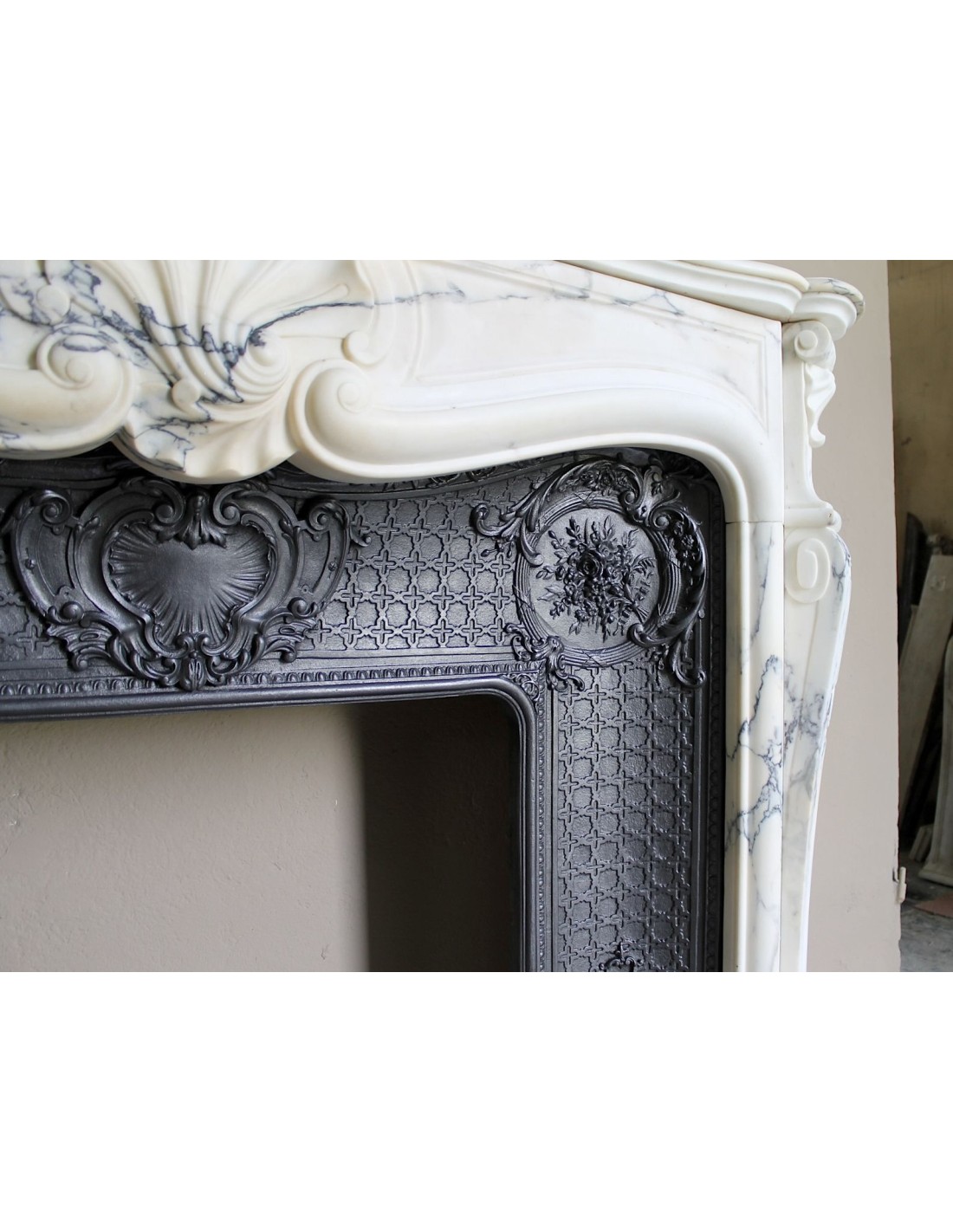
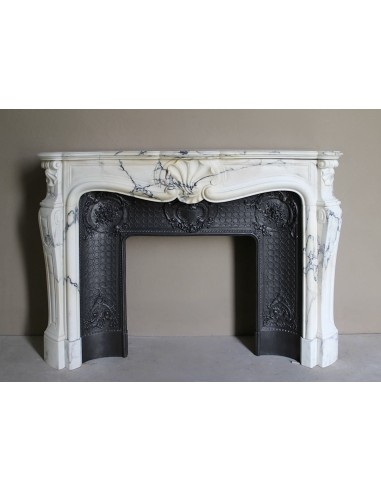
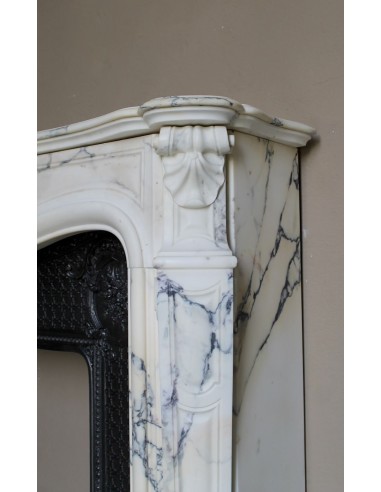
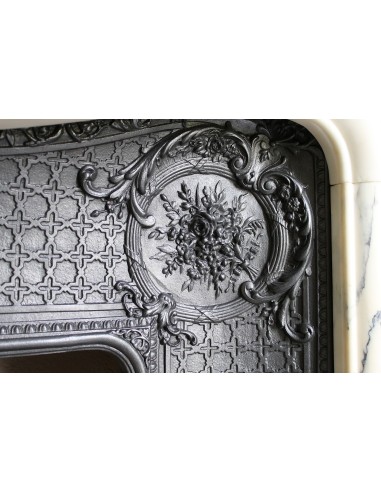
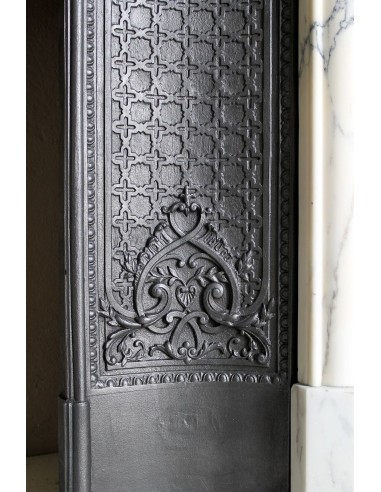
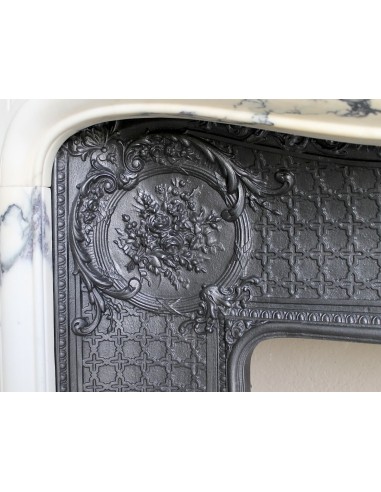
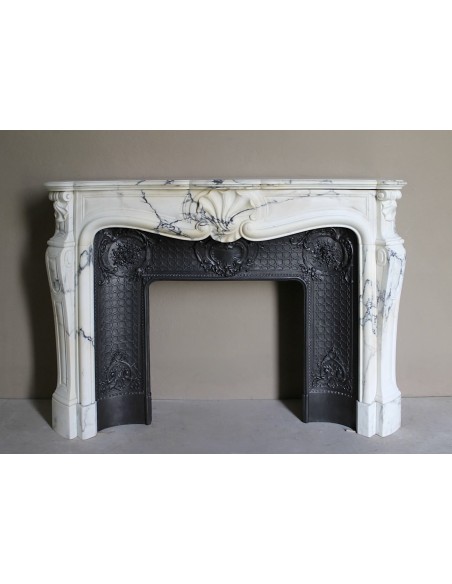
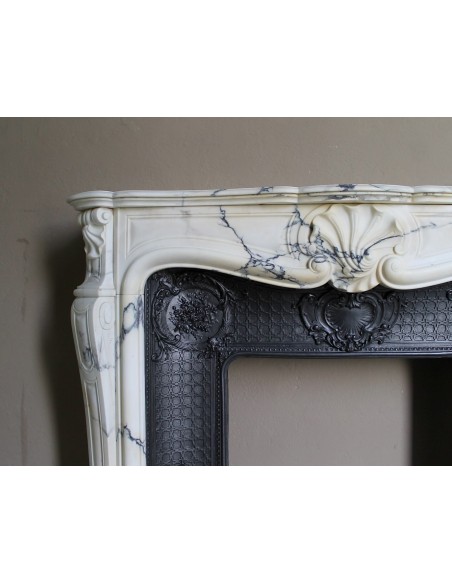
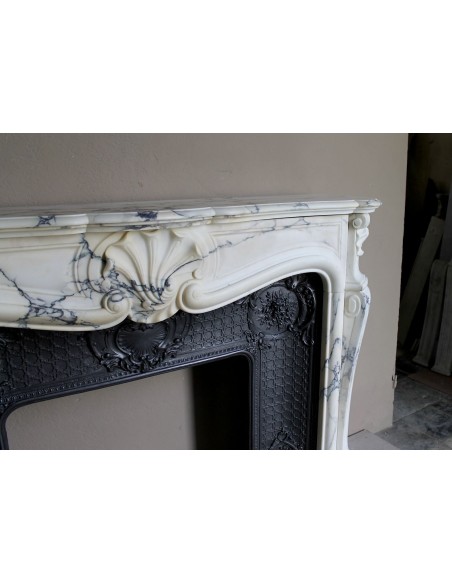
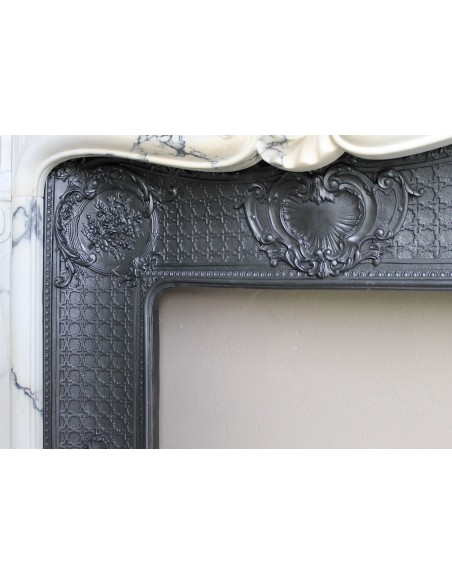
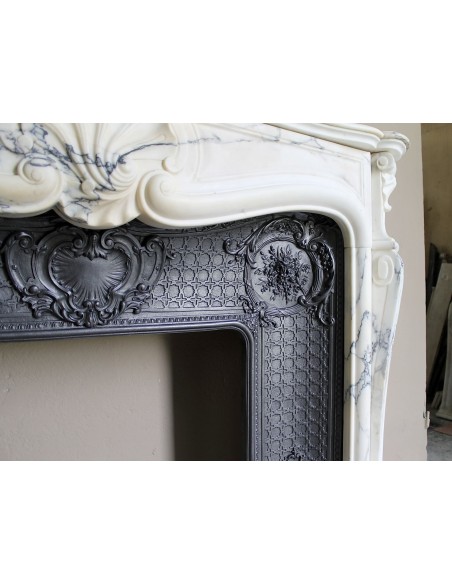
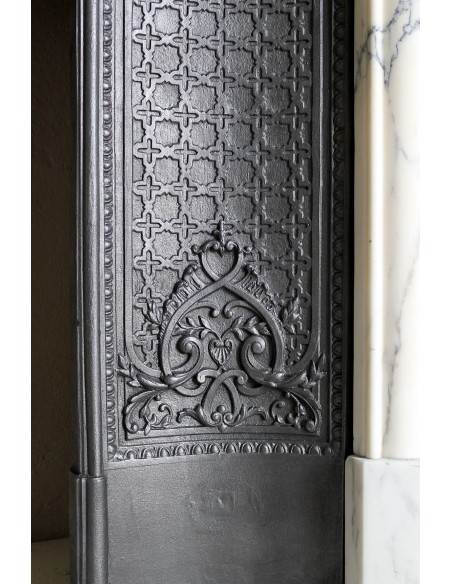
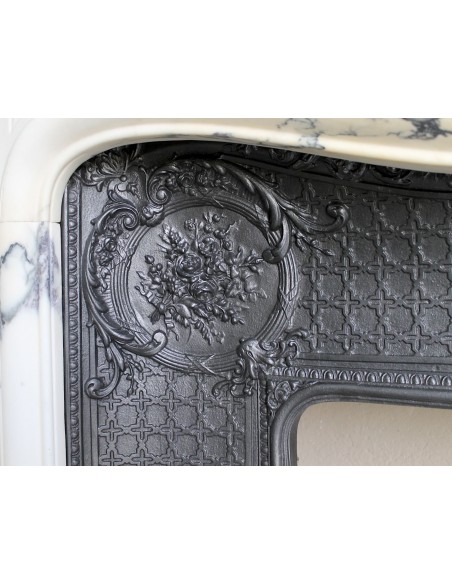
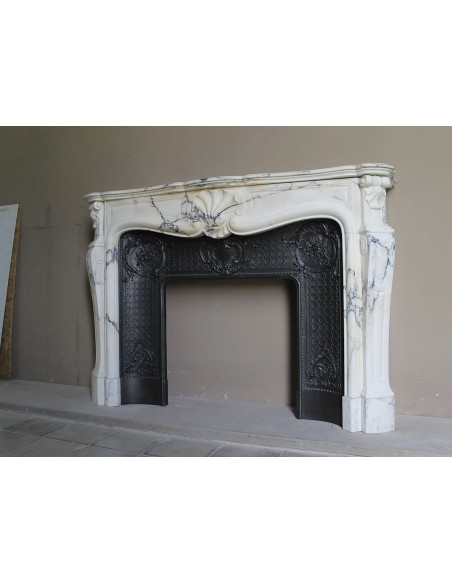
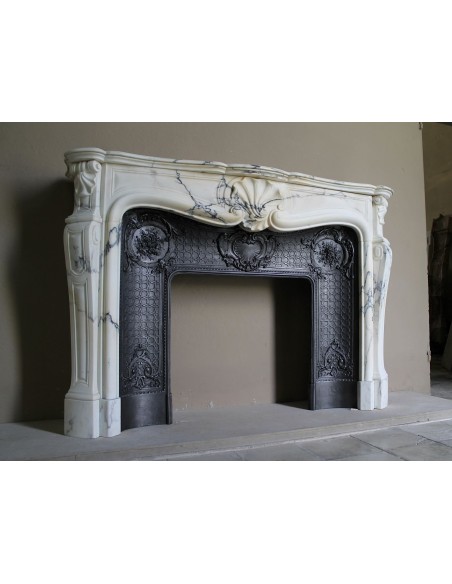
We are looking at a charming Louis XV "Bordelais" fireplace mantel, carved from magnificent Apuan Paonazzetto marble—one of the rarest and most prestigious marbles quarried in Italy, and traditionally regarded as one of the favourite stones of the Roman Emperors.
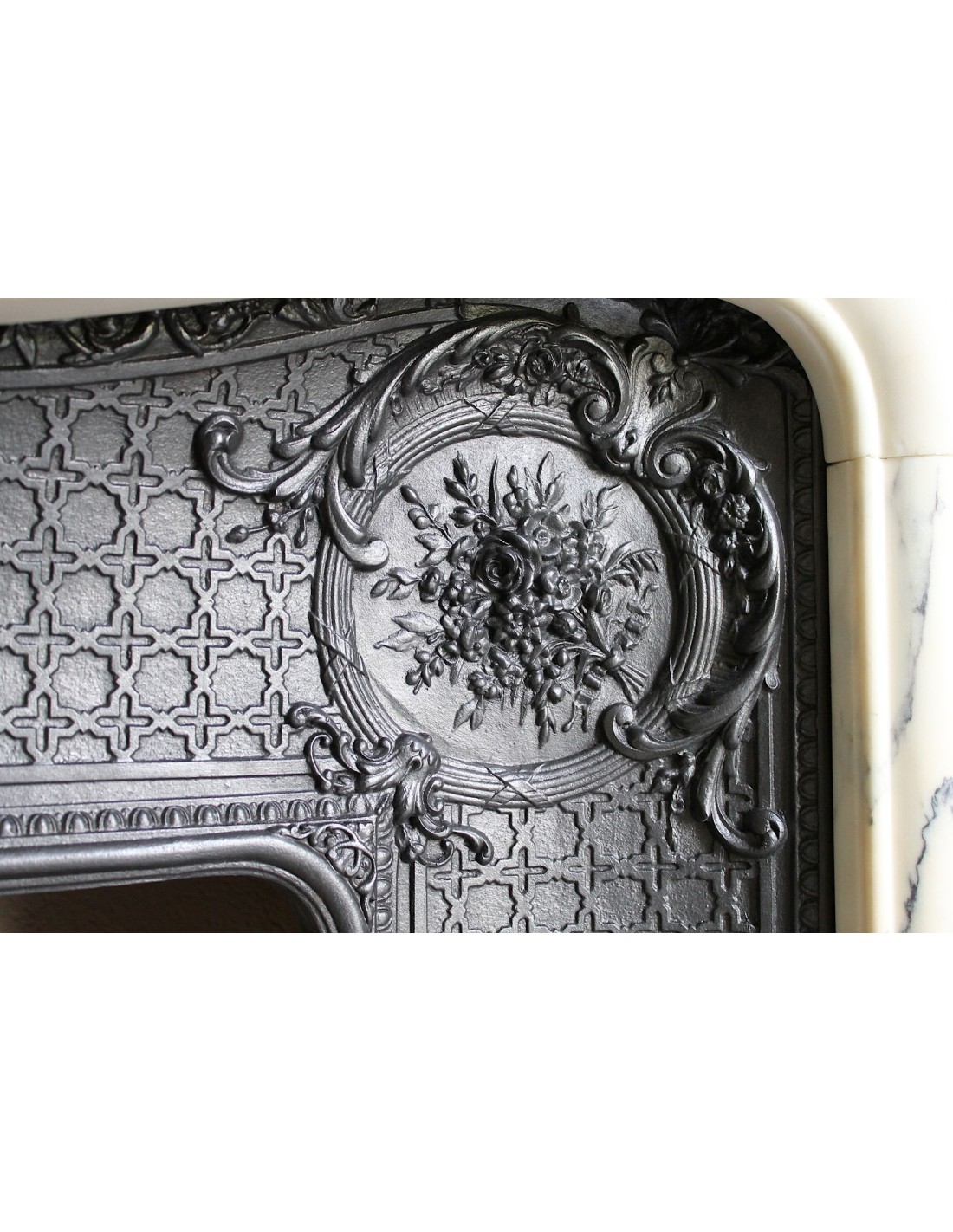
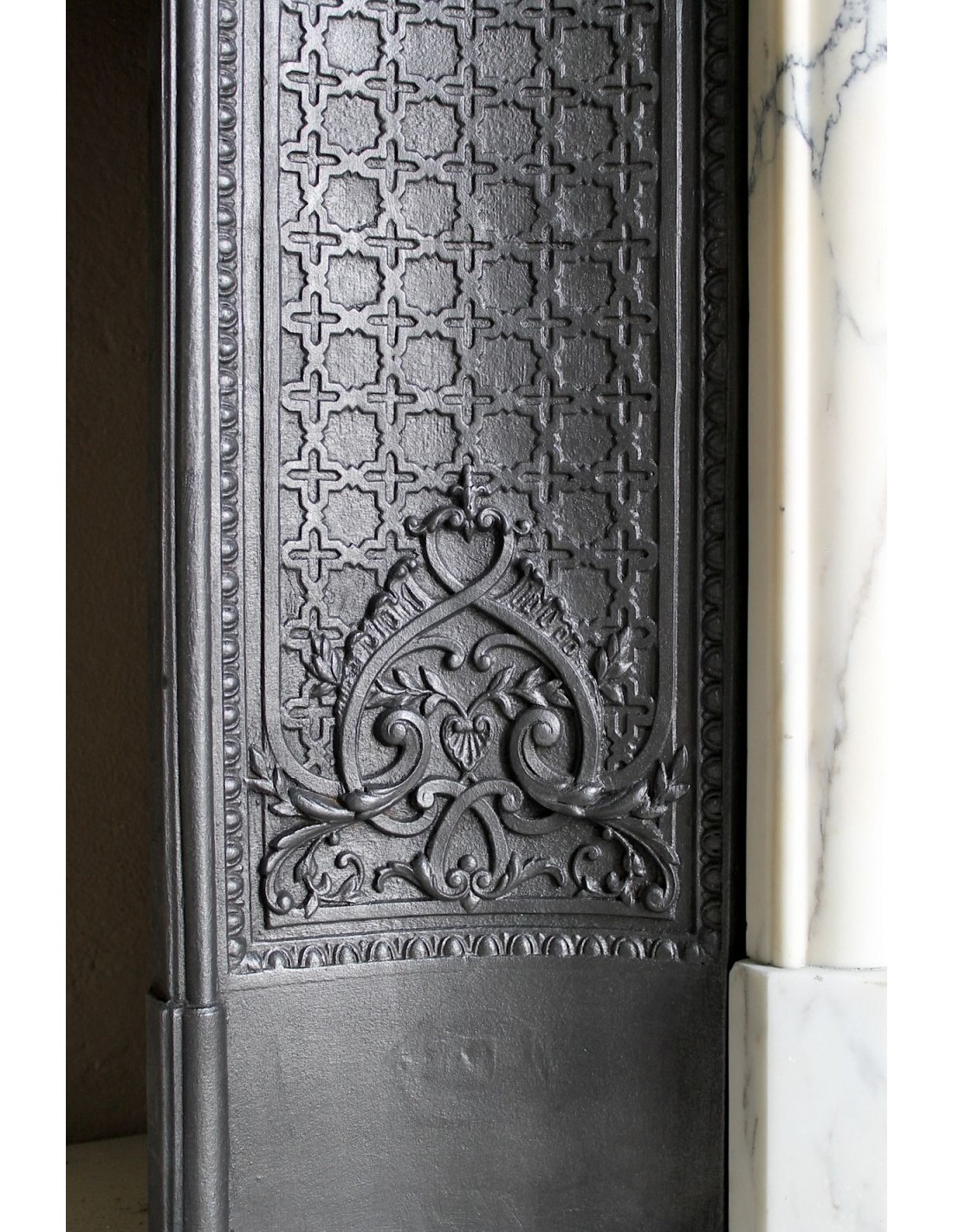
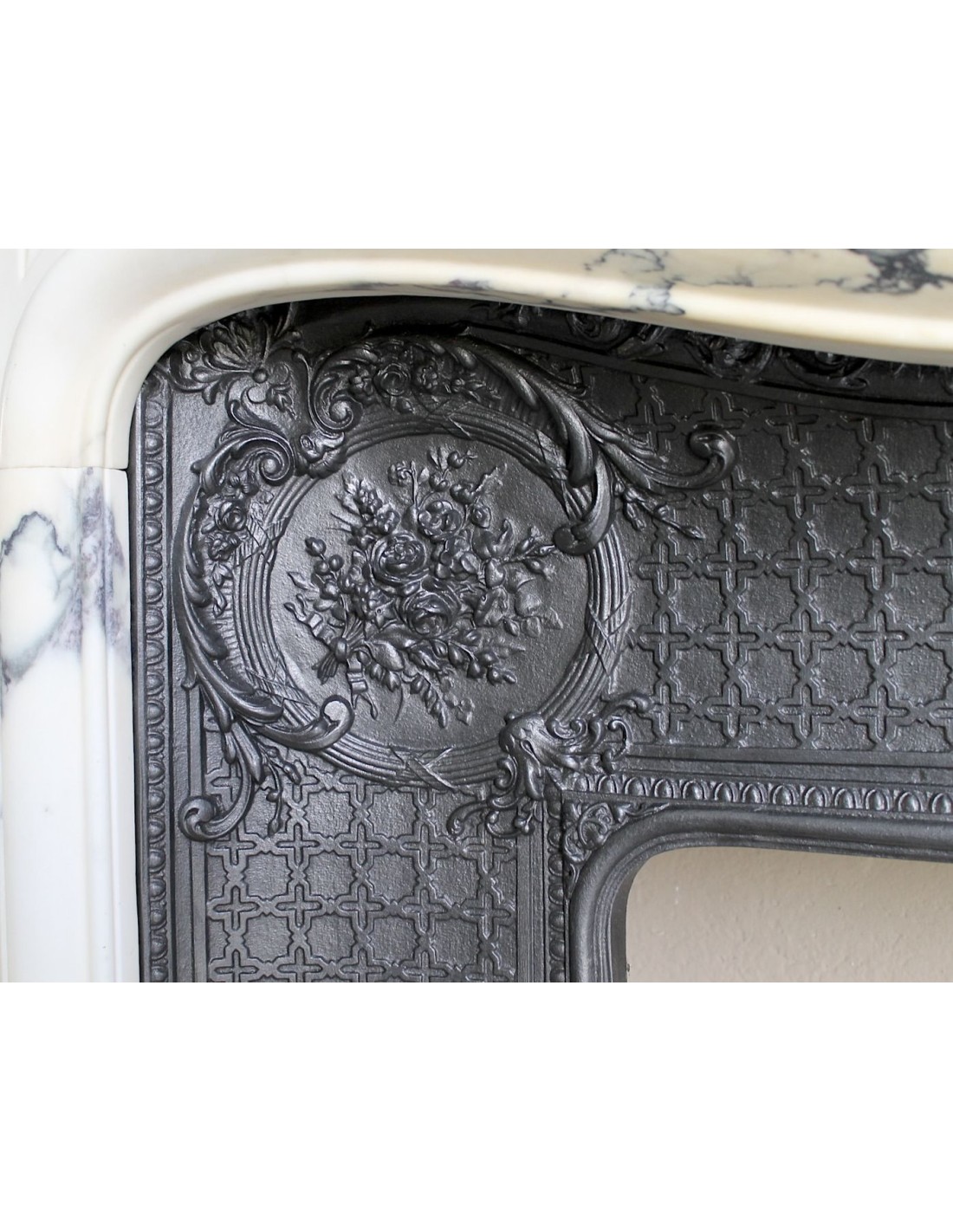
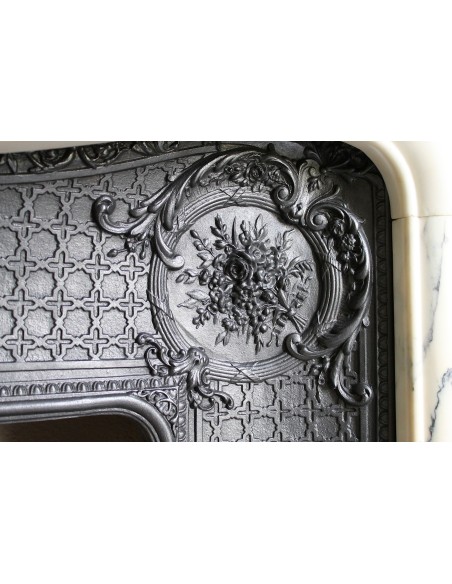
Discovered in Paris, this Napoleon III period mantelpiece remains in excellent condition and offers generous proportions suitable for both classical and contemporary interiors.
This marble fireplace possesses two particularly rare qualities.
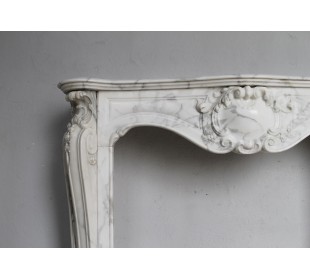
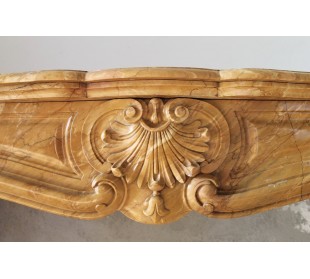
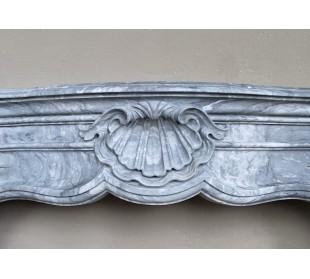
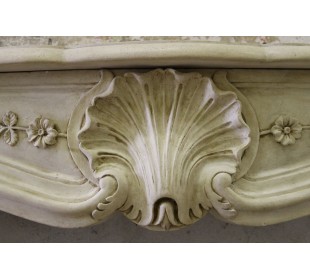
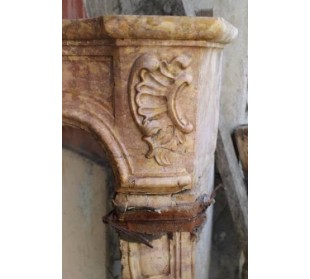
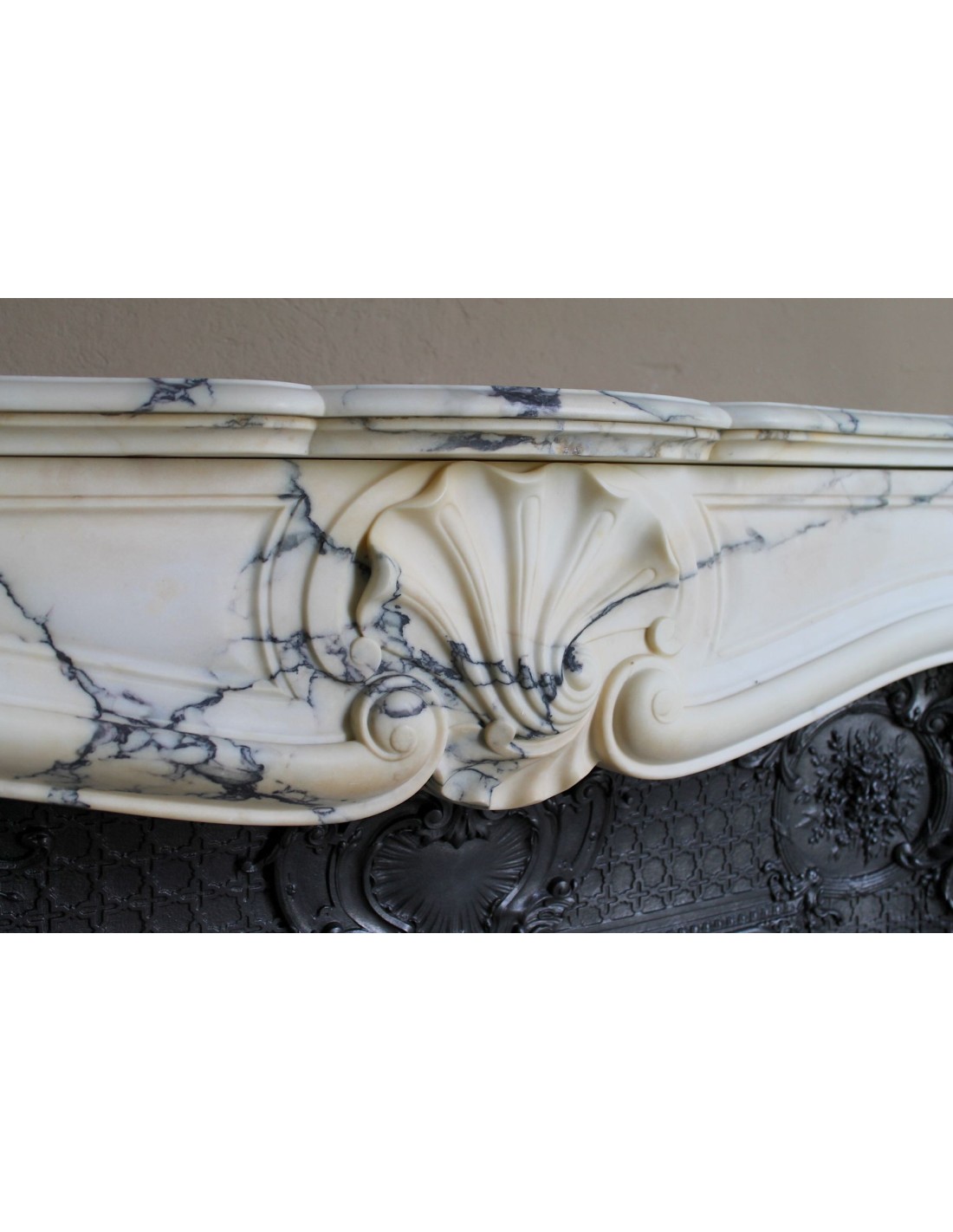
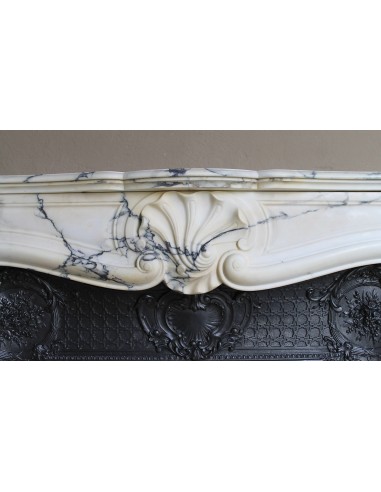
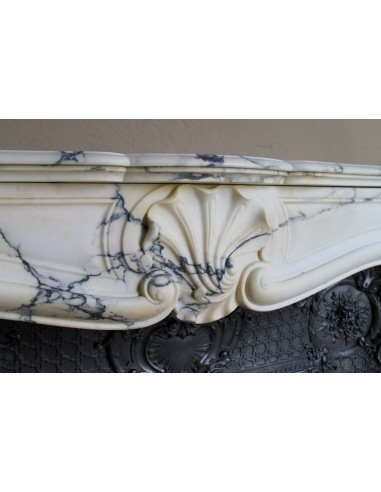
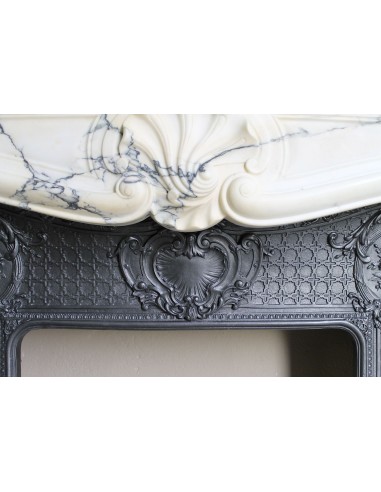
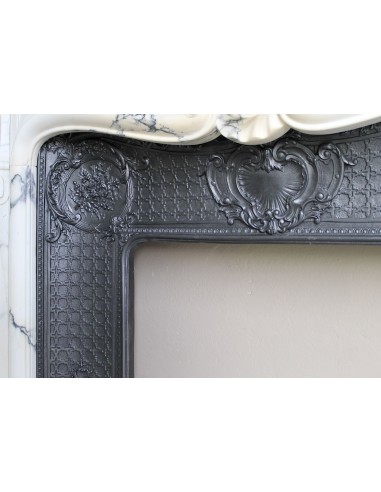
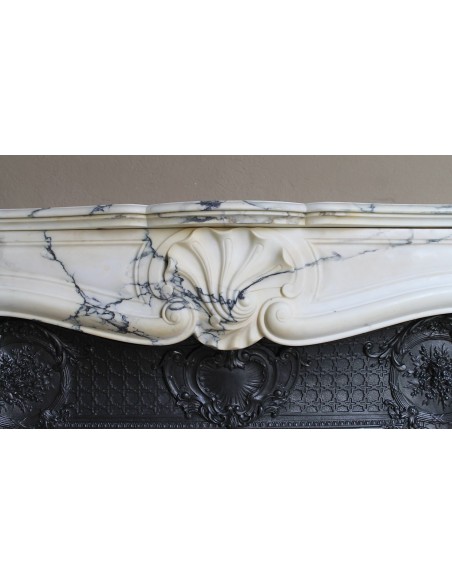
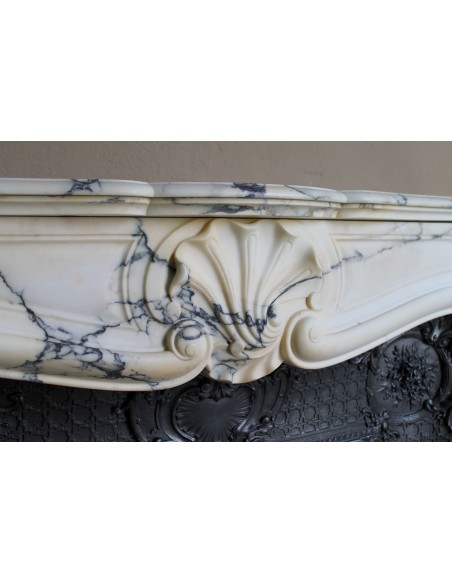
The first is the remarkable central ornament: a shell that appears to twist gracefully upon itself. This distinctive motif was originally conceived by a fireplace designer working in Bordeaux, giving rise to what collectors today often refer to as the Bordelais model. While the design originated in France, the carving itself—as was so often the case—was entrusted to the master sculptors of the Italian Lunigiana, whose workshops around Carrara, Pietrasanta and Sarzana supplied many of France's finest marble fireplaces.
The second exceptional feature is, without question, the marble itself.
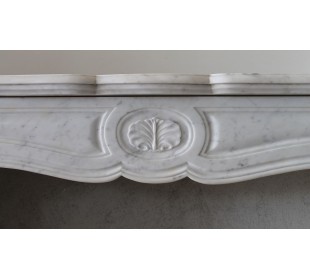
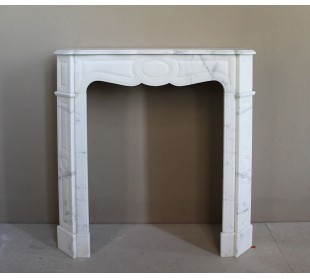
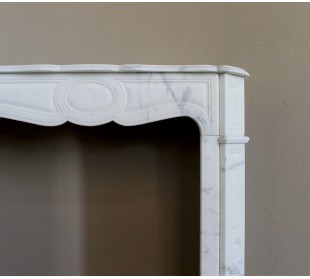
Rather than choosing the more familiar White Carrara marble, the original patron selected the far more luxurious Apuan Paonazzetto marble.
Its creamy white body recalls the purity of Statuary marble, yet instead of conventional grey veining, it is traversed by extraordinarily fine coloured veins that seem almost like strands of silk. Thanks to its natural mineral composition, the stone also develops an exceptionally beautiful patina over time, acquiring a depth and warmth that only age can bestow.
In our experience, fireplaces of this quality and in this marble appear perhaps once a year—if we are fortunate.
When they do, they rarely remain available for long.
From time to time we are asked how one can distinguish an authentic antique fireplace from a modern reproduction.
Rather than offering simplistic "do-it-yourself" advice, we prefer to recommend the most reliable approach.
In Italy, one of the foremost authorities in the study and conservation of historic stonework is the Opificio delle Pietre Dure, the renowned institute of the Italian Ministry of Culture.
With laboratories in Florence and Rome, it is internationally respected for the conservation, restoration and scholarly examination of works in marble and decorative stone. Should you ever require an independent professional assessment of an antique fireplace, it remains one of the most authoritative institutions to consult.
At ARTIS, we have always believed that an antique fireplace should be appreciated not only for its beauty, but also for the confidence with which it can be acquired.