
SHARE ON:
THIS IS THE STORY, BETWEEN TRUTH AND LEGEND, OF THE MOST FAMOUS FIREPLACE IN THE WORLD AND OF ITS EQUALLY FAMOUS INSPIRATION.
To Jeanne-Antoinette Poisson, better known as the Marquise de Pompadour, we owe the name of the fireplace I am presenting here, and since I believe that by knowing this female figure one can better understand the fireplace itself, I will begin this short article with the presentation of the most famous lover on the face of the earth.
She was born in Paris in the first half of the eighteenth century and lived, with extraordinary skill, within a whirlwind of events that would make the authors of Guiding Light — and even the more celebrated Dallas — pale in comparison…
Daughter of bourgeois parents (the plural is necessary, since no one truly knows which bourgeois she was actually the daughter of, given that her mother herself was a certified libertine…), this exceptional Woman managed, in exchange for her phantasm-erotic favors, to obtain one of the most beautiful castles in France. She came to sit at the king’s right hand while the queen was relegated to the less important left side, and she was able to live at Versailles as if she — and no other — were the true Queen.
She was first the lover of Louis XV, then, after being displaced from the royal bed by the fifteen-year-old Morphise, she became the king’s most listened-to advisor and finally — until her death and by Louis XV’s own admission — his only true friend. In short, one may safely say that this splendid woman was not “capable” only in bed, but possessed many other, decidedly cerebral, qualities.
But this woman — and here we come to today’s subject — was not only what I have described above (which is already quite a lot…). She took a deep interest in the arts, ranging across every possible field, also in a practical way (for example, she was an actress and a producer of theatrical performances…). She frequented writers, painters, sculptors and… the Ateliers des Arts, the artistic workshops whose task was to create, for the most powerful man in Europe, his passage into History through the creation of a highly personal style in every field of decoration and furnishing — fireplaces included.
After all, Louis XV had other lovers, and he was almost always out hunting… somehow the Marquise de Pompadour had to pass the time, didn’t she?
A small aside: no one will ever convince me otherwise that our Antoinette frequented those artistic circles because she had taken a liking to the sly moustache of some architect — perhaps younger and more vigorous than her increasingly pompous Louis.
Malicious gossip aside, it is perfectly believable that the Marquise de Pompadour — at that moment the most powerful woman in the kingdom — could have influenced the stylistic decisions of the architects working at the Ateliers des Arts, or at the very least inspired the design of the sinuously curved Louis XV style in fireplaces.
SO FAR, HISTORICAL TRUTH. NOW WE ENTER THE REALM OF POPULAR LEGEND.
This popular legend claims that the most famous fireplace in the world — the Pompadour Galbé of which we are speaking today — does not bear only the name of the most famous lover in the world, but also her very features.
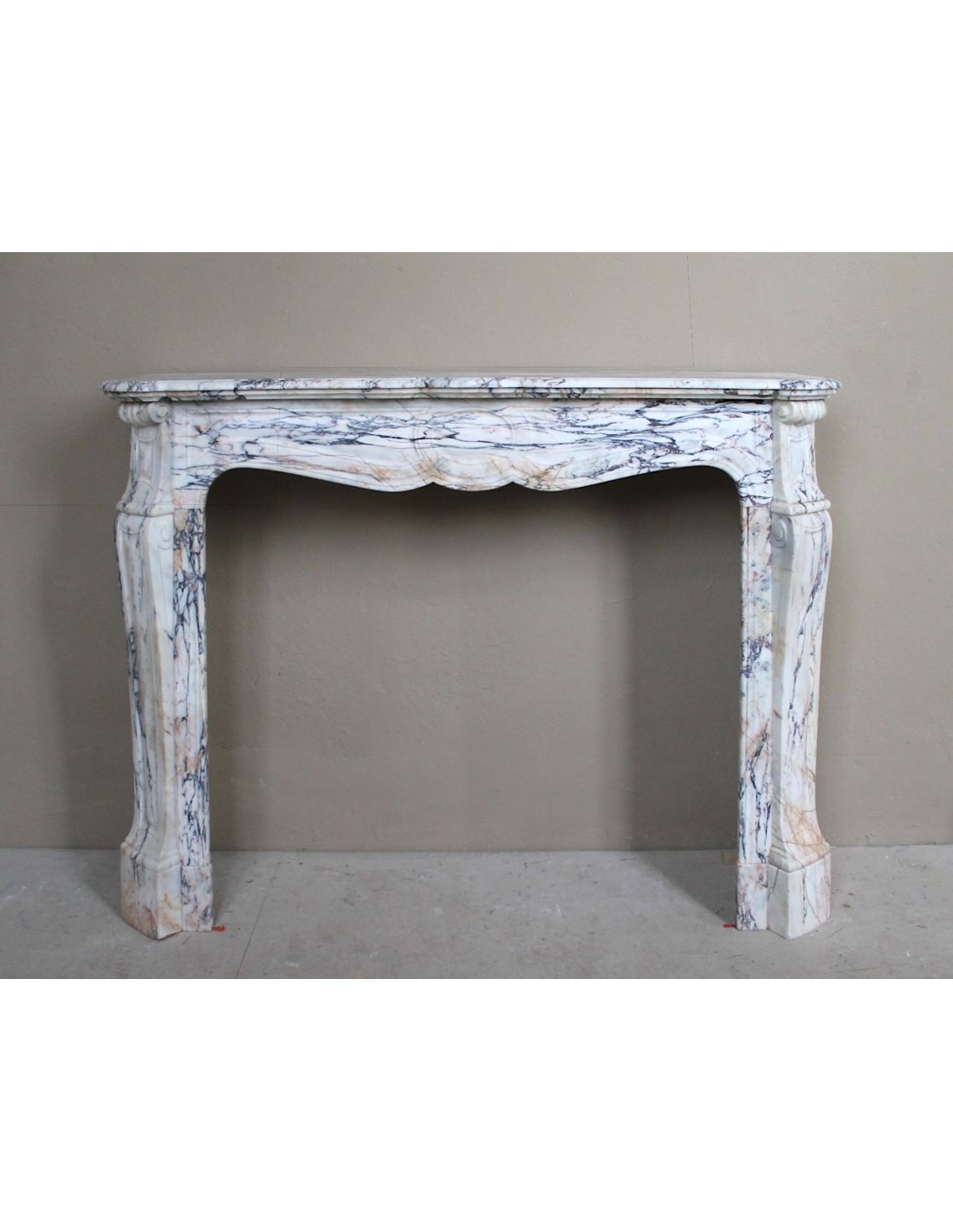
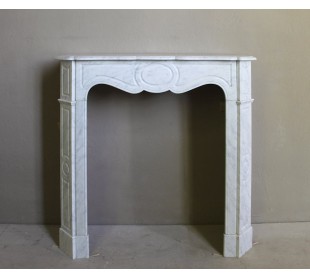
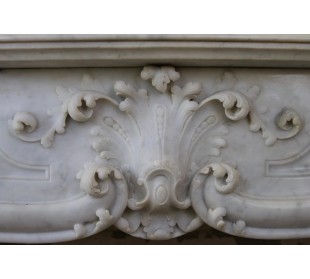
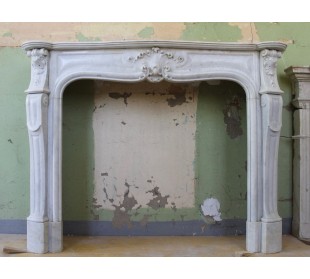
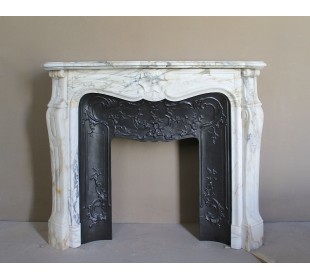
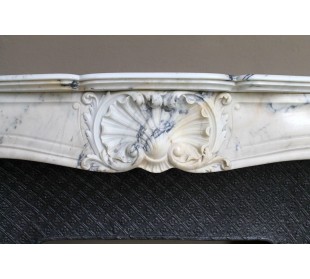
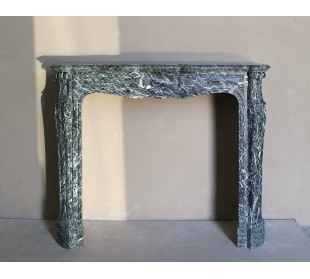
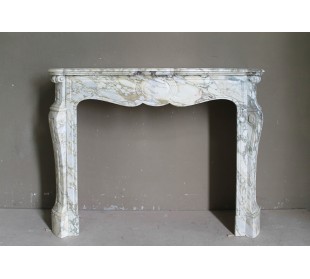
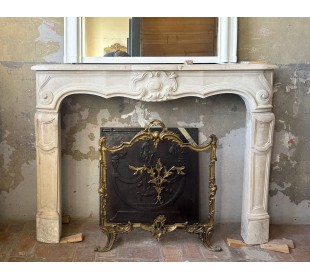
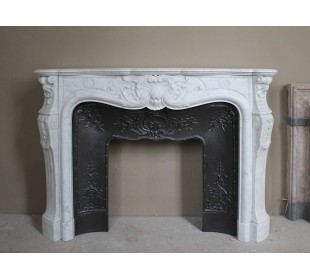
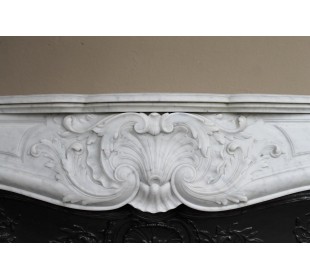
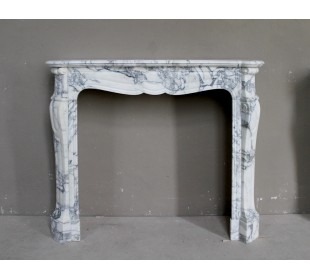
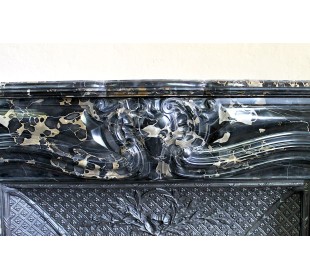
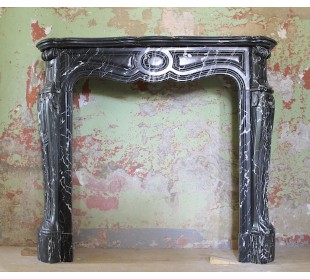
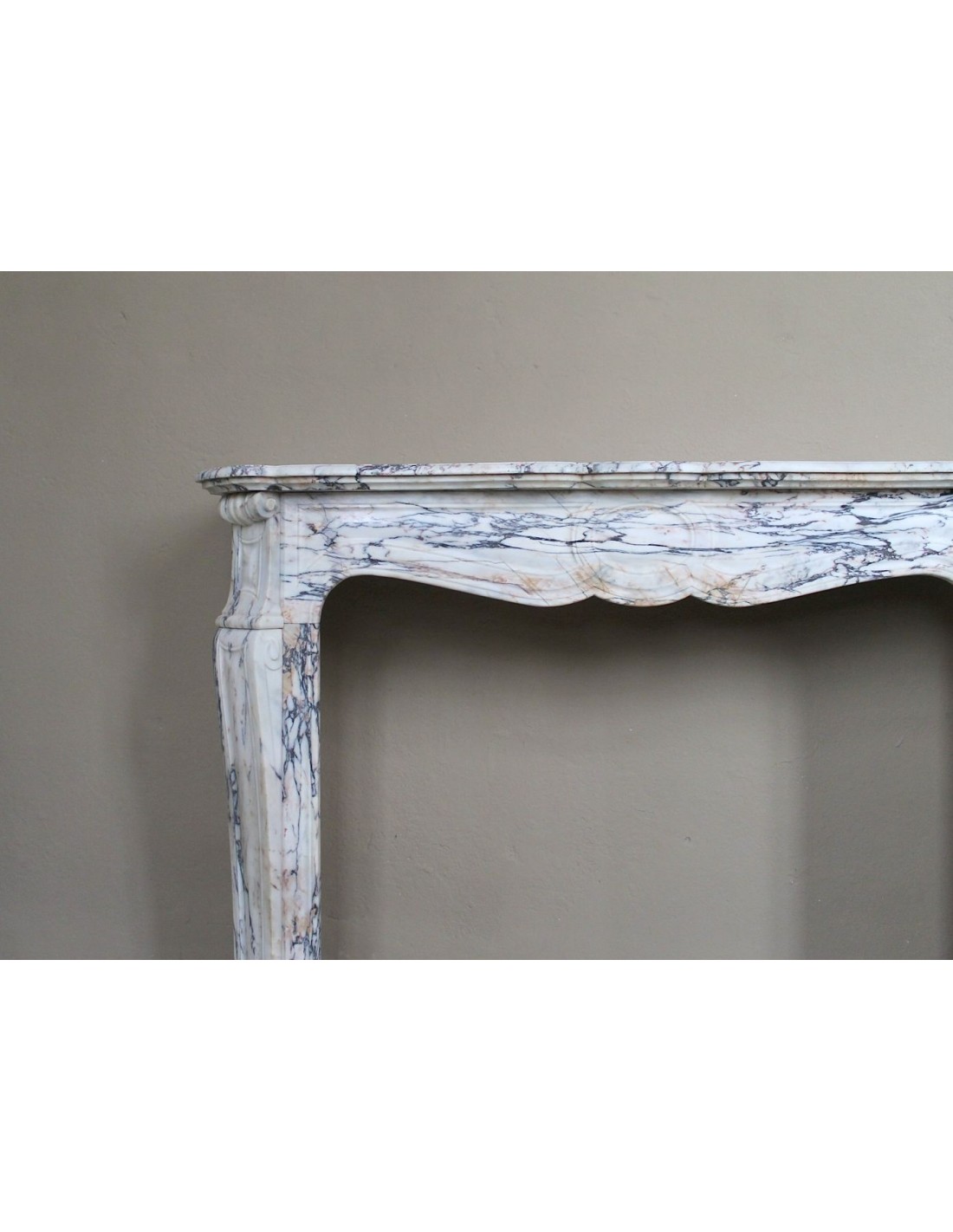
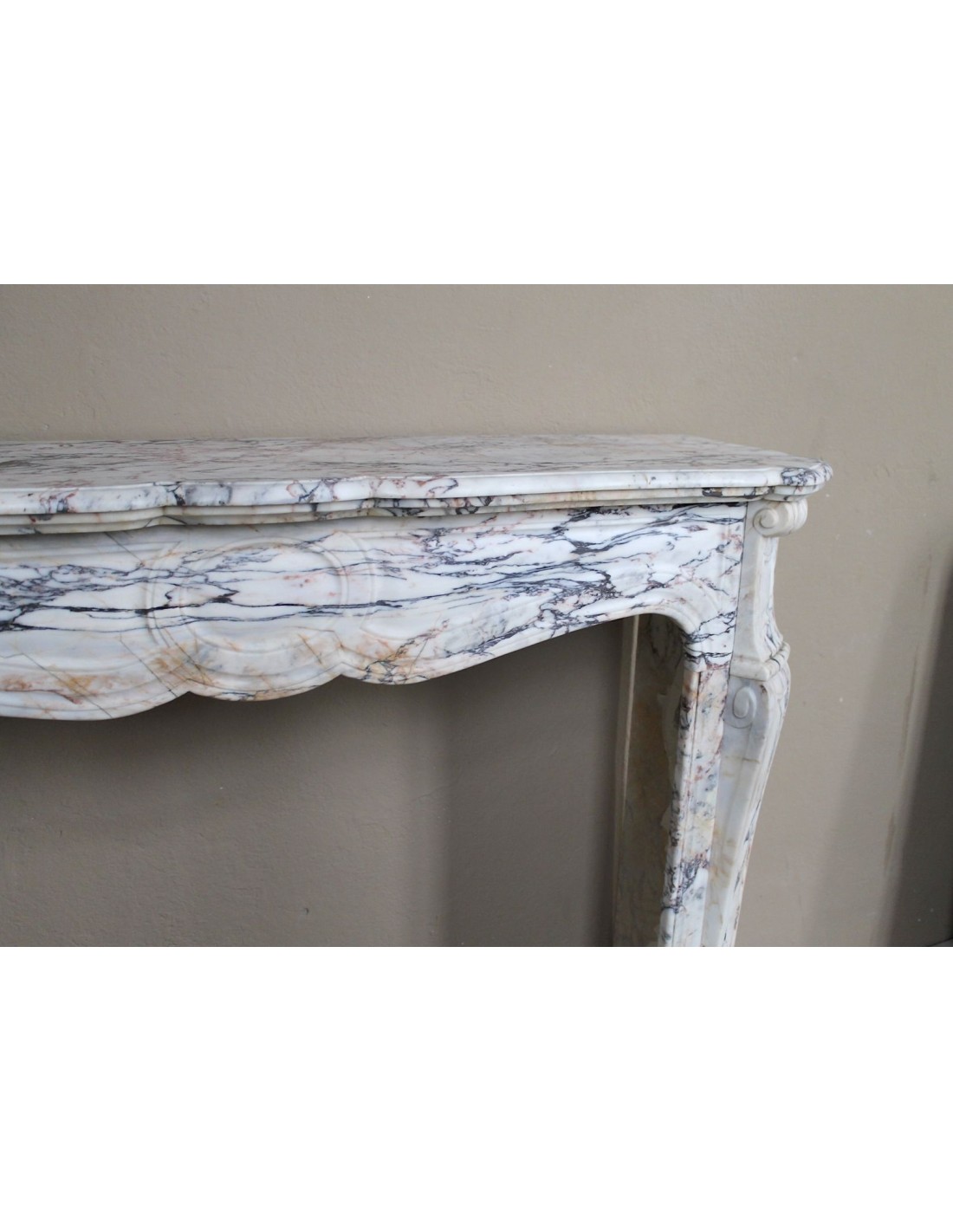
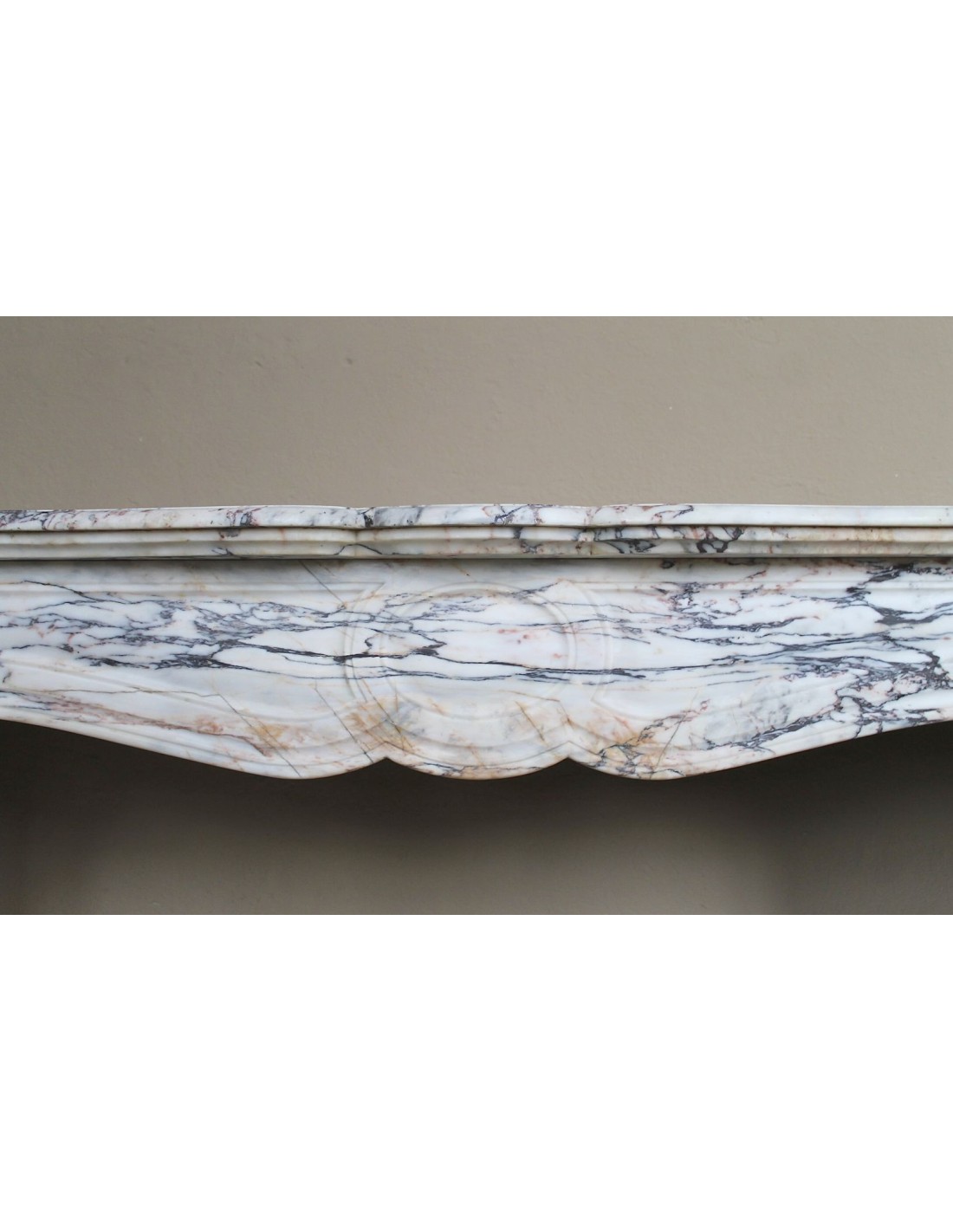
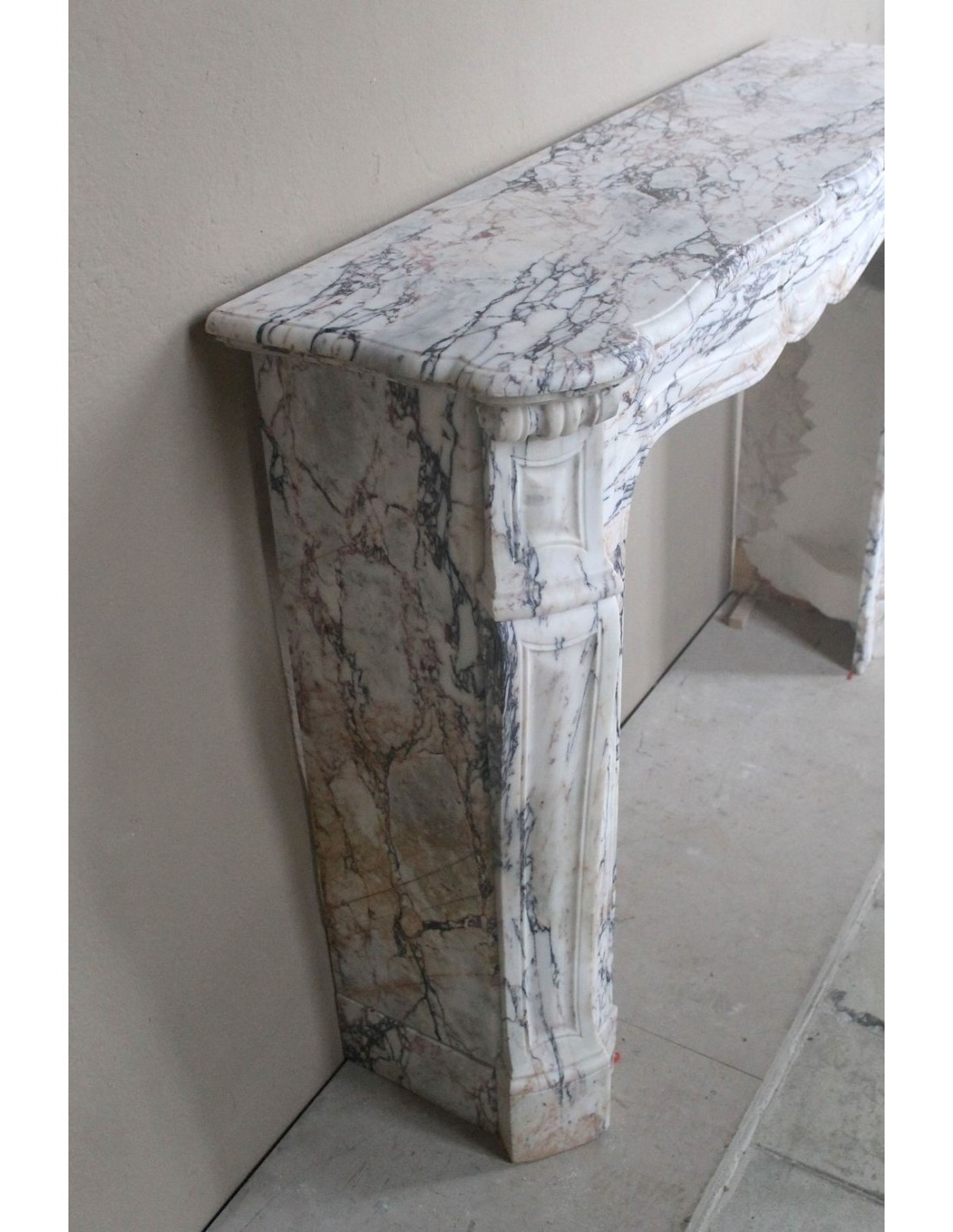
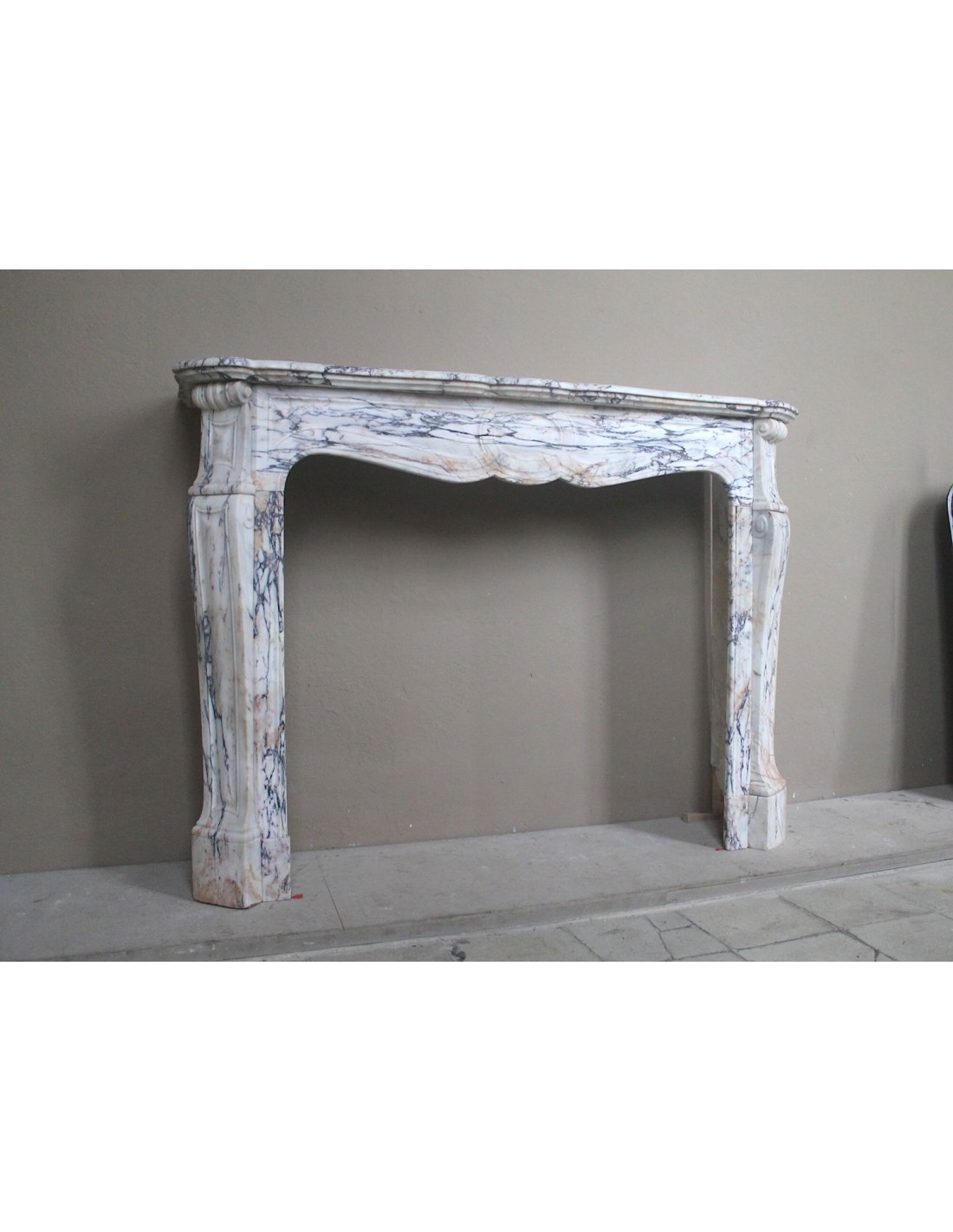
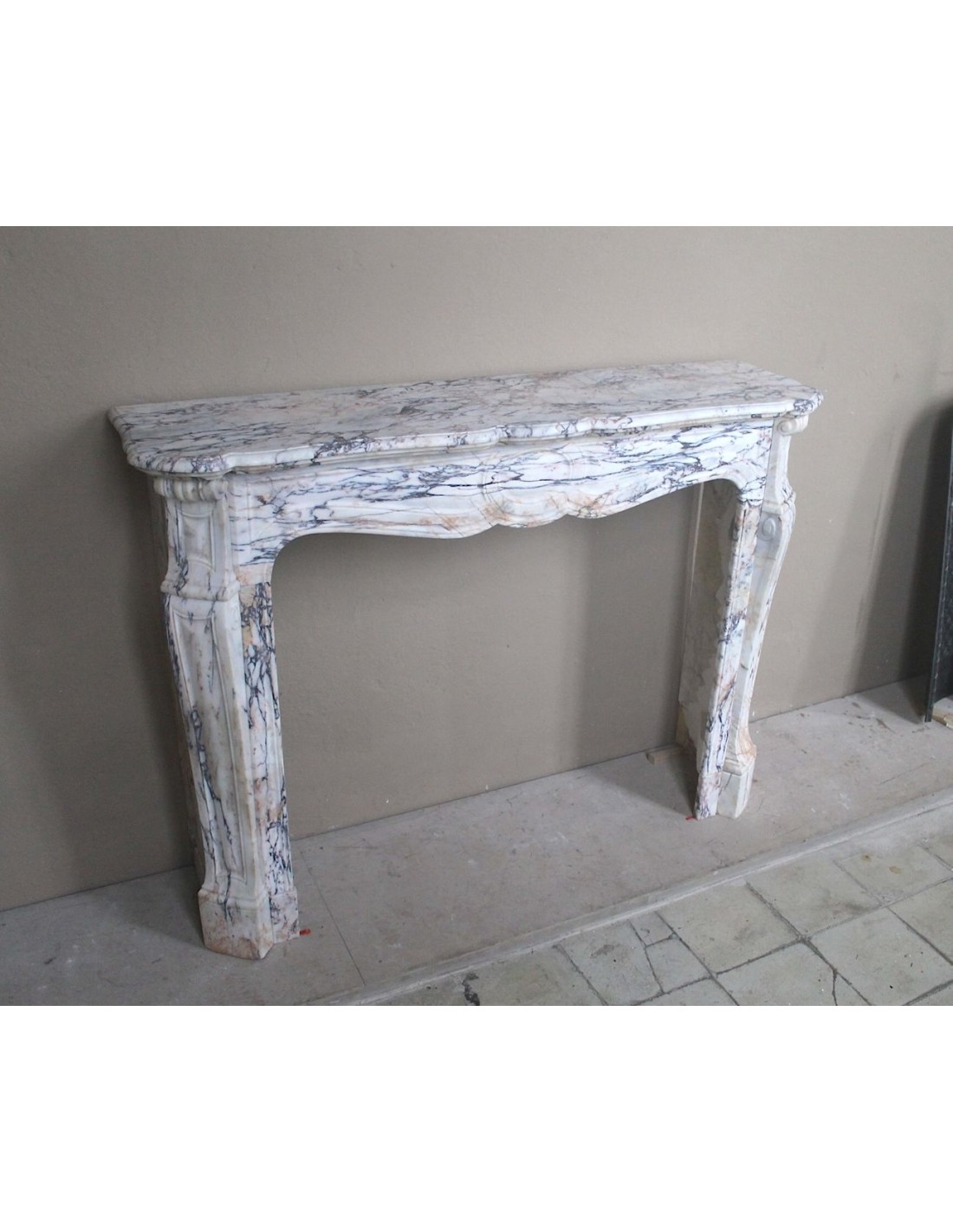
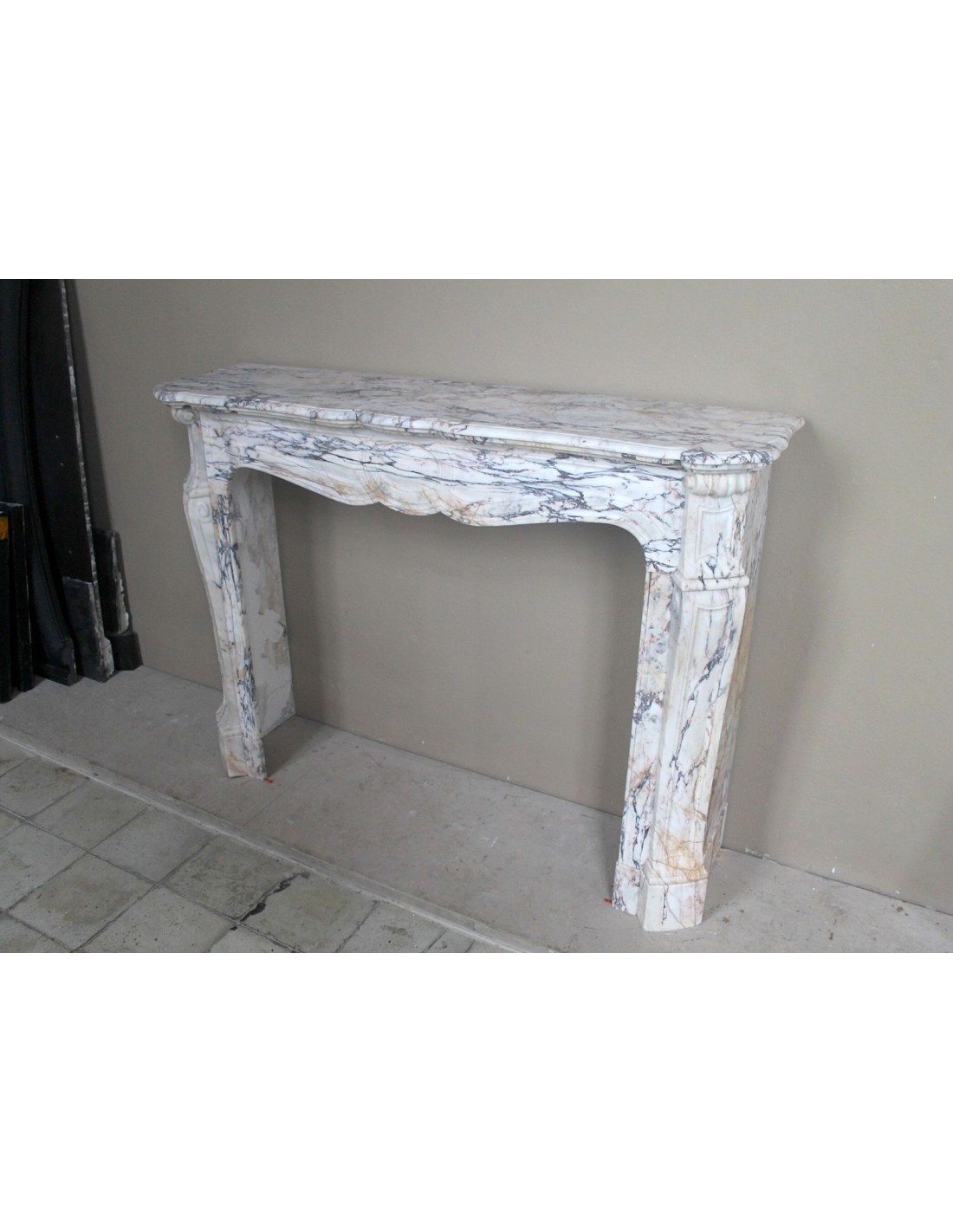
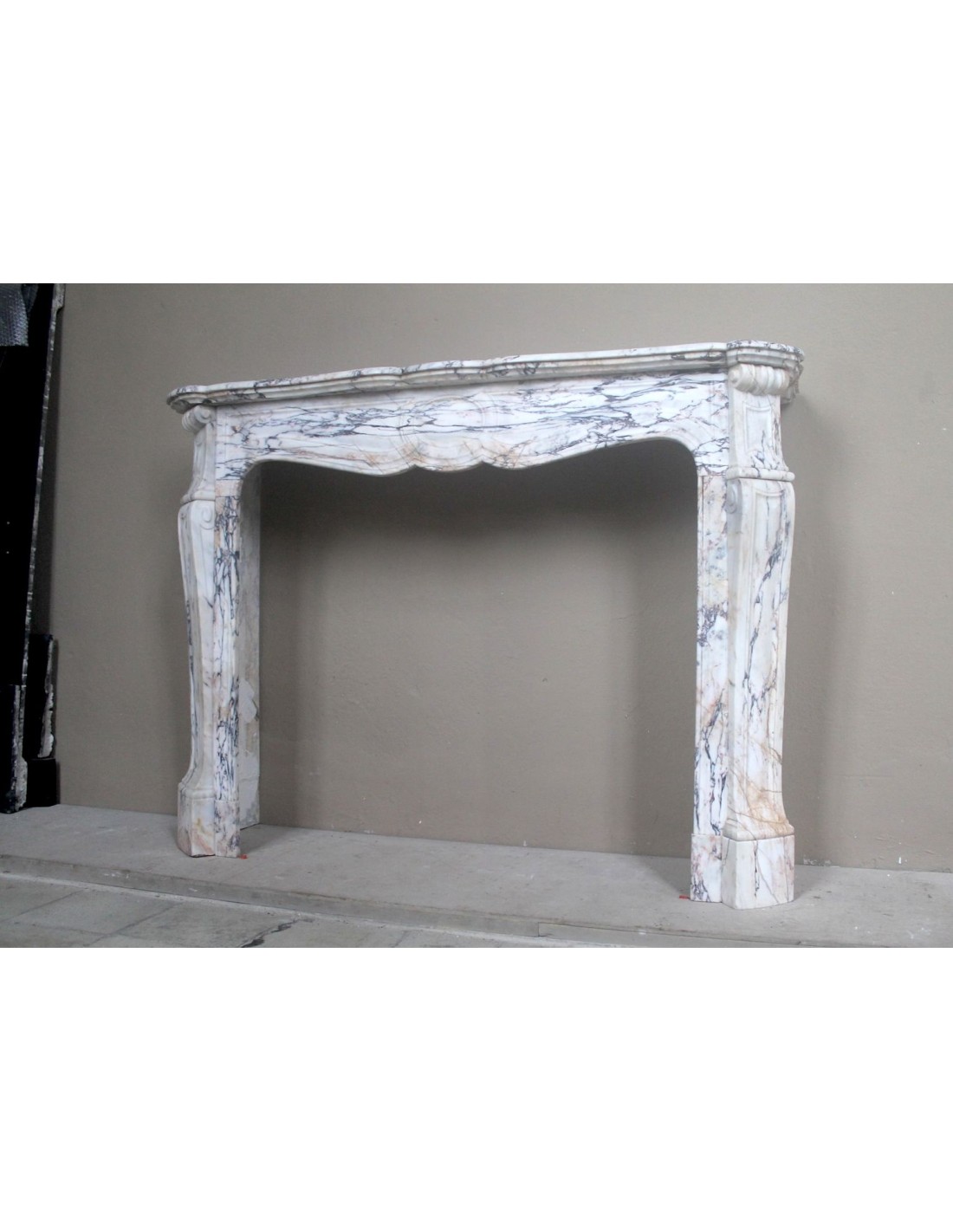
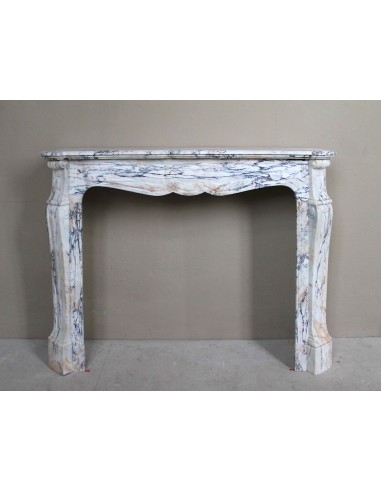
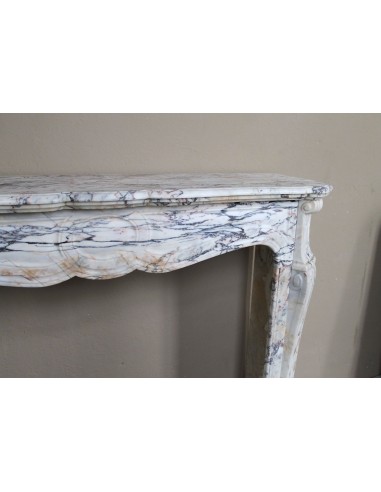
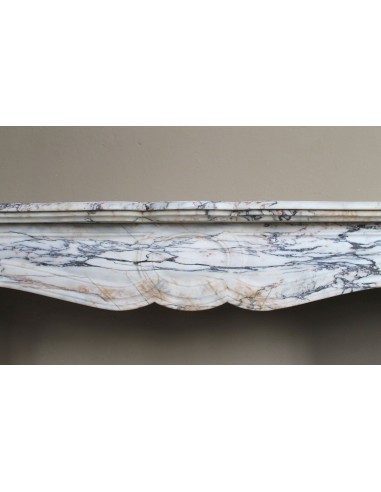
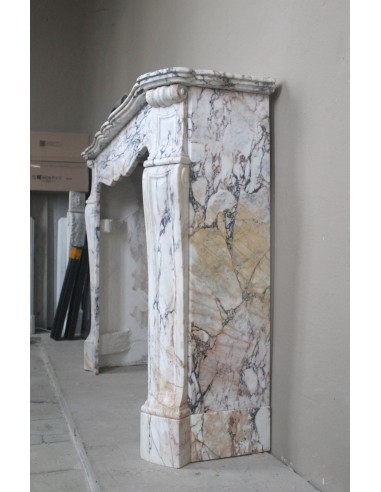
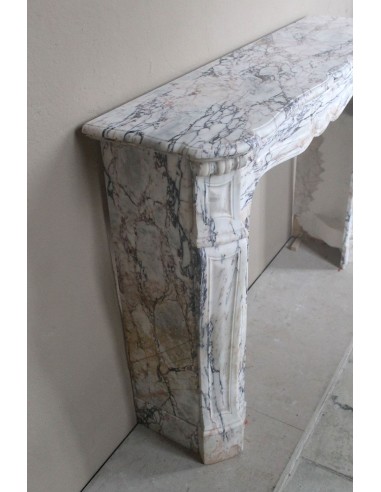
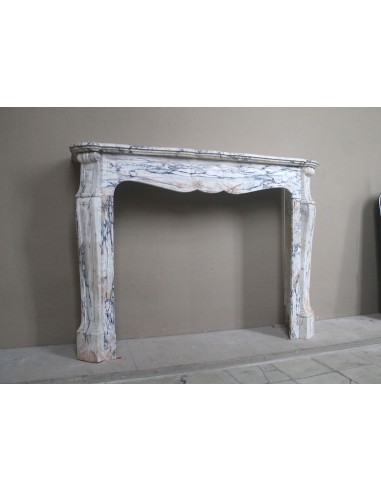
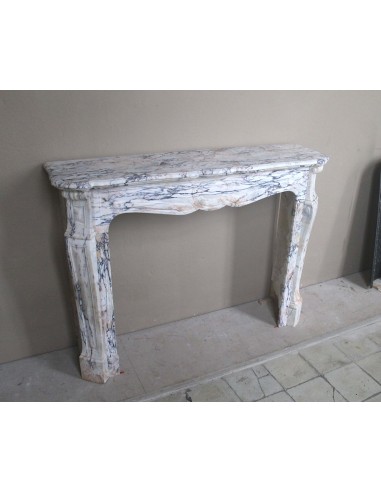
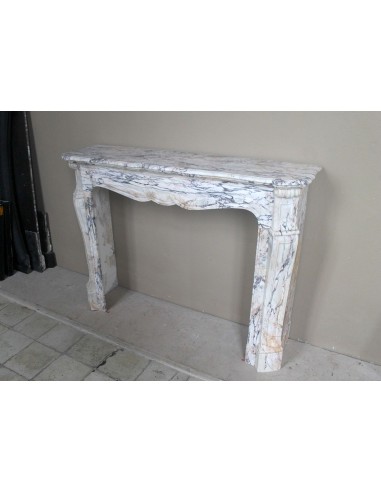
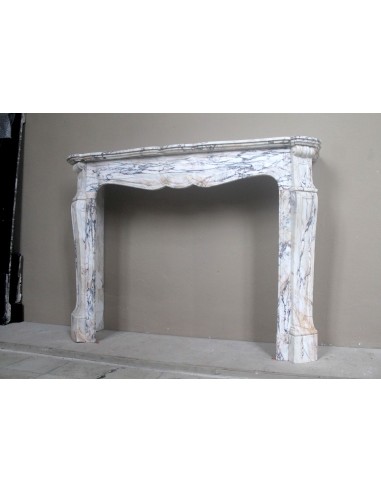
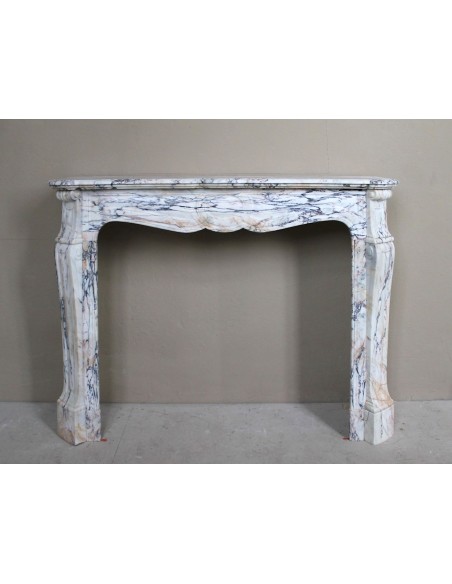
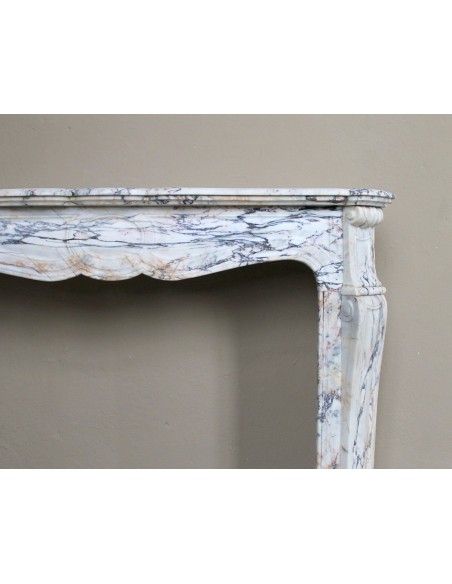
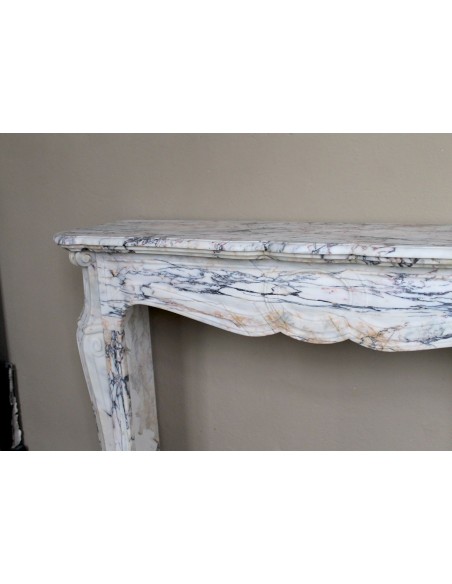
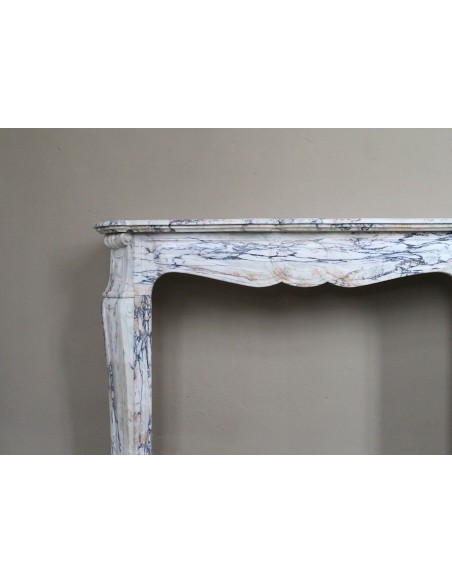
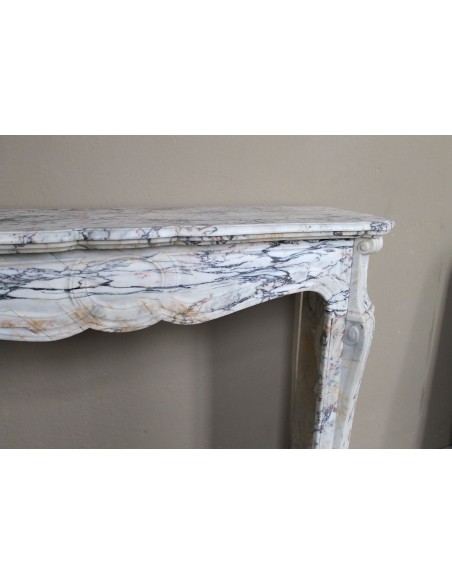
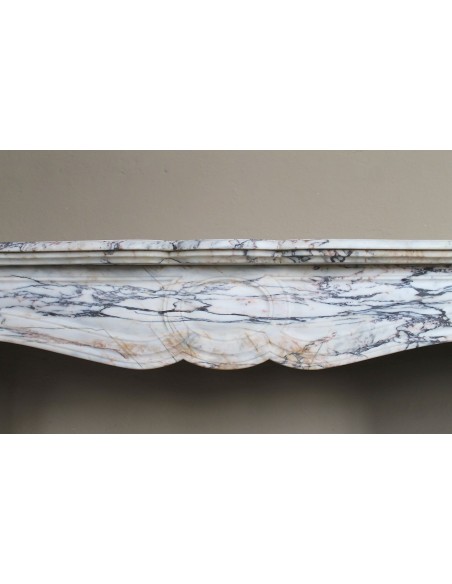
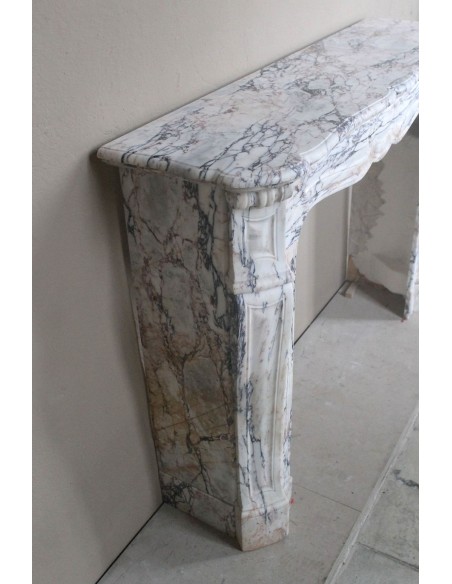
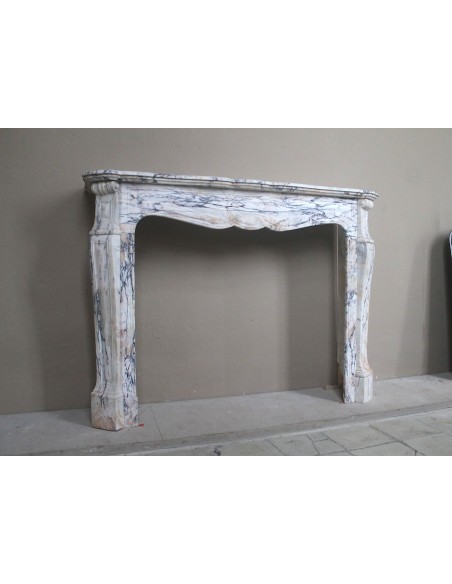
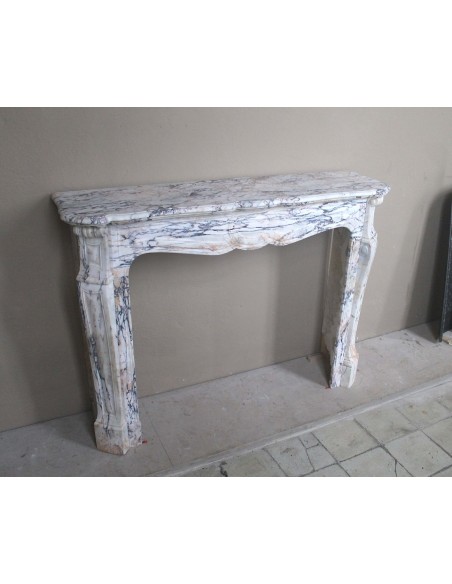
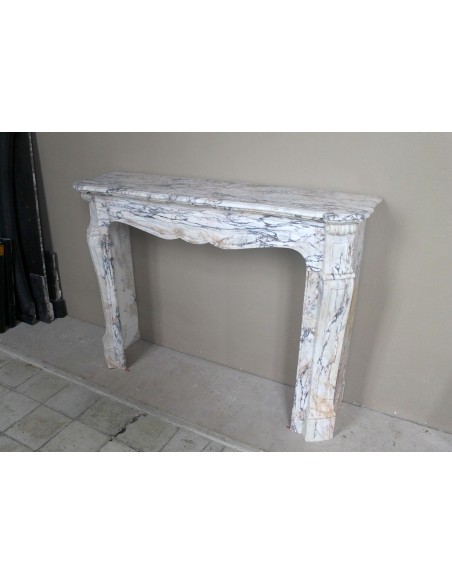
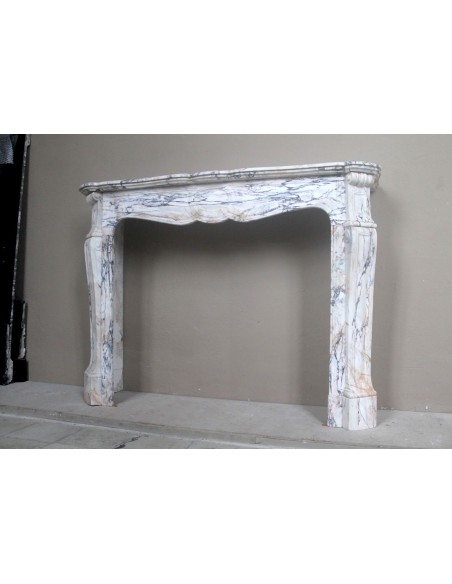
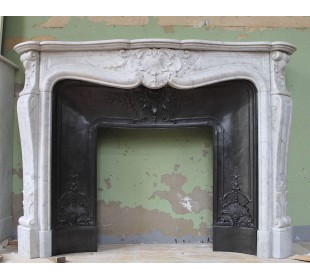
Let me explain, inviting you to follow my words through the image of this fireplace shown here.
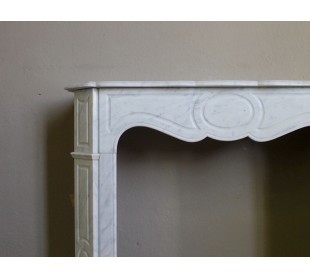
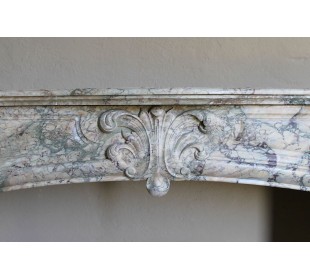
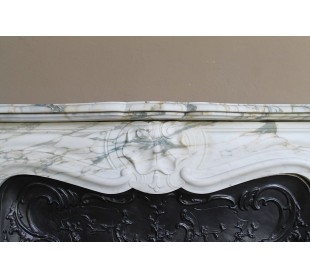
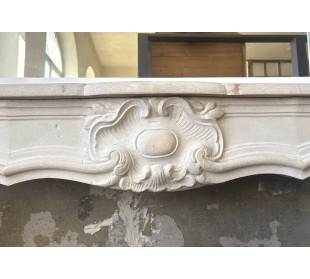
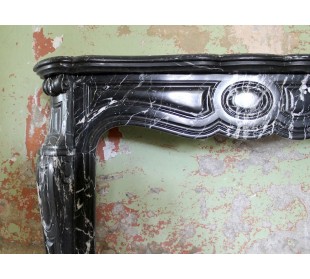
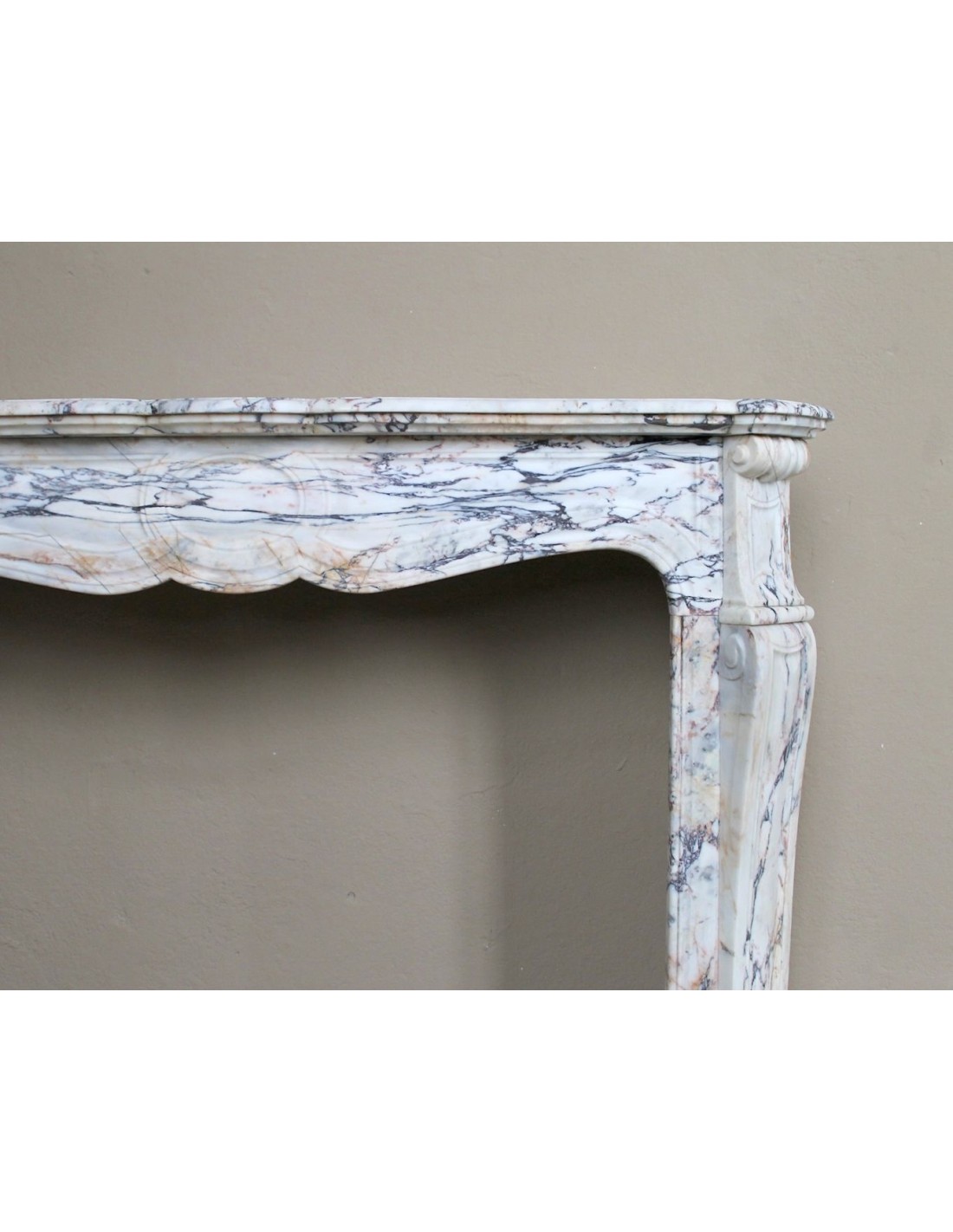
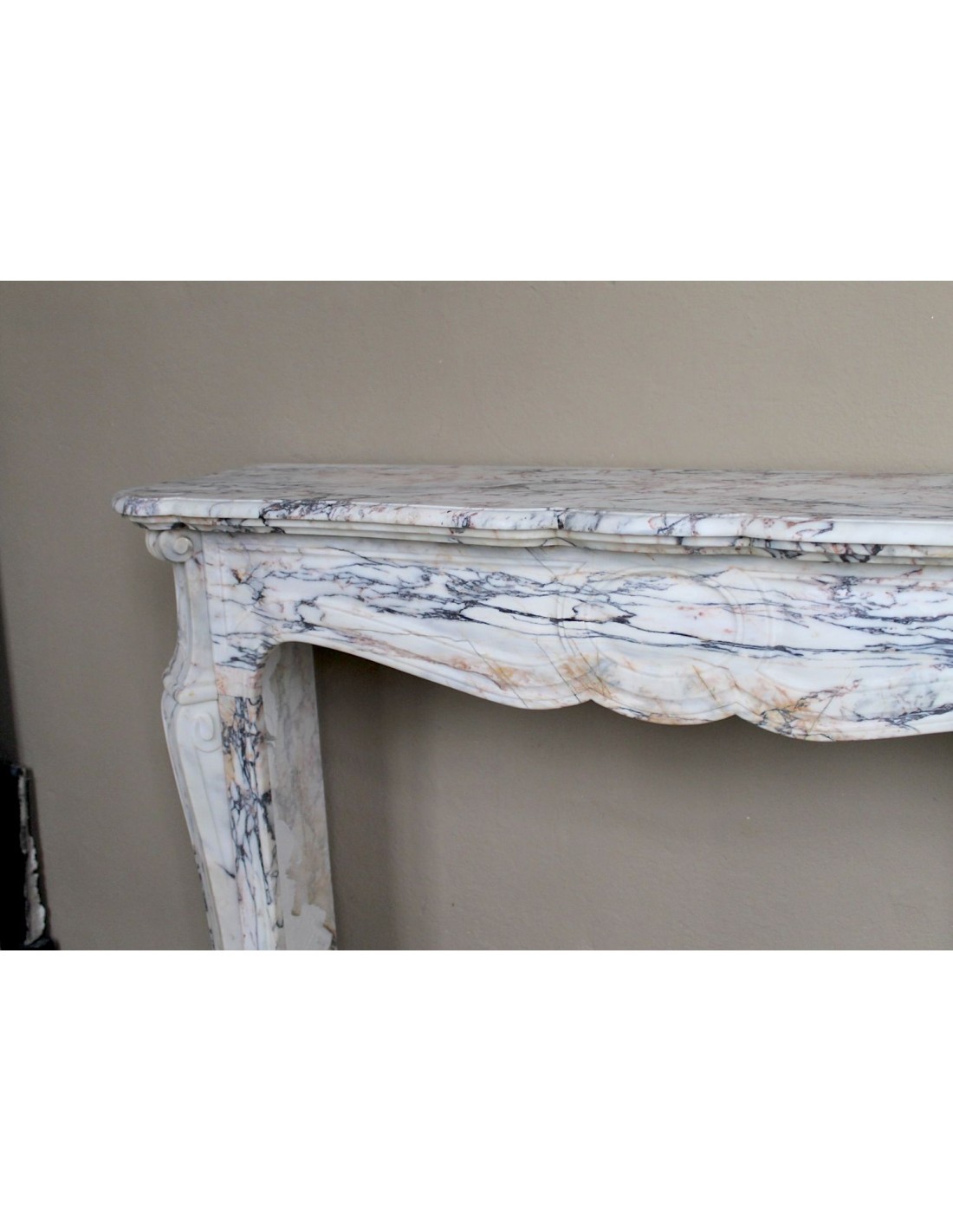
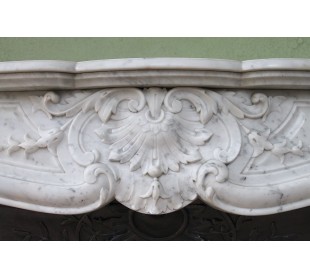
Do you see the oval at the center of the front panel?
Well, that is nothing other than a sexual symbol: the stylization of the most important (because most often sculpted) “Fleur ovale”, a sculpture found on fireplaces with heavier decorative loads, whether in Louis XV or Louis XVI style. I leave it to you to imagine which female anatomical feature this flattened oval refers to, but perhaps a small hint is fair: although for reasons of modesty this oval was almost always placed horizontally, occasionally a less timid — or more realistic — sculptor decided to carve it in its correct vertical position.
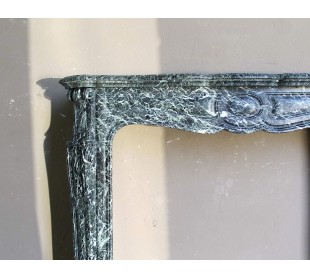
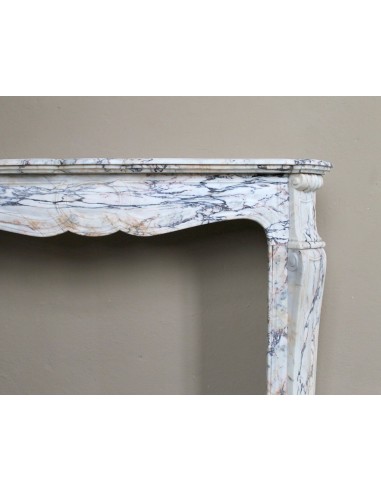
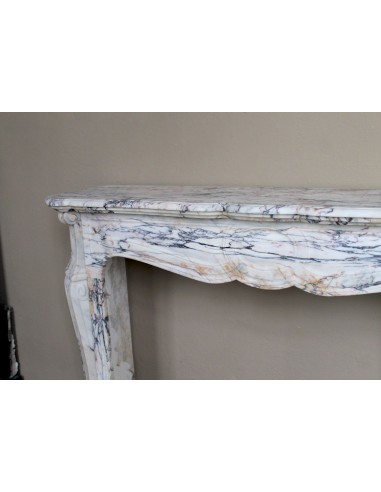
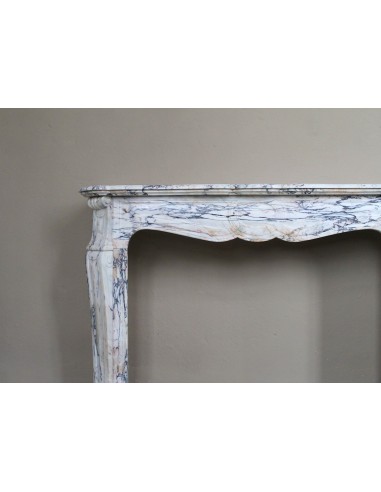
Now widen your gaze to the sides of this oval flower and you will easily notice how the front panel descends in two perfectly mirrored and harmonious scrolls.
These (again according to popular legend…) are the breasts of the Marquise de Pompadour — perhaps not excessive, but certainly perfect and undoubtedly… marble.
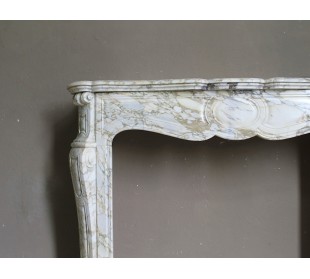
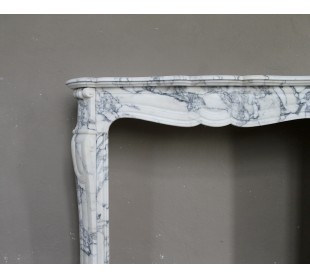
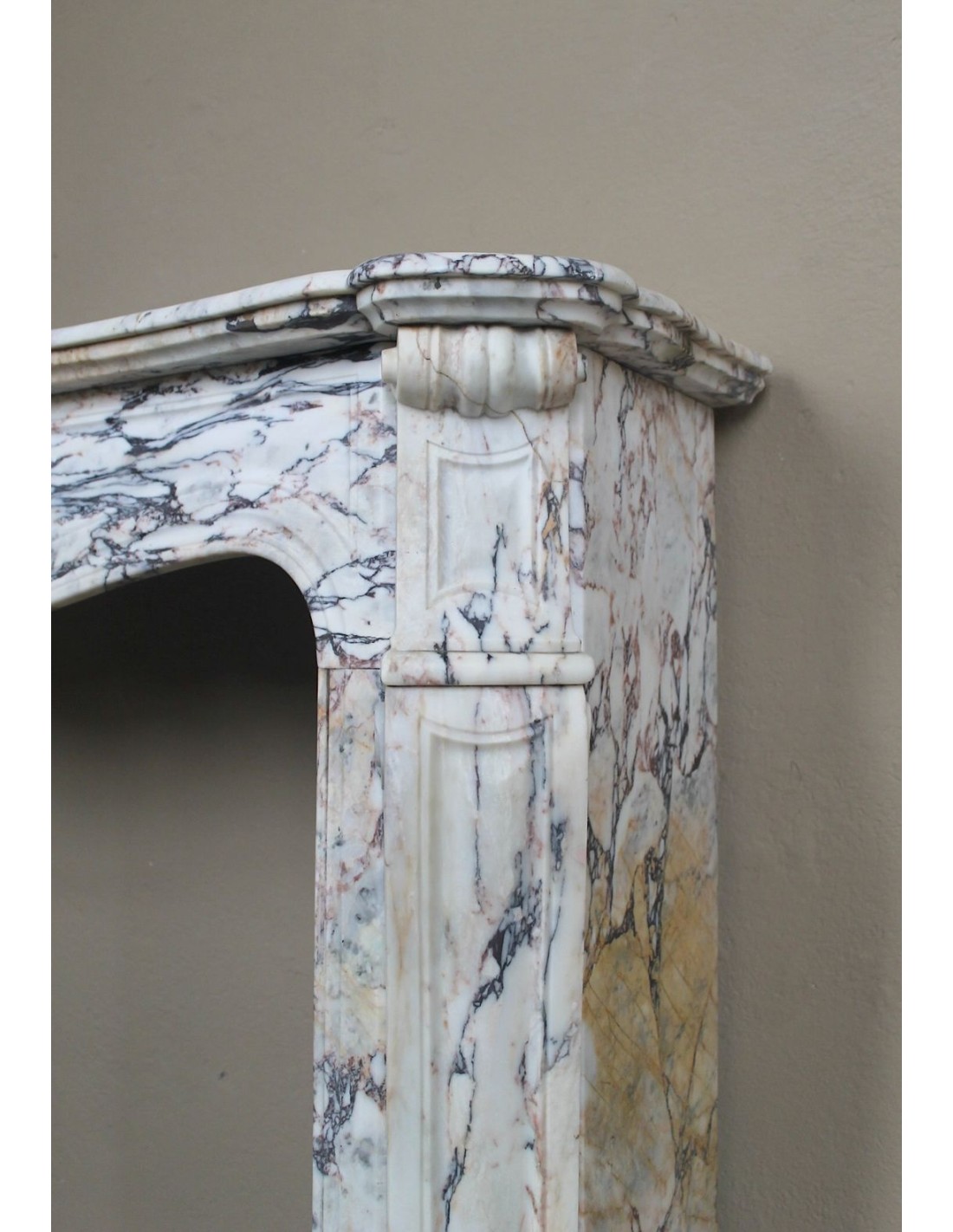
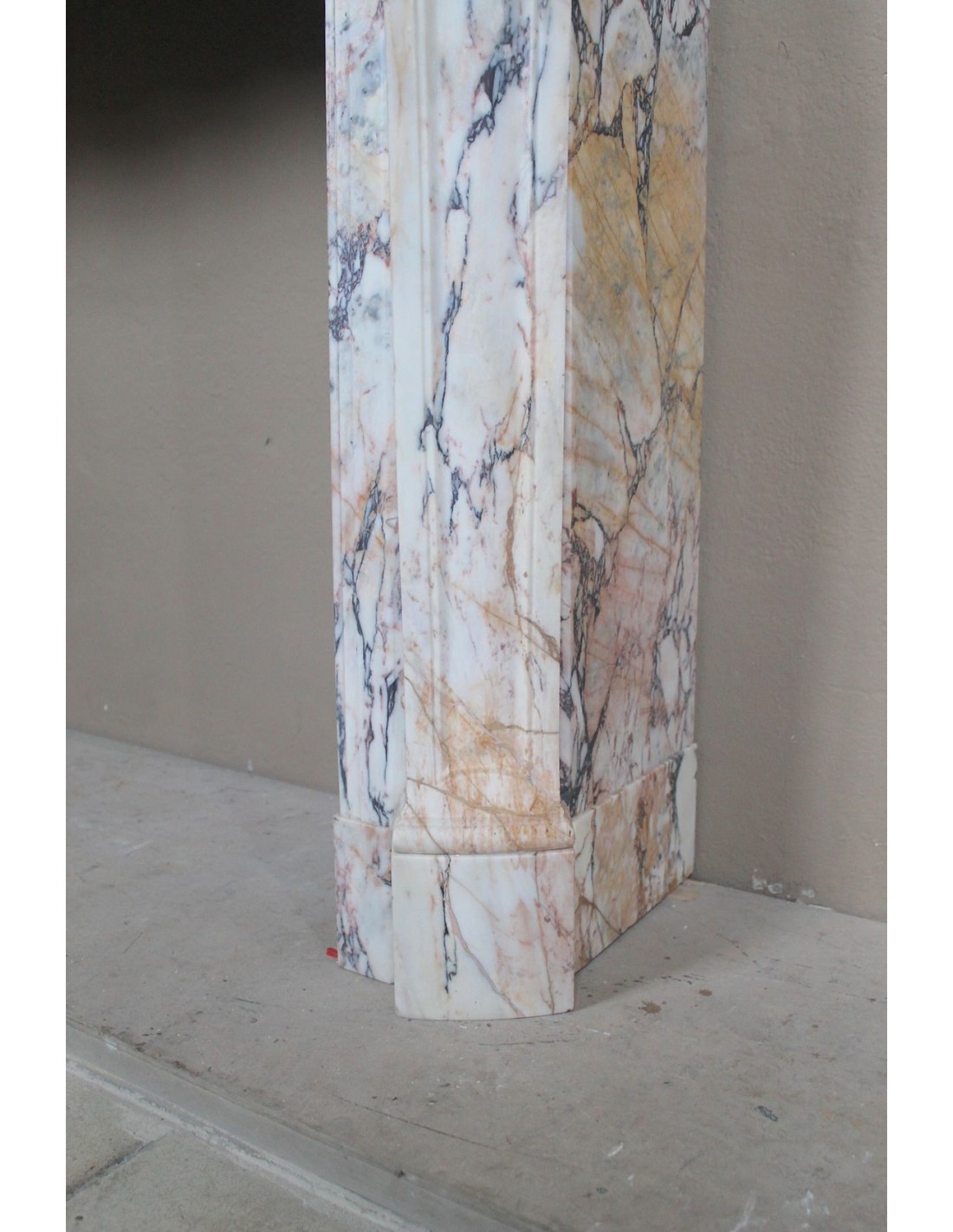
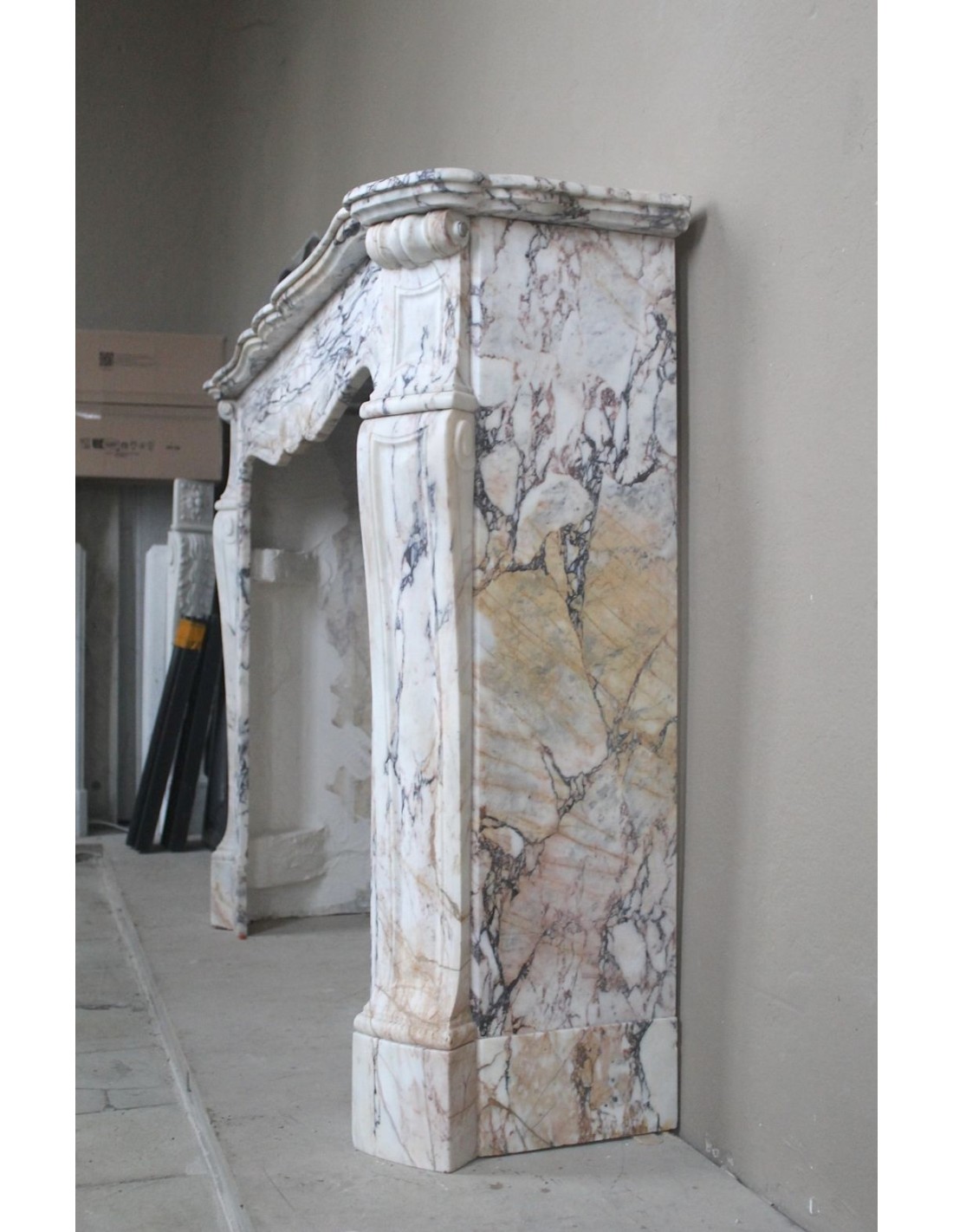
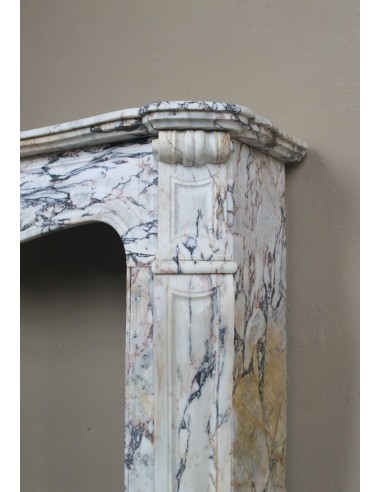
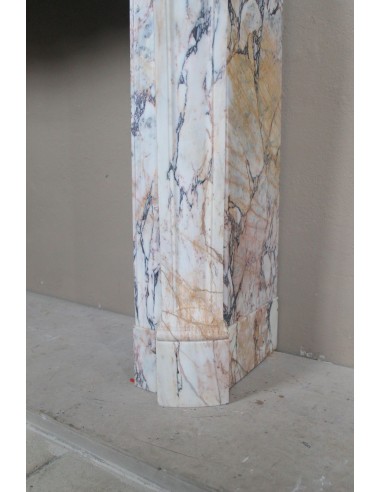
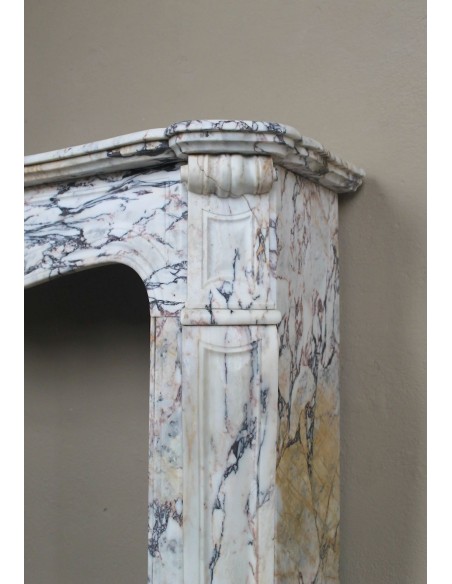
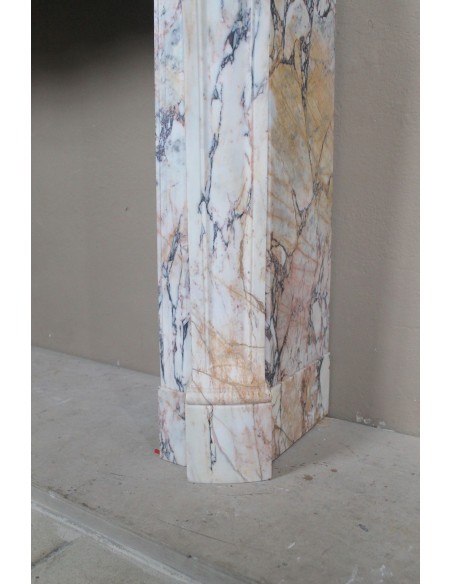
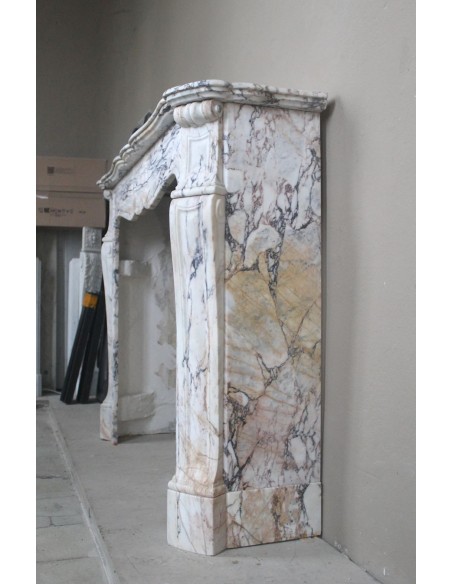
Finally, look at the legs of this fireplace: do they not seem decidedly feminine?
“Galbé,” in fact, is a French adjective with several harmonious meanings: graceful, well-shaped, curvilinear, sinuous, and if you place these words in the feminine you obtain graceful, well-shaped, curving, sinuous — all adjectives that suit perfectly the legs of a Woman such as our Antoinette surely was.
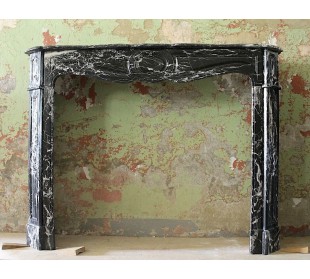
In conclusion, we may certainly affirm that this fireplace possesses an undeniably feminine — even sensual — figure, something that cannot be said of the models that came before and after it, belonging to the styles Louis XIV, Louis XVI, Directoire, Empire, Charles X or Louis-Philippe, all of which may be considered rather masculine because of the seriousness of their forms.
What can I say… I believe in the saying “Vox populi, vox Dei.” Don’t you?
MAIN CHARACTERISTICS OF THIS POMPADOUR PIED GALBÉ FIREPLACE:
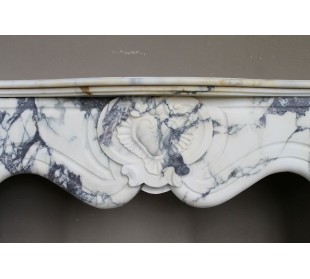
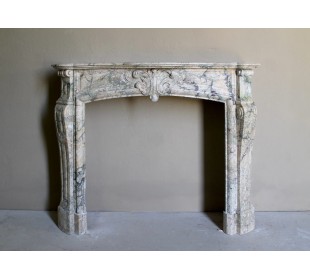
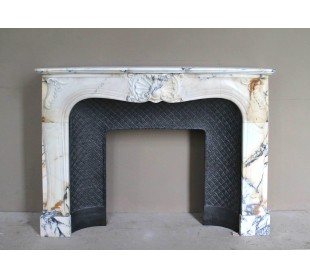
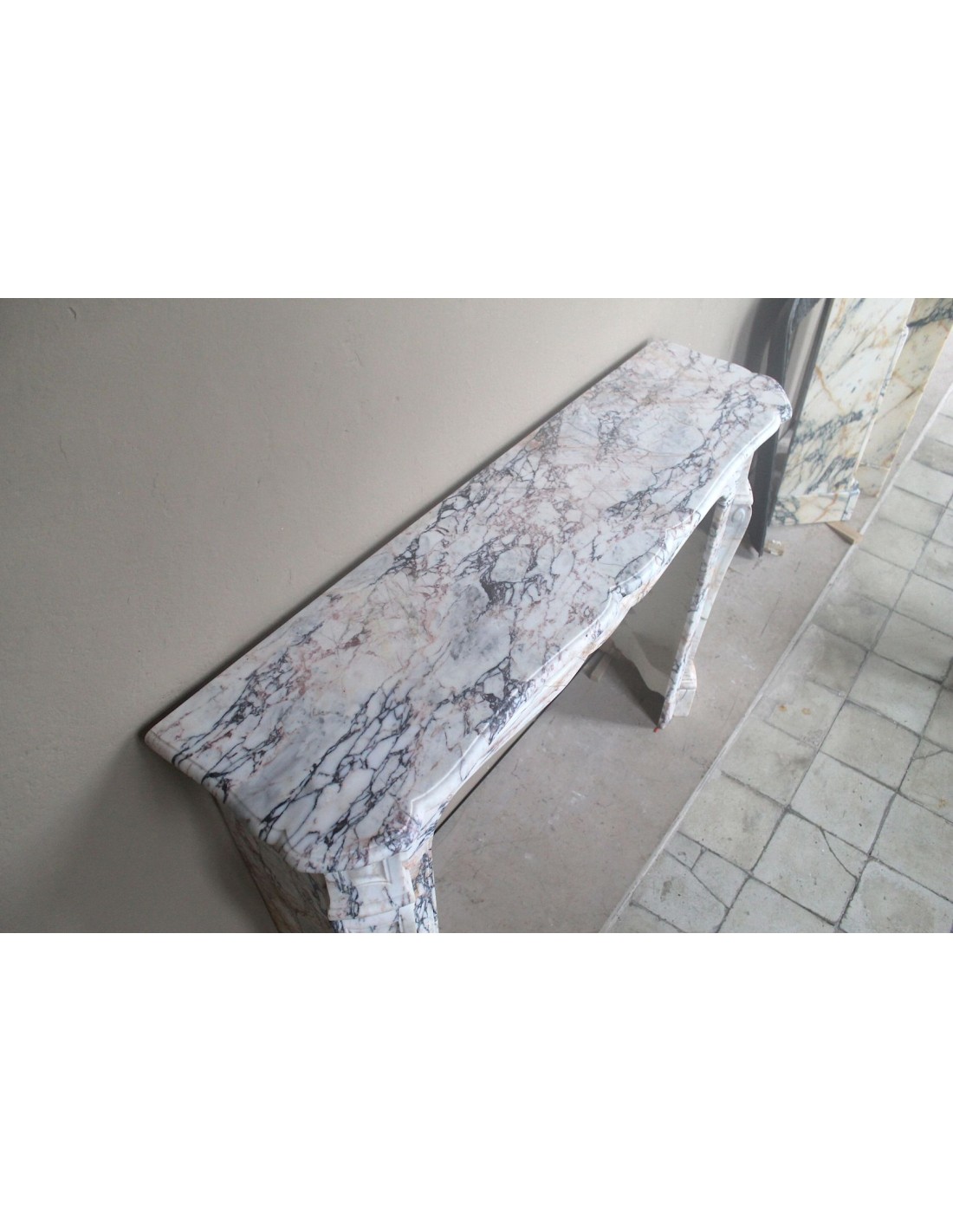
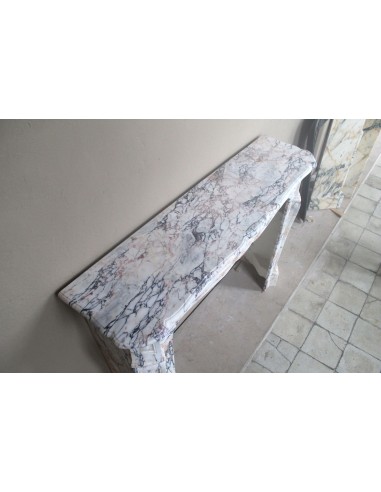
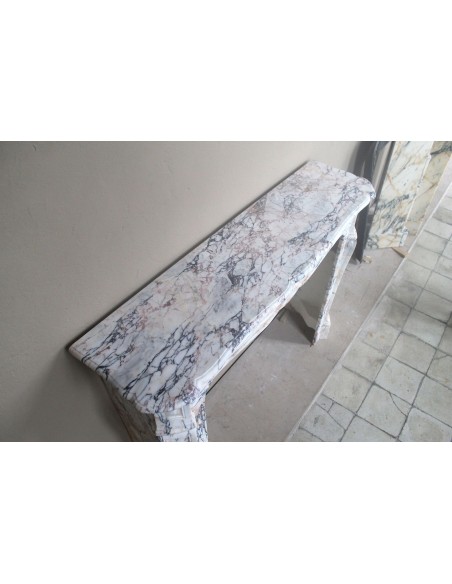
A) IT IS SCULPTED IN ONE OF THE MOST REFINED, RICH AND FASCINATING MARBLES: A SUPERB CALACATTA ORO, FROM THE VAGLI QUARRY;
B) IT WAS CREATED TOWARDS THE END OF THE NINETEENTH CENTURY, AT THE BEGINNING OF THE BELLE ÉPOQUE PERIOD;
C) IT WAS DISMANTLED BY US IN MONTREUIL (ESSENTIALLY A DISTRICT OF PARIS);
D) IT IS IN EXCELLENT CONDITION OF PRESERVATION AND HAS A PATINA APPRECIATED BY CONNOISSEURS;
E) THE PRICE PUBLISHED HERE IS ALMOST OFFENSIVELY LOW FOR SUCH A WORK OF ART.