
SHARE ON:
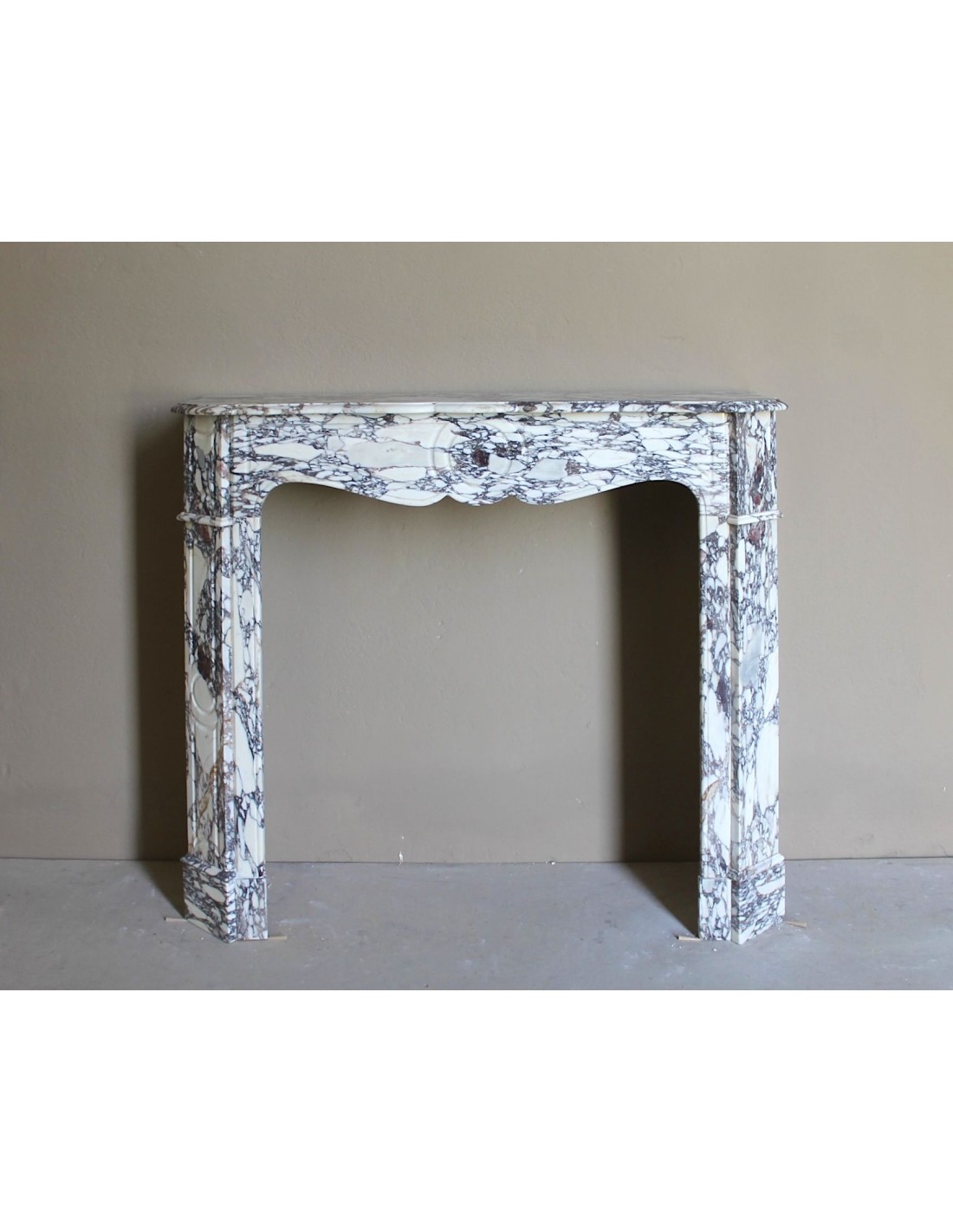
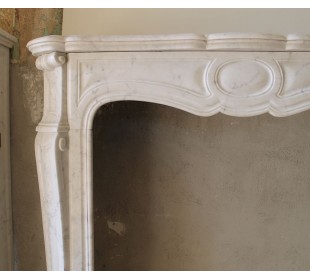
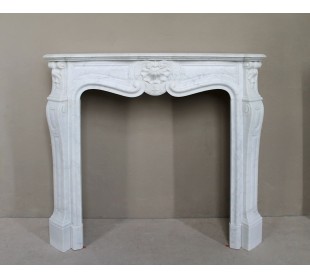
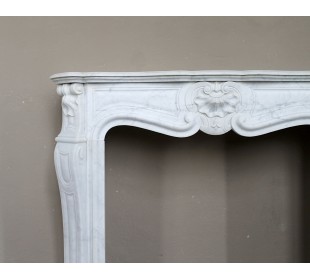
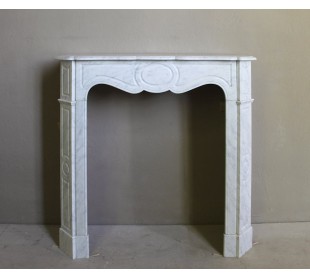
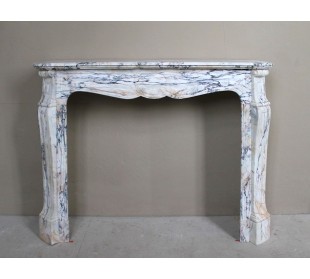
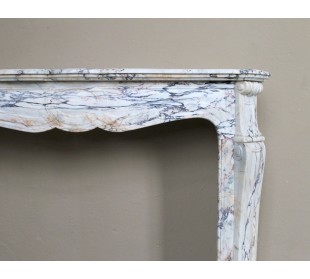
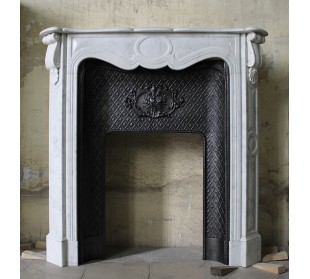
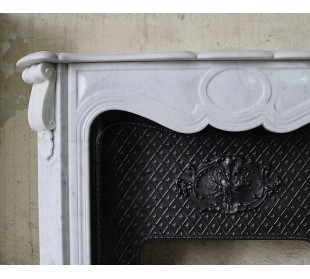
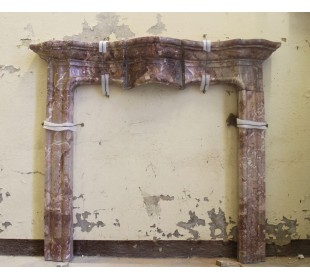
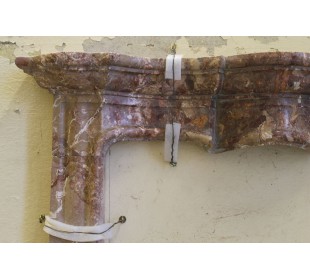
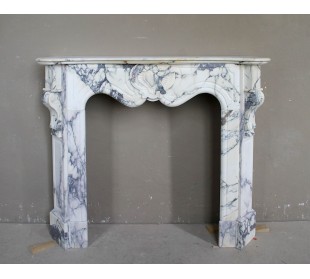
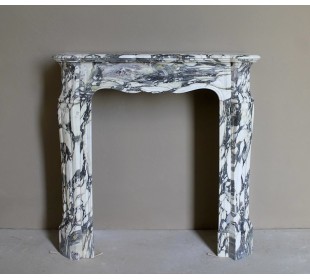
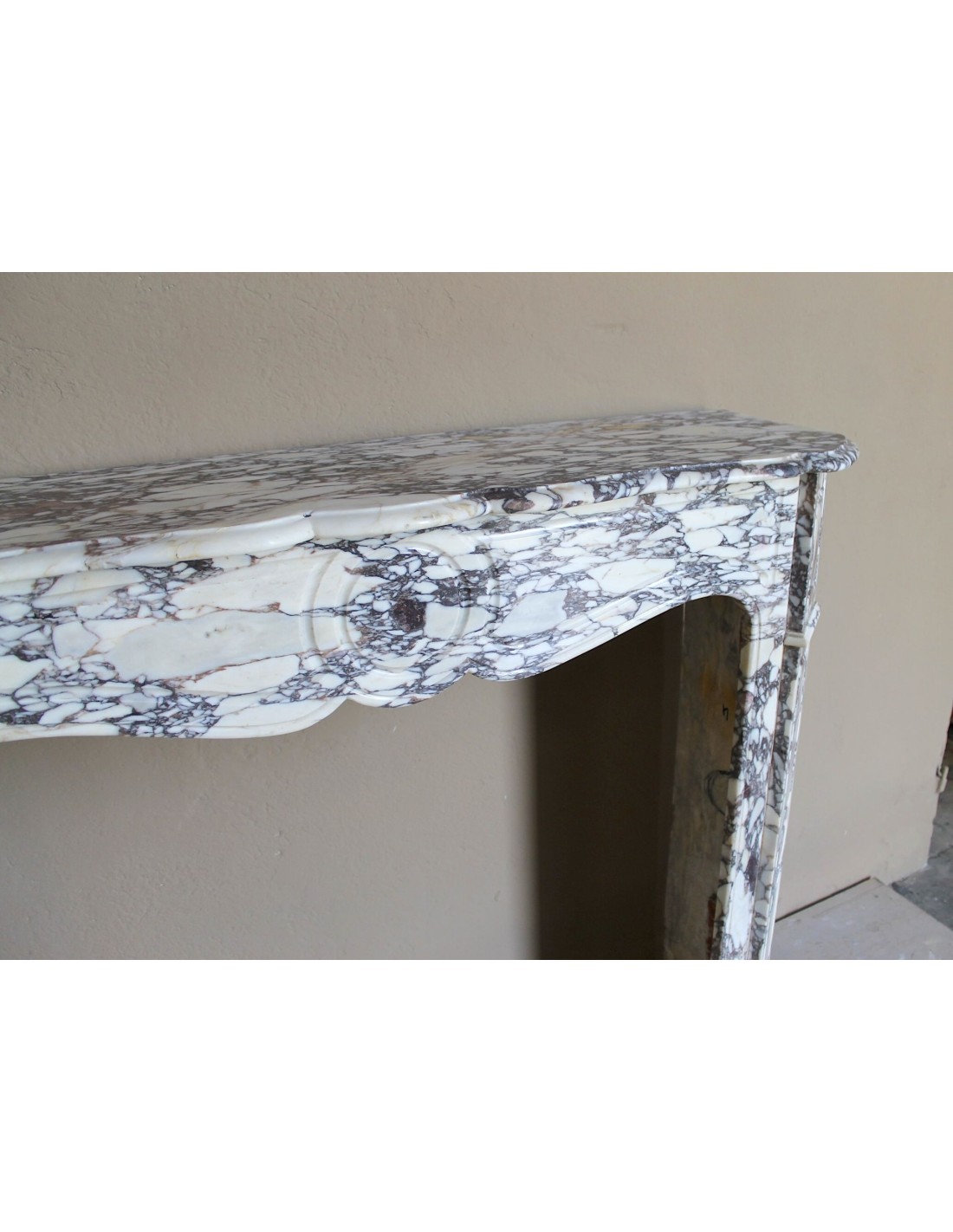
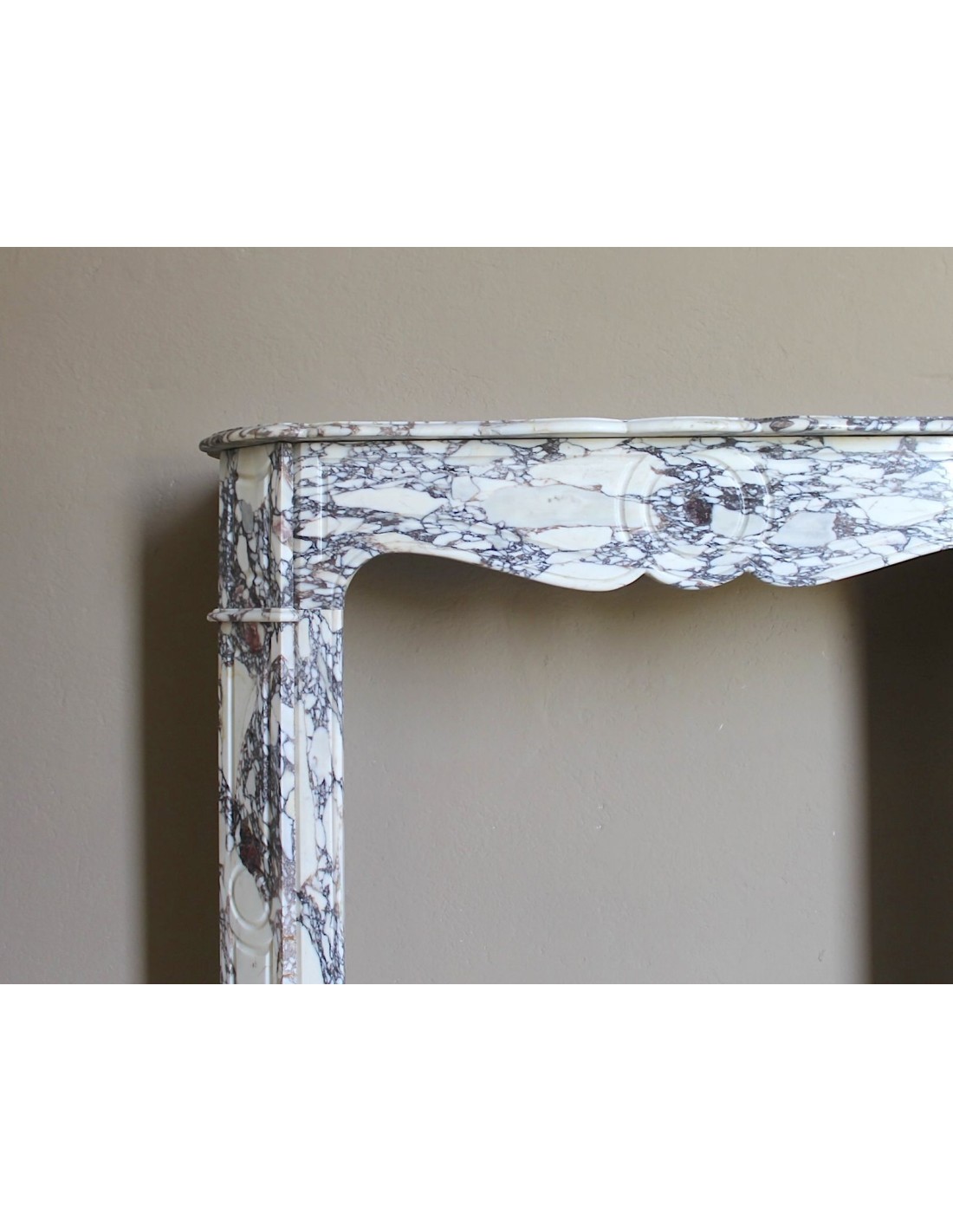
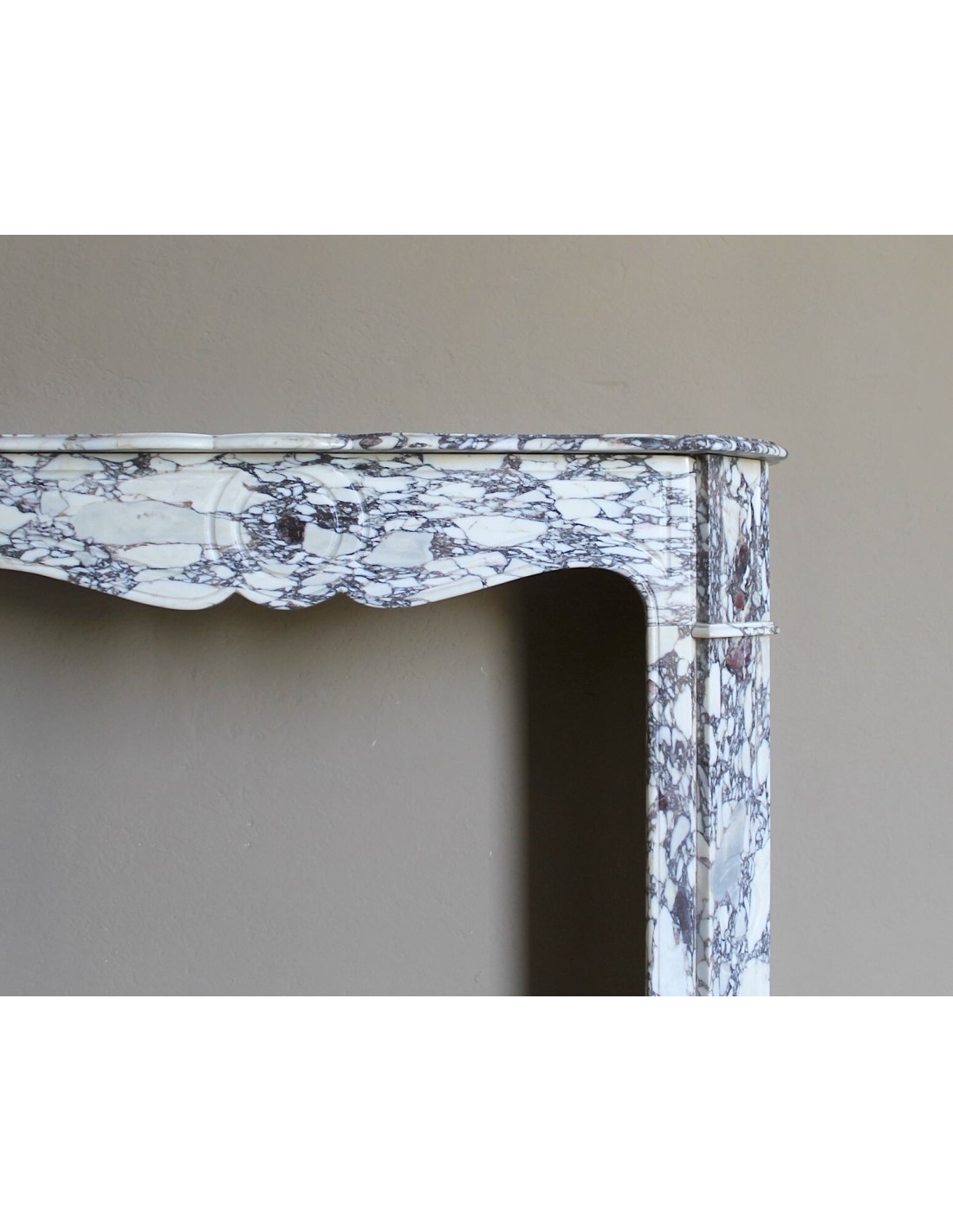
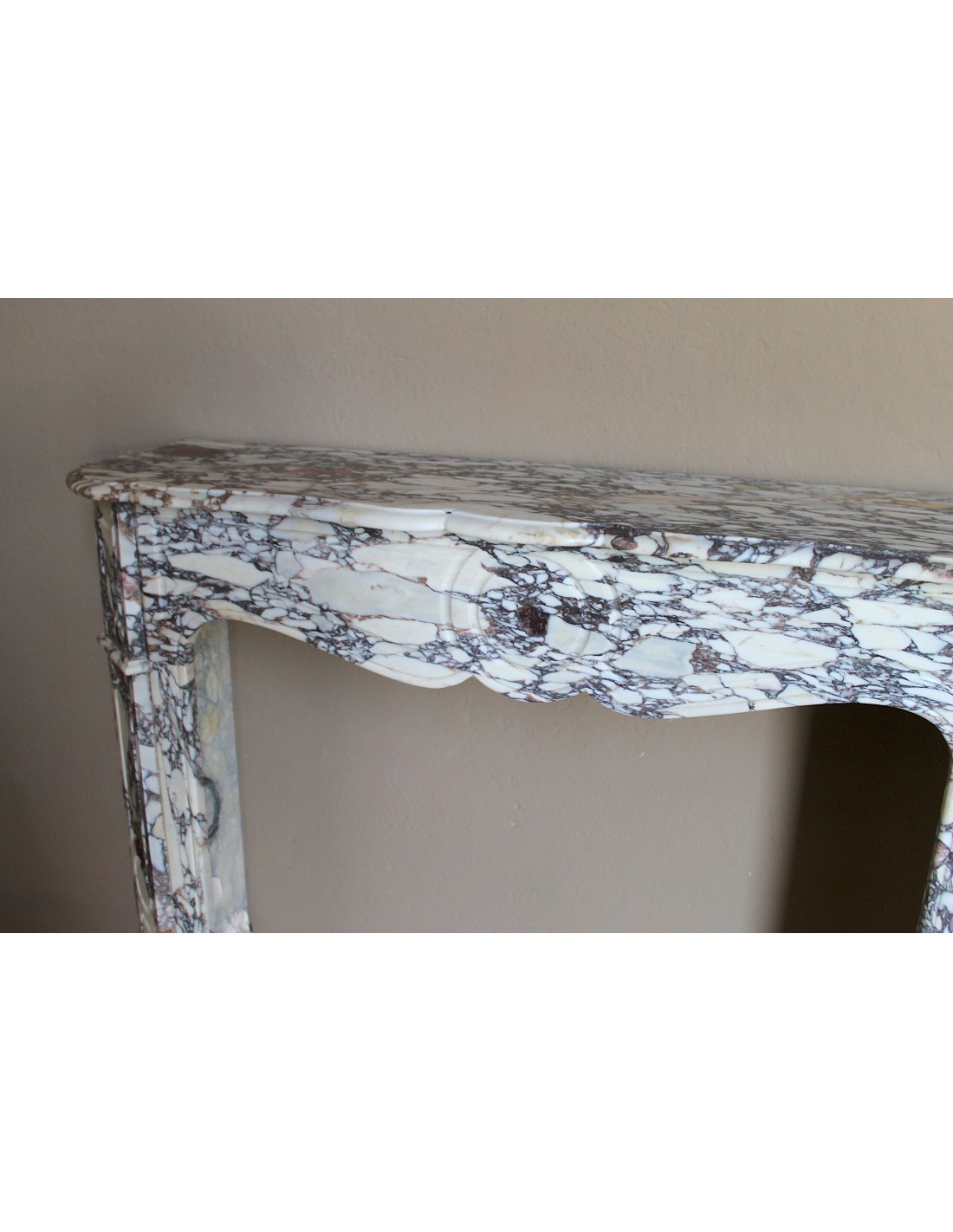
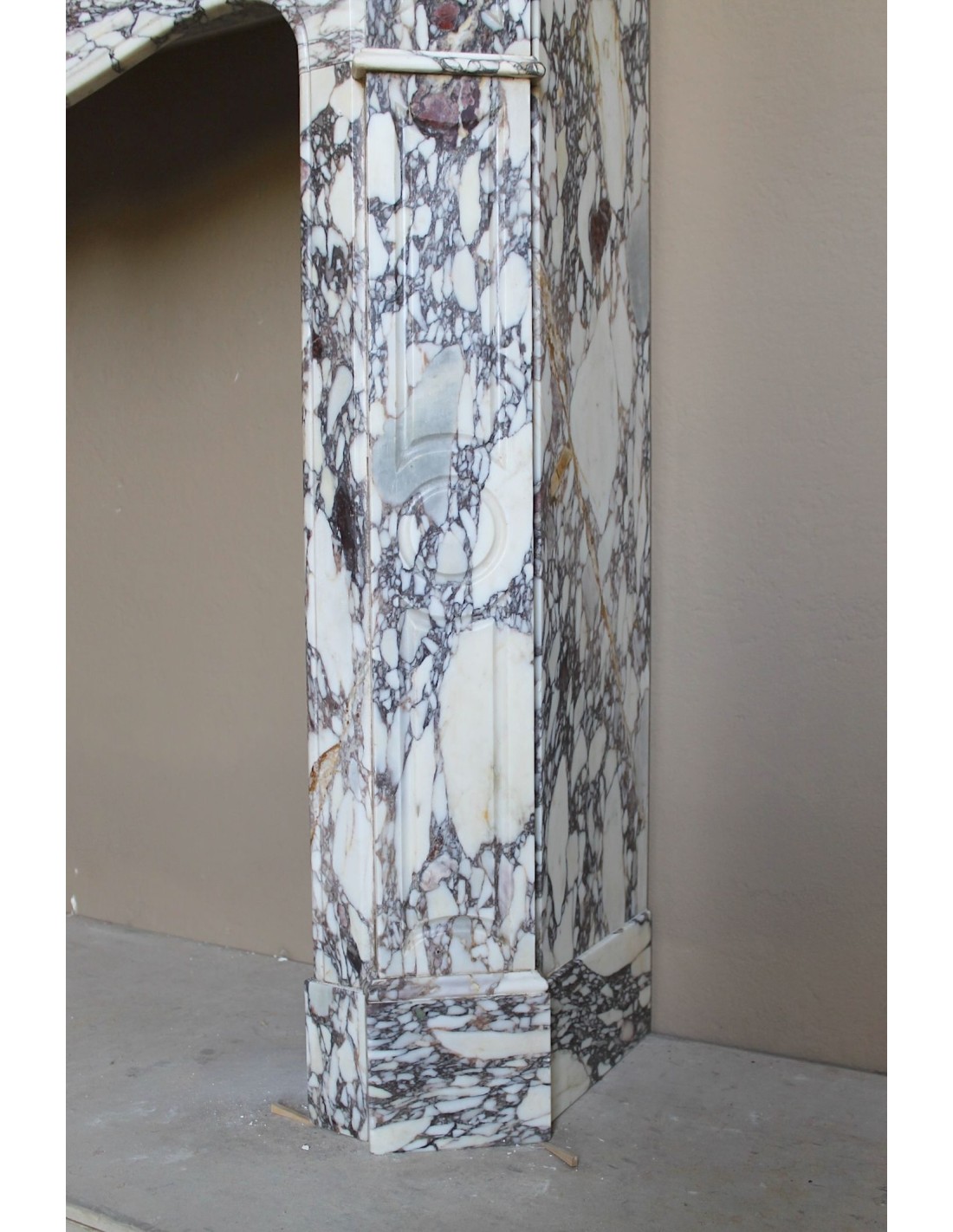
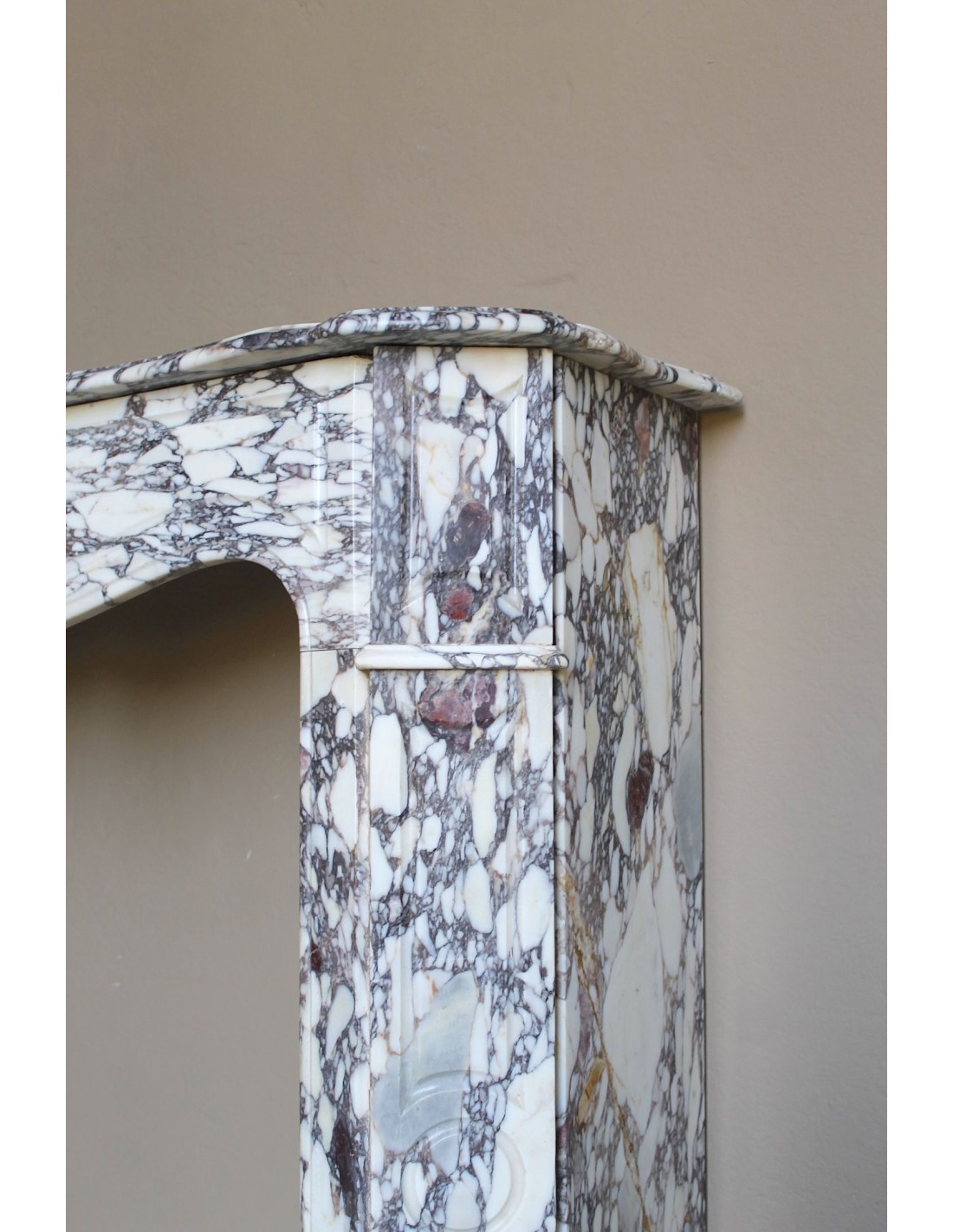
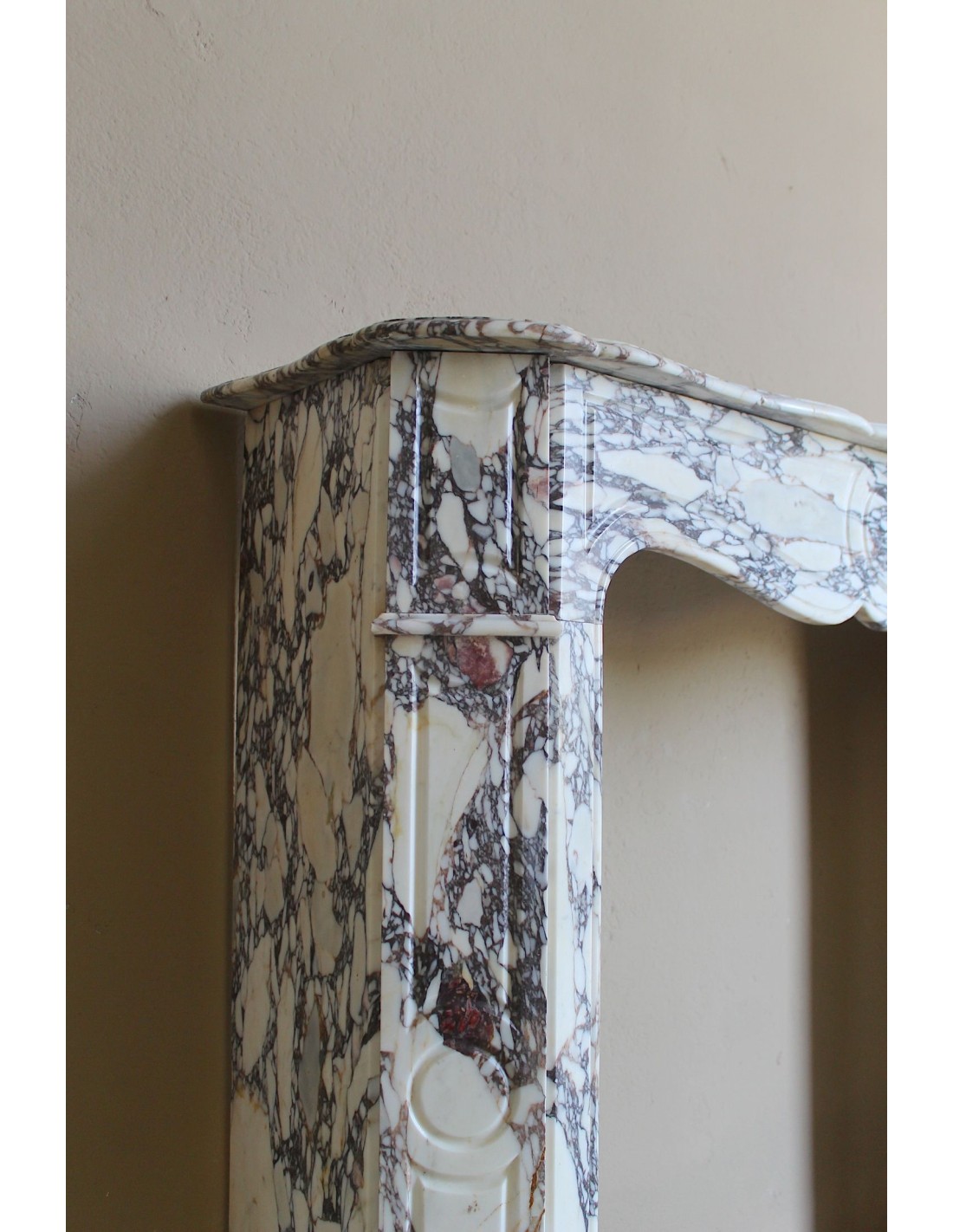
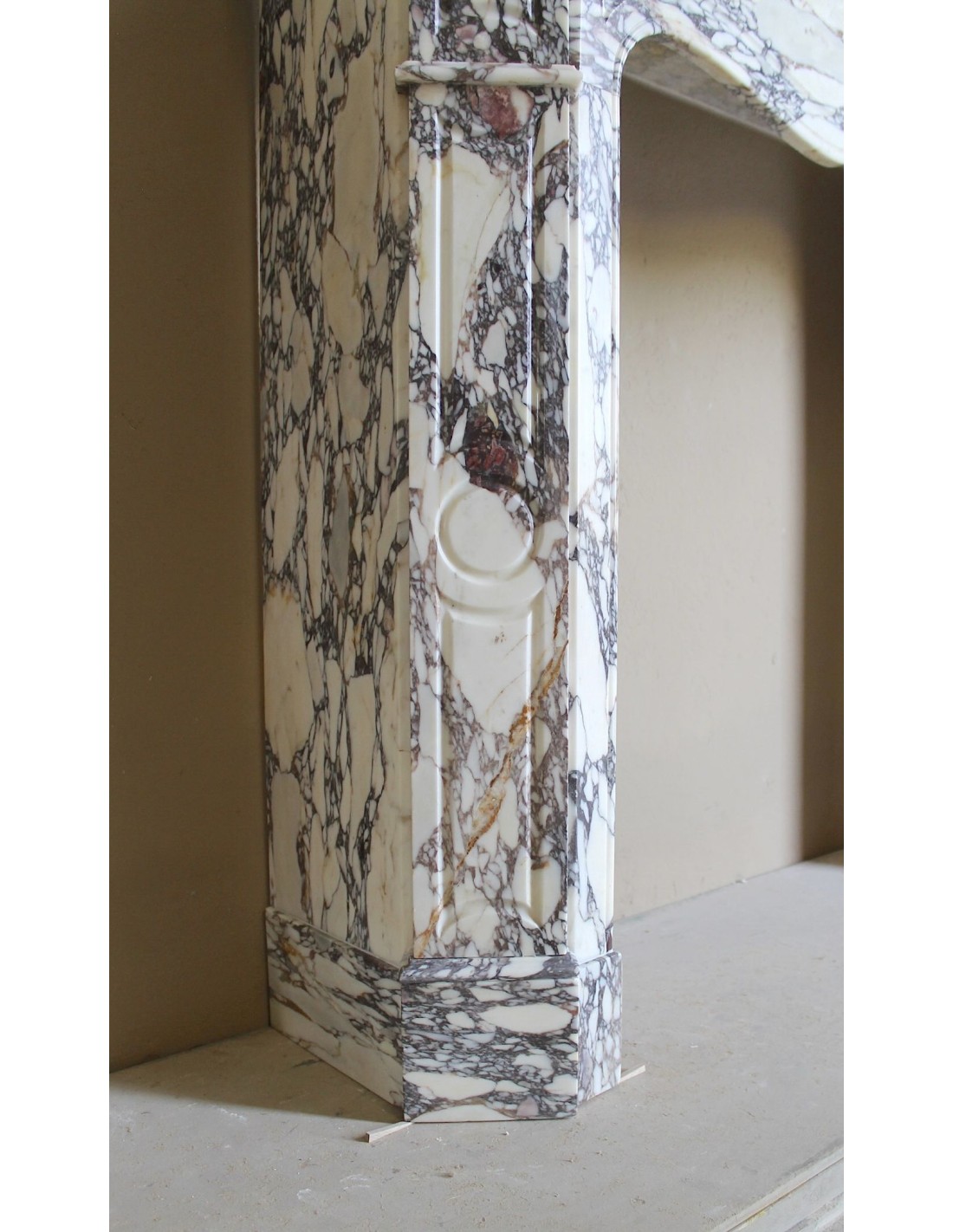
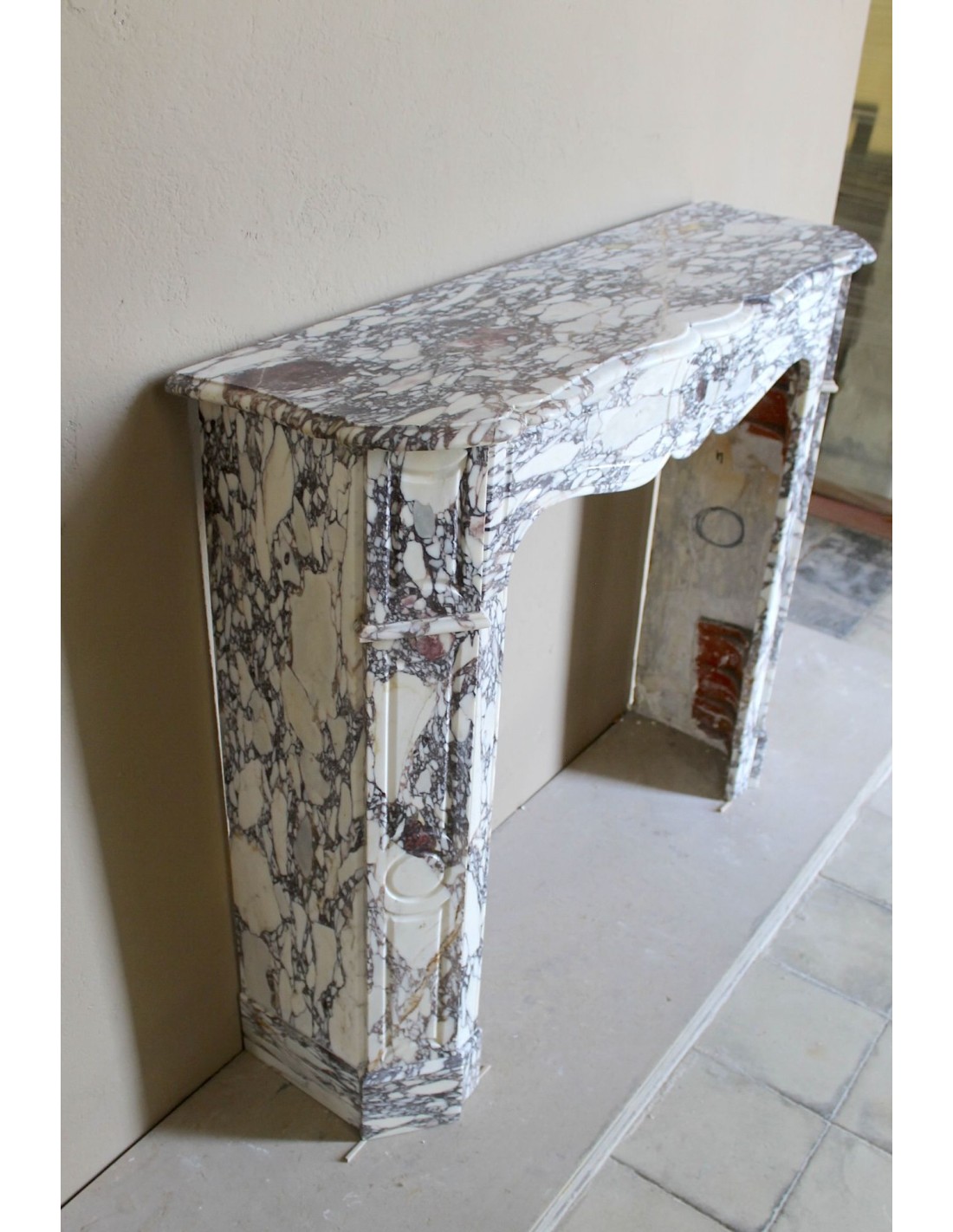
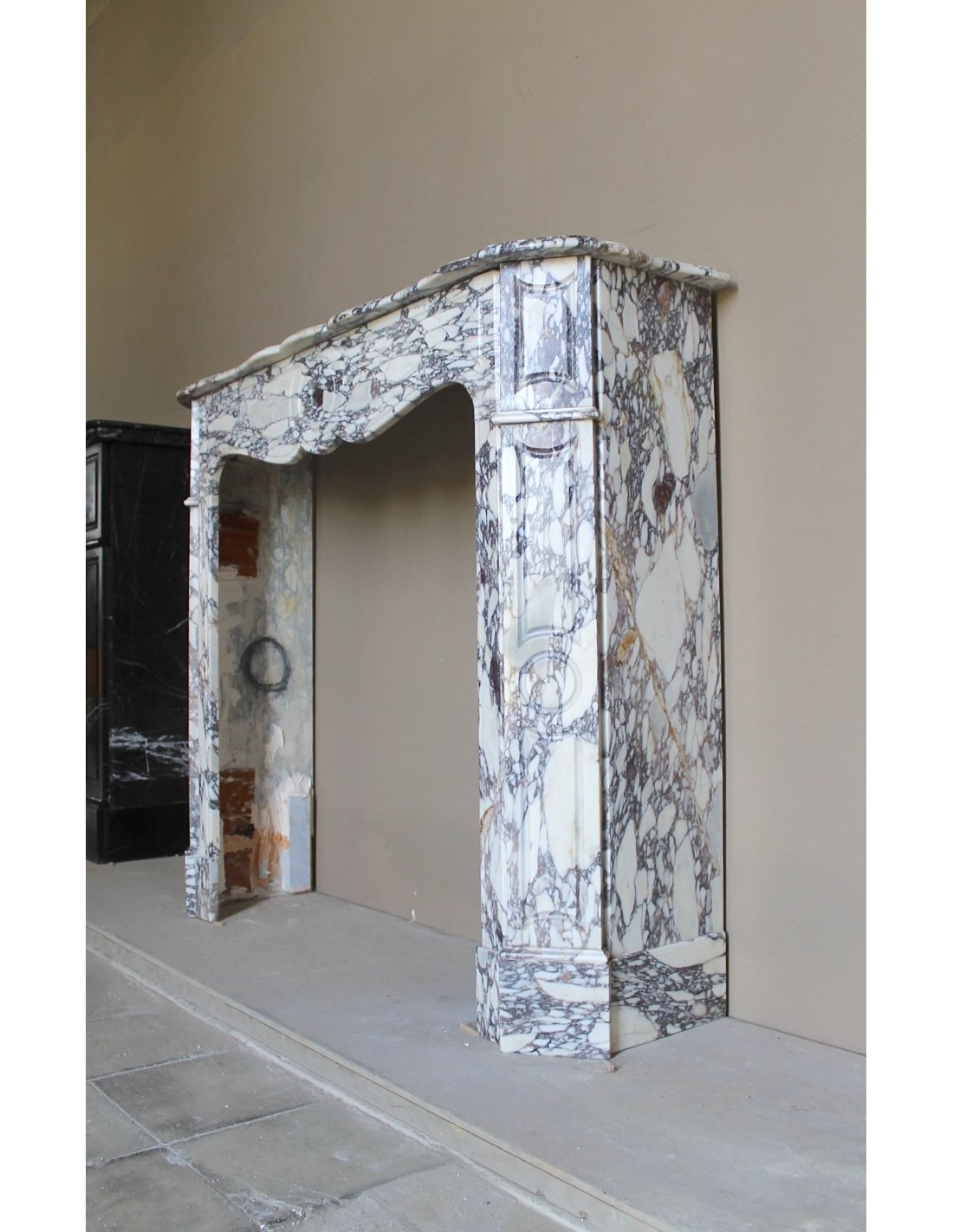
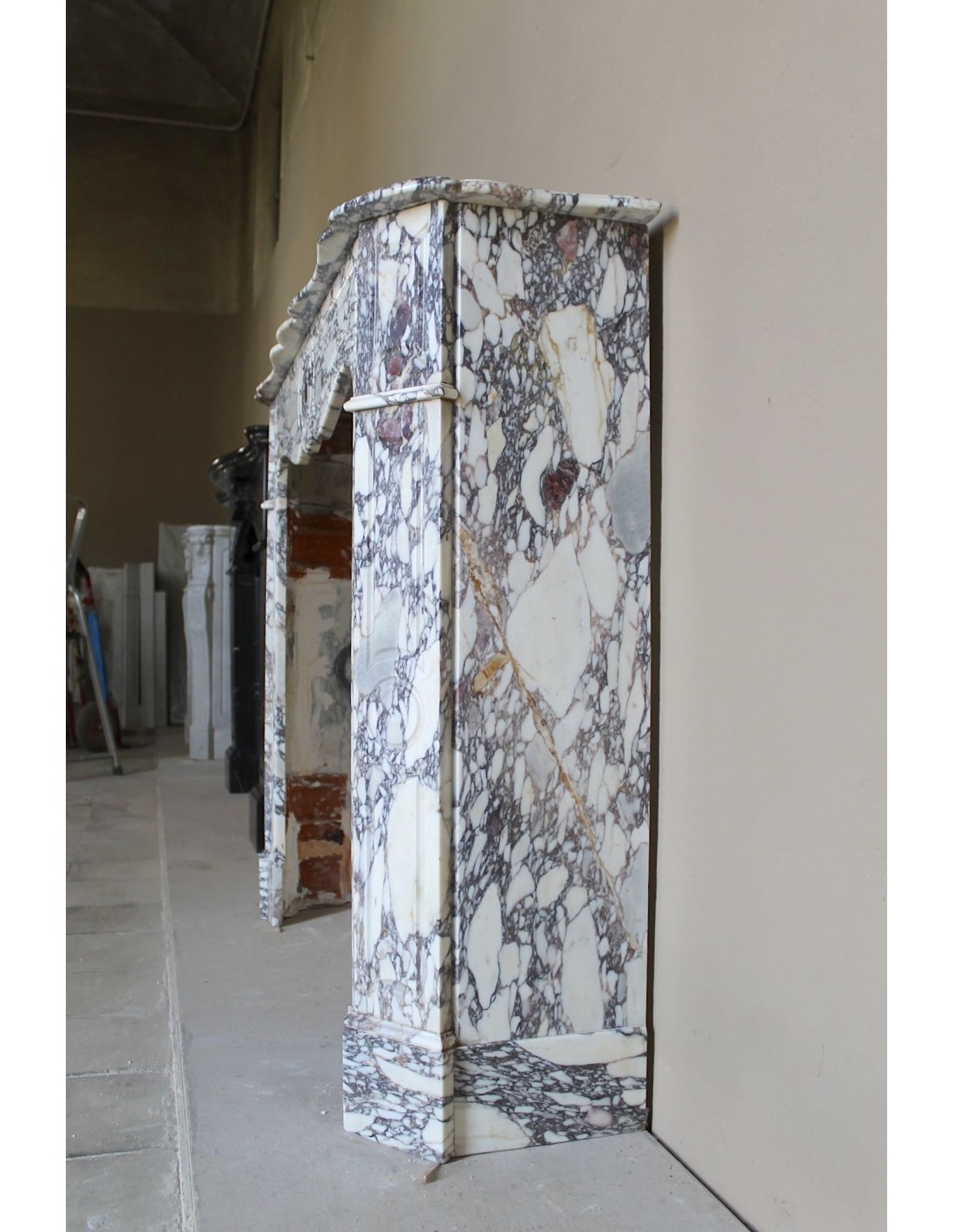
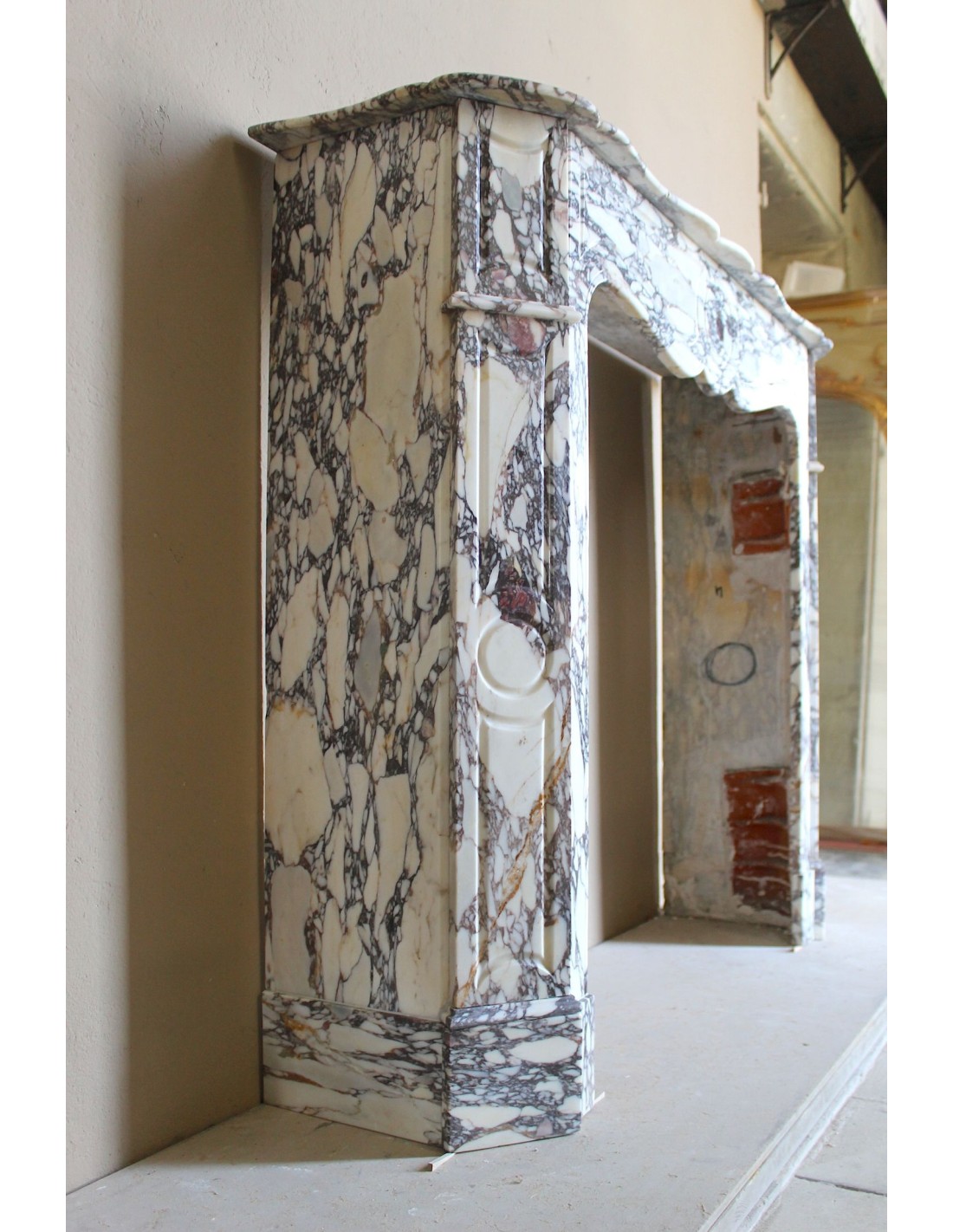
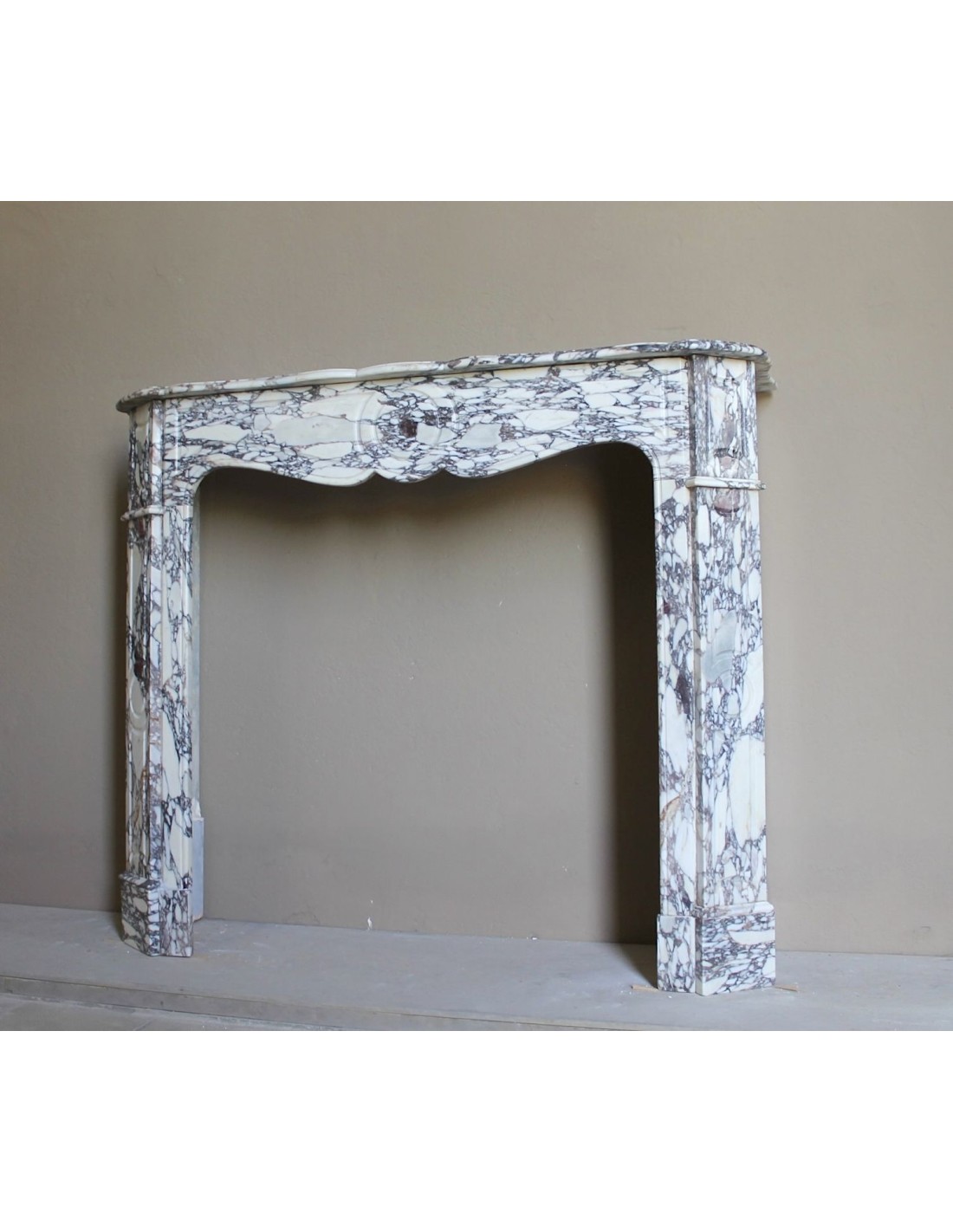
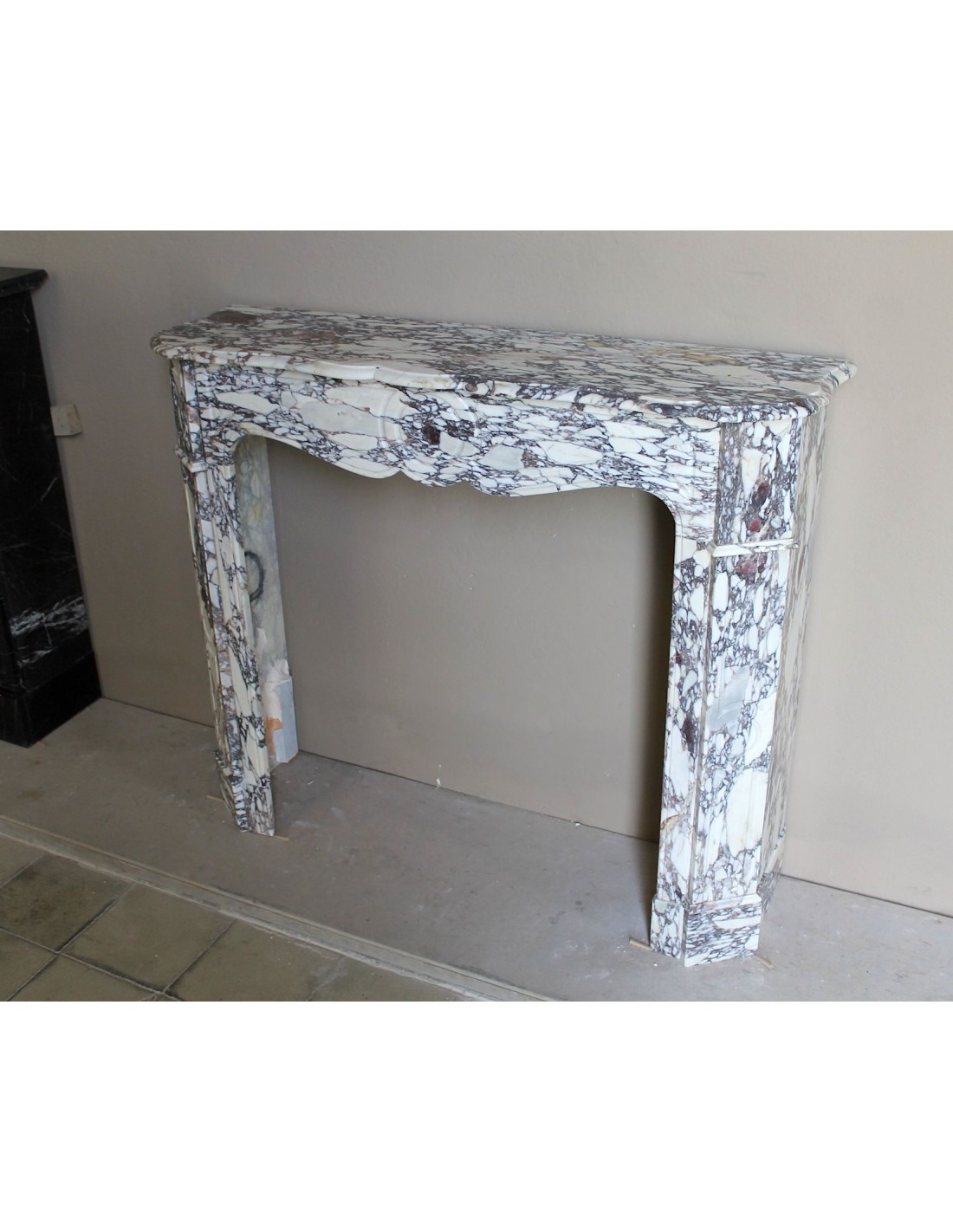
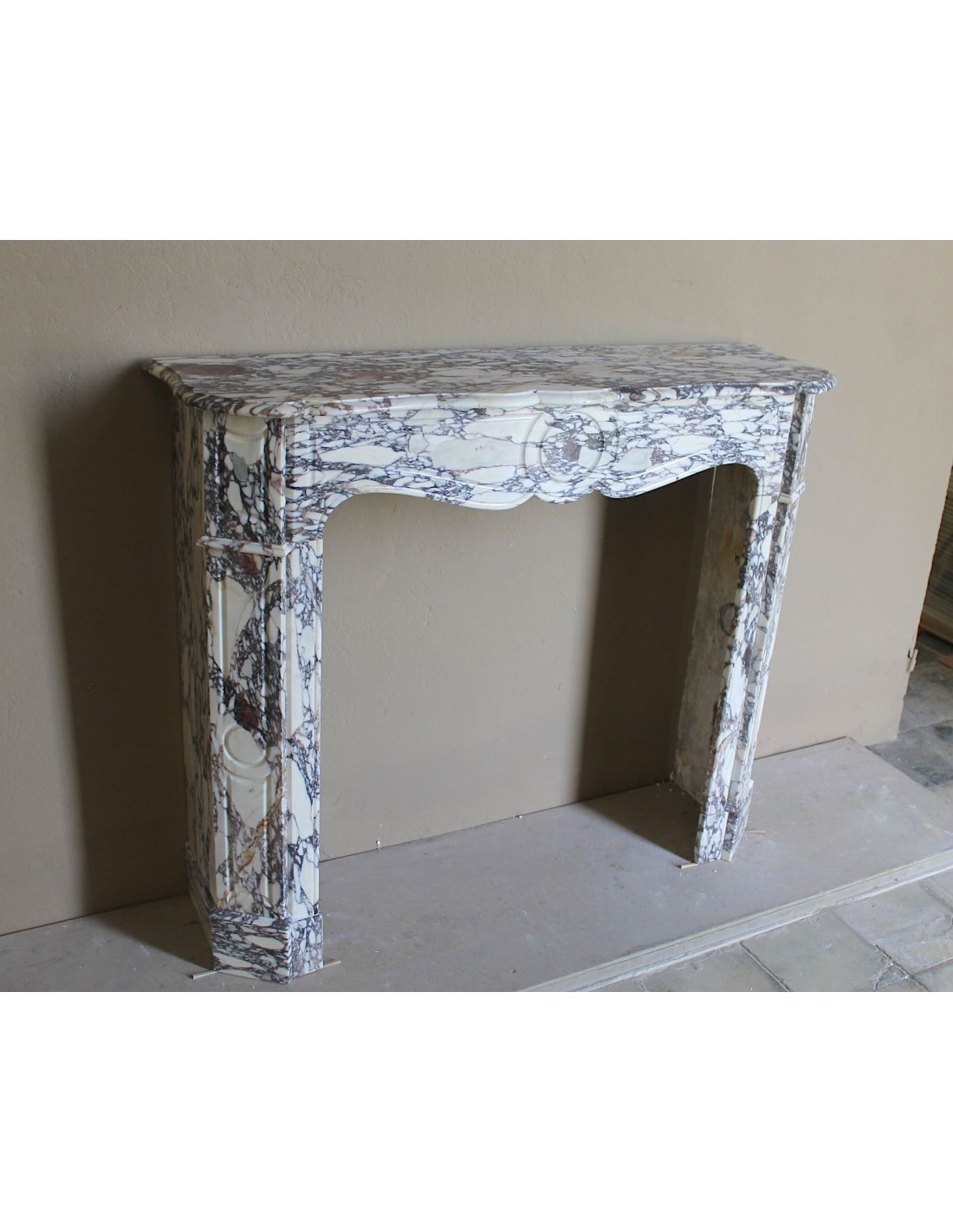
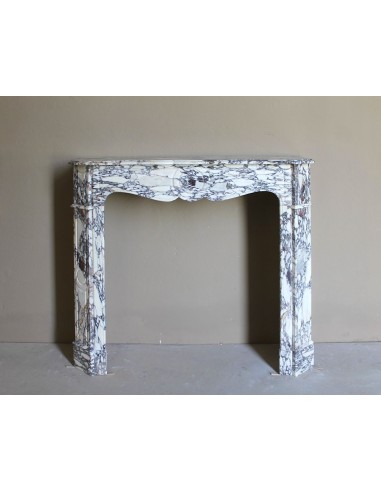
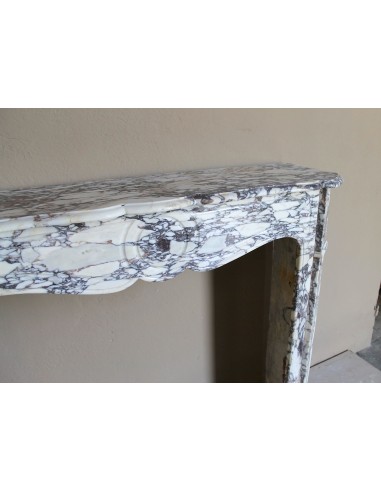
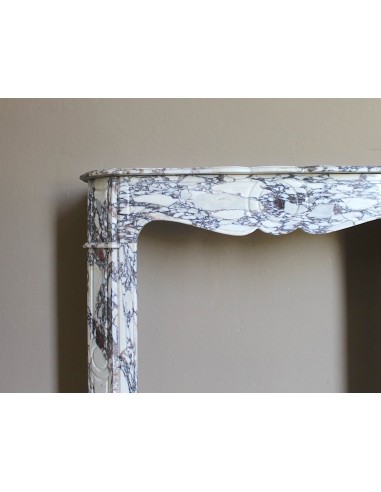
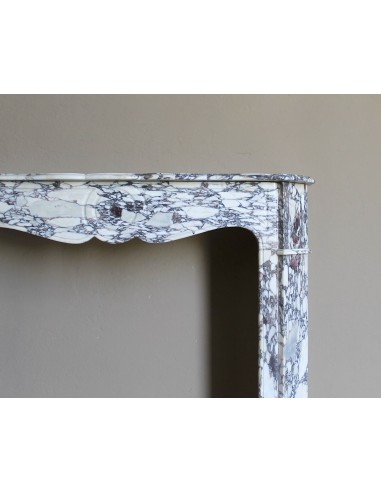
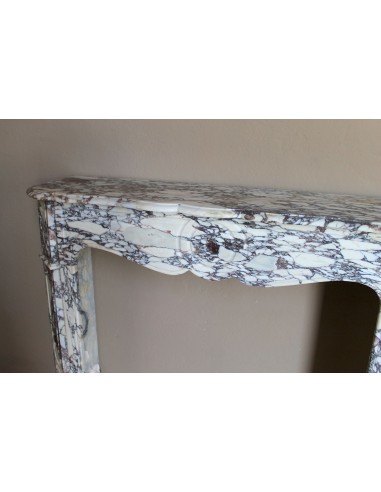
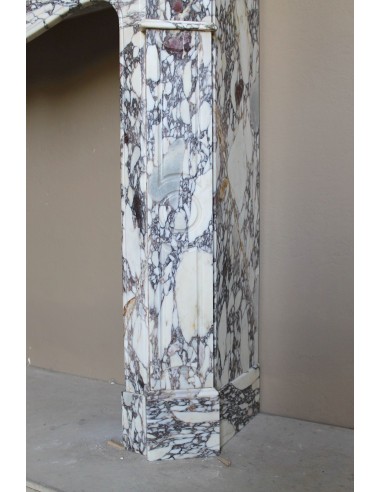
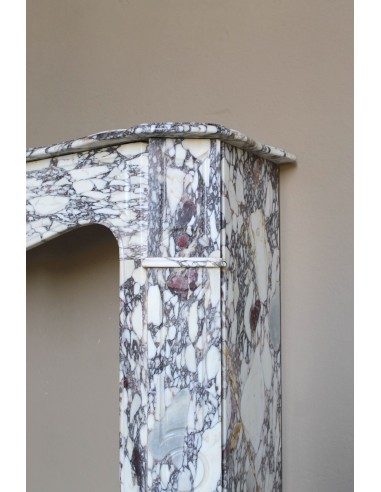
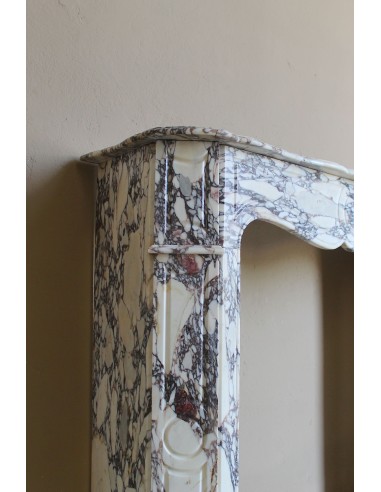
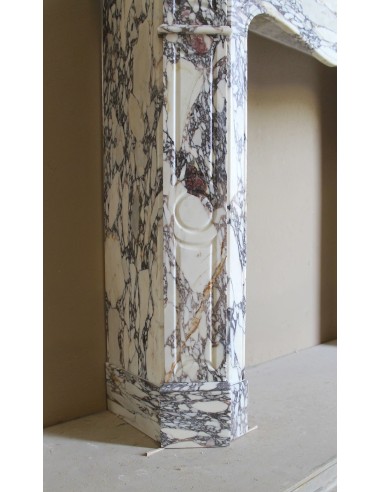
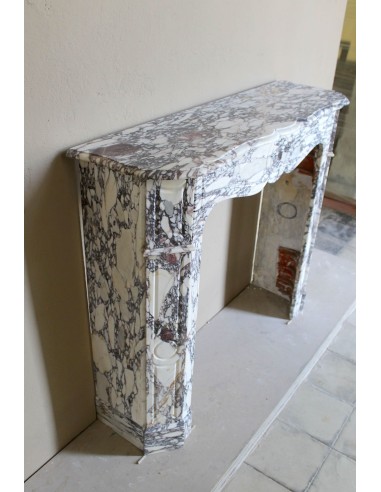
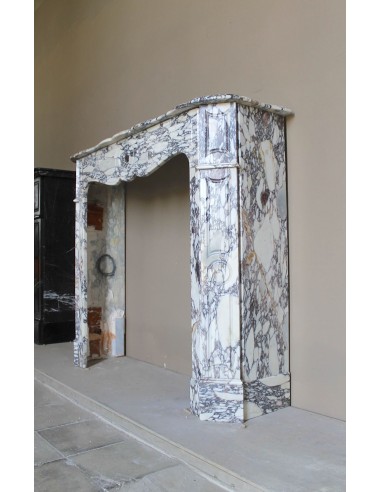
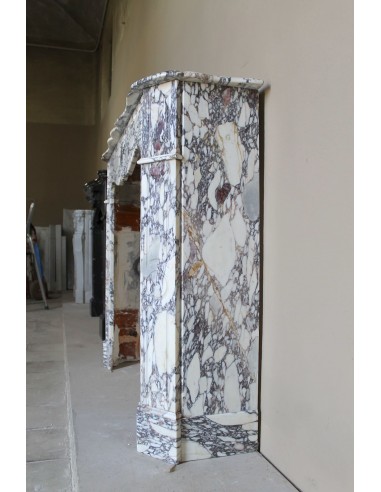
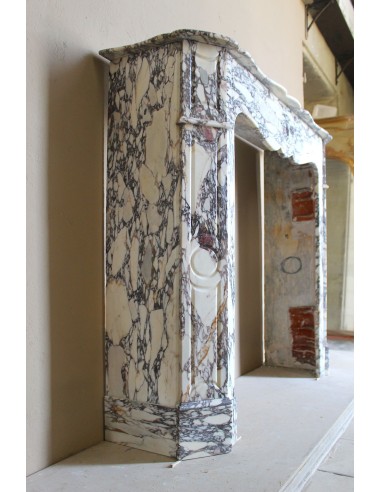
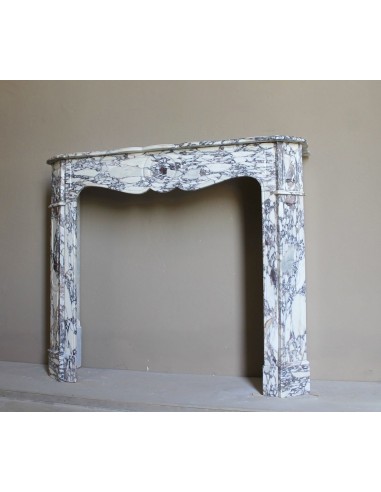
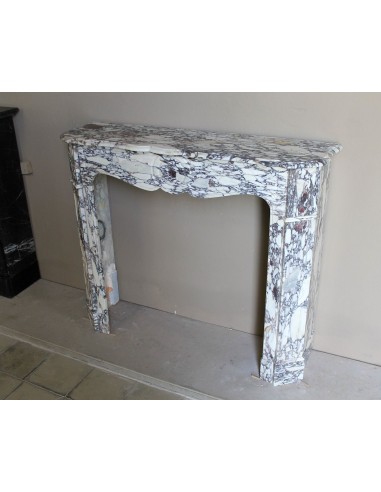
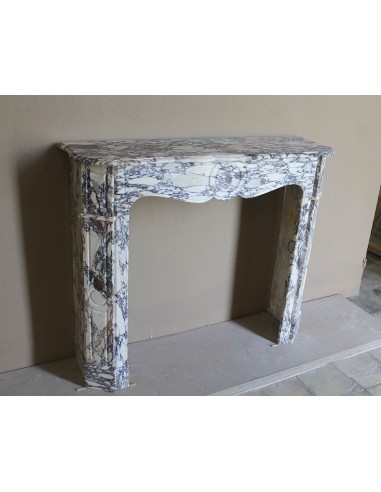
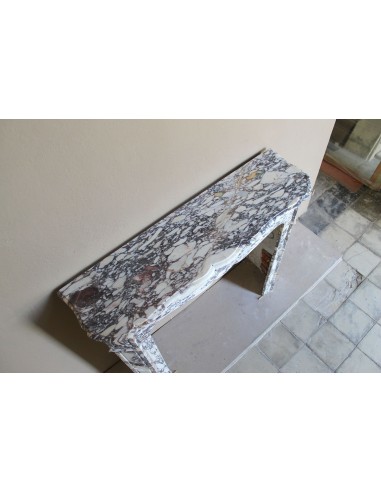
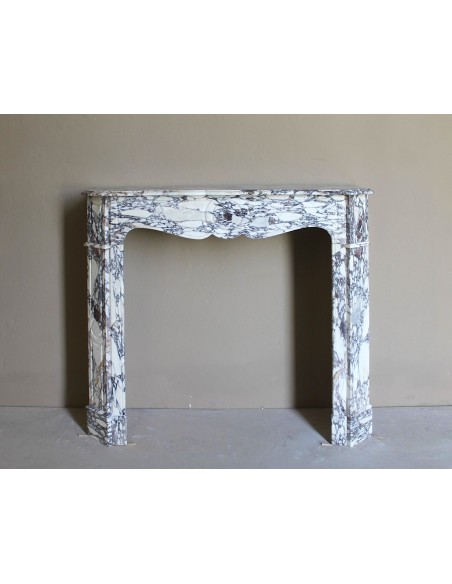
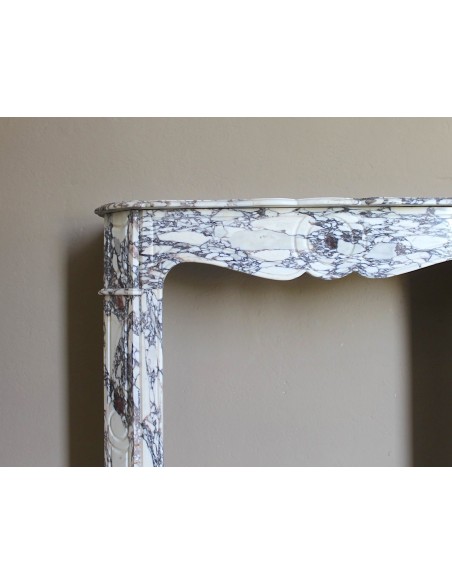
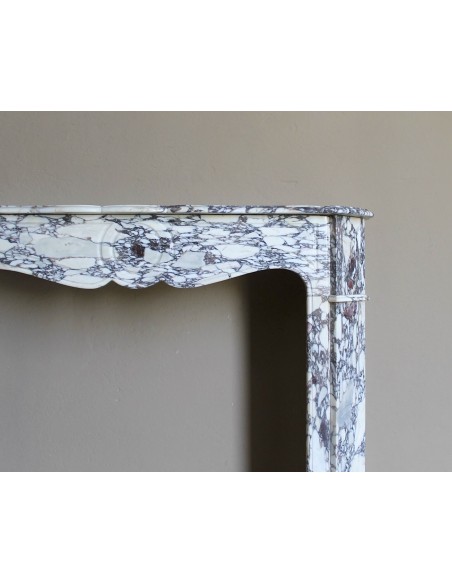
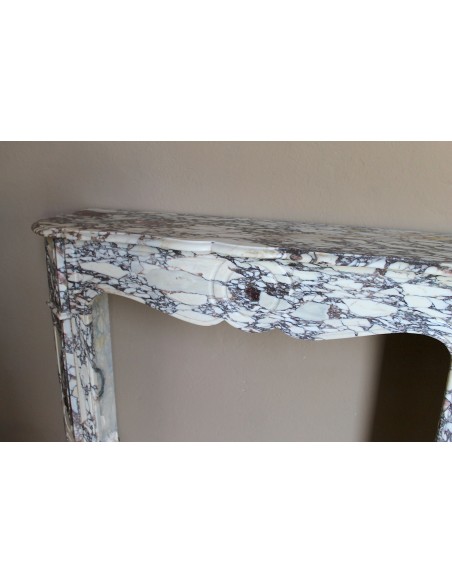
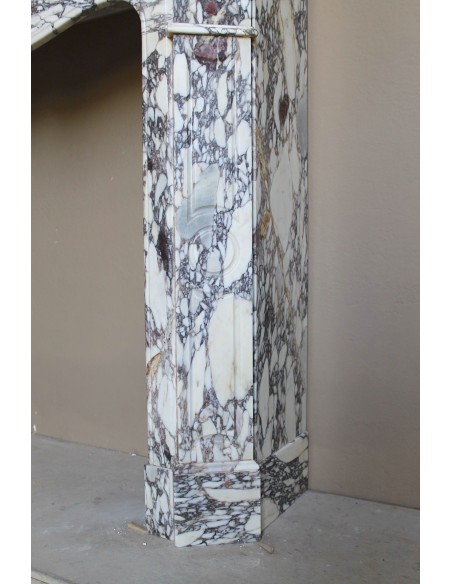
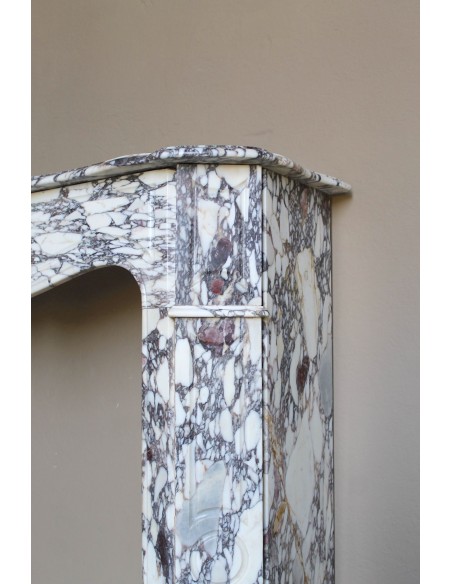
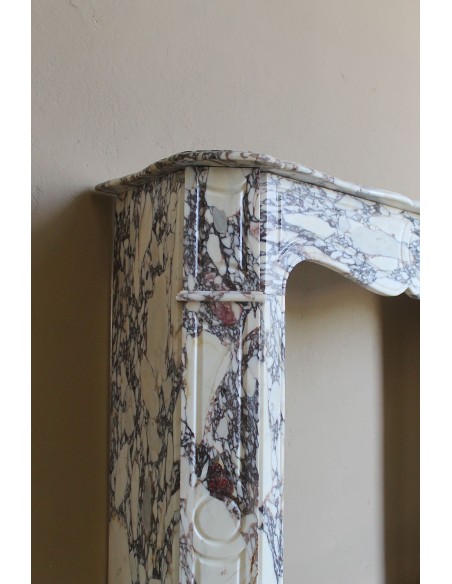
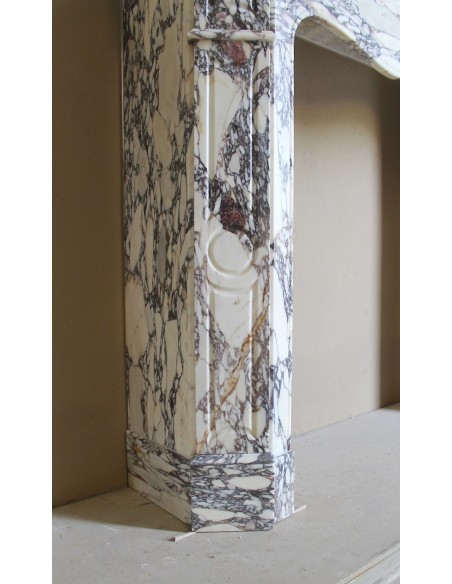
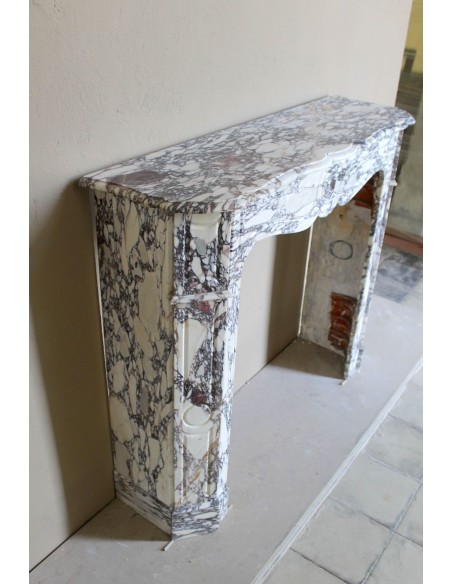
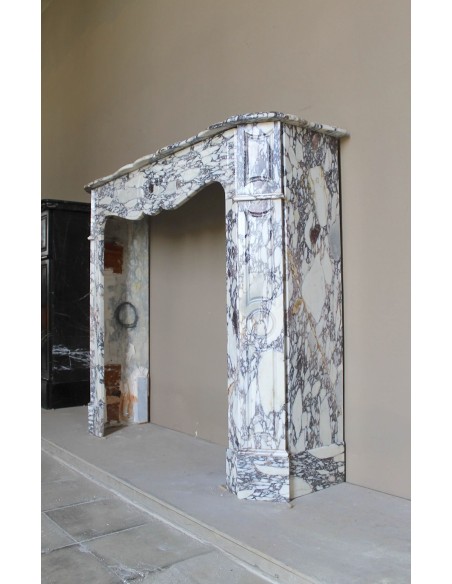
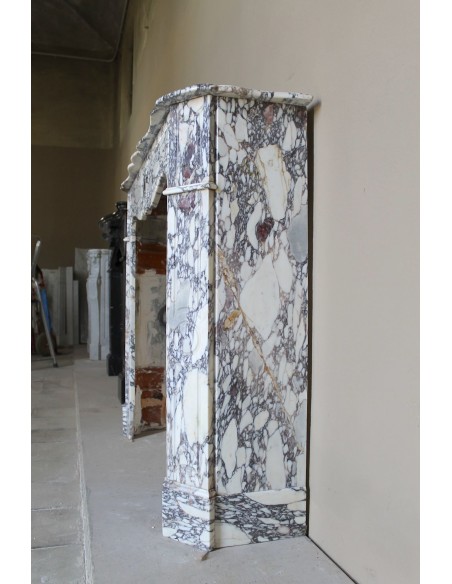
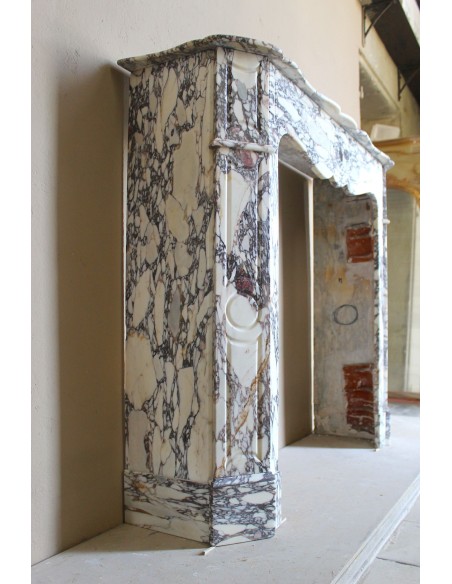
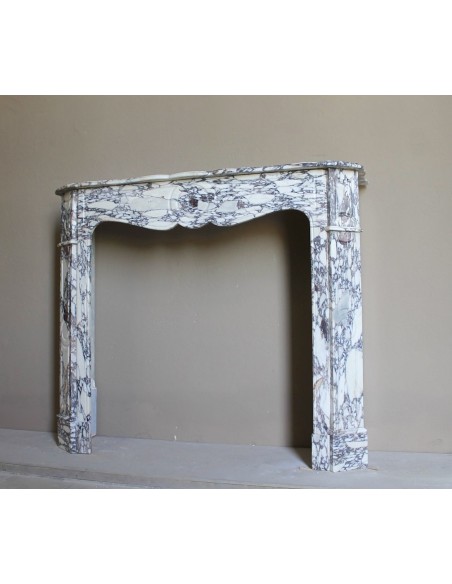
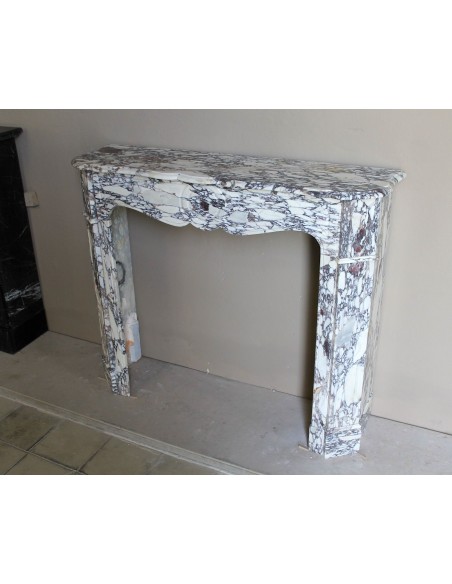
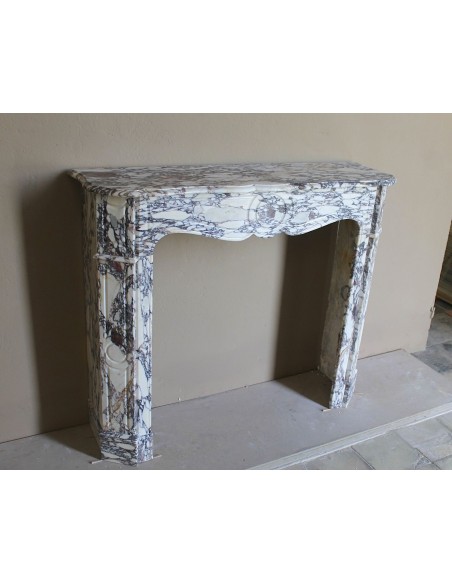
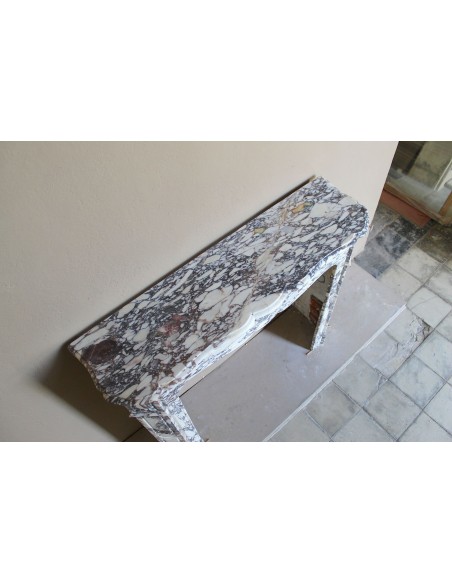
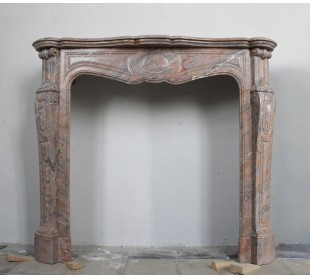
19TH-CENTURY LOUIS XV "PIED GALBÉ" MANTEL IN BRECHE VIOLETTE MARBLE, PARISIAN ORIGIN
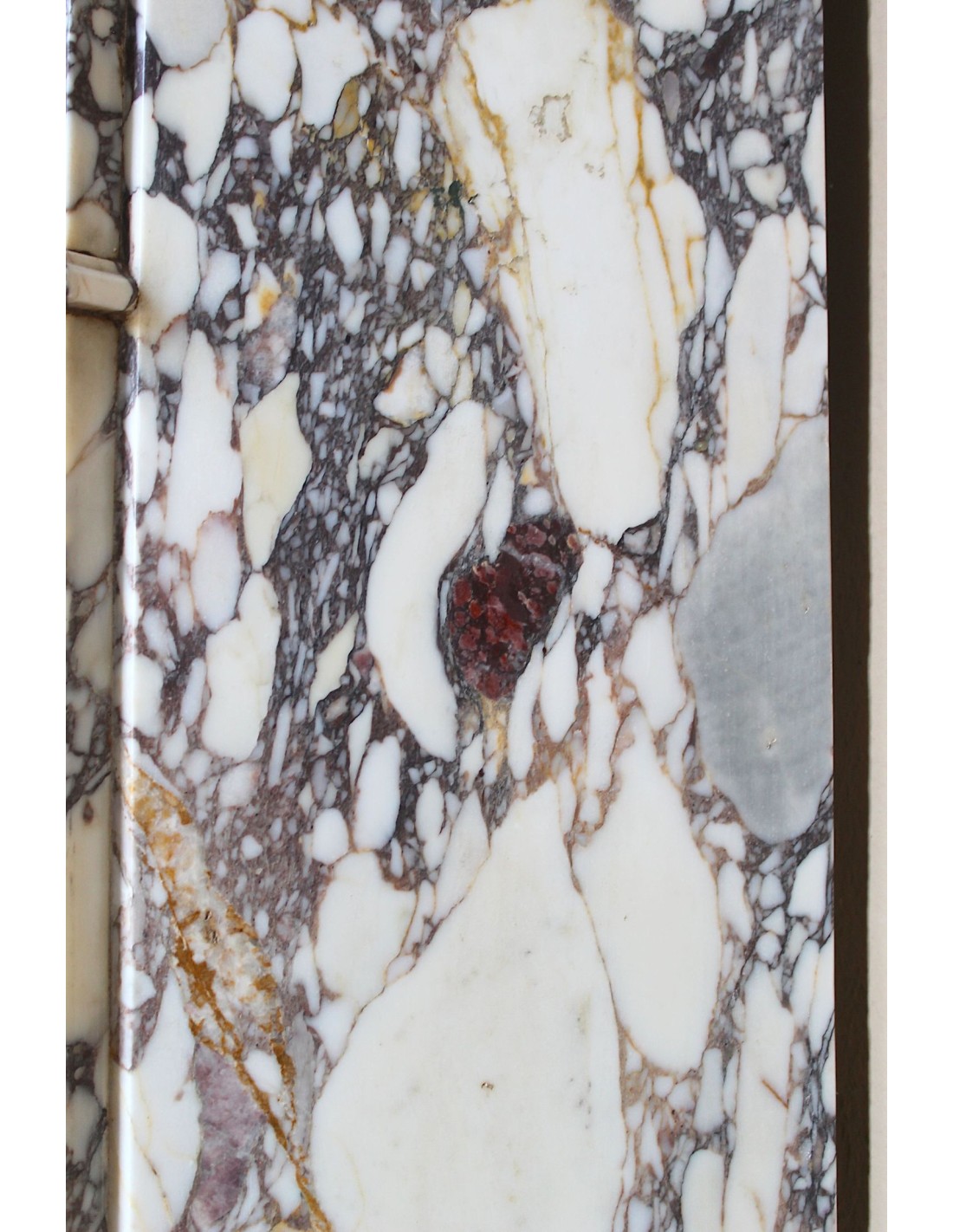
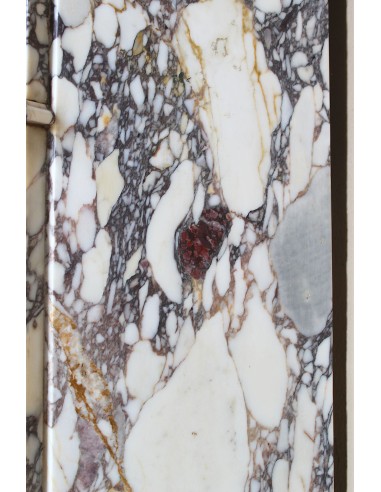
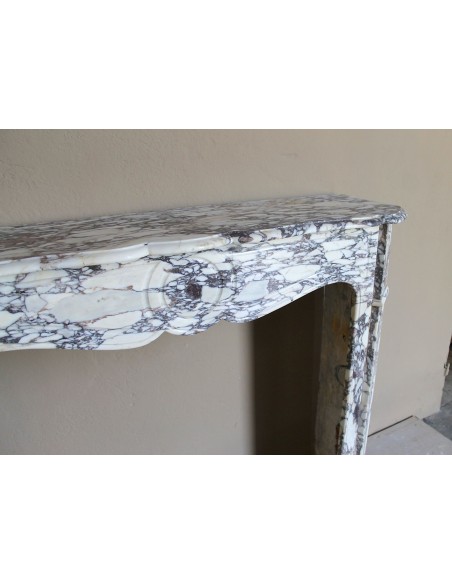
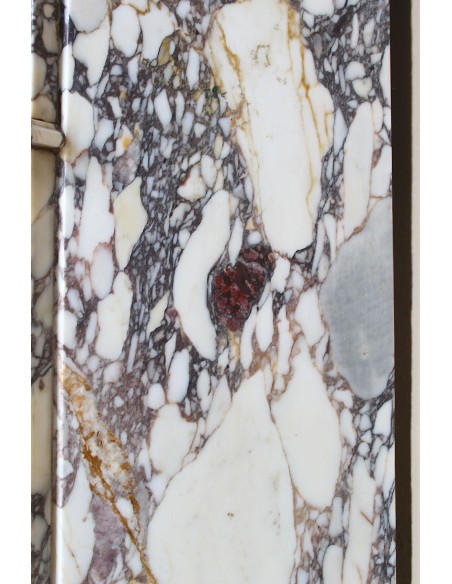
"Breccia Violetta" — that’s the captivating Italian name of the marble used for this mantelpiece. A mysterious-looking stone, still largely unknown to many.
In fact, even seasoned marble workers and sculptors are often left speechless when they see it. And frankly, so am I — disheartened by how little love or knowledge some of these professionals show for Italy's own treasures.
Because despite its French-sounding name, this marble is entirely Italian, still quarried (albeit in tiny quantities) in the Apuan Alps to this day.
It was the French architects and designers who first understood the visual and chromatic potential of this material. They were the first to exploit its aesthetic value, commissioning works from Carrara and Pietrasanta craftsmen, especially fireplace mantels.
And that’s exactly what this piece is: a beautifully preserved example of those historic commissions.
Carved circa 1850–1860, in excellent condition, made from a marble that is not just rare, but truly fascinating.
Only its price can be described as "absurdly low" — a price that almost makes it feel like we stole it. But for you, it’s a wonderful investment — financially, aesthetically, and culturally.
Marble ages a little like humans. The difference? We usually lose charm with age (except for a few lucky ones like Gianni Morandi), but marble gains character.
This is especially true for Tuscan and Ligurian marbles, rich in sulfur, iron, and other minerals. A chemist once explained it all to me, but chemistry was never my strength (I consistently scored 4/10 in school...). Still, I pretended to understand so as not to disappoint his enthusiasm.
Here’s the gist of it: Those minerals, when exposed to air and humidity, rise to the surface by capillary action (yes, I remembered the term!). Their main route is the veins of the marble, but even the compact sections aren’t immune.
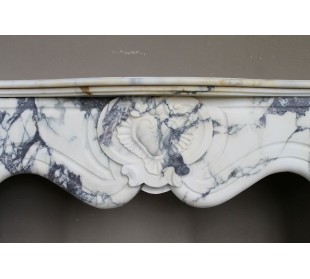
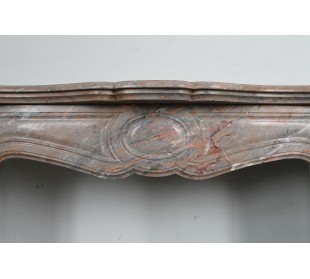
The result? Veins turn golden, whites develop amber hues, and so on...
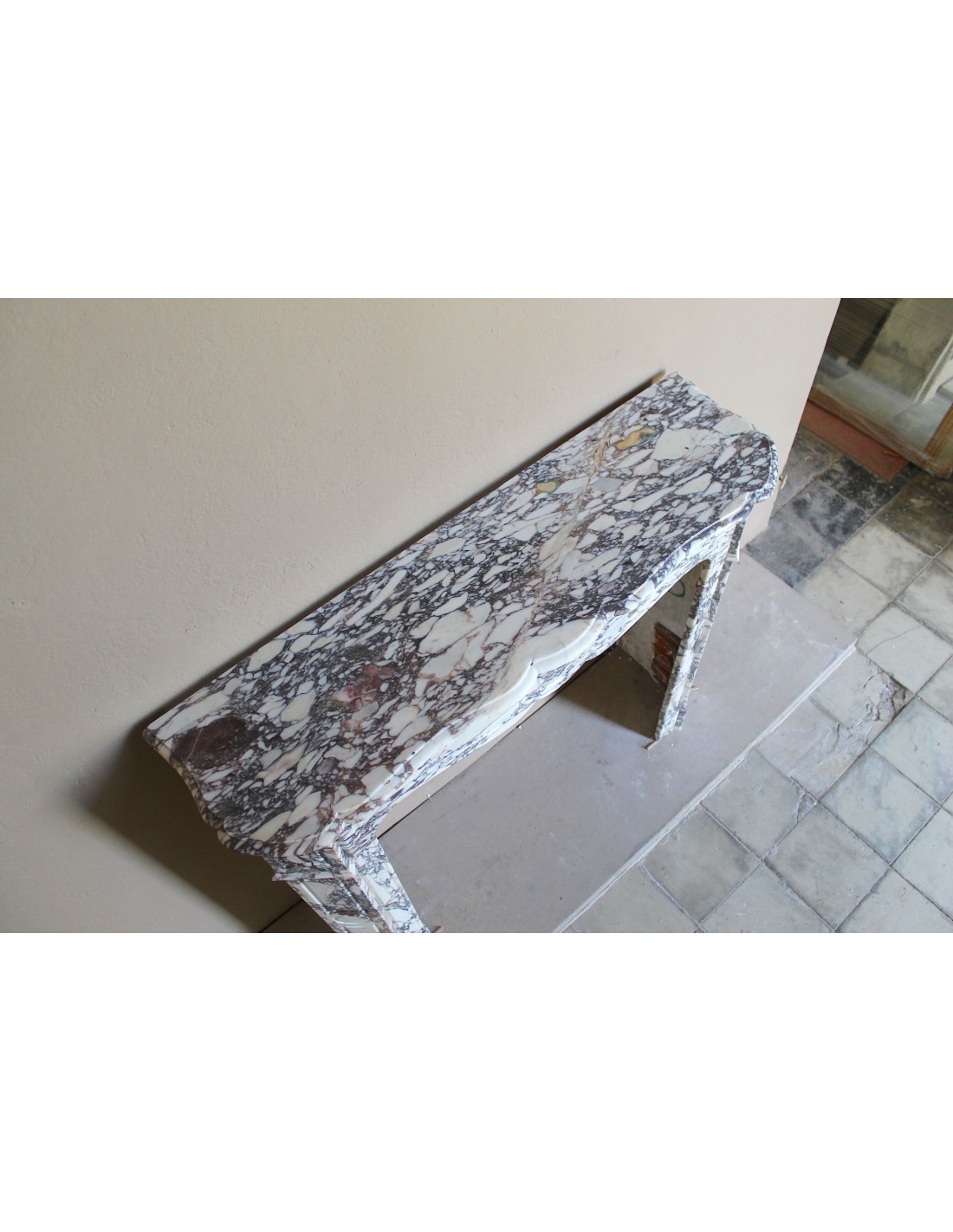
And that’s exactly what’s happened over the past century and a half to the surfaces of this Breche Violette fireplace mantel — a stone already beautiful when quarried, but whose colors back then were paler and more subdued. Now, after all this time, it has taken on tones that are richer, deeper, and far more enchanting.