ON HOLD

SHARE ON:
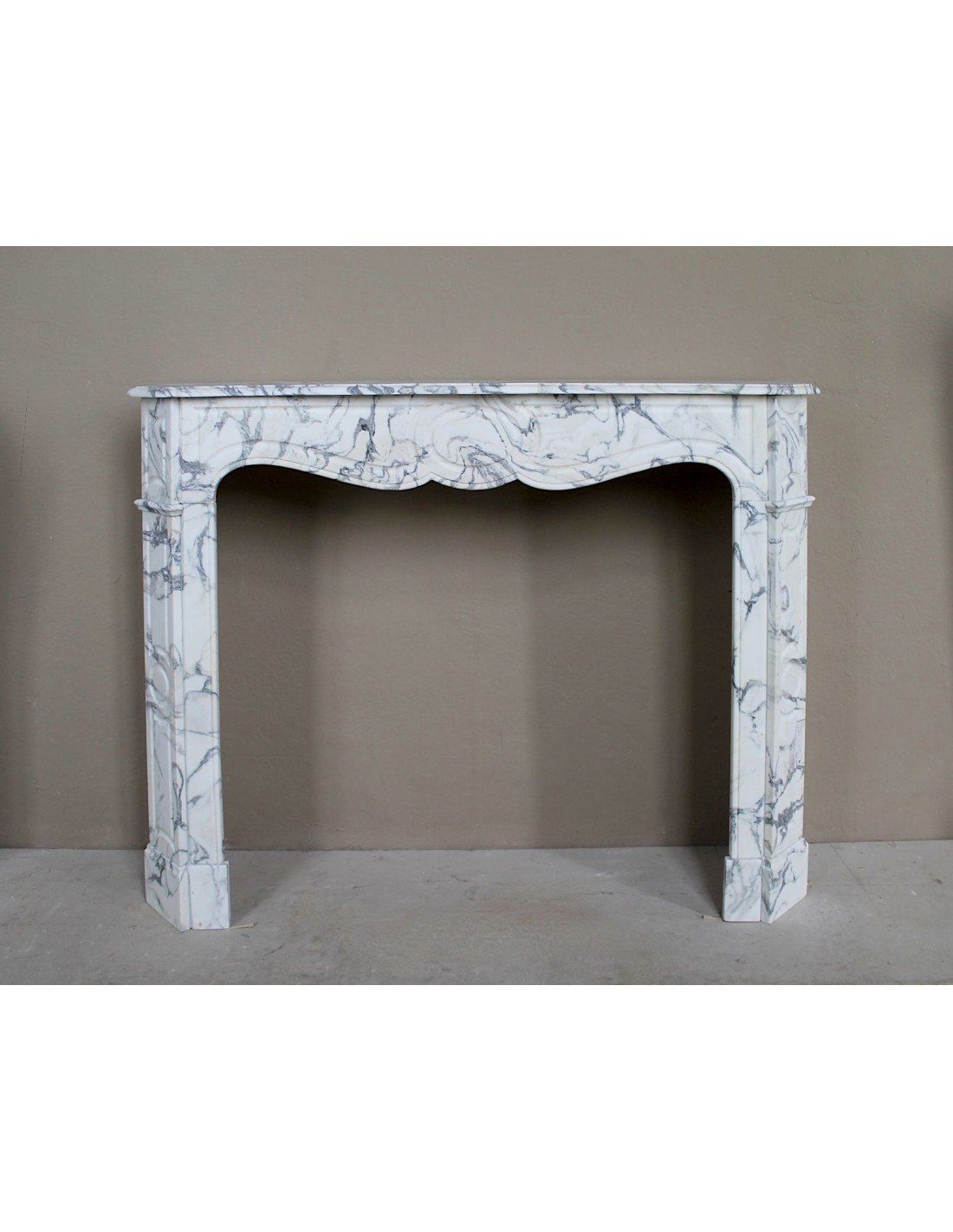
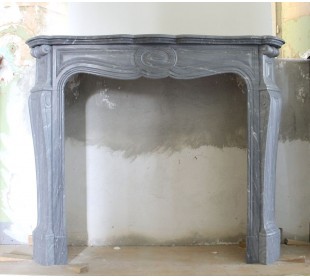
Had someone told me that a fireplace like this existed, I simply would not have believed it.
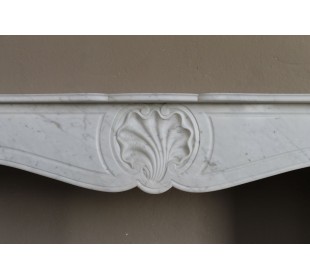
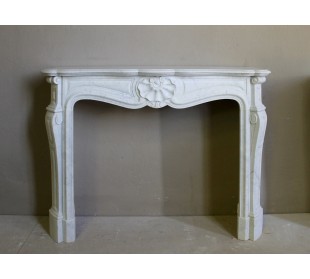
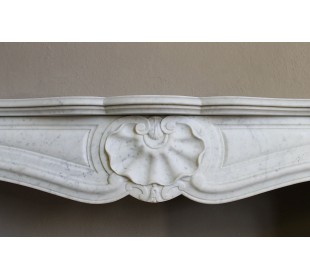
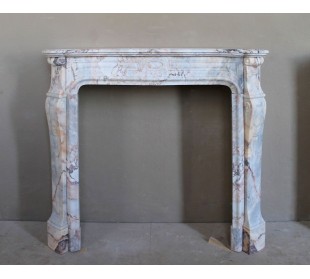
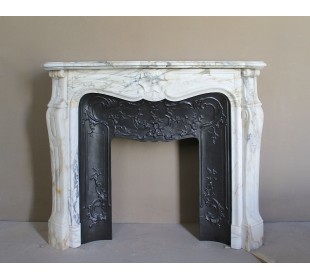
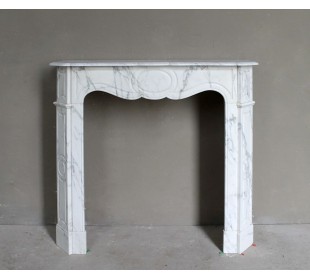
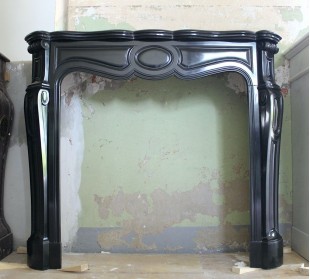
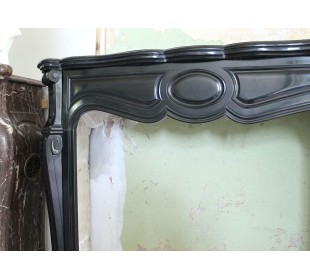
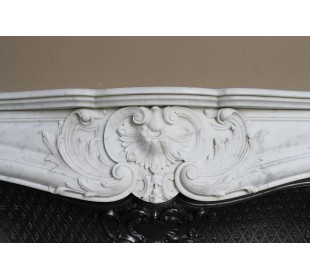
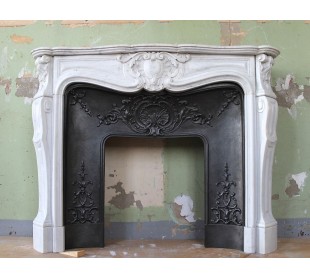
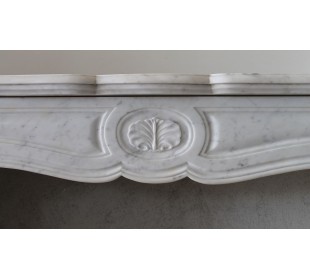
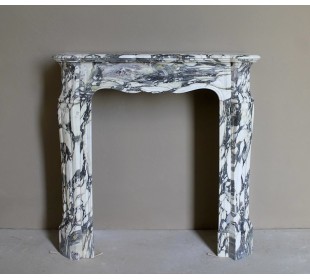
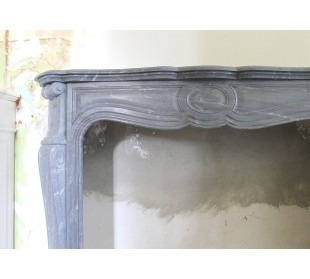
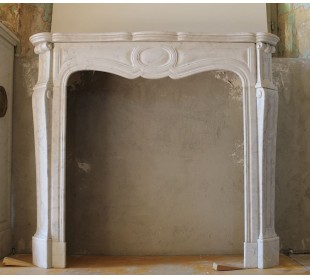
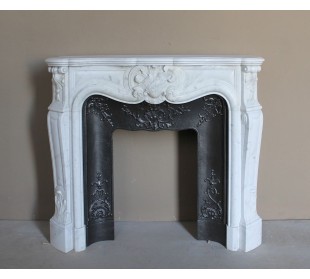
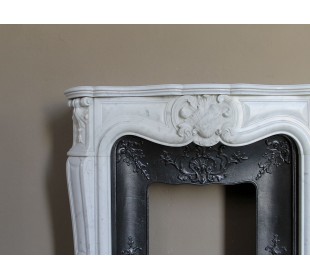
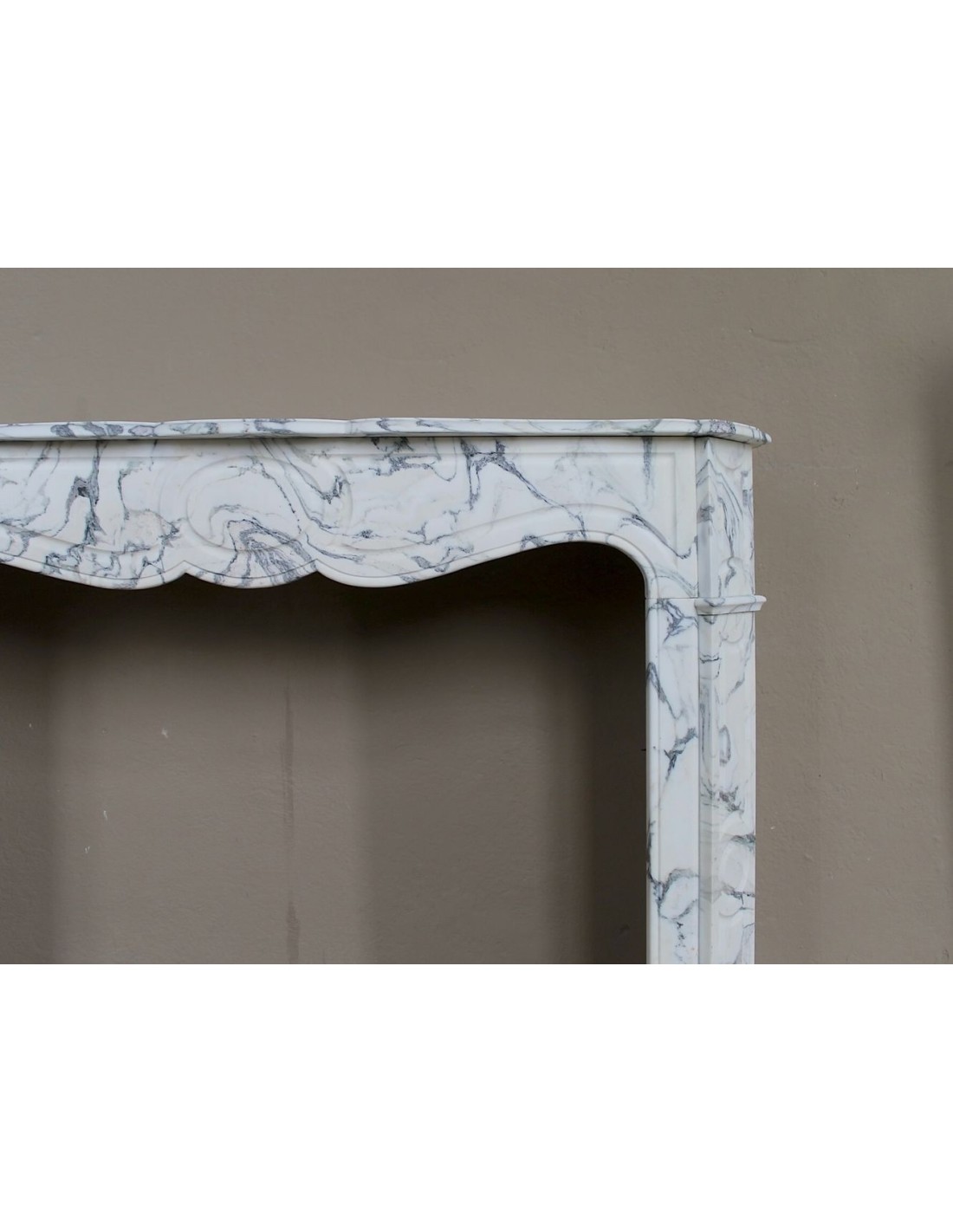
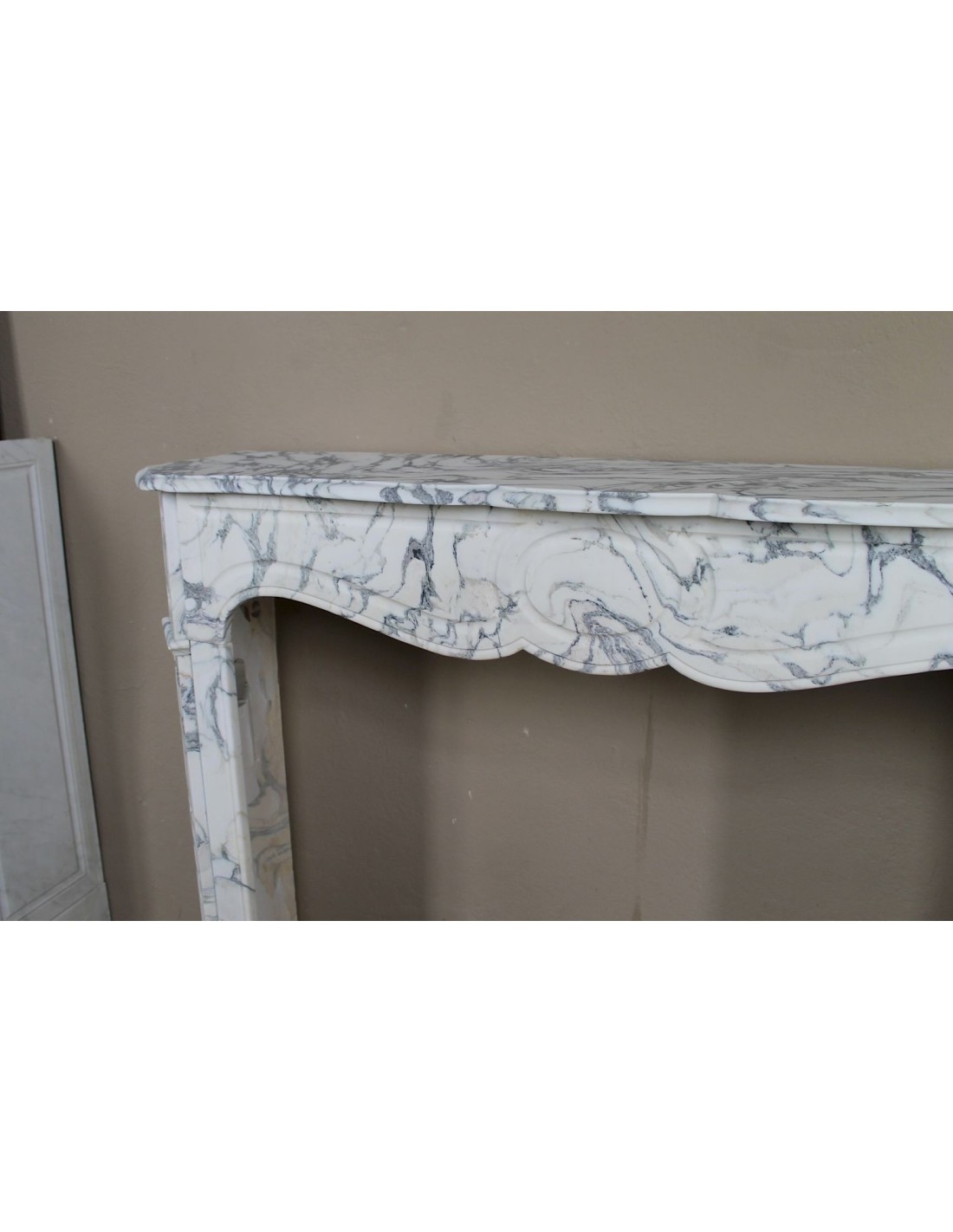
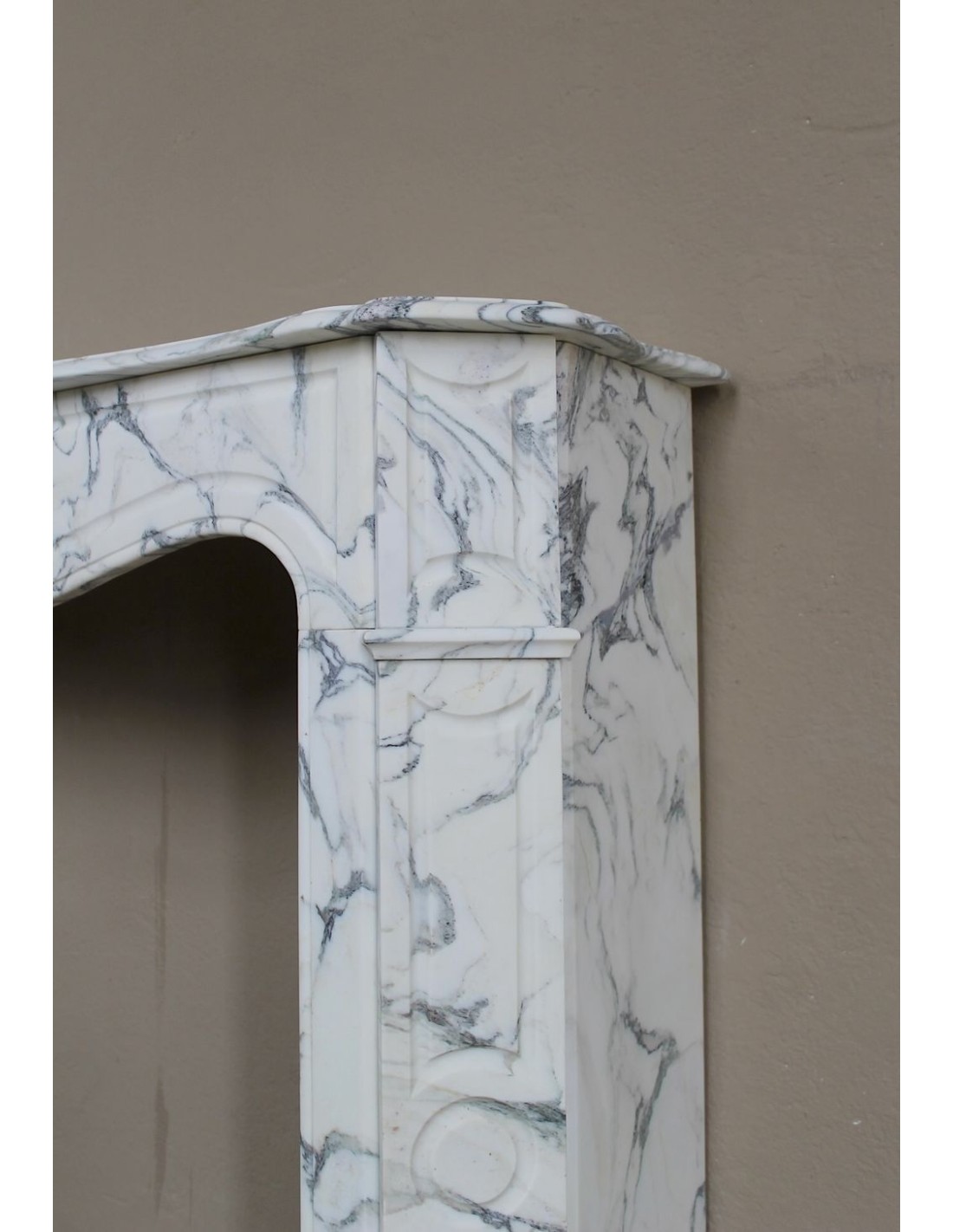
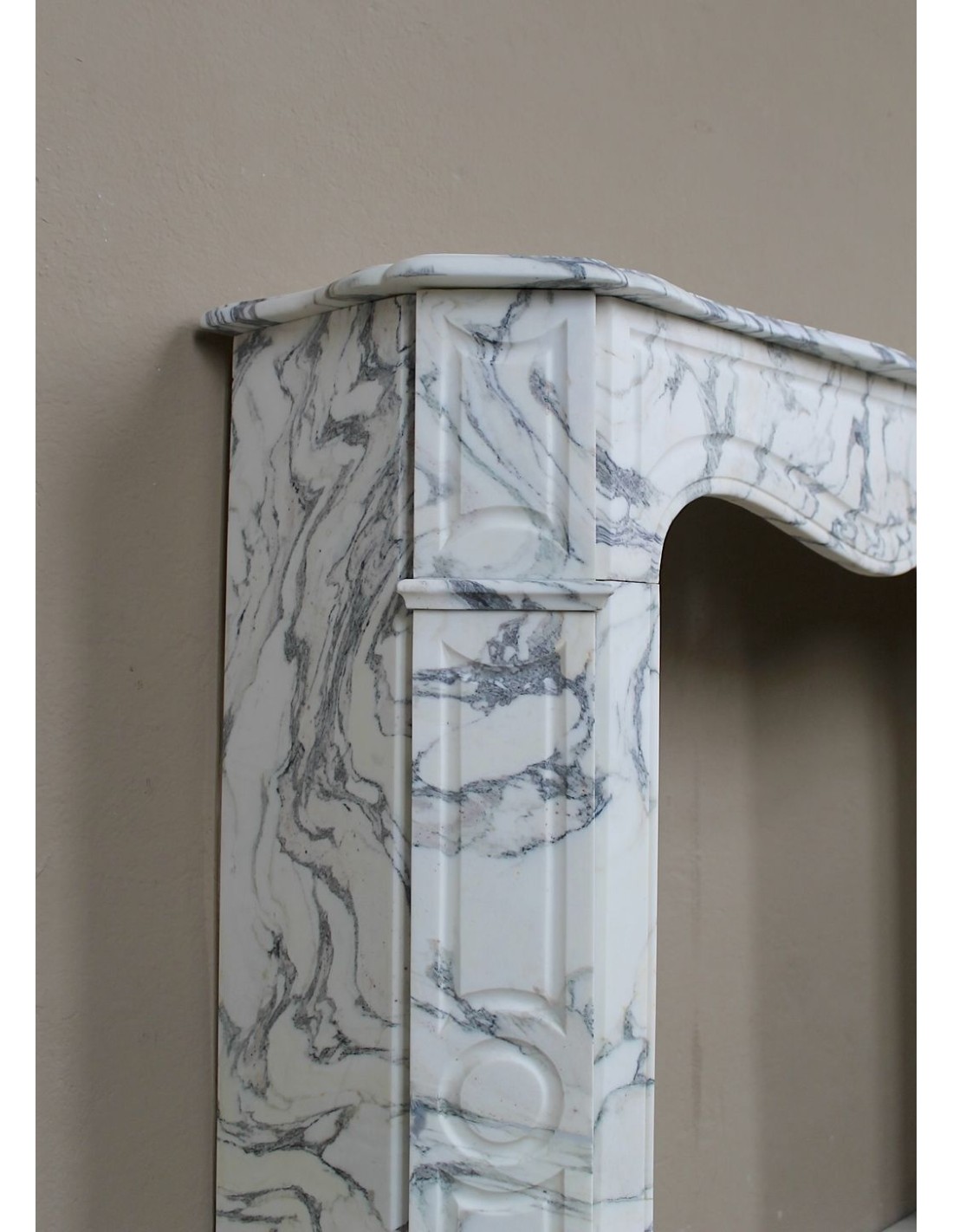
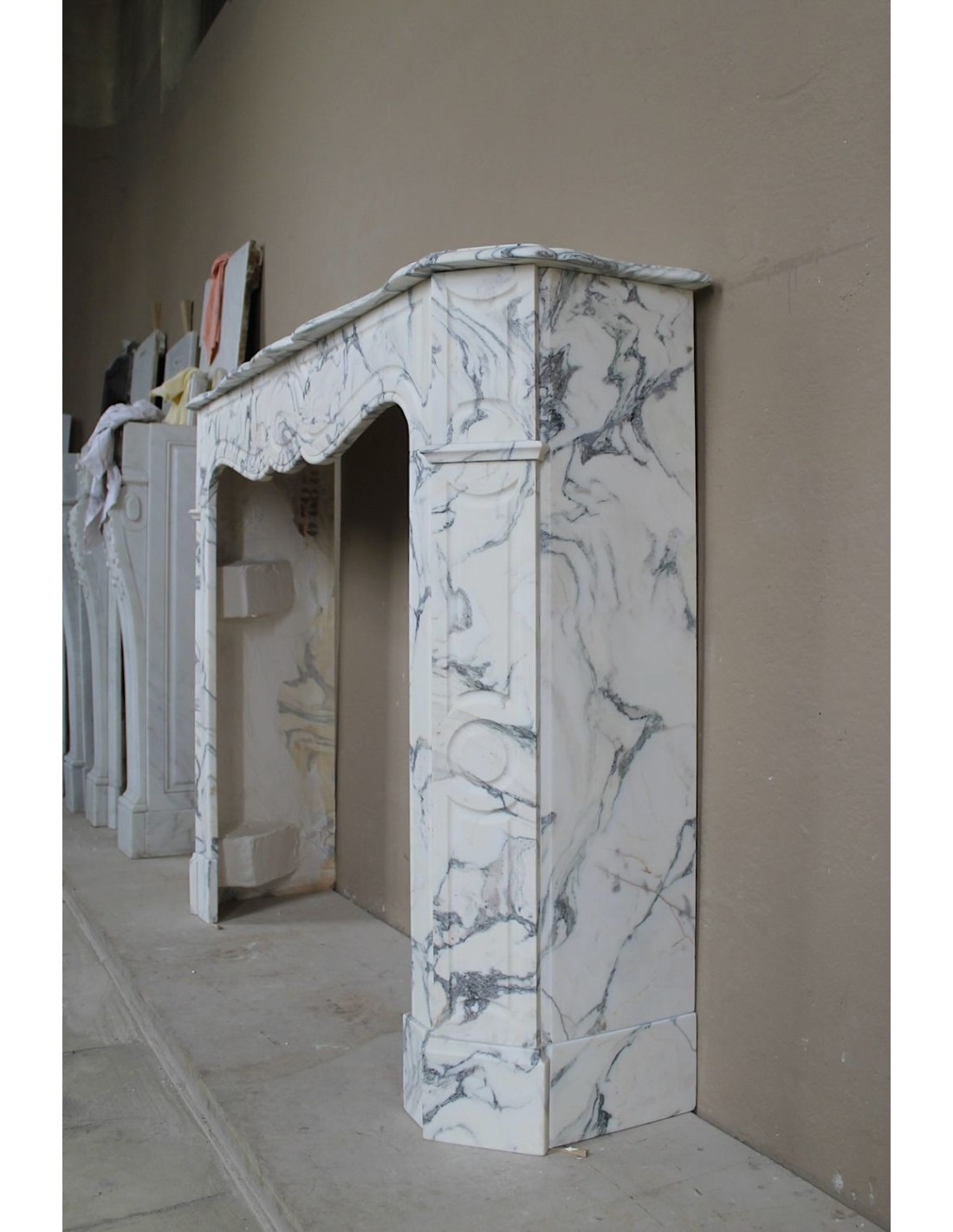
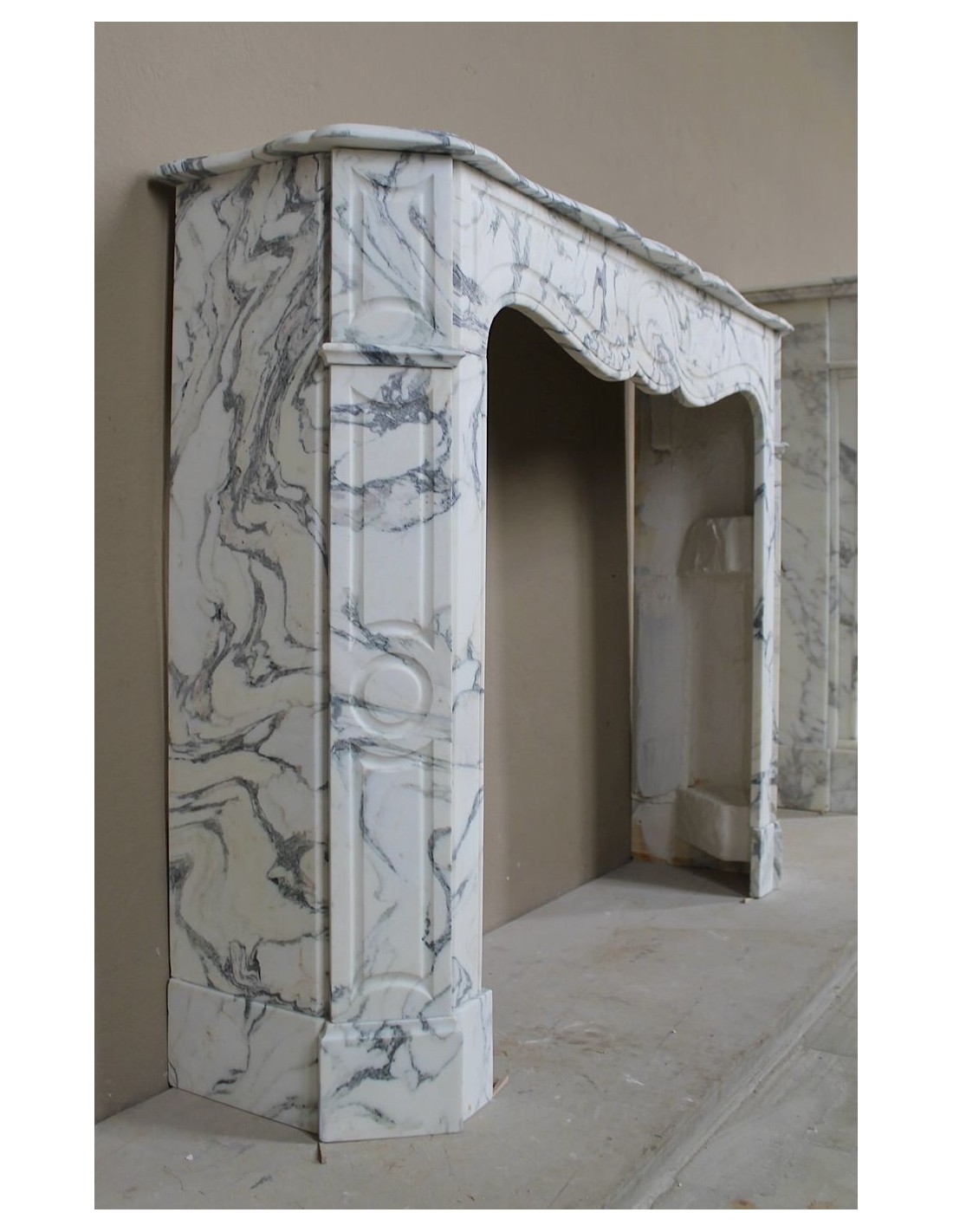
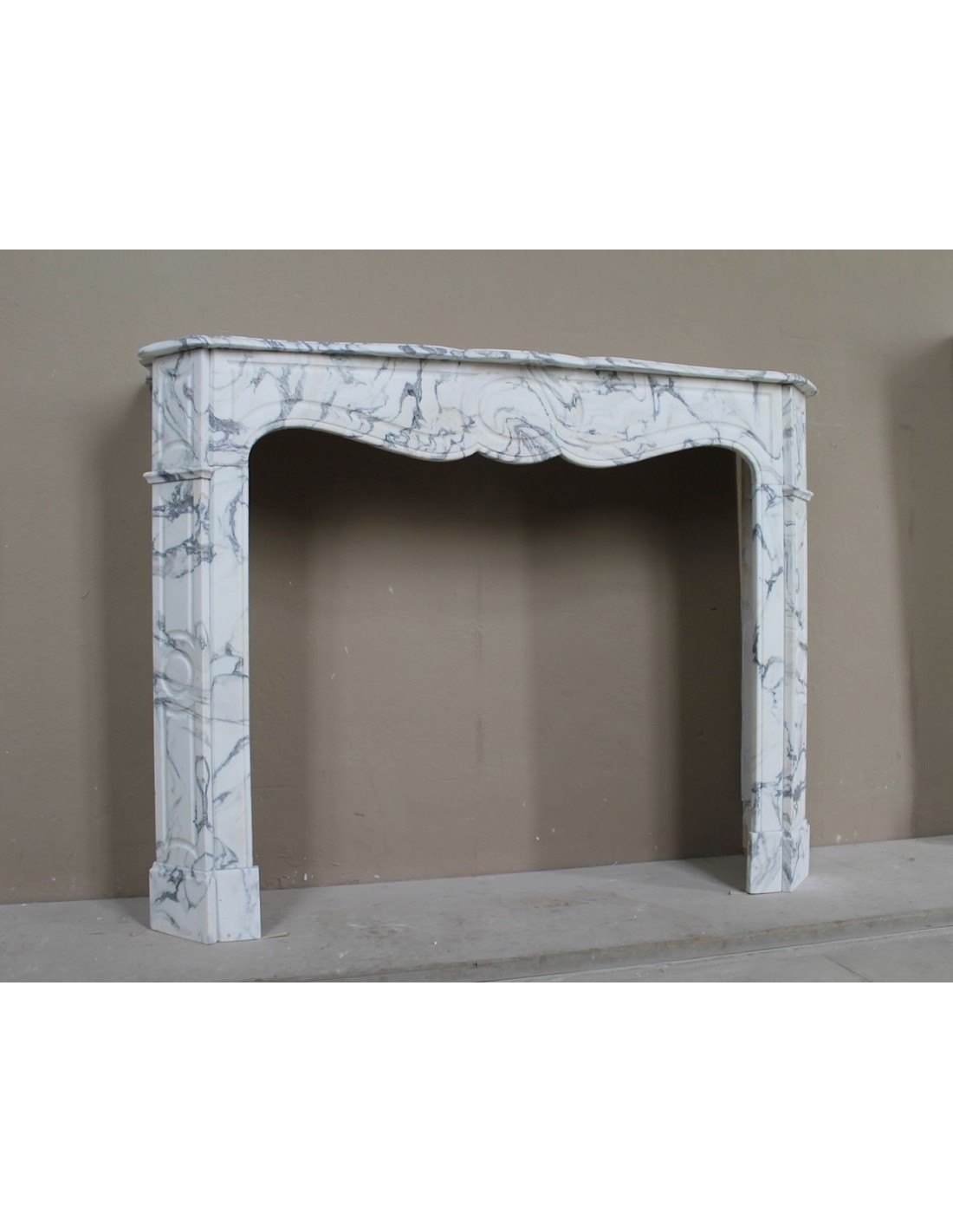
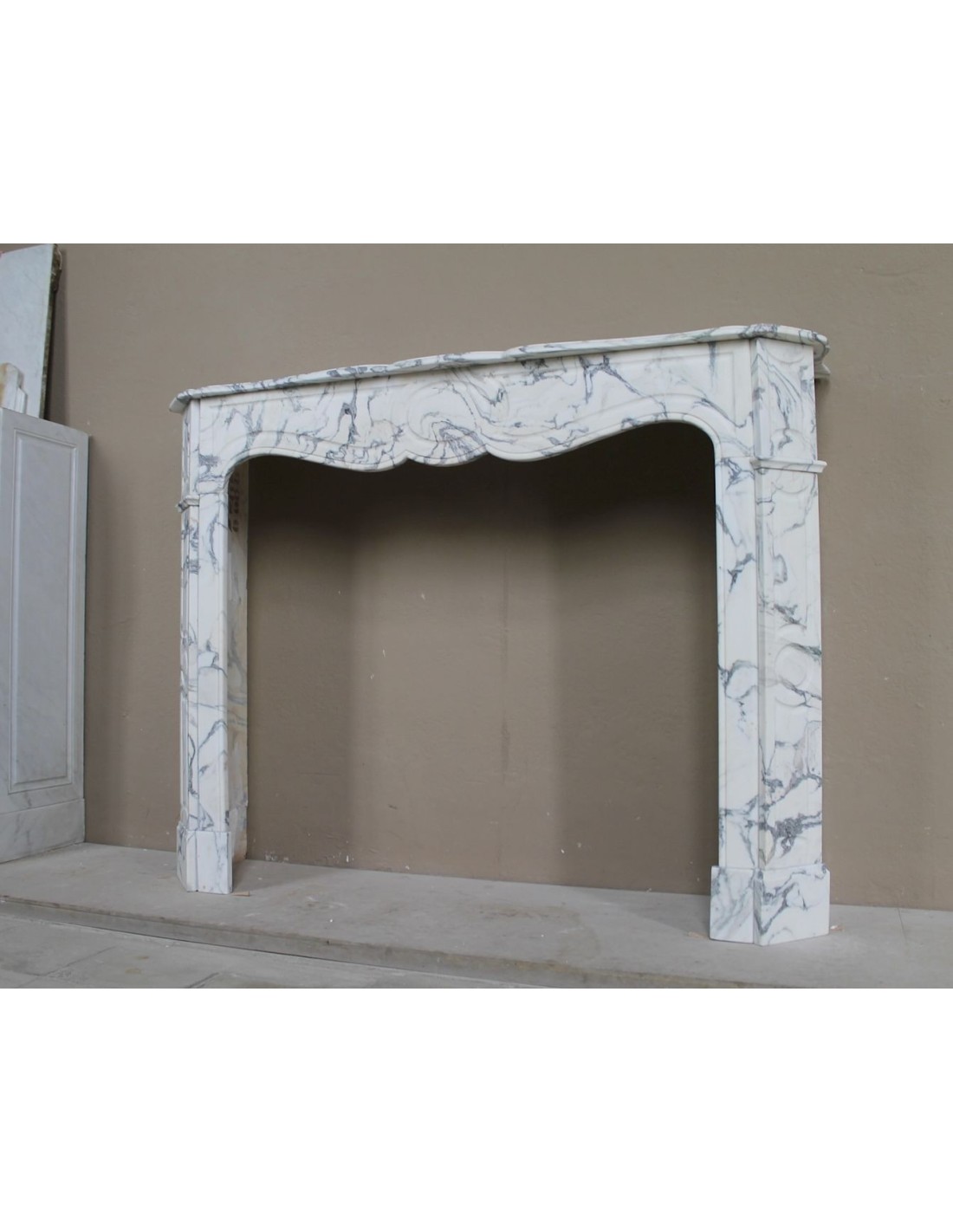
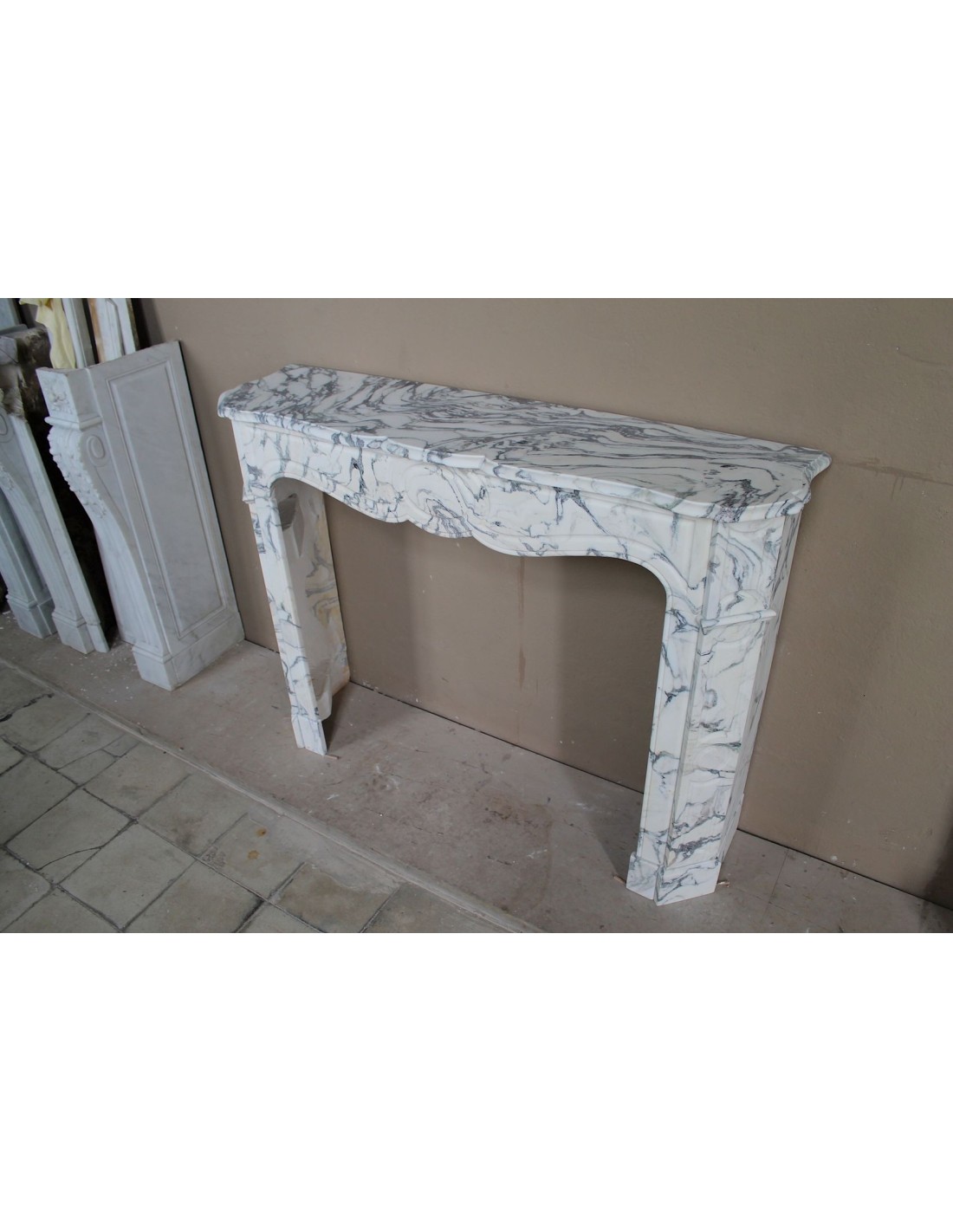
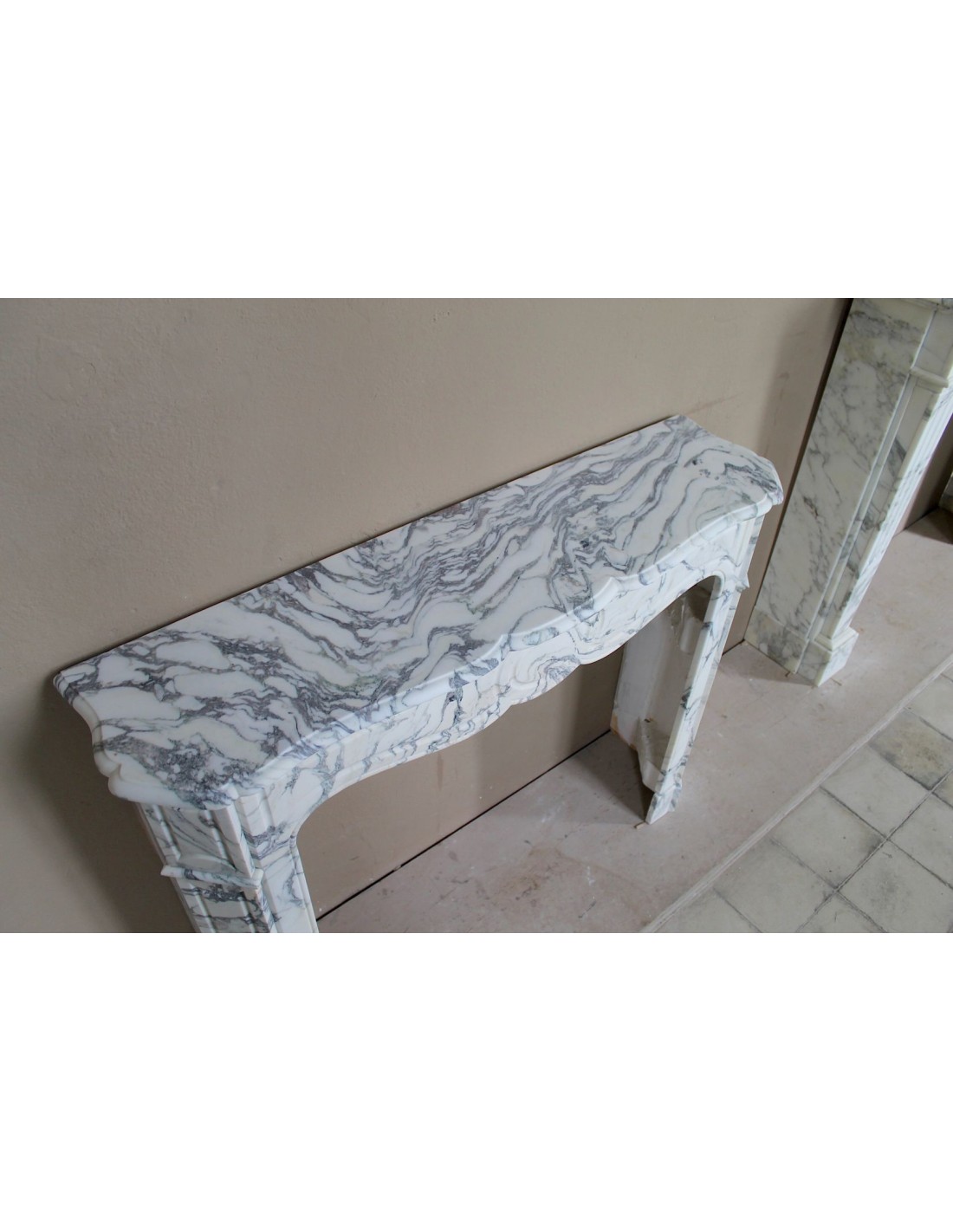
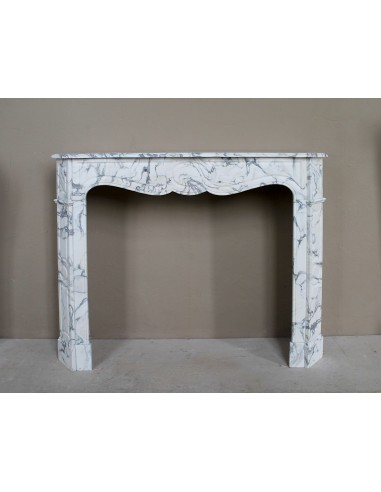
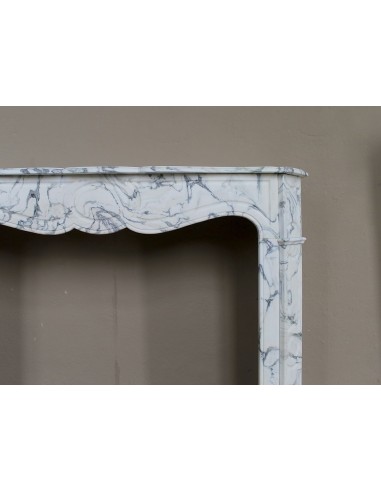
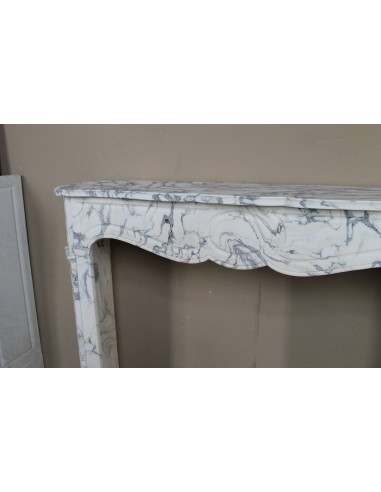
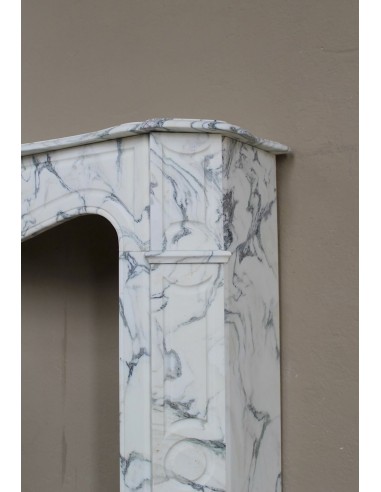
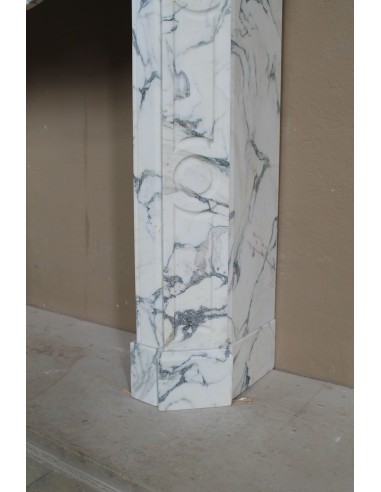
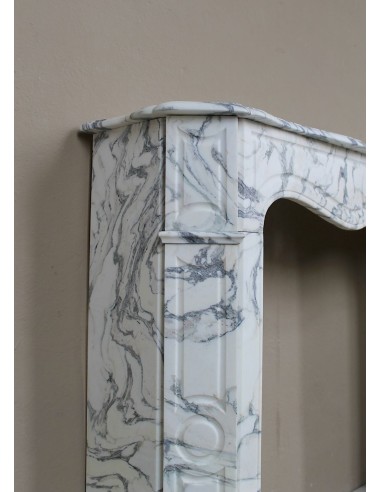
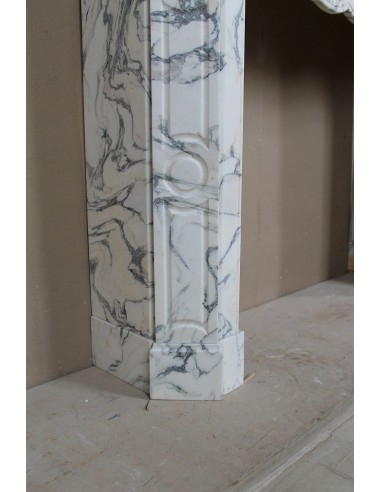
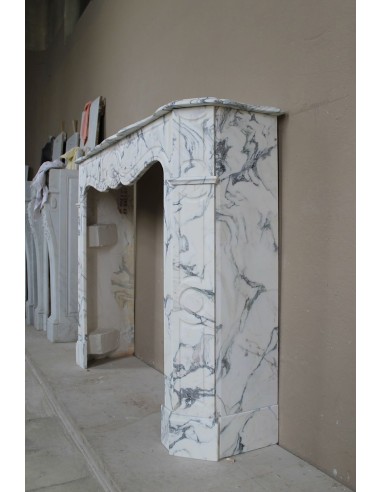
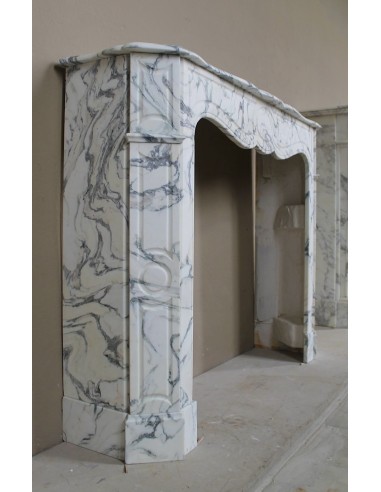
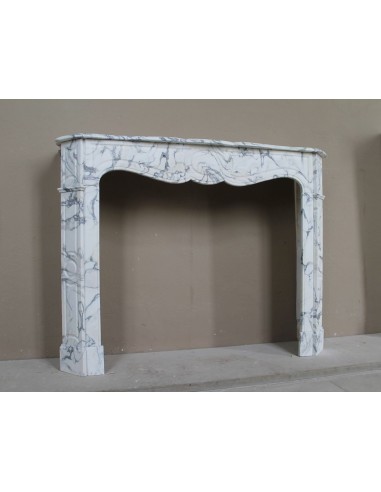
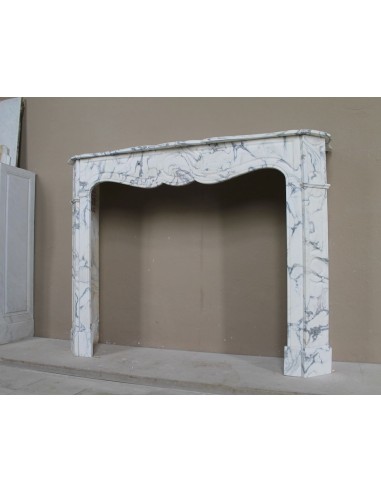
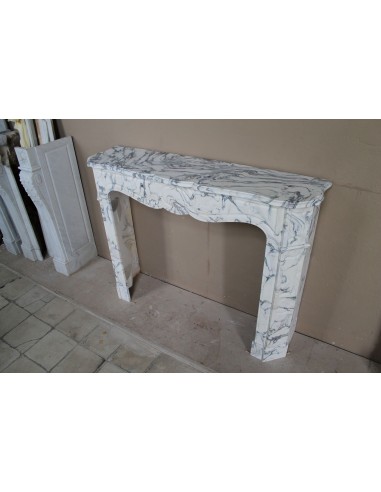
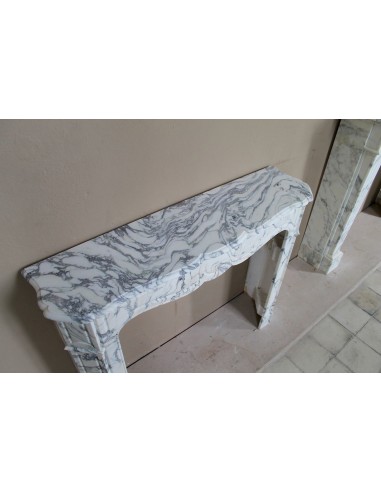
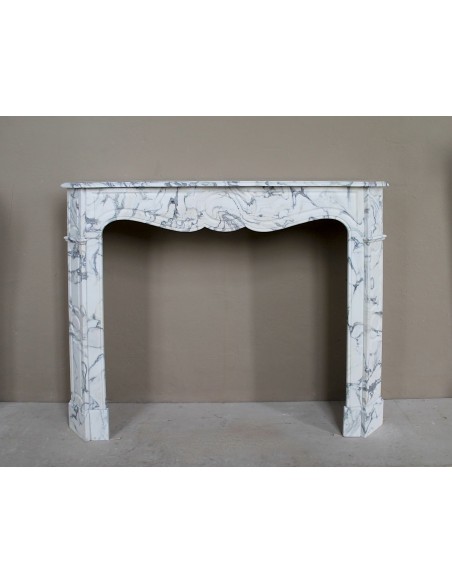
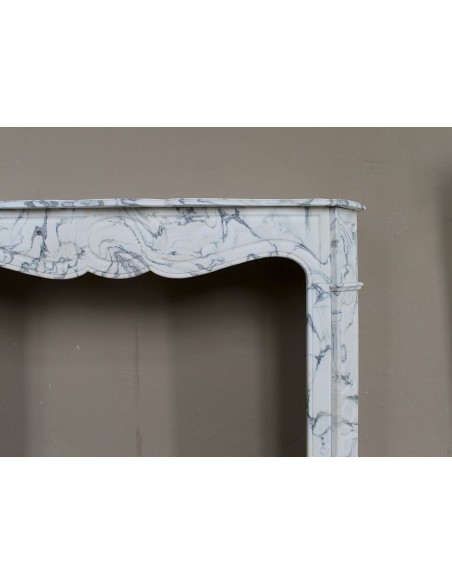
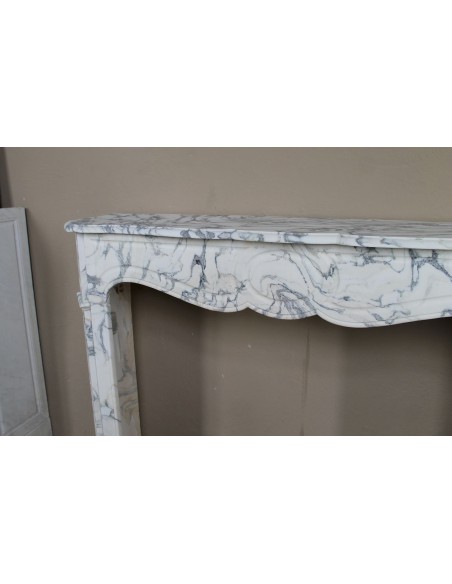
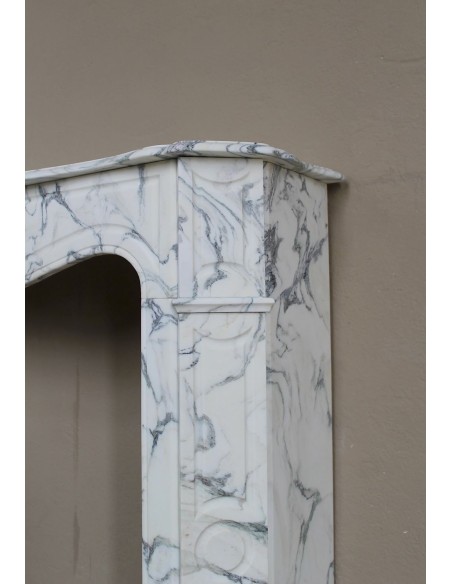
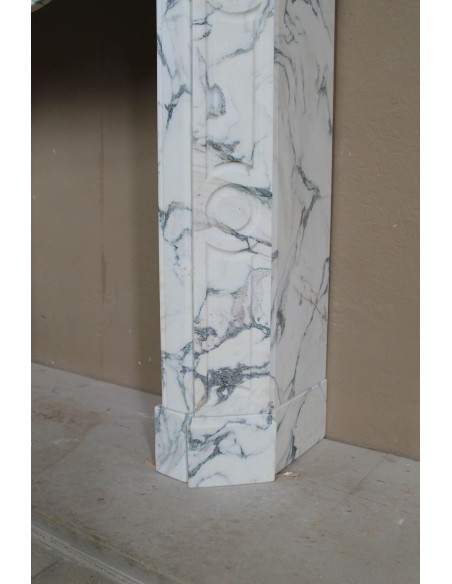
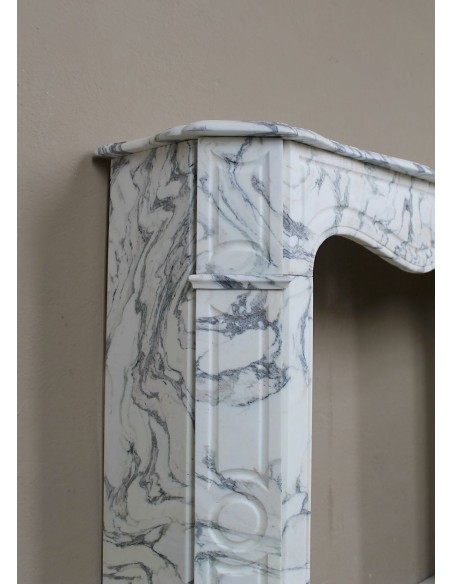
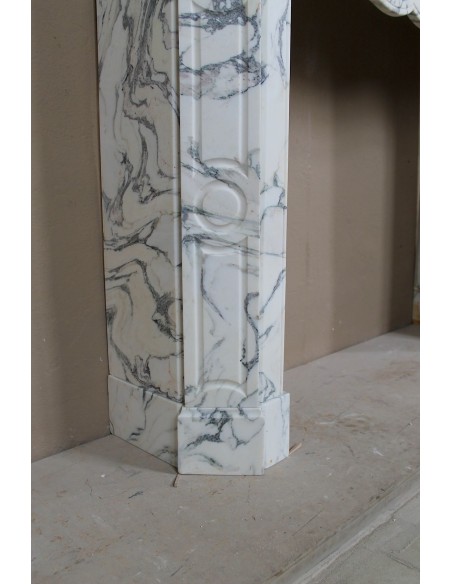
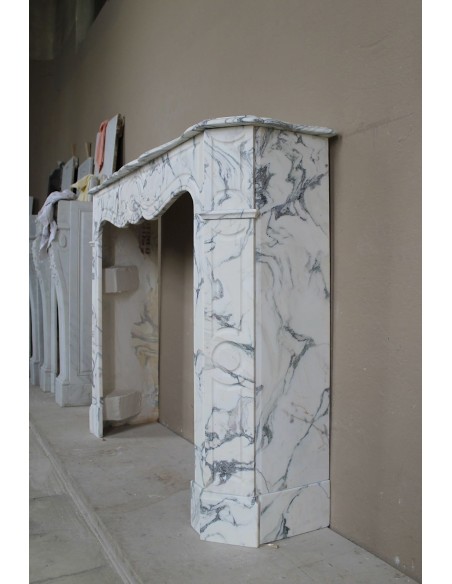
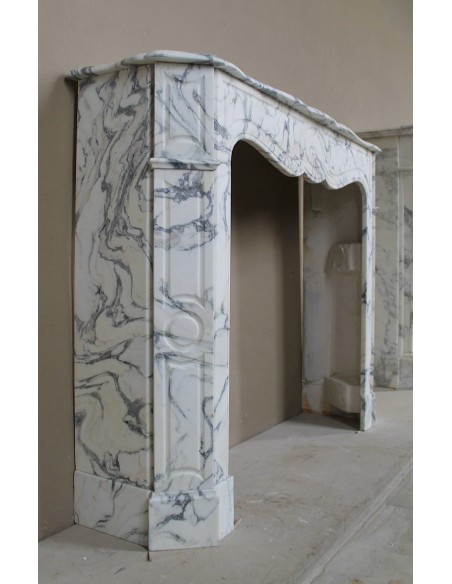
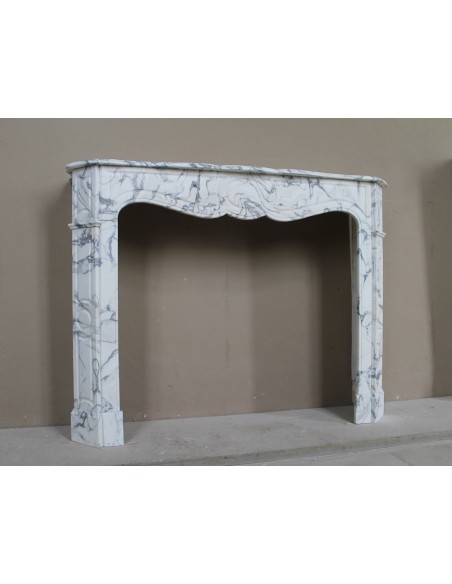
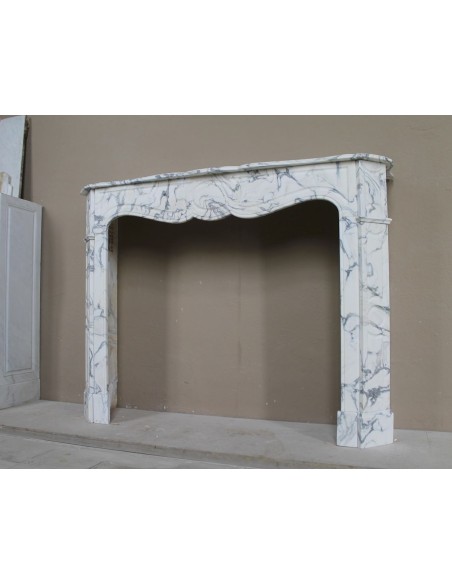
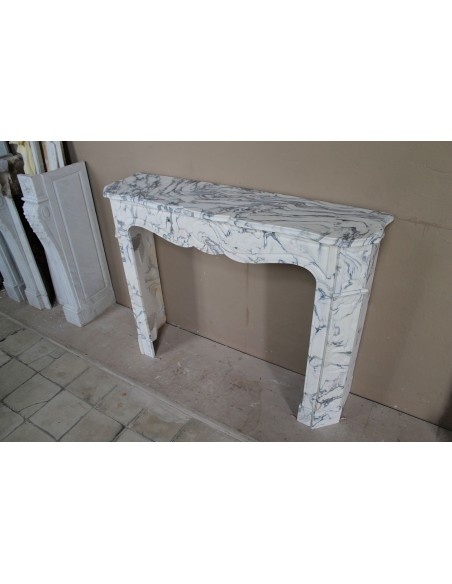
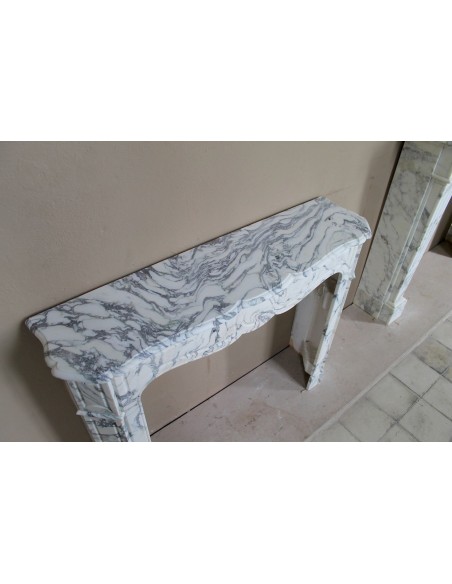
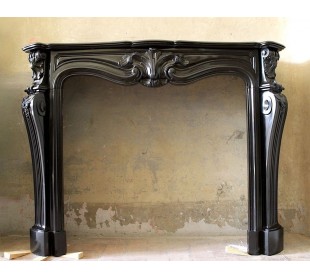
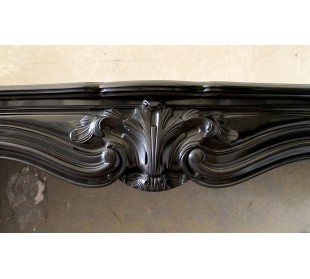
And yet, the example you see here is actually one of two twin fireplaces, carved from the very same Louis XV Pompadour Plat model, fashioned from the same extraordinarily precious marble, differing only in their dimensions.
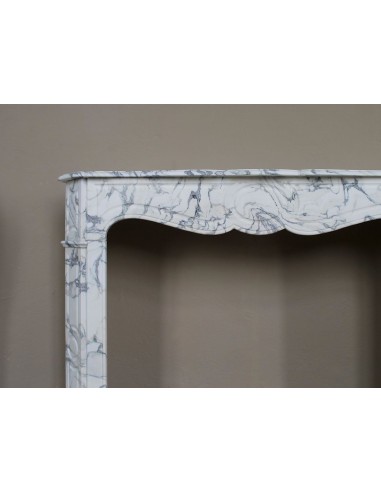
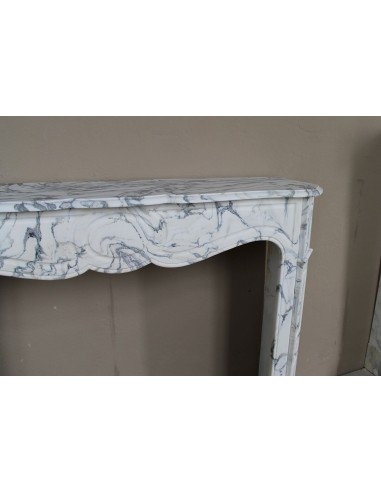
In more than fifty years devoted to antique fireplaces, I have never encountered a Pompadour Plat fireplace dressed in such a magnificent stone. The model itself is charming and elegant, but certainly not among the grandest or most elaborate. To find it carved from a marble of this calibre is almost beyond belief. Indeed, many fireplaces of far greater architectural importance were never granted such a privilege.
I am not sure that photographs can fully convey my amazement. Yet I am convinced that, should you ever see this fireplace in person, you will immediately understand.
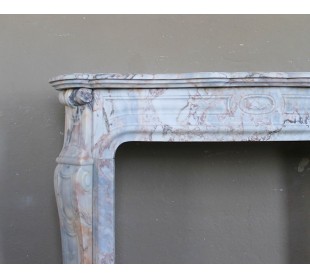
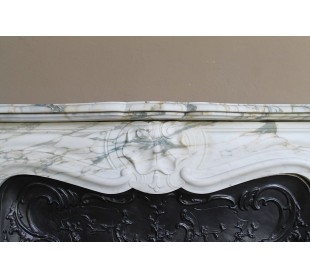
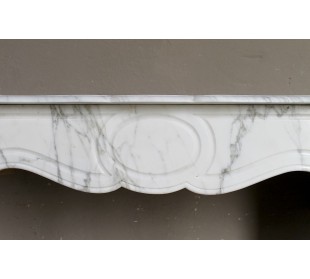
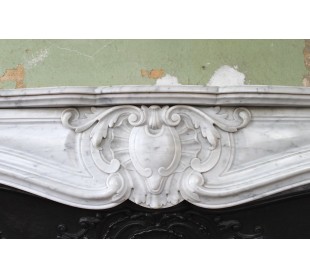
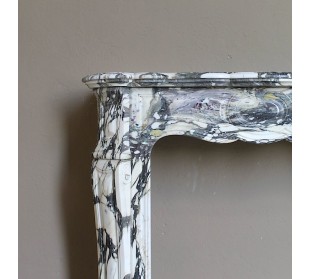
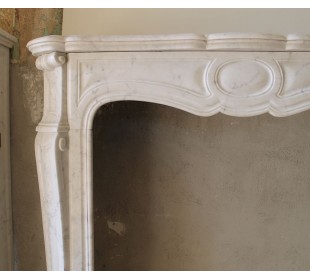
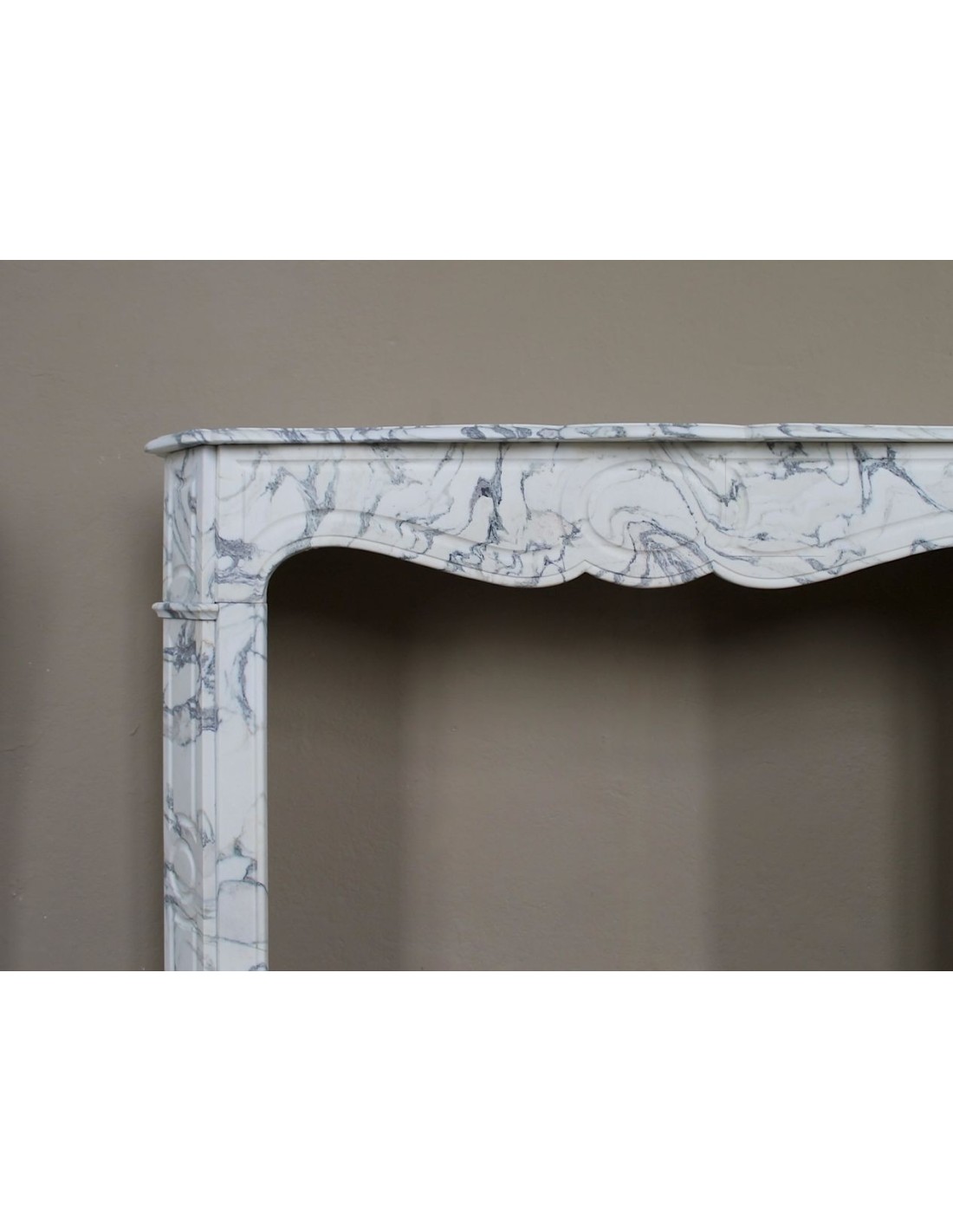
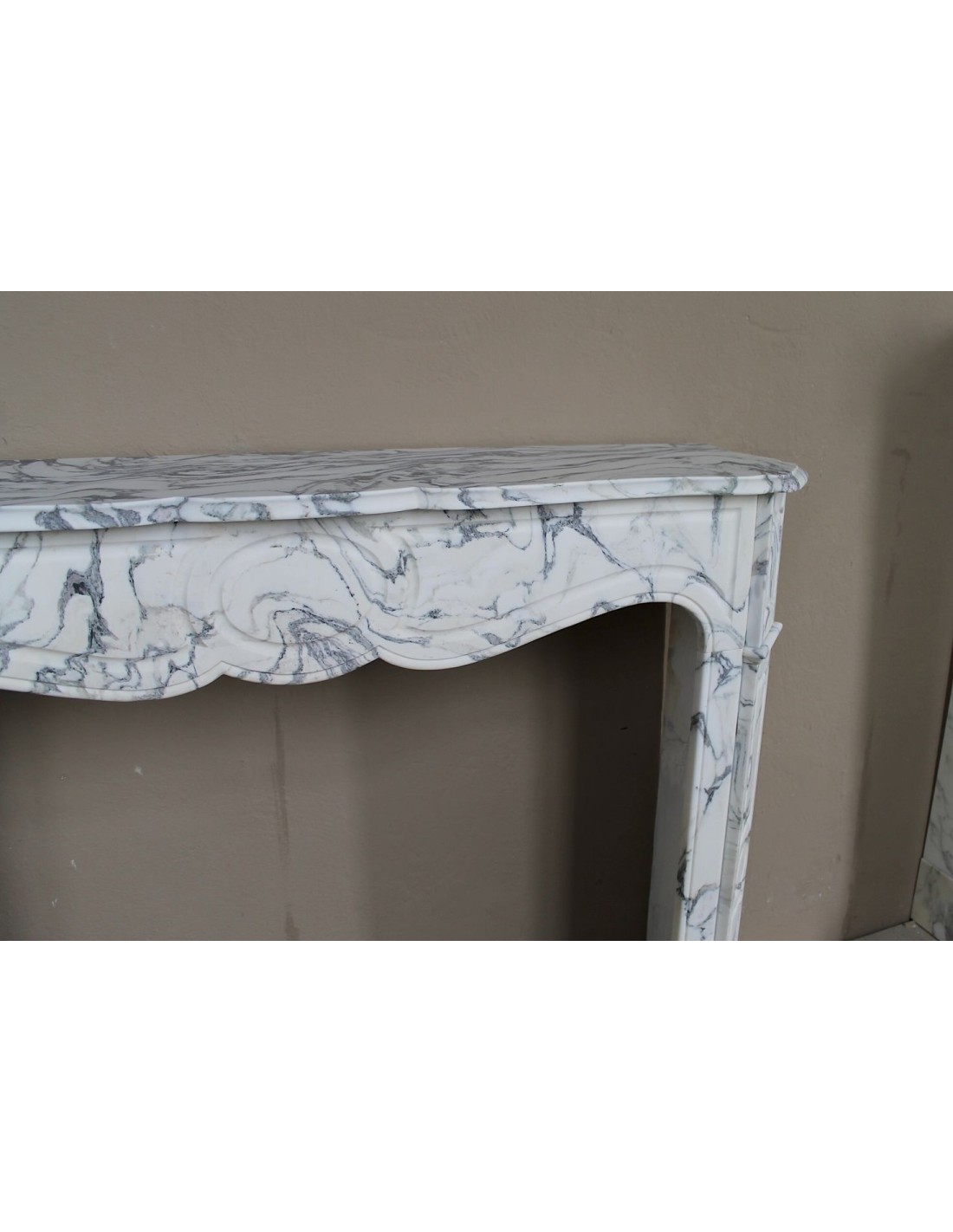
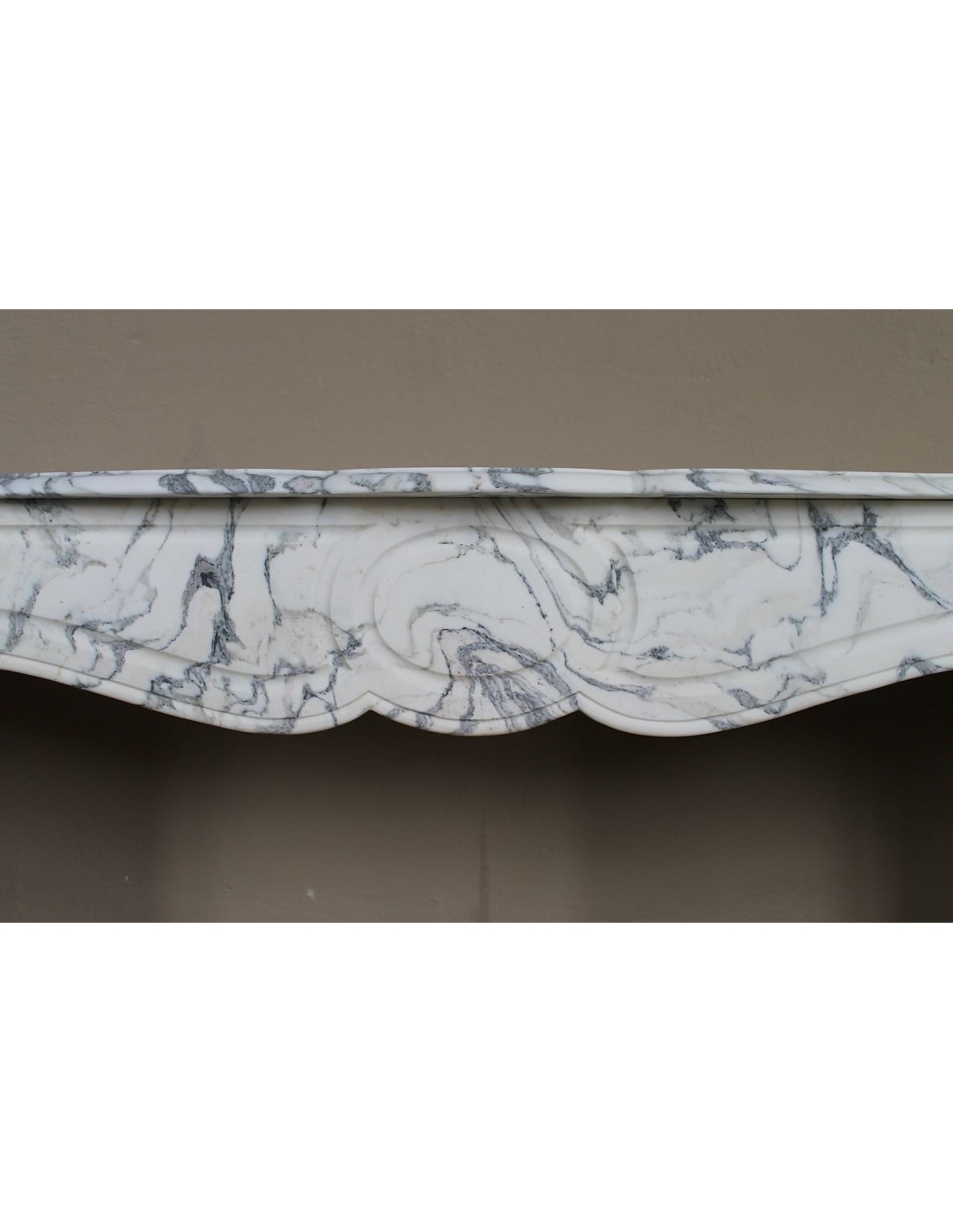
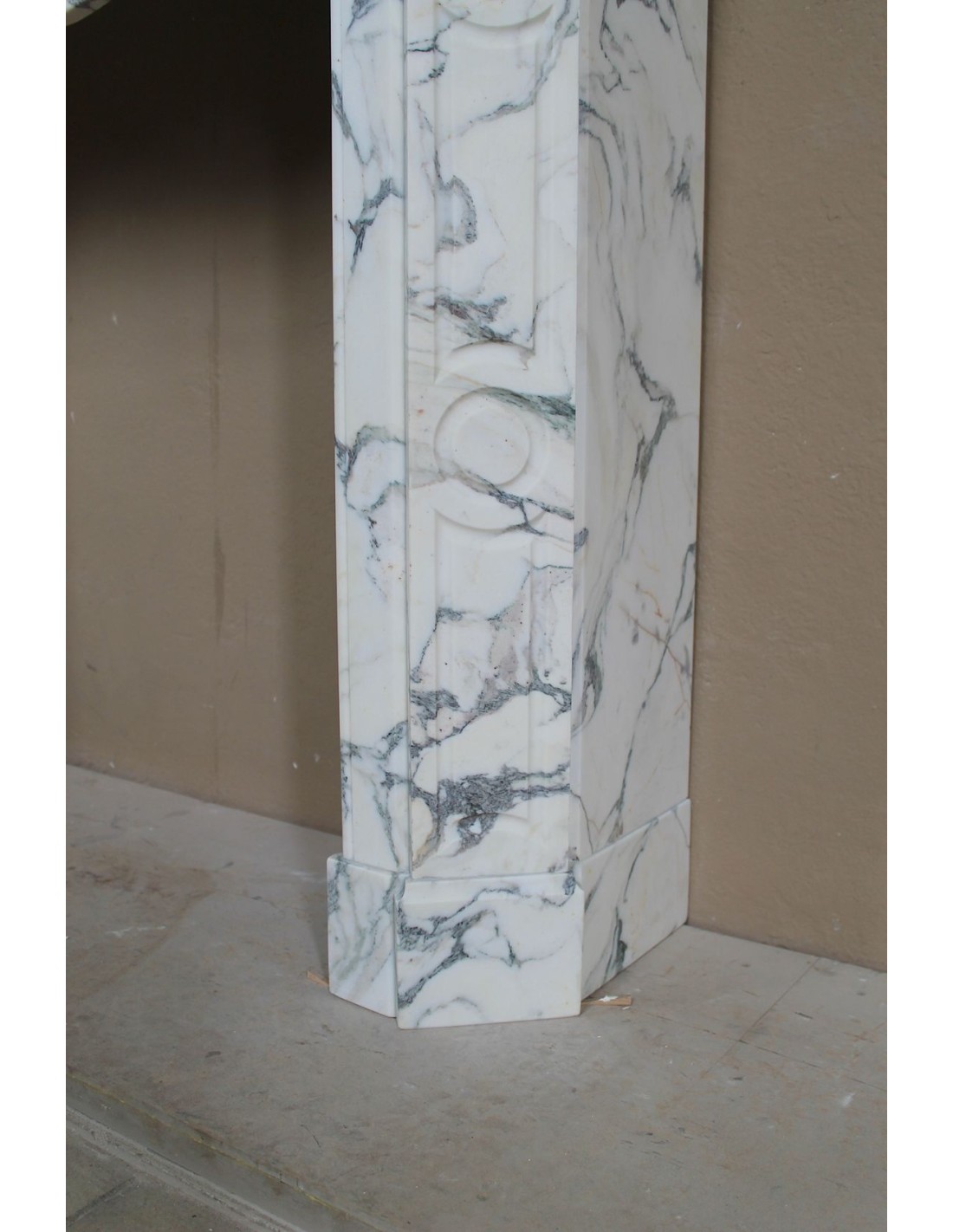
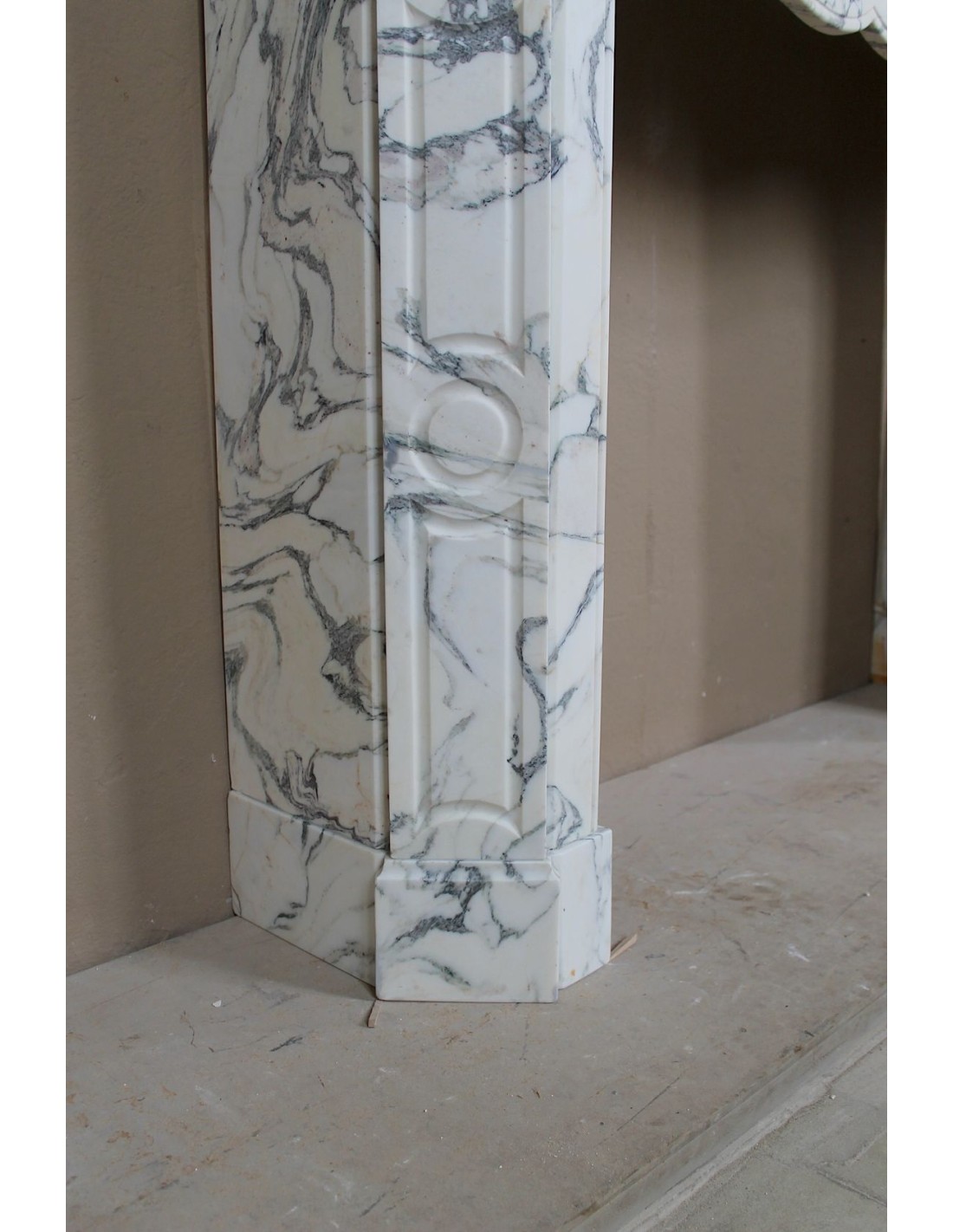
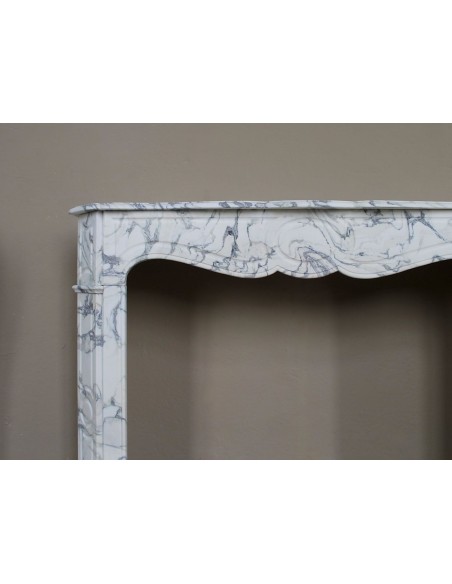
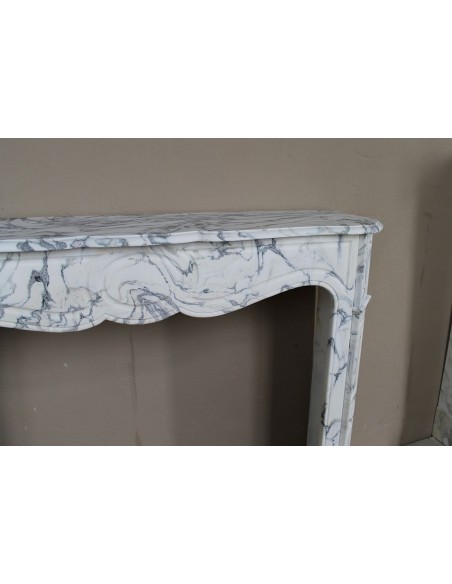
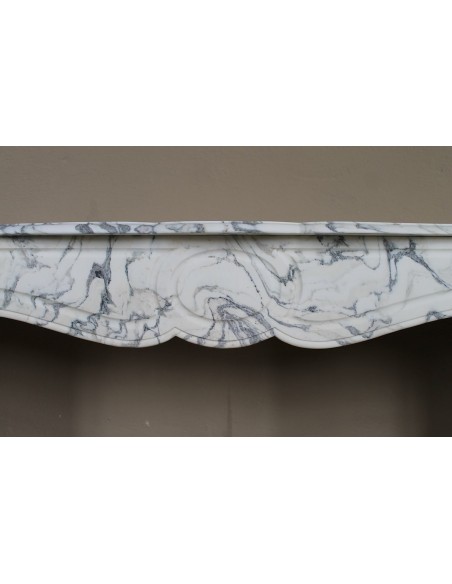
It has been carved from one of the rarest and most precious decorative marbles ever quarried: Green Calacatta Marble.
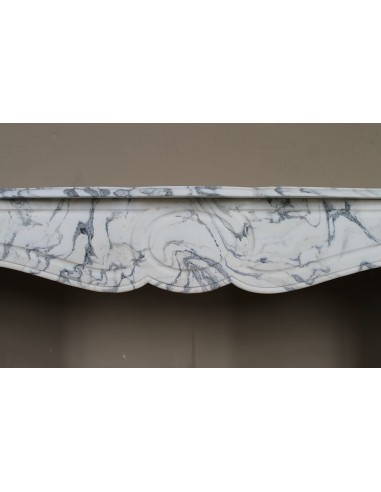
Its delicate veining, enriched by subtle golden nuances resting upon a luminous white background, gives the stone an extraordinary elegance and depth.
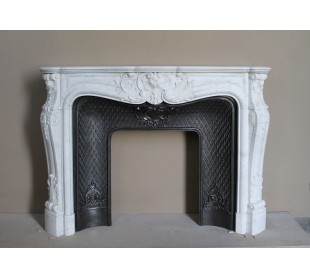
This truly exceptional fireplace was almost certainly commissioned by a wealthy bourgeois family for a bedroom, a private study, or perhaps an entrance hall—spaces of a more intimate nature than the grand reception rooms. Yet during the Belle Époque, in the closing years of the nineteenth century and the dawn of the twentieth, such luxuries were not uncommon among those who could afford them.
As mentioned above, the fireplace belongs unmistakably to the Belle Époque period. Like so many of the finest French fireplaces, it was sculpted by the master craftsmen of the Italian Lunigiana—Carrara, Pietrasanta or Sarzana—before eventually finding its way to Grasse, on the French Riviera, the town celebrated throughout the world as the capital of perfume.
A final note
Among the older generation of marble specialists, the distinctive pattern formed by the veining of this remarkable stone has long been affectionately known as "Sea Wave."
I cannot think of a more fitting—or more poetic—description.
Once you have seen it, you will understand why.