
SHARE ON:
What could possibly be more beautiful than Golden Calacatta marble?
Until a few days ago, my answer would have been simple: Statuary marble from the legendary Cervaiole quarry.
In a lifetime devoted to antique marble fireplaces, I encountered only one Louis XVI fireplace carved from that extraordinary stone. I admired it every single day, trying to understand the almost magical quality that captivated everyone who looked at it—even those impossible people who are never satisfied.
And yet, here I stand before this fireplace.
A piece so rare that, in more than fifty years of specialising in antique fireplaces, we have never owned another quite like it.
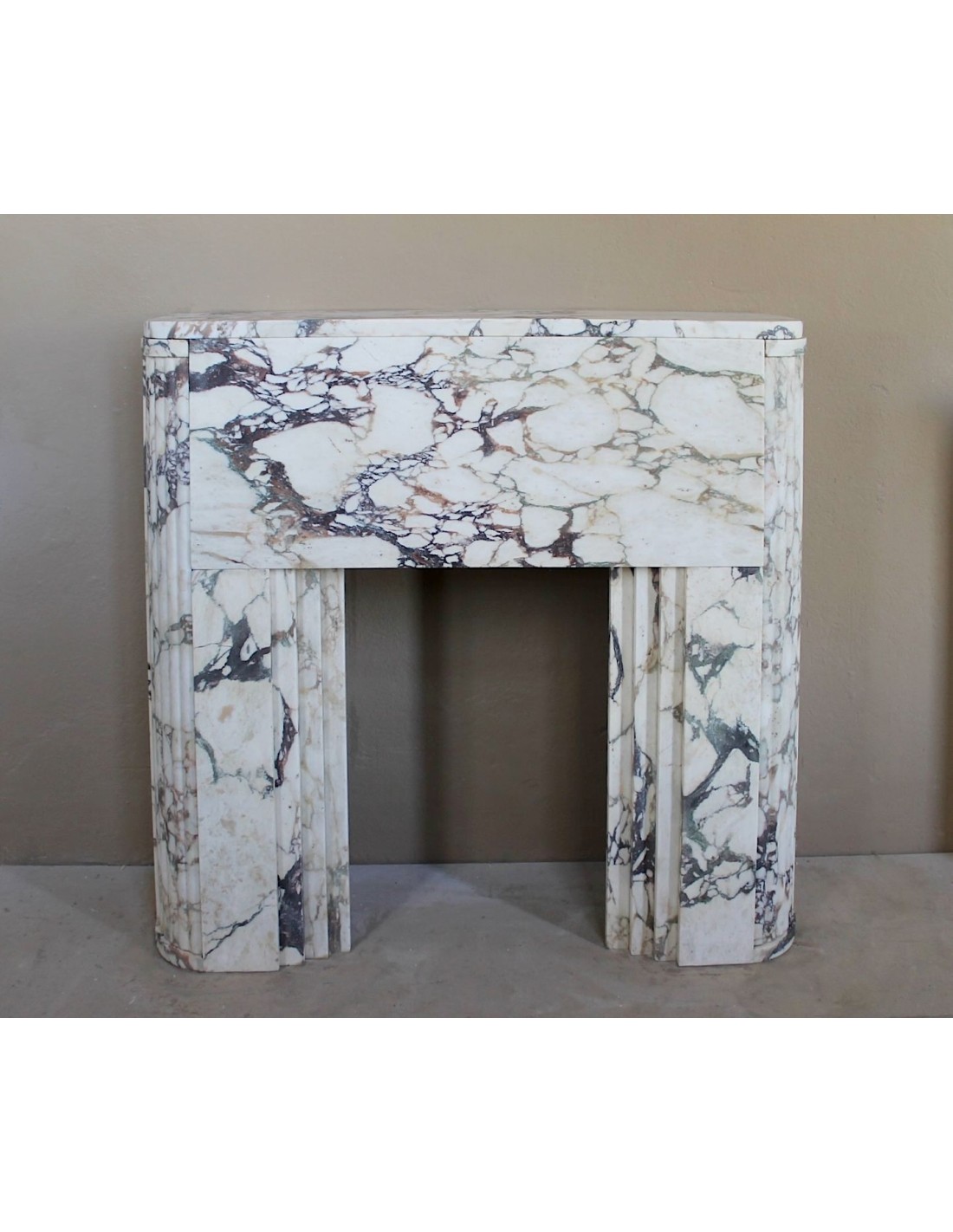
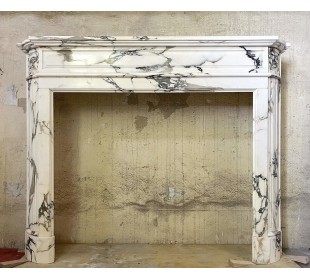
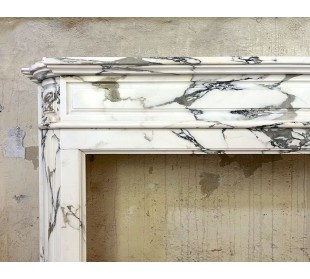
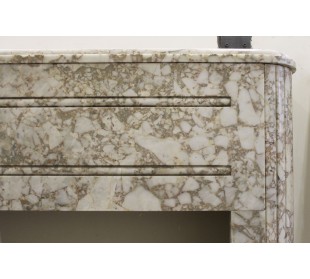
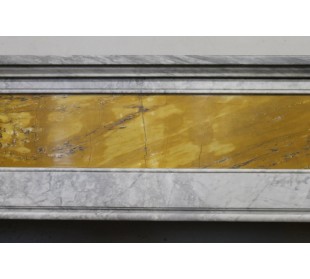
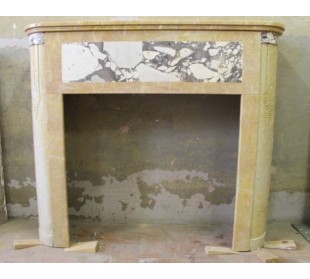
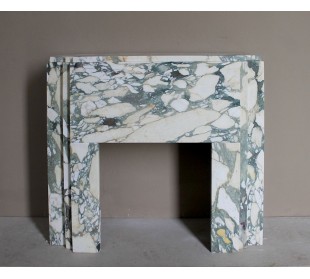
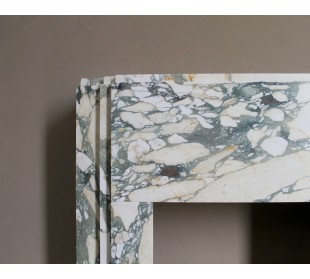
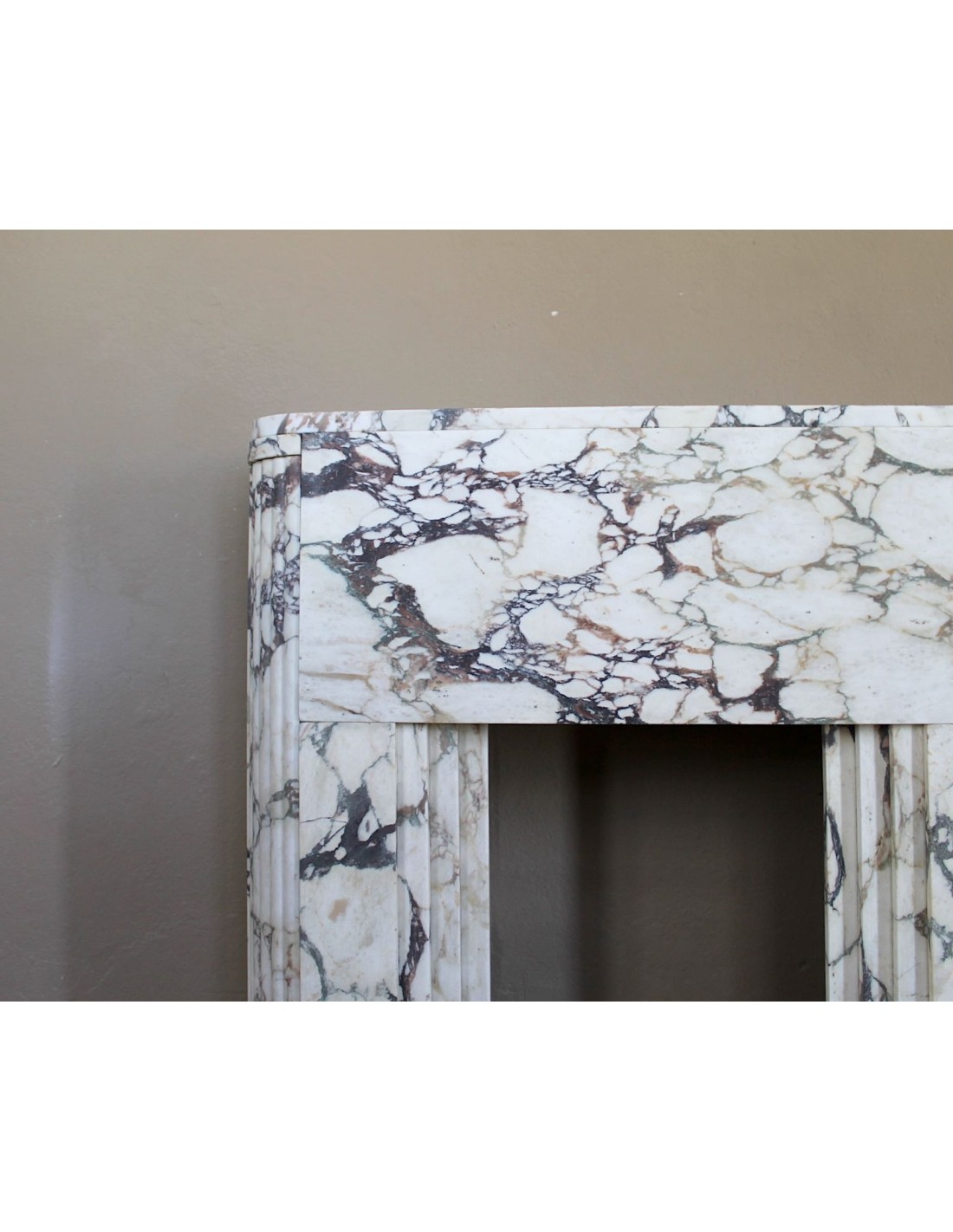
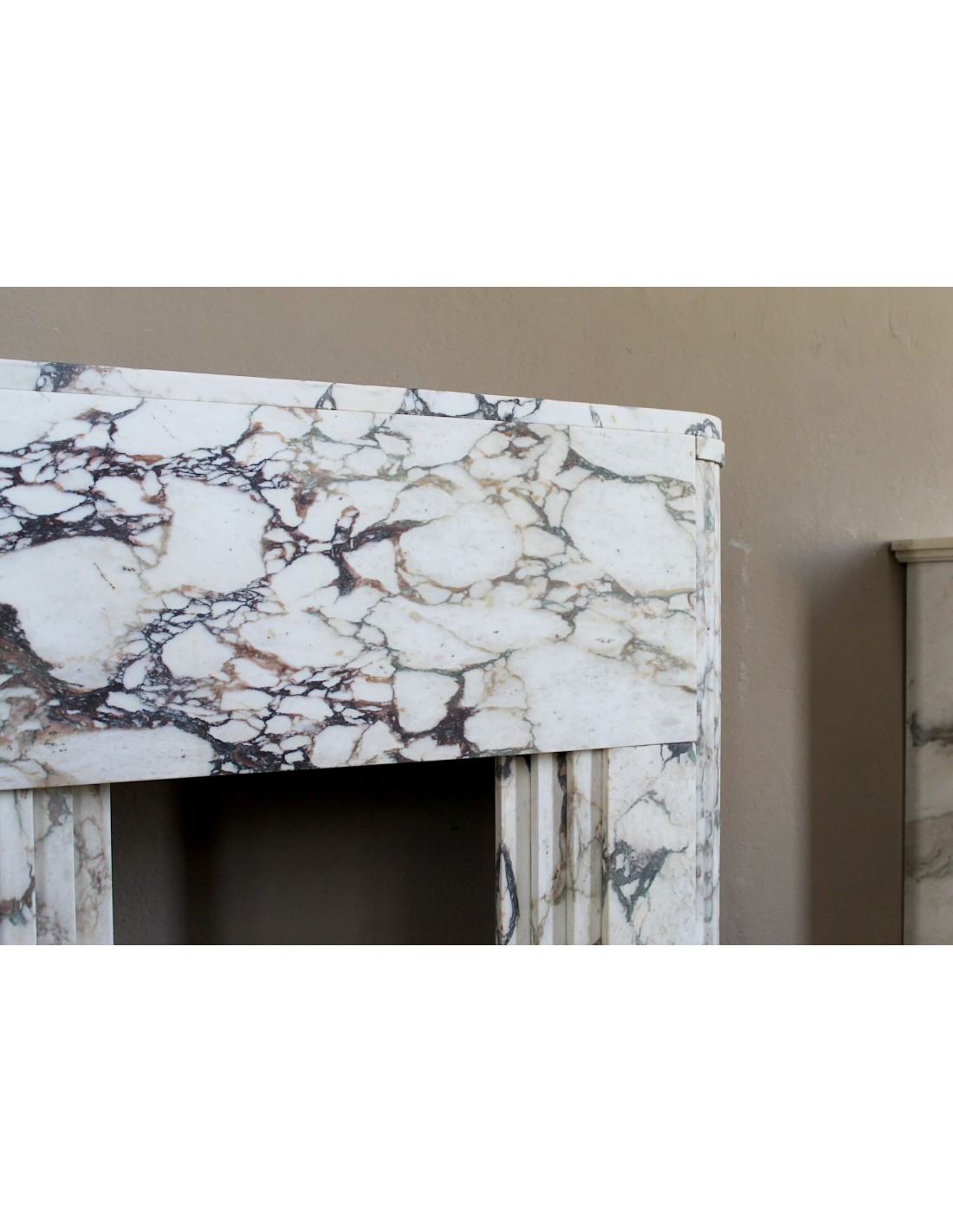
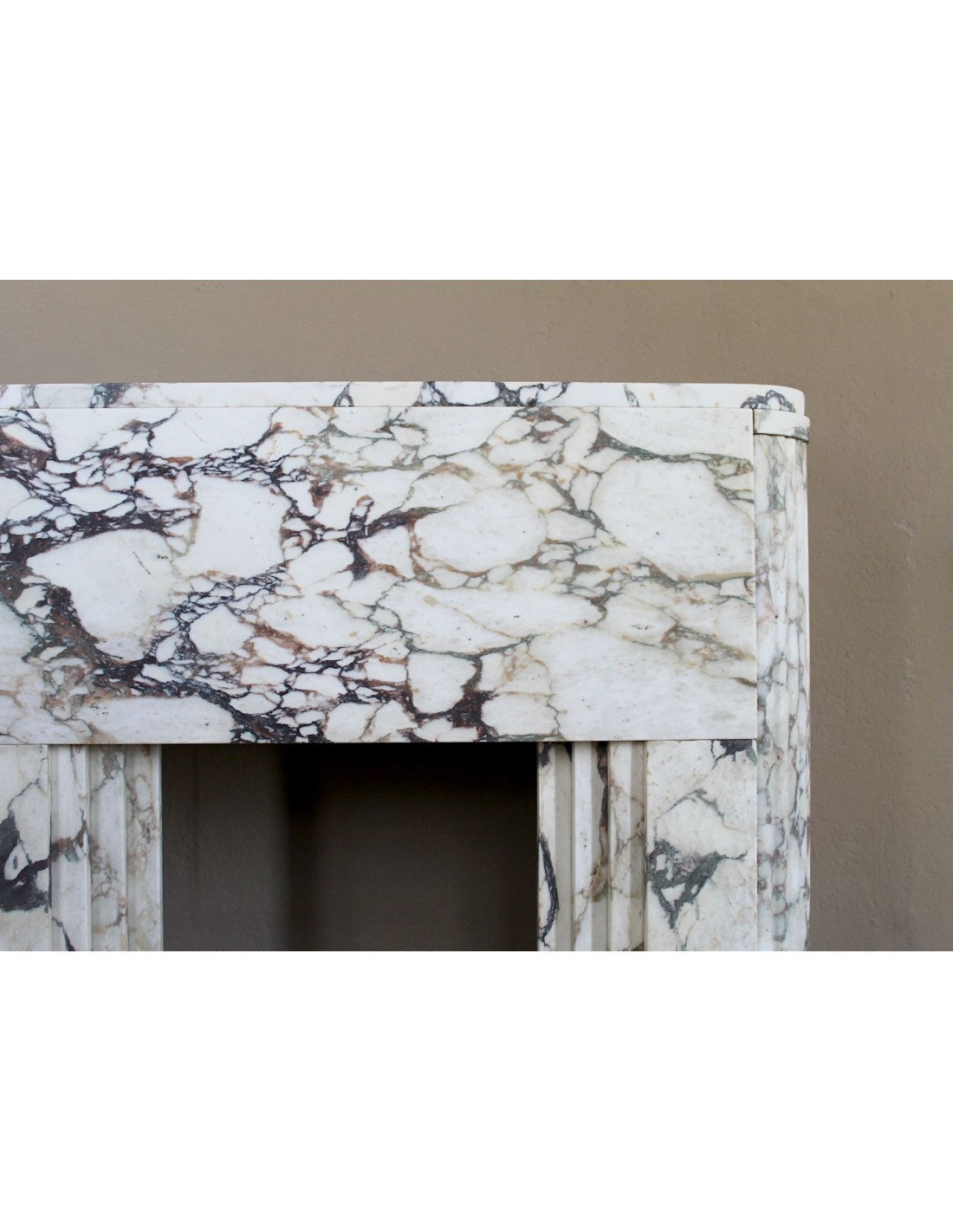
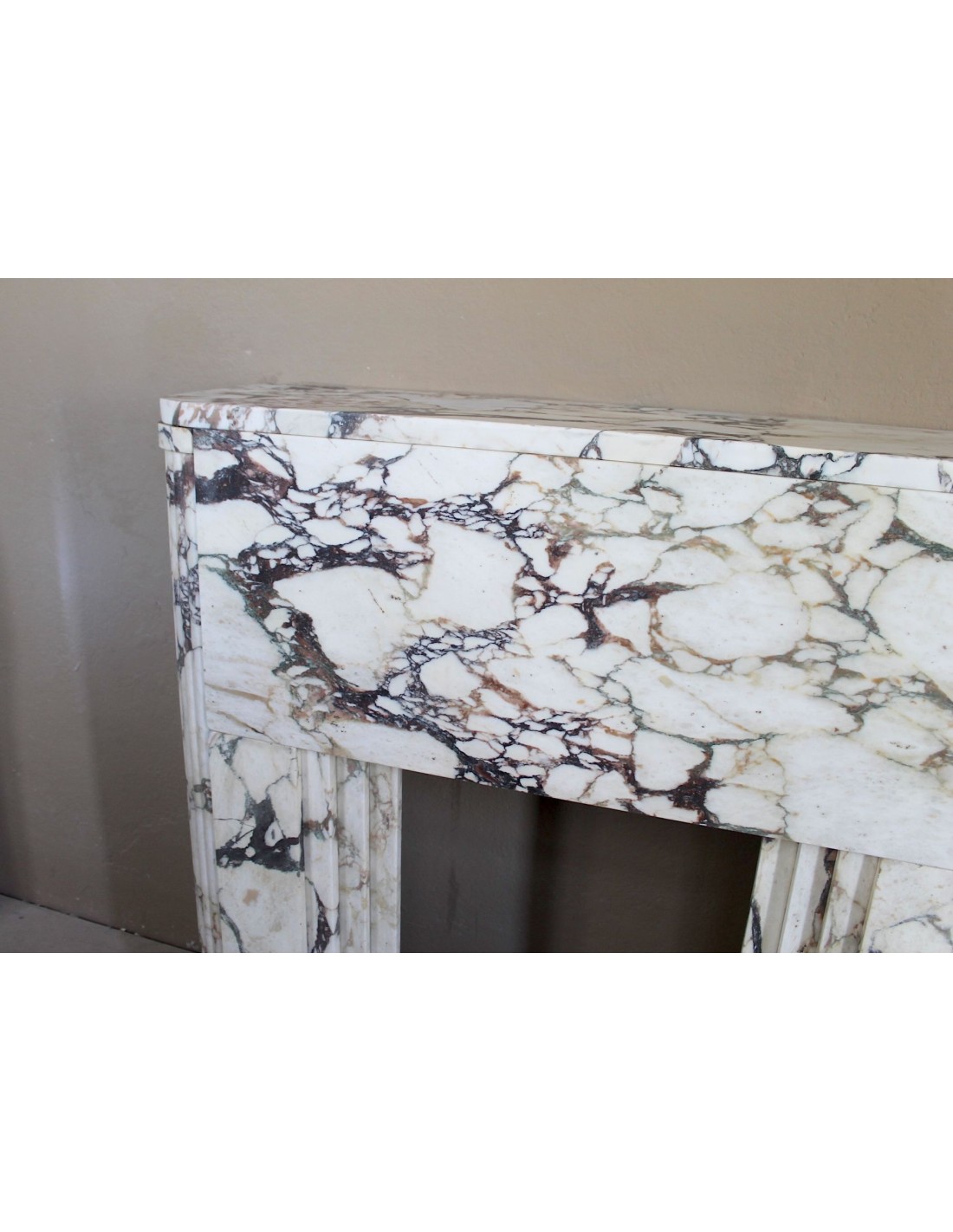
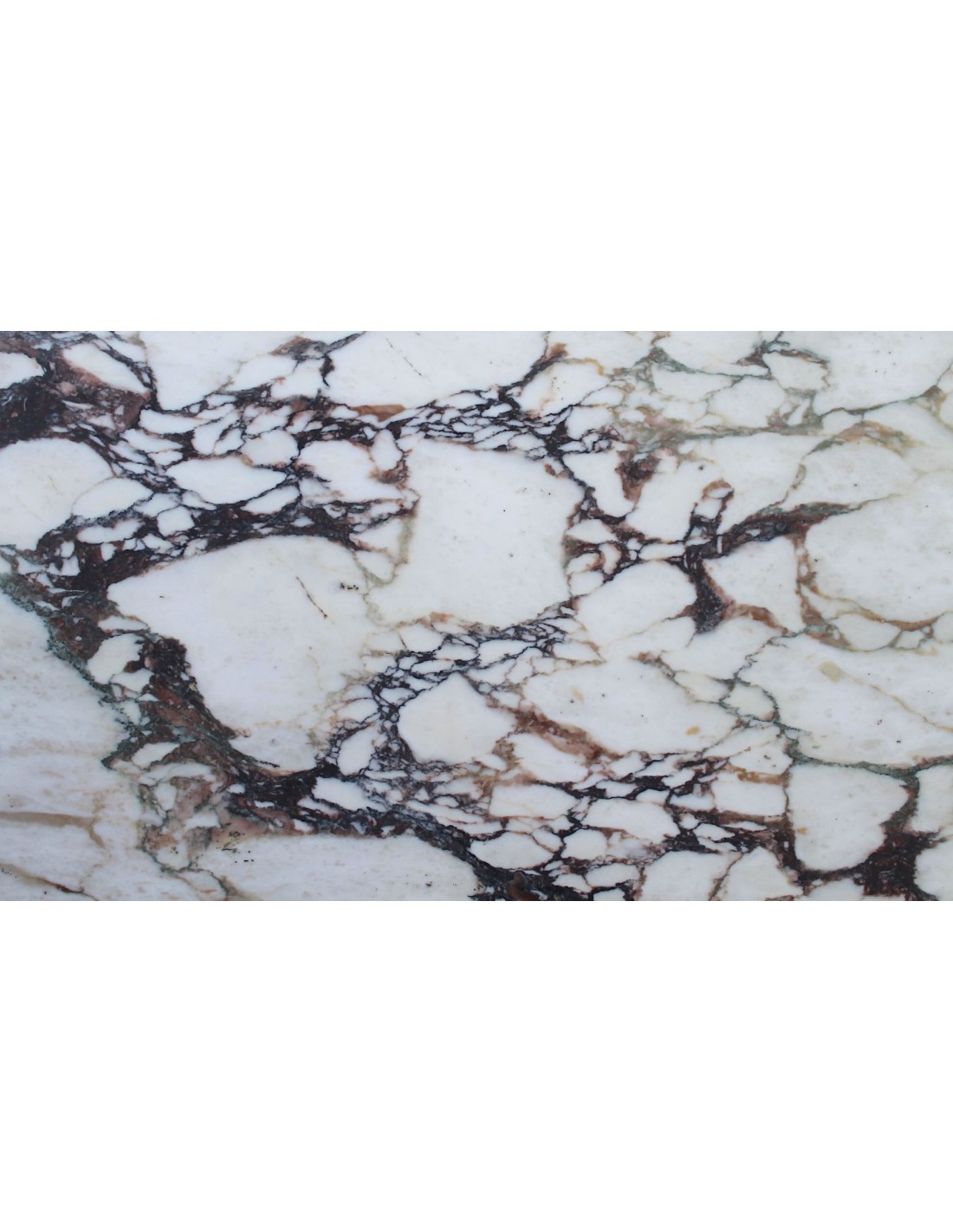
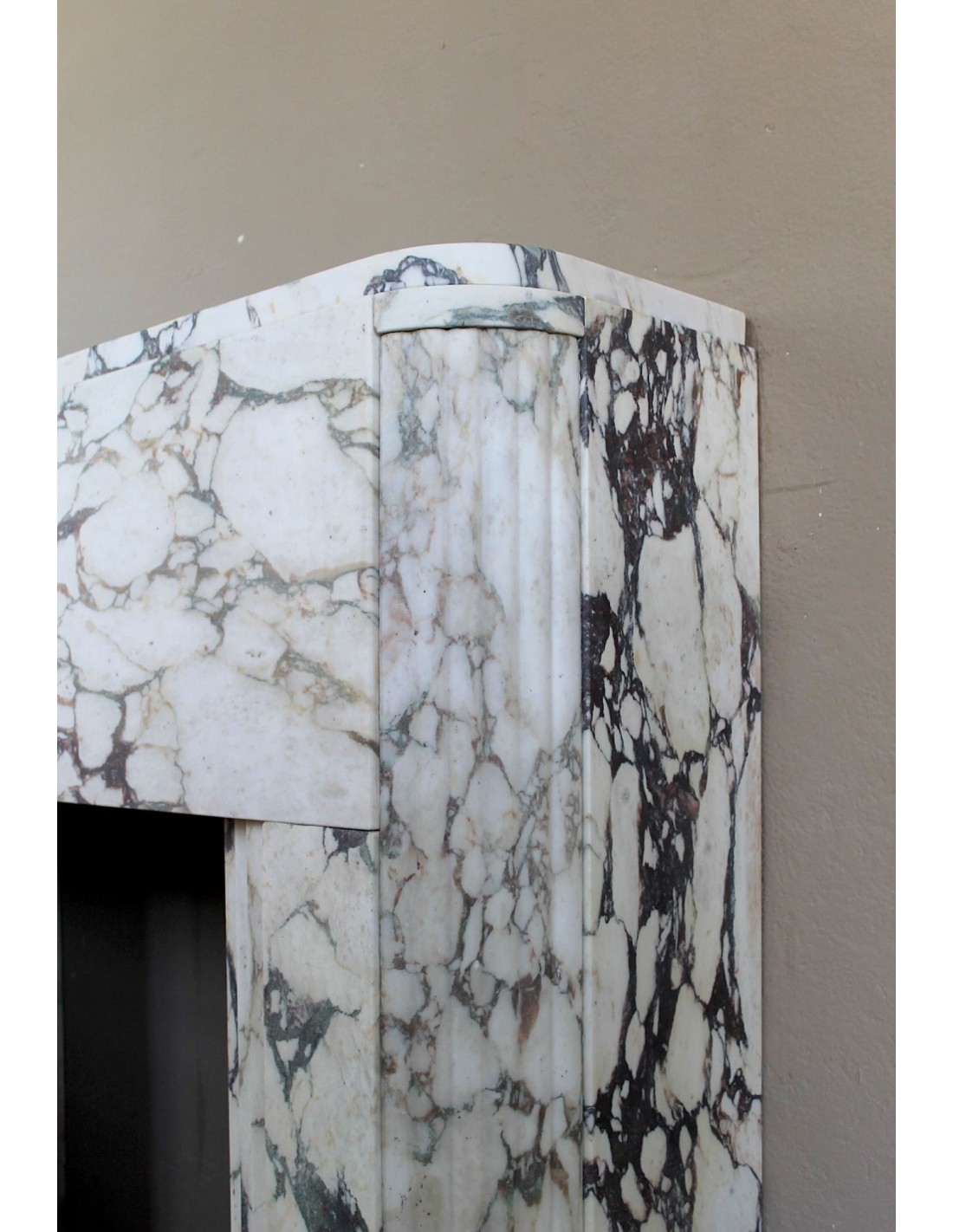
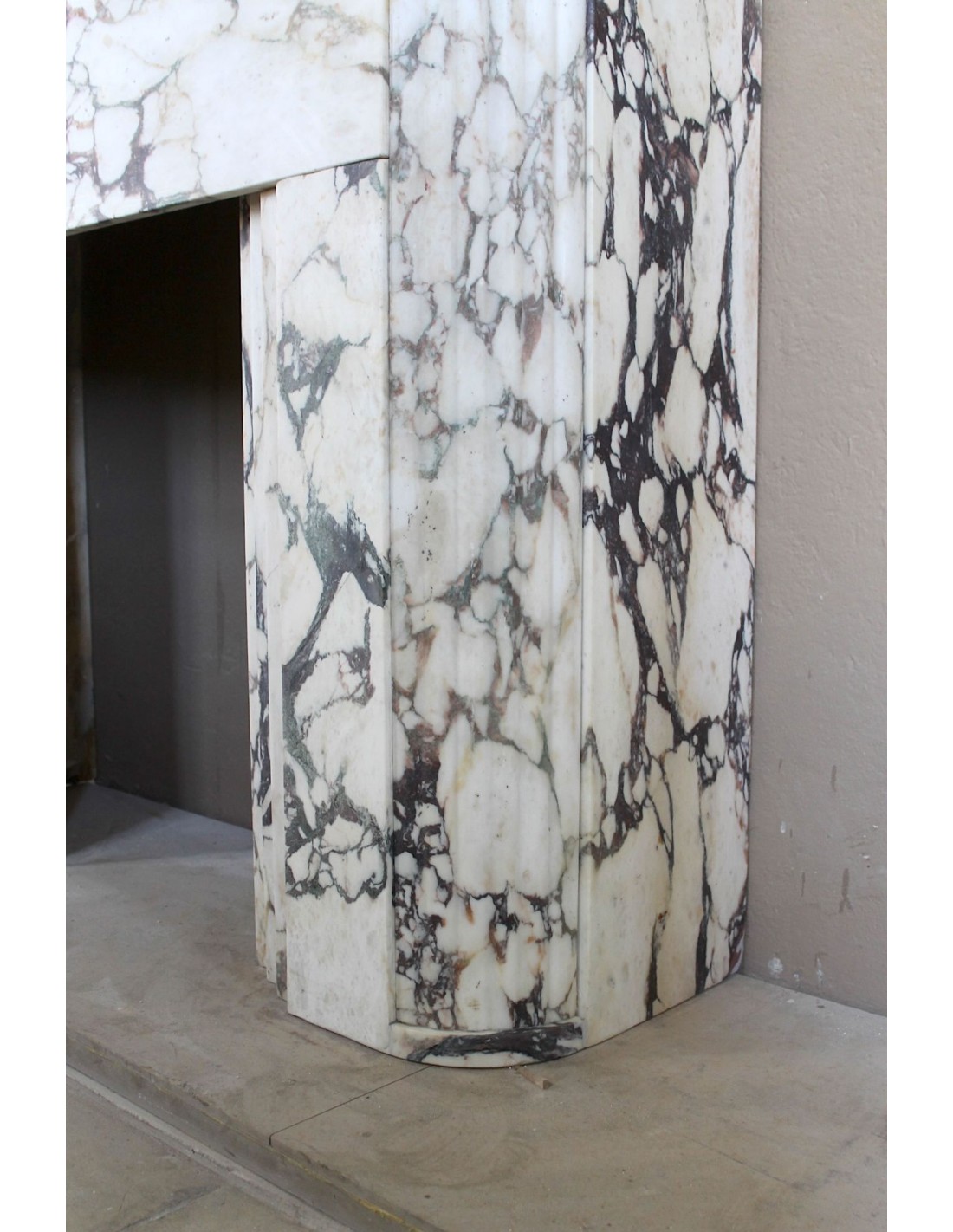
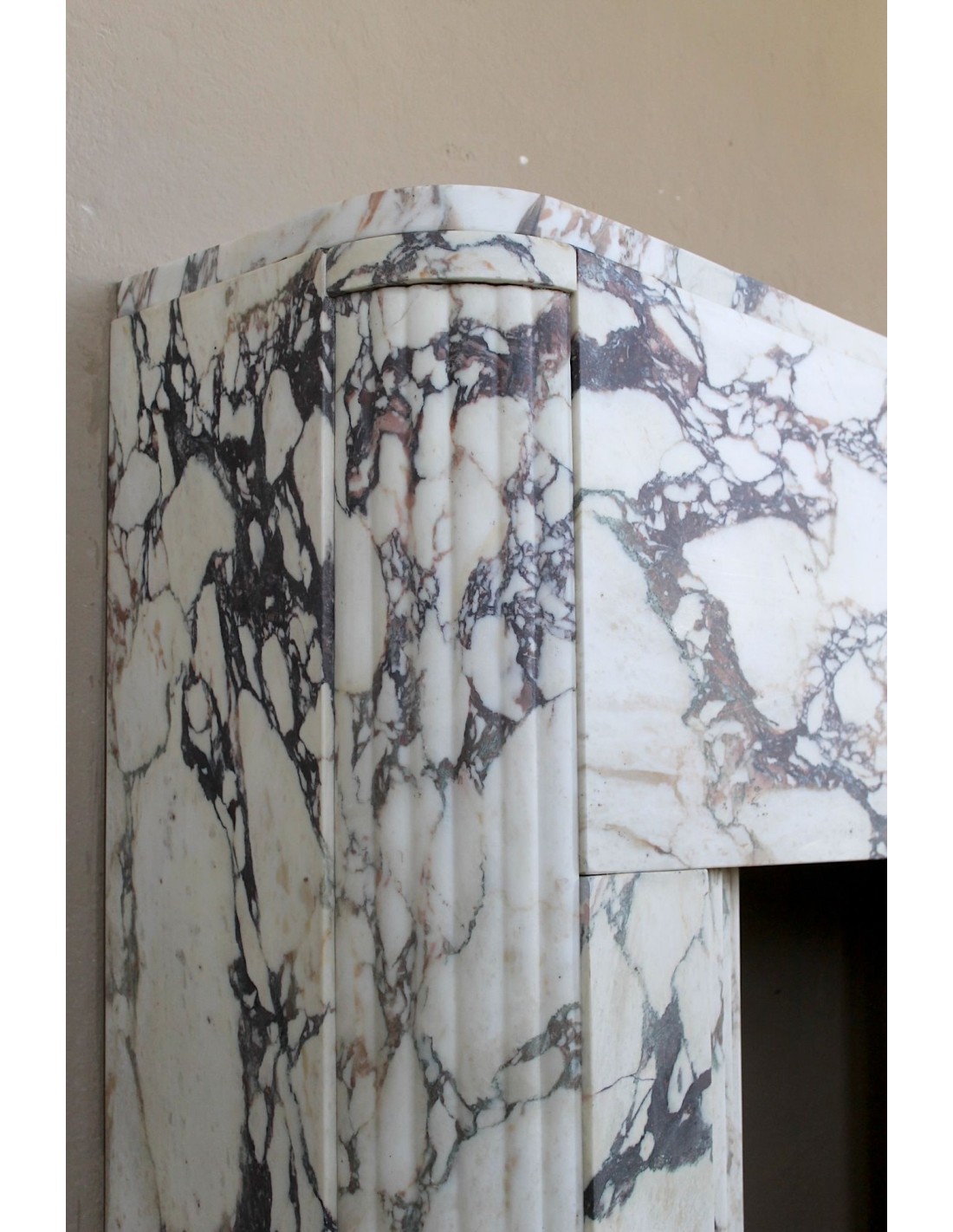
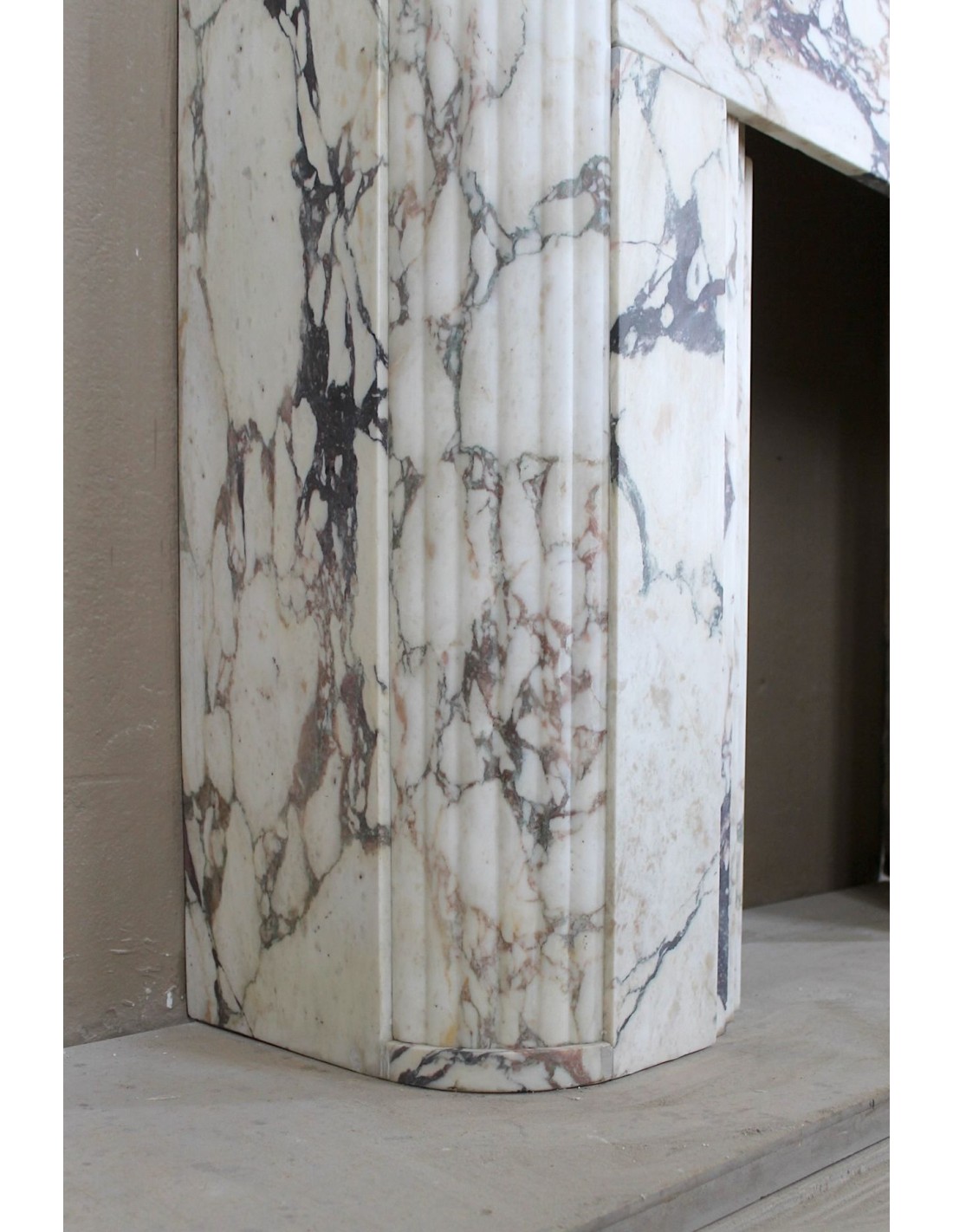
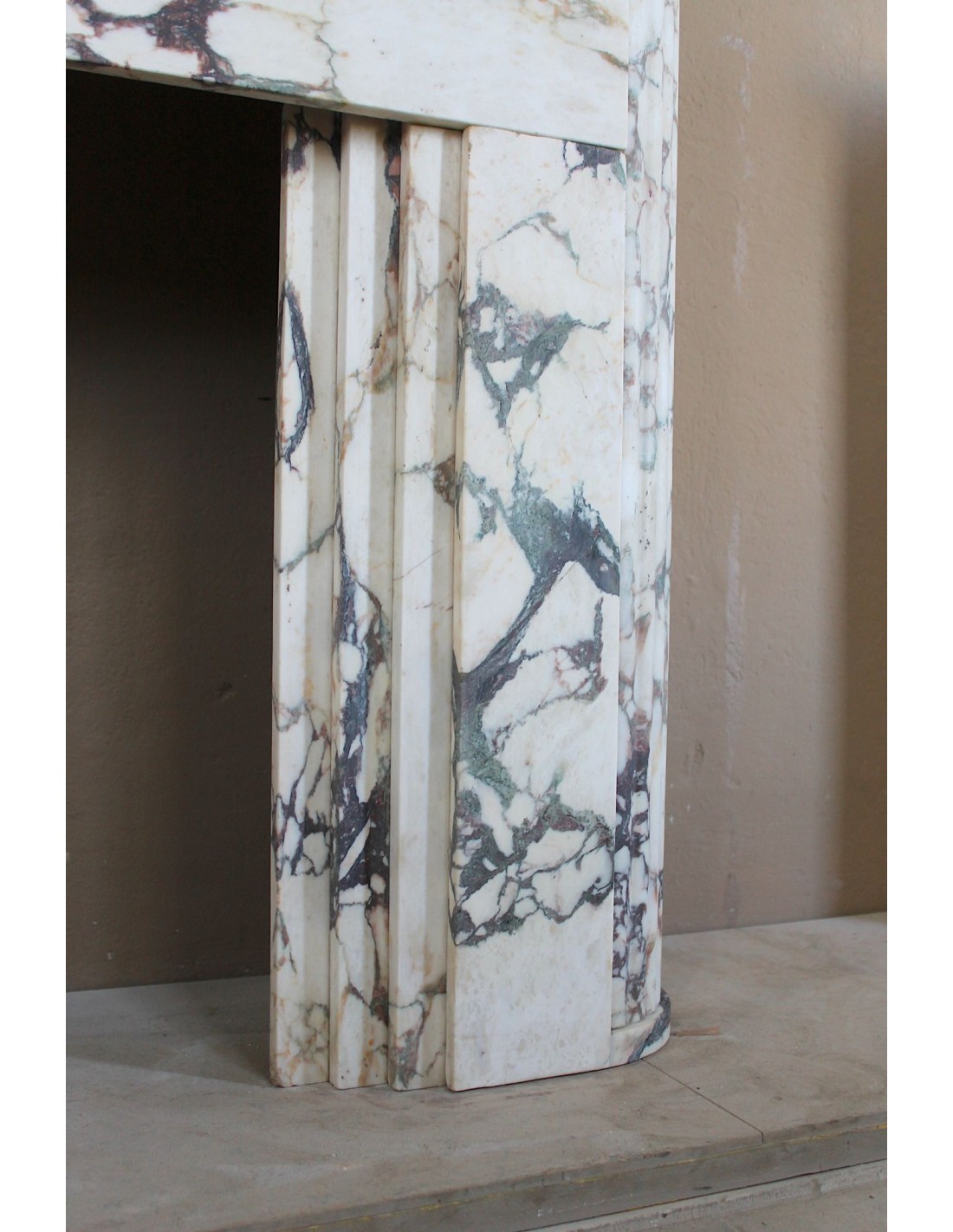
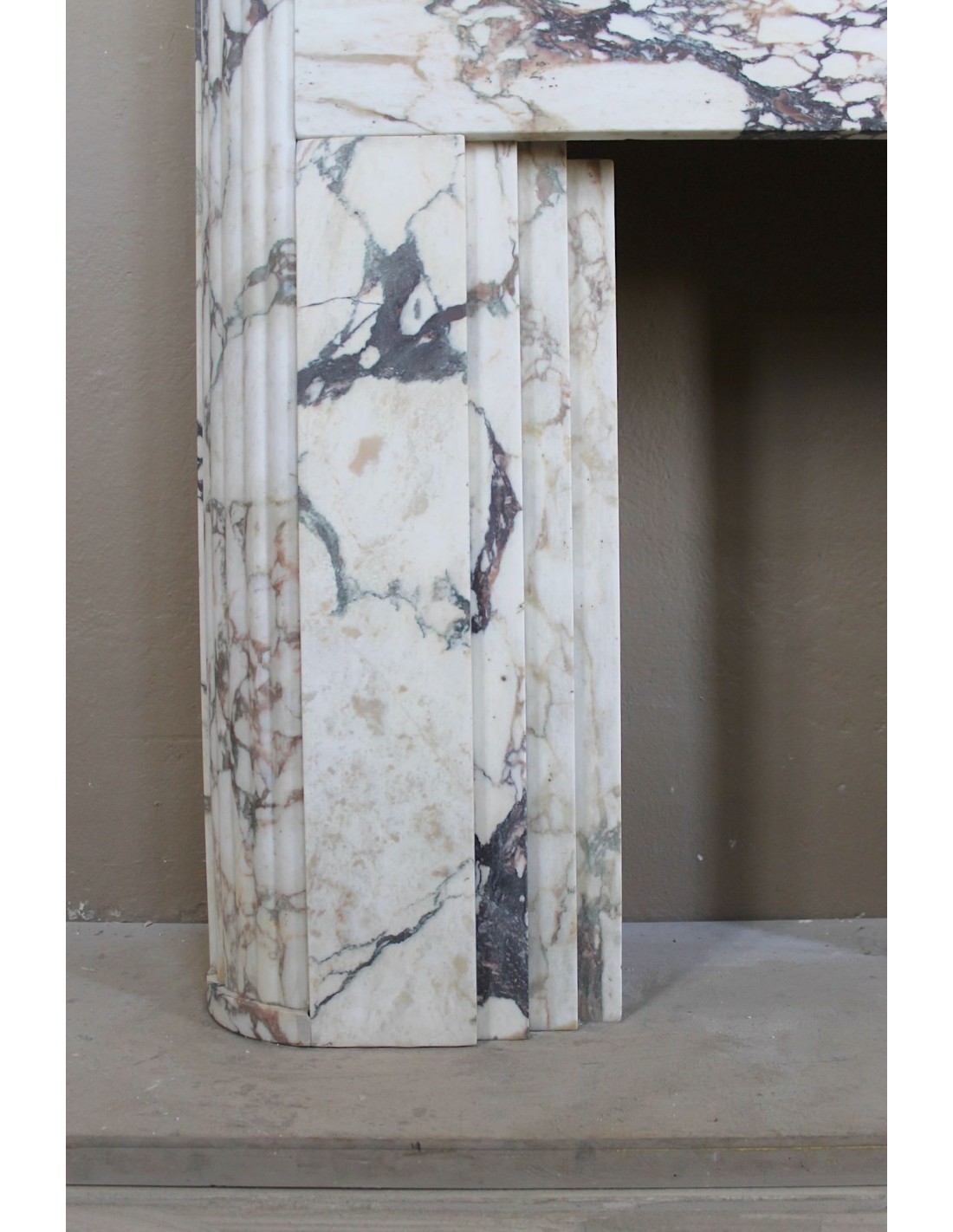
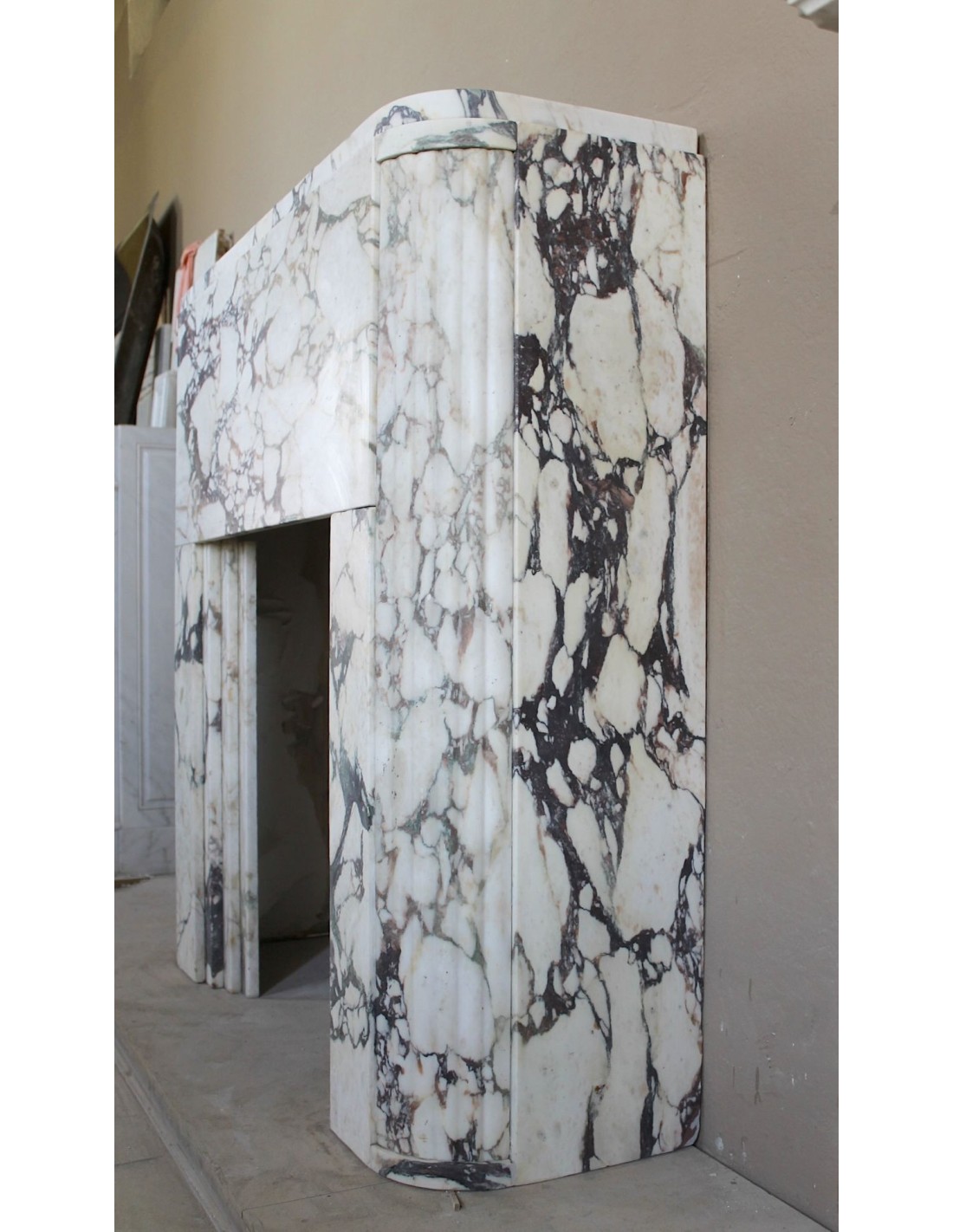
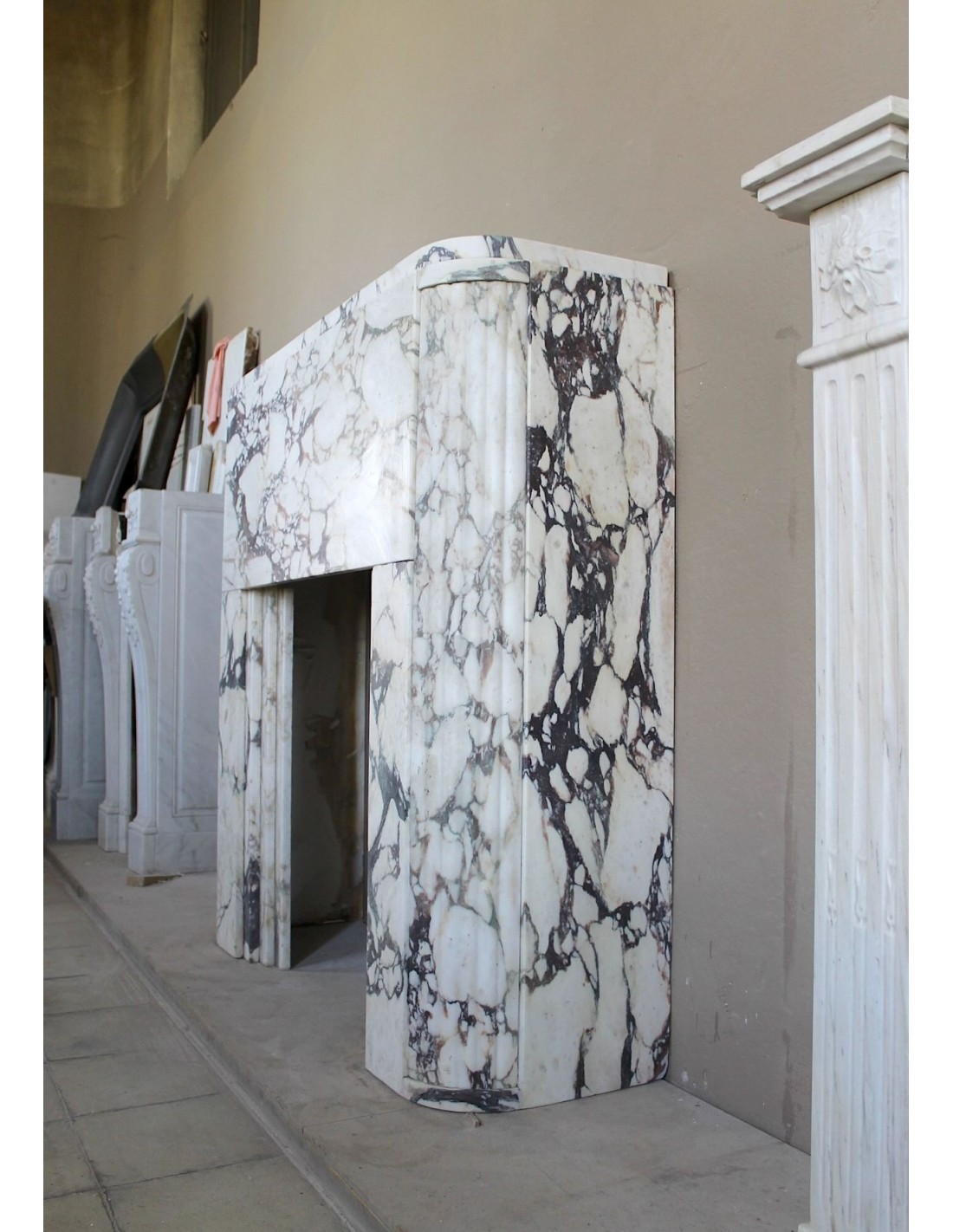
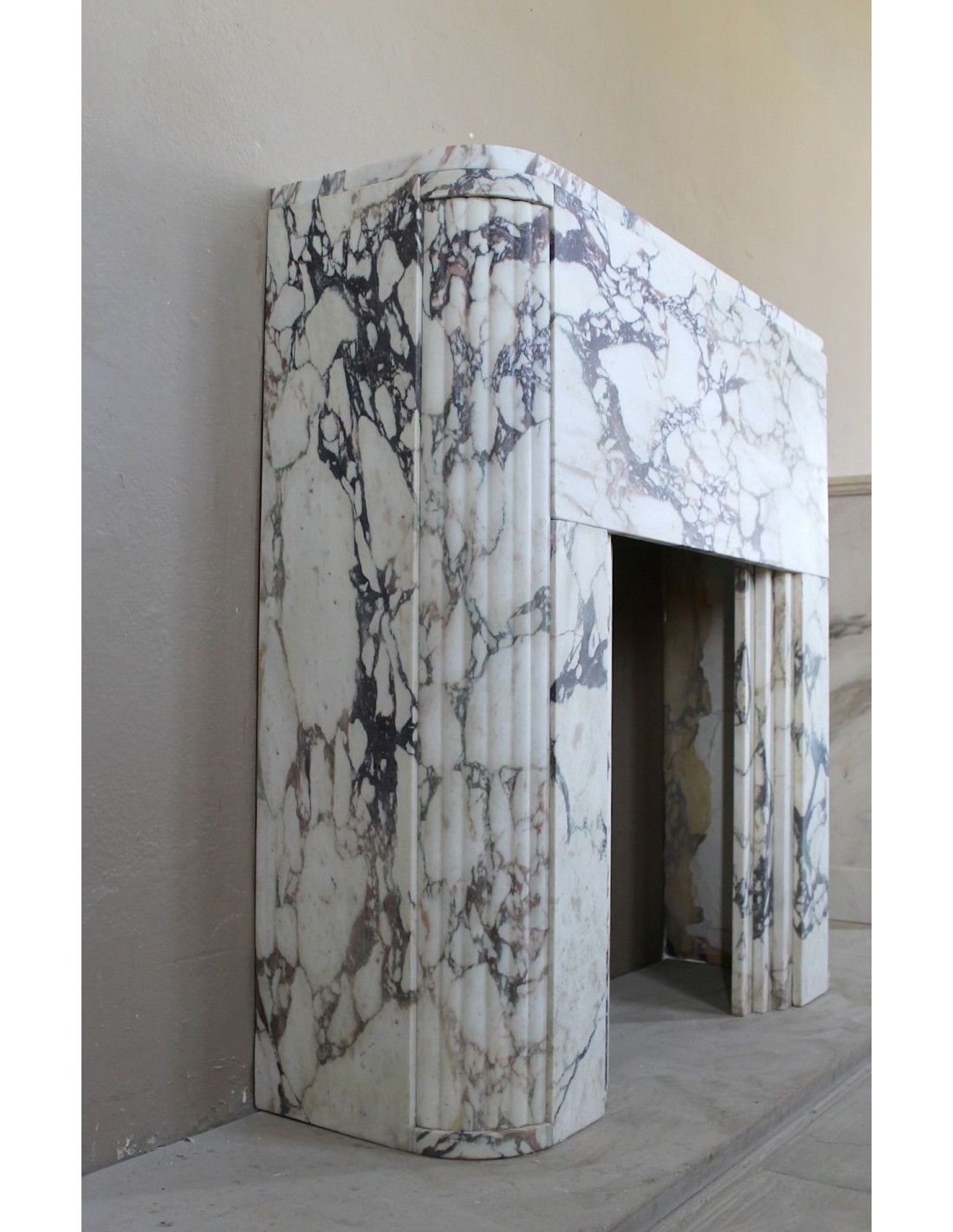
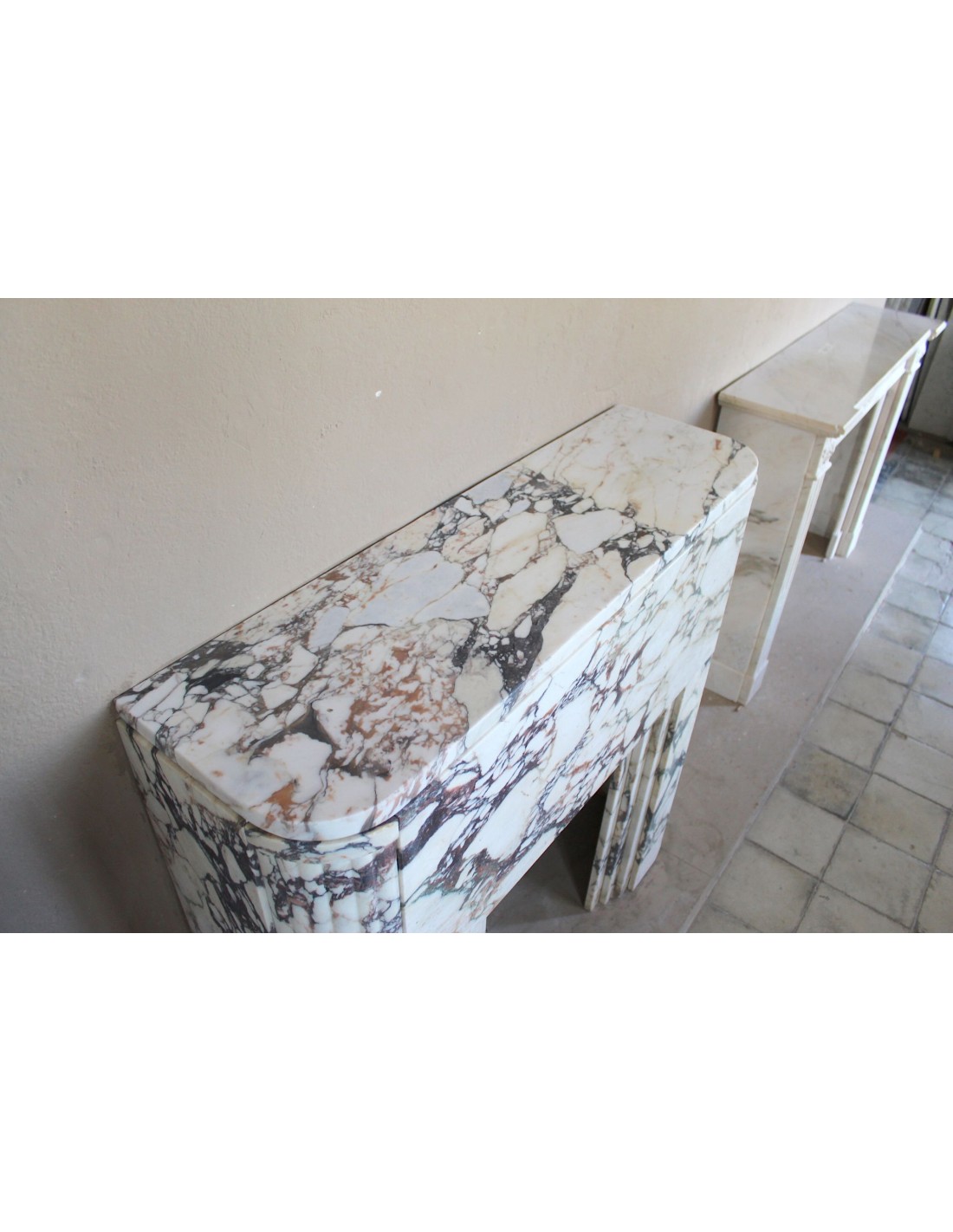
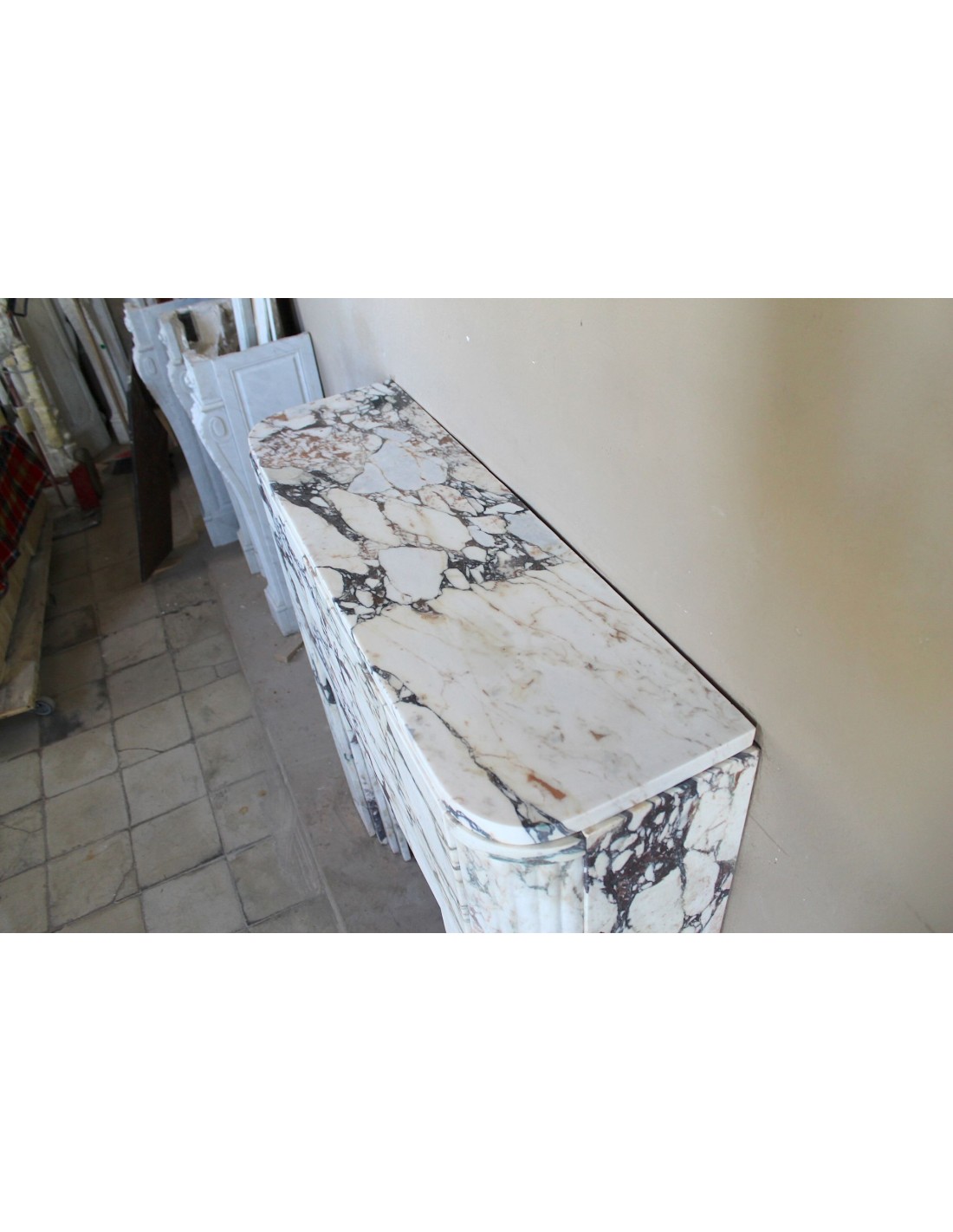
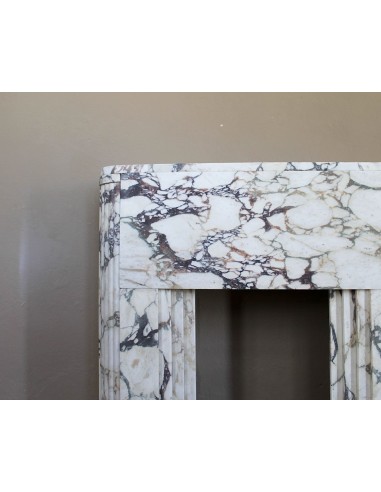
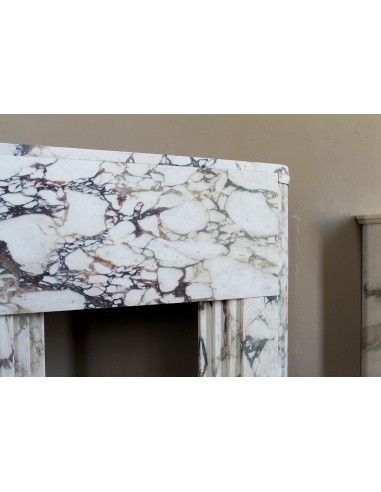
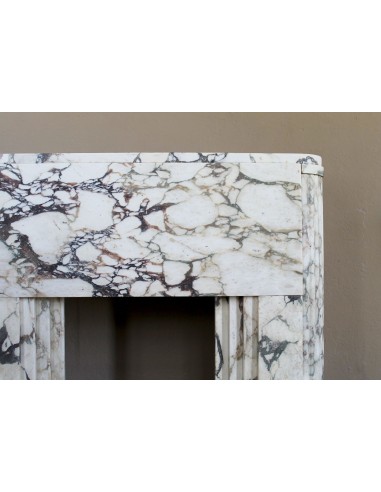
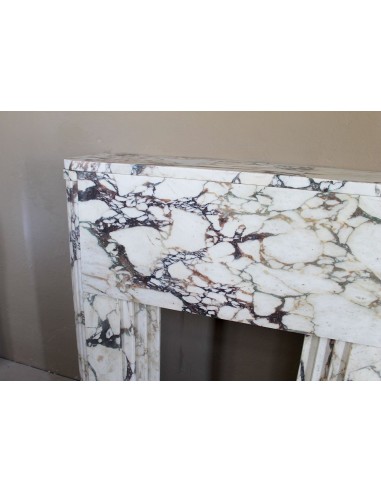
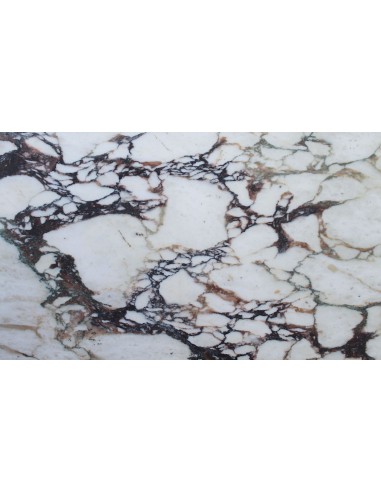
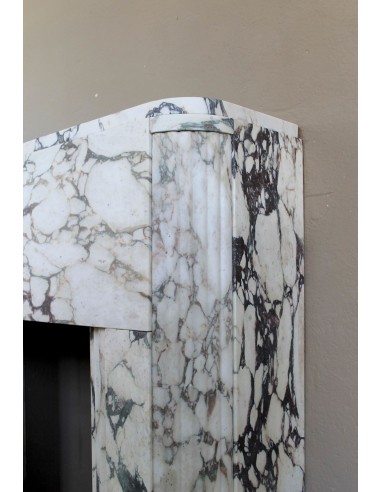
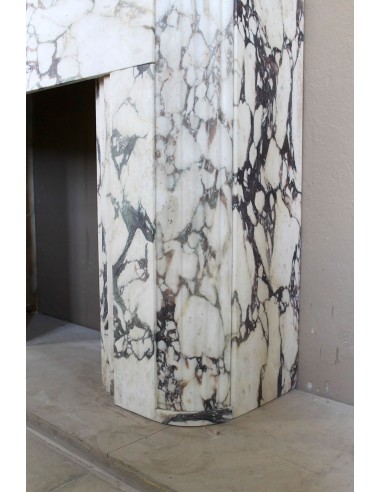
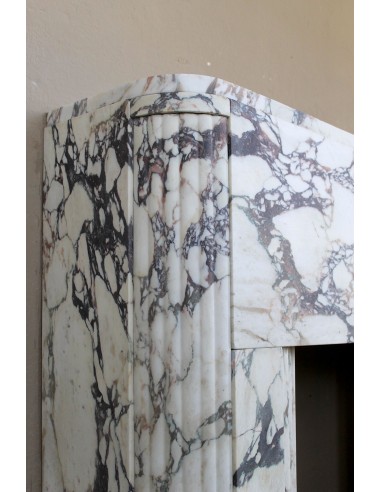
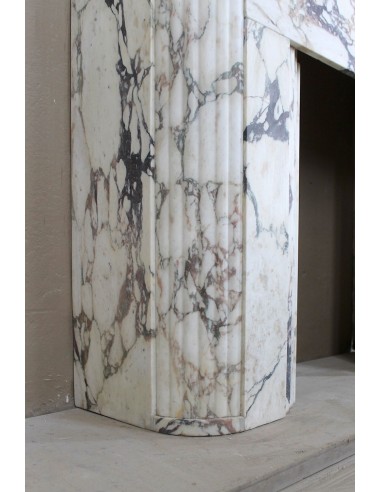
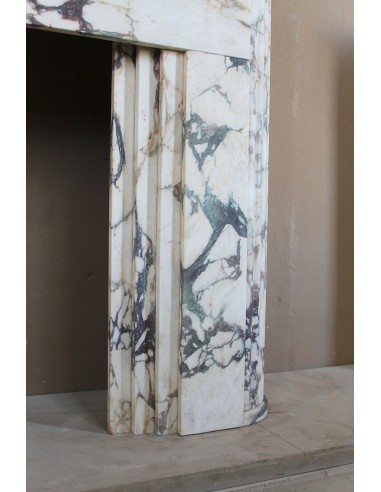
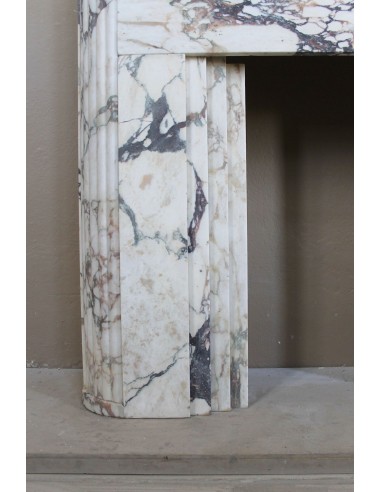
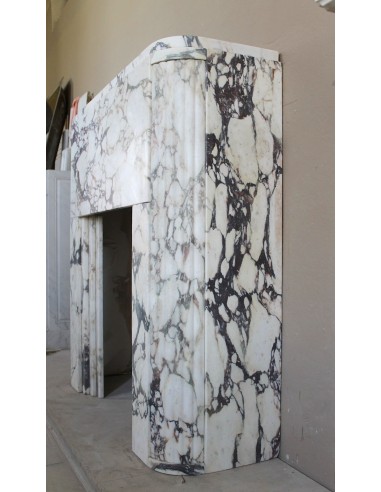
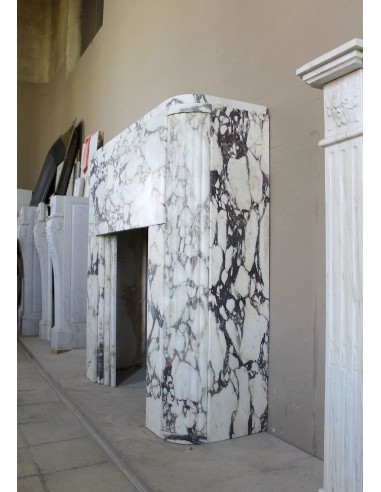
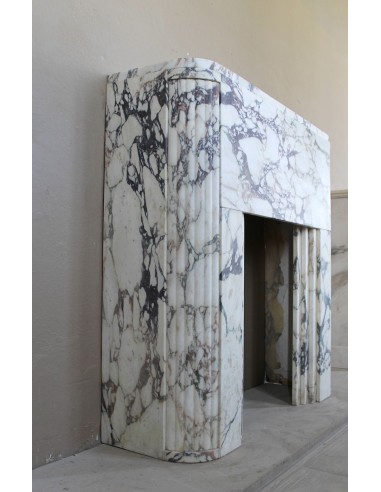
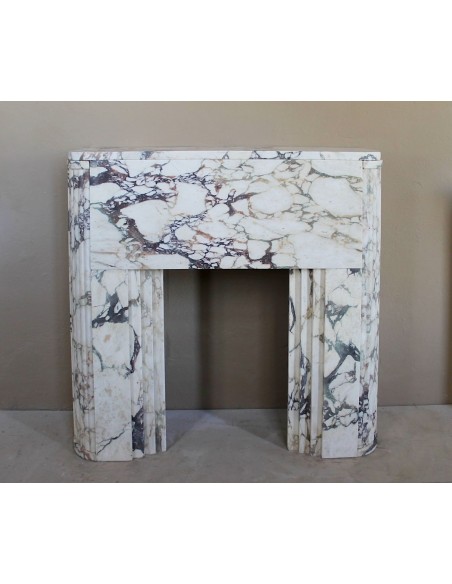
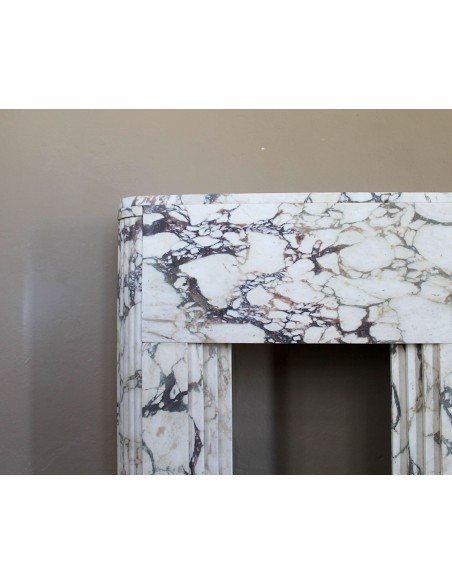
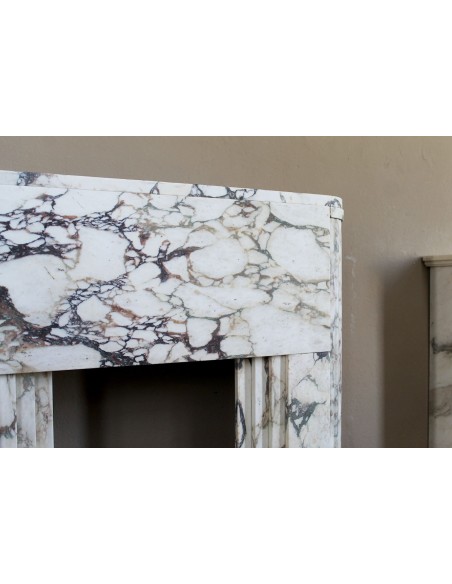
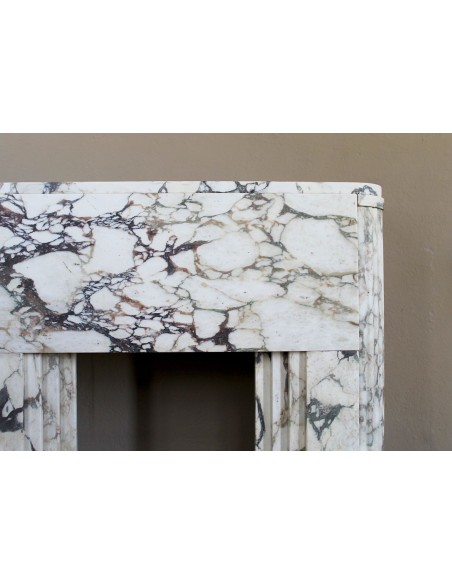
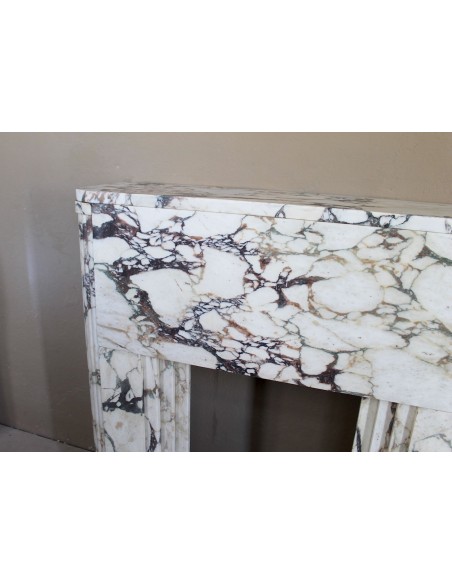
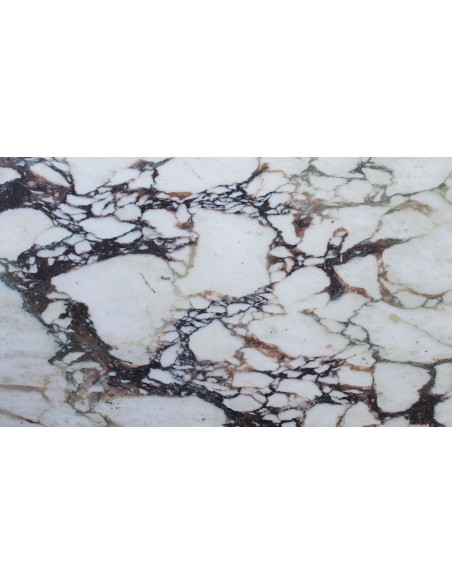
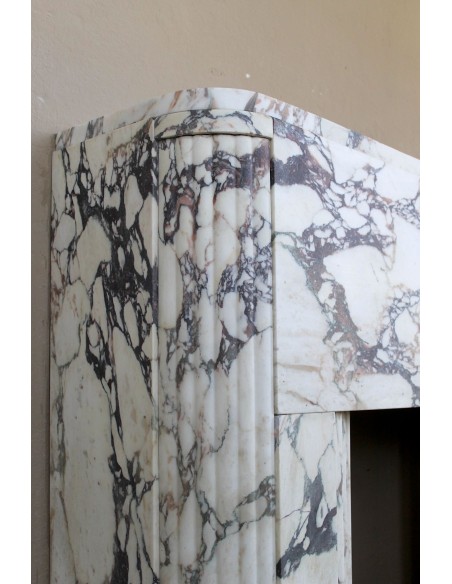
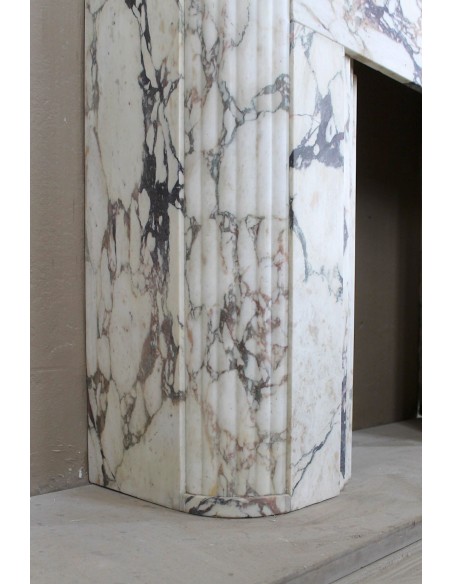
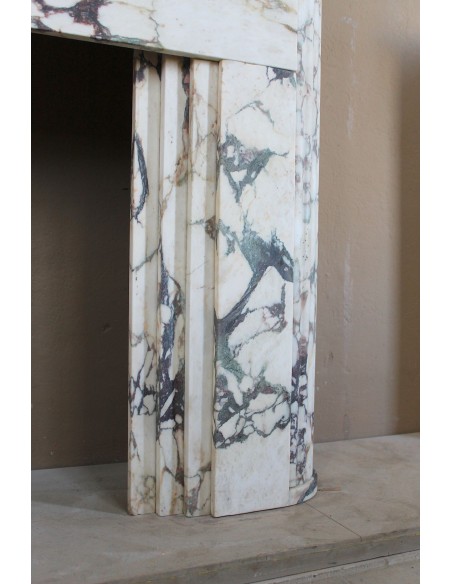
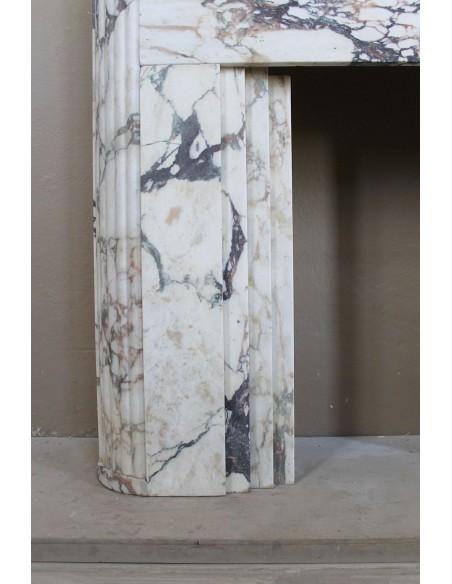
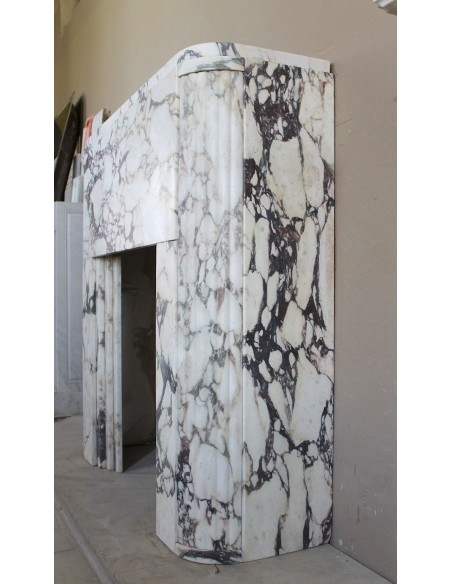
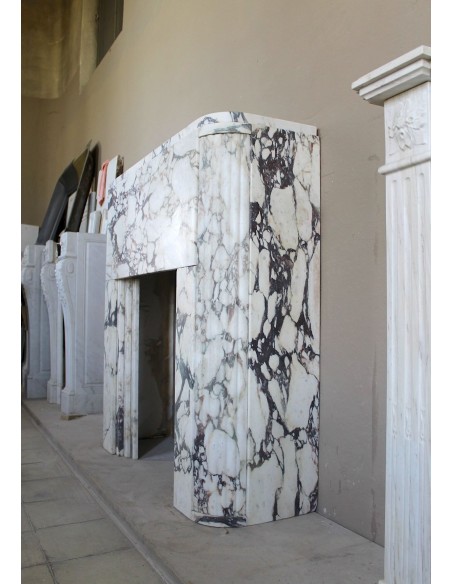
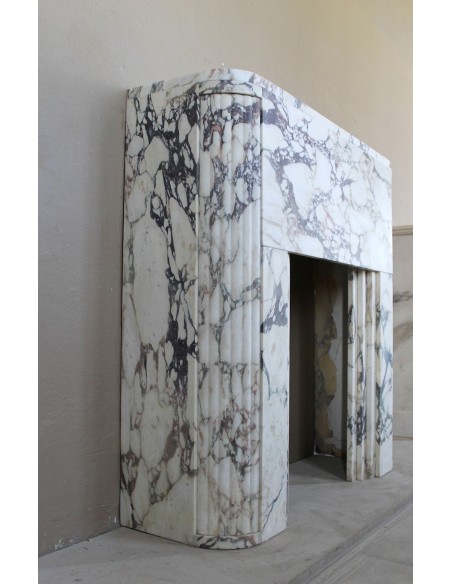
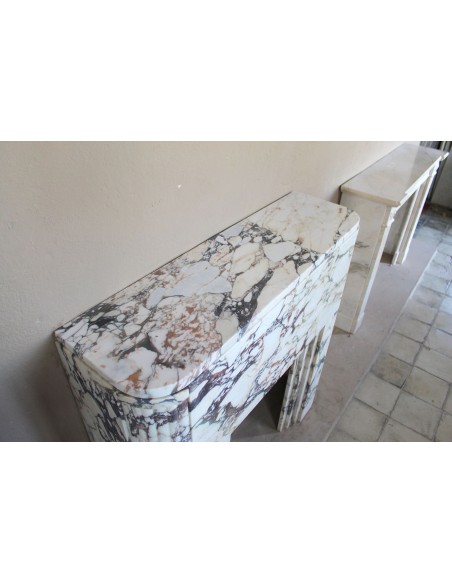
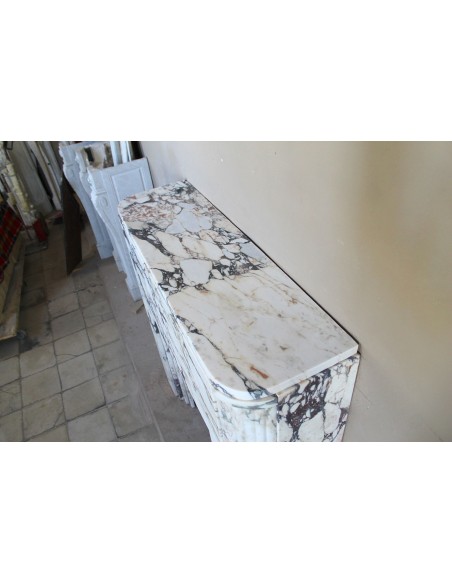
Its marble is the remarkable variety known as Viola Calacatta.
I confess that I struggled to begin writing this description. Rather than thinking about its period or its architectural details, my attention kept returning to one simple thought:
This marble is timeless.
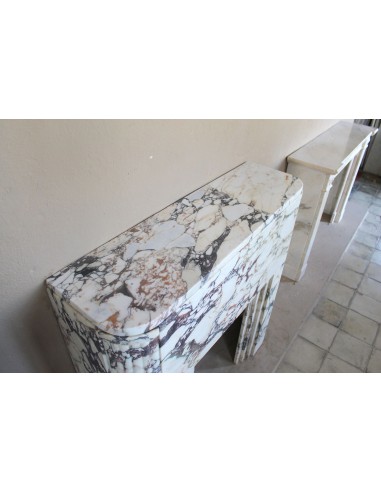
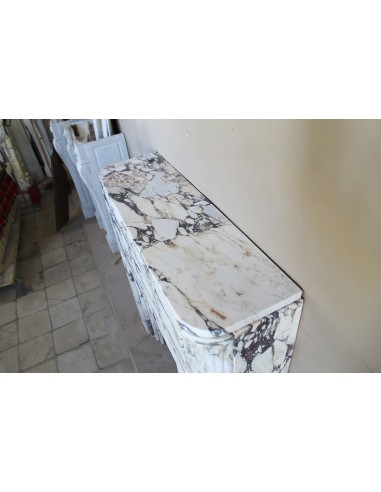
Its noble character, the deep violet veins flowing across a sea of creamy white, delicately touched by subtle golden highlights... the entire composition seems almost impossible to believe.
And yet, its story began nearly two hundred million years ago, when Tuscany lay beneath a warm tropical sea. Over immense geological time, layers of calcite formed the luminous white background, while manganese created the magnificent violet veining. Iron and sulphur oxides later introduced the warm reddish and golden nuances that complete this extraordinary natural masterpiece.
Nature itself became the sculptor long before man ever touched the stone.
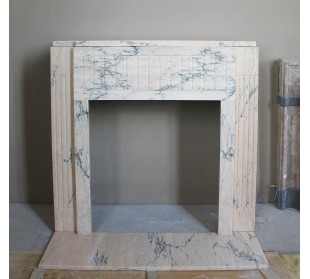
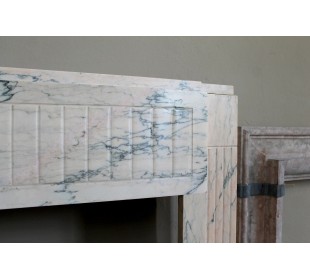
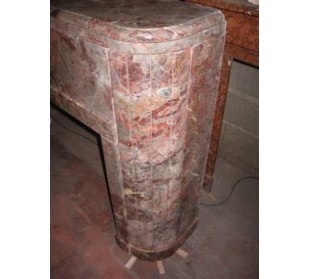
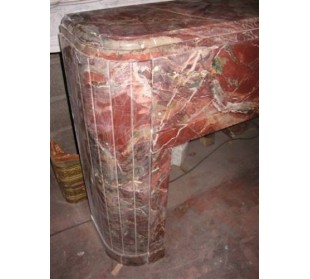
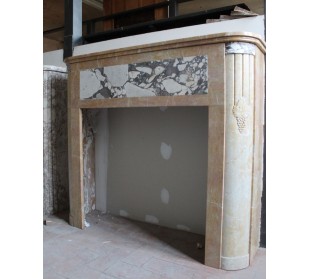
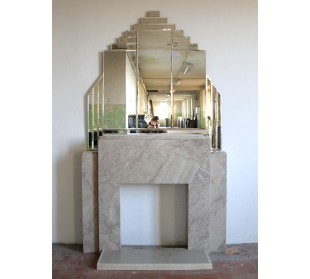
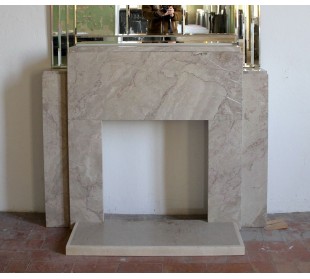
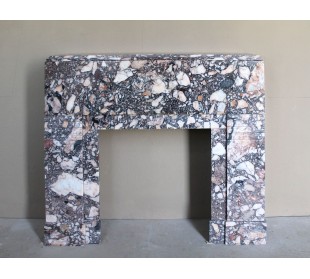
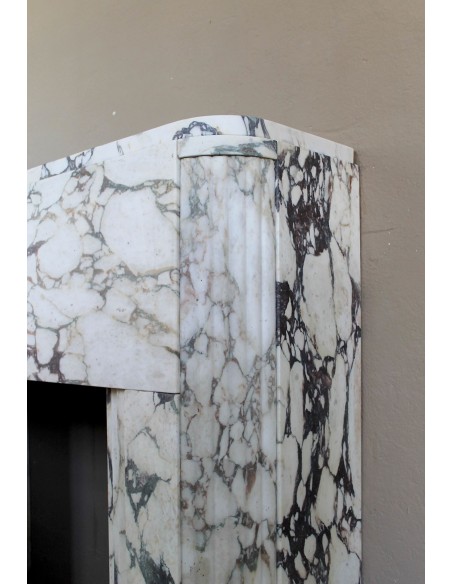
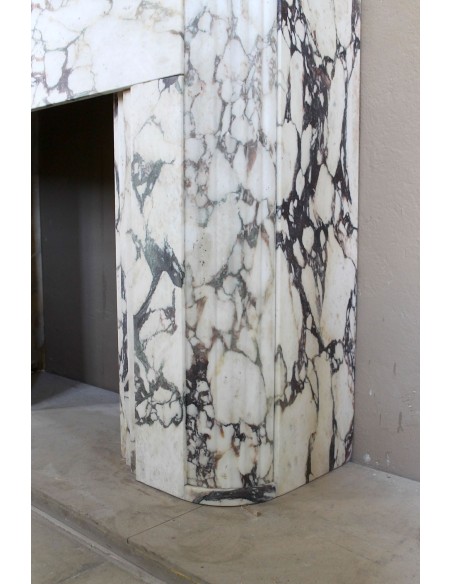
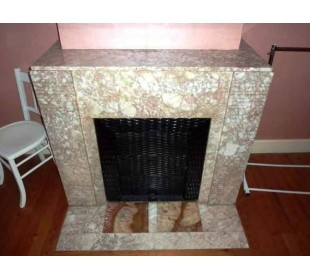
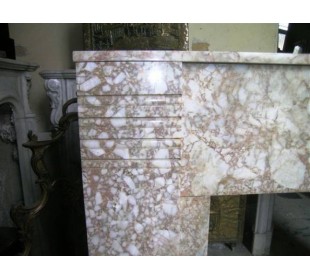
The fireplace before you is a fine example of the Art Deco period, created in Paris around the 1930s, where we had the privilege of acquiring it. It also remains in excellent state of preservation.
A final thought
Have you ever noticed how Art Deco fireplaces almost always seem to be carved from extraordinary marbles?
Perhaps it was simply the refined taste of the architects of the period. Or perhaps it was a necessity.
Art Deco embraced clean, restrained architectural lines. Ornament became secondary. When decoration is reduced to its essence, the beauty of the material itself becomes paramount.
It is therefore hardly surprising that the designers of the period insisted upon the finest marbles available.
In the case of this fireplace, one could almost say they went a step too far.
They selected one of the rarest and most precious decorative marbles ever quarried—a choice that must have greatly tested the patience, and certainly the wallet, of the original client.
Fortunately for us, the result has outlived them all.