


SHARE ON:
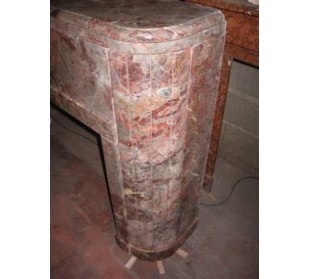
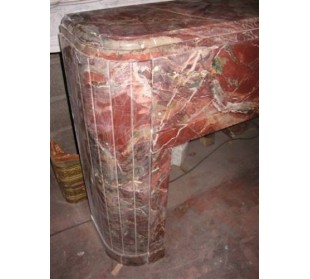
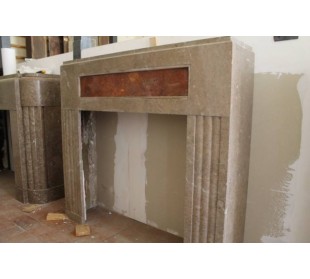
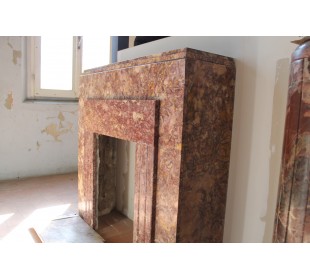
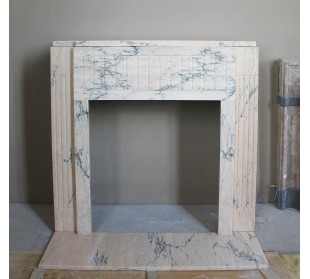
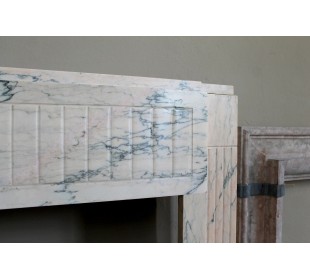
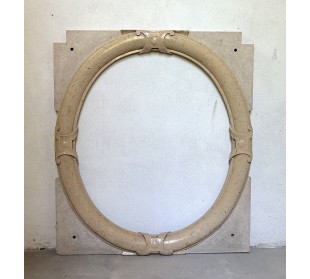
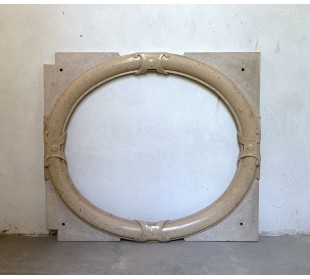
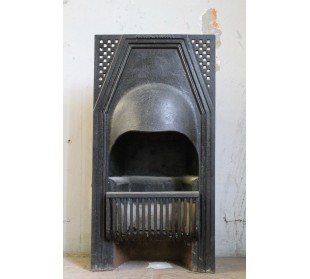
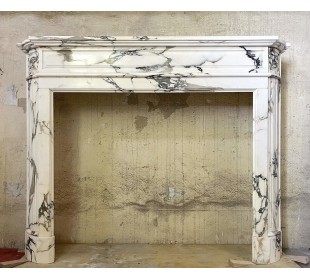
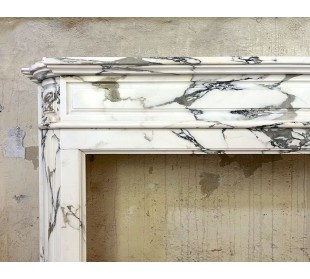
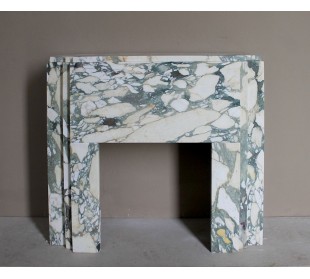
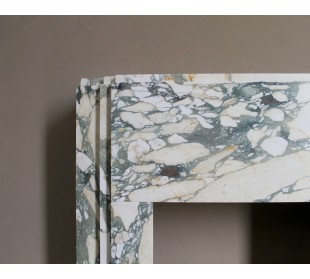
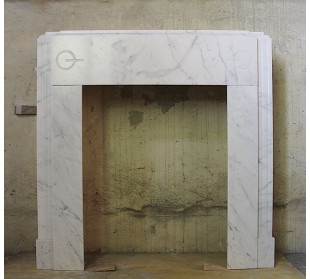
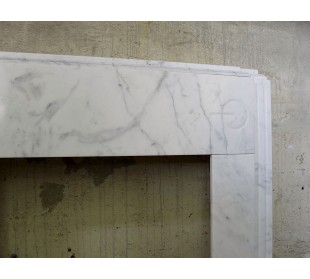
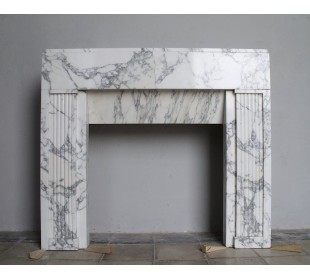
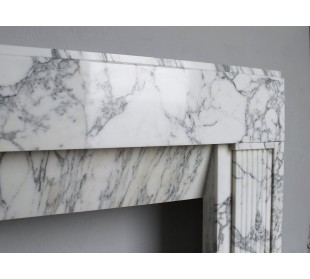
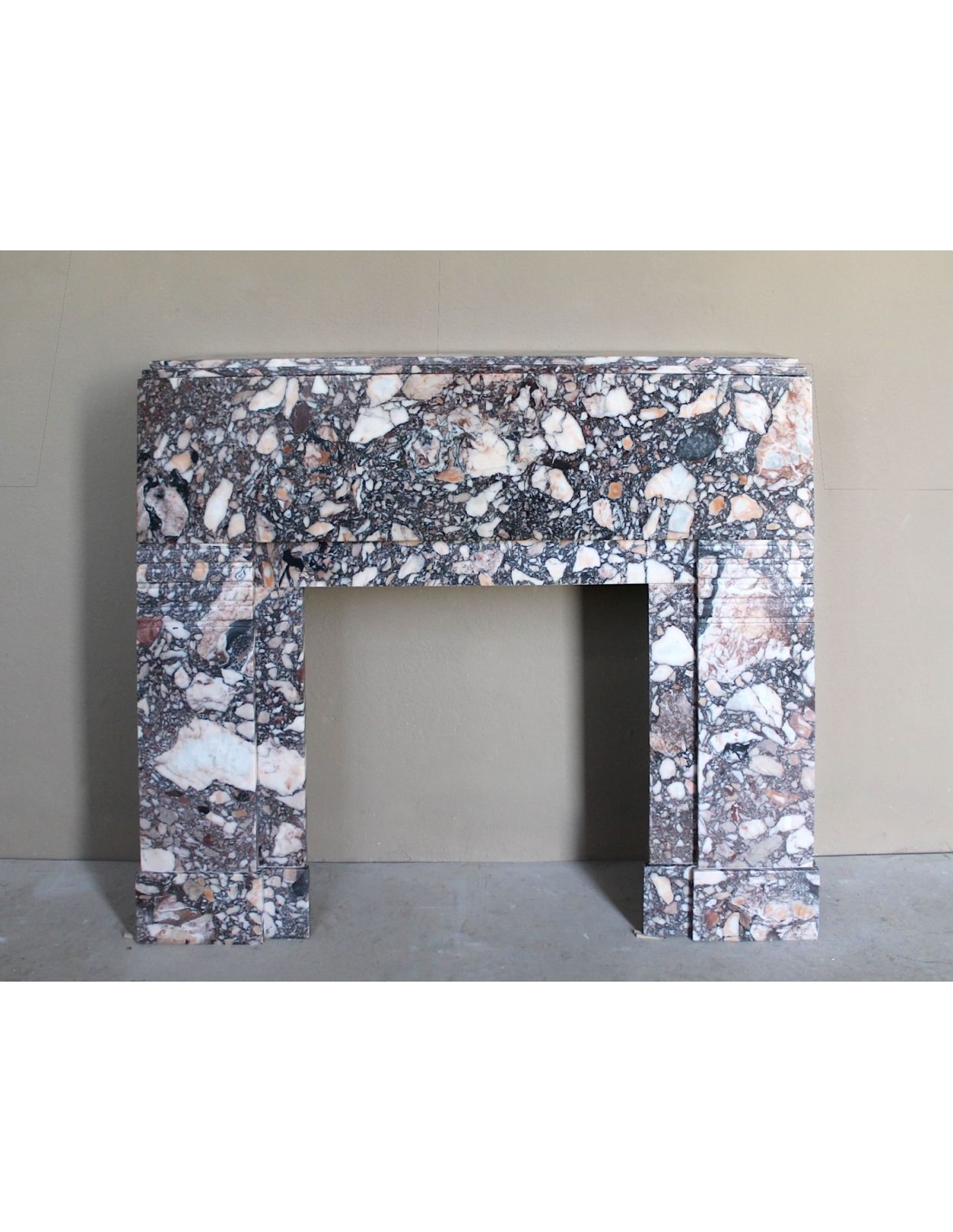
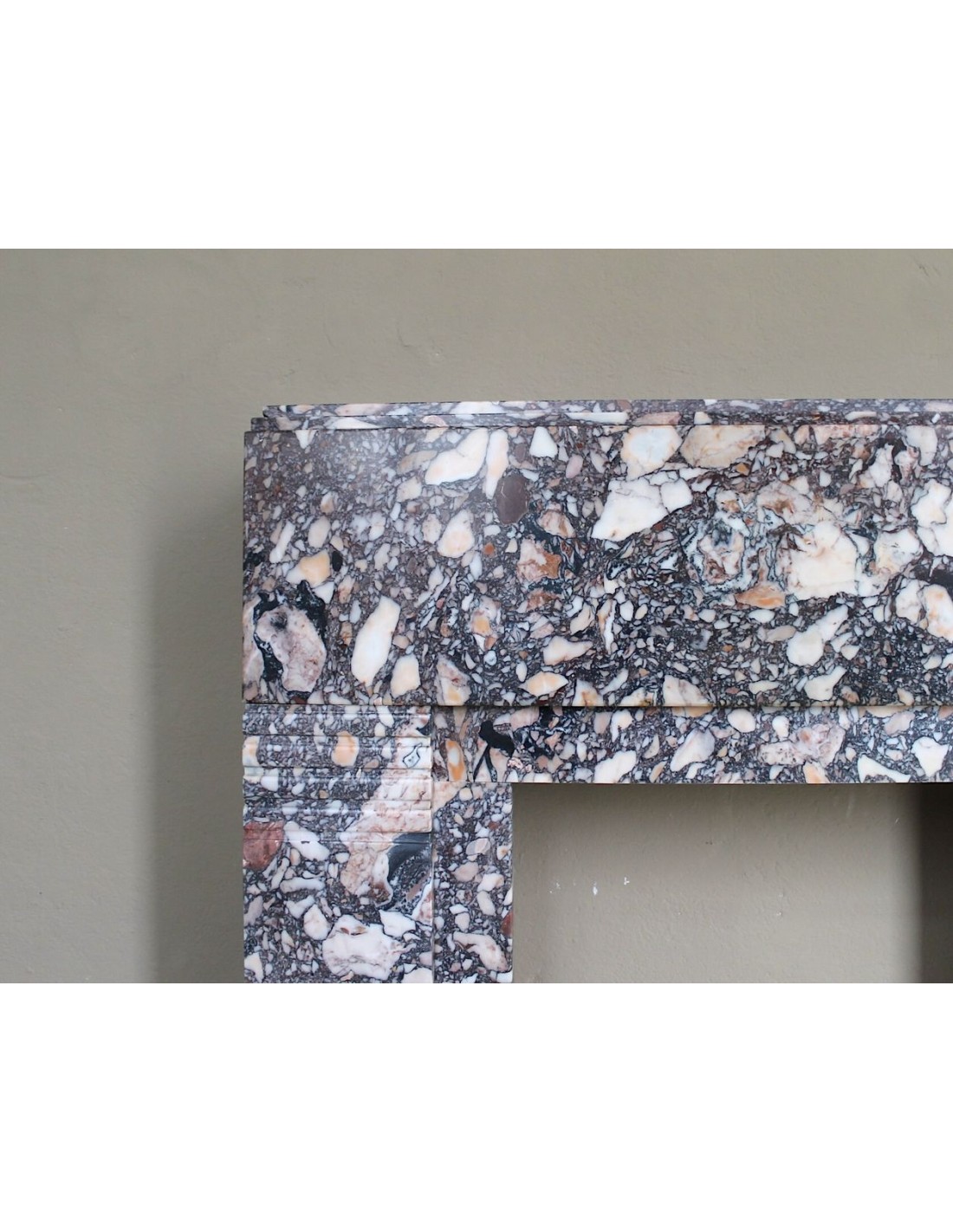
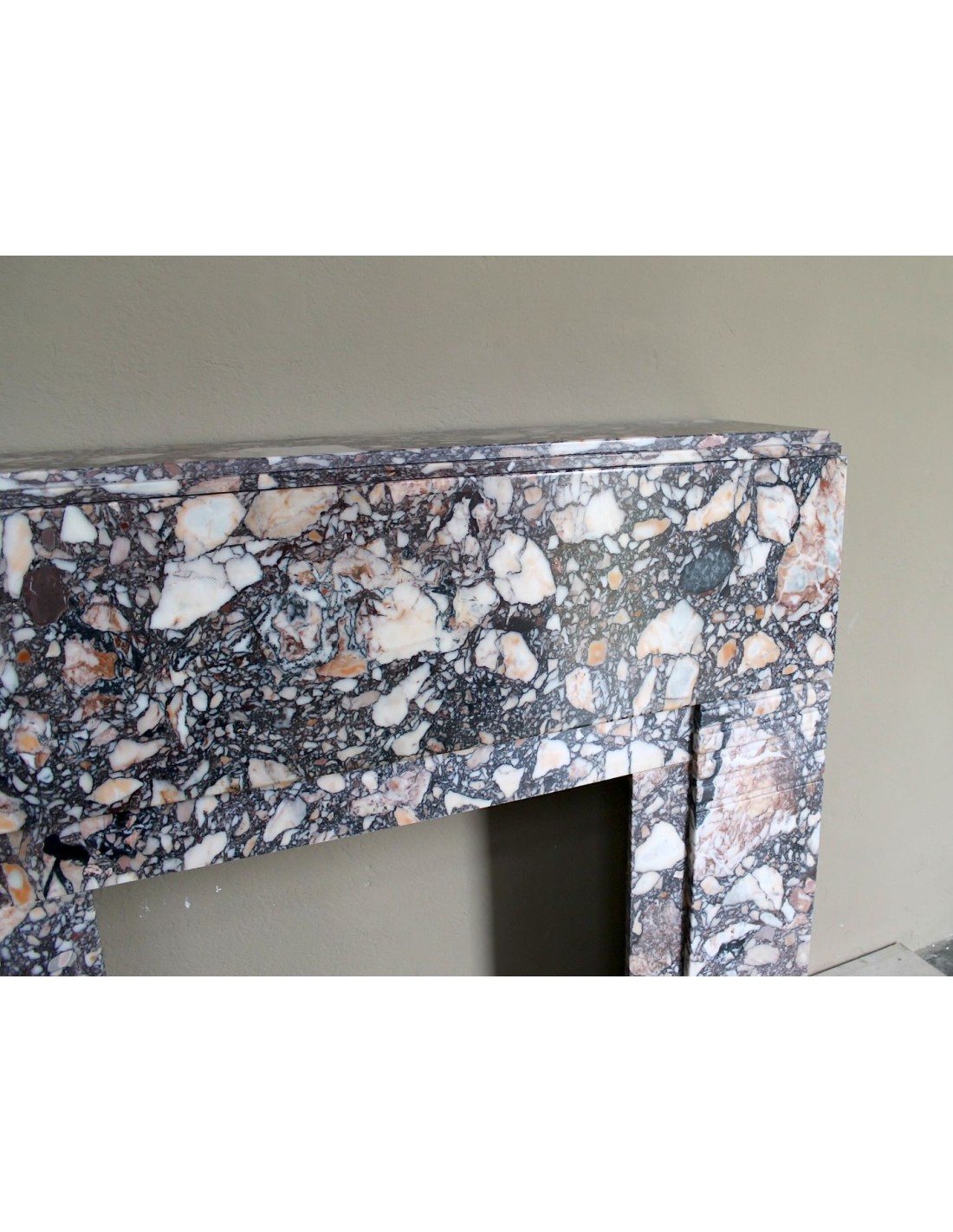
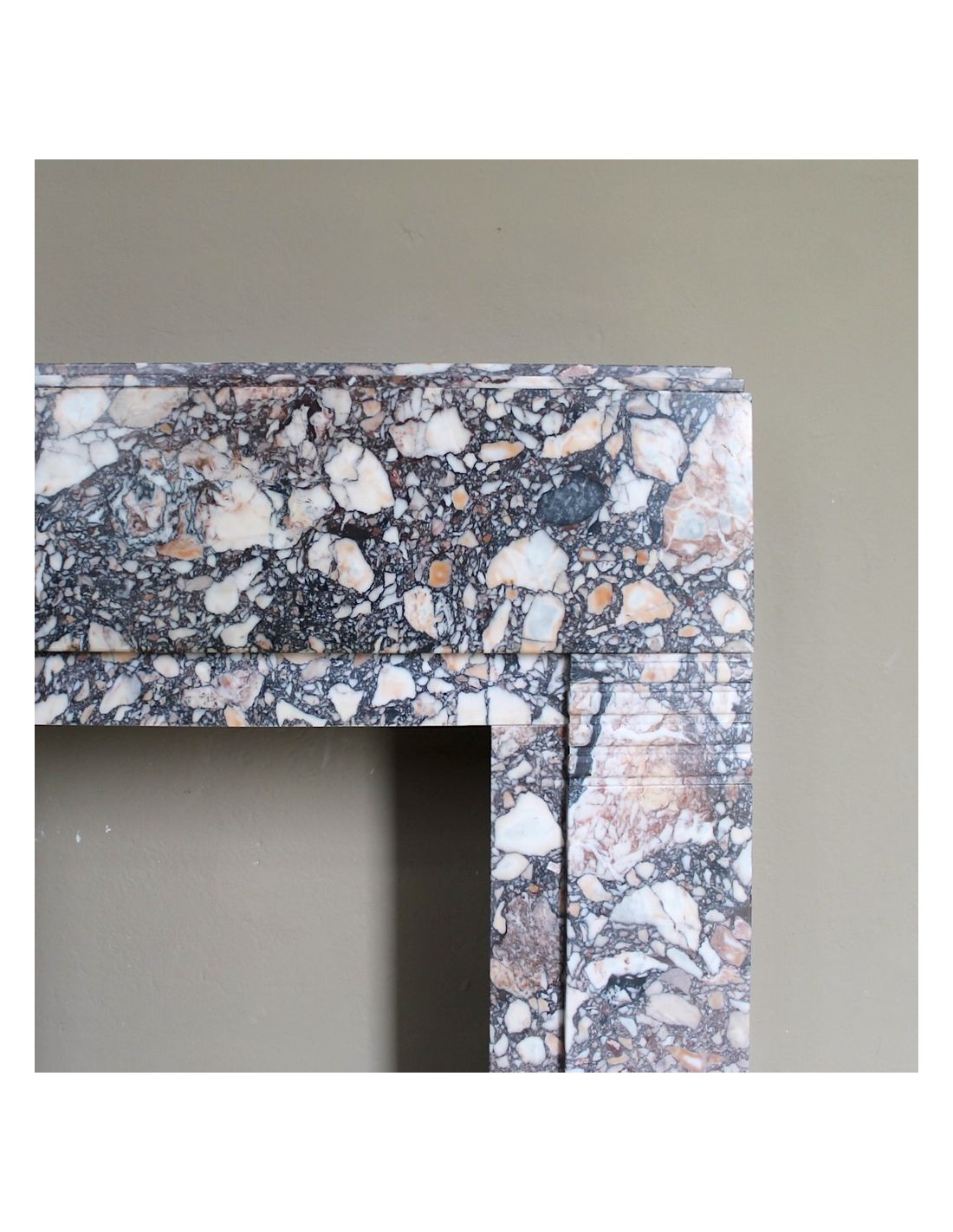
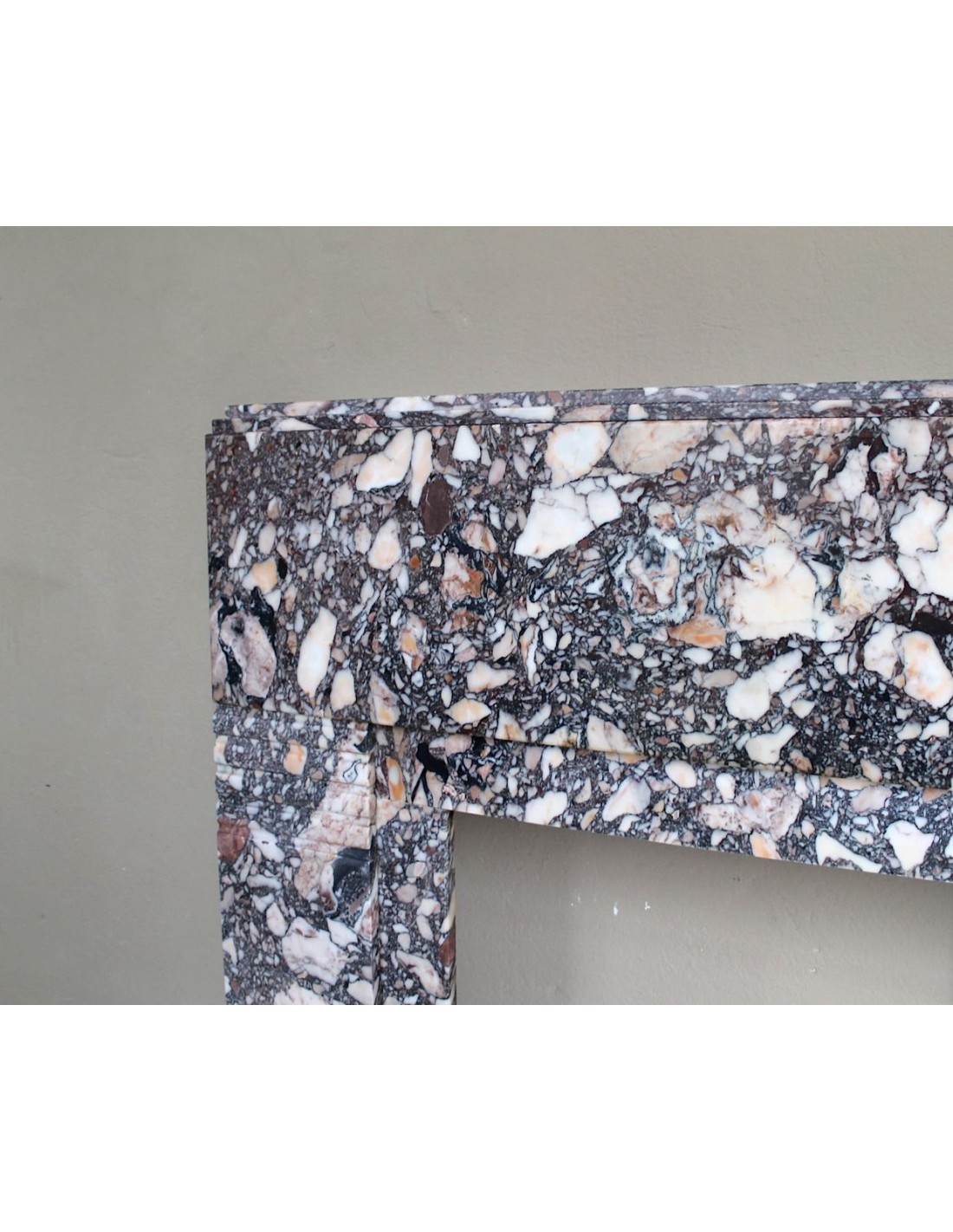
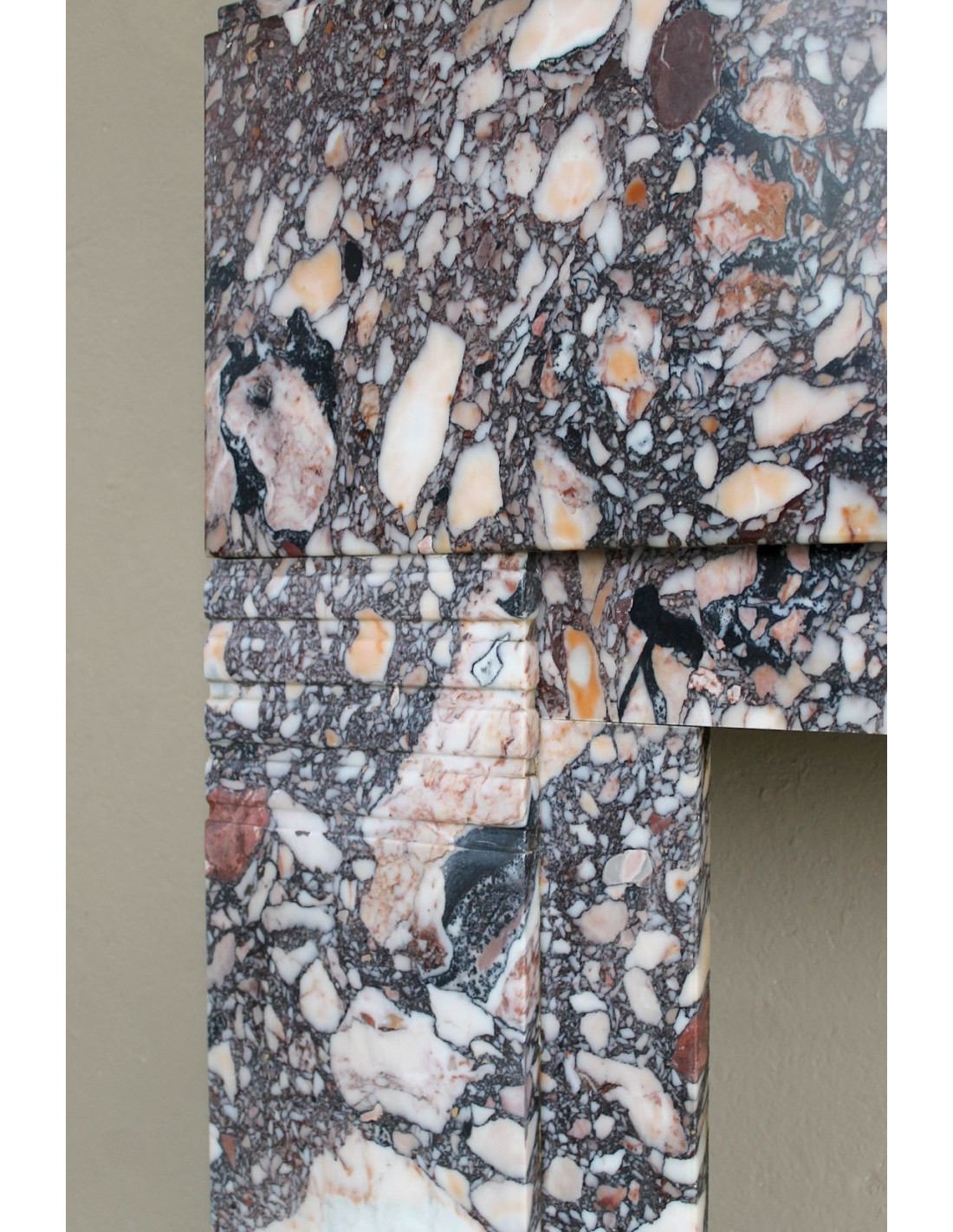
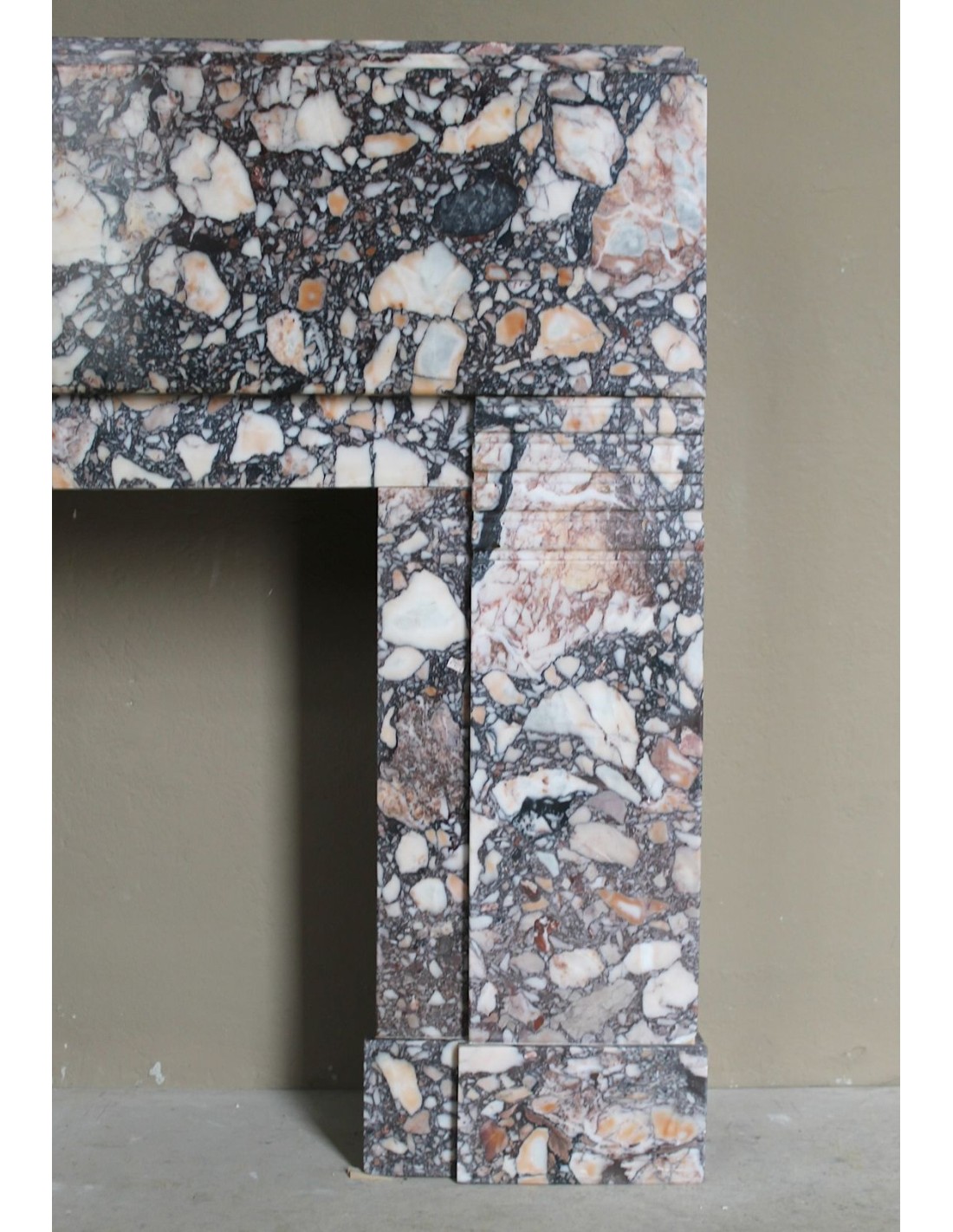
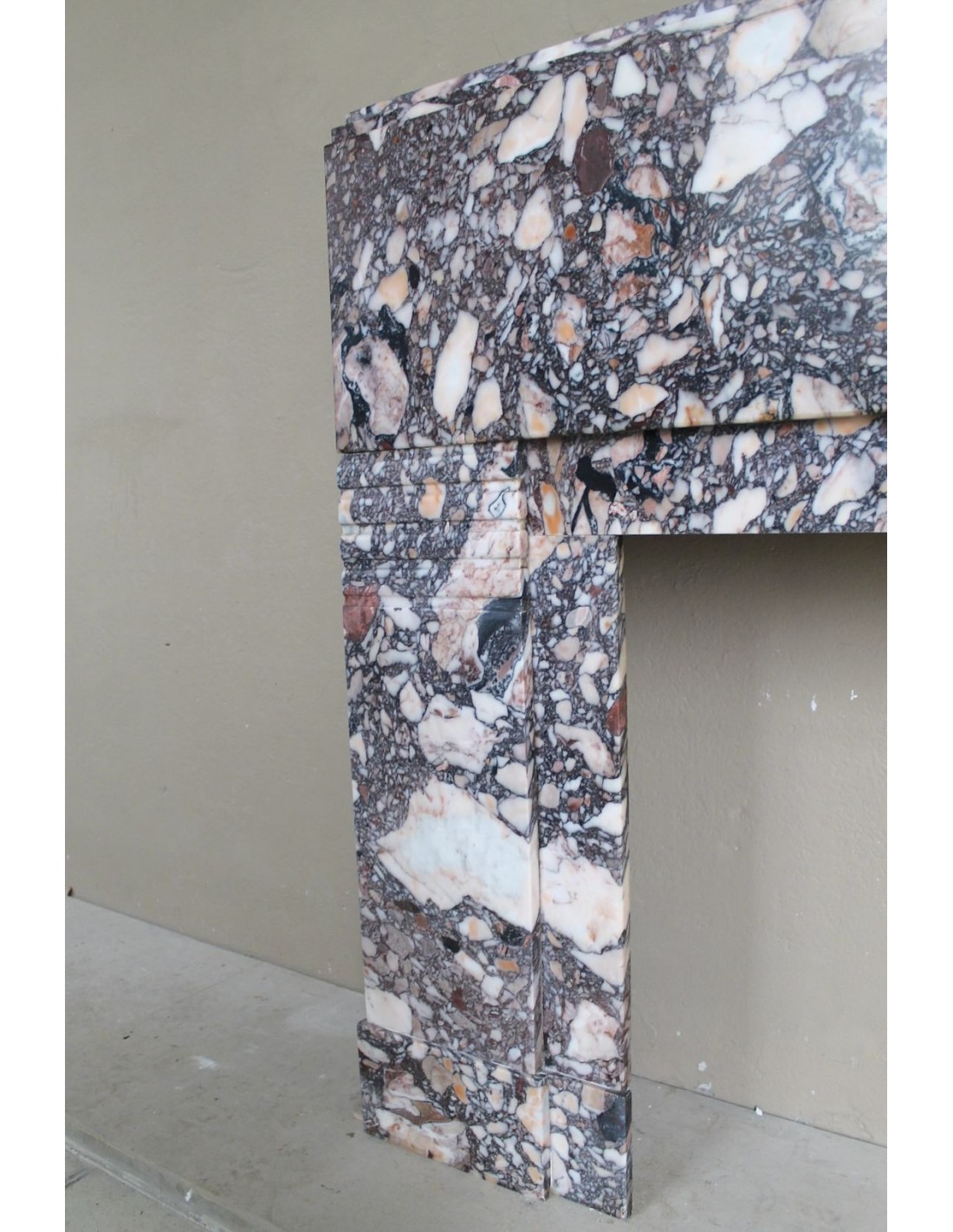
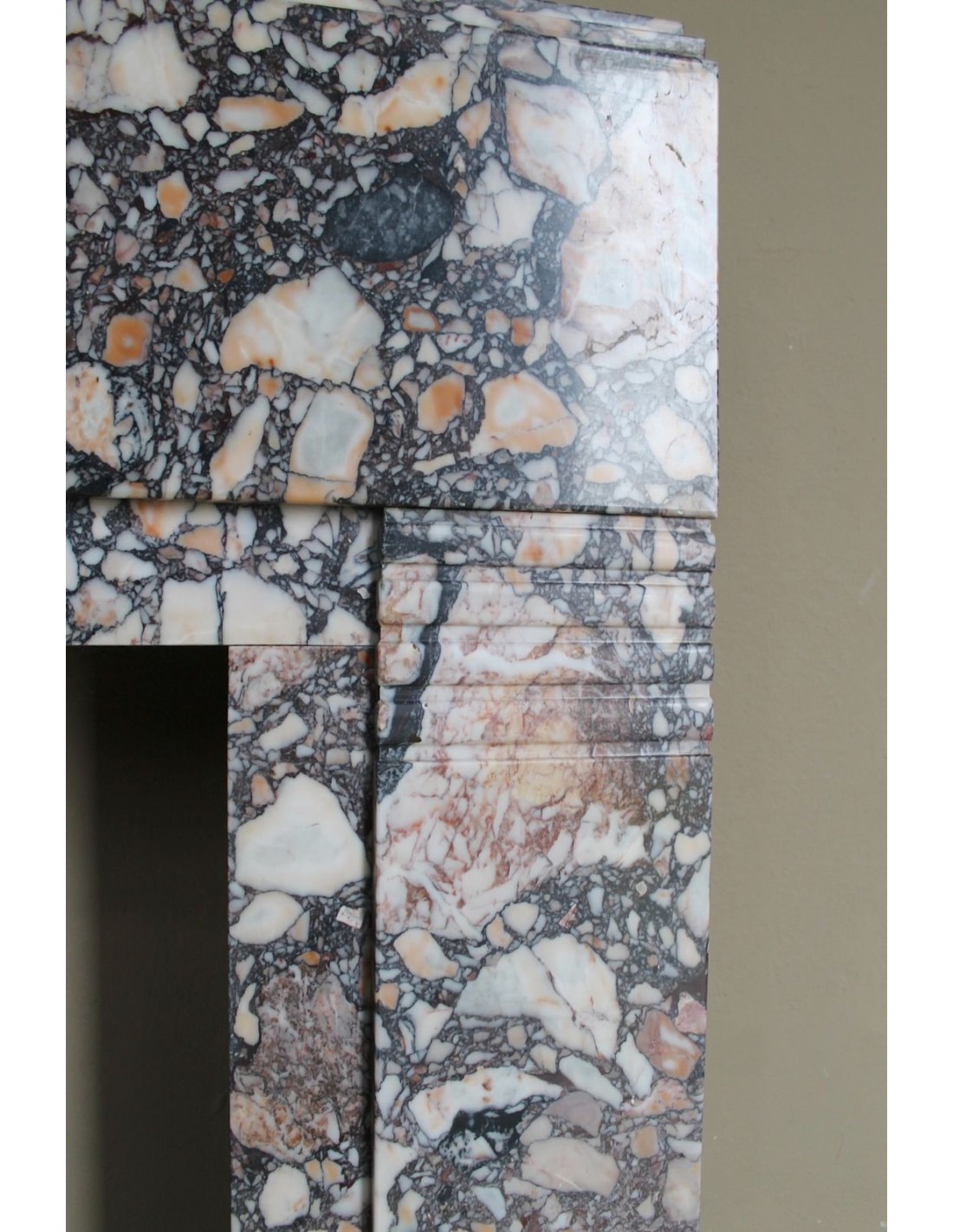
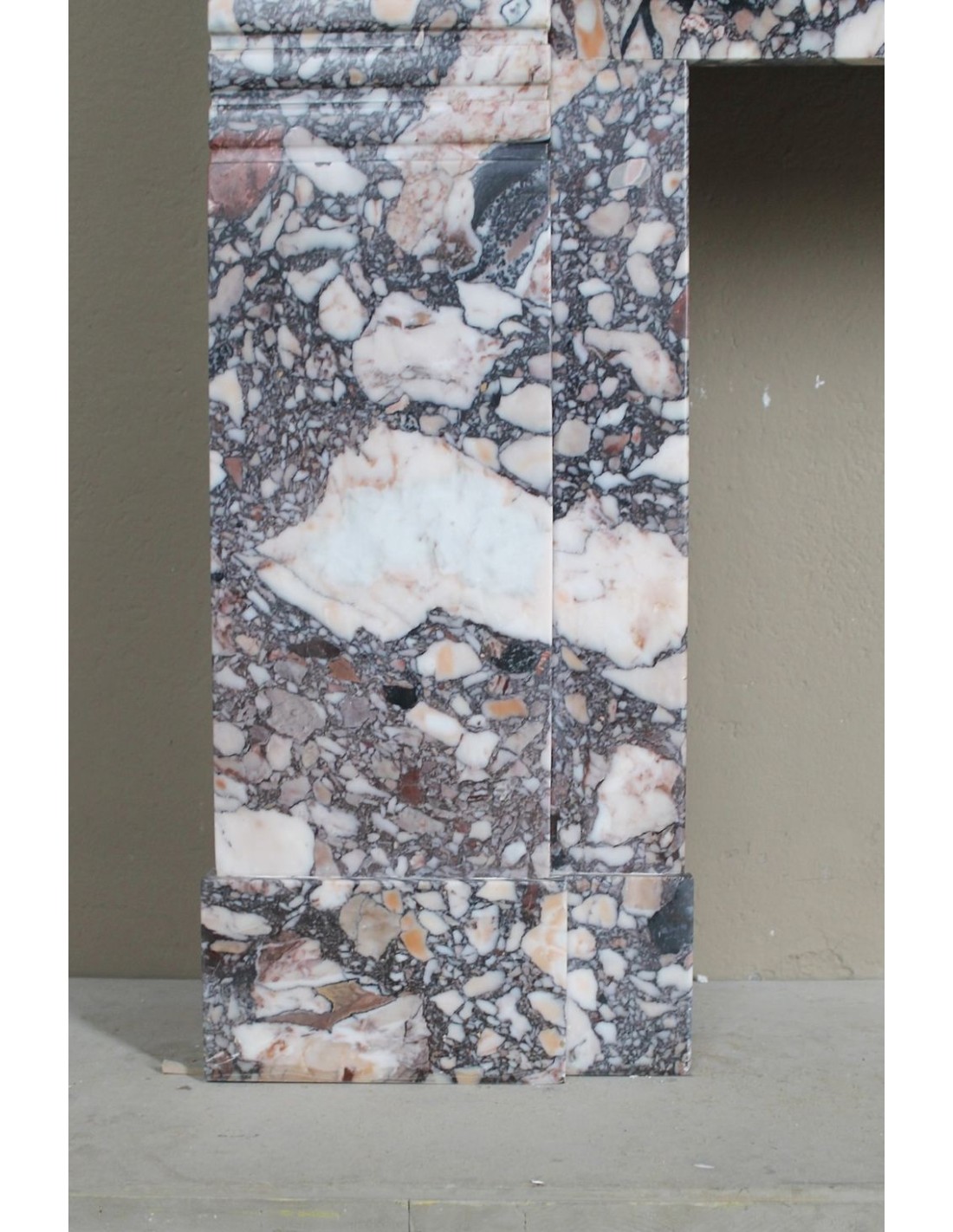
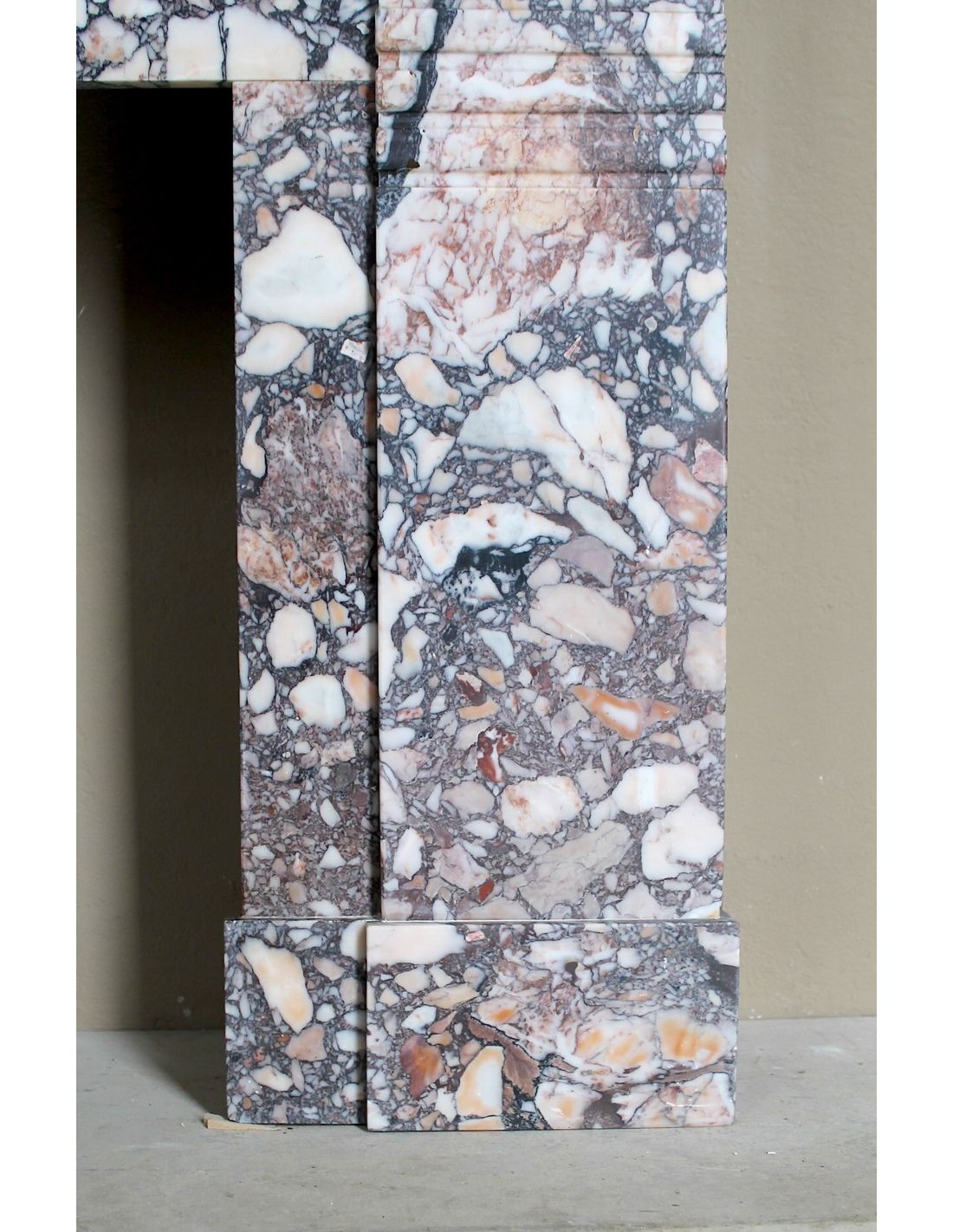
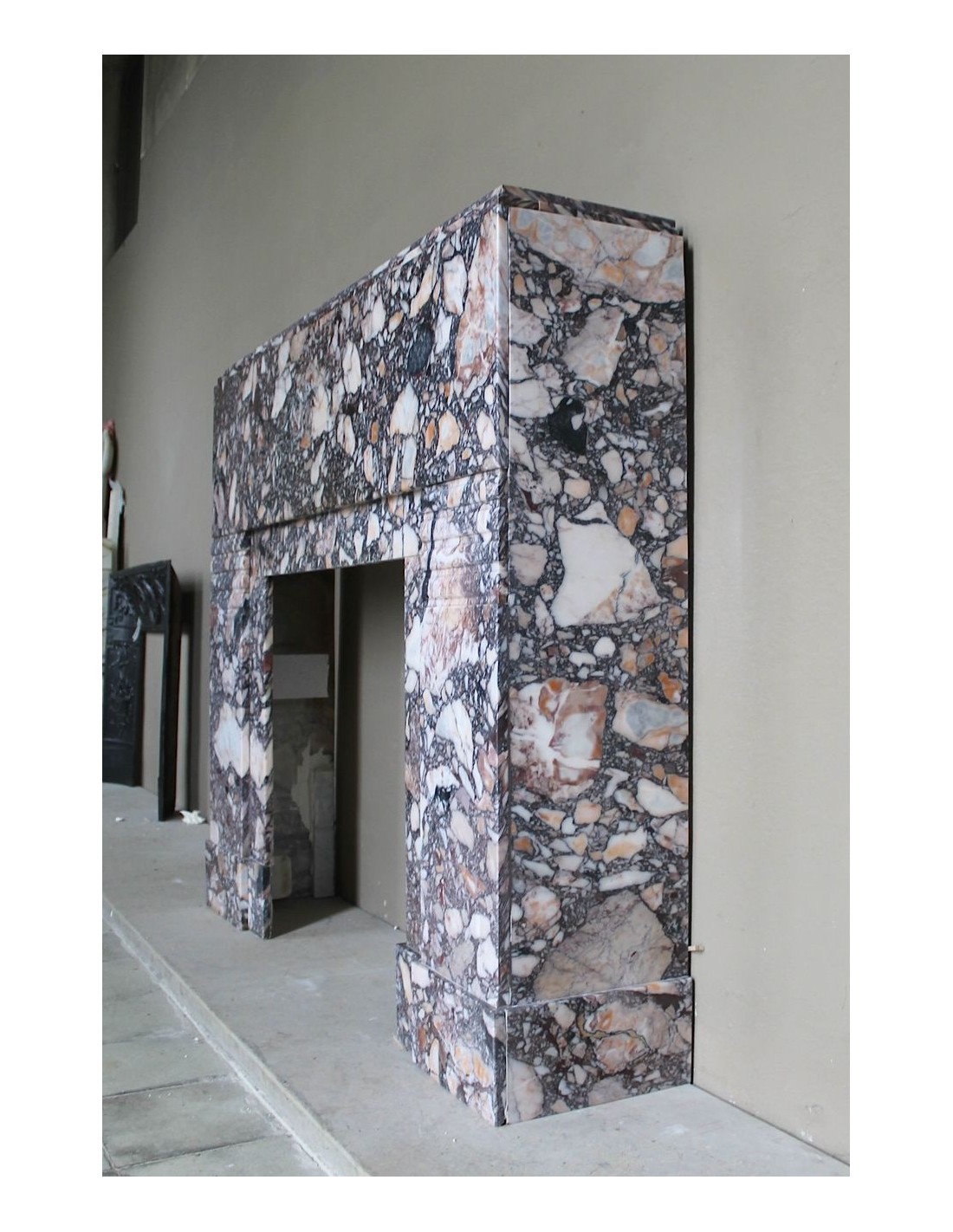
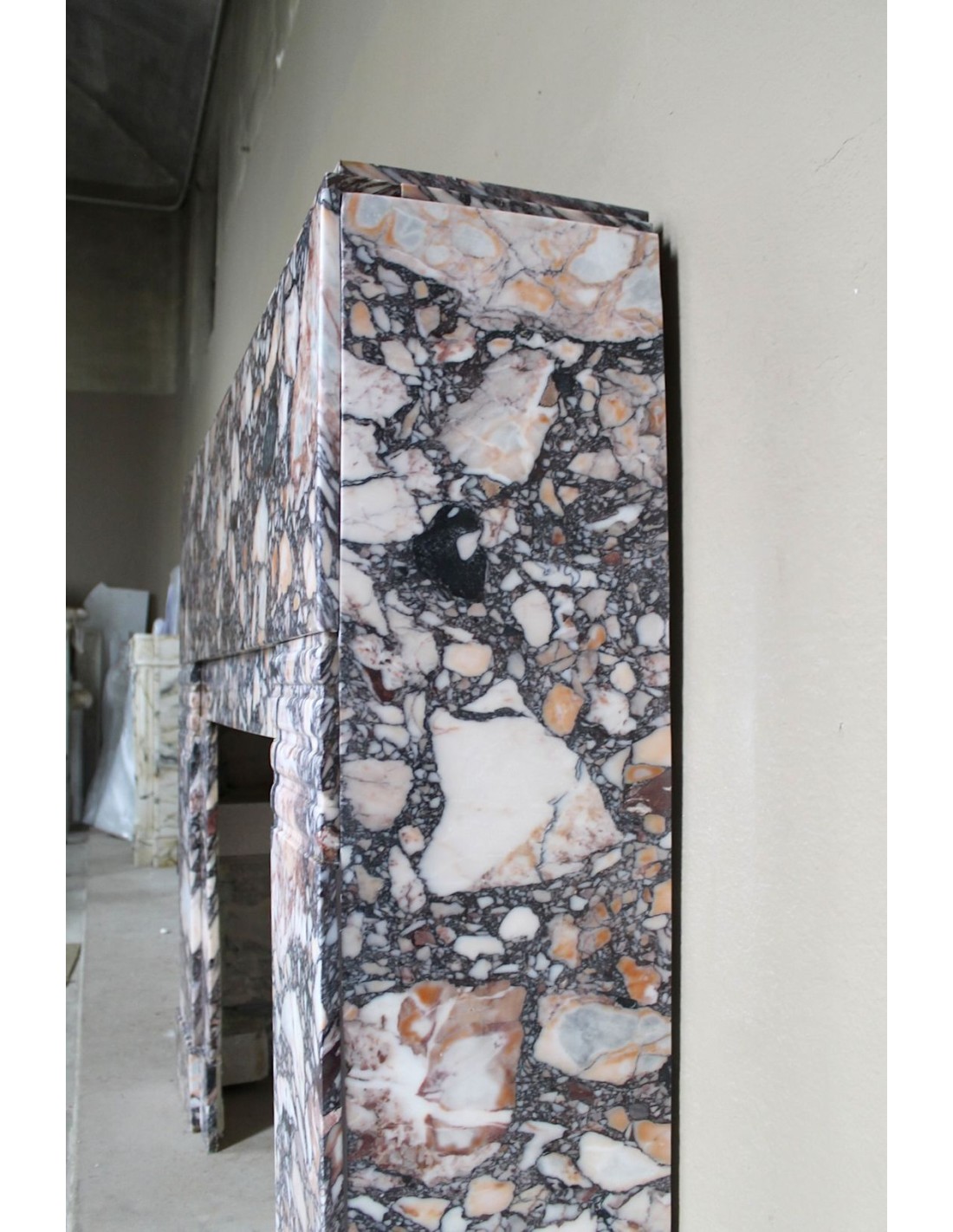
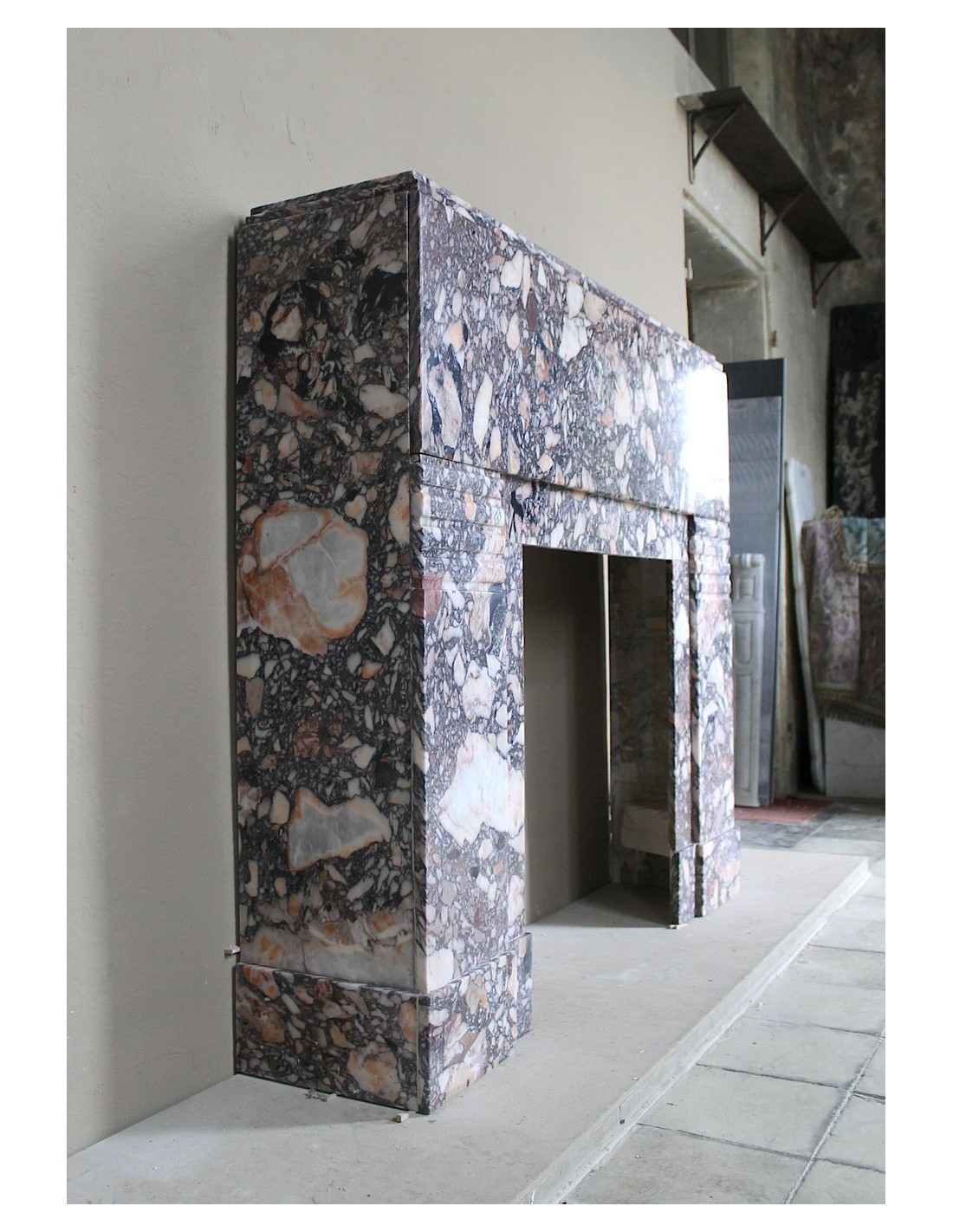
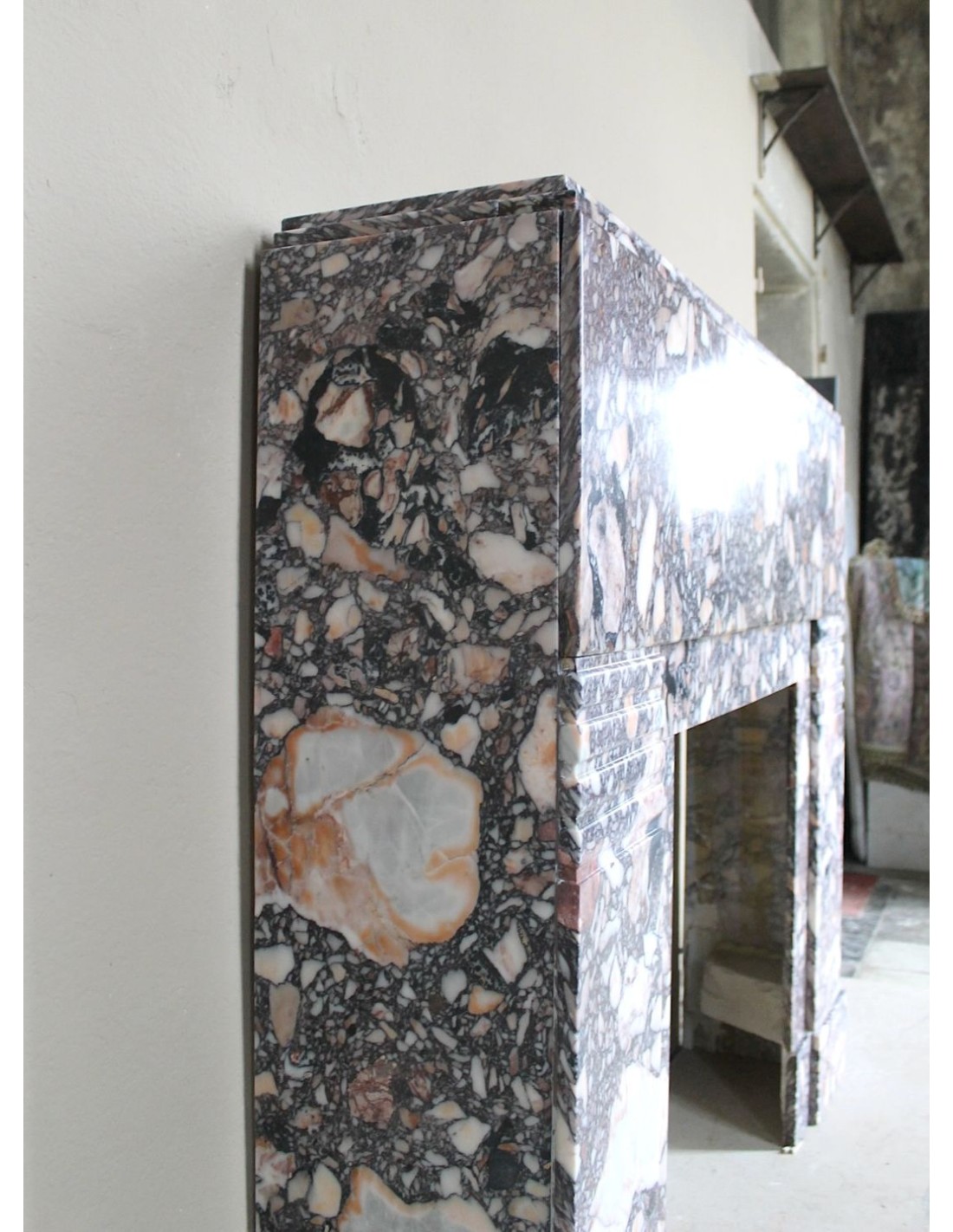
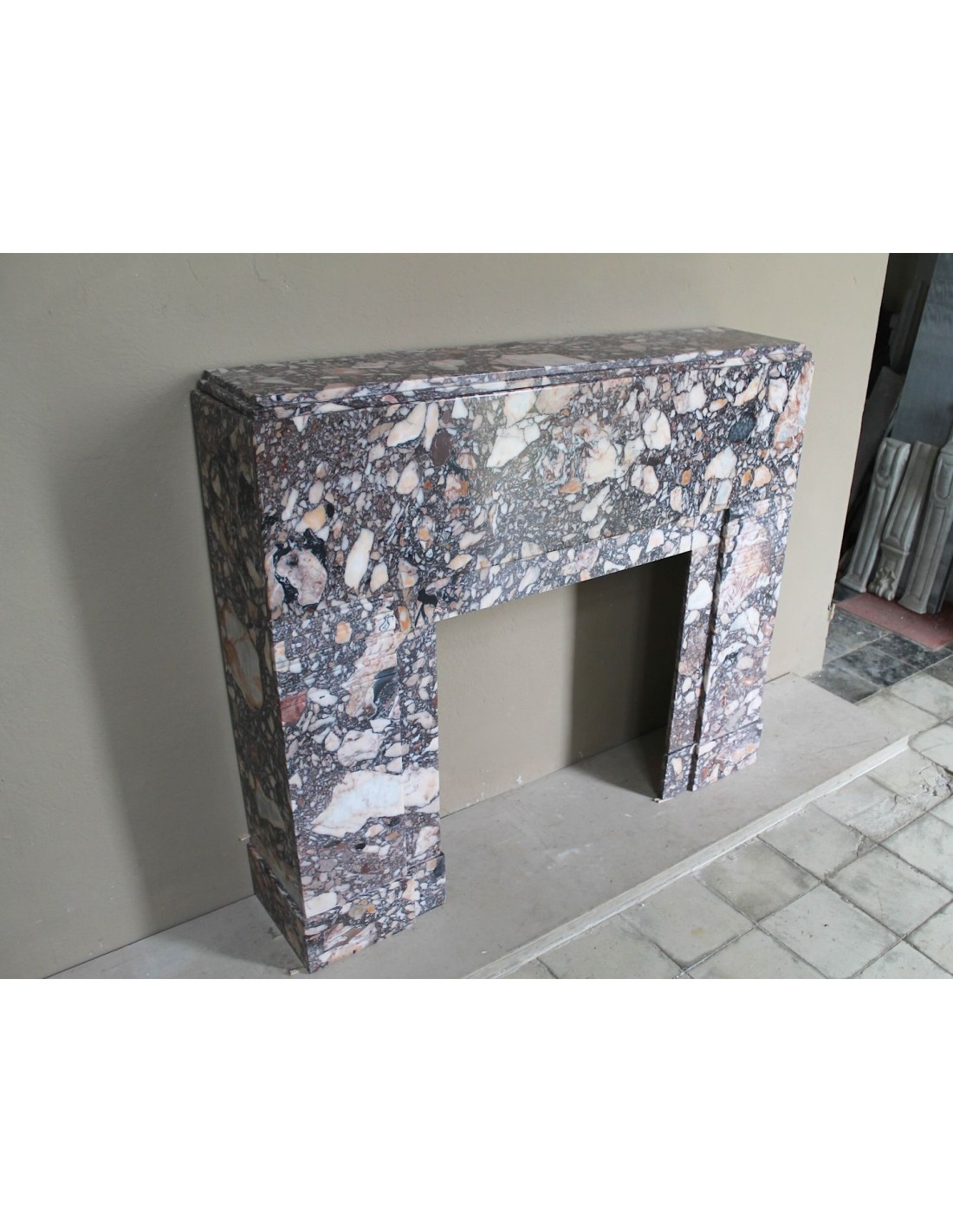
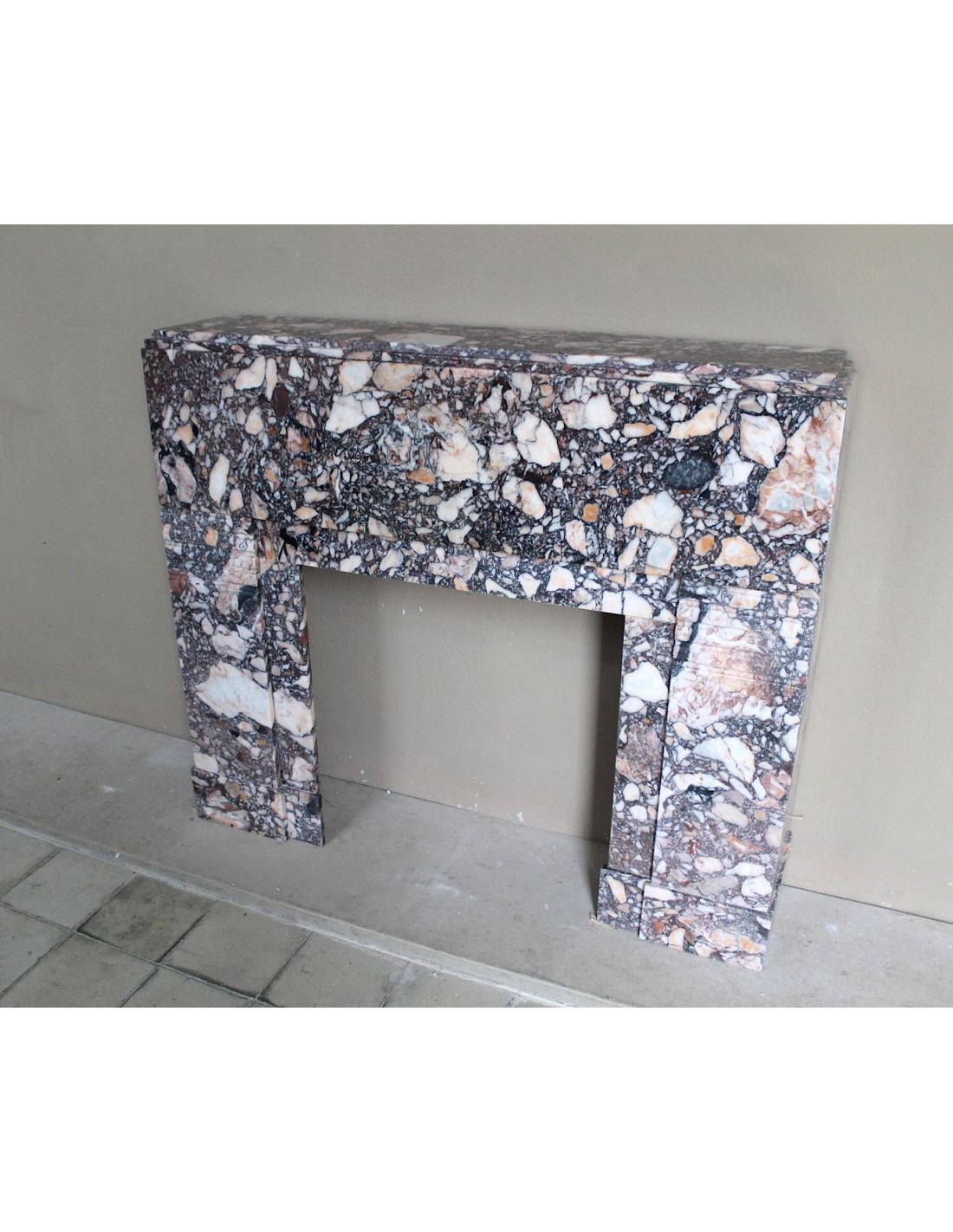
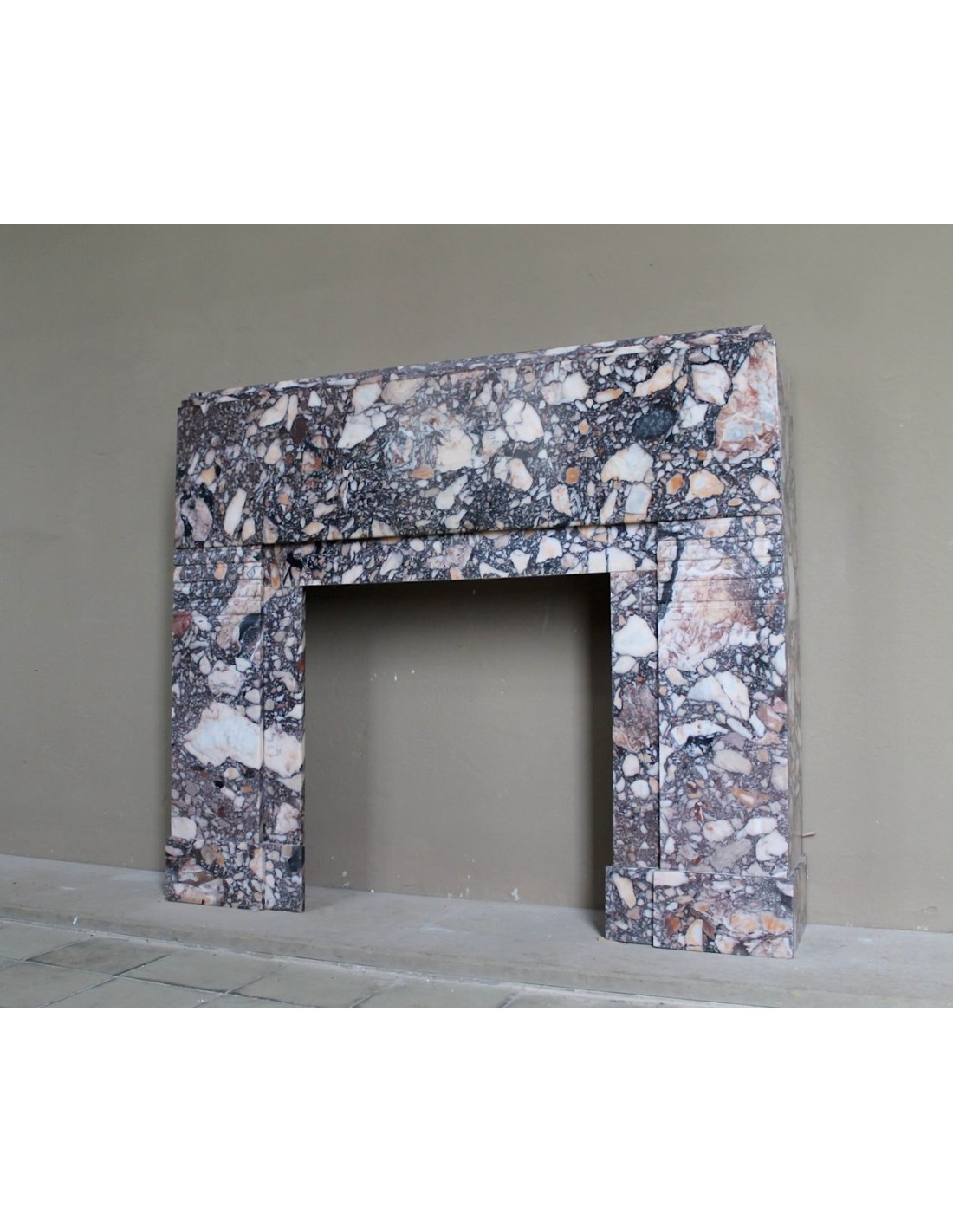
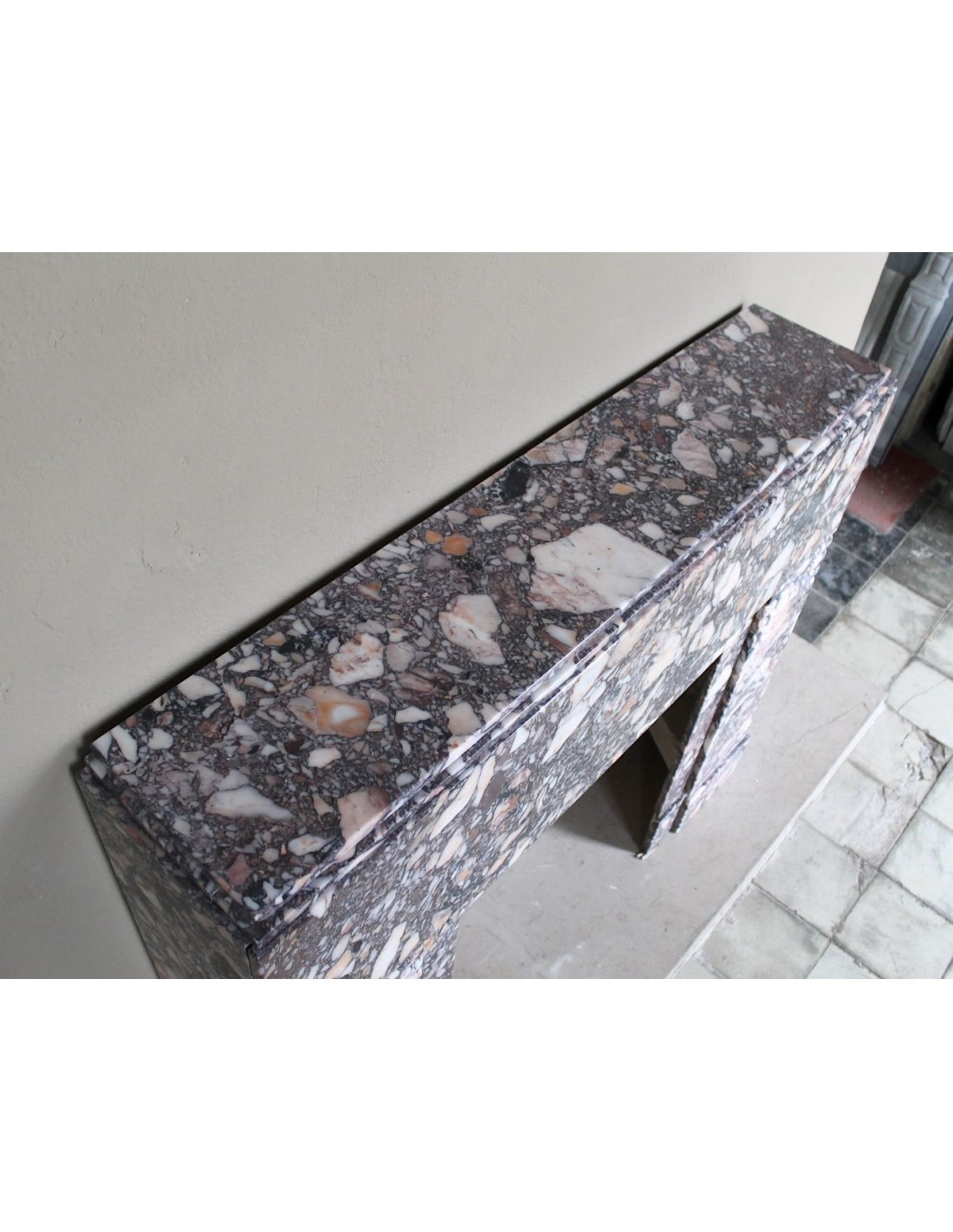
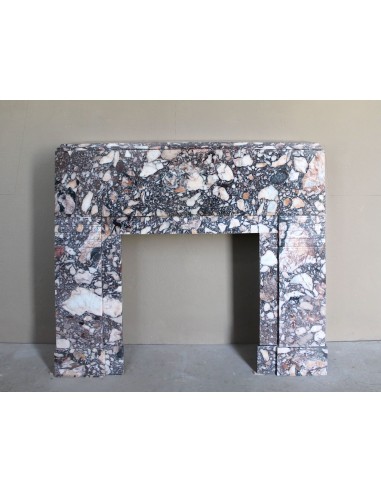
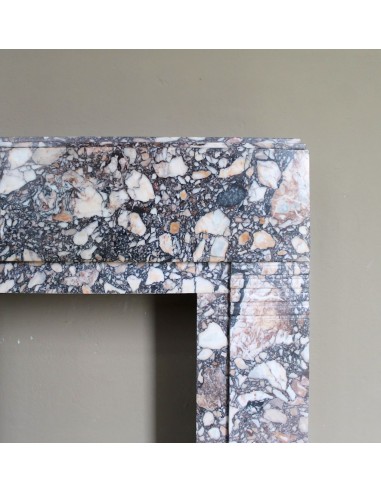
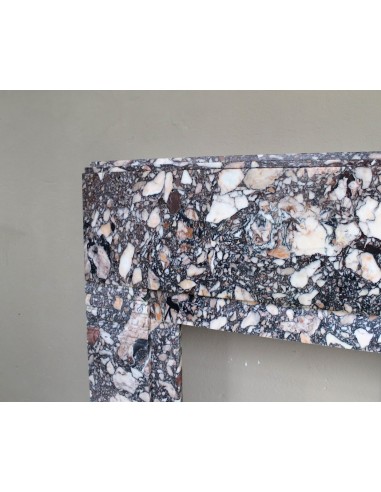
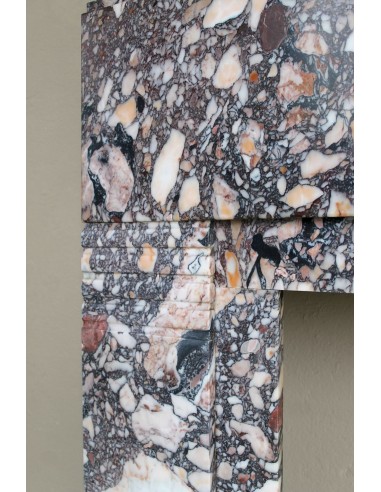
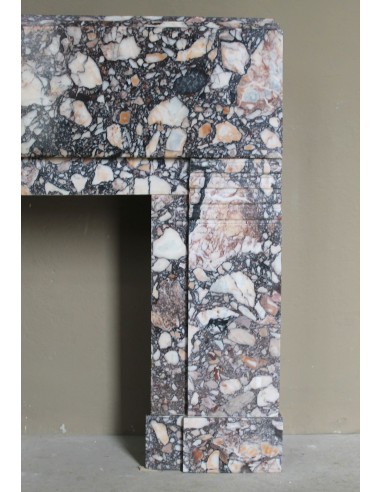
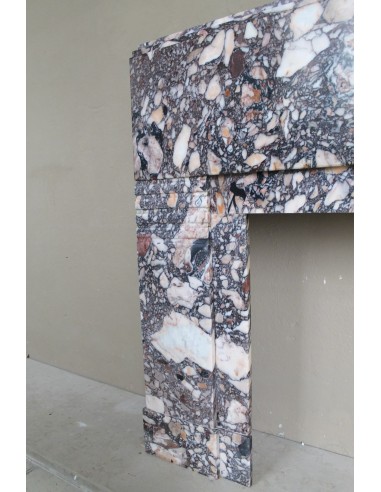
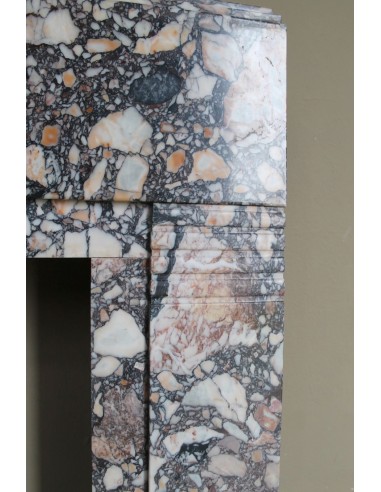
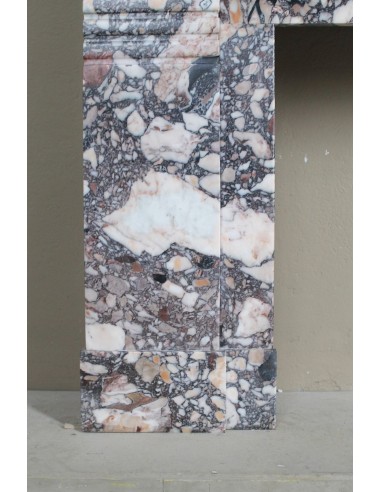
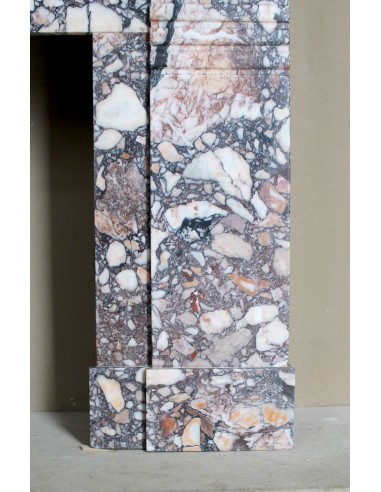
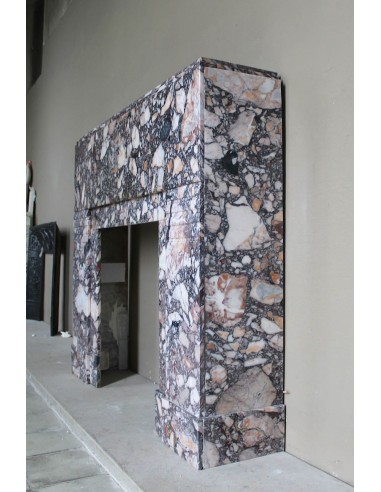
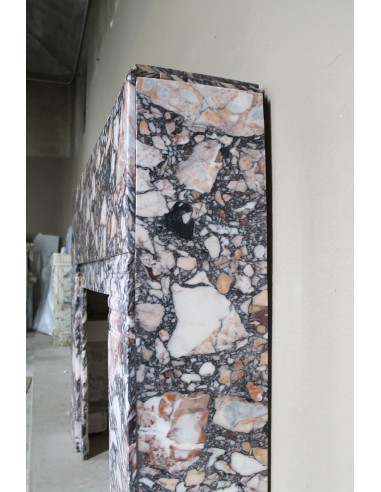
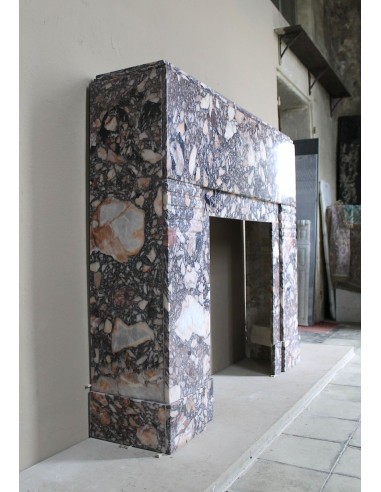
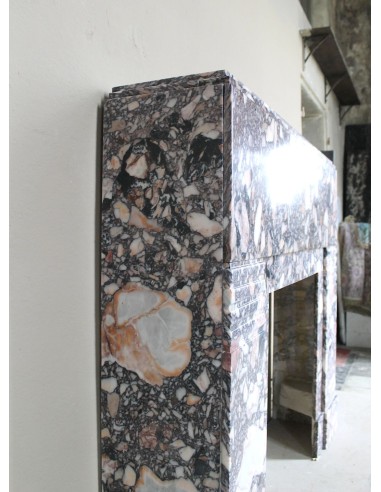
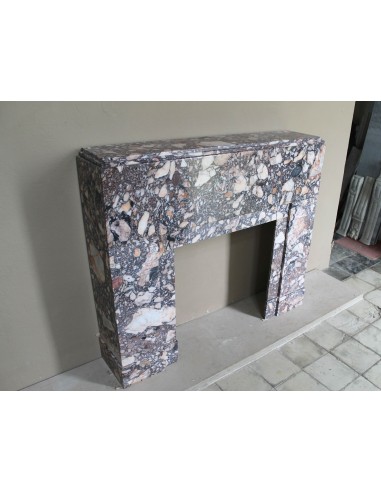
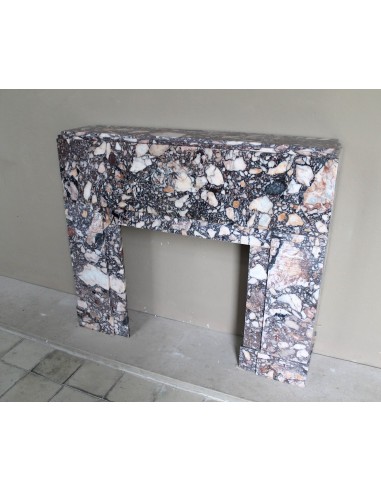
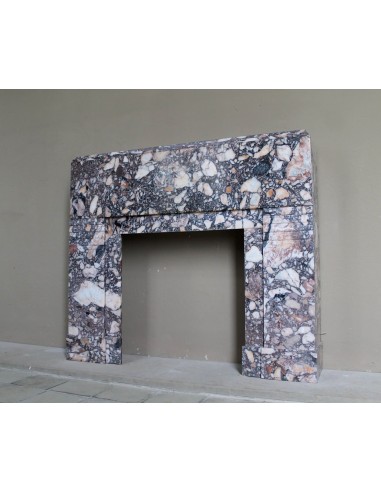
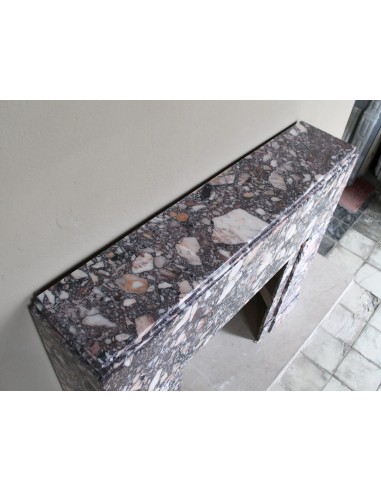
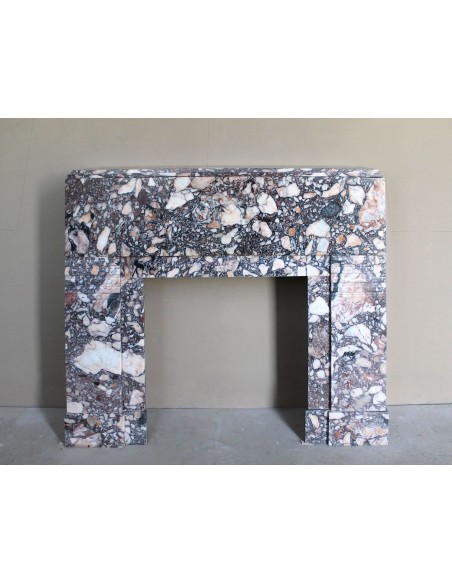
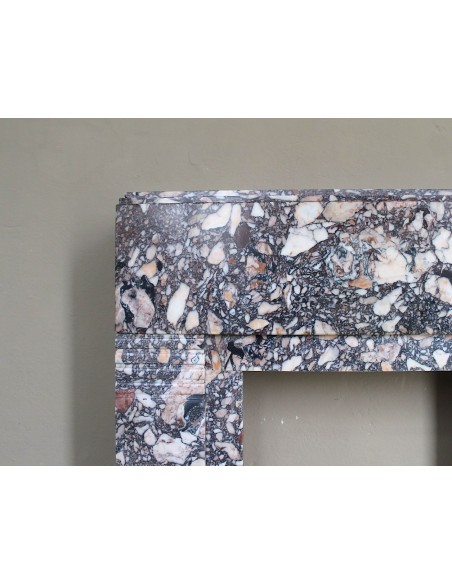
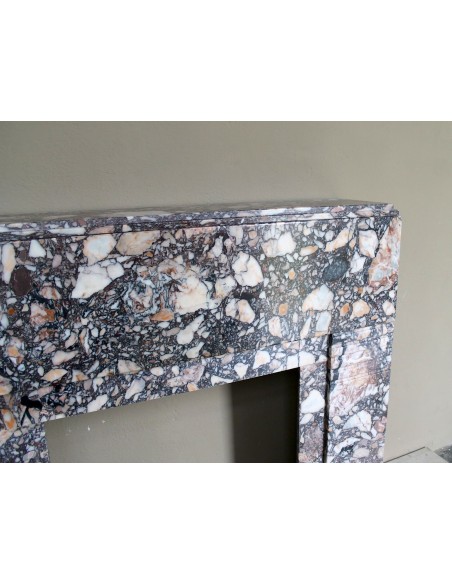
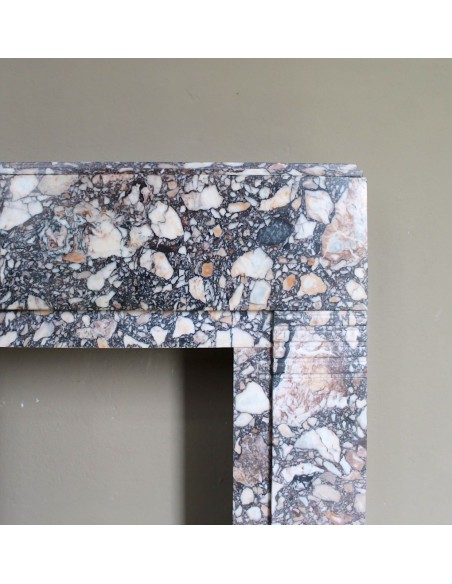
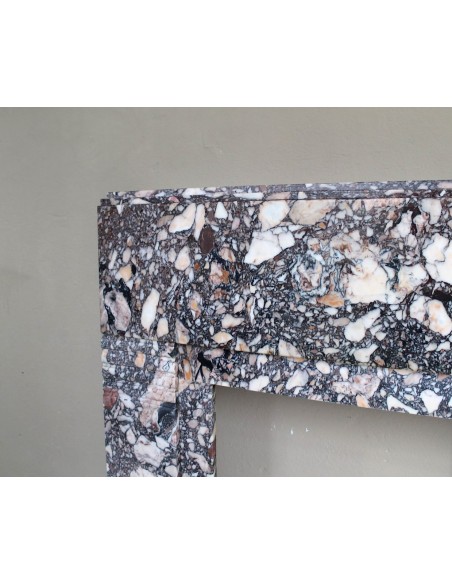
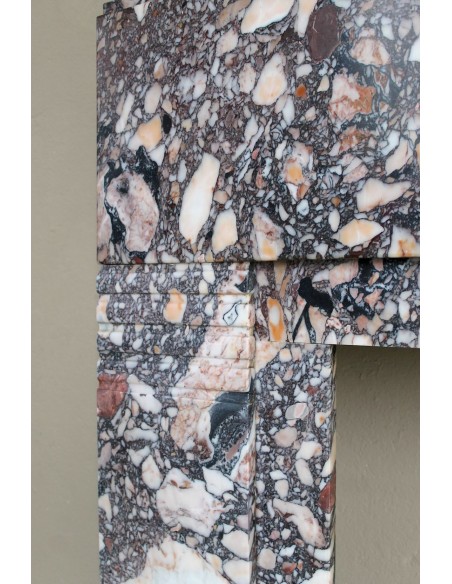
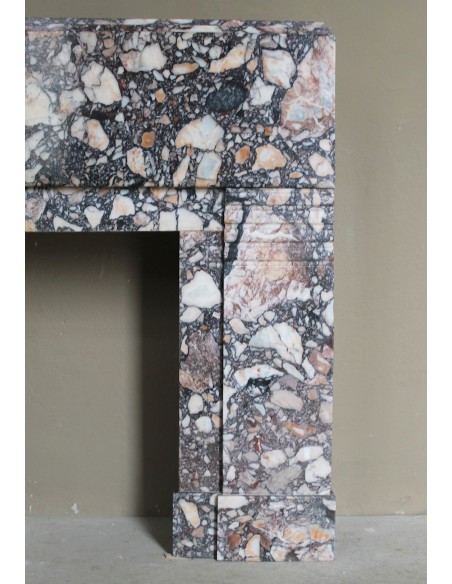
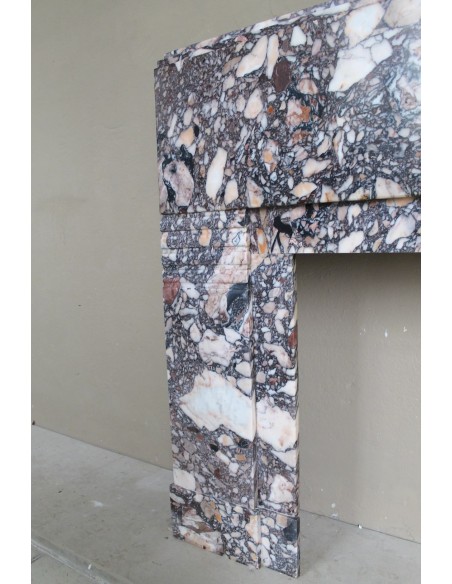
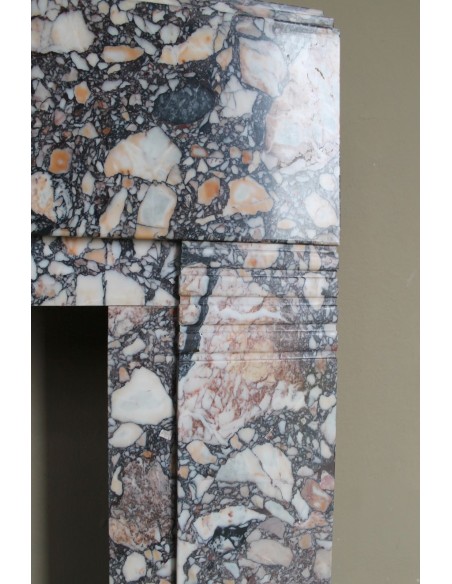
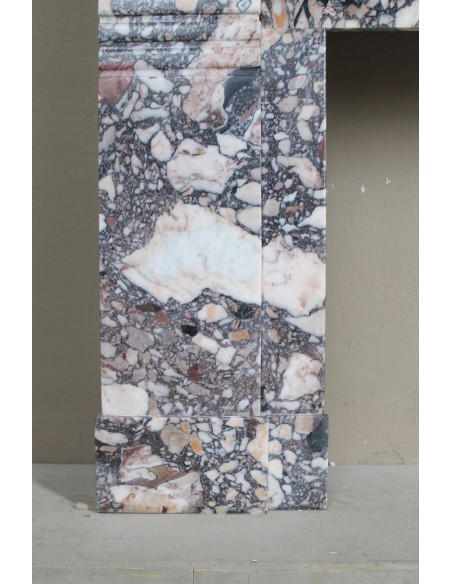
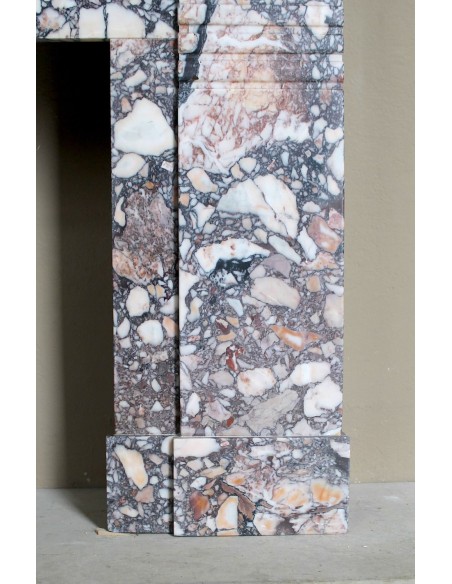
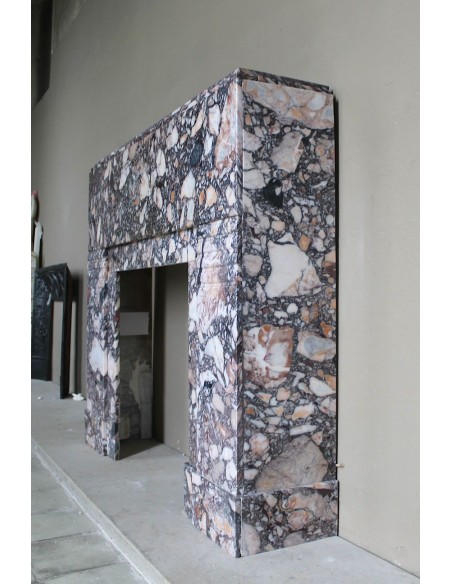
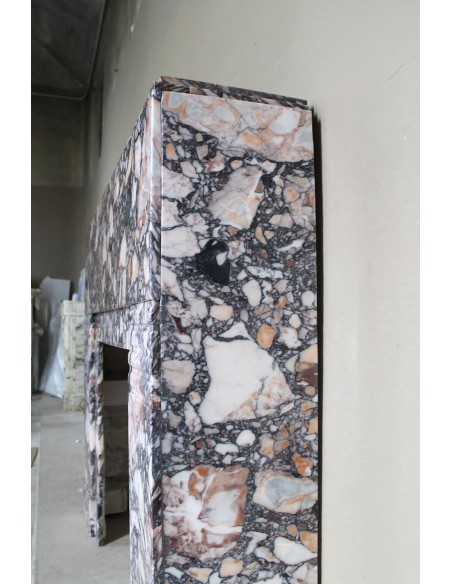
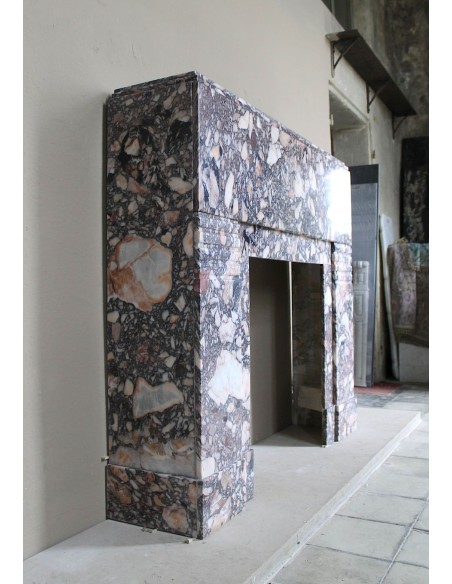
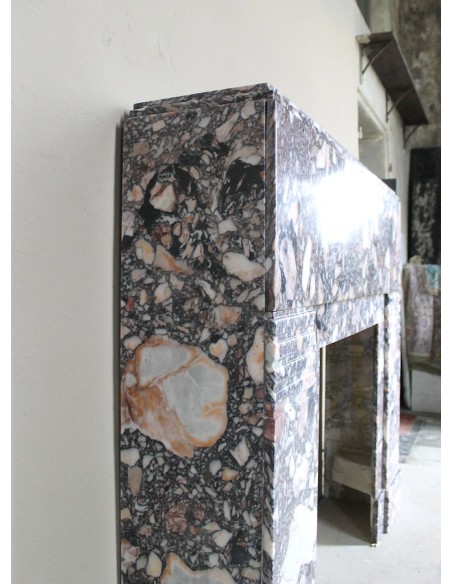
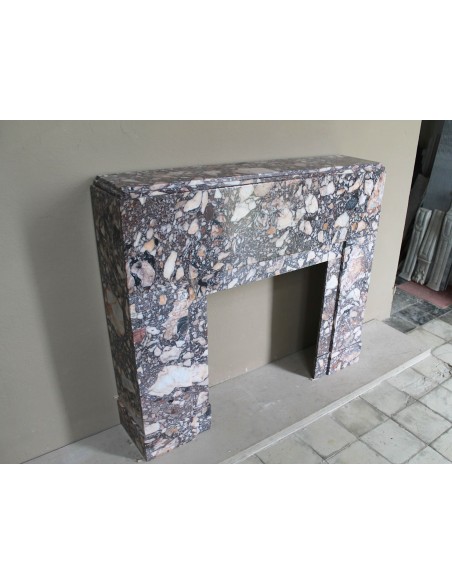
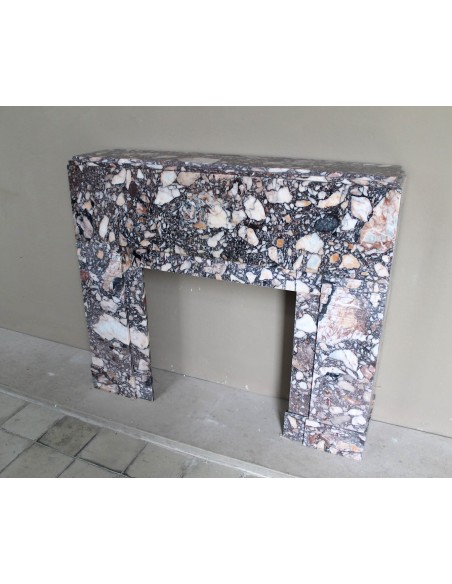
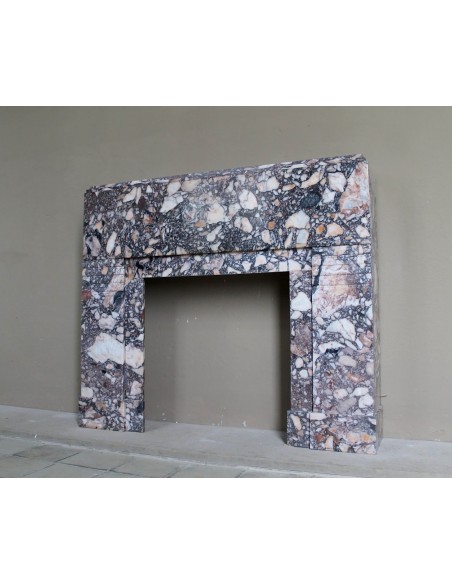
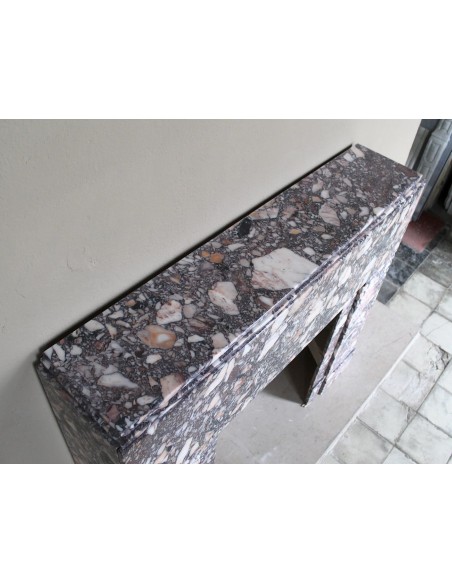
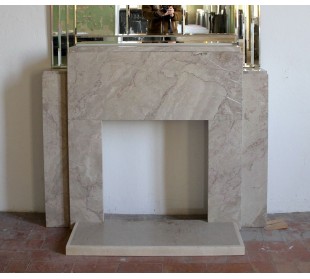
For several days this fireplace (unique of its kind—at least as far as I am concerned, since in HALF A CENTURY of work in the rather narrow field of antique fireplaces I had NEVER come across such a marble) had been troubling my sleep.
And please, do not laugh at my unease, because at a certain age (and mine is a very certain one) and after spending a lifetime surrounded by marbles, it becomes rather difficult to admit that one… cannot identify a marble—especially an ancient one. There are “Roman” marbles which, after two thousand years of diligent study, are still classified by international experts with the wording “quarry not identified.” And that is understandable—two or three thousand years ago quarries were not exactly catalogued… nor published on Wikipedia!
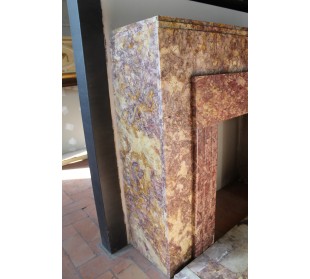
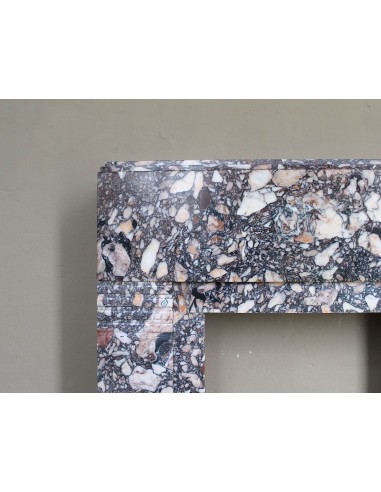
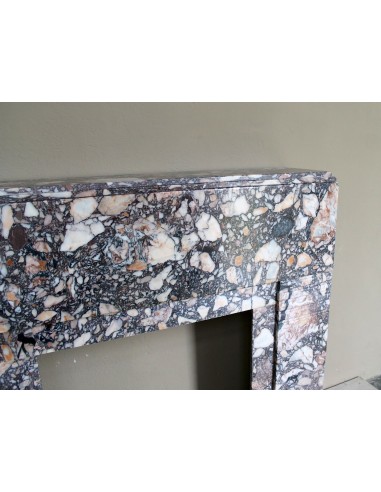
Nothing to be done: think and rethink, search and research, examine again and again its slabs (which, moreover, have an extraordinary visual impact…)—I could not make headway. Until finally… I raised the white flag and called a friend: Massimo Borsari of Modena, heir to a dynasty of important marble craftsmen.
He is of my venerable age and possesses an experience that is not only his own but also rooted in that of at least two previous generations of master marble workers. Since retiring, HE WORKS MORE THAN BEFORE AND IS CONSTANTLY BUSY, but knowing that we would spend several hours chatting—four hours, in fact, because we talked for four hours—reminiscing about certain moments of our youth, he nevertheless found the time to come and see this fireplace.
I showed it to him, proud of this rarity, and waited for his verdict.
Massimo stood there in front of it… and stopped. He seemed almost in a trance… silently observing those marble slabs that refused to speak. He was struggling with himself, with his memory… he had sensed something, but it would not surface… a blurred image, not clearly defined…
I remained silent so as not to disturb his concentration.
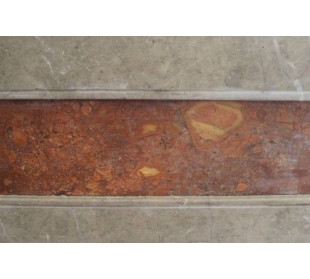
“IT IS AN ANCIENT AFRICANO,” he finally said, and he said it with certainty. “ALSO CALLED ‘LUCULLEUM’ OR, IF YOU PREFER… ‘BRECCIA ROMANA.’”
Then he added:
“The strange thing, Maurizio, is that this marble is called Africano, Breccia Romana, or Luculleum… yet it was quarried in Teos, a city near Smyrna, in Turkey!”
Good heavens—I would have kissed him, I was so relieved to have untangled the knot that had been tormenting me. Instead, I simply gave him a friendly slap on the shoulder and said:
“Well, it took you quite a while to figure out this marble… I suppose you’re getting old!”
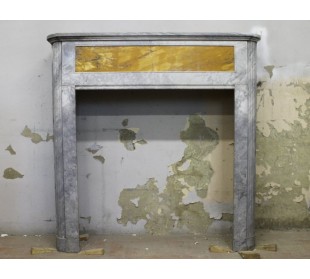
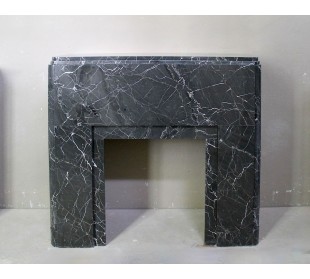
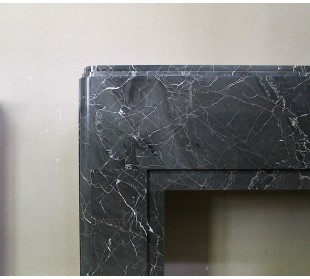
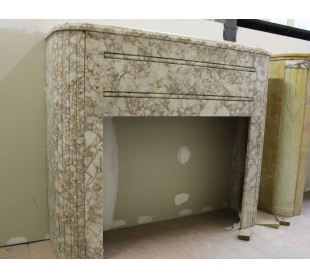
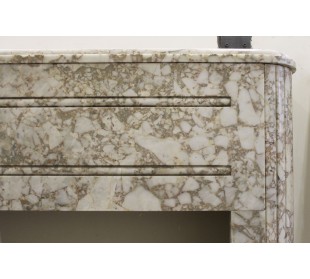
In any case, it was a wonderful afternoon spent with Massimo, and for that I must thank our extraordinary and extremely rare Art Deco fireplace.
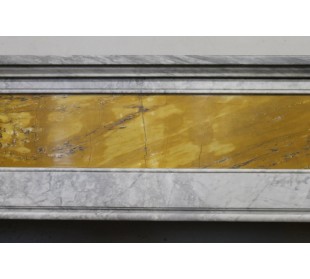
THIS FIREPLACE WAS DISCOVERED IN THE HISTORIC CENTER OF THE ANCIENT (OVER ONE THOUSAND YEARS OLD) CITY OF EINDHOVEN, IN THE NETHERLANDS. ITS DATE OF BIRTH CAN BE PLACED BETWEEN 1925 AND 1935, AND ITS STATE OF CONSERVATION IS PERFECT.