ON HOLD

SHARE ON:
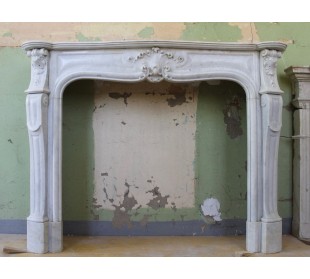
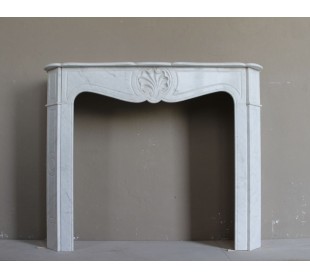
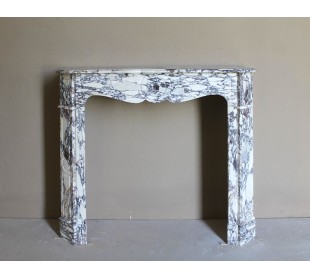
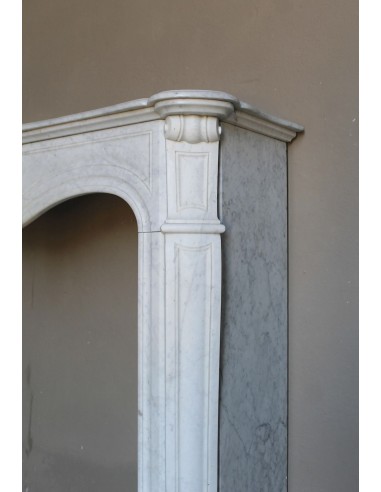
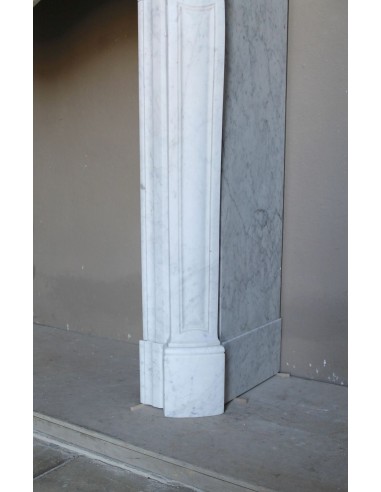
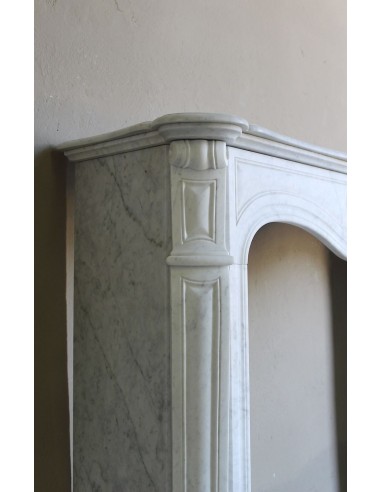
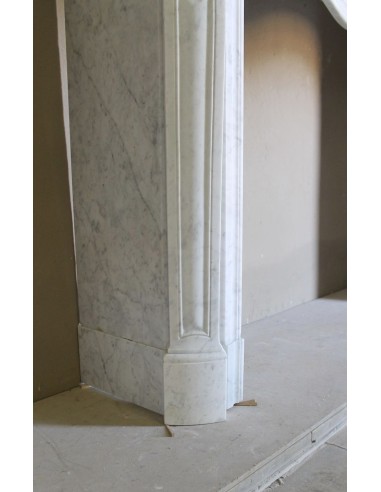
Before even describing the stylistic qualities of this fireplace — and I believe this may be the first time I have encountered such a combination — I felt inclined to tell you how this piece came into being through the artistic and practical collaboration of no fewer than three different peoples.
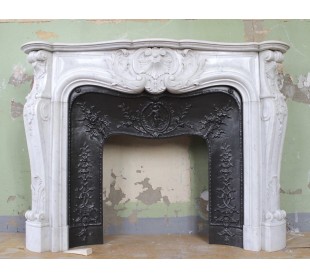
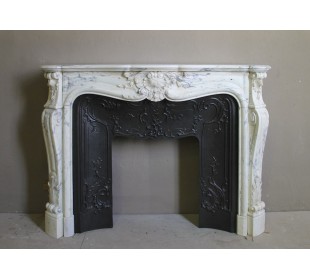
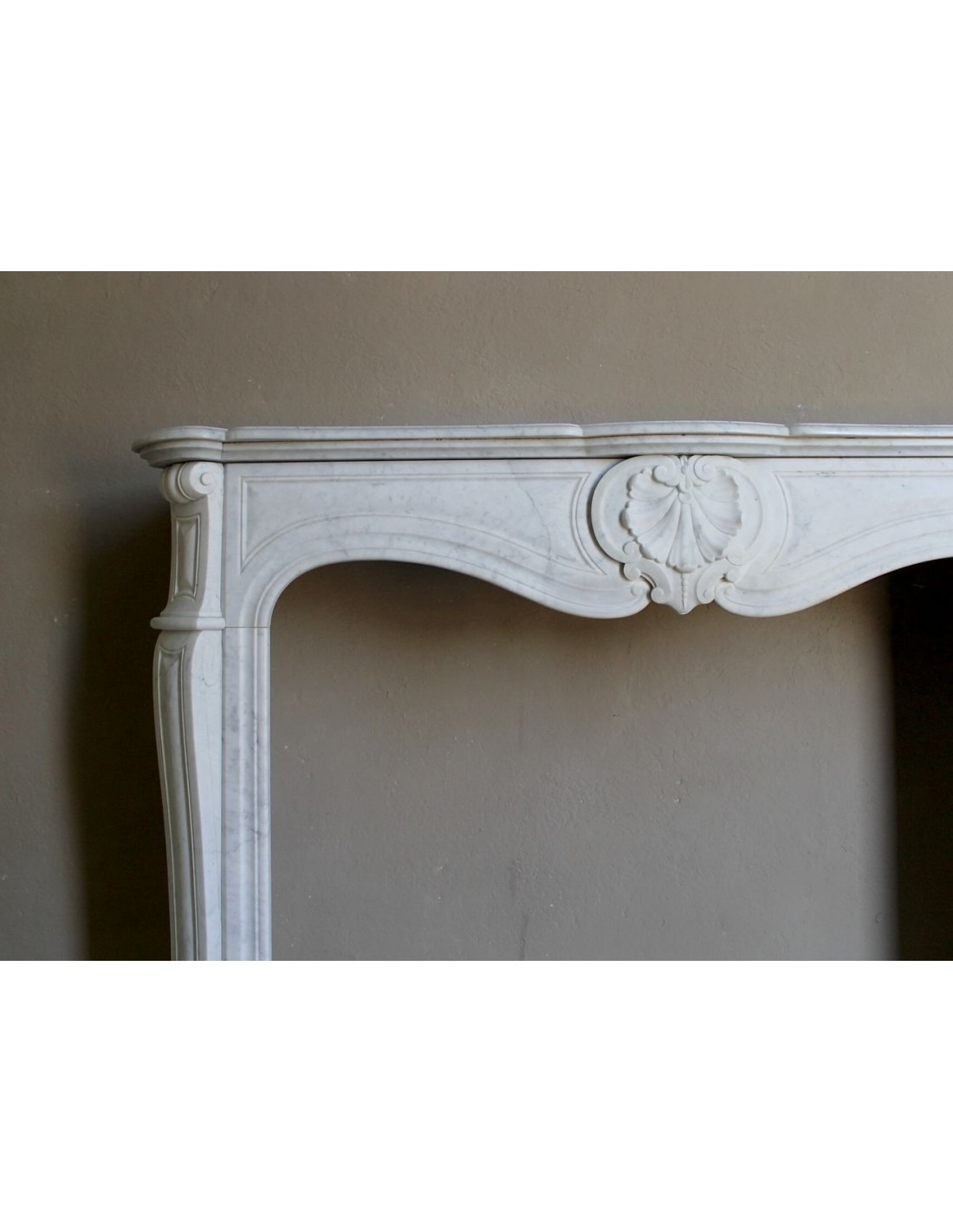
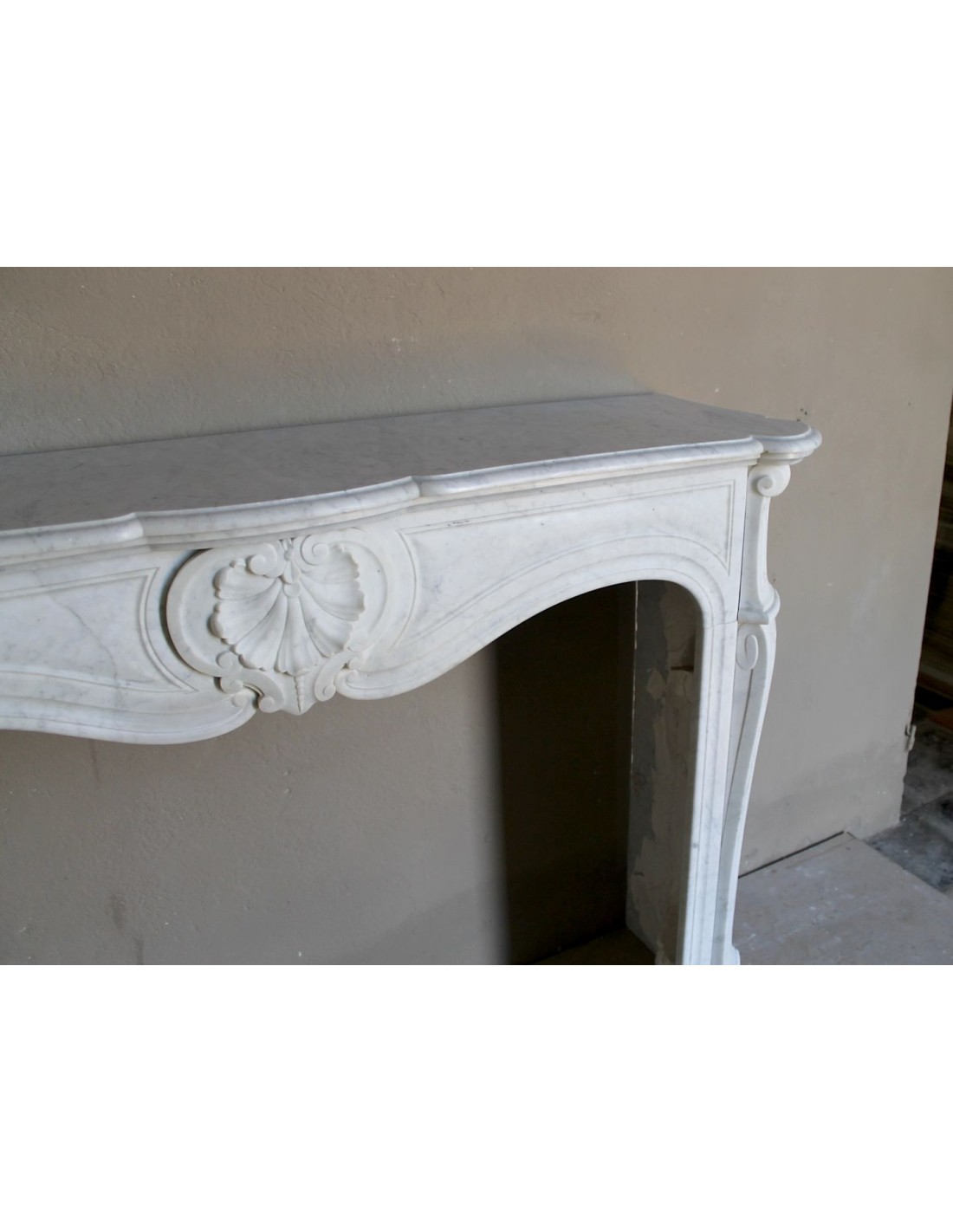
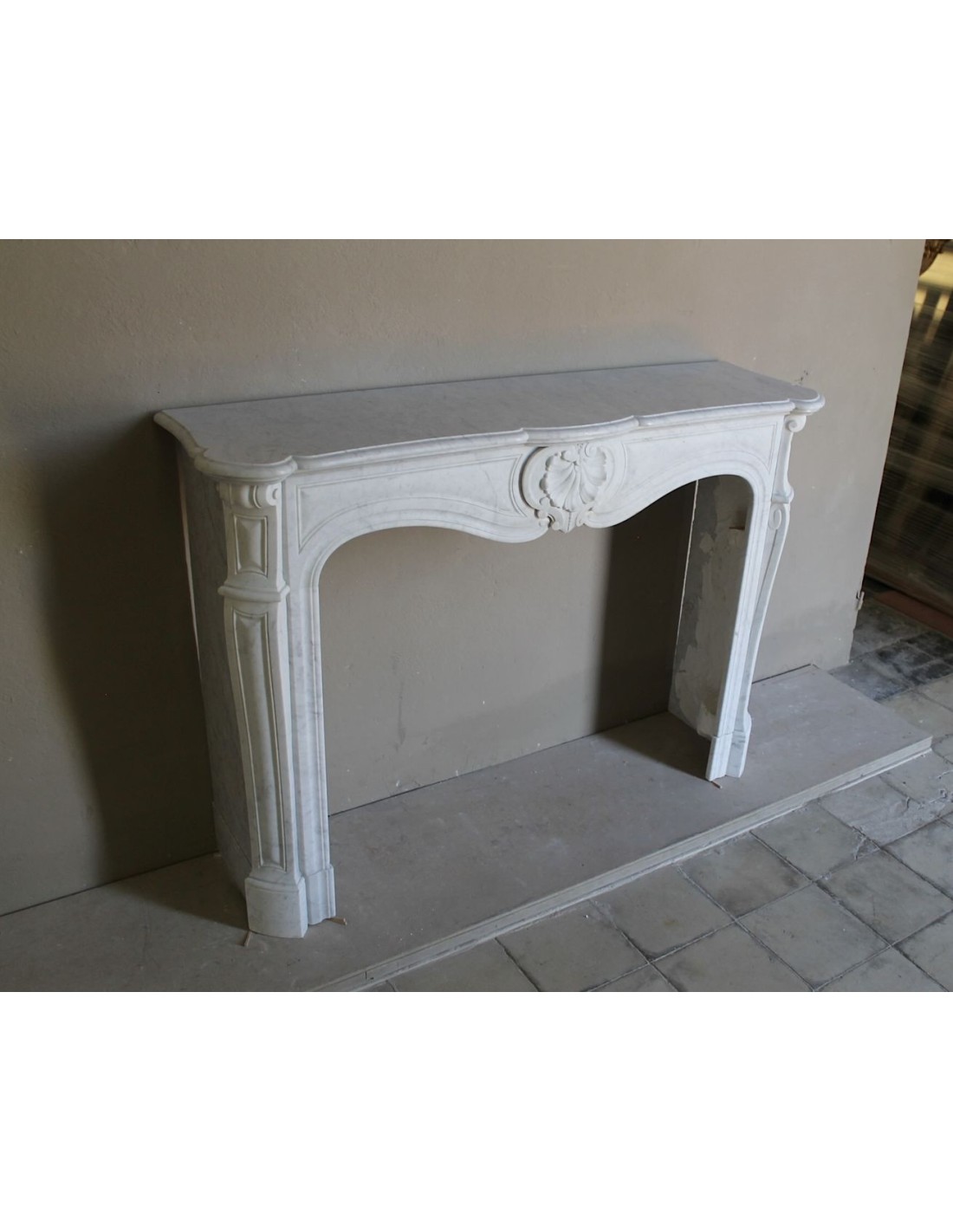
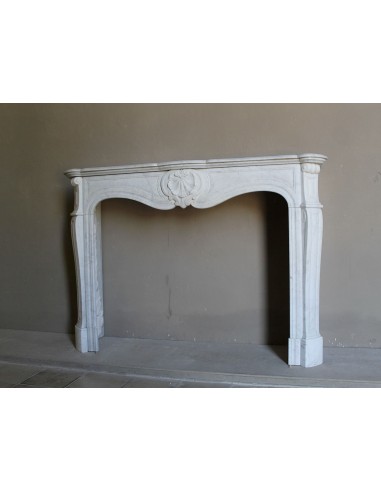
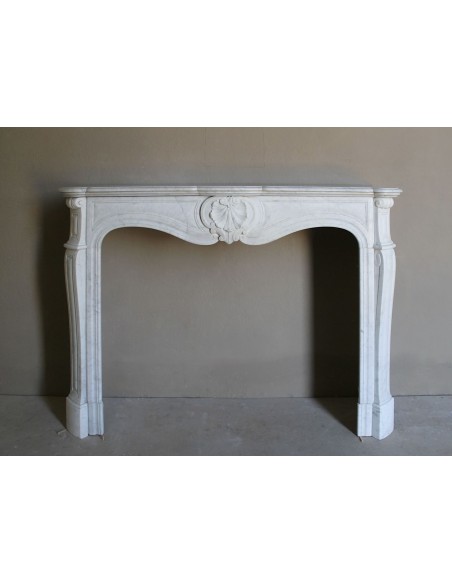
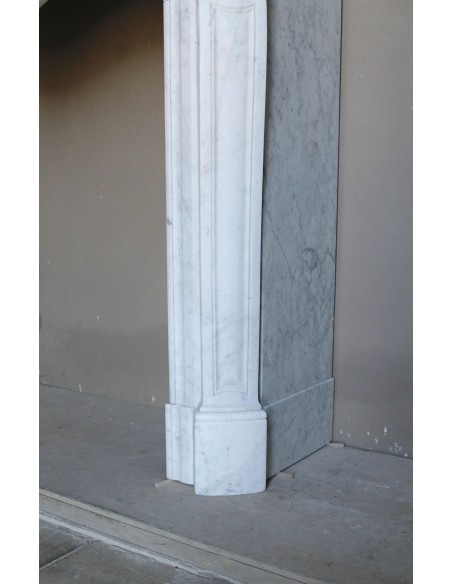
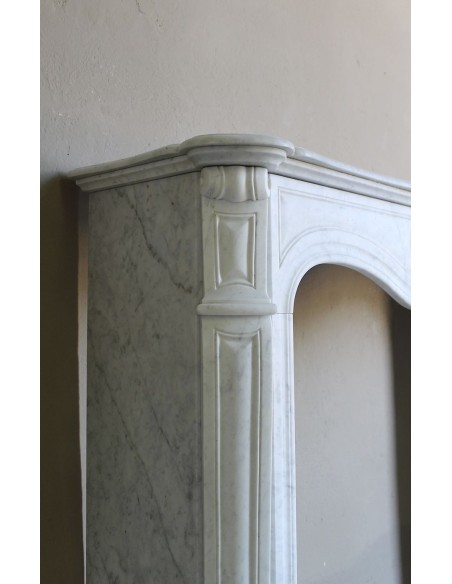
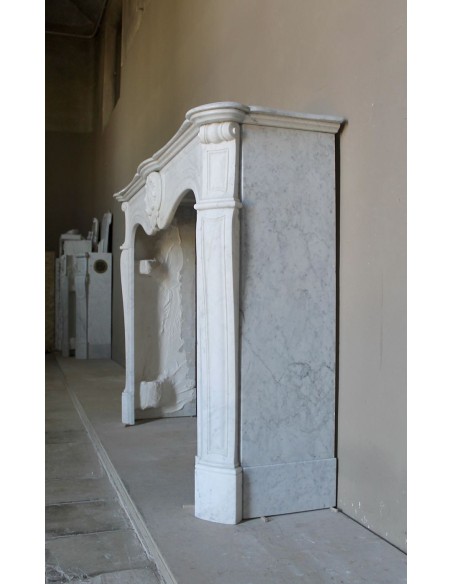
The French, to whom credit is certainly due: the style of this fireplace is unmistakably Louis XV, French to its very core.
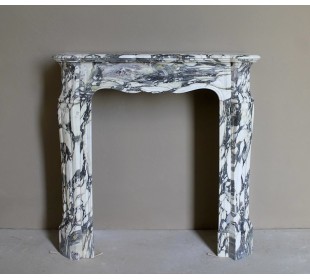
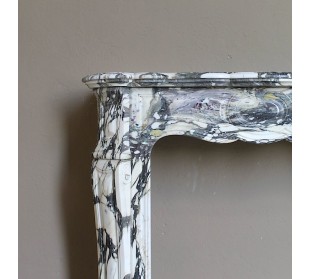
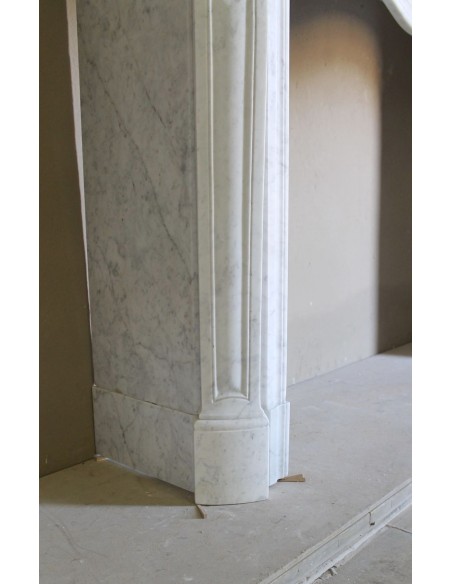
The Italians, who supplied the magnificent white Carrara marble from the Apuan Alps.
And finally the Spanish, who provided the Basque craftsmen responsible for the carving. Perhaps not quite at the level of the great Italian sculptural schools — though certainly highly skilled — and since the French often preferred to retain the design work for themselves while entrusting the execution to others, part of this production found its way to the Basque lands. The finest and most prestigious commissions, of course, were still reserved for Italy — Pietrasanta, Sarzana, Carrara and so on.
Quite a charming collaboration, isn’t it? Perhaps the European Union truly began with our fireplace.
Now, leaving aside this amusing thought, let us look more closely at the piece itself.
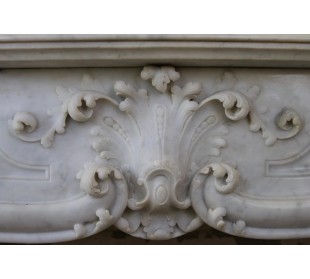
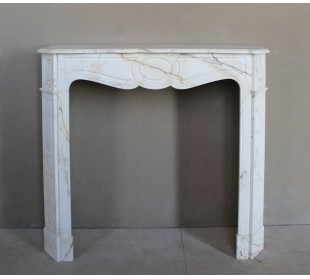
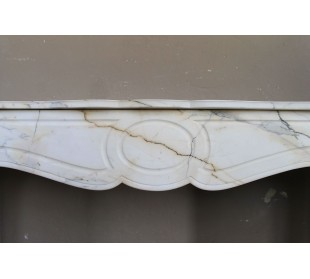
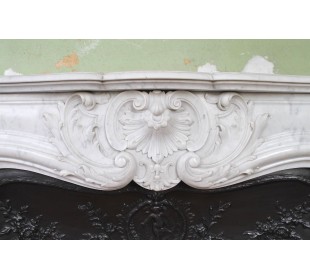
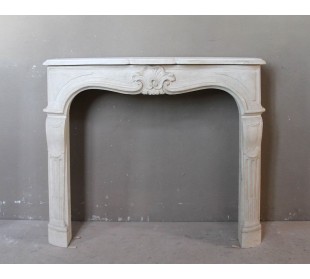
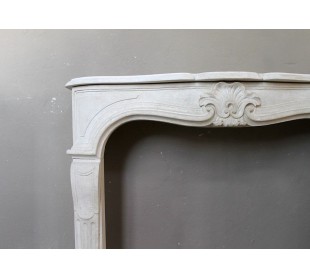
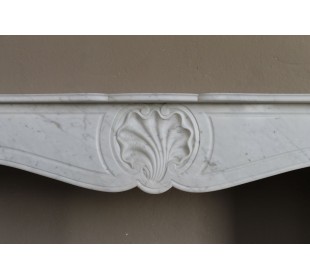
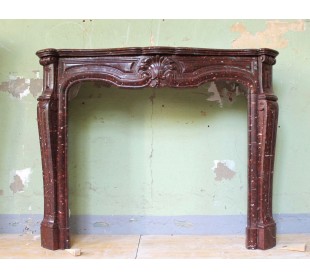
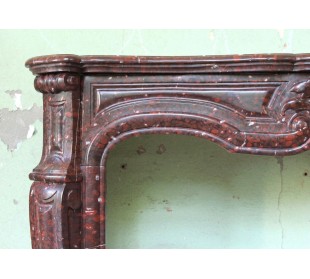
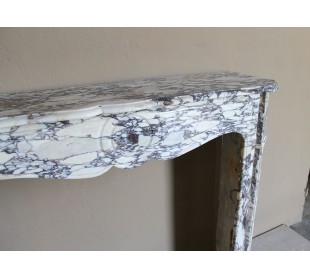
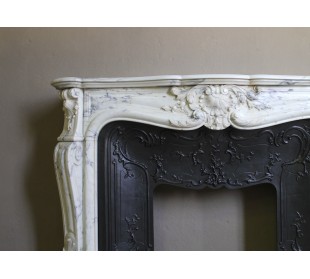
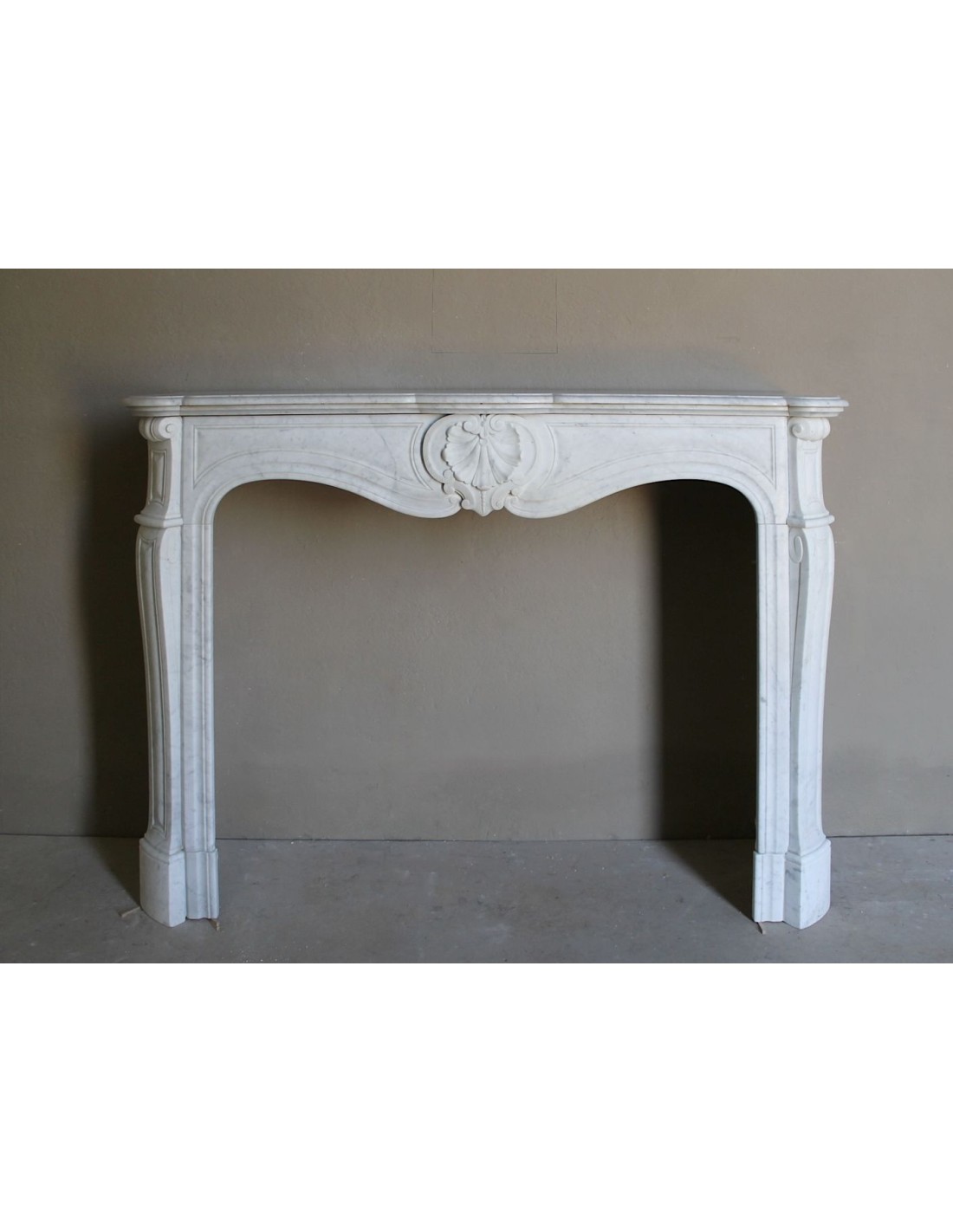
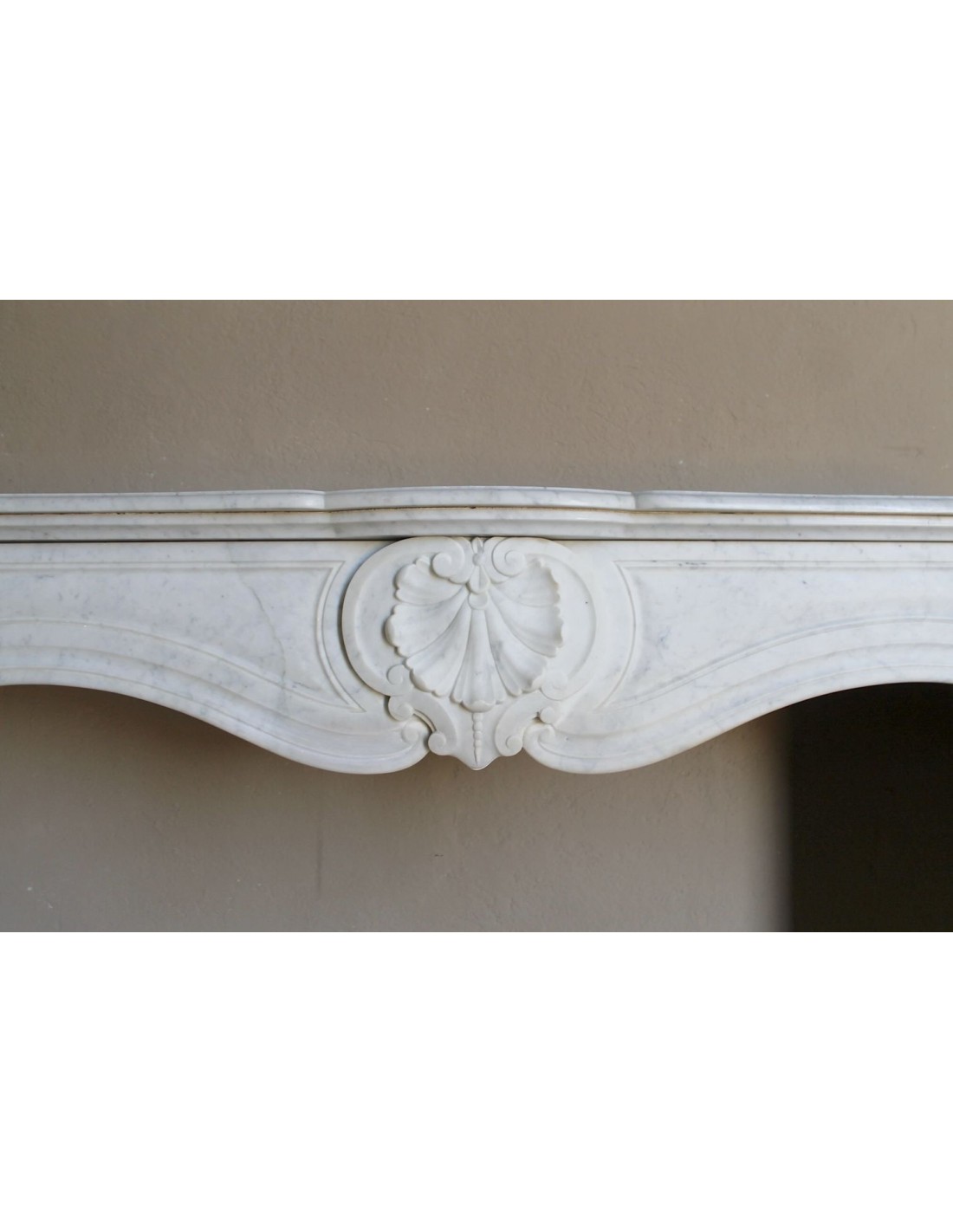
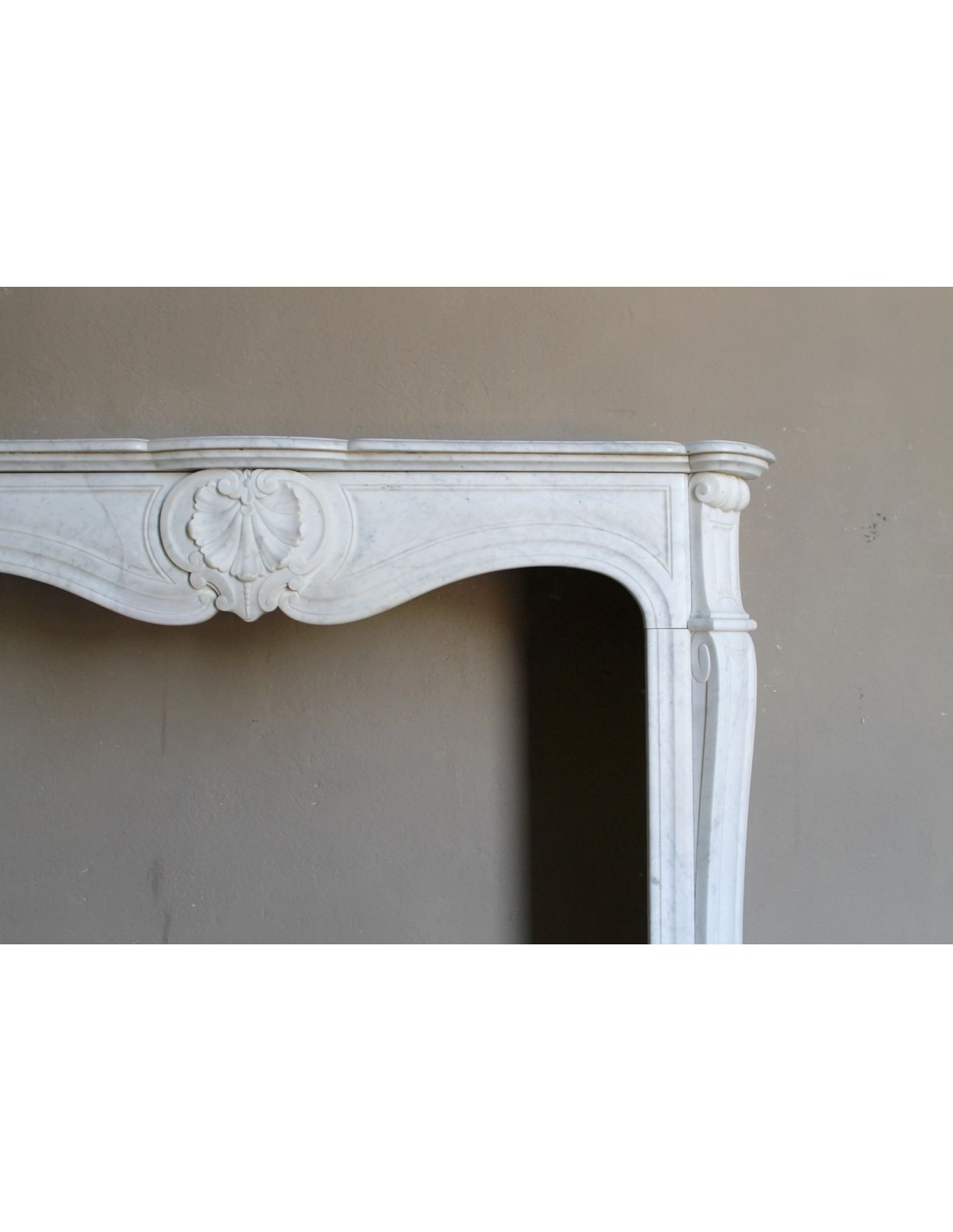
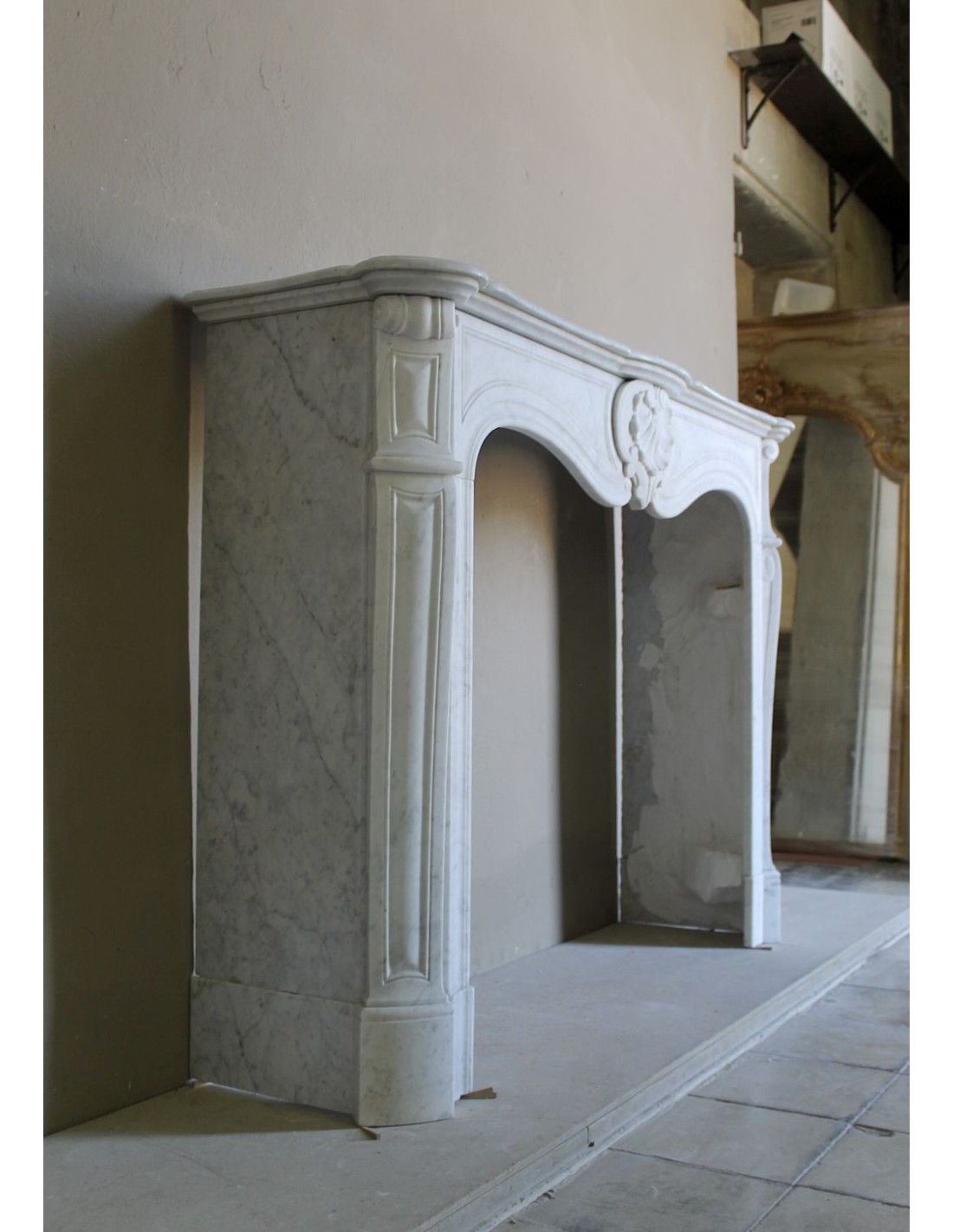
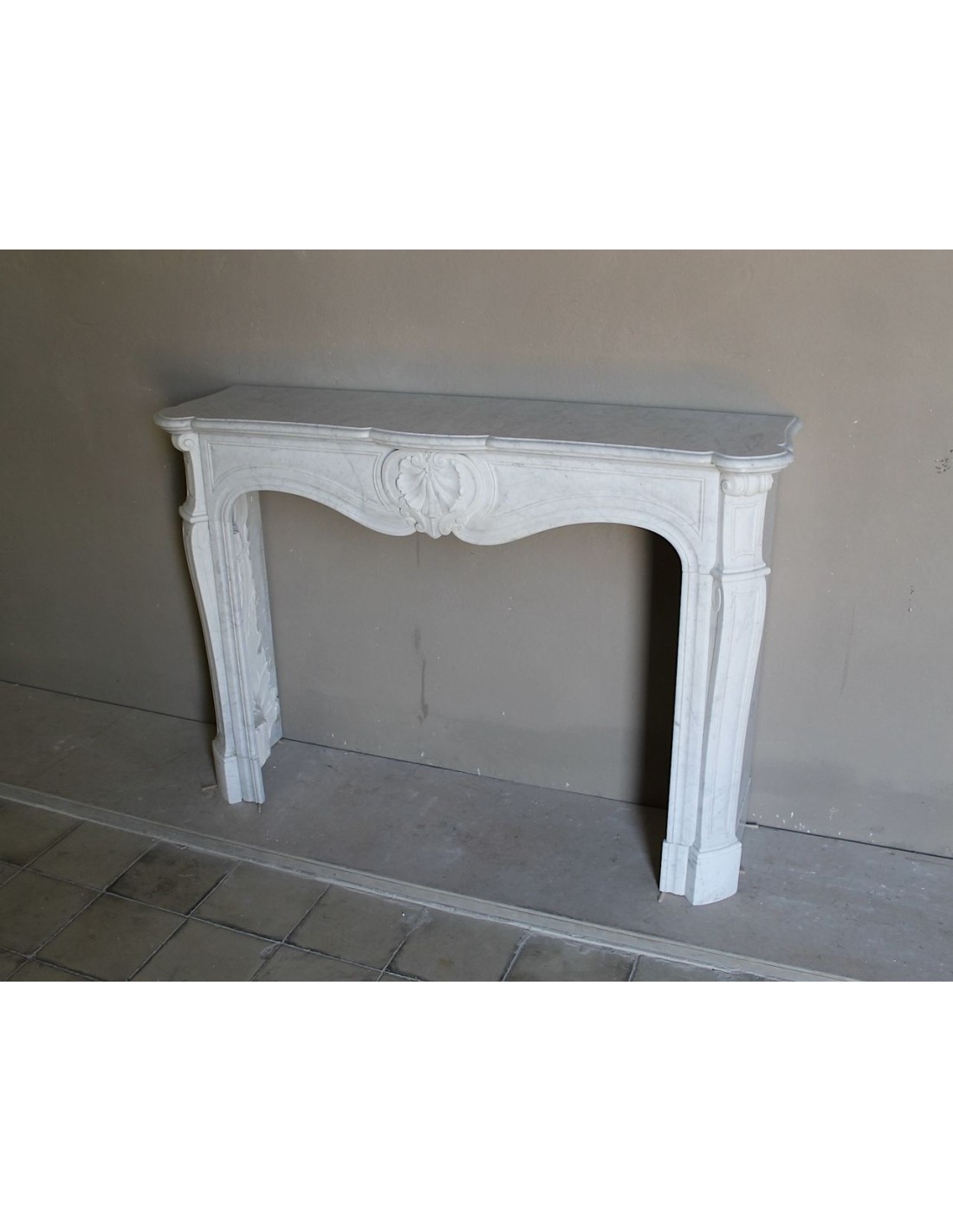
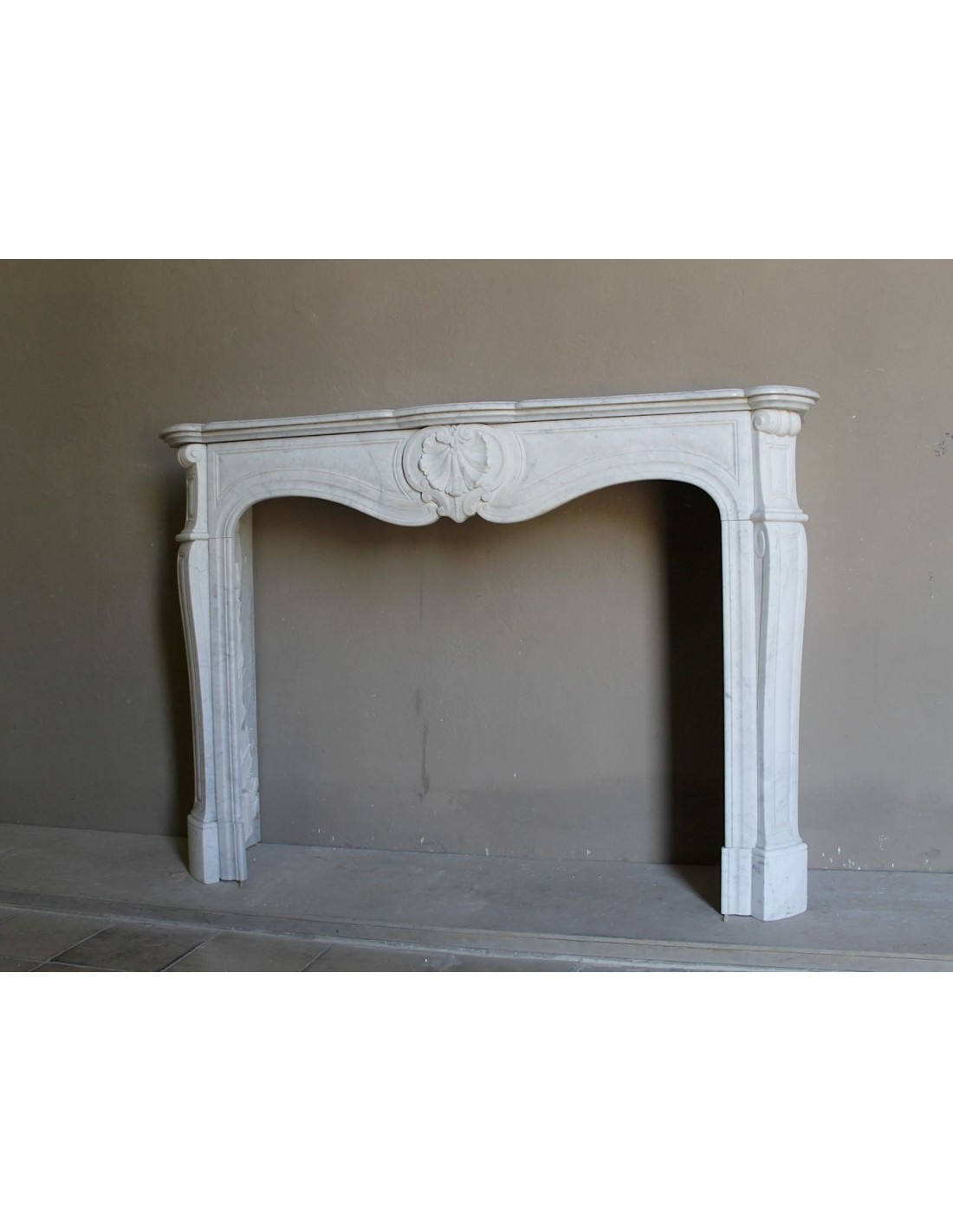
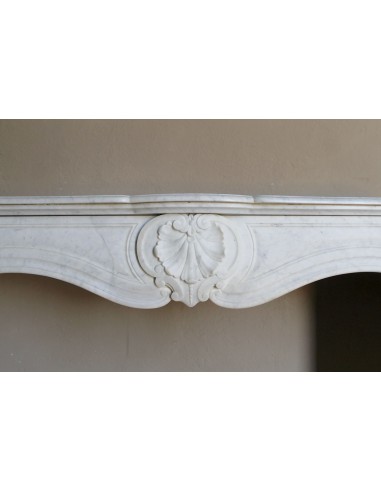
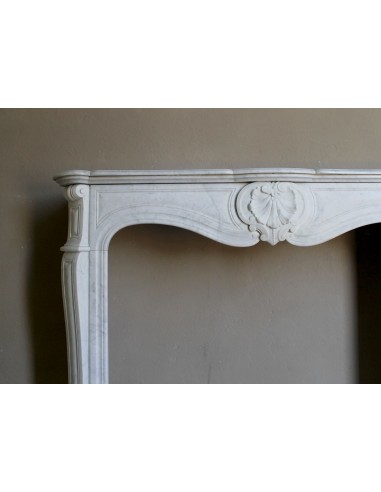
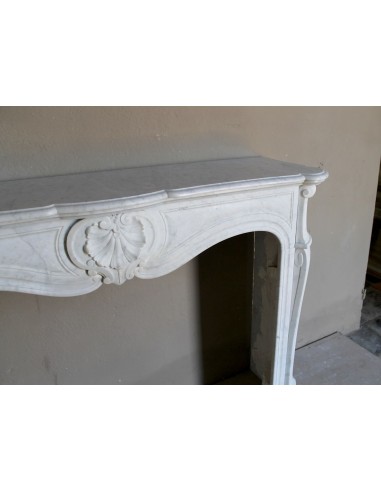
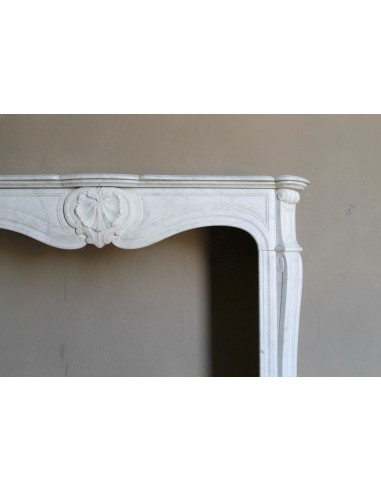
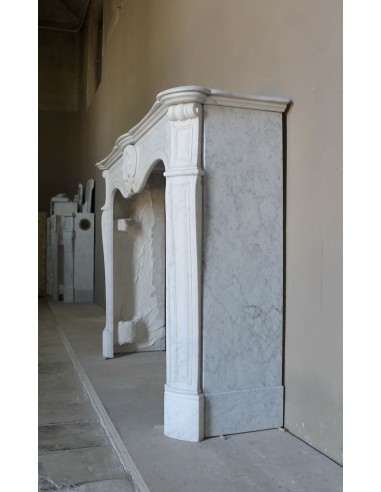
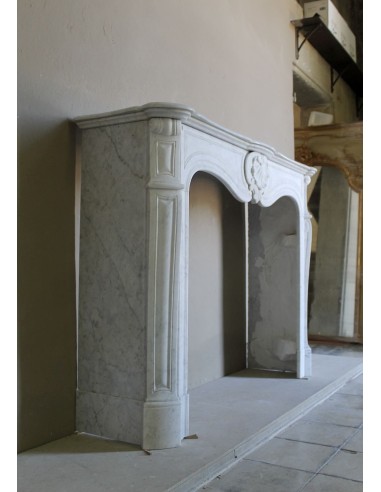
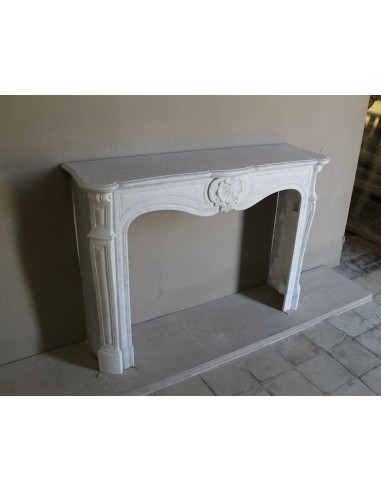
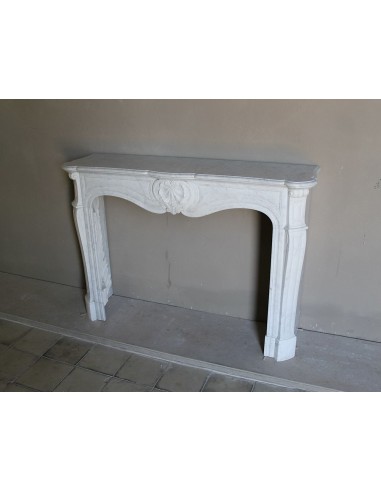
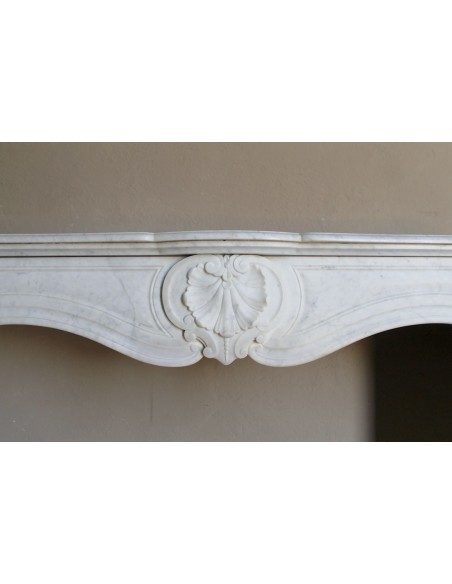
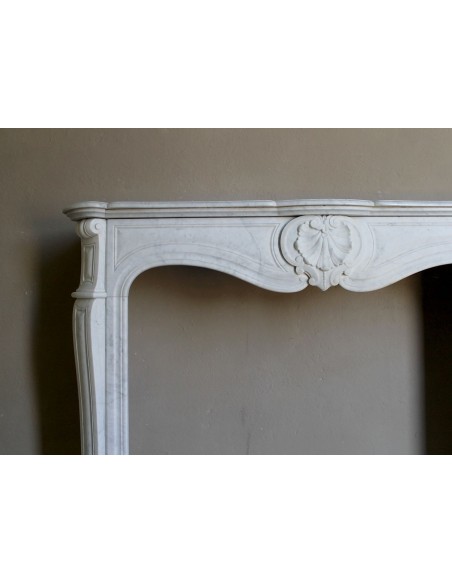
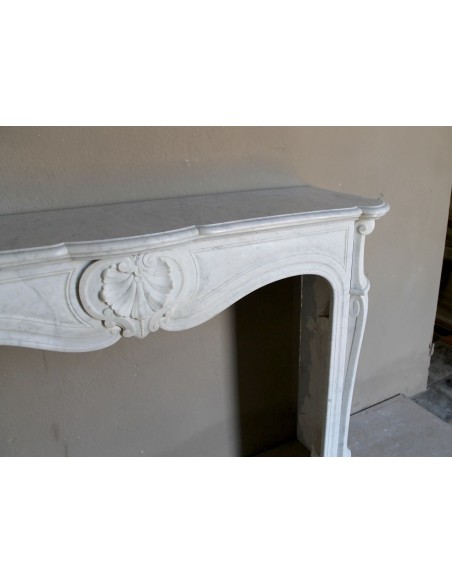
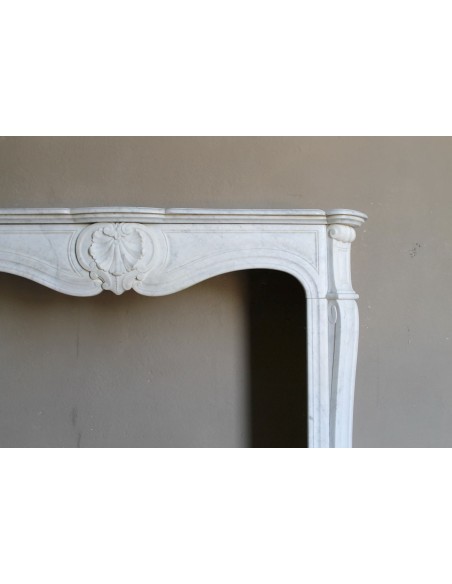
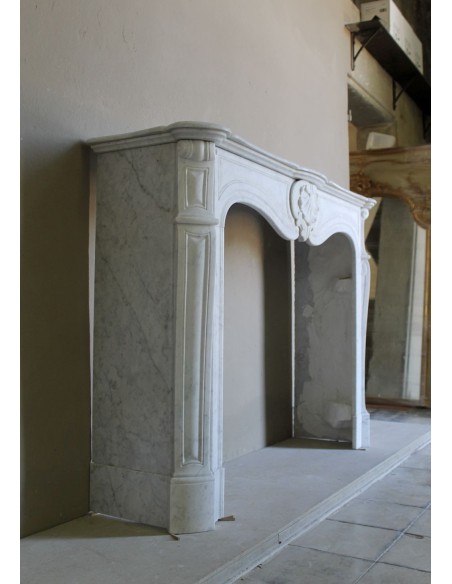
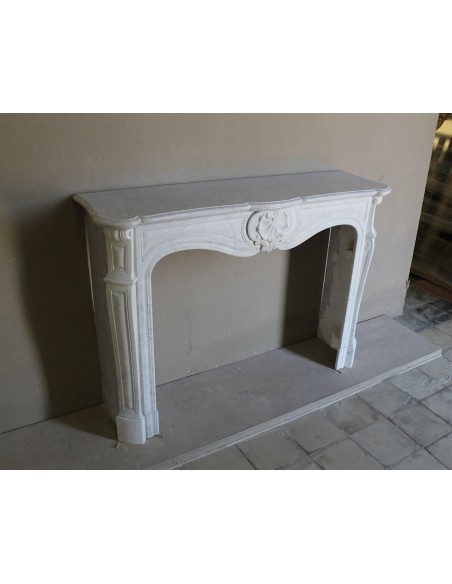
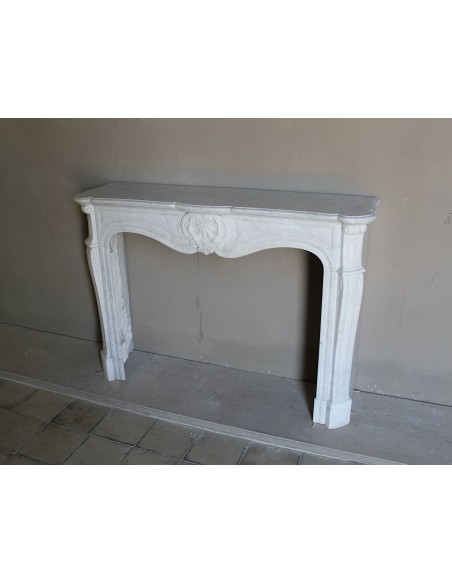
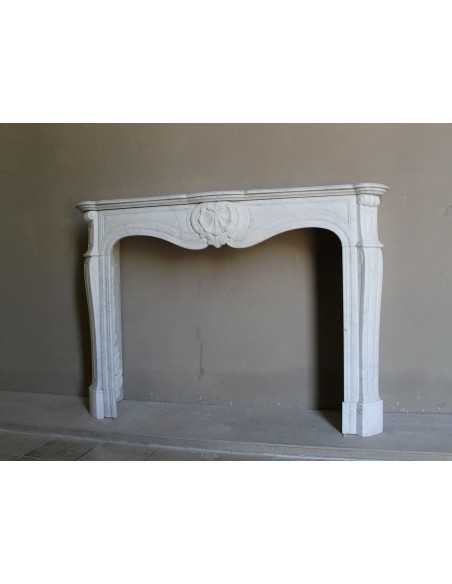
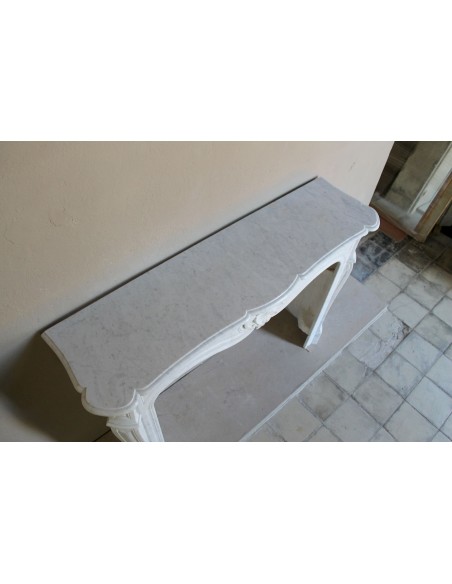
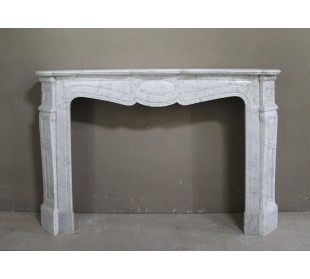
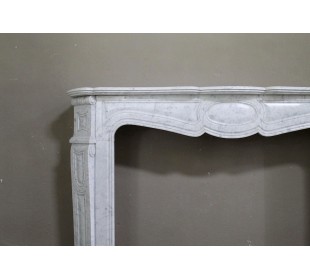
This fireplace features a single shell motif — hence its name, “Coquille”, singular — whereas many fireplaces from the same family display three shells: two smaller examples on the sides of the frieze and a larger one at the centre.
And this particular shell deserves attention, because its sculptural design is entirely distinctive. It departs from the classical representation of the shell and possesses a character entirely its own — remarkably refined, in my opinion.
Not only that: suspended beneath this finely carved shell is what appears to be a genuine weapon — the sting of a scorpion.
As is often the case with symbolic carvings found on antique fireplaces, this detail carries meaning: the owner of this fireplace was intended to be perceived as a strong man, capable of defending himself.
The shell itself traditionally carries a triple symbolism: fertility, rebirth and femininity. Owing to its resemblance to the maternal womb, the shell has historically been associated with fertility, abundance and the feminine principle. It also evokes birth and renewal, symbolising life emerging from water.
This fireplace was discovered and carefully dismantled in Villefranche, a charming town roughly ten kilometres from Monaco, in the Provence-Alpes-Côte d’Azur region.
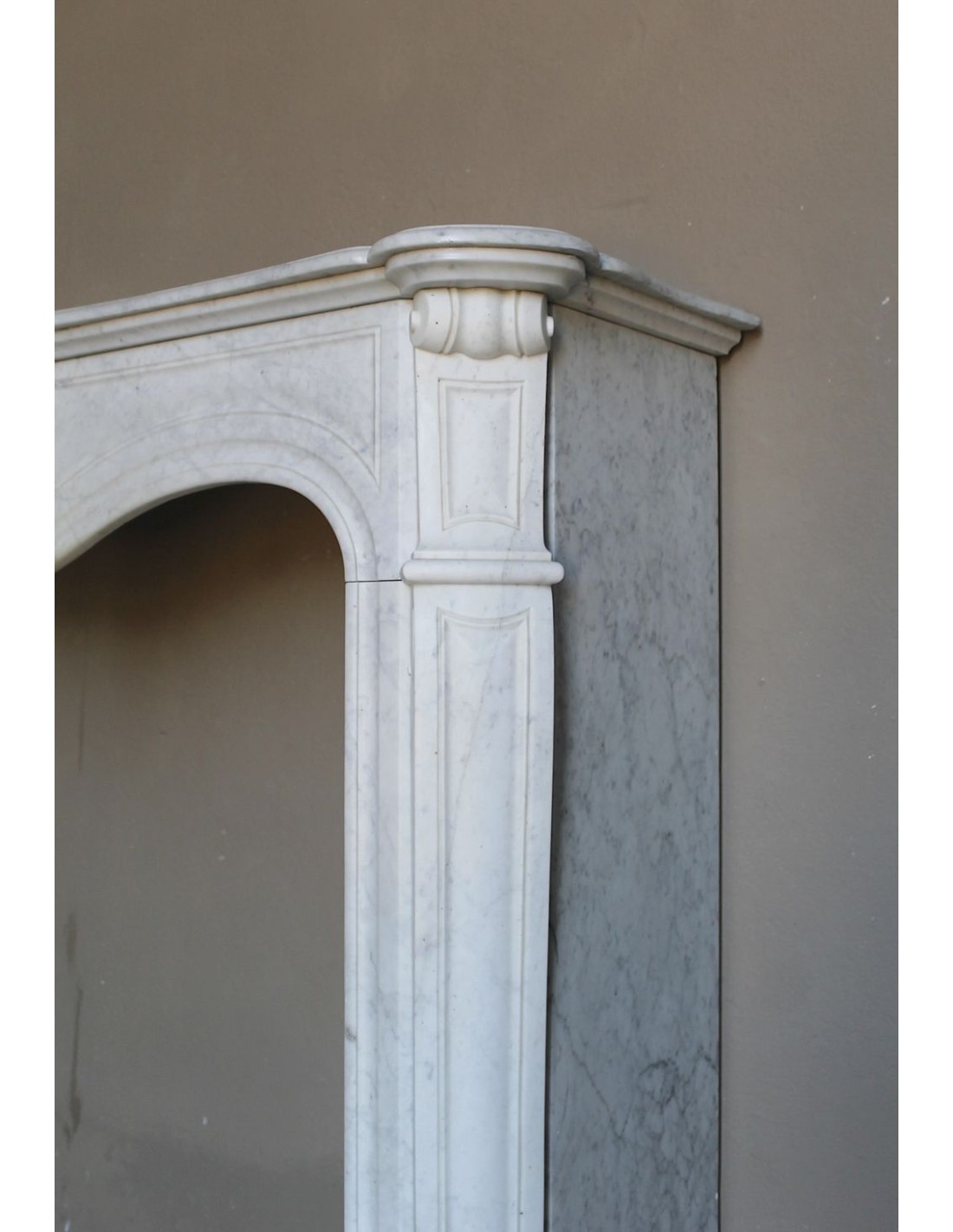
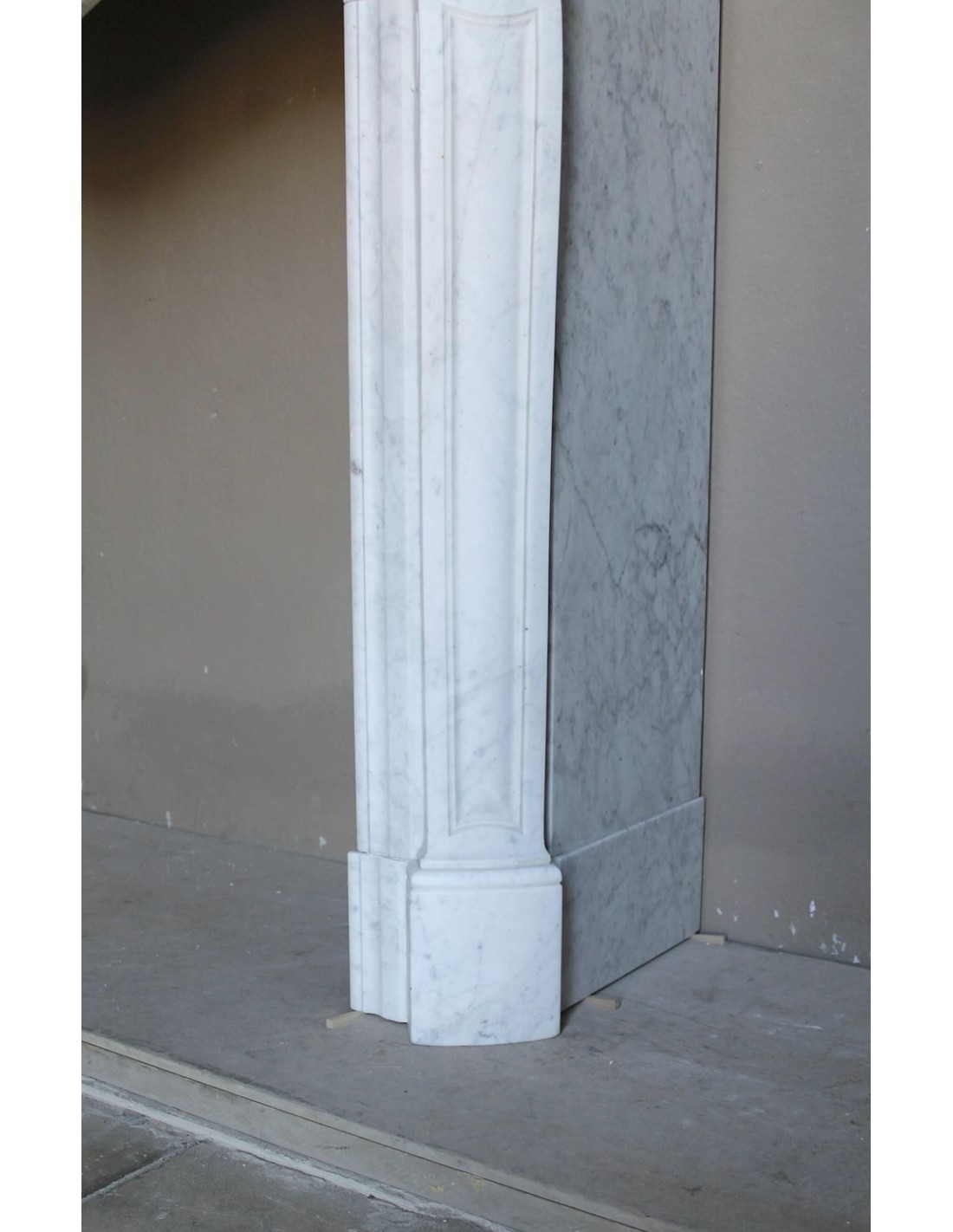
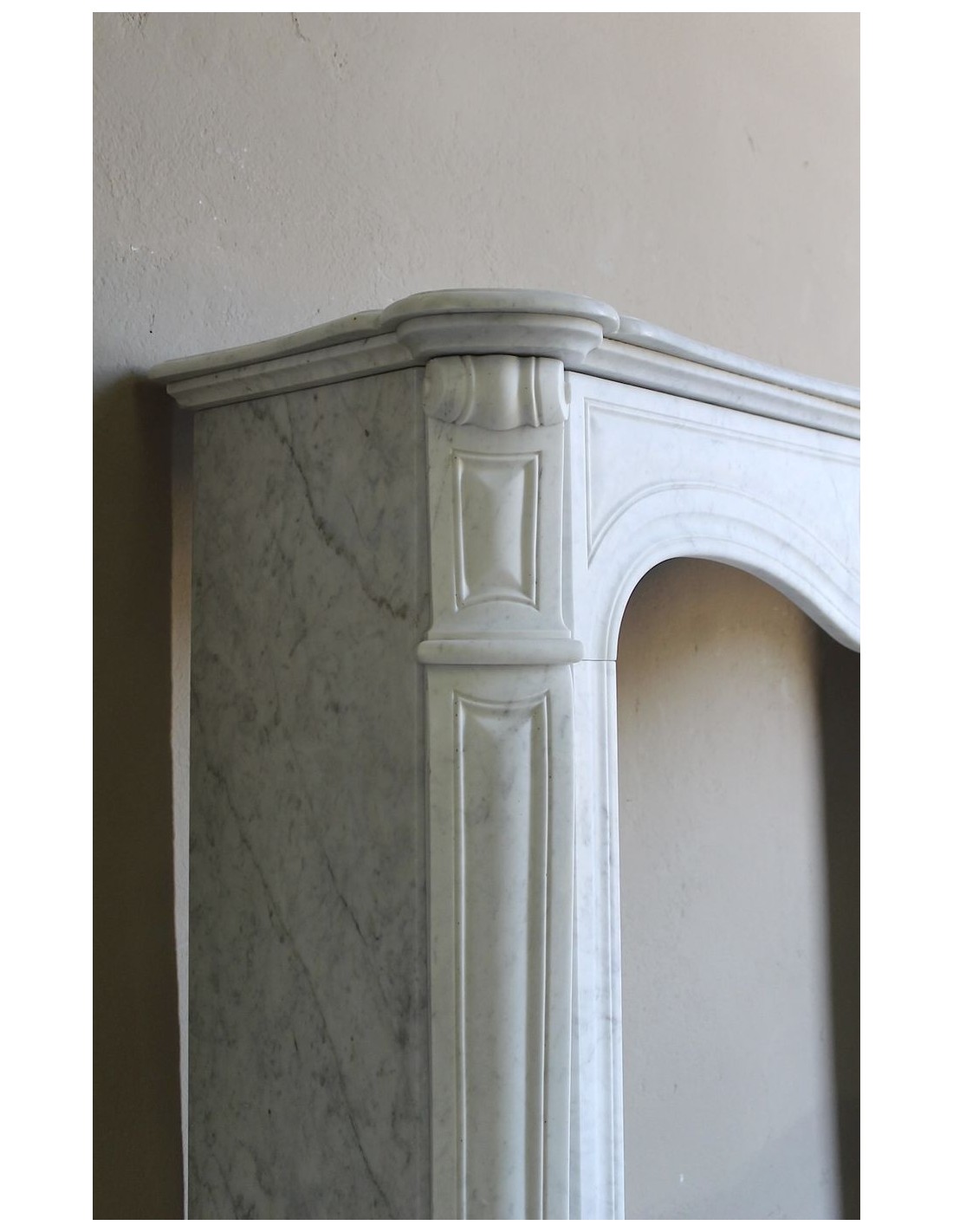
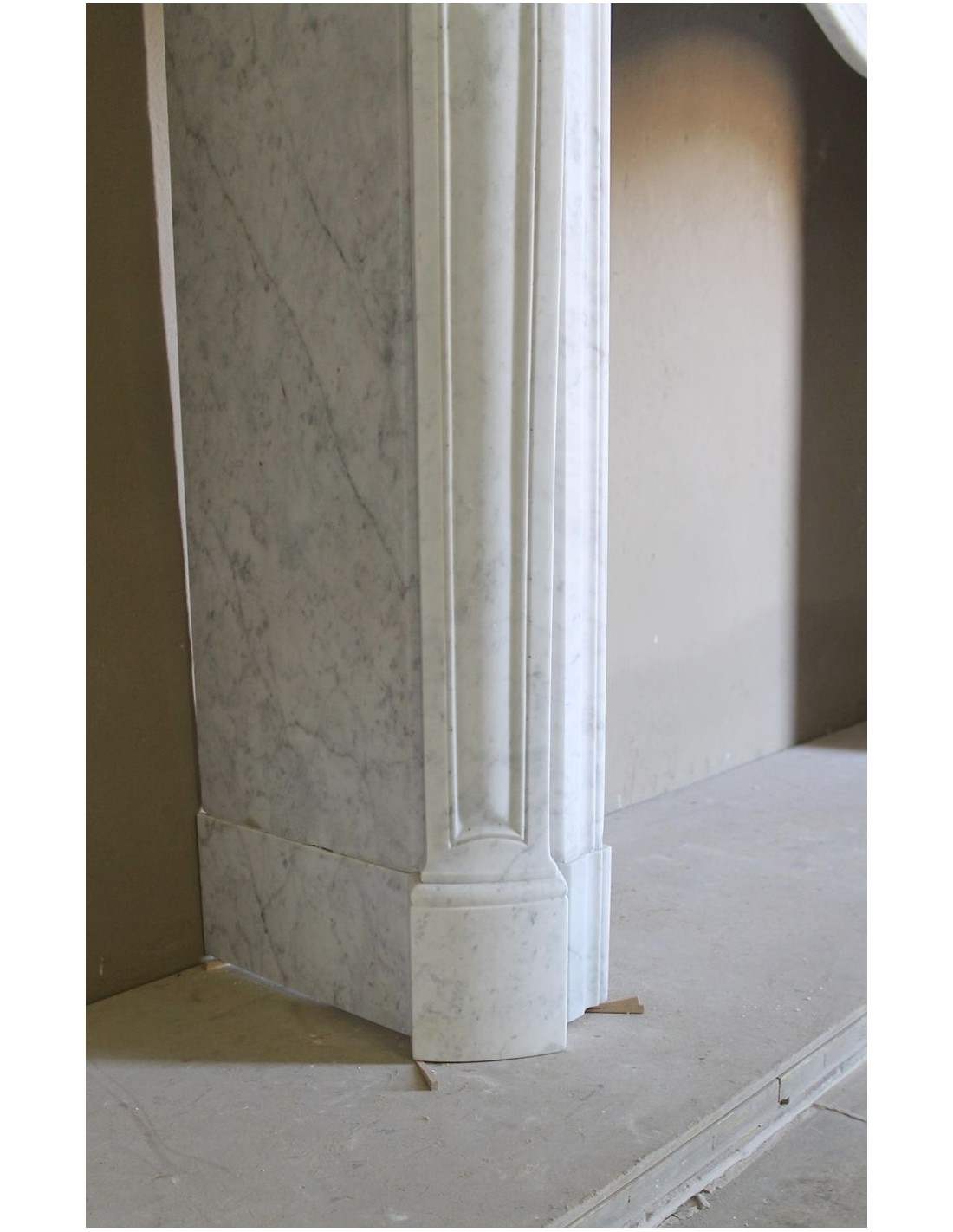
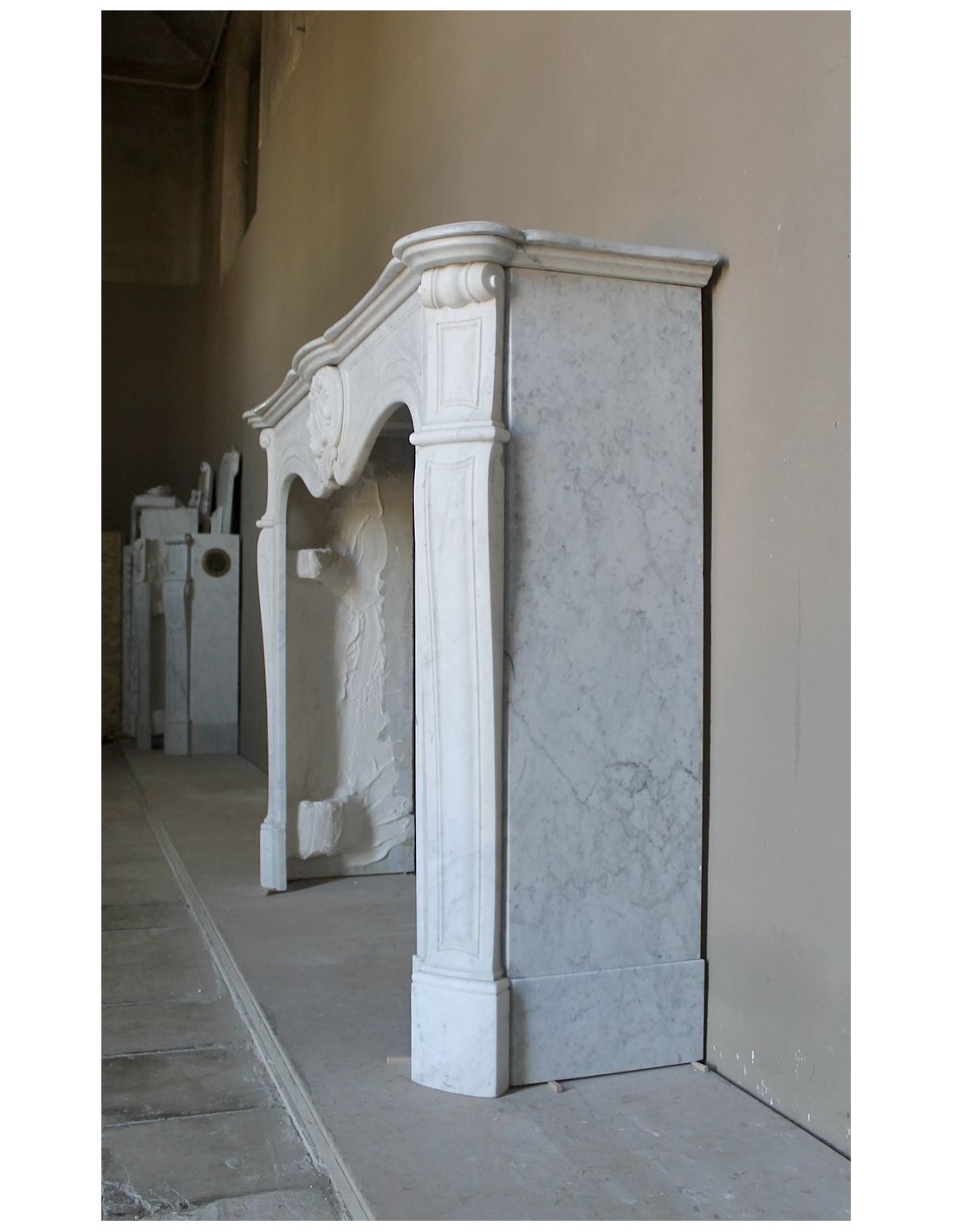
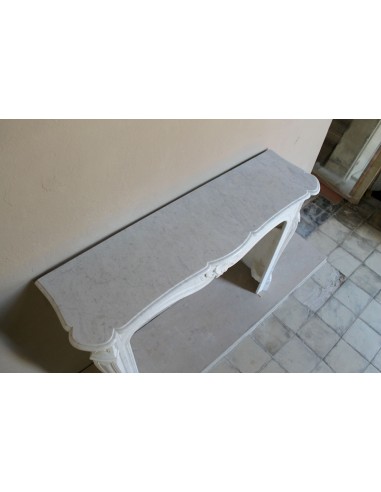
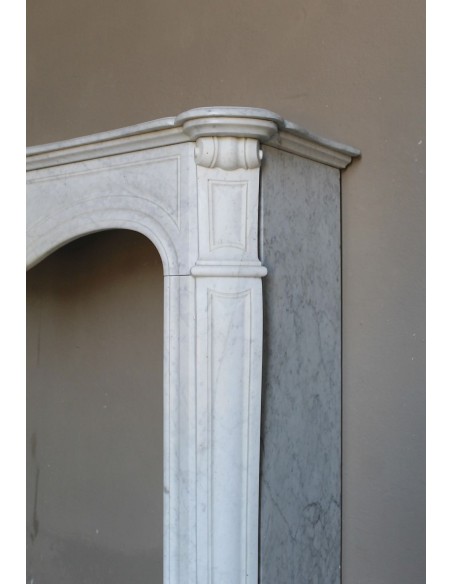
It dates from the second half of the nineteenth century and remains in excellent overall condition.