A few days ago, I was reading an article in a well-known art magazine discussing what many commentators are calling the decline of the contemporary art market. Prices falling, speculative investments disappearing, collectors questioning values that only a few years ago seemed untouchable.
Whether or not one agrees with those conclusions is beside the point.
What struck me most was a simple thought.
True craftsmanship never follows fashion.
It survives it.
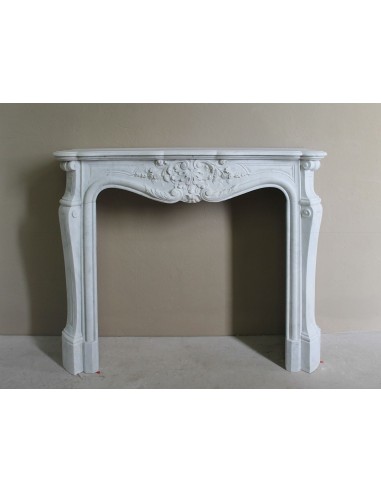
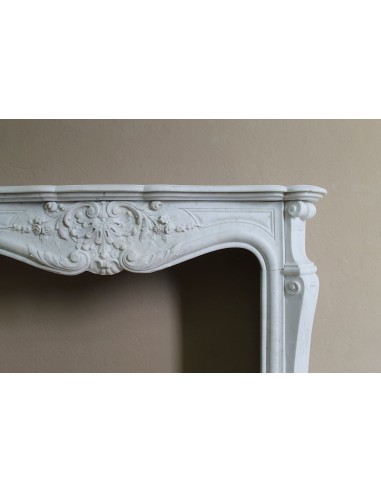
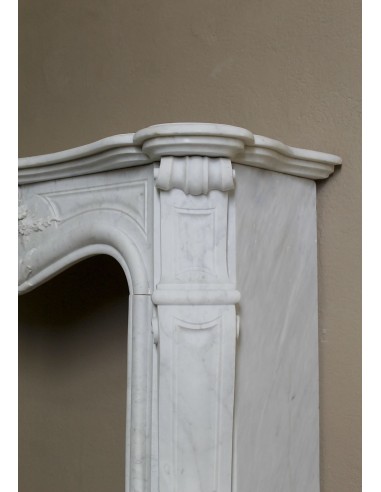
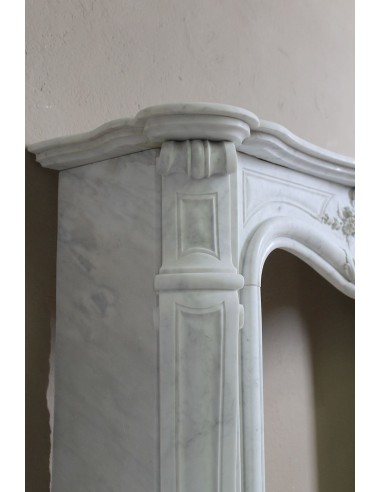
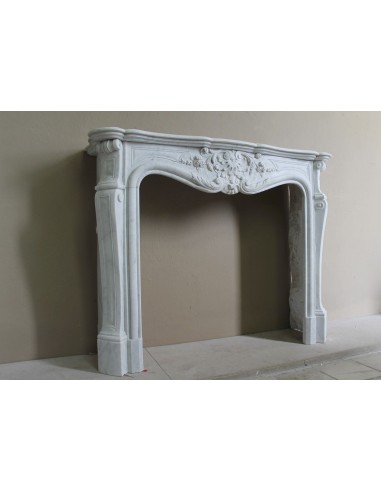
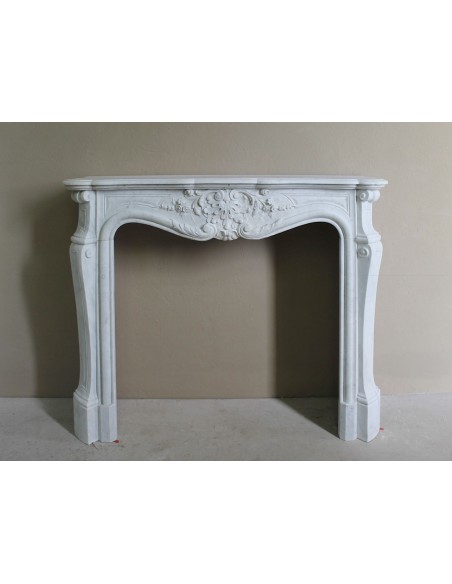
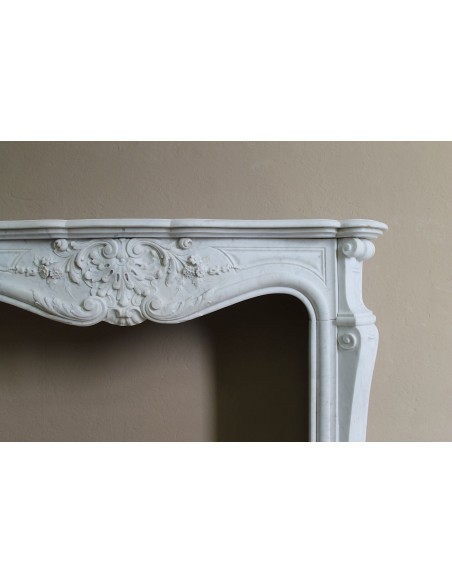
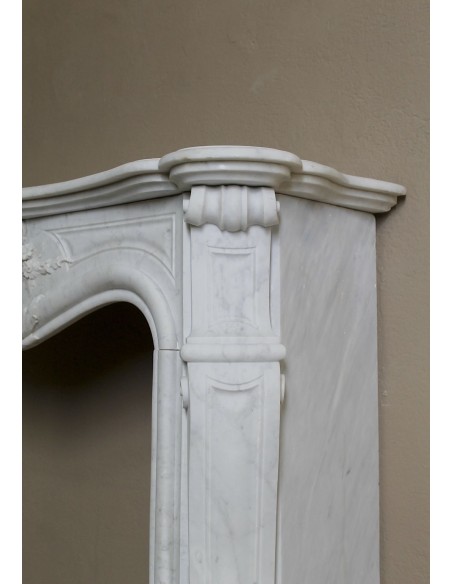
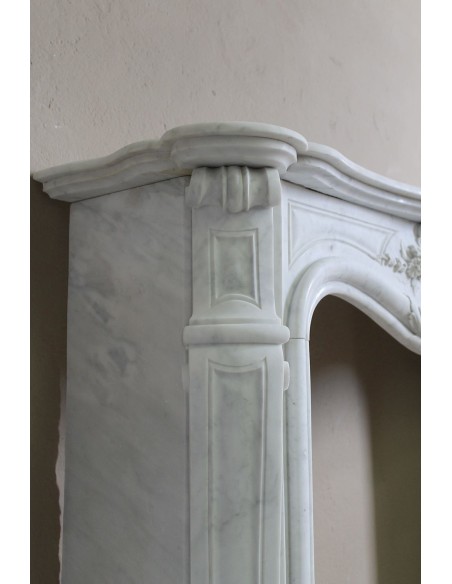
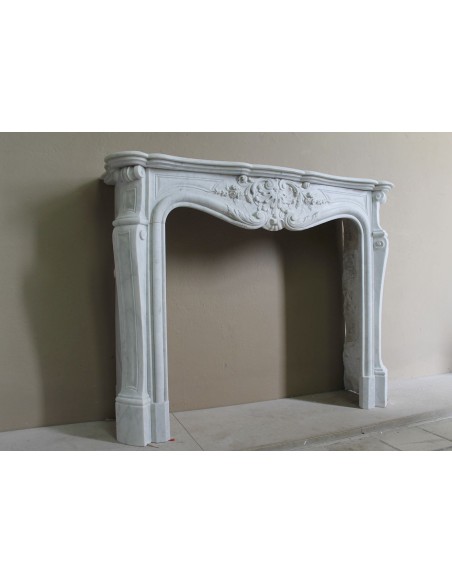
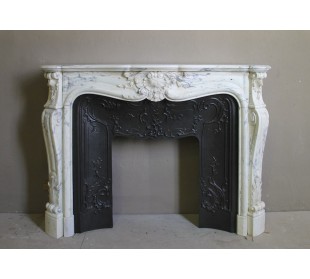
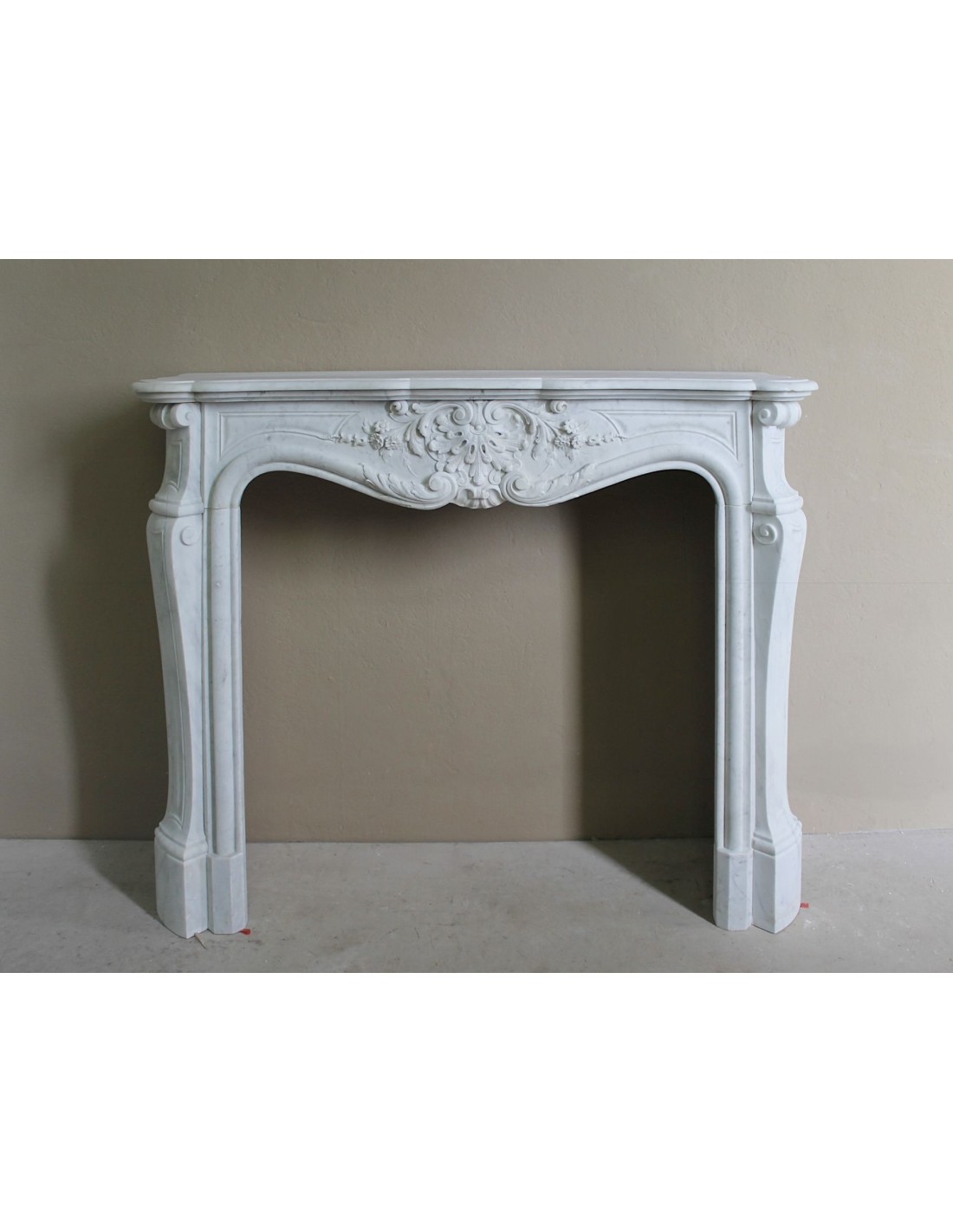
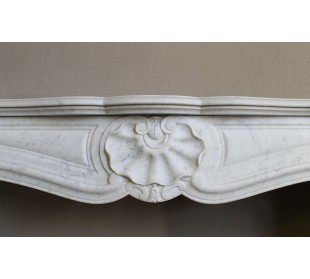
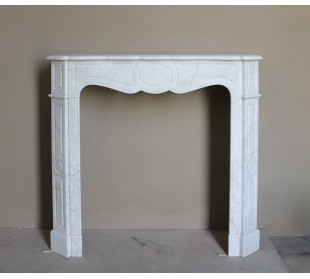
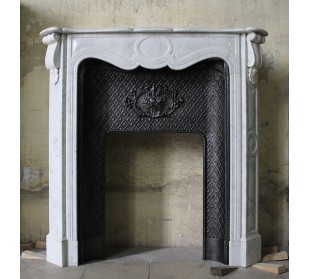
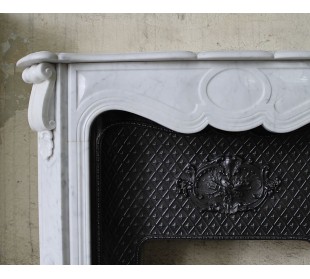
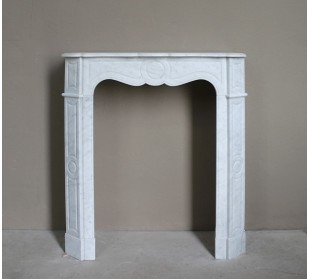
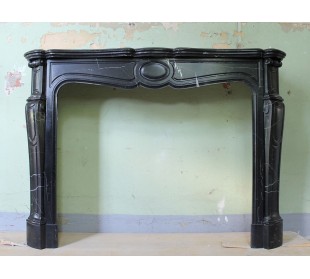
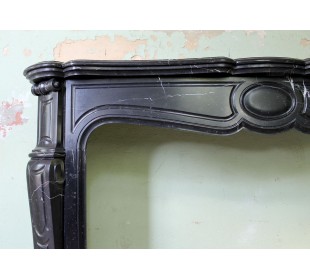
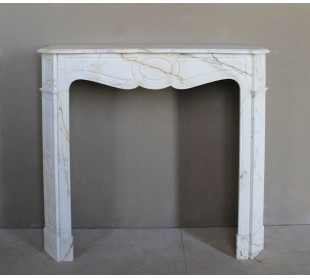
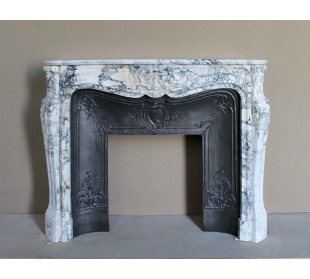
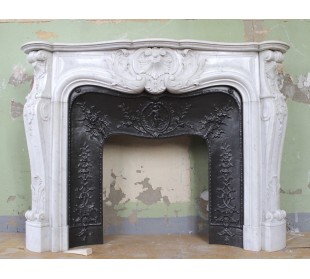
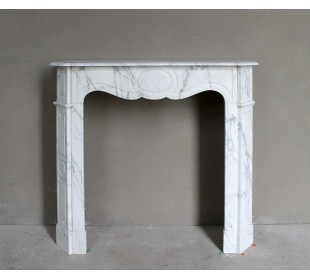
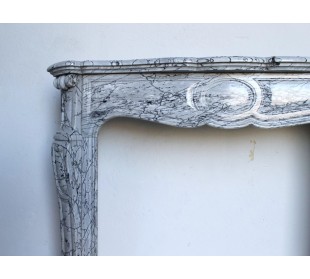
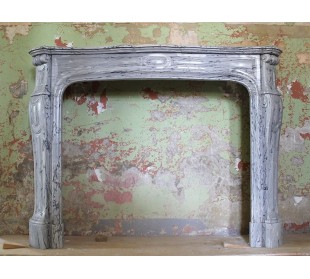
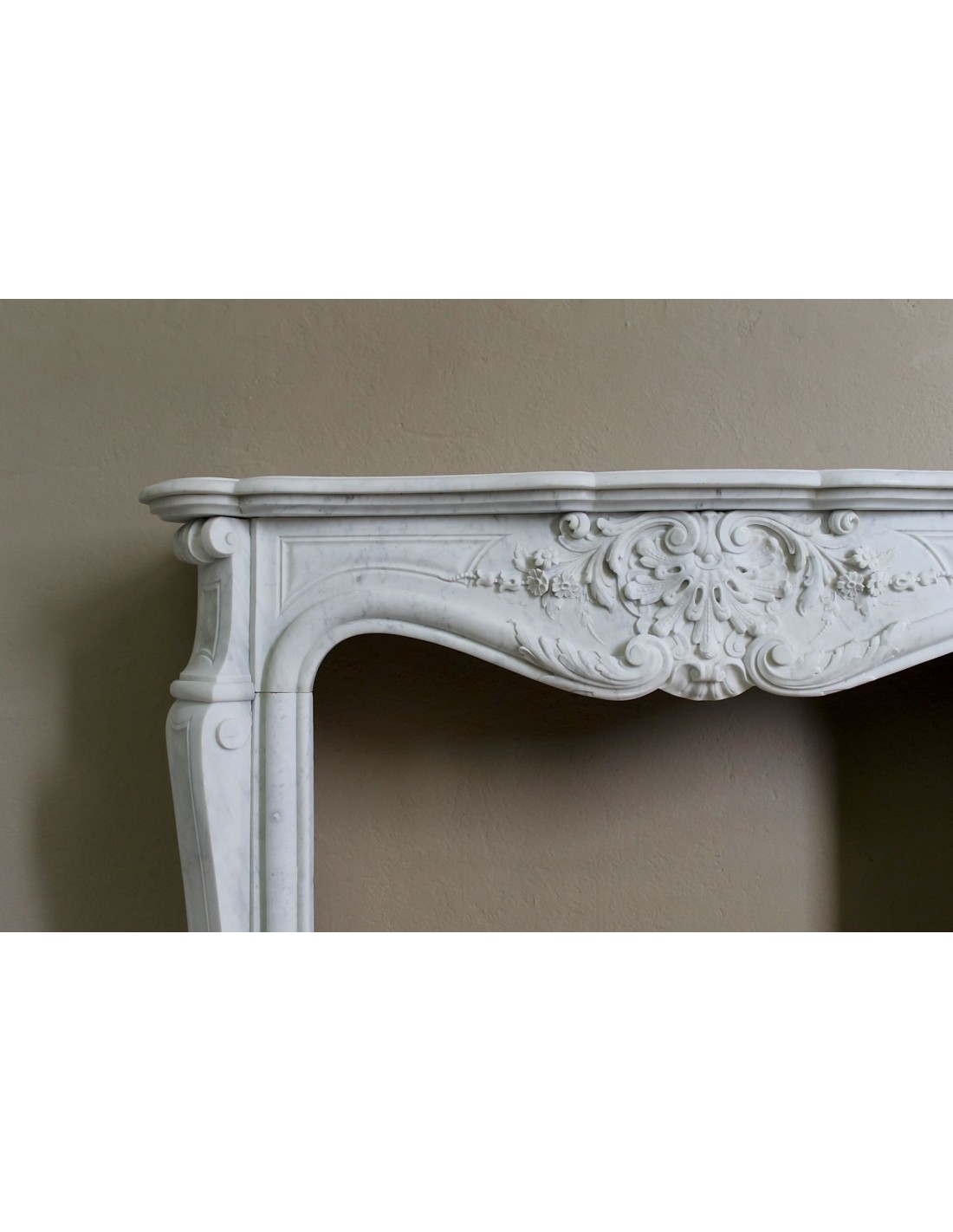
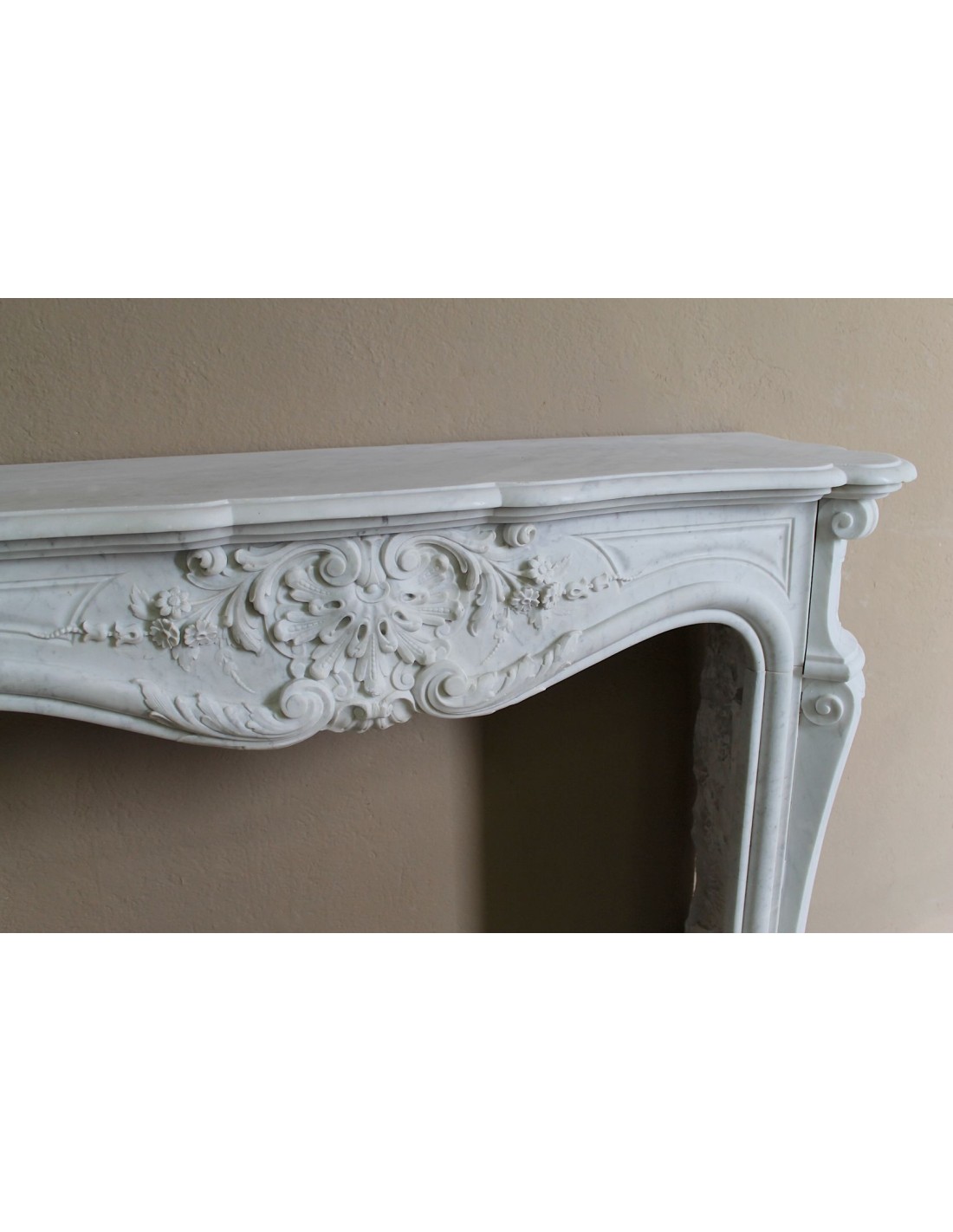
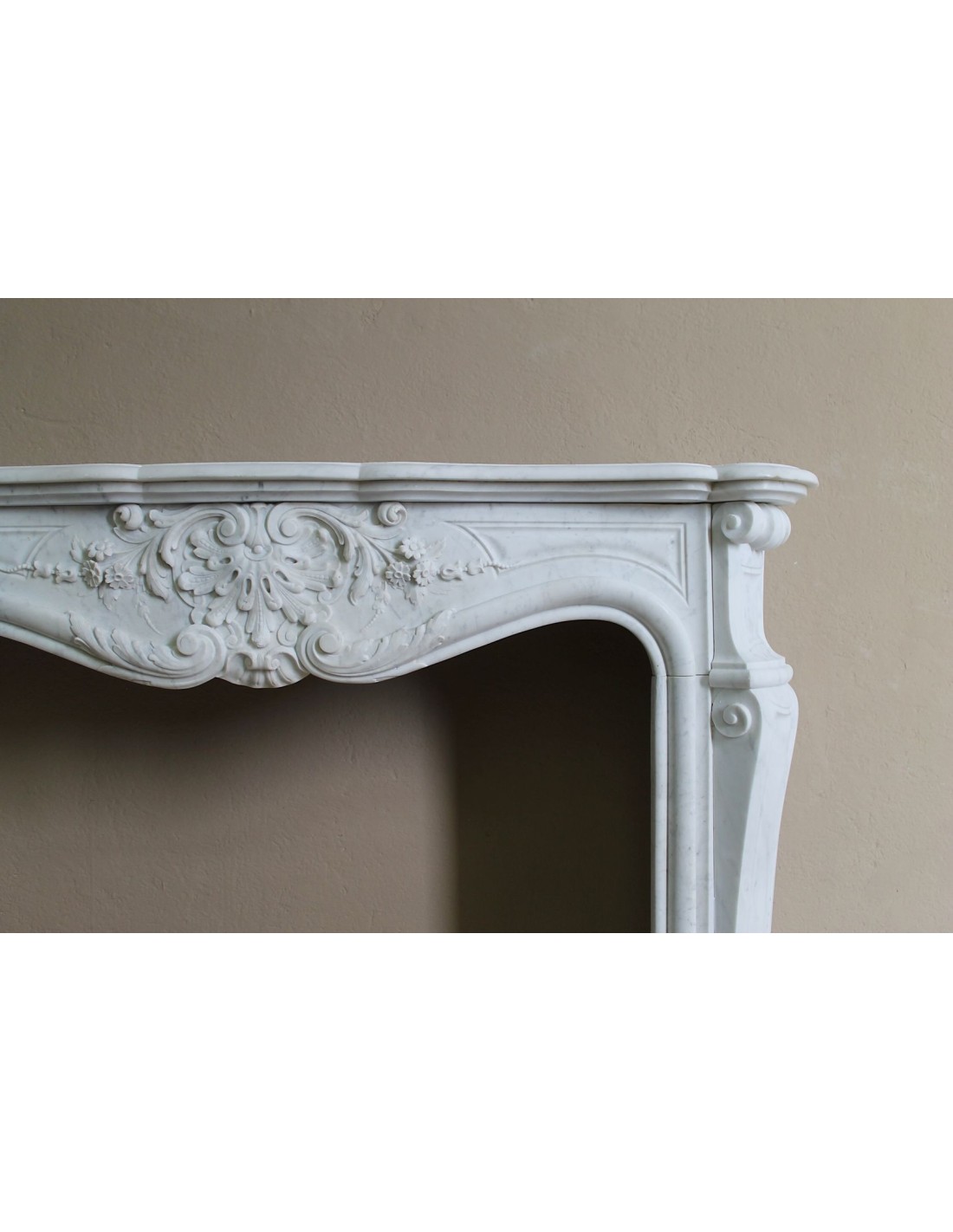
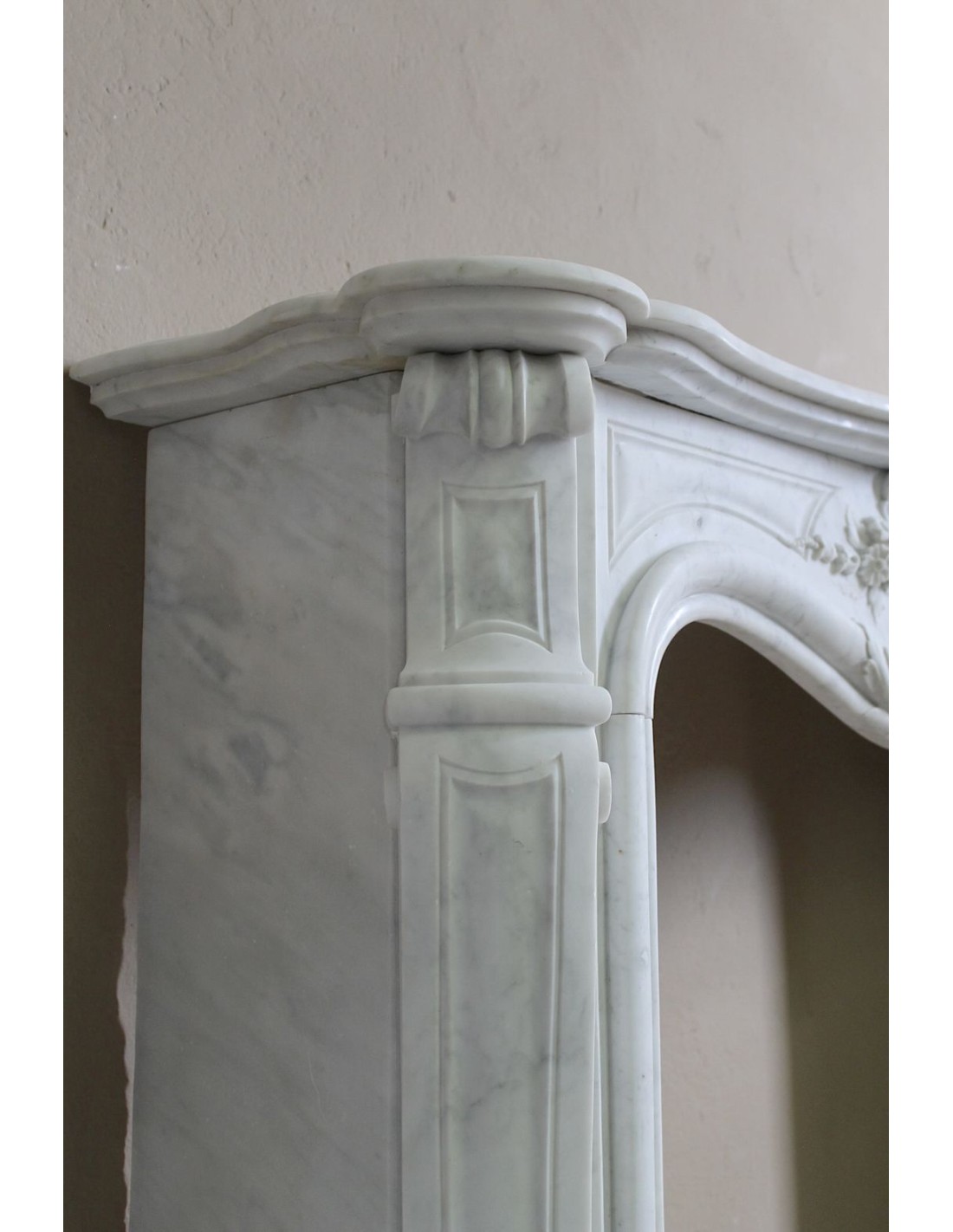
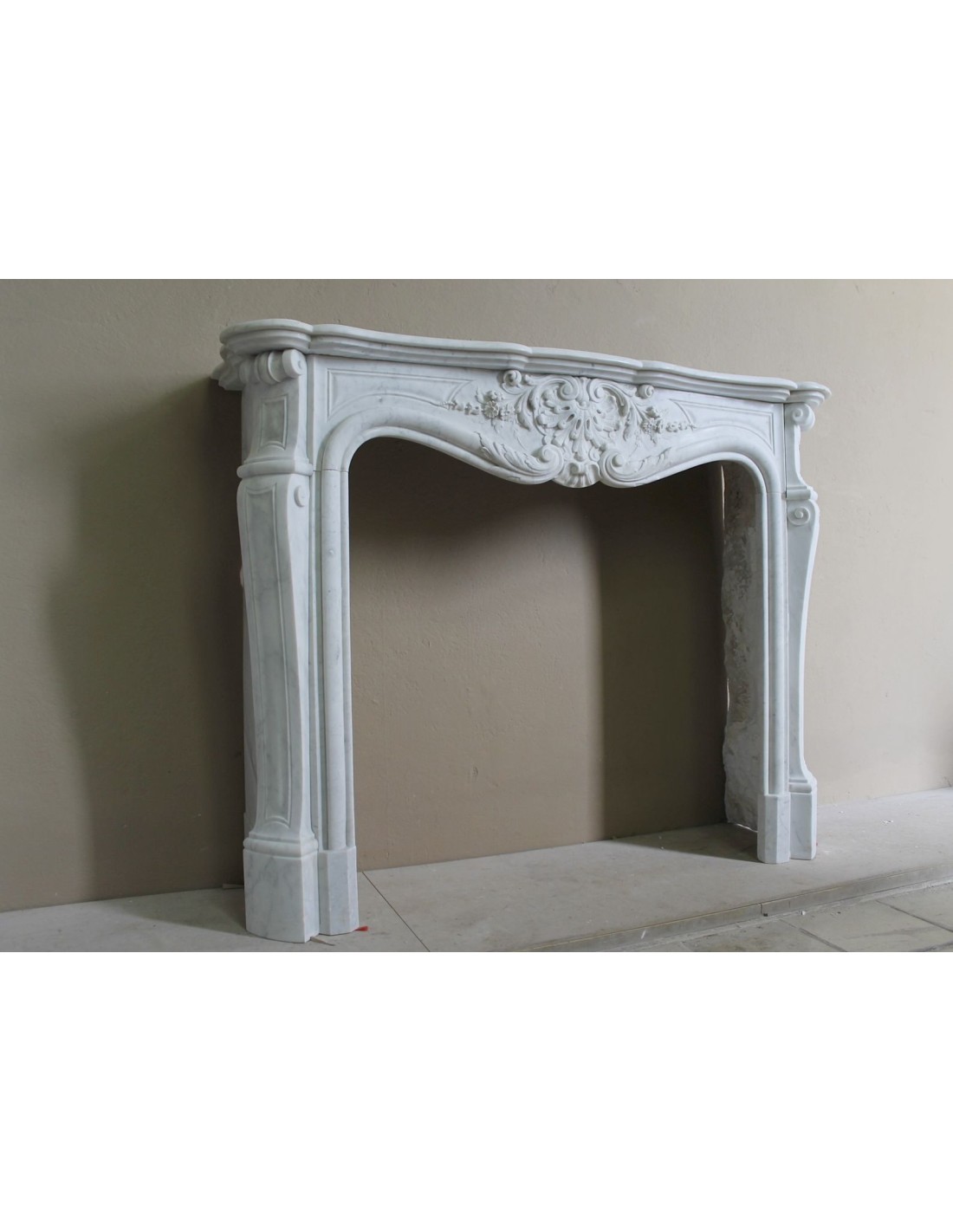
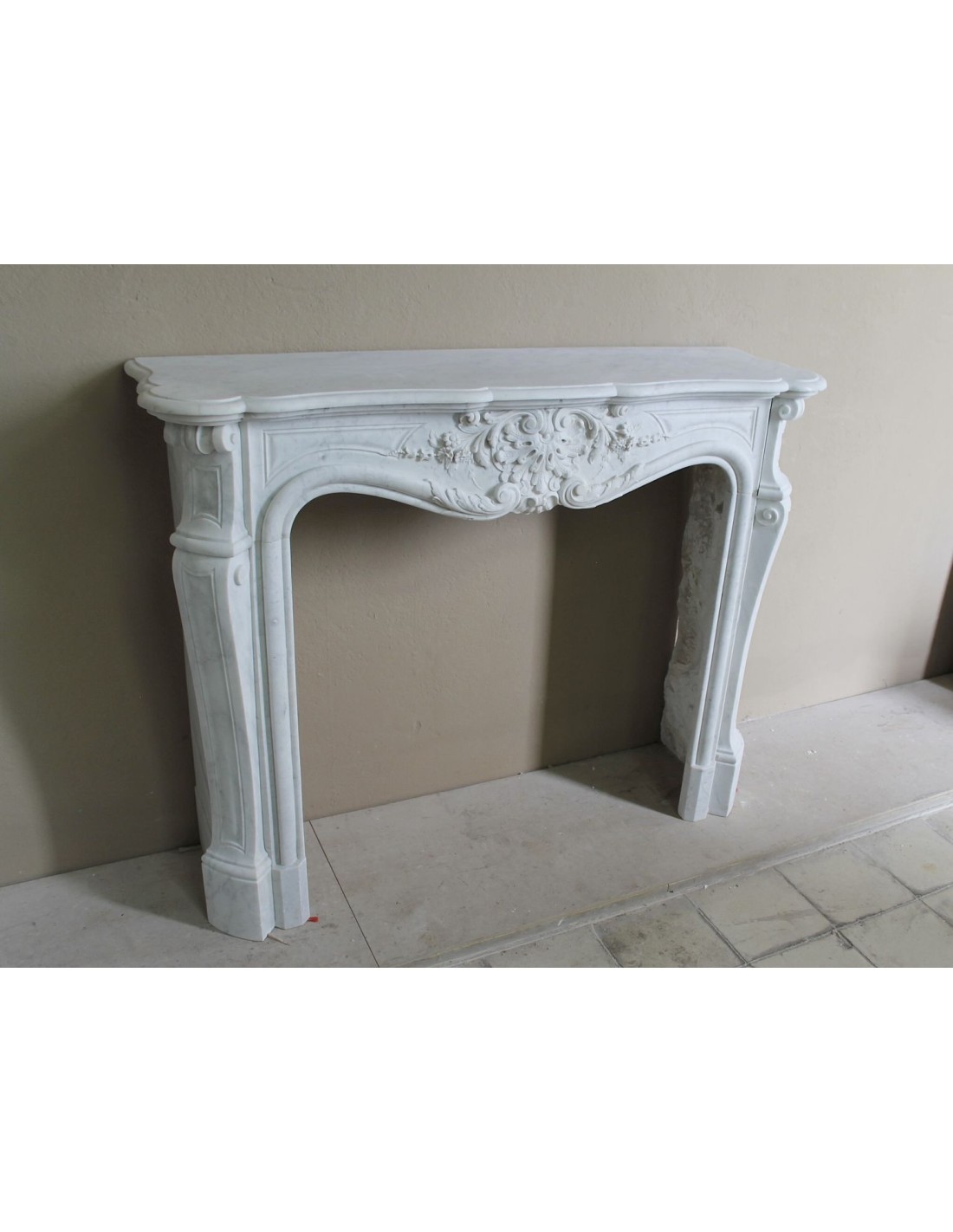
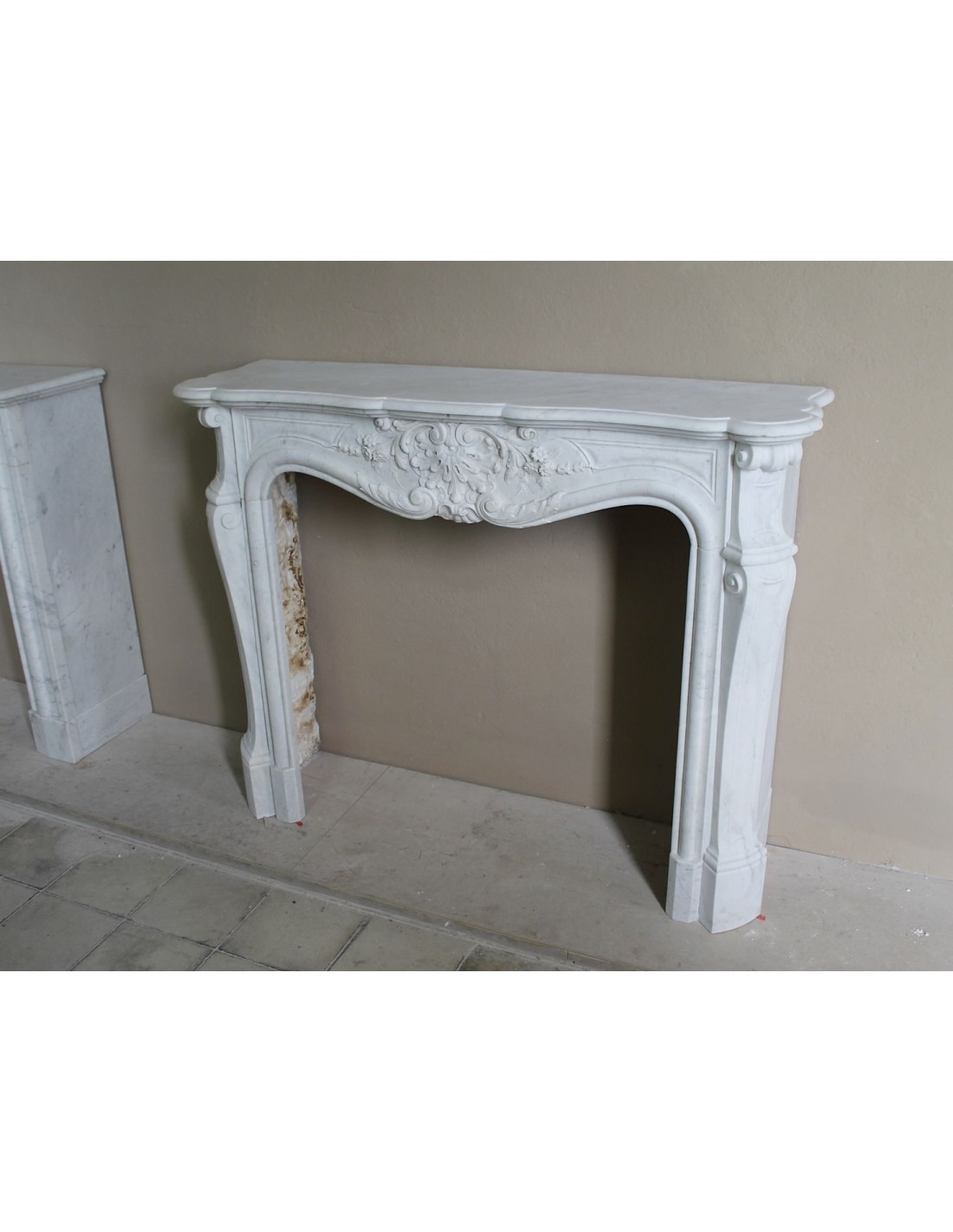
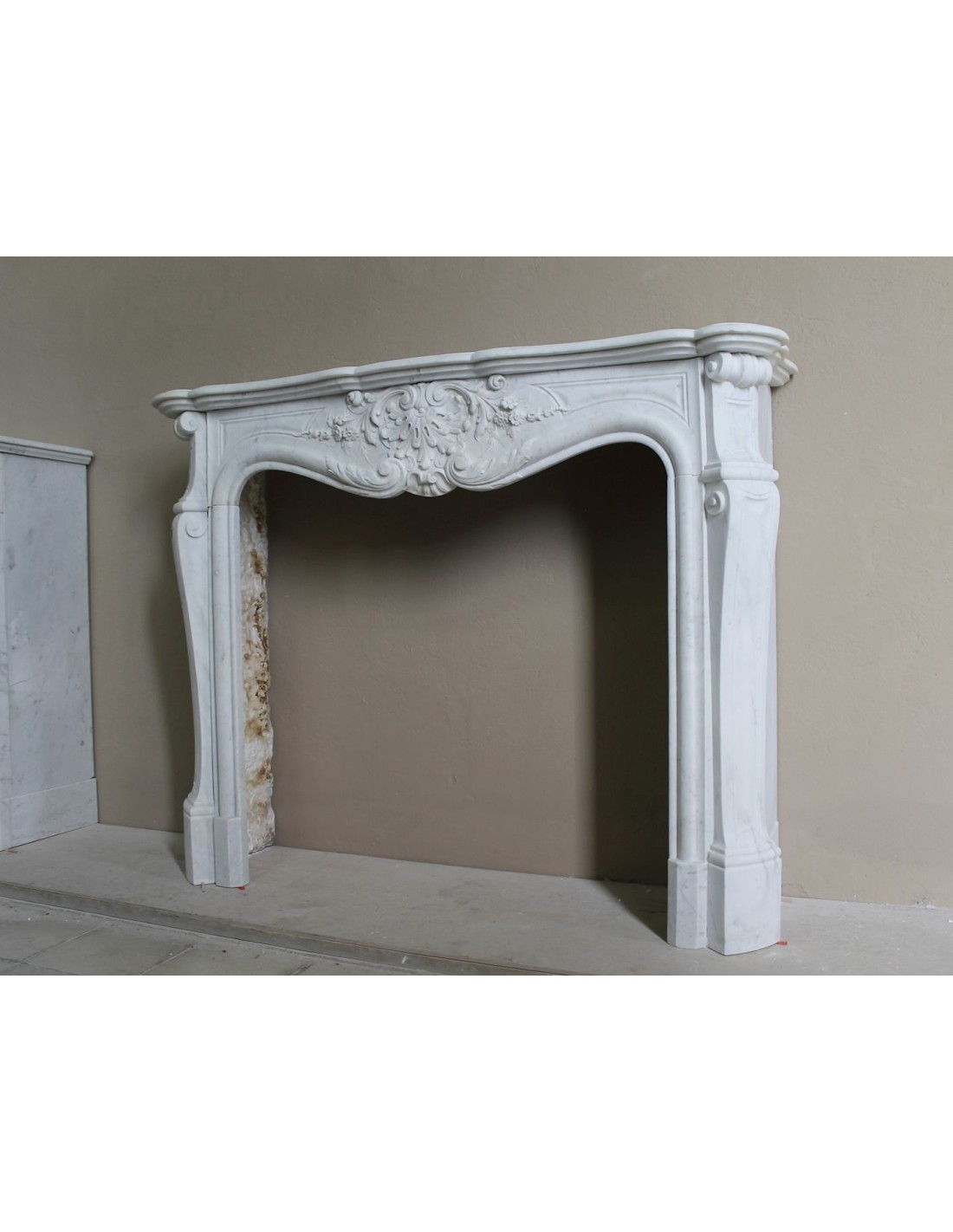
The antique fireplace mantel you see here was never created to satisfy a passing trend or a speculative market. It was conceived by a gifted Parisian architect, whose talent lay in achieving perfect proportions and timeless elegance, before being entrusted to the hands of a master marble sculptor from Lunigiana, the historic Italian region that has produced some of Europe's finest stone carvers for centuries.
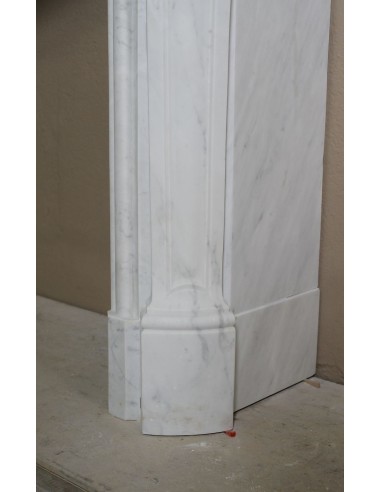
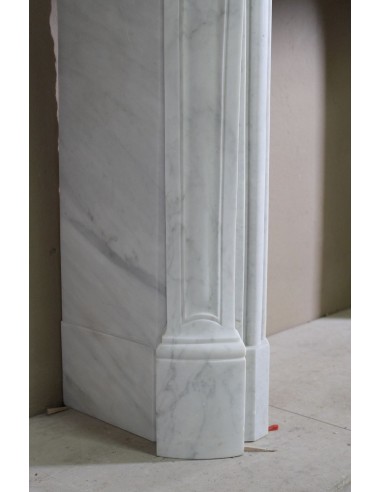
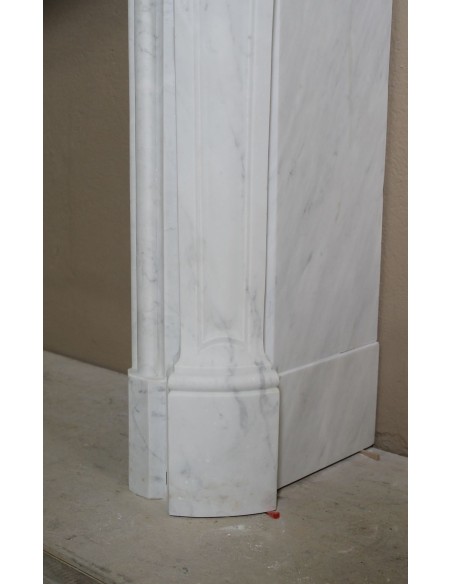
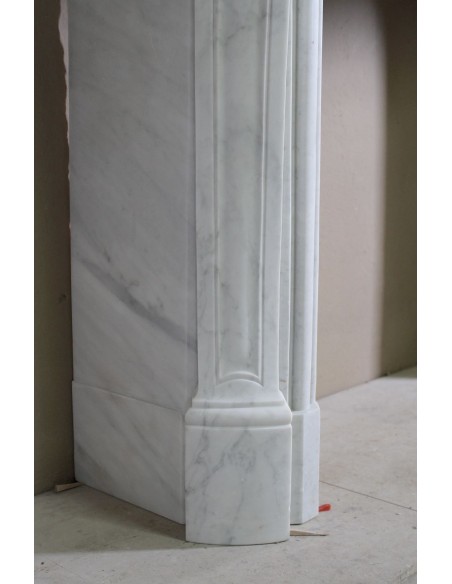
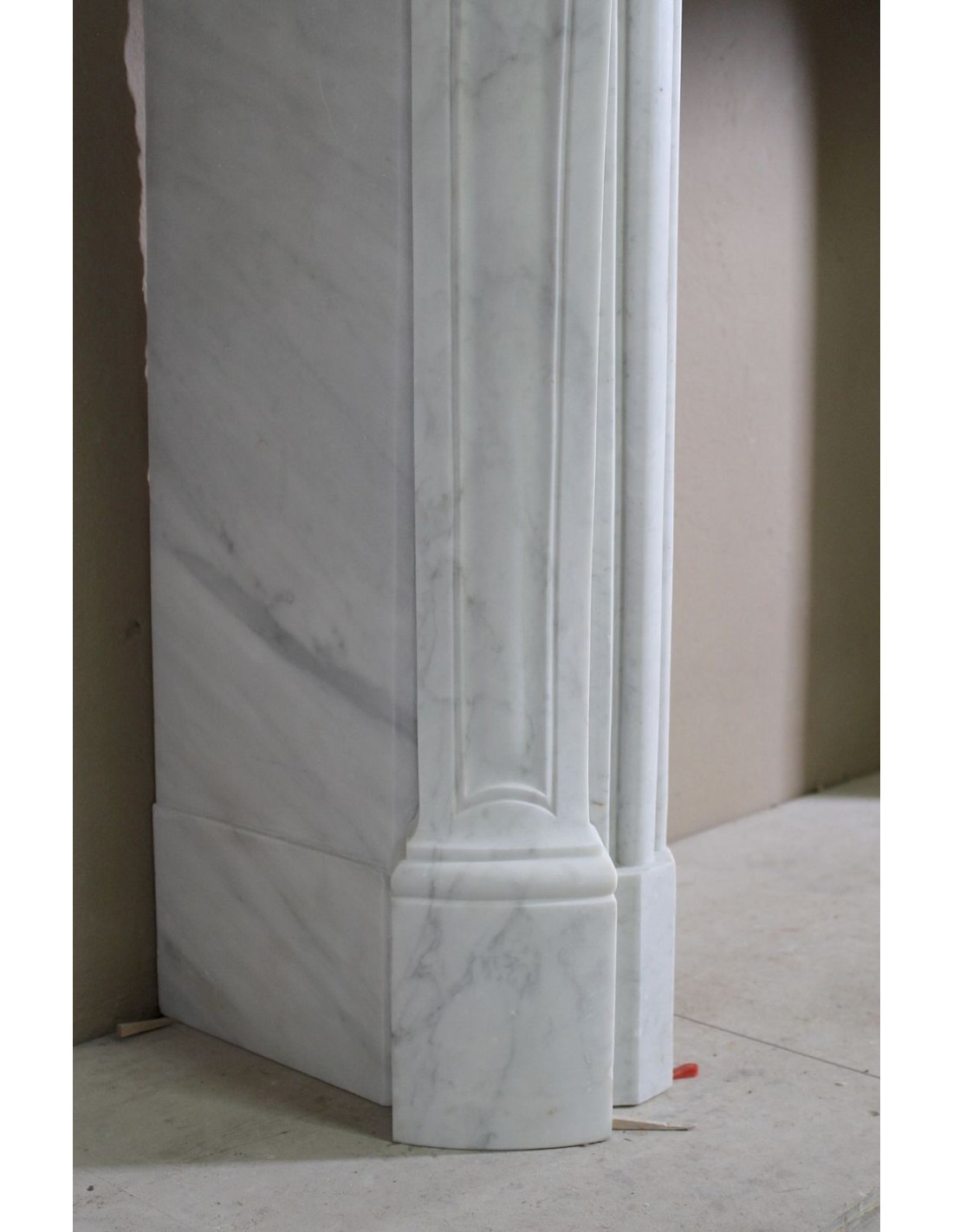
Working with one of the most beautiful varieties of White Carrara marble, the sculptor devoted countless hours of experience, patience and skill to transform raw stone into a lasting work of art.
Today, commissioning a fireplace mantel of comparable quality would be an almost impossible undertaking. Even if one could persuade a master sculptor in Pietrasanta to recreate it entirely by hand, the cost would likely be ten or twenty times higher than the price we are asking for this original nineteenth-century example.
That is the difference between craftsmanship and fashion.
The former grows more valuable with time.
The latter rarely does.
The "Mustaches"
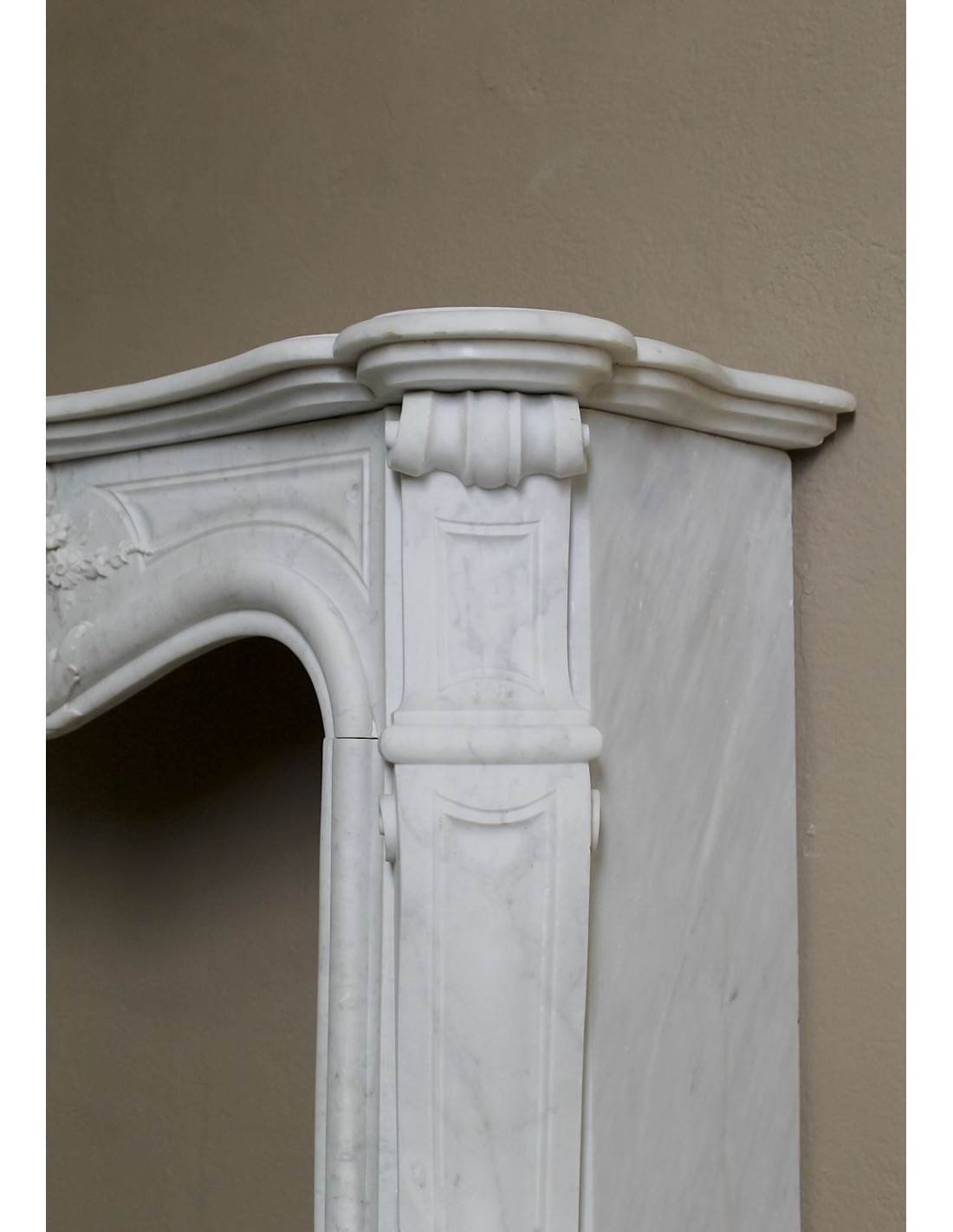
The fireplace itself hardly needs an introduction.
Its beauty is immediately apparent.
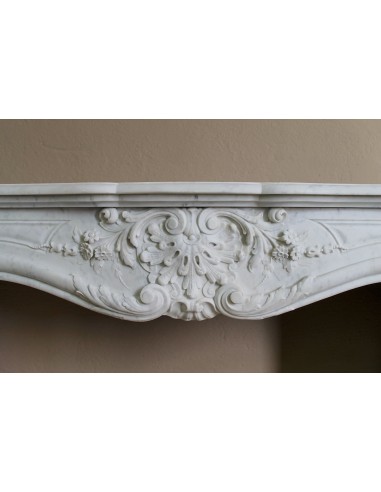
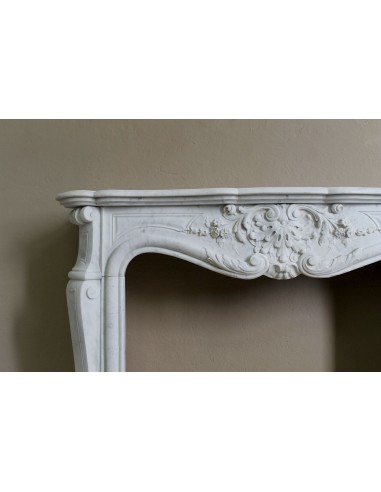
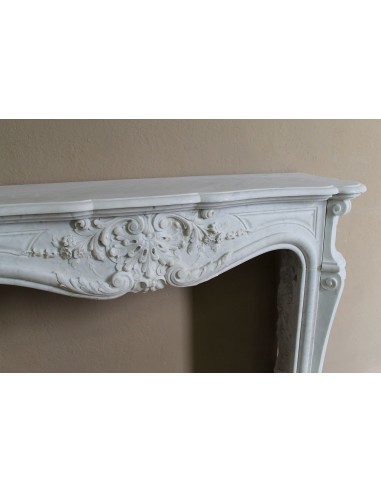
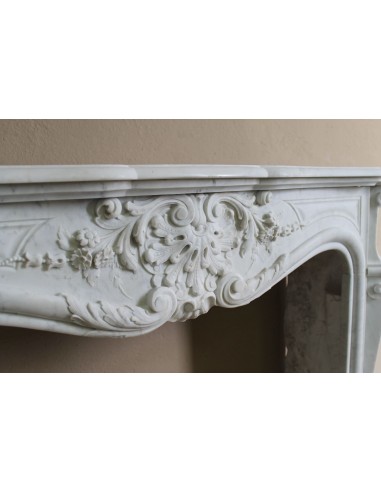
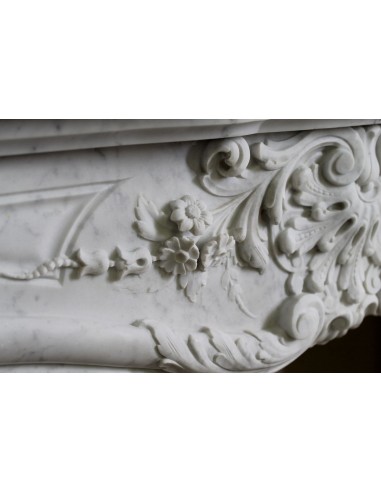
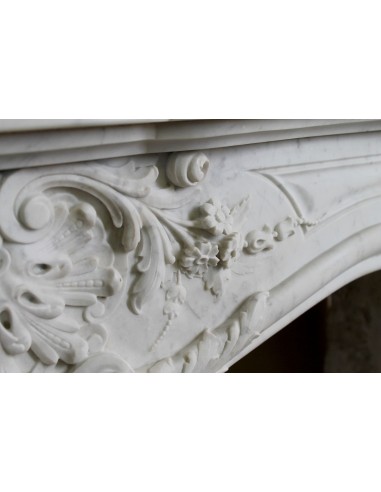
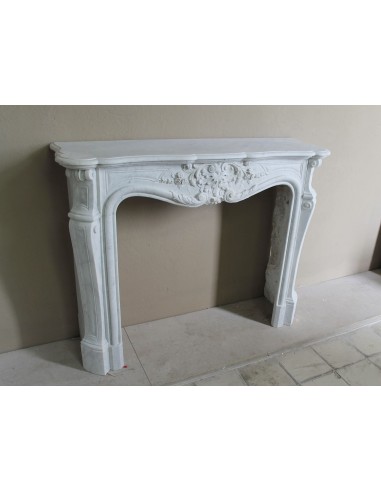
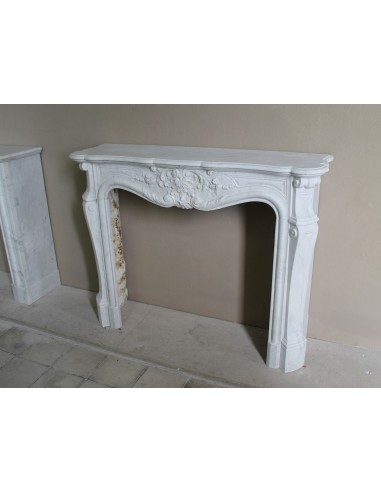
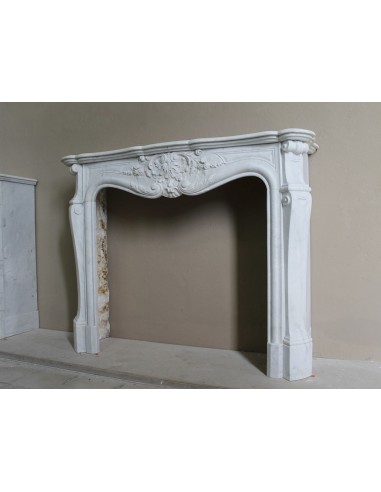
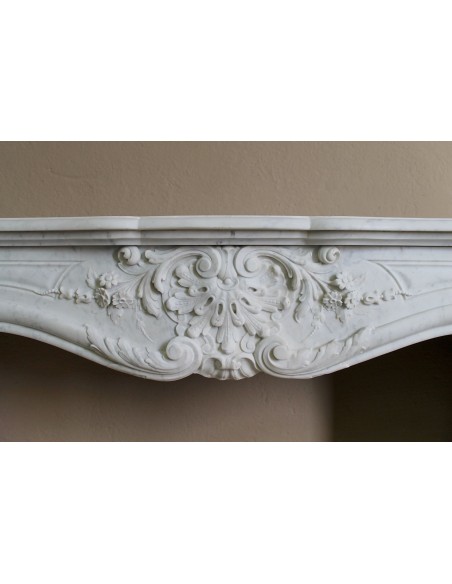
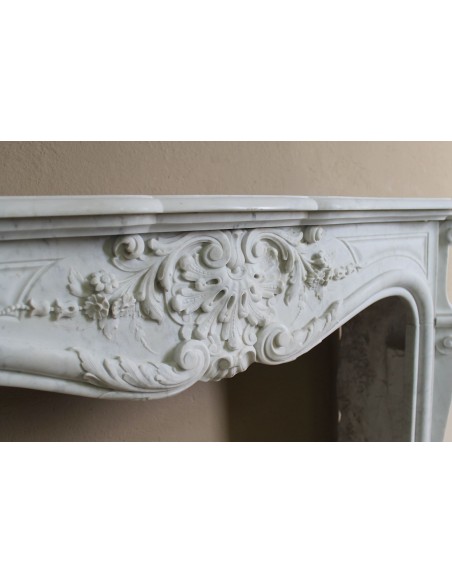
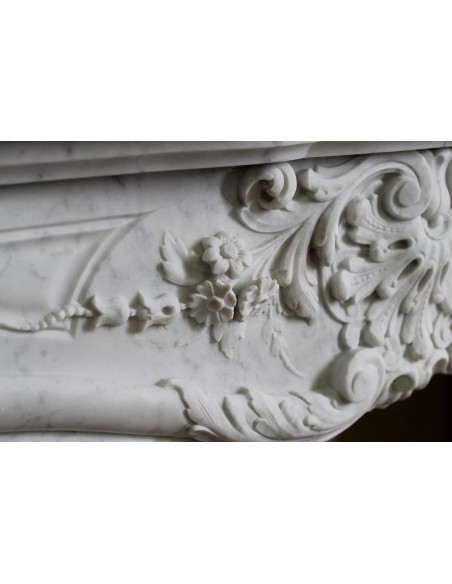
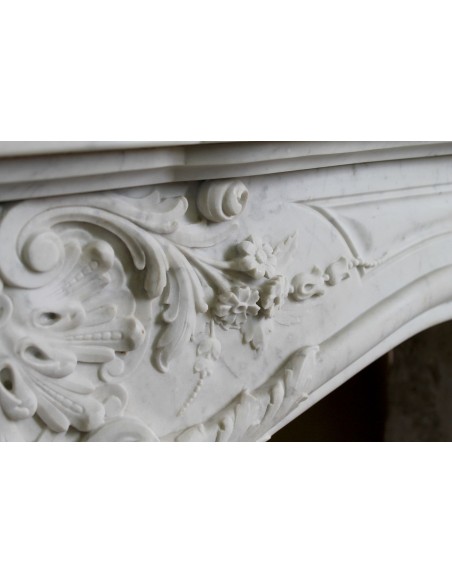
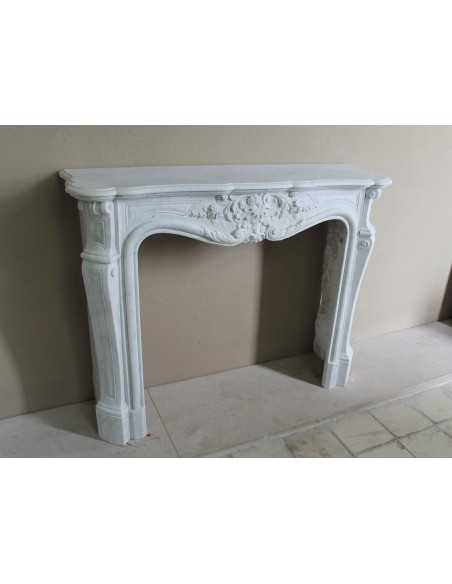
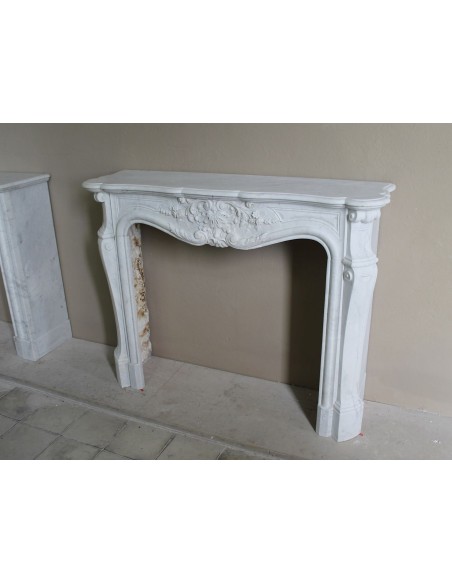
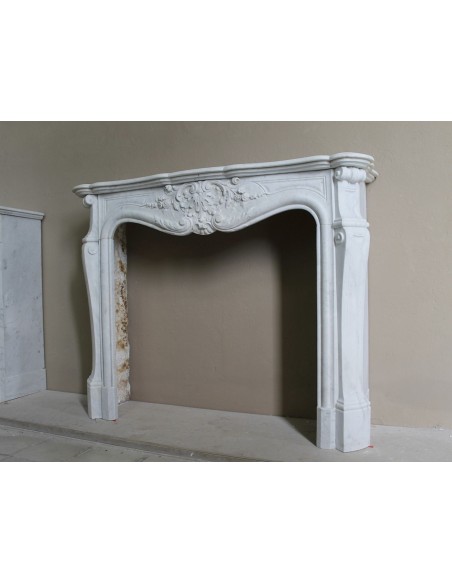
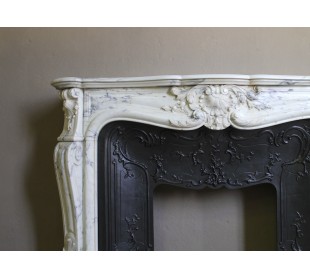
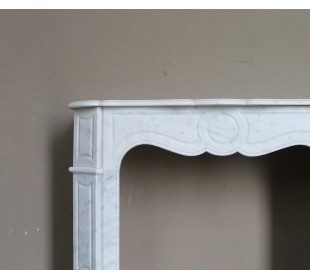
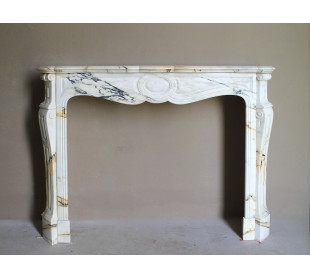
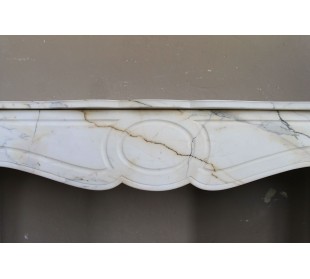
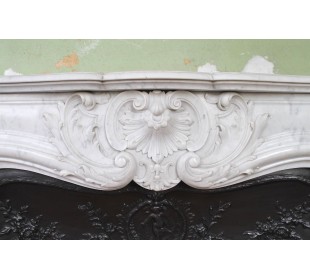
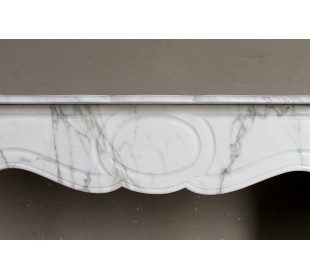
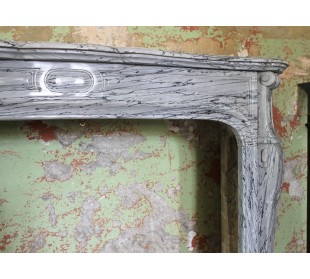
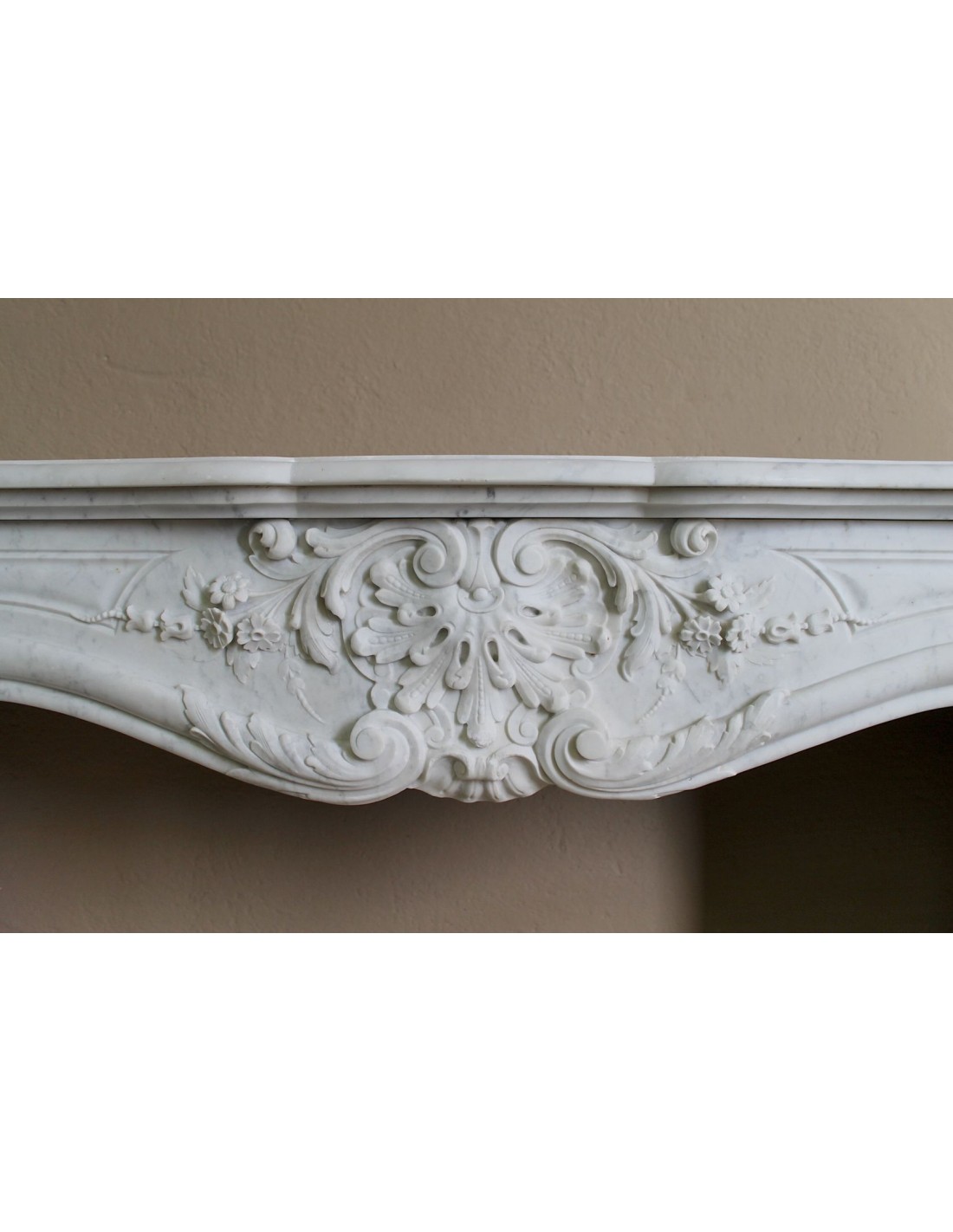
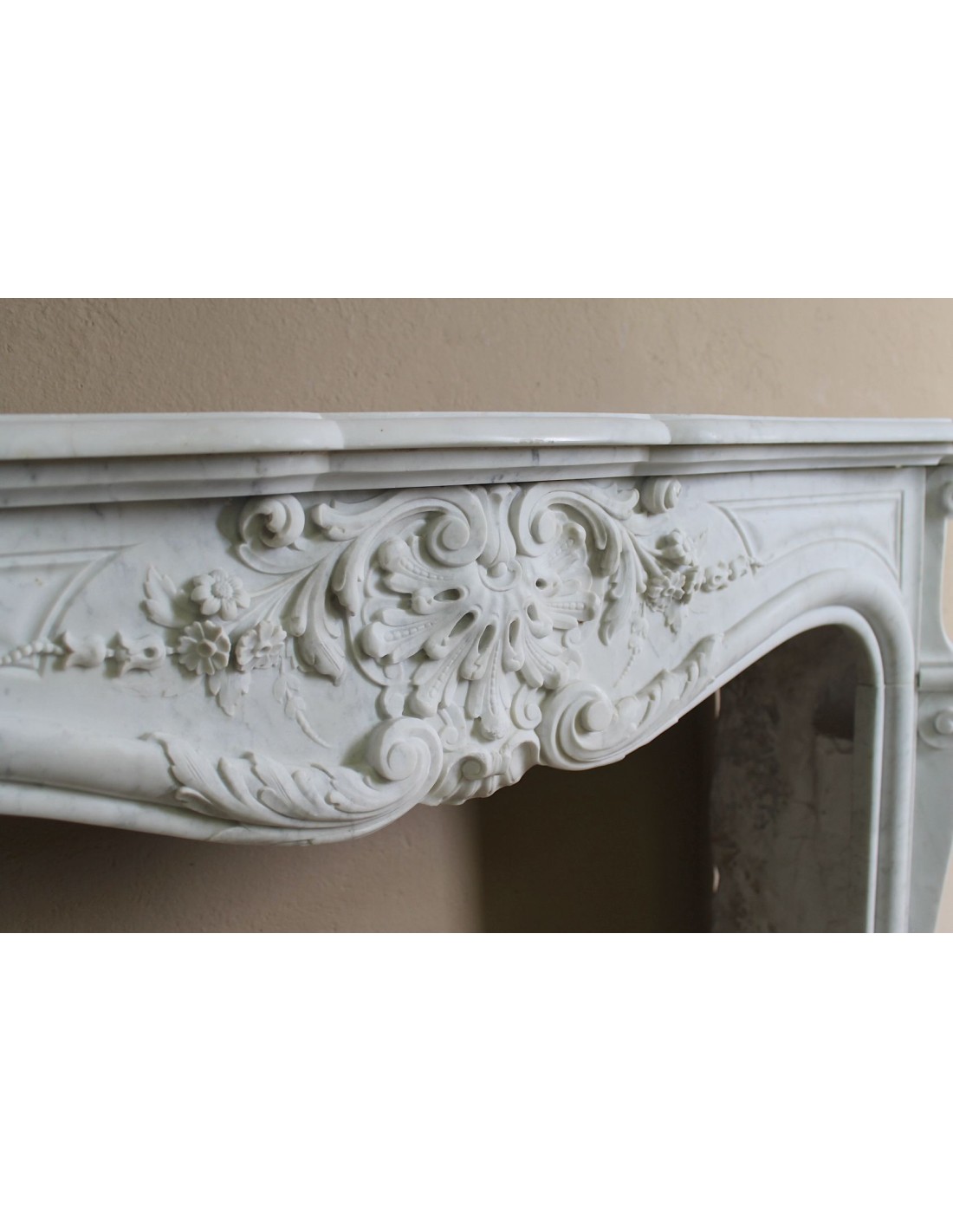
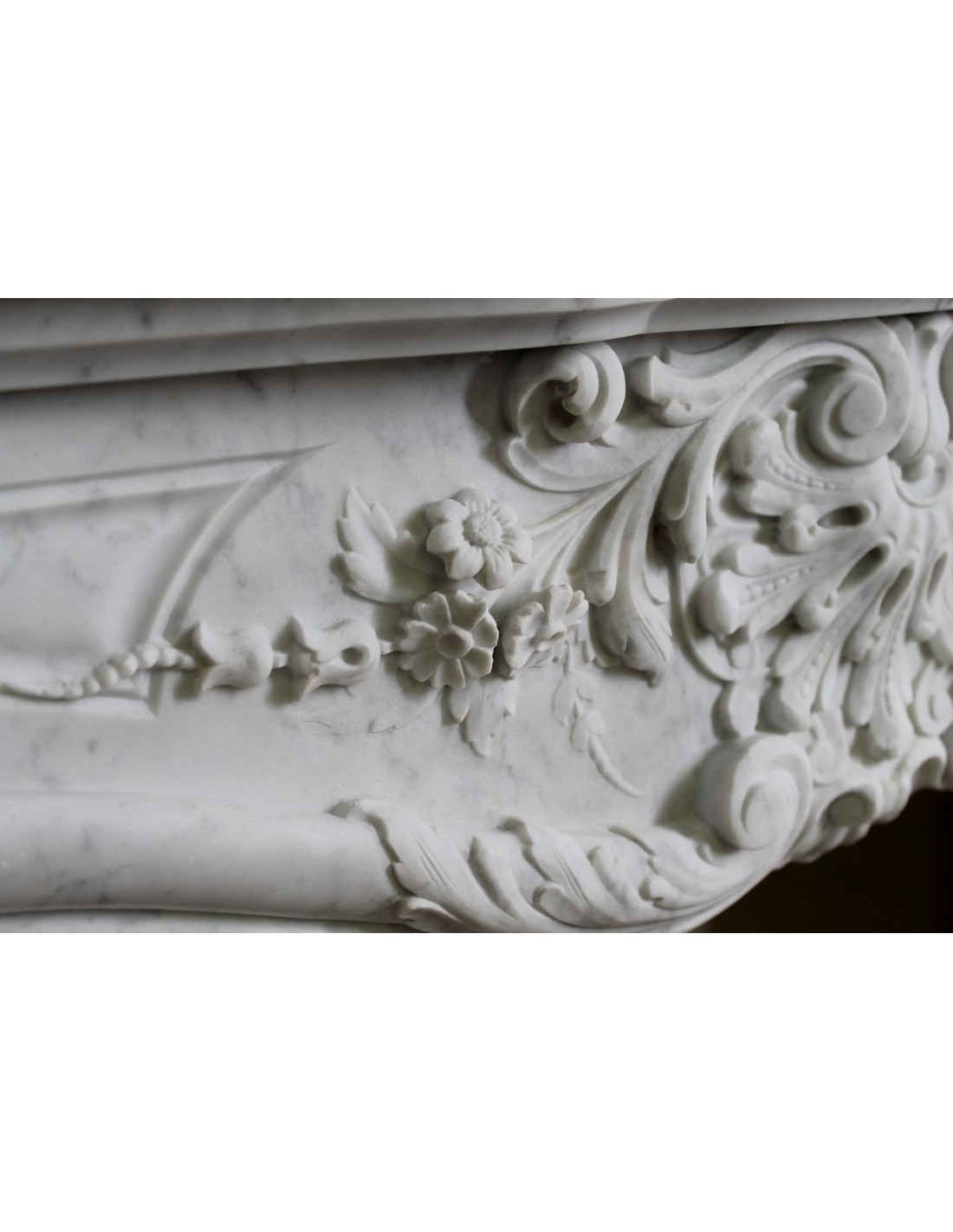
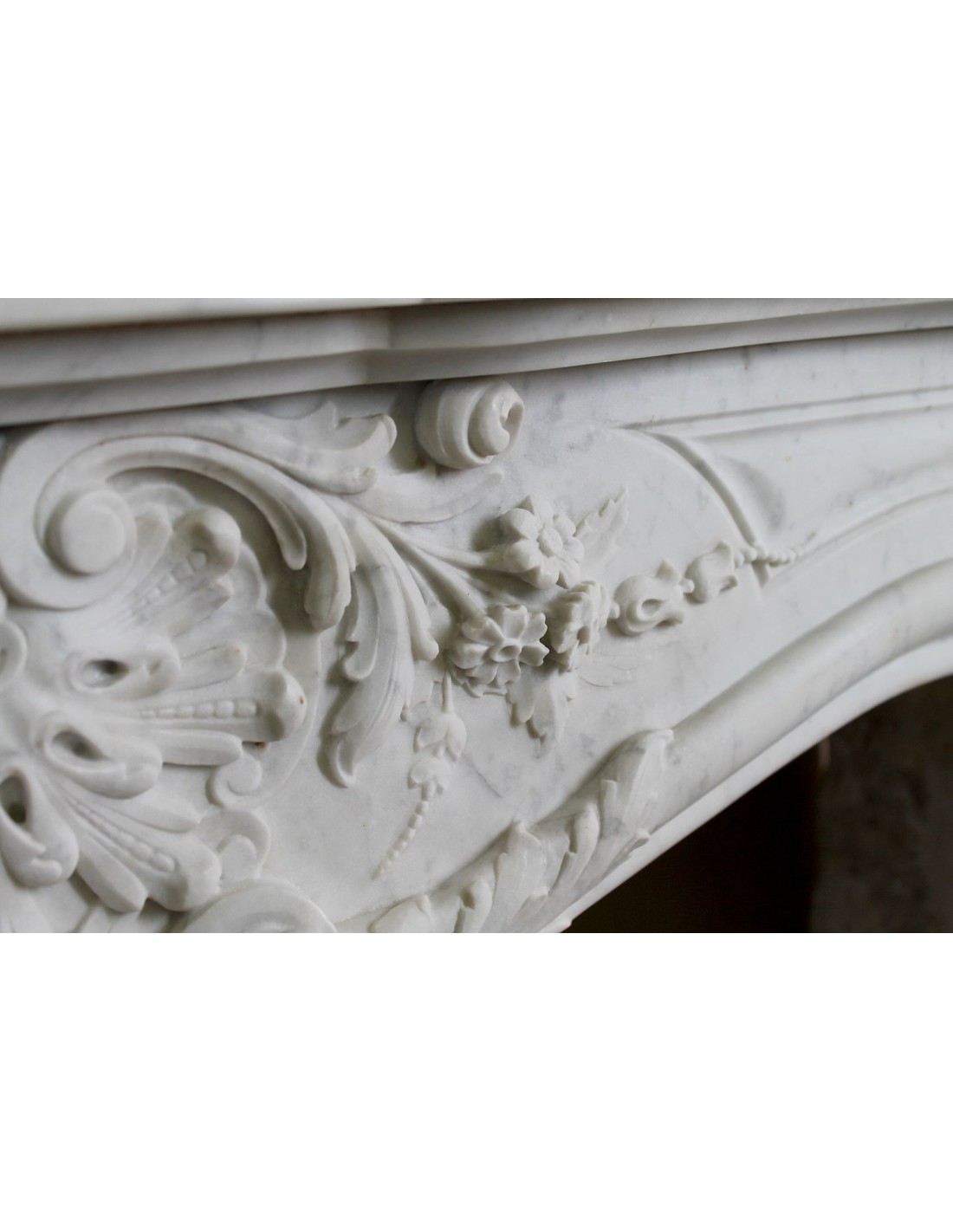
We affectionately call this model "Mustaches", inspired by the pair of elegant foliage-like scrolls carved above and below the central shell, creating the unmistakable impression of two finely sculpted moustaches.
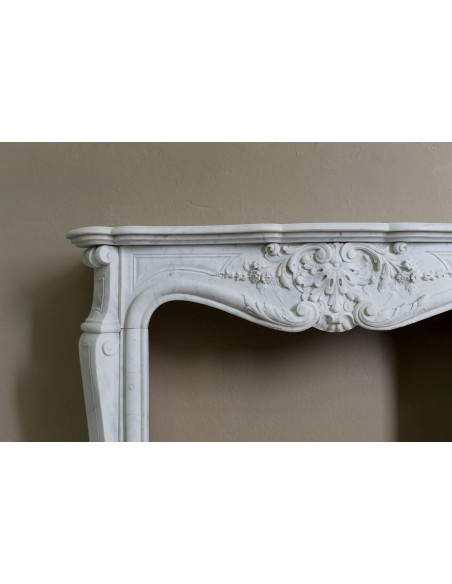
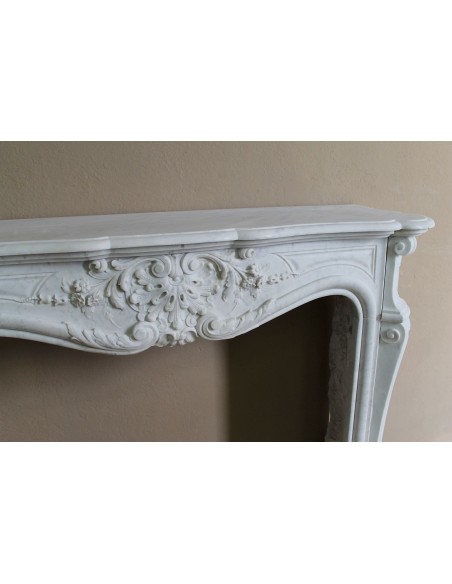
Surrounding this central composition is a harmonious arrangement of floral and foliate carving, carefully composed to create what we like to describe as a floral shell—one of the most graceful decorative interpretations found within the Louis XV tradition.
Above this composition rise two beautifully carved boucles de mer ("sea curls"), elegant Rococo scrolls that introduce movement, refinement and lightness to the entire façade.
The marble
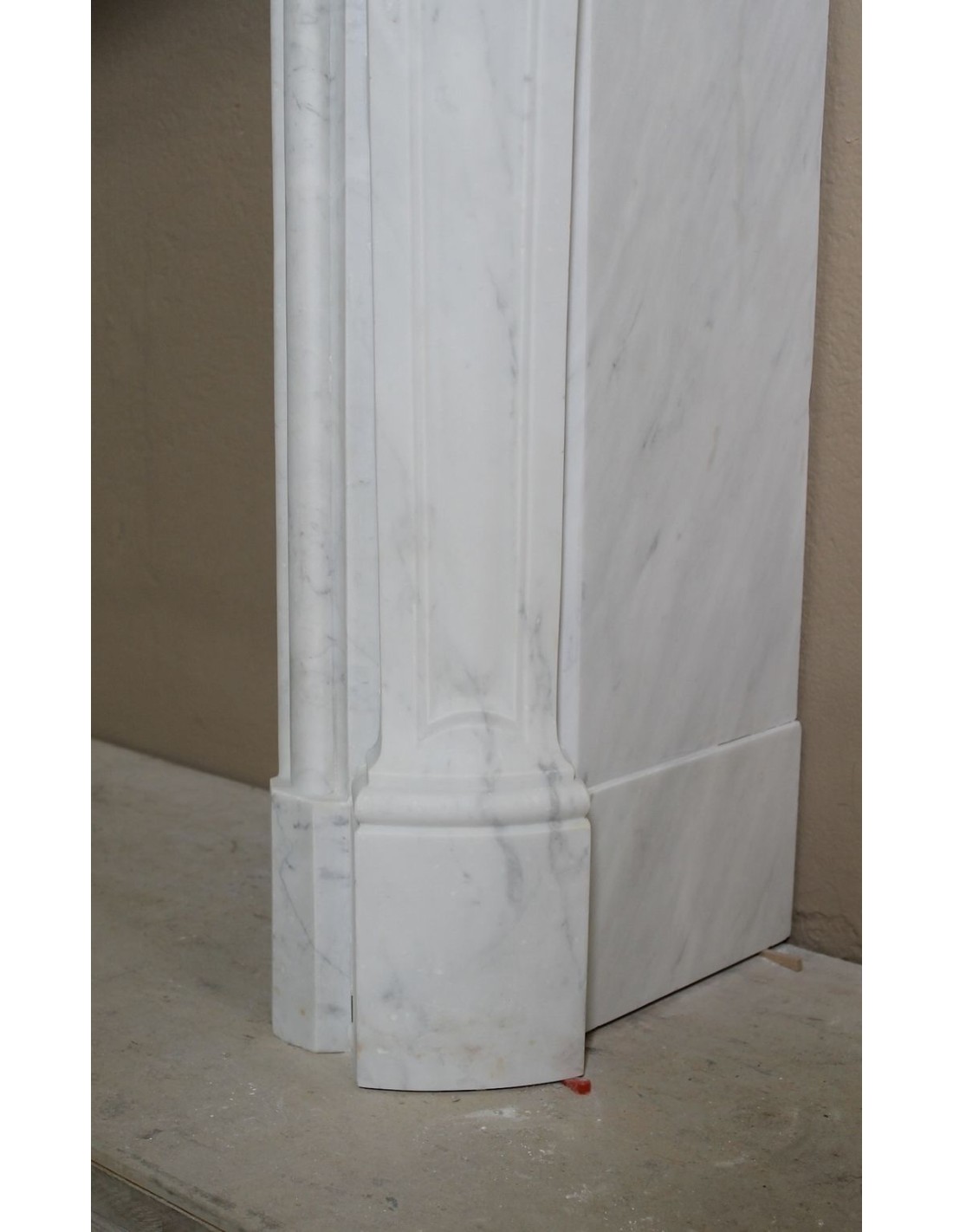
Its marble is equally exceptional.
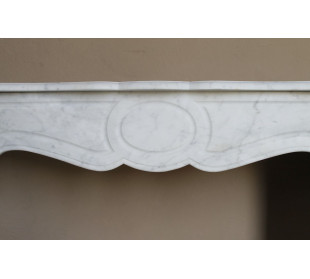
Until only a few decades ago, Italian sculptors referred to this remarkable variety simply as "P", standing for Puro ("Pure"), in recognition of its extraordinary whiteness and remarkably compact grain. Today it is generally known as Gioia White Carrara Marble, named after the family that owns the last quarry where this magnificent stone is still extracted.
DISCOVERED IN PARIS, THIS REMARKABLE LOUIS XV FIREPLACE MANTEL COMBINES THE UNMISTAKABLE ELEGANCE OF PARISIAN DESIGN WITH THE INCOMPARABLE CRAFTSMANSHIP OF THE SCULPTORS OF LUNIGIANA. DATING FROM THE NAPOLEON III PERIOD, IT REMAINS IN EXCELLENT OVERALL CONDITION AND STANDS AS A SUPERB EXAMPLE OF NINETEENTH-CENTURY EUROPEAN DECORATIVE ART.