
SHARE ON:
Some of the greatest masterpieces in the history of Western art were born along the banks of the Arno River.
Botticelli's Primavera. Leonardo's Mona Lisa. Michelangelo's David. Donatello's David. Verrocchio's David.
Coincidence?
Perhaps.
Yet there can be little doubt that Florence—the cradle of the Renaissance—became one of the most extraordinary centres of artistic creativity the world has ever known. Painting, sculpture, architecture and decorative arts flourished there with a vitality unmatched elsewhere in Europe.
It is within this remarkable tradition that we believe the story of this exceptional antique fireplace mantel begins.
Few people realise that Florence was one of the great centres of the Italian Liberty Style, better known internationally as Art Nouveau.
During the final decades of the nineteenth century, Florentine architects embraced this new artistic language while remaining deeply rooted in the elegance of their own Renaissance and Baroque heritage.
Unlike today, architects of the Liberty period designed every important decorative element of a residence—not only the building itself, but also its furniture, lighting, staircases and, naturally, its marble fireplace mantels.
The architect responsible for this remarkable mantelpiece appears to have drawn inspiration from the restrained elegance of seventeenth-century Florentine Baroque.
The architectural structure remains graceful and balanced, avoiding the heavier exuberance sometimes associated with Baroque architecture elsewhere in Italy.
At the same time, one also senses the influence of the celebrated Parisian Ateliers des Arts, whose designs helped shape decorative taste throughout Europe during this period.
The result is a composition that feels unmistakably Italian while quietly acknowledging the refinement of contemporary French design.
For the original owner, commissioning a fireplace mantel was never simply a matter of decoration.
Every carved motif carried a symbolic message.
Some families requested their coats of arms.
Others incorporated references to their profession, their religious beliefs or even their political ideals.
The owner of this fireplace made a different choice.
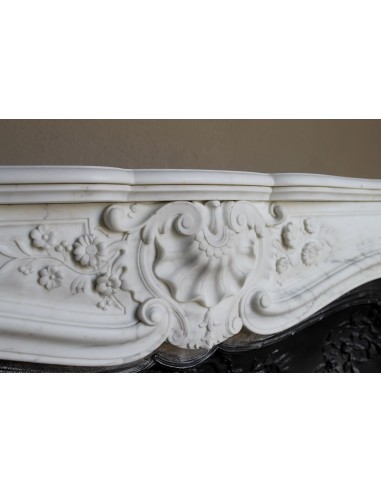
He filled it with flowers.
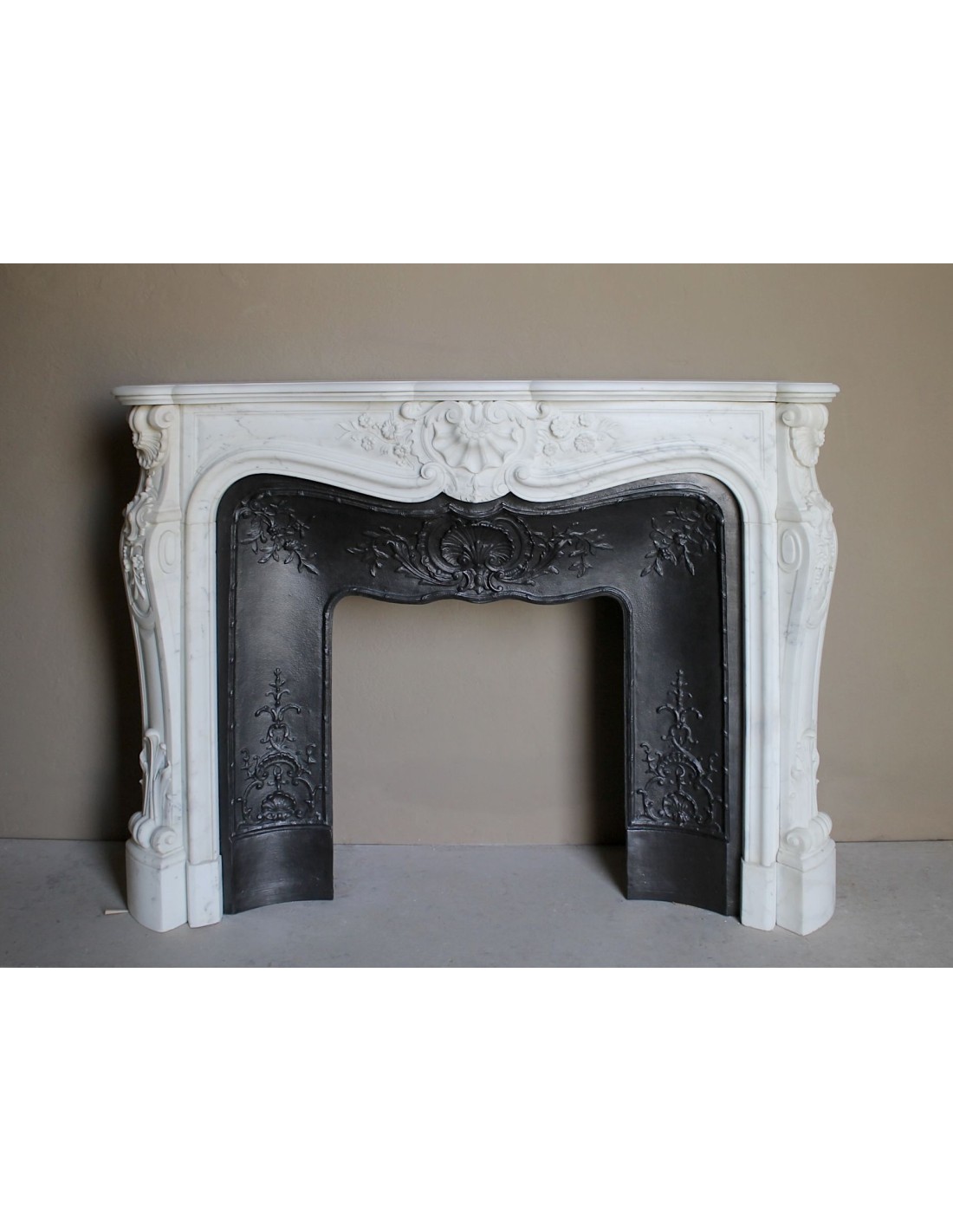
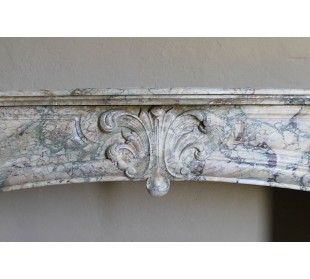
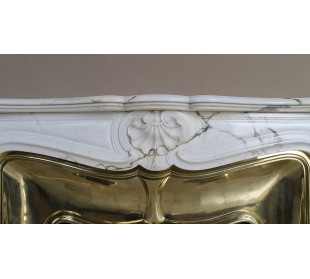
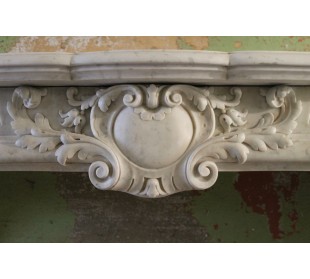
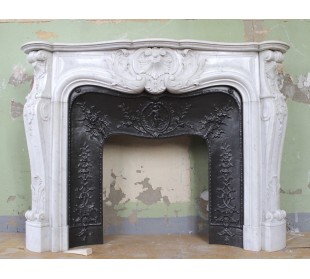
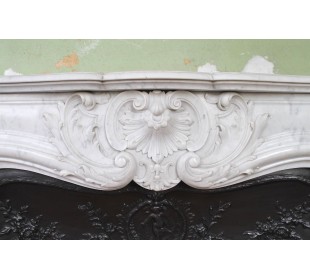
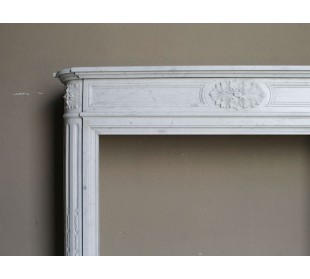
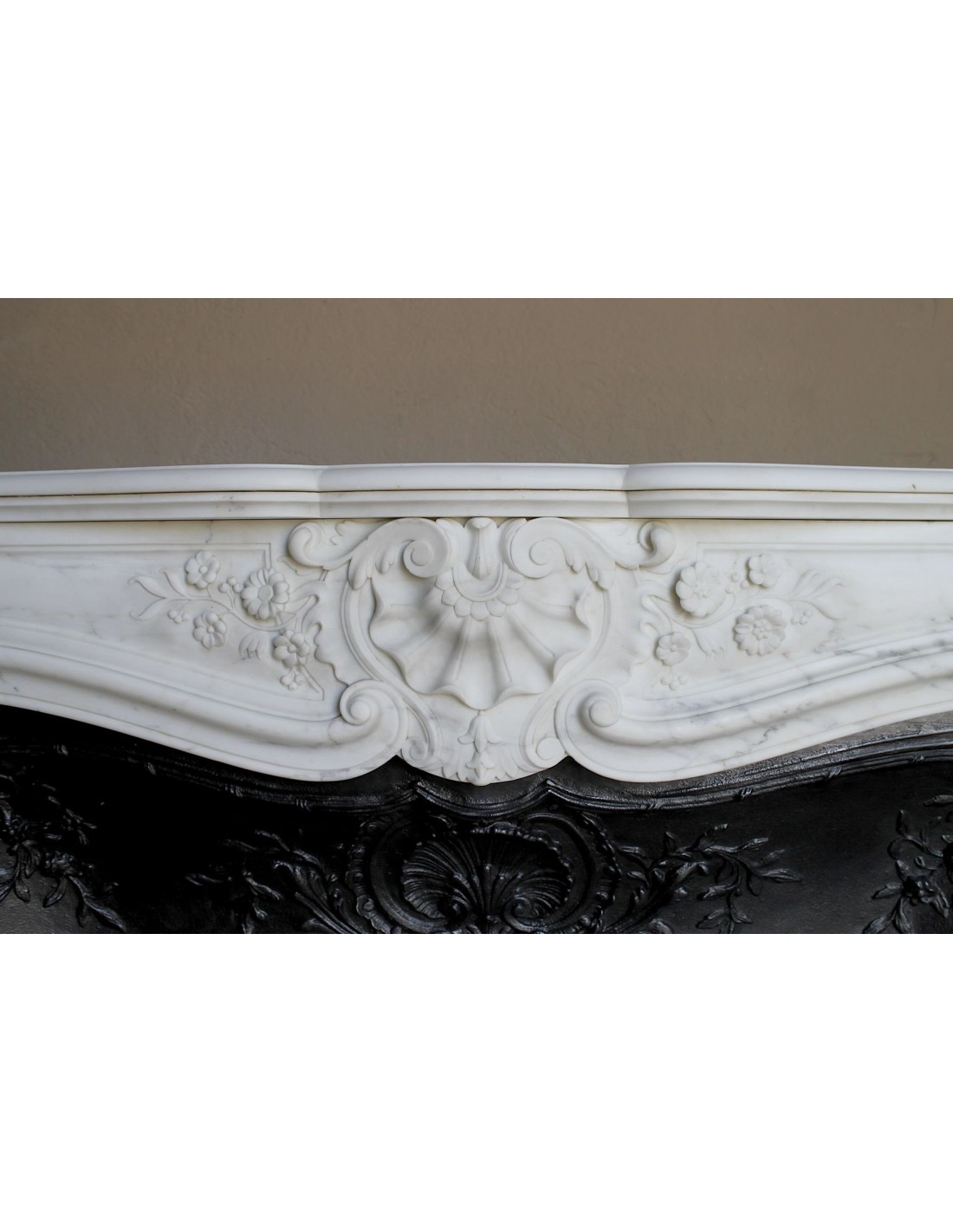
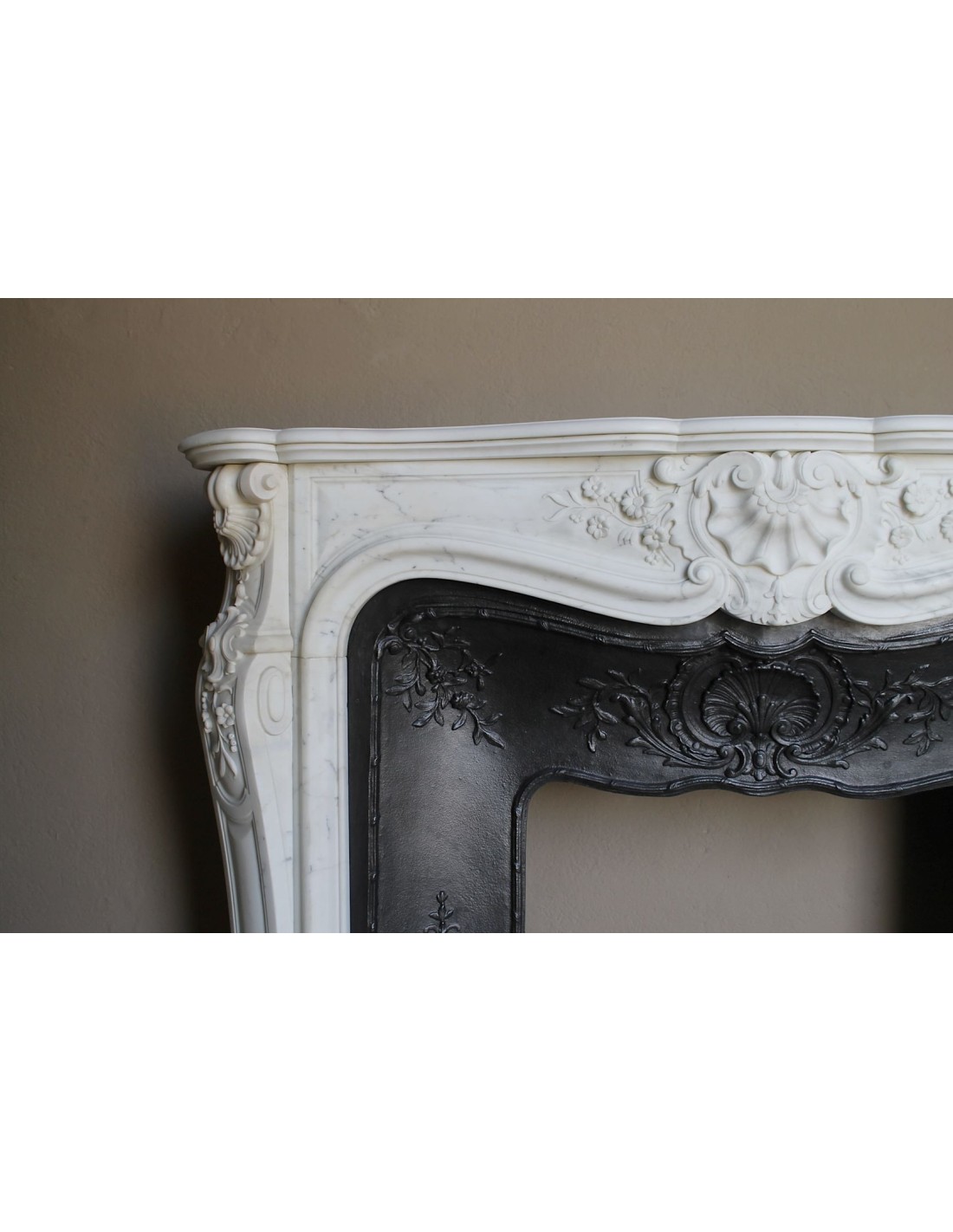
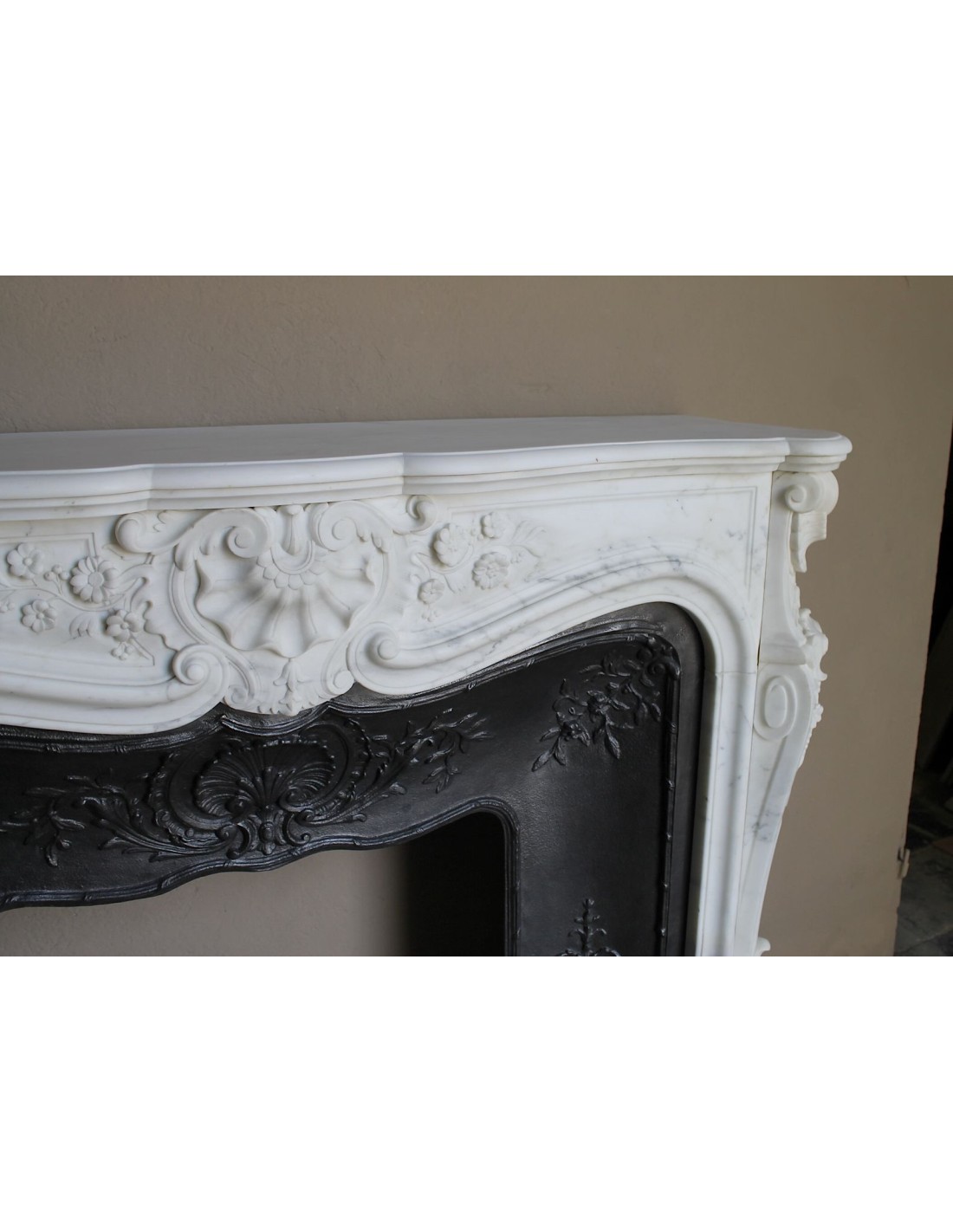
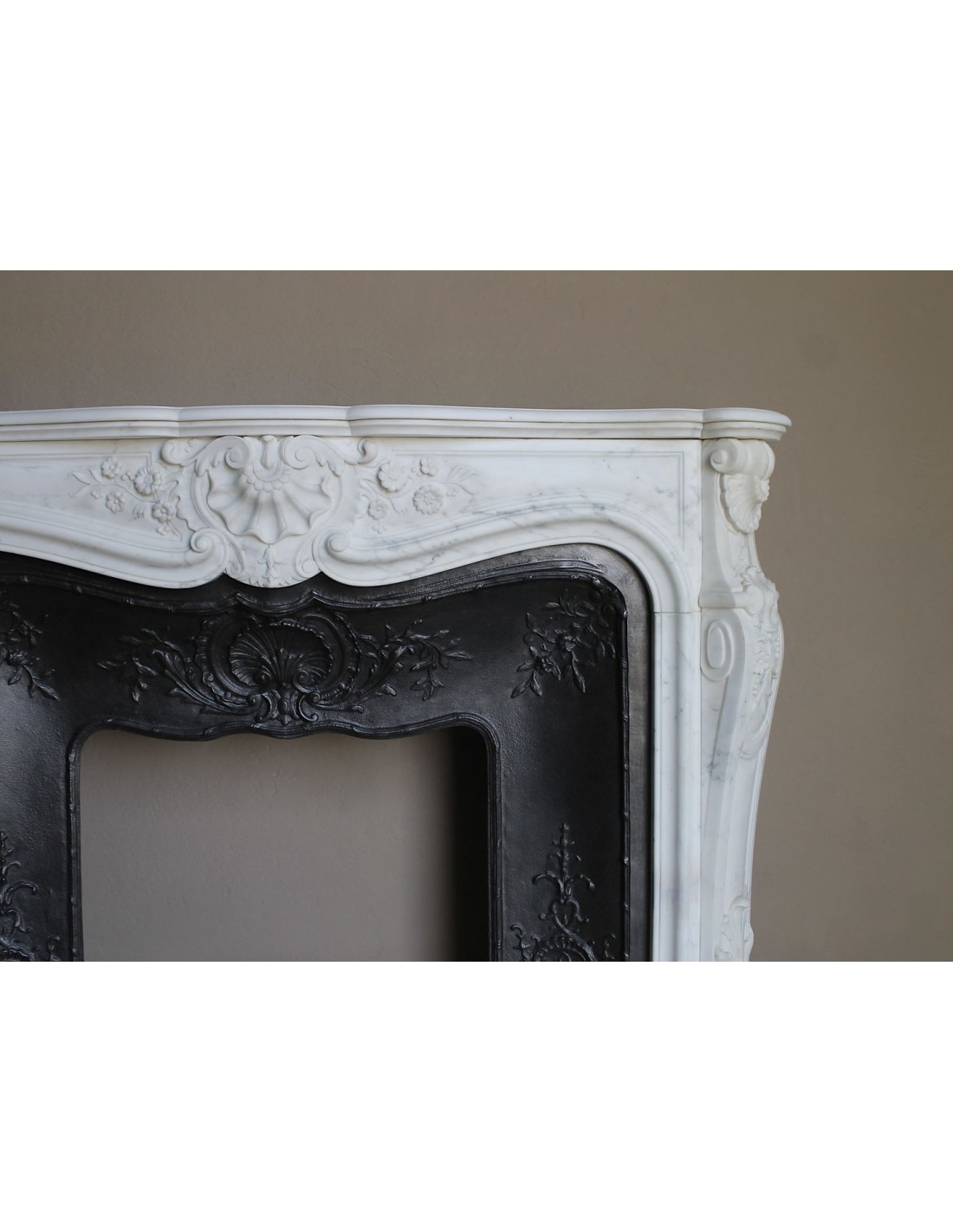
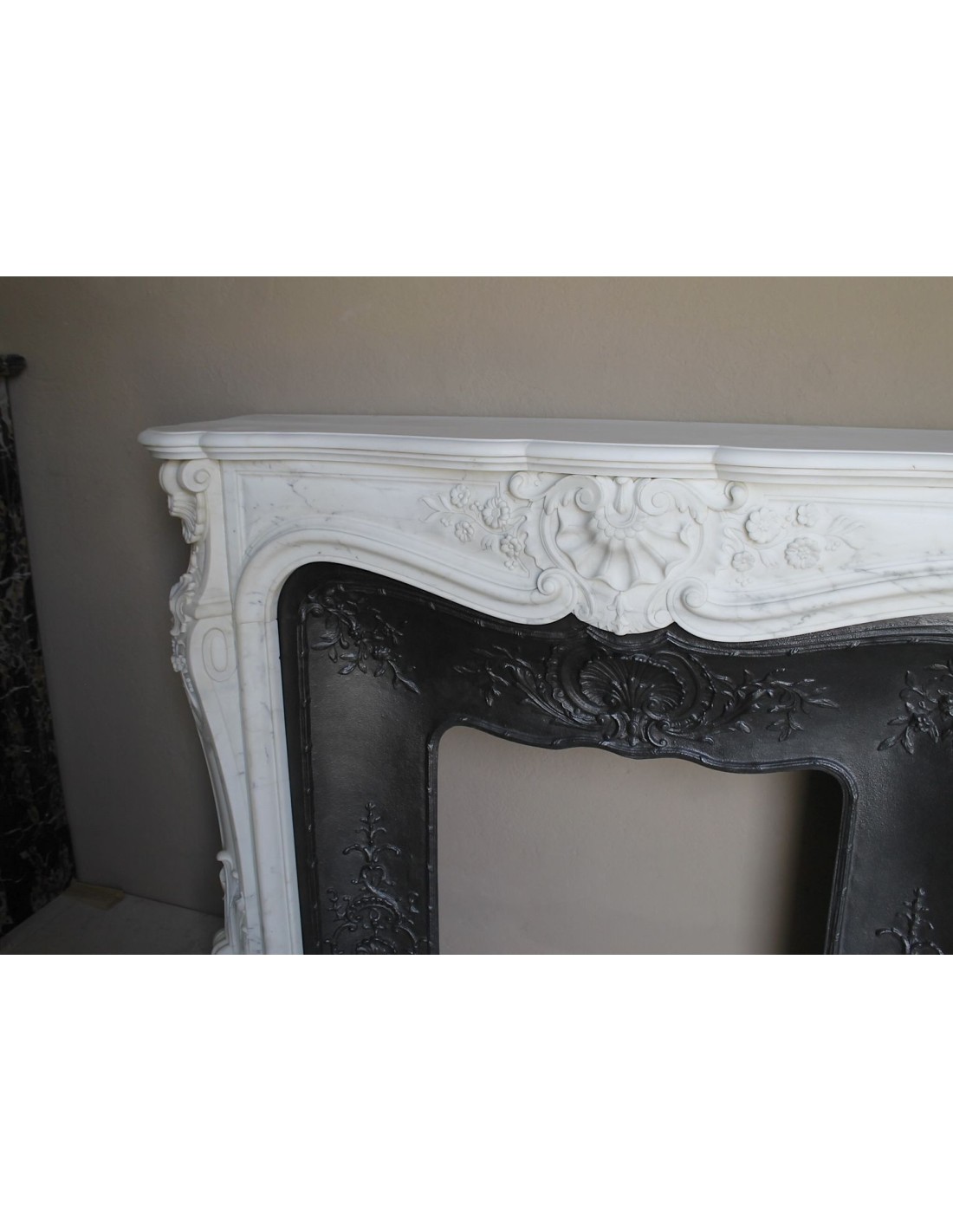
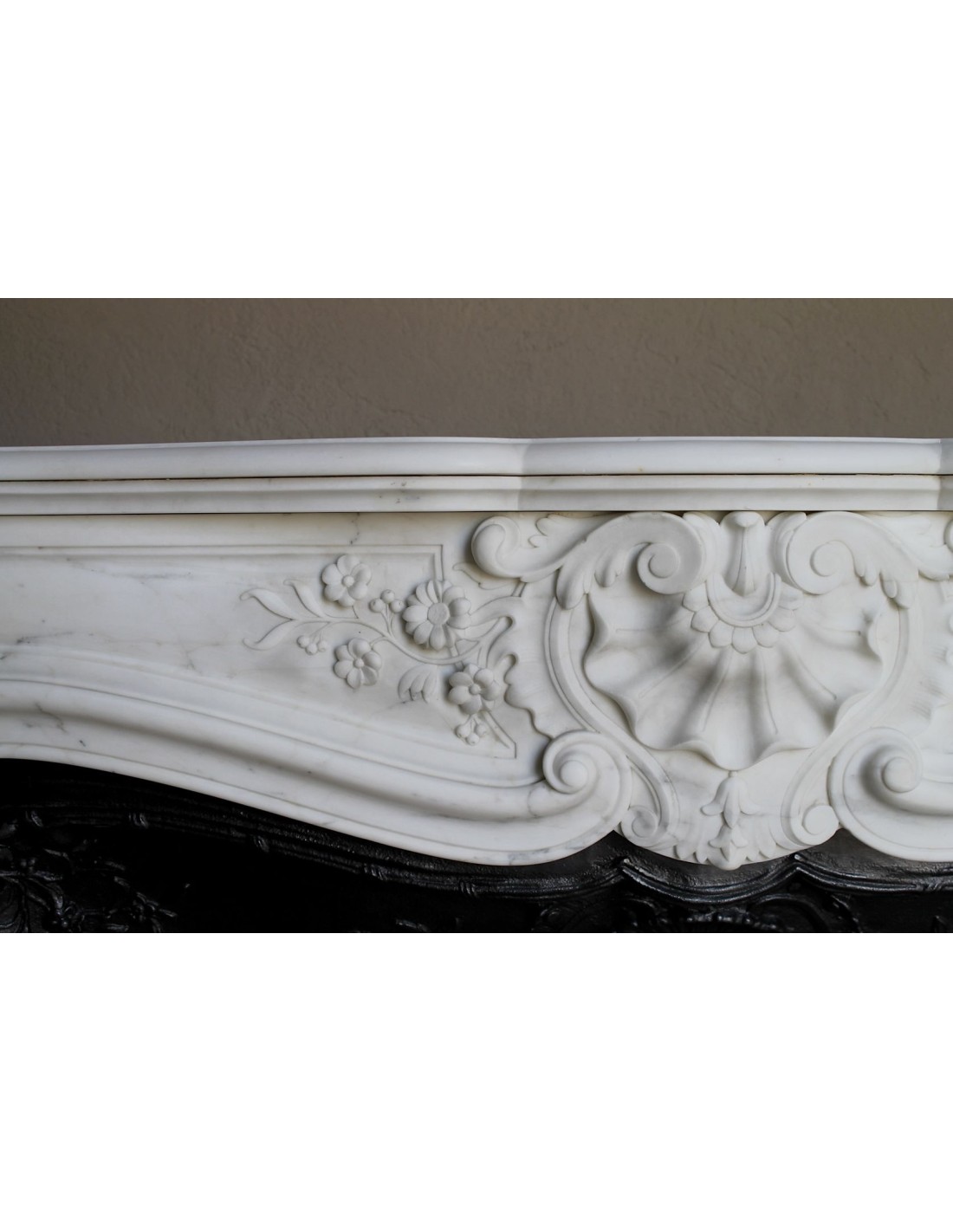
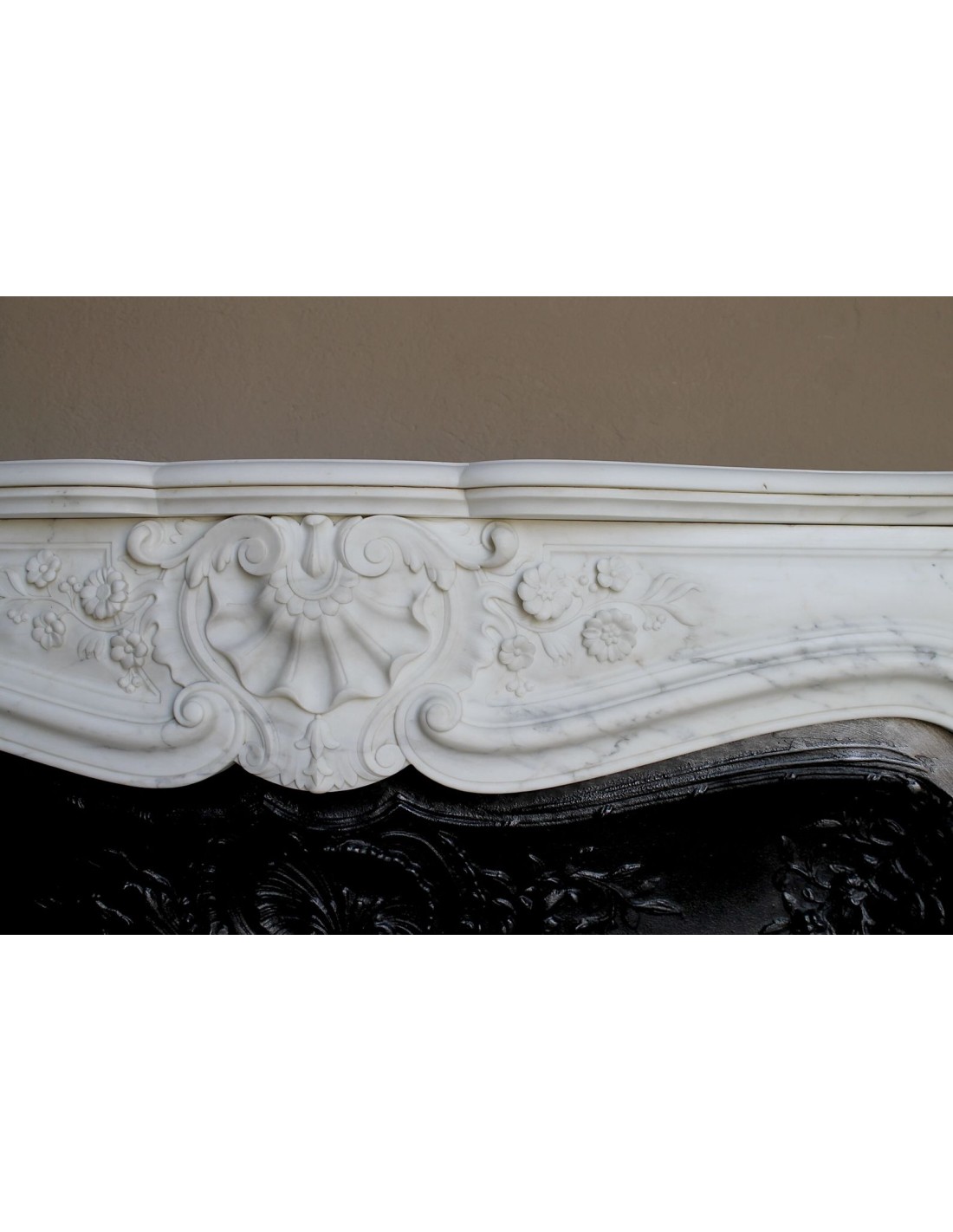
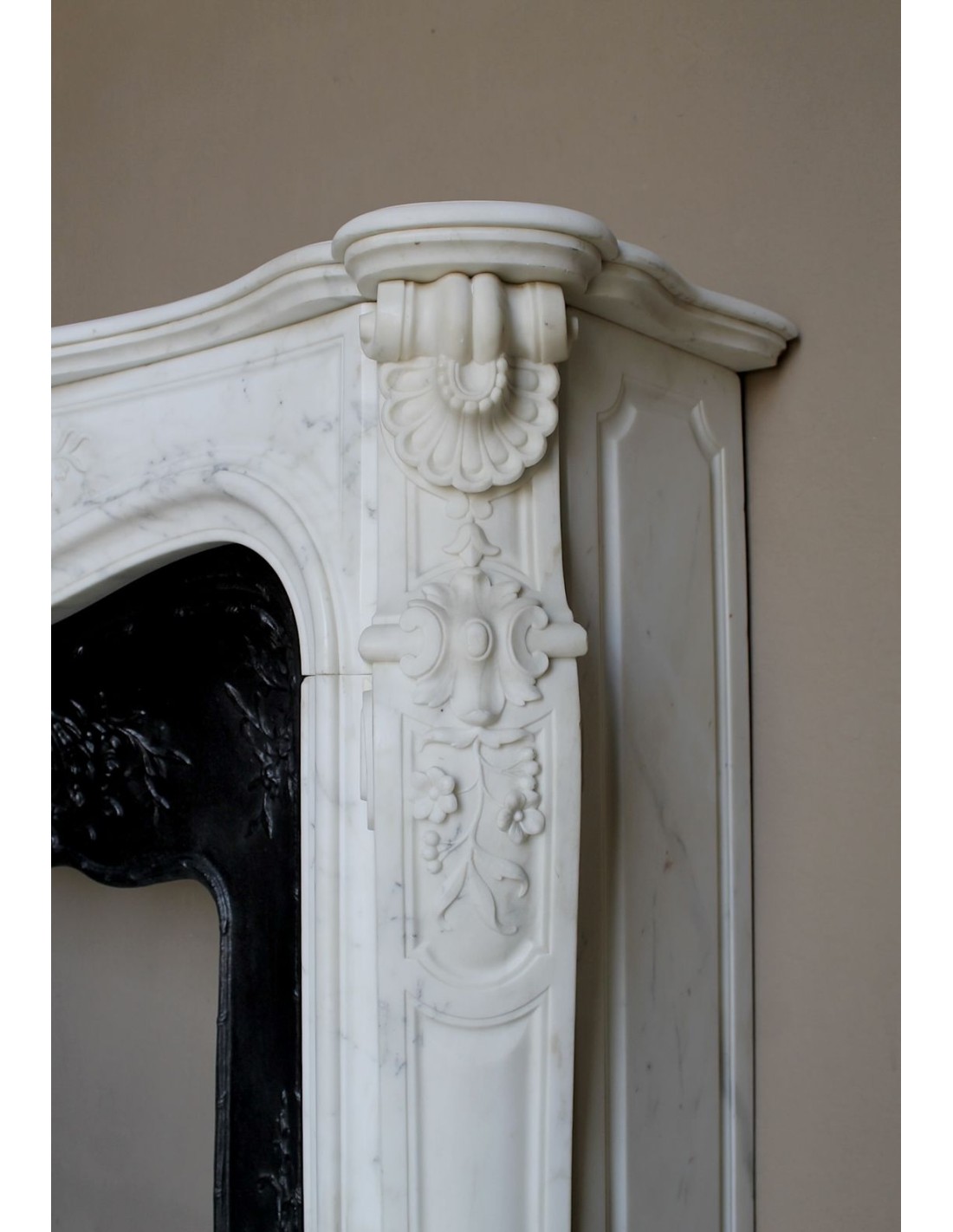
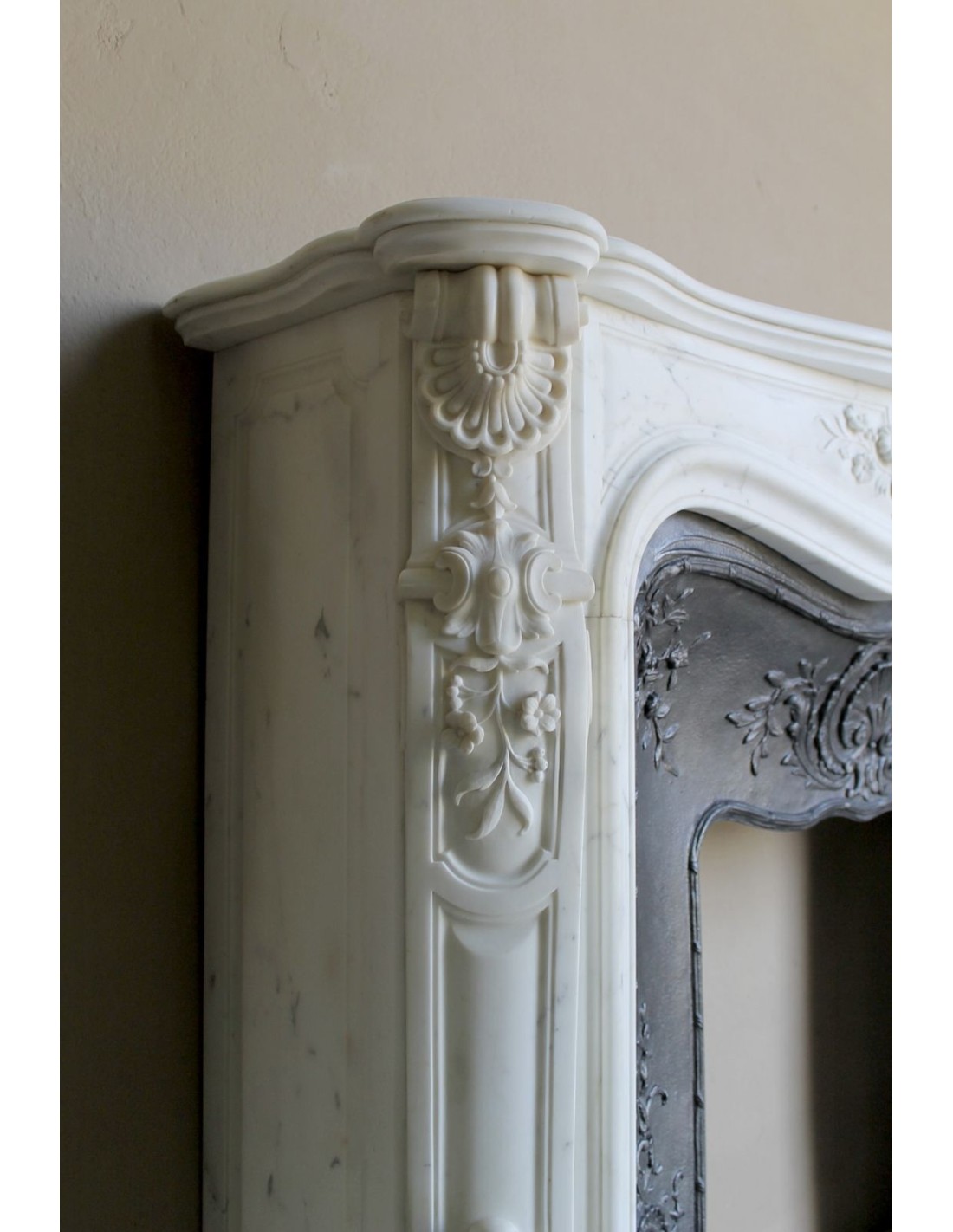
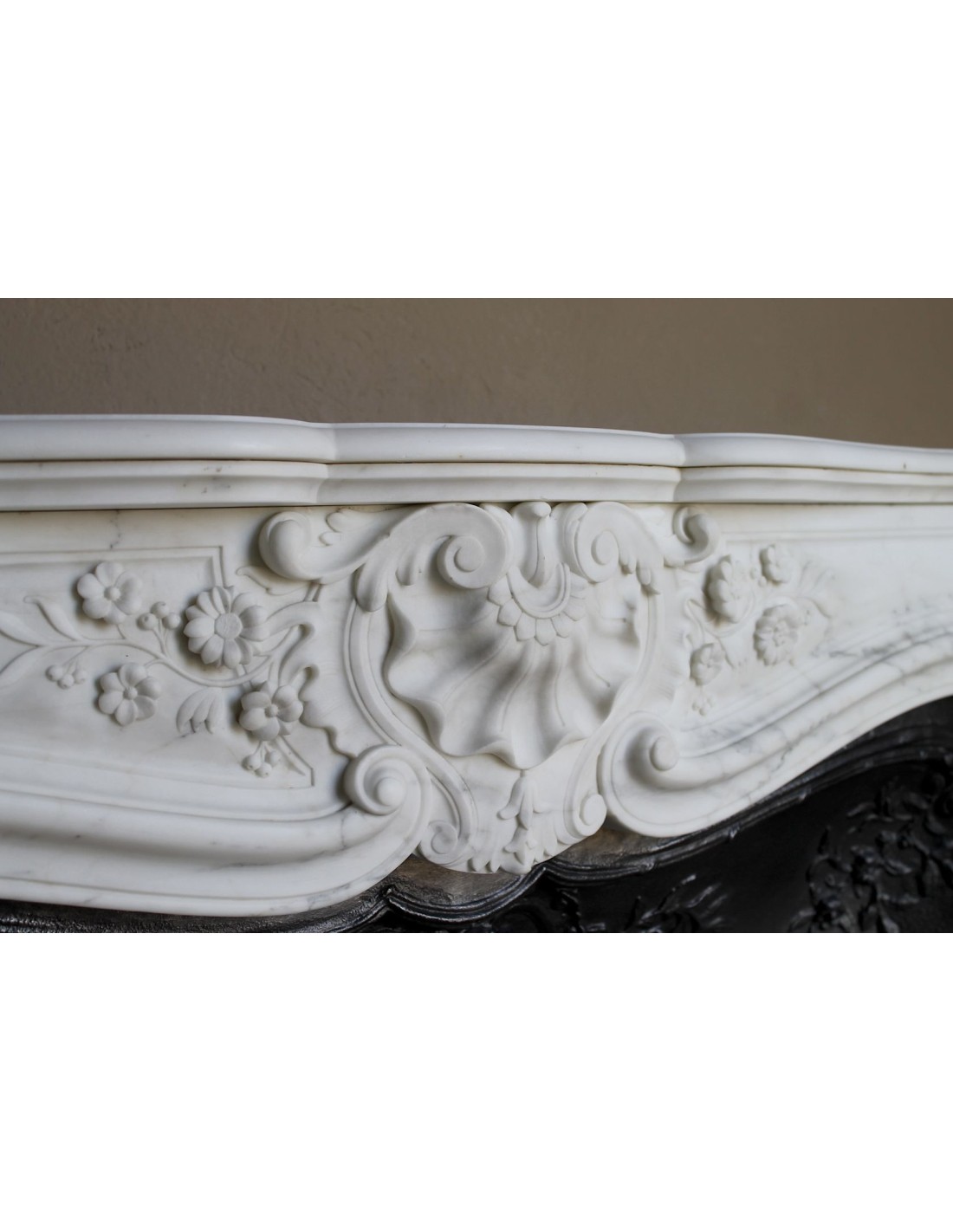
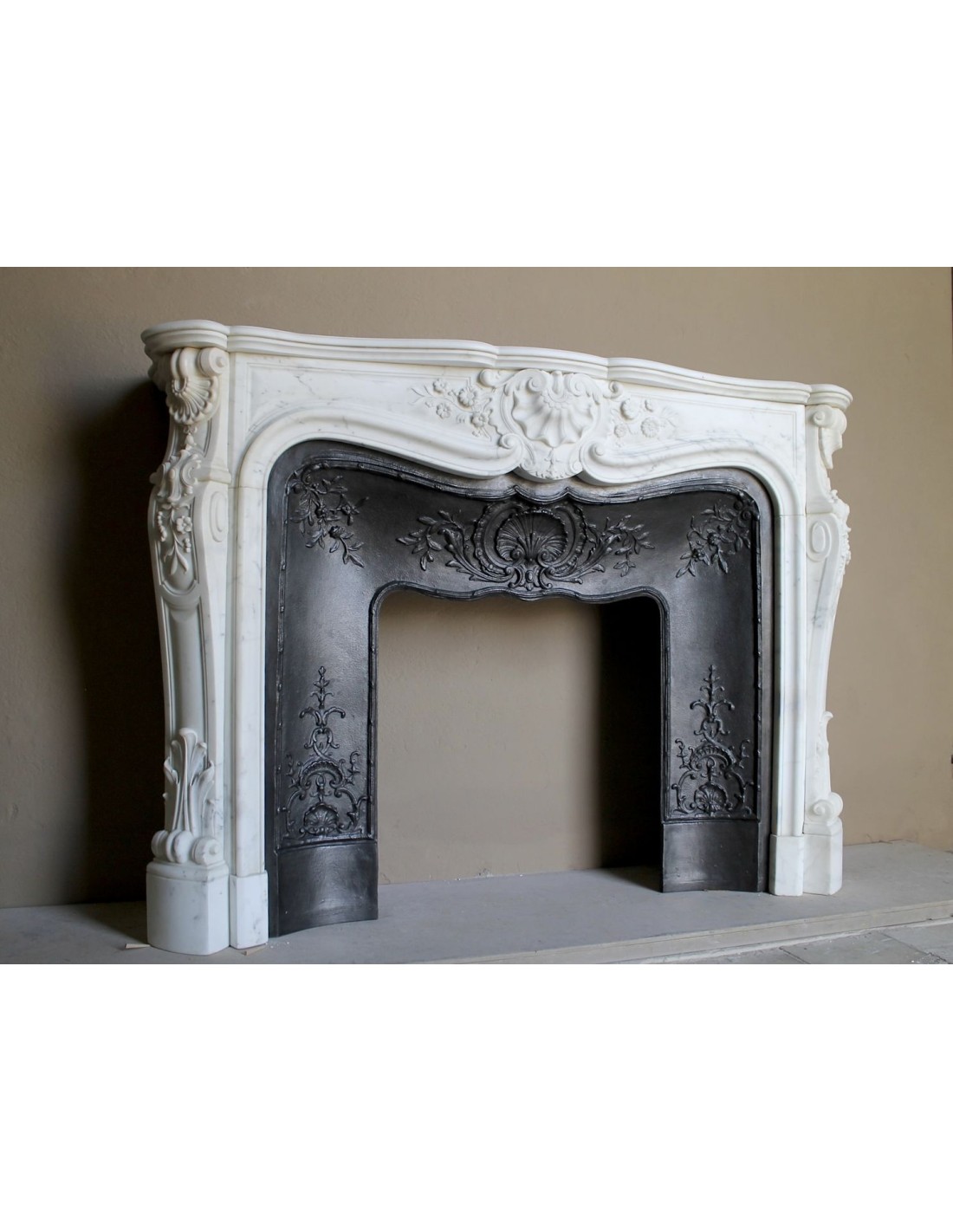
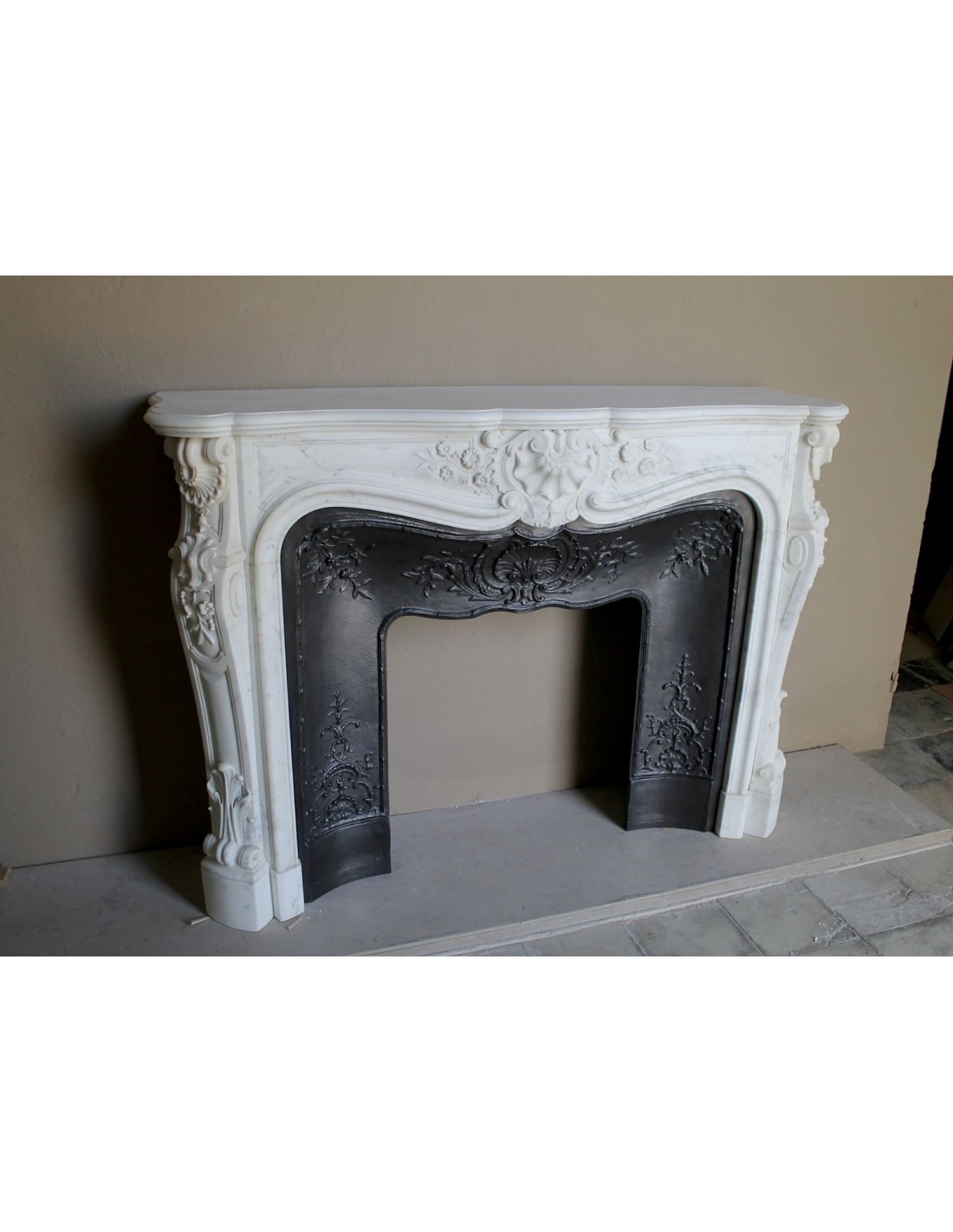
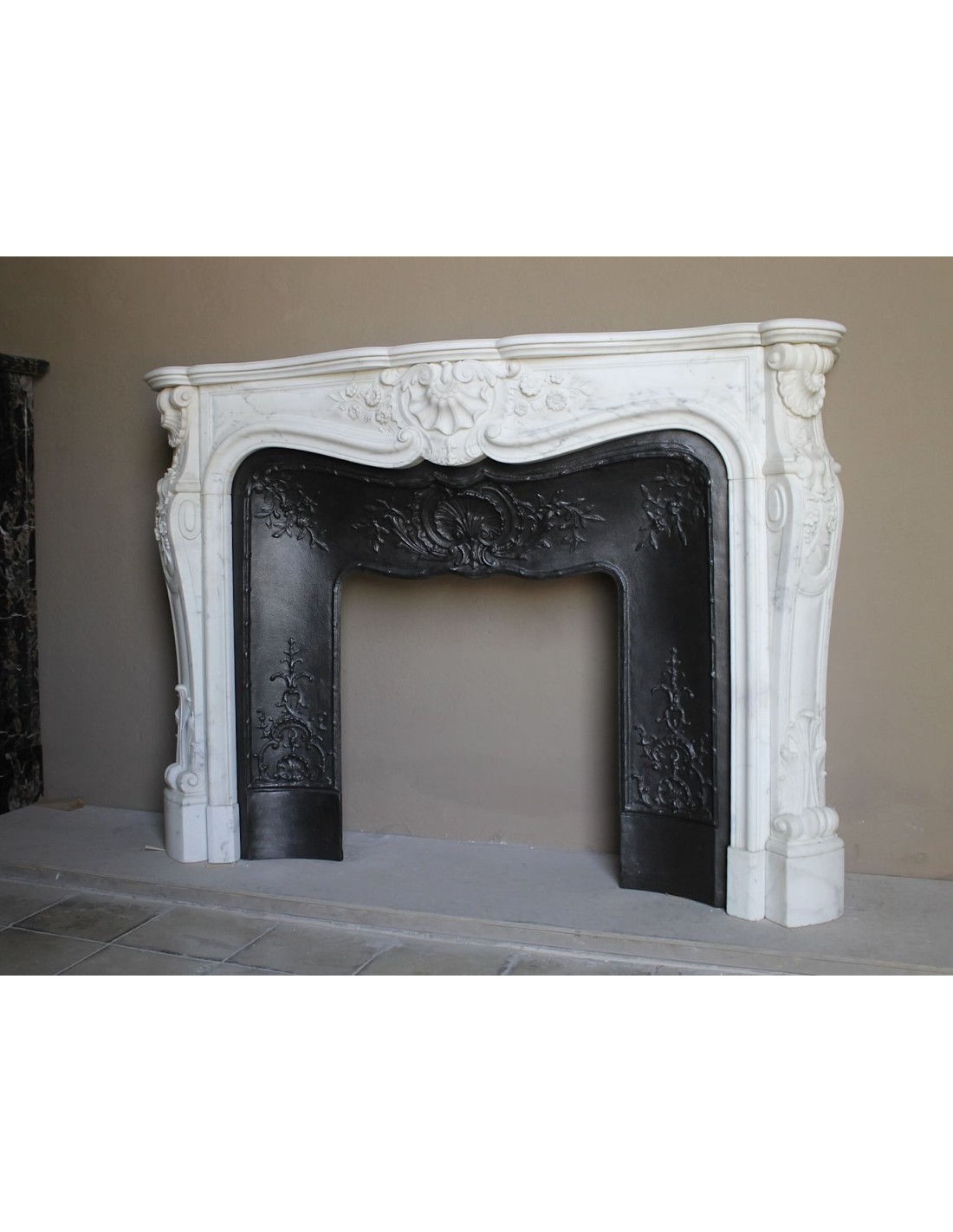
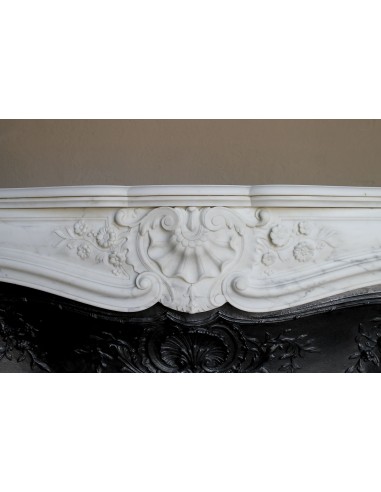
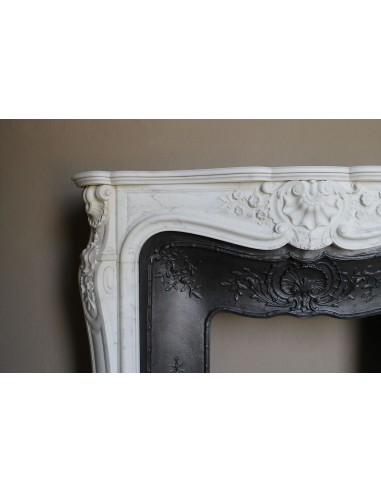
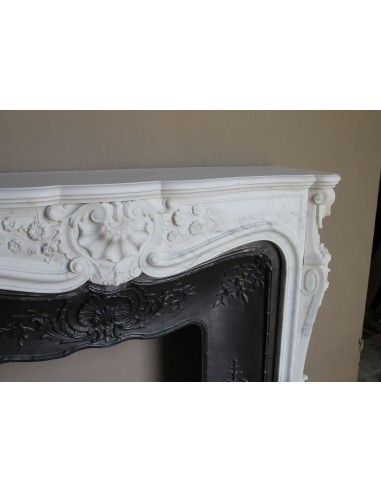
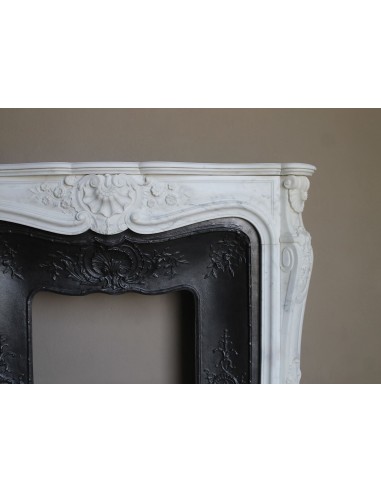
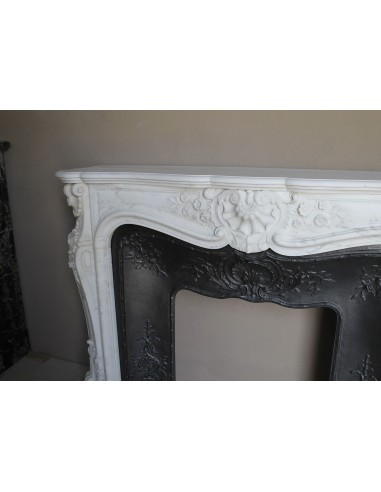
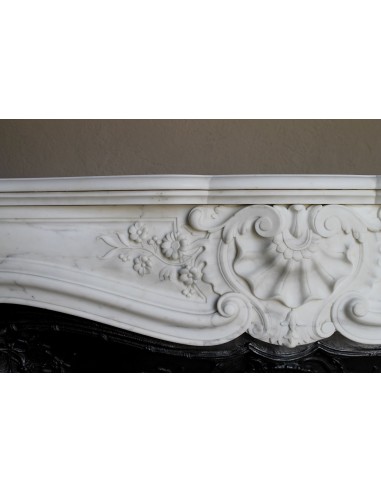
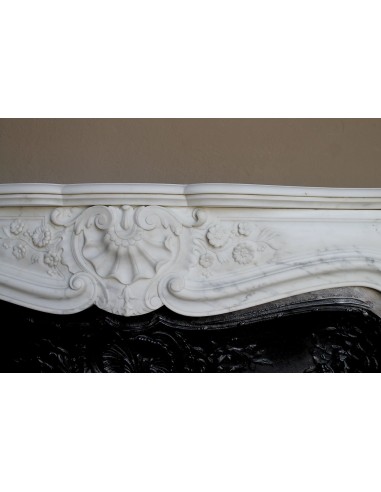
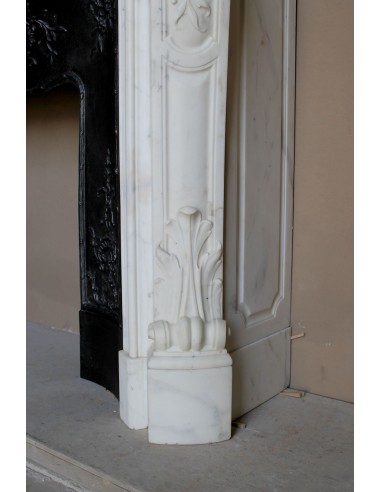
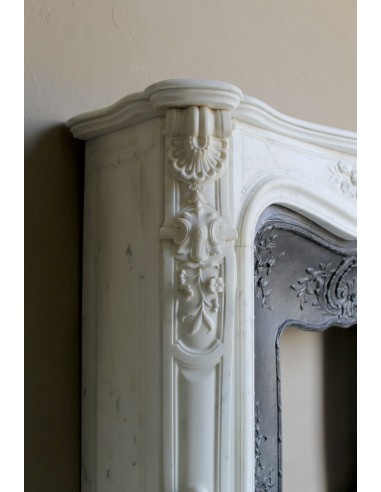
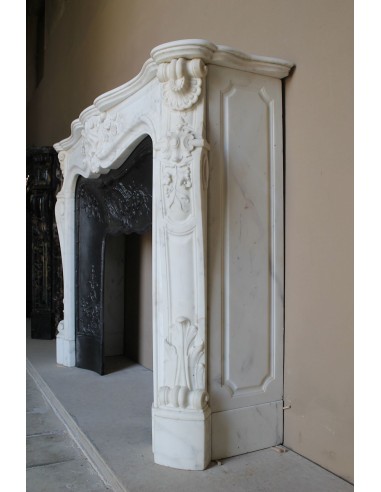
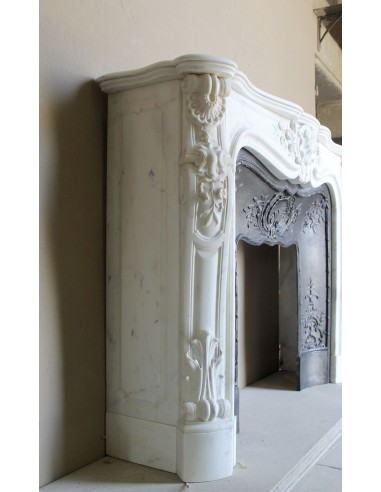
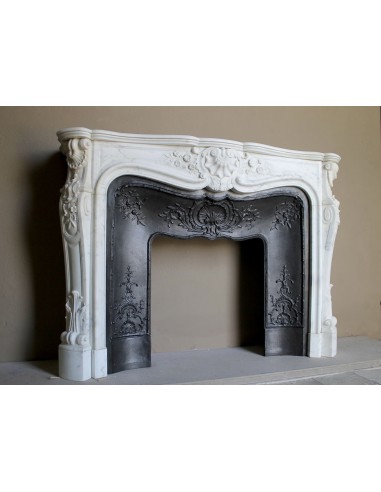
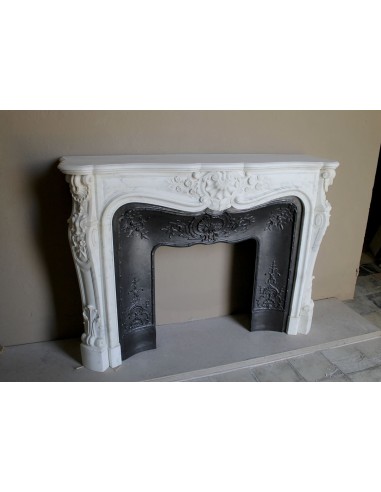
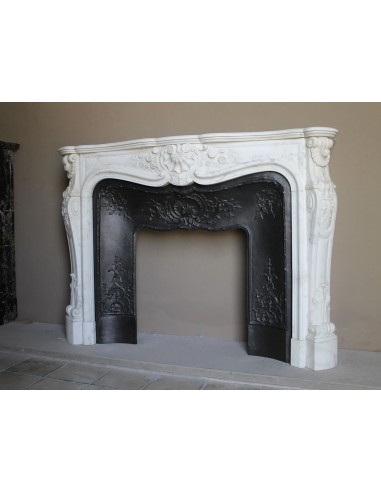
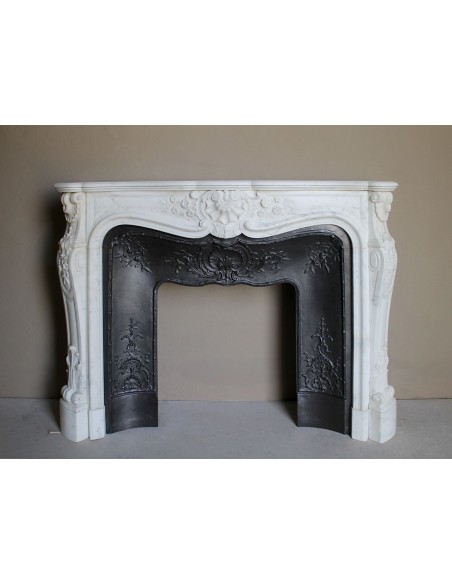
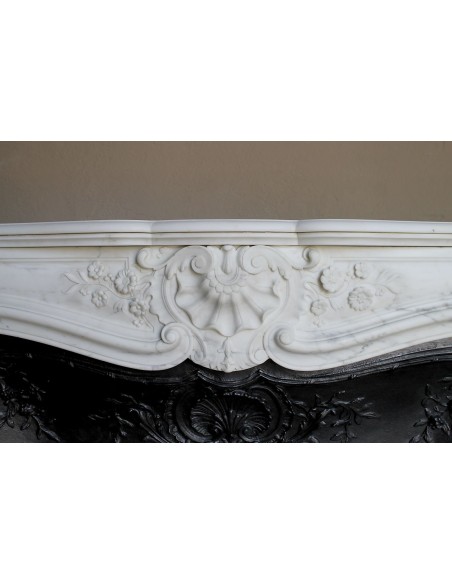
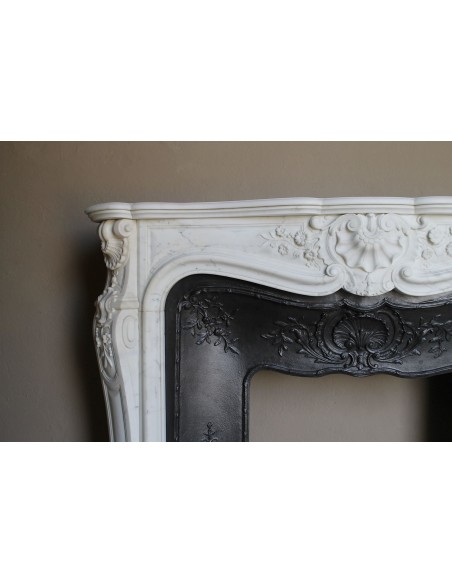
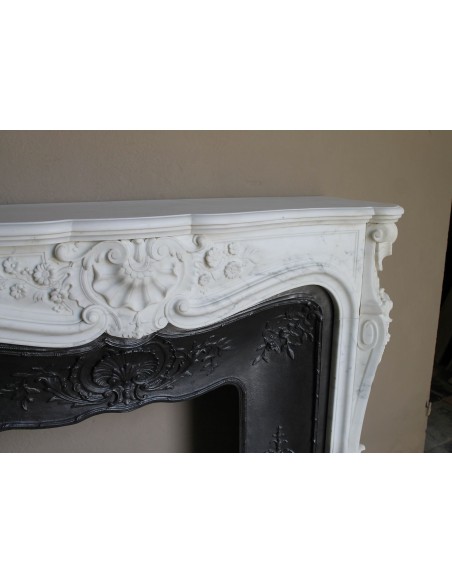
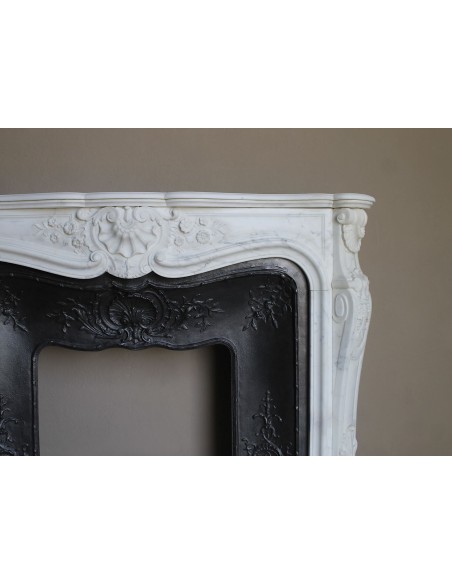
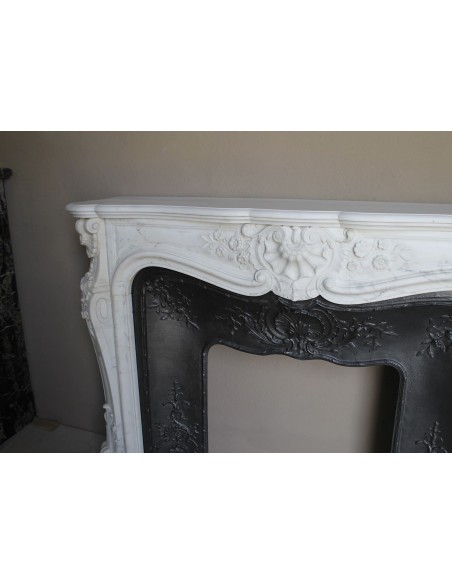
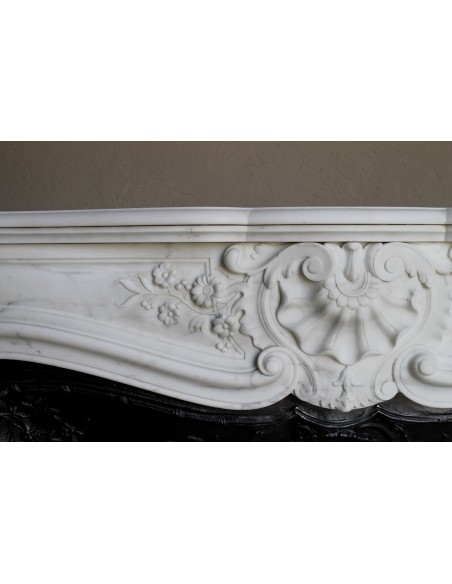
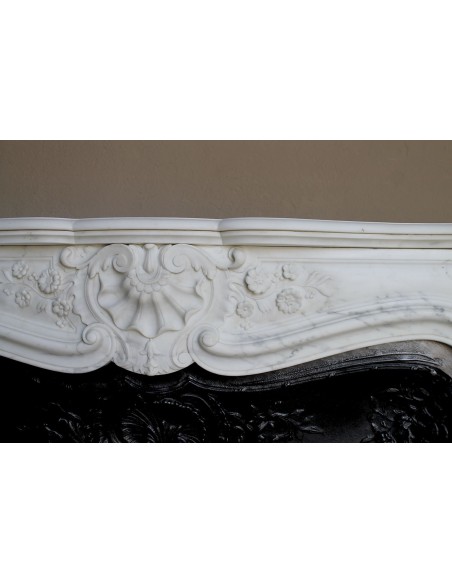
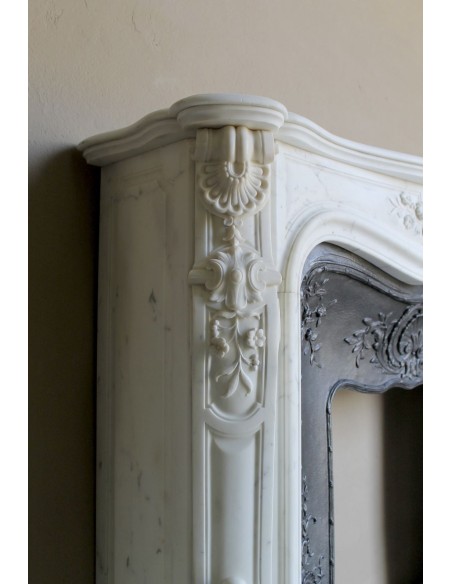
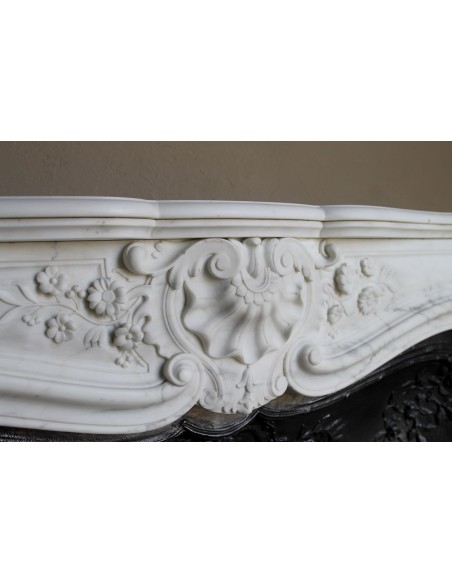
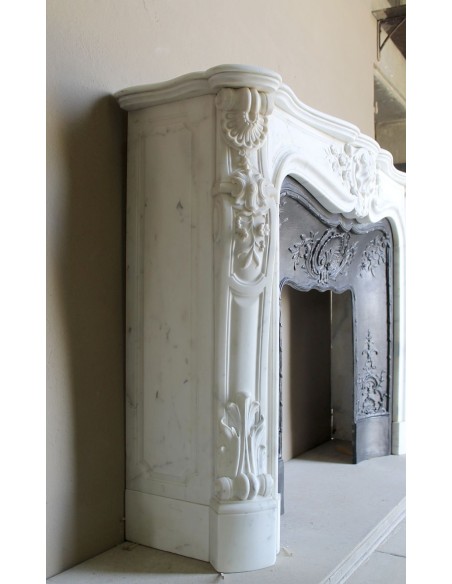
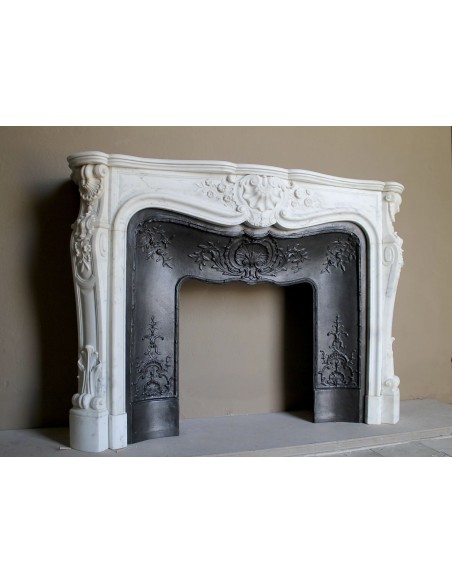
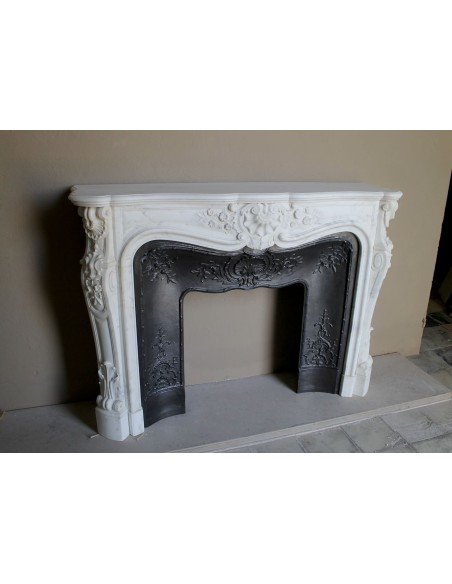
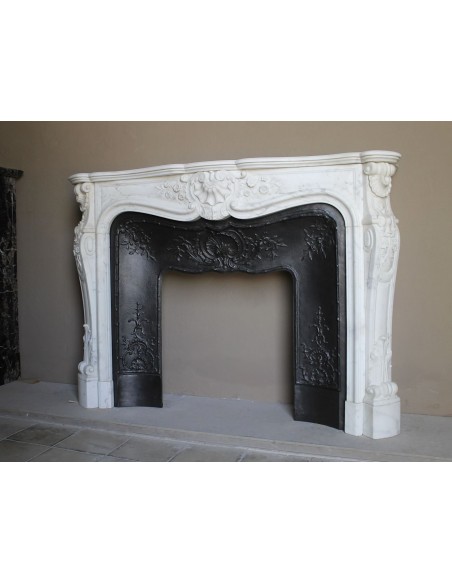
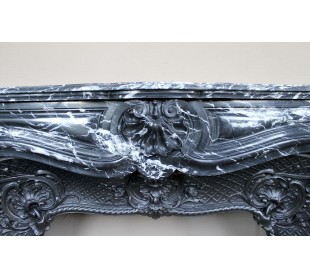
The sculpture is richly adorned with daisies, bellflowers and delicate wildflowers, perfectly reflecting the floral vocabulary of the Liberty movement.
Yet these blossoms were never intended merely as decoration.
In the artistic culture of the nineteenth century, flowers spoke a language of their own.
The daisy symbolised purity, sincerity, innocence, faithful love and modesty.
The bellflower, admired for its ability to flourish where few other plants survive, represented perseverance, resilience and determination.
Together they form a silent wish carved permanently into marble.
Perhaps these virtues reflected the character of the first owner.
Or perhaps they expressed the qualities he hoped to cultivate throughout his life.
Either way, they remain just as meaningful today.
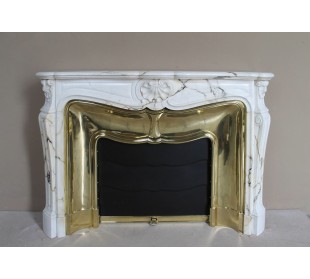
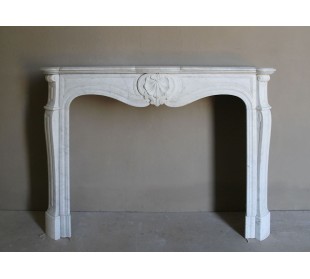
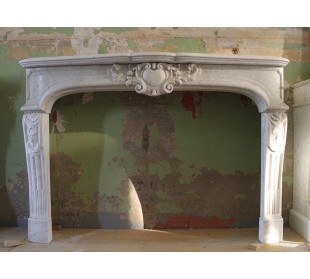
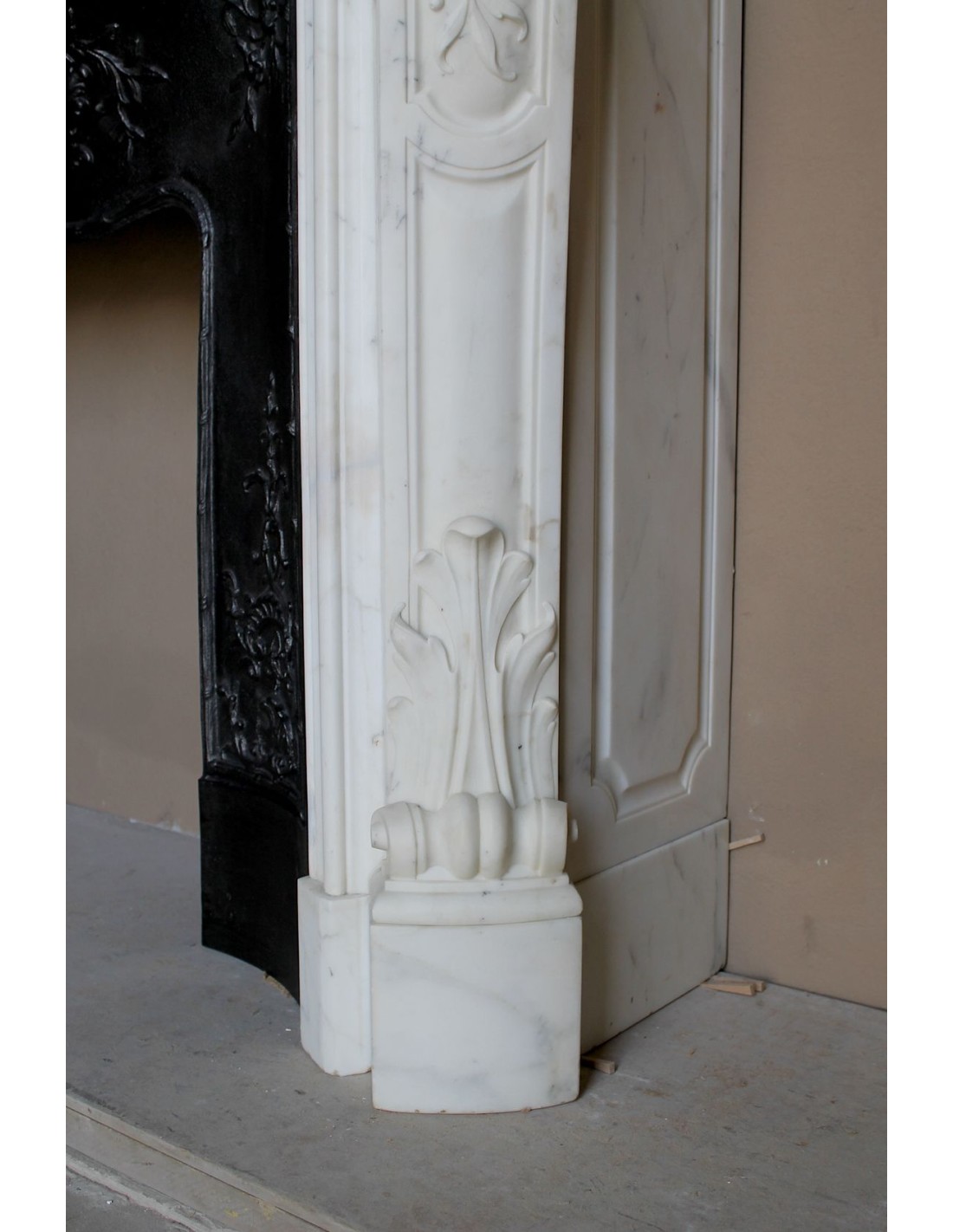
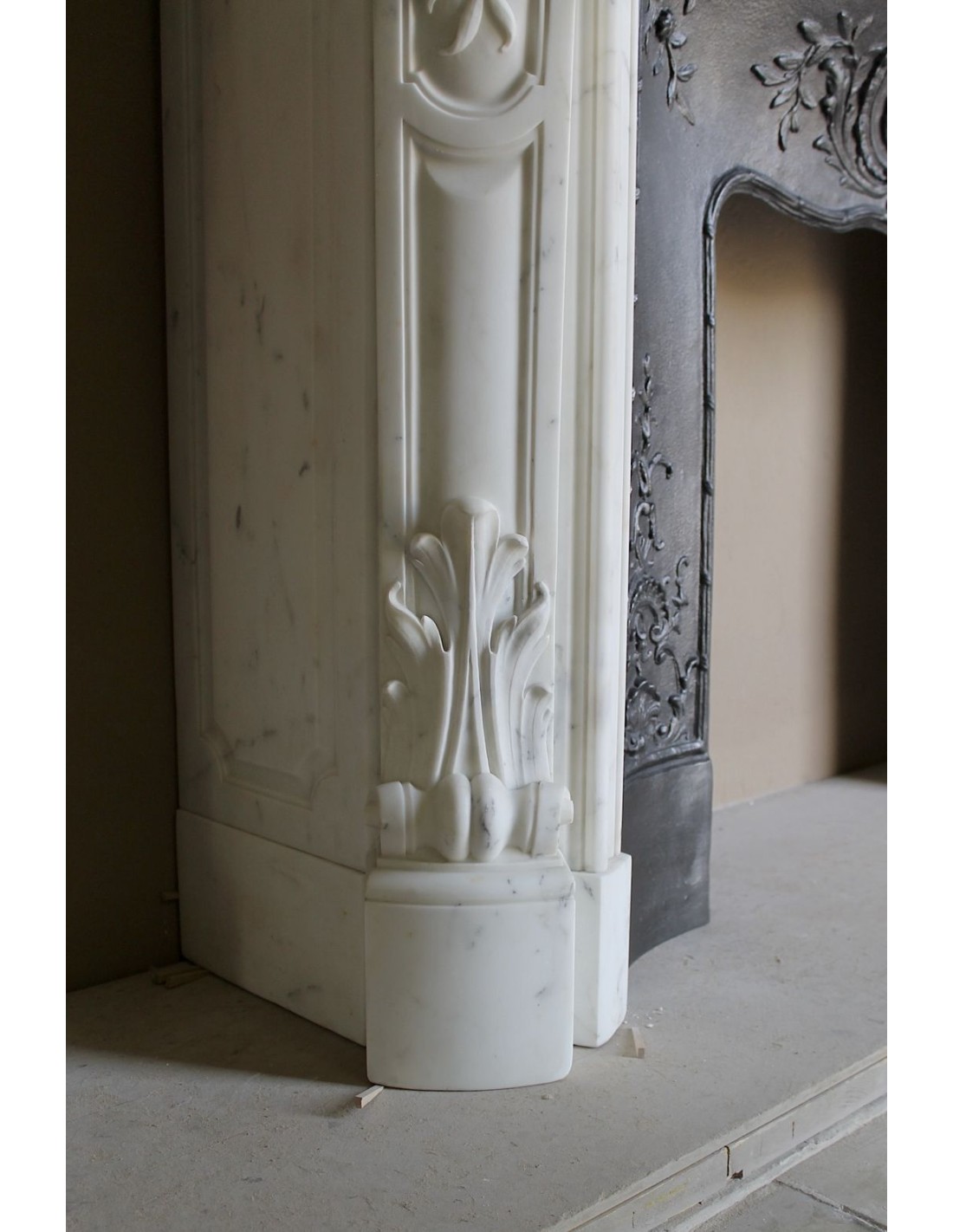
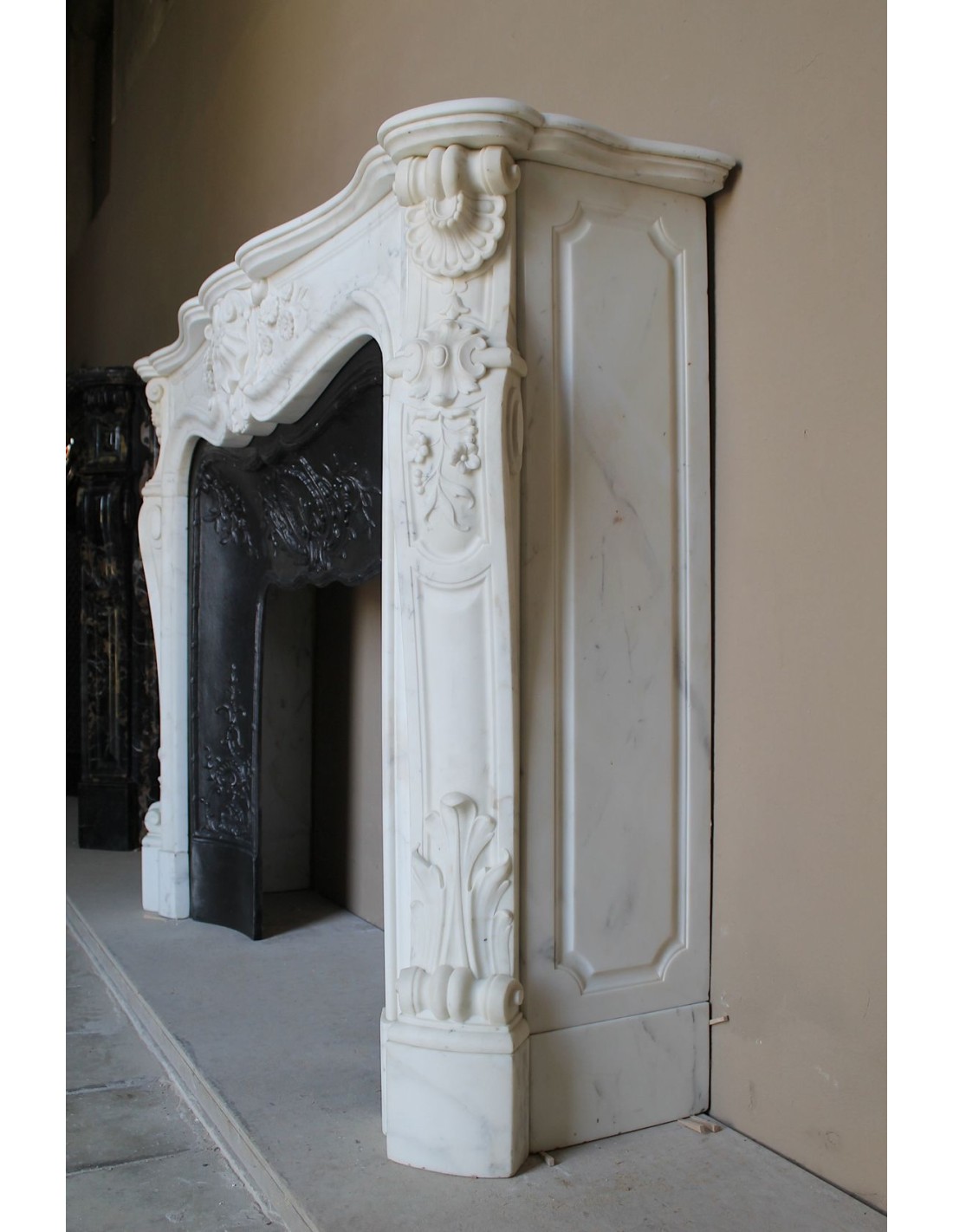
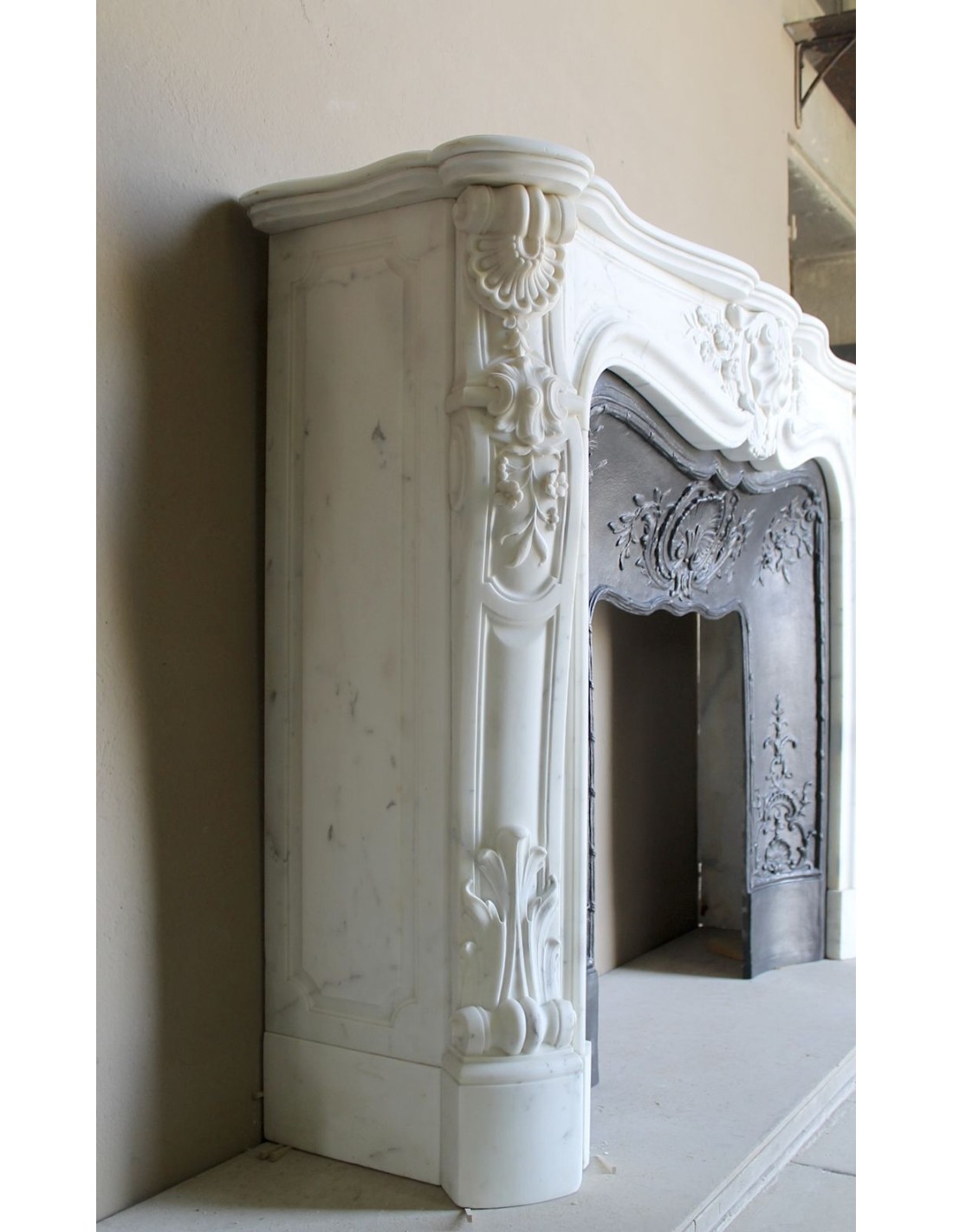
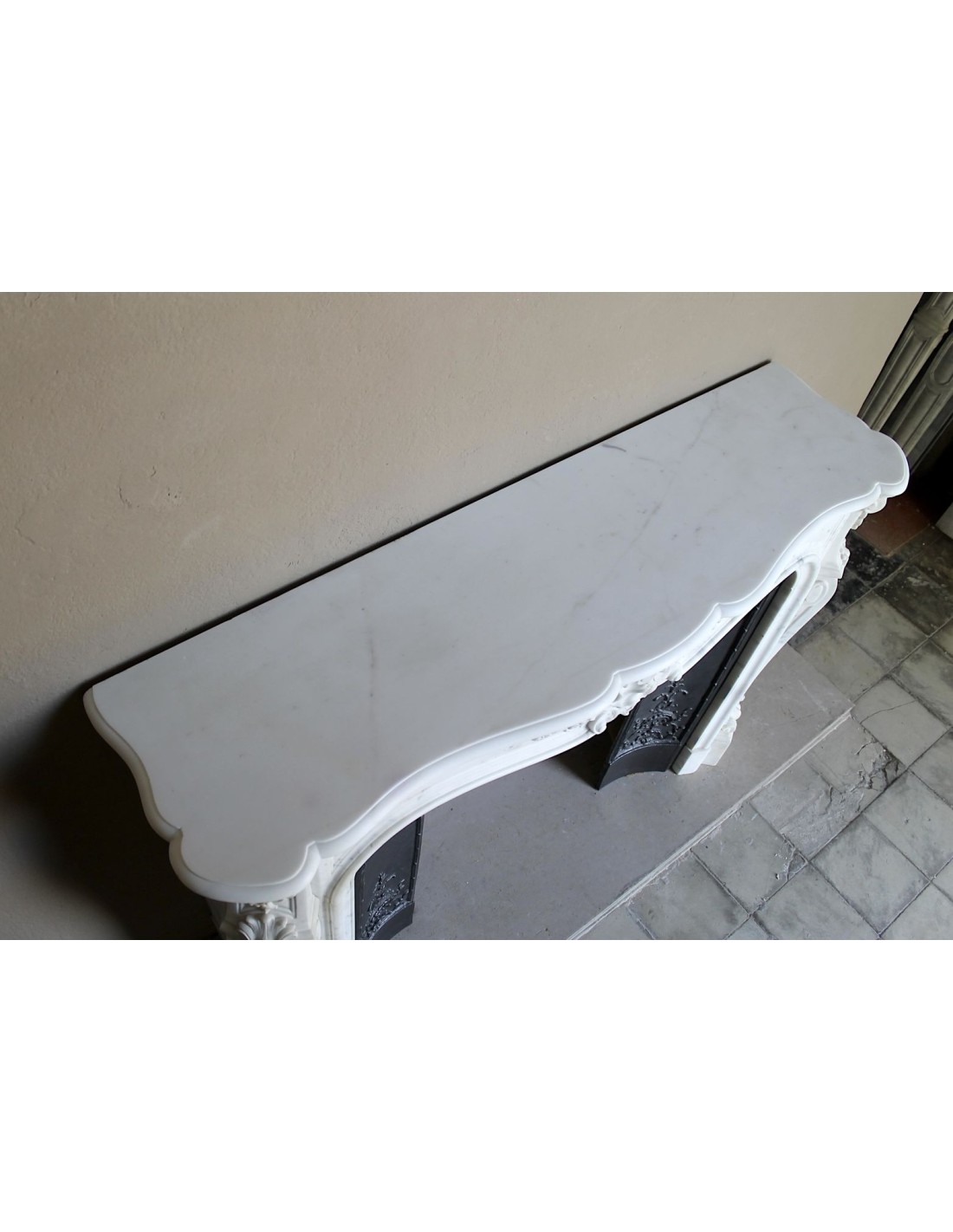
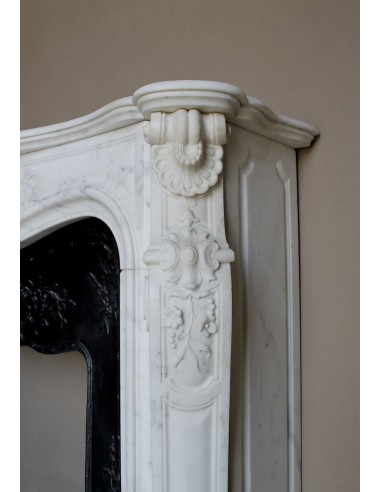
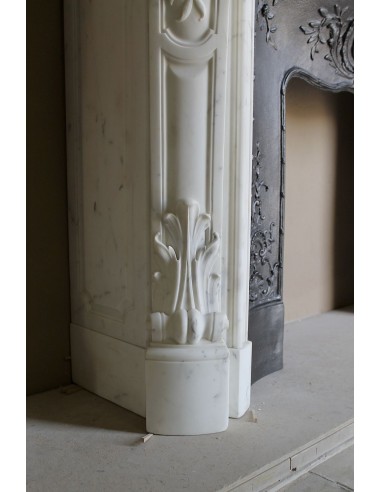
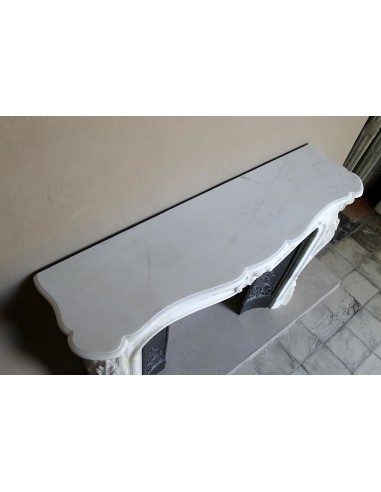
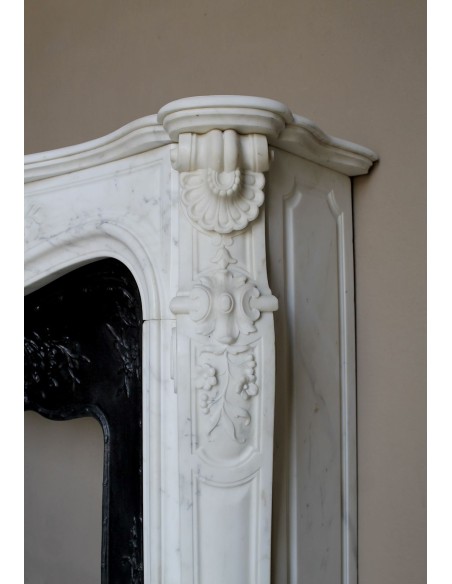
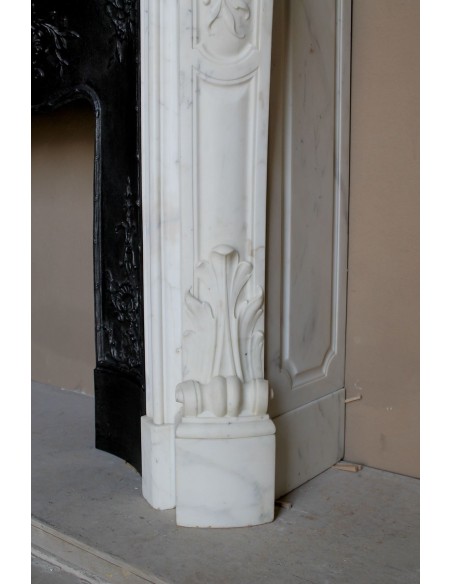
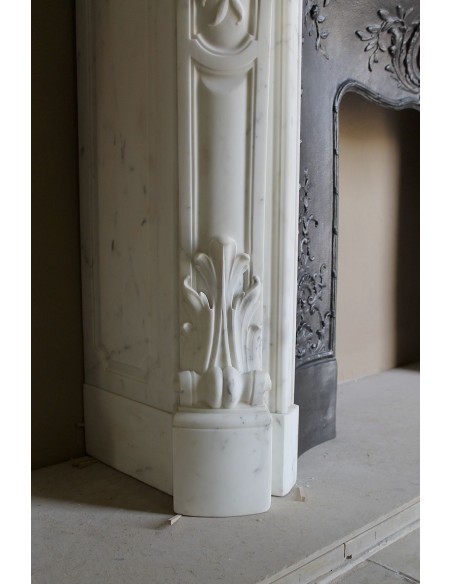
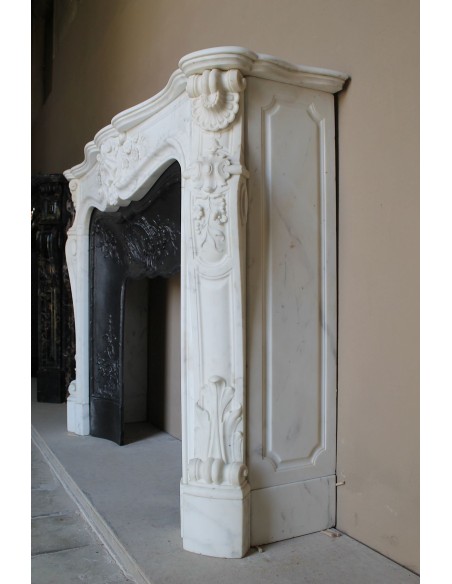
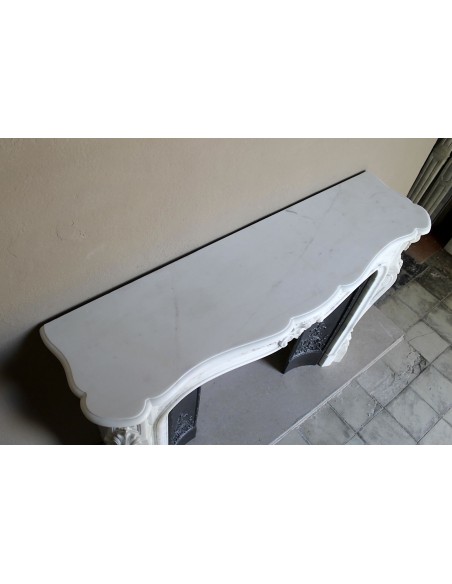
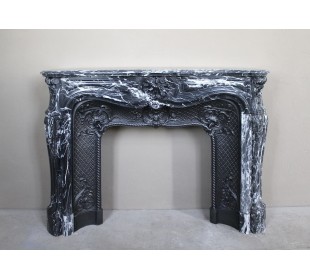
This elegant Art Nouveau fireplace mantel was carved around 1890 in Florence from the finest Statuary White Carrara Marble, universally regarded as one of the world's most noble sculptural marbles.
Its exceptionally crisp carving, harmonious proportions and beautifully preserved original surfaces testify to the remarkable skill of the Florentine craftsmen who created it.
More than a century later, it remains in outstanding condition.
A fireplace such as this is more than an architectural feature.
It is a work of sculpture, a piece of history and a lasting reminder of an age when beauty and symbolism were inseparable.