
SHARE ON:
Some people say that "first impressions are the right ones." I happen to be one of them.
A first impression is often the truest because it has not yet been influenced by prior knowledge, expectations, or second thoughts.
The story I am about to tell has appeared in another of my writings years ago, but I cannot resist repeating it here, because it perfectly illustrates what I mean.
One spring day, many years ago — I was twenty-two at the time — I was driving my old Austin very slowly through a quiet residential street in Carpi, looking for a friend's house. It was one of those charming 1960s streets lined with detached homes, each with a small front garden and a vegetable patch behind.
As I glanced up, I saw a beautiful young woman with auburn hair leaning out of a window, her elbows resting on the windowsill.
My first impression was nothing short of overwhelming.
I stopped the car, got out... and after a seventeen-year courtship, we were married.
We still are.
But enough memories. Let us return to our fireplace.
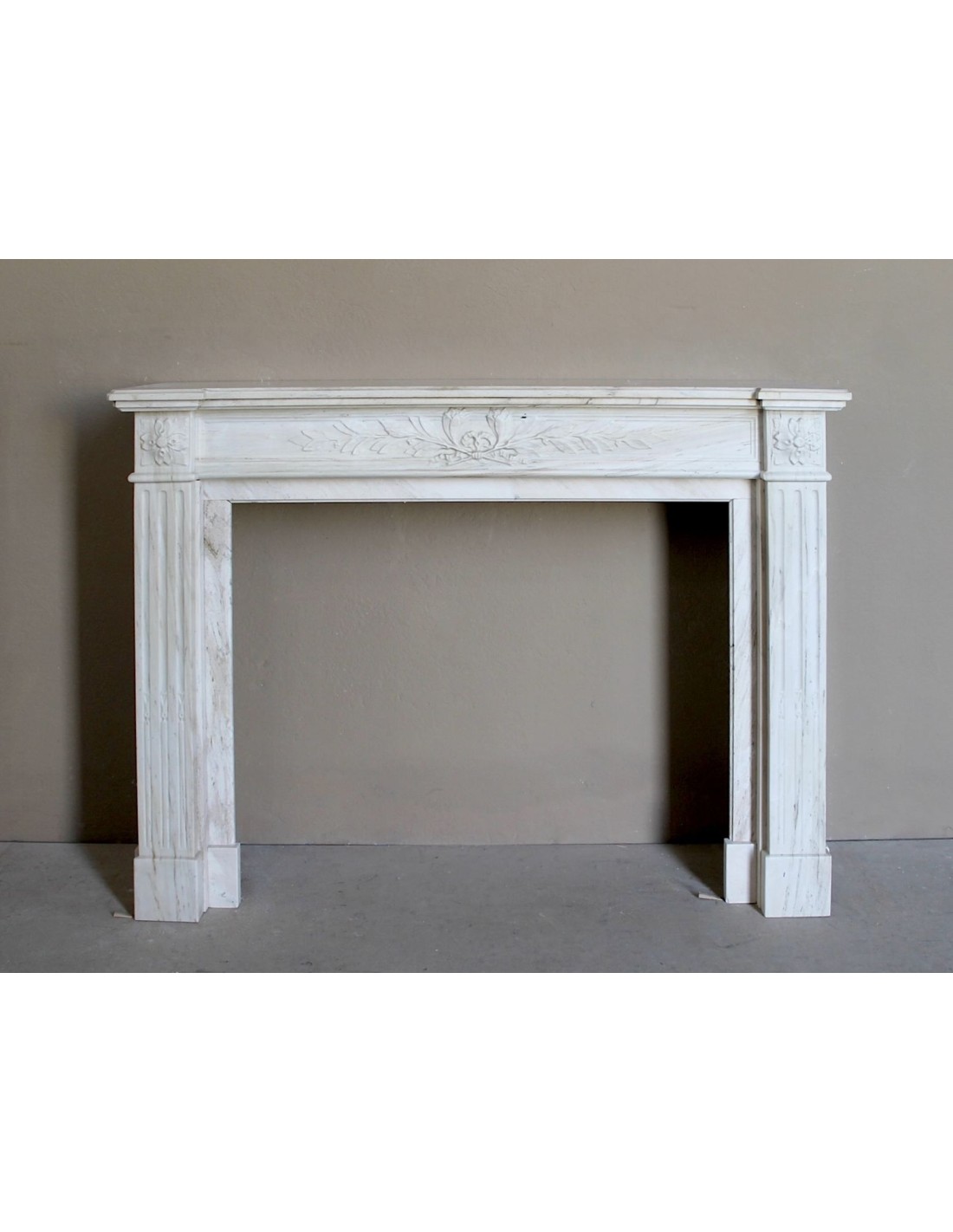
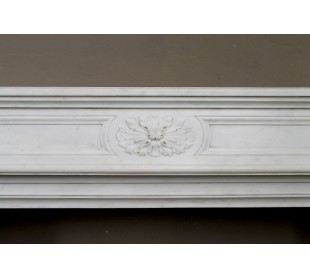
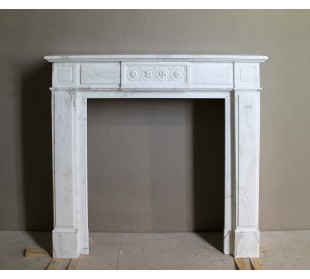
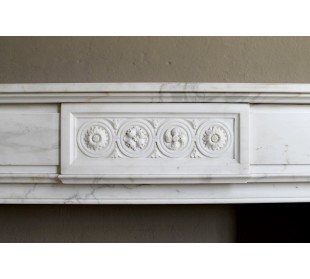
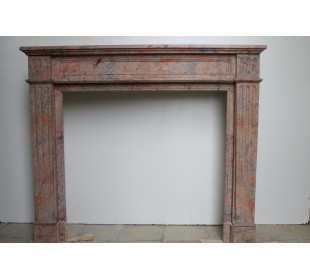
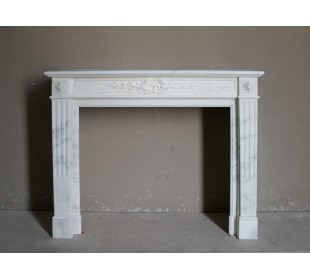
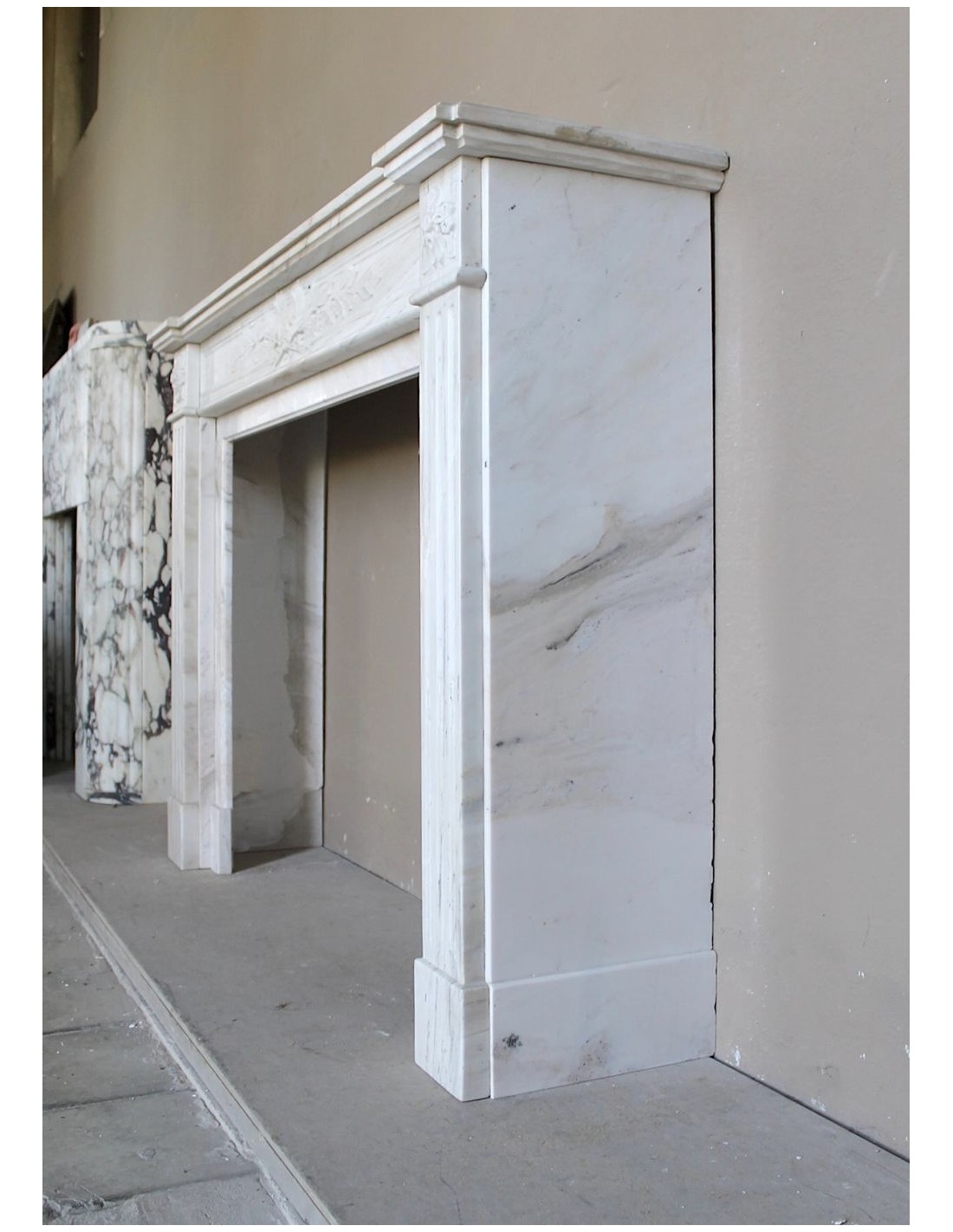
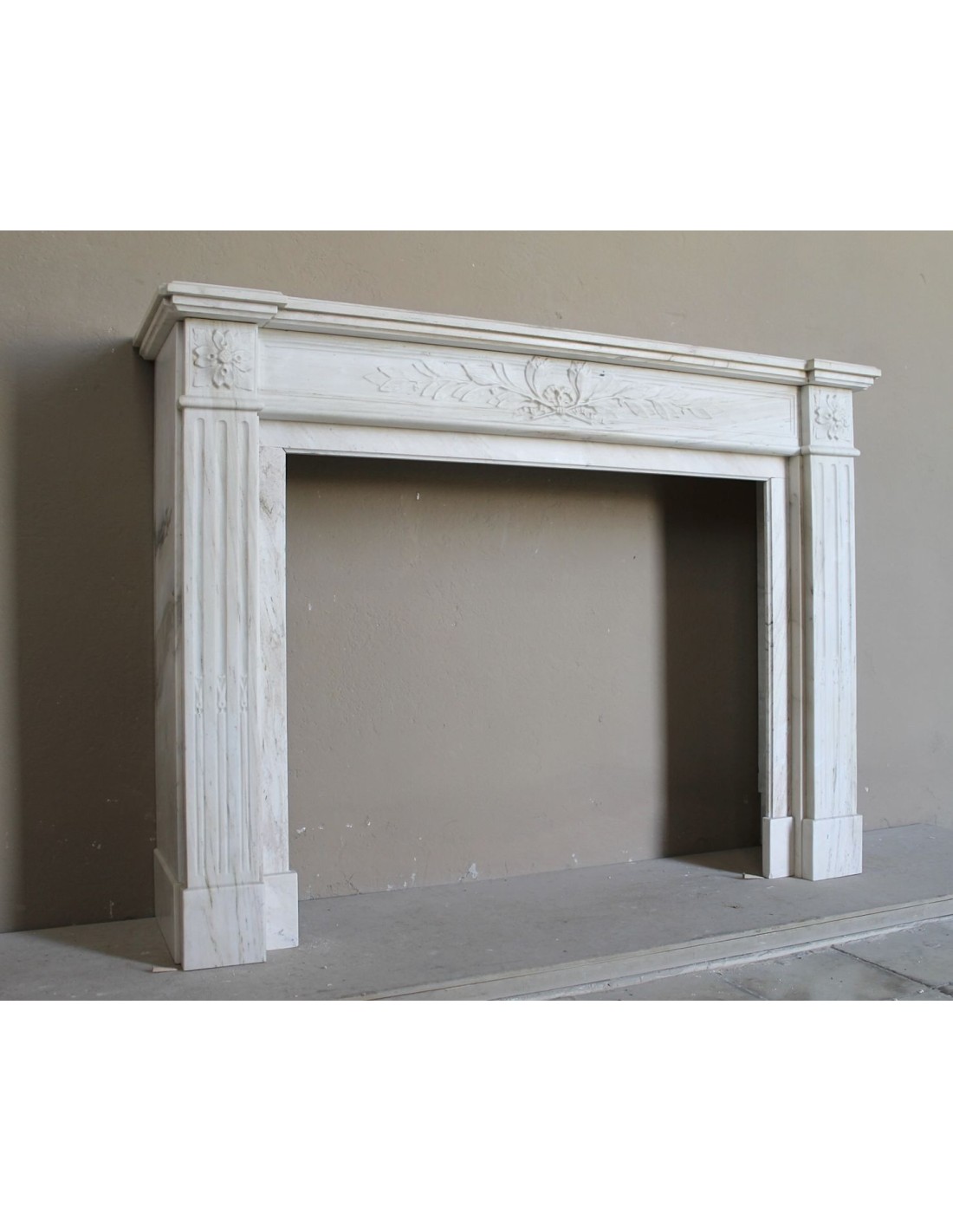
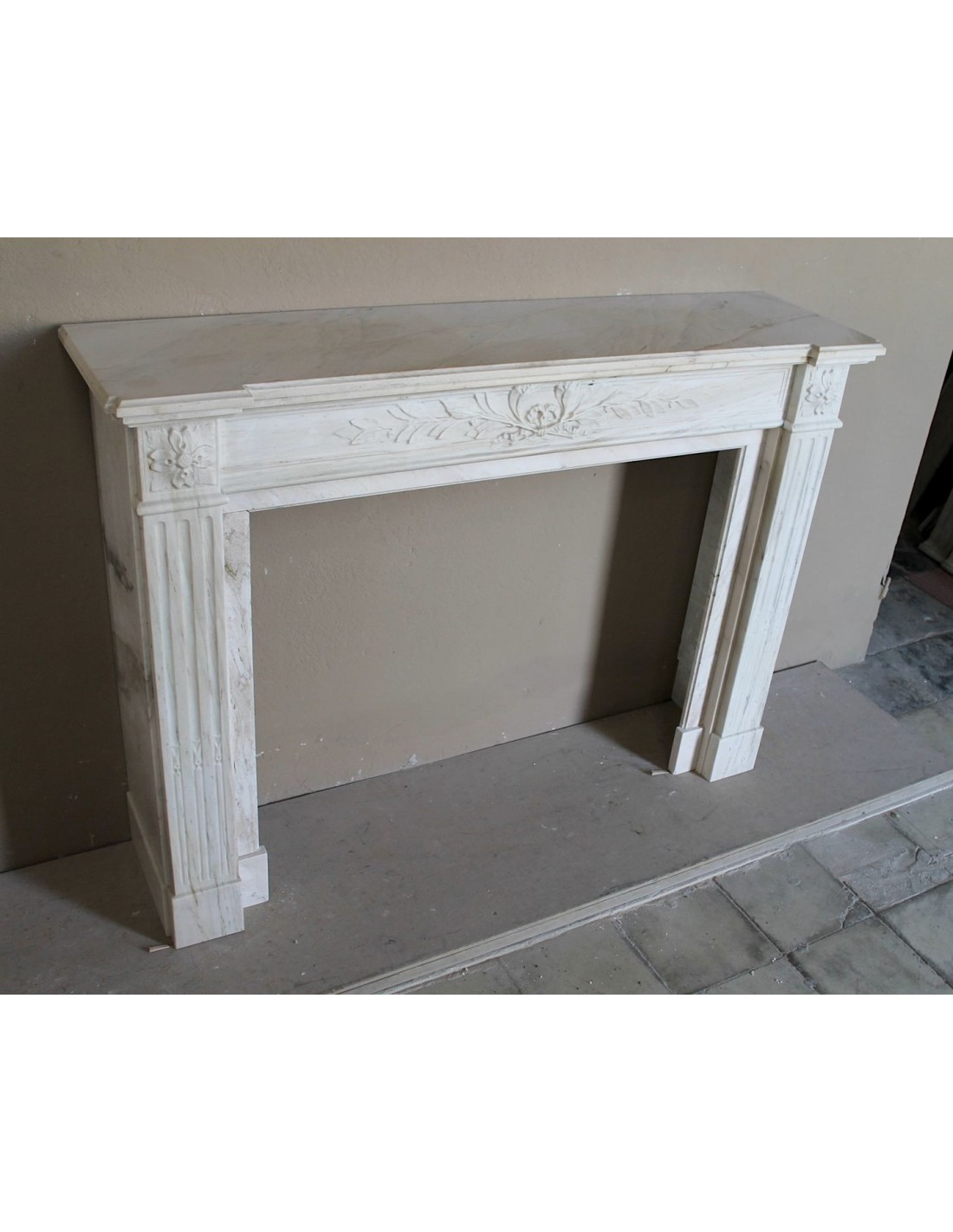
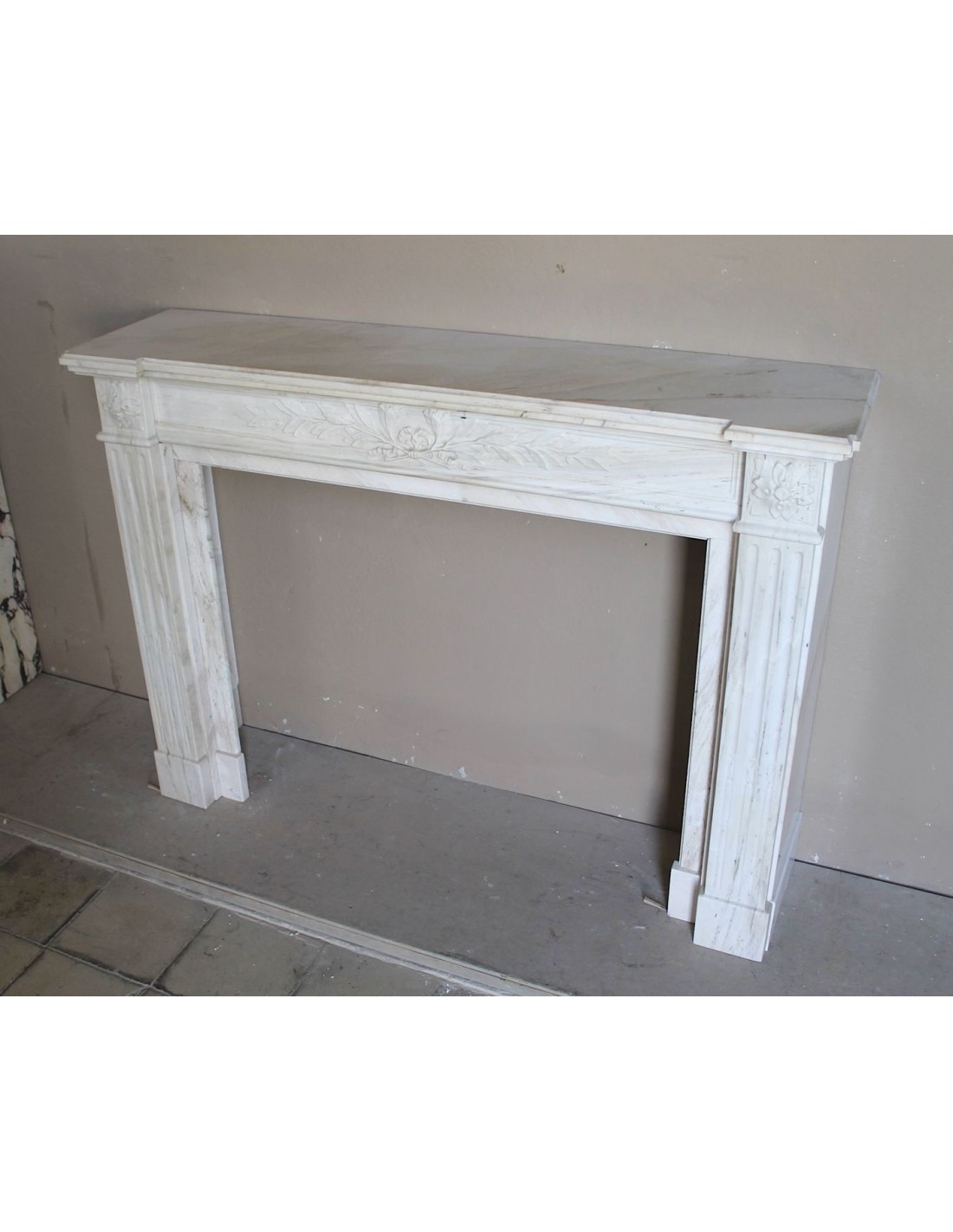
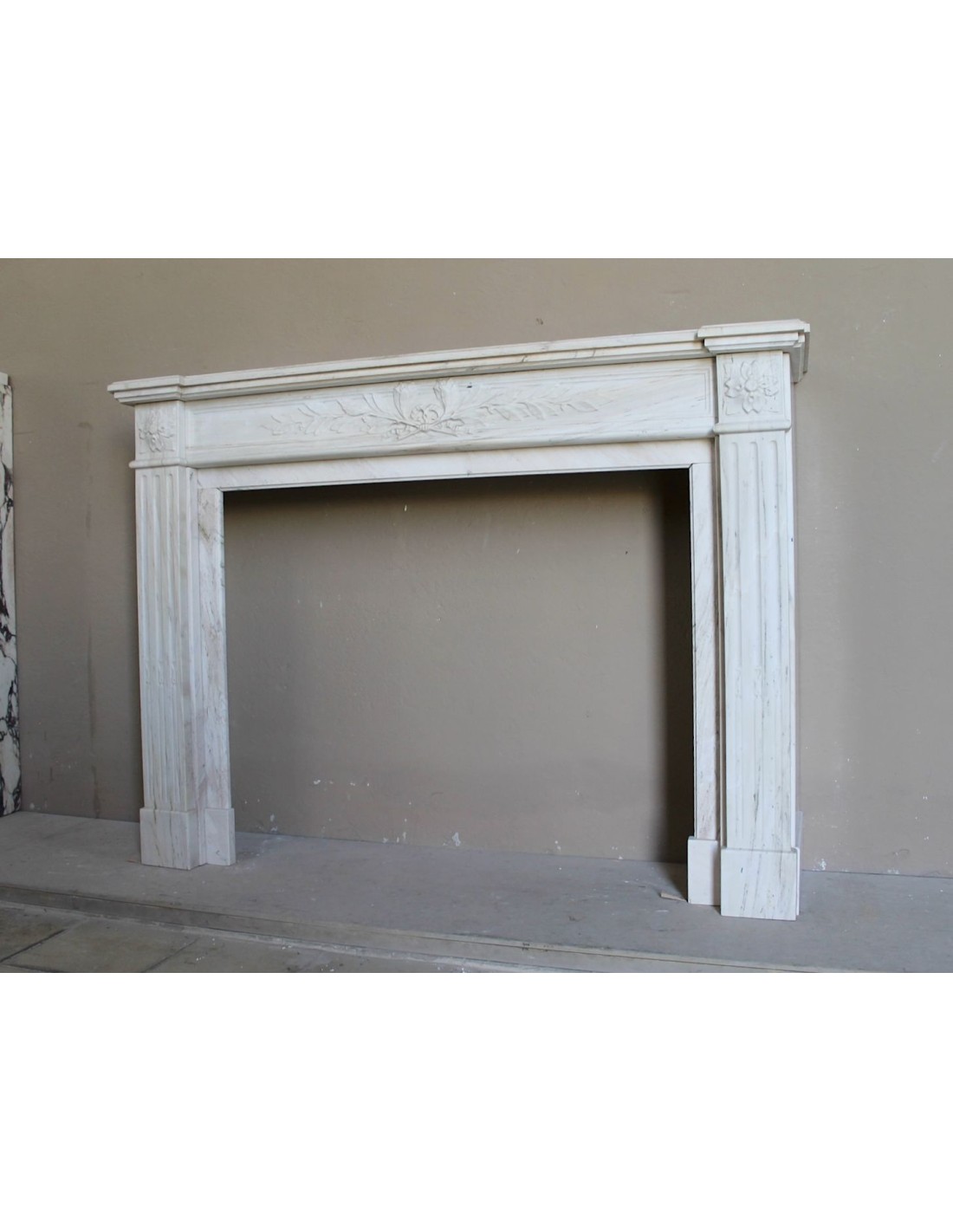
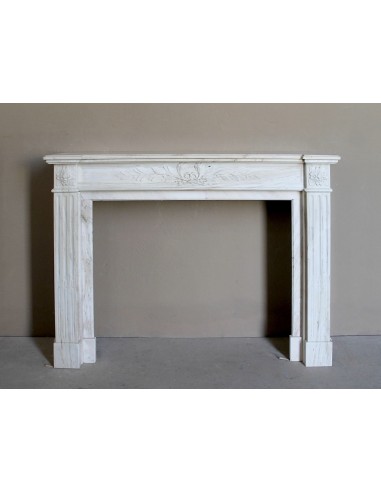
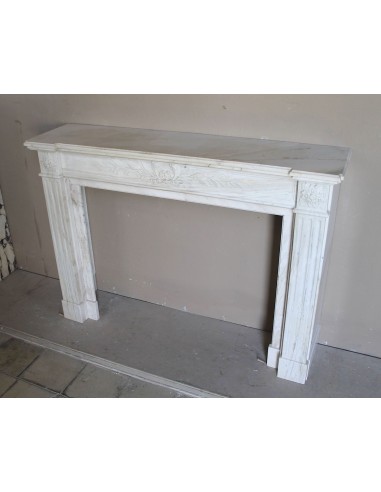
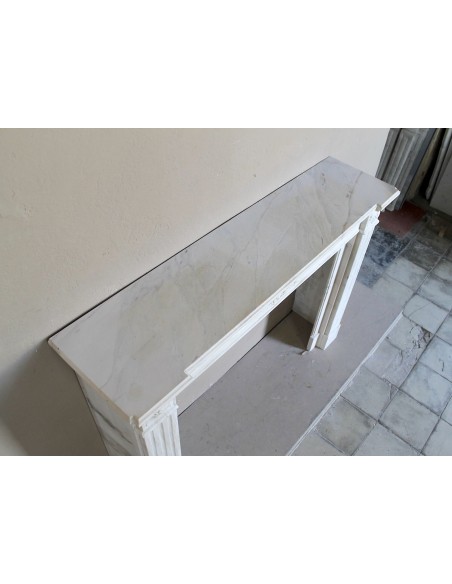
We are looking at a piece carved from a marble so exceptionally rare that calling it "rare" hardly does it justice. In over fifty years of specialising in antique fireplaces, this is only the second example of this marble that has passed through our hands.
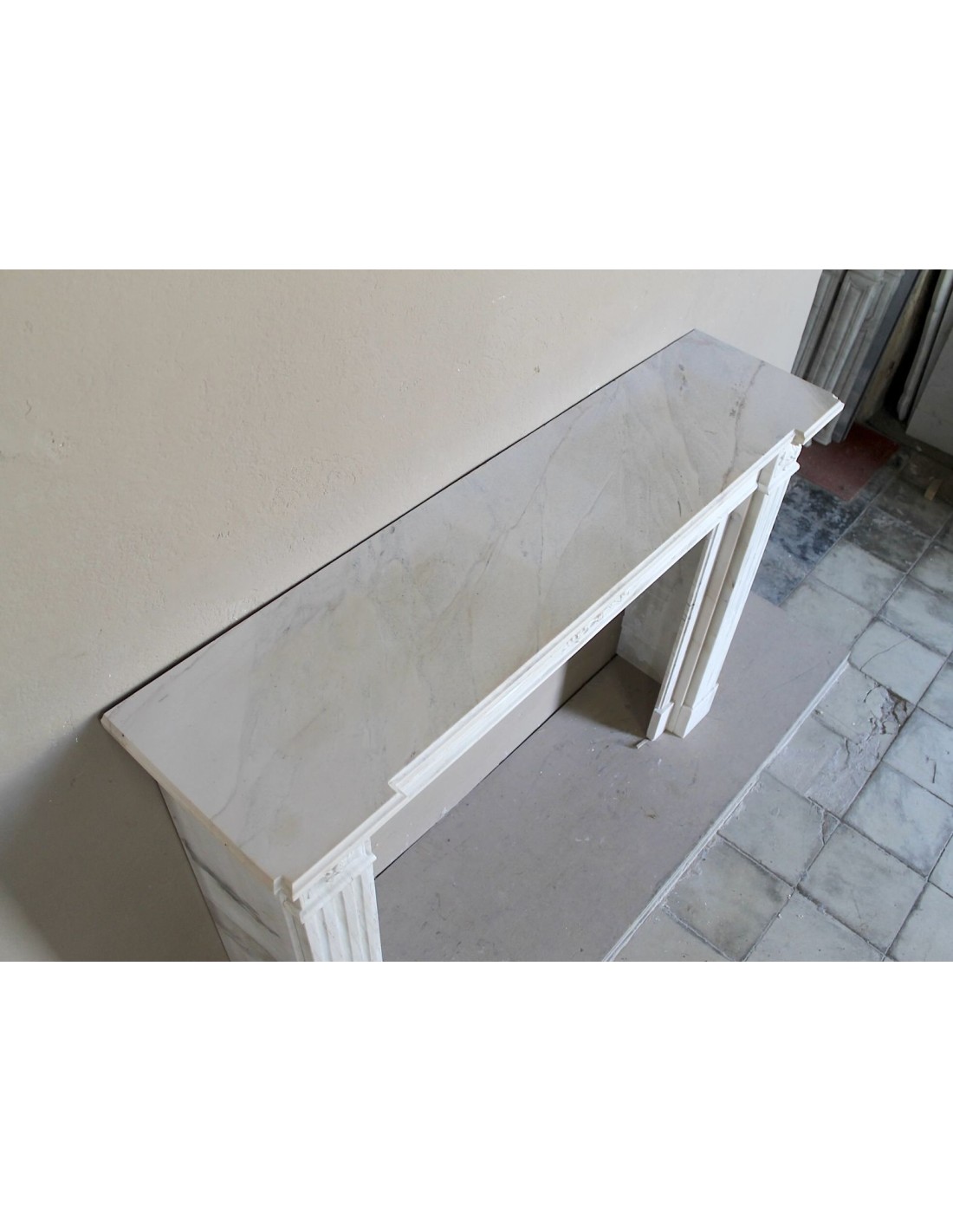
Describing it is no easy task. Its extraordinary delicacy, the subtle effects it creates at first glance, the emotion it evokes... these are qualities that photographs can only partly convey.
If you have the opportunity to see it in person, I am convinced you will understand exactly what I mean.
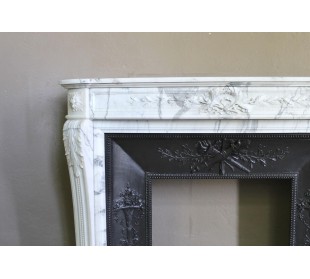
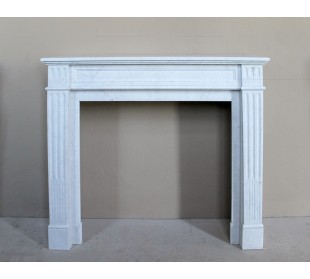
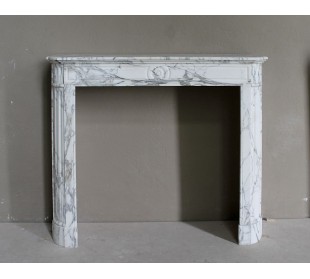
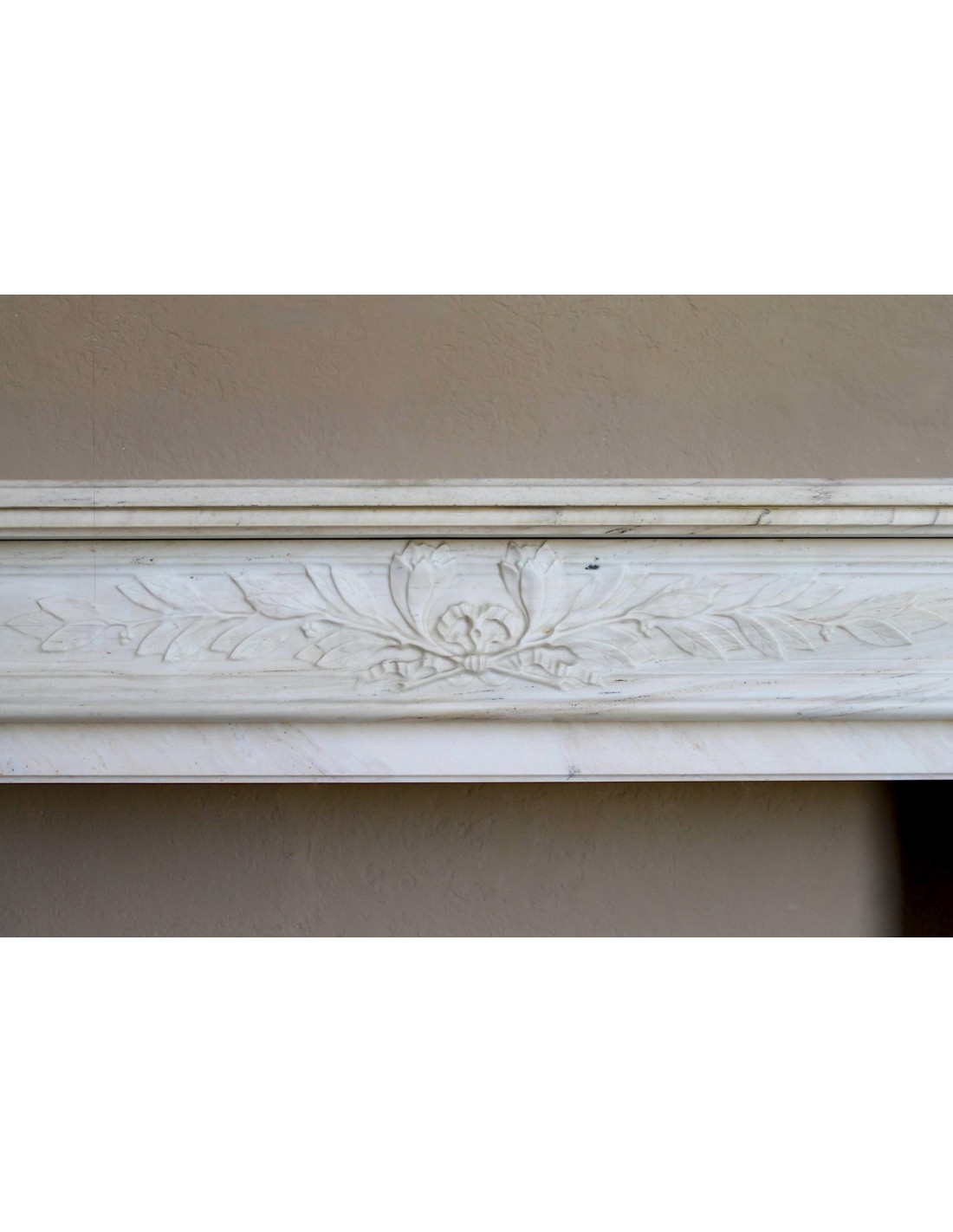
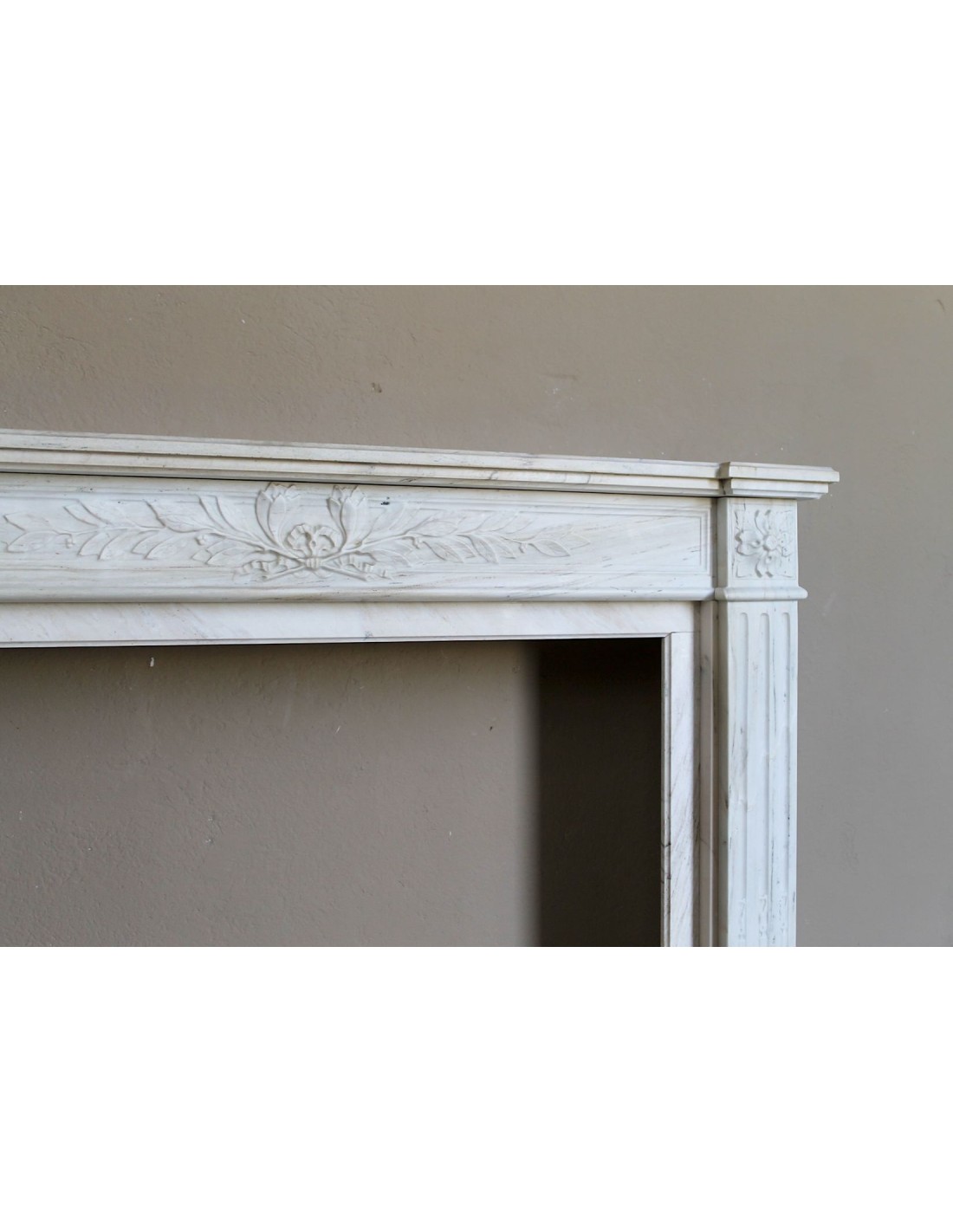
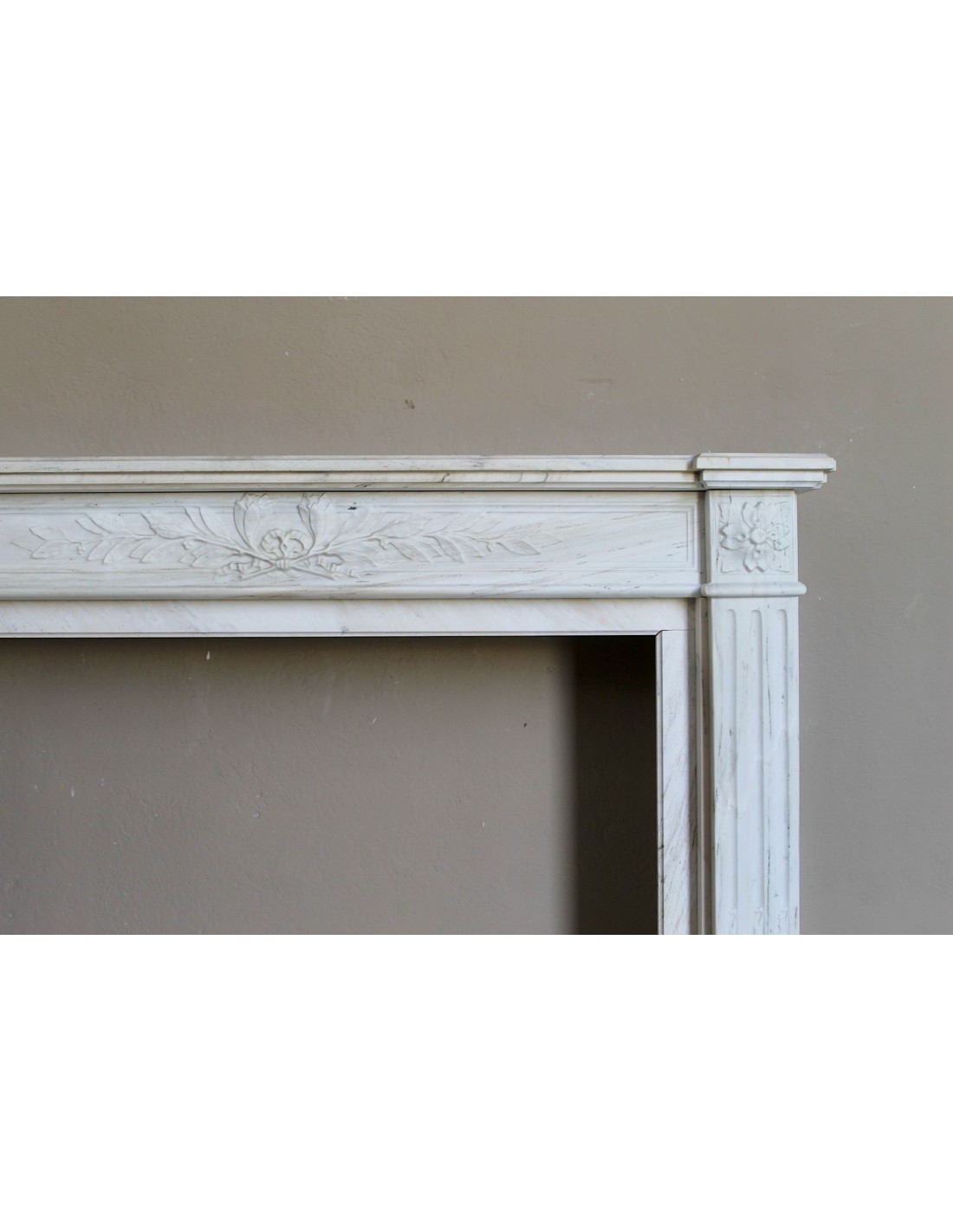
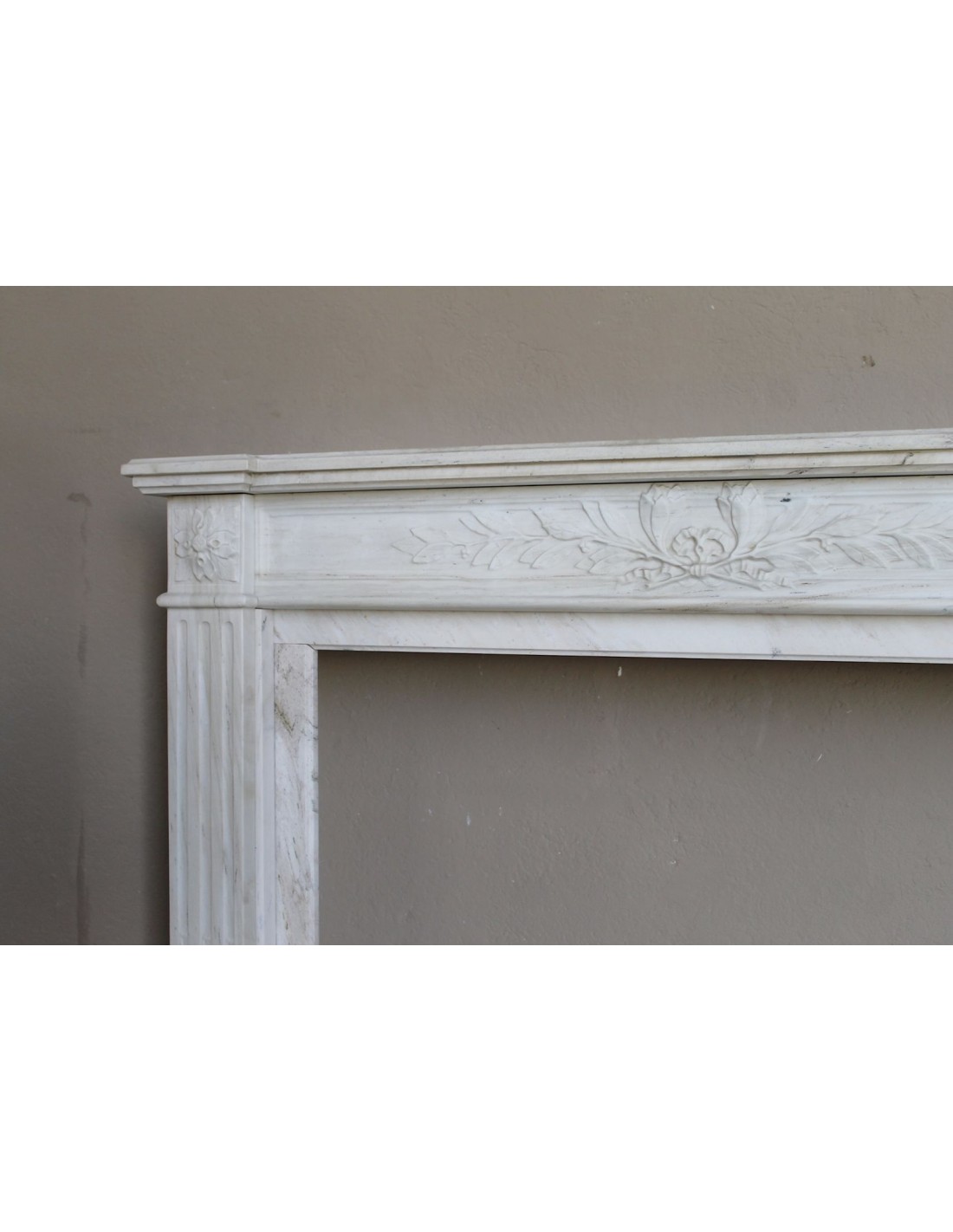
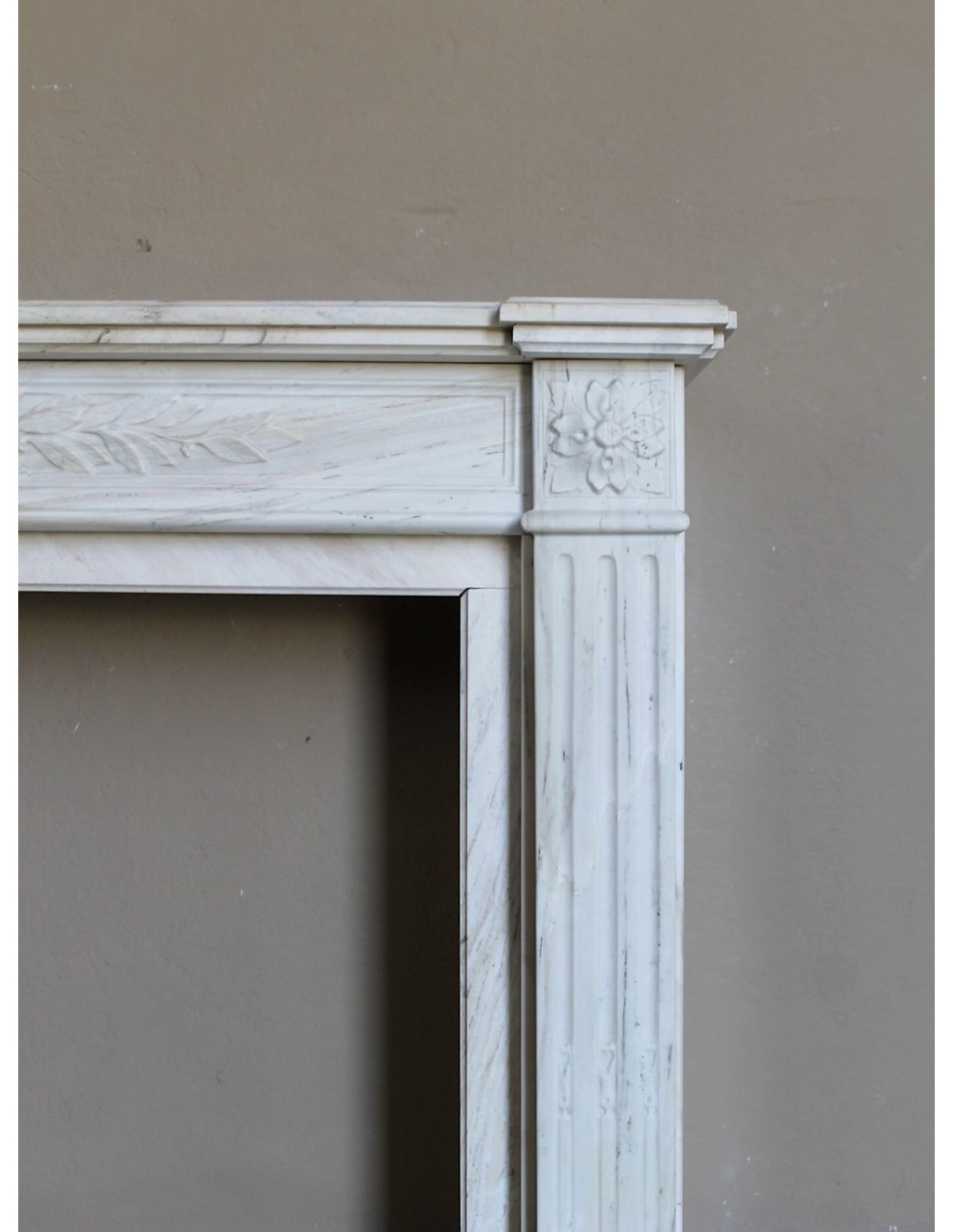
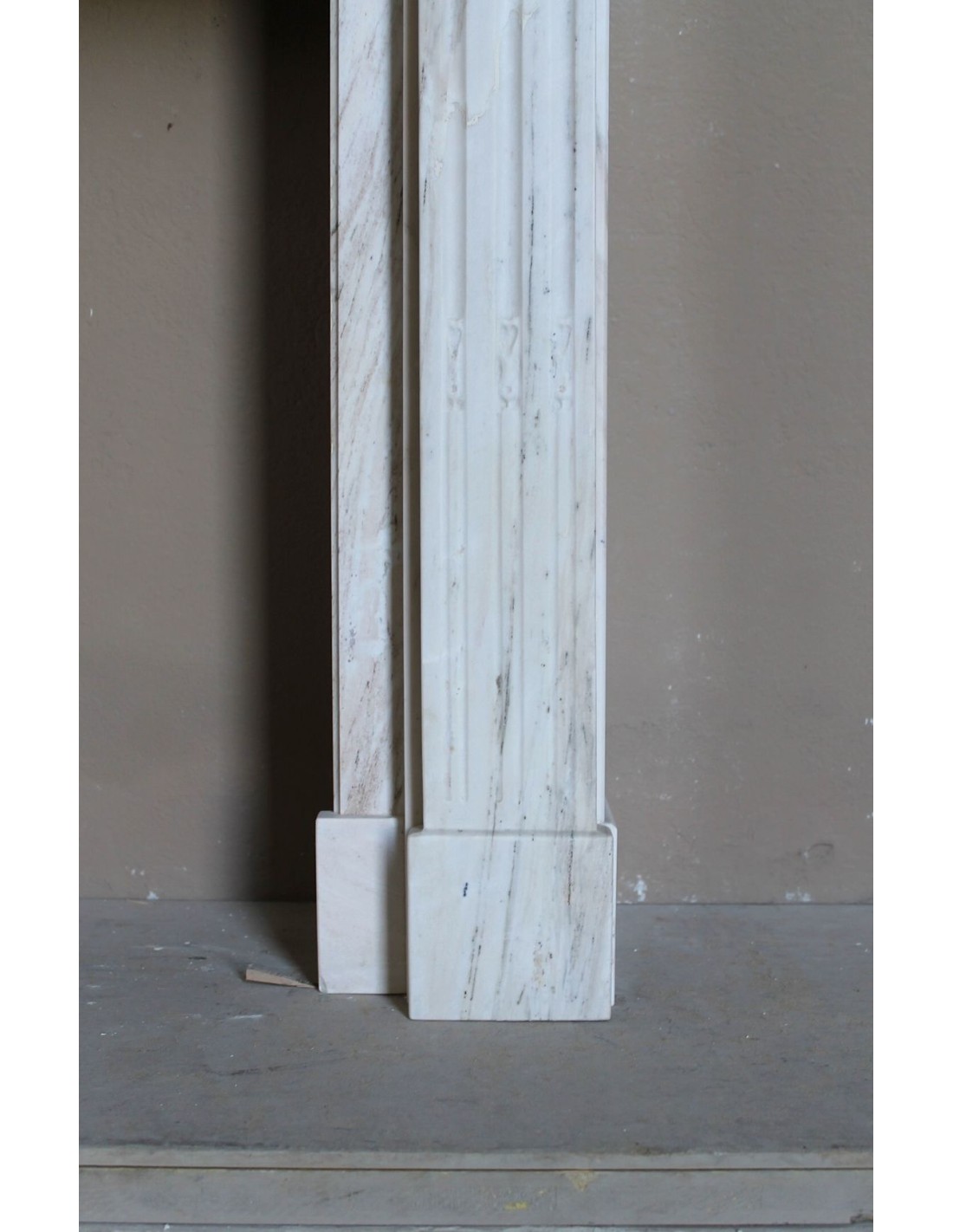
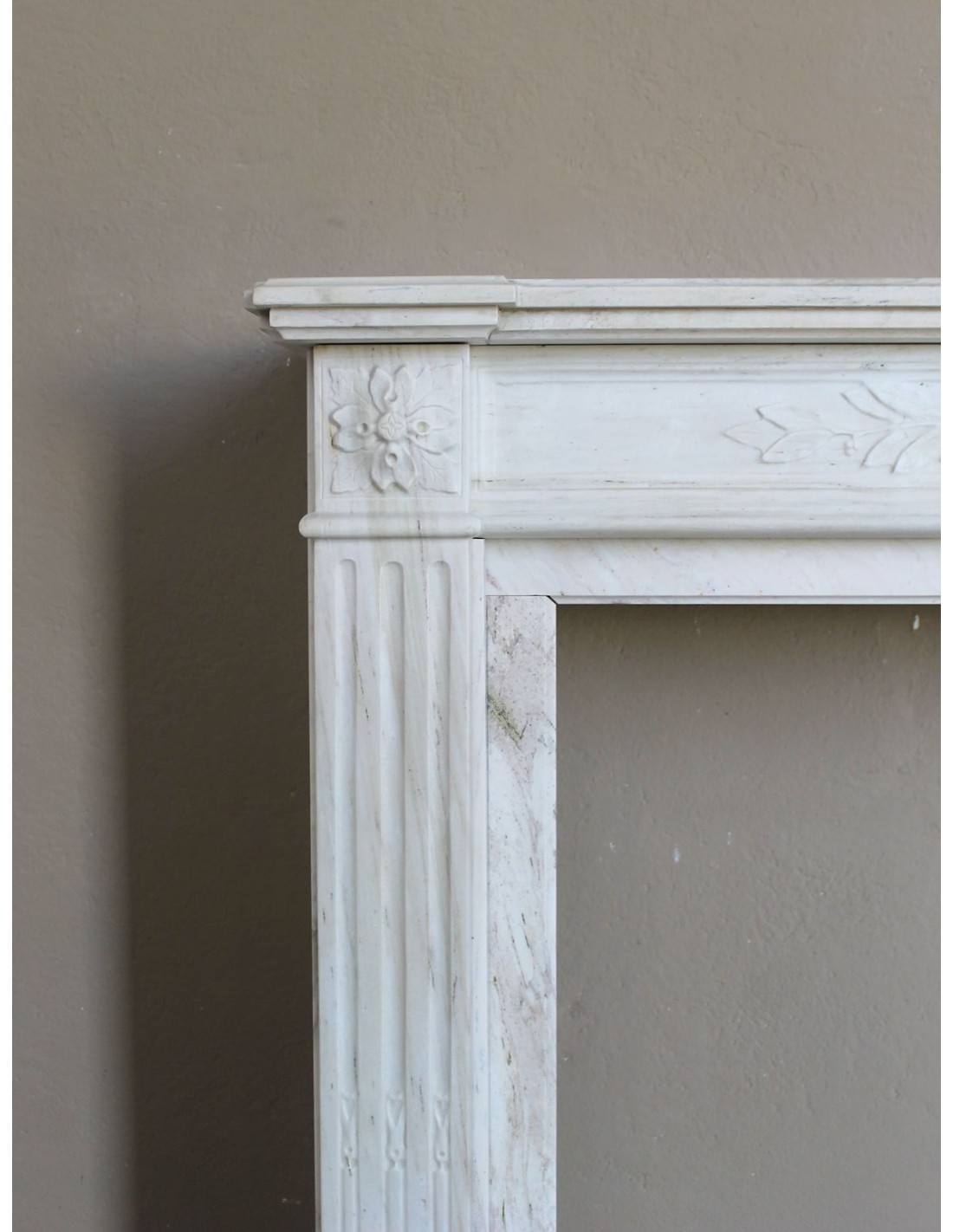
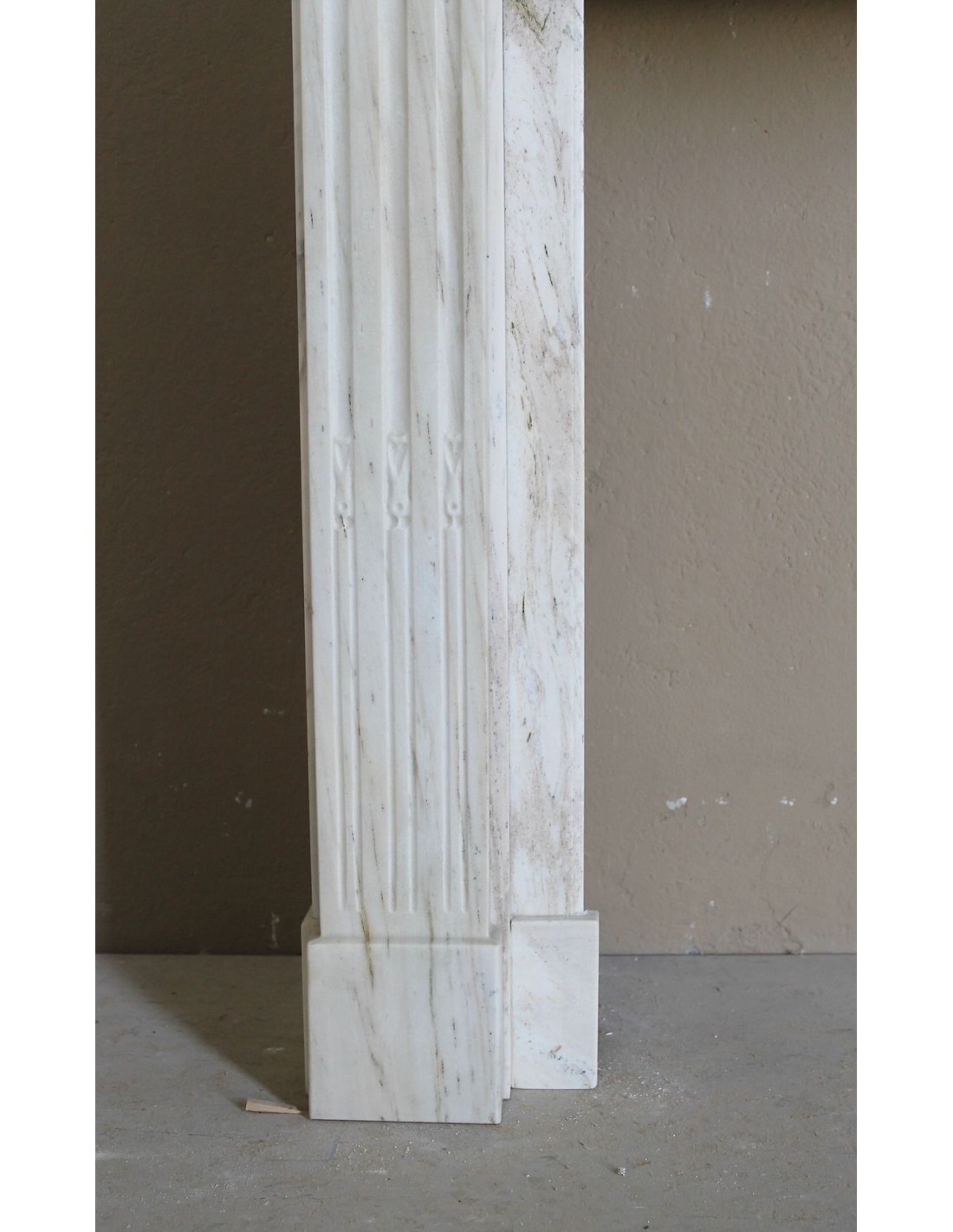
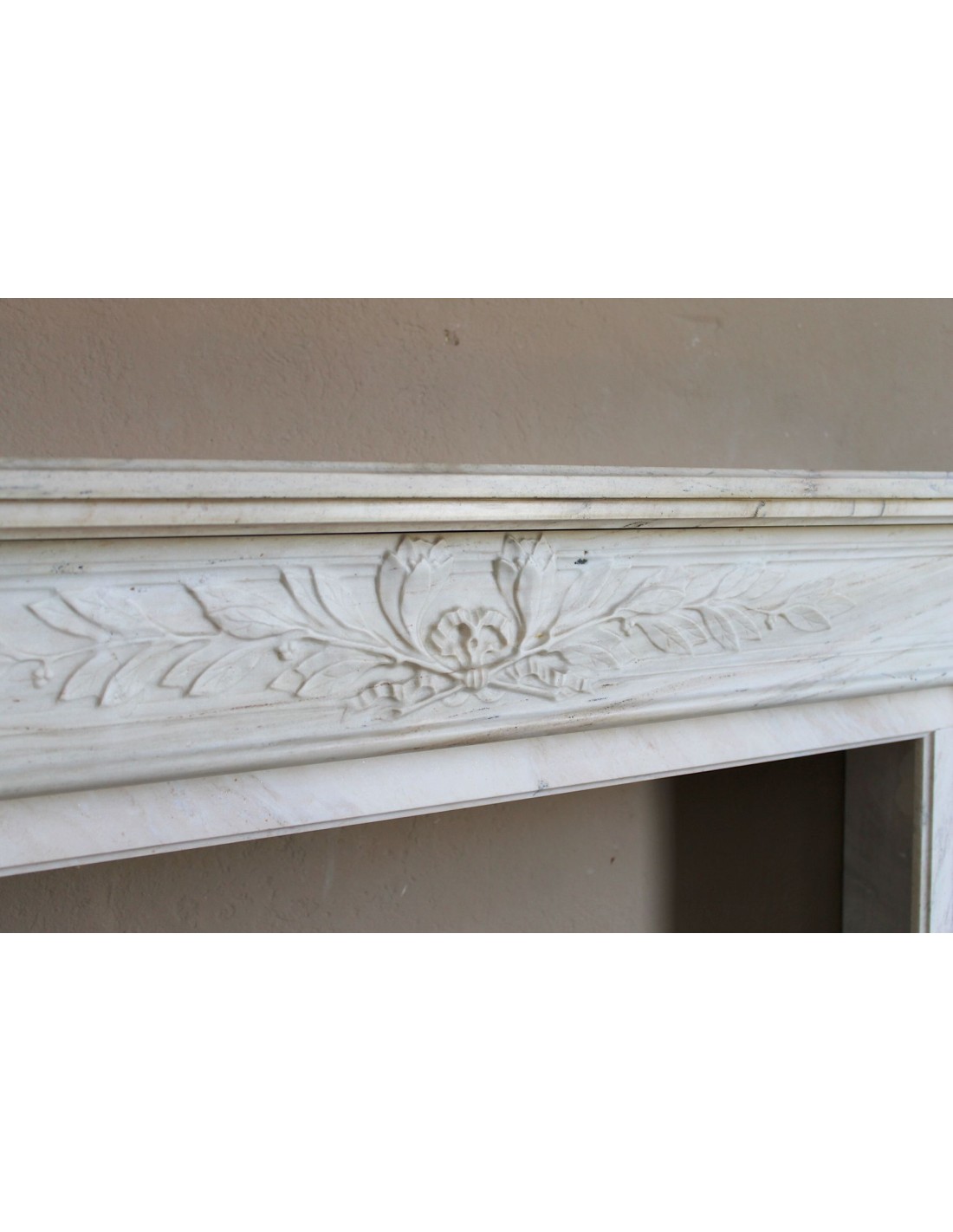
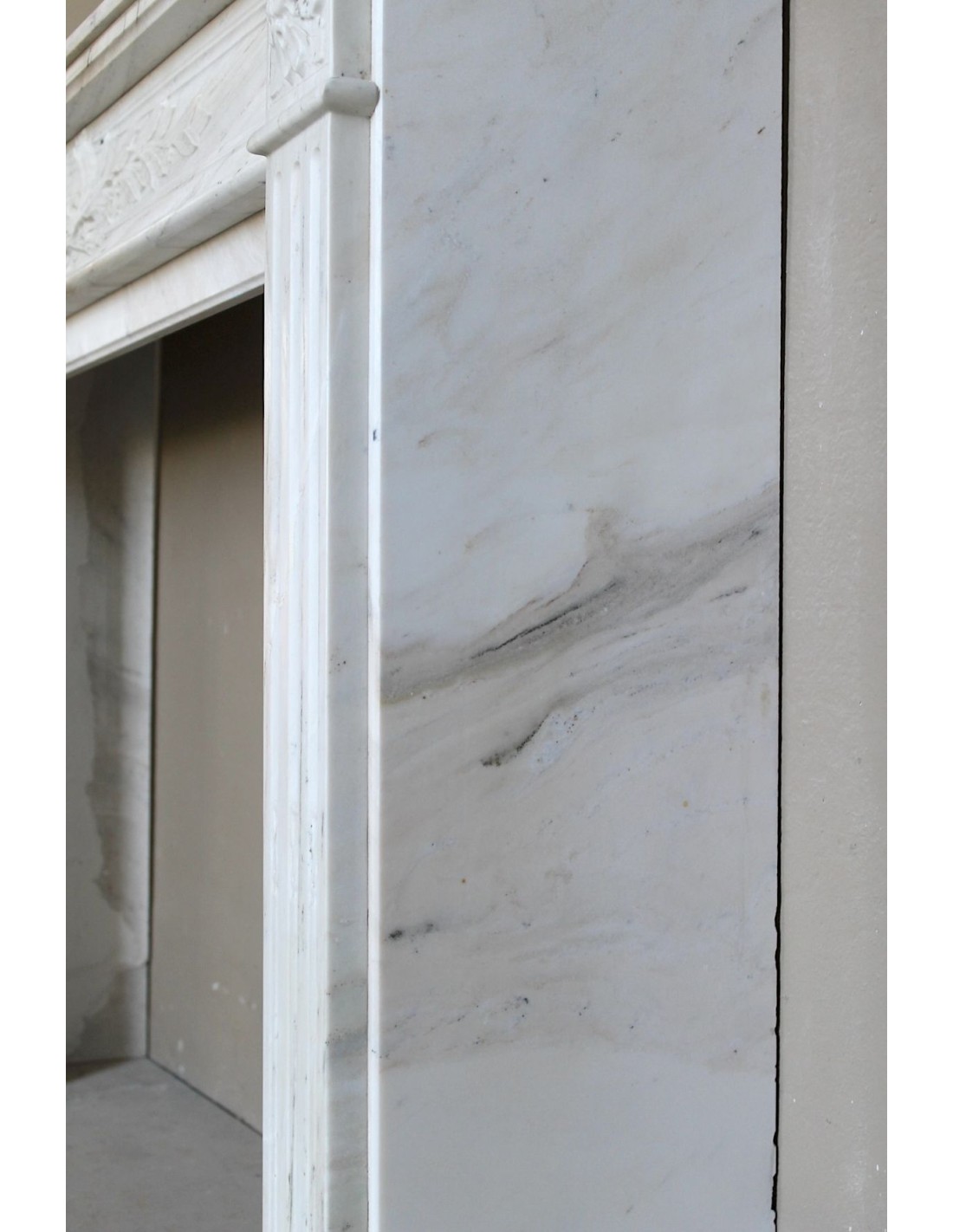
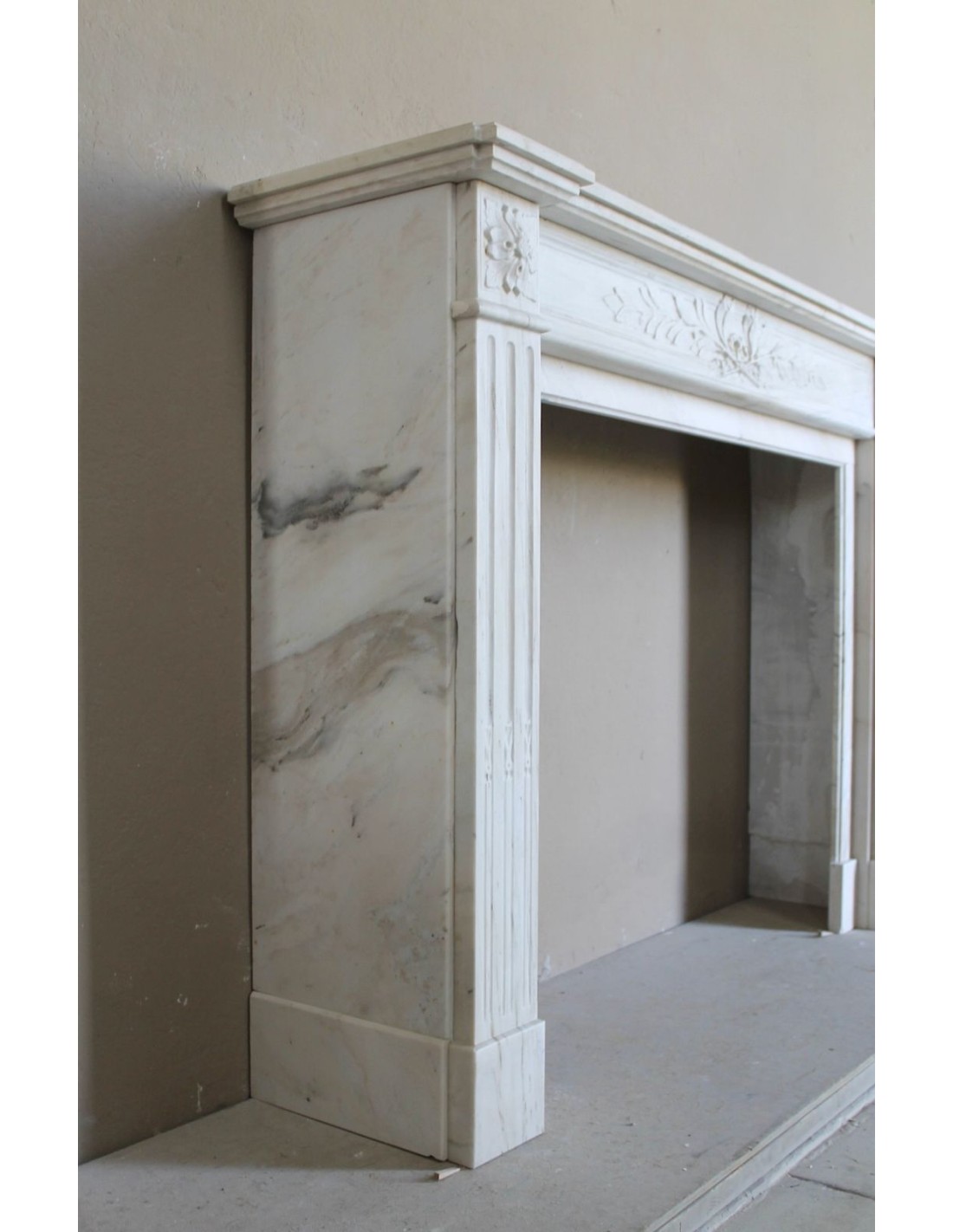
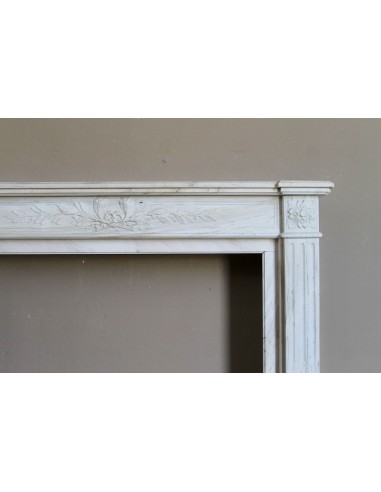
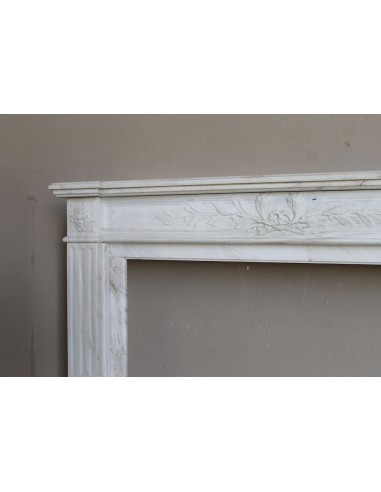
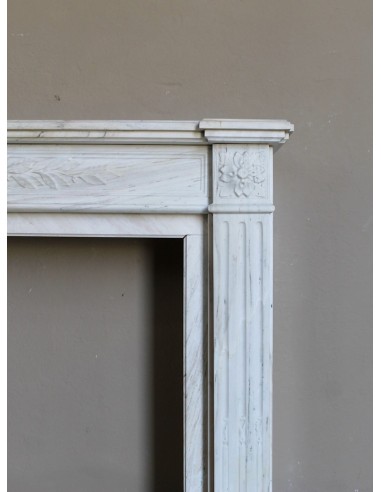
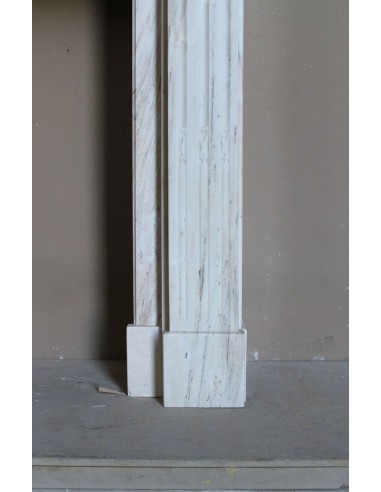
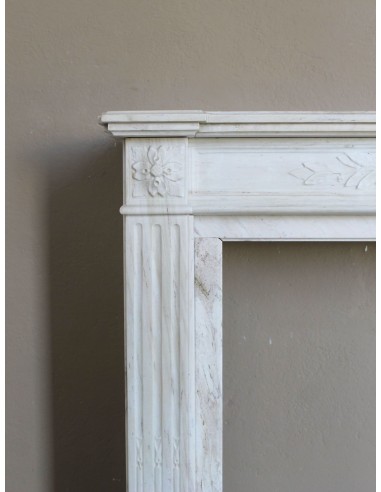
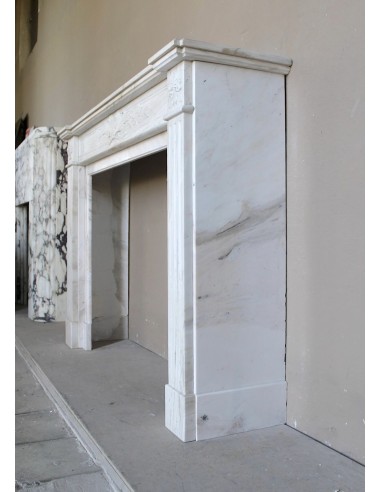
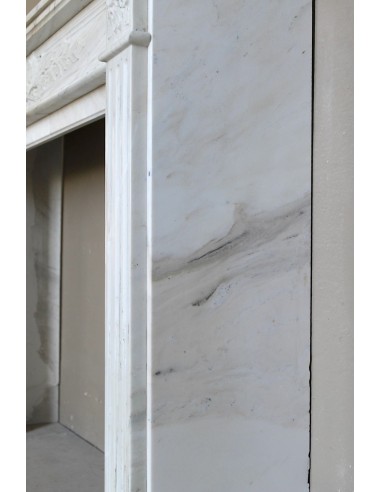
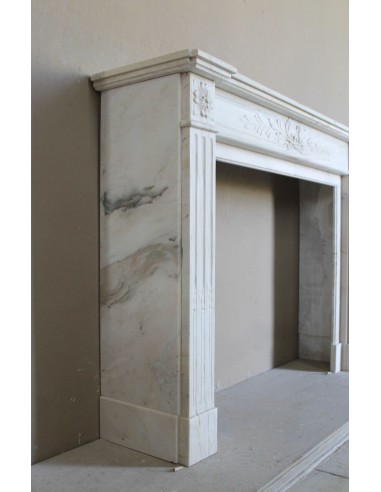
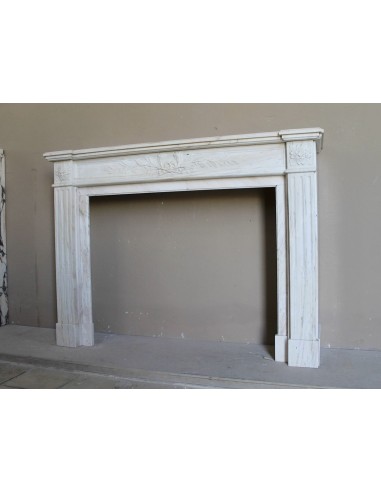
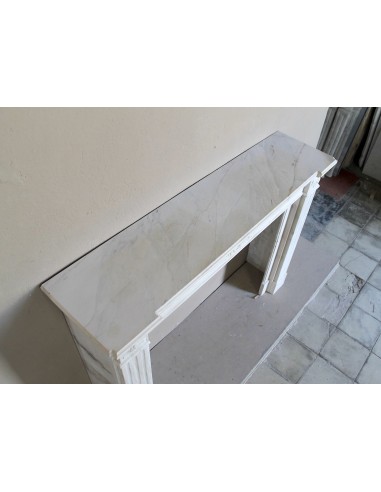
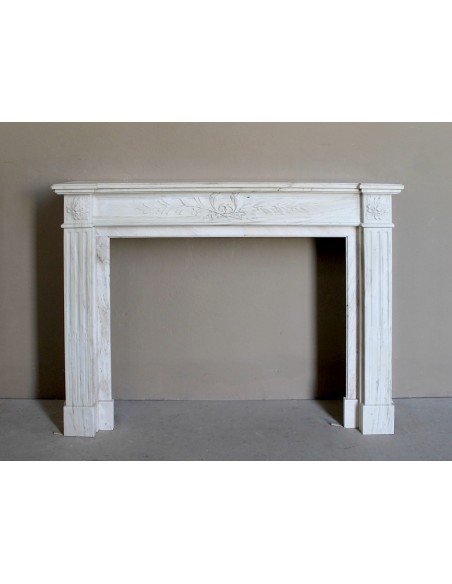
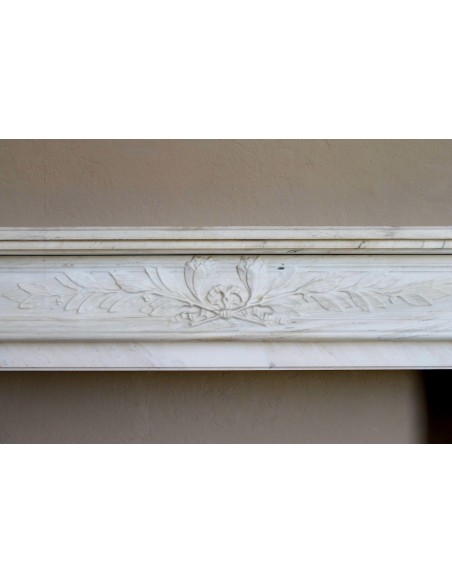
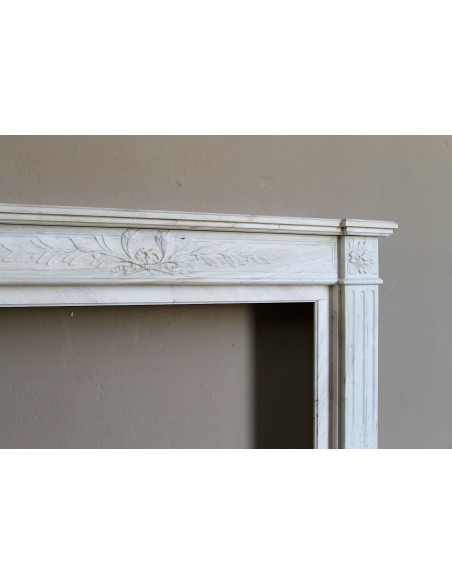
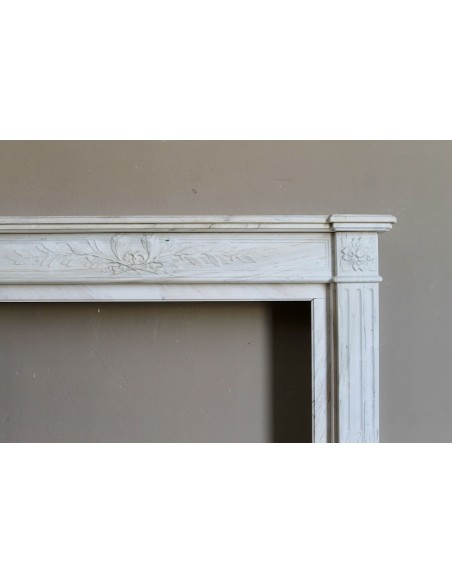
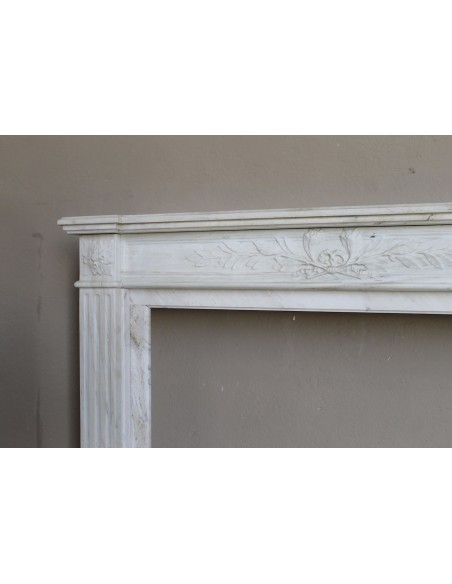
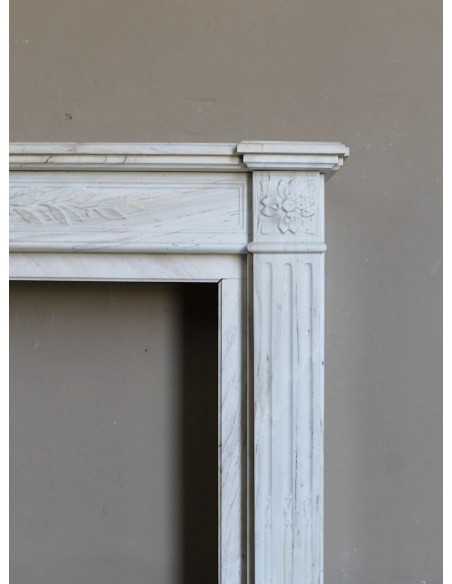
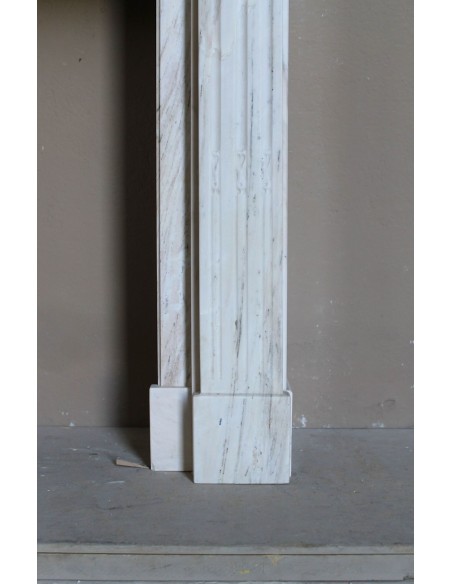
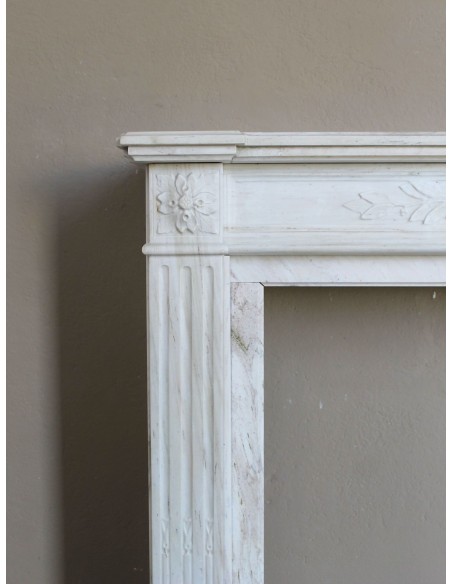
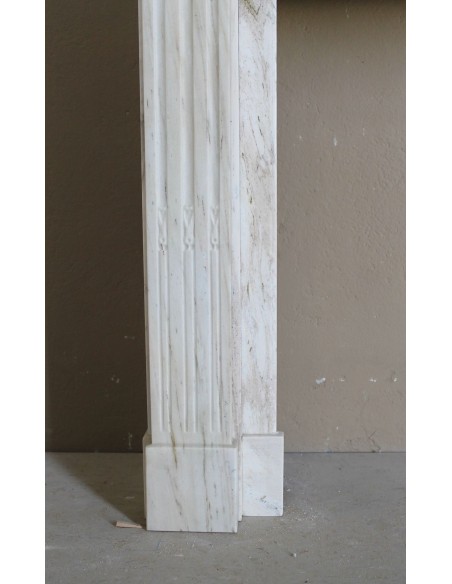
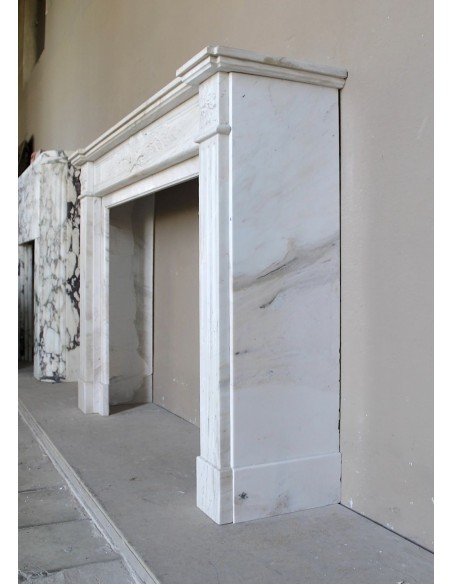
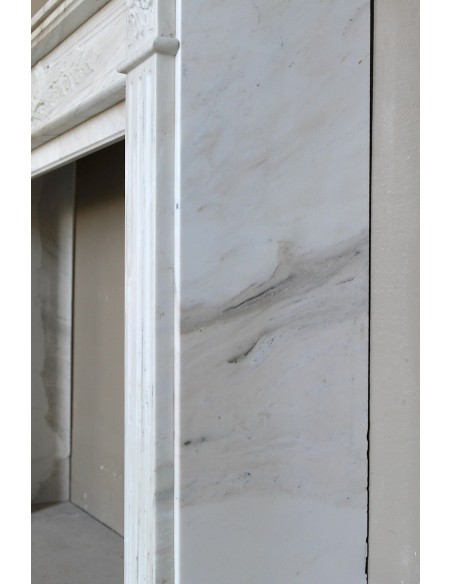
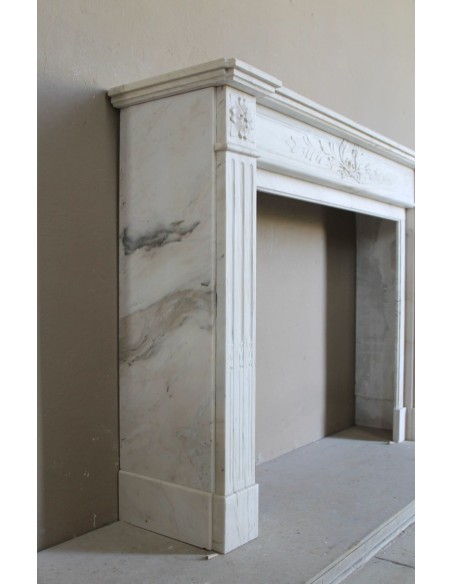
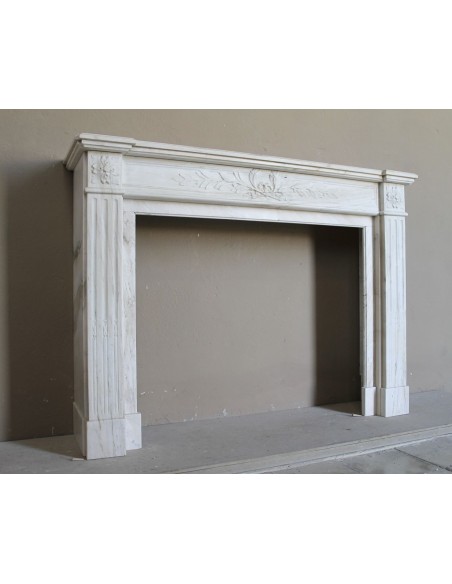
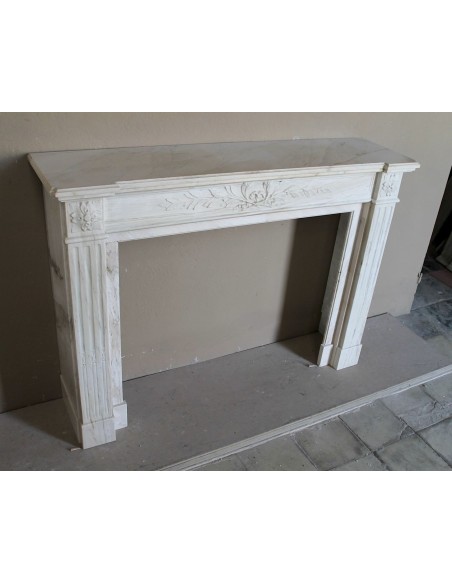
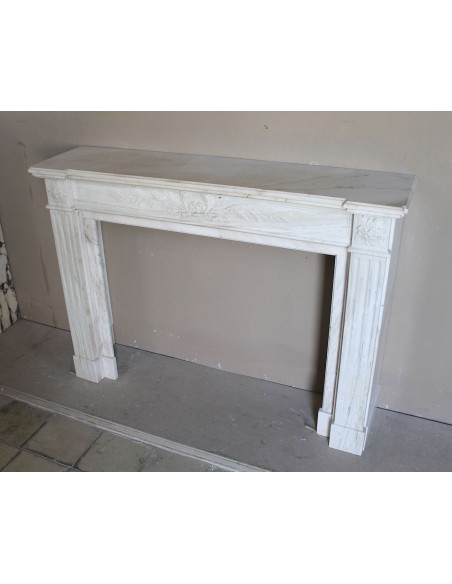
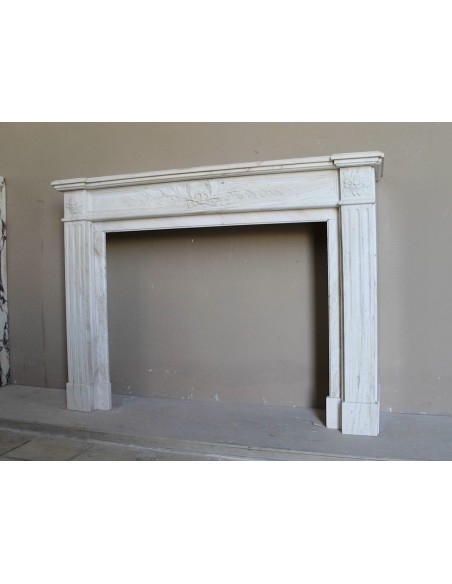
Returning to the more practical details, the marble displays a soft ivory-white background, gently traversed by slightly darker veins, all beautifully enriched by delicate golden clouding that lends the entire surface remarkable warmth and depth.
In a single phrase:
a light, golden cloud.
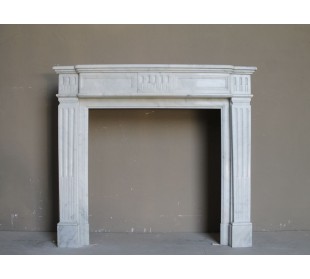
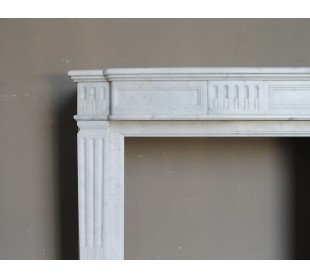
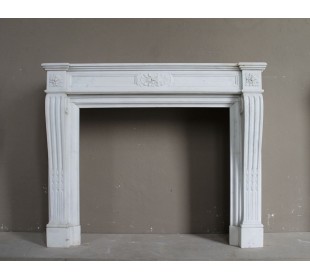
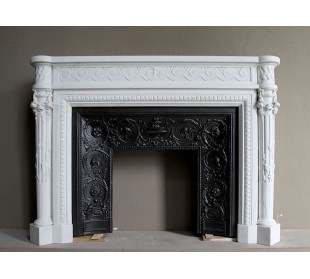
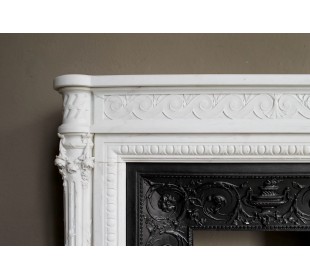
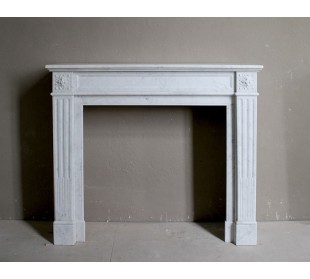
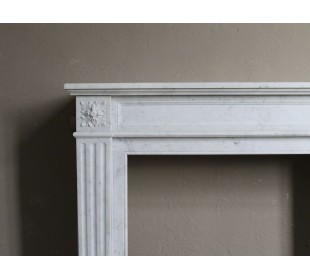
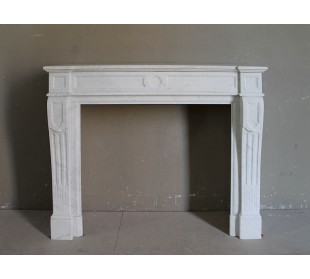
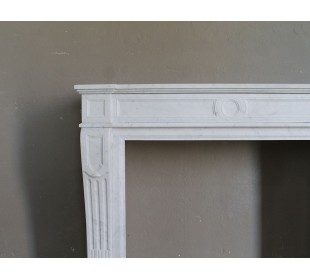
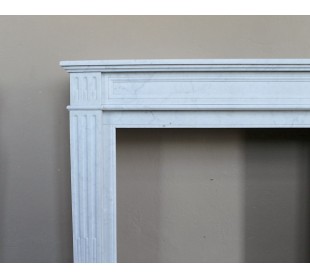
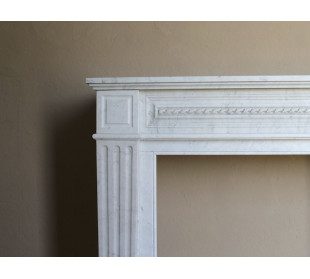
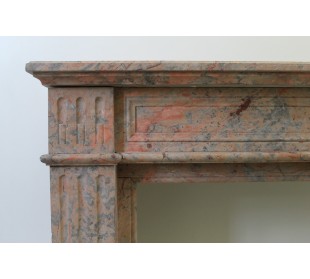
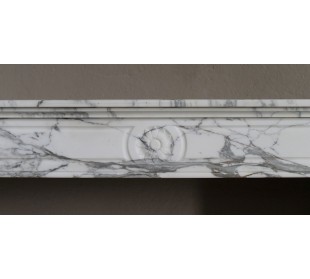
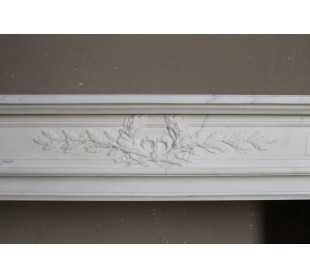
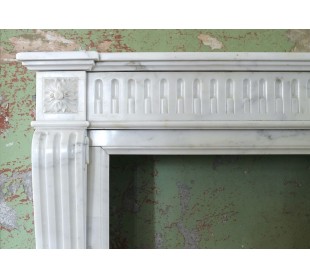
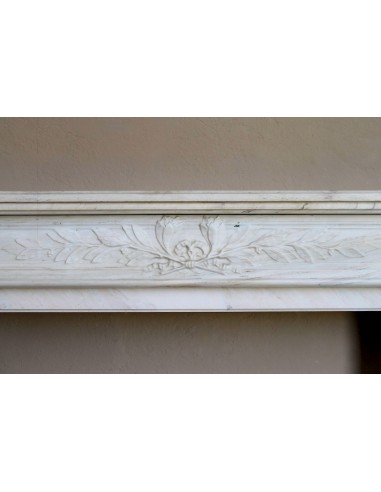
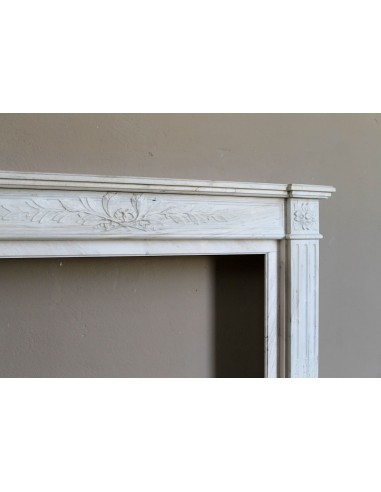
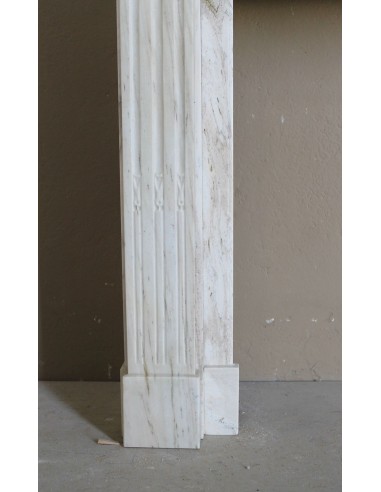
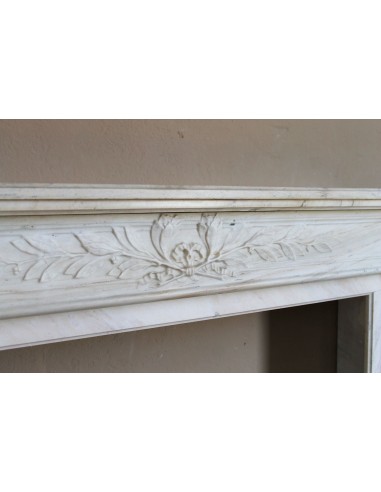
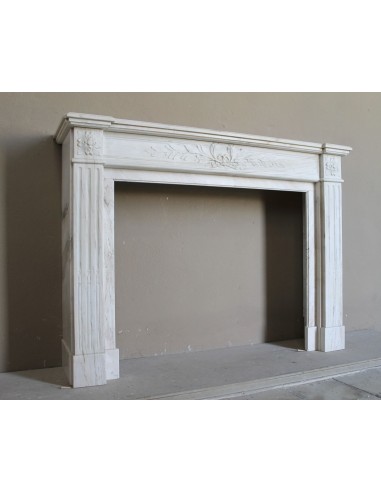
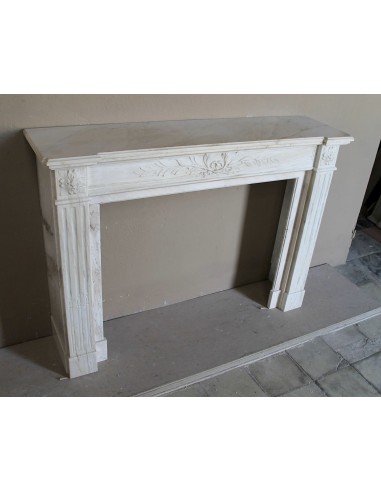
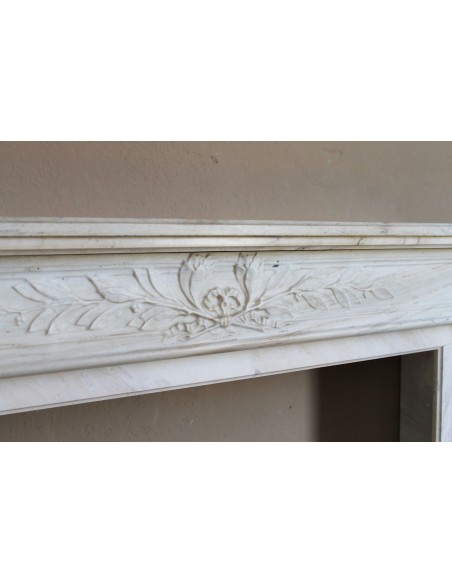
The refinement of its carving completes the beauty of this distinguished Louis XVI fireplace. Graceful olive branches adorn the frieze, elegantly tied together with the traditional Love Knot. A pair of finely carved Paris Rosettes crowns the capitals, while delicate flammèches rise along each jamb, bringing movement and lightness to the composition.
The fireplace was discovered in Paris — where else might one hope to find such a treasure? — yet, like so many of the finest French fireplaces, it was sculpted by the master craftsmen of the Italian Lunigiana, the historic region embracing Pietrasanta, Carrara, Sarzana and their celebrated surroundings.
Its date of creation clearly belongs to the Napoleon III period, circa 1850–1870.