
SHARE ON:
Normally, we do not deal in neoclassical fireplaces made after the Second Empire (Napoléon III) period, which we consider to be the final historical era during which the sculptural and construction standards of genuine Louis XVI pieces were still faithfully observed.
But this time… we’ve made an exception.
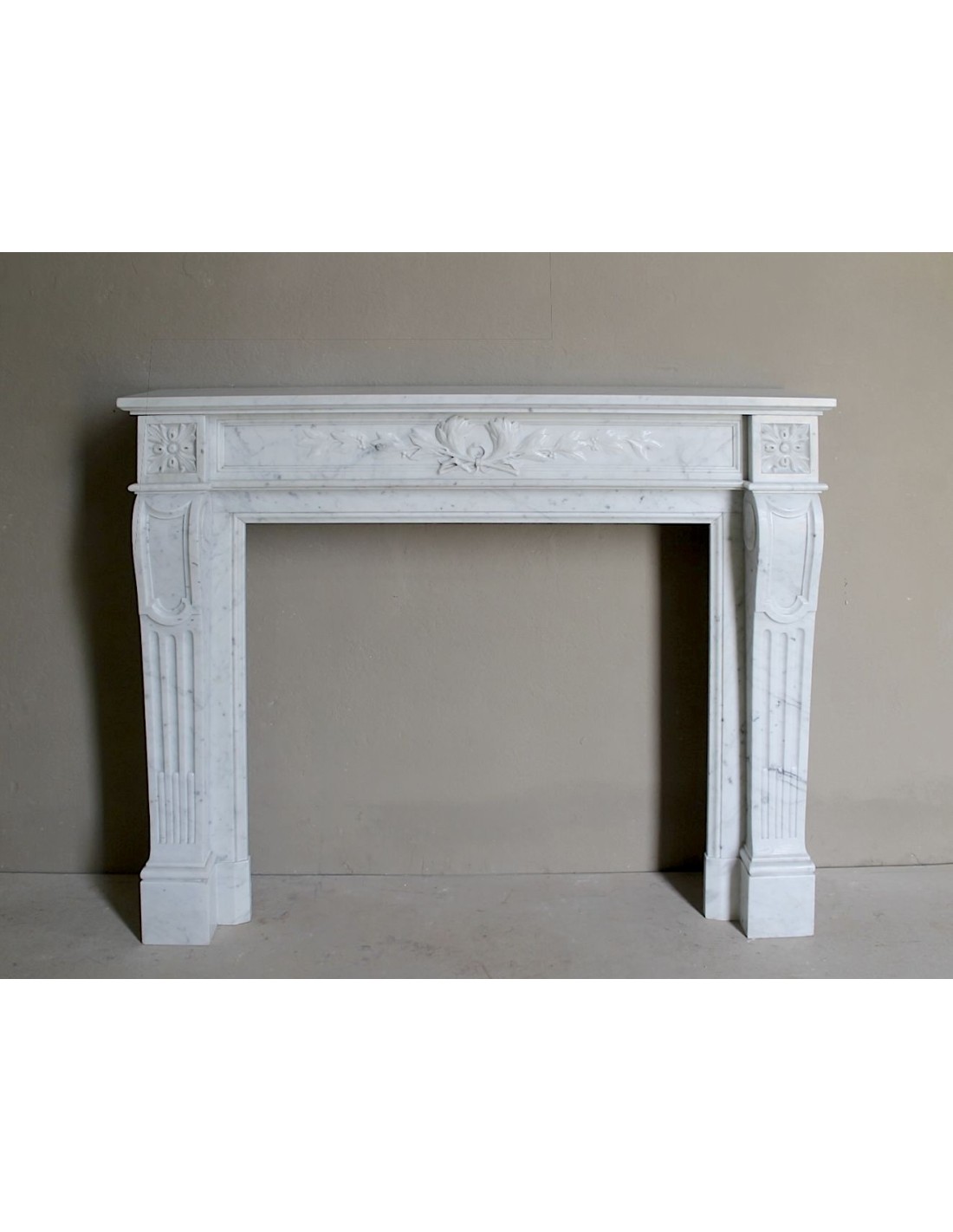
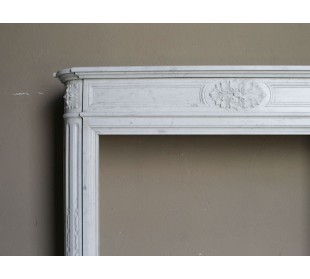
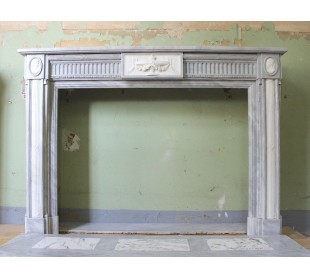
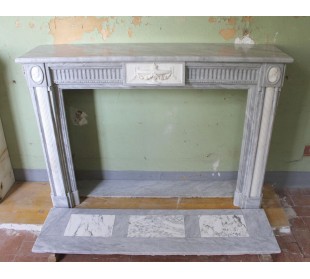
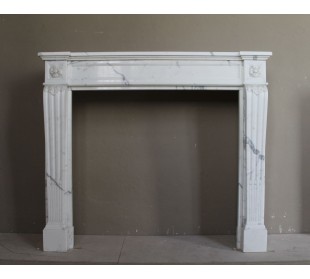
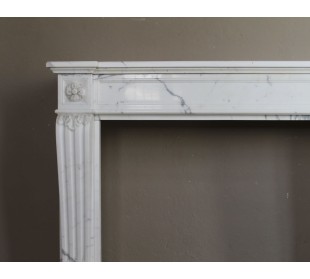
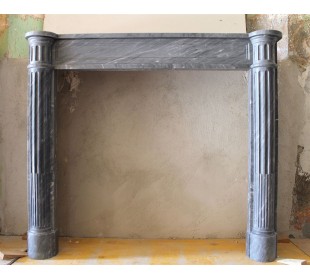
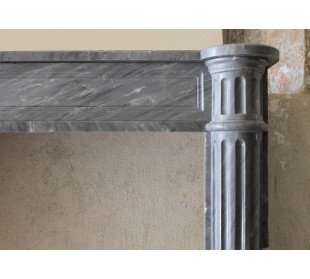
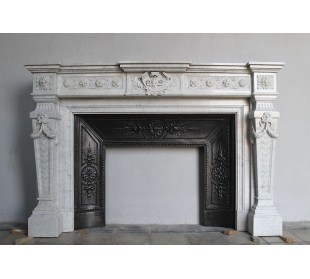
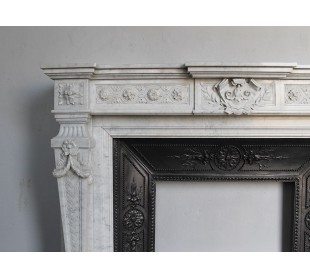
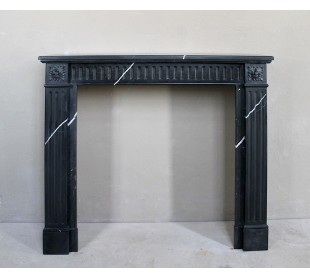
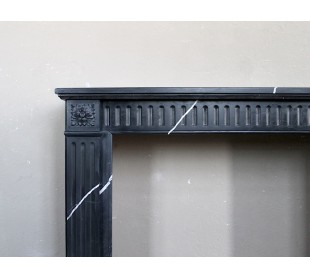
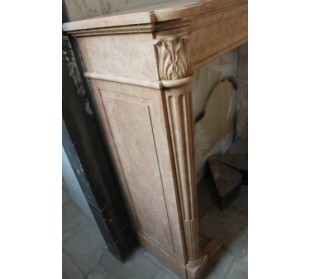
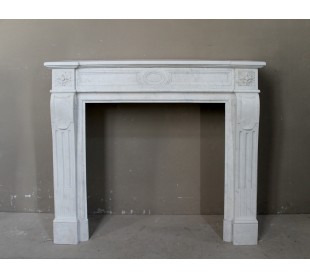
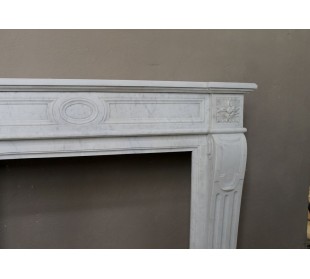
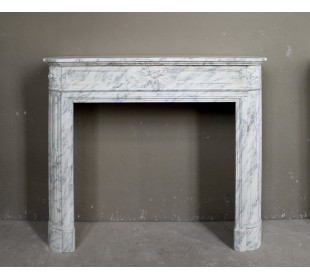
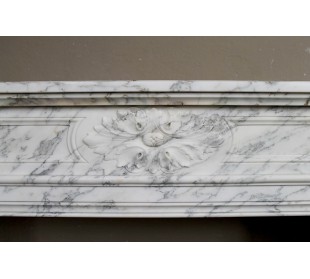
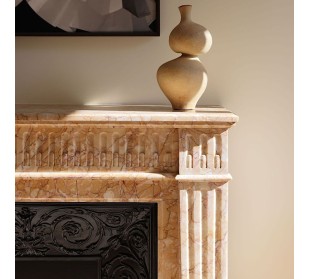
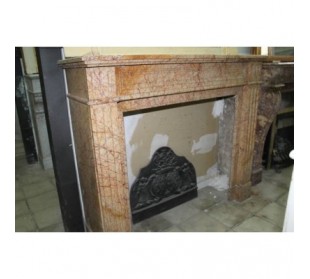
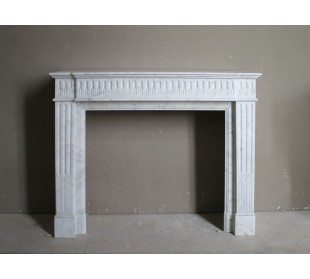
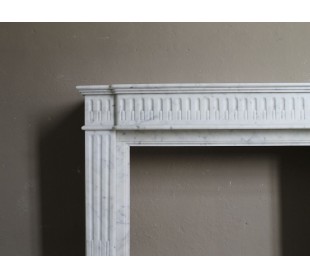
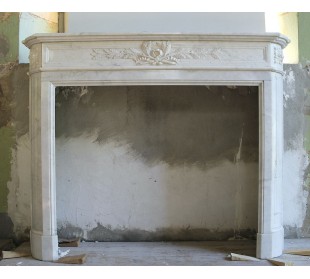
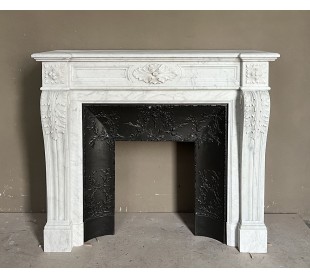
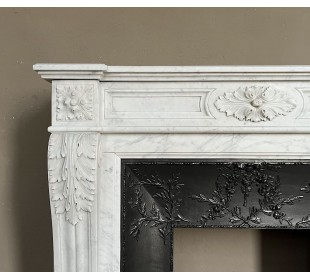
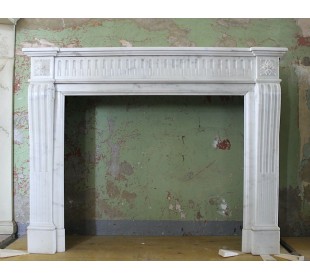
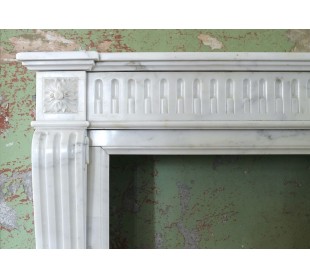
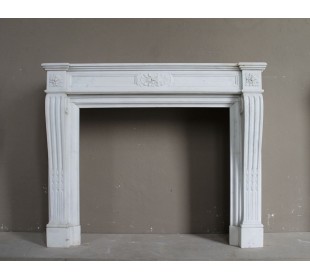
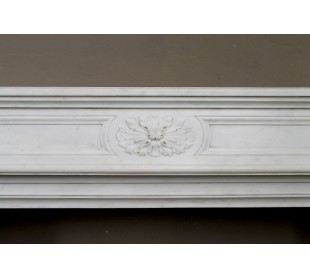
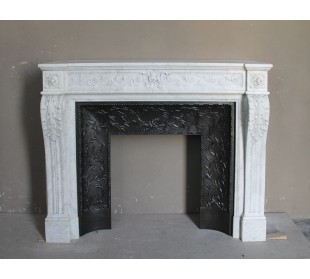
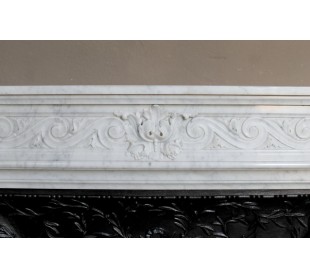
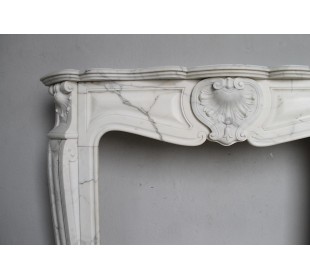
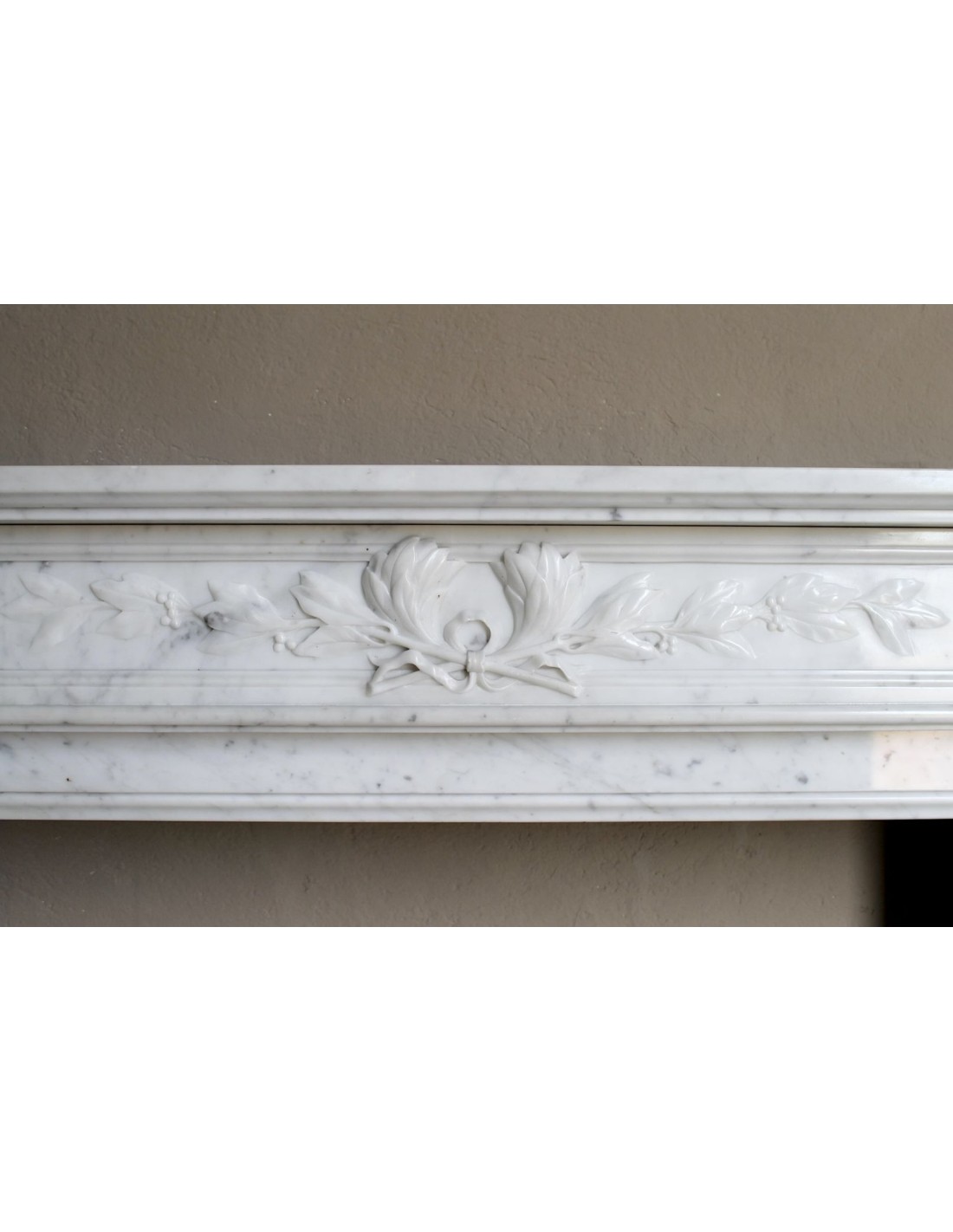
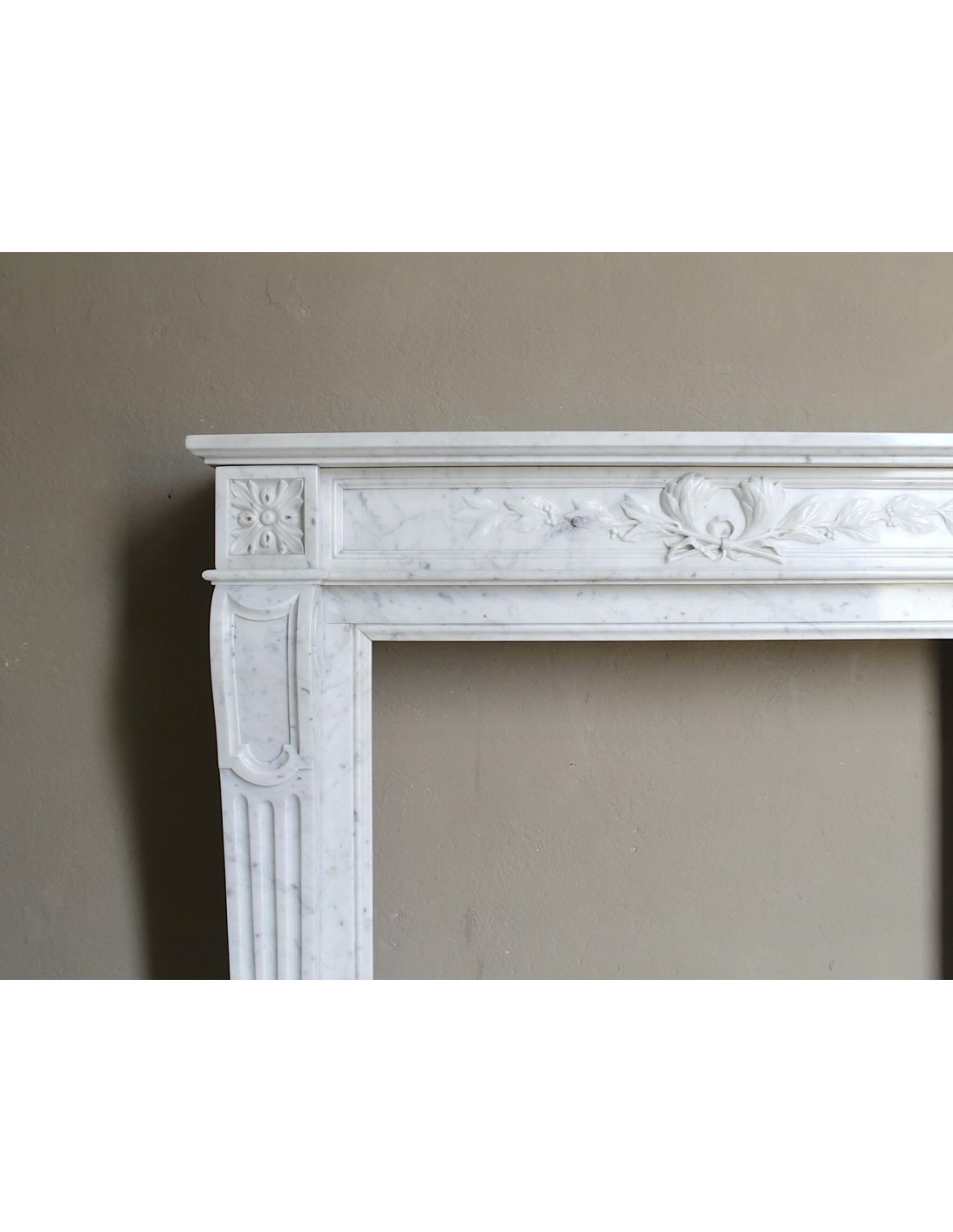
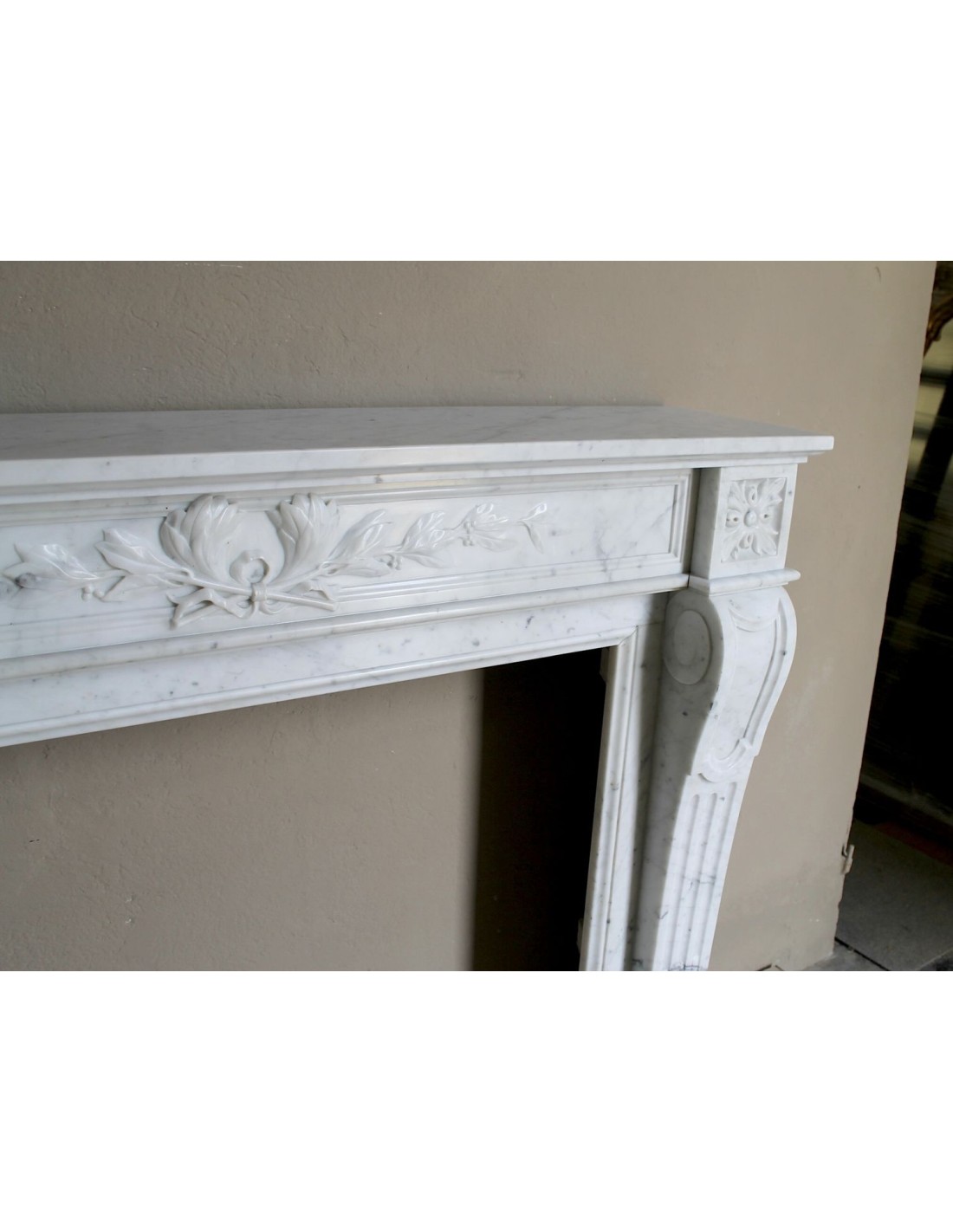
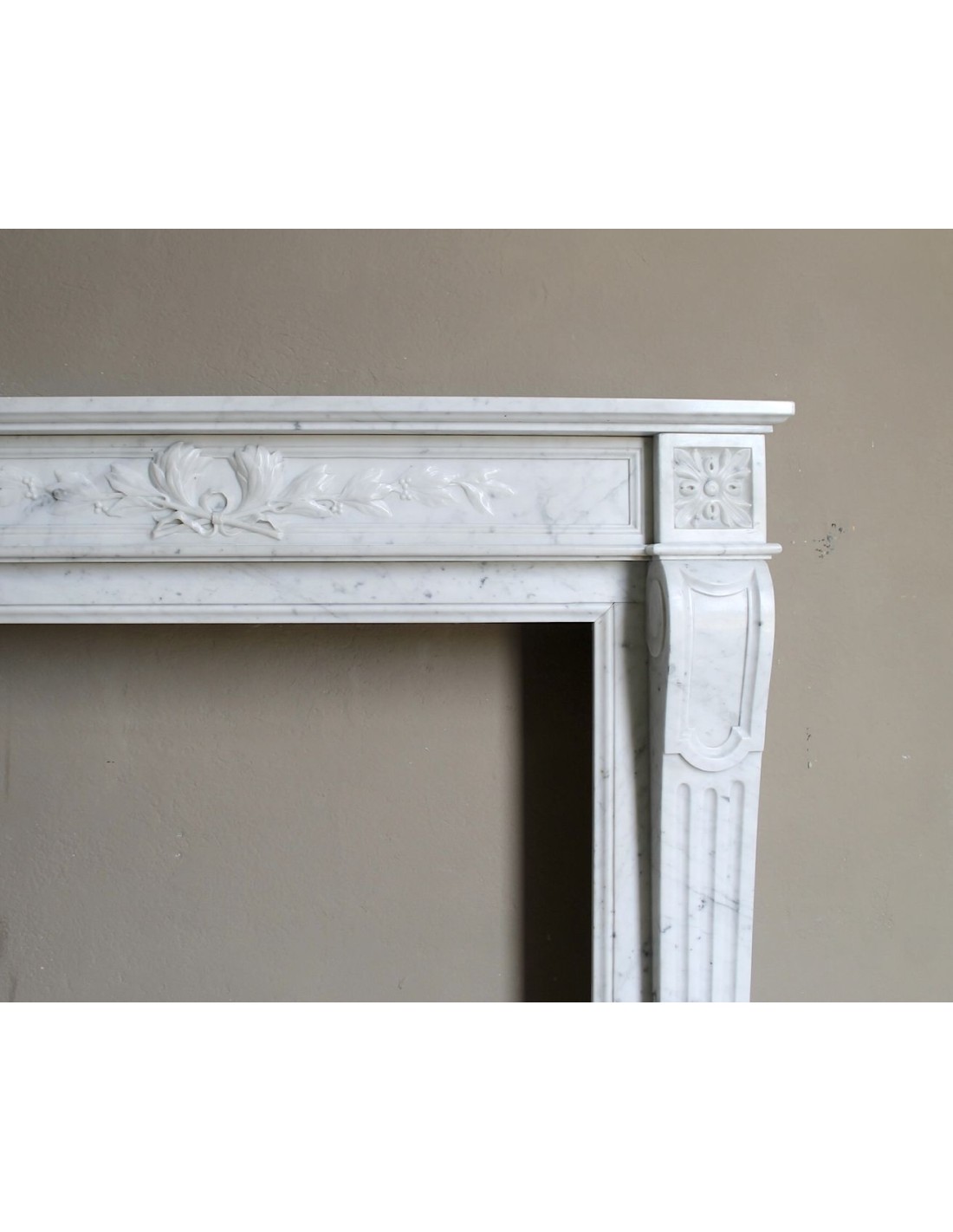
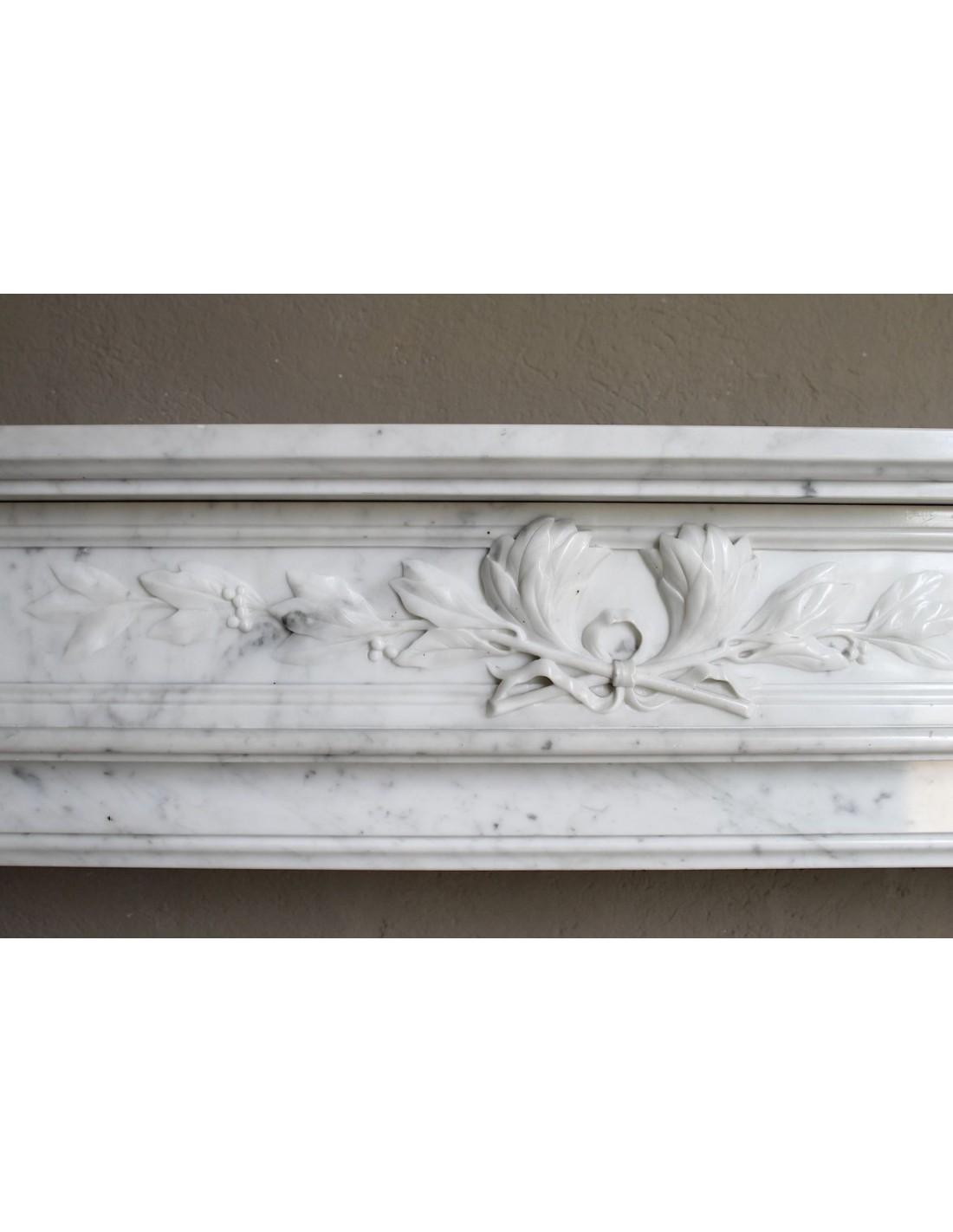
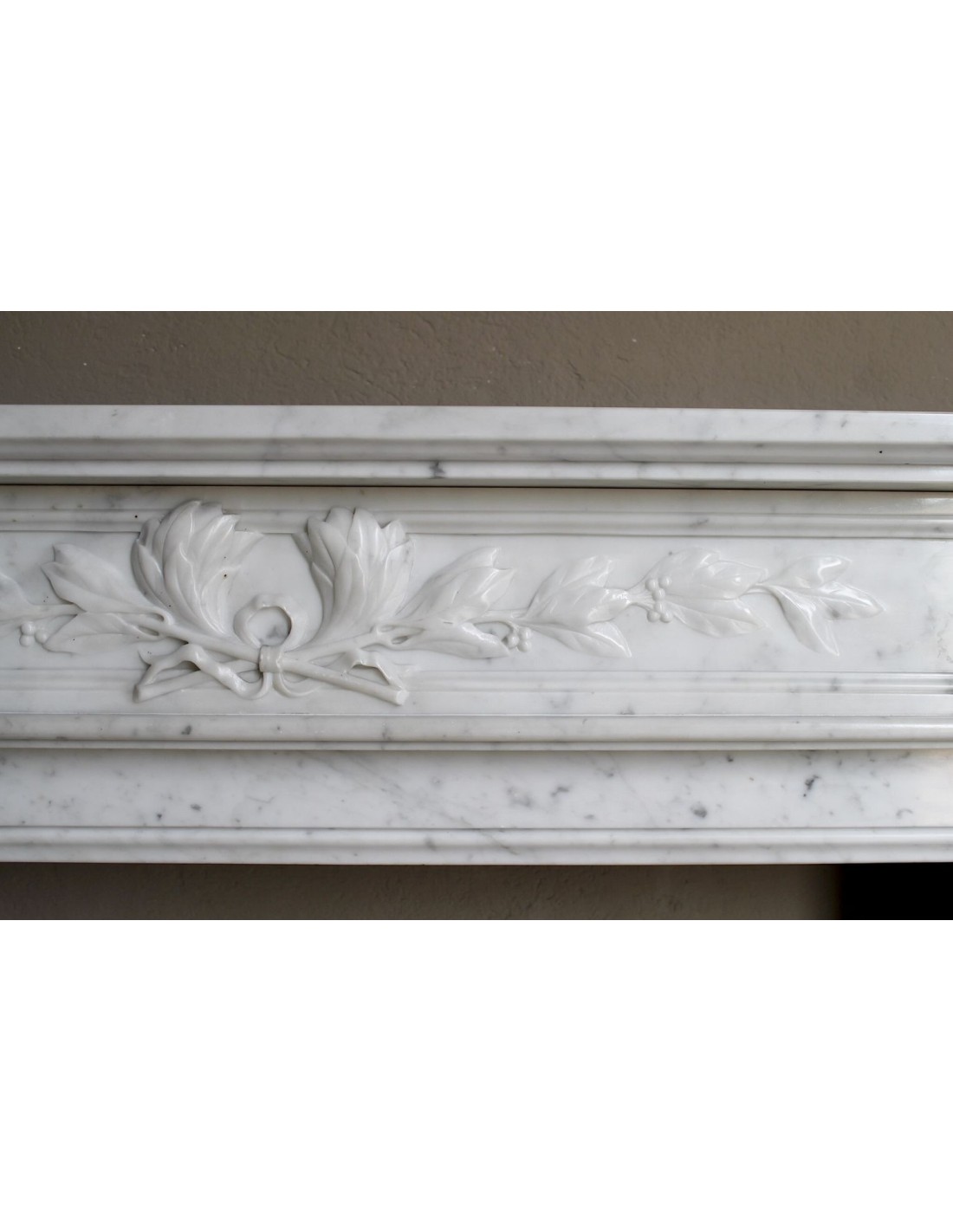
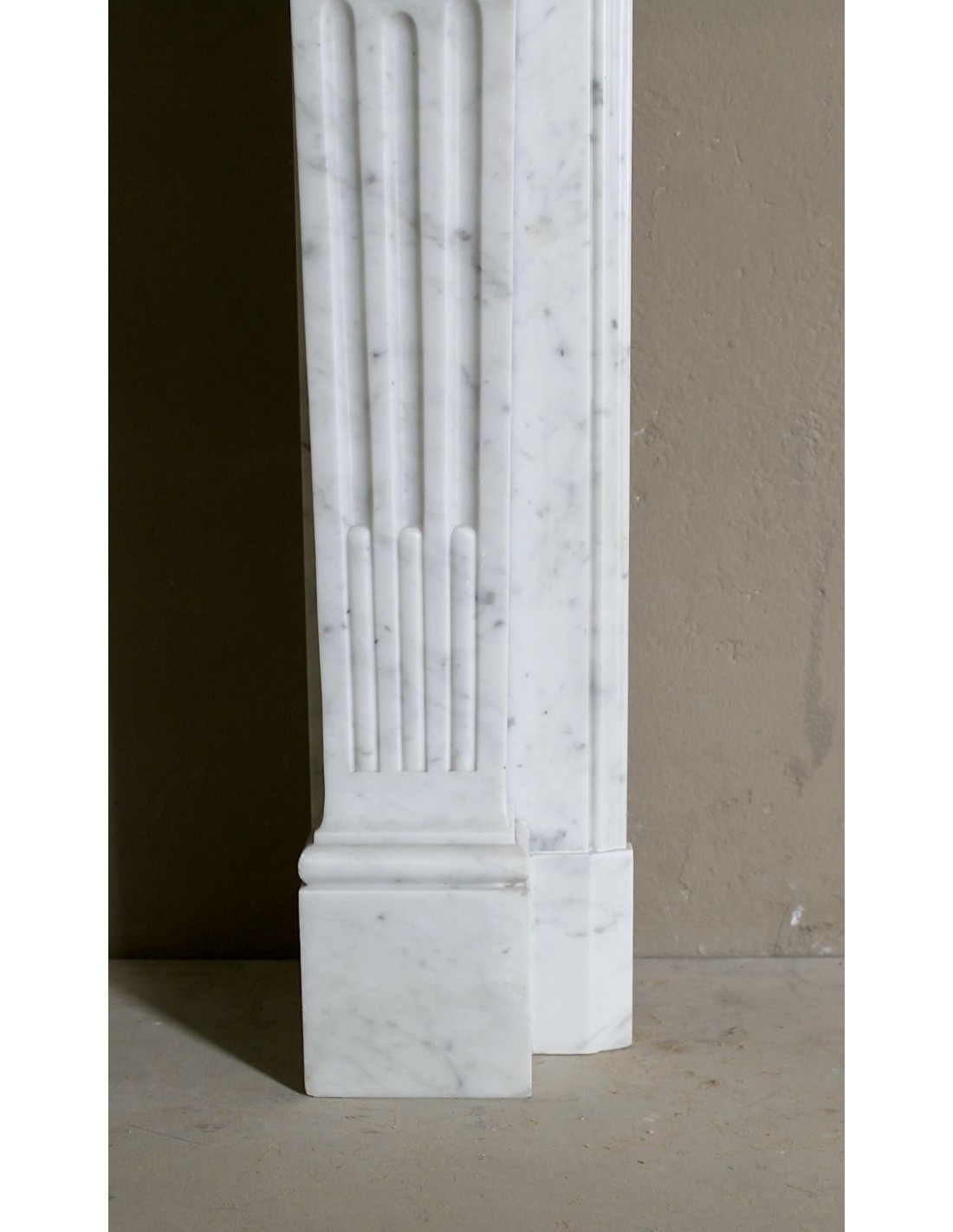
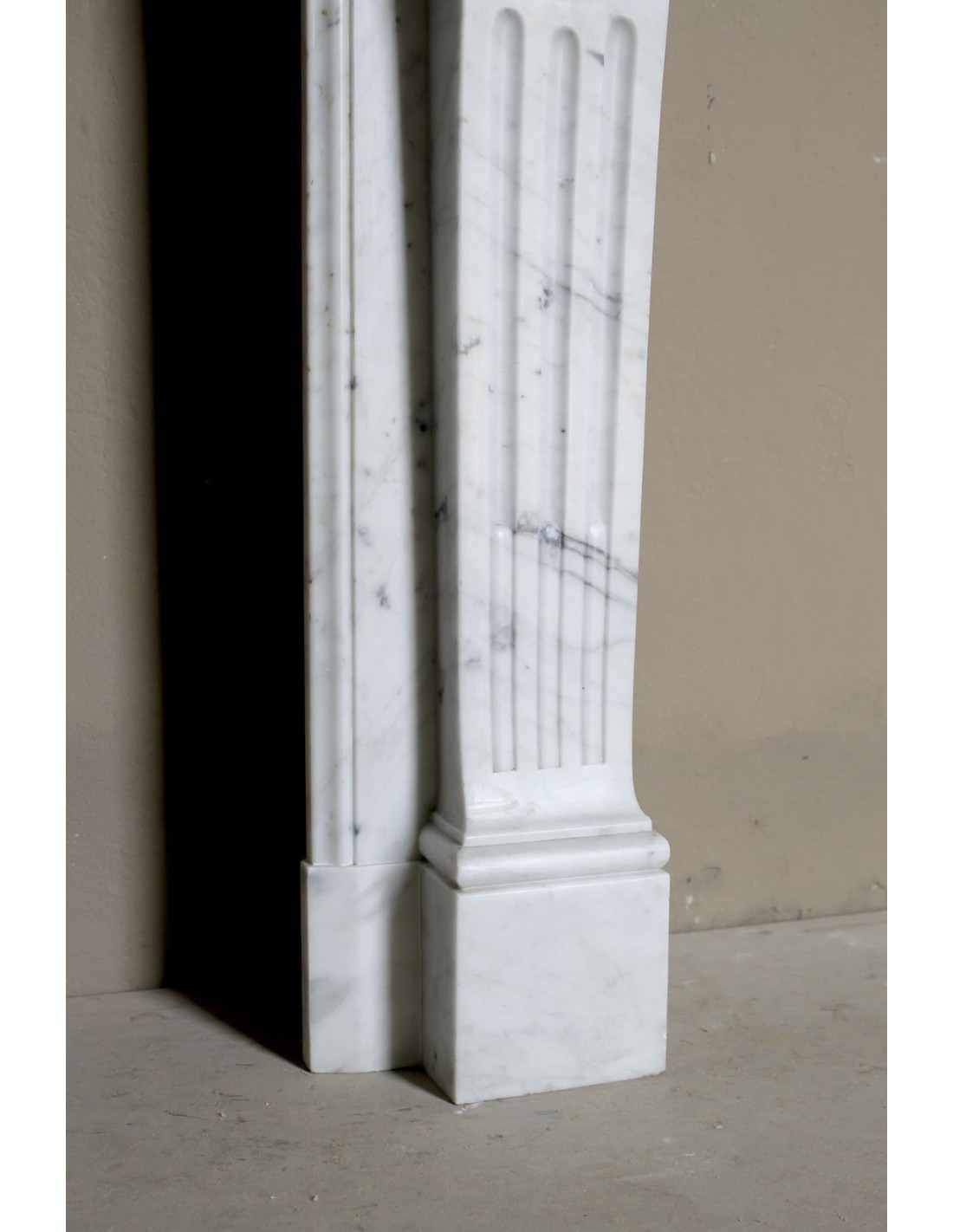
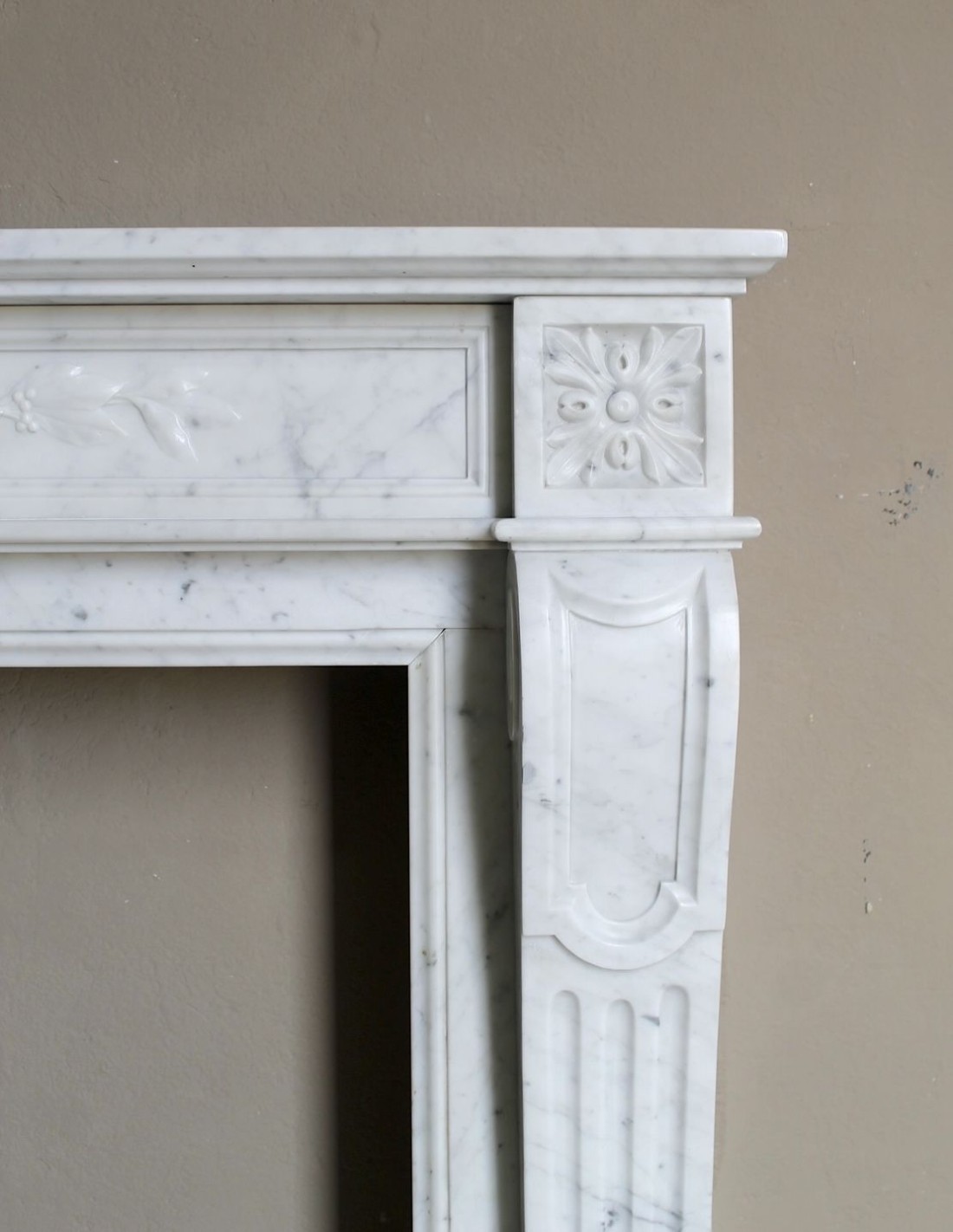
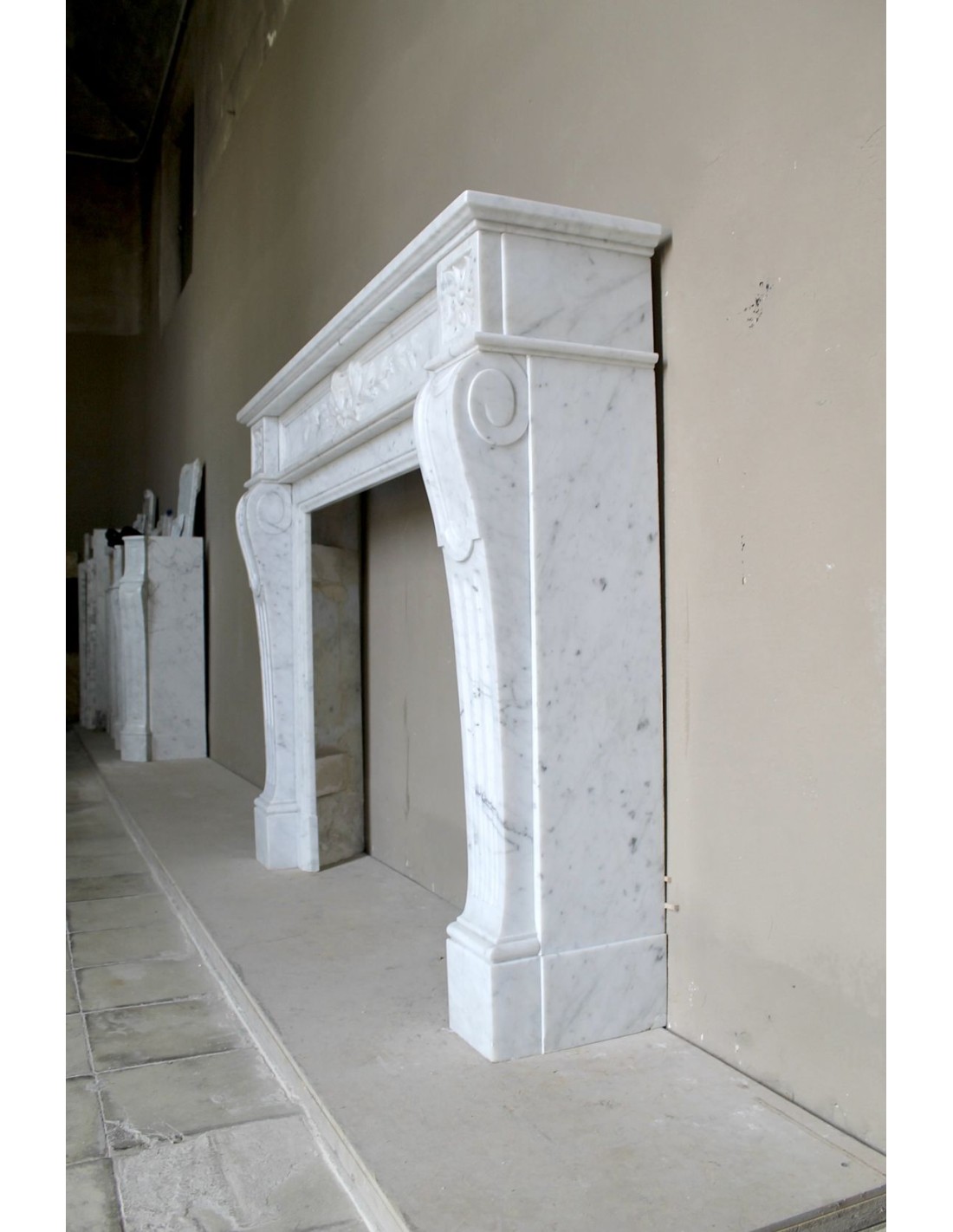
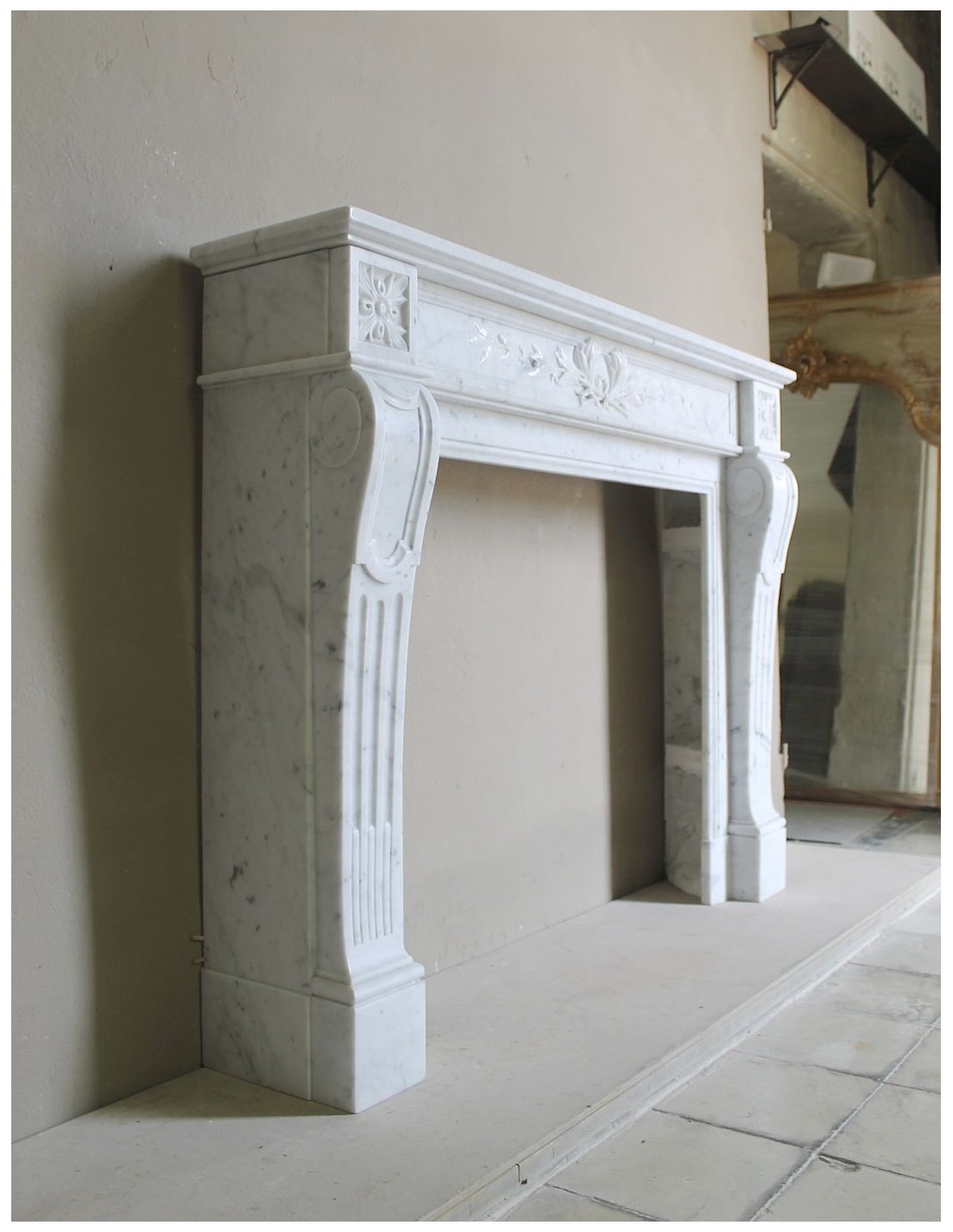
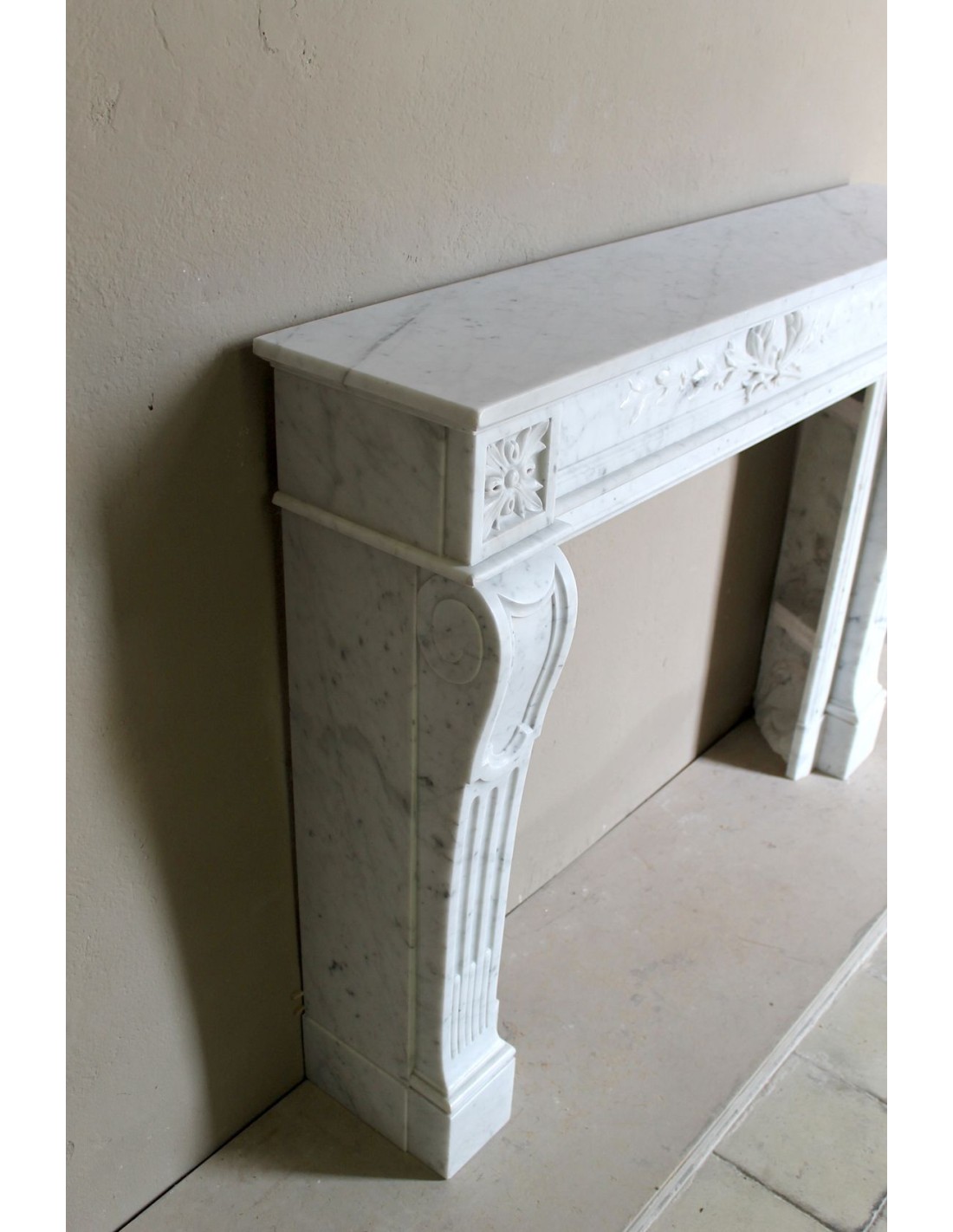
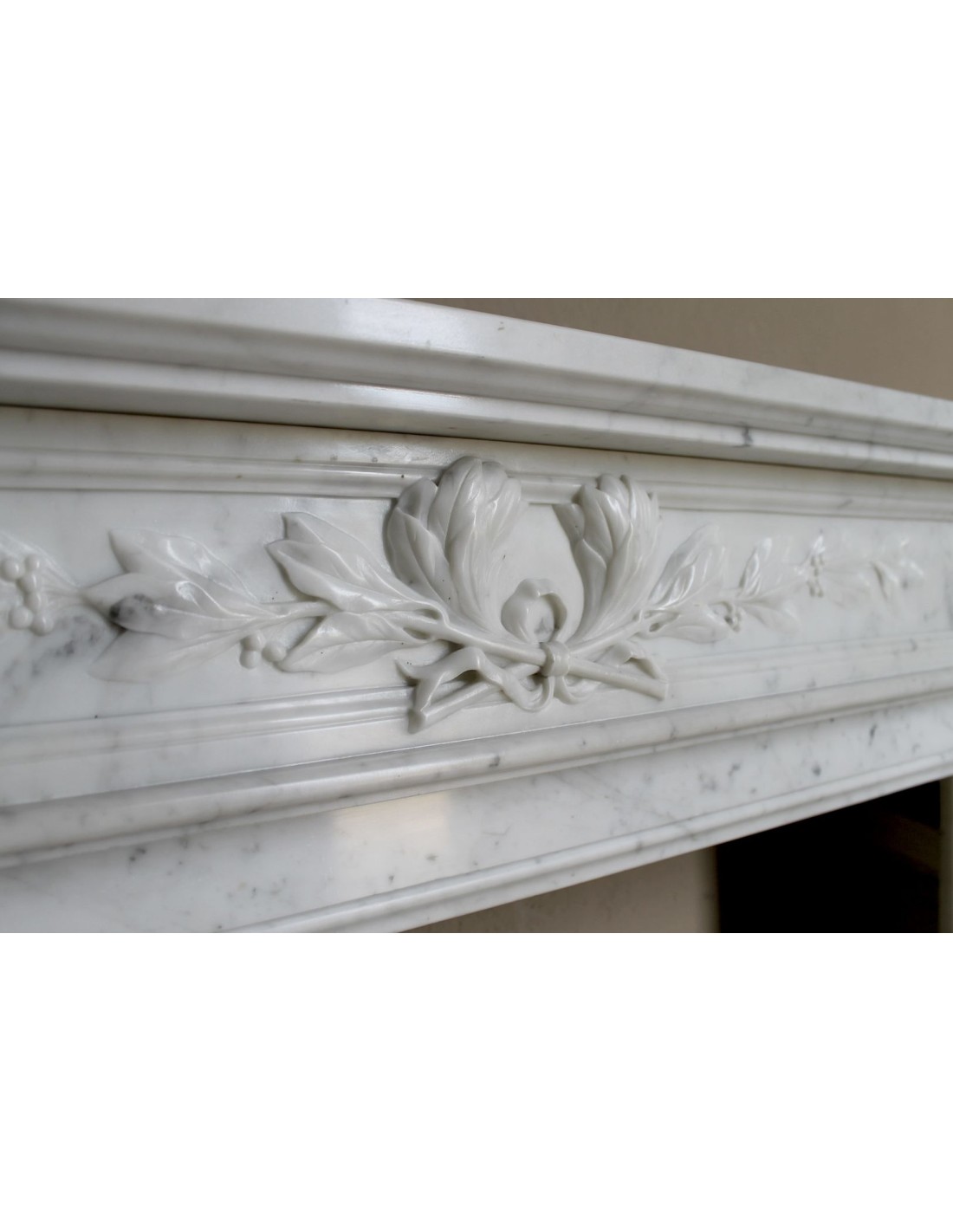
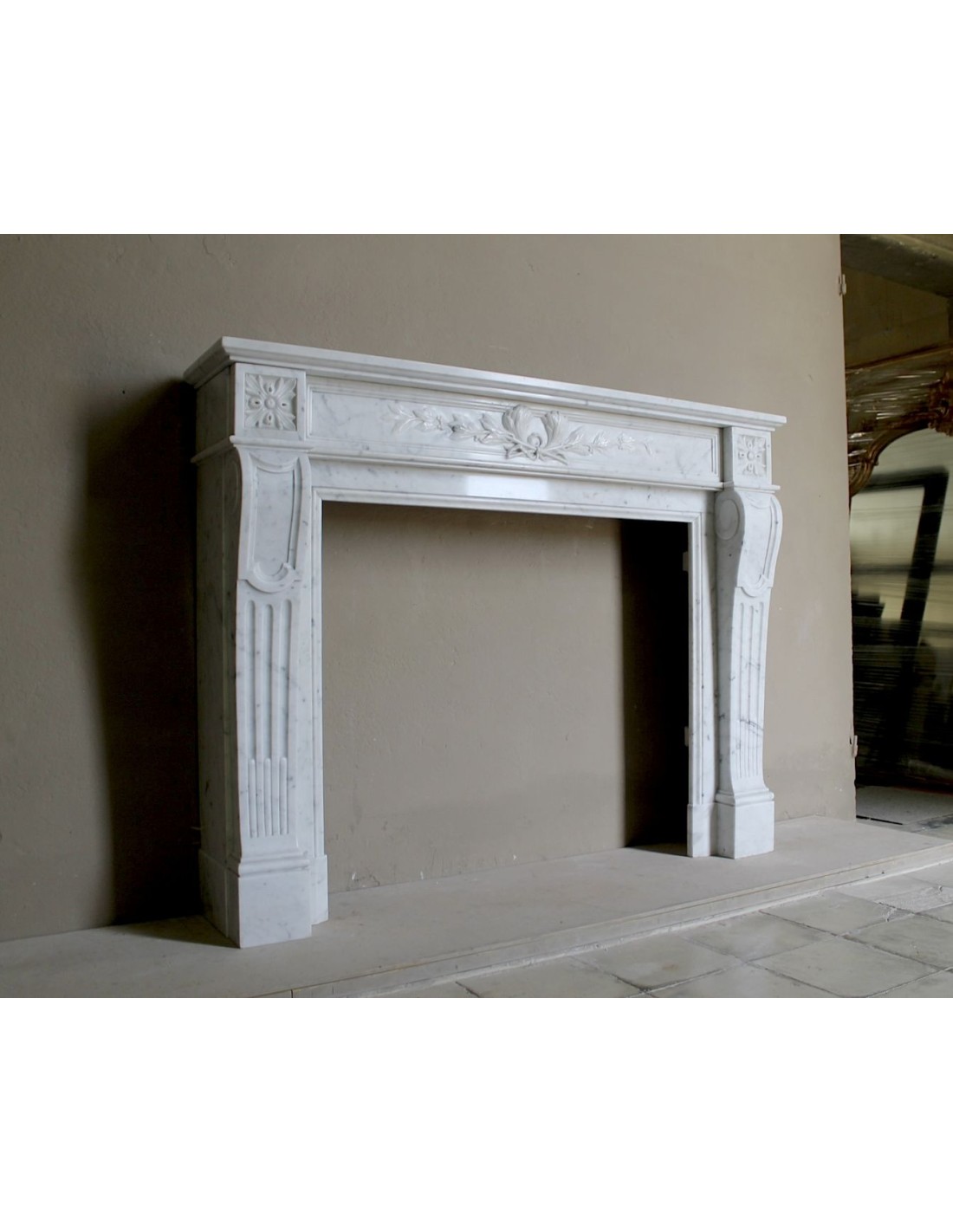
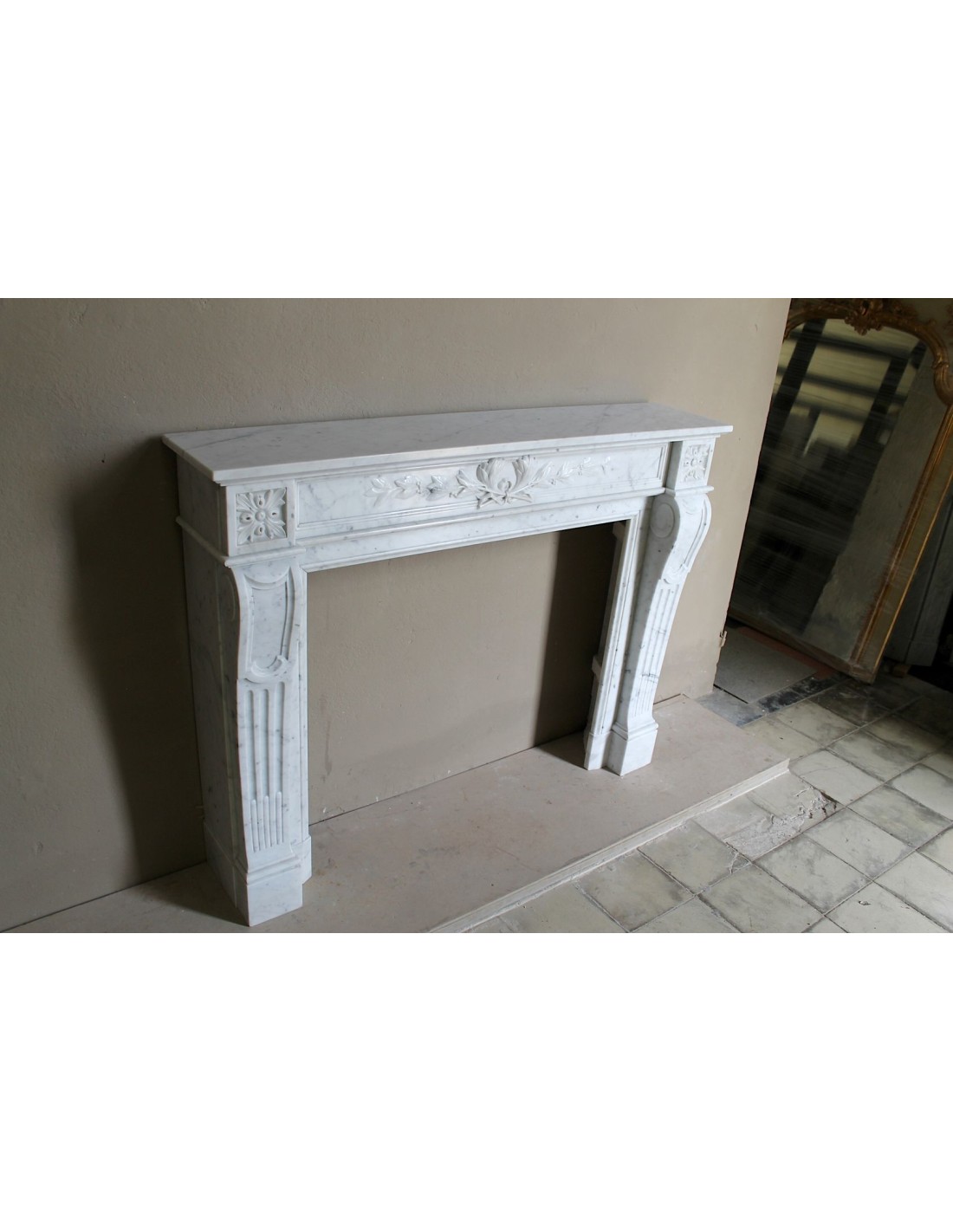
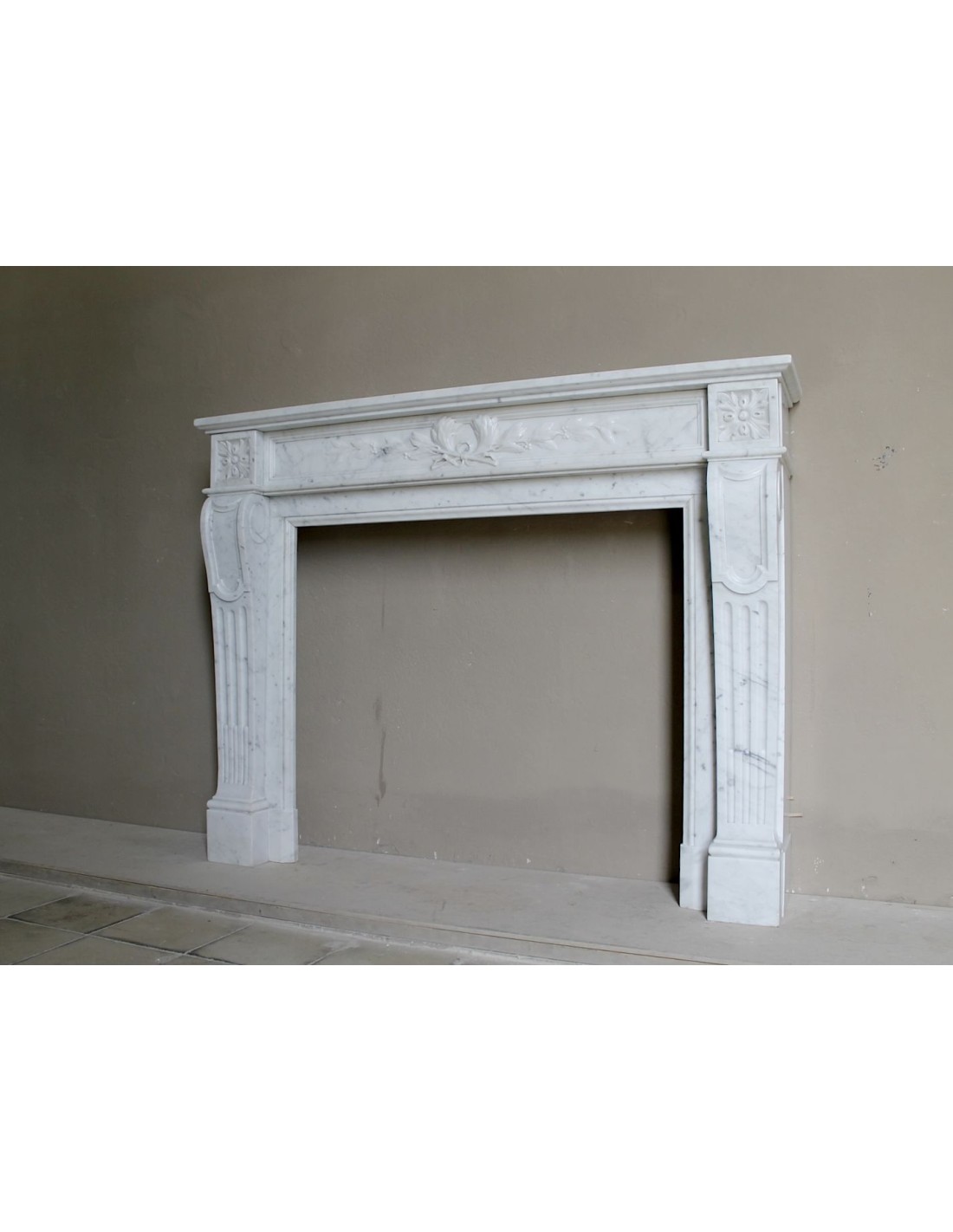
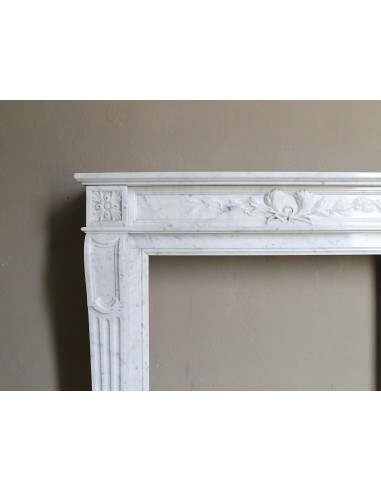
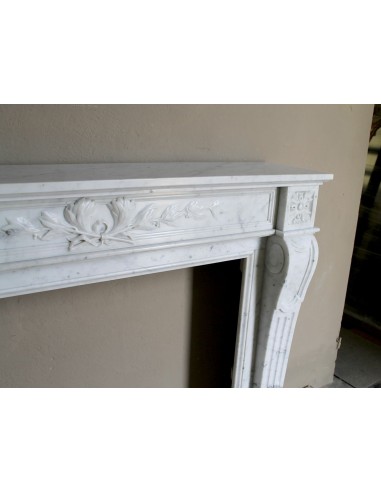
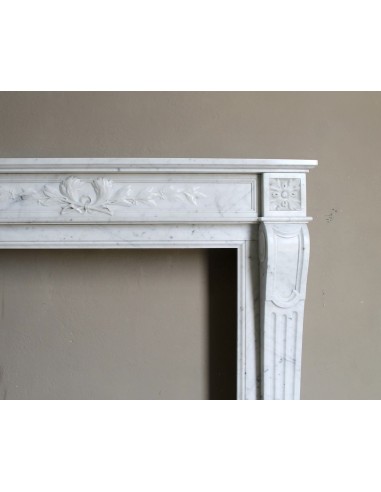
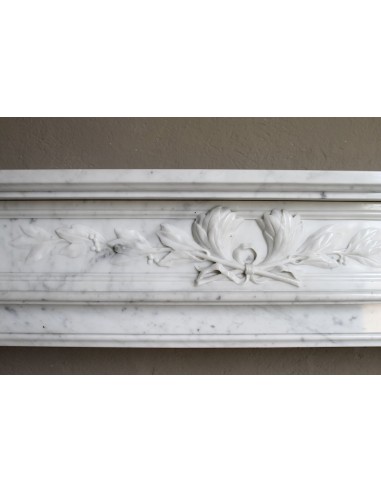
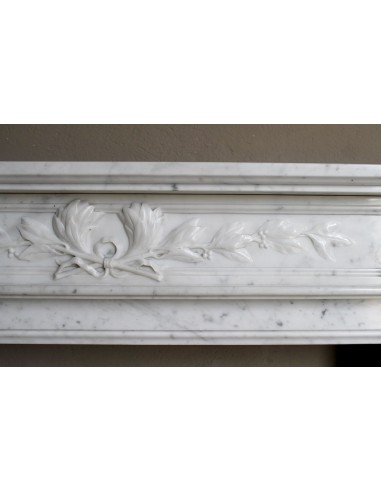
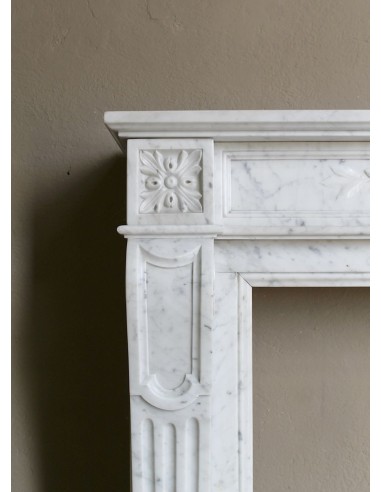
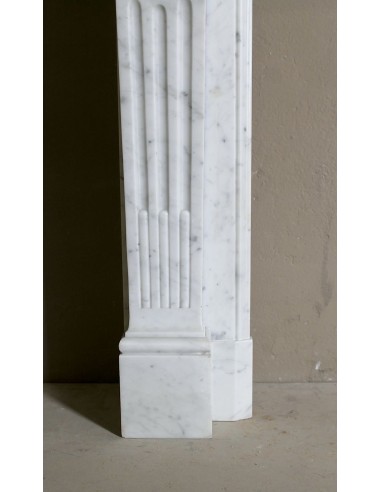
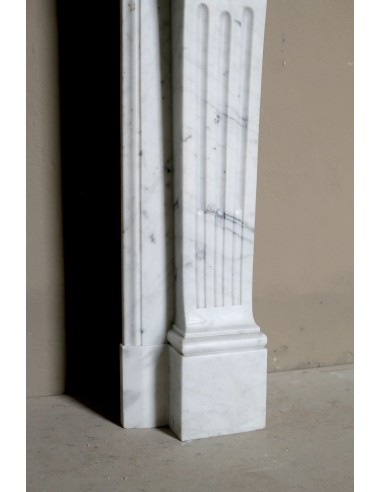
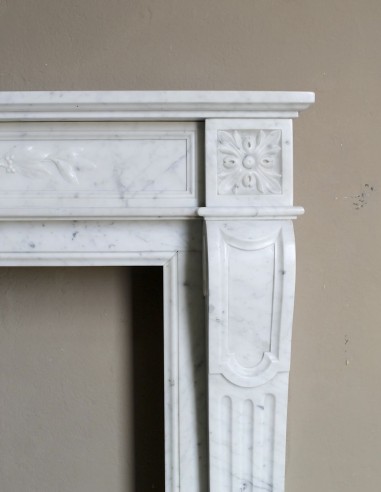
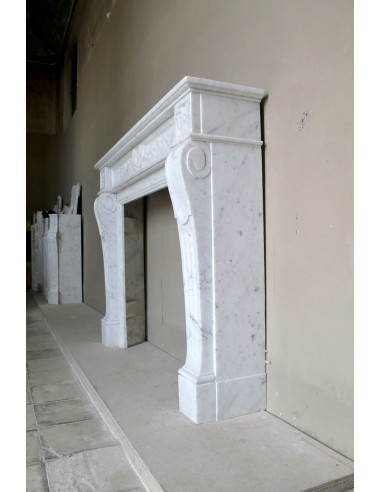
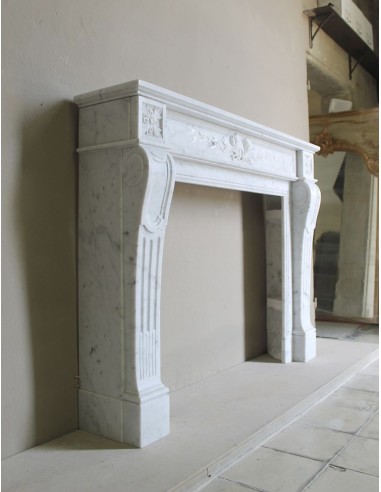
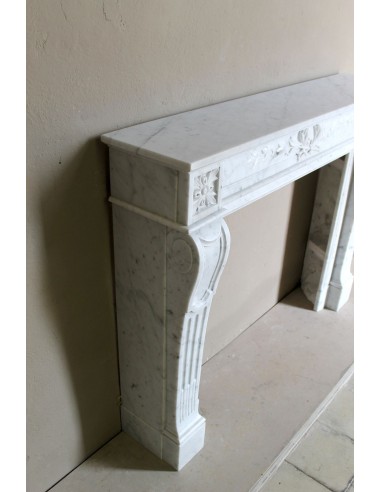
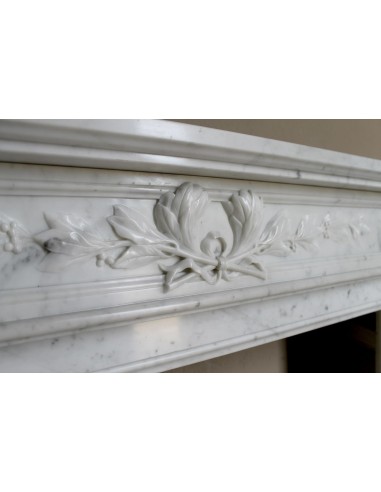
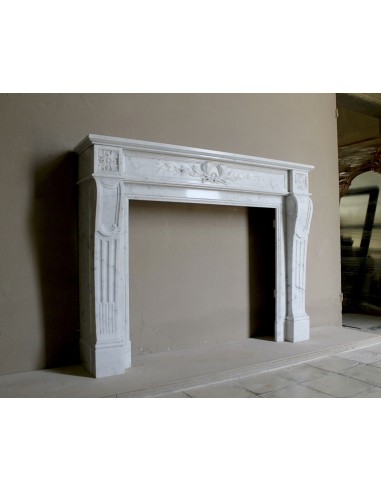
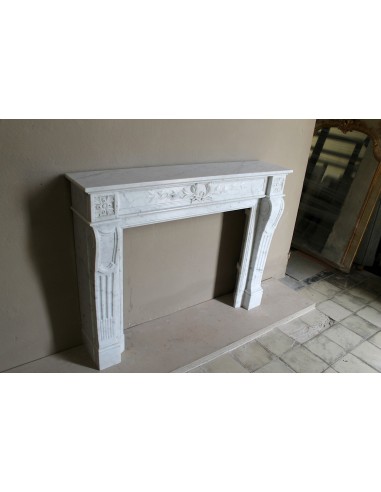
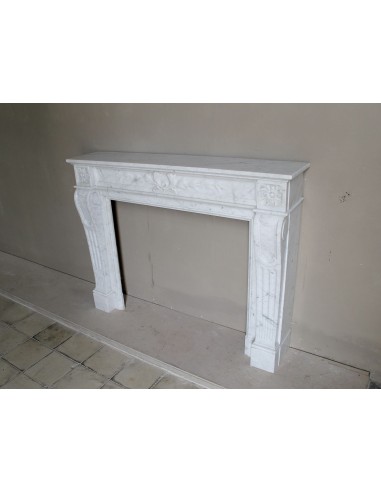
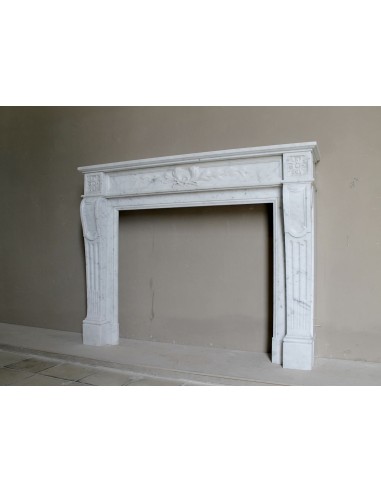
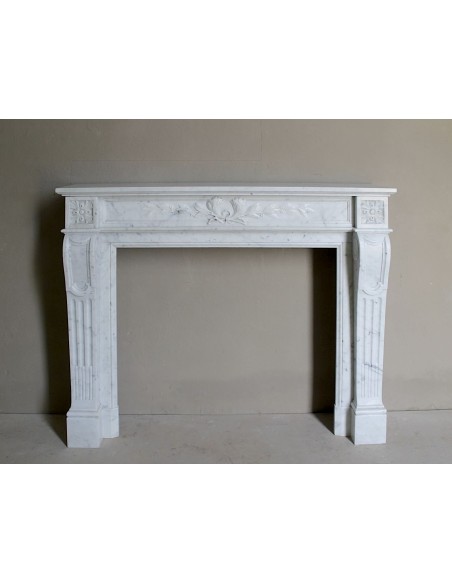
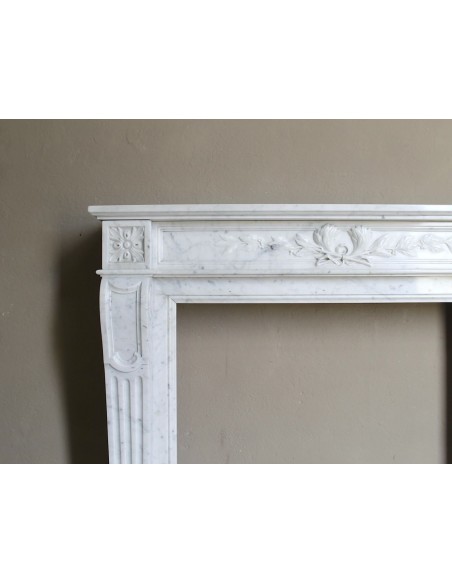
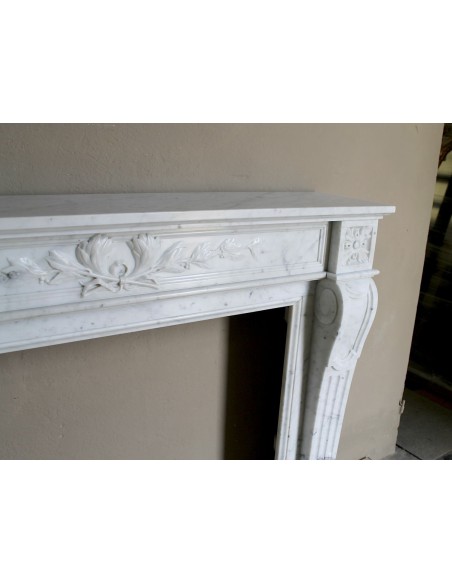
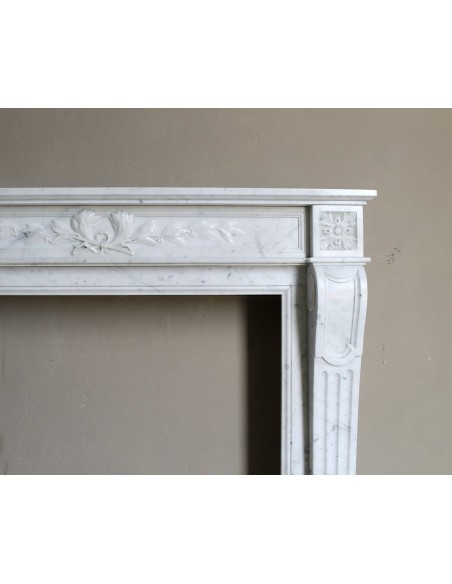
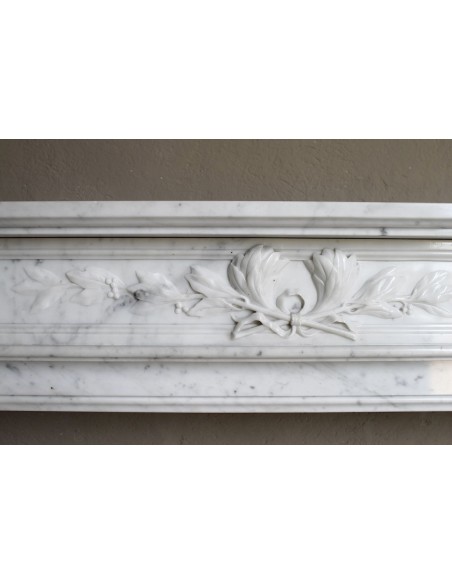
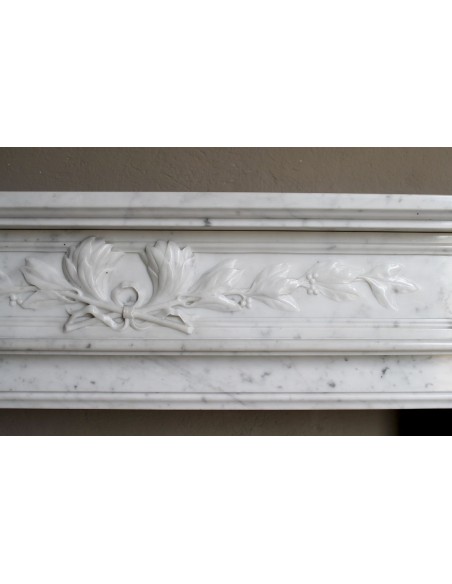
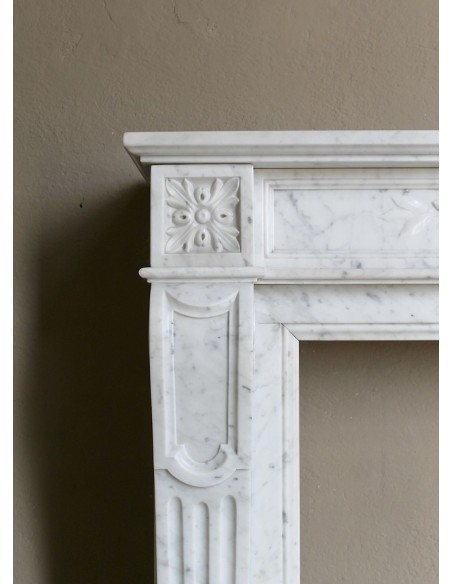
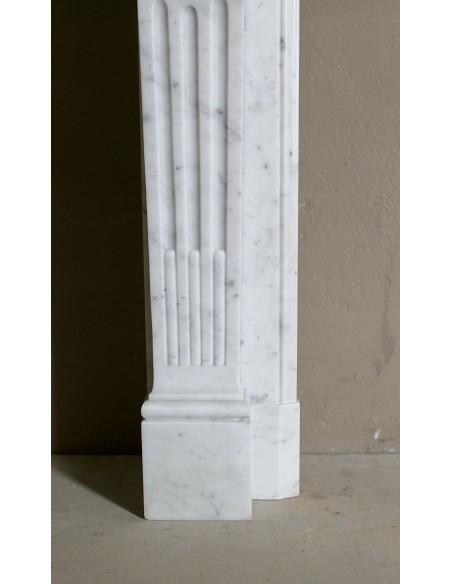
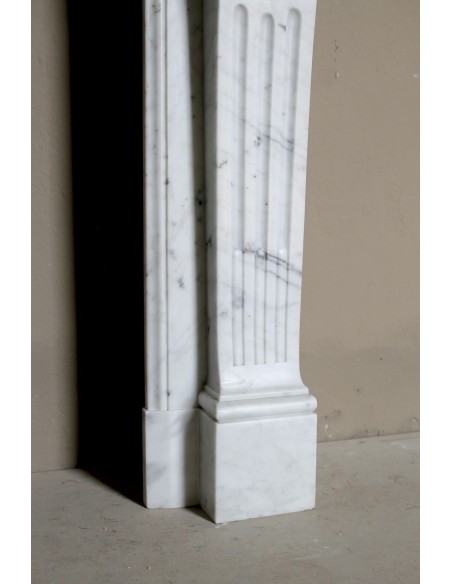
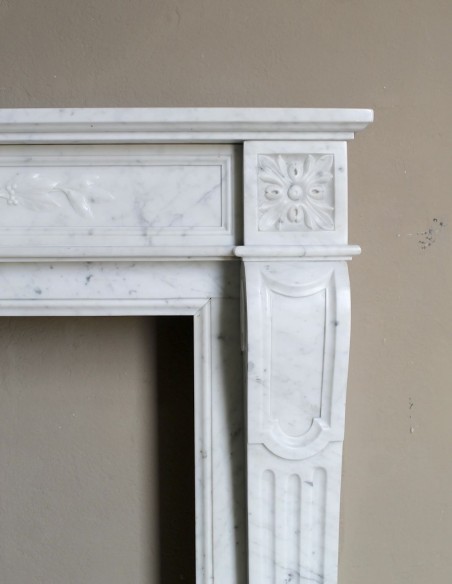
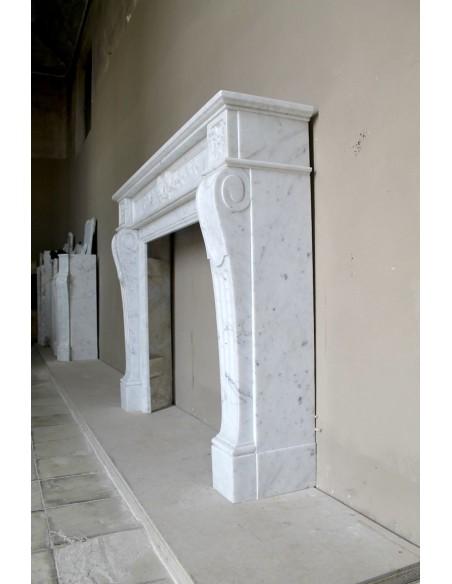
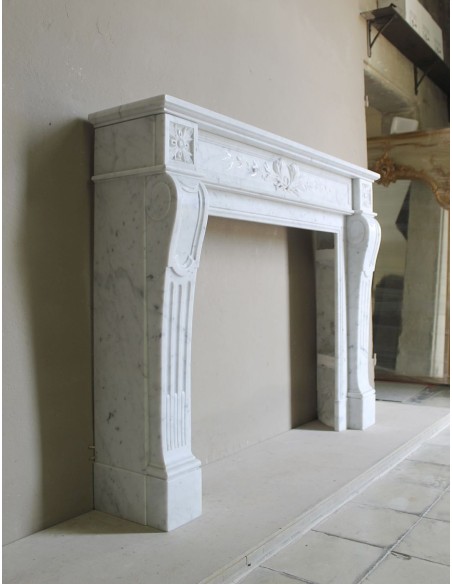
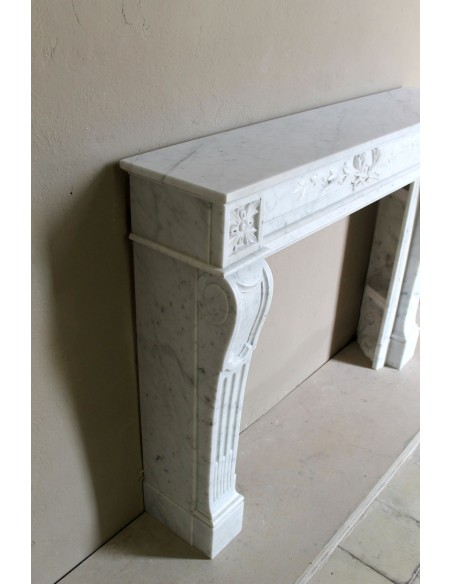
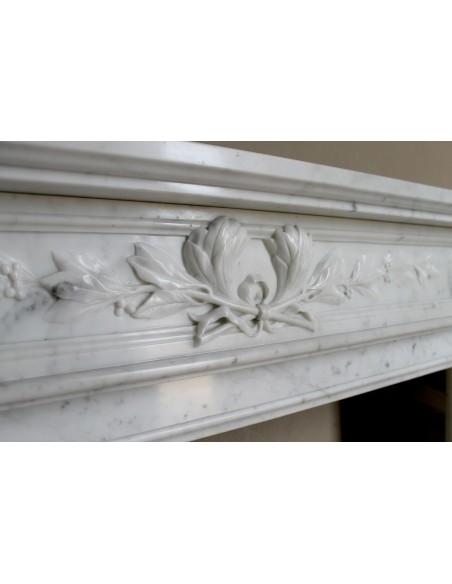
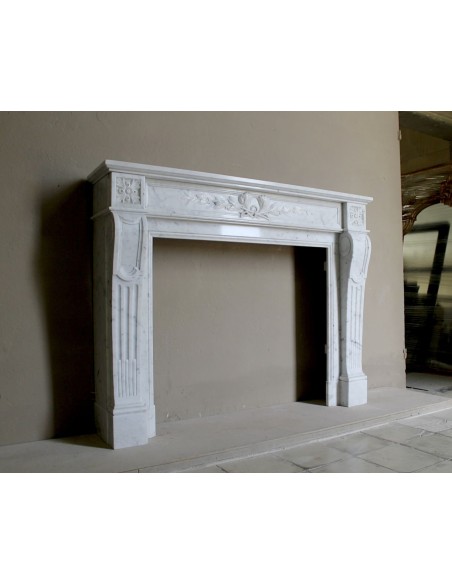
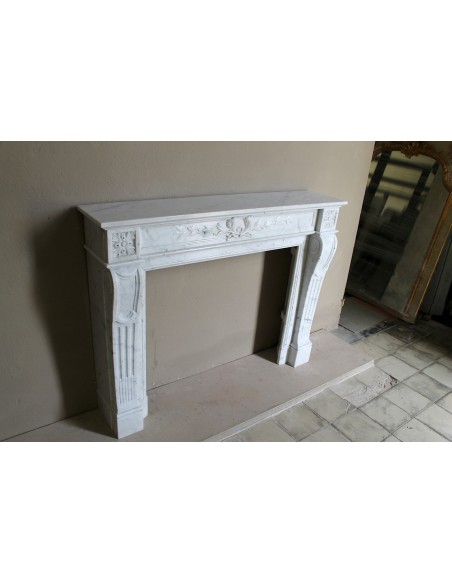
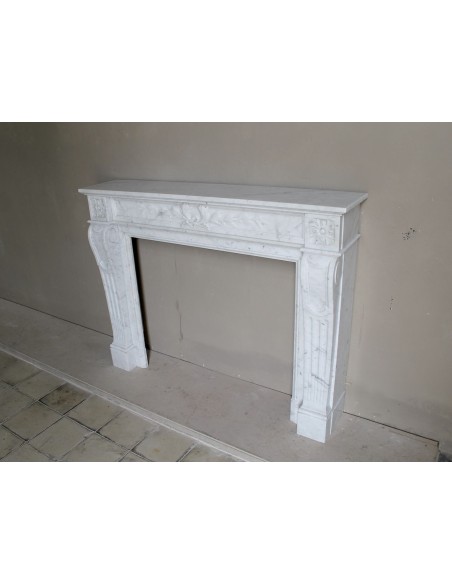
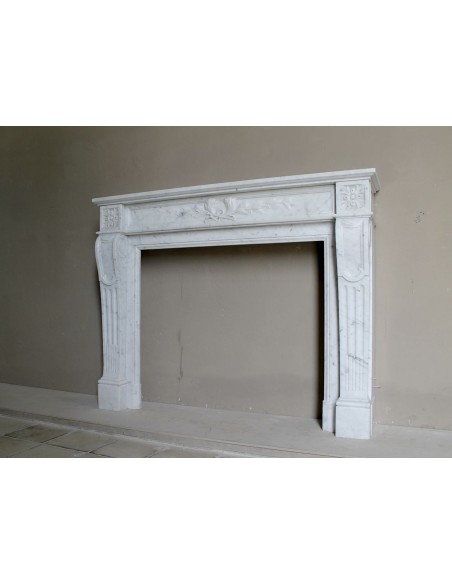
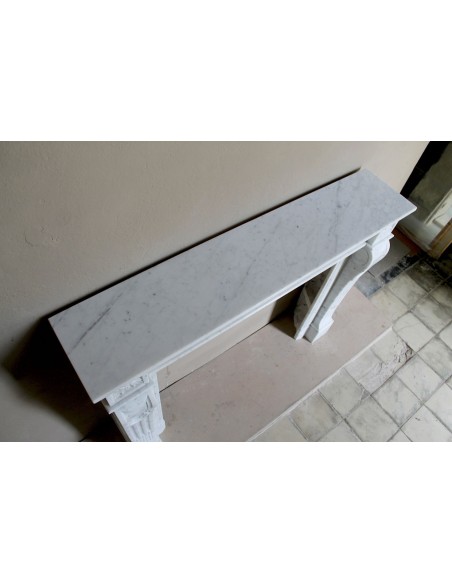
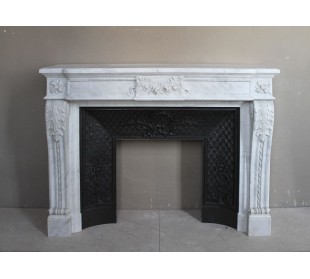
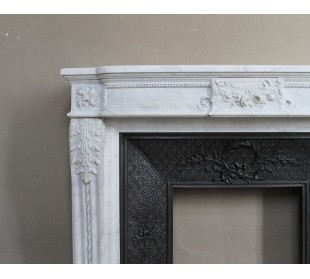
We’ve accepted to offer a fireplace in perfect Louis XVI style, yet built during the early years of the 20th century (between 1900 and 1915).
You might ask — why this break from the rule?
Is it really wise for an antiques dealer to propose pieces from a time so close to modernity?
Well, keeping in mind that this is the first and only time we’ve made such a proposal, I believe this piece offers many advantages, both for us and for the buyer. So, if you agree, let’s take a moment to examine its qualities — the good and the bad — and then draw our conclusions.
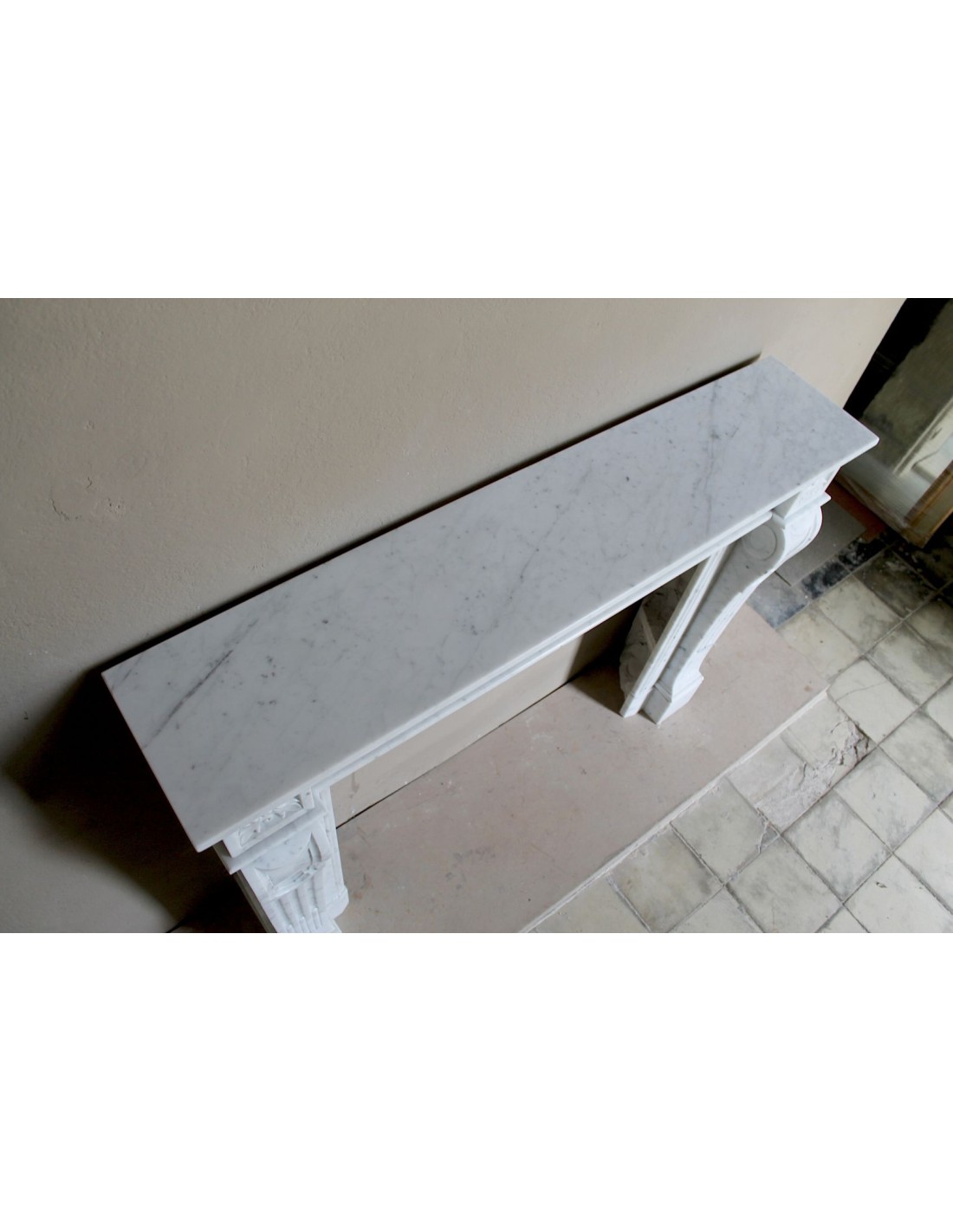
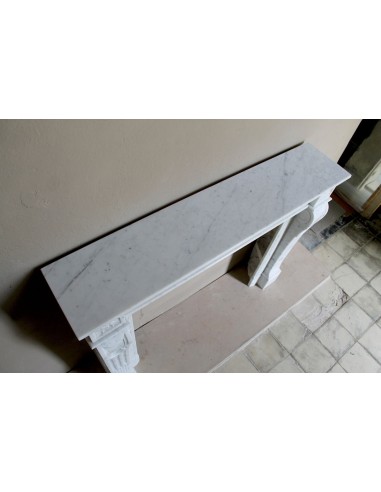
The sawing technique used to cut the marble slabs of this piece is far more refined than what we find in late 18th- or 19th-century models. In the early 1900s, thanks to advances in electrical machinery, slabs could be sawn with surfaces that were already quite smooth, showing none of the characteristic marks of older cutting methods.
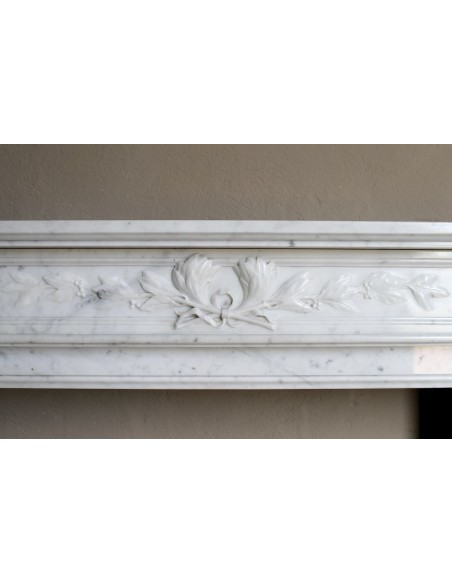
The polishing — In the century before our fireplace was made, polishing was entirely done by hand, from start to finish. And, let’s admit it: the results were truly captivating.
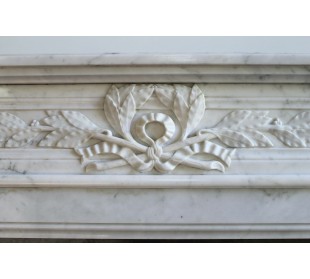
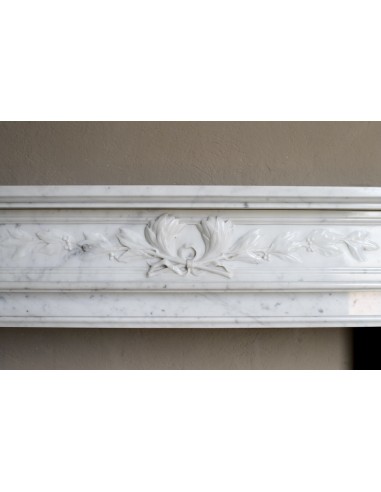
In this case, however, a mechanical polishing machine was used for the general finish, although the final detailing was still done manually, as machines couldn’t handle that.
So it seems the “dark side” wins 2–1 over the “good guys”...
BUT — it just so happens that this single advantage is a financial one:
The fireplace I’m presenting here costs about half of what an identical model from the “right” period (i.e., fifty years earlier) would cost.
Let’s not forget that this piece was created during the final years of the mythical Belle Époque (1871–1914) — a time when electricity, the telephone, radio, photography, cinema, combustion engines, and even vaccines were being invented...
So maybe we can forgive it for having committed a few “electrical sins” in its making. Don’t you think?
I’ve decided to write this section because misunderstandings during delivery have become increasingly common — as illustrated by the following (real) phone conversations, paraphrased below:
A)
“But I thought your staff would carry the fireplace up into my apartment…”
(The gentleman in question lived on the fourth floor without a lift, and the fireplace components weighed around 100 kg each.)
B)
“Wait — you’re not installing it for me? I thought that was included in the price!”
(For the record, installation can cost anywhere from €1,000 to €6,000, depending on the complexity — and in this case, the fireplace was priced at just €1,500...)
C)
Our delivery employee — who, for over twenty years, has spent his days trying his best to accommodate clients’ schedules — once agreed to deliver a fireplace at 4:00 PM, as arranged. But upon arrival, the customer casually said:
“Oh, I won’t be home before 6 — I still have to go to the hairdresser…”
D)
The client had agreed to pay in cash. We confirmed the delivery two to three days in advance, as always. And yet, upon arrival, the client had no cash — only a Poste Italiane cheque (some of the most frequently forged in the world).
Best case? Our driver has to wait while the client runs to the bank to withdraw cash. Worst case? He has to reload the fireplace, waste half a day, and absorb all the travel costs (which, believe me, are many).
Clients have clearly confused “delivery” with “Egyptian-style slave labor.”
Let’s remember that slavery ended with Abraham Lincoln, and unless there’s a usable lift, carrying 100 kg slabs up the stairs is the buyer’s responsibility — unless a full moving service has been contracted.
This has been standard practice in Italy for over a century.
The client has mistaken the simple word “delivery” for the more elaborate phrase “delivery with complimentary royal service included.”
Failing to honour an agreed time or payment method is not just inconvenient — it’s rude, especially to those working hundreds of kilometres from home, juggling other scheduled deliveries, and trying to maintain professionalism.