
SHARE ON:
“MACARON”… AT FIRST GLANCE, A RATHER ORDINARY NAME…
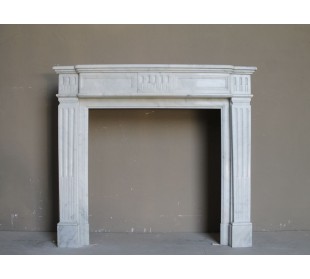
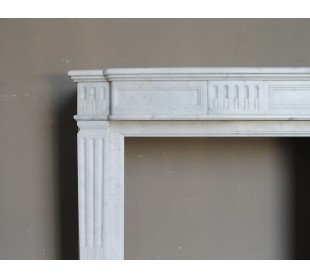
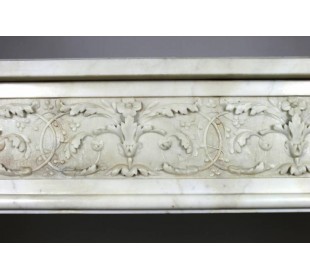
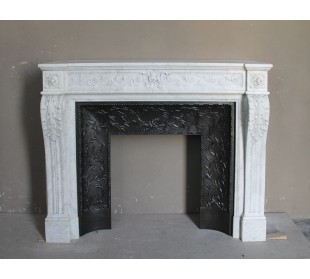
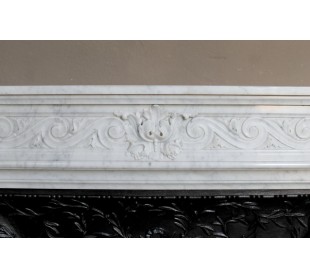
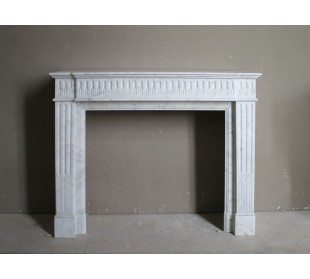
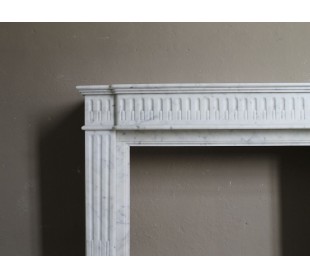
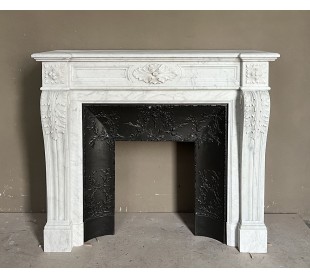
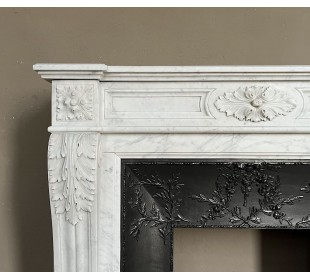
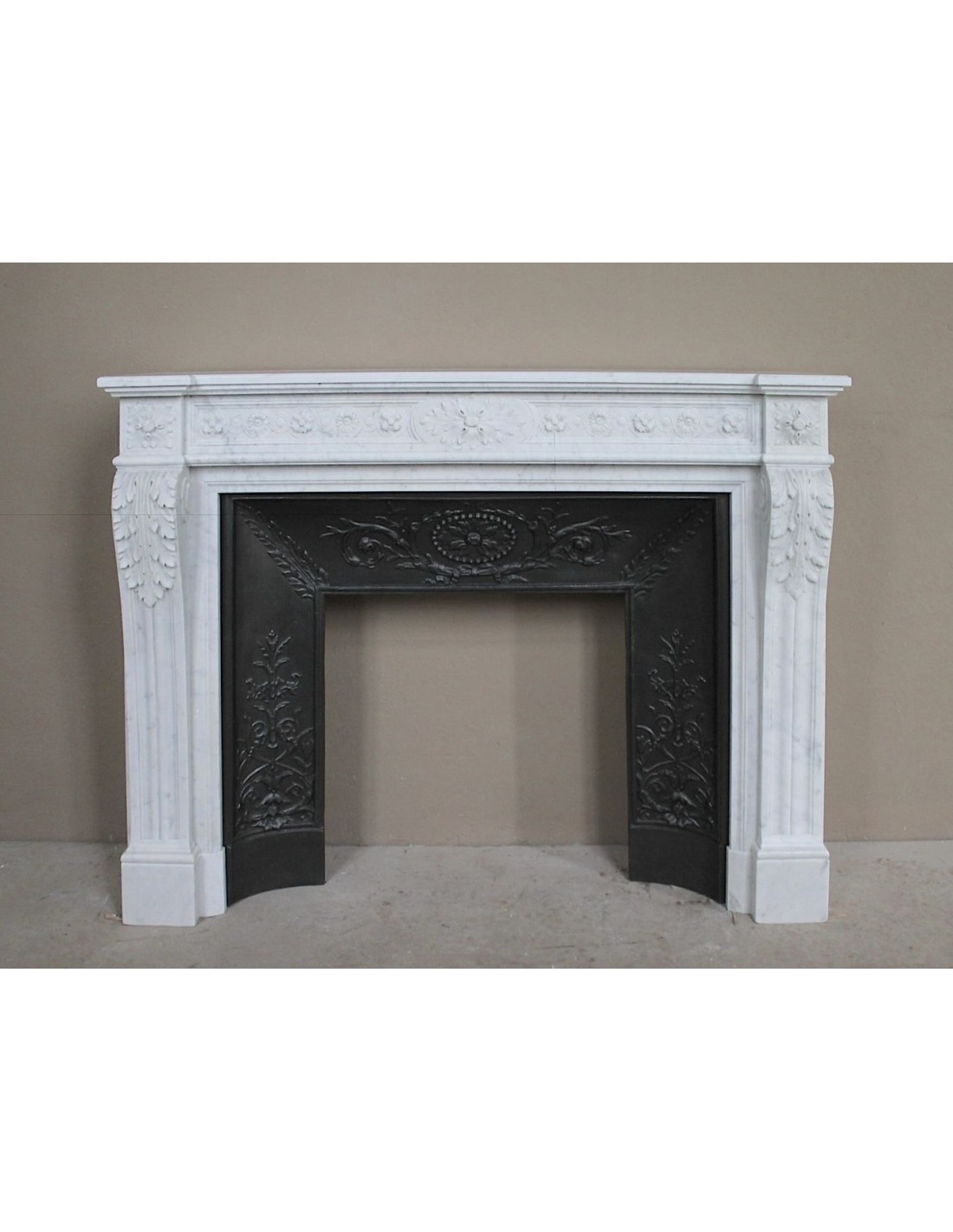
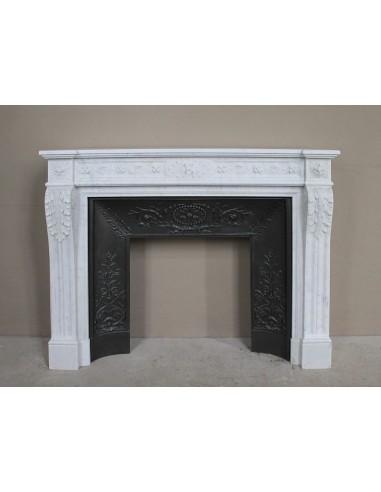
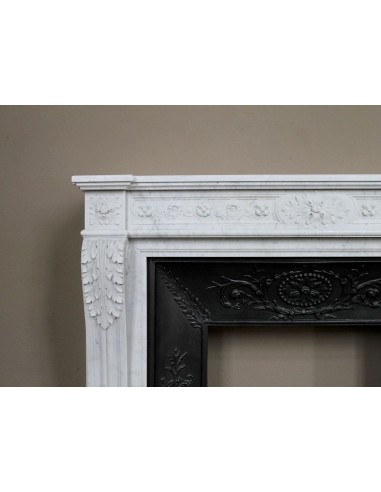
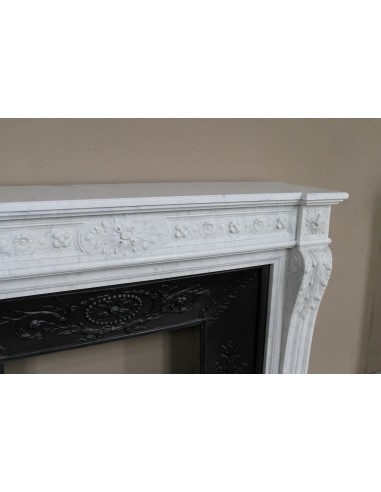
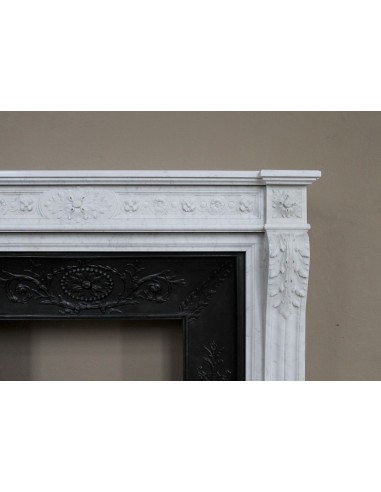
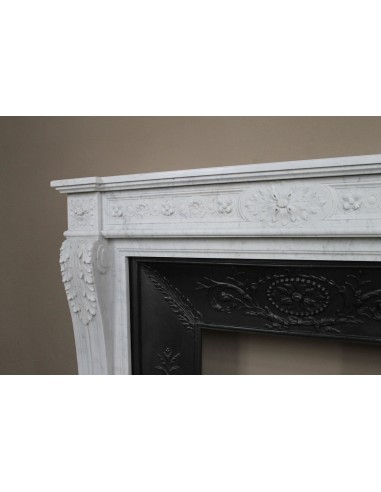
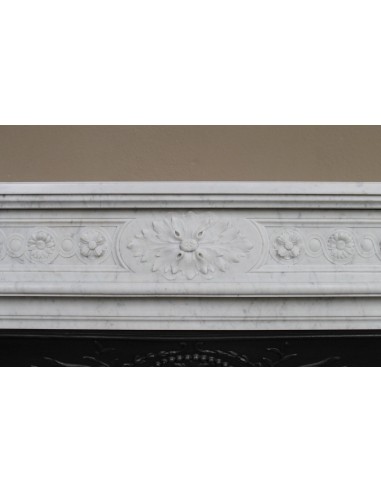
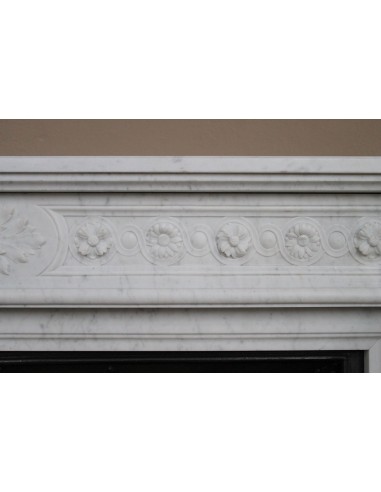
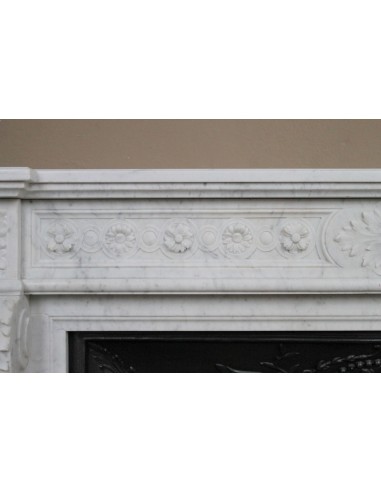
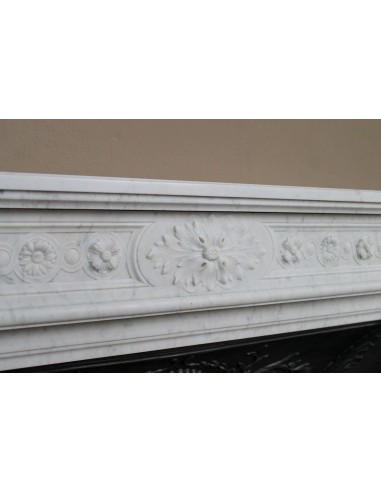
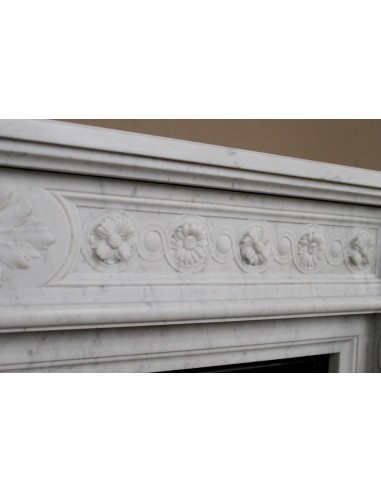
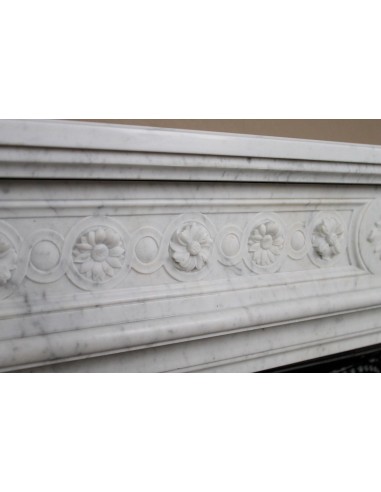
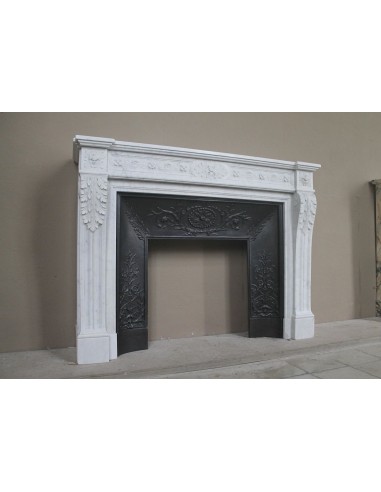
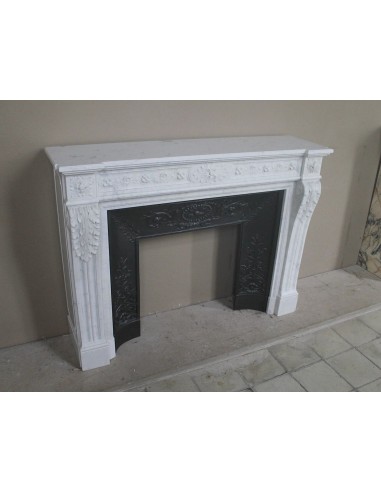
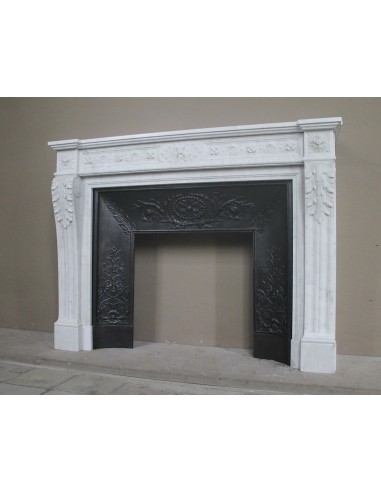
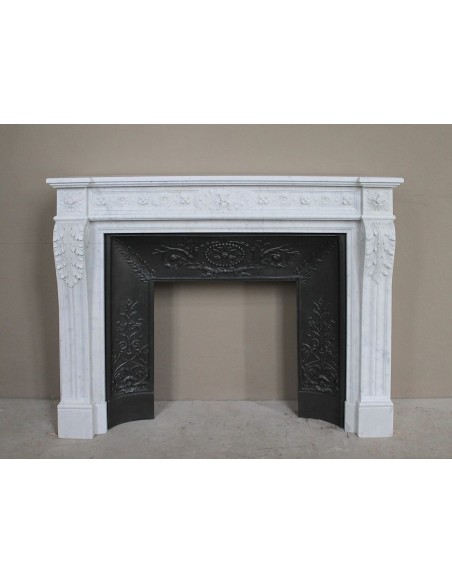
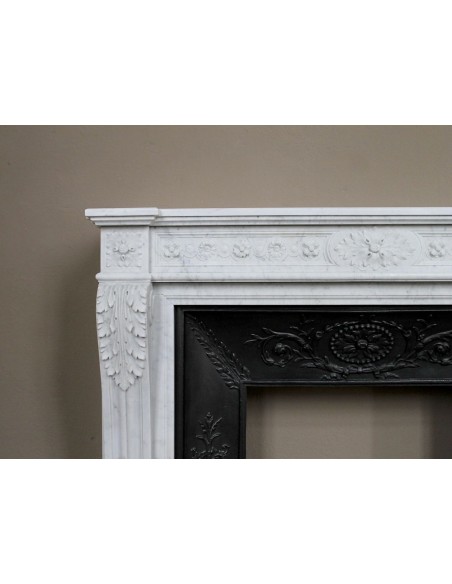
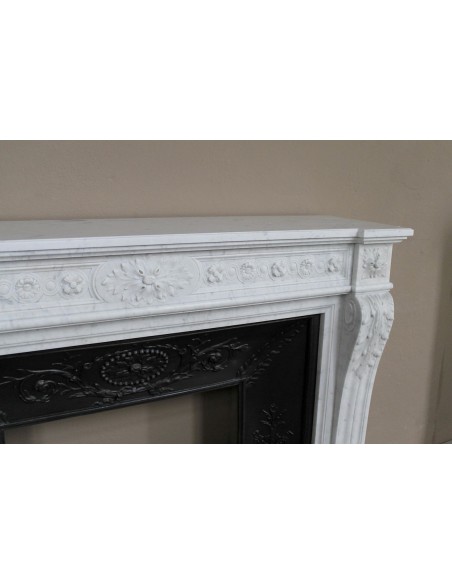
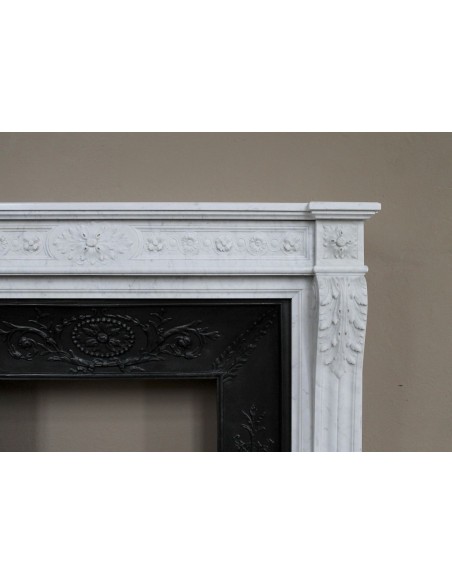
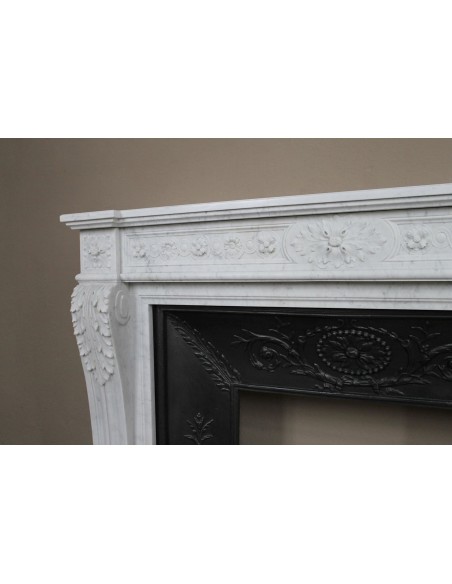
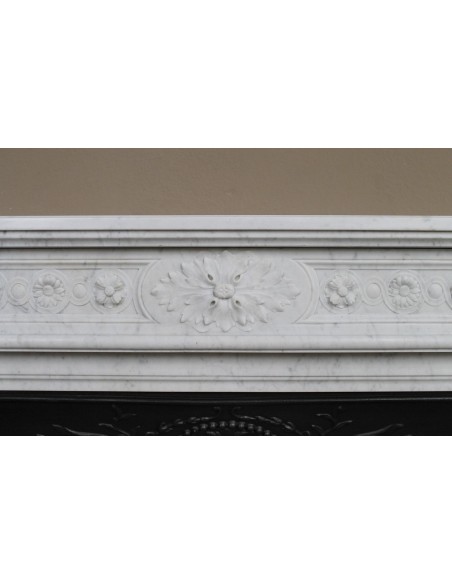
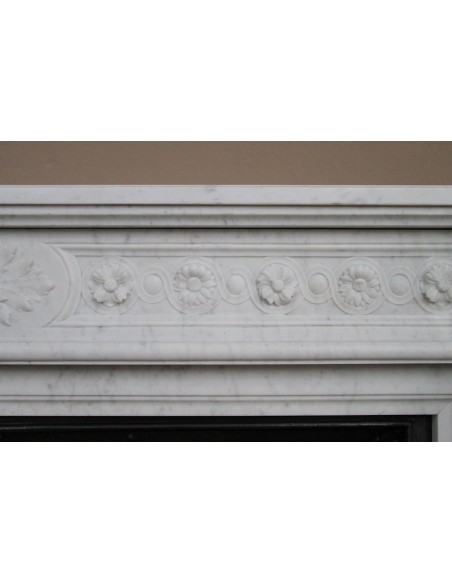
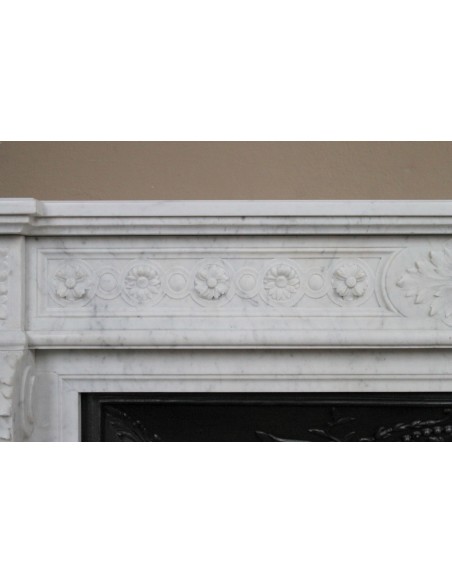
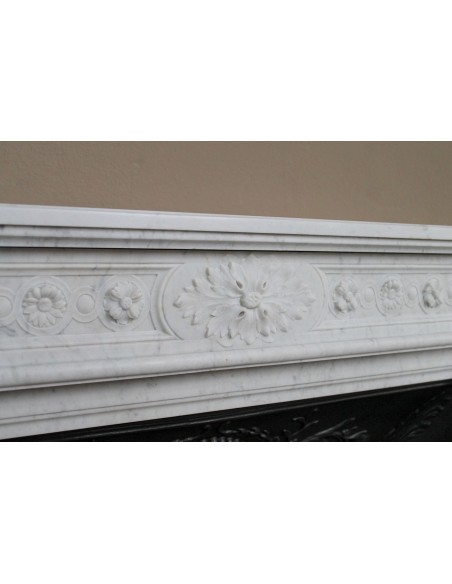
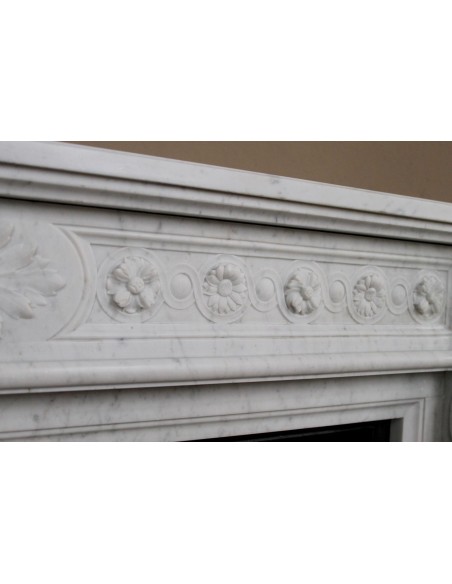
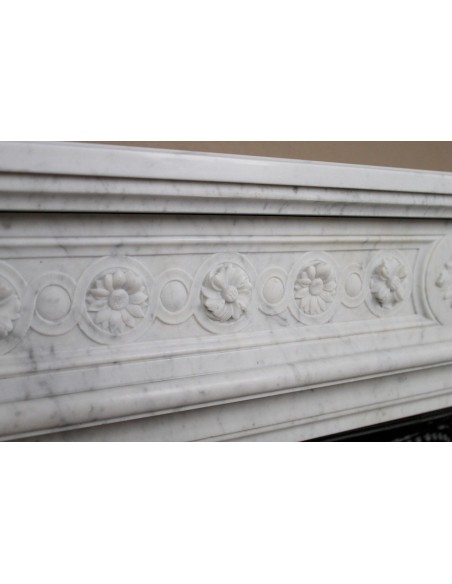
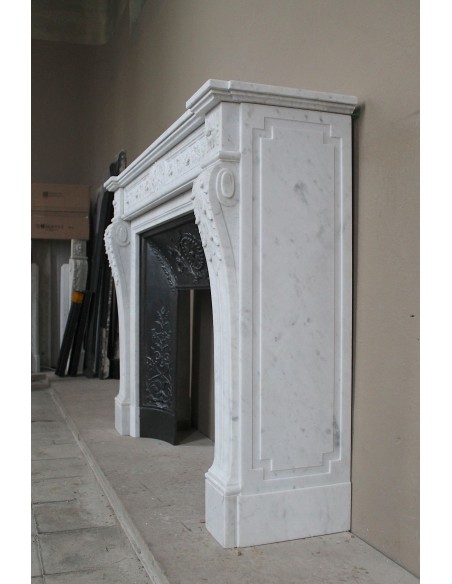
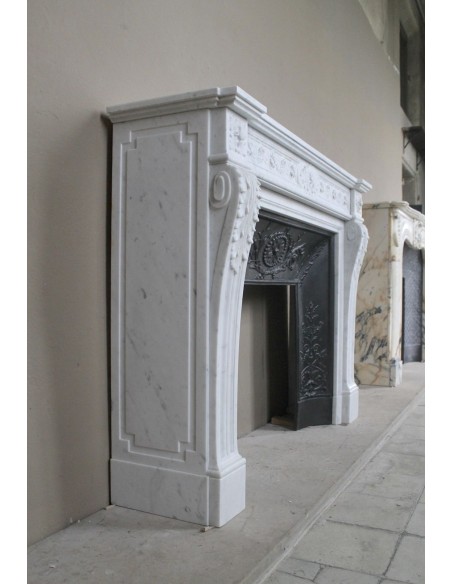
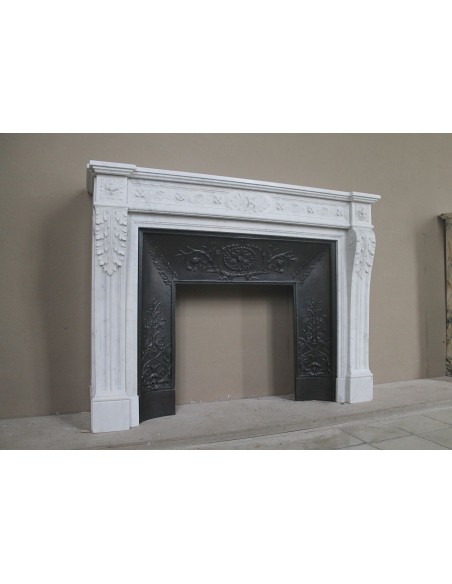
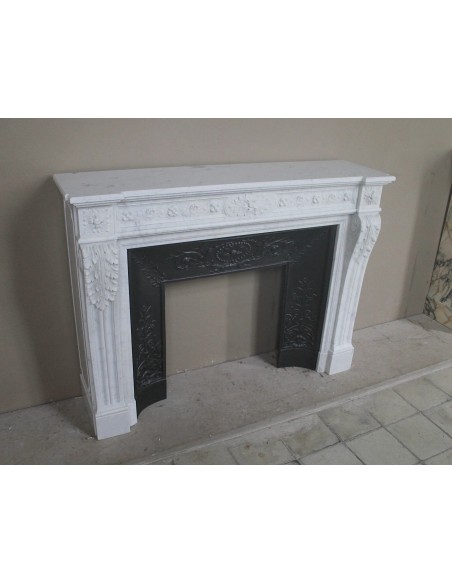
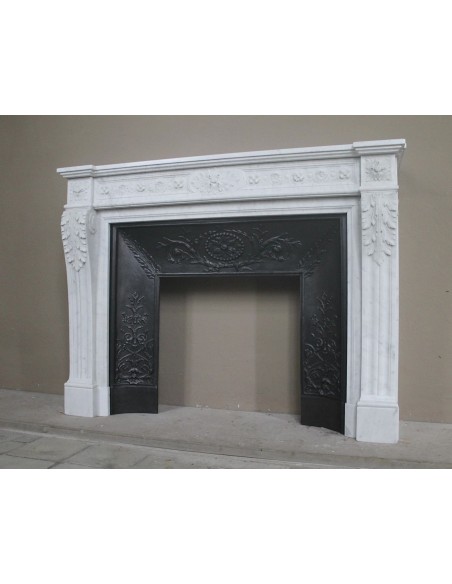
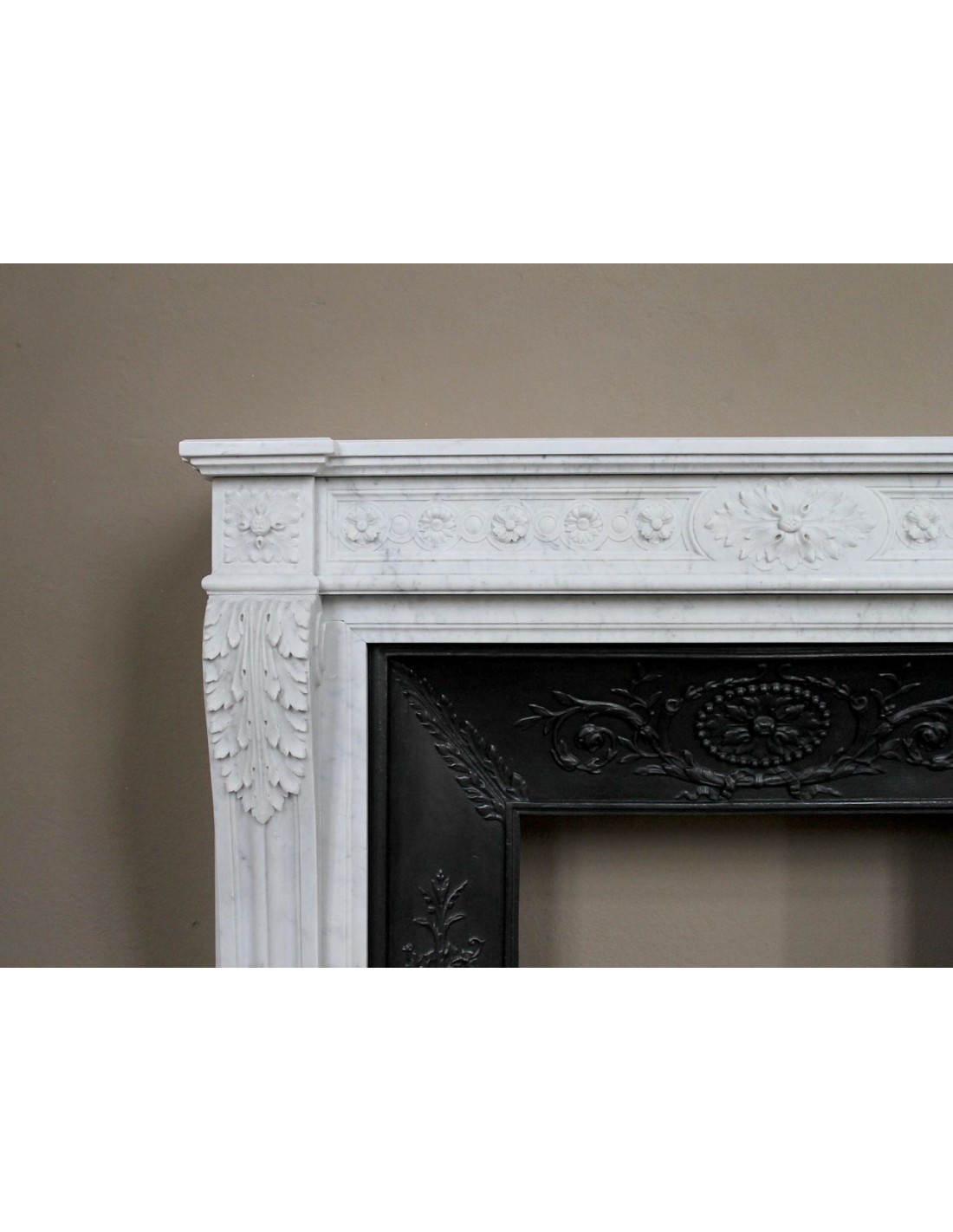
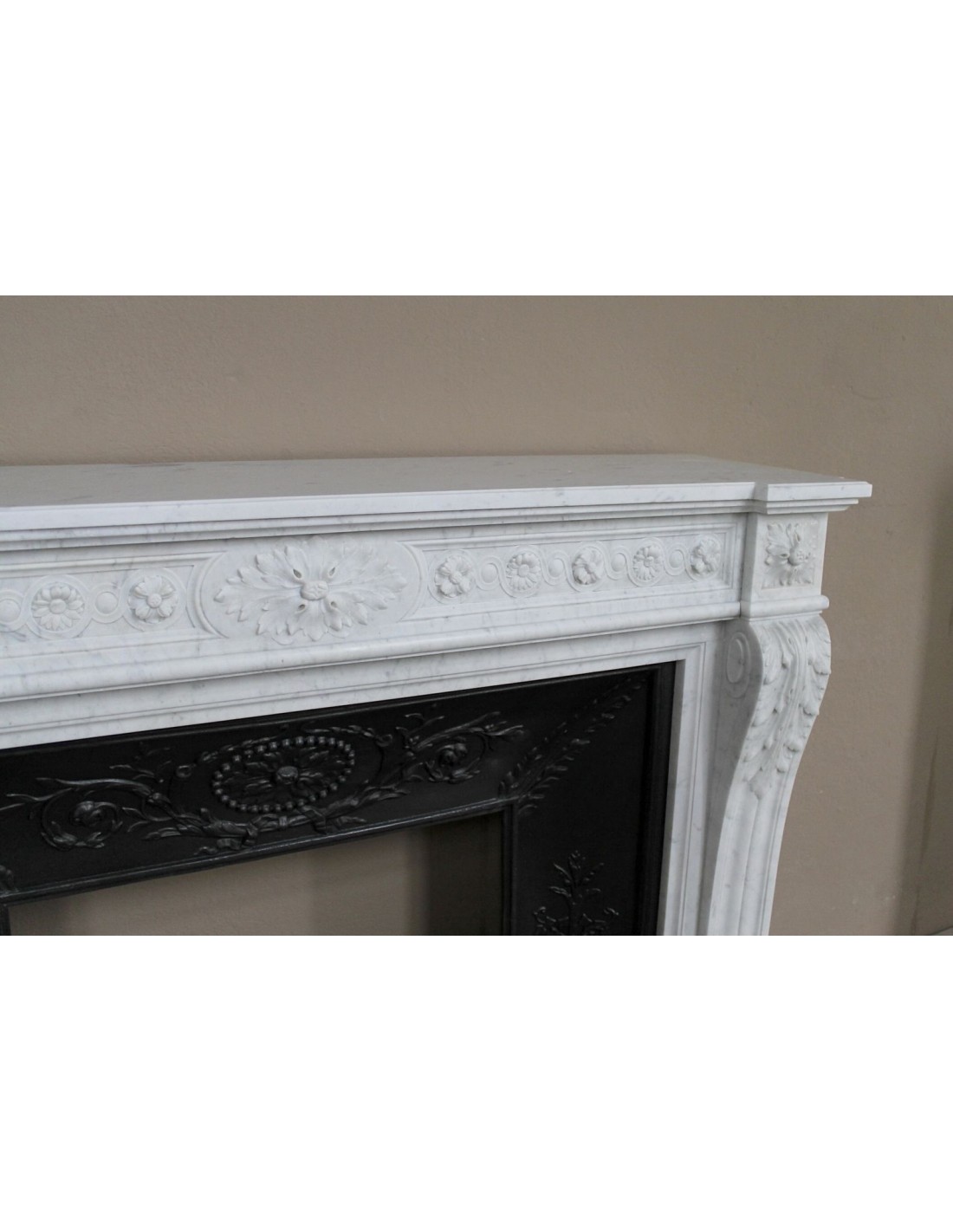
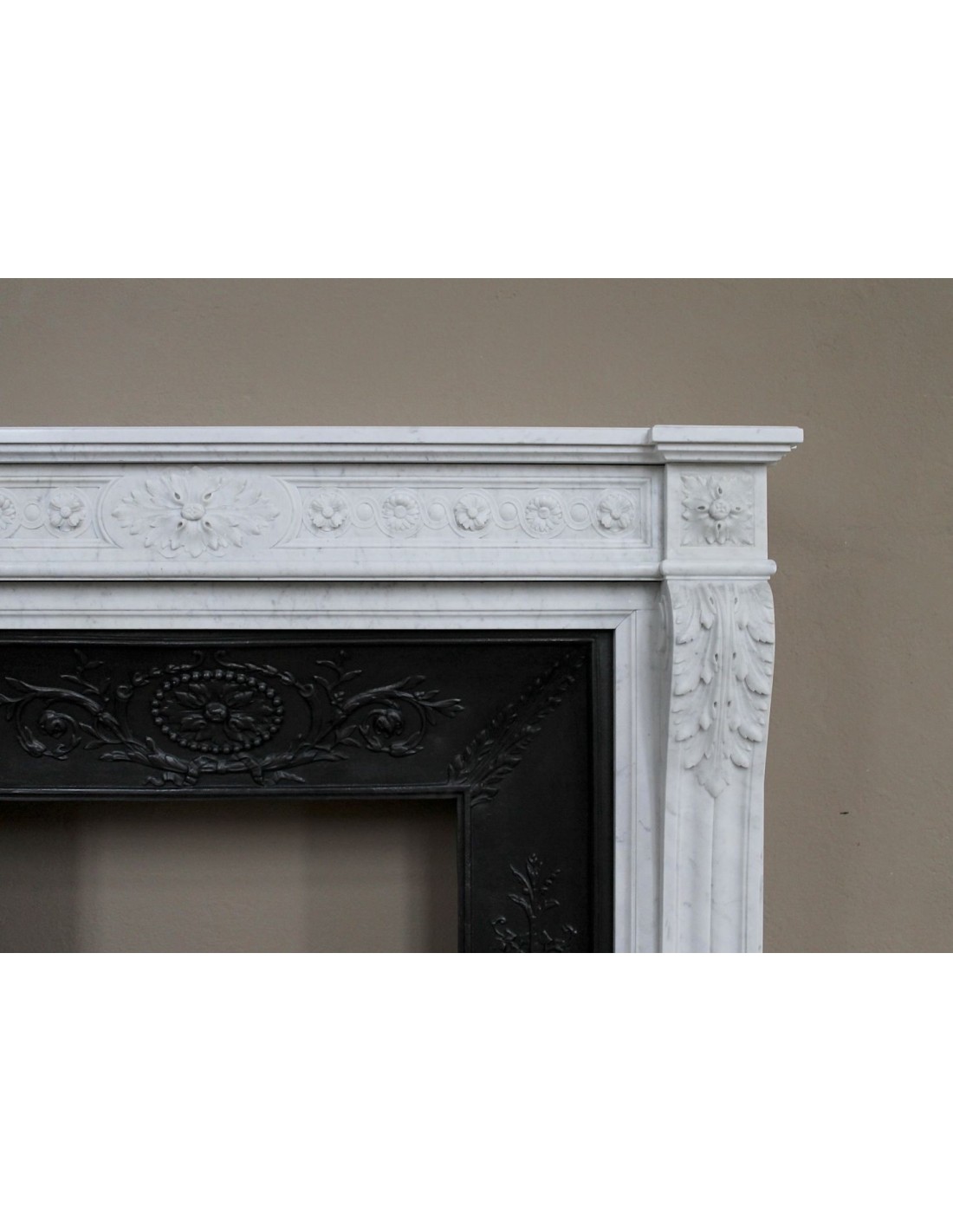
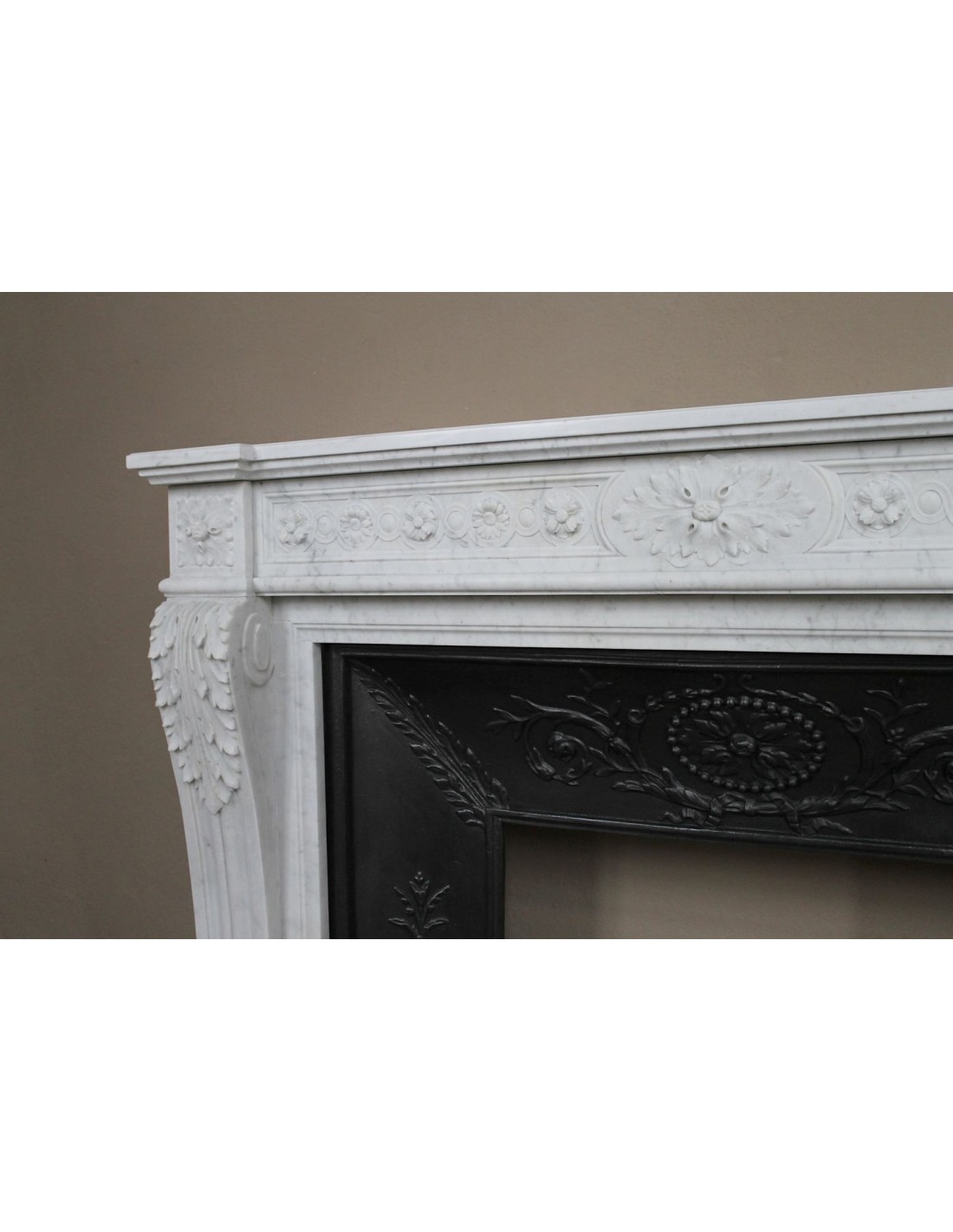
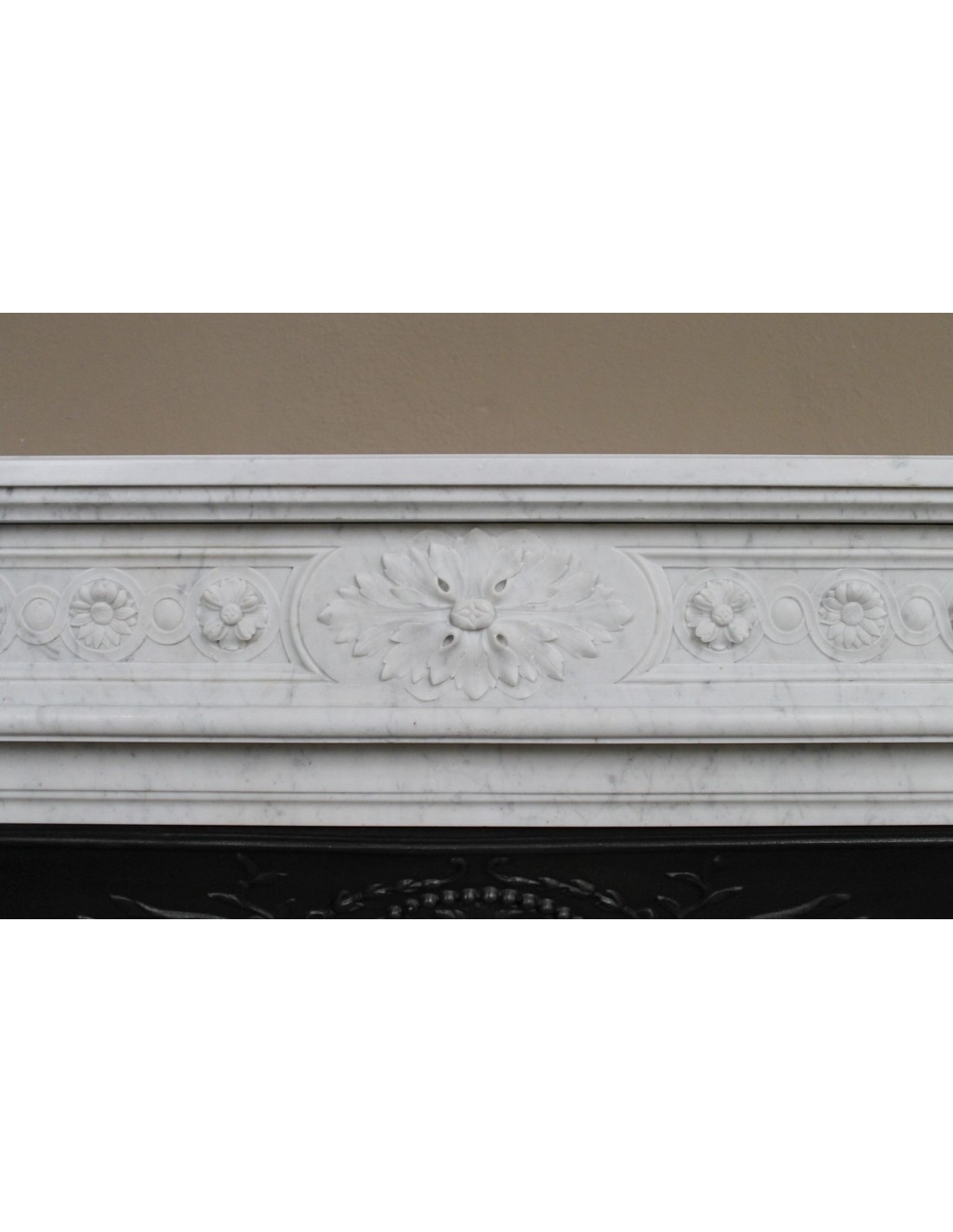
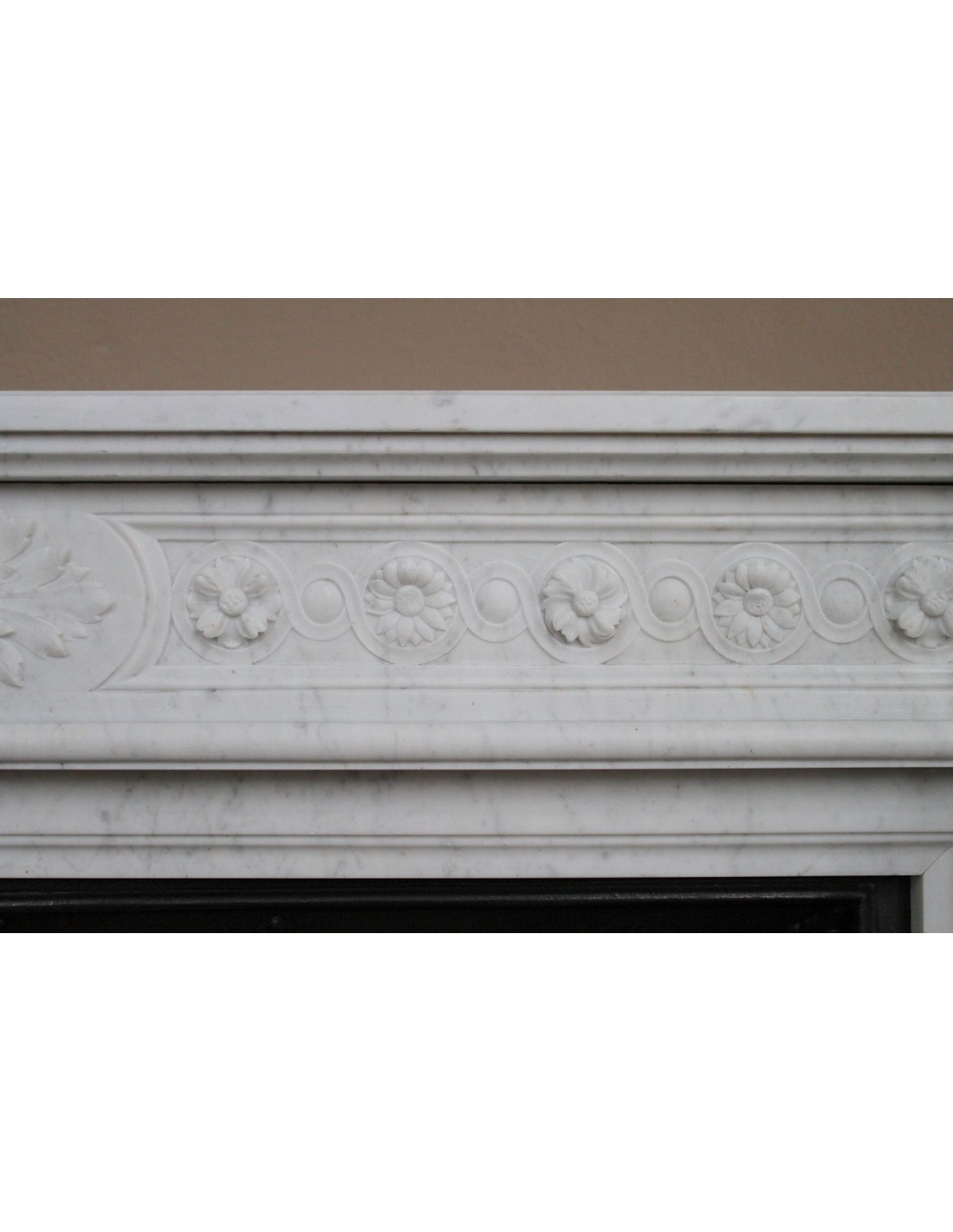
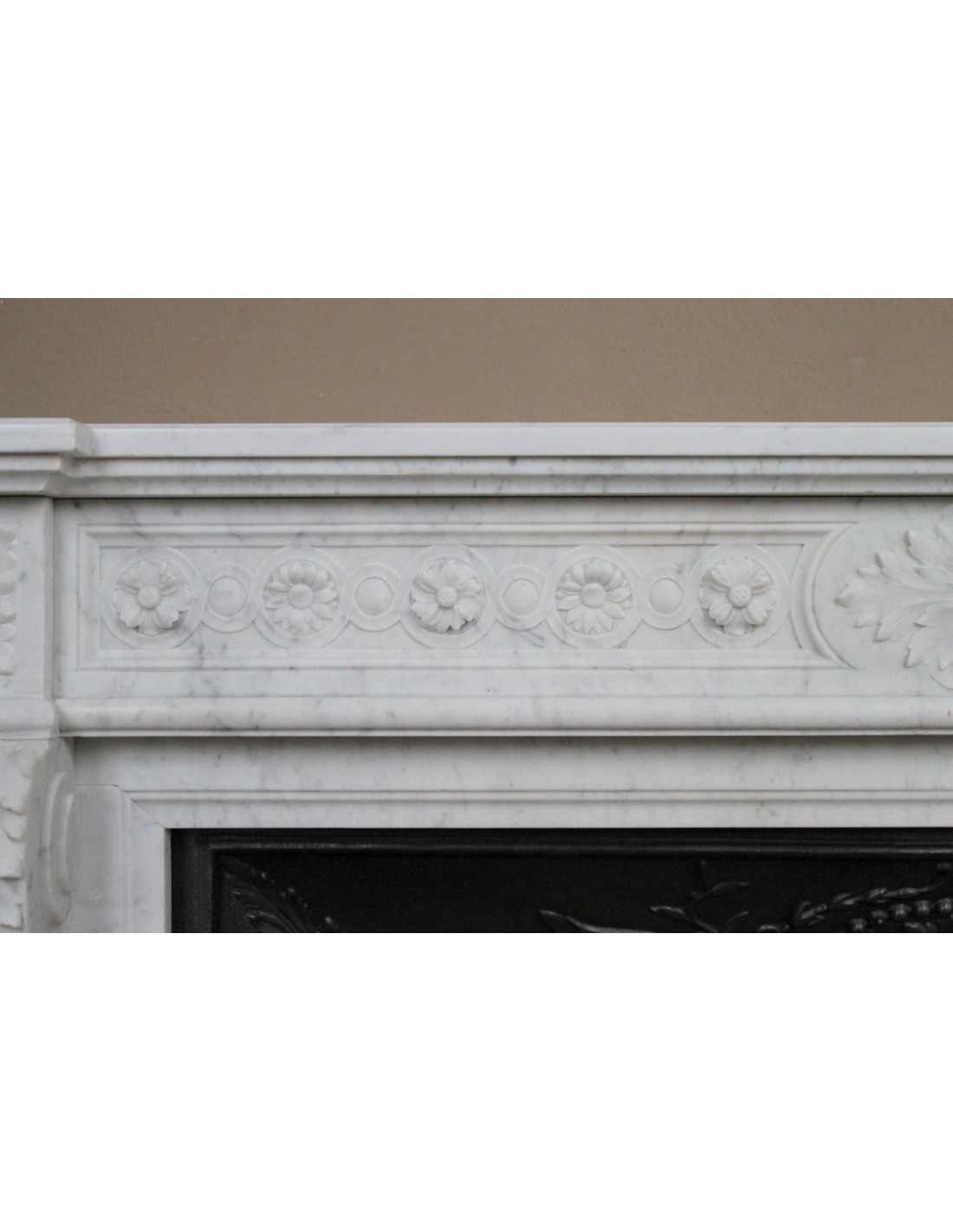
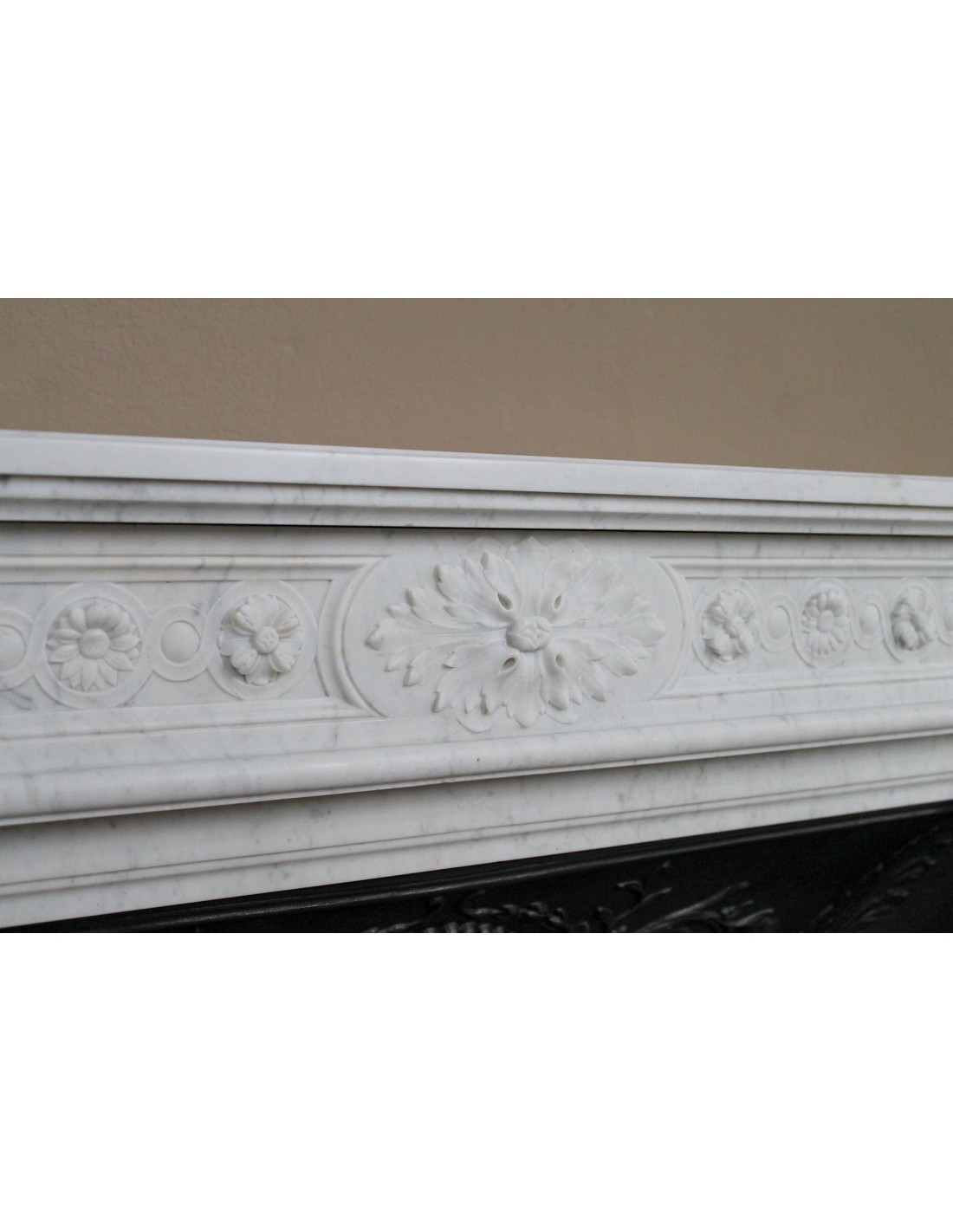
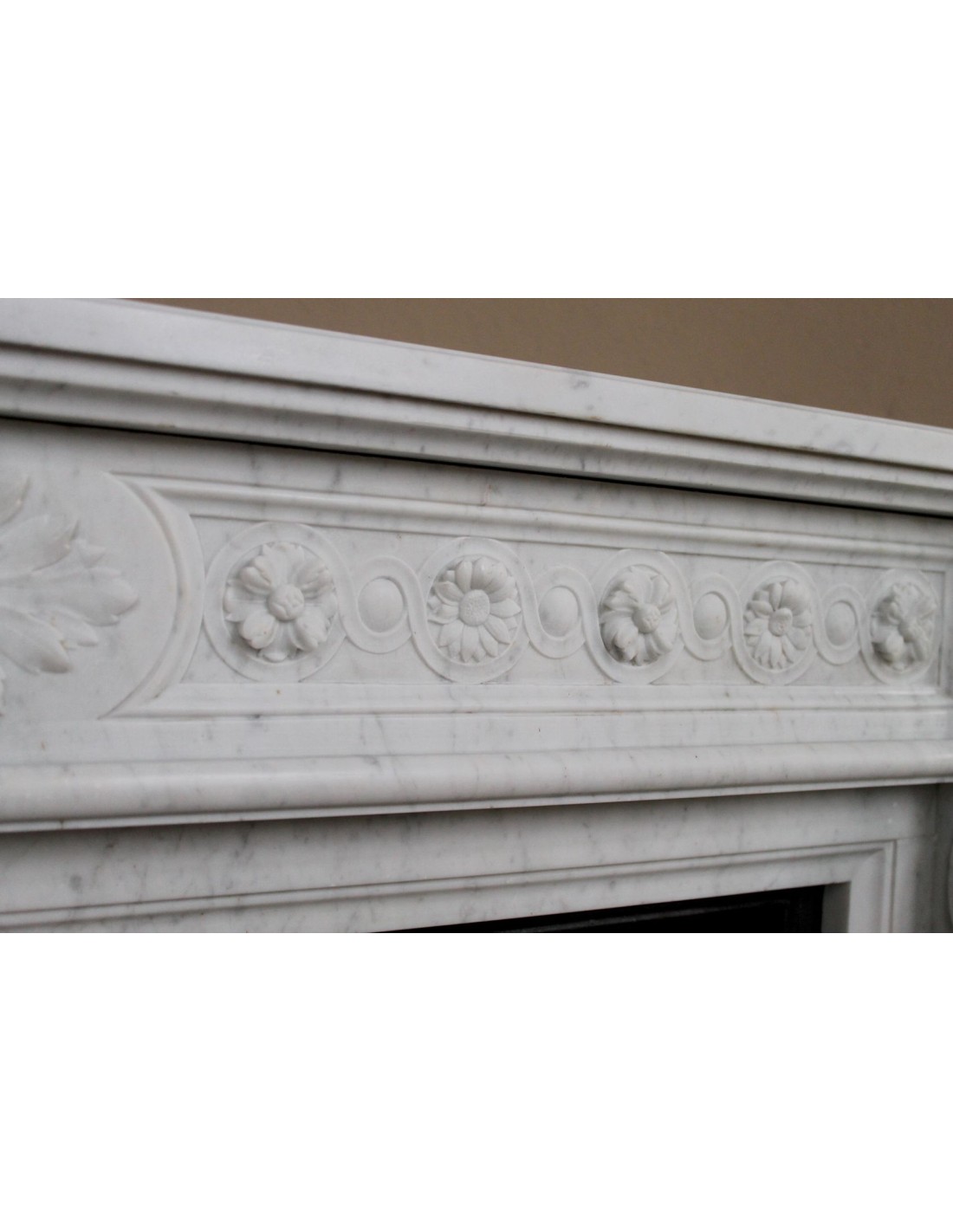
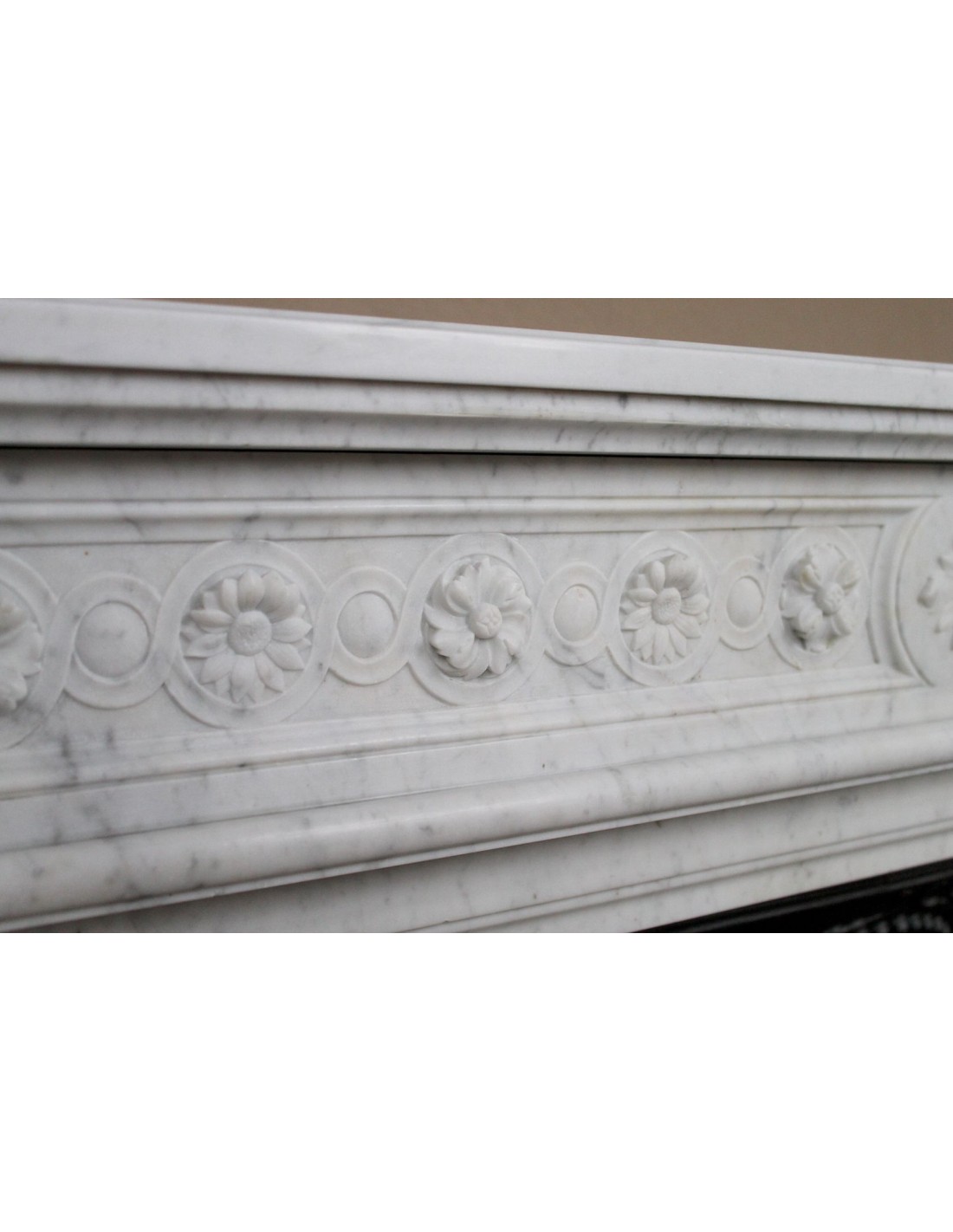
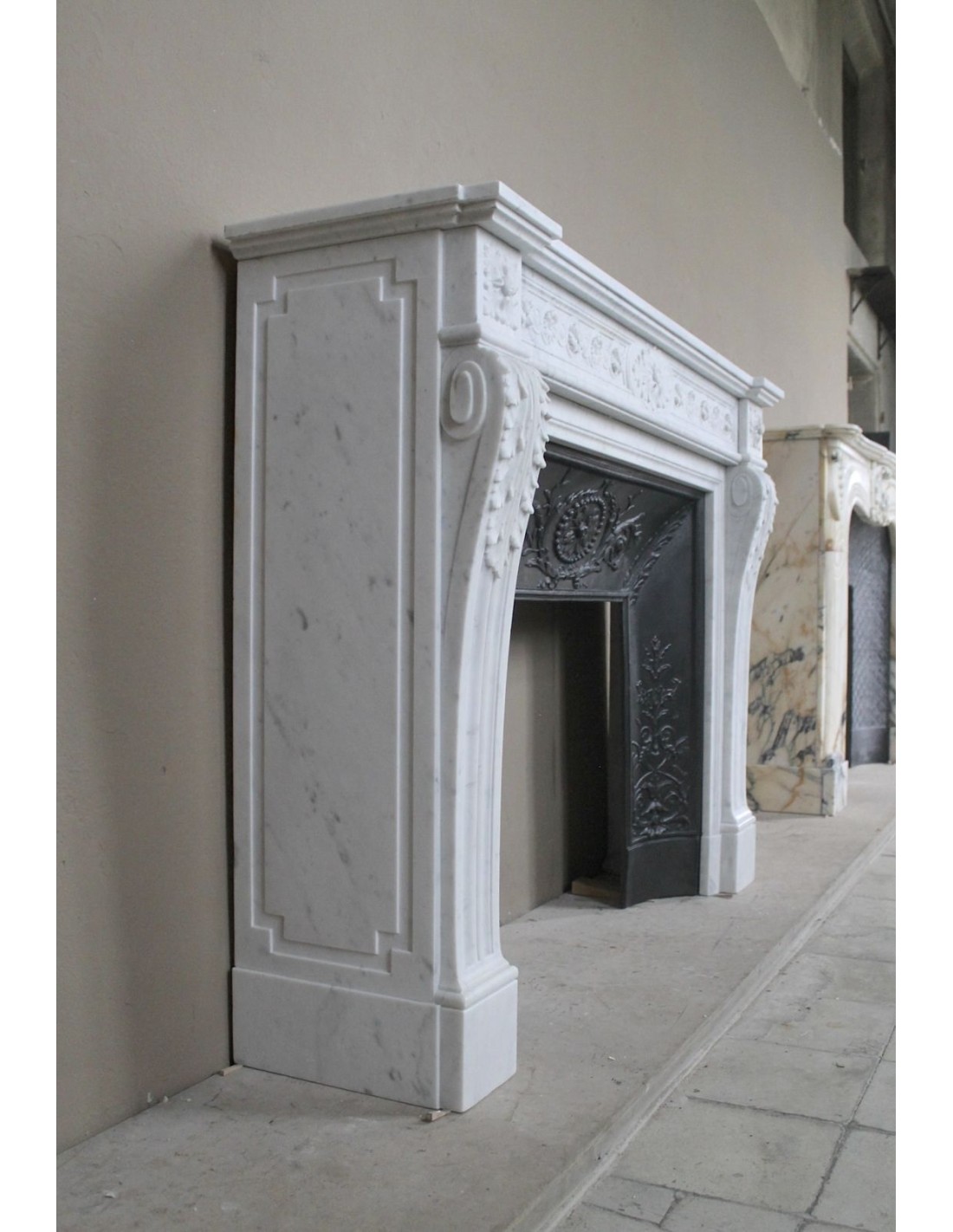
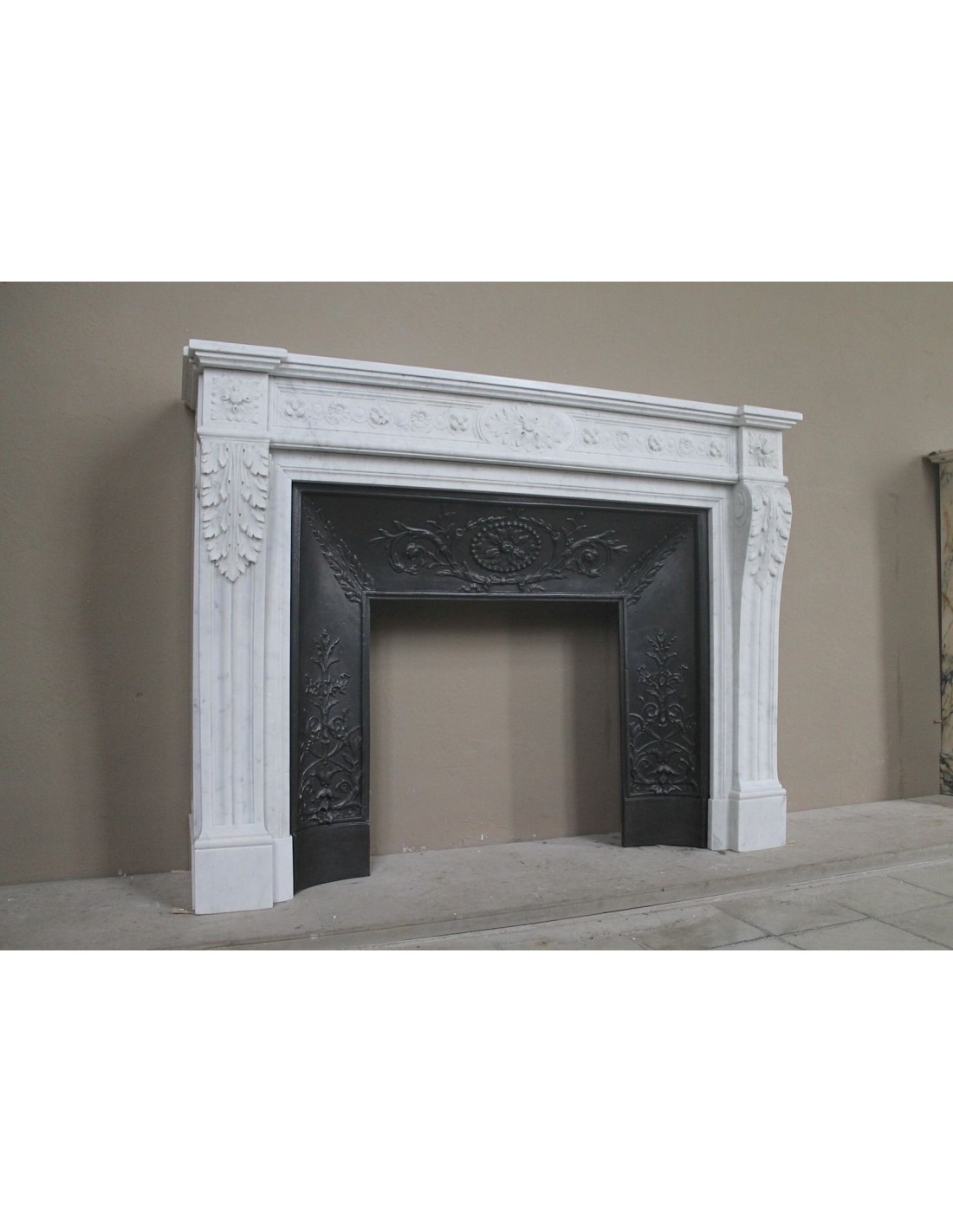
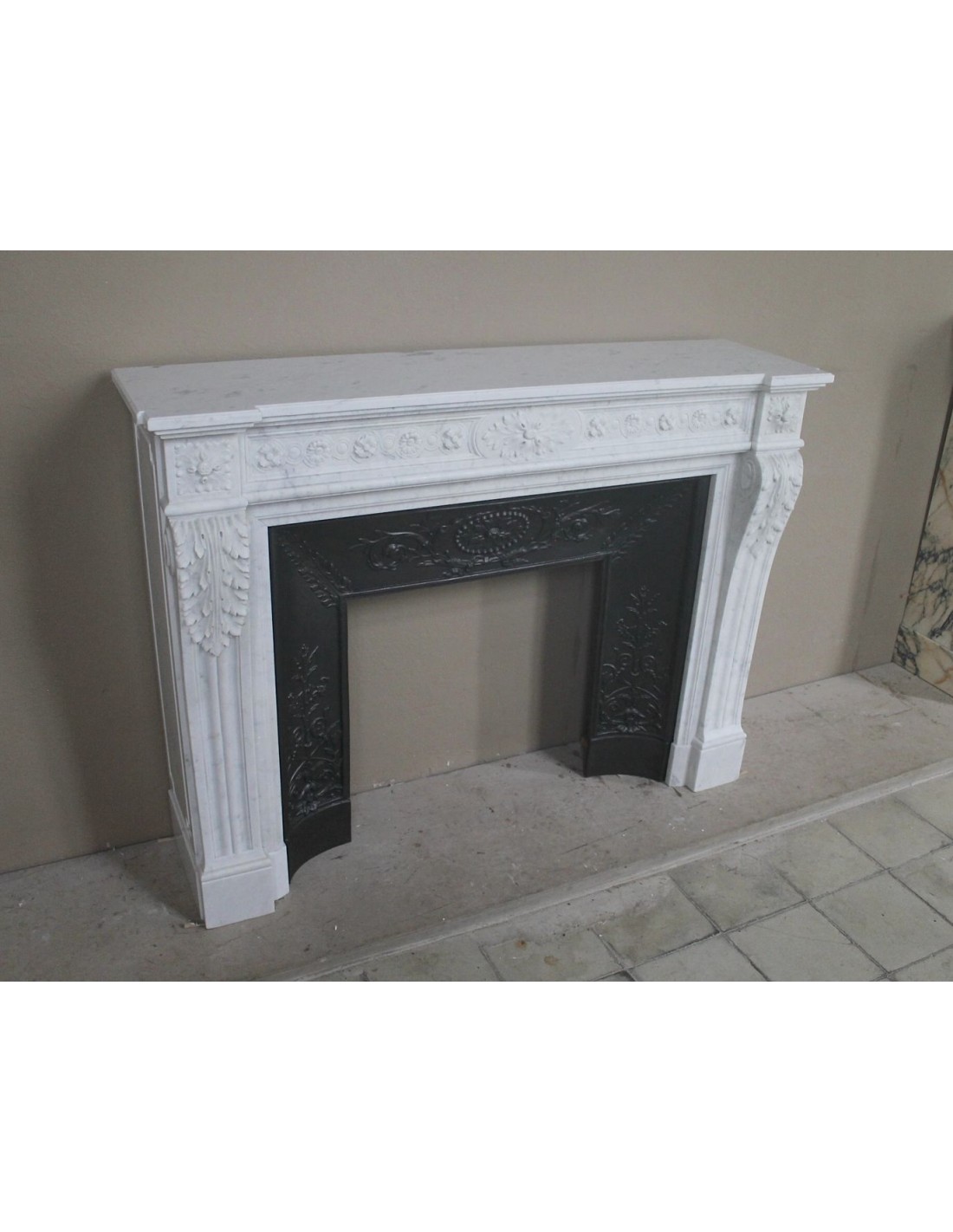
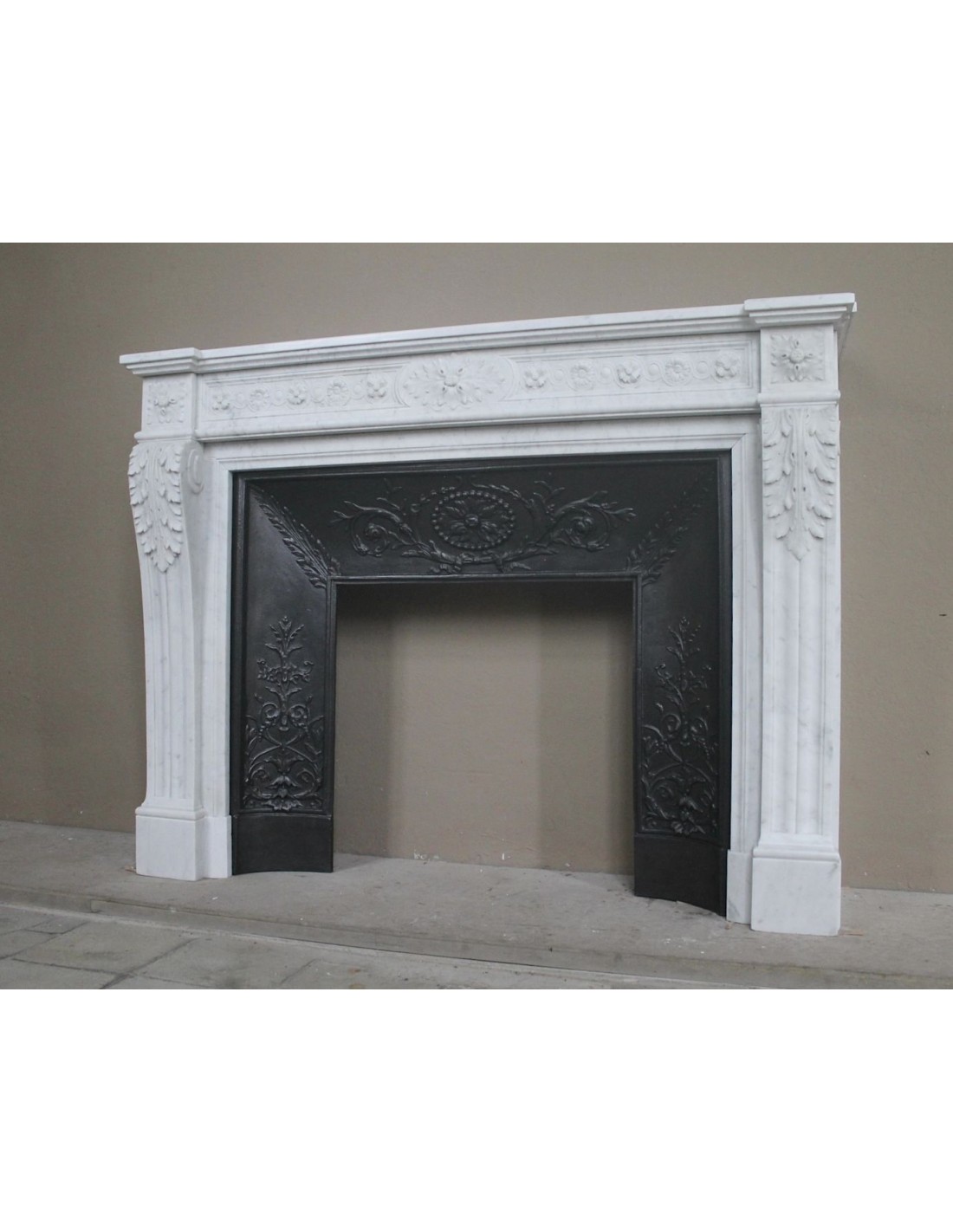
And yet the word Macaron comes from the French language, in which it does not refer to a particular Italian pasta, but rather to the nickname of a small, round pastry made with almond flour—crisp on the outside and soft on the inside. As it happens, on the front of our fireplace there is a row of sculpted floral corollas which, at first glance, look very much like a neat line of these little French sweets… HENCE THE NICKNAME OF OUR FIREPLACE. Charming, isn’t it?
This row of apparent little pastries is composed of two flowers alternating from beginning to end: the Anemone (from the Greek Anemos, meaning wind), also known as the flower of the wind because of the lightness of its petals, which move gracefully at even the slightest breeze… and the classic Daisy. If the anemone represents perseverance and waiting, the daisy, with its white petals and bright center, evokes purity, spontaneity, and freshness.
I have written about the meanings of these floral sculptures because for the ancients (perhaps not for everyone, but certainly for many) such sculpted representations were considered good-luck charms. Thus, if the buyer happens to be fond of a few superstitions, well… with this fireplace he or she would secure a level of protection that not even Putin’s bombs could break through!
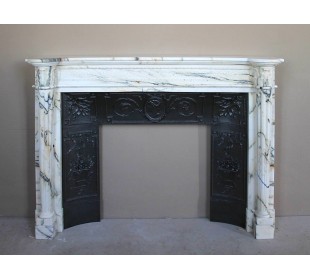
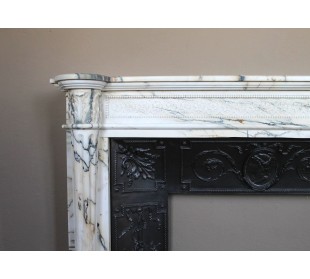
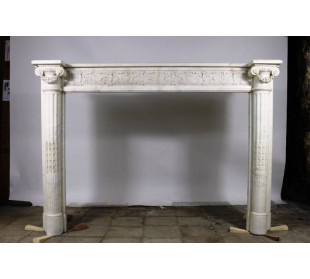
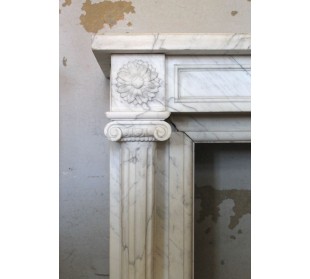
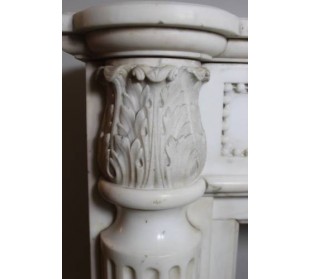
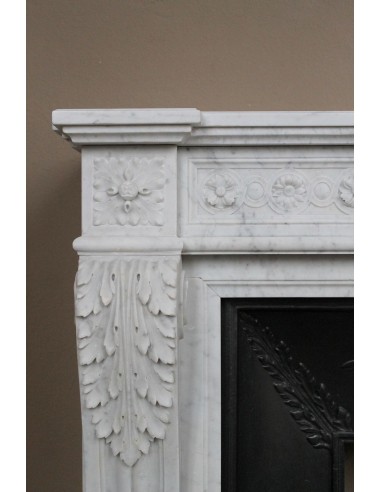
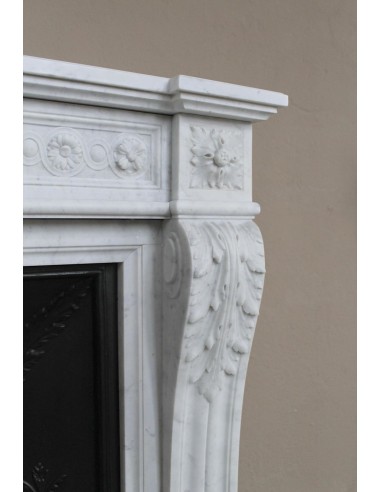
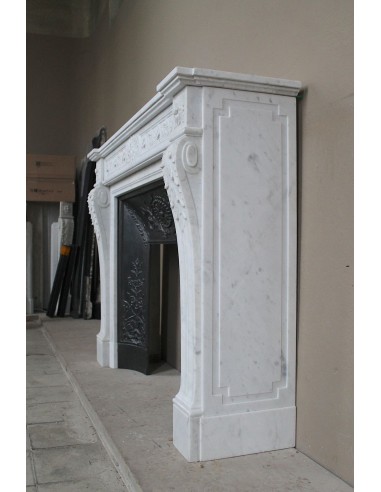
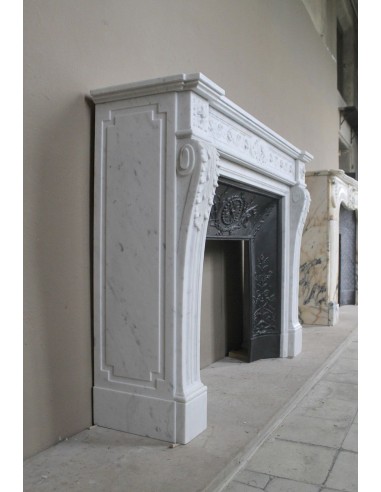
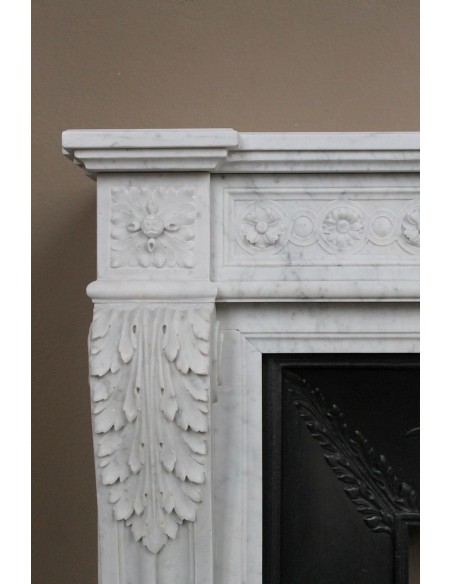
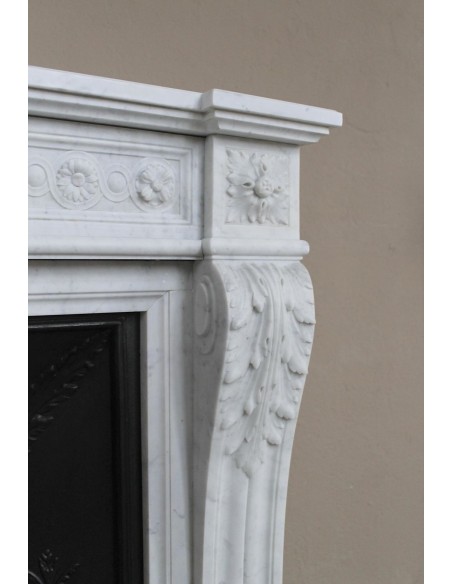
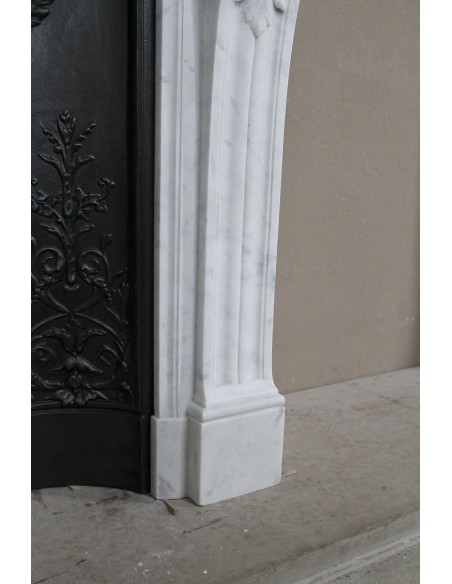
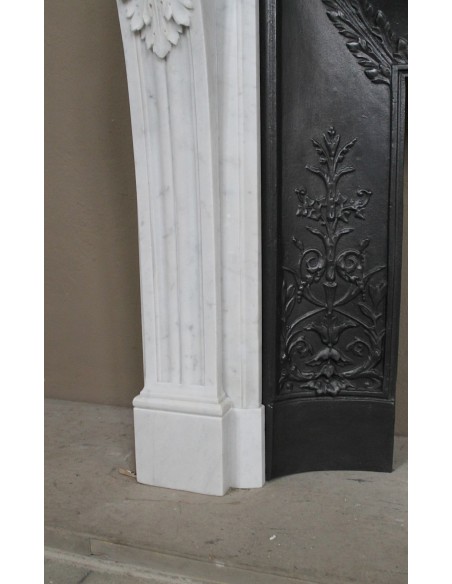
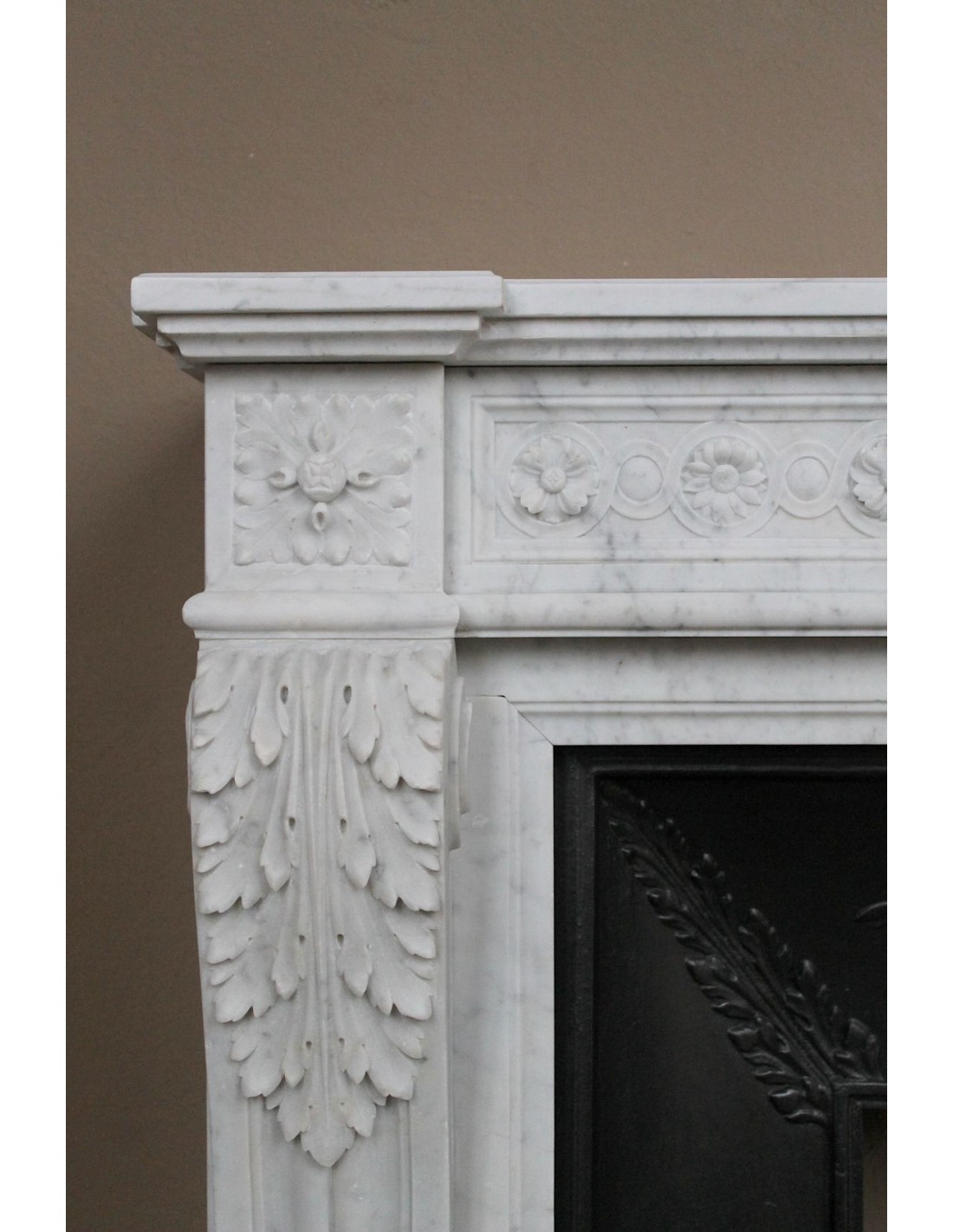
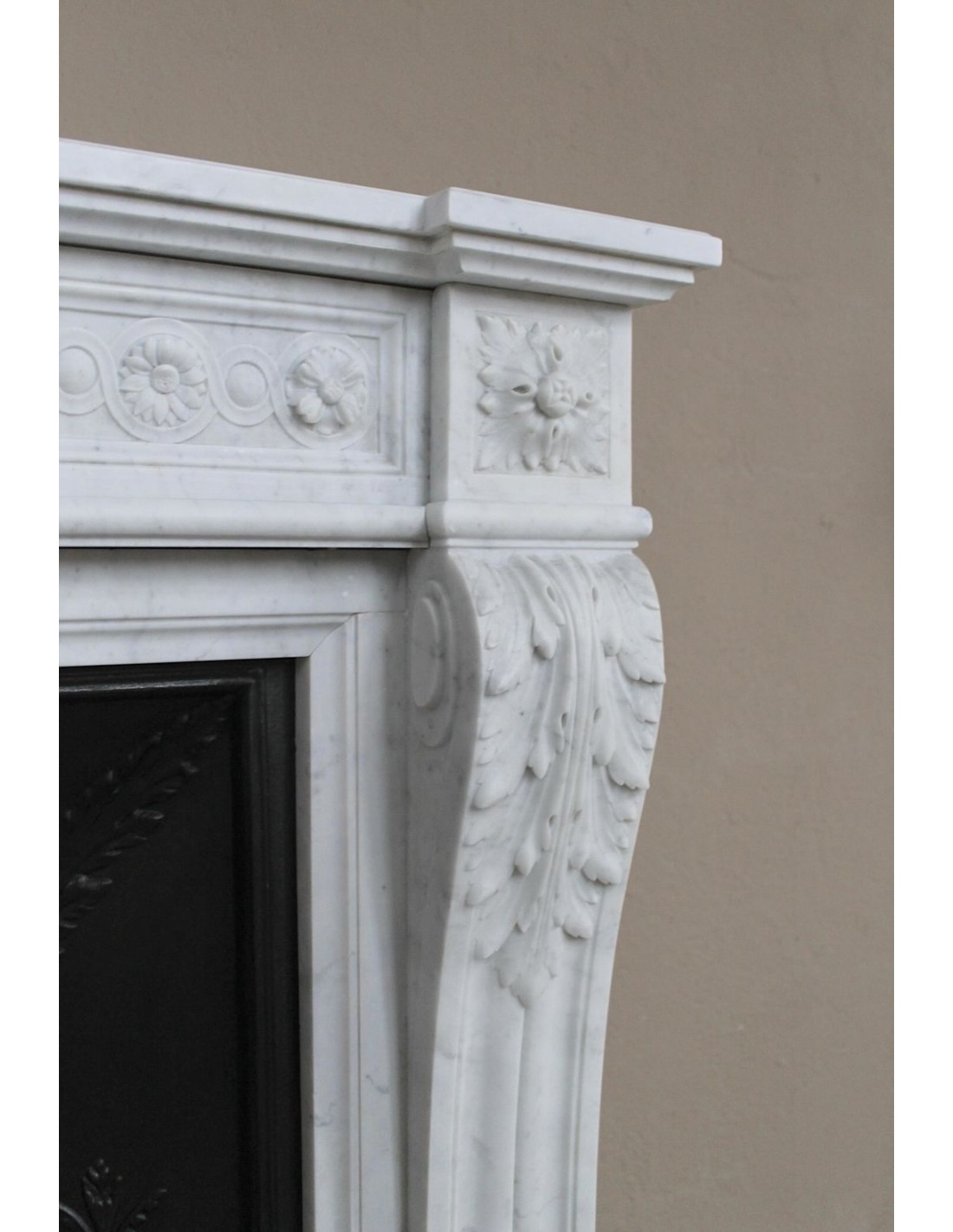
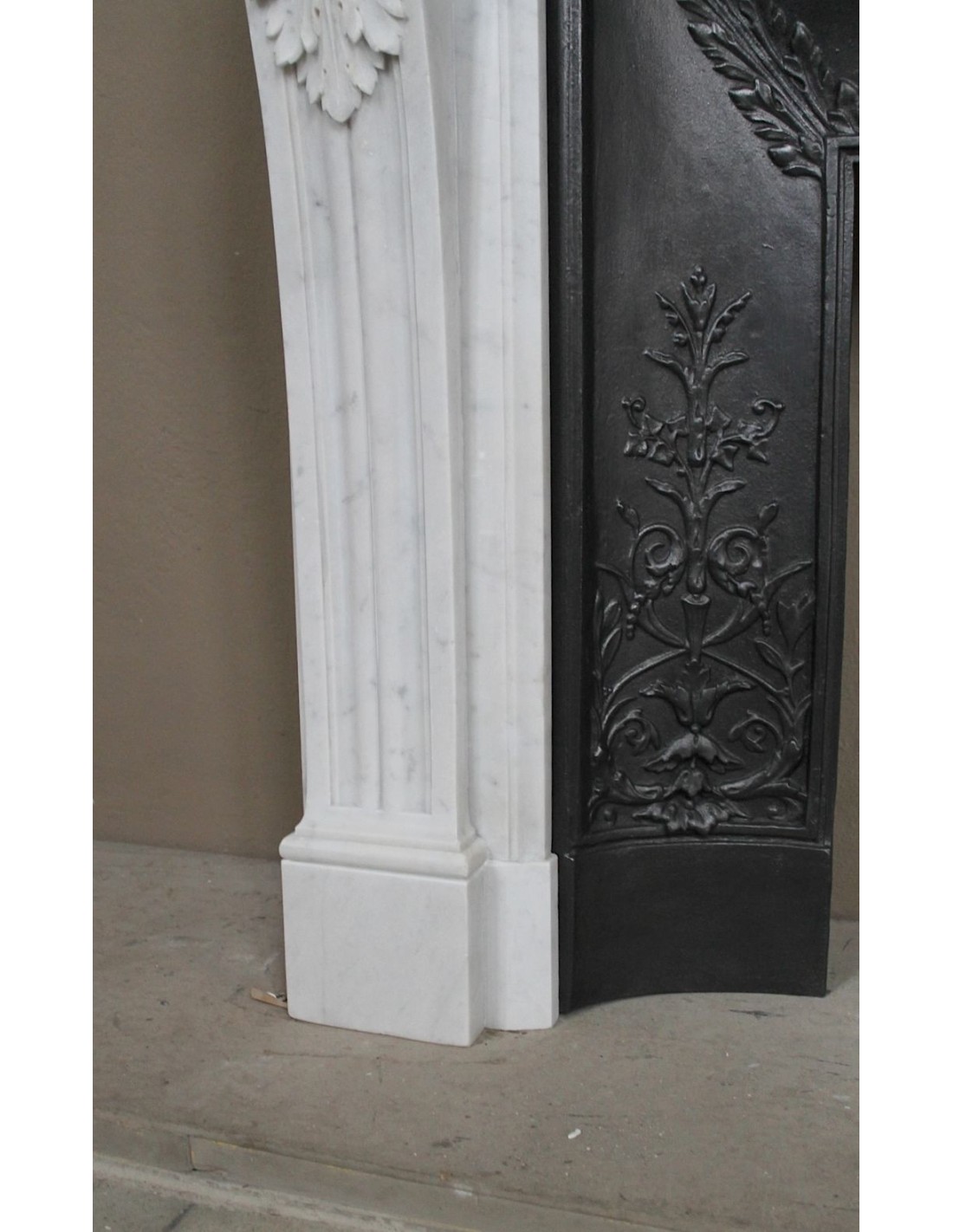
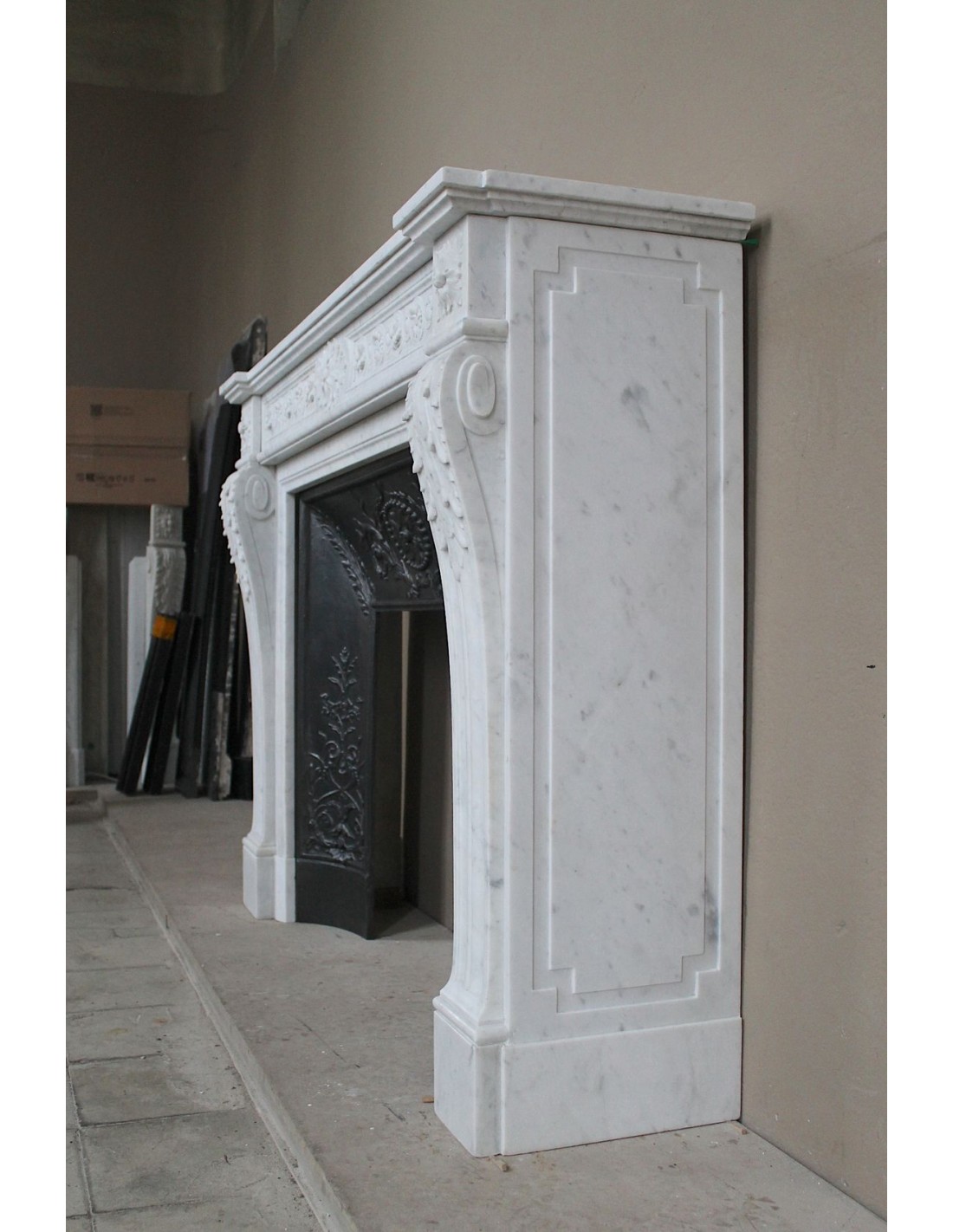
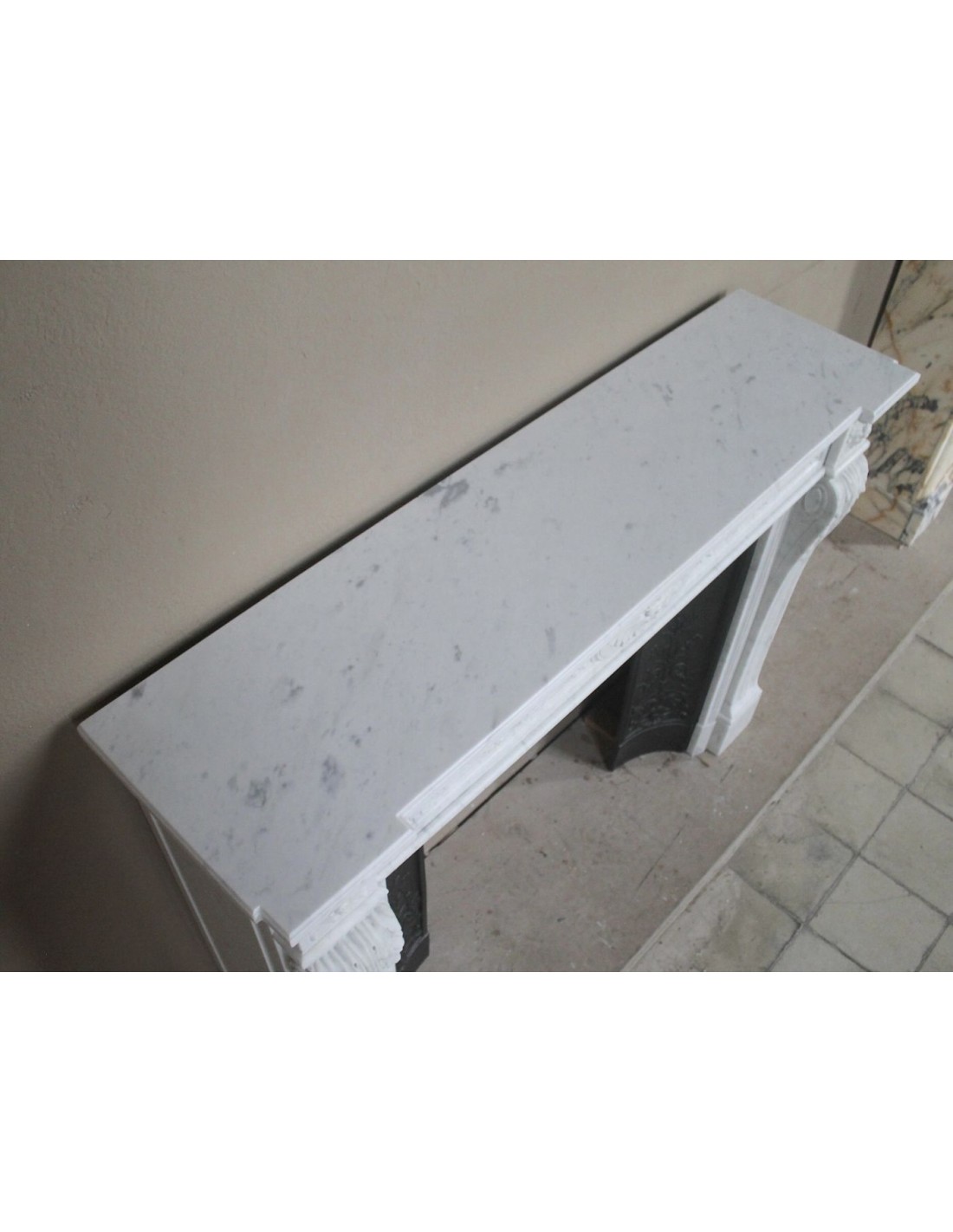
But the series of sculptures decorating our rich fireplace does not end here. At the top of the legs we find two classic and square “Paris Roses,” while immediately beneath them appear two curved capitals entirely covered with refined acanthus leaves.
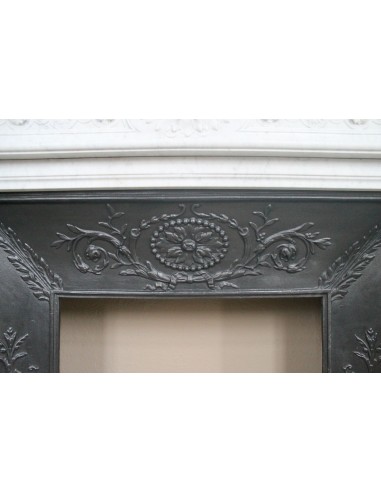
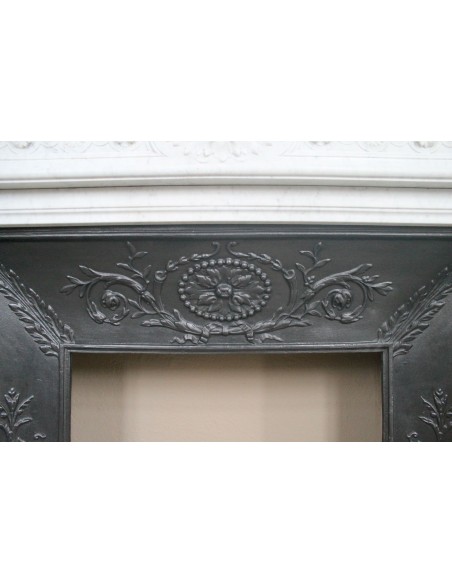
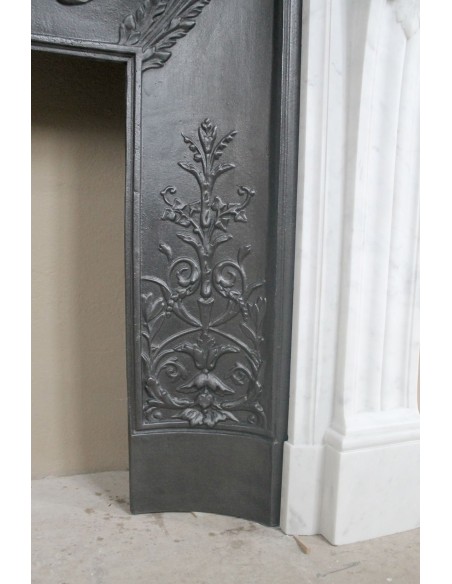
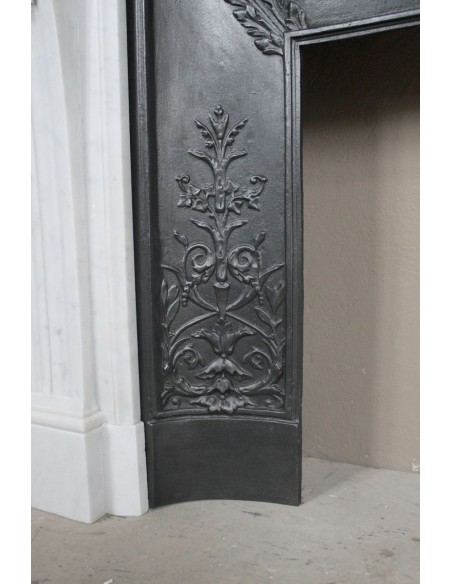
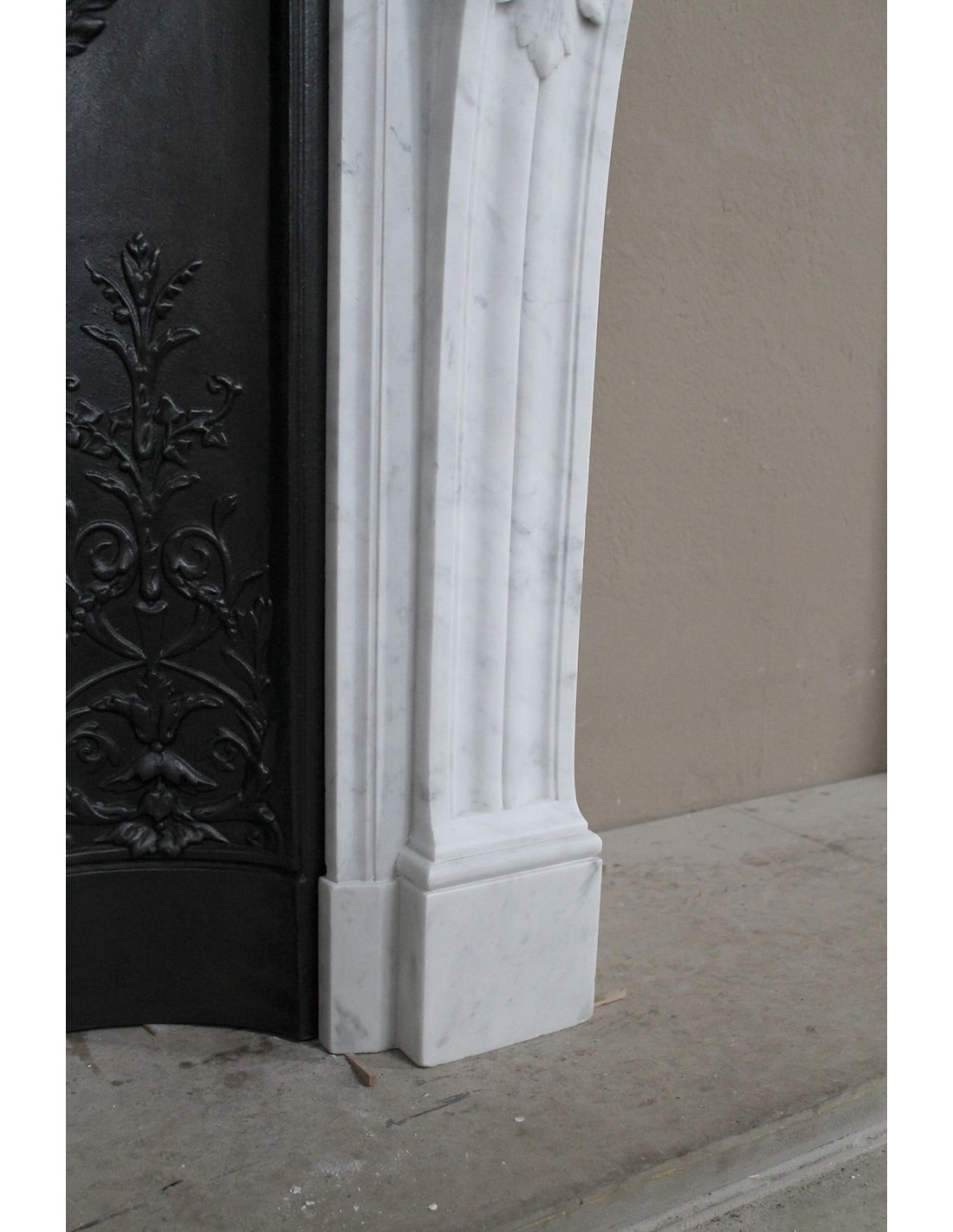
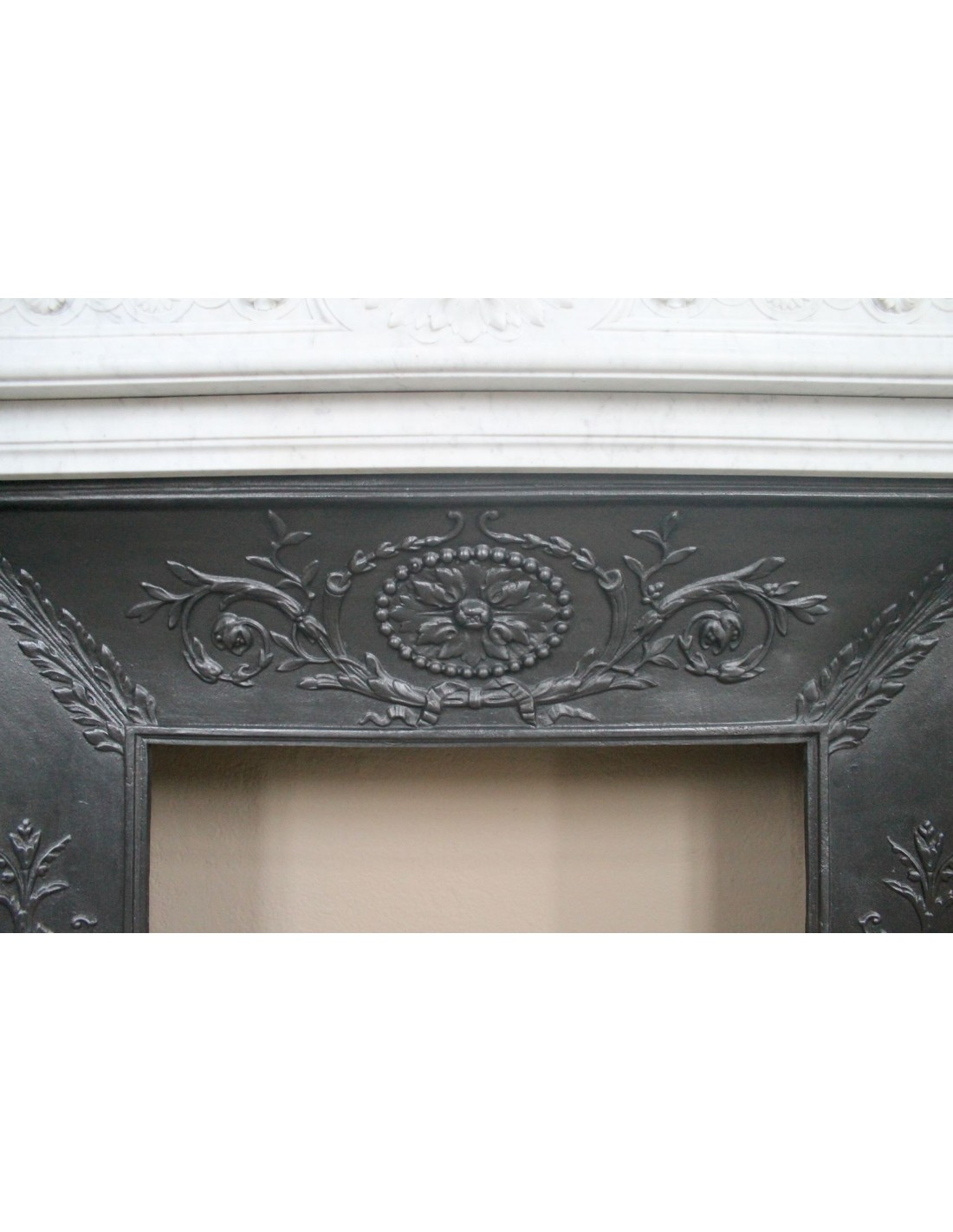
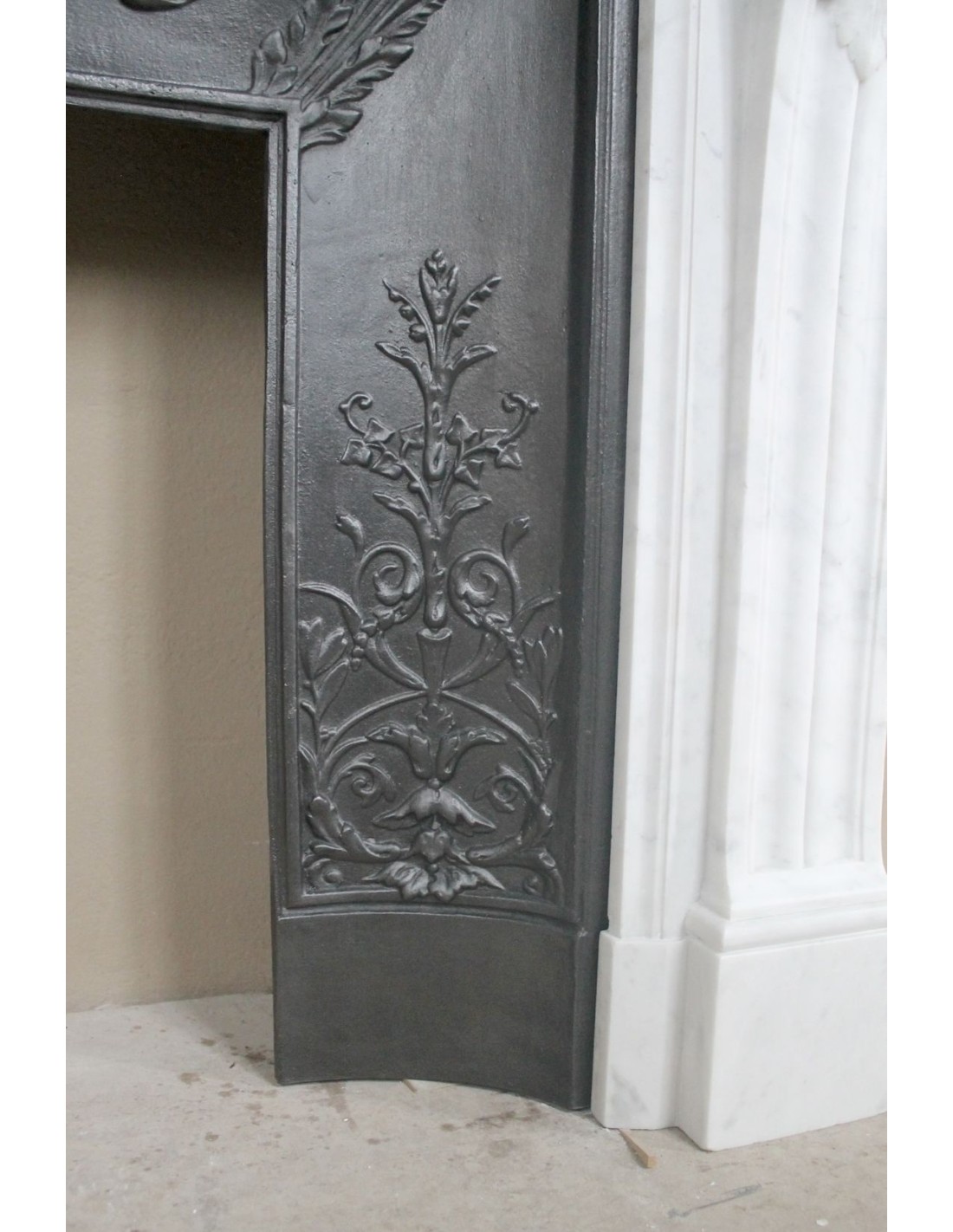
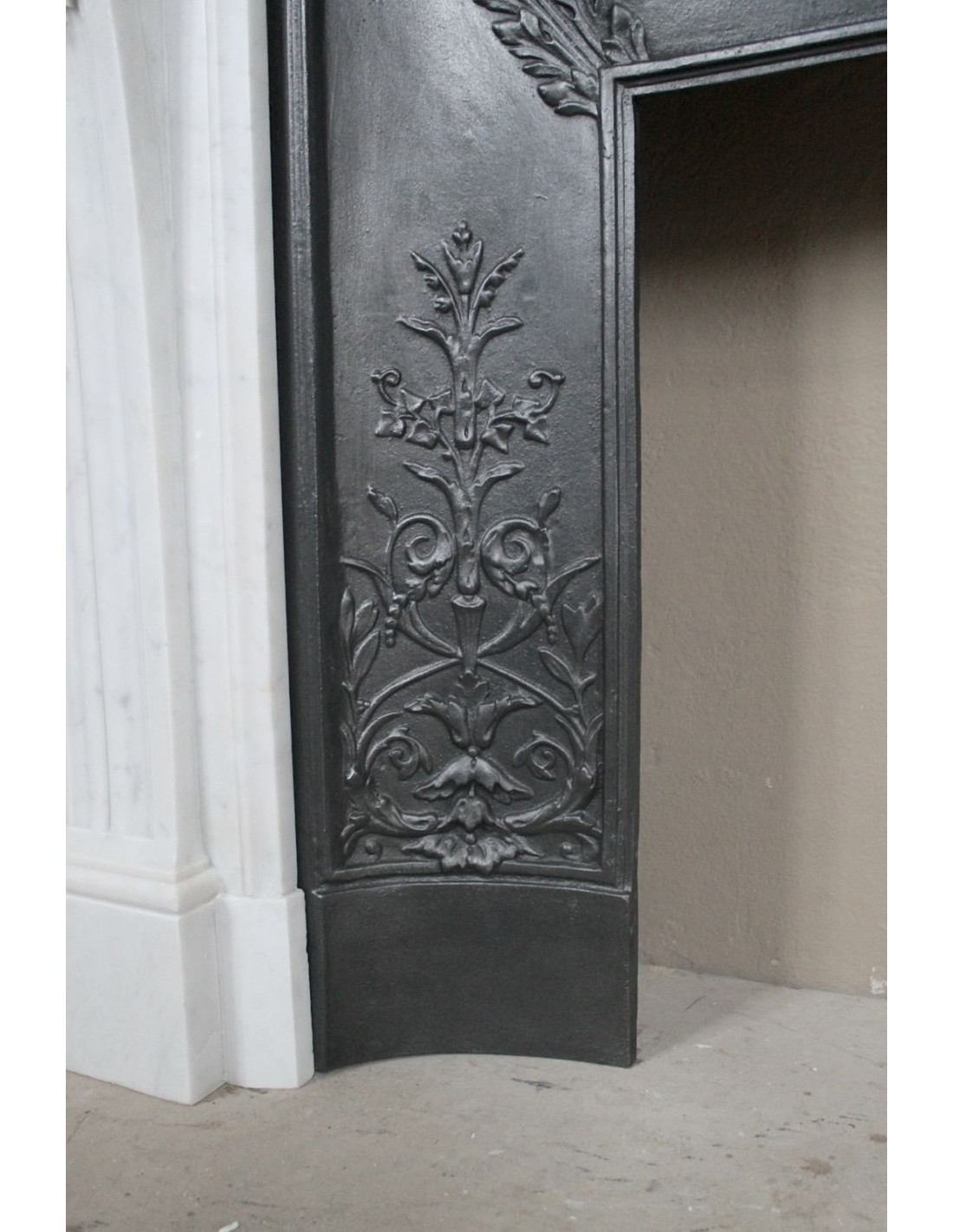
IT IS ALSO INTERESTING TO NOTE that the artistic cast iron insert contains (at the center of its upper section) a floral element that is somewhat difficult to interpret. In my opinion, it represents the corolla of a rose.
THIS IMPORTANT FIREPLACE WAS SCULPTED IN LUNIGIANA (one can recognize it from the unmistakable use of a refined tool—the so-called “violin”—invented in that region and kept secret there for centuries).
ITS DATE OF BIRTH IS THE SECOND HALF OF THE 19TH CENTURY, WHILE ITS DISCOVERY TOOK PLACE IN THE TOWN OF VILLEFRANCHE-SUR-MER (A WELL-KNOWN LOCALITY OF THE FRENCH RIVIERA, SO FAMILIAR TO ITALIANS THAT ITS SECOND NAME IS… VILLAFRANCA SUL MARE).