
SHARE ON:
PLEASE NOTE: THIS FIREPLACE IS AVAILABLE FOR PURCHASE, BUT IS NOT CURRENTLY ON DISPLAY AT OUR PREMISES.
The origins of the “Tournesol” (Sunflower) fireplace can be traced back to the year 1774, when Louis XVI finally decided to grant the wishes of his wife, Marie Antoinette of Austria.
The young Queen could no longer bear life at her husband's country residence — Versailles. Too many courtiers, too many formalities, too many false smiles. What she longed for was a quieter life, closer to nature. Louis XVI indulged her desire and presented her with a château set within the grounds of Versailles itself: the famous Petit Trianon.
Yet even there, our dear Marie Antoinette found something to complain about.
The problem was that the Petit Trianon had originally been built by Louis XV, supposedly as a hunting lodge. A hunting lodge it may have been, but not exclusively for hunting. To be fair to Louis XV, hiding an army of mistresses from one's wife in a place like Versailles — a palace overflowing with counts, countesses and professional gossipmongers — must have become increasingly difficult.
Marie Antoinette, however, was not particularly fond of the thought of all the romantic adventures her father-in-law had enjoyed within those walls. She therefore decided to begin afresh. Furniture was removed, decorative objects disappeared, and eventually even the fireplace in her favourite salon was demolished.
A new fireplace was commissioned in the fashionable Louis XVI style. According to tradition, it was carved by a Tuscan sculptor whose name has unfortunately been lost to memory.
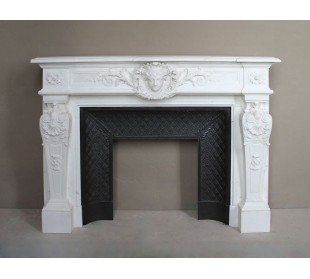
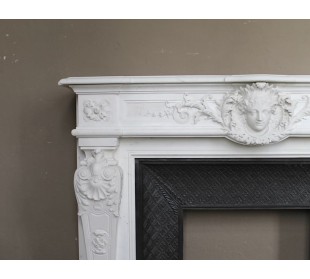
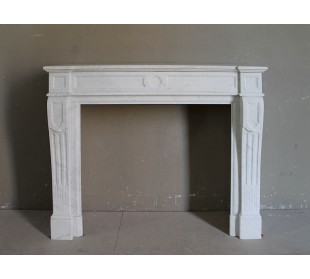
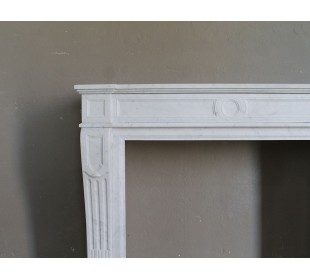
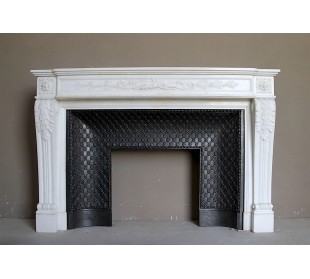
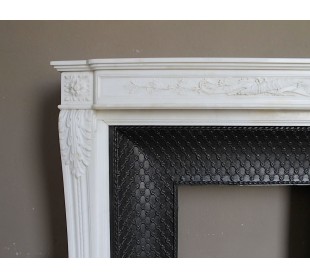
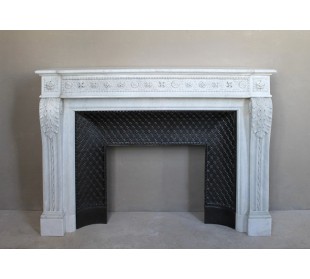
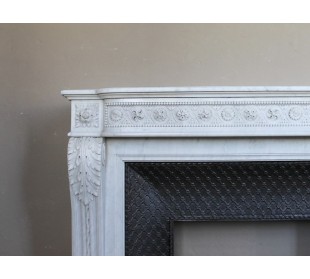
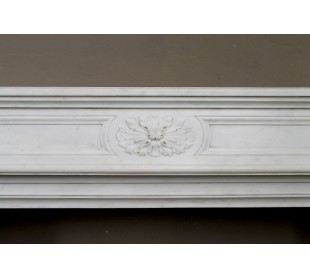
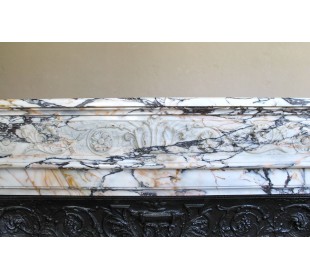
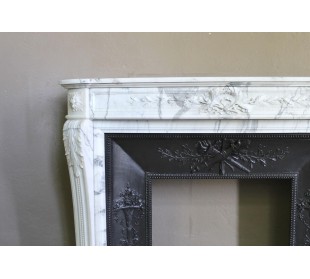
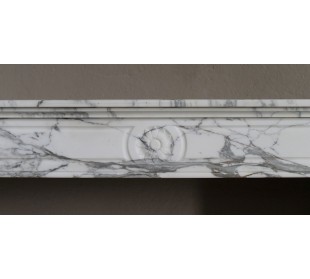
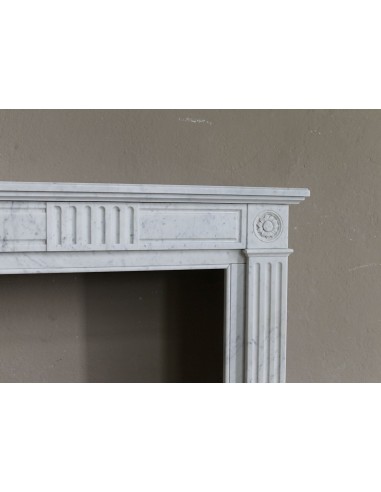
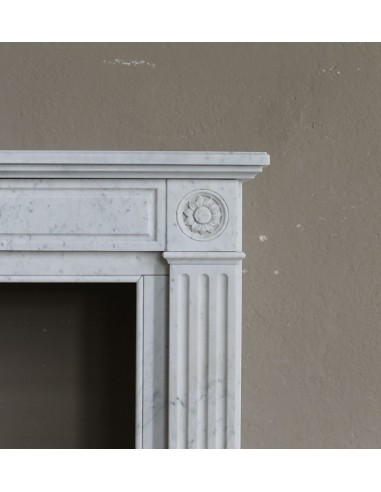
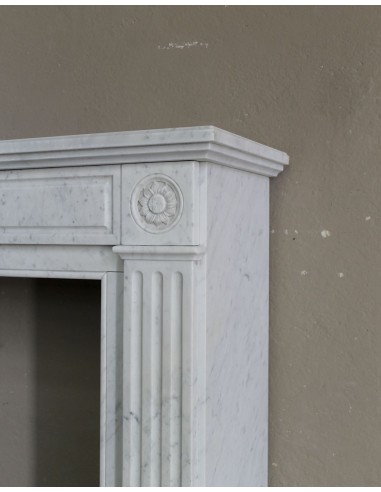
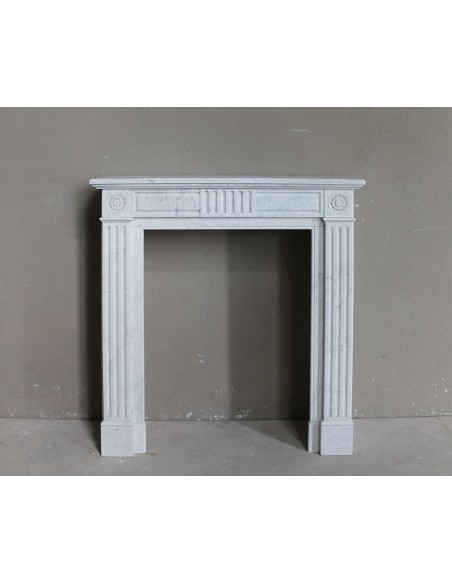
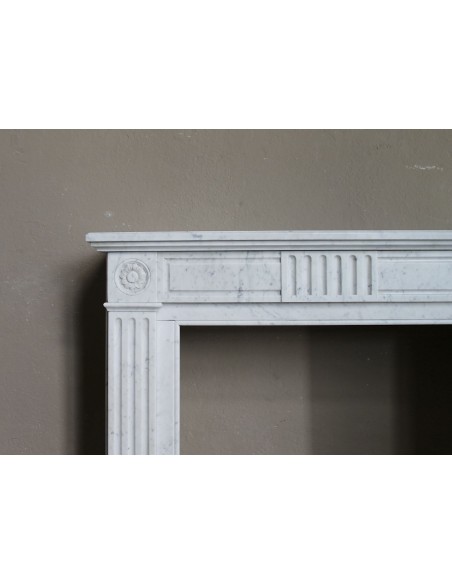
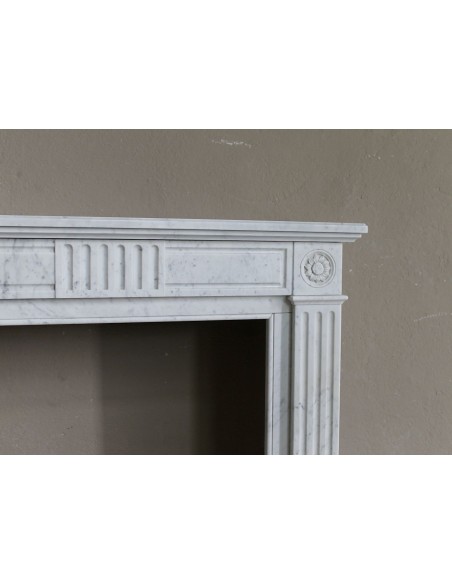
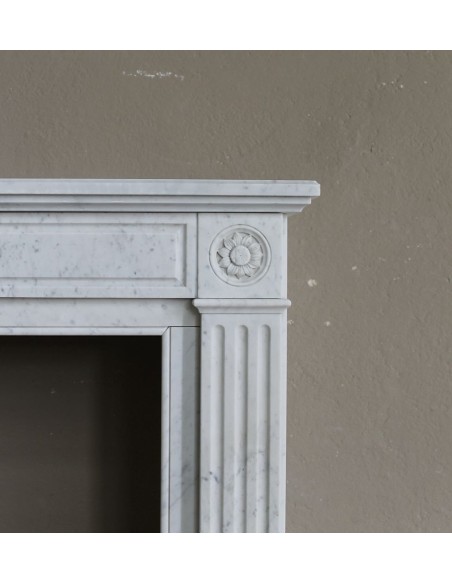
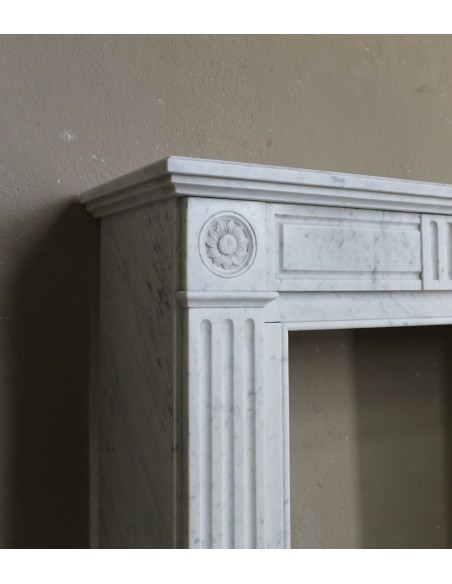
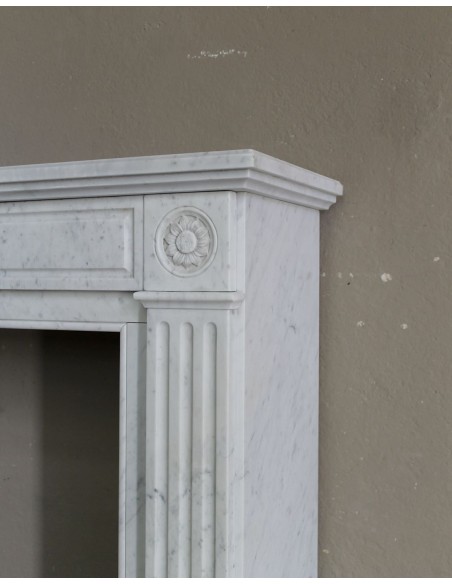
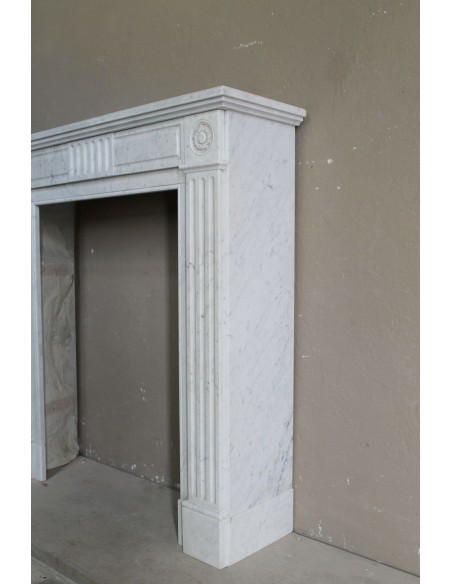
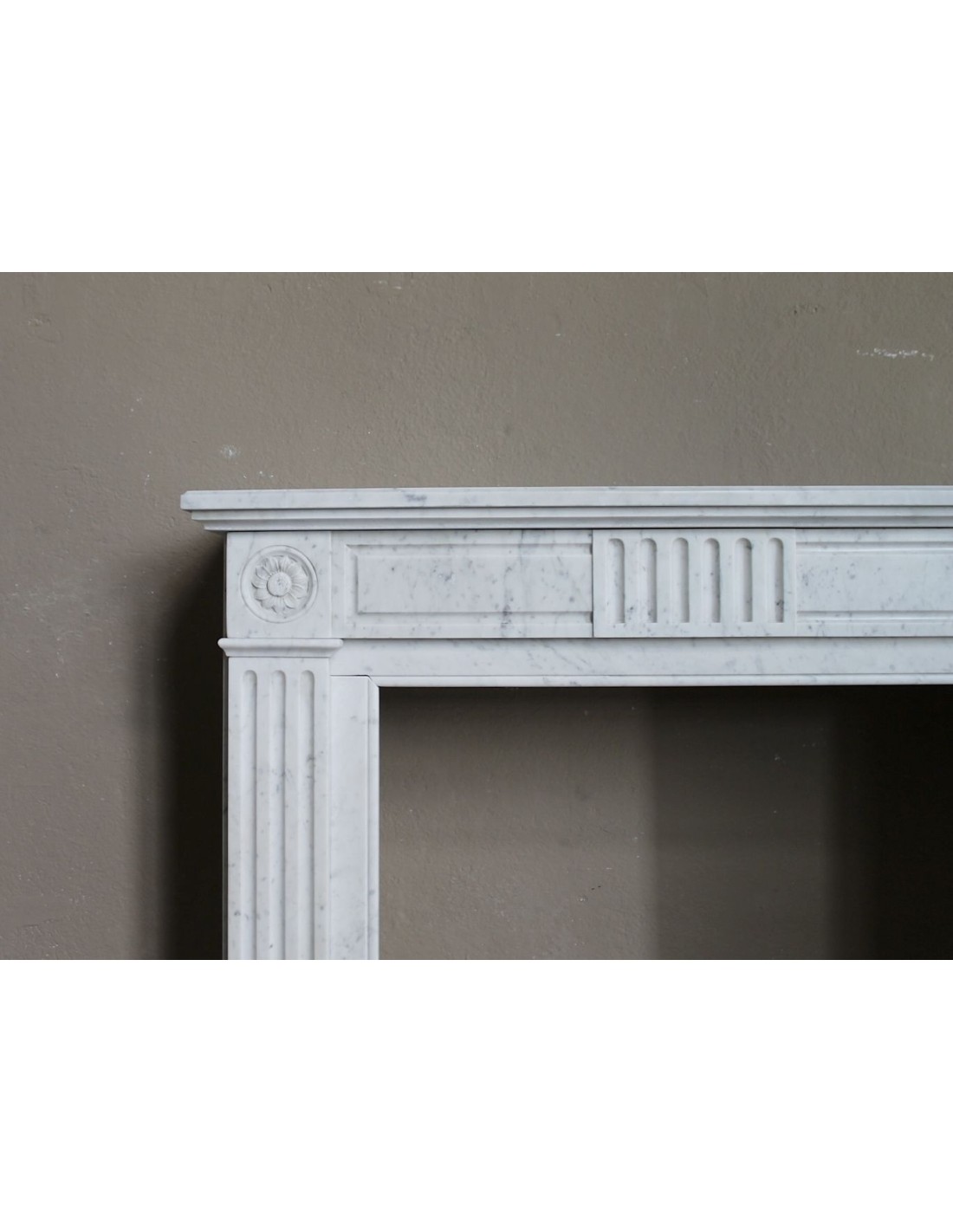
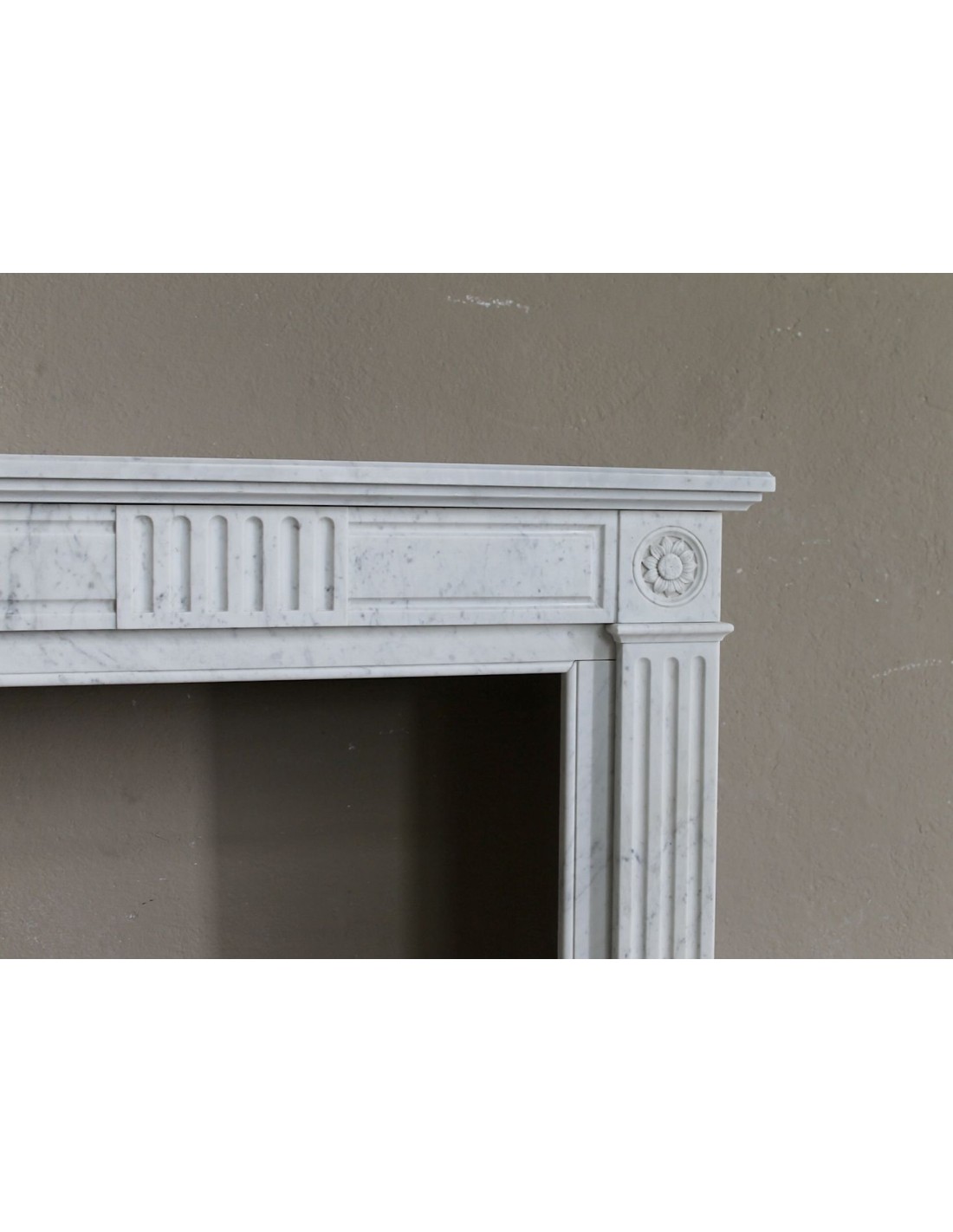
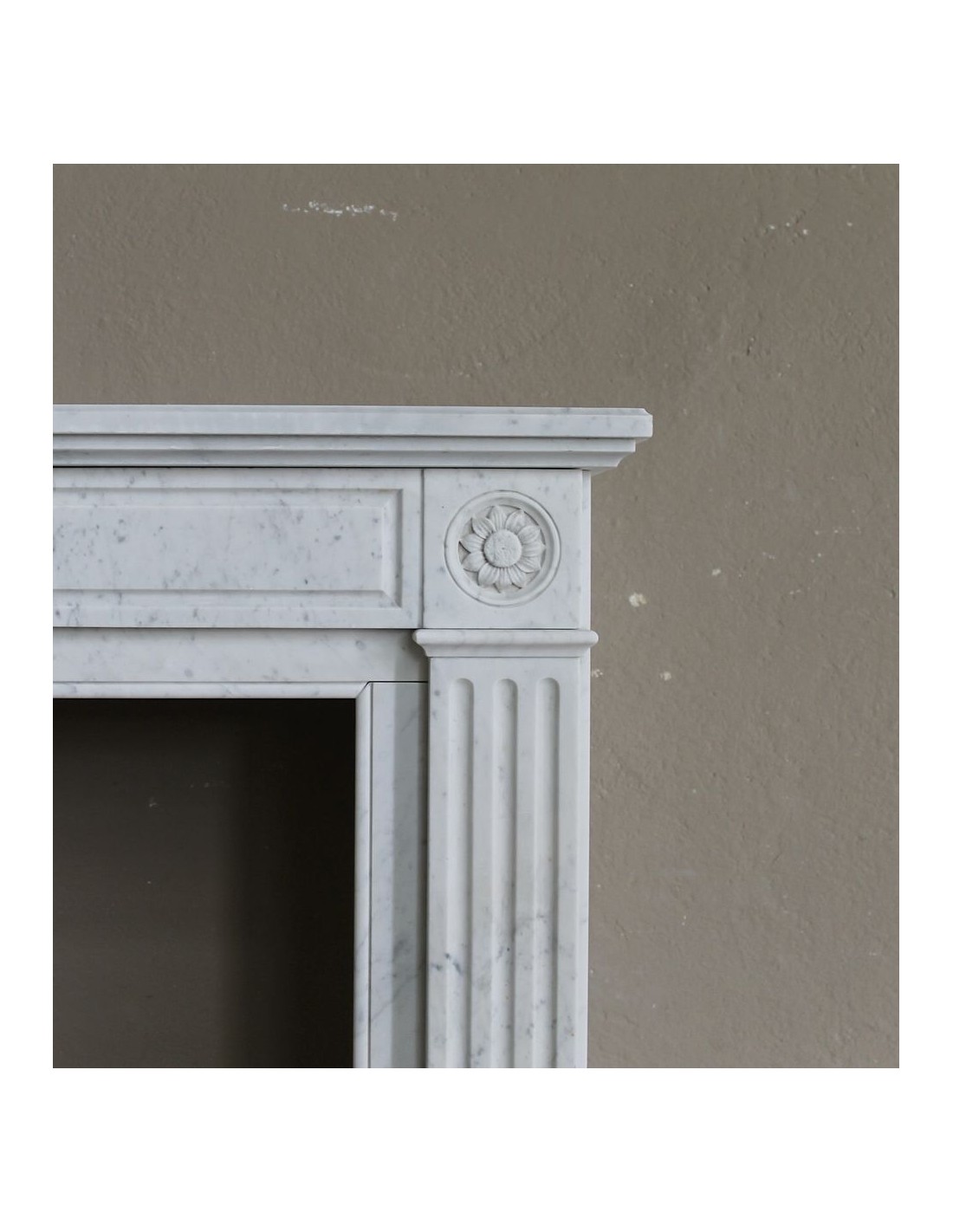
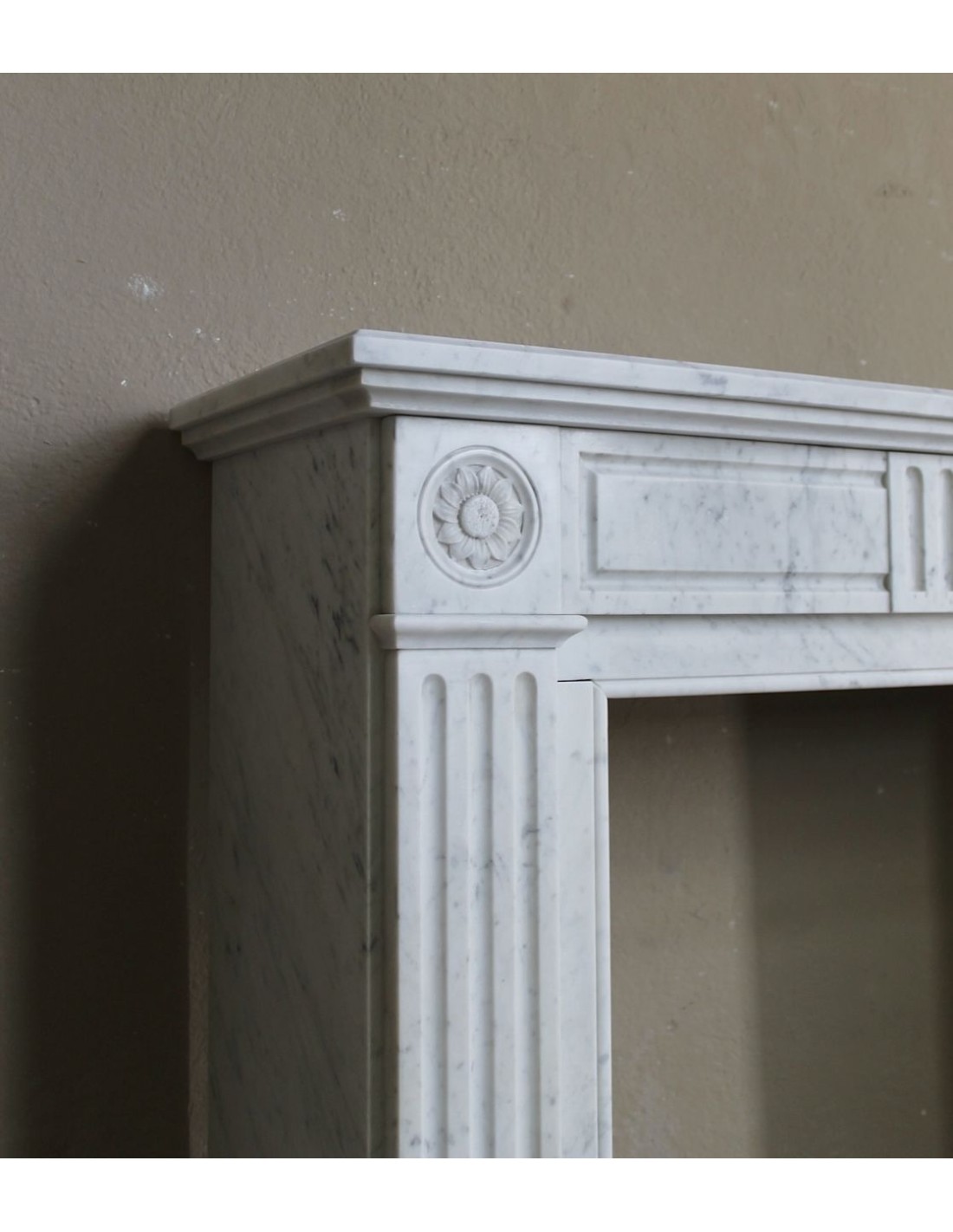
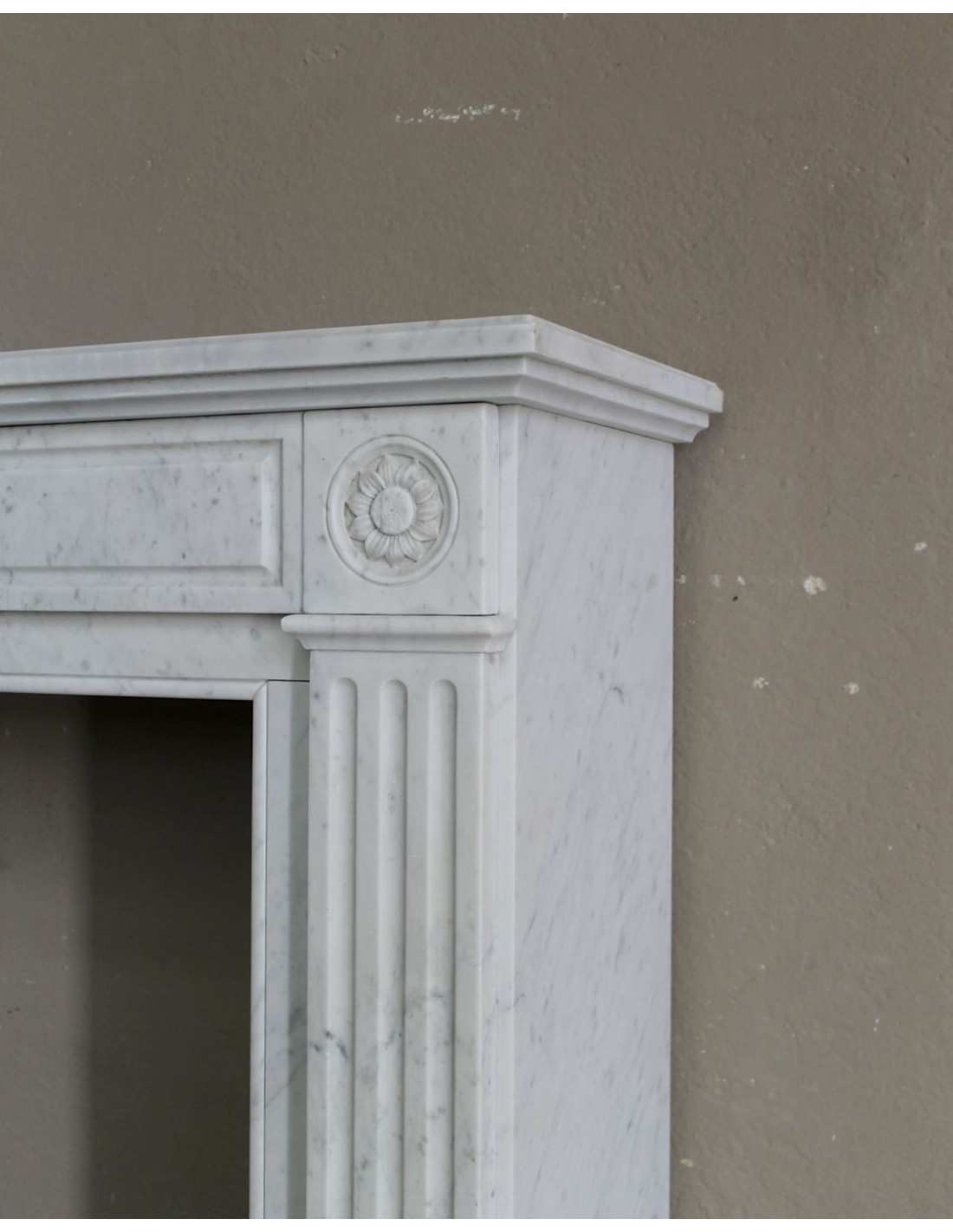
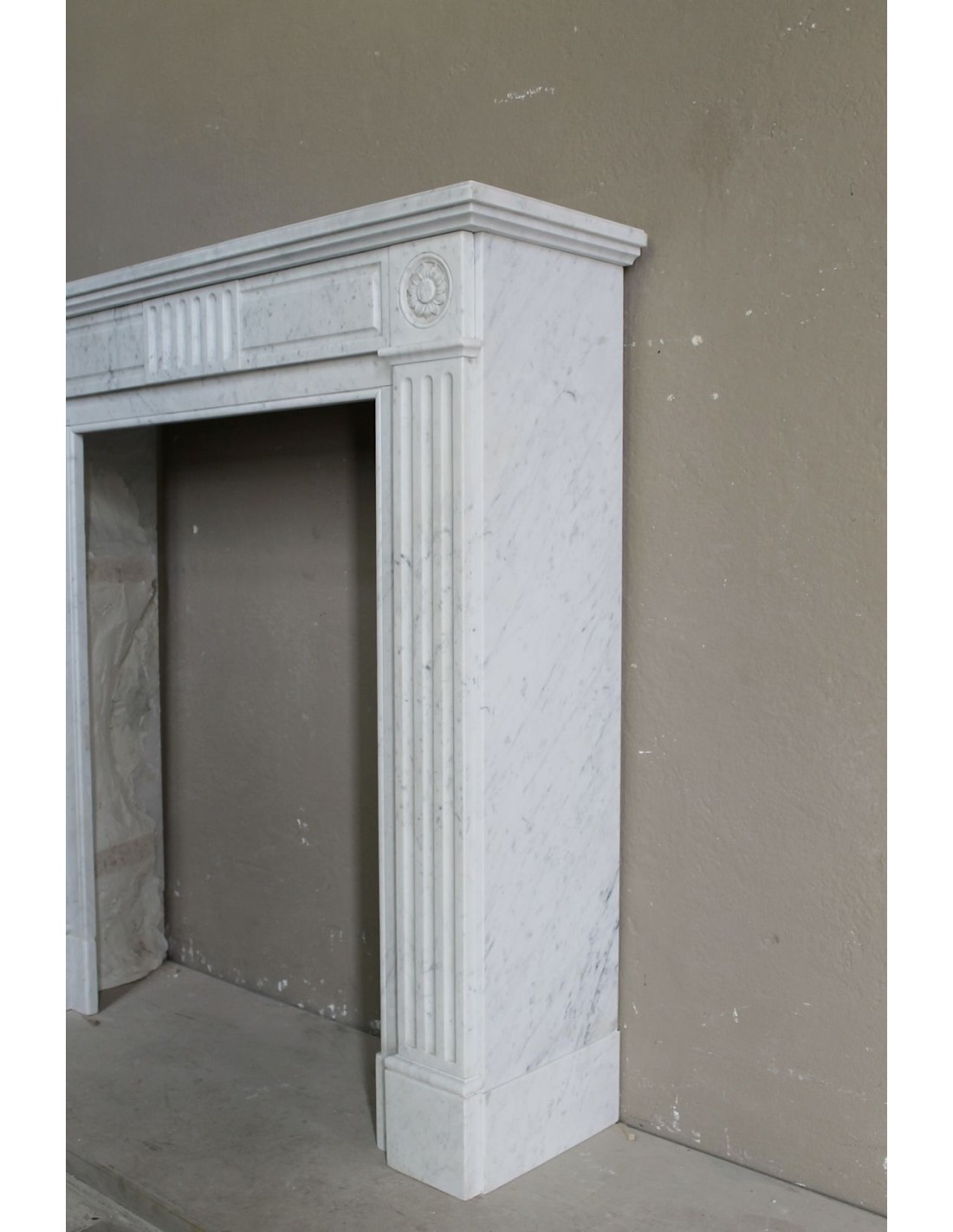
The entire frieze was adorned with a row of sunflower blossoms. At the time, as today, the sunflower symbolised sunshine and life — precisely the qualities Marie Antoinette sought above all else.
Whether entirely true or partially embellished by time, this charming anecdote soon travelled through the courts of Europe and contributed greatly to the popularity of the new "Tournesol" model. Parisian architects — then the undisputed leaders of European taste — eagerly embraced the motif, and sunflower-decorated fireplaces became highly fashionable.
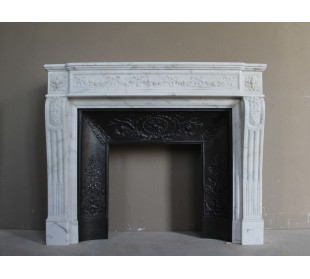
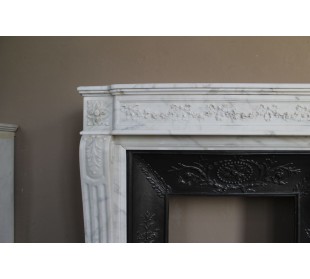
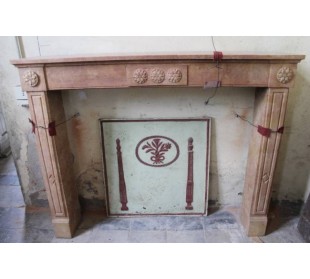
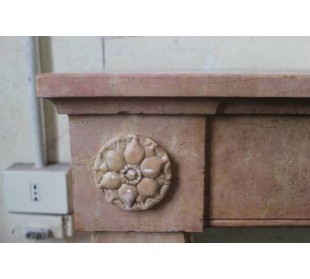
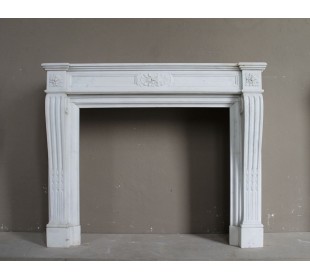
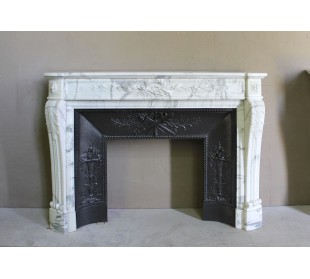
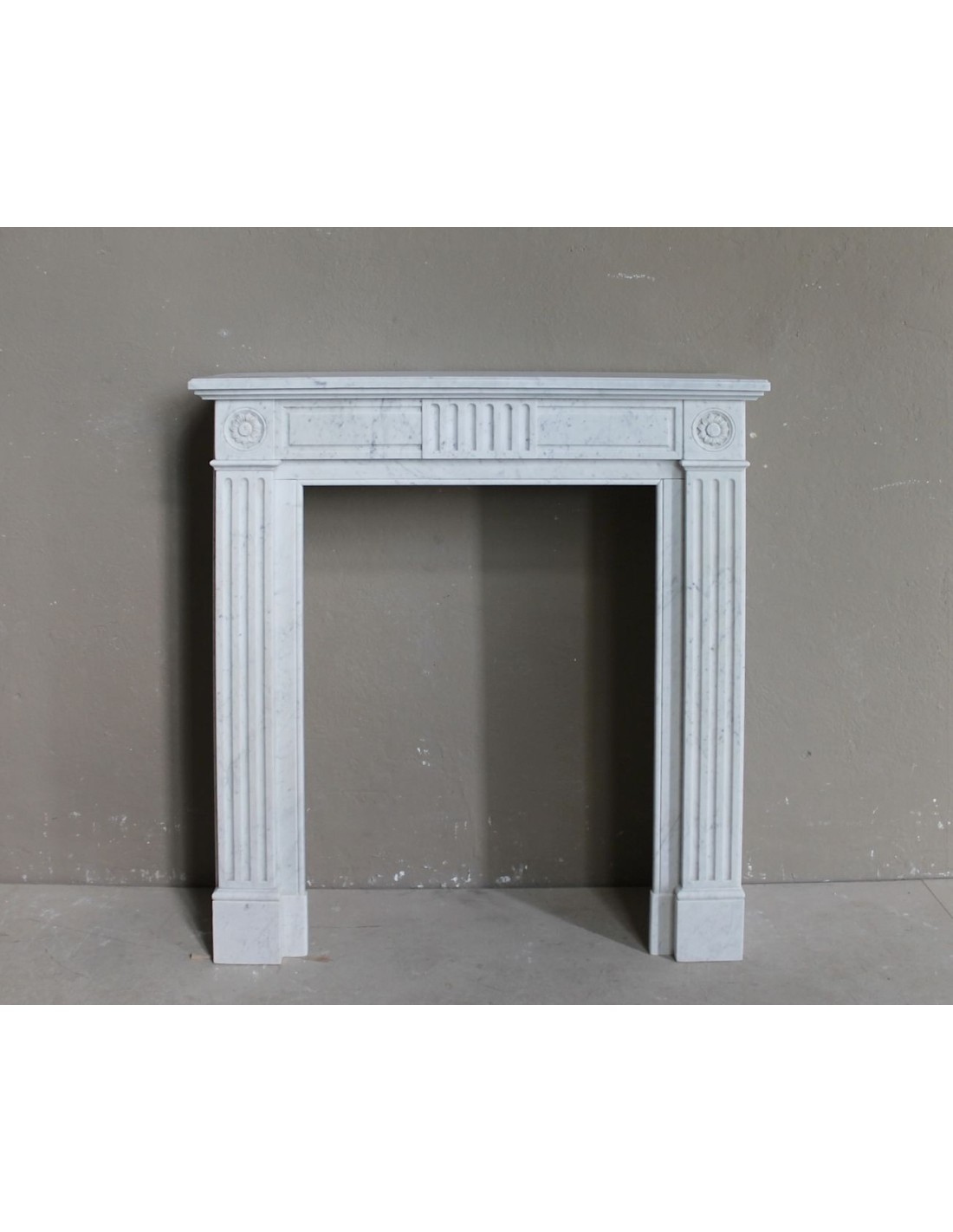
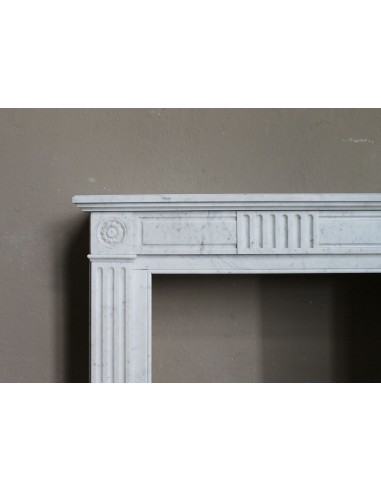
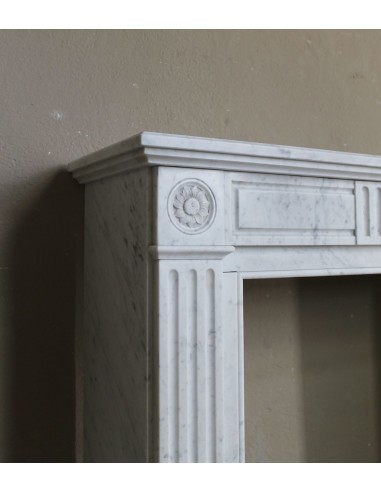
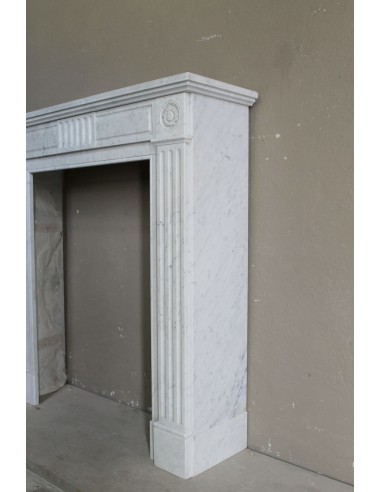
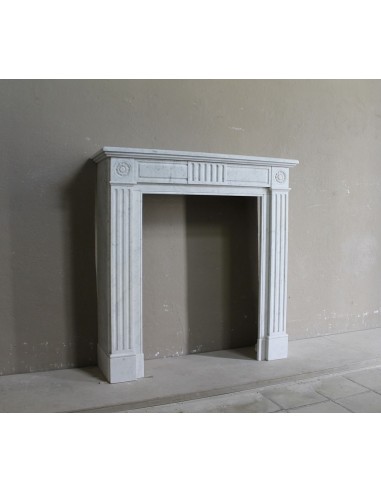
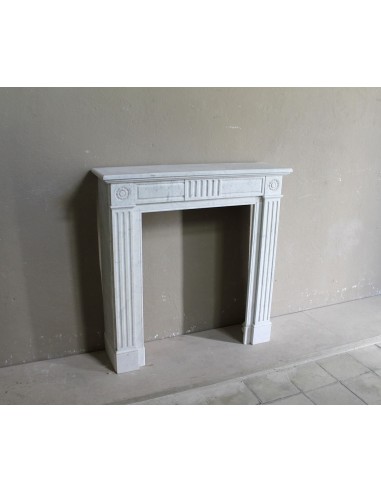
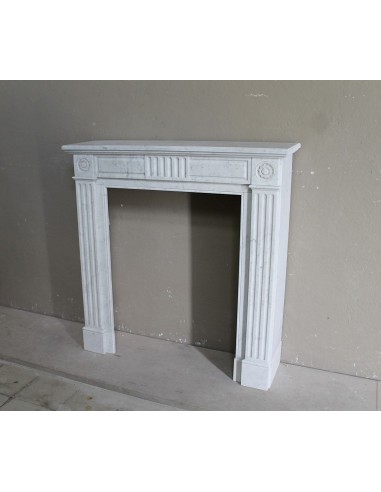
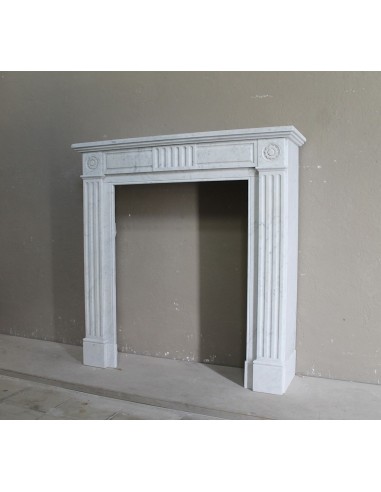
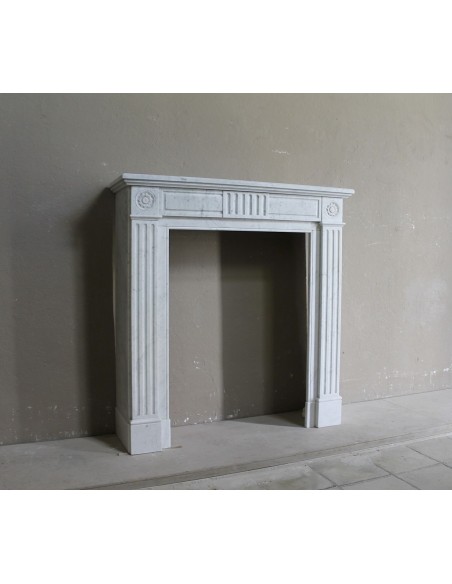
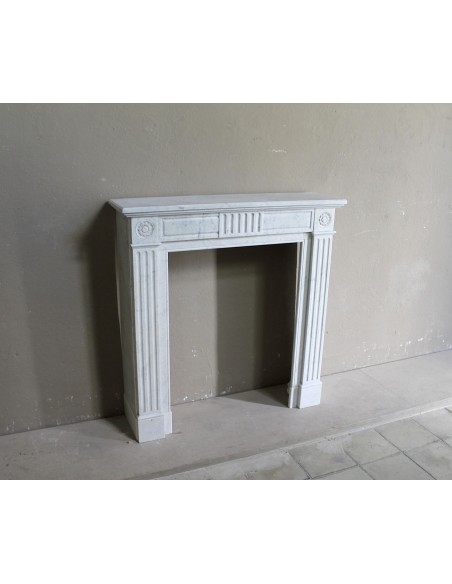
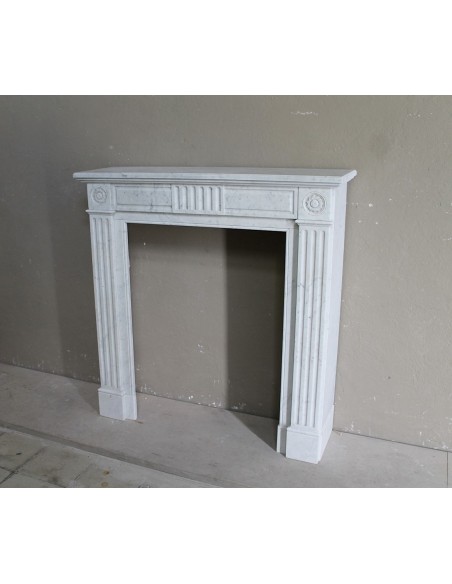
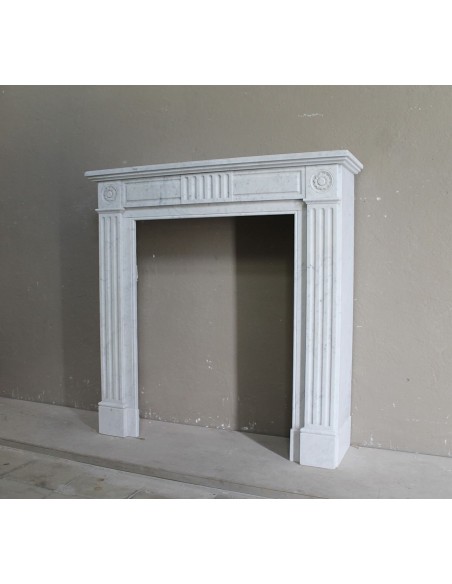
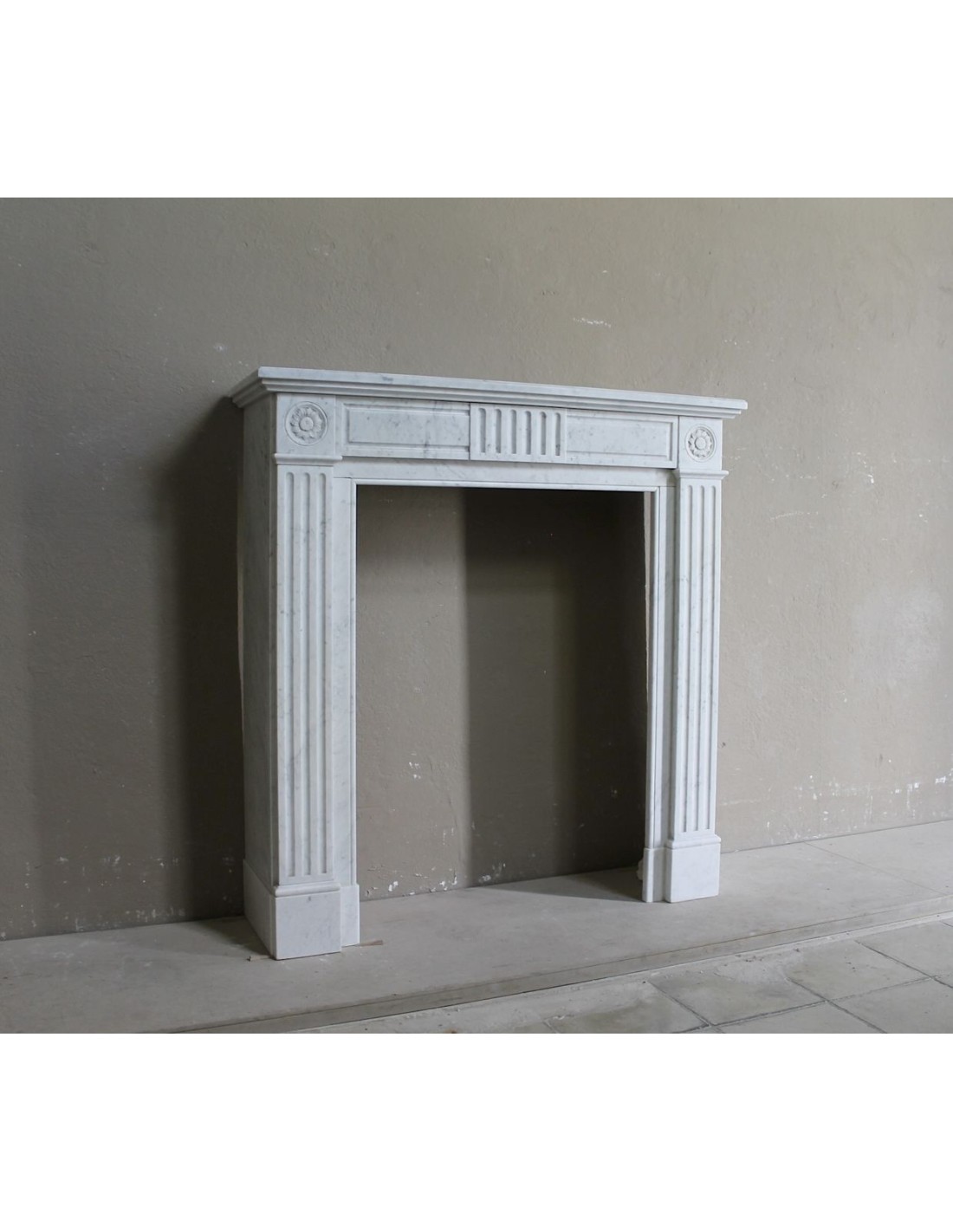
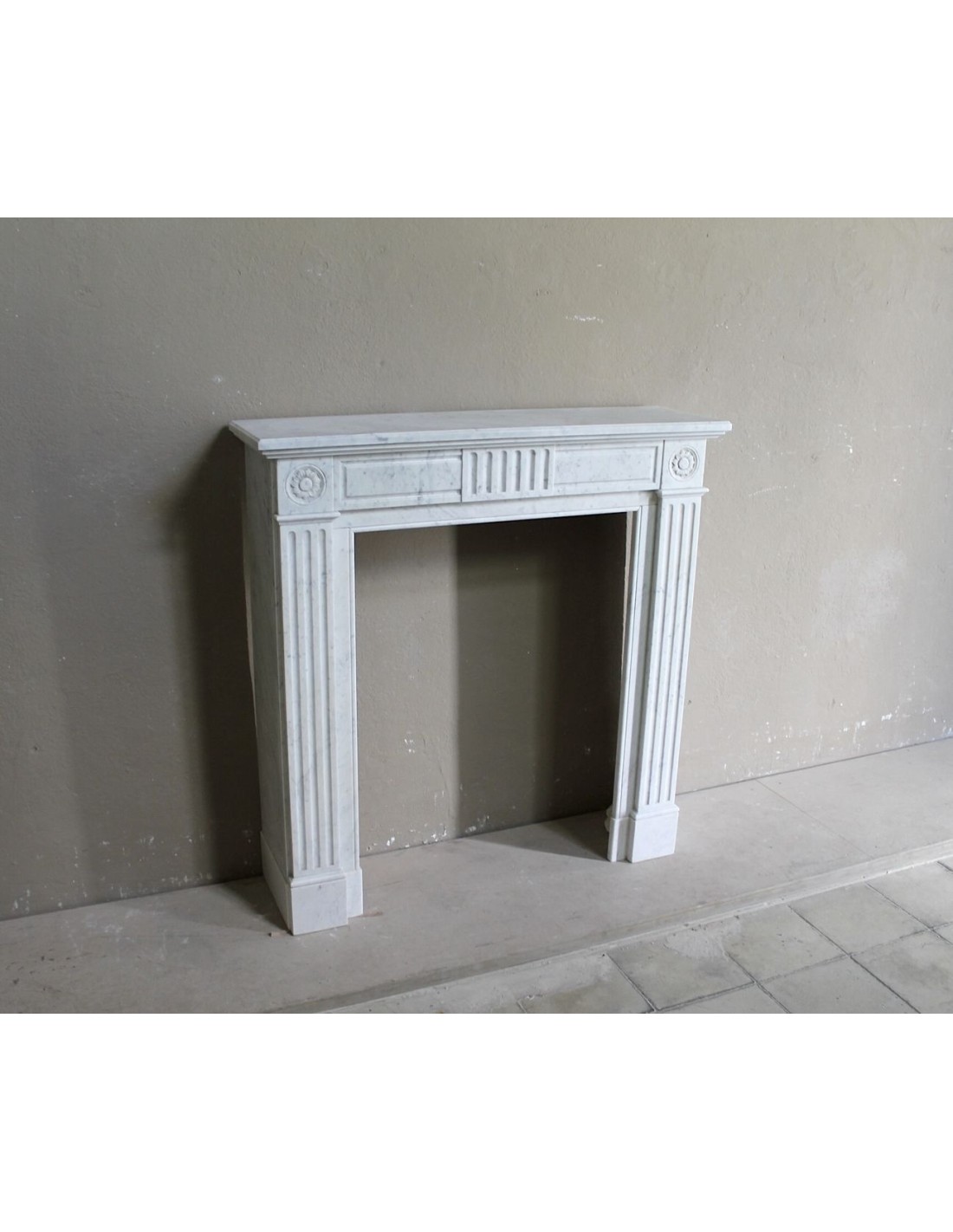
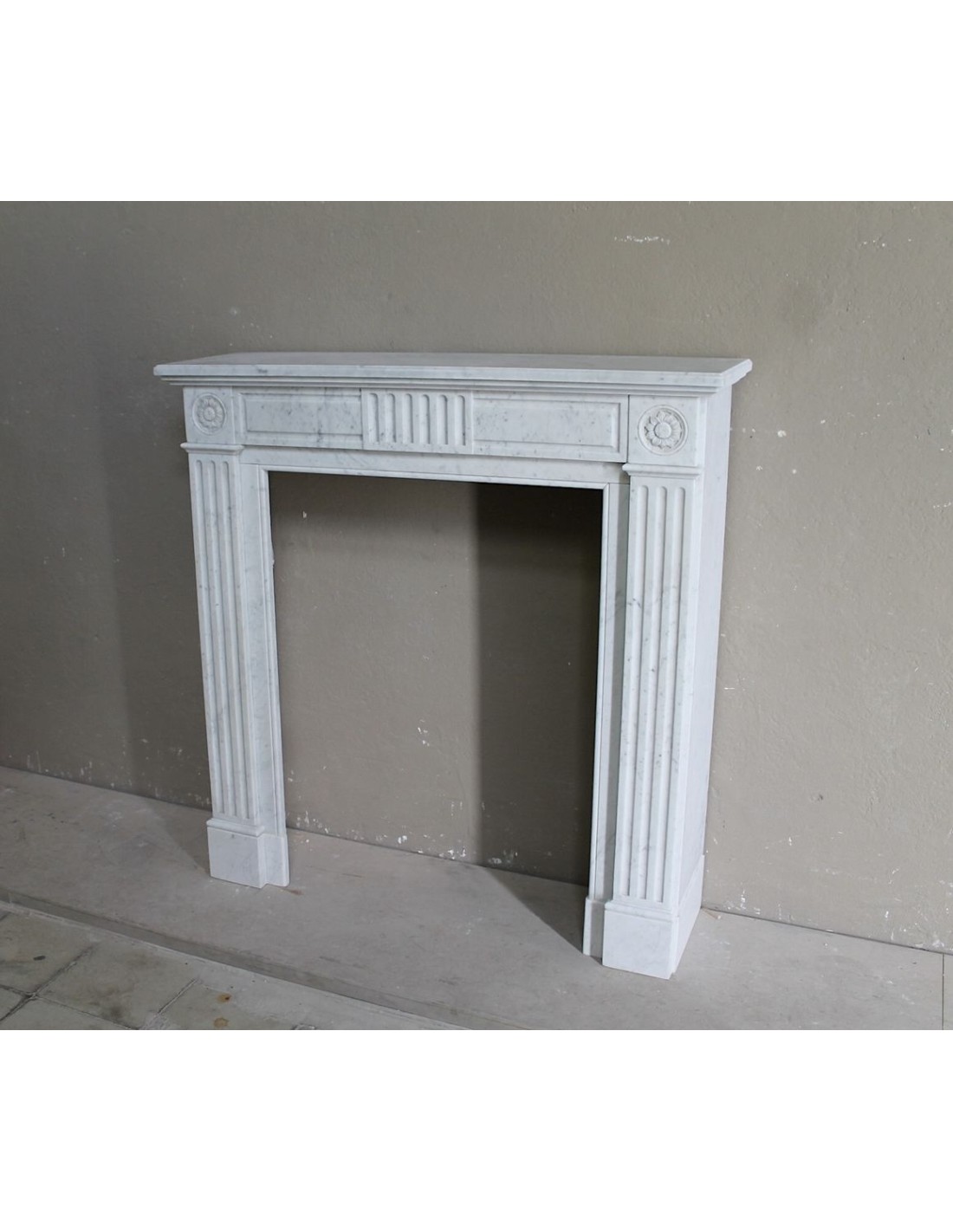
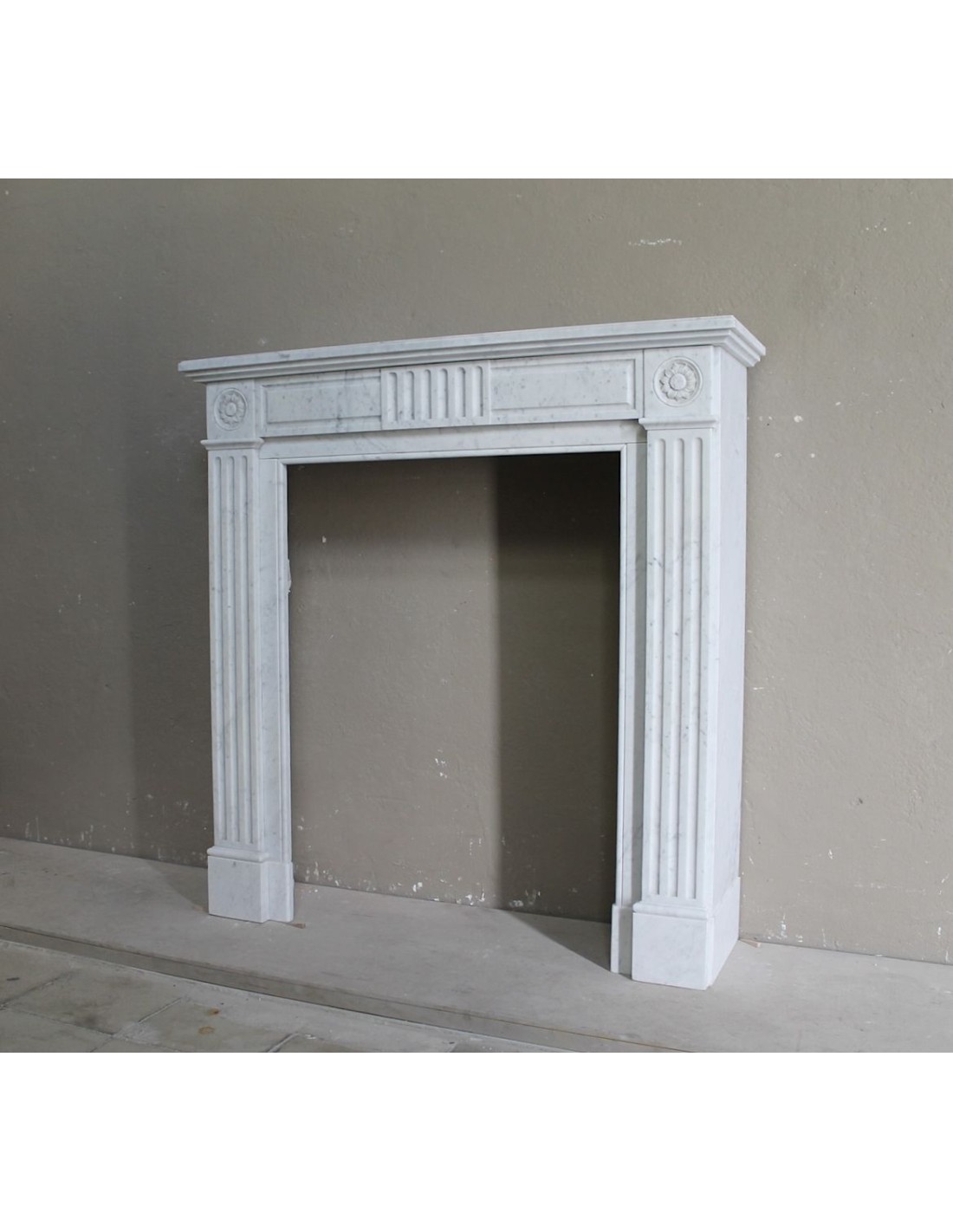
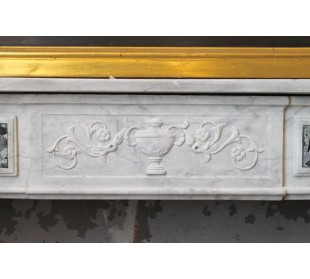
The fireplace offered here is, of course, not the very one that stood in the salons of the Petit Trianon. Its decoration is more restrained, featuring only two modest sunflower blossoms. Yet it retains something of the spirit of its illustrious predecessor. Through its sculpted flowers, it too invites us to enjoy the same simple pleasures: sunshine and life.
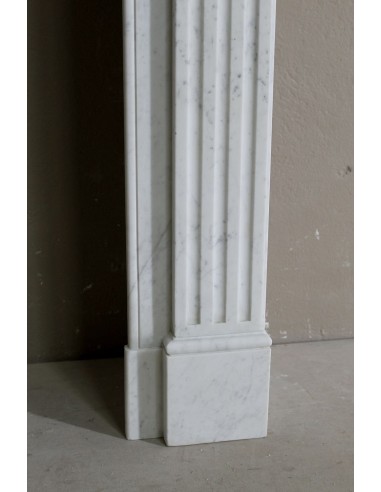
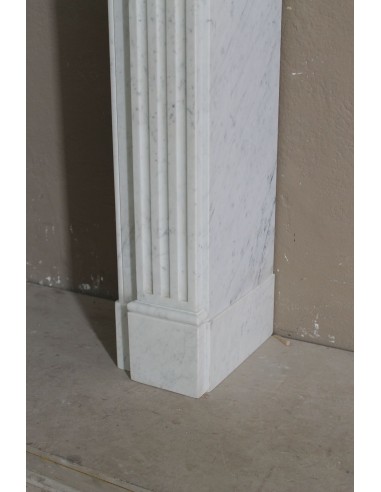
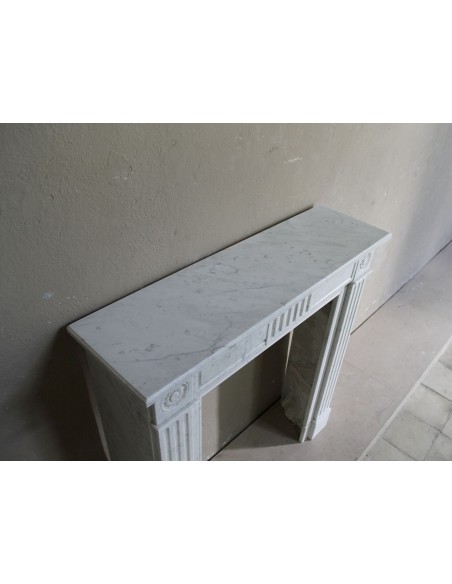
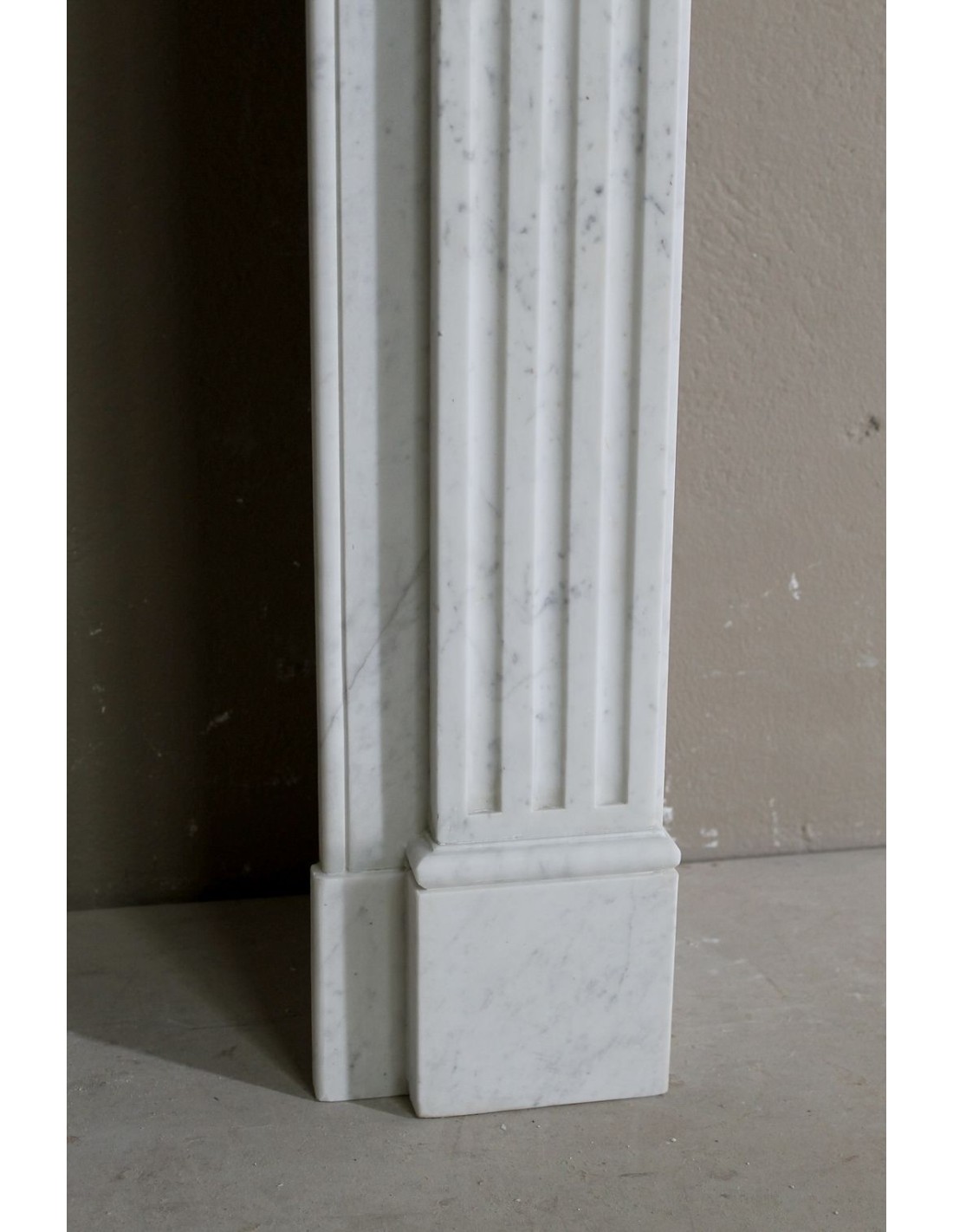
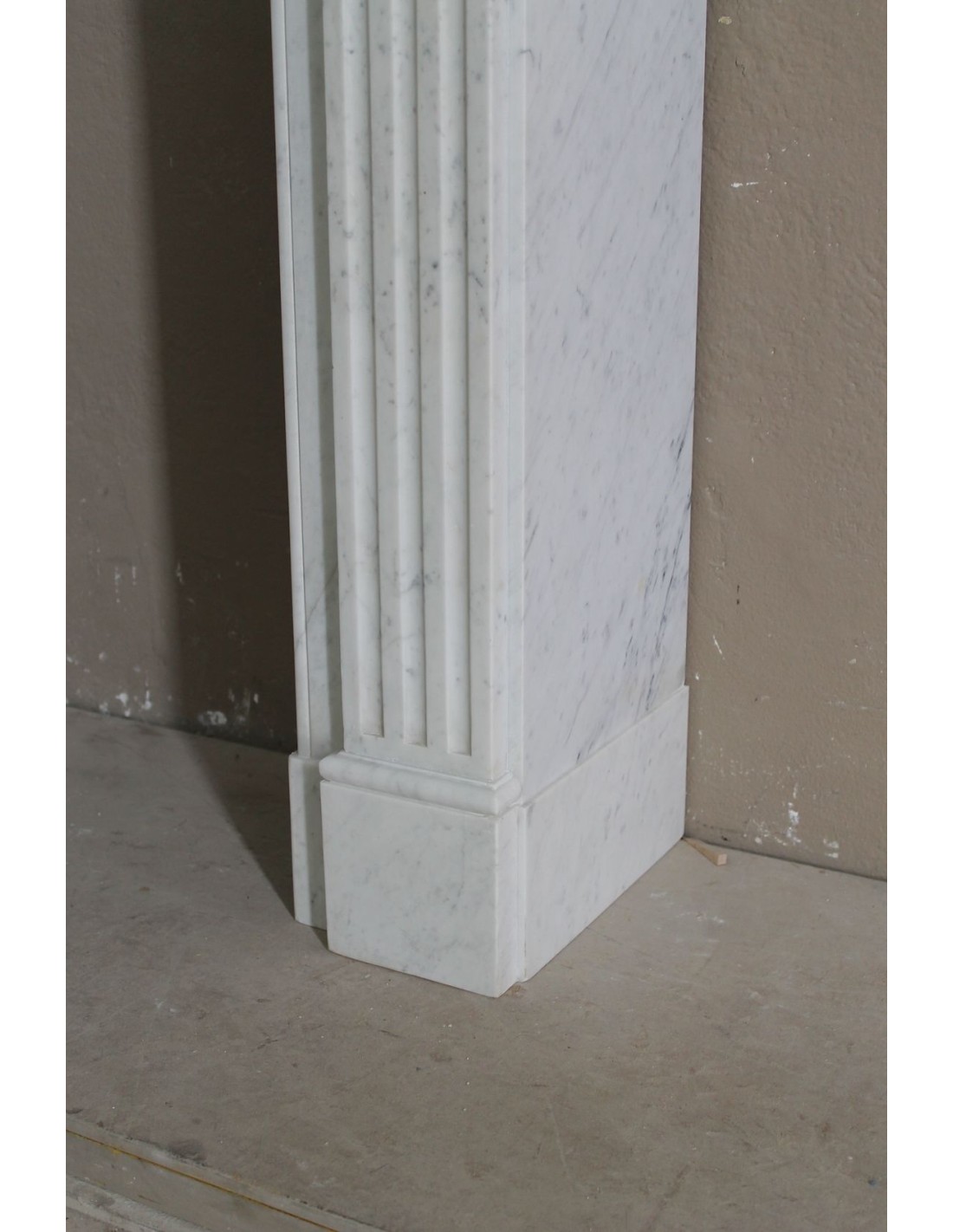
LOUIS XVI STYLE · ITALIAN SCULPTURAL WORKMANSHIP (LUNIGIANA REGION) · WHITE CARRARA MARBLE “P” QUALITY · EXCELLENT STATE OF CONSERVATION · LATE 19TH / EARLY 20TH CENTURY · FRENCH RIVIERA PROVENANCE
A FINAL NOTE
Some time ago, a lady telephoned me and said:
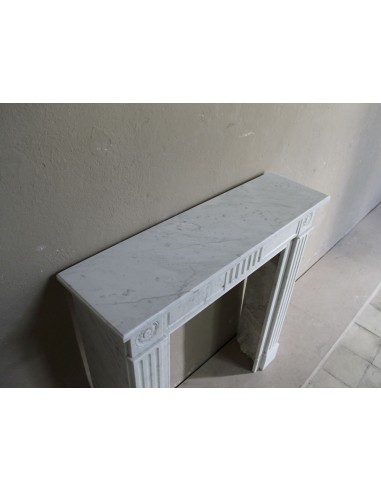
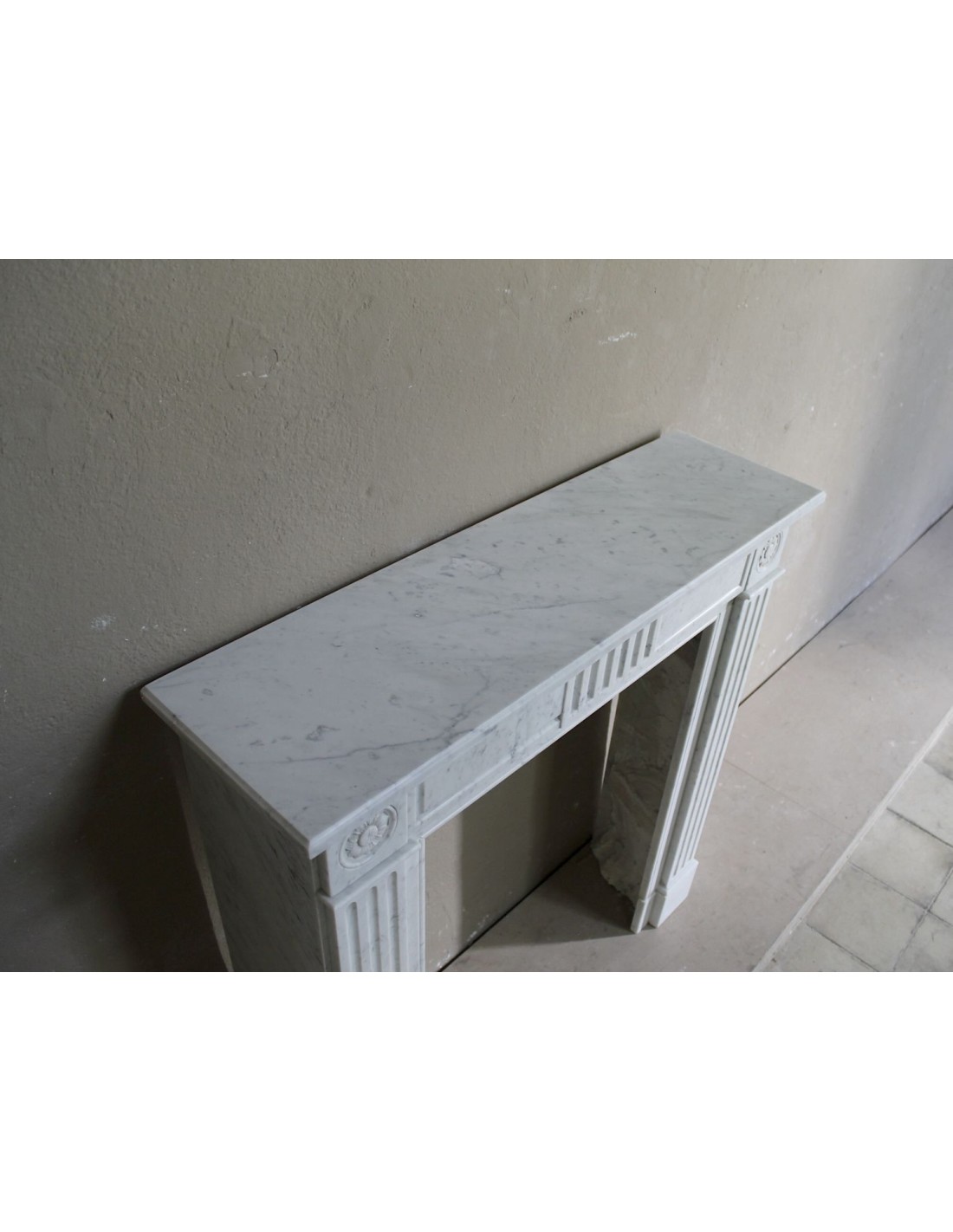
“Maurizio, you describe this fireplace as being in good condition, yet I can clearly see a few small chips and marks in the photographs. How do you explain that?”
My reply was simple:
“Madam, if this fireplace did not have a few minor imperfections on its shelf — something entirely natural after more than a century of life — I would probably take a small hammer and create them myself. Otherwise, how could I honestly claim that it is an ANTIQUE fireplace?”
“And as for those little stains — do you really believe that after seven or eight generations of use, not a single drop of candle wax ever found its way onto the marble?”
The point is a simple one.
A fireplace that has spent one or two centuries in the company of human beings cannot — and should not — look like a brand-new factory-made fireplace. A small mark, a slight chip, a wrinkle or two: these are not defects. They are the visible traces of a life well lived.
Only fireplaces manufactured yesterday and shipped halfway around the world arrive completely flawless.
Perfect, perhaps.
But without a story to tell.