


SHARE ON:
You should know (although many of you probably already do...) that following the French Revolution and the rather unfortunate fate of the French monarchy, Napoleon III eventually came to power and decided that Paris was in desperate need of a more modern look.
The French capital was still a maze of narrow streets and winding alleyways, the very same streets that had made it possible to erect barricades during the July Revolution of 1830.
And so, in 1853, Napoleon III entrusted Georges-Eugène Haussmann, Prefect of the Seine (later known as Baron Haussmann), with the monumental task of transforming Paris into a more spacious, orderly and magnificent capital.
Haussmann demolished vast sections of the old city and replaced them with grand boulevards, elegant buildings and entirely new residential neighborhoods.
And, of course, all those new apartments needed fireplaces. After all, in the 19th century, a fireplace was an essential source of heating.
SOME OF YOU MAY ALREADY BE WONDERING: “ARE WE TALKING ABOUT ANTIQUE FIREPLACES HERE, OR ARE WE ATTENDING A HISTORY LESSON?!”
AHH... JUST BE PATIENT FOR A MOMENT! AFTER ALL, WITHOUT ITS HISTORY, AN ANTIQUE FIREPLACE IS... RATHER BLAND!
NOW THAT I'VE ANSWERED THE GENTLEMAN WHO INTERRUPTED ME, LET US RETURN TO THE STORY OF OUR FIREPLACE...
And so, our dear Haussmann also had to make sure that these new Parisian apartments were equipped with fireplaces.
Being a serious, old-fashioned public servant, he naturally favored a design inspired by the Louis XIV style: restrained, architectural, free from excessive ornamentation and, last but certainly not least, wonderfully ECONOMICAL!
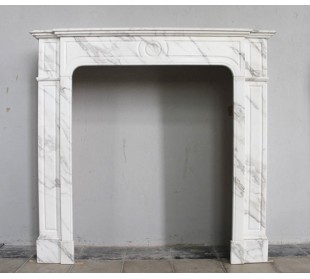
AND THUS, ACCORDING TO OUR LITTLE STORY, THE “PARISIENNE” FIREPLACE MANTEL WAS BORN — A MODEL SO CLOSELY ASSOCIATED WITH PARIS THAT ONE MIGHT ALMOST CALL IT PATRIOTIC!
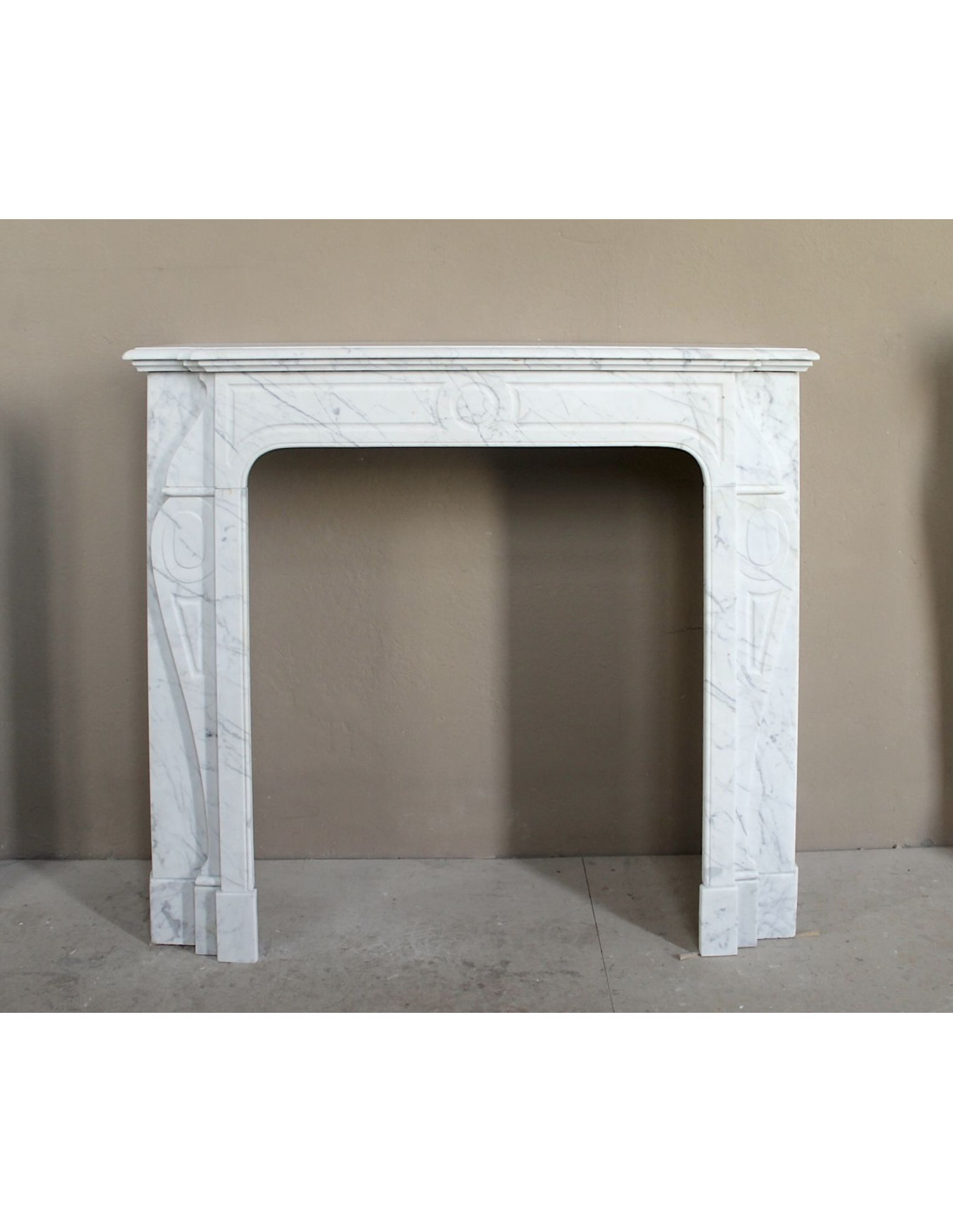
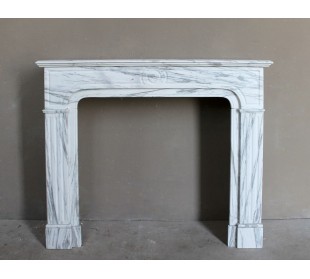
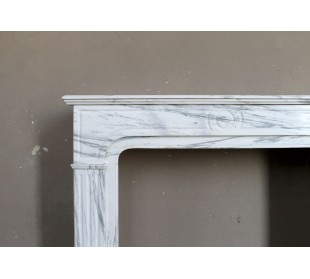
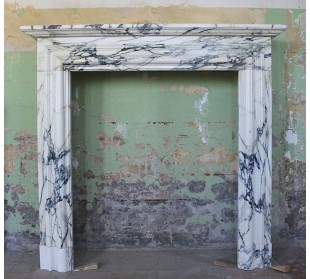
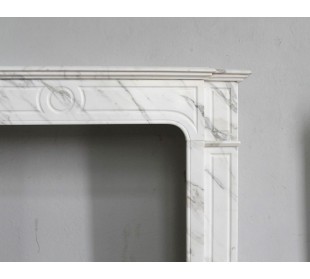
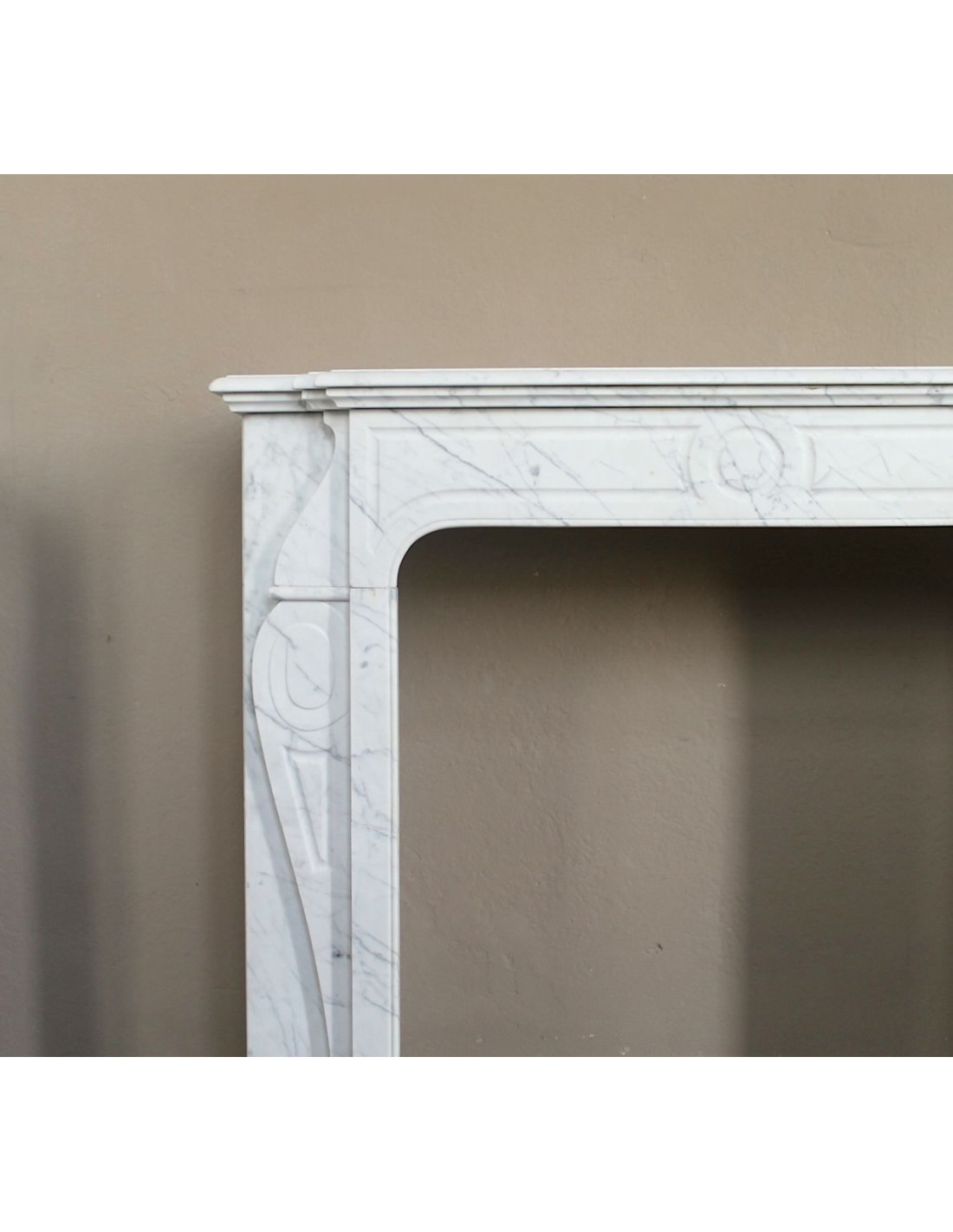
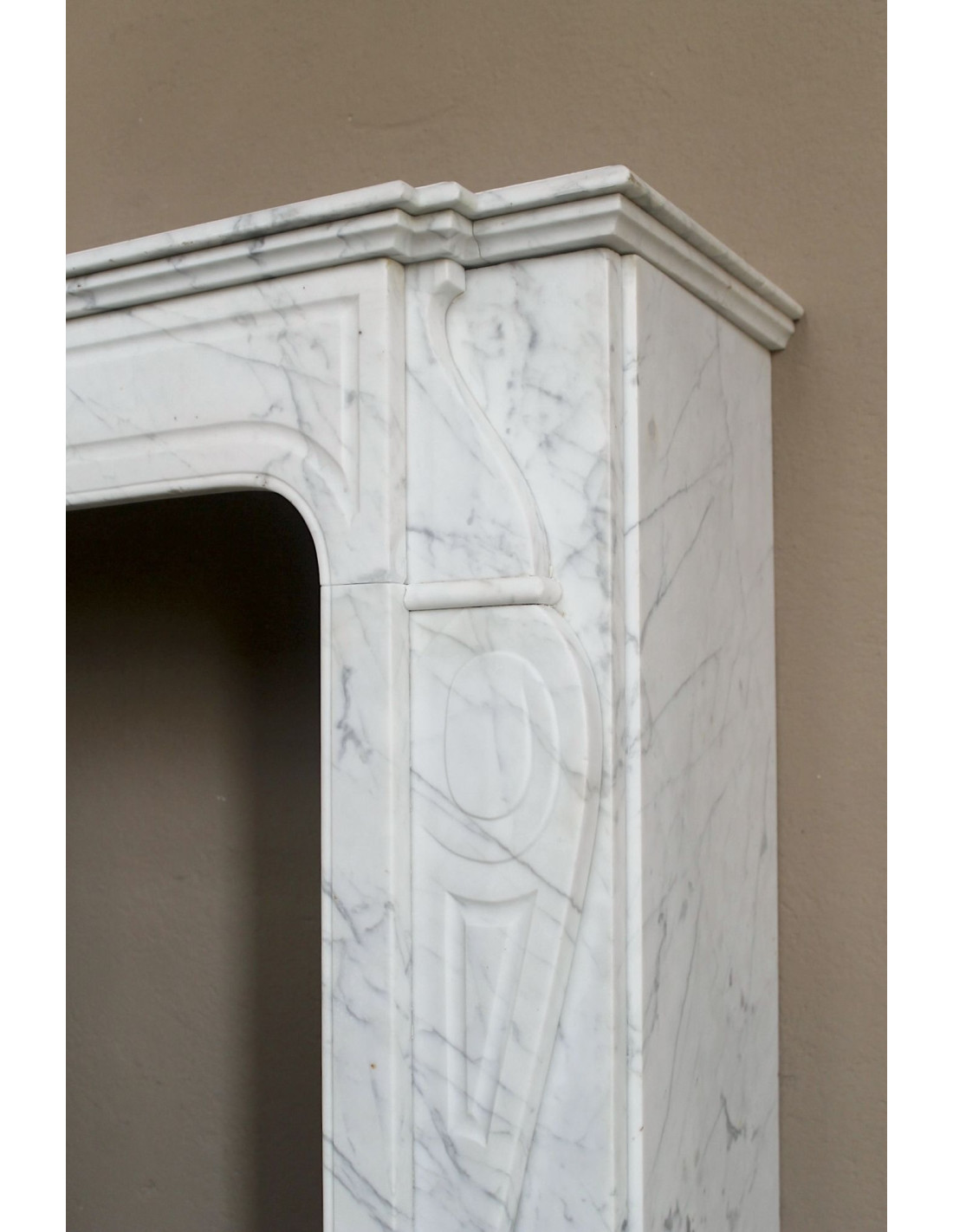
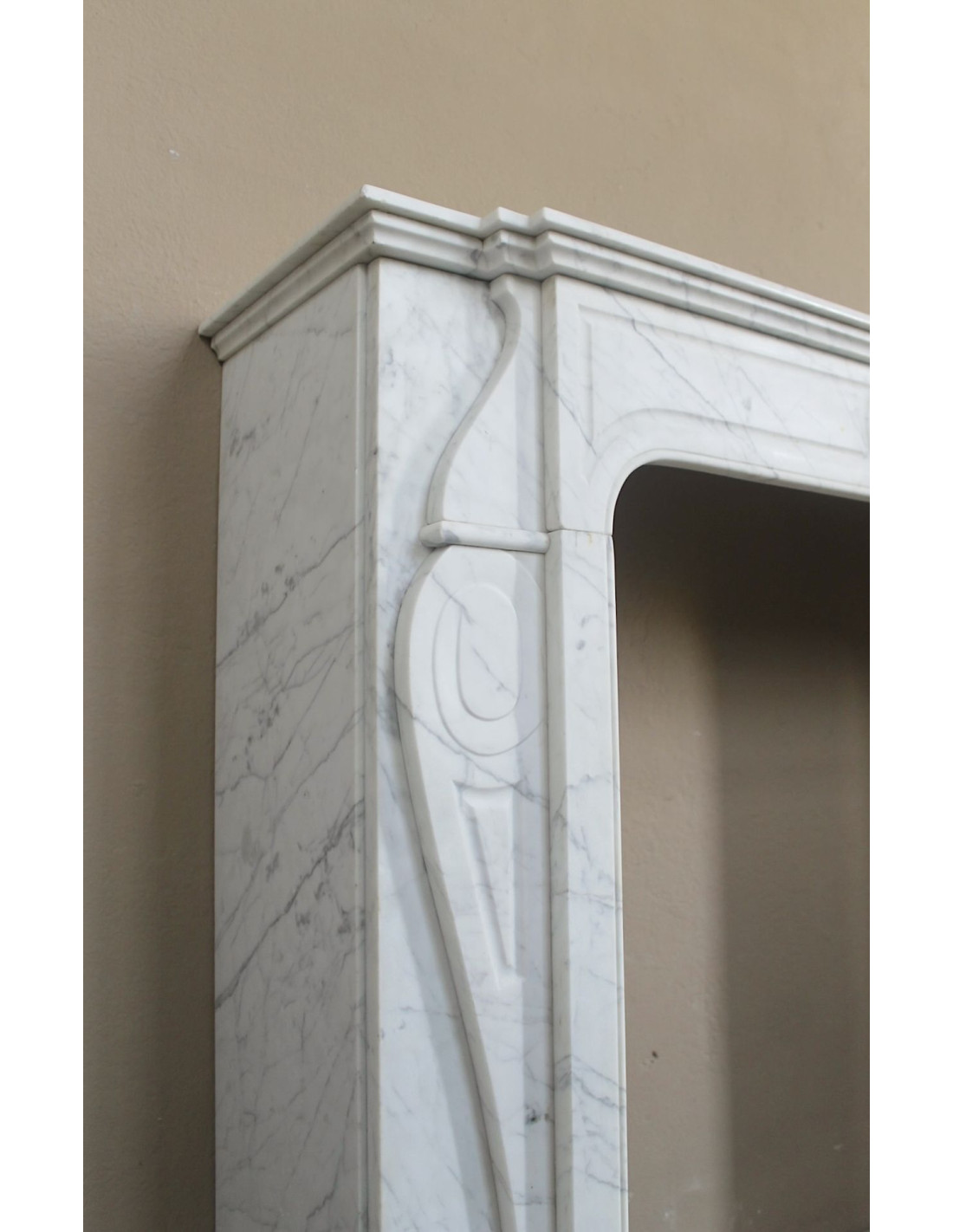
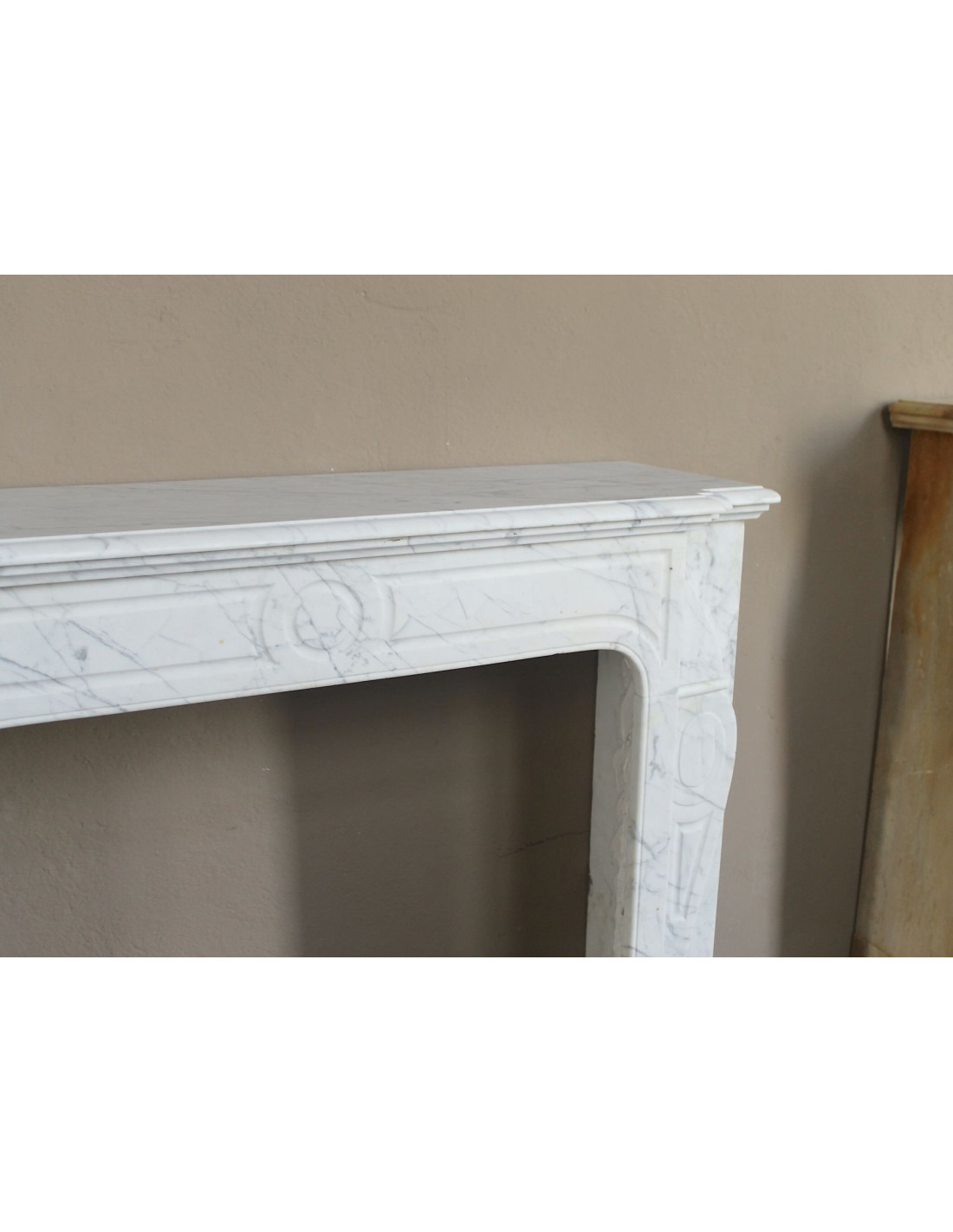
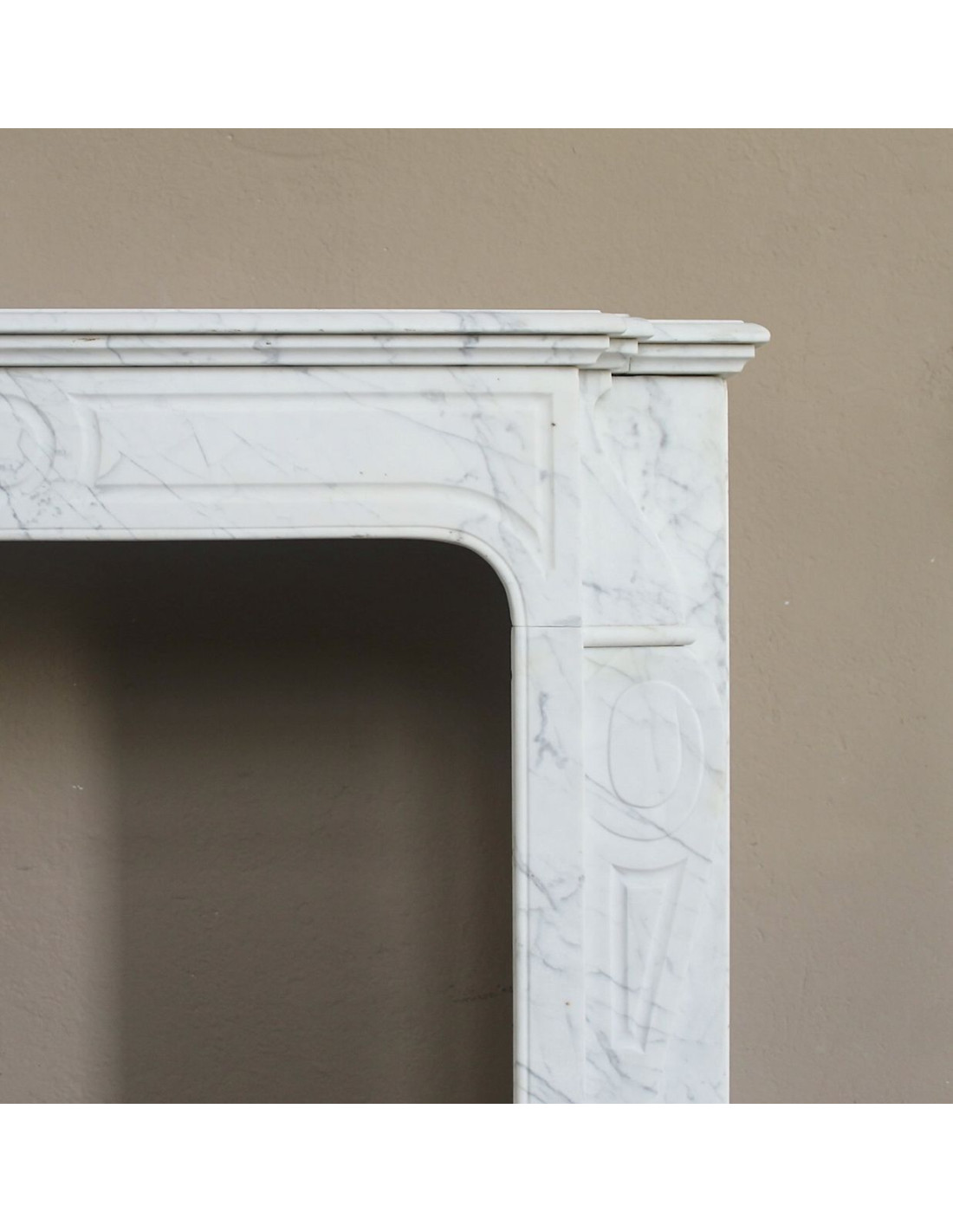
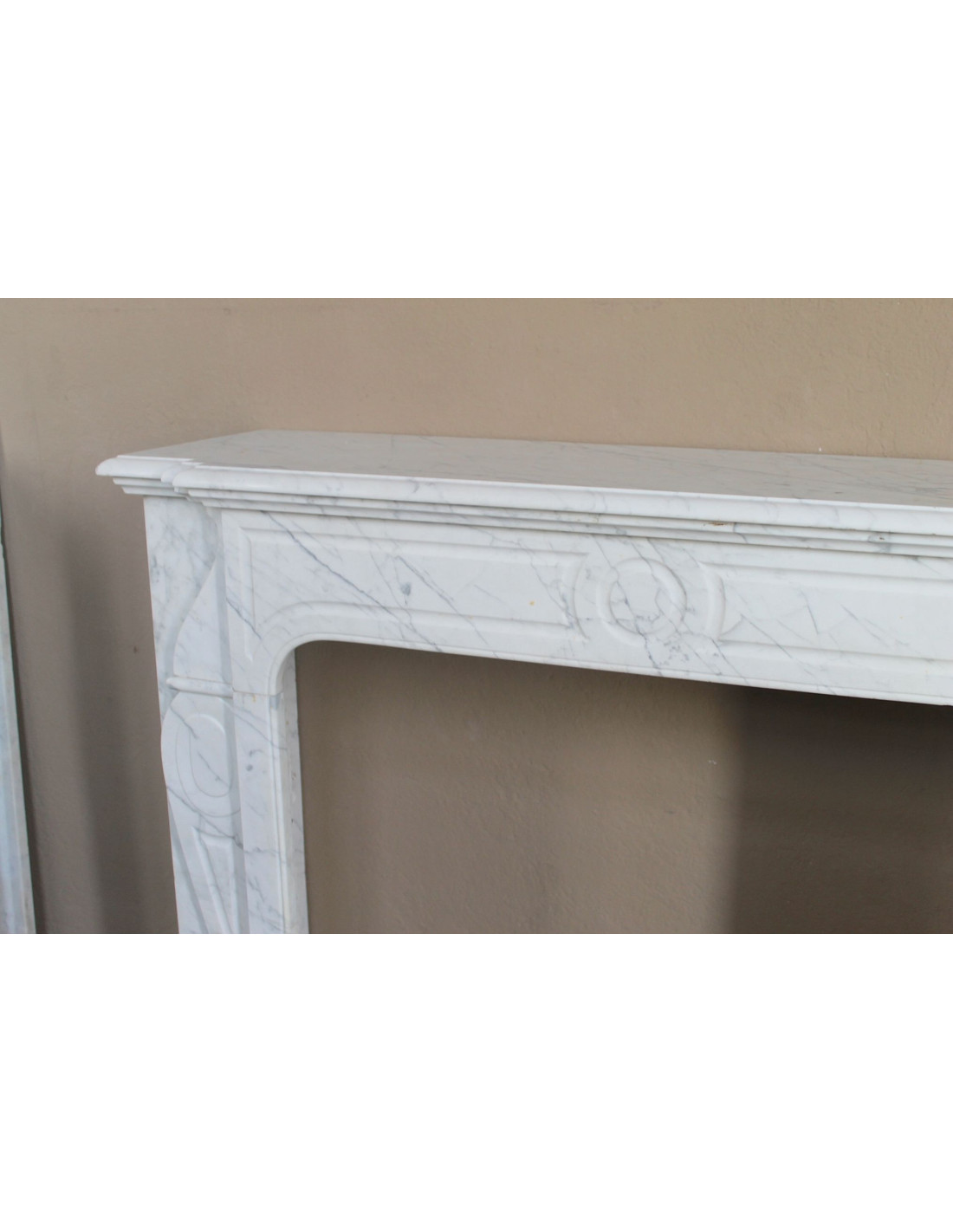
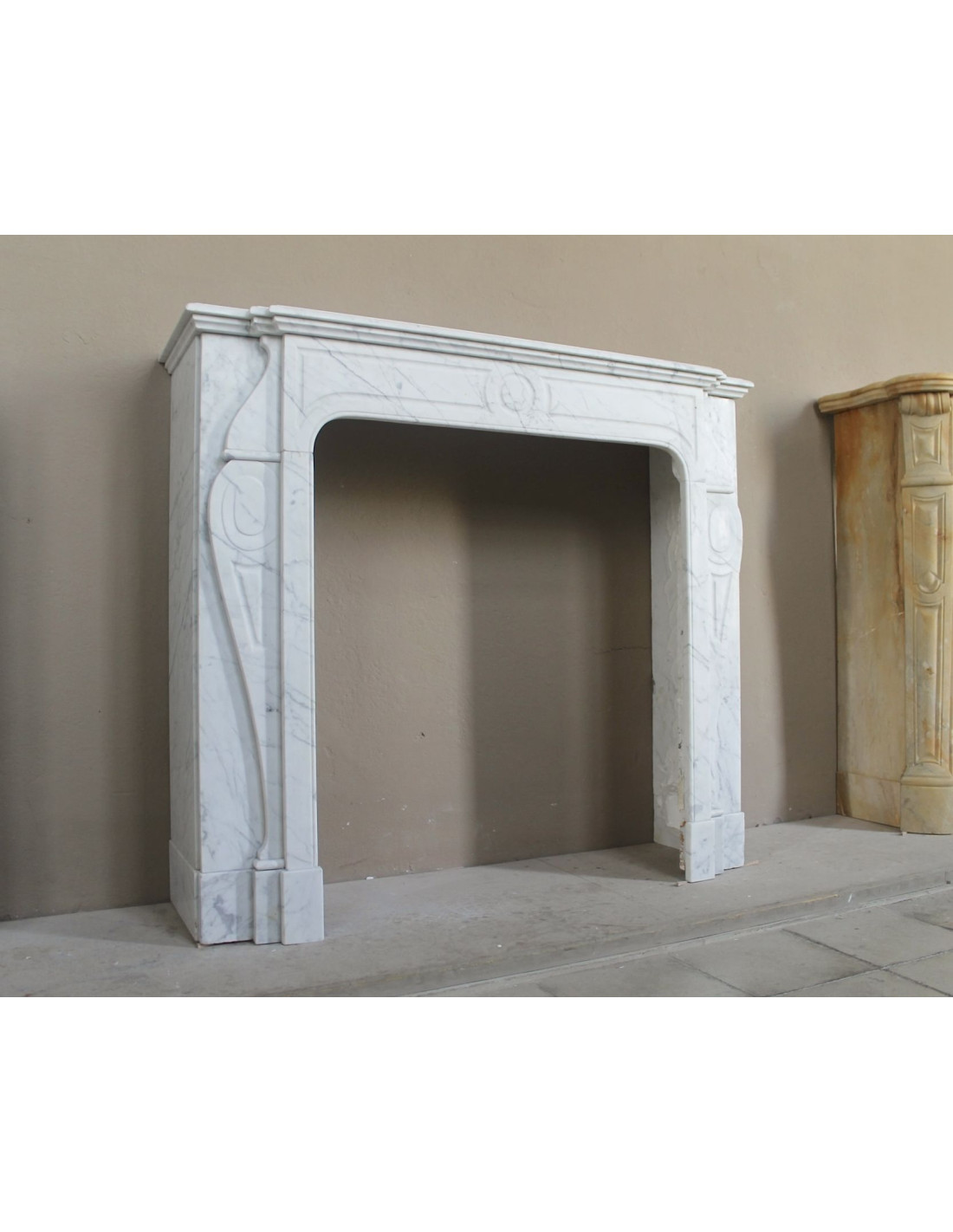
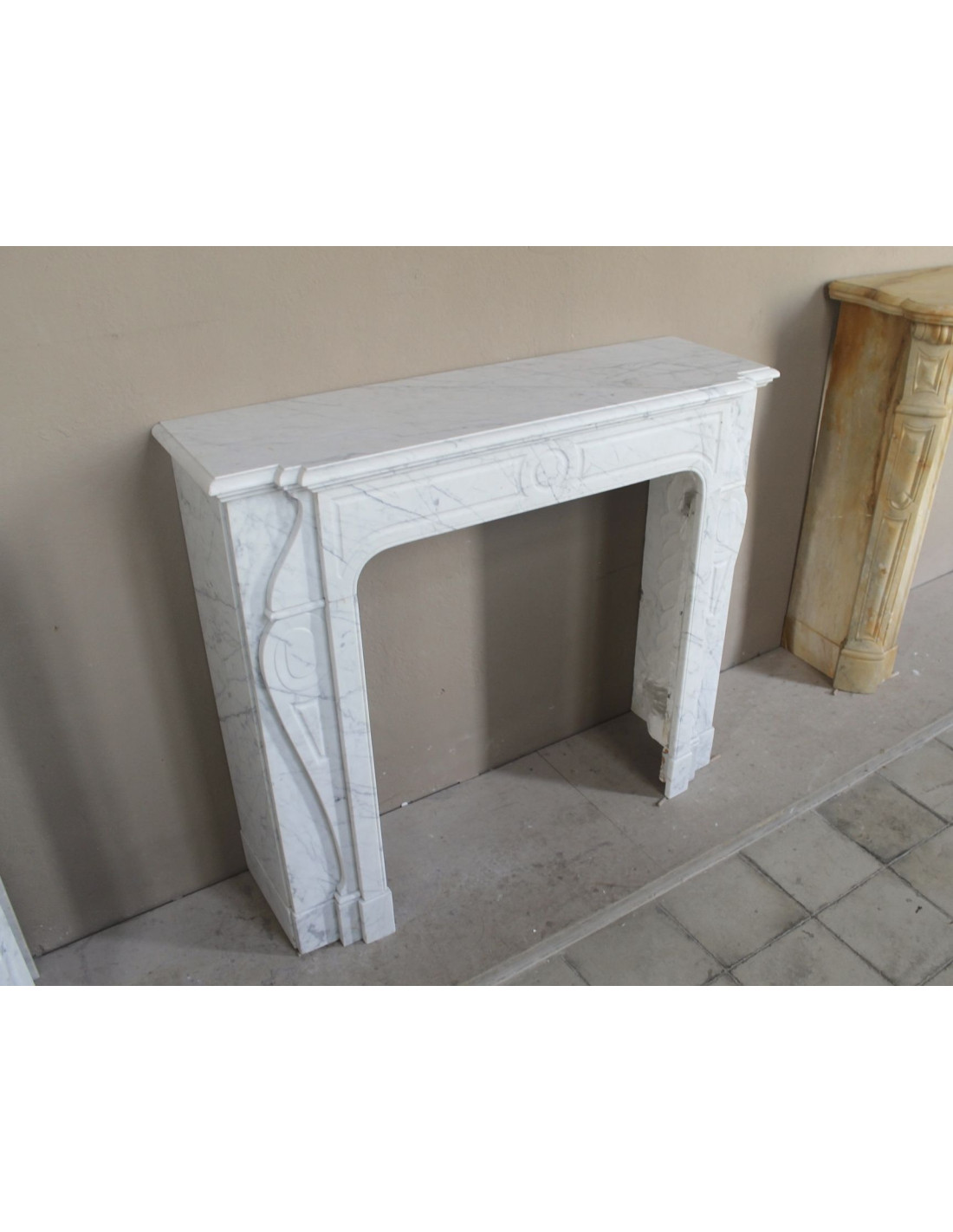
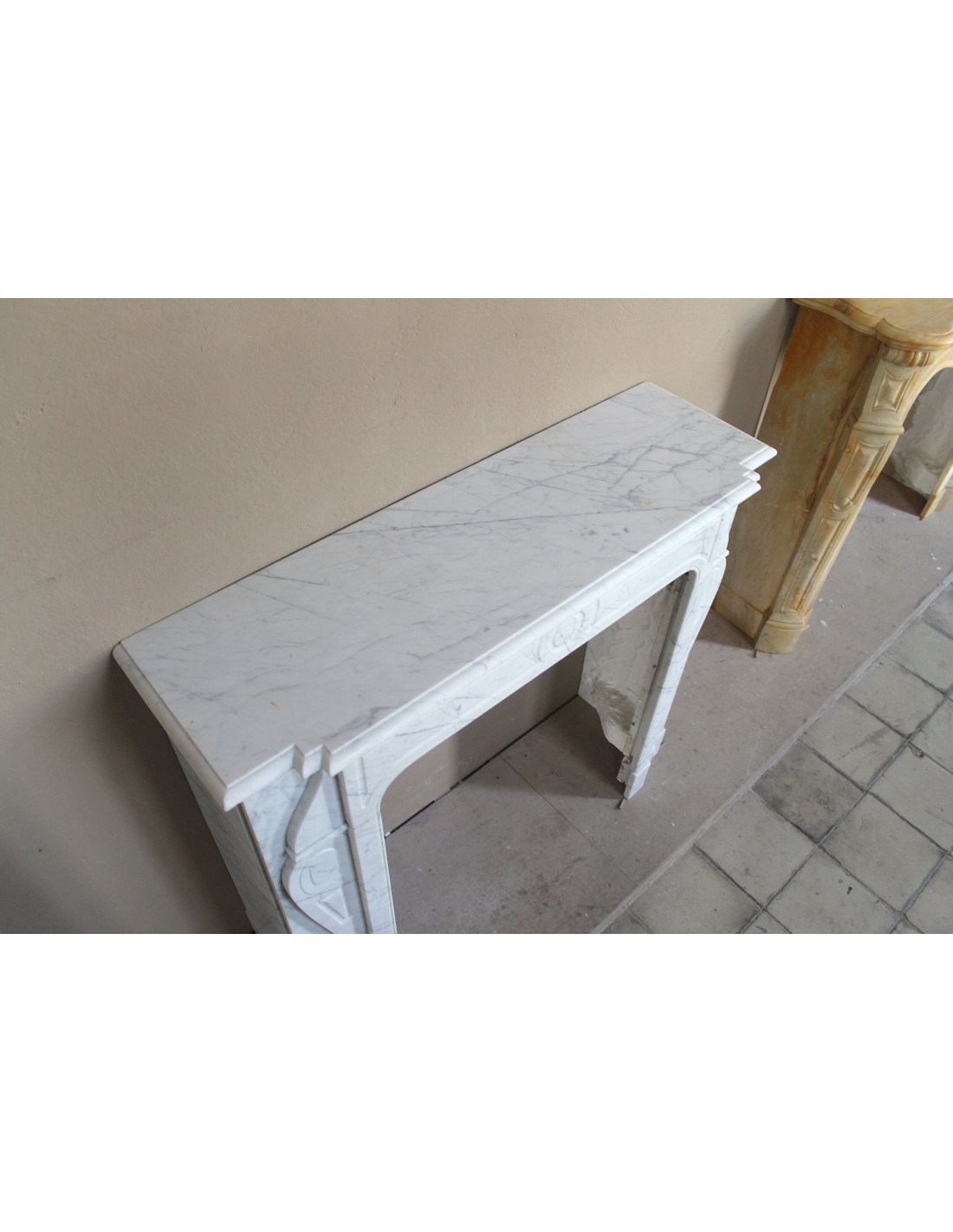
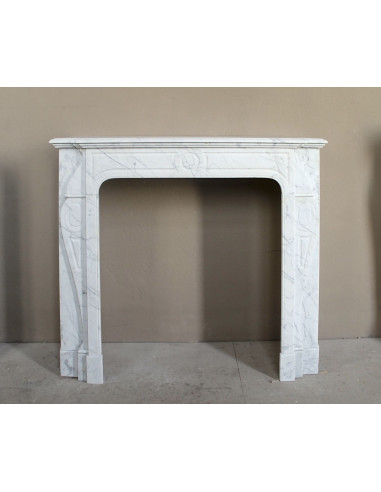
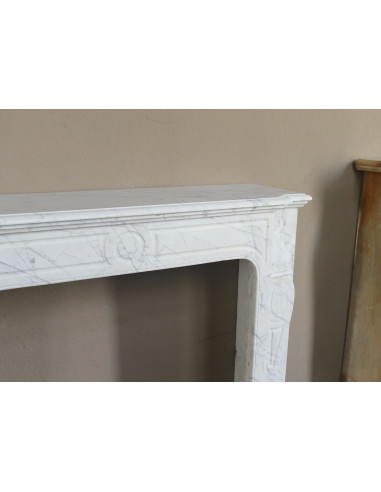
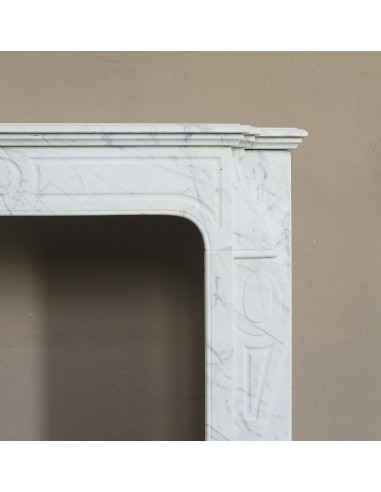
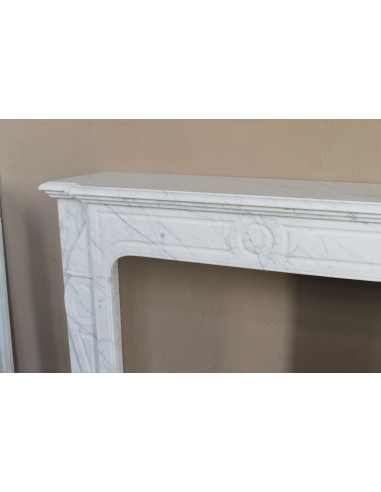
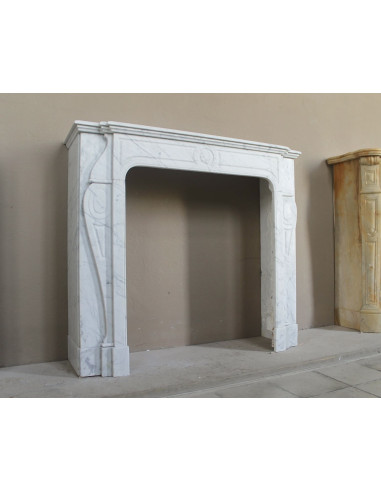
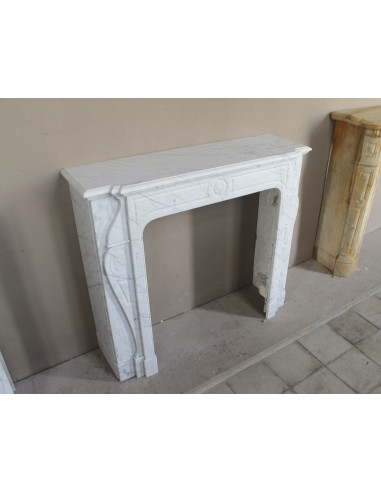
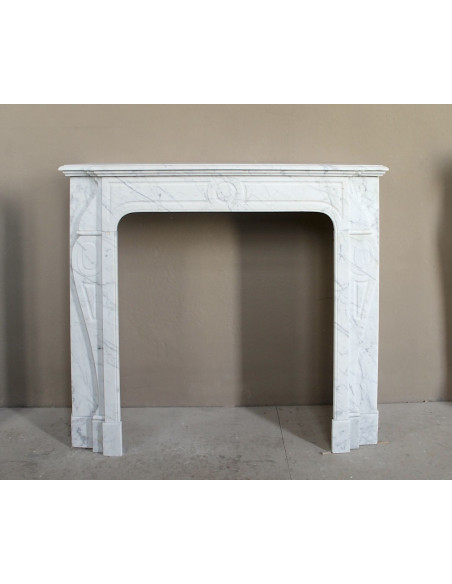
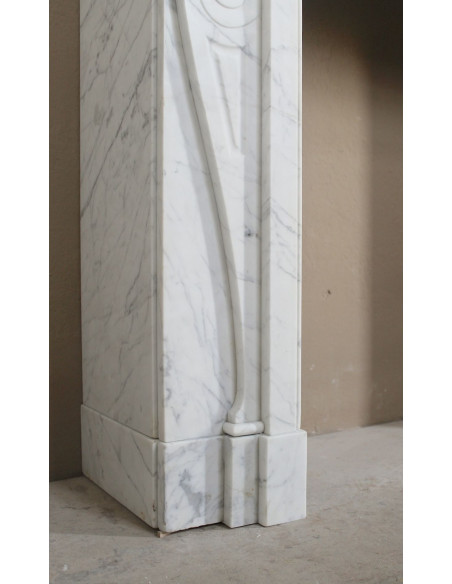
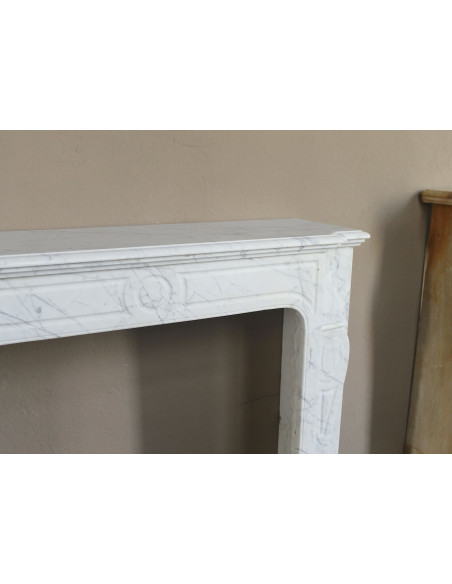
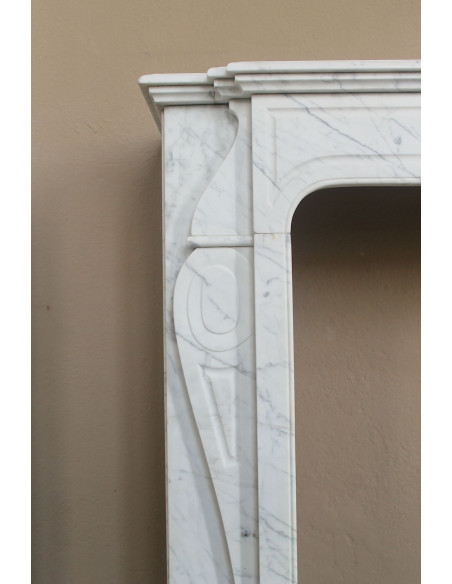
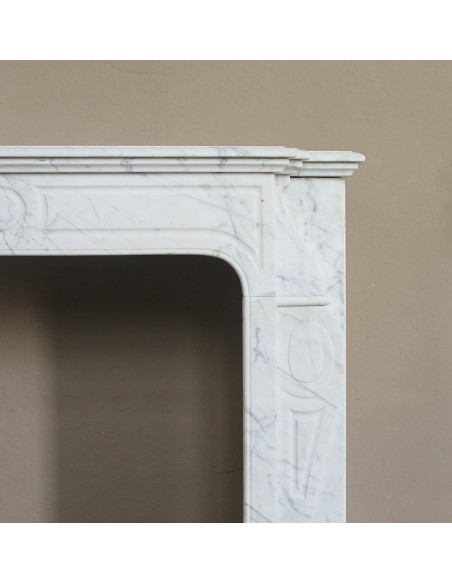
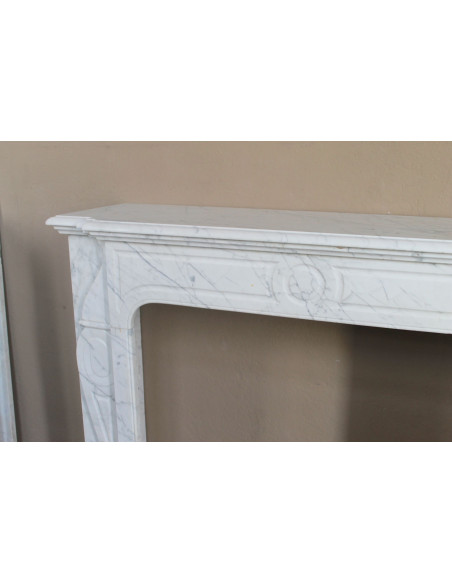
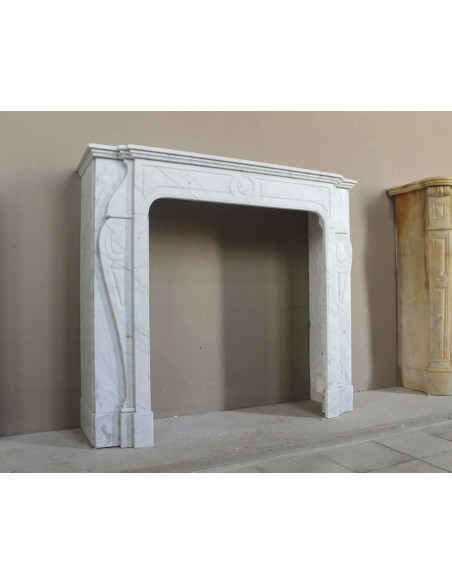
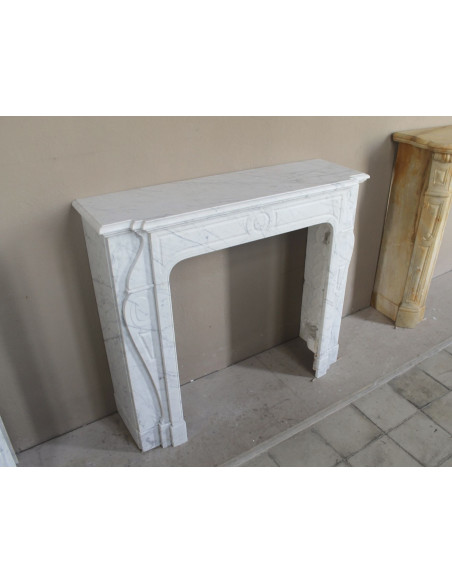
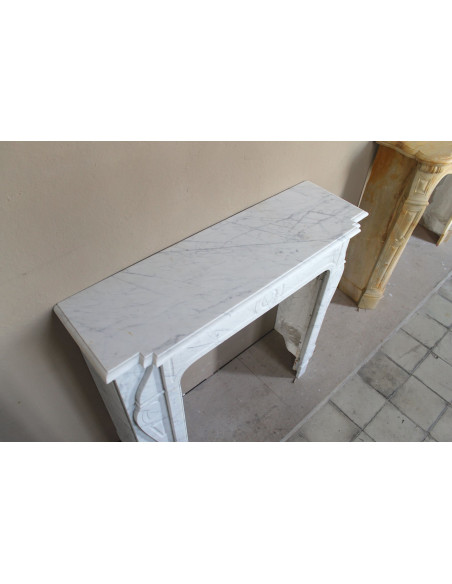
We are in the second half of the 19th century, looking at an authentic French Louis XIV-style antique fireplace mantel that belongs to the architectural history of Paris.
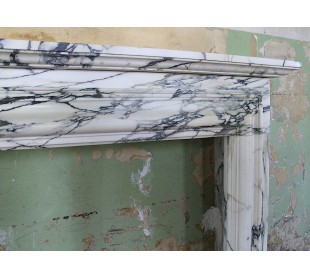
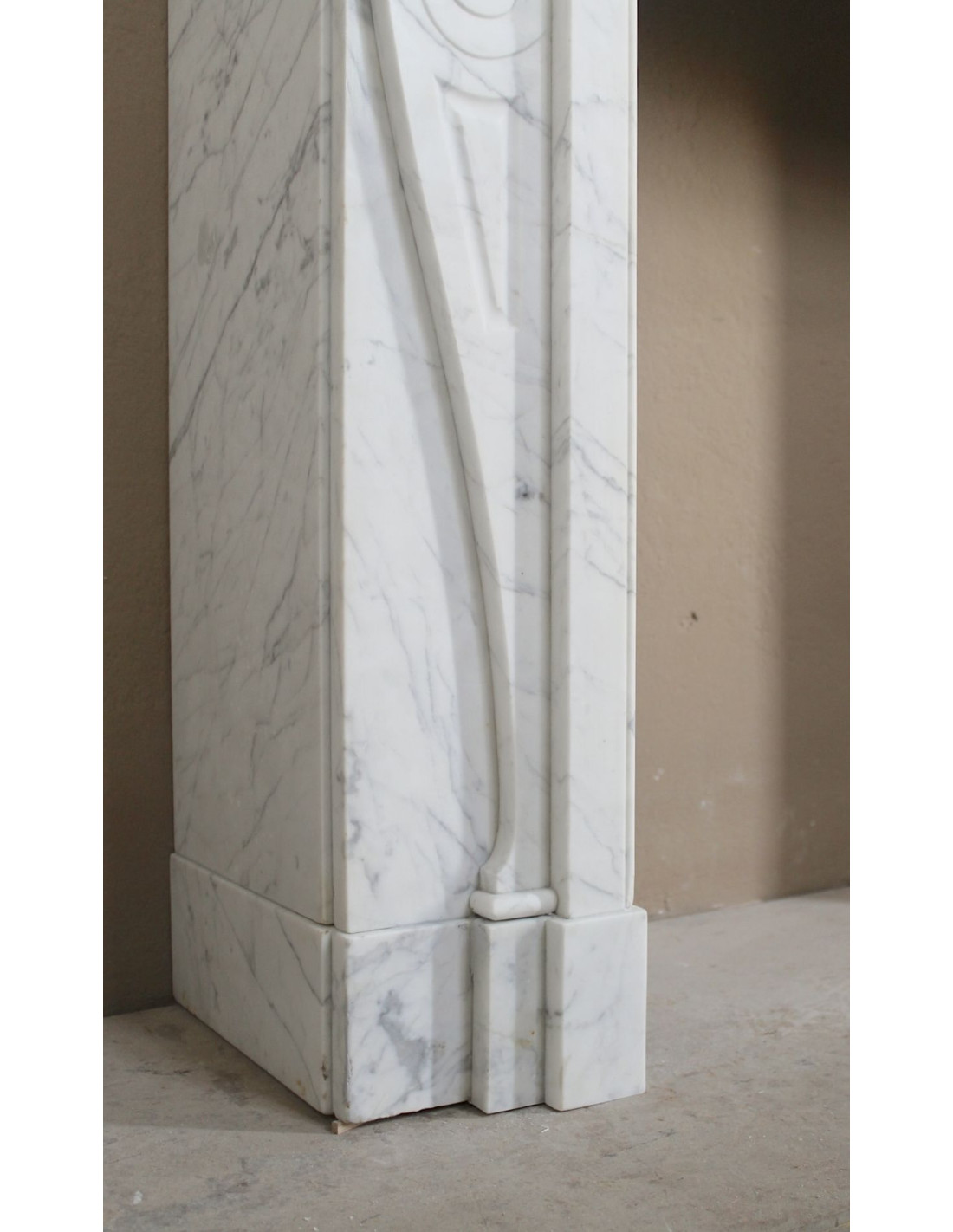
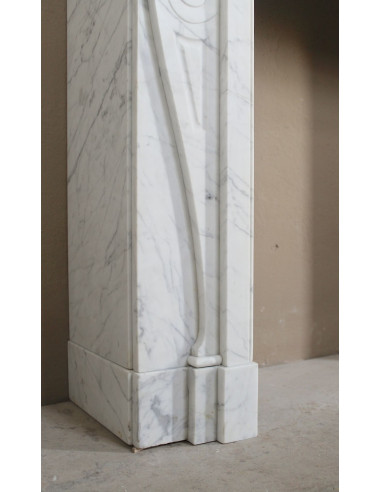
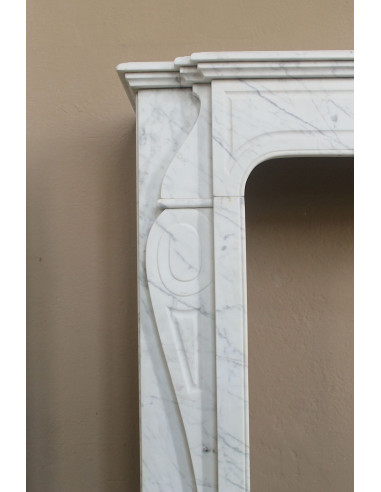
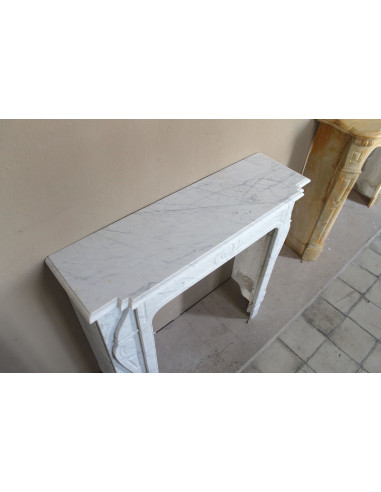
A piece carved from fine white Carrara Venatino marble, with delicate natural gray veining, and lovingly preserved by its previous owners throughout its long life.
But there is one more detail...
A MOST UNUSUAL DETAIL, which I have deliberately saved until the very end of this description because it is...
NOT SUITABLE FOR MINORS!
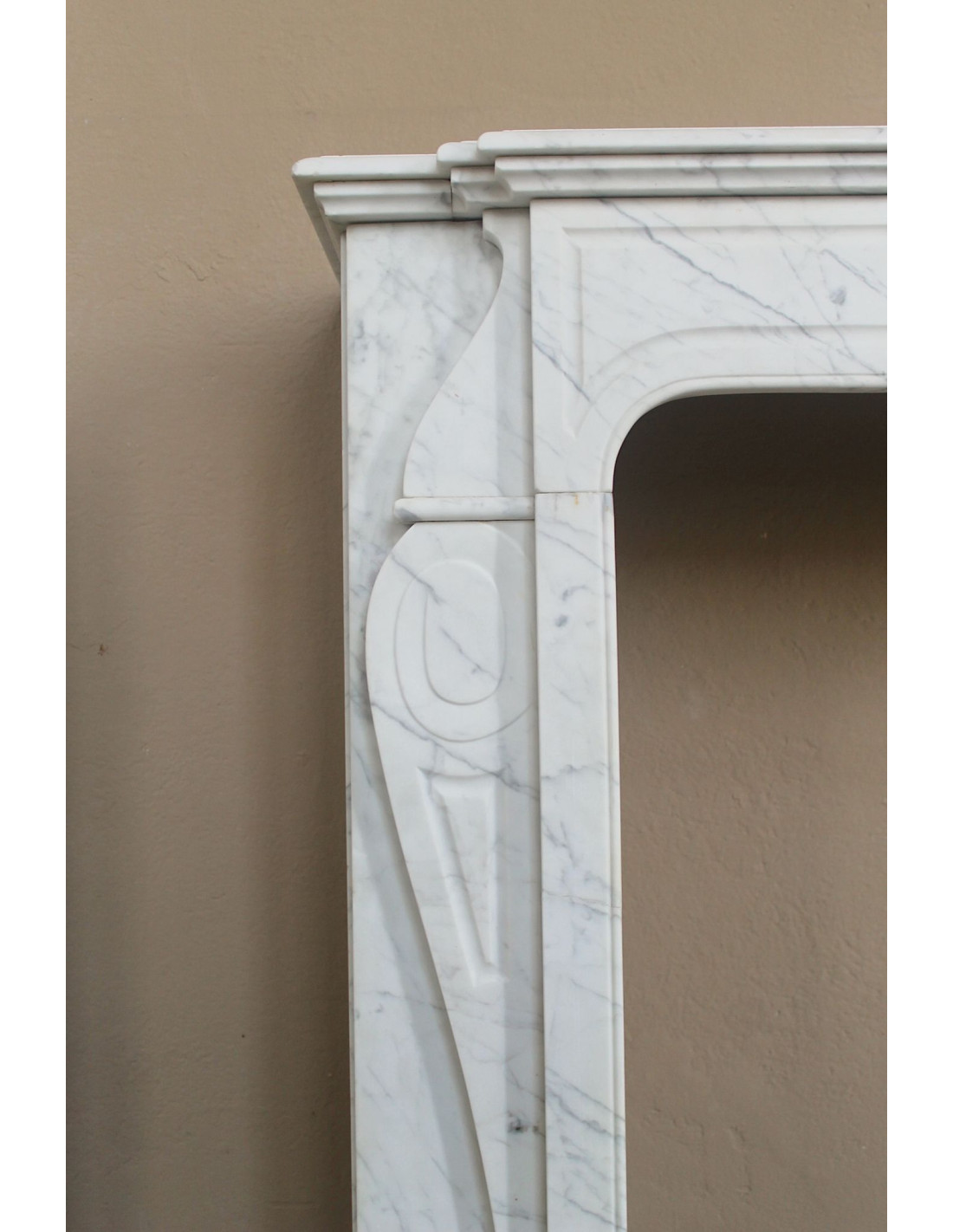
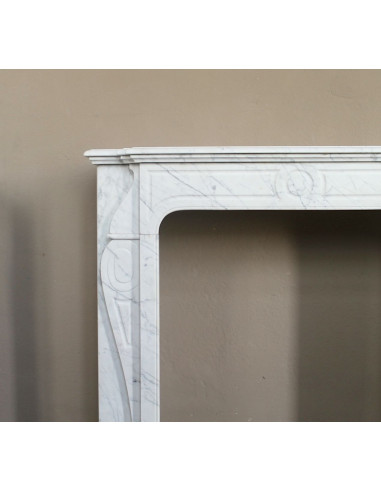
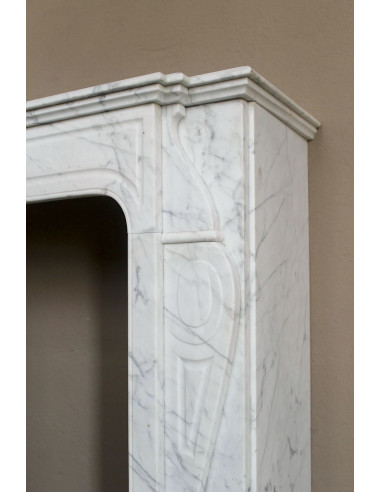
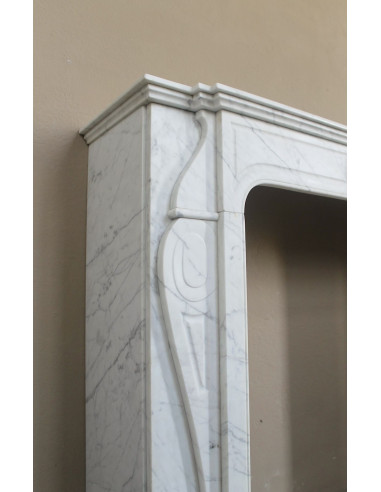
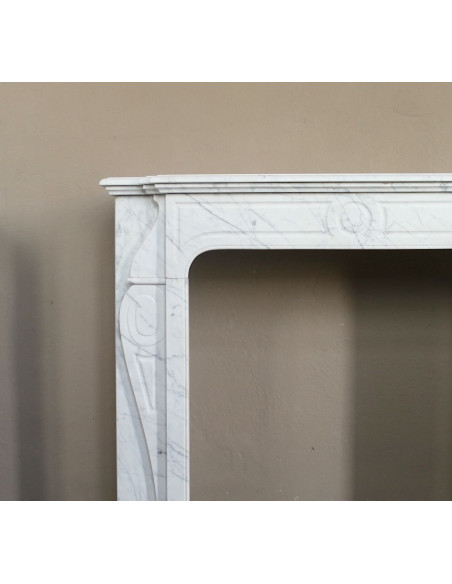
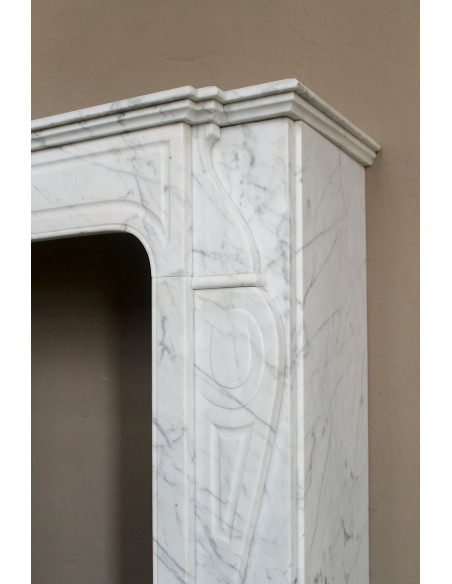
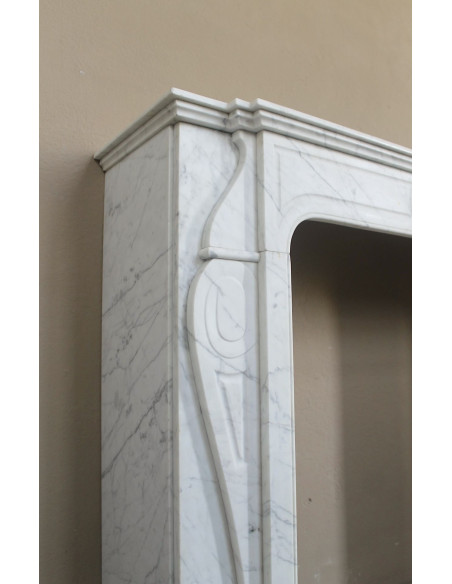
This particular “Parisienne” marble fireplace surround — and no other Parisienne in our collection — features an unusual sculpted addition to its legs.
And what does it represent?
(HERE COMES THE CENSORSHIP!)
Why, the graceful outline of the legs of a certain gentleman's mistress, of course!
My greatest difficulty was determining WHICH of his countless mistresses had so generously revealed her legs to the sculptor, inspiring this rather... provocative decoration.
After an exhausting investigation, I finally settled upon the beautiful Madame de Maintenon, whose romantic affairs, according to the more colorful tales of the French court, were hardly uncomplicated themselves...
And then there was César Phébus, another name in this wonderfully tangled web of courtly romance.
In short, the whole affair was one glorious, royal...
MESS!