
Cast iron fireplaces

SHARE ON:
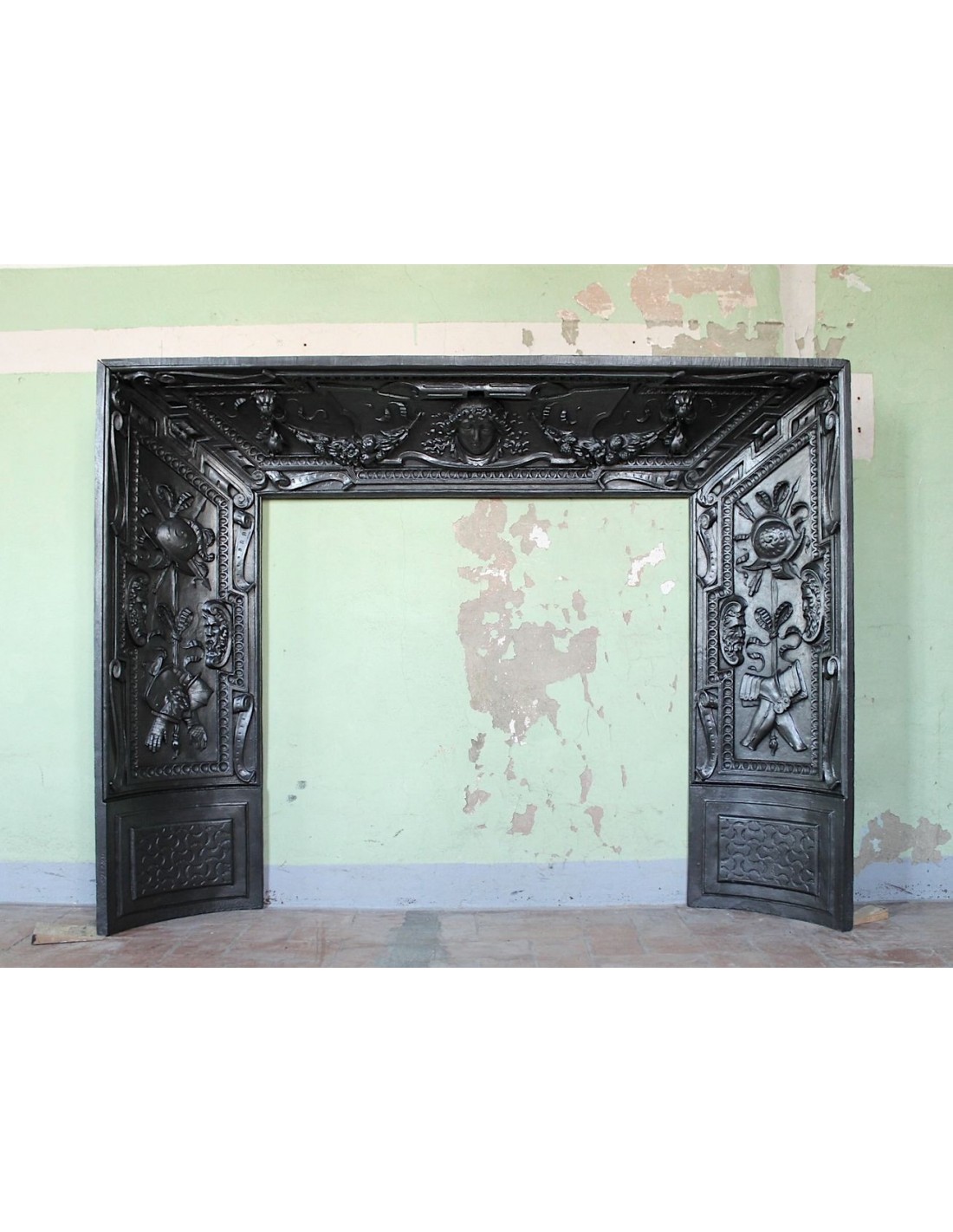
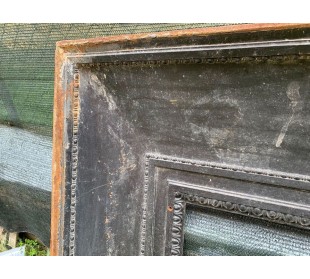
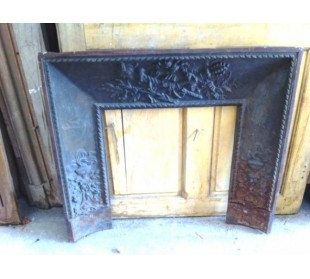
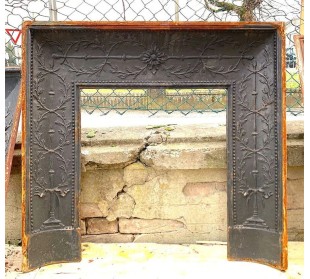
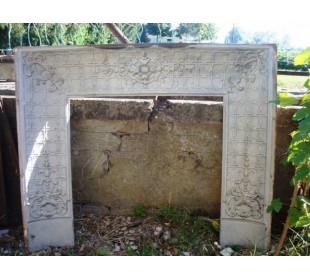
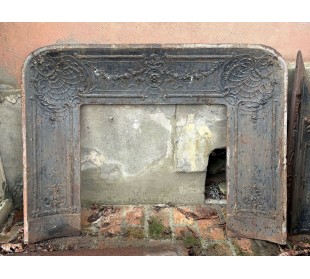
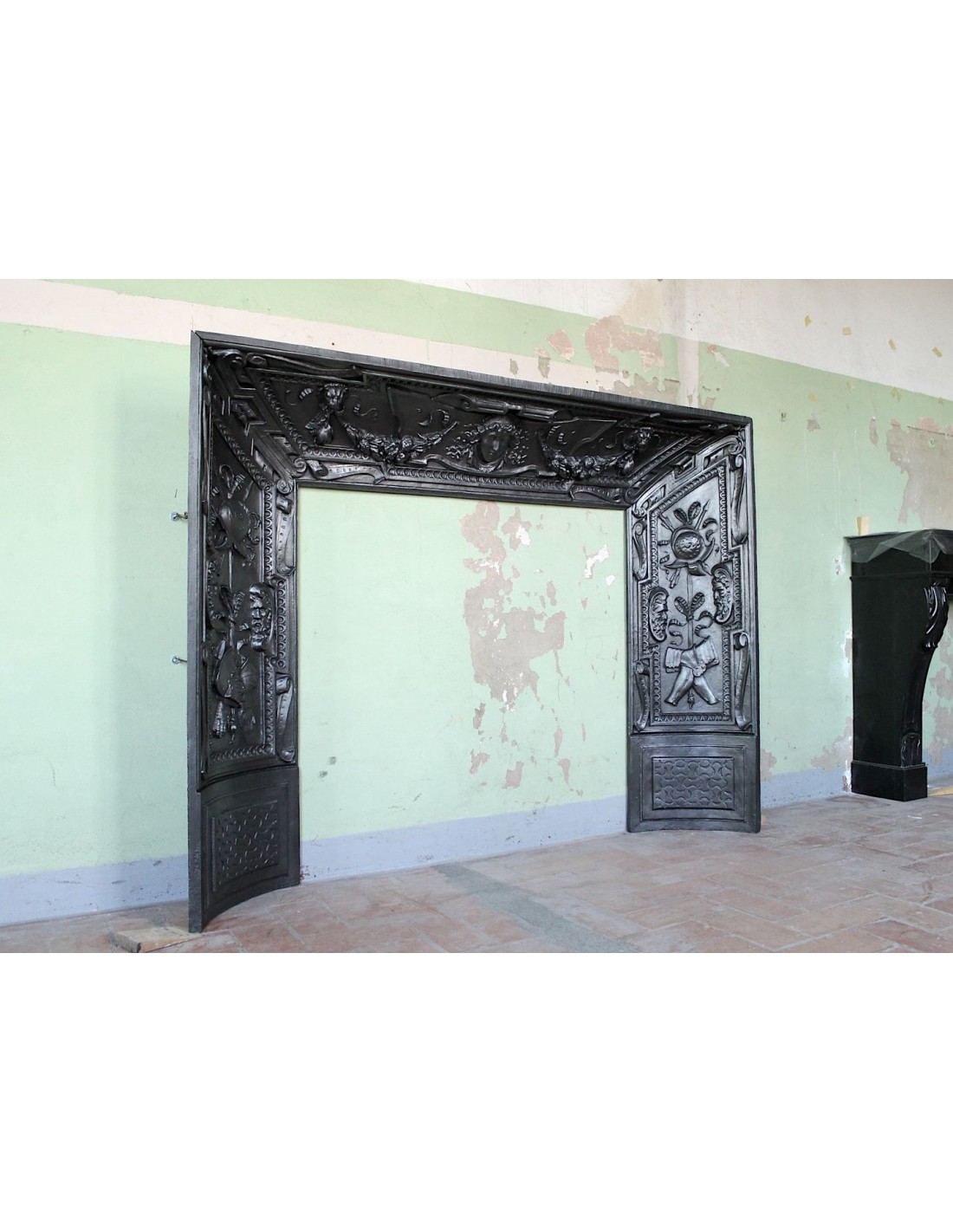
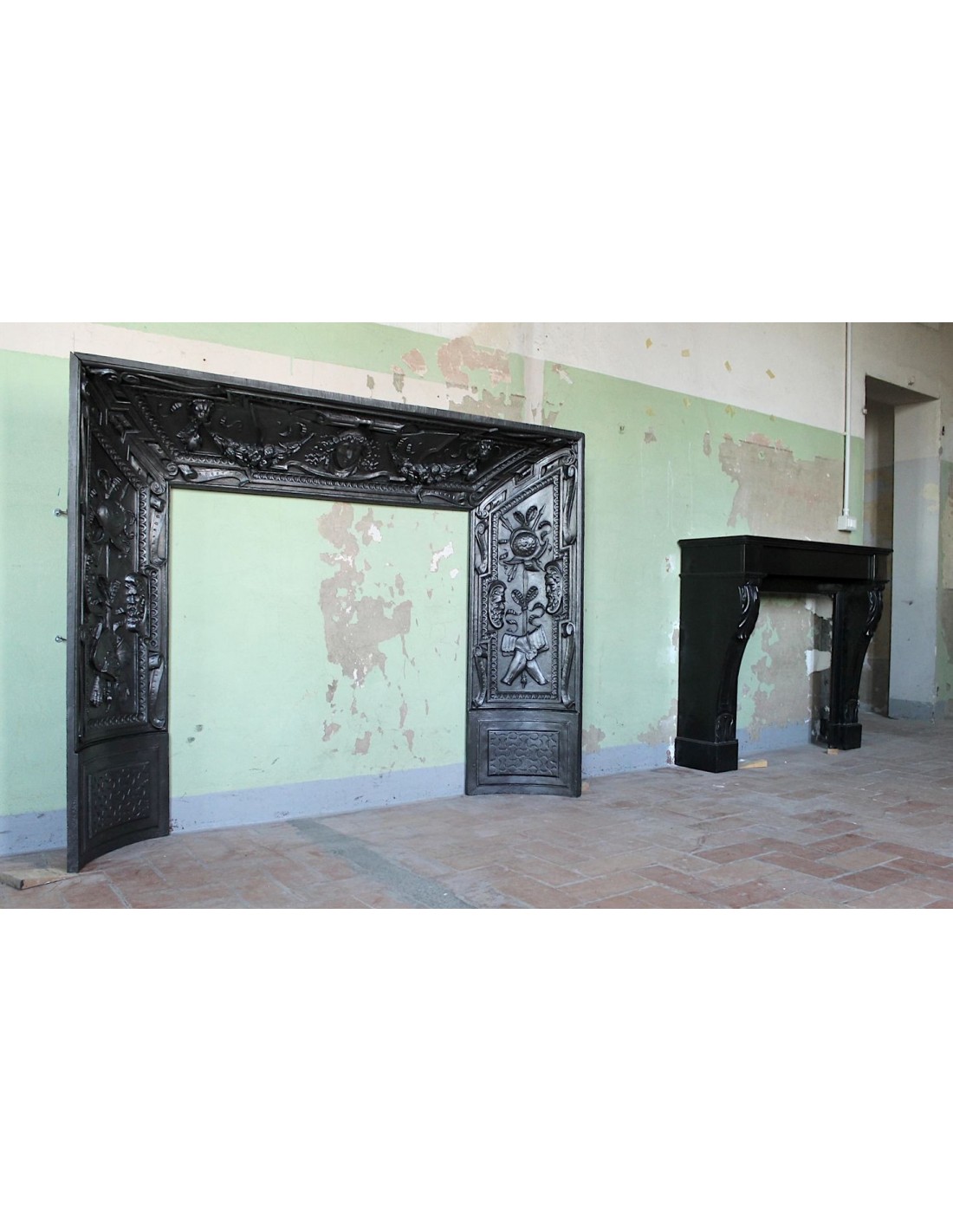
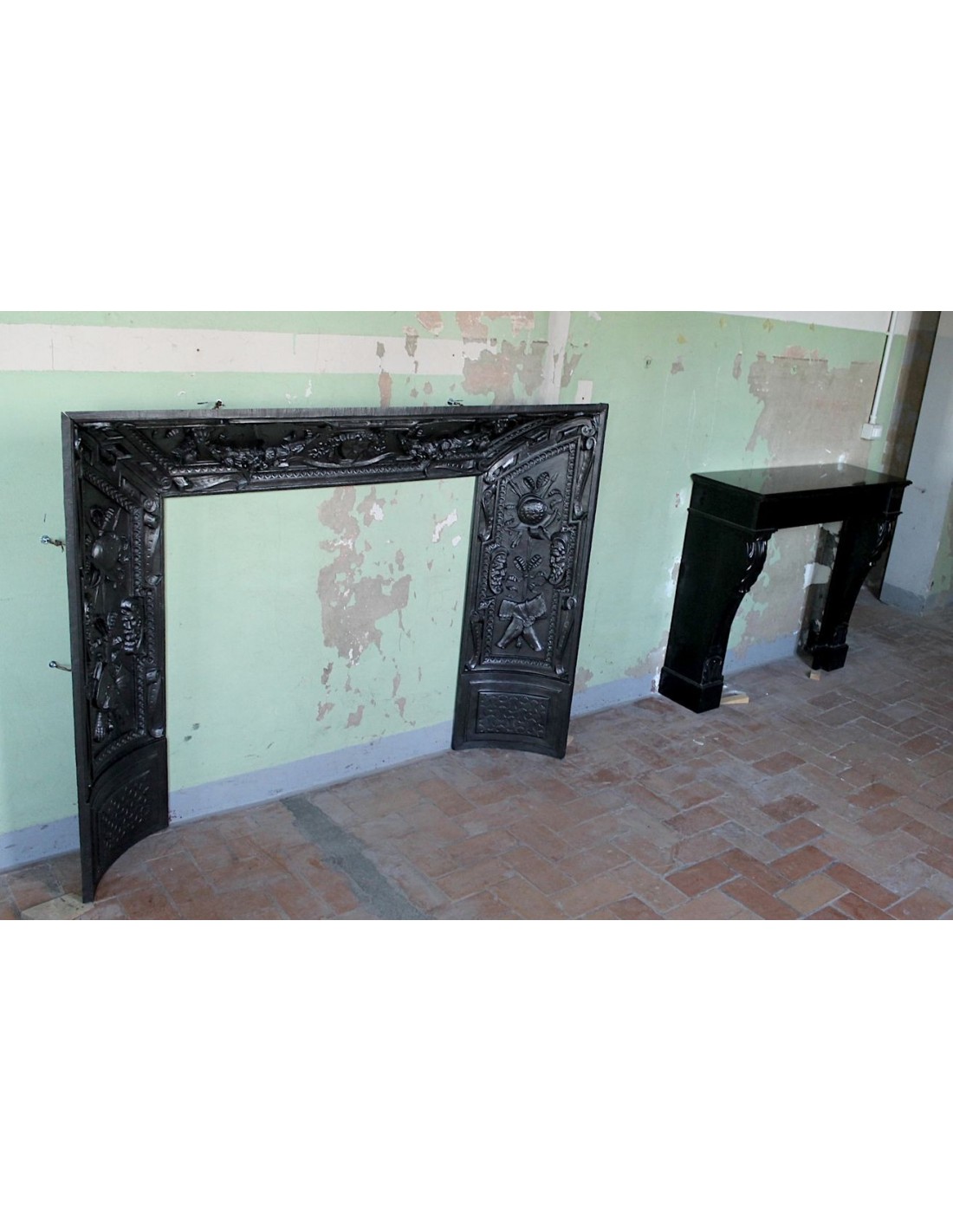
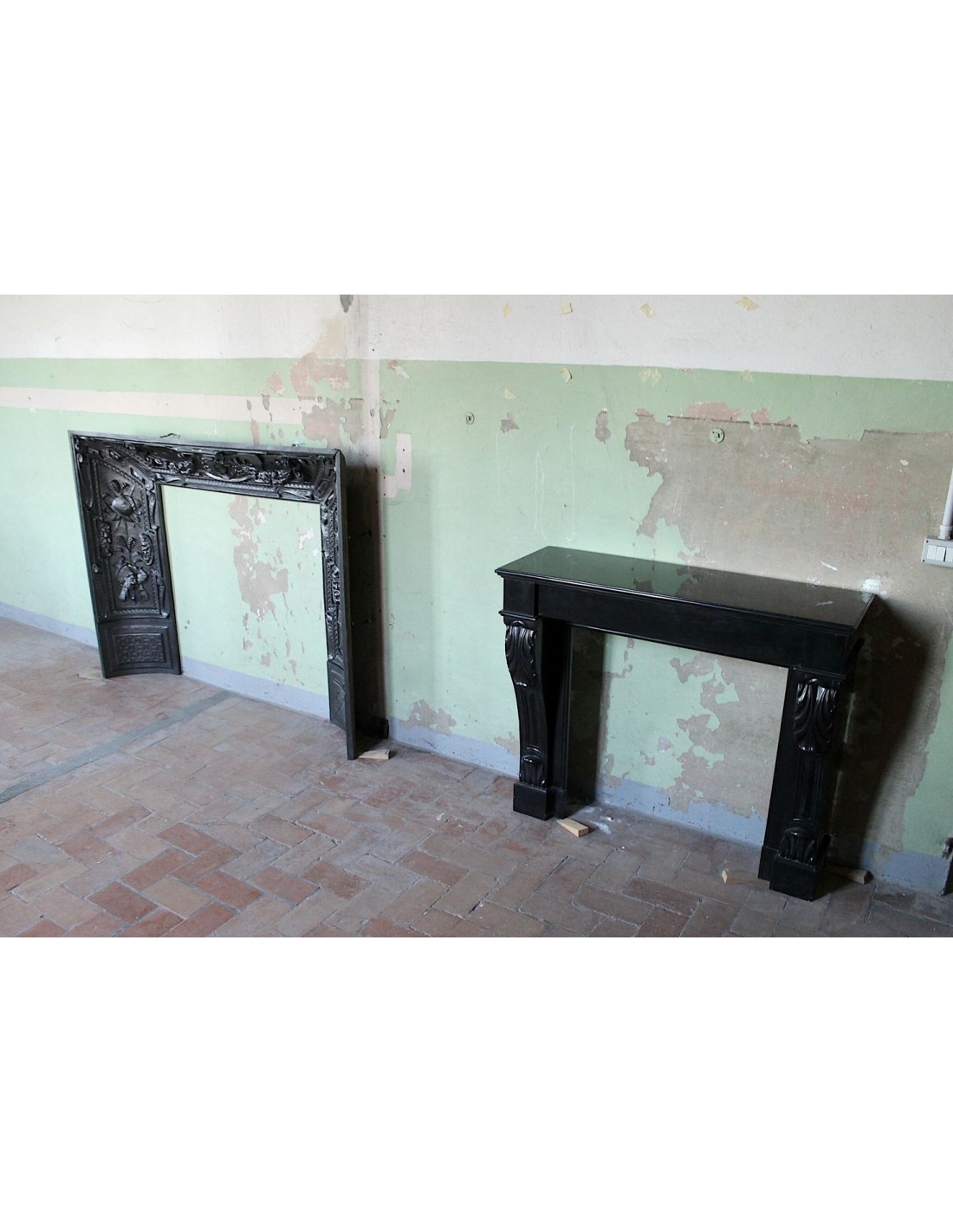
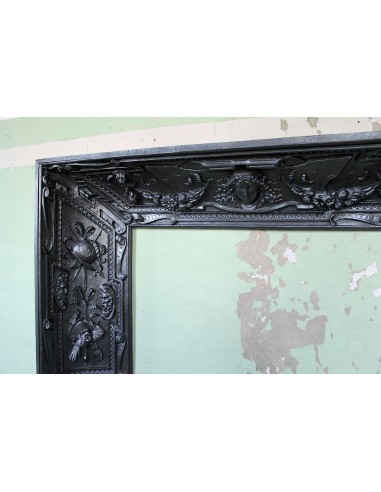
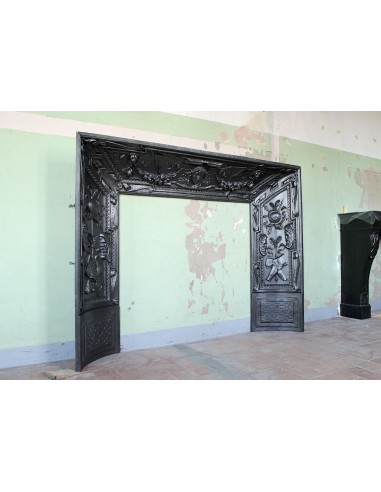
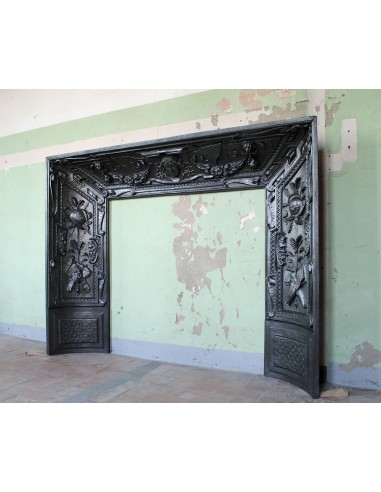
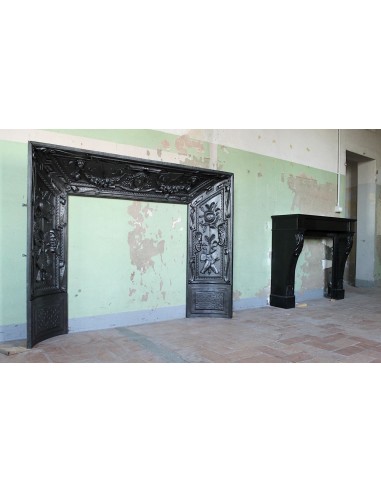
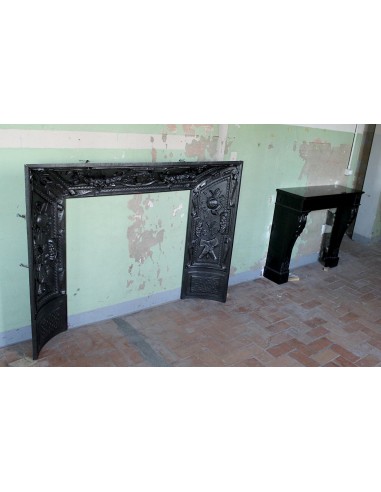
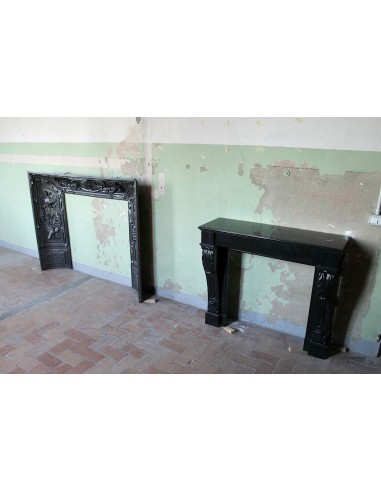
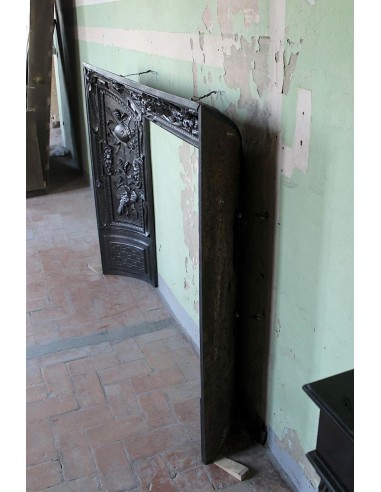
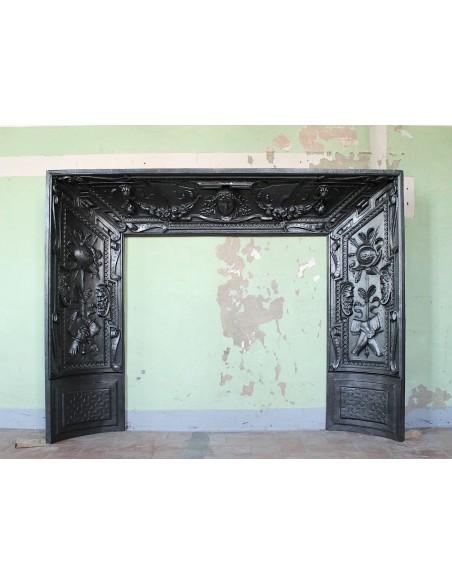
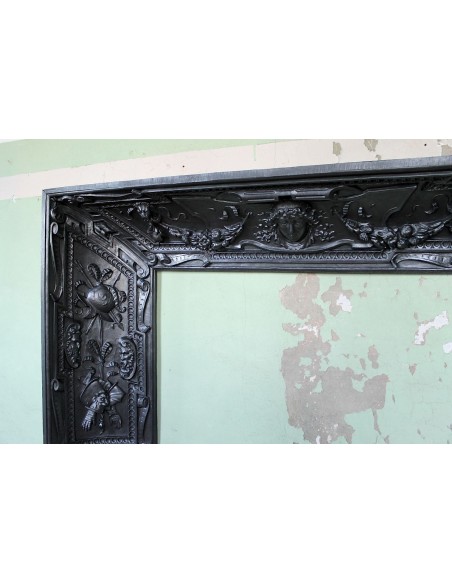
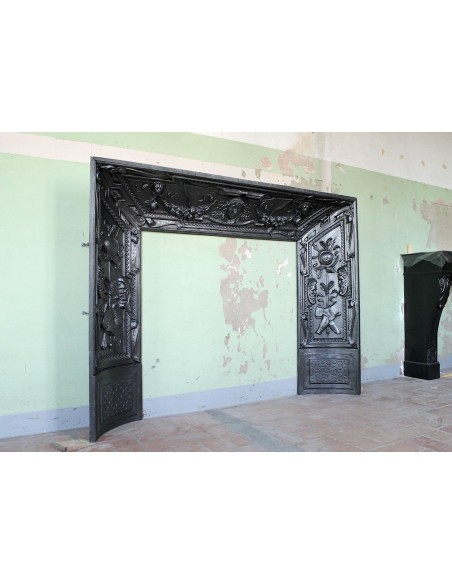
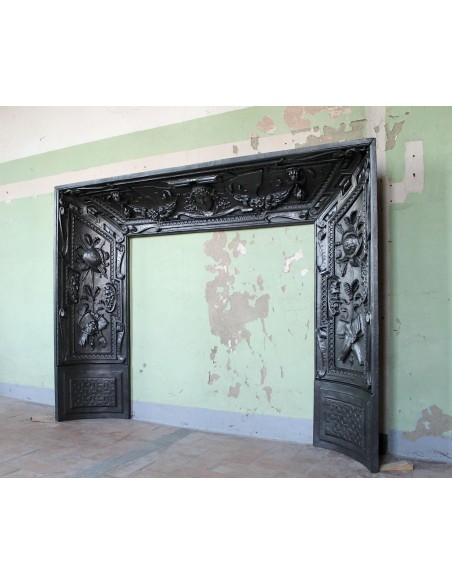
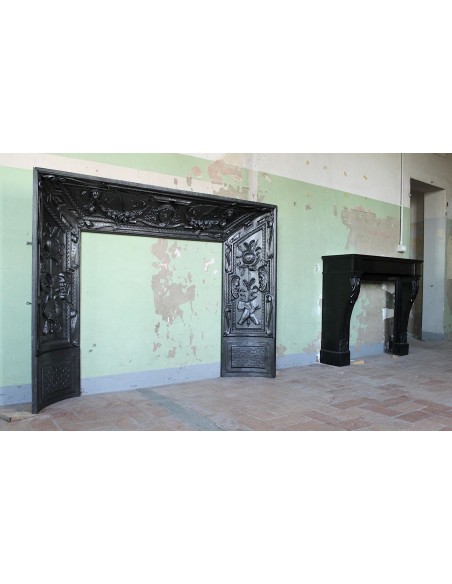
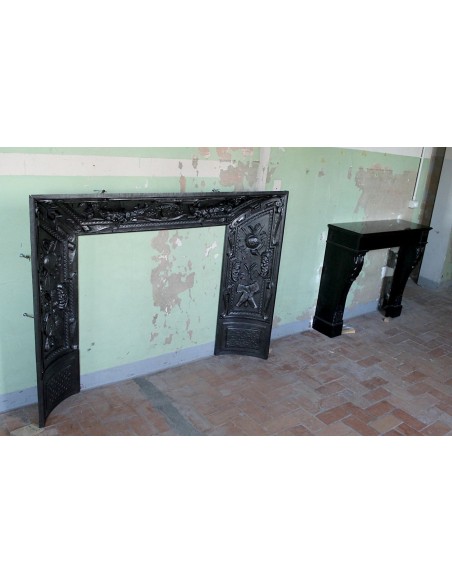
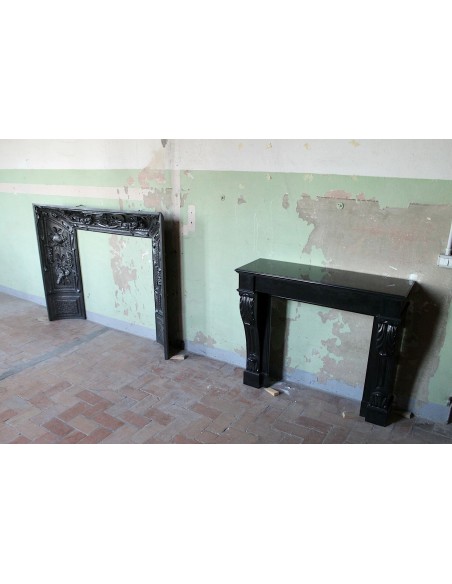
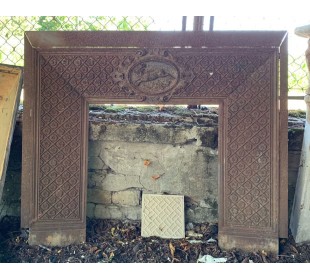
I think it essential to point out to those reading this page how this incredible mantel (evidently inspired by the classic “Contre-coeurs,” mostly also made of artistic cast iron) is THREE TIMES THE AVERAGE OF NORMAL CONTRE-COEUR.
In short, this mantel was supposed to be THE CAST IRON INSERT OF POLYPHYMEUS OR SOME GIGANTIC GODS OF THE OLYMPUS.
AS SOON AS POSSIBLE (we are waiting for the right brightness, without which my son Henry DOESN'T SHOOT ANY DAGHERROTIPS, he's TOO precise, what can you do...), AS SOON AS POSSIBLE, I said, we will insert an image of this mantel in which appears, side by side, a human figure, SO THAT THE METRIC-PHYSICAL MAN-BODY RELATIONSHIP IS BETTER UNDERSTANDED.
BUT CERTAINLY THE BEST WAY TO SAVOR ITS “VASTNESS” IS TO COME AND SEE IT IN PERSON, THIS MANTEL.
ANOTHER REASON TO COME AND SEE IT LIES IN THE FACT THAT THIS FUSION (IT'S ABOUT 300 KG OF ART AND HISTORY) IS UNDOUBTEDLY A “ONE-OF-A-KIND PIECE.” None of the insiders have ever SEEN anything like it, not even anything resembling it.
WELL, NOW THAT WE HAVE TRIED TO SPECIFY ITS SIZE, LET US COME TO SEE ITS CHARACTERISTICS.
First, its stylism, undoubtedly NEOGOTIC.
But the Neo-Gothic, a stylism that, by the way, with its decorative oddities (some called them “madness”) will give way to Art Nouveau, is something more than a style, IT IS DREAM, IT IS MEMORY, IT IS HISTORY, IT IS A DECORATIVE COMPLEX THAT SPANTS ALMOST A THOUSAND YEARS, BEGINNING FROM THE DISAPPEARANCE OF ITS ANCIENT, THE REAL GOTHIC STYLE, traversing not only Architecture but also all other manifestations of decorative art, such as goldsmithing, sculpture, even stained glass or textiles. . COULD WE HAVE MISSED THE FIREPLACES!
OF COURSE NOT, BUT GENERALLY NEO-GOTHIC FIREPLACES WERE MADE OF MORE “TRADITIONAL” MATERIALS, SUCH AS MARBLE, STONE, WOOD..
Bored?!
Well, I can understand you (I, too, used to snub Art History class in high school, it bored me like religion class..), but you also try to understand me, I have an obligation to subject you to this historical disservice to ennoble this very rare mantel and give a solid foundation to the price you see at the beginning of the card.
Let us now come to an understanding of its (many and almost borderline insane designer's) decorative figures.
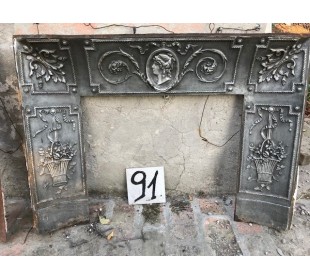
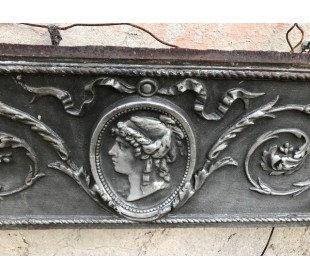
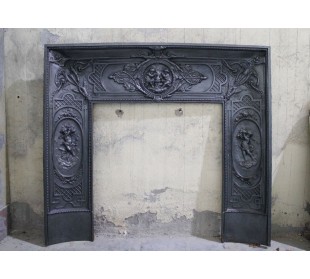
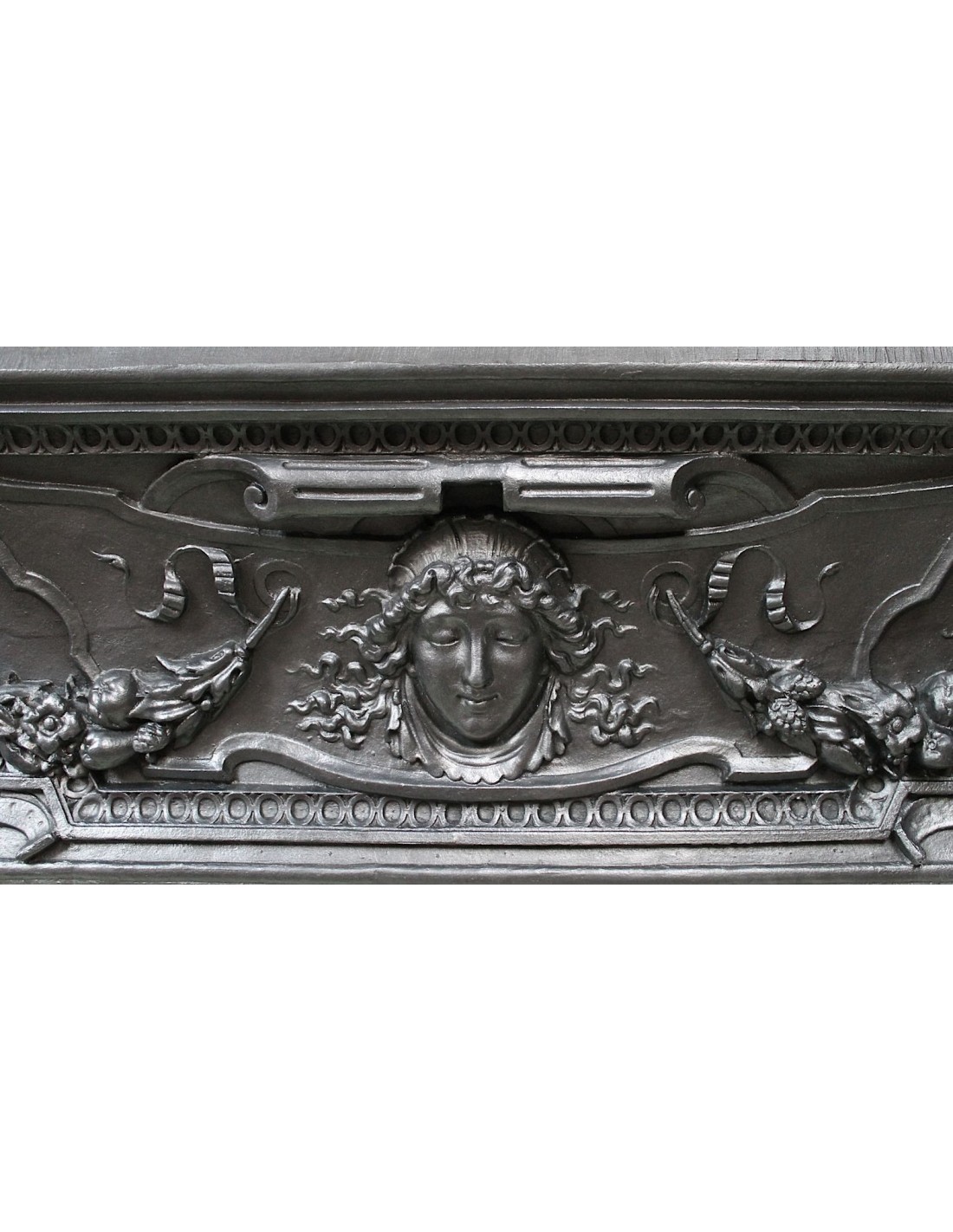
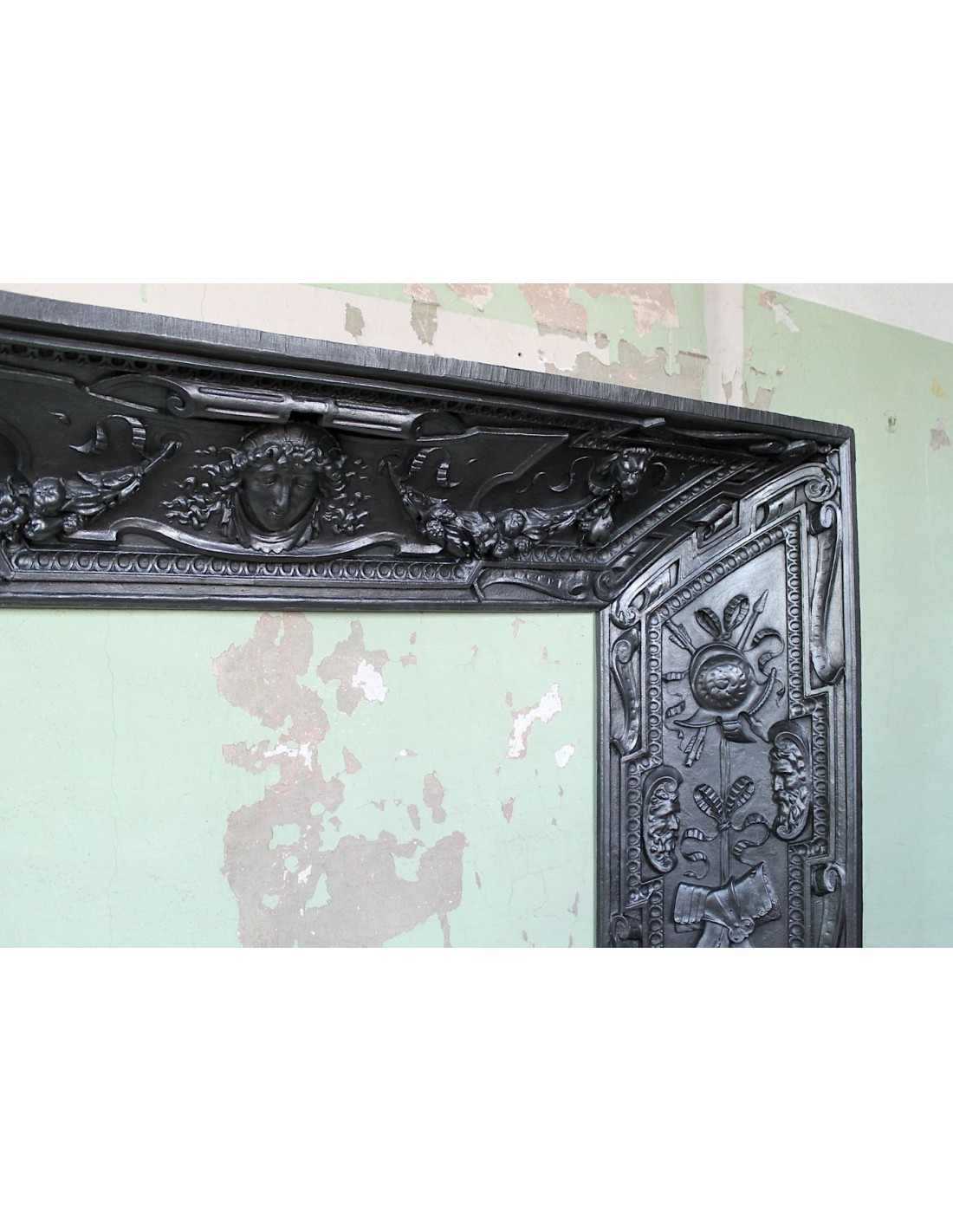
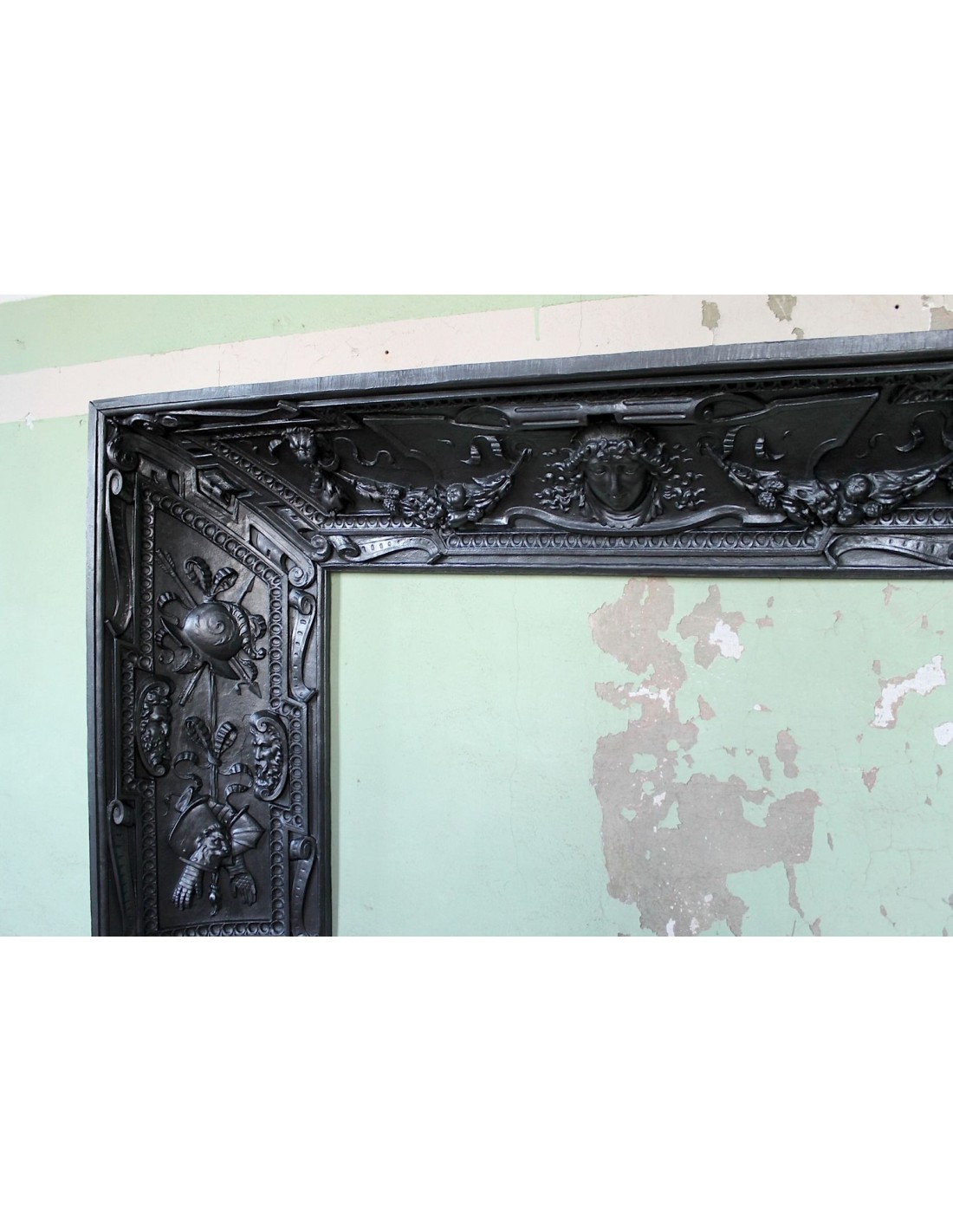
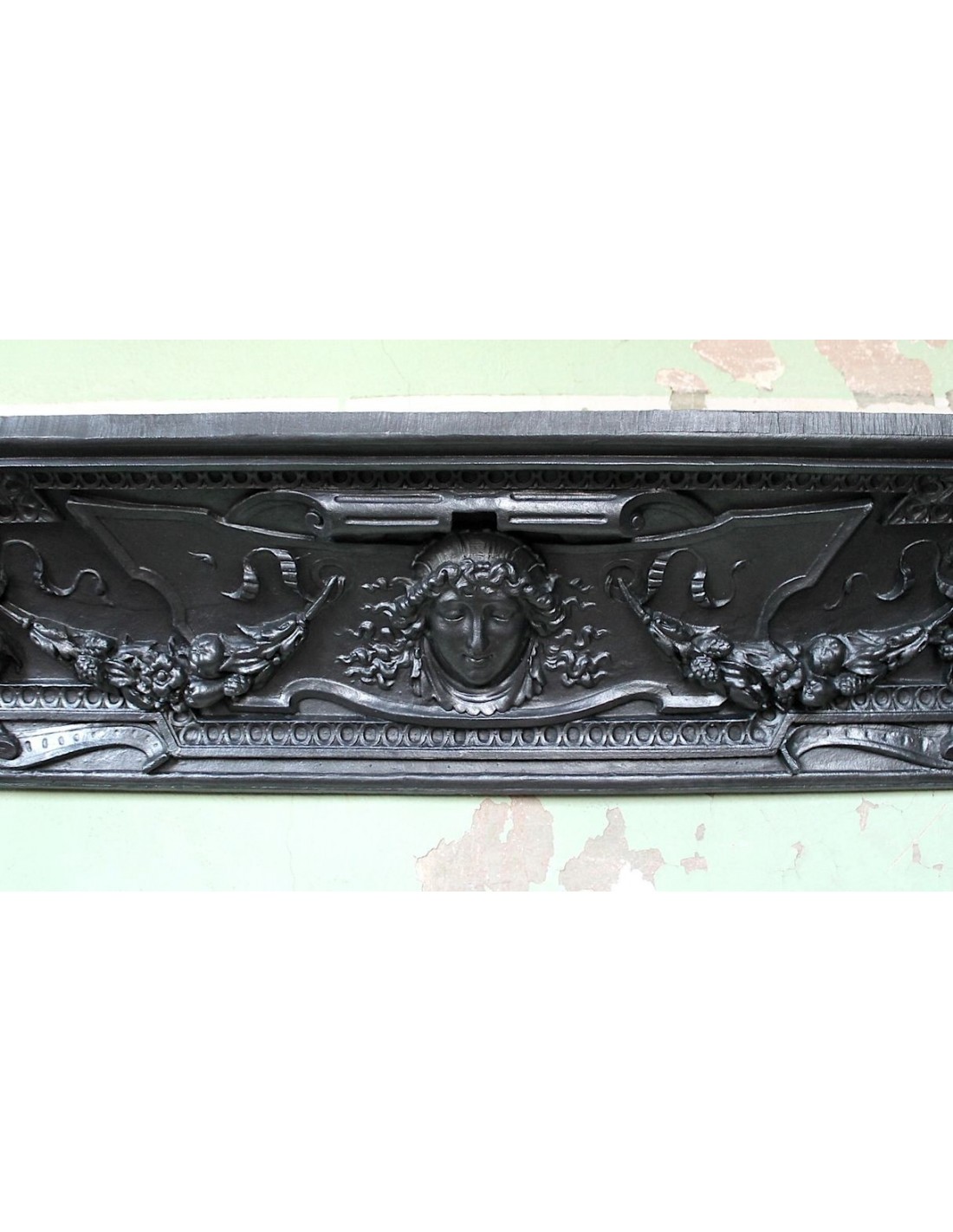
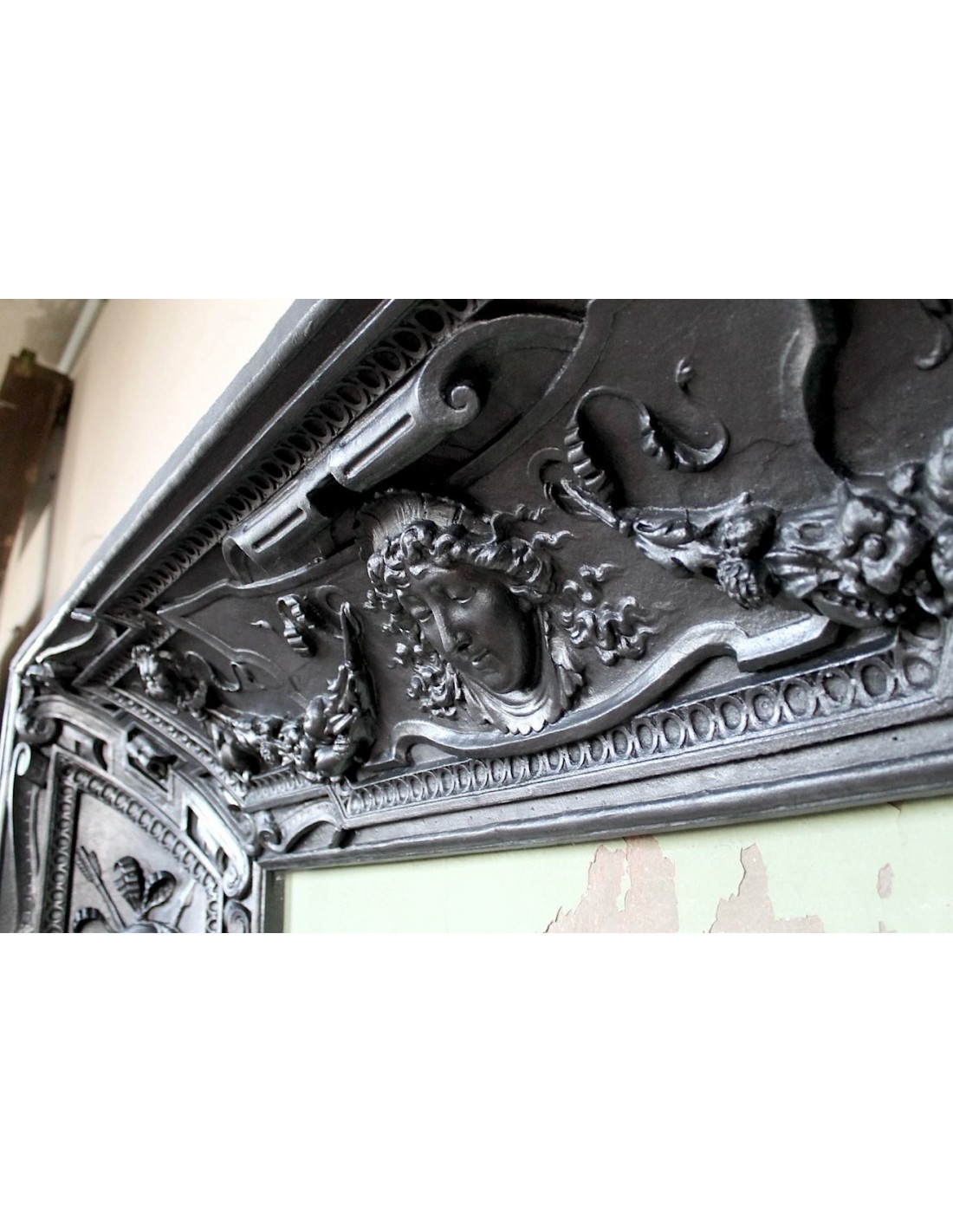
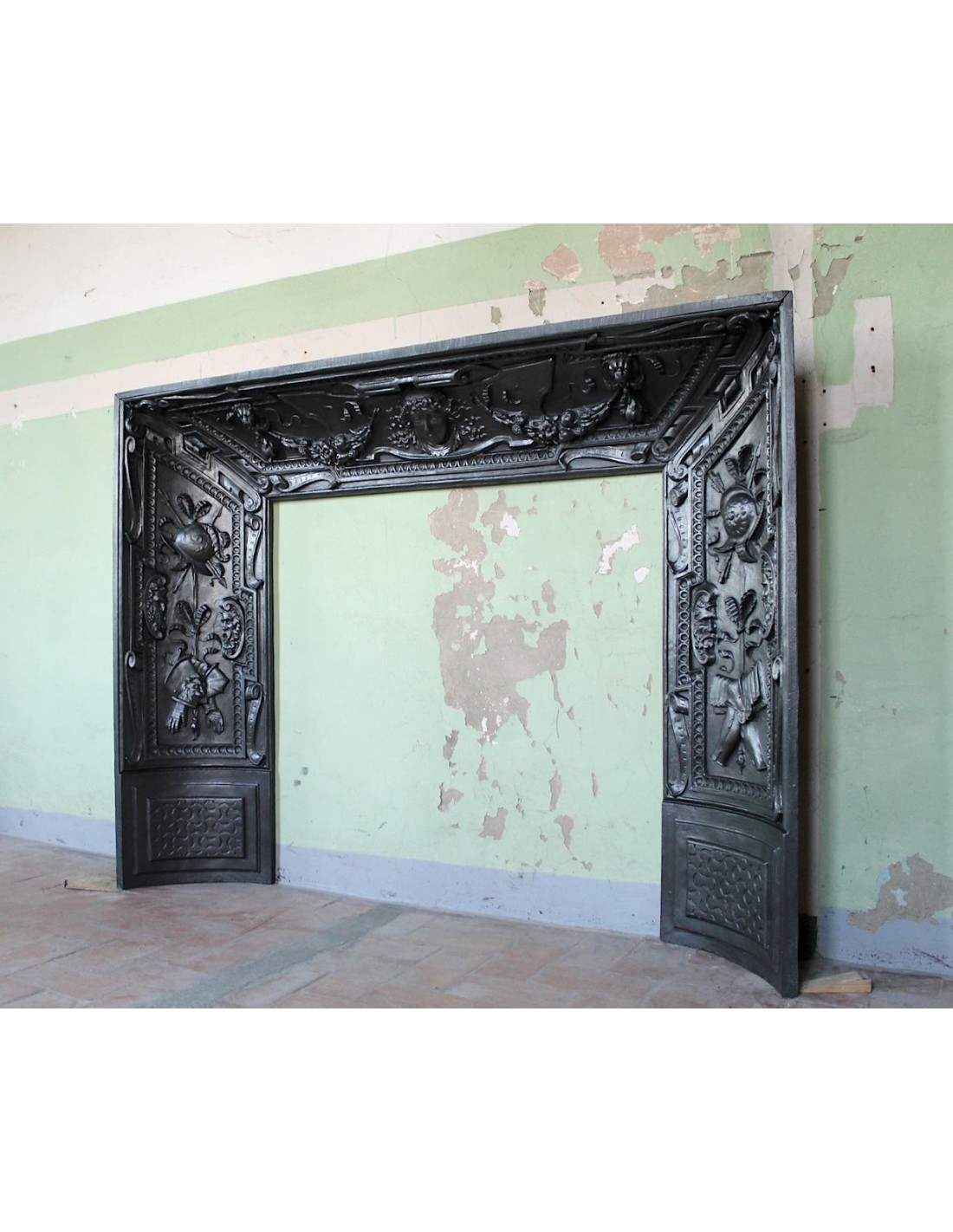
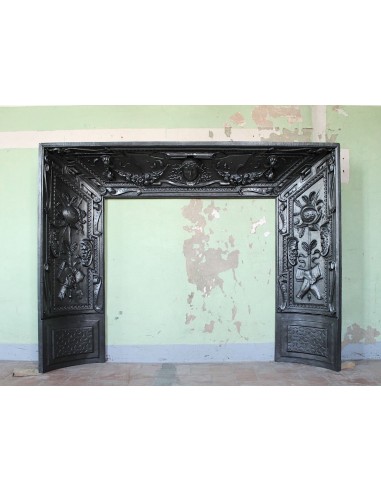
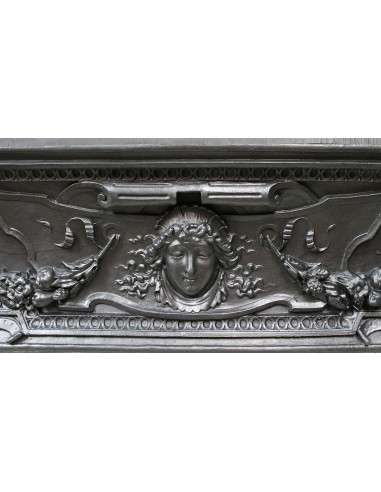
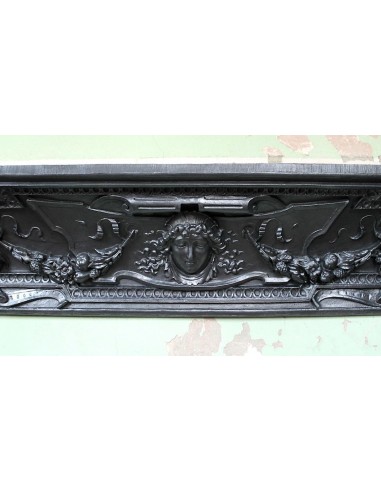
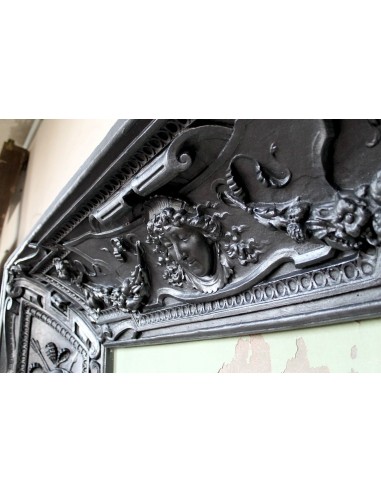
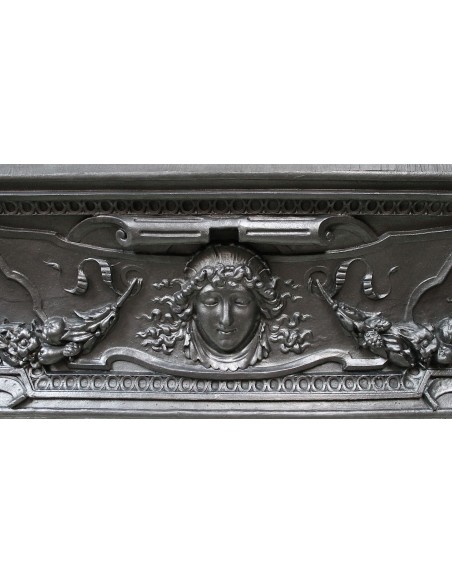
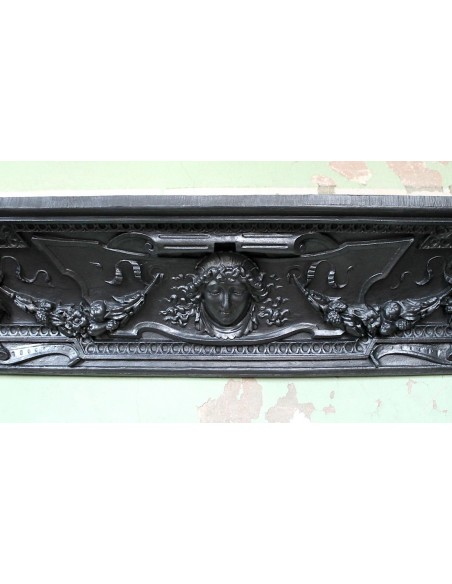
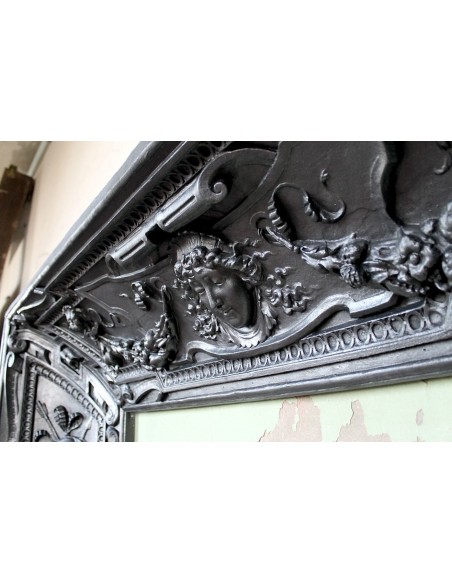
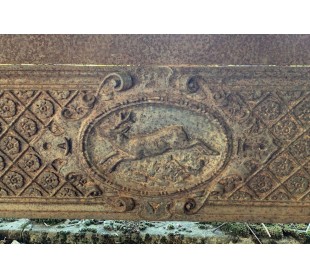
In the center of the pediment (in a fireplace it is the most noble position par excellence) is the classic “Turreted Woman,” which, for many Western populations, essentially represents the Fatherland. In Italy it was also minted in several coins in the days of the Lira (remember that!? It means you are old, better to pretend you don't know about such things). In France the turreted woman (the mythical warrior “Marianne”) represented one of the most important aspects of the Fatherland, that is, its FREEDOM and is still present in the hearts of its people. And it is precisely of the Marianne the face represented in this work of art, one can recognize it by the happily “disheveled” hair proper to a heroine on the barricades, a posture in which the Marianne was a thousand and one times represented and glorified by the most important artists of Europe. Above I have given two examples of the best known to us Italians, but the turreted woman is present a little in all the Western Homelands and I think that, underneath, perhaps unconsciously. more than the Homeland, she represents THE MOTHER, THE ONE WHO BEGGED YOU TO THE WORLD, LOVED AND PROTECTED YOU AT ALL COSTS..
THERE, THE PRESENCE OF THAT TURRETED WOMAN IN THE CENTER OF THE FRONTAL IS A TRIBUTE, AN ACKNOWLEDGMENT, A MANIFESTATION OF LOVE TOWARD THE MOTHER (AND THEN, IF YOU WILL, ALSO TOWARD THE MOTHERLAND, BUT WITH MUCH LESS MOMENTUM).
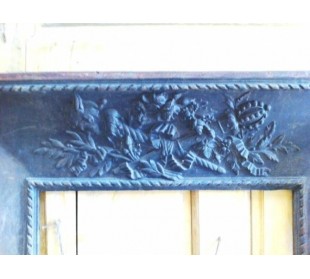
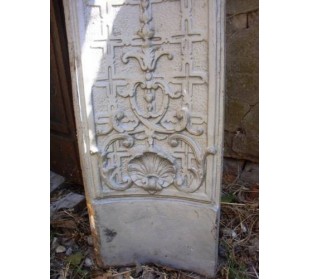
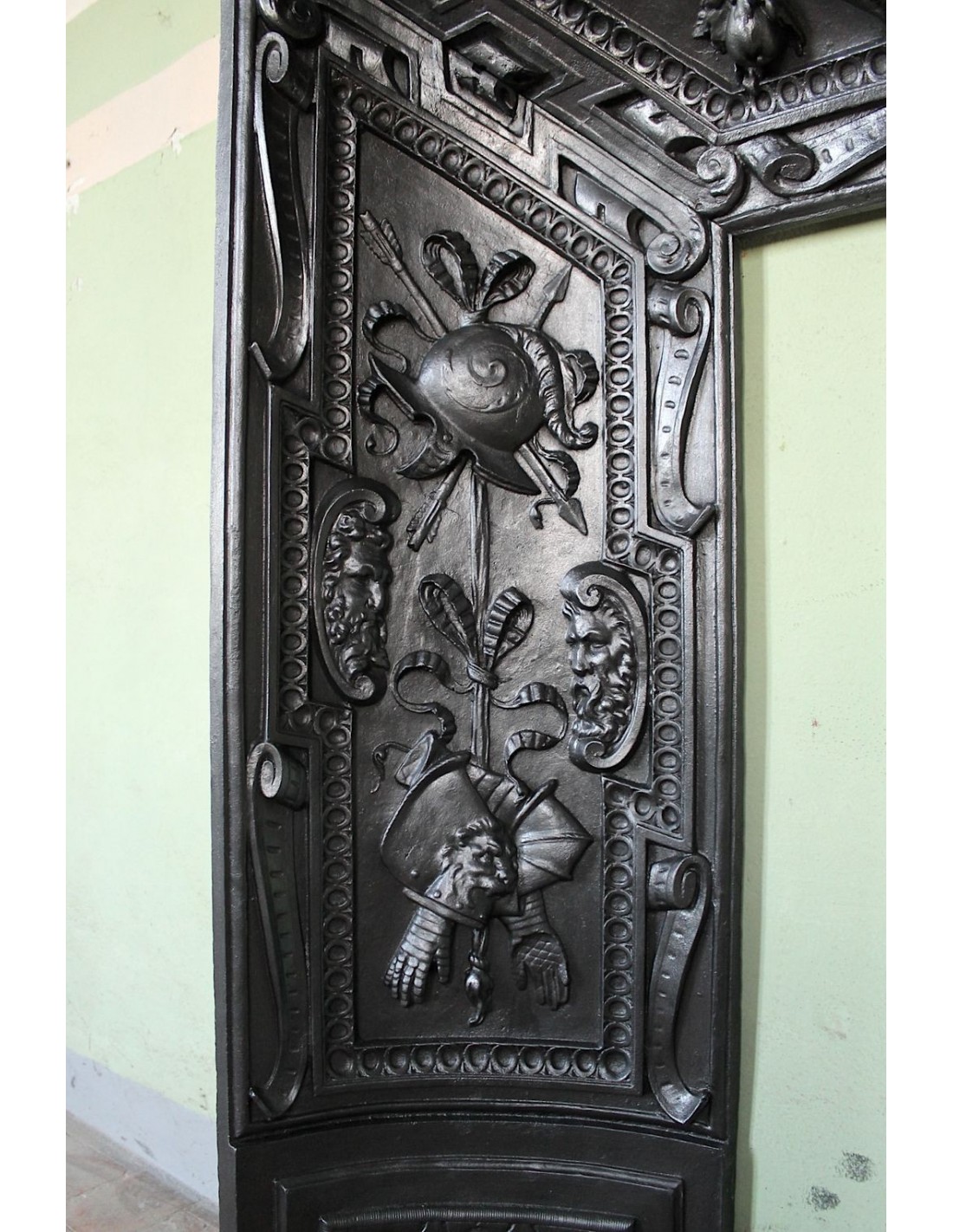
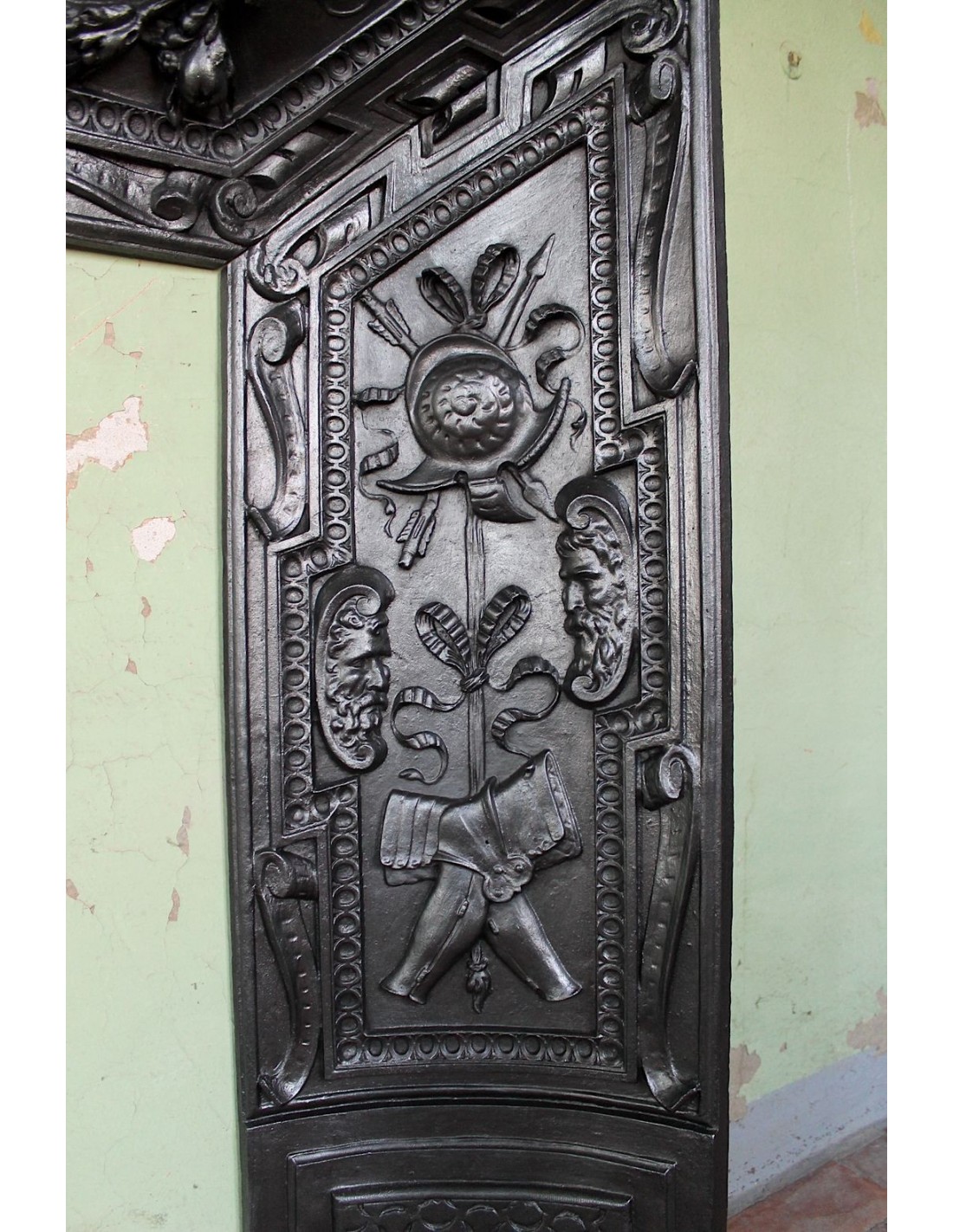
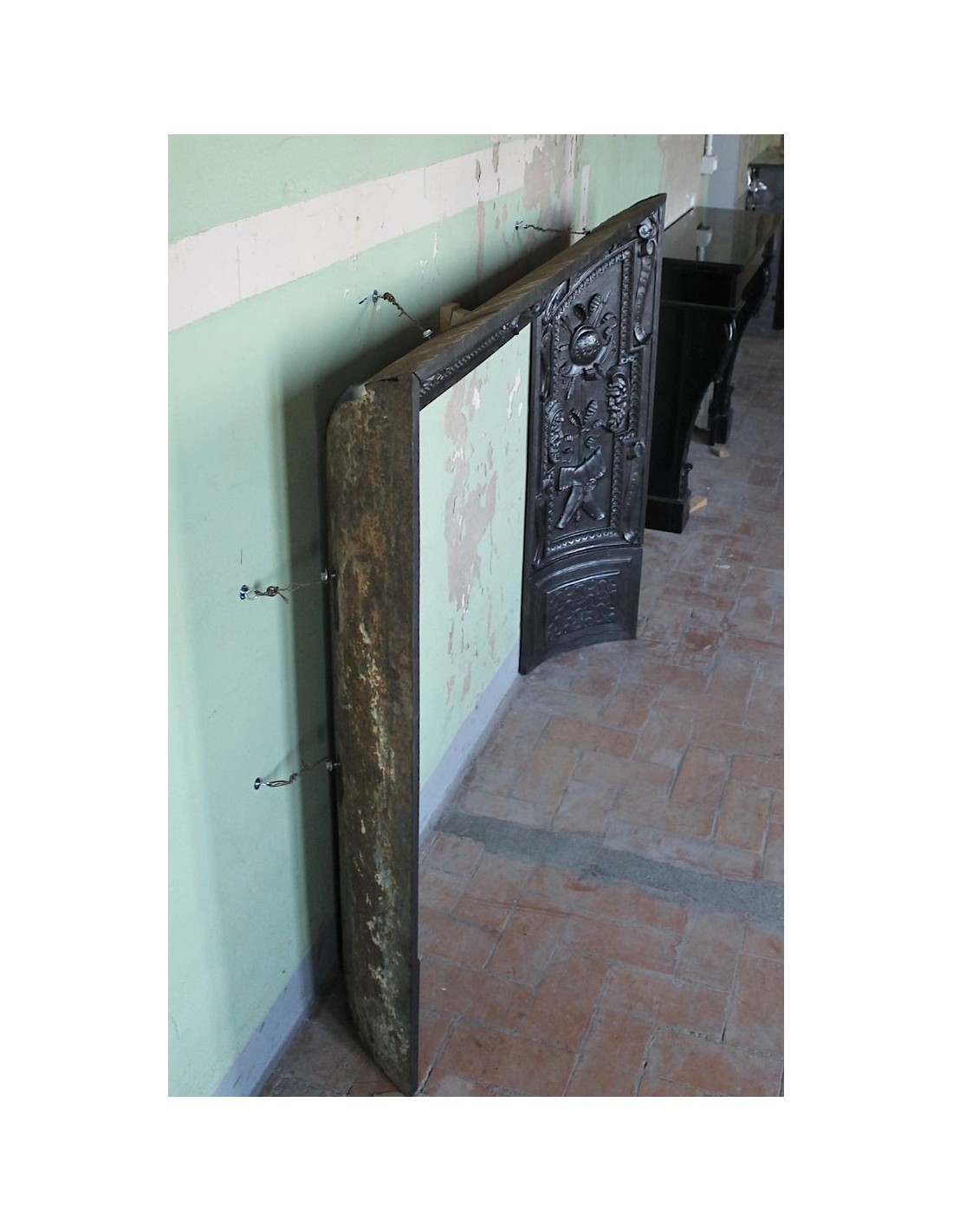
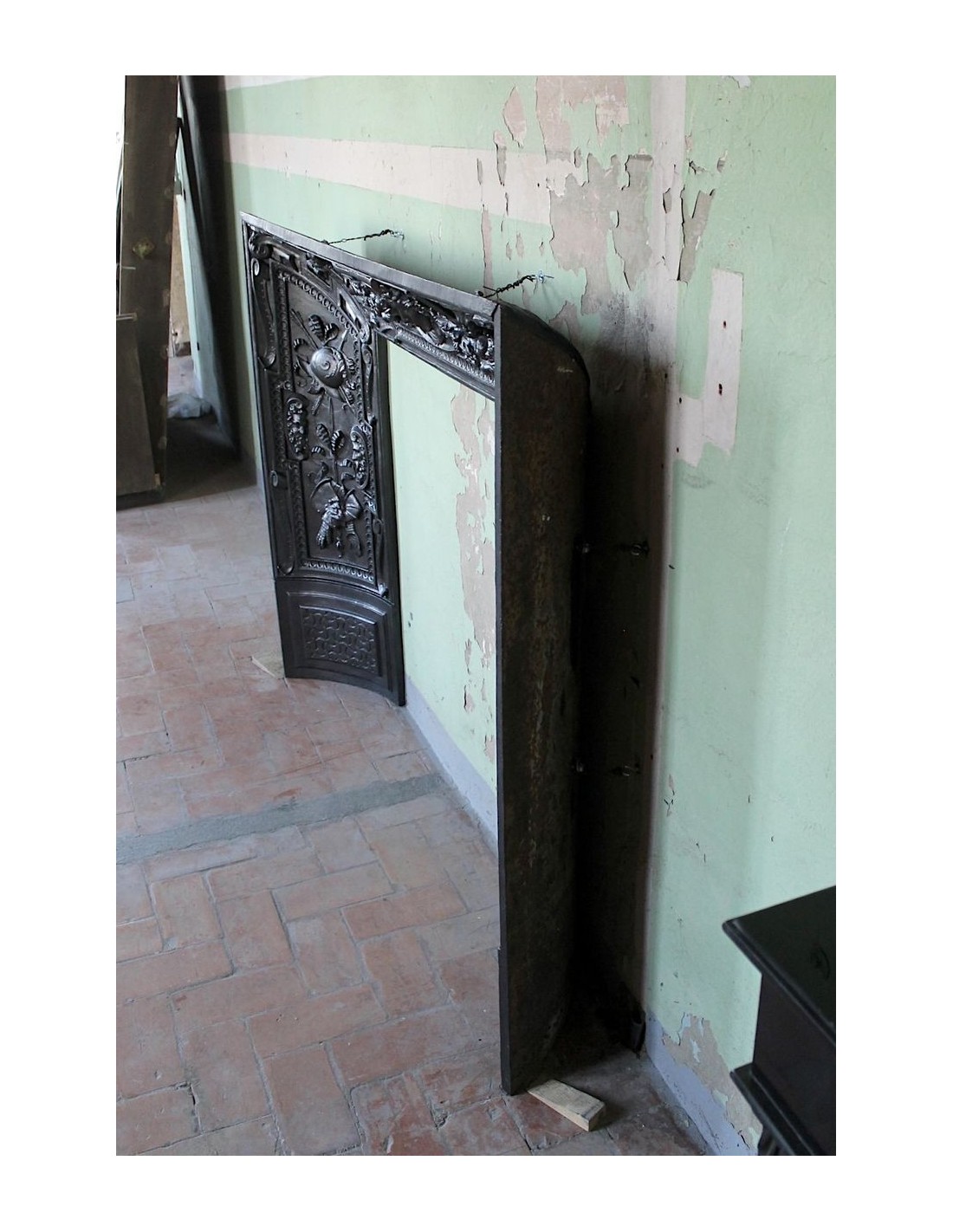
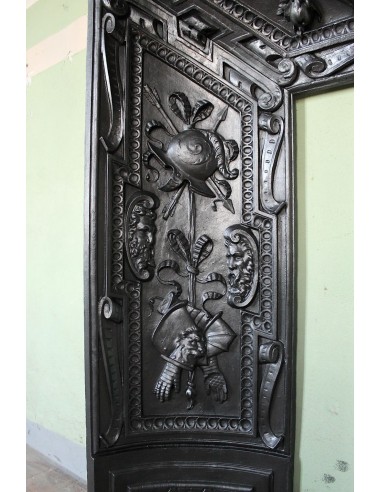
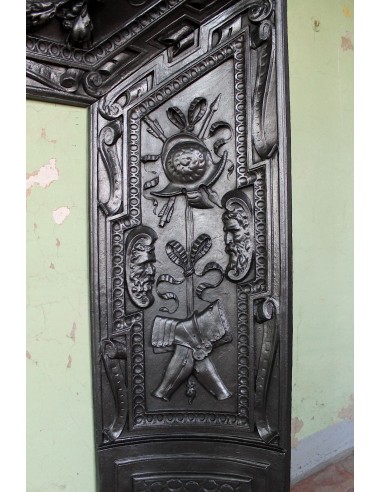
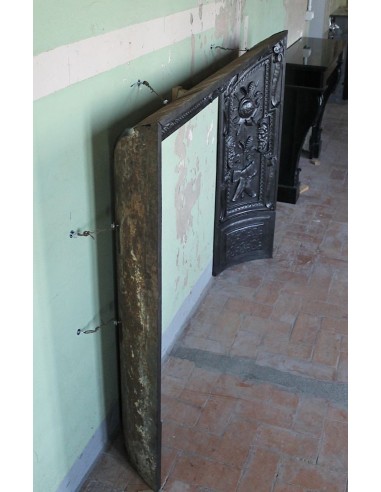
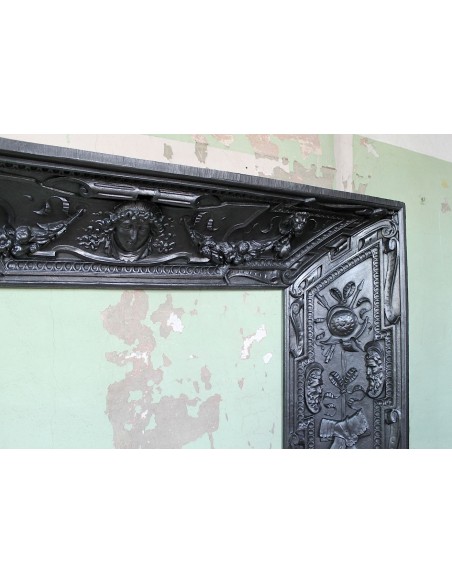
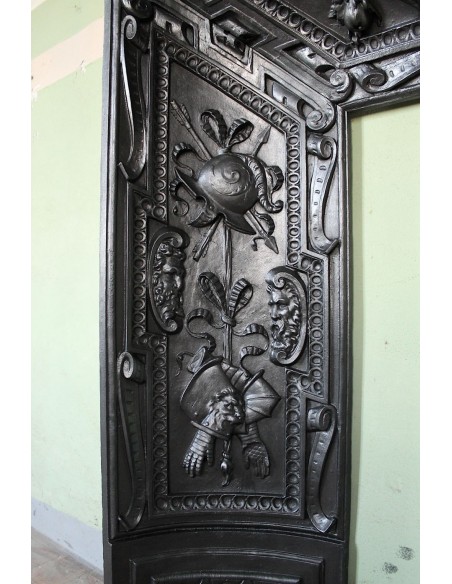
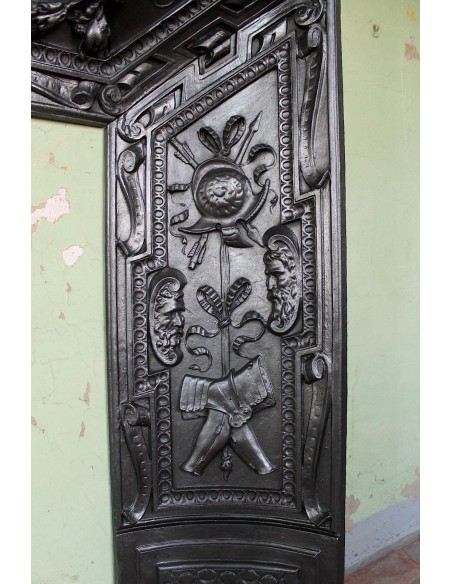
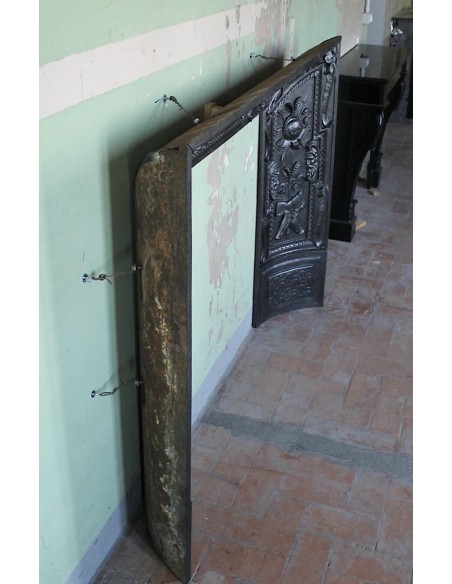
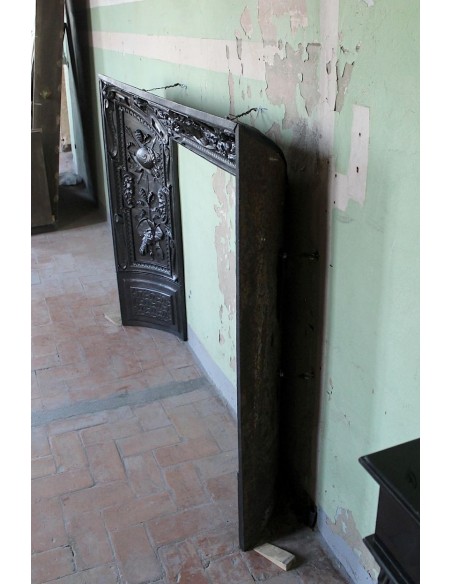
The most common decoration on these surfaces (It was a classic Neo-Gothic fashion to rediscover objects and ways of life proper to the medieval period) consists of representations (seemingly confusedly tossed here and there) of all the parts of an armor, precisely, medieval. From the very elegant helmet to the iron plate leggings complete with articulated joint at the knees, to the bodice also made of iron plate, to the gloves, also made of iron and articulated... Under all these warlike garments are weapons (arrows in particular) while, peeking out a little everywhere, several lion faces.
It would seem, therefore, that this iron monument is a kind of warlike exaltation (a fierce... “Putinian”?!) and instead we are faced with a truth quite contrary to this first (and primitive) impression:
Do you see those faces of wise and bearded men on either side of our mantel?
They do not wear helmets, so they are peaceful observers, watchers of warlike relics scattered left and right not by accident.
Moreover, the depictions of the faces of these old sages are interspersed with numerous scrolls unrolled and full of scripture..
This means, clearly, that culture (the scrolls) and experience (the age of the old men) must wipe out war, disperse the weapons, and, dulcis in fundo, HANG THEM UP IN KNOTS, HANGED UP BY REAL AS WELL AS CLASSIC “LOVE KNOTS” (all the “warlike” figures, one by one, are hung in classic and taped love knots)
AT THE END OF IT ALL, WE CAN AFFORD TO MAKE OUR OWN A STATEMENT THAT IS EVEN SEXIST:
MAKE LOVE AND NOT WAR-THAT'S WHAT THIS INCREDIBLE ARTISTIC CAST-IRON DEPICTION IS ALL ABOUT.
PARIS, SECOND HALF OF THE 19TH CENTURY, PERFECT PRESERVATION.