
SHARE ON:
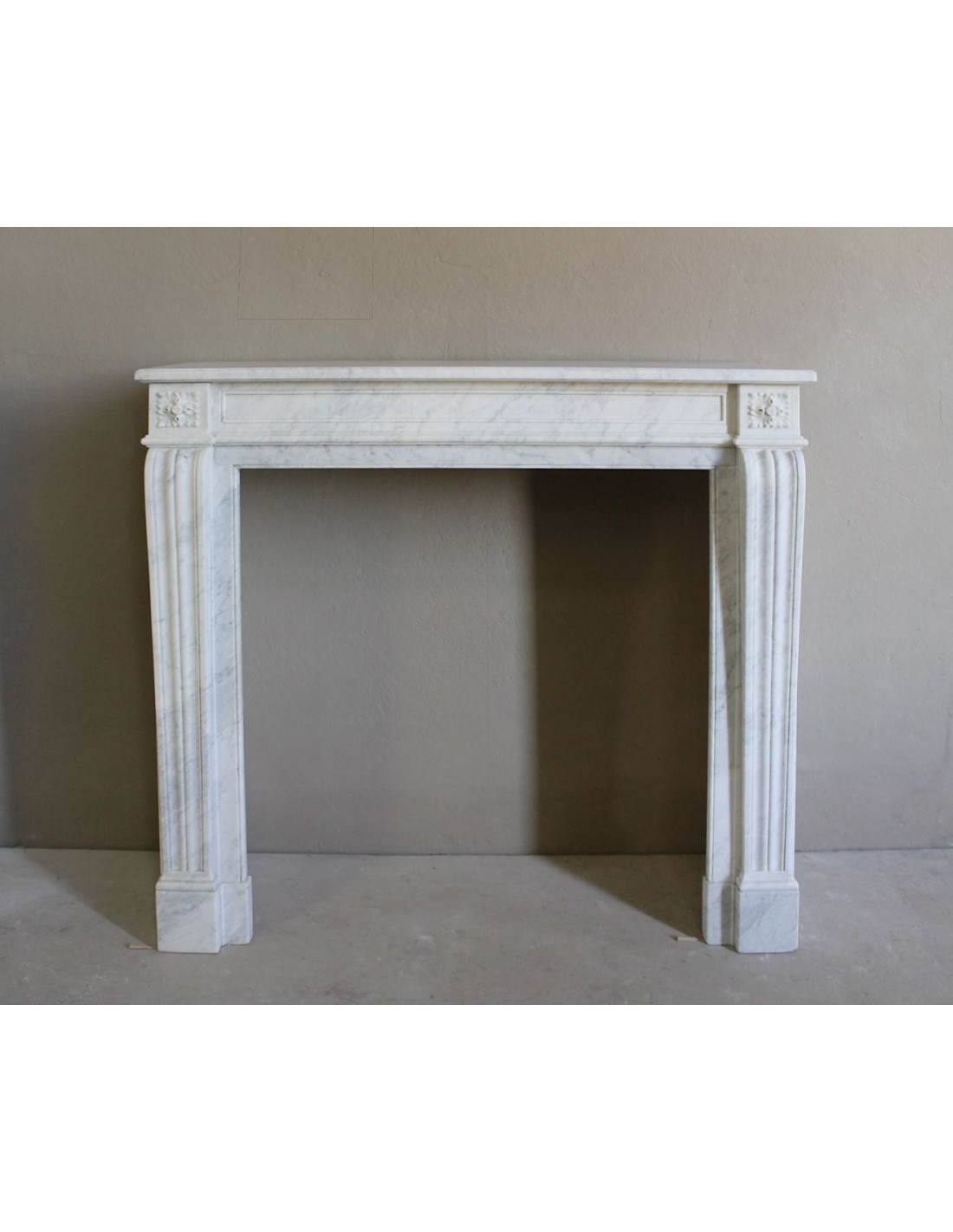
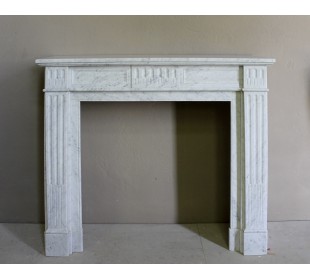
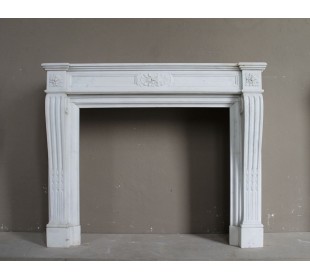
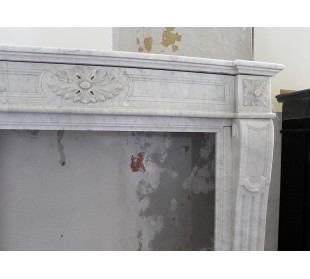
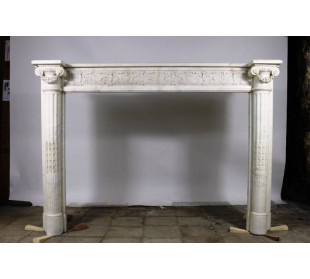
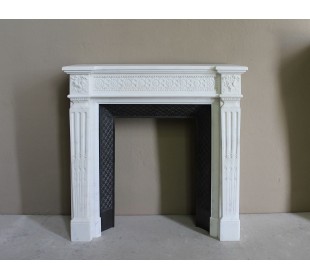
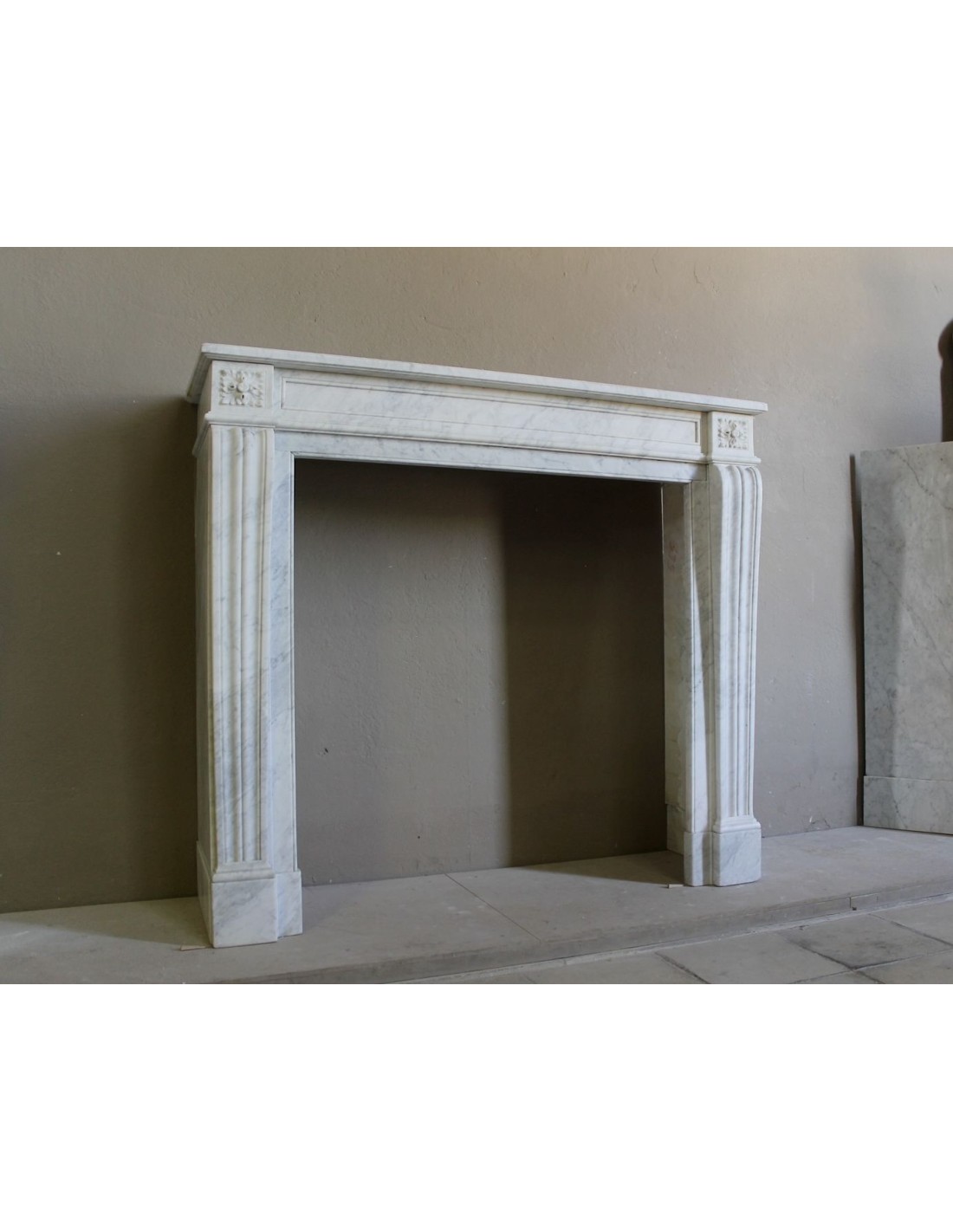
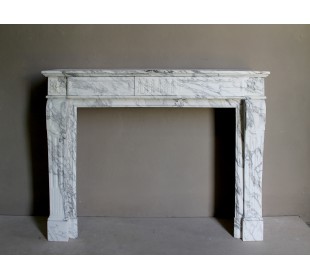
“MAURIZIO… I DO LIKE THIS FIREPLACE, IT WOULD LOOK WONDERFUL IN MY HOME, WHICH IS ENTIRELY FURNISHED IN THE NEOCLASSICAL STYLE, BUT… WHY IS IT SO EXPENSIVE? AFTER ALL, IT IS RATHER SIMPLE, ISN’T IT?”
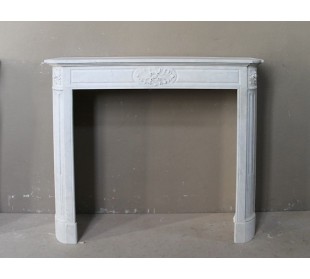
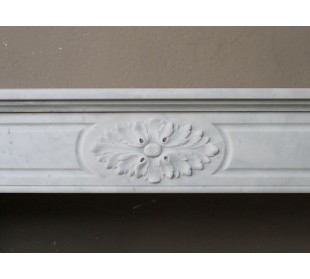
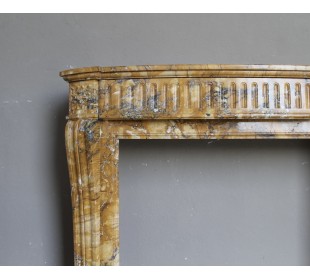
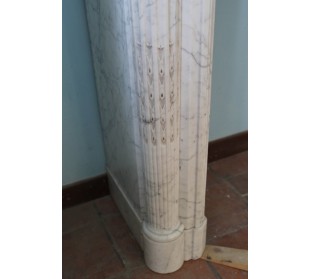
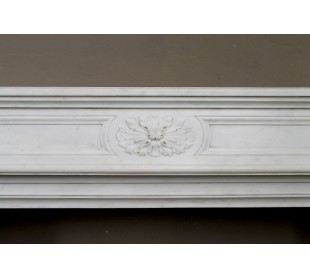
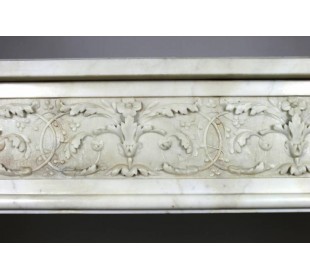
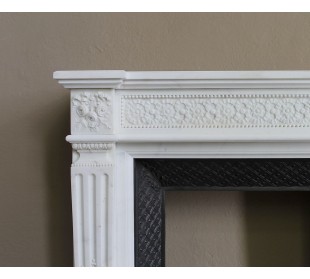
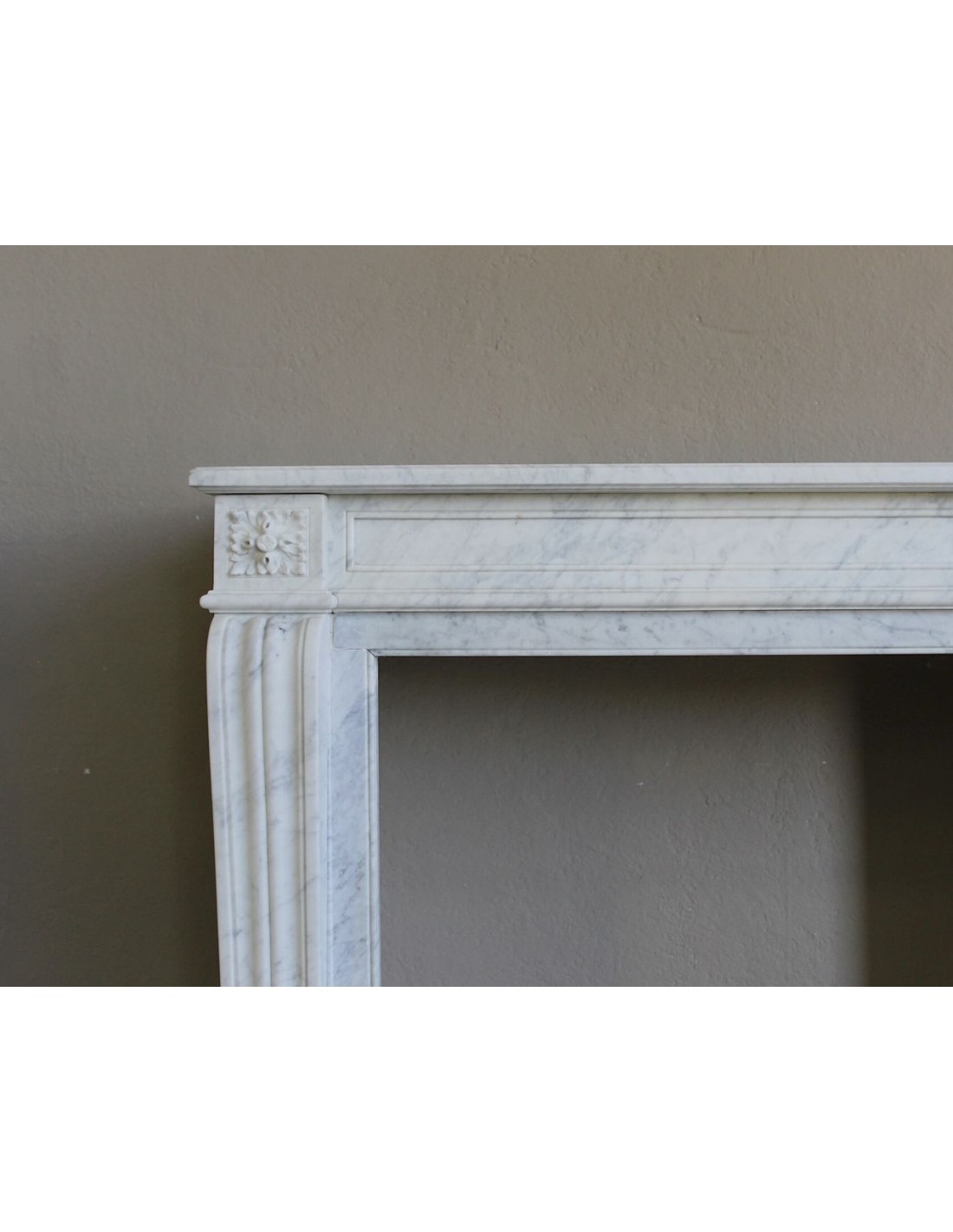
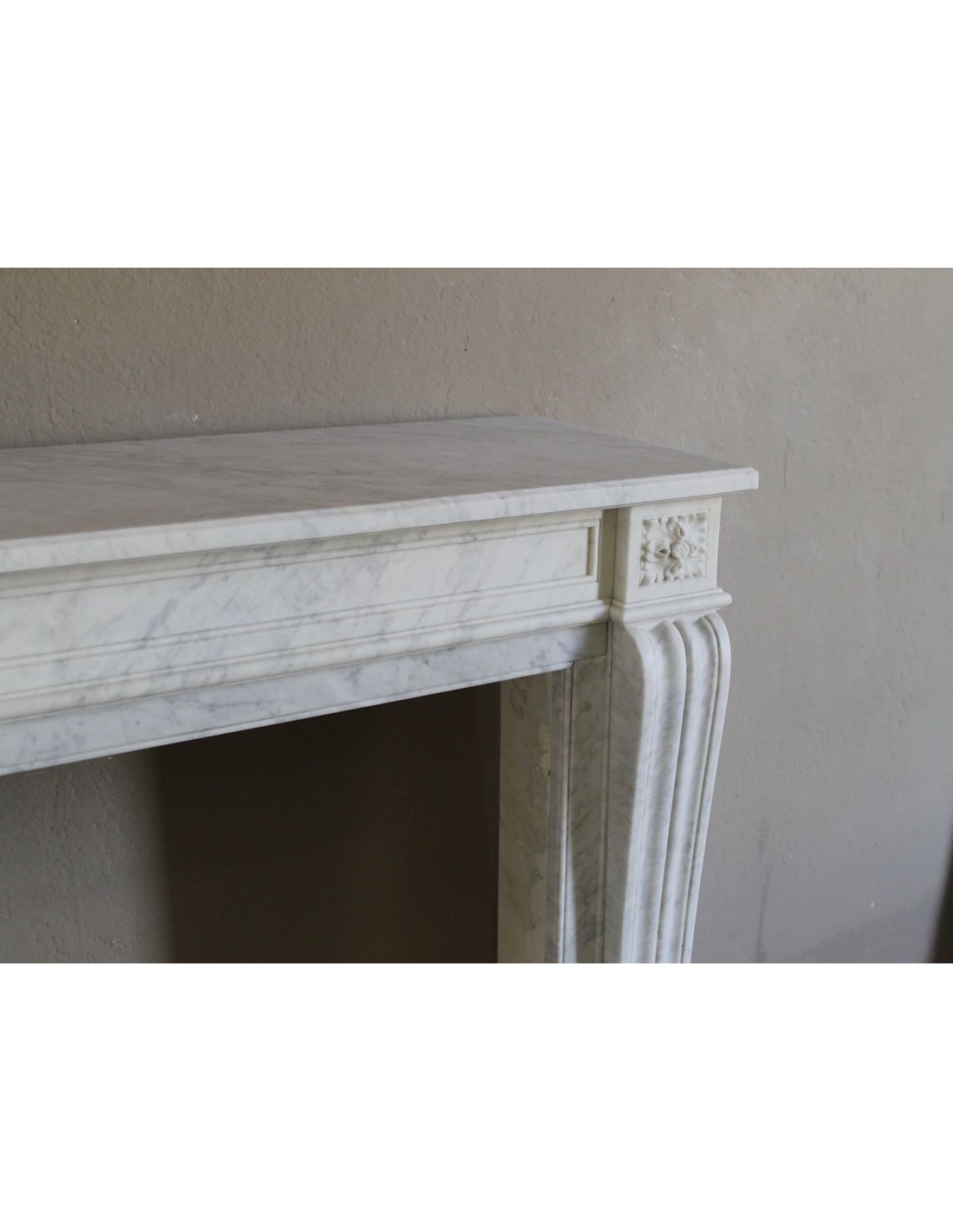
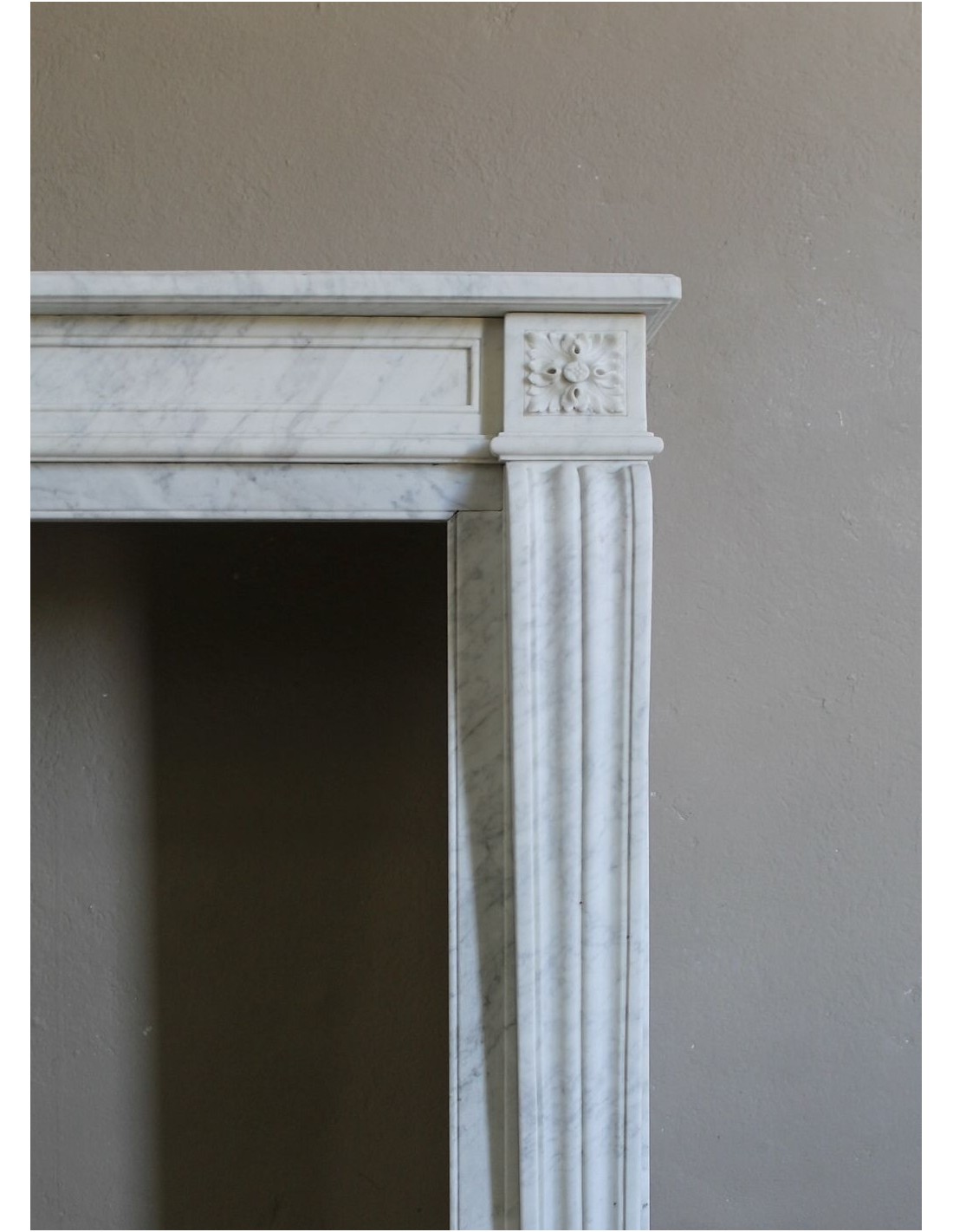
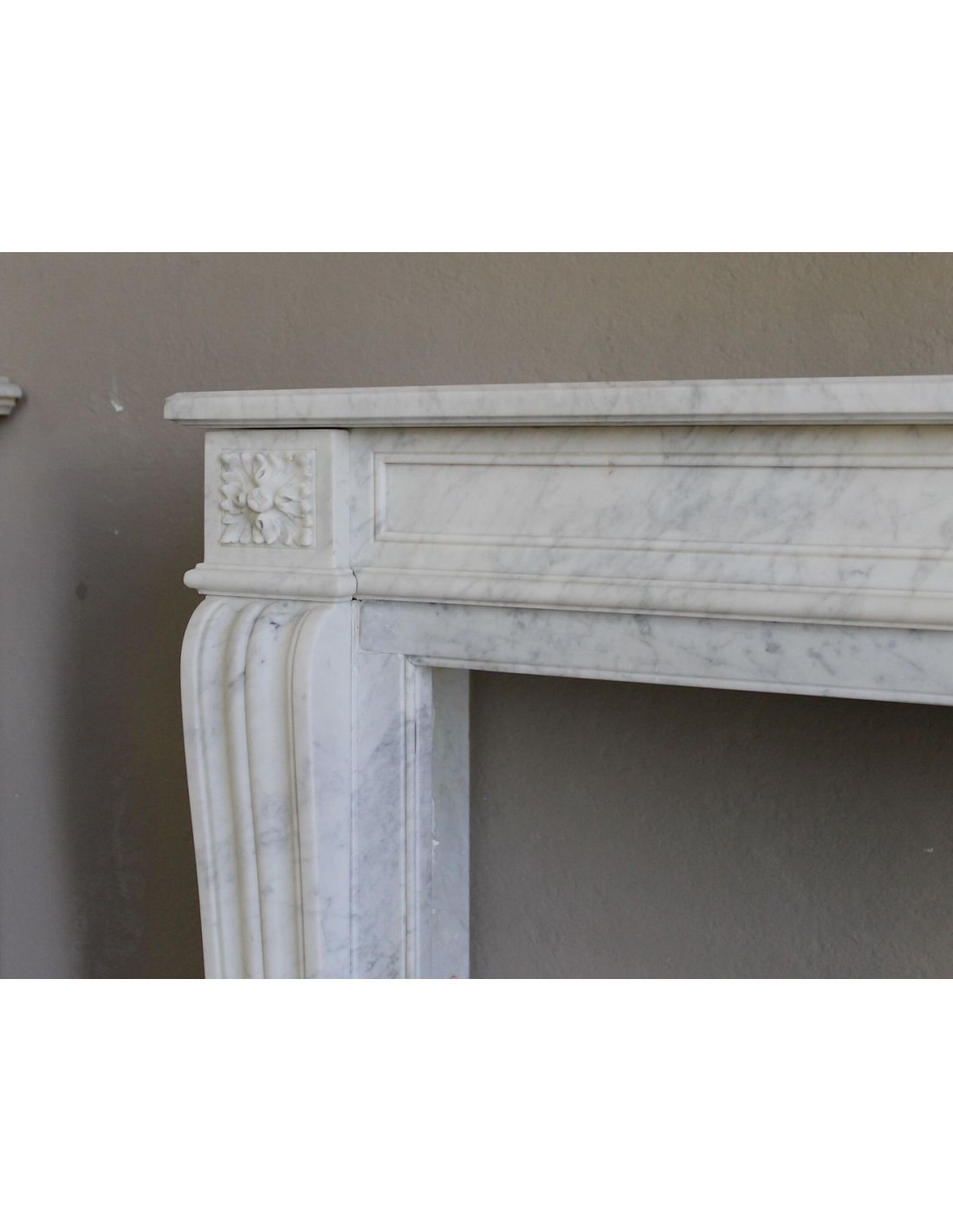
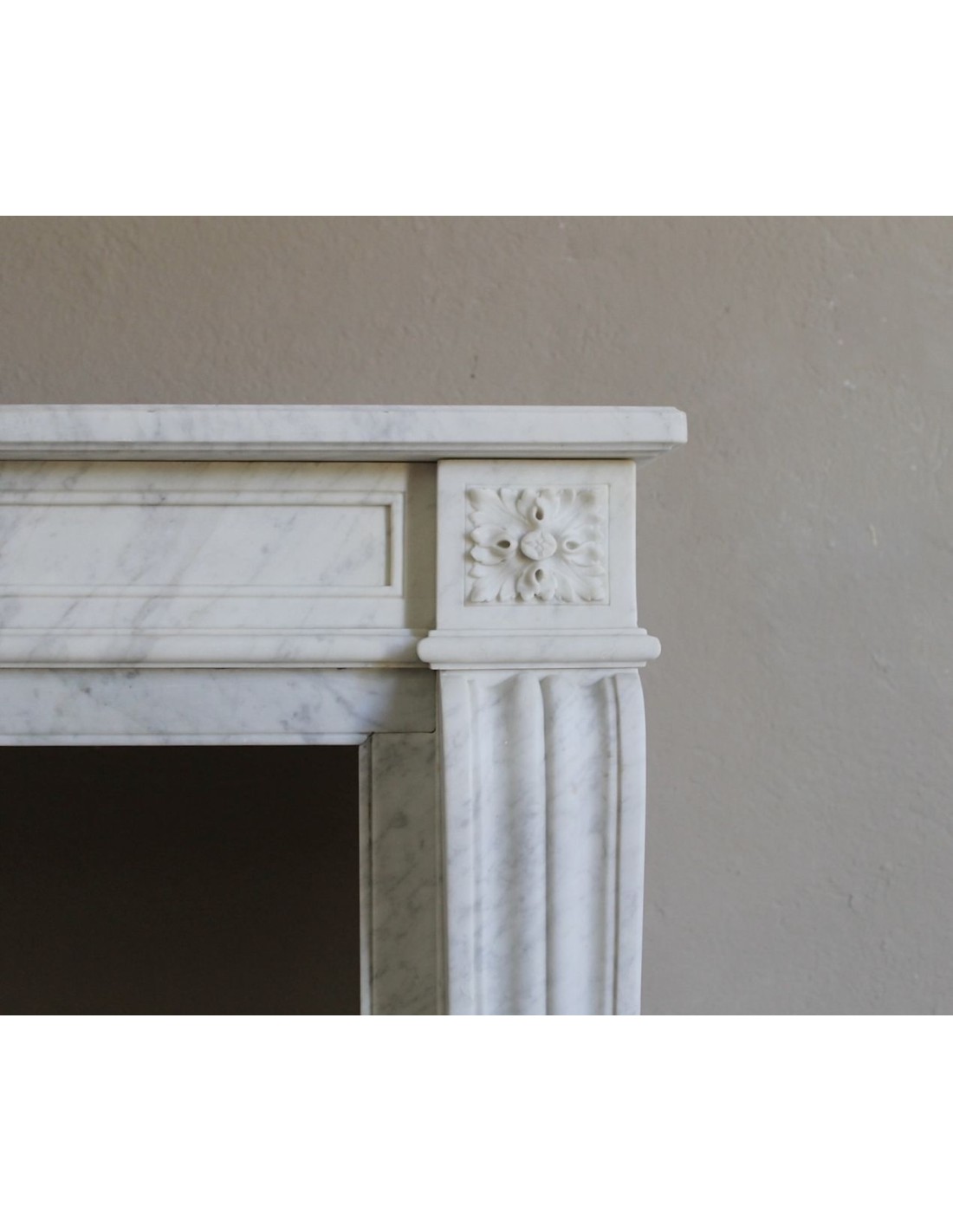
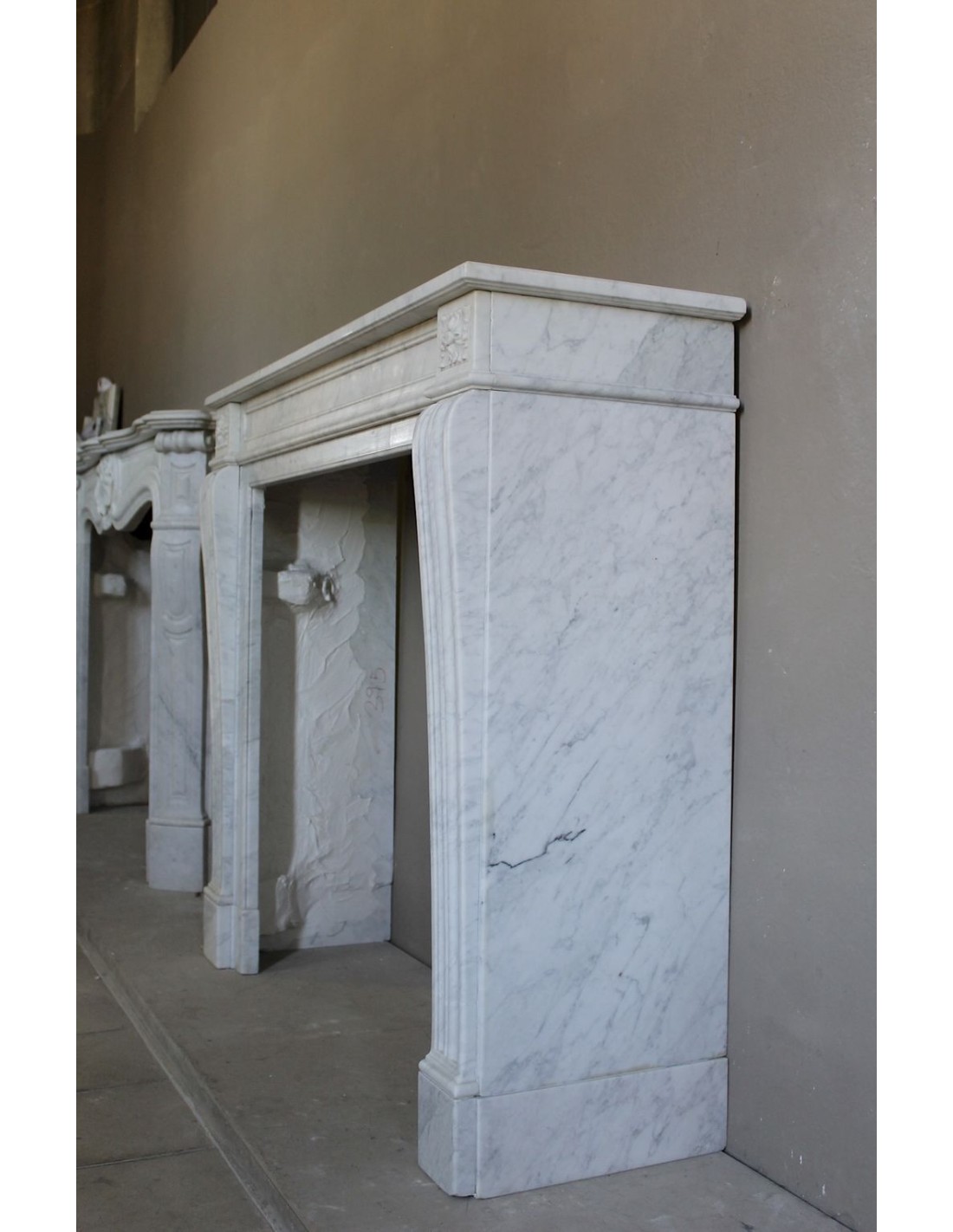
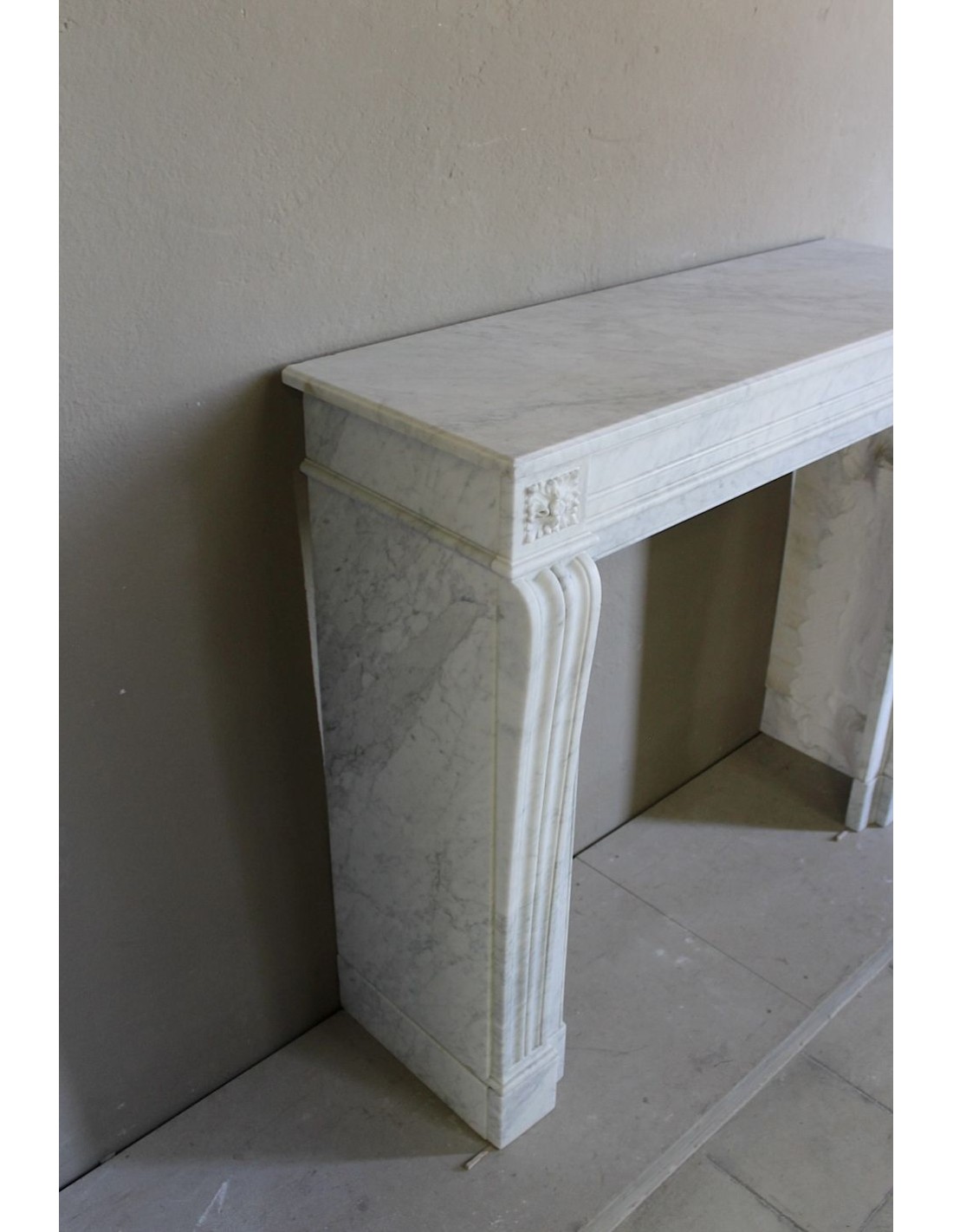
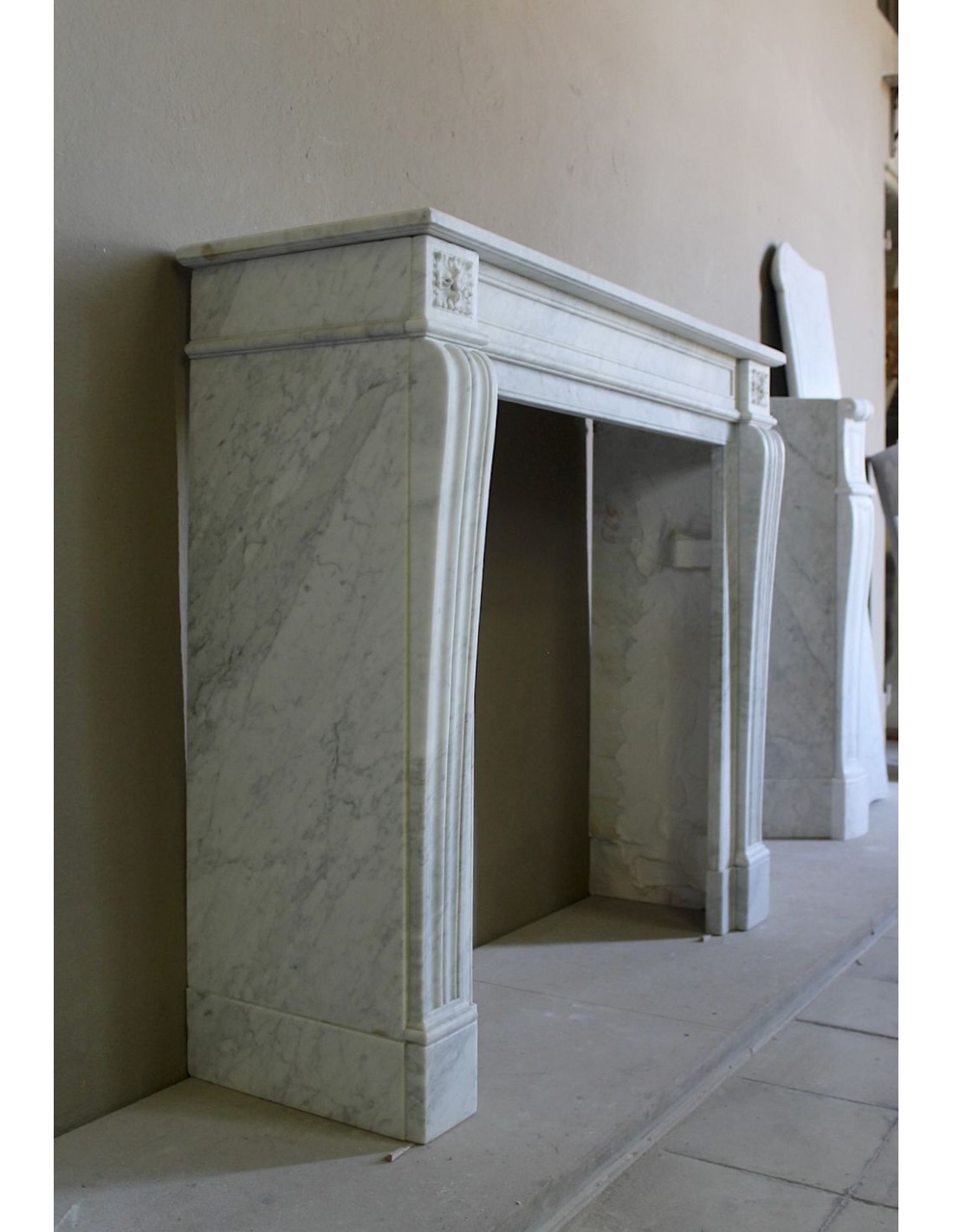
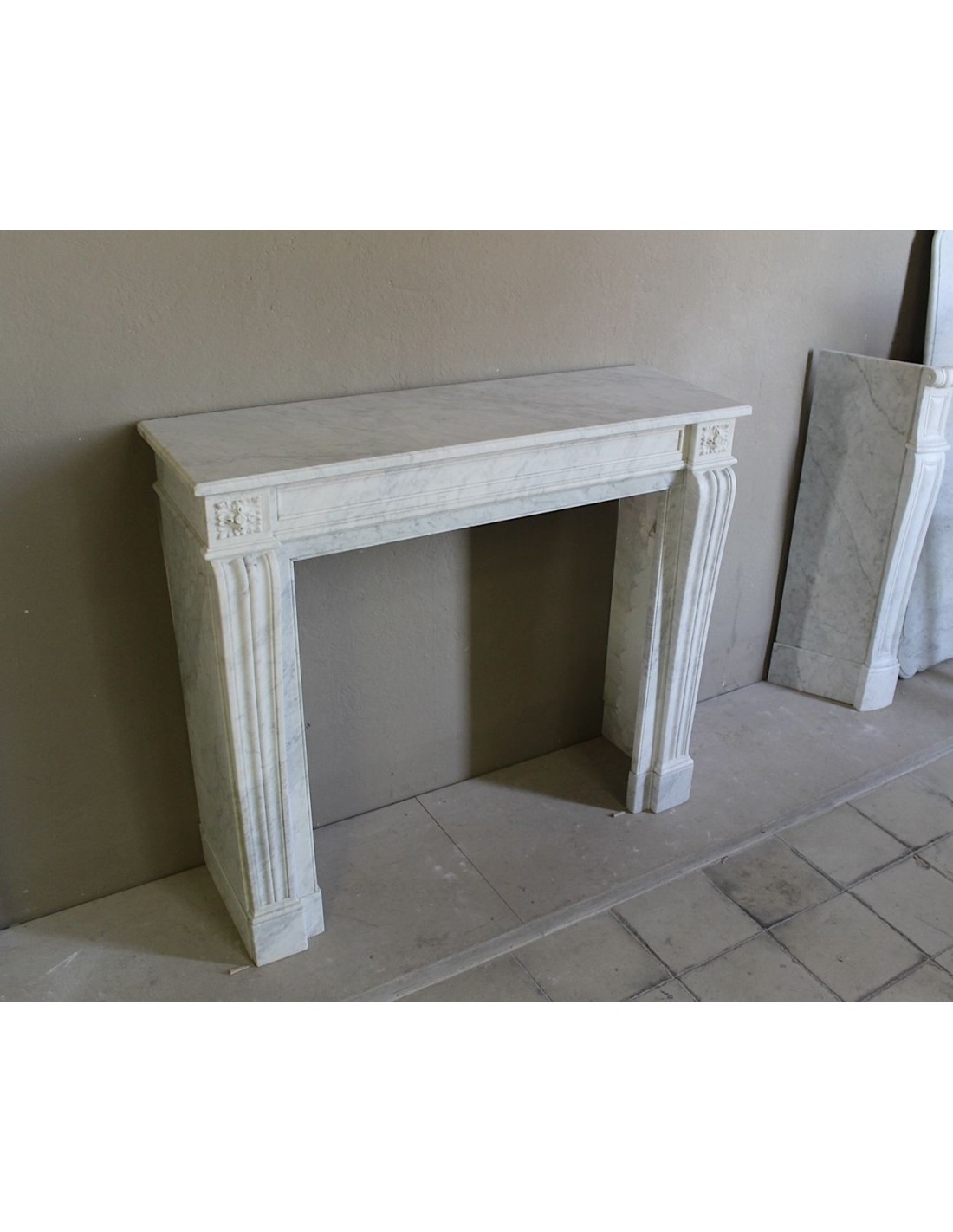
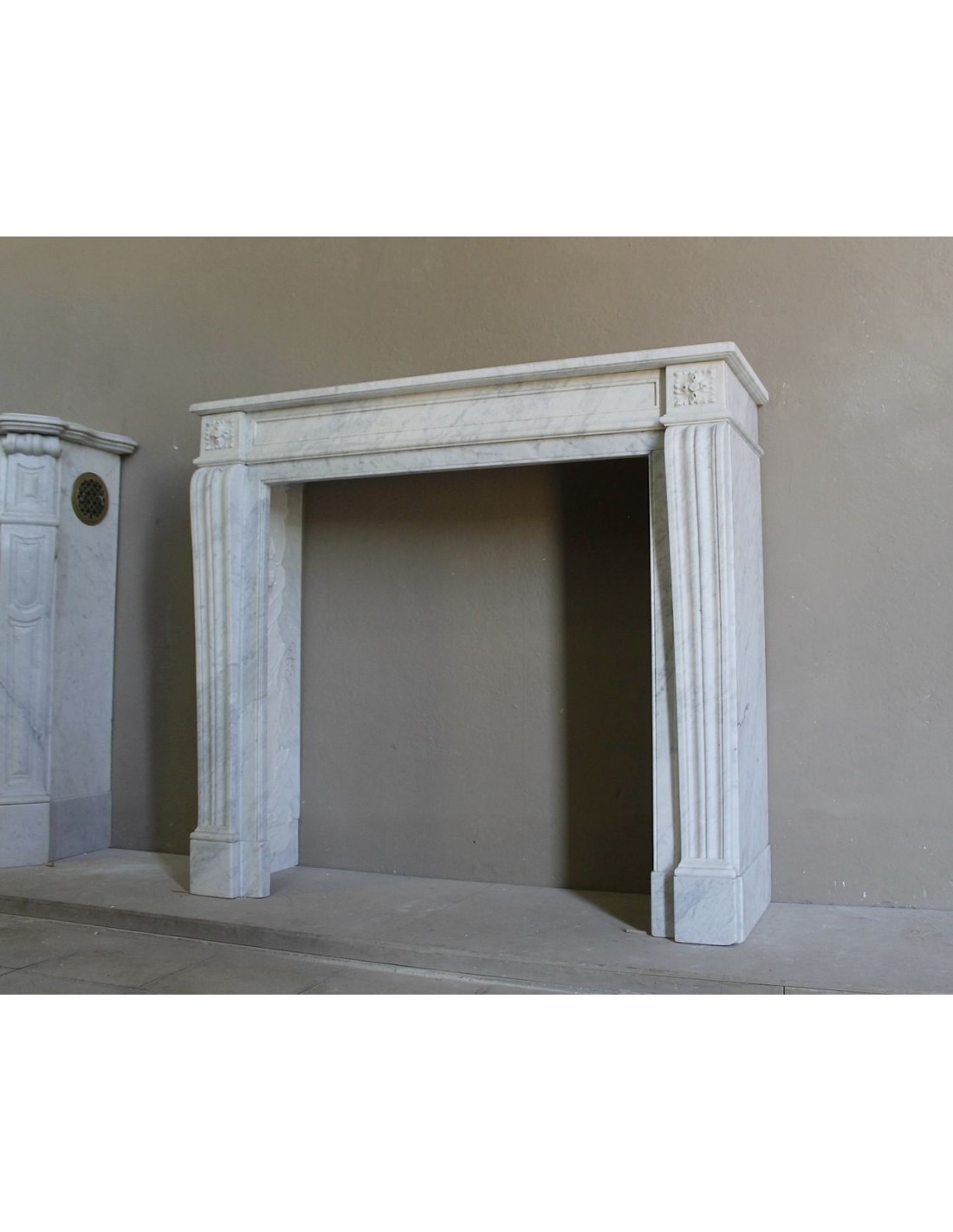
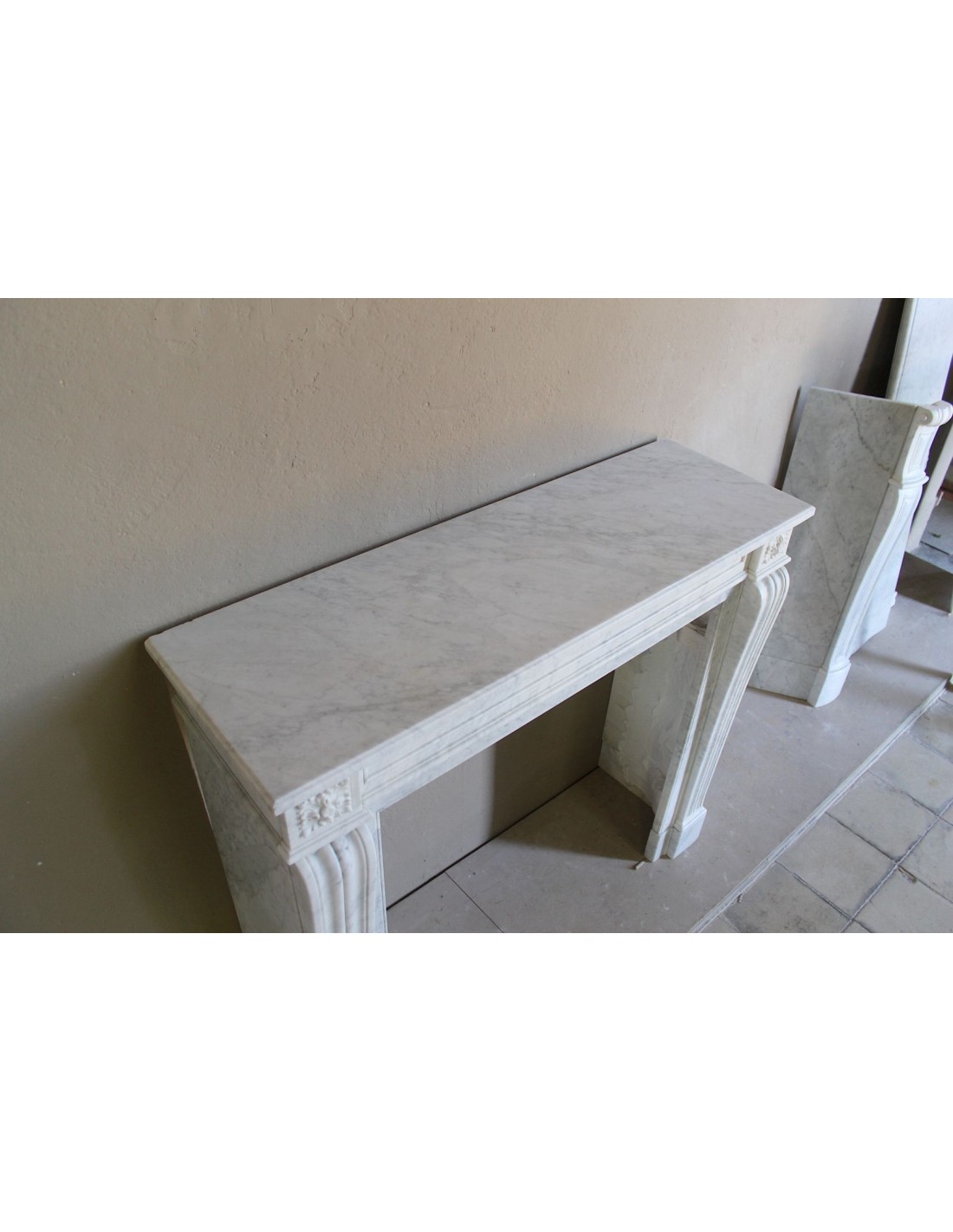
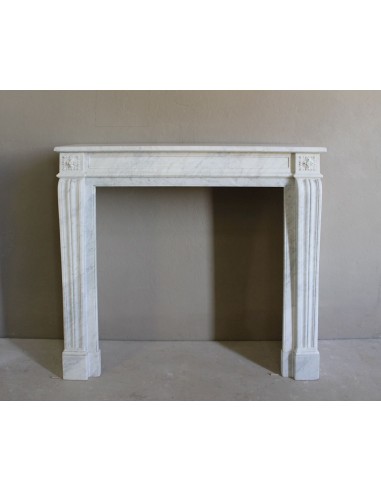
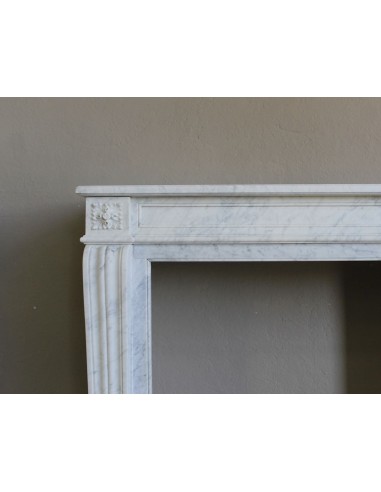
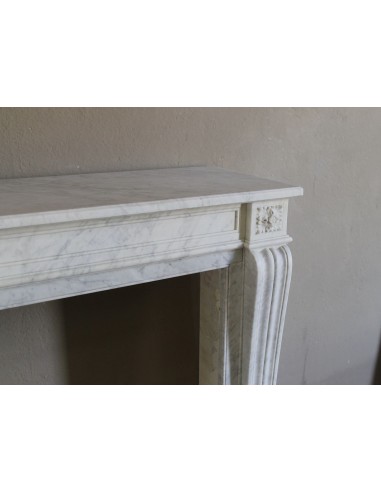
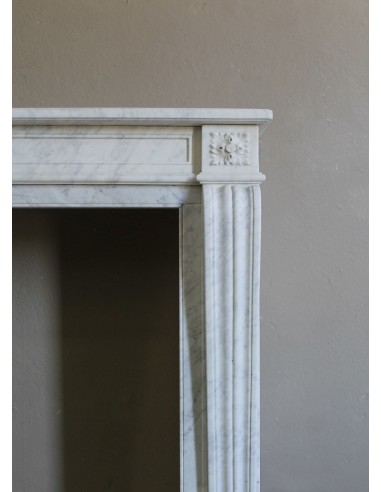
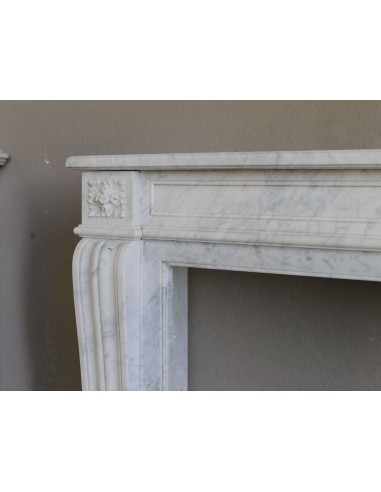
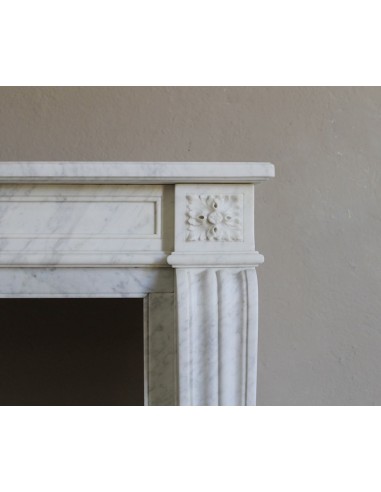
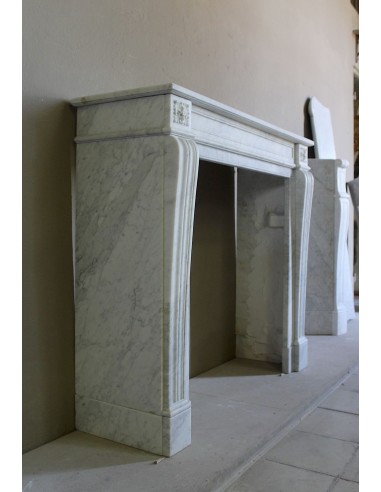
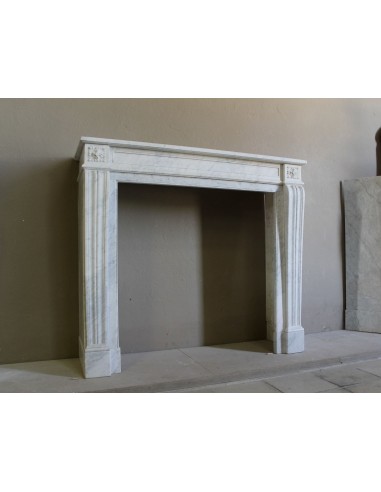
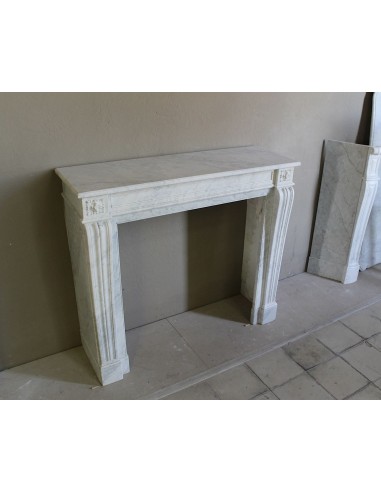
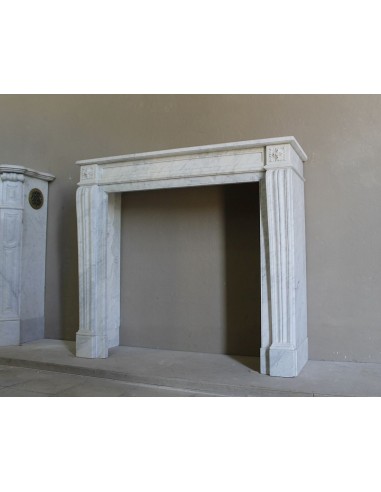
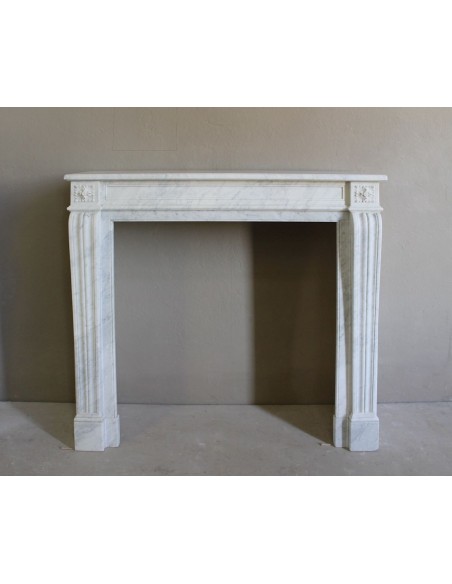
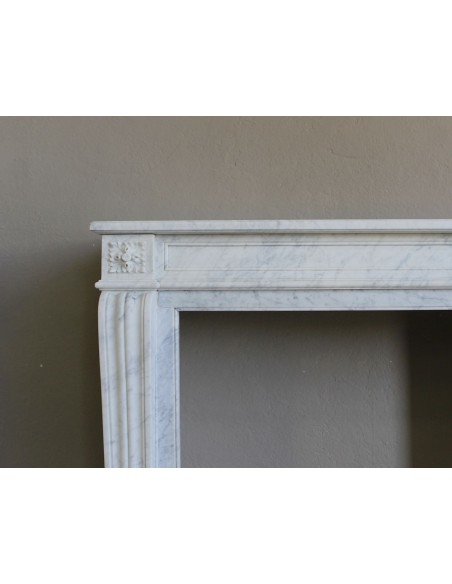
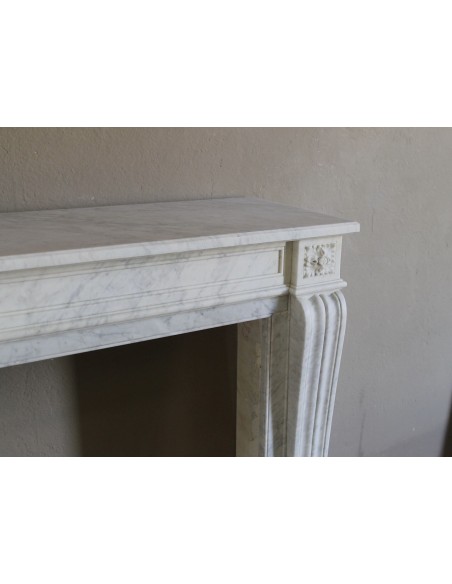
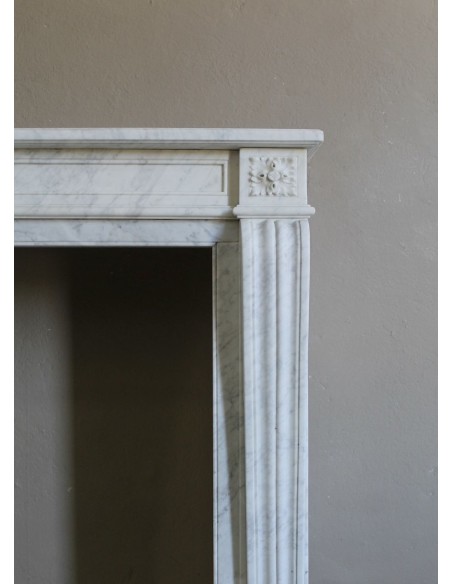
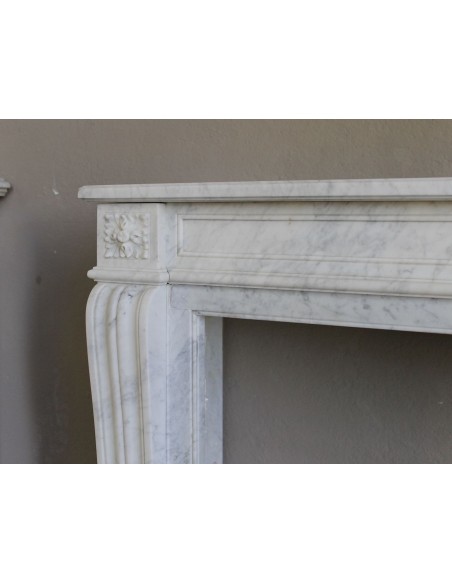
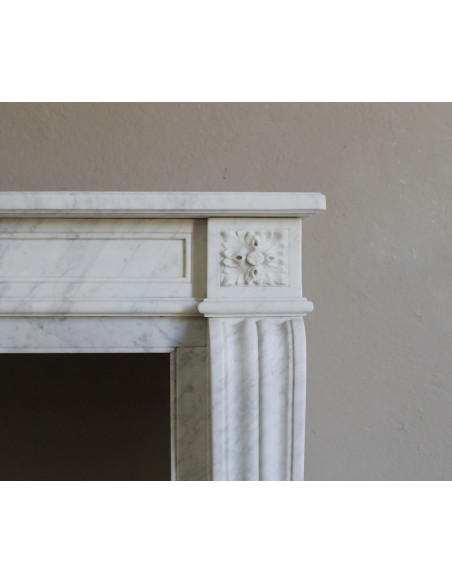
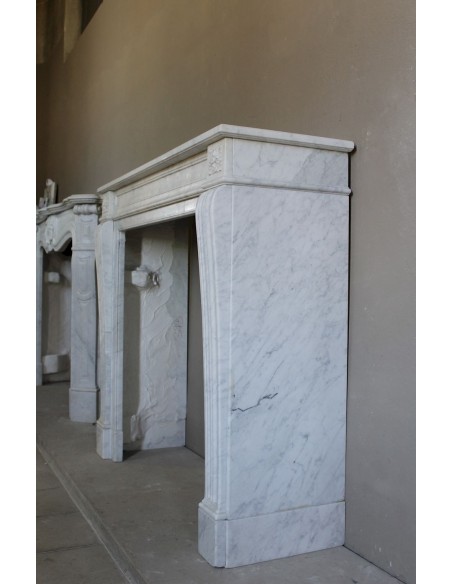
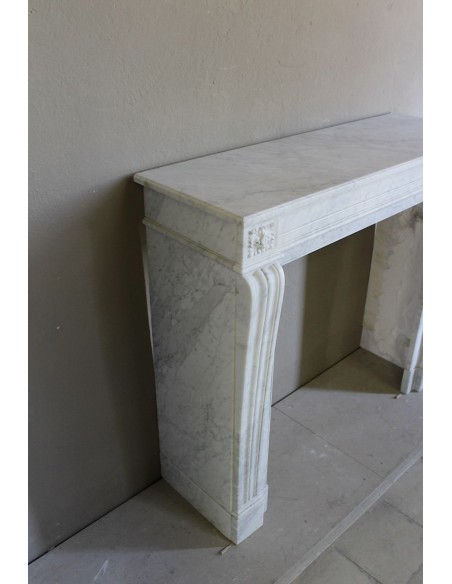
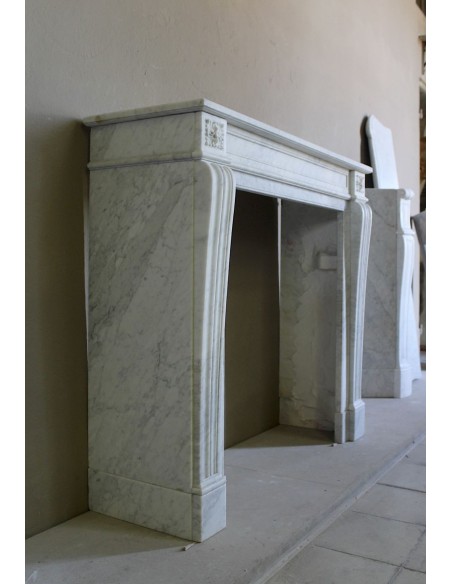
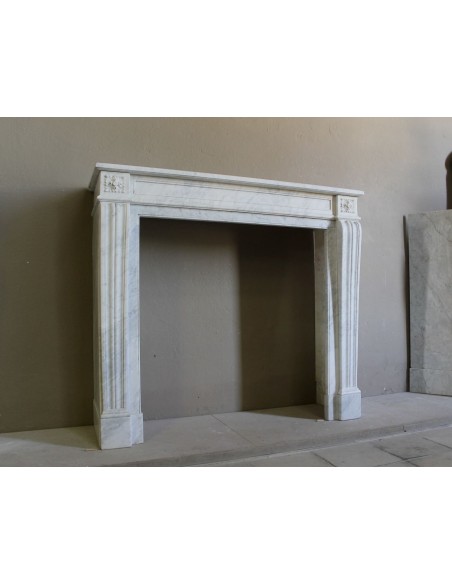
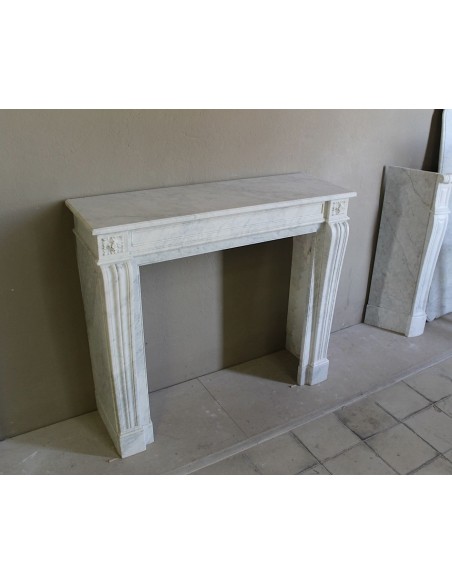
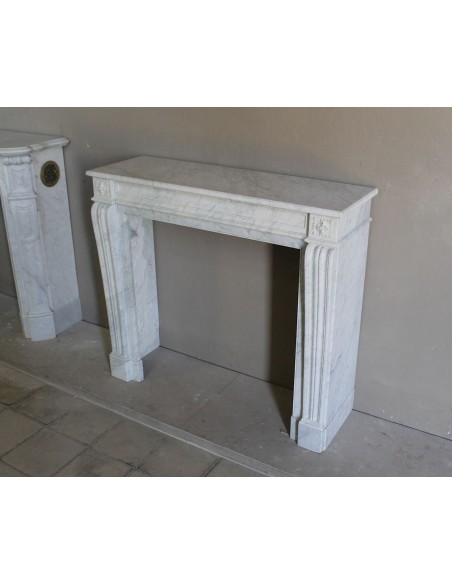
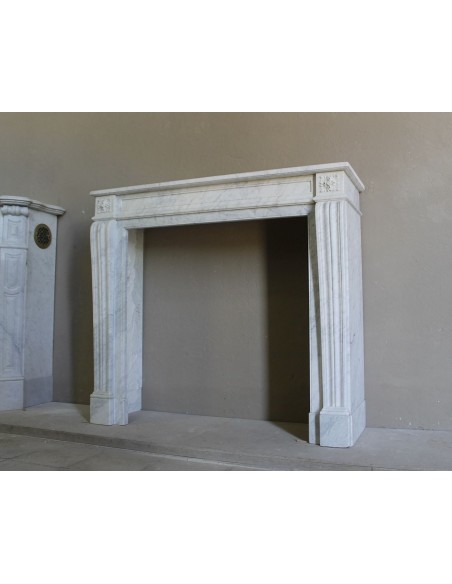
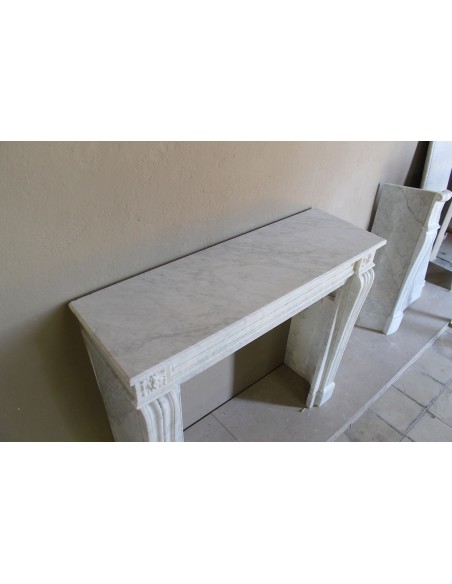
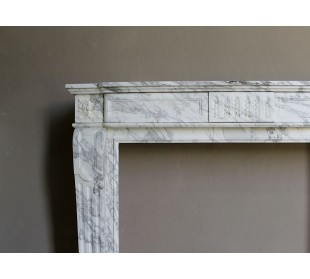
My dear lady, quite apart from the fact that the carvings of the two “Paris Rosettes” were executed in Pietrasanta by a master sculptor skilled in the use of the violino — a traditional sculptor’s tool invented and used almost exclusively in those areas, without which such refinement could never be achieved — you have, in fact, already answered your own question when you said: “I like this fireplace.”
And do you know why you like it more than so many other Neoclassical fireplaces you may have seen in my warehouse?
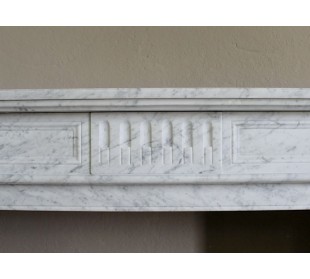
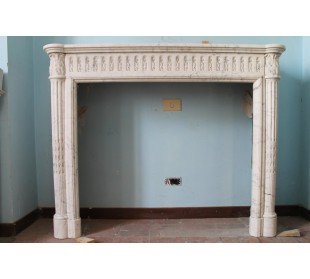
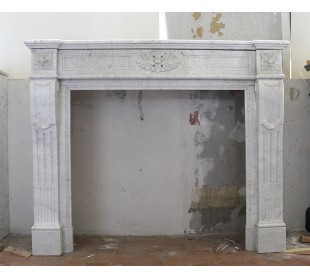
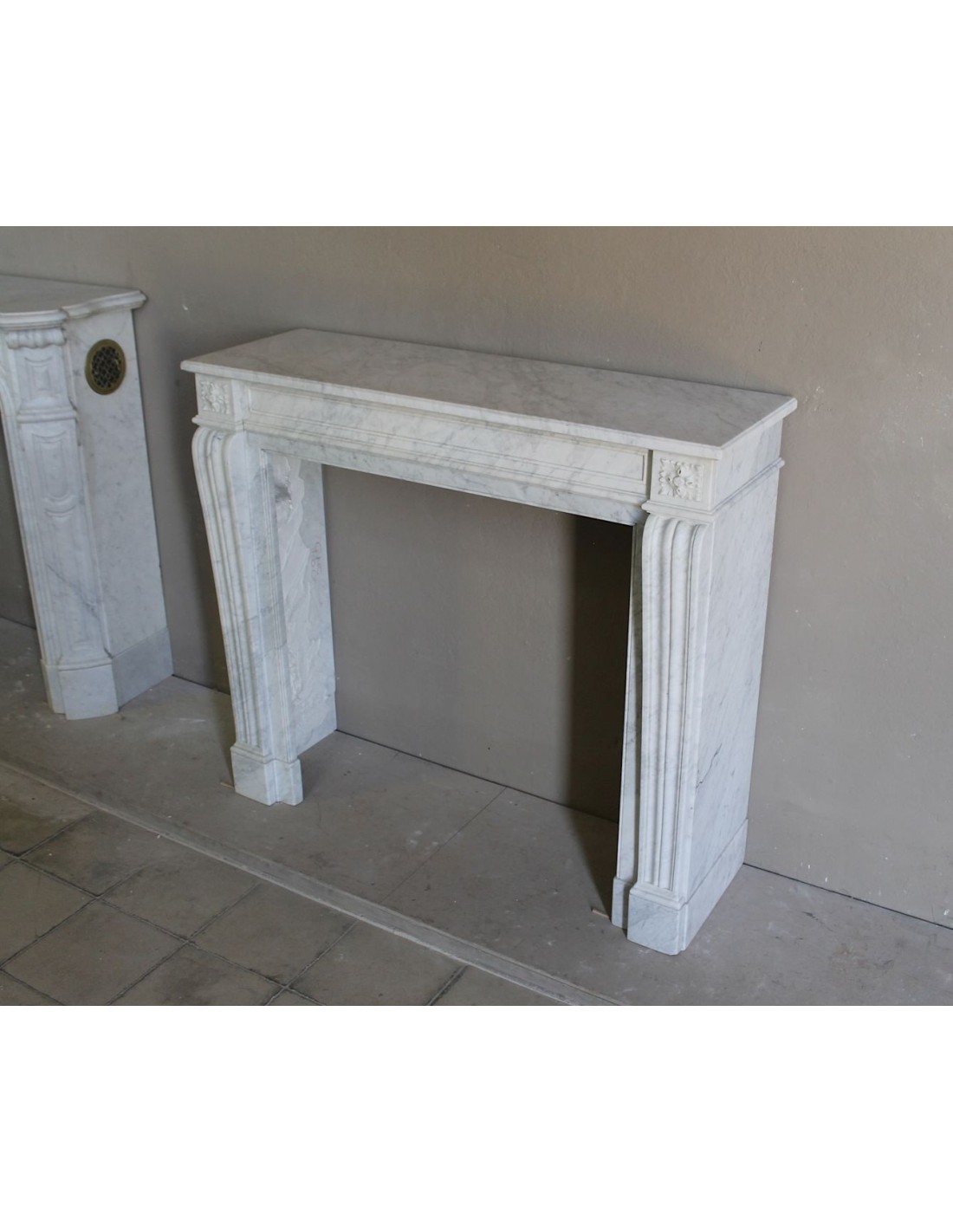
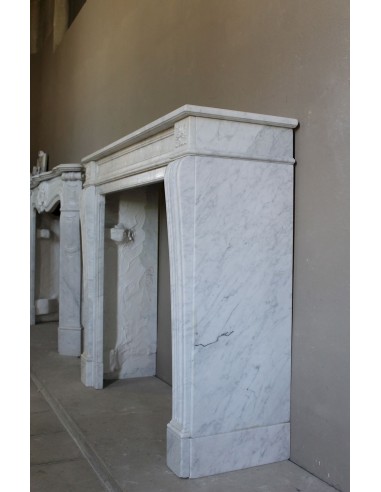
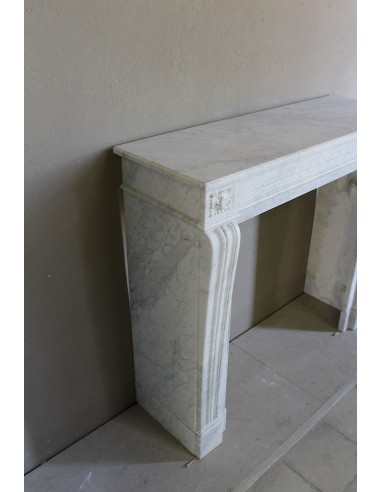
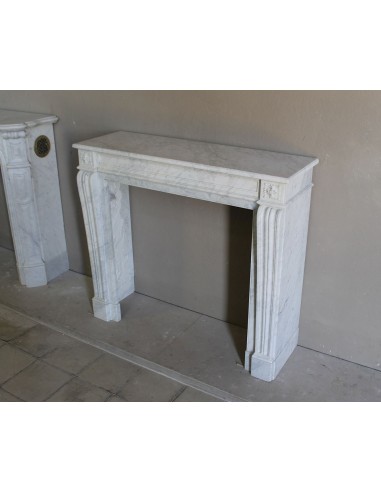
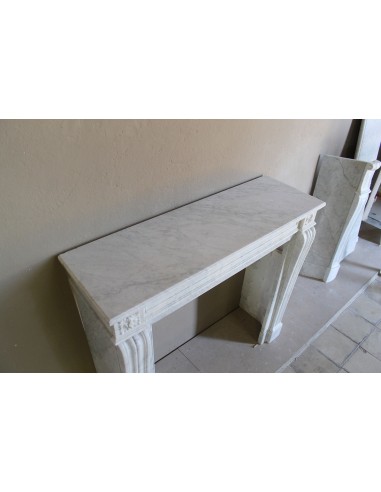
Because this splendid Louis XVI “Deux Roses” fireplace mantel was carved — and I emphasise, exquisitely carved, not “simply” carved — from carefully selected white Carrara marble, chosen both for the harmony between its various slabs and for the purity of the stone itself, free from overly dark or intrusive veining.
I should also add that these marble slabs were quarried shortly after Garibaldi had managed to unite the “Bossis” and the “Pagliarulos” — in other words, Northern and Southern Italy — meaning they have enjoyed more than enough time to age gracefully and develop the soft patina that only time can bestow.
Like a fine wine, marble of true quality reveals more of its character as the years pass.
But all these things, my dear lady, you already know perfectly well — otherwise you would not be looking at this fireplace with the unmistakable desire shining through your eyes.
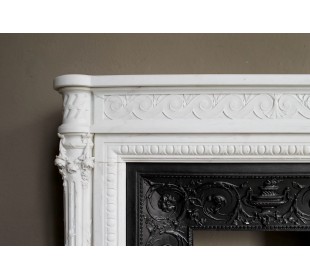
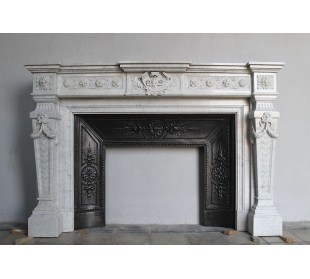
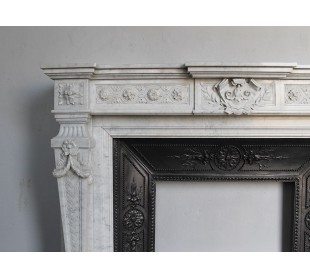
Napoleon III period fireplace, beautifully preserved, with sculptural quality guaranteed by a master craftsman from Pietrasanta, discovered in Paris.