
SHARE ON:
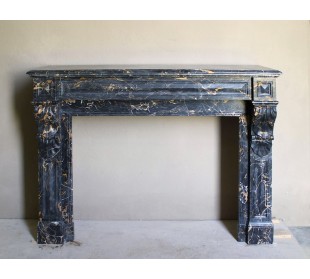
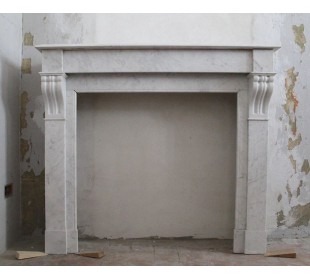
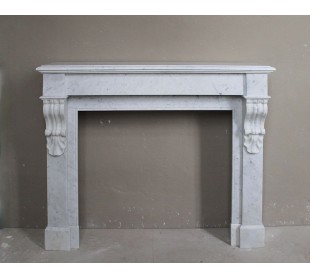
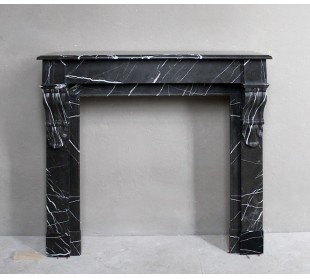
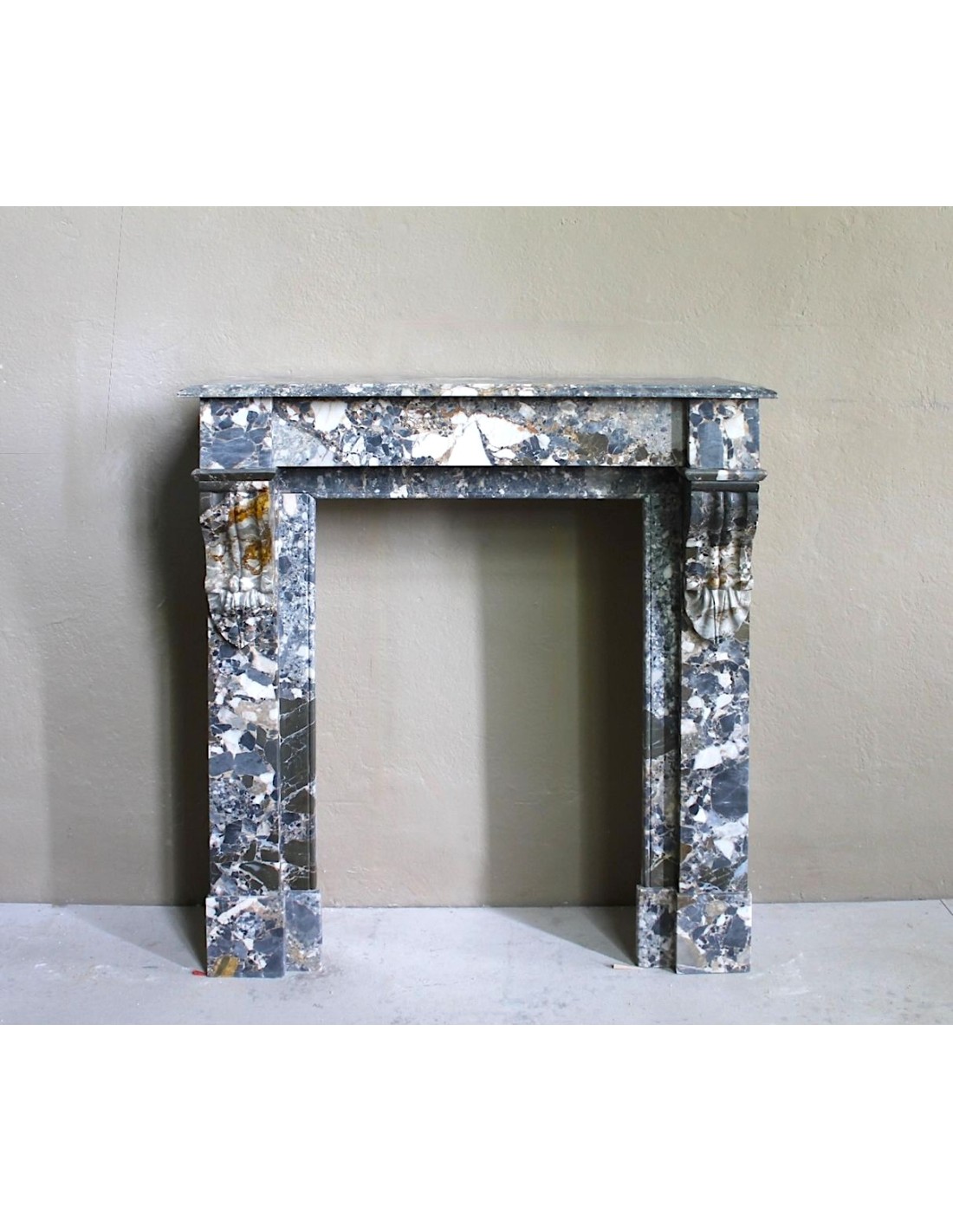
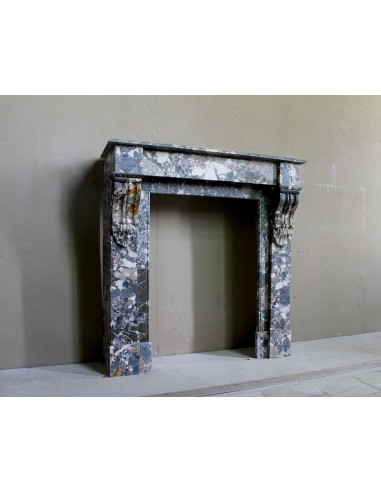
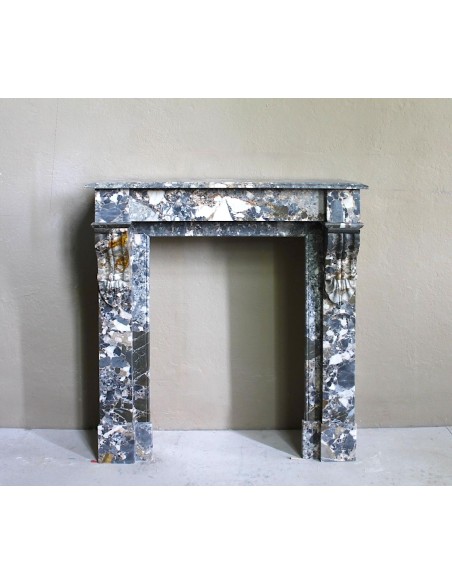
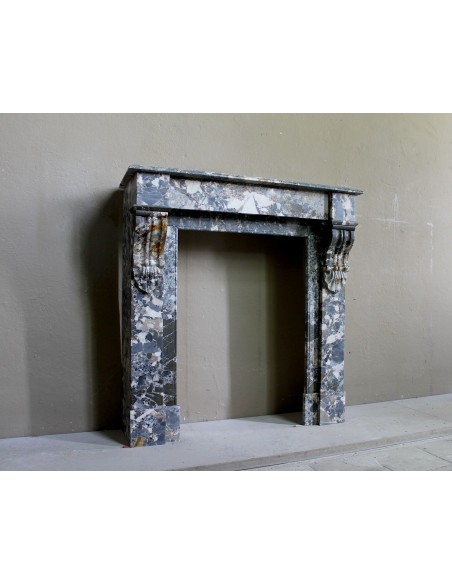
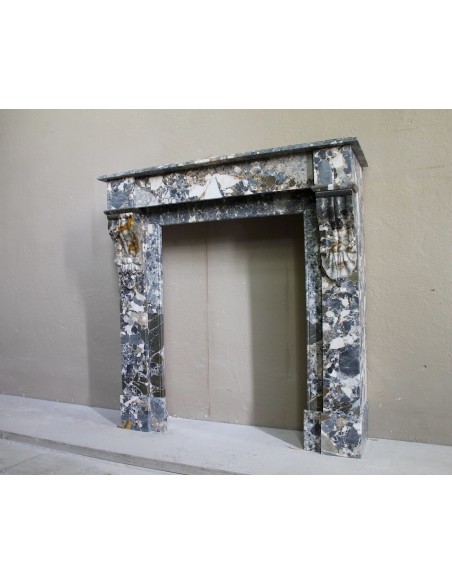
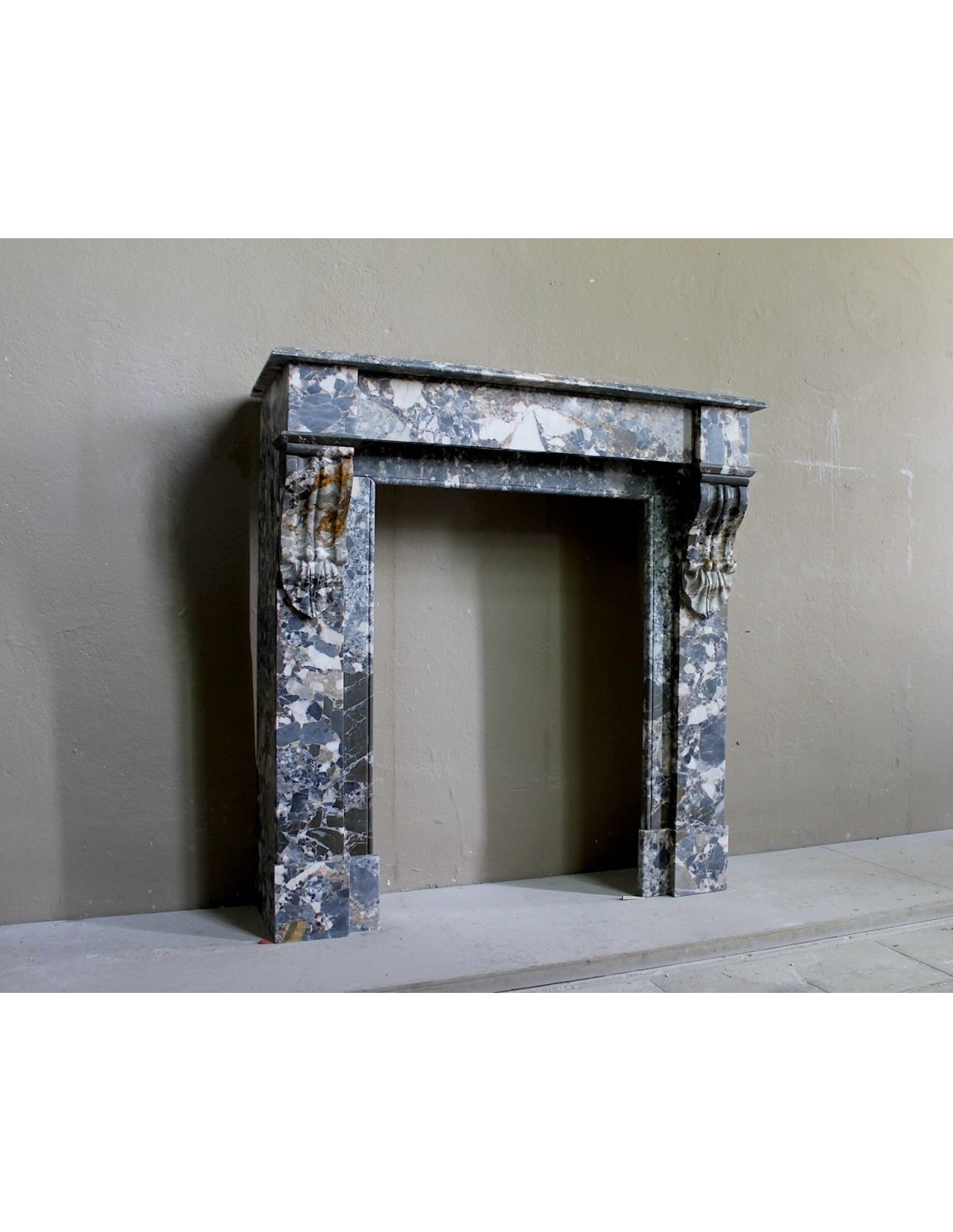
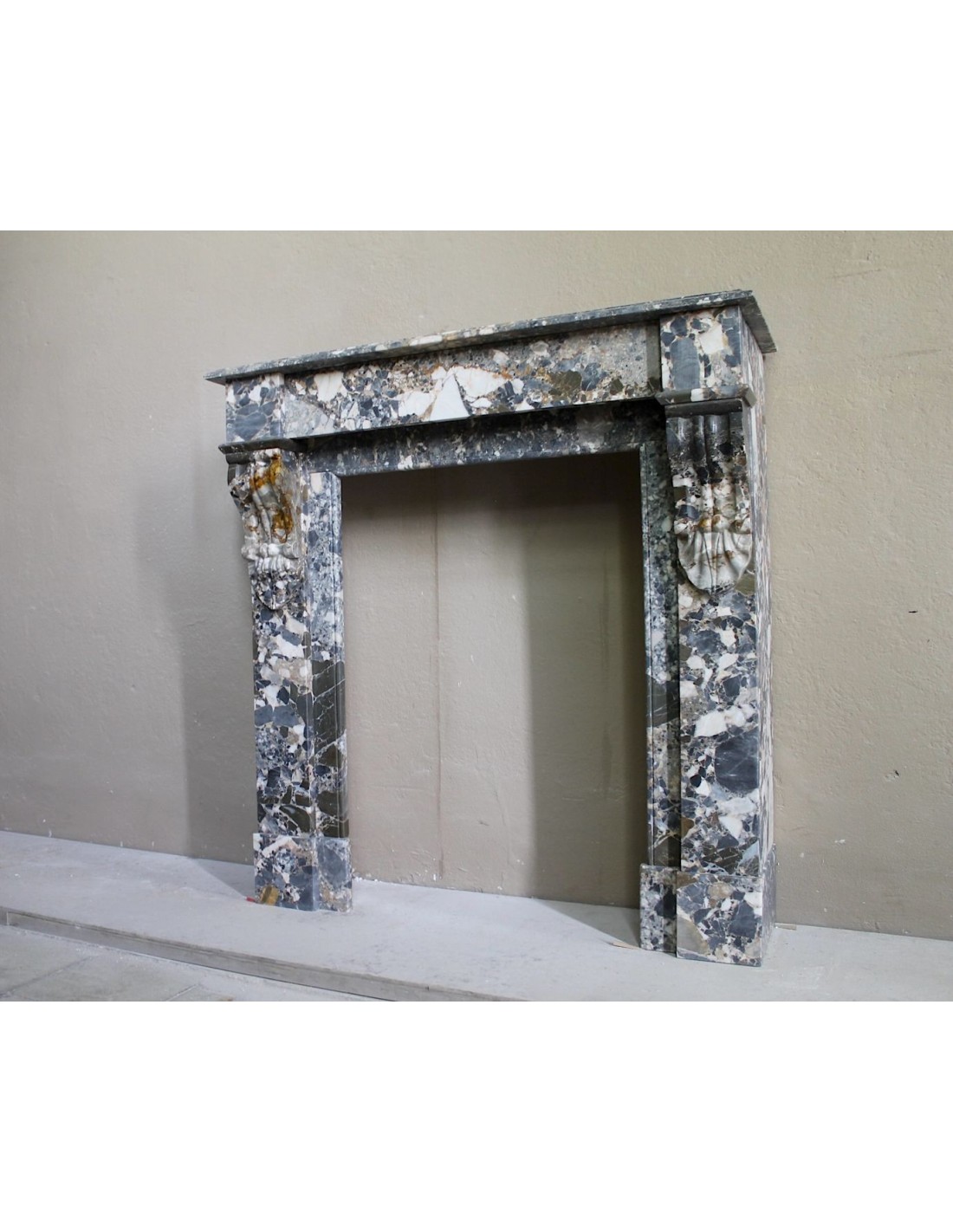
The architectural lines of this fireplace find their origins in one of the greatest moments in European art: the Italian Renaissance.
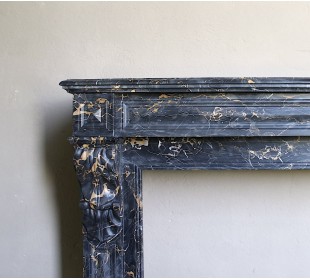
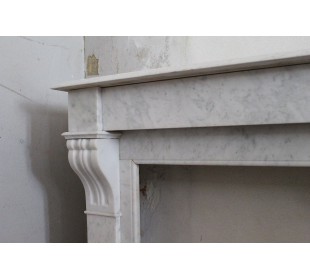
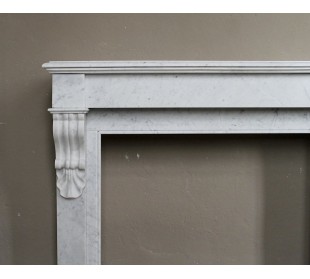
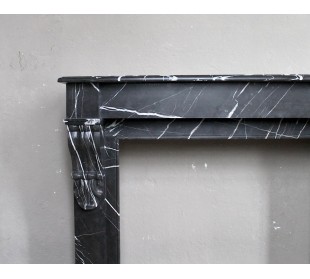
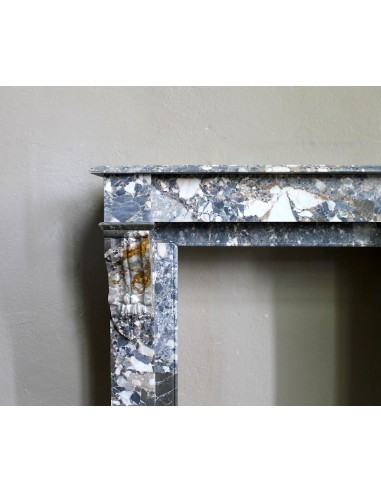
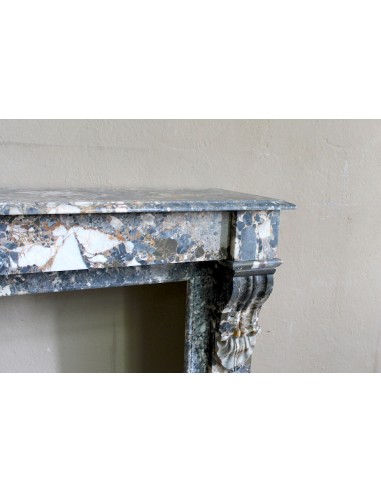
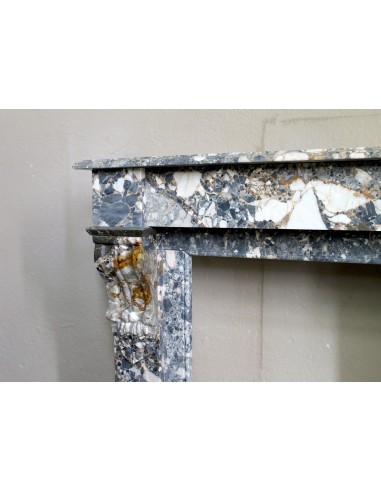
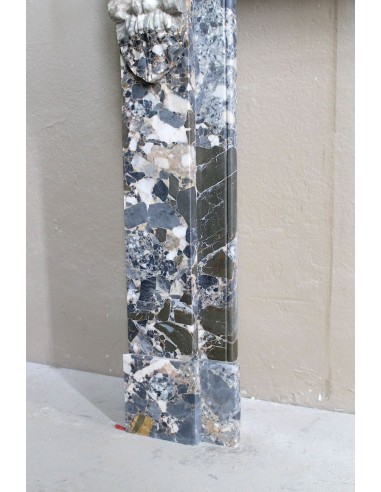
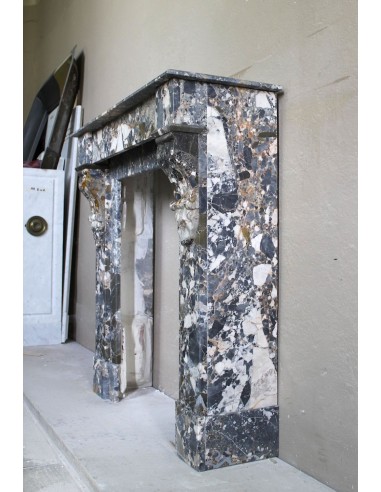
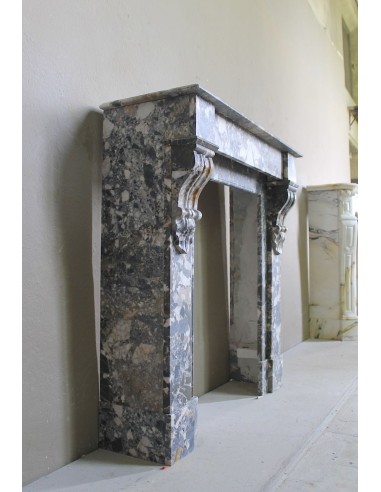
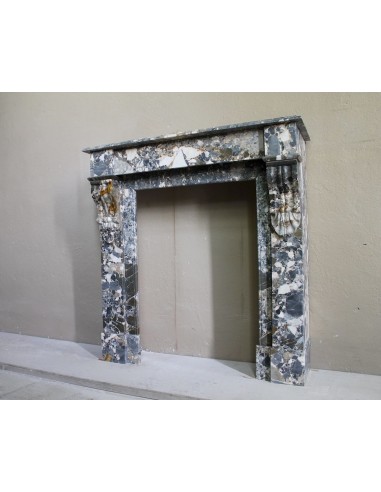
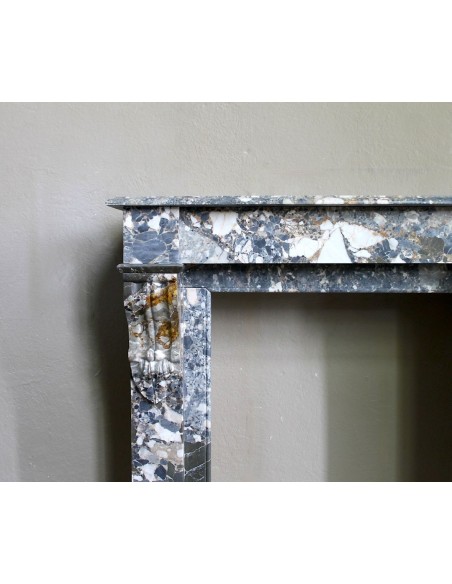
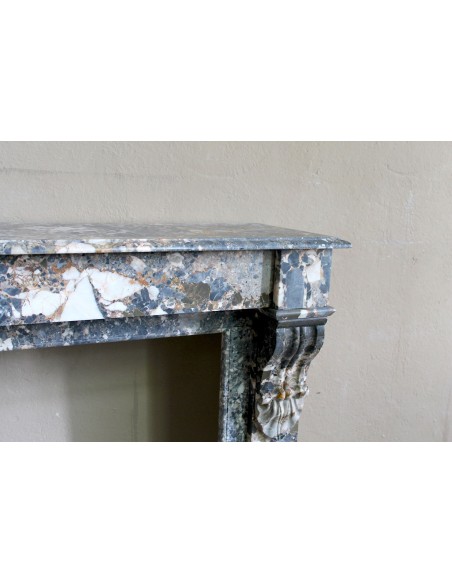
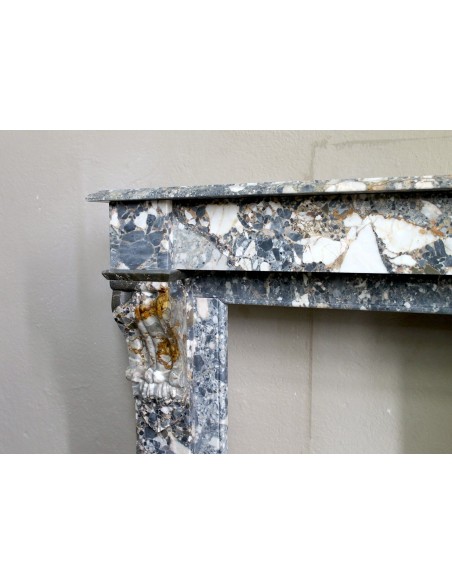
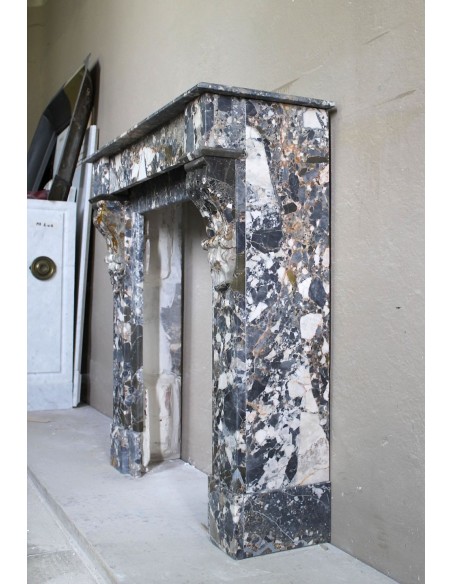
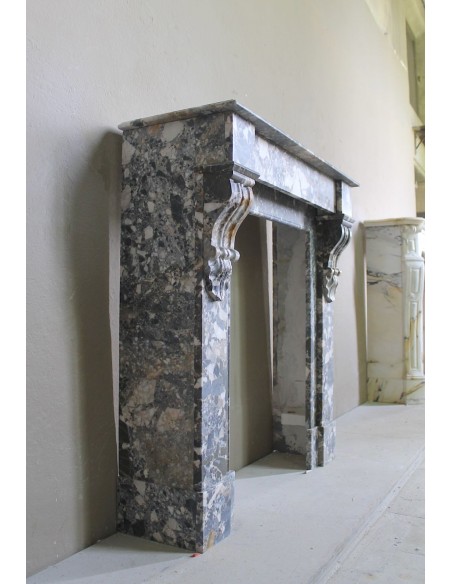
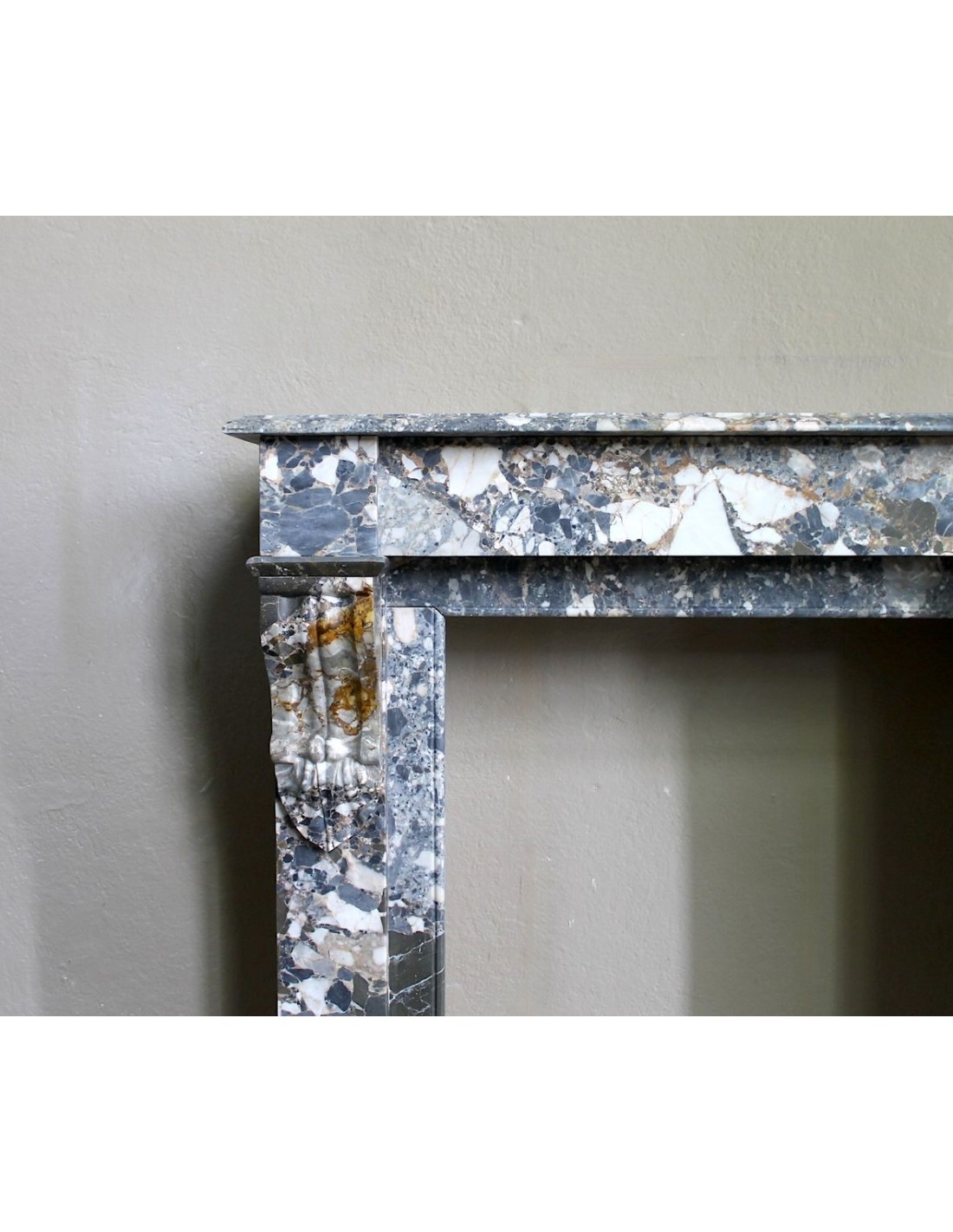
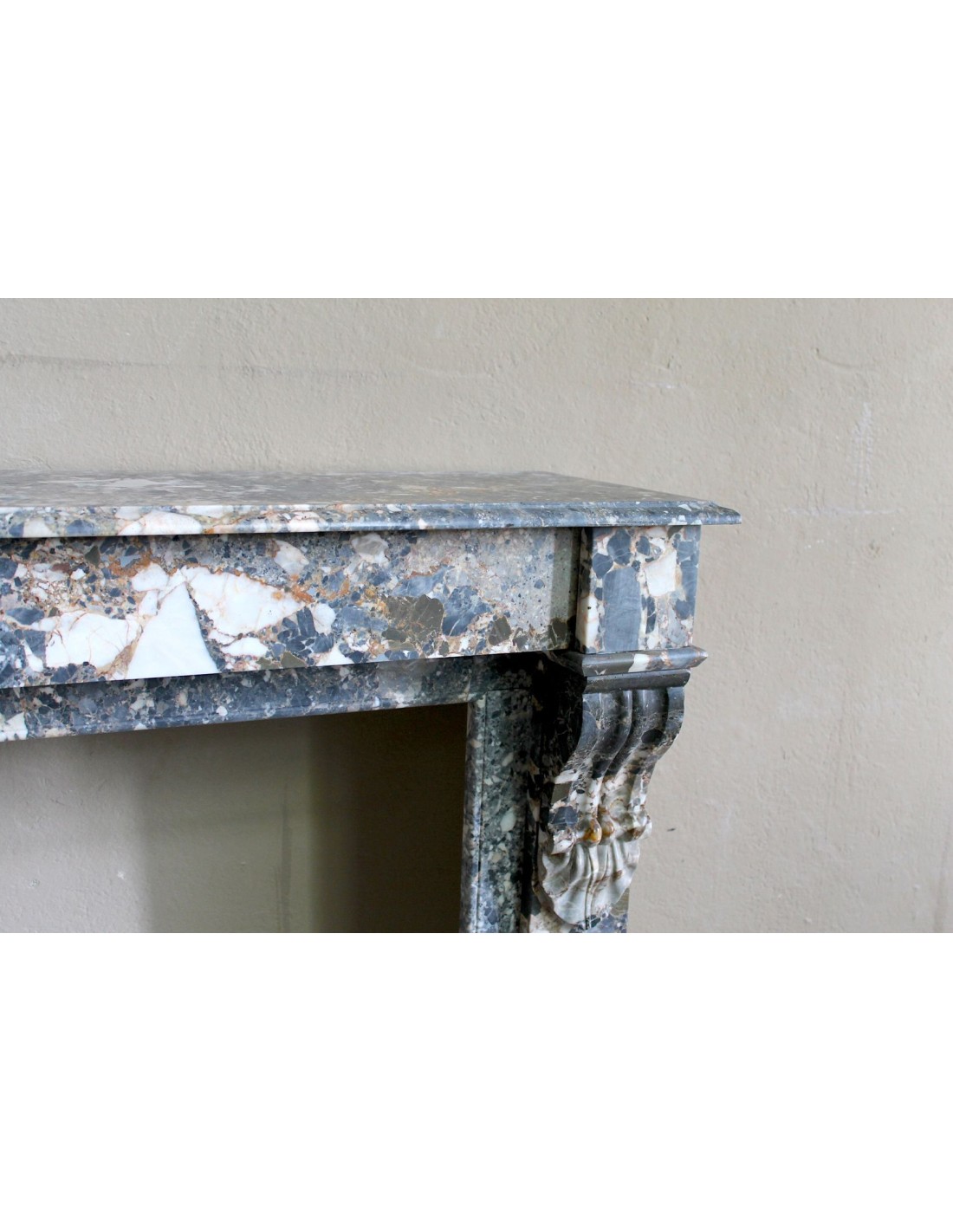
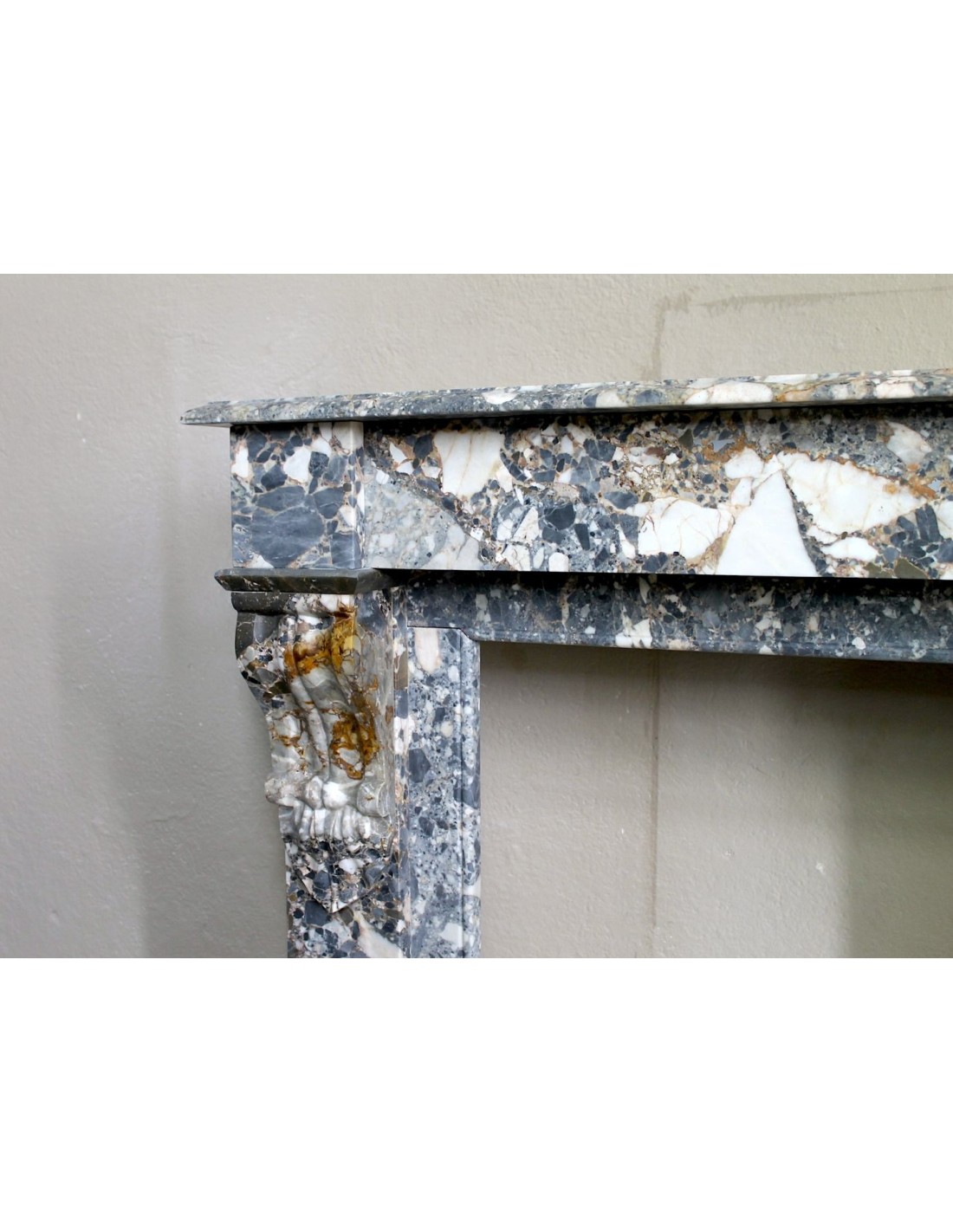
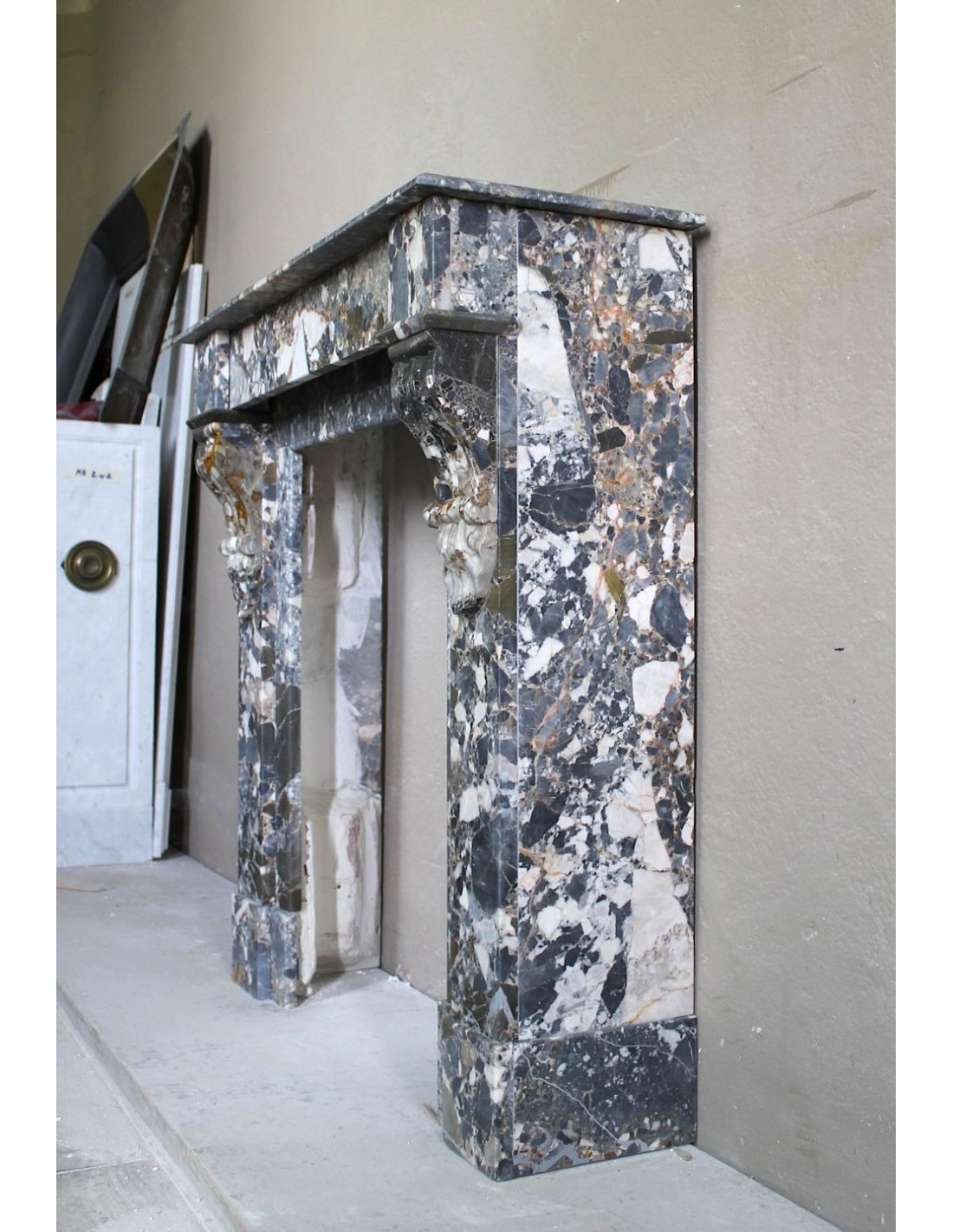
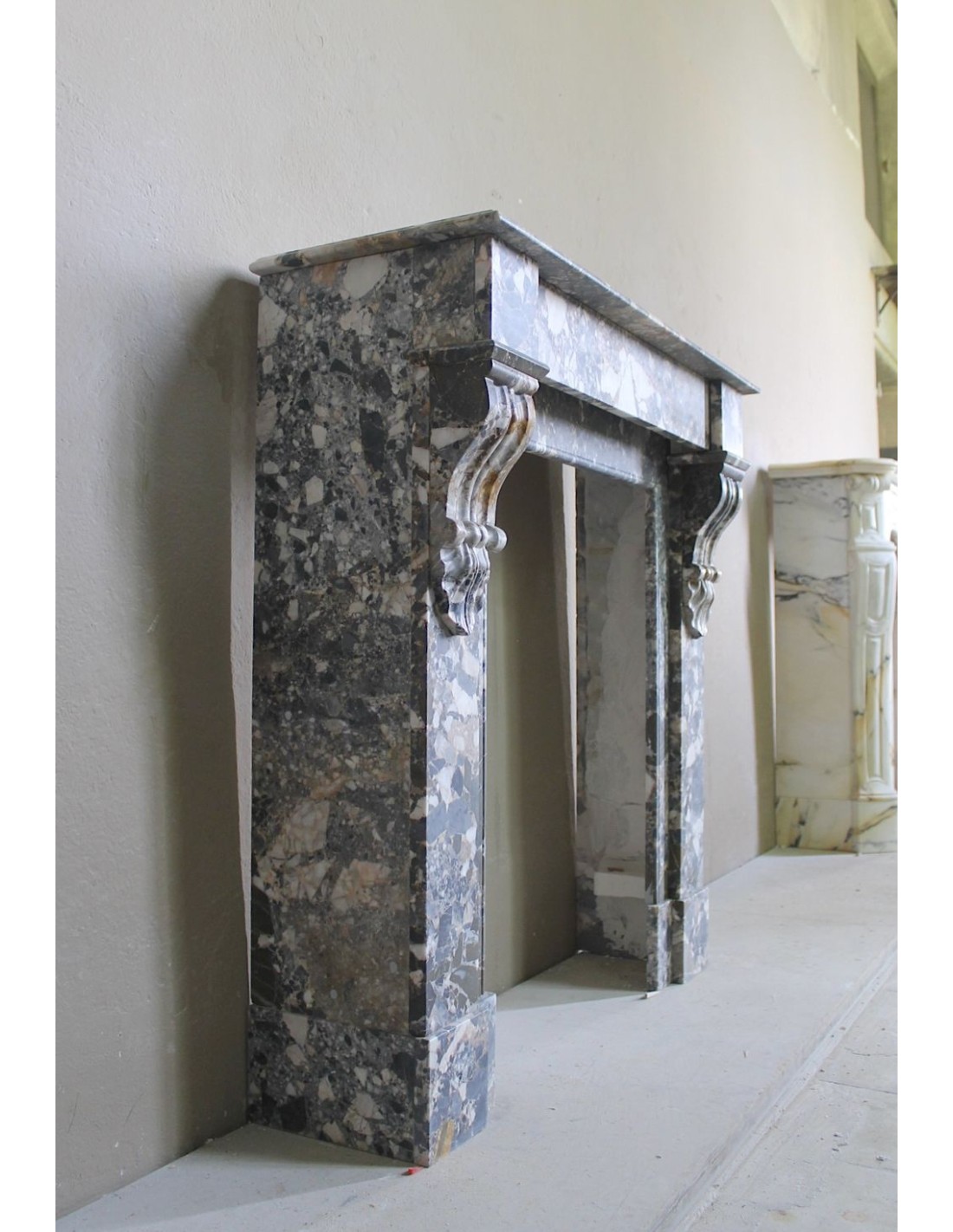
Its elegant jambs, crowned by finely proportioned barbacane capitals, the strength of its architectural composition, and the remarkable purity of its design all recall the harmony and balance of that extraordinary period.
Naturally, this nineteenth-century fireplace is not a Renaissance original. Rather, it is a refined reinterpretation of those timeless principles, thoughtfully adapted to a different age.
By the mid-nineteenth century, homes had become more intimate than the great Renaissance palaces. The princes and Florentine bankers who once commissioned monumental fireplaces had given way to a prosperous bourgeoisie seeking elegance without excessive grandeur.
This fireplace reflects precisely that evolution: all the dignity of Renaissance architecture, expressed on a scale suited to refined domestic interiors.
If you have read this far, perhaps you share the same curiosity that has always driven me. I have never believed that a fireplace should be described only by its dimensions or its condition. Every antique fireplace has a story, a personality and details worth discovering, and I enjoy sharing the things that strike me most whenever I present one.
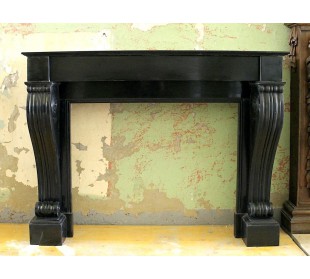
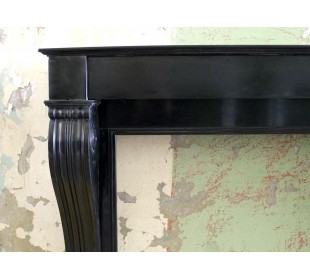
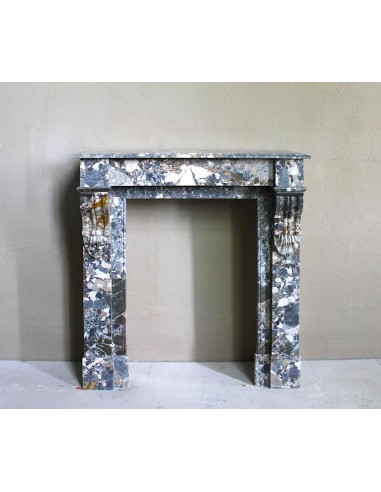
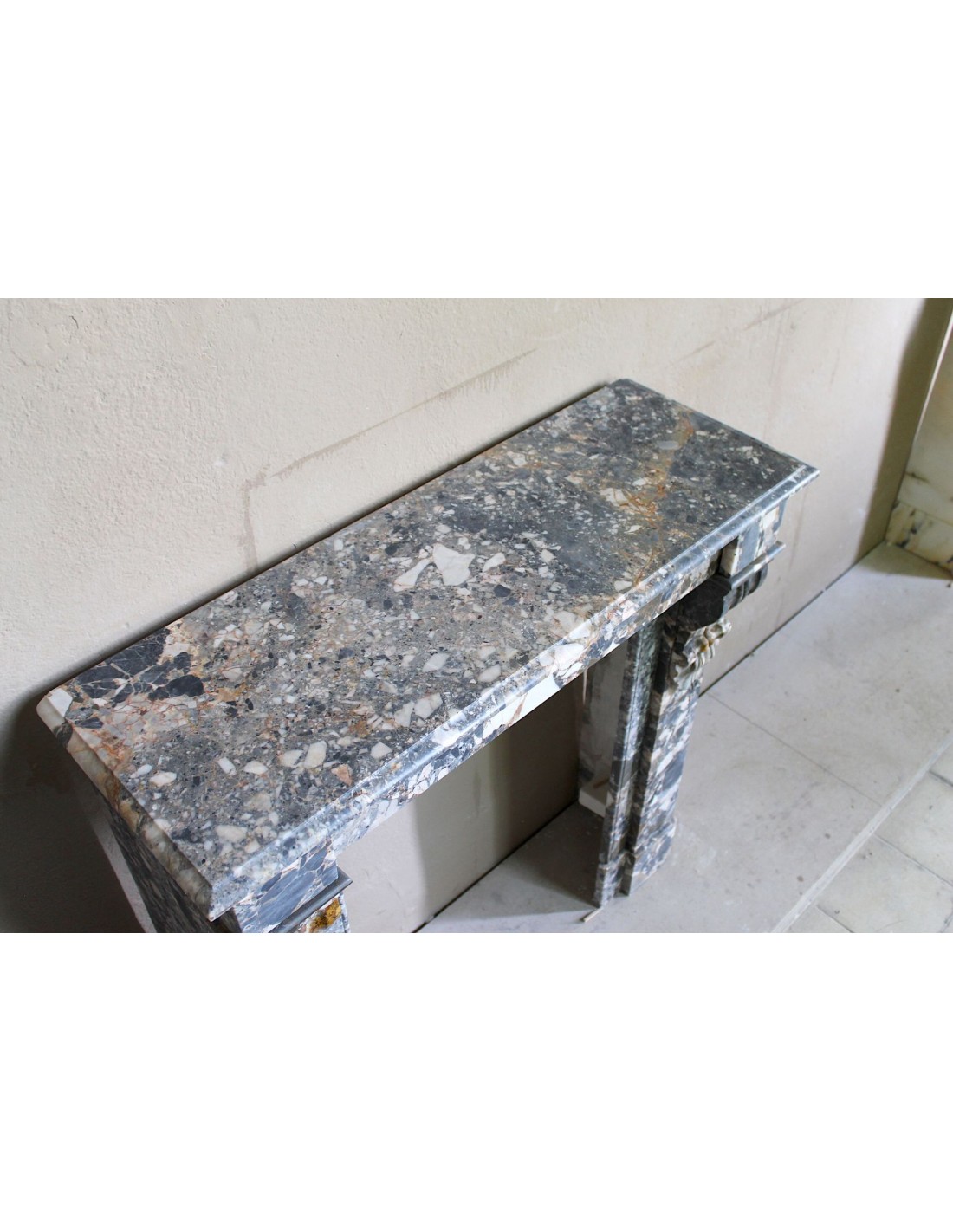
Turning now to the more practical information, this Louis-Philippe fireplace was recovered from a Parisian residence. It was carved in Provence—most likely in Nice or Marseille, where some of the finest French marble workshops flourished—between 1840 and 1860, and it remains in excellent condition, preserving both its original surfaces and its beautiful period patina.
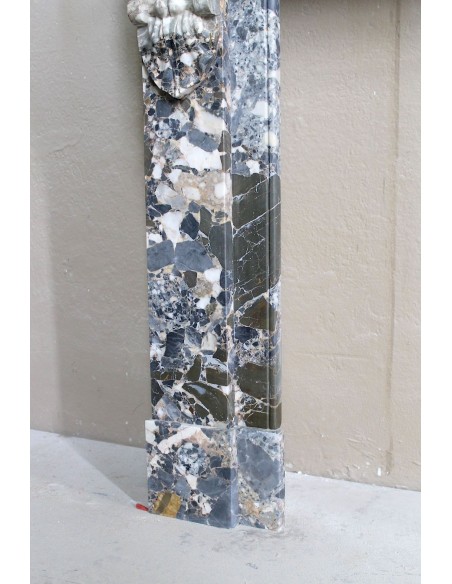
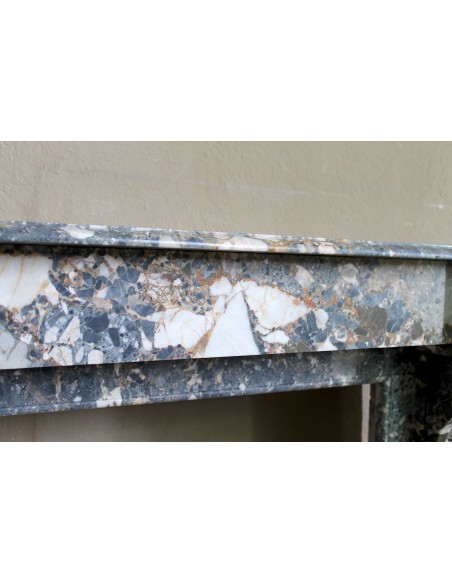
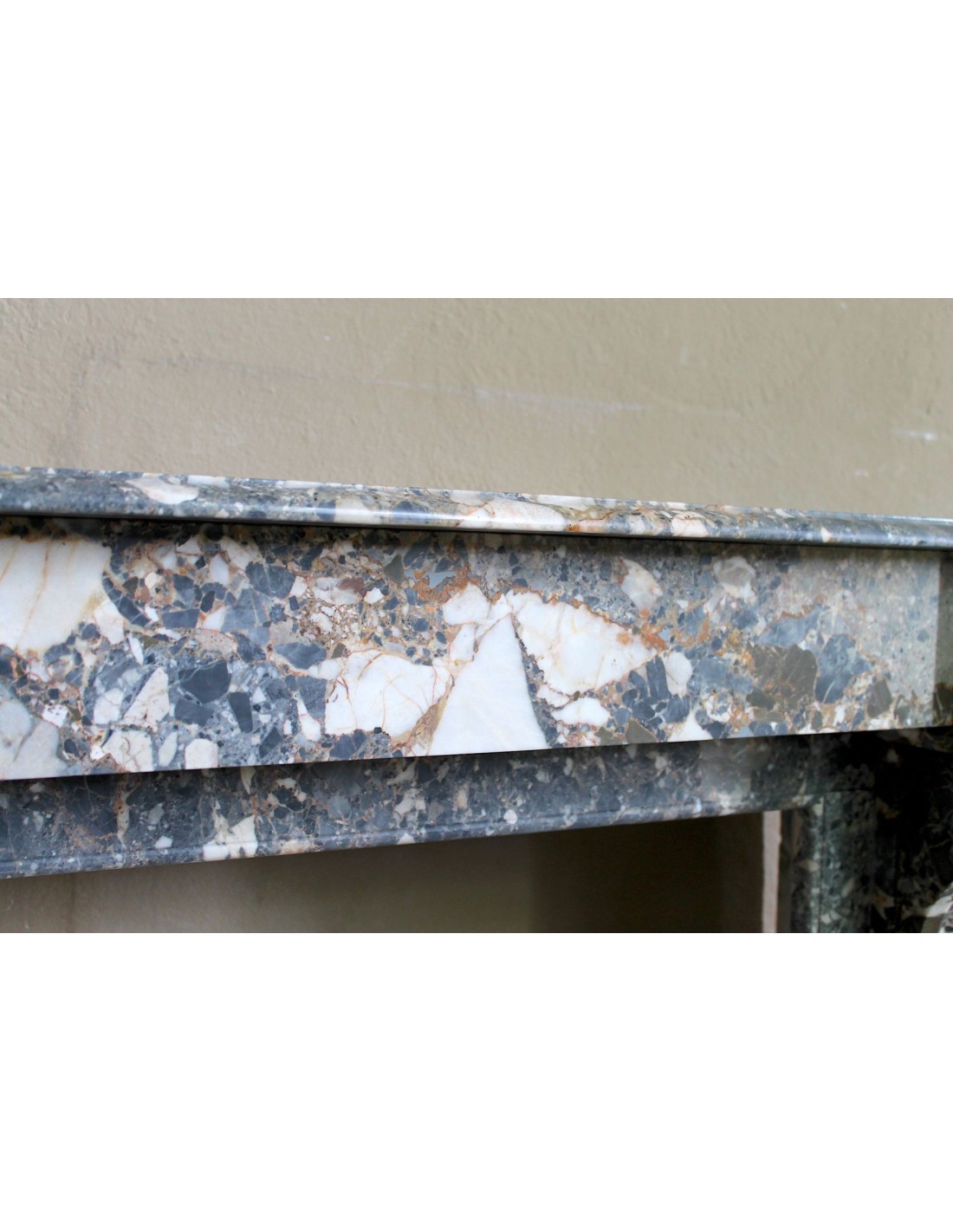
Its marble deserves special attention.
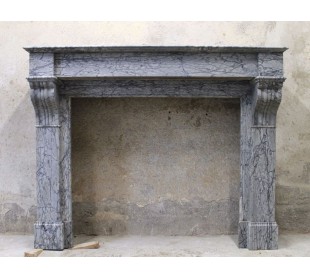
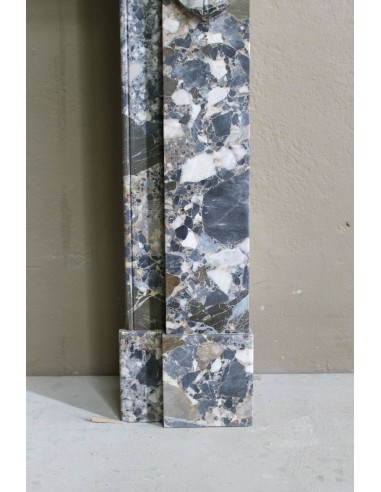
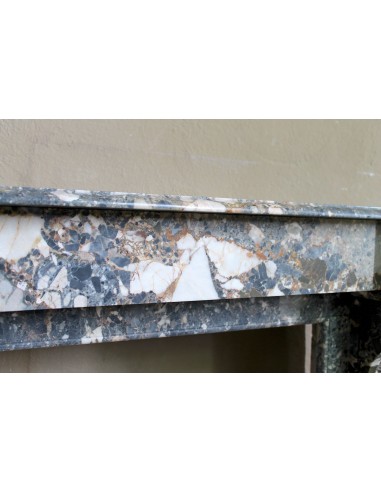
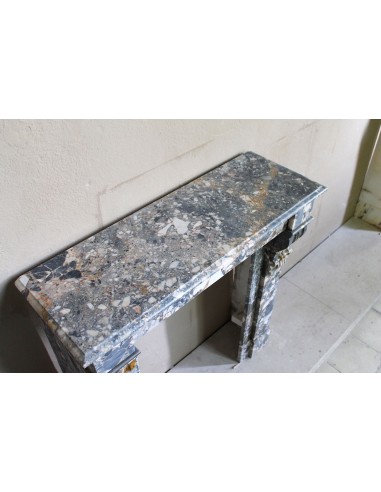
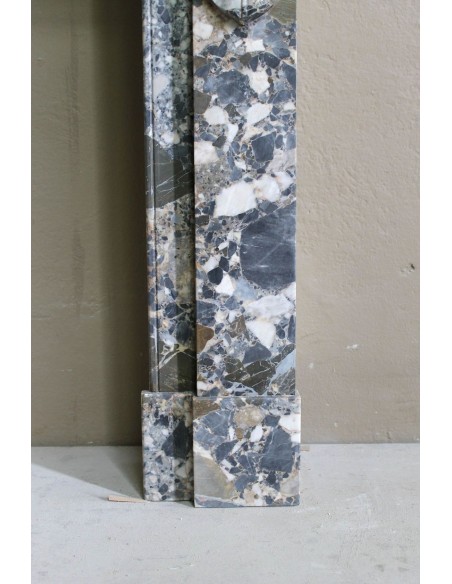
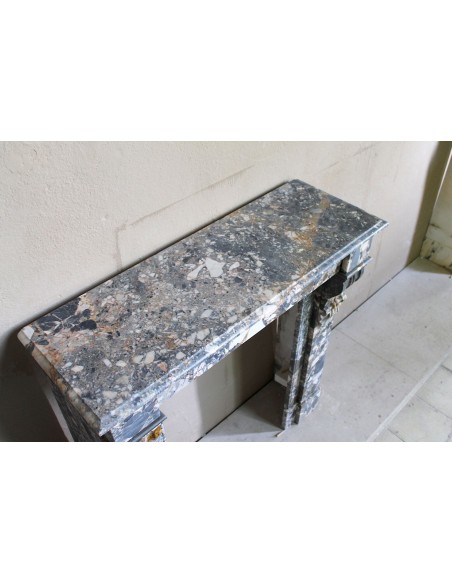
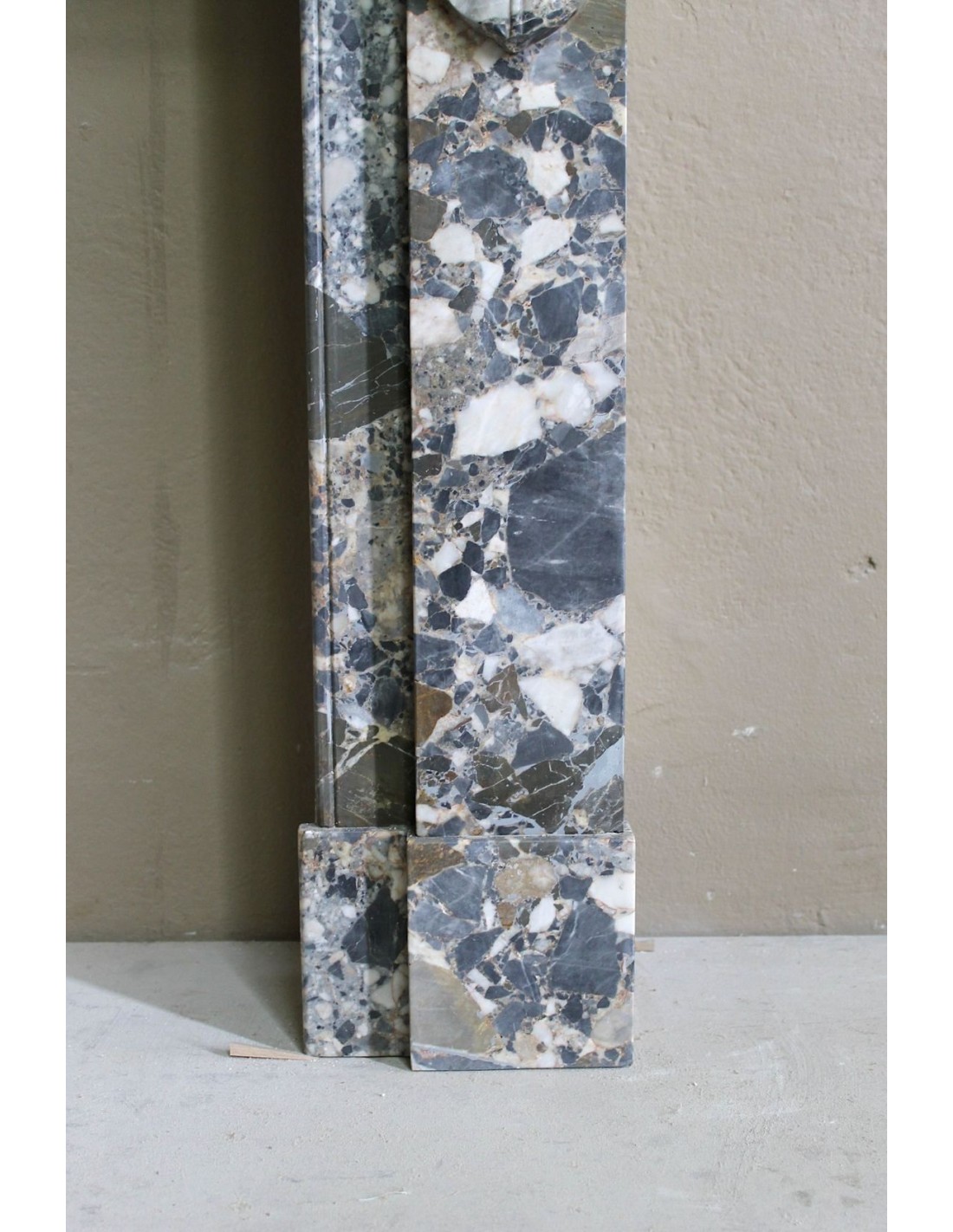
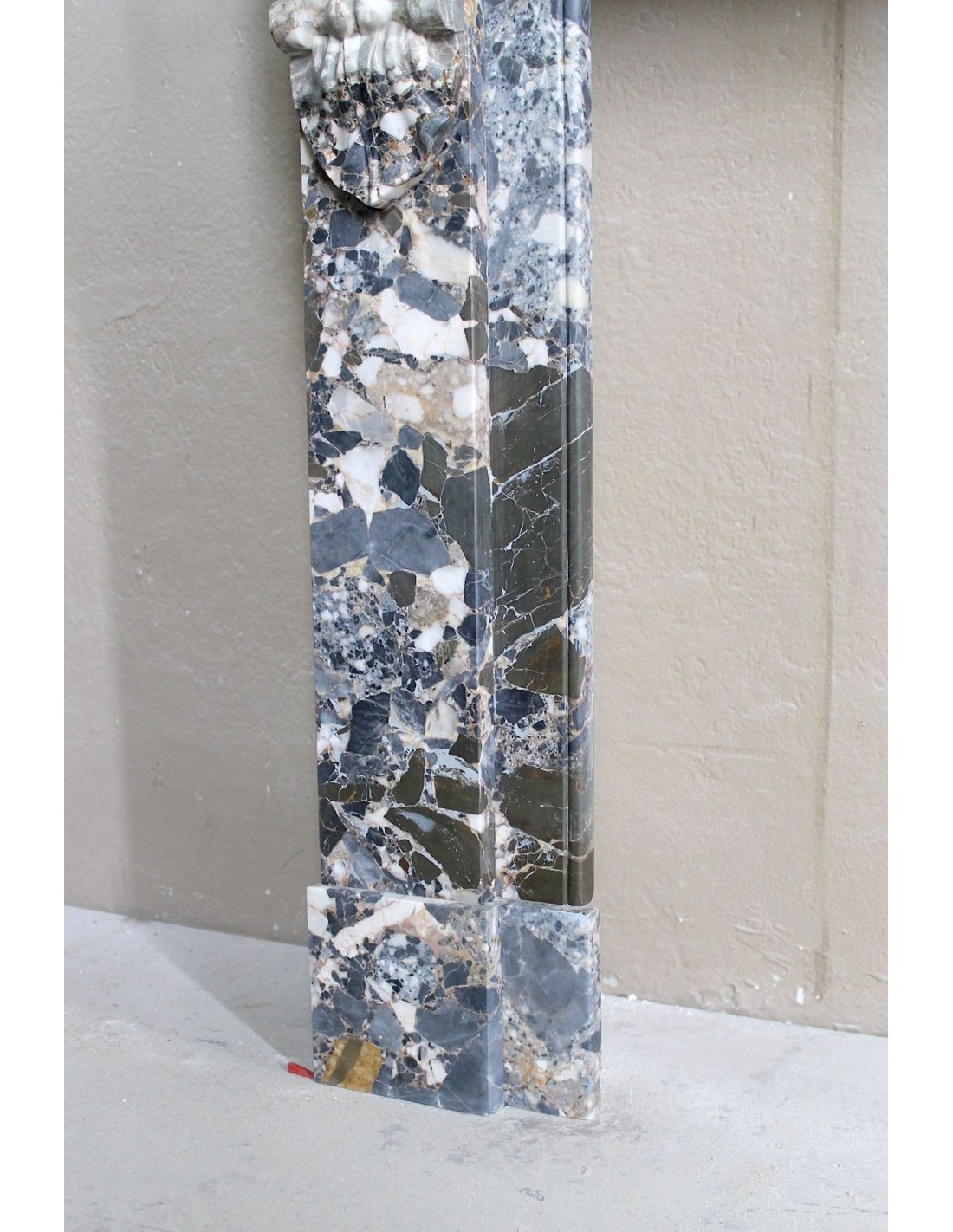
In Italy this remarkable stone is generally known as Pyrenean Breccia, while in France it is celebrated as Grand Antique Marble.
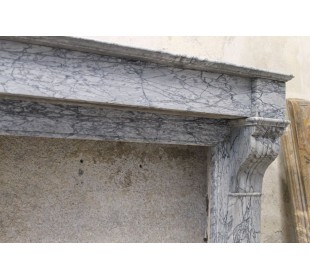
Despite its surprisingly modern appearance, Grand Antique has been admired since classical antiquity. Its dramatic interplay of deep black and brilliant white creates one of the boldest natural contrasts found in any decorative stone, making it instantly recognisable.
For centuries it has been selected for prestigious architectural commissions, monumental columns, elaborate mosaics and important interior decoration.
Its timeless appeal lies precisely in this striking visual dialogue between black and white—a contrast that continues to feel as contemporary today as it did hundreds of years ago.
I have now spent quite some time looking at this fireplace, wondering how best to describe the impression it made on me the very first moment I saw it.
Perhaps personal impressions have little place in a catalogue.
And yet, I cannot resist sharing this one.
Have you ever noticed how certain people possess an immediate, almost magnetic charm?
The French actor Yves Montand was often described in exactly that way. His presence captivated people instantly, with an elegance that required no explanation.
This fireplace has the same rare quality.
The moment your eyes meet the bold movement of its marble, with its powerful black-and-white veining, it becomes unforgettable.
And when one considers the remarkable value it offers for such an exceptional material...
It becomes even harder to walk away.